
Trucks are the backbone of American work and lifestyle, serving everything from heavy-duty hauling to weekend adventures.
But even the most reliable trucks aren’t immune to one of the harshest threats: rust. While some trucks seem to stay pristine for decades, others develop corrosion in just a few years, particularly in regions with heavy winter salt, high humidity, or coastal air.
Rust doesn’t just harm the appearance it can compromise safety, lower resale value, and make repairs prohibitively expensive.
For buyers looking for longevity, it’s crucial to know which trucks can withstand the elements and which are prone to premature rot. Below, we break down five truck cabs that consistently resist rust and five that historically develop early body rot.
Trucks With Cabs That Stay Rust-Free
Let’s be blunt: most truck cabs start rusting from the inside out, salt-laden slush packs into cab corners, moisture gets trapped in the rockers, and by the time you see bubbles, the metal’s already toast. But not every pickup is a ticking oxidation bomb. Some brands nailed the chemistry, the coatings, and the drainage; others, didn’t.
This guide is for U.S. buyers who deal with real winters, coastal air, muddy job sites, or all three. We’re focusing on trucks whose cabs stay clean the longest thanks to smarter design, better materials, and factory corrosion protection that holds up past year five.
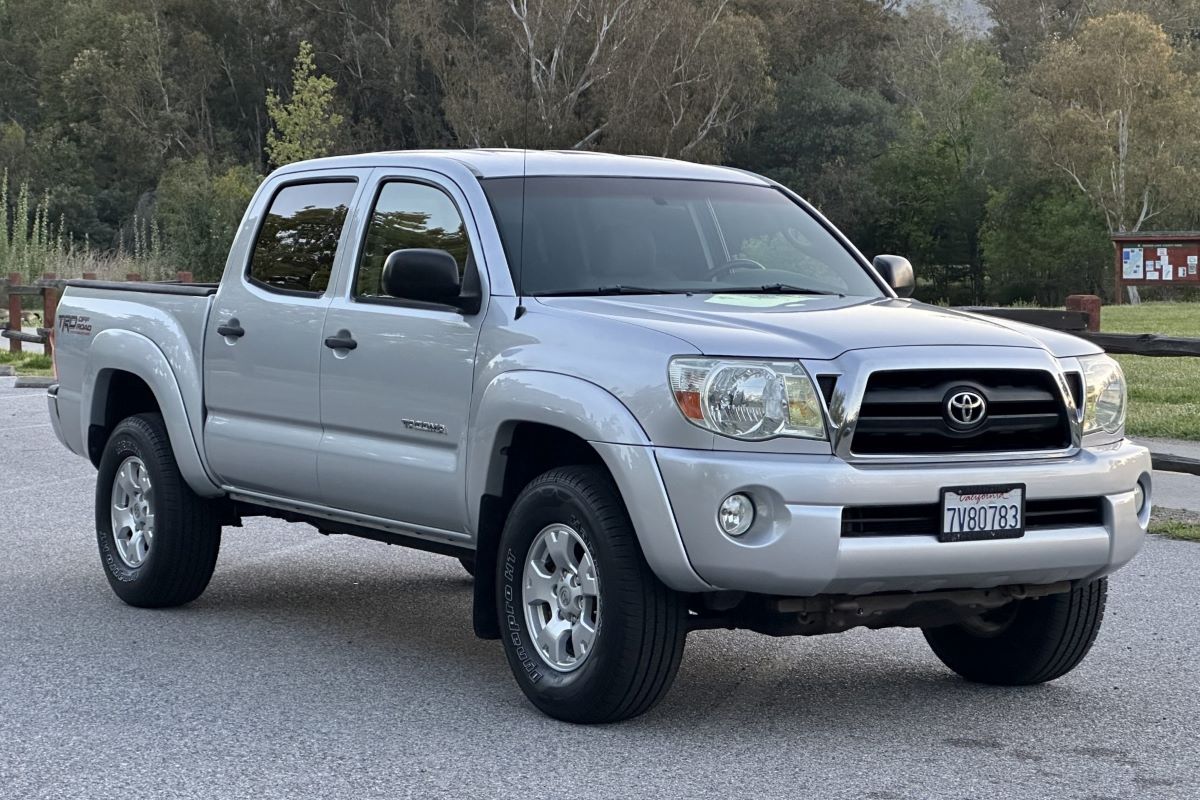
1. Toyota Tacoma (2005–Present)
The Toyota Tacoma has long been celebrated for reliability, but it also stands out for cab durability. Early models had minor frame and paint issues, but from 2005 onward, Toyota improved corrosion protection with better paint processes and galvanized steel panels.
Tacoma owners in snow-heavy regions like Minnesota or Michigan report minimal cab rust even after a decade, provided the truck receives regular washes to remove salt and grime.
Beyond rust resistance, the Tacoma’s reputation for mechanical reliability makes it a solid long-term investment for both work and recreation. Fully redesigned just three years ago, the current-generation Toyota Tacoma is often called a compact pickup, but in reality it’s more of a midsize.
Versatility is its strongest trait, with a broad range of cab styles, bed lengths, and trim levels that let buyers configure everything from a bare-bones standard cab work truck to a well-equipped crew cab capable of hauling the family while handling serious towing and payload duties.
Opt for the Double Cab (crew cab) with the long bed, and the Tacoma’s dimensions rival, and even surpass, those of a full-size domestic truck with a short bed, boasting both a longer wheelbase and greater overall length.
The cabin is impressively spacious, and Toyota has built in plenty of practical touches. The composite cargo bed resists scratches and dents, offers built-in storage compartments, and features adjustable tie-down cleats.
There’s even an optional 400-watt electrical outlet for powering tools or gear. While the available 236-hp V6 may not lead the class in output, its broad, smooth power delivery is more impressive in real-world driving than the spec sheet suggests.
Regular Cab and Access Cab models are available with either a four-cylinder or V6, while Double Cab models come exclusively with the V6. The base 2.7-liter four-cylinder produces 159 horsepower and 180 lb-ft of torque.
The 4.0-liter V6 delivers 236 horsepower and 266 lb-ft of torque. Four-cylinder models can be paired with a five-speed manual or four-speed automatic, while the V6 offers a choice between a six-speed manual and a five-speed automatic.
In testing, a Double Cab V6 with four-wheel drive and a long bed reached 60 mph in just 7.8 seconds, making it one of the quickest midsize pickups on the market. Rear-wheel drive or four-wheel drive is available across all body styles, and when properly equipped, the Tacoma can tow up to 6,500 pounds.
2. Ford F-150 Aluminum-Body Models (2015–Present)
Ford’s decision to switch the F-150 to military-grade aluminum was transformative. Aluminum naturally resists rust far better than steel, and when combined with modern sealants and e-coating, these trucks rarely see traditional cab corrosion.
While aluminum can oxidize under extreme conditions, it does not flake or weaken like steel, meaning cab panels often remain structurally sound for decades. For Americans in coastal or northern states, this makes the aluminum F-150 a standout in longevity and resale value.
The Ford F-150 has long been America’s go-to full-size pickup, and today it’s more versatile than ever, a vehicular multi-tool equally at home on a muddy job site or parked in front of a steakhouse in Platinum trim. Buyers can tailor it to fit almost any need, with trims ranging from the no-nonsense XL to the luxury-leaning Platinum Plus.
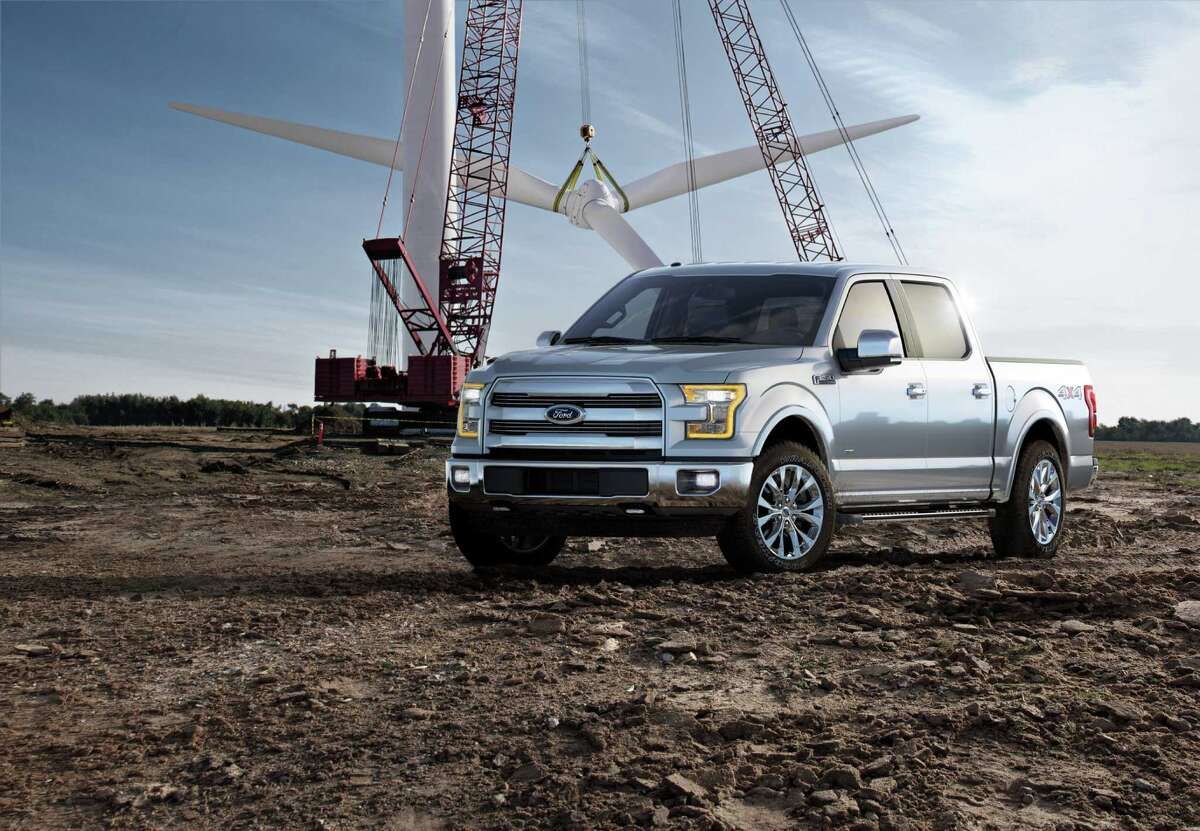
Powertrain options include a classic V8, two turbocharged V6s, and even a fuel-saving hybrid. Three cab sizes, Regular, SuperCab, and SuperCrew, plus three bed lengths give it plenty of configuration flexibility, and for those who like to play dirty, the Tremor model is built for off-road duty.
Inside, every model gets a bold cabin design, a 12.0-inch infotainment screen, and clever storage solutions. The F-150 remains a leader in towing and hauling, with available onboard scales that help keep payloads in check.
It’s not without strong rivals, the Ram 1500 pampers with near-luxury comfort, while the Chevy Silverado offers Super Cruise hands-free driving even when towing, a trick Ford’s BlueCruise can’t yet match, but the F-150’s breadth of capability and endless configurations keep it in the fight.
3. Ram 2500/3500 HD (2019–Present)
Ram’s heavy-duty trucks are engineered for endurance, and recent generations feature extensive rust-proofing. E-coating, galvanization, and improved underbody sealing drastically reduce the risk of cab corrosion.
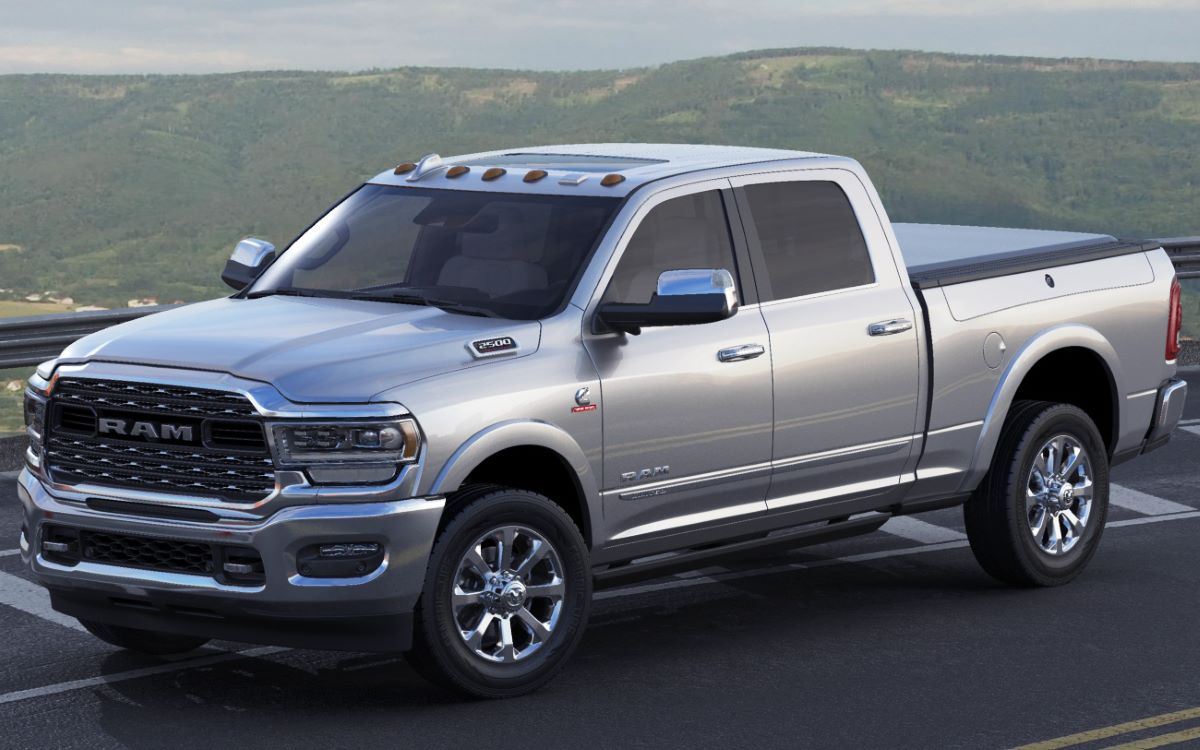
Even in environments with frequent snow, ice, and salt, these trucks show minimal signs of rust, particularly around high-risk areas like rocker panels and cab corners. For fleet buyers and contractors who rely on their trucks daily, this durability can translate into years of worry-free service.
The 2020 Ram 2500 sits squarely between the light-duty Ram 1500 and the heavy-hitting Ram 3500, offering a balance of capability and versatility. With a wide range of cab styles, bed lengths, engine choices, and drivetrain configurations, there’s a Ram 2500 to suit nearly any heavy-duty truck buyer’s needs. While updates for 2020 are minimal, last year’s full redesign means it still feels fresh and competitive.
That redesign brought major improvements, including a stronger frame with more high-strength steel, aluminum body panels to reduce weight and improve fuel efficiency, increased towing and payload ratings, and a more comprehensive suite of standard and available safety features.
Inside, the Ram 2500 borrows the premium cabin design from the Ram 1500, widely regarded as the best in the segment. Power options include a 6.4-liter gasoline V8 and a turbocharged 6.7-liter inline-six diesel, each offering serious muscle for work or play.
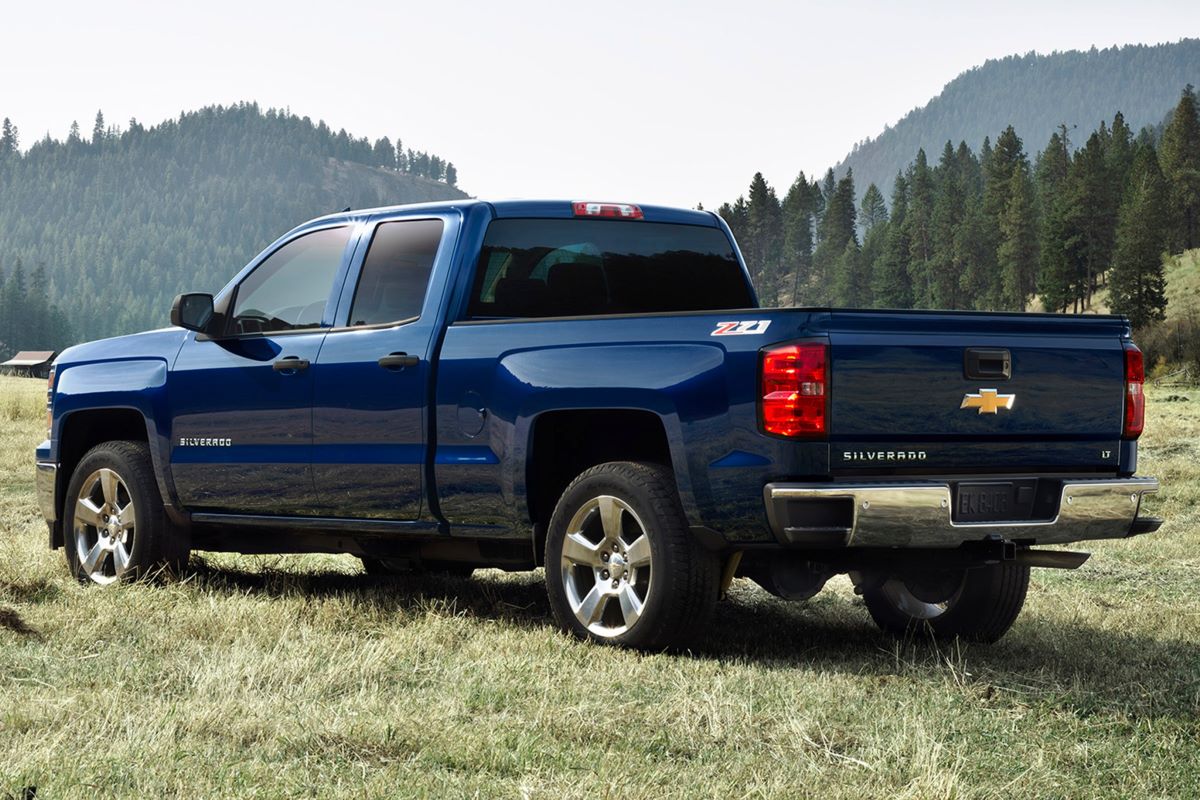
4. Chevrolet Silverado 1500 (2014–2018)
The K2XX-generation Silverado marked a turning point for GM’s corrosion control. With stronger rockers, improved undercoating, and carefully sealed joints, the cab holds up far better than previous generations.
Many trucks in northern states still maintain a clean appearance even after heavy use. For buyers considering long-term ownership, these models offer a rare combination of toughness and resistance to early body rot.
The full-size pickup segment has been undergoing a wave of positive change, with many of the most popular models receiving redesigns that boost power, improve fuel efficiency, and raise the bar for refinement.
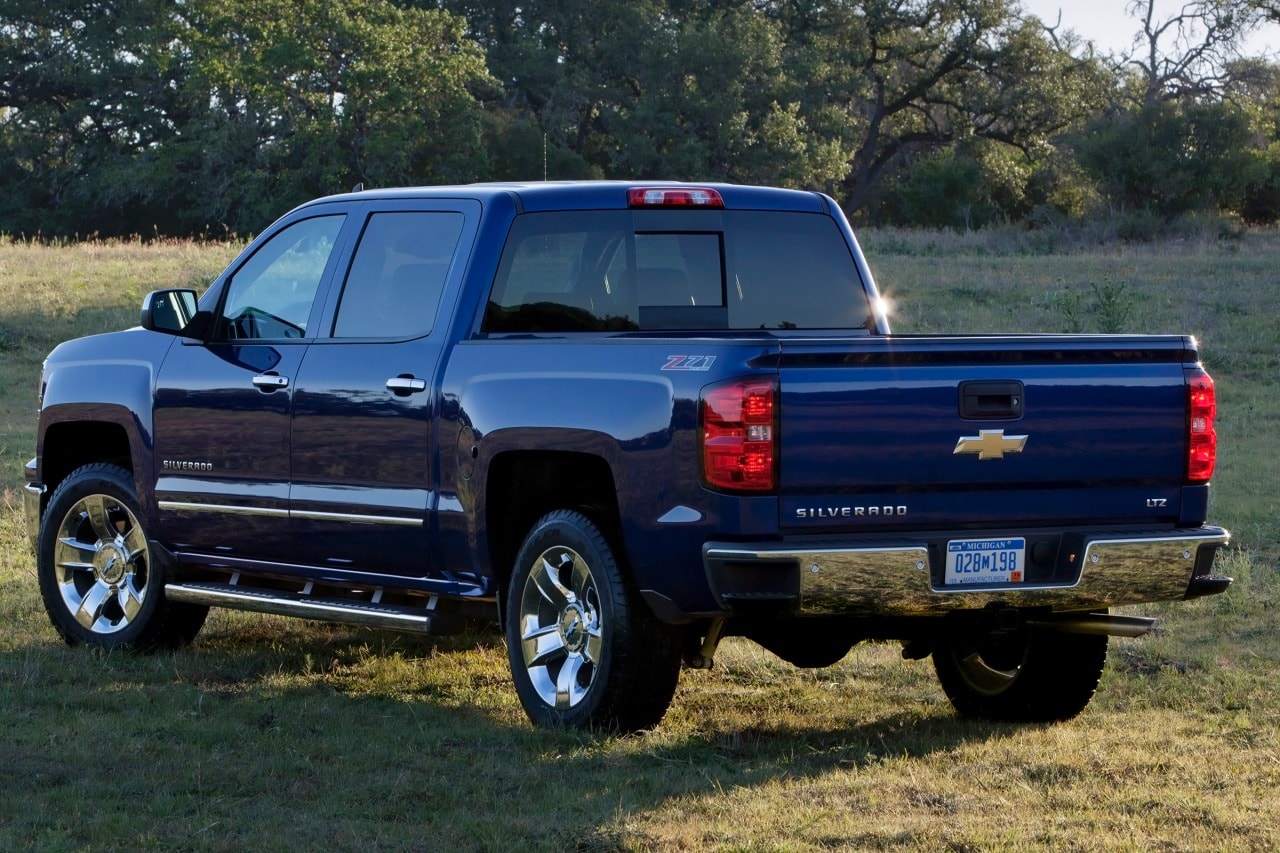
The Chevrolet Silverado 1500 was completely overhauled just last year, and the 2015 model carries forward the core strengths buyers have long associated with Chevy trucks, serious towing and hauling muscle, plus a wide array of configurations, while adding a more comfortable, better-built interior and a smoother all-around driving experience.
Inside, the Silverado doesn’t chase design trends, but its cabin is spacious, especially in the ever-popular crew cab configuration, and finished with high-quality materials. The ride is impressively quiet, and most trims deliver a smooth, almost relaxing driving feel. Whether you stick with the capable standard V6 or opt for one of the two available V8 engines, there’s plenty of muscle on tap.
The V6 can tow up to 7,600 pounds when properly equipped, while both V8s feature cylinder deactivation to conserve fuel under light loads. A new eight-speed automatic transmission is paired with the larger 6.2-liter V8 for 2015, helping Silverado models equipped with this combo tow up to 12,000 pounds and offering improved performance and efficiency when hauling heavy trailers.
There are trade-offs, though. The 6.2-liter V8 and eight-speed automatic are limited to higher trim levels, meaning you’ll need to pay more for maximum capability. Meanwhile, the standard six-speed automatic, paired with either the V6 or the 5.3-liter V8, has wide gear spacing, which can make towing near the upper limits more of a challenge.
5. Honda Ridgeline (2017–Present)
While the Ridgeline is technically a unibody pickup rather than a traditional body-on-frame truck, its cab durability is impressive. Honda’s advanced anti-corrosion coatings and high-quality paint keep the body rust-free for years, even in challenging climates.
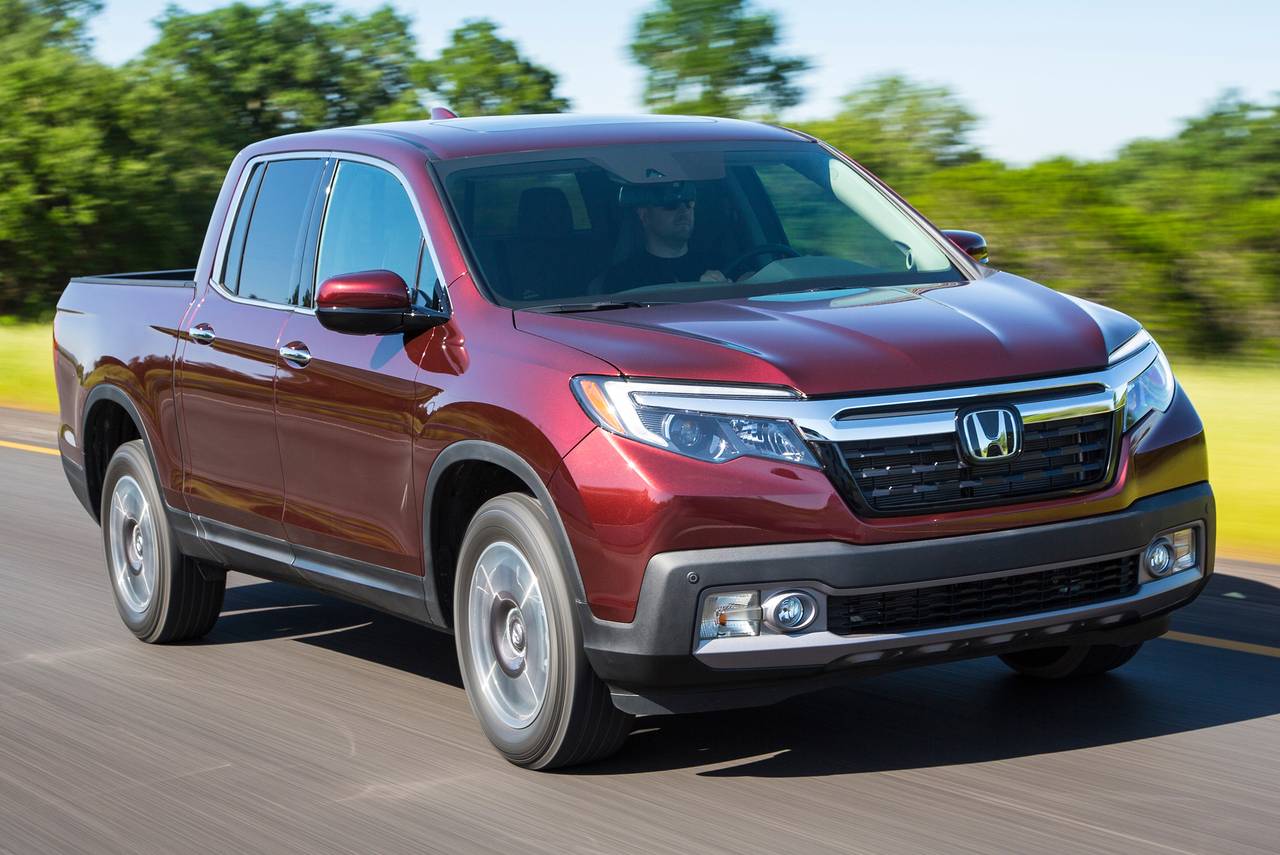
While it lacks the rugged off-road appeal of some competitors, the Ridgeline’s longevity and low maintenance requirements make it ideal for buyers who prioritize reliability and a truck that won’t fall victim to corrosion.
Trucks With Cabs That Develop Early Body Rot
This isn’t romantic patina, it’s brittle, spreading corrosion that ruins resale value, leaks into interiors, and ultimately turns a truck into a welding project you didn’t budget for. If you buy the wrong generation, trim, or year, you can find yourself paying for someone else’s cheap paint job and thin metal for years.
This guide is for people who want to avoid that slow-motion disaster. We’re zeroing in on trucks and specific generations that develop early body rot, why it happens, and how to spot it in a five-minute driveway check so you don’t buy a rust problem masquerading as a bargain.
1. Dodge Ram 1500 (2002–2008)
The 3rd-generation Ram 1500 had many strengths strong engines and smooth rides but rust was a serious weakness. Cab corners, lower doors, and rocker panels were especially vulnerable, and trapped moisture often accelerated corrosion.
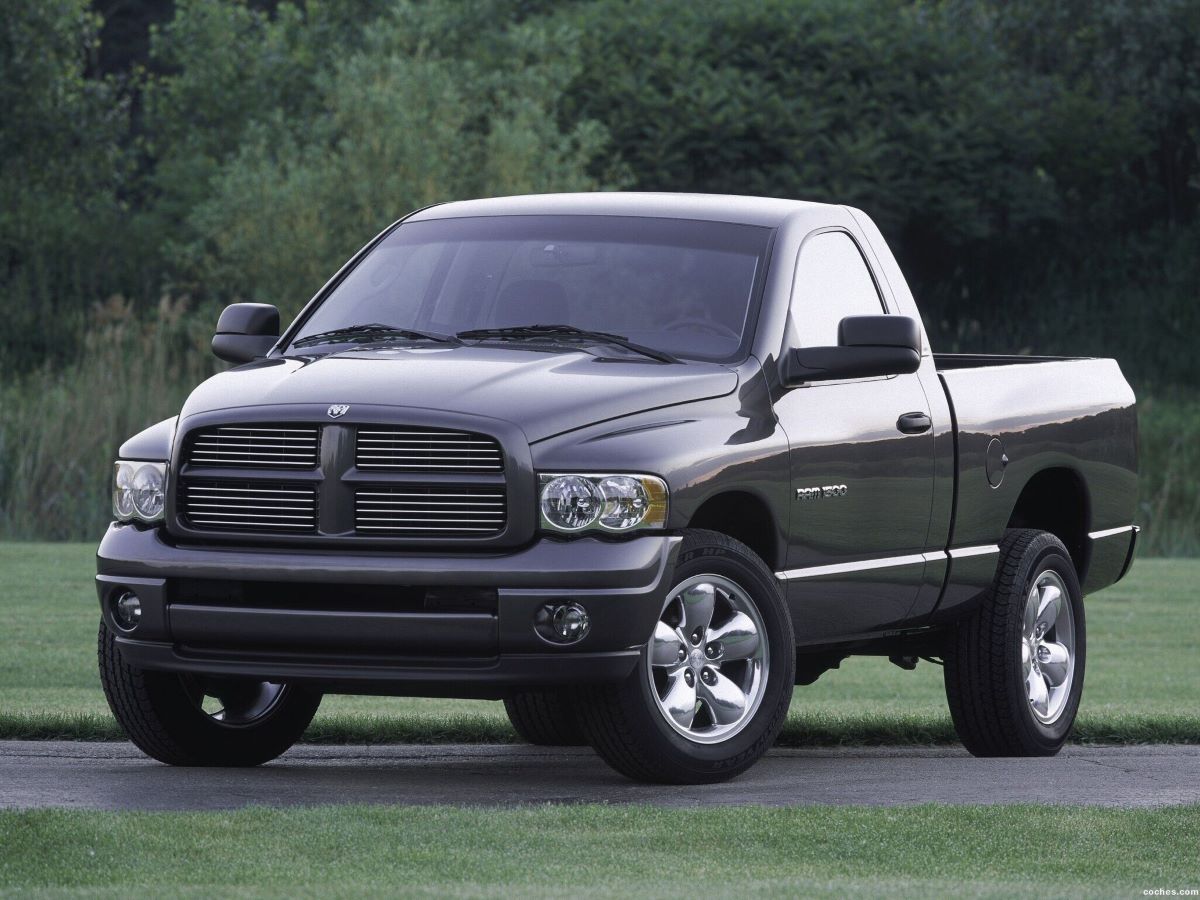
Northern buyers, in particular, experienced visible rust within the first 5–7 years. While mechanically sound, these trucks can require expensive body repairs if rust is not addressed early.
The early-2000s Dodge Ram 1500 was a sales hit, but it also earned a less flattering reputation in the rust department, especially in the cab corners, rocker panels, and lower door seams. The Quad Cab’s bigger passenger compartment was great for families, but the design’s drainage and seam-sealing left water and road salt with plenty of hiding spots.
In states that see real winters, you can spot these trucks by their telltale bubbling paint around the rear doors and the jagged metal behind the plastic cab-corner covers.
Structurally, they hold up for a while, but once rust takes root, repairs mean major panel work or replacement, often costing more than the truck’s resale value. If you’re shopping one, budget time for a flashlight crawl underneath and run your hands along the inside seams; these Rams can look clean from the outside while rust is already chewing through from the inside out.
2. Chevrolet Silverado/GMC Sierra (1999–2006)
The GMT800 platform Silverado and Sierra trucks were popular for their durability and towing capability, but corrosion resistance was lacking. Rocker panels, cab corners, and wheel wells were notorious for rusting, especially in salt-heavy regions.

Many trucks from this era needed patchwork repairs or replacement panels after a few winters. Buyers today should inspect these areas carefully when shopping for older models.
Early-2000s Chevy Silverados, especially in northern climates, are notorious for cab rust, and the updated Work Truck and LS trims didn’t escape it. The regular and extended cabs often start bubbling at the rear cab corners and along the rocker panels, where road salt and moisture love to linger. Once the outer panels start to blister, you can bet the inner rockers and cab supports are already in trouble.
Chevy’s seam sealing and drainage in this generation left plenty of traps for debris, so trucks that haven’t lived their lives in a dry state often need major metal work by the time they’re 10 years old. A clean-looking Silverado from this era might be hiding rust behind the plastic step covers, pull them back and you’ll often find a flaky surprise
3. Ford F-150 (1997–2004)
The 10th-generation F-150 sold in huge numbers, but its corrosion protection fell short of the mark. Lower doors, cab corners, and roof seams were particularly susceptible to rust, with many trucks developing bubbling paint and visible rot within just a few years of northern use.
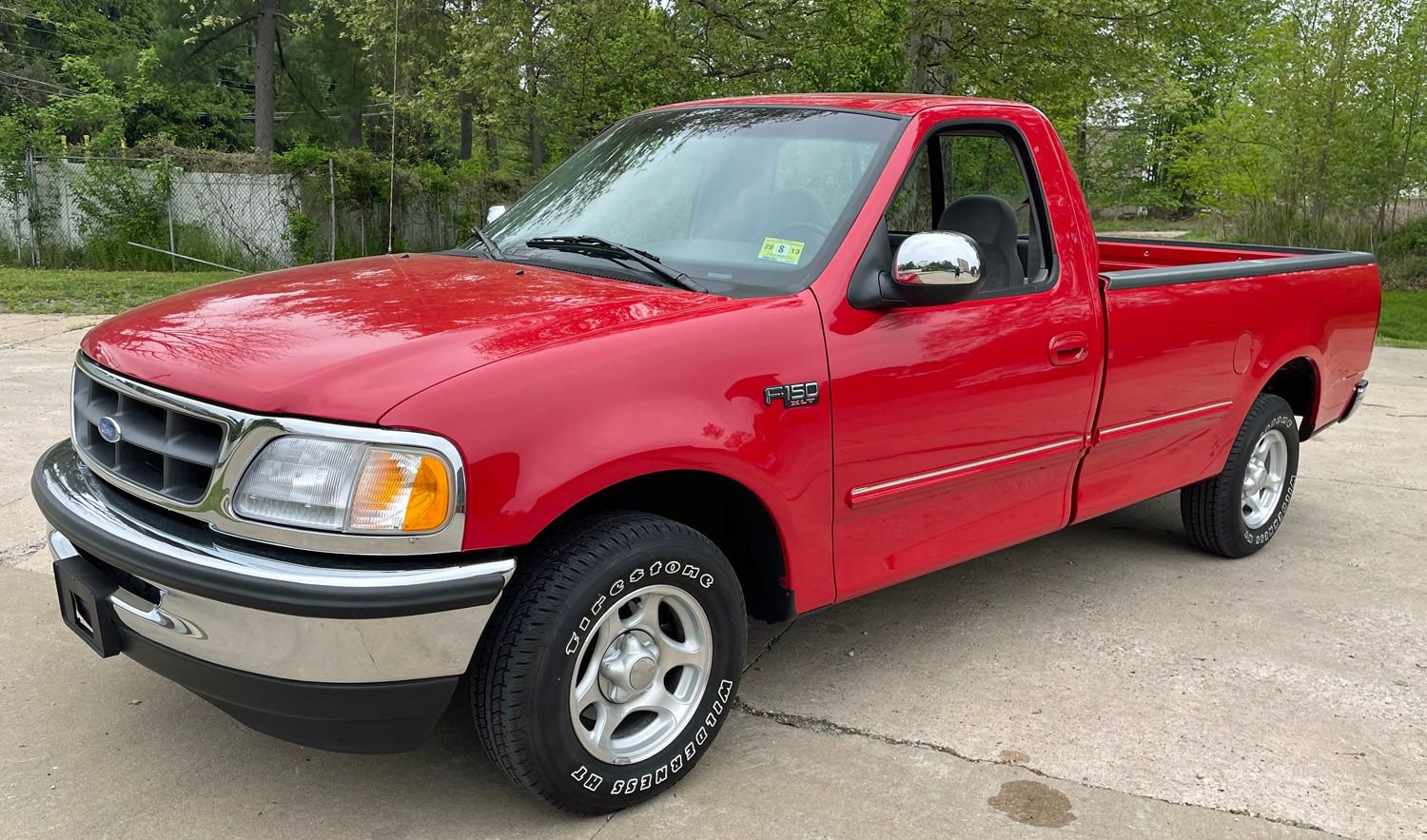
While these F-150s are mechanically reliable, buyers need to factor in the potential cost of rust repairs. The 2022 Ford F-150 may be loaded with powertrain choices, from a fuel-sipping hybrid to a tire-churning V8, but that versatility doesn’t make it immune to the long-standing rust concerns Ford owners know all too well.
While the aluminum body introduced in 2015 means you won’t see the same bubbling on door skins and rocker panels that plagued older steel-bodied F-150s, corrosion hasn’t been banished entirely. Road salt and moisture can still creep into the seams at the cab corners, door frames, and bed-to-cab junction, where dissimilar metals meet.
And don’t think aluminum can’t corrode, it just does it differently, often turning white and powdery instead of brown and flaky. Trucks that spend winters in the Rust Belt still need frequent underbody washes, because the steel frame and suspension components underneath will rust just as aggressively as ever, and when they do, they take mounts and cab supports with them.
4. Nissan Titan (2004–2015)
The first-generation Titan was strong under the hood but weak in rust protection. Cab bottoms, rocker panels, and under-door areas often showed corrosion within a few winters, especially in the northern United States.
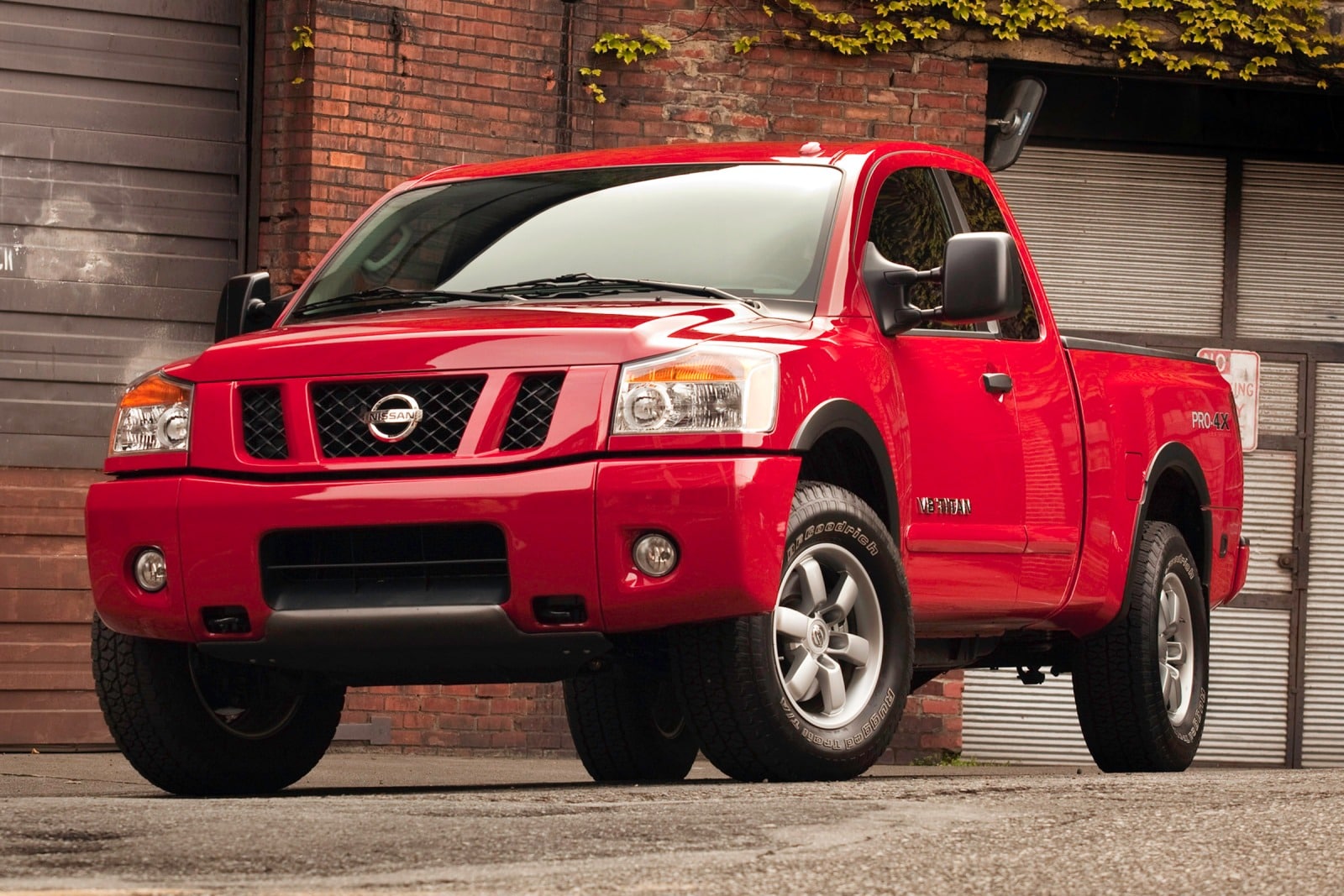
Moisture trapped in poorly sealed areas accelerated body rot, making preventative maintenance and regular washes essential for long-term ownership.
When Nissan launched the Titan, it was out to prove that a Japanese automaker could build a full-size pickup that stood toe-to-toe with Detroit’s best. And for a while, it did, big V8 power, a roomy cab, and strong towing capacity earned it praise, even topping comparison tests early on.
But by 2011, the Titan was eight years into its first generation with no major redesign, and that age showed, not just in its features and performance, but also in its rust resistance. Owners in salt-belt states have long noted that early Titans were prone to corrosion at the rear cab corners, rocker panels, and wheel arches, sometimes well before the odometer hit six figures.
The frame and undercarriage weren’t immune either; road salt could accelerate rust on crossmembers and cab mounts, leading to expensive repairs. While the truck’s 5.6-liter V8 and 9,500-pound towing capacity kept it relevant in terms of muscle, competitors from Chevrolet, Ram, Ford, and Toyota were offering fresher designs with better protection against the elements, leaving the Titan’s body rot issues one more reason to look elsewhere.
5. Toyota Tundra (2000–2006)
While Toyota generally excels at longevity, early Tundras had thin undercoating and limited anti-corrosion measures.
Cab rust was less publicized than frame issues, but owners in snowy climates frequently reported problems with rocker panels and cab mounts. Compared to newer models, these early Tundras require extra vigilance to prevent premature body rot.
When Toyota introduced the Tundra, it marked the brand’s first real push into the full-size pickup market, a maximum-sized truck designed to go head-to-head with American heavyweights.
The available 4.7-liter I-Force V8, borrowed from the Land Cruiser and Lexus LX 470, delivered a refined 245 horsepower and 315 lb-ft of torque, paired exclusively with a four-speed automatic. A 3.4-liter V6 was standard on regular cabs, with a manual or automatic transmission, and the Tundra could tow up to 7,000 pounds with the right package.
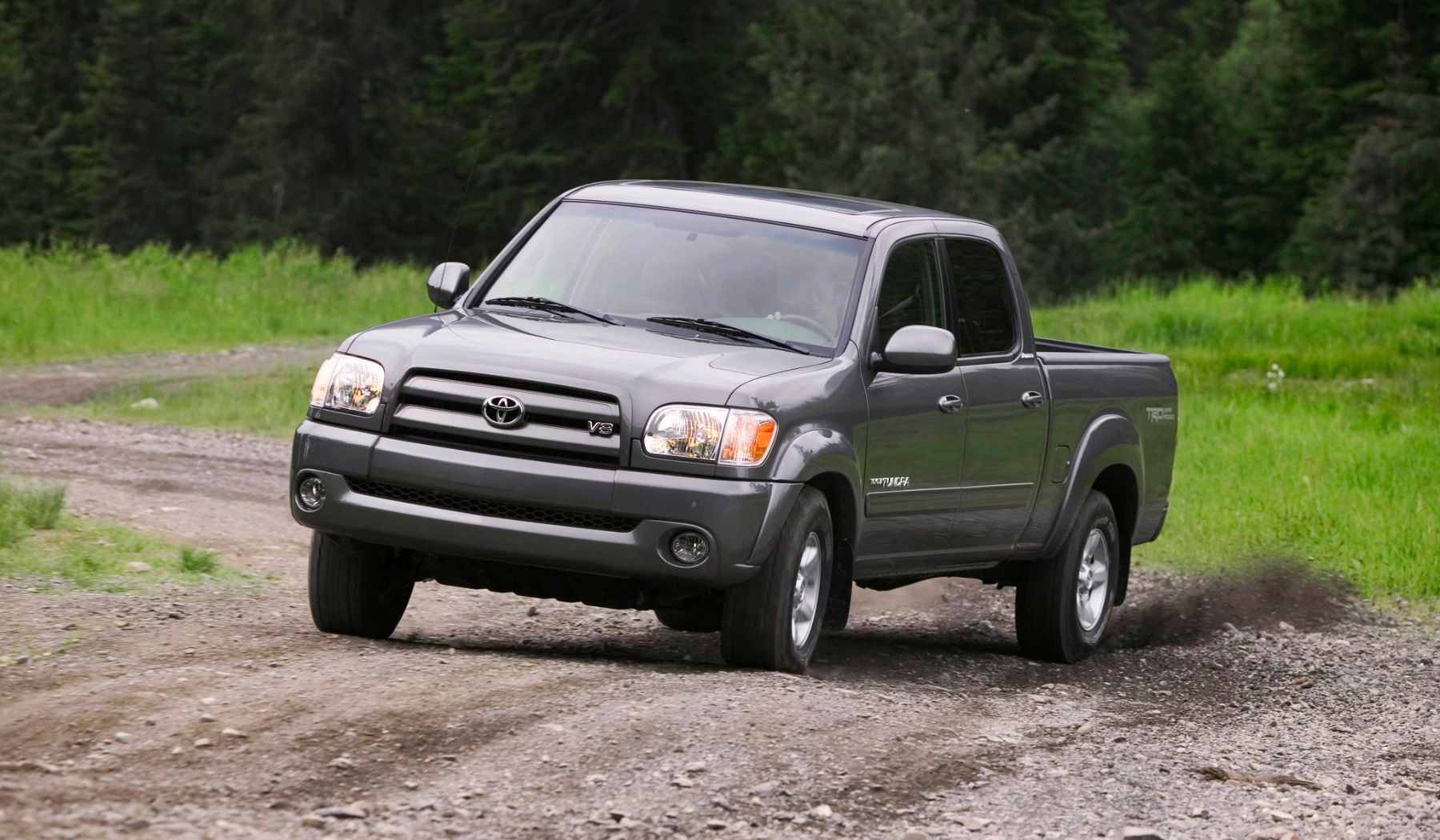
On paper, it had the muscle. In reality, the first-generation Tundra’s configuration limitations and compact interior made it less versatile than the competition. Extended-cab “Access Cab” models offered small rear doors and cramped rear seats, and Toyota’s trim and option packages were far more restrictive than what Ford, Chevrolet, Dodge, and GMC offered.
Compounding these shortcomings was a vulnerability to rust, particularly in northern climates. Early Tundras became notorious for frame and underbody corrosion, a problem so widespread that Toyota eventually issued recalls to replace entire frames
Tips for Rust Prevention and Smart Buying
- Inspect Before Buying: When purchasing a used truck, focus on rocker panels, cab corners, wheel wells, and door sills. Rust in these areas is often the first sign of body rot.
- Consider Climate: Buyers in northern or coastal states should prioritize rust-resistant models, especially those with galvanized steel or aluminum panels.
- Regular Cleaning: Frequent washes, especially in winter, help remove salt and debris that accelerate corrosion. Don’t forget undercarriage cleaning.
- Protective Coatings: Applying wax, sealants, or aftermarket rustproofing can extend the life of susceptible trucks.
- Long-Term Investment: Trucks with proven rust resistance often hold their resale value better, making a slightly higher purchase price worthwhile in the long run.
In conclusion, while trucks are designed for durability, not all cabs are created equal when it comes to rust resistance. Brands like Toyota, Ford (aluminum models), Ram, Chevrolet, and Honda have made significant strides in corrosion protection, giving buyers peace of mind for years of use.
On the other hand, older Dodge, GM, Ford, Nissan, and early Toyota models require careful inspection and proactive maintenance to avoid costly body repairs.
For anyone looking to invest in a truck that stays strong and rust-free, understanding these patterns is just as important as considering horsepower or towing capacity.
