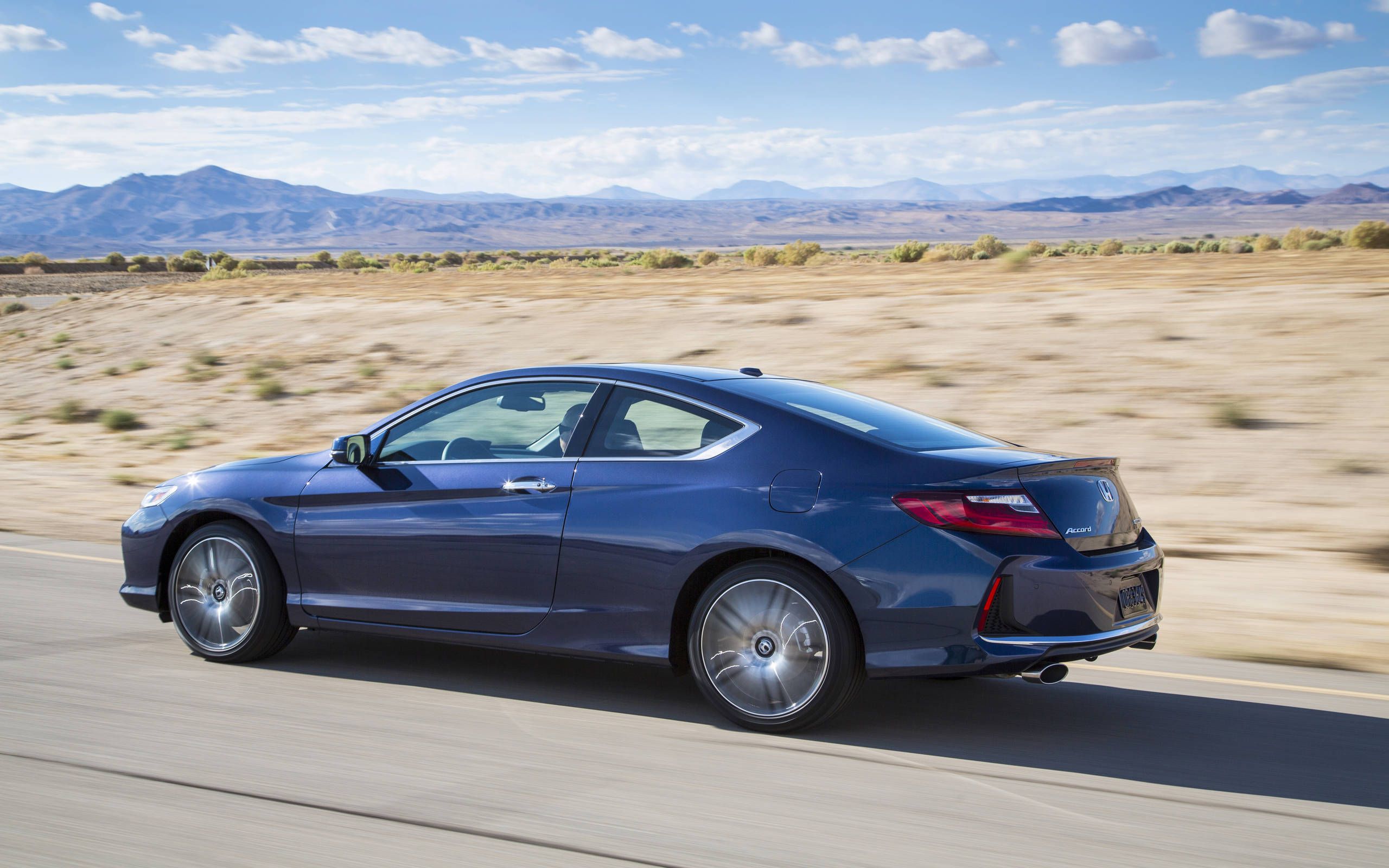
A car’s transmission is more than just a mechanism that transfers engine power to the wheels it defines the entire driving experience.
Whether you’re commuting on crowded city streets, cruising on the interstate, or towing heavy loads in the American heartland, the quality of your transmission can make or break a ride.
A smooth, quiet gearbox makes acceleration seamless and effortless, while a transmission that groans, whines, or screams under load can make every drive feel tense and may indicate long-term mechanical stress.
In the U.S., where drivers often cover long distances and require reliability for everything from daily commutes to hauling trailers, transmission performance is a top priority.
Here, we break down five car transmissions known for their silent, smooth operation and five that are notorious for screaming, whining, or rattling when stressed. This guide can help American drivers make informed choices when shopping for a new or used car.
Transmissions with No Whines
A whining transmission isn’t just irritating; it’s a symptom. Bearings, gear lash, fluid condition, and load path all shape the soundtrack your drivetrain makes.
In the paragraphs that follow, we’ll break down the most common mechanical causes, diagnostic checks you can perform without expensive tools, and the targeted fixes that actually stop the sound, not just mask it. Expect clear diagrams, real-world troubleshooting steps, and the parts of the job you can trust to a shop versus those you can tackle yourself.
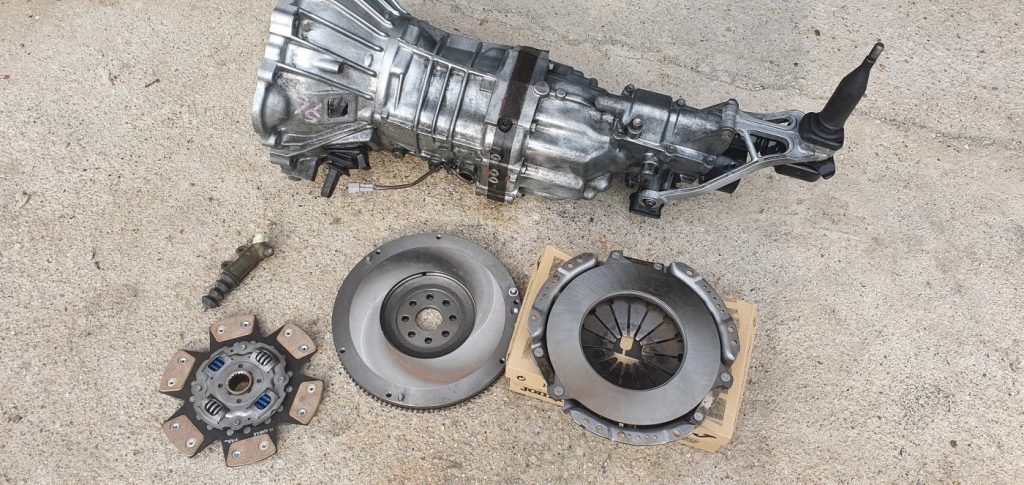
1. Toyota Aisin-W58 Manual
Toyota’s Aisin-W58 five-speed manual is legendary for its durability and quiet operation. Found in vehicles like the Supra and MR2, the W58’s gears are precision-machined and heavily lubricated, resulting in virtually silent shifts even under spirited driving conditions.
This transmission is particularly appreciated by enthusiasts who push their cars hard but still want a gearbox that doesn’t create unnecessary noise. Its reputation in the U.S. is bolstered by Toyota’s strong reliability track record, making it a safe bet for long-term ownership.
2. Honda ZF6 Automatic
Honda’s ZF6 automatic transmission, used in vehicles such as the V6 Accord and some Acura models, offers smooth, precise shifting with minimal noise. Hydraulic control systems and robust gearing allow it to handle higher torque without generating excessive whine.
U.S. drivers commuting on highways or navigating stop-and-go city traffic will notice its refined character, which blends comfort and performance a reason why Honda sedans remain popular for both families and enthusiasts.
In a market where seven-, eight-, and even nine-speed automatic transmissions have become commonplace, Honda remains a steadfast outlier. While other manufacturers embrace extreme gear ratios, thanks to innovations like Lepelletier planetary gearsets and advanced computer controls, Honda has stayed loyal to its traditional transmission architecture. A 10-speed may be on the horizon for others, but Honda has charted a different course.
Honda’s foray into automatics began in the mid-1970s with the Hondamatic two-speed, a design that broke from conventional planetary setups. Instead, it used gearing more akin to a manual transmission, even incorporating a synchronizer assembly for forward and reverse.
Over time, that two-speed evolved into a three-speed, then a four-speed, not through software or re-engineering, but simply by adding more gears, more iron. In the same era, other automakers expanded ratios in their planetary transmissions the same way: by increasing part counts (think 200 to 200-4R or TF6 to A500).
It wasn’t until the mid-1990s that computers began changing the game, allowing more ratios without physically adding gears by cycling existing components differently, like the 4R55E’s transformation into the 5R55E. Modern designs now blend computer control with planetary architecture to extract more performance from less hardware.
Honda introduced its four-speed automatic in 1983, keeping it largely unchanged for seven years. In 1990, it shifted from a two-shaft layout to a three-shaft setup, mainly to enable engine braking. By the mid-1990s, increased computerization began to alter the way the transmission operated, though the core gearing stayed the same.
The three-shaft design, consisting of the mainshaft, secondary shaft, and countershaft, set the stage for the debut of Honda’s five-speed automatic in 2000. As before, Honda expanded capability by physically adding more gears and clutch packs, complemented by new electrical components, rather than abandoning its established mechanical principles.
3. GM 6L80 Automatic
The GM 6L80 six-speed automatic is found in Chevrolet trucks, SUVs, and performance cars like the Corvette. It is engineered to provide smooth, quiet shifts even under heavy load, whether towing a boat on the lake or accelerating on the highway.
The 6L80 is also known for durability, with many examples surpassing 200,000 miles with minimal issues. Its quiet operation contributes to the perception of a premium driving experience, even in pickup trucks, which are often subjected to heavy-duty use in the U.S. market.
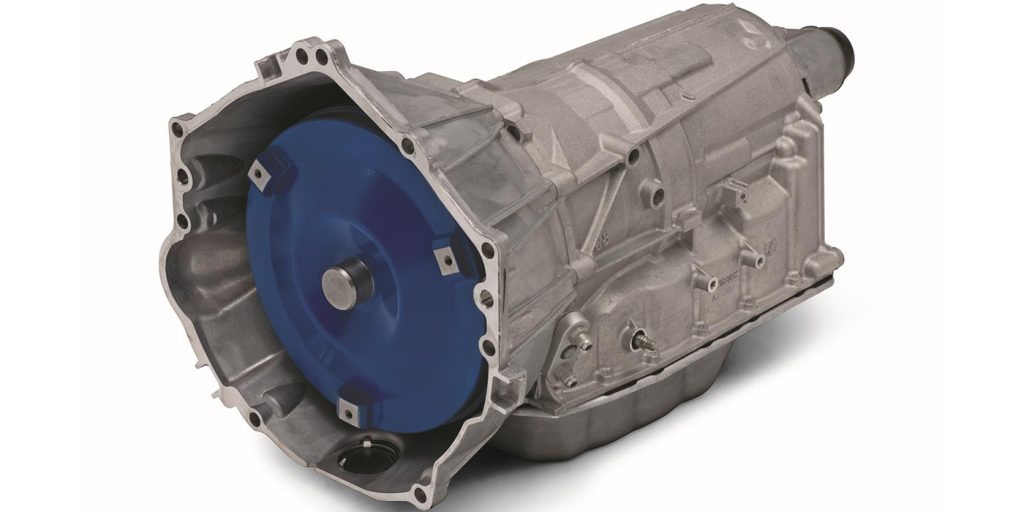
The 6L80 transmission has seen widespread use since its introduction, with General Motors as its original manufacturer. Designed for versatility, it was built to serve both AWD/4WD and RWD GM platforms. Among its standout features are an advanced computer controller integrated directly into the valve body and a direct clutch-to-clutch shifting design, which sets it apart from more conventional automatics.
Engineered to handle up to 650 lb-ft of torque, the 6L80 was capable of pairing with some of GM’s most powerful engines. However, despite its robust capabilities, certain design flaws have emerged over time. These shortcomings have led to a range of transmission problems that have become increasingly apparent over the past five years.
4. Mazda SkyActiv-Drive Automatic
Mazda’s SkyActiv-Drive combines the efficiency of a manual with the ease of an automatic. Found in the Mazda6 and CX-5, it is widely praised for near-silent operation, responsive shifts, and minimal NVH (noise, vibration, harshness).
In the U.S., where Mazda has built a reputation for sporty yet practical vehicles, the SkyActiv-Drive makes long highway drives and weekend road trips more enjoyable, with minimal transmission noise even under load.
Mazda’s ongoing refinement of its “SkyActiv” engine and transmission technology has led to the development of a powerplant expected to debut in 2019, known as the “SkyActiv-X.”
The SkyActiv name stems from Mazda’s unique back-casting approach to engineering, starting with an ambitious end goal, no matter how unattainable it may seem, and then working backwards to pinpoint and overcome the obstacles that stand in the way.
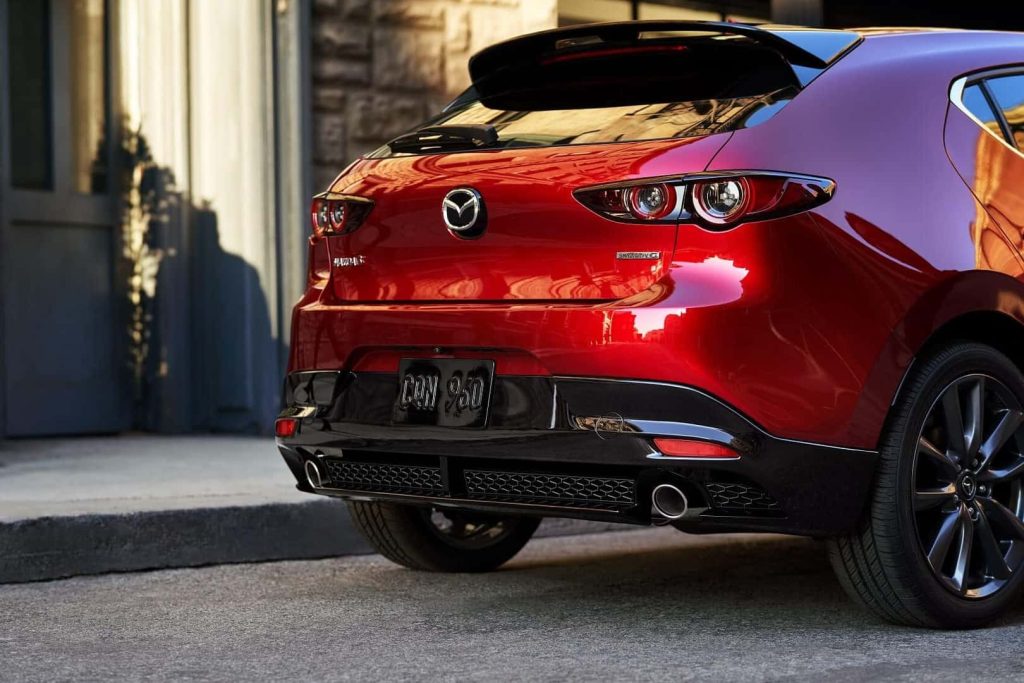
True to its “Sky” inspiration, the first generation, the “SkyActiv-G,” launched in 2012, paired with the SkyActiv-Drive 6-speed automatic transmission to deliver smooth shifts and brisk, consistent acceleration.
The upcoming SkyActiv-X engine represents the culmination of that lofty vision. It’s a Spark Plug Controlled Compression Ignition (SPCCI) design that blends the benefits of both spark ignition and compression ignition, delivering impressive power, responsive acceleration, and strong environmental performance.
Still part of the package is the SkyActiv-Drive 6-speed automatic, designated FW6A-EL, which has been on the road since 2012. Interestingly, despite years in service, it hasn’t generated many inquiries to ATSG’s technical help line. However, the unit acquired for our 2019 seminar and a few Transmission Digest articles revealed definite issues. Tearing this transmission down to uncover the source of the damage will provide a valuable opportunity to gain a deeper understanding of its inner workings.
5. ZF 8HP Automatic
The ZF 8-speed automatic is a modern benchmark for smooth, quiet performance. Found in BMW, Jeep, Dodge, and some Maserati models, it delivers fast, nearly silent shifts even under high torque or aggressive acceleration.
U.S. drivers who tow, drive in hilly regions, or simply enjoy spirited highway runs will appreciate its refined operation. Its sophisticated software and engineering allow it to balance performance and comfort, making it one of the most versatile transmissions in the market.
Transmissions That Scream Under Load
When your transmission screams under load, it isn’t being dramatic, it’s scared. That high-pitched howl under acceleration or when climbing a grade is a clear callout: something is being pushed beyond its comfort zone.
This piece will stop the guessing. You’ll learn how to tell whether it’s fluid, bearings, gears, or drivetrain alignment; what you can safely check in your driveway; and which symptoms mean you should haul the car to a shop before you make the problem much worse (and more expensive). No drama, just clear actions.
1. Early VW DSG (DQ200 7-Speed)
Volkswagen’s dual-clutch DQ200, used in early Golf GTIs and Jettas, is fast-shifting but prone to high-pitched whining under load, especially in colder weather.
The issue is more noticeable during stop-and-go traffic or while climbing hills, common scenarios for U.S. suburban drivers.
While the DQ200 provides exhilarating acceleration, its noise can be disconcerting, and some owners report that long-term maintenance costs can rise due to clutch wear.
The DQ200, introduced in 2008, uses dry clutches that resemble those in a traditional manual transmission, though it employs two of them. Removing the oil bath reduces driveline losses and boosts efficiency, but it also limits the clutches’ cooling capacity.
While this design offers certain advantages, it has a reputation for specific problems. Clutch slip is common due to normal wear and tear, often triggering failsafe mode that locks the transmission in a single gear and illuminates a warning light or flashes the “PRNDS” indicator on the dashboard.
These clutches also tend to wear out faster than those in the wet-clutch DQ250. Another issue is selector fork failure, unique to the DQ200, which can make reverse or sixth gear difficult or impossible to engage; although VW later reinforced this component, replacing it still requires opening the transmission.
Failures of the electro-hydraulic control unit are also notable, as this self-contained assembly, mounted externally on the transmission and housing the mechatronic unit, can suffer pump failure. This results in total loss of drive and, in some cases, oil being expelled from the top breather; the fluid is distinctively green. Repairs are sometimes possible, but full replacement may be necessary.
Finally, the dry clutch assembly is prone to overheating under heavy loads, such as during spirited driving, track use, or slow uphill traffic. When this occurs, the transmission typically enters limp mode until it cools, though the issue rarely causes long-term damage since only the clutches, not the entire gearbox, overheat.
2. Ford 6R80 Automatic (Early Models)
The 6R80 automatic, found in Ford F-150s and Explorer SUVs before 2011, is robust but can produce loud whining under heavy load, particularly when towing trailers or hauling cargo.
While it shifts reliably, the sound can make drivers uneasy, especially those unfamiliar with the noise. Given the prevalence of trucks in the U.S. and the popularity of towing for recreation, this characteristic is particularly relevant to American buyers.
The earliest versions of Ford’s 6R80 transmission featured what the company referred to as a “Mechatronic” unit, a connector plate that integrated the transmission control module (TCM) along with all the necessary sensors to manage shifting.
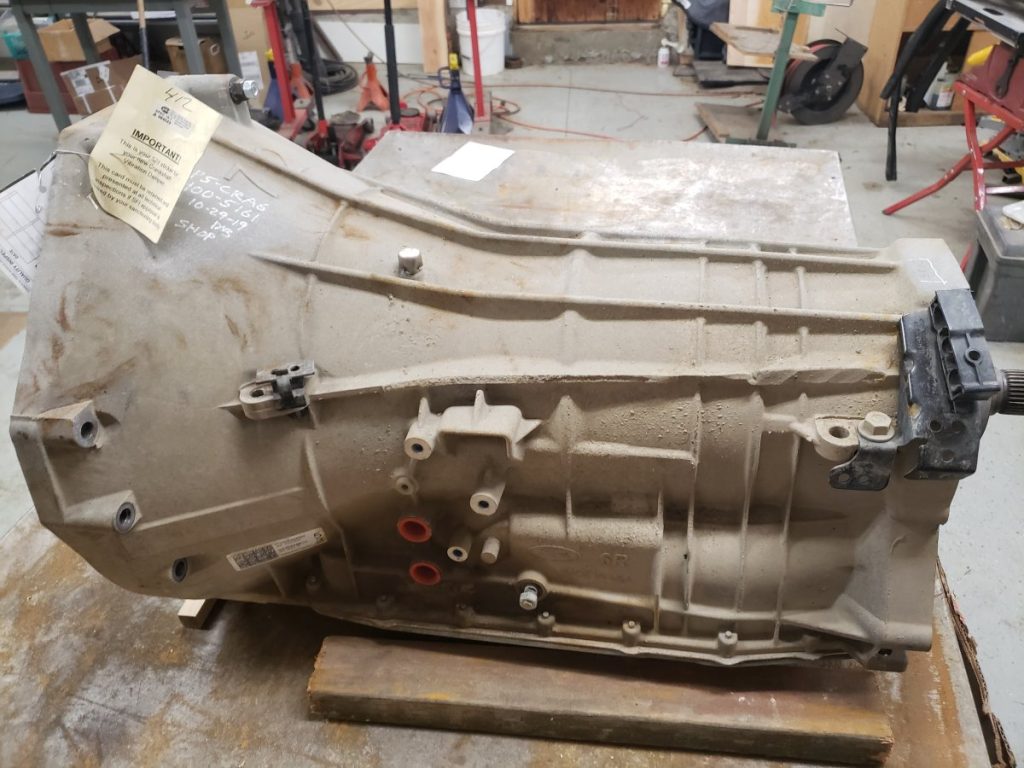
In 2012, Ford revised the design by relocating the TCM from the plate and merging it with the powertrain control module (PCM), while keeping the other sensors and switches together on what was now called the “lead frame.” In essence, the Mechatronic was a lead frame with the TCM attached, whereas the updated lead frame housed all the same electronic controls except for the TCM itself.
This Mechatronic/lead frame assembly incorporated several key components: the output shaft speed sensor, turbine shaft speed sensor, transmission fluid temperature sensor, and the transmission range sensor, also known as the PRNDL switch or neutral safety switch.
From an engineering perspective, consolidating these electronics into a single unit seemed like an efficient and practical approach. Unfortunately, as often happens with designs that look flawless in theory, this setup ended up creating long-term issues for many Ford drivers in the years that followed.
3. Honda K-Series Manual Gearboxes (Early Civic Type R)
The K-series manuals in early Civic Type R models are smooth and precise, but under high RPMs, some gearboxes produce a loud whining sound.
Enthusiasts who drive aggressively may notice this “screaming” noise, especially during track days or spirited highway runs. While it doesn’t indicate a failure, it can be jarring for drivers expecting a silent manual experience.
4. Chrysler 62TE Automatic
Used in mid-2000s Chrysler and Dodge models like the 300C and Town & Country, the 62TE automatic is reliable but loud.
Under acceleration, especially in heavier vehicles, the transmission emits noticeable whines. Many U.S. owners find this more pronounced in vehicles with high mileage or in hot-weather conditions, making it less refined than modern automatic transmissions.
The Chrysler 62TE, sometimes referred to as the 42RE, is a widely used and reliable automatic transmission found in numerous Chrysler, Dodge, and Jeep vehicles.
Introduced in the late 1980s, the 62TE is a six-speed automatic designed with a torque converter, planetary gear sets, and a hydraulic control system to ensure smooth power delivery and efficient operation. Its robust construction allows it to handle the demands of modern engines and heavier vehicles, making it a staple in the brand’s lineup for decades.
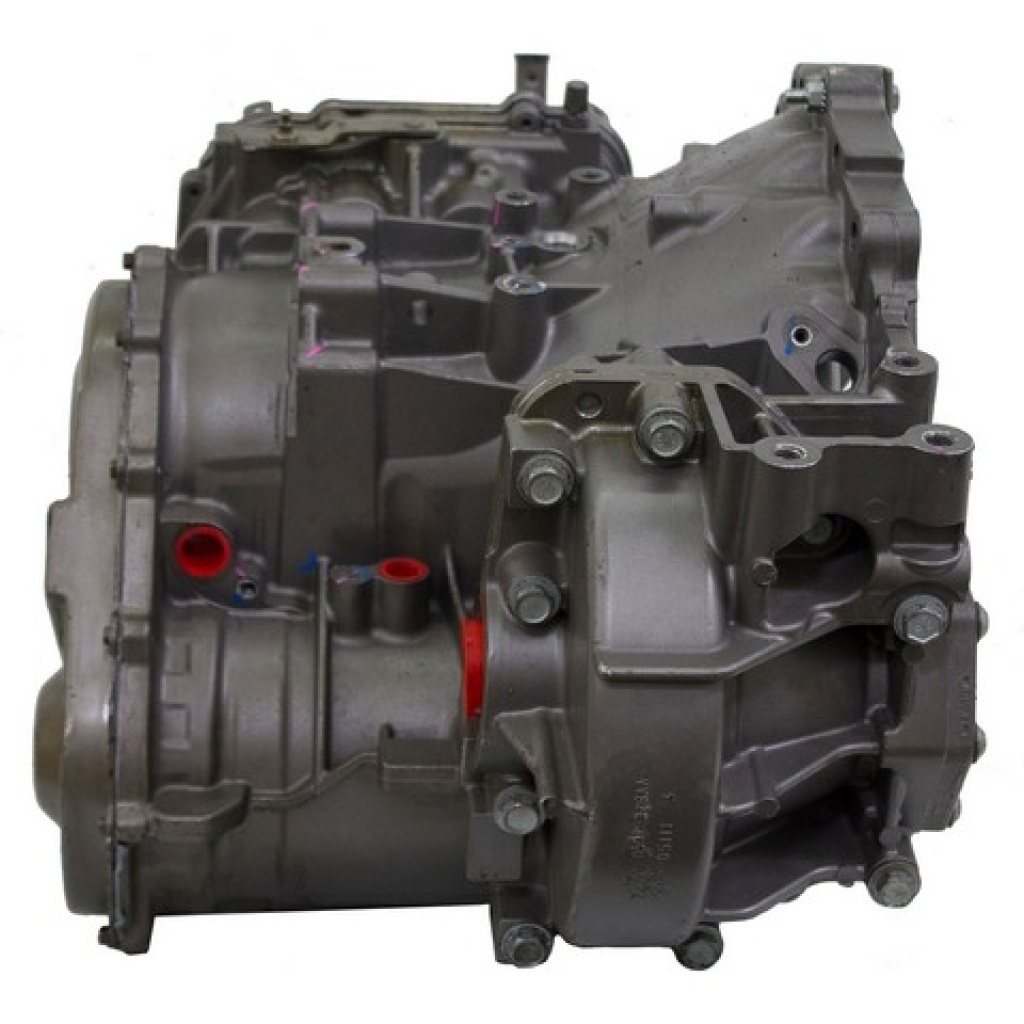
This transmission was engineered for compatibility with a wide range of engines, commonly paired with V6 units from 3.3L to 4.0L, and in some cases, larger powerplants. However, compatibility can vary based on the year, model, and engine configuration, so it is essential to confirm fitment through a reliable parts catalog or verified online resource before sourcing a replacement.
In terms of performance, the 62TE is generally regarded as durable and dependable, offering smooth shifting and a long service life when maintained properly.
Its design accommodates both everyday driving and moderate load-hauling, making it suitable for minivans, crossovers, and light-duty SUVs. Regular transmission fluid and filter changes are crucial, and any warning signs of trouble should be addressed promptly to maintain optimal operation.
Despite its durability, the 62TE can develop certain issues over time. Common problems include slipping or harsh shifting, fluid leaks, solenoid or valve body malfunctions, and torque converter lockup issues.
Most of these problems can be resolved through timely repairs, such as replacing worn seals, addressing electrical faults, or overhauling the valve body. Ignoring these symptoms, however, can lead to more significant and costly damage, emphasizing the importance of proactive maintenance and care.
5. Audi Multitronic CVT (Pre-2015)
Audi’s early Multitronic CVTs offer smooth acceleration but tend to whine under heavy load, producing a turbine-like sound. In American conditions steep inclines in the Rockies or heavy traffic in urban areas this characteristic can be particularly noticeable.
While the CVT provides seamless speed transitions, the noise can make it feel less sophisticated, affecting the overall perception of luxury in Audi vehicles.
Transmission whine or noise can stem from gear design, lubrication, or the type of transmission itself. Manual gearboxes can whine due to straight-cut gears, while automatic and CVT designs may exhibit whining if torque converters or belt systems are stressed.
U.S. drivers should consider their driving environment: frequent towing, long highway commutes, or hilly terrain can make some transmissions more prone to noise. Choosing a transmission with proven quiet operation can prevent headaches and improve resale value.
A smooth, quiet transmission isn’t just a luxury it’s a core part of a vehicle’s reliability and driving comfort. For American drivers, selecting a car with a near-silent transmission can make long commutes, road trips, and towing tasks far more enjoyable.
Conversely, knowing which gearboxes tend to whine under load can help buyers avoid unwanted noise and potential stress in daily driving. Whether you prioritize performance, comfort, or long-term durability, understanding the nuances of transmissions is essential for a satisfying driving experience.
By considering both the transmissions that glide silently and those that scream under load, U.S. drivers can make informed choices that match their driving style, environment, and expectations, ensuring years of smooth rides without the distraction of annoying whines.