

When buying a car, most people focus on appearance, comfort, fuel economy, or even entertainment features, but the real heart of any automobile lies in its engine. The engine is the part that decides how long the car can serve, how much money will be spent on repairs, and whether the vehicle will remain reliable after years of use.
A stylish body or comfortable interior may bring joy for a short while, but if the engine cannot keep running with strength and consistency, the car becomes more of a burden than a blessing.
Many drivers have discovered that choosing a vehicle with the wrong engine quickly leads to constant workshop visits, mounting bills, and eventually frustration. While some affordable engines have proven themselves dependable to the point where the vehicle itself falls apart before the engine stops running.
Durability in engines is not about luxury price tags. Some of the longest-lasting engines are found in simple, modestly priced cars. Manufacturers that pay attention to design quality, strong materials, and simple engineering often end up producing engines that resist wear for hundreds of thousands of miles.
At the same time, there are engines that look impressive on paper, with higher power ratings or advanced technology, but in reality, they suffer frequent breakdowns, expensive repairs, or major failures long before the body of the car is finished.
5 Affordable Engines That Will Outlast the Car

1. Toyota 1ZZ-FE
The Toyota 1ZZ-FE engine is a four-cylinder design that became popular in cars such as the Corolla, Celica, and Pontiac Vibe. For many drivers, it is remembered as one of the most dependable engines that Toyota has ever placed inside affordable cars.
It runs with a simple design, uses timing chains instead of belts, and is built to manage heat and stress with consistency. Because of these factors, it is no surprise that many Corolla owners report the engine lasting well above 250,000 miles with only basic care.
One reason the 1ZZ-FE survives long is its modest power output. Unlike engines that try to squeeze out too much horsepower, this Toyota unit is tuned to provide steady daily performance without overstressing internal components.
The pistons, cylinder walls, and crankshaft do not face unnecessary pressure, meaning the metal parts do not wear out quickly. Toyota also designed the cooling system to keep the engine running at safe temperatures, reducing the risk of overheating.
Another advantage of the 1ZZ-FE is the availability of cheap parts and the ease of servicing. Mechanics around the world are familiar with it, which lowers labor costs for owners.
Oil changes, spark plug replacements, and other simple maintenance steps keep the engine healthy without requiring specialized equipment or rare components. Even when owners neglect maintenance, the engine often continues to function longer than expected, though it always performs best when serviced regularly.
Drivers often say the rest of the car shows age before the engine does. Rust, failing suspension, or worn interiors usually force people to replace their Toyota long before the 1ZZ-FE gives up.
For a modestly priced engine, this reputation for toughness makes it a standout example of affordable reliability. Toyota showed that simple engineering, strong build quality, and focus on endurance can create an engine that feels almost unbreakable.
2. Honda D Series
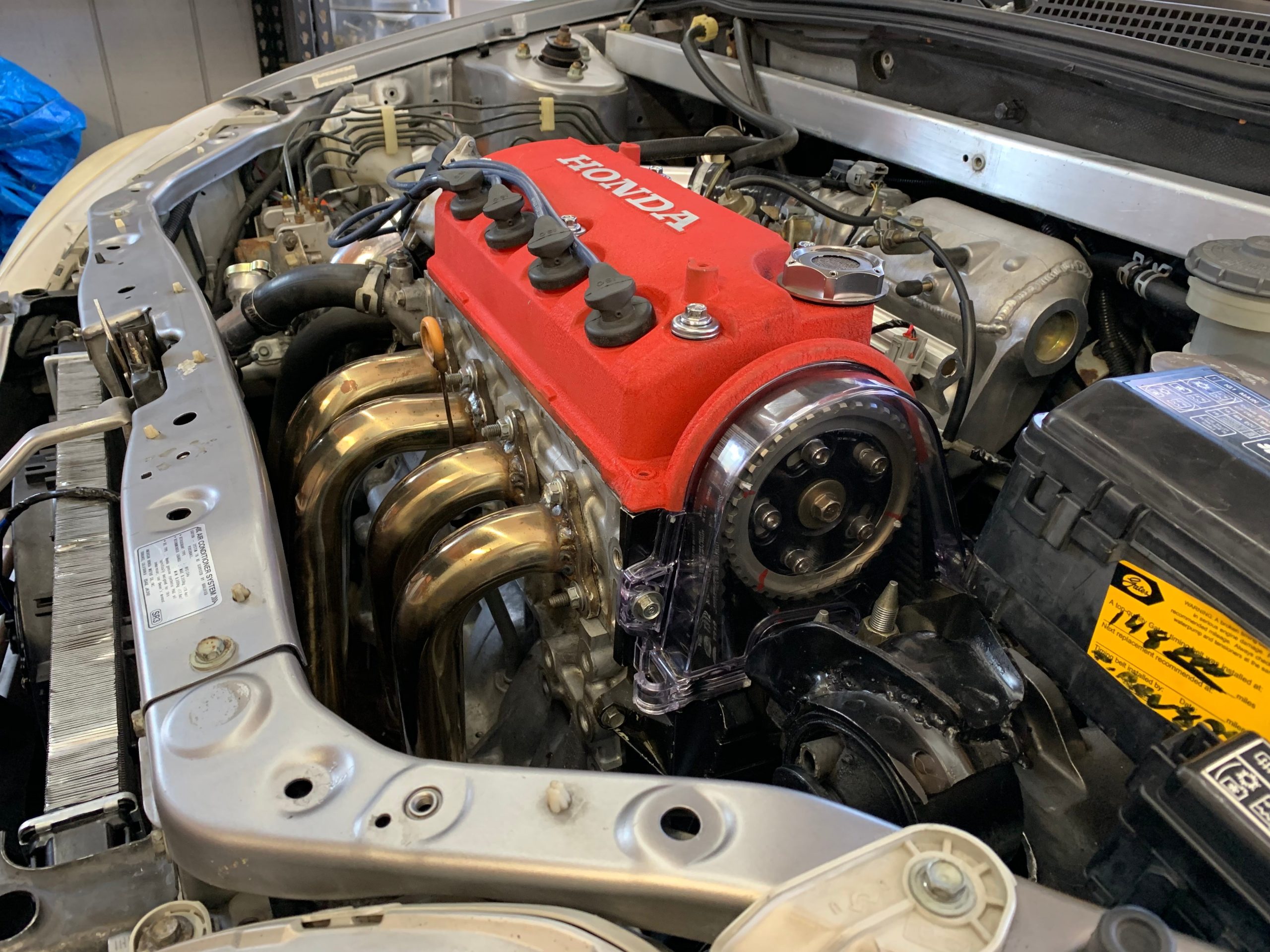
Honda’s D Series engine family has been around for decades, powering models like the Civic and CR-X. It has earned respect because of its ability to survive daily abuse while continuing to deliver reliable performance.
These engines are simple four-cylinder designs that prioritize efficiency and strength rather than raw power. For many car owners, the D Series is remembered as the engine that just keeps going no matter the mileage.
The engineering approach behind the D Series emphasizes durability. Honda kept the design light and compact, which allows for effective heat management. The engines are also low-stressed, meaning they are not forced to produce extreme horsepower that could shorten their life. Because of this, it is common to see Civic models with D Series engines crossing 300,000 miles without requiring a full rebuild.
Maintenance is another factor that makes this engine appealing. Oil changes, timing belt replacements, and valve adjustments are inexpensive and easy to perform. Even if owners miss one or two services, the D Series often continues to operate with little complaint.
Mechanics also appreciate the straightforward layout, which reduces repair times and labor costs. For budget-conscious buyers, this means years of dependable use without draining finances. Another strong point is fuel efficiency. The D Series balances reliability with economy, making it a favorite for both young drivers and families.
Even after decades, many of these engines are still running in older Civics around the world, proving their resilience. In many cases, it is the body panels or interiors that wear out before the engine reaches its limit.
Honda’s D Series shows how a modest, affordable engine can deliver exceptional value for many years. Its strength lies not in producing high performance but in offering consistent service, low maintenance demands, and unmatched reliability at its price level. It remains a benchmark for what a small car engine should deliver.
Also Read: 5 Engines That Never Blow Gaskets and 5 That Eat Them Weekly

3. Nissan SR20DE
Nissan’s SR20DE is a four-cylinder engine that powered several models, including the Sentra SE-R and the Nissan 200SX. It is widely admired for its balance of performance and longevity. Unlike many affordable engines that sacrifice durability for speed, the SR20DE delivers both reasonable power and exceptional toughness.
The SR20DE is built with a cast-iron block and an aluminum head, a combination that provides strength while keeping weight manageable. Cast iron is known for handling stress and heat without cracking, which gives this engine a long life.
At the same time, the aluminum head ensures efficient heat dissipation, preventing overheating during heavy use. This design allowed Nissan to create an engine that can easily exceed 250,000 miles if cared for properly.
Owners often mention that the SR20DE is forgiving even when maintenance schedules are not perfectly followed. While regular oil changes and timing chain checks are recommended, the engine can survive small lapses without major problems. This resilience makes it attractive for everyday drivers who may not always stick to strict servicing routines.
In addition to its toughness, the SR20DE is known for smooth power delivery. It provides enough energy for spirited driving while still being practical for daily commutes. Drivers enjoy the responsive nature of the engine, which adds to the satisfaction of owning a car with this unit. At the same time, it is not over-tuned, which means the components do not wear down quickly.
The SR20DE also benefits from a strong aftermarket community. Replacement parts, upgrades, and maintenance items are widely available and affordable. Many enthusiasts continue to rebuild and use these engines for racing and performance projects, showing how dependable the design remains even decades later.
By combining strength, balance, and affordable maintenance, the Nissan SR20DE proves to be one of the most dependable engines in its price range. It stands as a reminder that with smart engineering, durability does not need to be sacrificed for performance.

4. Ford 300 Inline-Six
Ford’s 300 cubic-inch inline-six engine became legendary in trucks and vans, earning a reputation as nearly indestructible. While not the fastest or most refined engine, it has long been regarded as one of the strongest ever made for affordable vehicles. For drivers who value longevity above speed, this engine is a perfect example of mechanical durability.
The design of the 300 inline-six emphasizes strength over sophistication. With its large displacement and simple construction, the engine delivers plenty of torque for hauling and towing.
Farmers, construction workers, and small business owners all depended on trucks powered by this engine because it could withstand heavy workloads without failing. Many of these engines are known to last more than 400,000 miles with only routine maintenance.
One of the secrets to its durability is the heavy cast-iron block and head. The materials resist cracking, overheating, and wear even under constant stress. The low-revving nature of the engine also reduces strain on internal parts, allowing it to continue operating under rough conditions. This makes it ideal for demanding work environments where reliability is more important than speed.
Servicing the 300 inline-six is also simple. Its straightforward design allows mechanics to carry out repairs quickly, and parts are widely available at affordable prices. Even major repairs like head gasket replacement or valve work can be done without sophisticated tools, making it popular in areas where advanced workshops are scarce.
The Ford 300 inline-six is remembered as an engine that outlasted the vehicles it powered. Trucks often rusted or suffered from worn frames before the engine gave any serious trouble. Many remain in use today, decades after their introduction, showing the staying power of this tough design.
For those looking for an affordable engine that will serve without complaint, the Ford 300 inline-six stands out as a shining example of what dependable engineering can deliver.

5. Toyota 22R
The Toyota 22R is another four-cylinder engine that has built an incredible reputation for toughness. Found in vehicles like the Toyota Pickup and 4Runner, it is known for its ability to run for hundreds of thousands of miles without major problems. Owners often say the engine feels like it was built to survive harsh conditions and careless maintenance.
One reason for its strength is its simple design. The 22R does not rely on complicated systems or fragile parts. Instead, it uses a straightforward overhead camshaft setup and durable internal components. This means fewer things can go wrong, and when repairs are needed, they are relatively inexpensive. Mechanics appreciate how easy it is to work on, which keeps labor costs low.
The engine’s cast-iron block adds to its resilience, allowing it to handle high mileage without major wear. Combined with proper oil changes and cooling system care, the 22R has been known to cross 300,000 miles and still operate smoothly. Many Toyota trucks with this engine remain on the road decades after leaving the factory.
Another factor that makes the 22R respected is its adaptability. It can handle different types of driving, from city commutes to off-road adventures. Its modest power is enough to manage daily needs while remaining gentle on its internal parts. Drivers who use their vehicles for both work and leisure find the 22R dependable no matter the environment.
Even when the car’s body starts to show age or rust, the engine often continues running strong. This has led many owners to swap the 22R into other vehicles when their original trucks wear out. It is a testimony to Toyota’s ability to design an engine that refuses to quit.
The Toyota 22R proves that an affordable, simple, and durable engine can serve faithfully for decades, making it one of the best choices for long-term dependability.
Engines That Will Not Outlast The Car

1. Chrysler 2.7L V6
The Chrysler 2.7L V6 engine, used in vehicles like the Chrysler Sebring, Dodge Intrepid, and some Dodge Chargers, quickly gained a reputation for being one of the most troublesome engines of its era.
Many owners discovered that this engine struggled to remain reliable, and in many cases, it failed long before the vehicle itself showed serious age. The issues were so widespread that they damaged Chrysler’s image for years. One of the major problems with the 2.7L V6 is its oiling system. The passages within the engine are narrow, and when sludge builds up, oil flow becomes restricted.
Without enough lubrication, the engine experiences accelerated wear and internal damage. In severe cases, engines completely fail before reaching 100,000 miles, which is far below the expectation for a modern power unit.
Another recurring issue is timing chain failure. While timing chains are usually more durable than belts, in the 2.7L V6 they often suffer from tensioner problems and poor oil supply. Once the chain fails, the engine can face catastrophic damage, often requiring a full replacement. This makes the cost of ownership far higher than most buyers anticipated when choosing an affordable Chrysler or Dodge model.
Repair costs are another burden. The engine is tightly packed, which makes it difficult to access components. Mechanics often need extra time to service it, raising labor bills. Replacement parts are also costly compared to other V6 engines in the same class. For many owners, it made more sense to replace the entire car rather than rebuild the engine.
While Chrysler attempted improvements over the years, the 2.7L V6 remains widely regarded as an engine to avoid. It offered reasonable power on paper, but its lack of reliability overshadowed any performance benefits. Many vehicles with this engine ended up in junkyards much earlier than expected, showing how an engine can fail to live up to the promise of durability.

2. Volkswagen 1.8T (Early Versions)
Volkswagen’s early 1.8T turbocharged engine was introduced with excitement because it combined efficiency, performance, and modern design. It was used in cars like the Volkswagen Passat, Jetta, and Audi A4. While it seemed like a technological achievement at the time, it soon developed a reputation for being far less durable than many expected.
One of the main weaknesses of this engine was oil sludge buildup. Much like Chrysler’s 2.7L, the 1.8T had narrow oil passages that made it sensitive to missed oil changes. If drivers used the wrong oil or skipped even one service, sludge could form quickly, blocking oil flow and damaging internal components. In many cases, engines failed before reaching 120,000 miles, which left owners facing high repair bills.
The turbocharger itself was another source of trouble. Turbos operate under extreme heat and pressure, and when combined with poor oil circulation, failures became common. Replacing or repairing a turbocharger is expensive, often costing more than the value of an older car. For budget-conscious owners, this made keeping the vehicle far less appealing.
Coil pack failures and sensor problems were also frequent, leading to rough running, poor performance, and frequent check engine lights. While these issues did not always destroy the engine, they contributed to the reputation of unreliability and constant workshop visits.
Even though later versions of the 1.8T improved in durability, the early ones left a lasting impression as engines that did not outlast their vehicles. Many owners discovered that while the body and interior of their Volkswagens remained stylish, the engine was the weak point that brought the car’s life to an early close.
For buyers searching for long-term dependability, the early Volkswagen 1.8T serves as a cautionary tale. Advanced design and good performance mean little if the engine cannot survive the test of time.
3. Mazda Rotary Engine (13B)
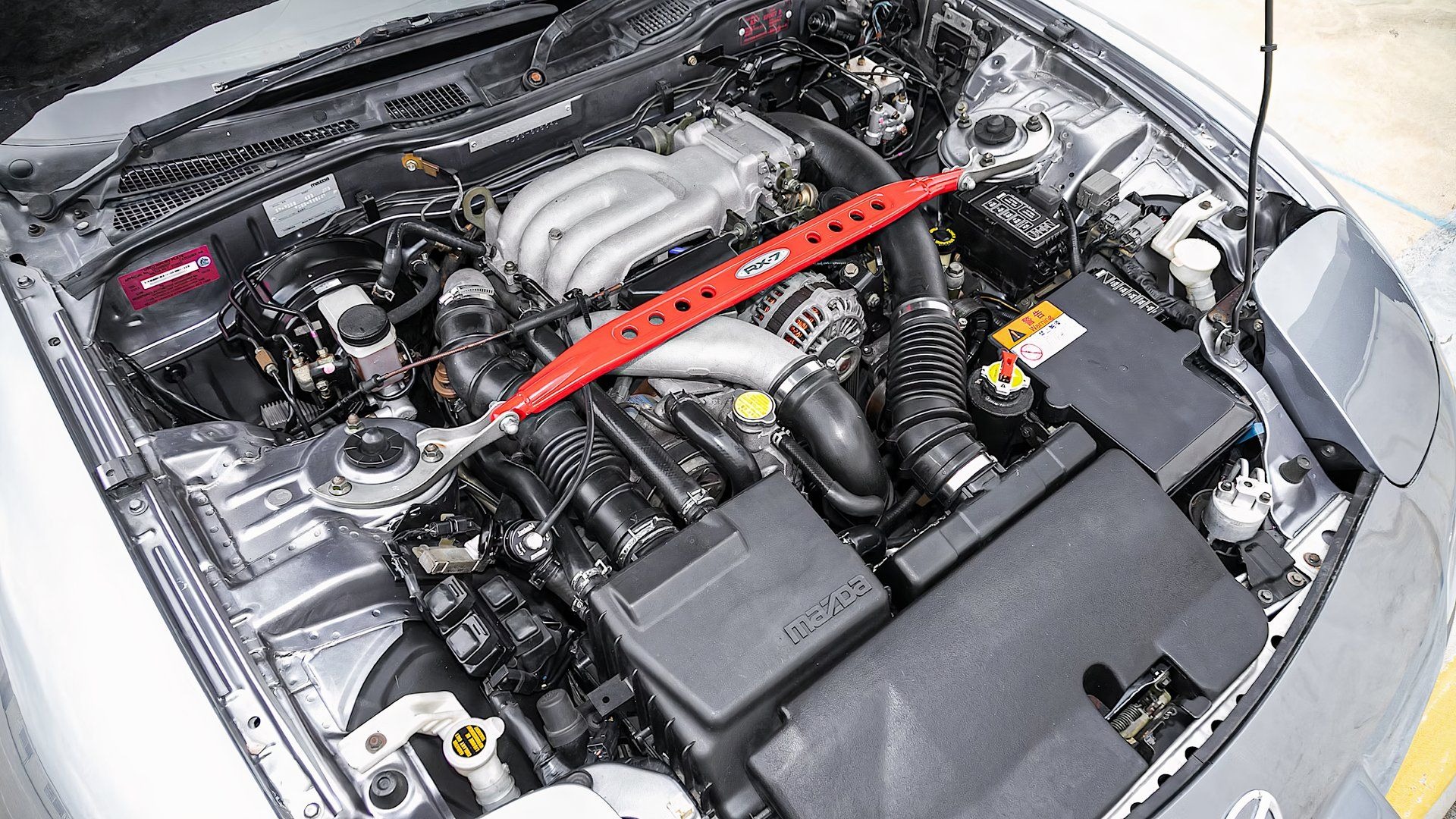
Mazda is celebrated for keeping the rotary engine alive when other manufacturers abandoned it, and the 13B rotary became famous in cars like the RX-7 and RX-8. While it offered a unique driving experience and exciting performance, the rotary engine is rarely remembered for longevity. Many owners discovered that it required constant attention and still wore out much faster than a typical piston engine.
The rotary design itself brings challenges. Instead of pistons moving up and down, the rotary uses a triangular rotor spinning inside a chamber. While this allows for high-revving performance and smooth power delivery, it also leads to sealing problems.
The engine relies on apex seals to maintain compression, and these seals wear down quickly, especially if the car is driven aggressively. Once they fail, the engine loses power and often requires a complete rebuild.
Fuel economy and oil consumption are other weaknesses. Rotary engines naturally burn some oil by design, which means owners must constantly check and top up levels.
For those not familiar with this requirement, engines can easily run low on oil and suffer serious damage. Even with careful maintenance, many 13B engines need rebuilding after 100,000 miles or less, which is far below the lifespan of most piston engines.
Heat management is another challenge. The 13B generates a lot of heat, and when cooling systems are not in perfect condition, overheating can occur. This further reduces the engine’s lifespan and makes it more expensive to maintain.
While enthusiasts love the rotary engine for its sound, responsiveness, and uniqueness, it is far from an example of durability. Many RX-7 and RX-8 models have perfectly good bodies and interiors, but the engine fails long before the car itself is ready for retirement. For buyers who value reliability and long service life, the 13B is more of a passion project than a dependable daily driver.

4. BMW N20 Turbocharged Four-Cylinder
The BMW N20 engine was introduced in the early 2010s as a replacement for naturally aspirated six-cylinder engines. It was used in models such as the 328i and X3, and it promised strong performance with better fuel economy.
While it delivered on speed and efficiency, it failed to provide the kind of durability expected from a premium automaker. One of the biggest problems with the N20 was timing chain failure. The engine’s chain was located at the back, making it difficult to service and more prone to issues.
Many owners experienced complete timing chain breakage, which often destroyed the engine. In some cases, this happened at mileages as low as 70,000 to 90,000, leaving customers with repair costs that rivaled the value of the car.
Oil leaks and cooling system problems were also common. The N20 relies on turbocharging, which puts extra stress on internal parts and generates high heat. When combined with weak seals and gaskets, oil leakage becomes frequent. Cooling system failures further shorten the life of the engine, especially if owners do not catch the issue quickly.
Another concern is high repair costs. BMW engines are already expensive to maintain, but the N20’s problems made ownership particularly painful. Many vehicles with this engine ended up being scrapped earlier than expected, not because the car itself was worn out, but because the engine replacement cost was too high for most owners to justify.
While the N20 provides exciting acceleration and efficiency, it is not built for long-term dependability. Drivers expecting their BMWs to last for decades discovered that this engine was more of a liability than an asset. It shows how advanced technology does not always equal long service life.
Also Read: 5 V6 Engines That Stay Smooth and 5 That Shake to Death

5. Fiat MultiAir Turbo Engines
Fiat’s MultiAir turbocharged engines were introduced with much excitement, especially in cars like the Fiat 500 and Fiat 500L. They were marketed as modern, efficient, and powerful for their size. While the technology behind MultiAir was innovative, the engines quickly developed a reputation for being unreliable and short-lived compared to competitors.
The MultiAir system uses electro-hydraulic controls for the intake valves, which allow precise airflow management and improved fuel economy. While impressive on paper, this system introduced complications that led to frequent failures.
When the MultiAir unit fails, the car experiences rough running, reduced performance, and expensive repair bills. Replacing the unit often costs more than what many owners are willing to spend on a budget car. Another issue is turbocharger reliability.
Much like Volkswagen’s early 1.8T, the small turbo in the MultiAir engine suffers from high stress and oil-related problems. Failure of the turbocharger leaves the car underpowered, forcing owners into costly repairs. Combined with frequent electrical and sensor problems, these engines quickly lost their reputation for being dependable.
Durability is also disappointing. Many owners report serious failures before reaching 100,000 miles, which is unacceptable for a modern engine. Even with proper servicing, the MultiAir system’s complication and fragile design make it difficult to keep the engine running smoothly for long periods.
While Fiat aimed to bring modern innovation to affordable cars, the MultiAir engines ended up being a weak point. Many Fiat 500s still look stylish and fun on the outside, but their engines give out early, forcing owners to either spend heavily on repairs or give up on the car entirely.
For those looking for an affordable vehicle that will last, Fiat’s MultiAir engines are best avoided. They promise technology and efficiency but fail to deliver durability.
