The Nissan Frontier has built a reputation as one of the most durable and dependable midsize trucks on the market. Known for its rugged design, strong towing ability, and work-ready features, the Frontier has earned the trust of drivers who need a pickup that lasts.
However, not every model year has lived up to that promise. While some versions have proven capable of running reliably for decades with proper care, others have developed costly issues that cut their lifespan short.
For buyers considering a used Frontier, knowing which years to target and which to avoid can save thousands in repair bills and ensure a better ownership experience.
In this guide, we highlight five Nissan Frontier years that stand the test of time and five that don’t, helping shoppers make an informed decision before investing in this versatile midsize truck.
5 Nissan Frontier Years That Last Decades
1. 2004 Nissan Frontier
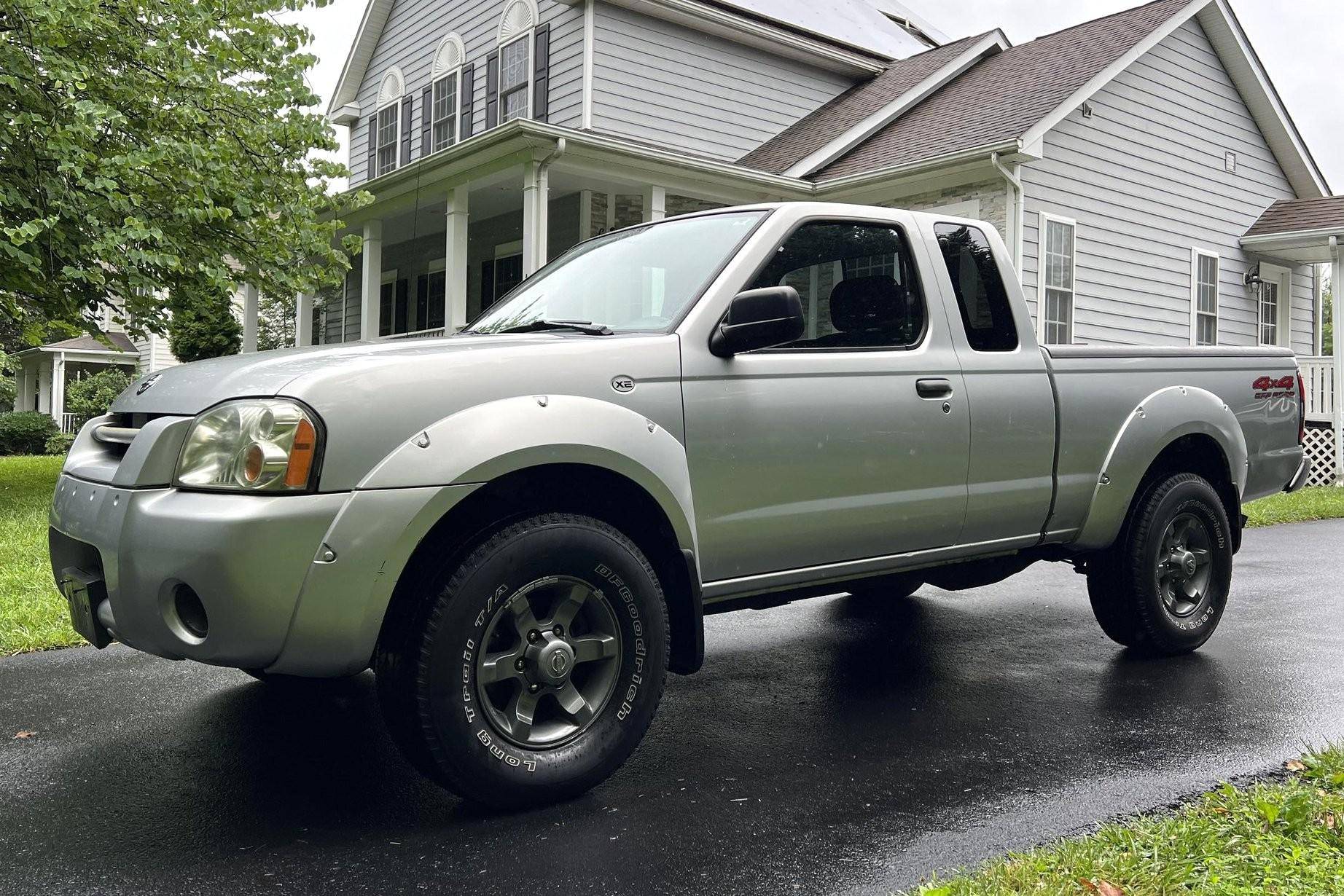
The 2004 Nissan Frontier represents the final year of the D22 generation, making it one of the most reliable and refined models of its era. Early versions of the D22 faced more issues, but by 2004, Nissan had addressed many of the recurring problems.
Evidence of this can be seen in the reduced number of recalls and customer complaints compared to earlier models. The most frequently reported issue was rusted fuel tanks, a common problem for Japanese vehicles of the time, but otherwise, the truck gained a reputation as a dependable workhorse.
With multiple body styles and trim levels, it offered flexibility for both work and everyday use, though buyers seeking power often found its V6 engine underwhelming. Still, its blend of practicality, durability, and Nissan’s incremental improvements positioned the 2004 Frontier as one of the standout years of the D22 lineup.
Performance was a mixed bag for the 2004 Frontier. The highlight was the supercharged 3.3-liter V6, producing 210 horsepower and 246 lb-ft of torque with an automatic transmission, though the manual version slightly reduced torque.
While this gave the Frontier competitive towing capacity up to 5,000 pounds, real-world driving revealed limitations, as the engine struggled at higher speeds. Alternatives included a naturally aspirated V6 with 180 horsepower and a 2.4-liter four-cylinder with 143 horsepower, offering a balance between cost and efficiency.
Off-road capability was respectable but not class-leading, and the truck’s thirsty engines limited appeal for those seeking efficiency. Nonetheless, its rugged design, towing ability, and availability of four-wheel drive on V6 models made it a versatile choice for both work and recreation.
Inside, the Frontier delivered a cabin that stood out in the compact truck segment. Front seats were supportive, and the dashboard design was more modern than many rivals. However, the Crew Cab’s cramped rear seating was a significant drawback, especially for families or those needing regular passenger space.
On the safety front, Nissan made strides by adding features like optional stability control (VDC) and a tire-pressure monitoring system, rare for compact pickups at the time. Standard ABS further boosted safety, and crash test results were mixed strong government ratings contrasting with a poor frontal offset score from the IIHS.
The 2004 Nissan Frontier D22 was not perfect, but with its improved reliability, expanded feature set, and variety of configurations, it offered one of the most balanced and dependable options in the compact truck market of its time.
2. 2015 Nissan Frontier
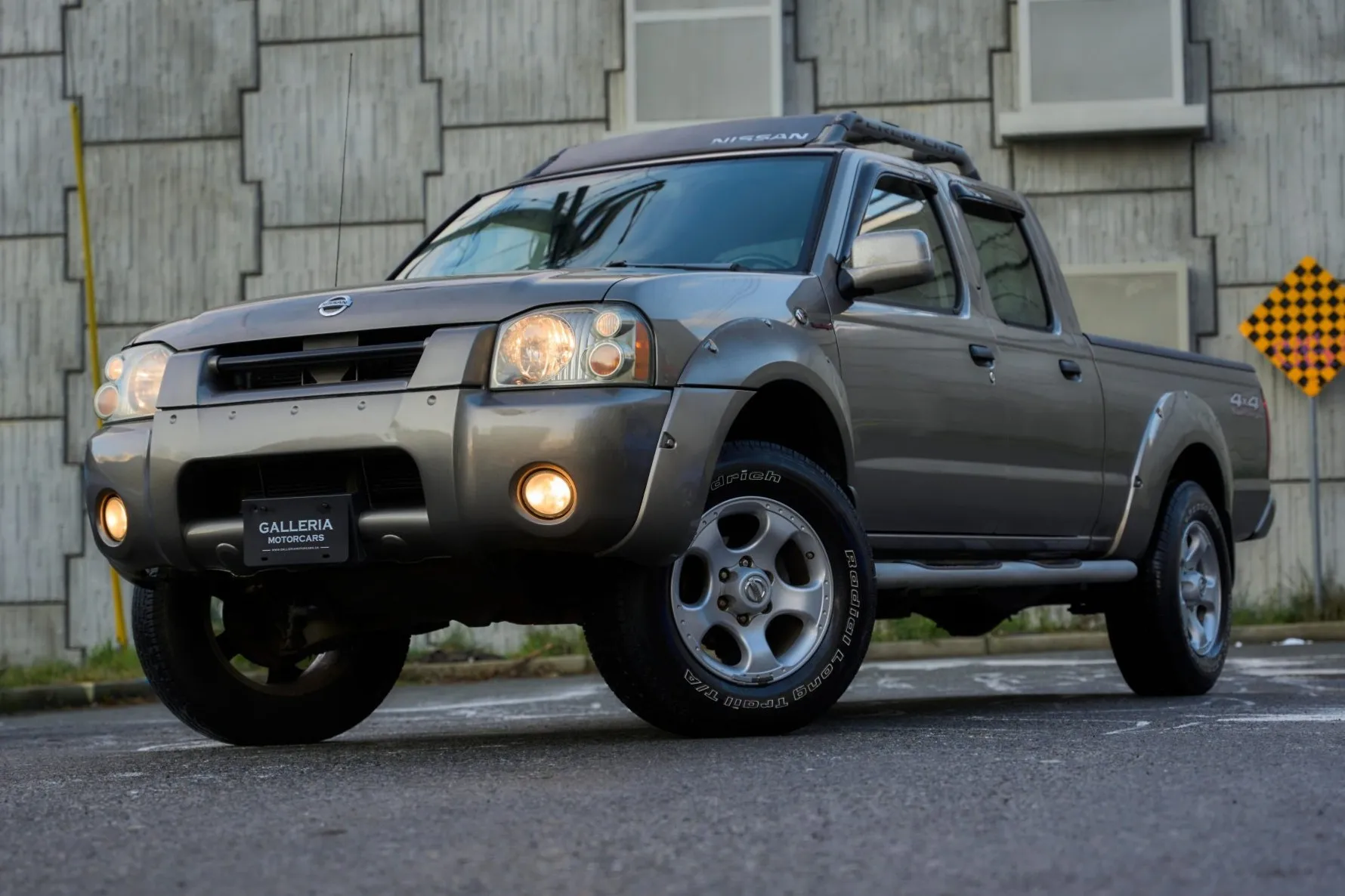
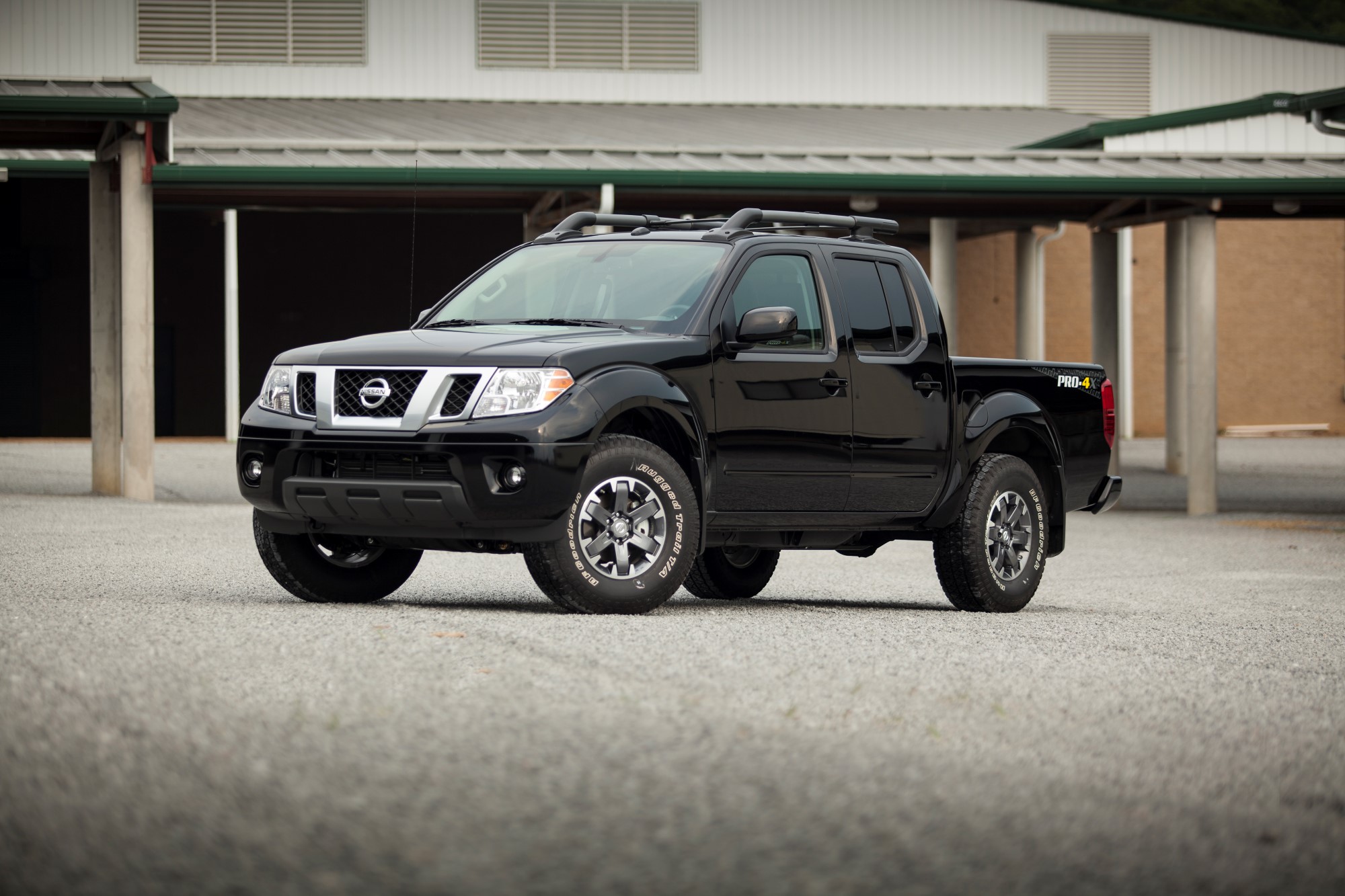
The 2015 Nissan Frontier stands out as one of the most reliable years in the D40 generation, boasting no recalls and only a handful of minor customer complaints. Unlike earlier D40 models that struggled with quality issues, the 2015 edition is widely regarded as the sweet spot for durability and dependability.
Most reported concerns centered around minor details such as chipped paint or weak cabin heating, rather than mechanical or safety-related faults. This strong track record of reliability, paired with Nissan’s incremental updates, positioned the 2015 Frontier as arguably the best model year of its generation.
While the design was already dated compared to its rivals, the Frontier remained a practical midsize truck option thanks to its versatility, work-ready features, and off-road capability, particularly in the Pro-4X trim.
Performance was one of the truck’s biggest selling points, especially with the 4.0-liter V6 engine producing 261 horsepower and 281 lb-ft of torque. This powertrain enabled towing of up to 6,500 pounds, making it a solid option for buyers seeking strength without upgrading to a full-size truck.
The base 2.5-liter four-cylinder, by contrast, felt sluggish and underpowered, with its slight fuel economy advantage offering little incentive over the stronger V6. The ride quality was comfortable for a midsize pickup, though drawbacks included slow steering, spongy brake feel, and intrusive wind noise at highway speeds.
Off-road enthusiasts found the Pro-4X particularly capable, with features like a locking rear differential, hill start assist, and 8.9 inches of ground clearance making it a serious contender on rugged terrain.
While competitors like the Chevrolet Colorado and Toyota Tacoma offered more modern driving dynamics and interiors, the Frontier’s utility-focused design and durable mechanicals kept it relevant in the segment.
Inside, the 2015 Frontier showed its age with plain styling and materials that felt basic even by pickup standards. While controls were intuitive and straightforward, rear seating remained cramped, especially in King Cab models with small, upright jump seats.
Crew Cab versions were more accommodating, though still less spacious than rivals. On the technology front, Nissan introduced updates like the NissanConnect interface with smartphone integration, hands-free text messaging, and Bluetooth audio, reflecting consumer demand for modern connectivity.
Practical features such as under-seat storage, adjustable cargo tie-downs, and an available bed extender added to its everyday usability.
Although not as refined or comfortable as newer midsize pickups, the 2015 Nissan Frontier delivered a well-rounded package of reliability, power, and utility, cementing its reputation as one of the most dependable and value-driven trucks of its time.
3. 2019 Nissan Frontier: D40 Generation Overview
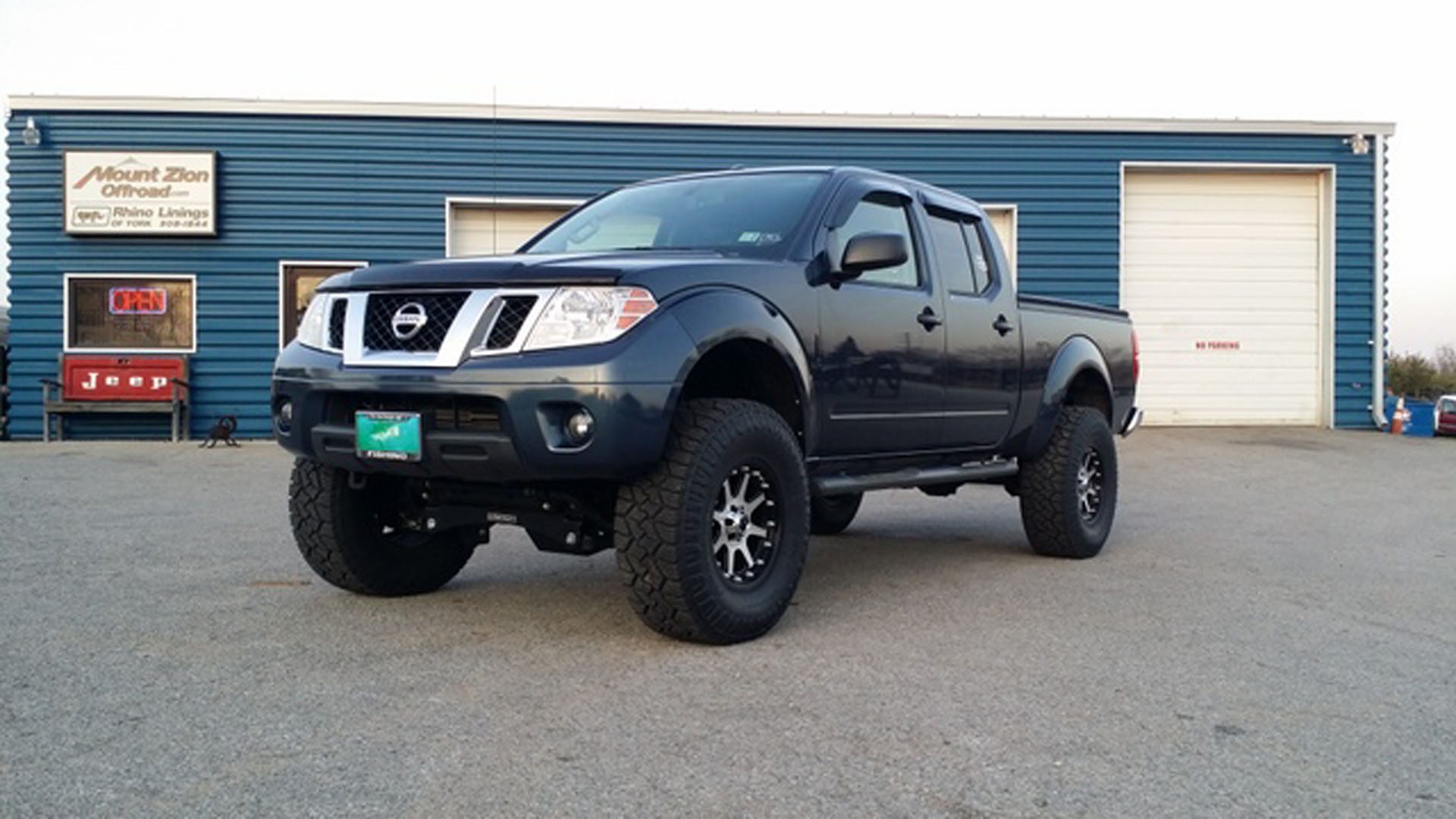
By 2019, the Nissan Frontier was showing its age, but this model year remains one of the most dependable in the D40 lineup. J.D. Power awarded it a strong reliability score of 87 out of 100, and customer complaints were minimal.
Only one recall was issued, related to the backup camera display, but this was a broad issue affecting many Nissan vehicles and easily resolved through a software update. Mechanically, the 2019 Frontier proved problem-free, making it a smart choice for buyers seeking a straightforward, reliable midsize pickup.
Updates were minimal, most notably, a larger 7-inch touchscreen was added to S and SV trims, while the Midnight Edition package returned. Despite its outdated styling, limited safety tech, and noisy cabin, the Frontier continued to appeal with its affordable pricing, off-road ability, and work-ready features.
Performance was centered around the long-standing 4.0-liter V6, producing 261 horsepower and 281 lb-ft of torque. While this figure lagged behind newer rivals, its responsive power delivery and strong torque kept it competitive, particularly off the line.
Acceleration to 60 mph in about 8 seconds was acceptable for the segment, though braking distances were long, and steering felt loose and imprecise.
Still, the Frontier’s compact size made it maneuverable, and the Pro-4X trim added serious off-road gear, including a locking rear differential, generous ground clearance, and trail-ready suspension.
Ride comfort was better than expected for an older design, with the suspension soaking up bumps well, though wind and tire noise remained noticeable. Towing capacity peaked at around 6,500 pounds, which trailed newer competitors like the Ford Ranger and Jeep Gladiator, and payload ratings were also on the lower side.
Inside, the 2019 Frontier leaned heavily on utility over refinement. Materials and design were dated, and rear seating, particularly in King Cab models, remained cramped. Crew Cab configurations offered better usability but still lacked legroom compared to rivals.
Technology was basic, with only Bluetooth, a single USB port, and limited smartphone integration; Apple CarPlay and Android Auto were absent. Cargo usability, however, was a strong point: adjustable bed rails, movable tie-downs, and under-seat storage in the cabin improved practicality.
Comfort was adequate, with supportive but simple seats and a straightforward control layout. While clearly outdated compared to modern midsize trucks, the 2019 Nissan Frontier delivered a rugged, reliable, and affordable option for buyers prioritizing capability and durability over advanced features. For those seeking a no-frills pickup with proven dependability, it remains a strong contender.
4. 2013 Nissan Frontier: Power and Refinement
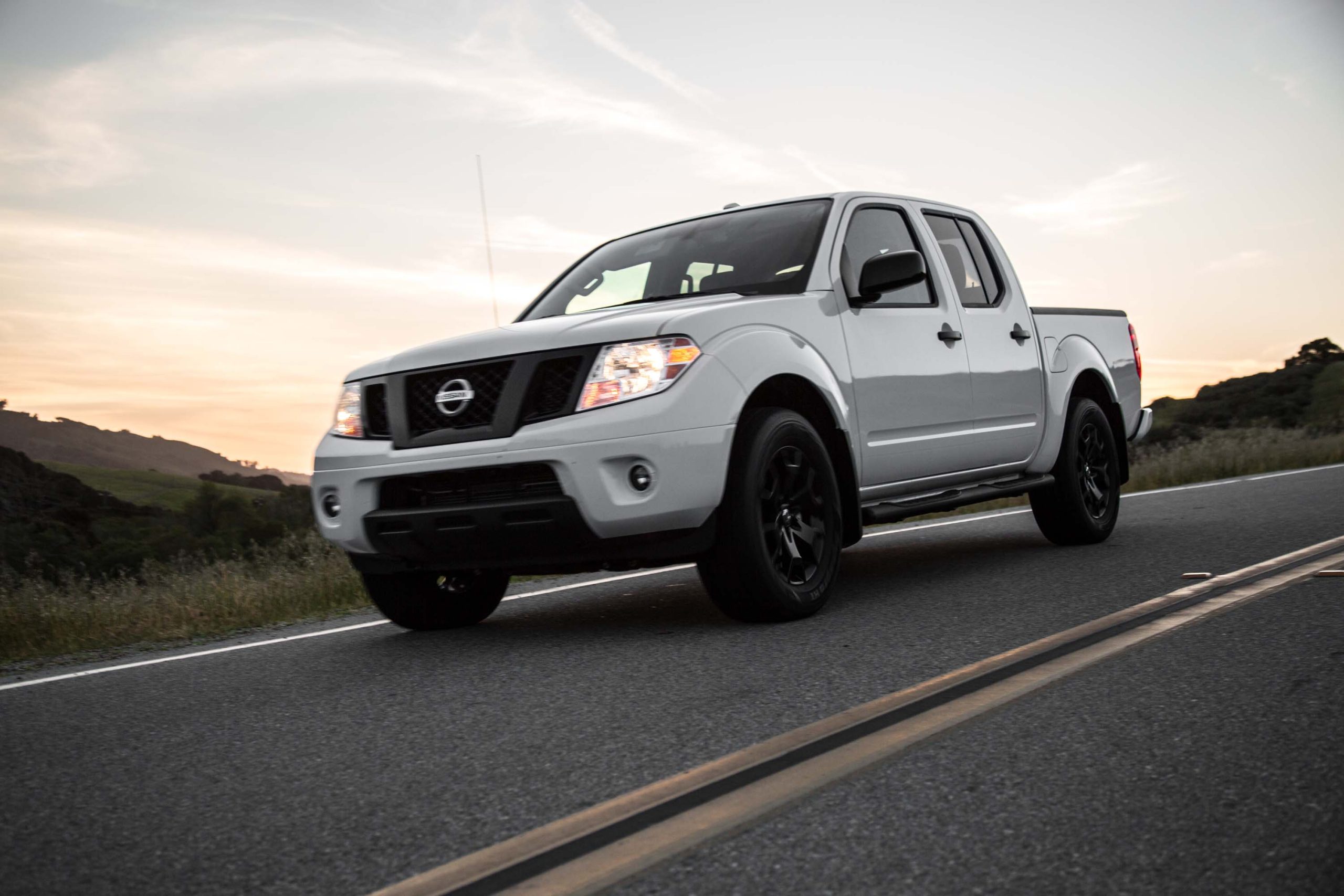
By 2013, the Nissan Frontier had established itself as a proven and reliable midsize pickup within the second-generation D40 platform, which debuted in 2005. This year marked a refined balance of power, durability, and practicality, making it one of the standout options in its segment.
Buyers could choose between a 2.5-liter four-cylinder with 152 horsepower or a more potent 4.0-liter V6 generating 261 horsepower and 281 lb-ft of torque.
Paired with either a five-speed automatic or six-speed manual transmission, the V6 variant offered an impressive towing capacity of up to 6,500 pounds, strong acceleration, and genuine off-road capability.
While the four-cylinder was adequate for light-duty tasks, the V6-equipped Frontier became the preferred choice for those needing strength and versatility in both work and recreational settings.
On the road, the 2013 Frontier delivered a driving experience that combined utility with surprising refinement. Ride quality was improved compared to earlier models, and handling was relatively nimble for a body-on-frame truck.
While the Pro-4X trim sacrificed some smoothness for off-road capability, most versions offered a comfortable ride. Safety was another strong point, with standard features including antilock disc brakes, stability control, front-seat side airbags, and full-length curtain airbags.
The Frontier performed well in crash testing, earning top “Good” ratings in frontal, side, and roof-strength categories from the IIHS. Edmunds testing also revealed strong braking performance, with the Frontier Pro-4X stopping from 60 mph in just 128 feet impressive for a midsize pickup.
Fuel economy remained a weak spot, with the V6 averaging 15–17 mpg combined depending on drivetrain, but buyers prioritized durability and power over efficiency in this class.
Inside, the 2013 Frontier leaned toward function rather than flair, offering a straightforward cabin layout built with durable materials. The dashboard and controls were simple and easy to use, though somewhat dated in appearance.
Extended King Cab models came with rear-hinged doors and small jump seats that were best reserved for short trips, while Crew Cab models provided more usable rear seating, albeit with upright seatbacks and limited comfort for long journeys.
Nissan improved cabin practicality with available features like a rearview camera, dual-zone climate control, and navigation, while storage solutions such as foldable rear seats and under-seat compartments made the truck more versatile.
The bed itself offered options like movable tie-downs and a longer 6-foot setup on Crew Cab models, making it well-suited for hauling gear. The 2013 Nissan Frontier struck a strong balance between rugged performance, safety, and utility, cementing its place as one of the most reliable midsize pickups of its era.
5. 2014 Nissan Frontier
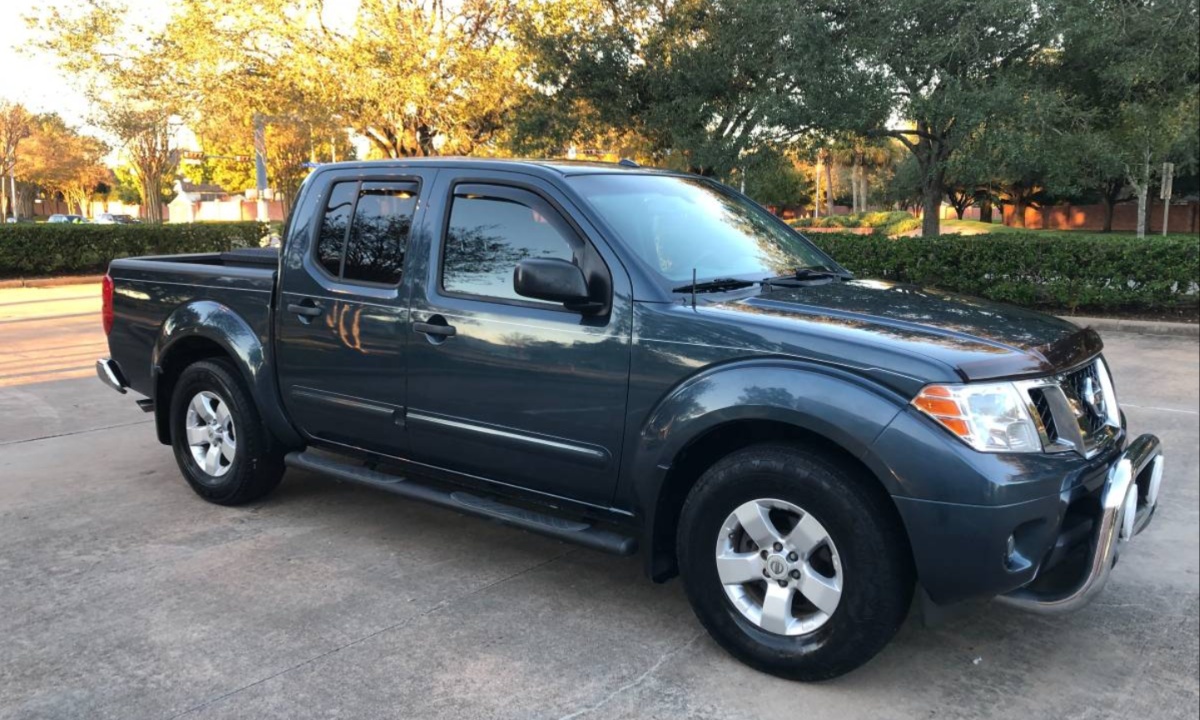
The 2014 Nissan Frontier stood out in the midsize pickup segment for its exceptional reliability and well-rounded performance. Earning a perfect reliability score from Consumer Reports, this model solidified its reputation as one of the most dependable trucks of its time.
It carried forward the powerful 4.0-liter V6 engine while adding minor but valuable upgrades, including improved infotainment features, voice control, and smartphone integration.
Buyers also had the option of the Pro-4X trim, designed with off-road enthusiasts in mind, offering skid plates, Bilstein shocks, and a locking rear differential. Though full-size pickups dominated the market, the Frontier appealed to drivers who wanted a versatile truck without the higher costs and bulk of a larger model.
Performance was a key strength of the 2014 Frontier, with buyers choosing between a 2.5-liter four-cylinder for efficiency or the stronger 4.0-liter V6 for robust towing and hauling capacity of up to 6,500 pounds.
The V6 offered solid acceleration and performed admirably both on highways and rugged trails, though its slower steering and modest handling reminded drivers of its old-school truck roots. Fuel economy ranged from 17 to 21 mpg combined, depending on the configuration, making it competitive for its class.
While the Frontier lagged slightly behind rivals like the Toyota Tacoma in speed and rear-seat comfort, it remained highly practical with features like moveable tie-downs, a spray-in bedliner, and a sliding bed extender to enhance utility.
Safety was also a highlight, with standard stability control, antilock brakes, airbags, and strong crash-test results from the IIHS.
Inside, the Frontier struck a balance between ruggedness and comfort. Its cabin design leaned toward practicality, with durable materials and straightforward controls, though some found the plastics hollow and the design dated compared to newer competitors.
Technology improvements like Bluetooth and available navigation helped modernize it, but higher trims were necessary to access the best features. The King Cab’s rear jump seats were best for short trips, while the Crew Cab offered more space but still less comfort than rivals.
Despite these shortcomings, the Frontier excelled in versatility and capability, particularly in its Pro-4X trim with excellent off-road handling and nearly 9 inches of ground clearance.
For buyers in 2014, the Nissan Frontier represented a reliable, hardworking, and adventure-ready midsize truck, offering a near-ideal blend of everyday comfort, utility, and proven durability.
Also Read: 5 Cars That Handle Potholes Without Drama and 5 That Shatter Wheels
5 Nissan Frontier Years That Don’t Last Long
1. 2005 Nissan Frontier: A Costly Reliability Trap
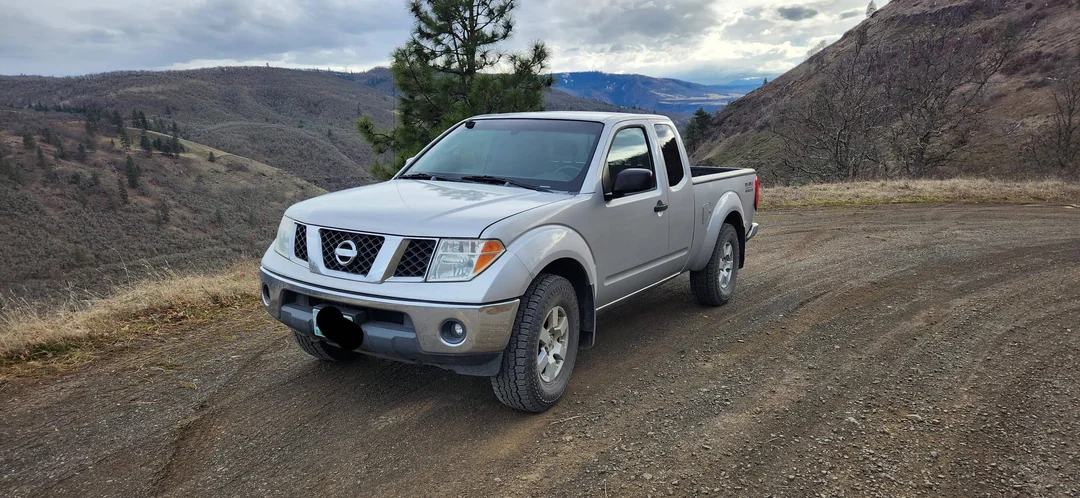
The 2005 Nissan Frontier marked the beginning of the D40 generation, but it quickly gained notoriety as the worst model year in the lineup. According to Car Complaints, the most infamous issue was a radiator defect that allowed coolant to leak into the transmission.
This failure often led to complete transmission destruction, leaving owners with repair bills averaging nearly $3,800. Out of 189 documented complaints, 122 required full radiator and transmission replacements, making this defect both widespread and devastating.
The problem was so severe that it overshadowed the Frontier’s otherwise strong reputation as a midsize pickup. For buyers considering used Frontiers, 2005 is widely regarded as a “must-avoid” model year due to the high probability of catastrophic drivetrain failure.
2. 2006 Nissan Frontier: The Most Complained-About Model
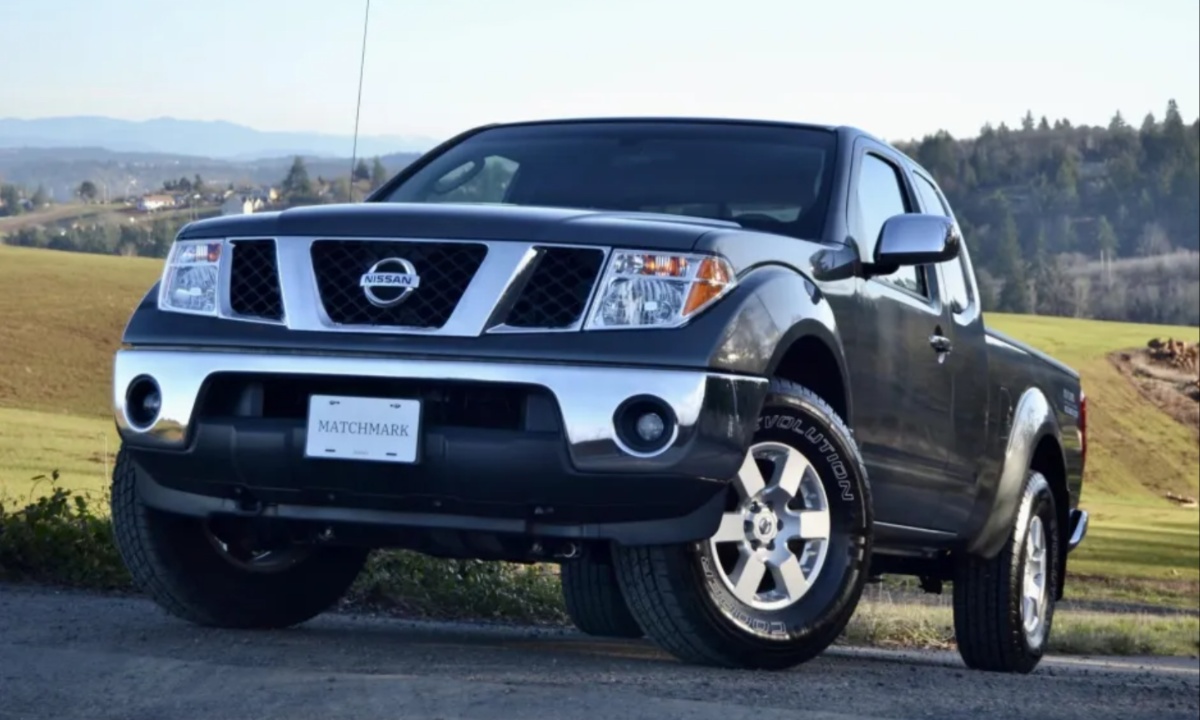
If 2005 introduced reliability concerns, the 2006 Nissan Frontier cemented them, becoming the most complained-about model year in NHTSA data with over 600 reports.
It carried forward the same radiator and transmission problems while adding new concerns such as timing chain failures, electrical malfunctions, and fuel system issues. Airbag recalls also plagued the model, with some owners claiming replacement parts were unavailable when needed. Reports of steering issues added further safety worries.
Because 2006 offered no real improvements over 2005 and added new problems to the list, it is consistently flagged as a poor choice for used buyers. Analysts generally recommend avoiding both 2006 and 2007 Frontiers, as they suffer from nearly identical issues that undermine long-term reliability.
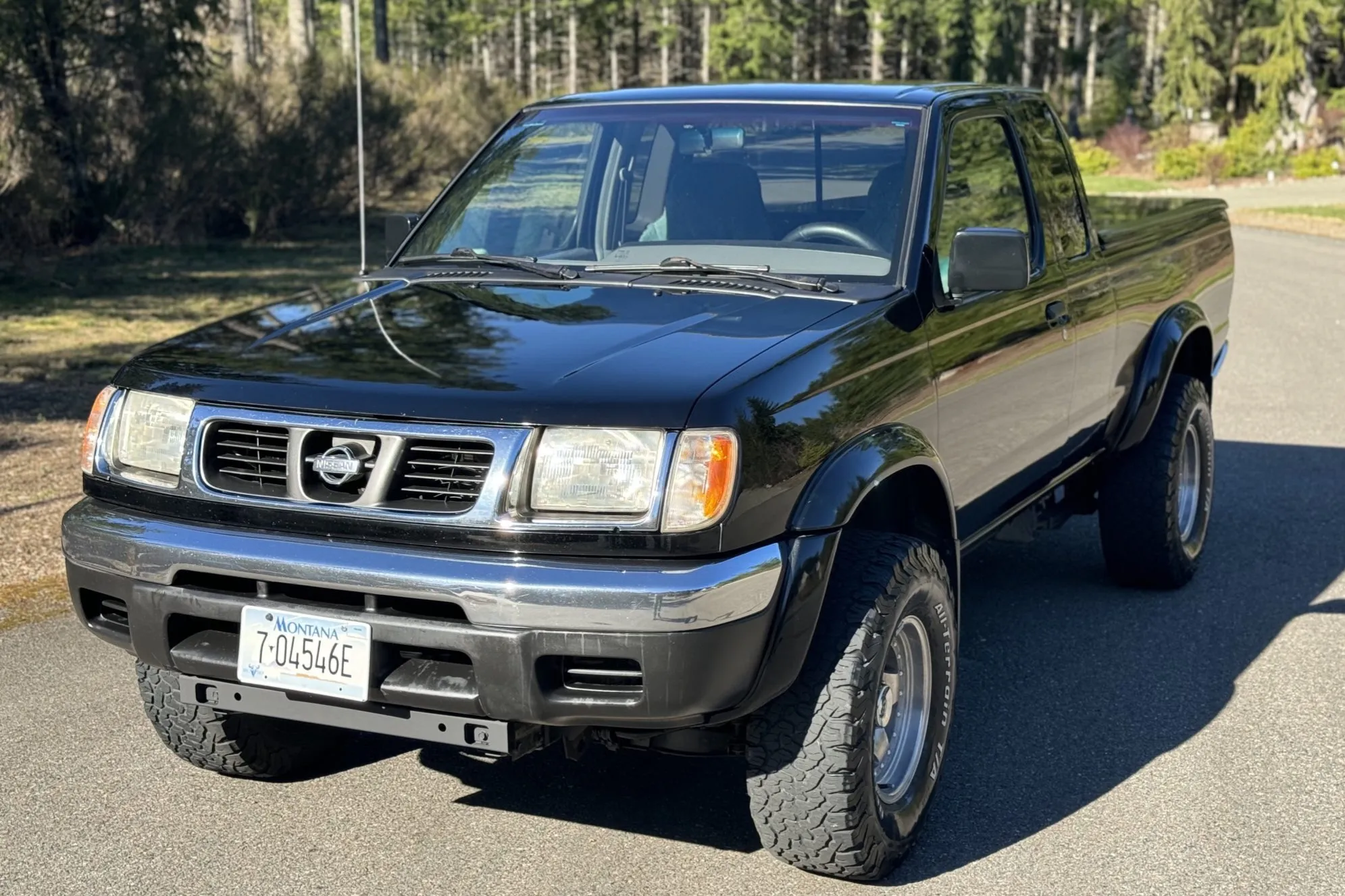
3. 2000 Nissan Frontier: Early Model Challenges
While the 2000 Nissan Frontier predates the D40 generation, it still attracted higher-than-average complaints compared to other early model years. Reported issues ranged from powertrain and electrical problems to premature corrosion of key components.
Some owners experienced instrument panel failures, while others cited rust-related weaknesses that compromised durability. Although not plagued by a single catastrophic flaw like the 2005–2007 models, the 2000 Frontier struggled with scattered reliability concerns that reduced owner confidence.
Given its age, most used examples now available are nearly 25 years old, increasing the likelihood of wear-related breakdowns. For buyers, this means extra diligence is needed when shopping for a 2000 Frontier, with service records and careful inspection playing a crucial role in avoiding costly repairs.
4. 2008 Nissan Frontier: Lingering Transmission Concerns
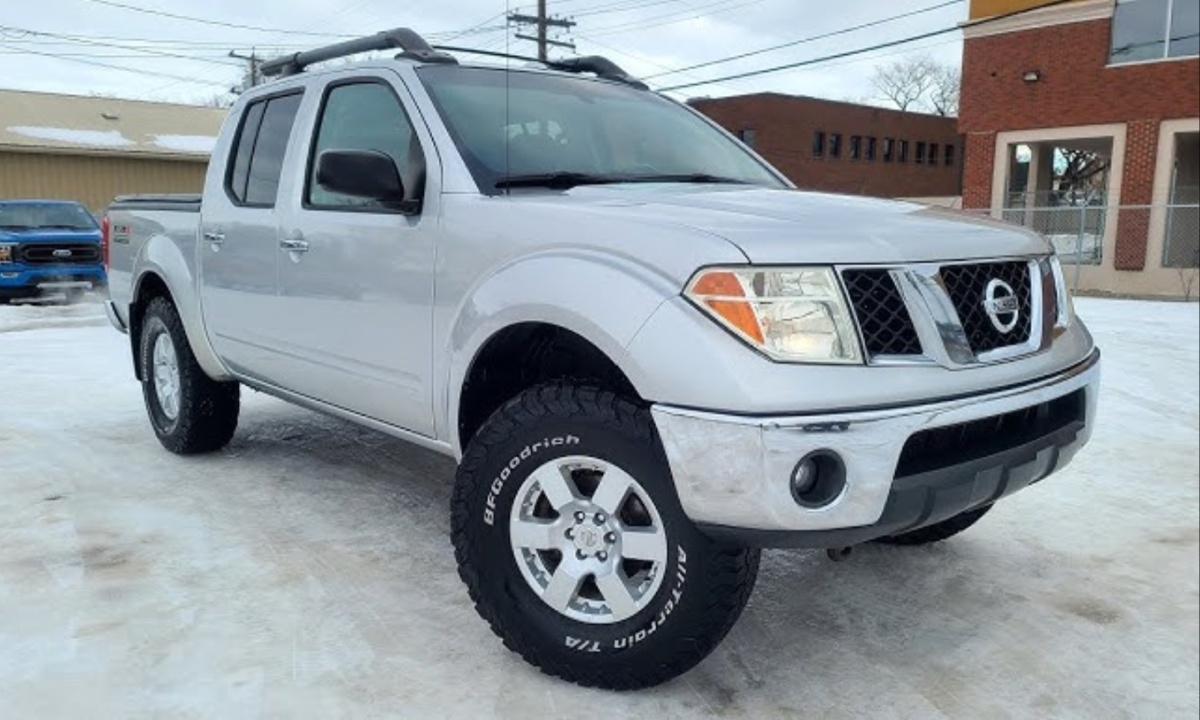
By 2008, Nissan attempted to improve the Frontier’s radiator design, but problems persisted. Owners still reported instances of coolant leaking into the transmission, leading to the same catastrophic failures seen in earlier years. While the frequency of such failures declined, the risk remained significant enough to deter buyers.
On top of that, 2008 models were plagued with faulty fuel level sensors, which caused inaccurate gas gauge readings. This seemingly minor defect could leave drivers stranded unexpectedly when the truck runs out of fuel.
Together, these issues reinforced the Frontier’s shaky reputation during this period. Some owners mitigated transmission risks by installing external coolers, but this added cost and effort made the 2008 Frontier less appealing compared to more reliable rivals or later Nissan models.
5. 2016 Nissan Frontier: Concentrated Engine Complaints
While much newer than the troubled mid-2000s models, the 2016 Nissan Frontier also developed a reputation worth noting. Although its complaint volume was lower, just 32 reports compared to the hundreds from earlier years, the severity of issues raised concerns.
Many owners reported engine knocking, a potentially terminal problem that could lead to costly repairs or outright engine failure. Others noted acceleration problems, raising questions about whether these were related to the knocking issue.
With only one official recall from the NHTSA, the 2016 Frontier looked decent on paper, but concentrated complaints about engine reliability painted a different picture.
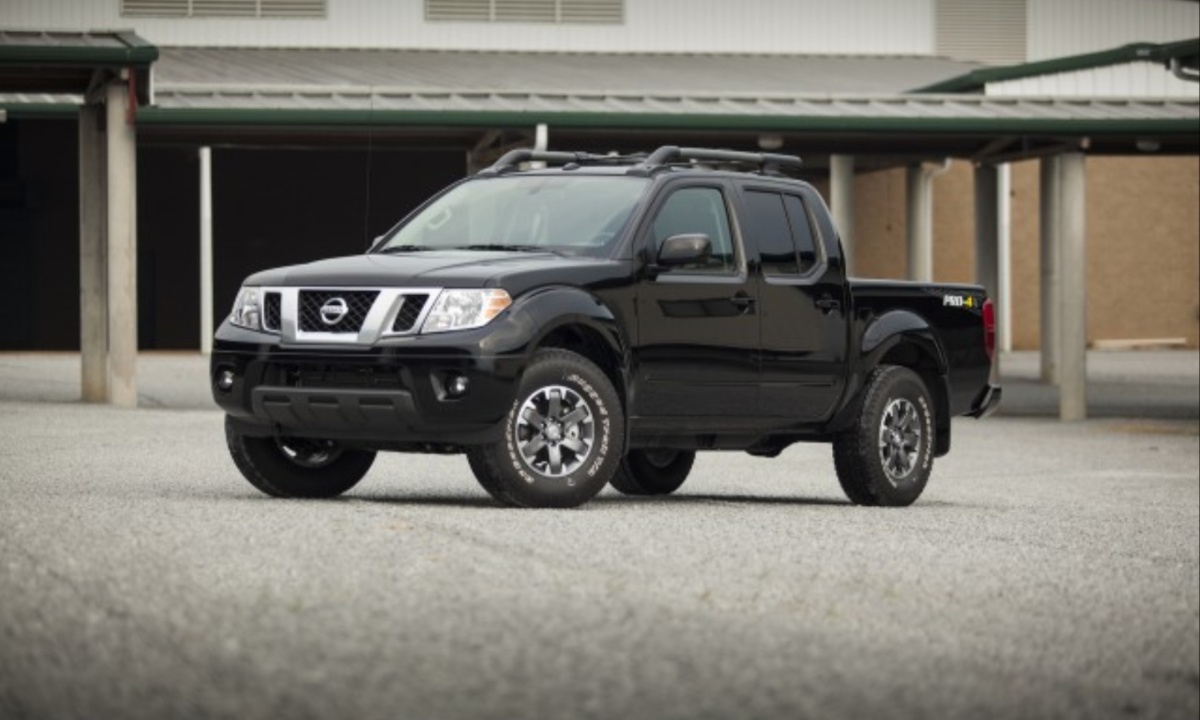
For buyers, this makes the 2016 model year one to approach with caution, as the risk of major engine trouble outweighs the benefits of a newer design and lower overall complaint count.
The Nissan Frontier’s long history shows that reliability can vary widely between model years. From standout versions like the 2015 and 2014 models, praised for their durability and well-rounded performance, to problem years like 2005 and 2006, plagued by transmission failures, the difference between a dependable truck and a financial headache is often tied to production year.
Buyers seeking a Frontier that can last for decades should focus on proven model years with strong reliability records and avoid those known for chronic issues.
With the right choice, the Nissan Frontier remains one of the best midsize trucks for balancing power, utility, and long-term value, delivering the toughness drivers expect without the costly surprises they don’t.
Also Read: 10 Cars That Rarely Sit Unsold In The Lot Due To High Demand in 2025