
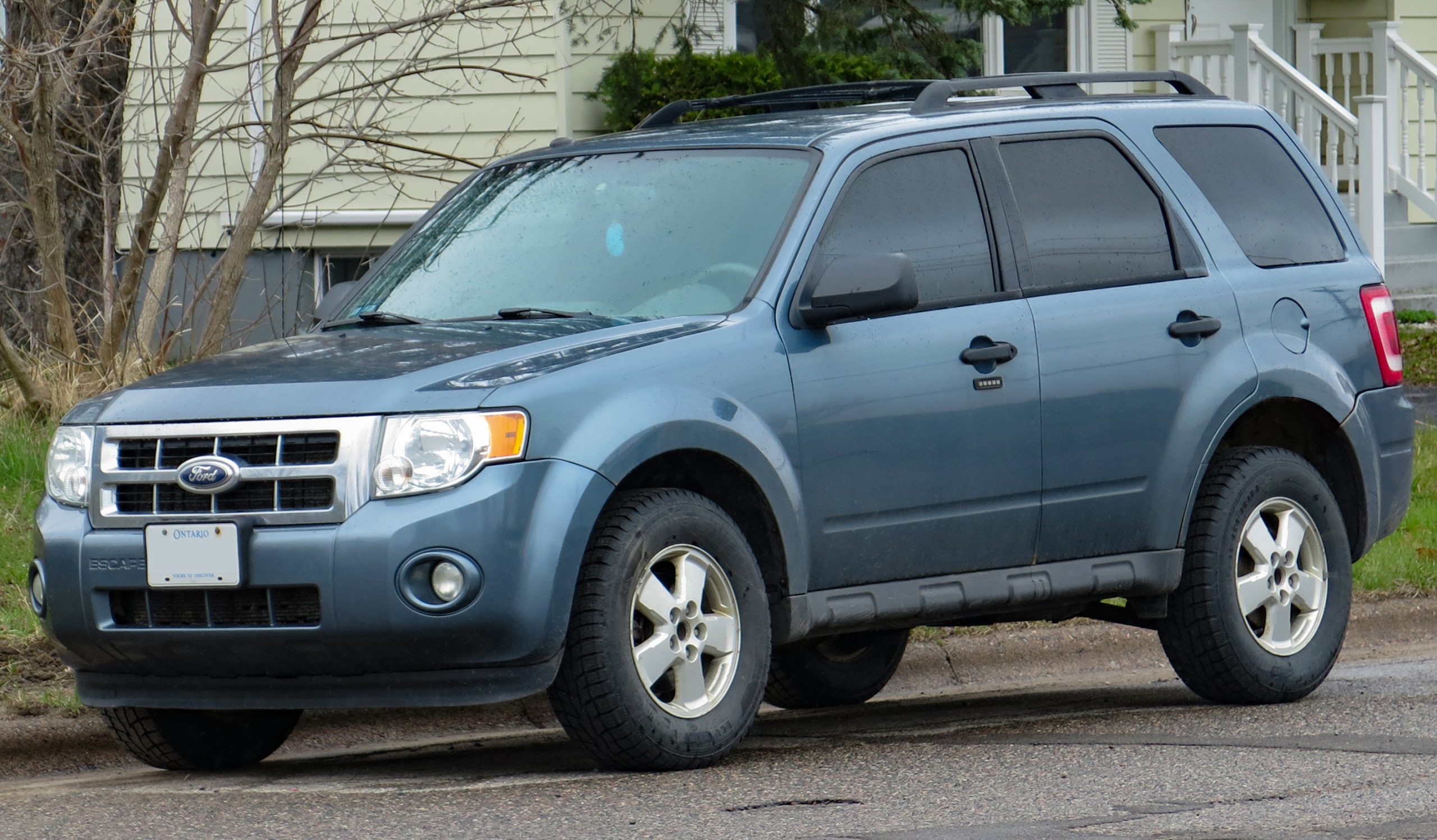
Since its debut in 2001, the Ford Escape has been one of the most popular compact SUVs on the market, appealing to drivers who want a balance of practicality, comfort, and affordability.
Over the years, Ford has refined the Escape’s design, performance, and technology, producing standout model years that remain attractive choices for used car buyers today. At the same time, certain years have proven troublesome, plagued by costly mechanical issues and safety recalls.
For shoppers considering a pre-owned Escape, knowing which years to target and which to avoid can make all the difference in long-term satisfaction and ownership costs.
In this guide, we’ll explore five of the best Ford Escape model years’ worth owning, based on reliability, consumer feedback, safety ratings, and overall value. Whether you’re after fuel efficiency, advanced features, or all-around dependability, these model years stand out as smart investments in the used SUV market.
5 Ford Escape Years Worth Owning
1. 2004 Ford Escape
The 2004 Ford Escape continues to stand out as one of the better model years for this compact SUV, even two decades later. While it isn’t without flaws recording eight recalls according to the NHTSA it still fares better than earlier versions, showing Ford’s gradual refinement of the Escape’s formula.
What makes this year particularly appealing to used car buyers is its relatively low complaint record. With only 119 complaints reported on Car Complaints, the 2004 Escape has the fewest issues of any model from its launch up until 2018.
Most problems are related to body and paint, rather than mechanical or performance failures, making it easier for buyers to identify and address potential concerns before purchase.
Ford kept the 2004 Escape largely unchanged in design, but lowered prices on higher trims such as the Limited and expanded appearance package options to more affordable trims, improving overall value.
Though Chrome Yellow was dropped as a color choice, trim levels and option bundles were simplified to reduce confusion for buyers. Equipped with a powerful V6 engine, spacious cabin, and carlike handling, the Escape provided a comfortable yet capable ride, earning praise as a versatile small SUV. These updates, while modest, positioned the Escape as both a practical and attractive option in its segment.
Consumer feedback strongly supports the 2004 Escape’s reputation. Out of 1,318 owners, 62% rated it five out of five stars, citing reliability, comfort, and driving performance as key strengths. Owners appreciated its balance of fuel efficiency, affordability, and everyday usability.
However, drawbacks such as road noise, less supportive seating, and occasional mechanical issues were noted, especially in older units. Still, with its combination of practicality, value, and owner satisfaction, the 2004 Ford Escape remains a compelling choice for buyers seeking a dependable and versatile small SUV.
2. 2012 Ford Escape
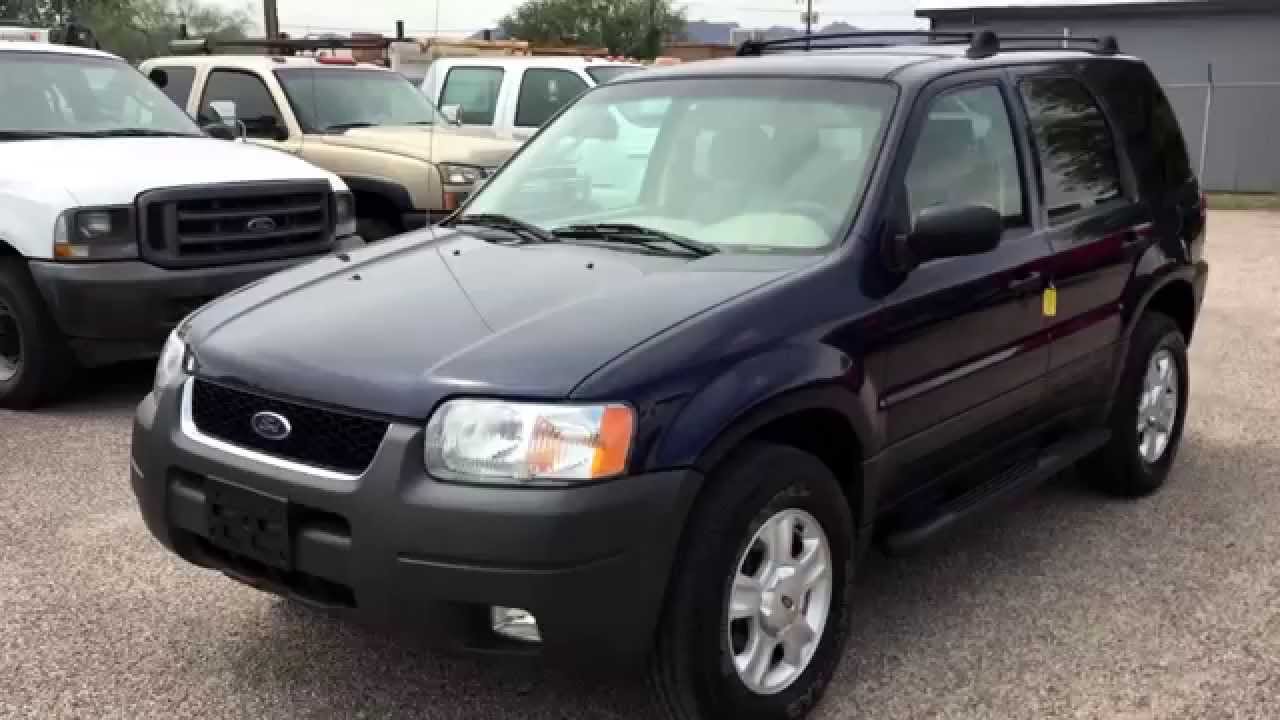
The 2012 Ford Escape represents the final year of the second-generation model, marking the end of a long-running design before a complete redesign arrived the following year.
Unlike many other Ford Escape years, the 2012 version is relatively trouble-free, with only two recalls recorded by the NHTSA one concerning a potential fuel leak and the other involving improperly sized wheel bearings.
This makes it one of the most reliable Escape years in terms of official recalls, especially when compared to newer models that are already facing multiple recalls despite their younger age. Buyers could choose between front-wheel or all-wheel drive, and both variants were subject to the same recall issues.
In terms of features, the 2012 Escape may have felt dated, but Ford offered several high-tech options to keep it competitive. The standout addition was Auto Park, which could steer the SUV into a parallel parking space while the driver managed only the pedals.
Along with Ford’s Sync system, the Escape offered strong appeal to buyers seeking advanced technology in an affordable package. It also remained the only compact SUV available as a hybrid, delivering excellent fuel economy of up to 34 mpg city and 32 mpg combined.
However, the Escape lagged behind rivals like the Honda CR-V, Toyota RAV4, and Chevrolet Equinox in refinement, comfort, and overall polish, with shortcomings such as drum rear brakes, a lack of telescoping steering wheel, and cumbersome folding rear seats.
Performance options included a 171-hp four-cylinder engine or a 240-hp V6, both paired with manual or automatic transmissions depending on trim. The V6 model could tow up to 3,500 pounds, giving the Escape an edge in utility over some competitors.
Fuel economy was modest for gasoline models, ranging from 20 to 28 mpg depending on engine and drivetrain, while the hybrid version was far more efficient.
Safety ratings were mixed: the Escape scored three stars overall in the government’s updated crash tests, but earned “Good” ratings from the IIHS in frontal-offset and side-impact testing. Unfortunately, braking performance was below average, with longer-than-expected stopping distances and brake fade under repeated use.
Inside, the Escape’s cabin combined straightforward controls with Ford’s Sync interface, but its age was evident in areas of comfort and design. The tall driving position and lack of steering adjustment felt awkward for many drivers, while the flat and non-adjustable rear seats fell short of rivals’ comfort levels.
Cargo capacity was competitive at up to 66 cubic feet, though folding the rear seats required multiple steps, making it less convenient than competitors.
While the 2012 Ford Escape offered practicality, technology, and hybrid efficiency, its outdated design, weaker braking, and limited refinement made it a transitional model appealing mainly to budget-conscious buyers awaiting the redesigned 2013 Escape.
3. 2019 Ford Escape
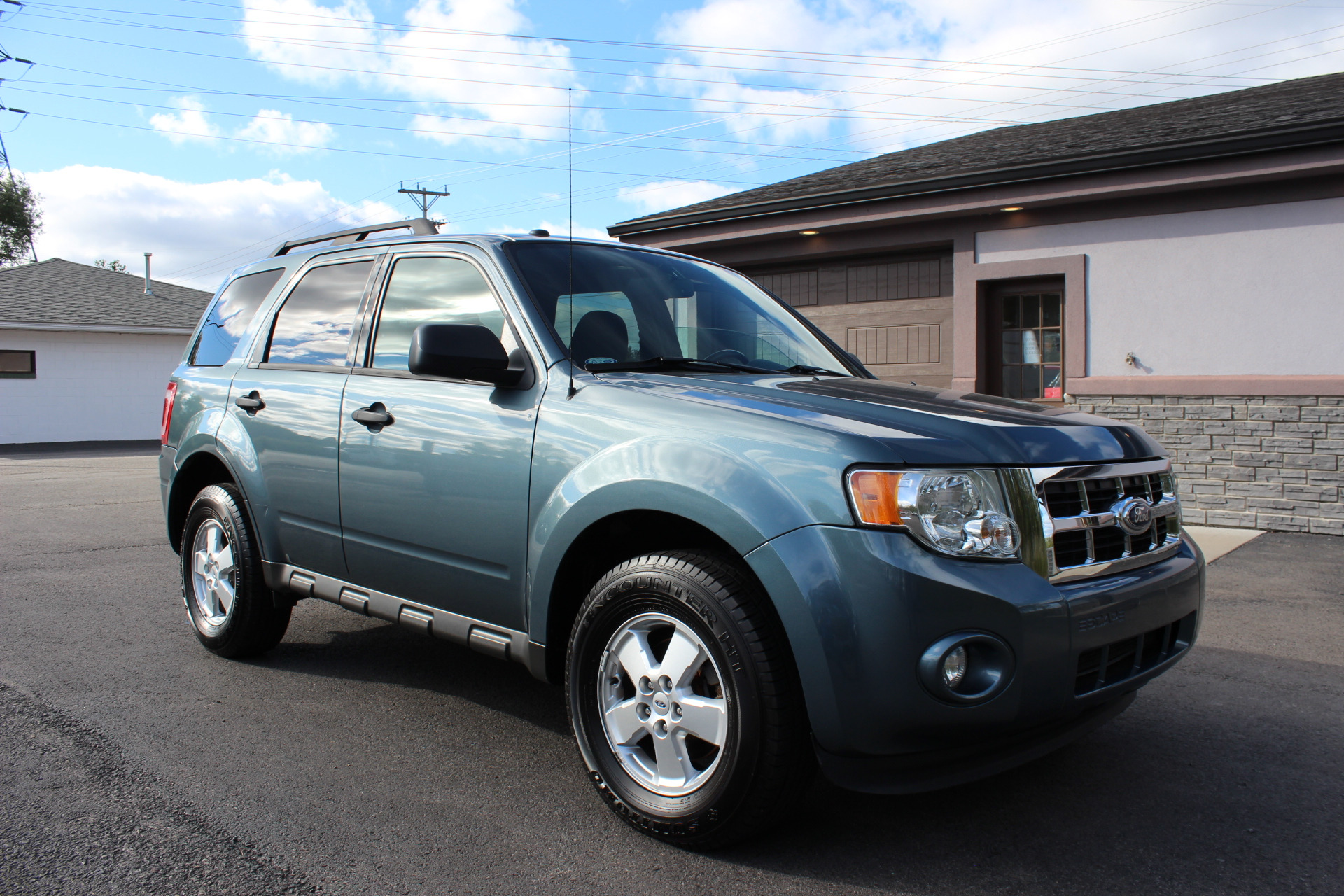
The 2019 Ford Escape closed out the third generation of this compact SUV, and like the 2012 model before it, it has earned a reputation for reliability. With only two recalls and a remarkably low 23 consumer complaints (compared to nearly 5,000 for the Escape overall), this model year stands as one of the most dependable choices for buyers.
The recalls themselves were relatively minor one concerning a missing bush that could prevent the “Park” position from engaging, and another involving potential tire failure.
While engine-related complaints did surface, they were limited and typically minor, often related to rough running or unusual smells. As a result, the 2019 Escape has become a highly recommended option for those seeking a used compact SUV.
From a performance perspective, the Escape was designed to deliver sedan-like handling without losing SUV utility. The turbocharged 1.5-liter engine, though slightly sluggish off the line, provided adequate power once the turbo engaged.
For drivers wanting more excitement, the optional turbo 2.0-liter engine shaved nearly three seconds off the 0–60 mph time, hitting it in just 7 seconds.
Strong braking, precise handling, and a composed ride gave the Escape a sportier edge compared to rivals, though this came at the cost of comfort its suspension transmitted bumps and vibrations more noticeably than class leaders like the Mazda CX-5 or Honda CR-V.
Despite this, the Escape’s confident dynamics and available all-wheel drive made it a versatile option for both city commuting and light off-road excursions.
Inside, the 2019 Escape balanced practicality with technology. Standard Sync 3 infotainment, along with Apple CarPlay and Android Auto, made smartphone integration seamless, while available driver aids like blind-spot monitoring, adaptive cruise control, and lane departure warning added extra safety.
Seating comfort was adequate, though narrow cushions and aggressive lumbar support limited appeal for some drivers. Rear seating was flat but functional, with enough space for four adults.
Cargo utility remained one of the Escape’s strongest features, offering up to 68 cubic feet of storage with the seats folded flat, complemented by options such as a power liftgate and easy LATCH anchor access for child seats. While small-item storage was limited, the Escape still excelled in overall practicality.
The 2019 Escape’s main weaknesses lay in refinement. Road and wind noise were more noticeable than in rivals, ride quality lagged behind the competition, and infotainment quirks such as poor satellite radio reception and clunky voice commands dampened the experience.
Still, these drawbacks didn’t overshadow its core strengths: engaging driving dynamics, solid reliability, strong cargo capacity, and accessible technology. As the final model year before a redesign, the 2019 Ford Escape represents a mature and well-rounded compact SUV, appealing to buyers who value sporty performance paired with everyday versatility.
4. 2015 Ford Escape
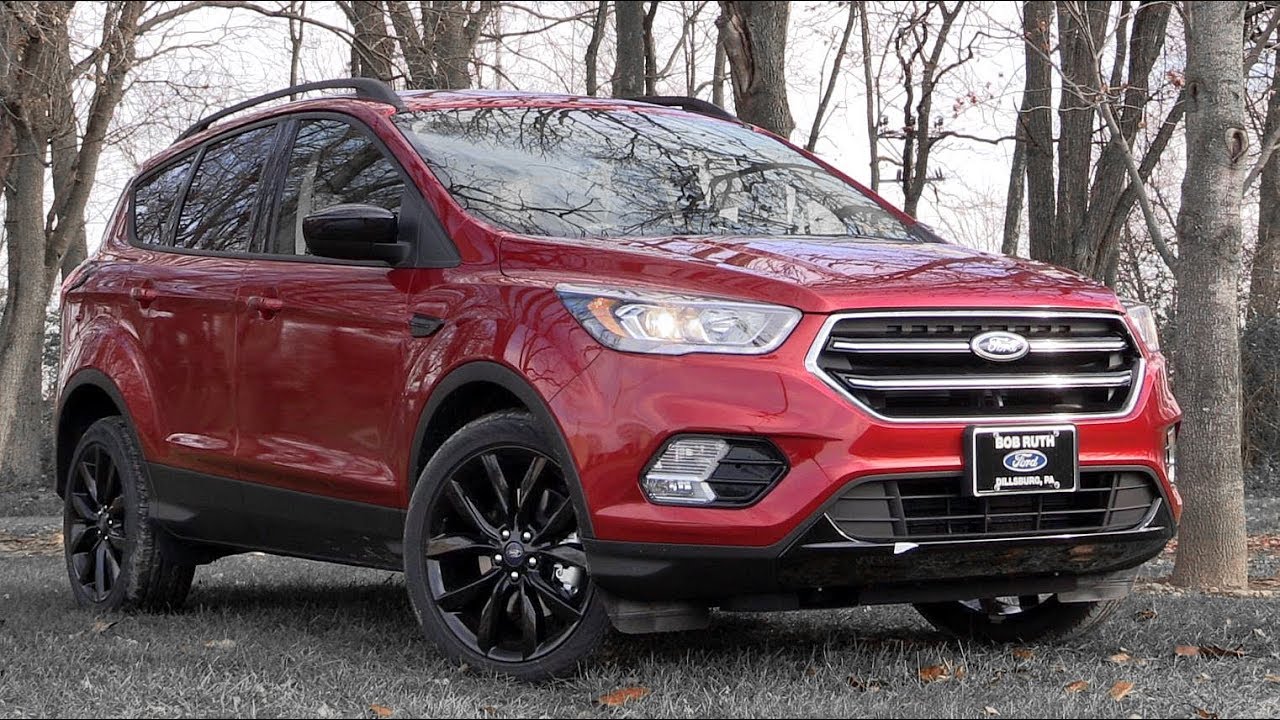
The 2015 Ford Escape stands out as one of the more dependable model years of this compact crossover, especially compared to some of the troubled versions that came before and after it. With NHTSA complaints cut nearly in half from the prior year, totaling 991, Ford demonstrated real progress in reliability.
Most notably, engine-related complaints dropped significantly to just 174, making the Escape a much safer bet for families. Its improved safety profile, reflected in a 4.4 out of 5 crash score, further boosted consumer confidence.
Combined with an affordable average annual maintenance cost of around $632, the 2015 Escape was widely regarded as one of the best compact SUVs available at the time.
Performance and versatility are key highlights of the 2015 Escape, thanks to its trio of engine options. The standard 2.5-liter four-cylinder offered adequate performance and up to 25 mpg combined, making it a practical choice for daily commuting.
For those seeking more efficiency, the 1.6-liter turbocharged four-cylinder struck a balance between performance and fuel economy, achieving up to 32 mpg on the highway.
However, the star of the lineup was the 2.0-liter turbocharged engine, delivering 240 horsepower, quick acceleration to 60 mph in just 7 seconds, and towing capacity of up to 3,500 pounds. This gave the Escape class-leading capability without sacrificing smoothness or refinement, making it a versatile option for a wide range of buyers.
Safety was another area where the 2015 Escape showed strength. Standard features included a rearview camera, blind-spot mirrors, stability control, and multiple airbags, with options such as parking sensors and cross-traffic alerts available on higher trims.
In government crash tests, the Escape scored an overall four out of five stars, excelling in side-impact protection with a five-star score. The IIHS rated it “Good” in most categories, though it received a “Poor” rating in the small-overlap frontal test.
In brake testing, the Escape stopped from 60 mph in an impressive 115 feet, outperforming the class average. Combined with its responsive steering and stable ride, these factors made the Escape one of the more confidence-inspiring crossovers of its time.
Inside, the 2015 Escape delivered a comfortable and high-quality cabin, with supportive front seats and a reclining rear bench offering good passenger space. The available MyFord Touch infotainment system, while occasionally finicky, modernized the SUV with voice control and touchscreen functionality.
Cargo space was competitive at 34.3 cubic feet behind the rear seats, expanding to 68.1 cubic feet with them folded flat. Practical touches such as the optional hands-free power liftgate further boosted convenience.
While rivals like the Honda CR-V and Toyota RAV4 offered more interior space and slightly better reliability reputations, the 2015 Ford Escape distinguished itself with sharp handling, strong performance options, and standout design making it one of the most well-rounded SUVs in its class.
5. 2020 Ford Escape
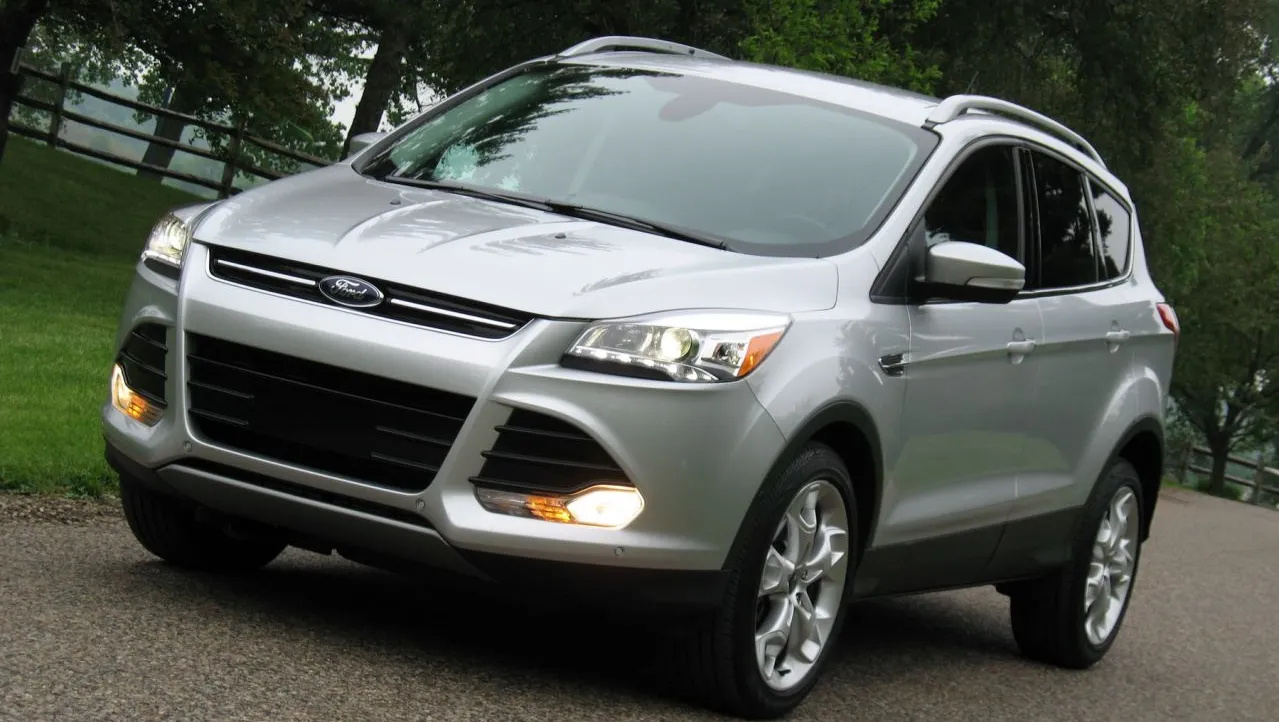
The 2020 Ford Escape marked a major redesign, introducing a sleeker exterior, a roomier interior, and new technology that elevated its appeal in the compact SUV class. While it carried 994 NHTSA complaints, many were tied to minor noise issues covered under warranty, leaving its reputation intact.
More importantly, the 2020 Escape achieved an impressive 4.8 out of 5 NHTSA crash rating, making it one of the safest in its class. With low annual maintenance costs and only one active safety investigation, this model year earned widespread recommendations.
Positioned between Ford’s smaller EcoSport and larger Explorer, the Escape competed directly with popular rivals like the Toyota RAV4, Honda CR-V, and Chevrolet Equinox offering hybrid efficiency, modern features, and versatility.
Performance was a mixed bag. On the one hand, the turbocharged 2.0-liter engine delivered strong acceleration, sprinting from 0–60 mph in 6.9 seconds and towing up to 3,500 pounds better than many competitors.
Fuel economy ratings were also competitive, with the hybrid model boasting an estimated 40 mpg combined. However, the eight-speed automatic transmission proved sluggish and jerky, while handling lacked refinement, with noticeable body roll and light steering that felt disconnected.
Though capable of spirited driving in short bursts, the Escape’s overall drivability fell short compared to sharper rivals like the Mazda CX-5. Still, its smooth ride quality and quiet cabin ensured comfort for daily commuting and long trips alike.
Inside, the 2020 Escape showcased Ford’s commitment to practicality and comfort. The cabin was airy and spacious, especially in the rear seat, which offered ample legroom for adults and easy installation of child seats.
Materials were of good quality for the price, with well-shaped seats and an intuitive Sync 3 infotainment system that included a responsive touchscreen, navigation, and solid audio performance.
Visibility was generally strong, and the high driving position gave drivers a confident road view. Cargo capacity was average at 33.5 cubic feet but enhanced by a flat load floor and clever interior storage, making it versatile for both family duties and road trips.
Technology and safety were clear strengths. The Escape featured a suite of advanced driver-assistance systems, many standards, including adaptive cruise control, blind-spot monitoring, and lane-centering.
Smartphone integration was available but not universal across trims, which slightly limited convenience. Despite this, the Escape’s mix of user-friendly technology, strong safety ratings, and competitive pricing made it an attractive option.
While some rivals offered more polished performance or upscale cabins, the 2020 Ford Escape struck a solid balance between practicality, efficiency, and modern features, cementing its place as a smart and family-friendly SUV in the compact segment.
Also Read: 5 Cars With Sun Visors That Stay Tight VS 5 That Sag
5 Ford Escape Years With Reliability Issues
1. 2005 Ford Escape: Rust and Reliability Nightmares
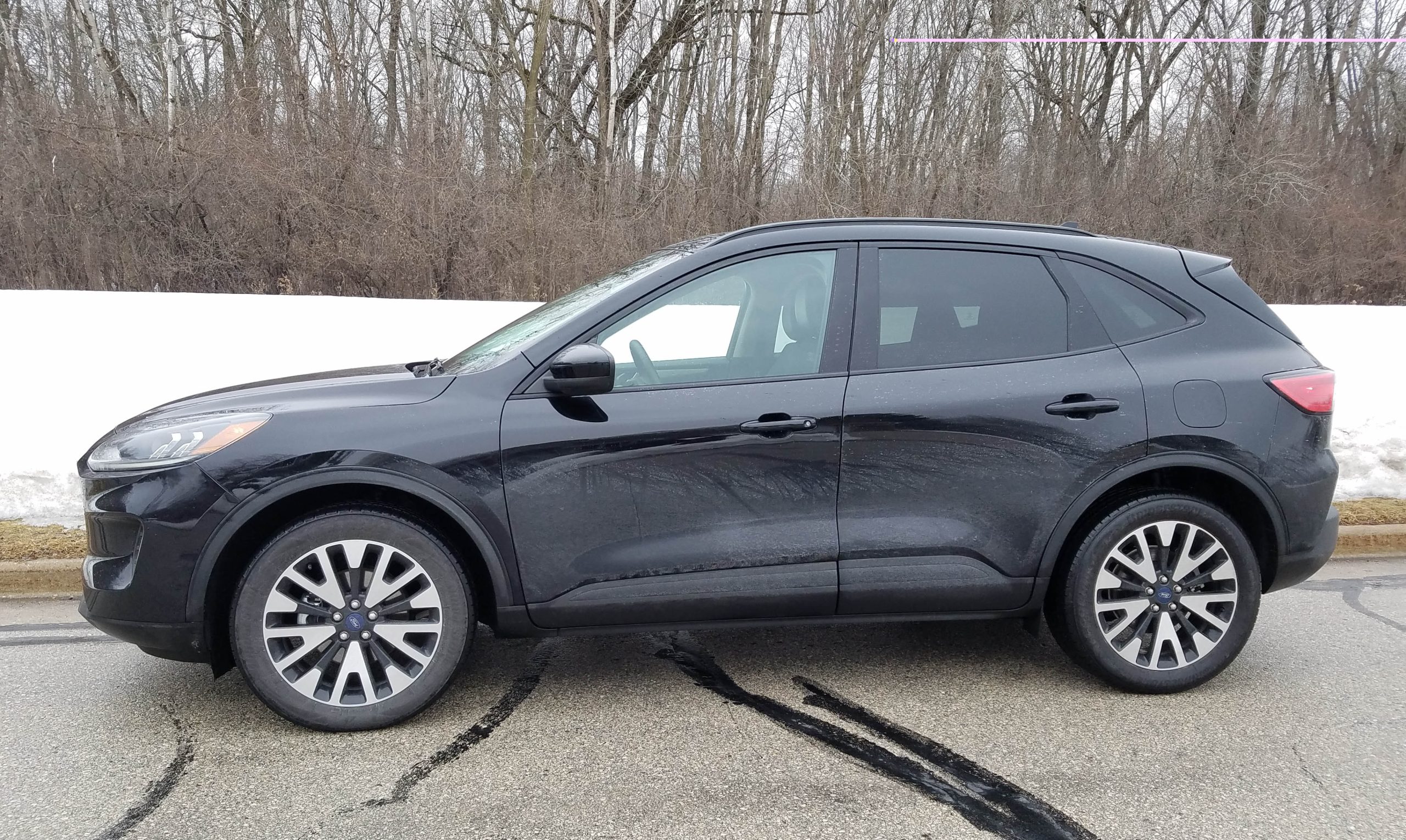
The 2005 Ford Escape stands out as one of the worst years in the model’s history, despite directly following the well-regarded 2004 edition. The most notorious issue with this SUV was severe rust in the wheel wells, extending to the shock mounting points.
This problem didn’t just affect the vehicle’s appearance it compromised structural integrity and safety, with Car Complaints rating it 9.3/10 for severity. Such corrosion was expensive to repair, making the 2005 Escape an unattractive option for buyers seeking a dependable family SUV. Alongside rust, this model became synonymous with costly mechanical concerns that cast a long shadow over its reputation.
Adding to owners’ frustration was the Power Control Module (PCM) defect, which typically failed around 100,000 miles. Ford extended the PCM warranty to 80,000 miles, but many owners experienced failures beyond that limit, leaving them with repair bills averaging over $2,000.
These expenses came on top of other intermittent engine issues that plagued the model. The situation worsened when complaint statistics were compared: 532 complaints were logged against the 2005 Escape, a dramatic increase from the 119 complaints recorded for the 2004 version. For buyers searching the used SUV market, this model year represents one of the clearest examples of what to avoid.
2. 2014 Ford Escape: Safety and Costly Repairs
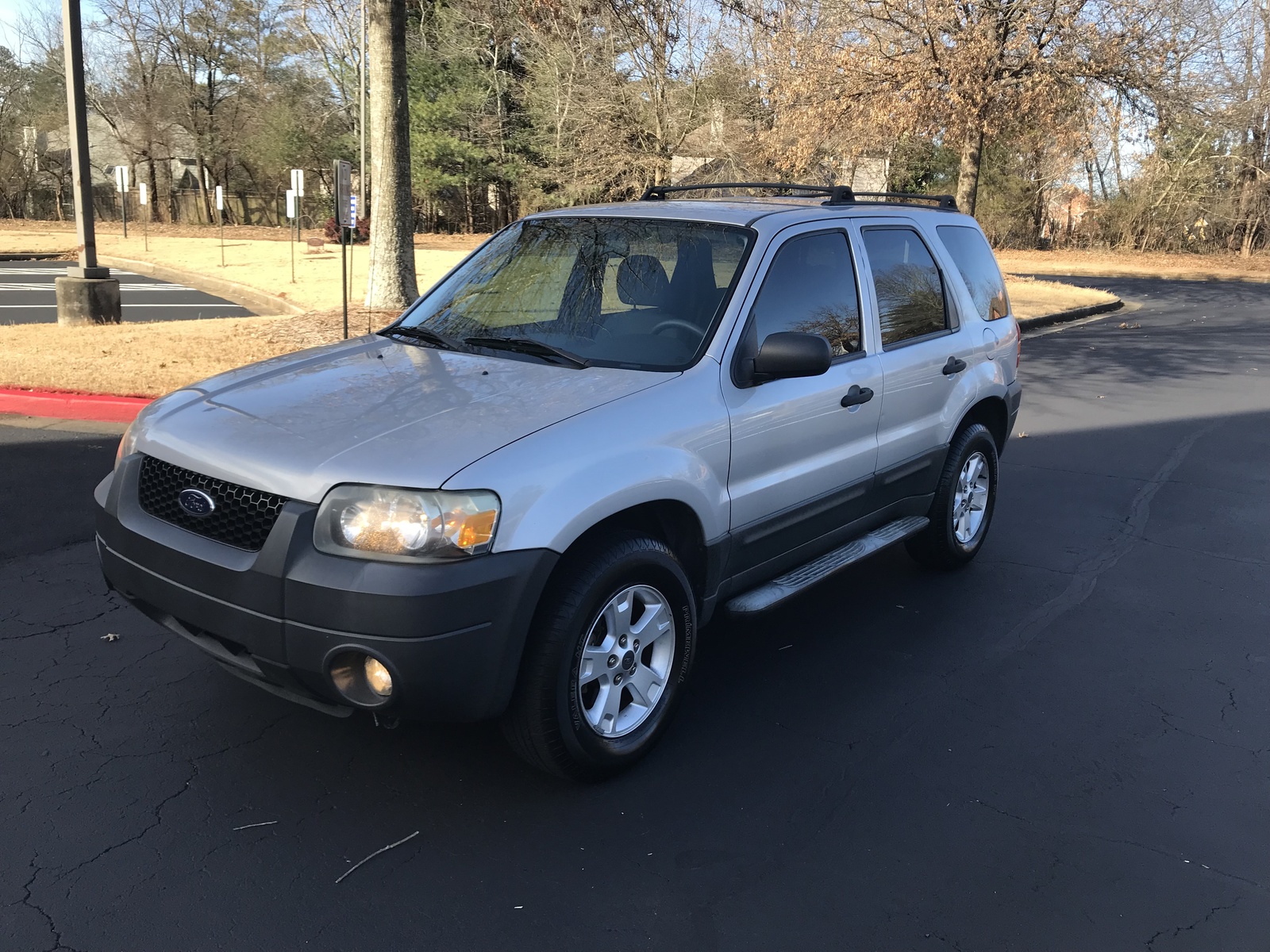
By 2014, the third-generation Ford Escape should have built consumer trust, yet this year quickly earned the title of worst overall model. While the number of complaints was lower than earlier problematic years, the nature of the problems was far more serious.
The NHTSA issued 15 recalls, including alarming cases of doors opening while driving and fractured seat belt mounting bolts. Such defects raised safety concerns, especially for a family-oriented SUV.
Car Complaints further noted that transmission failures were common at around 70,000 miles, with an average repair cost surpassing $4,000 an expense well beyond what most buyers expect.
Additional mechanical issues compounded the 2014 Escape’s poor reputation. Leaking cylinder heads, faulty fuel pumps, and recurring airbag problems meant owners faced frequent and expensive repairs. Many of these issues arose at lower mileages compared to other Escape model years, magnifying frustration.
Although Ford introduced fresh styling and technology with this generation, reliability lagged behind expectations. Buyers who needed safety, durability, and peace of mind often found the 2014 Escape delivered the opposite. These problems made it one of the most frequently avoided models in the Escape’s long production history.
3. 2020 Ford Escape: A Risky Redesign
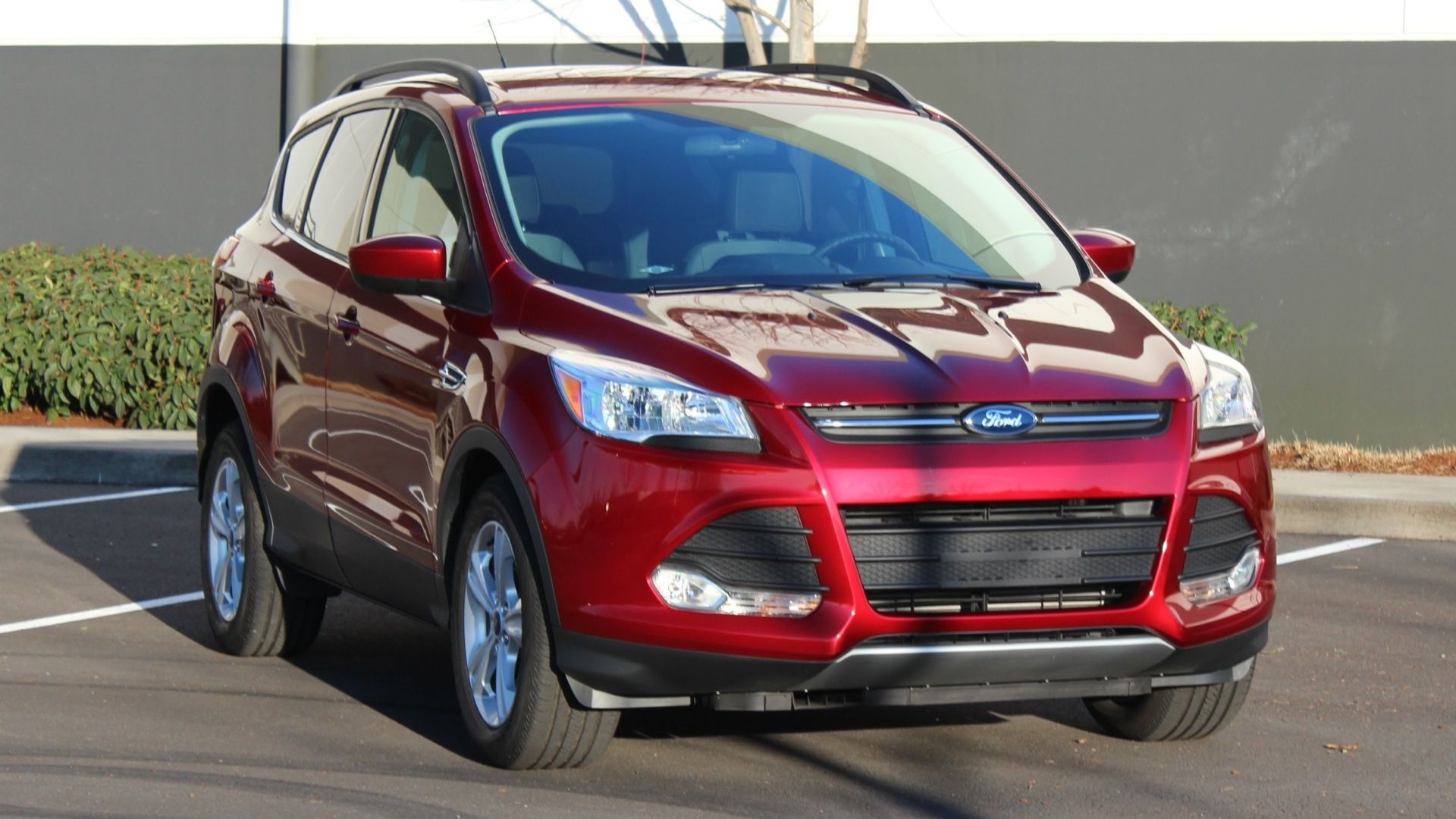
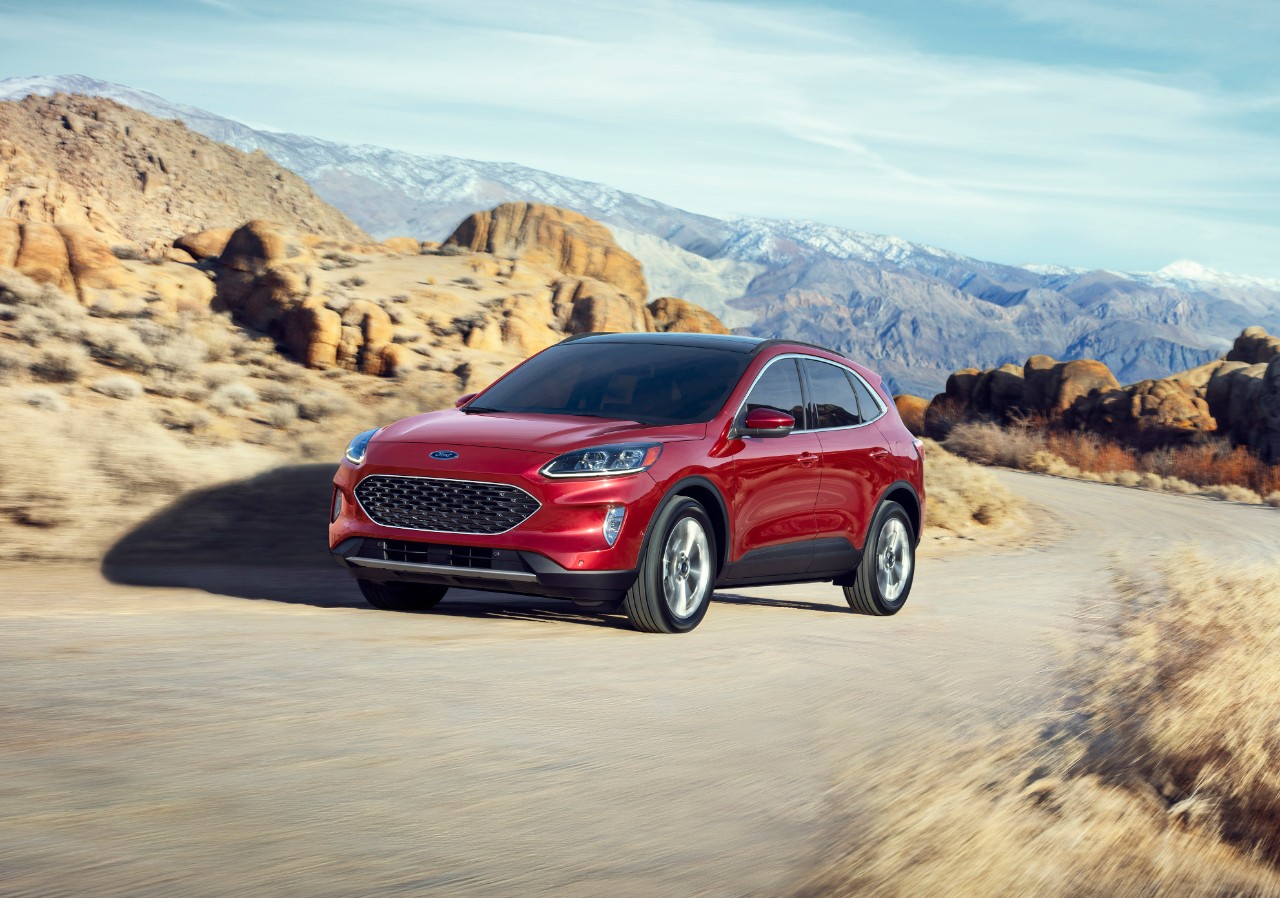
The launch of the fourth generation Escape in 2020 should have marked a turning point for the SUV, but instead, it added another year to avoid. Despite earning a fair 76/100 reliability and quality score from J.D. Power, the model quickly attracted 12 recalls, a startling number for such a new release.
Among the most concerning issues were engine failures, faulty fuel injectors, low-quality welds, and even fire risks. For a modern vehicle competing in a safety-conscious market, these problems undercut consumer confidence. Buyers who expected cutting-edge reliability from the redesigned Escape were left with valid doubts.
While some of these defects were addressed through recalls, the volume and seriousness of the issues raised red flags about long-term dependability. The 2020 Escape’s problems reflected poorly on Ford’s quality control at the time, making it difficult for shoppers to justify taking the risk.
Even with a competitive design, strong fuel economy, and modern features, reliability remains a top priority in the compact SUV market. Ultimately, this model year’s serious concerns overshadowed its strengths and made it an easy recommendation to avoid.
4. 2008 Ford Escape: Power Steering Failures Dominate
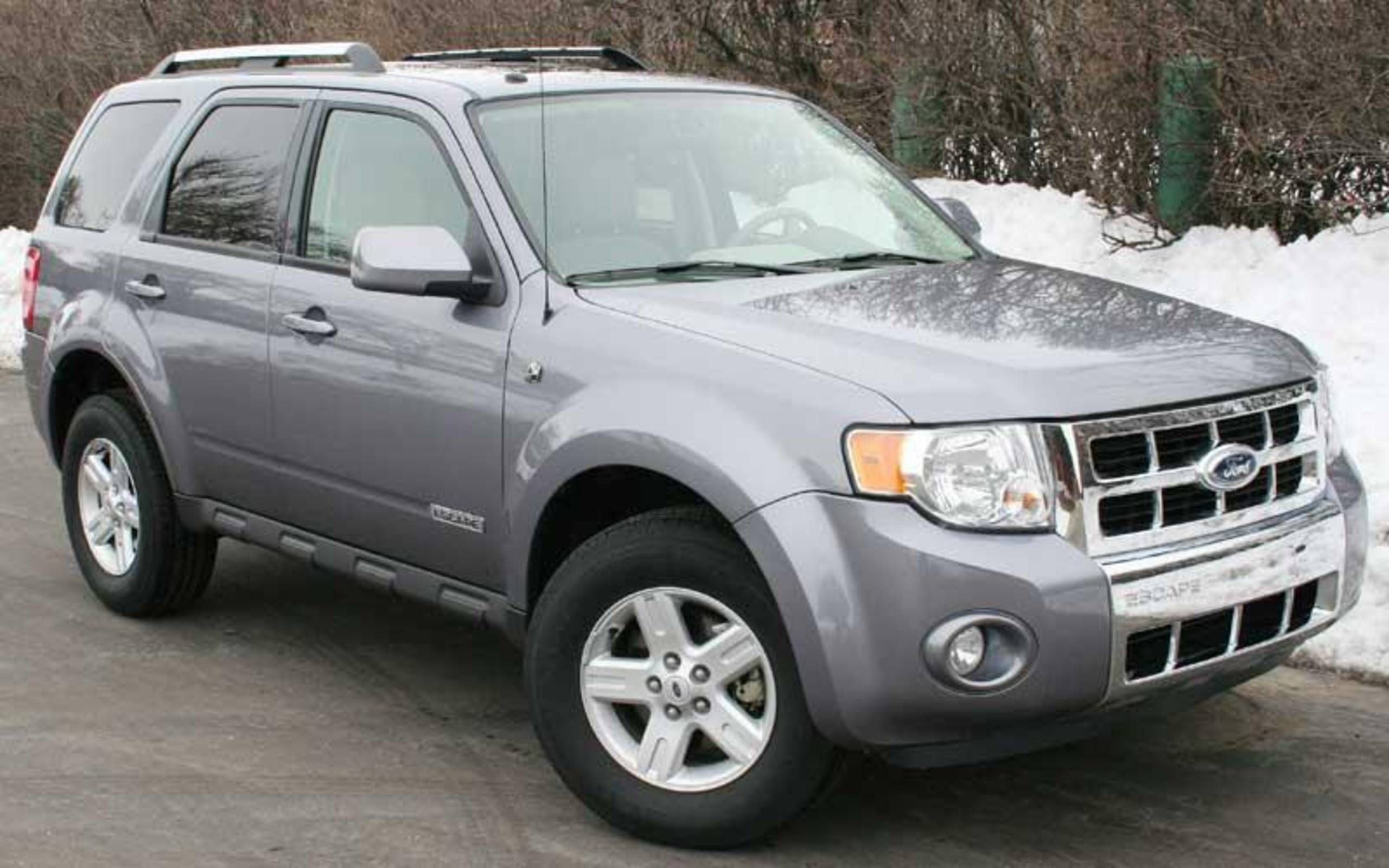
The 2008 Ford Escape is widely regarded as the lowest point in the SUV’s history. With over 2,000 NHTSA complaints, it remains one of the most problematic models Ford ever released. Power steering failures alone accounted for 1,085 of these complaints, making the SUV dangerous to drive.
At an average repair cost of $1,200, fixing these steering issues proved both expensive and frustrating for owners. Many experienced sudden steering loss while driving, highlighting serious safety risks and contributing to customer dissatisfaction.
Braking problems further cemented 2008 as a year to avoid. Owners frequently reported costly brake system failures, with repairs averaging $632 for maintenance and replacements.
Combined with expensive transmission issues, these faults made the 2008 Escape one of the most unreliable compact SUVs of its time. Consumer frustration reached new levels, with many branding the SUV unsafe and overpriced to maintain. For used car shoppers, the 2008 Escape remains a year to skip without hesitation.
5. 2013 Ford Escape: Engine Stalls and Safety Risks
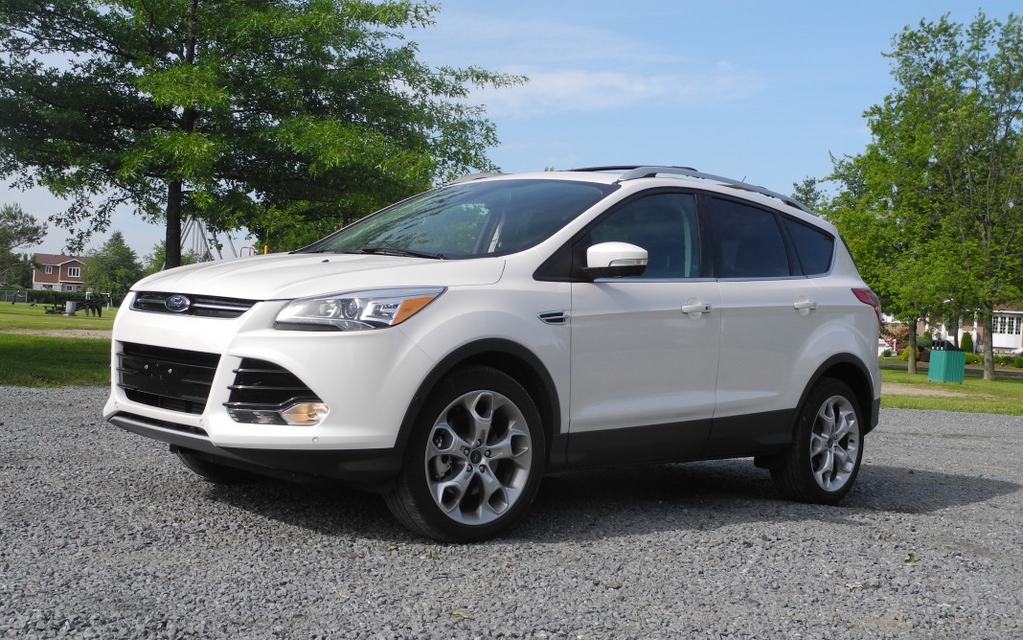
After improvements in 2012, Ford hoped the Escape was regaining buyer confidence but the 2013 model quickly shattered those expectations. With more than 3,000 NHTSA complaints, this year saw one of the highest volumes of consumer-reported problems.
The most alarming defect was engine stalling or shutting down while driving, a safety issue that endangered drivers and passengers alike.
In some cases, the check engine light flickered unpredictably, further complicating diagnosis and repair. Rare but reported cases of engine fires added another layer of risk, raising concerns about overall safety.
Beyond engine issues, transmission failures plagued the 2013 Escape, with costly repairs driving away potential buyers. While the SUV offered stylish design and competitive performance features, its mechanical flaws overshadowed these positives.
Reliability is a cornerstone of consumer trust, and the 2013 Escape fell short in nearly every aspect. For families and individuals seeking a dependable crossover, this model year represents one of the most significant red flags in the Escape’s production run.
The Ford Escape has experienced both successes and setbacks throughout its production history, with some model years proving far more reliable than others.
By focusing on years with strong reliability records, fewer recalls, and higher owner satisfaction, buyers can avoid costly issues while enjoying the Escape’s strengths as a practical and versatile compact SUV.
The highlighted years each provide a distinctive combination of value, performance, and safety, making them excellent choices for used SUV shoppers. In contrast, avoiding the least reliable years can save thousands of dollars in repairs and offer greater peace of mind.
Ultimately, the best Ford Escape for you will depend on your individual needs and budget, but with the right research and an understanding of model year trends, you will be well prepared to make a confident and rewarding purchase.
Also Read: 10 Cars With Tricky Seatbelt Buckles for Elderly Passengers
