When summer temperatures soar across the United States, especially in regions like Arizona, Texas, and Nevada, cars face a serious test: how well their cooling systems can handle the heat.
Modern vehicles are engineered with advanced coolant systems that regulate engine temperature, preventing damaging boil-overs. Yet, not all systems are created equal.
Some models have a reputation for reliability under extreme heat, while others are notorious for overheating during long drives, traffic jams, or even under moderate stress.
Understanding which cars perform well and which don’t can save American drivers from costly repairs, ruined road trips, and the dreaded sight of steam rising from under the hood.
Below, we break down five car coolant systems that resist boil-overs and five that are prone to overheating on hot days, giving a well-rounded perspective for anyone shopping for a new ride or looking to avoid trouble with their current one.
Cars Coolant Systems That Resist Boil-Overs
Boiling over is loud, smelly, and expensive and usually 100% preventable. This article is about the coolant systems that actually do their job when the heat is on: engineered to move heat fast, hold pressure, and shrug off high-load driving without turning your hood into a steam room.
Whether you live where summers scorch, tow heavy loads, or drive spiritedly, the right cooling system is the difference between “minor inconvenience” and “immediate tow truck.”
Not all coolant setups are created equal. Systems that resist boil-overs combine a few predictable strengths: big, efficient radiators; smart thermostats and electric fans that run when they should; pressurized caps and well-designed expansion tanks; reliable pumps and shrouding that forces airflow where it matters; and coolant chemistry that stays stable under stress.
1. Toyota Camry (2.5L I4 and 3.5L V6)
The Toyota Camry has long been celebrated for its bulletproof reliability, and much of that comes down to its robust cooling system.
Both the four-cylinder and V6 engines in recent models use a high-capacity radiator paired with an efficient electric fan system, ensuring consistent cooling even in stop-and-go traffic on scorching days.
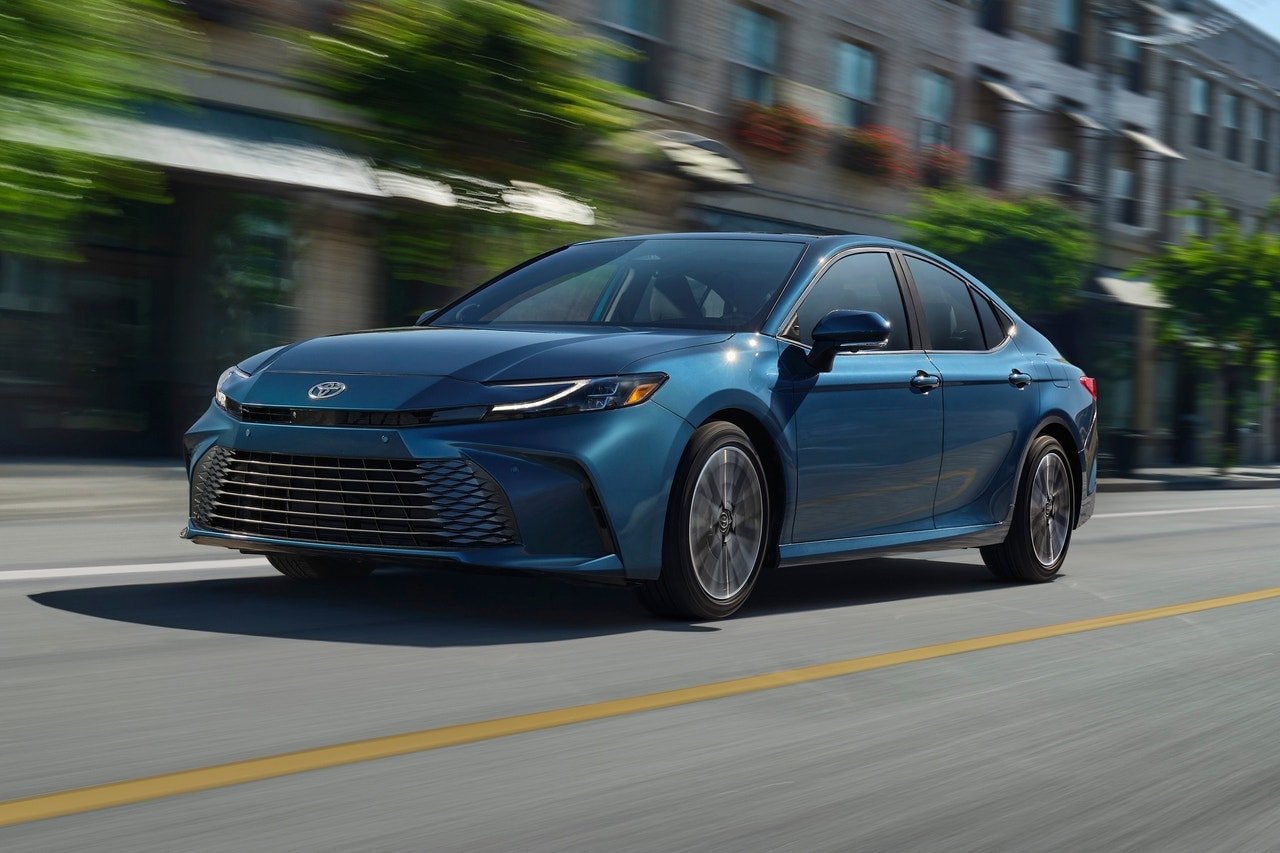
Toyota engineers also designed the coolant passages in the Camry’s engines for optimal circulation, which minimizes hot spots that often lead to boil-overs. Many Camry owners in southern states report little to no overheating issues, even during peak summer months with heavy A/C use.
The 2022 Toyota Camry may carry the same badge as its predecessors, but with its bold design and performance-focused trim, it feels like a completely different car. In fact, this generation is arguably the most engaging version of the Camry to date. Its base four-cylinder engine is efficient and perfectly adequate for commuting, though it doesn’t add much excitement.
The hybrid setup, on the other hand, pushes fuel economy to the max, even if the driving experience remains a bit underwhelming. For those seeking more thrills, the robust 301-hp V-6 brings real power to the table, especially in the sport-tuned TRD model, which manages to be genuinely fun to drive.
Competitors such as the Honda Accord and Hyundai Sonata may offer greater refinement and a more polished feel, but Toyota counters with its own strengths: a generous lineup of standard active safety features and the strong reputation for reliability it has built over decades.
Also Read: 5 Hidden Gem Convertibles vs 5 Popular Convertibles With Leaky Tops
2. Ford F-150 (3.5L EcoBoost)
As America’s best-selling truck, the Ford F-150 is expected to perform under pressure and its cooling system lives up to the demand.
The 3.5L EcoBoost engine, in particular, has a liquid-to-air intercooler combined with a heavy-duty radiator, ensuring that both intake air temperatures and engine coolant temperatures stay in check.
Ford trucks are designed with towing in mind, so the cooling system is oversized compared to most passenger vehicles, allowing them to pull trailers through the Rocky Mountains in July without breaking a sweat.
This engineering makes the F-150 one of the most resilient vehicles when it comes to boil-over resistance.
For the first time in its history, the F-150 also comes with a hybrid powertrain. Ford claims that this new 400-hp hybrid setup, which pairs a 3.5-liter twin-turbo V-6 with a 35 kW electric motor and the 10-speed automatic, can deliver up to 700 miles of driving range on a single tank.

It also doubles as an onboard generator, supplying power at job sites or during outages. Buyers can choose between rear- and four-wheel drive with any of the F-150’s engines.
On our test track, a four-wheel-drive Lariat equipped with the hybrid powertrain accelerated to 60 mph in an impressive 5.4 seconds.
During our test drive, the truck delivered a smooth ride and responsive handling. High-end trims, such as the King Ranch, benefit from a variable-assist steering system that sharpens low-speed responses for a more agile feel.
For off-road enthusiasts, the Tremor model maximizes capability with 33-inch all-terrain tires, an upgraded suspension, a locking rear differential, and a four-wheel-drive transfer case borrowed from the powerful F-150 Raptor. On our track, the Tremor reached 60 mph in just 5.3 seconds, trailing the Raptor by a mere 0.1 second.
3. Honda Accord (Turbocharged 1.5L & 2.0L Engines)
The Honda Accord, like its Camry rival, features an impressively reliable cooling system. Honda equips the Accord with aluminum radiators, efficient thermostats, and high-flow water pumps, making overheating rare even in demanding situations.
Owners in Florida and Texas frequently report driving for hours in humid 100°F weather without temperature spikes.
The turbocharged 2.0L engine has a slightly more advanced cooling setup due to the added heat load, but Honda’s engineering ensures that both versions of the Accord maintain stable operating temperatures in nearly all U.S. climates.
While numerous automakers have reduced their sedan offerings or abandoned the segment entirely, the Honda Accord continues to stand out as a top choice in the midsize sedan market.
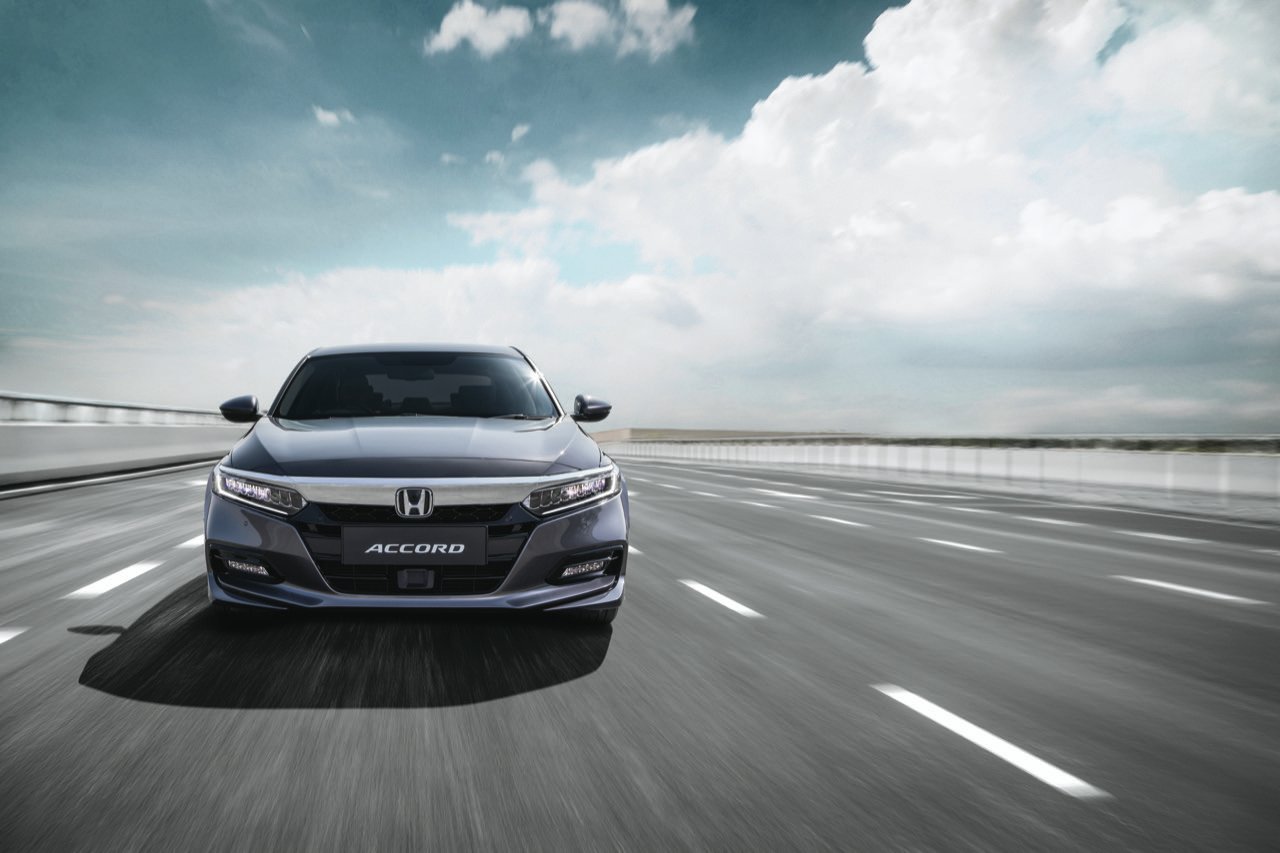
Unlike rivals such as the Toyota Camry, which now focuses on a hybrid-only lineup, the Accord provides a wider selection of trims and powertrains.
The 2025 Accord is available in six trims, LX, SE, Sport Hybrid, EX-L Hybrid, Sport-L Hybrid, and Touring Hybrid, catering to a broader range of buyers. Pricing, including destination charges, begins at $29,445 for the LX and climbs to $40,450 for the Touring Hybrid.
The LX and SE trims feature a 1.5-liter turbocharged four-cylinder engine producing 192 horsepower, with a continuously variable automatic transmission (CVT) sending power to the front wheels.
Hybrid models also use front-wheel drive, combining a 2.0-liter four-cylinder engine with an electric motor to deliver 204 horsepower and achieve up to 44 mpg combined, according to the EPA.
Unlike the Camry, the Accord does not provide an all-wheel-drive option. Nevertheless, the Accord’s standout qualities include strong fuel efficiency, abundant comfort, and genuinely enjoyable driving dynamics.
4. Chevrolet Silverado HD (6.6L Duramax Diesel)
Heavy-duty trucks face greater challenges than passenger cars because towing and hauling put enormous strain on engines. The Chevrolet Silverado HD with its 6.6L Duramax Diesel stands out for its exceptional cooling performance.
The truck uses a dual-path cooling system with separate radiators for the engine and transmission, plus an additional intercooler for the turbo.
This ensures that even when towing 10,000 pounds through desert highways, the cooling system maintains steady performance. Diesel engines inherently run cooler than gas under load, but GM’s engineering makes the Duramax-equipped Silverado nearly bulletproof against overheating.
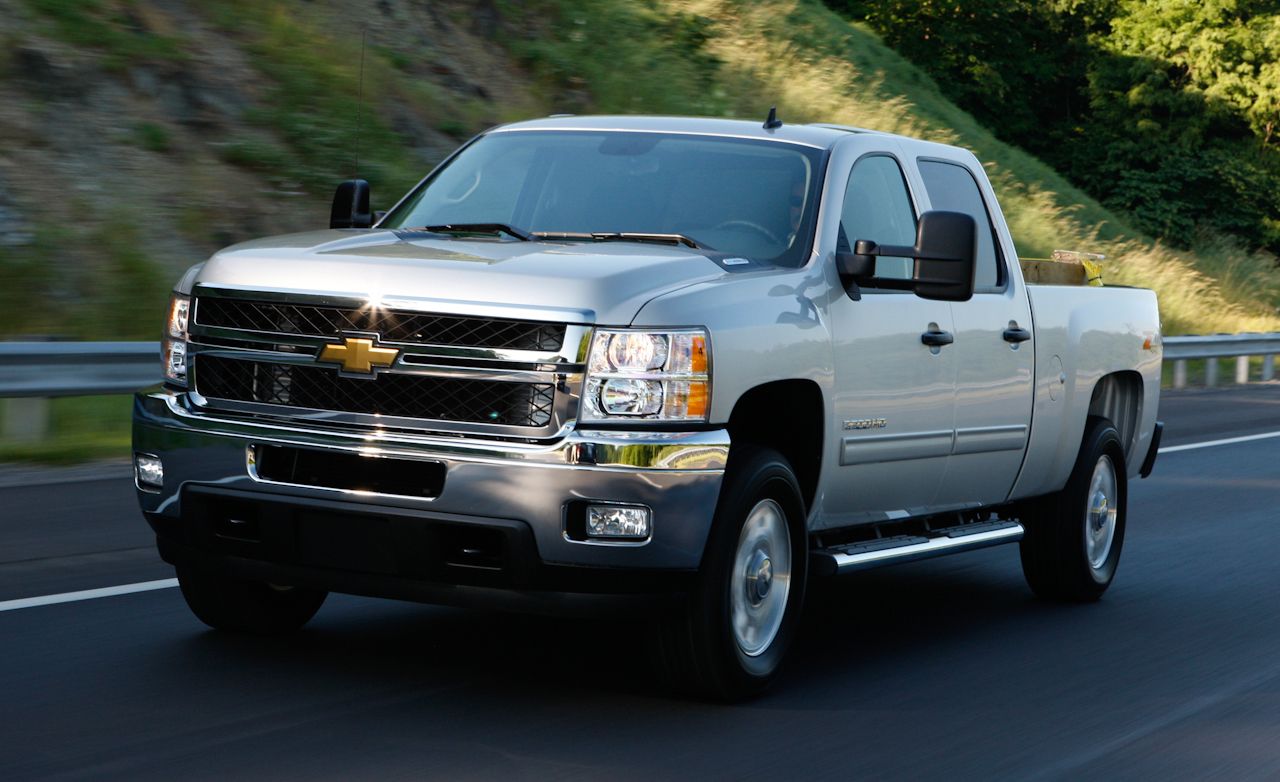
While half-ton pickups handle most towing and hauling tasks with ease, certain jobs call for even greater capability. That’s where heavy-duty trucks come in. The 2026 Chevrolet Silverado 2500HD stands out as one of the few vehicles in this class, offering both strength and versatility.
Available in regular, extended, or crew cab configurations, with either a 6.8-foot or 8-foot bed, and in rear- or four-wheel drive, the 2026 Silverado 2500HD can be tailored to tackle nearly any task.
Lifted Trail Boss and ZR2 variants enhance off-road performance, while the upscale High Country trim provides comfort and refinement for those who need to haul trailers or navigate a job site without sacrificing luxury.
5. Subaru Outback (2.5L Boxer Engine)
The Subaru Outback, a favorite among outdoor enthusiasts in states like Colorado and Oregon, is another vehicle that rarely struggles with overheating.
Subaru’s horizontally opposed boxer engine design helps distribute heat evenly, while its large-capacity radiator and dual electric fans keep coolant circulating efficiently.
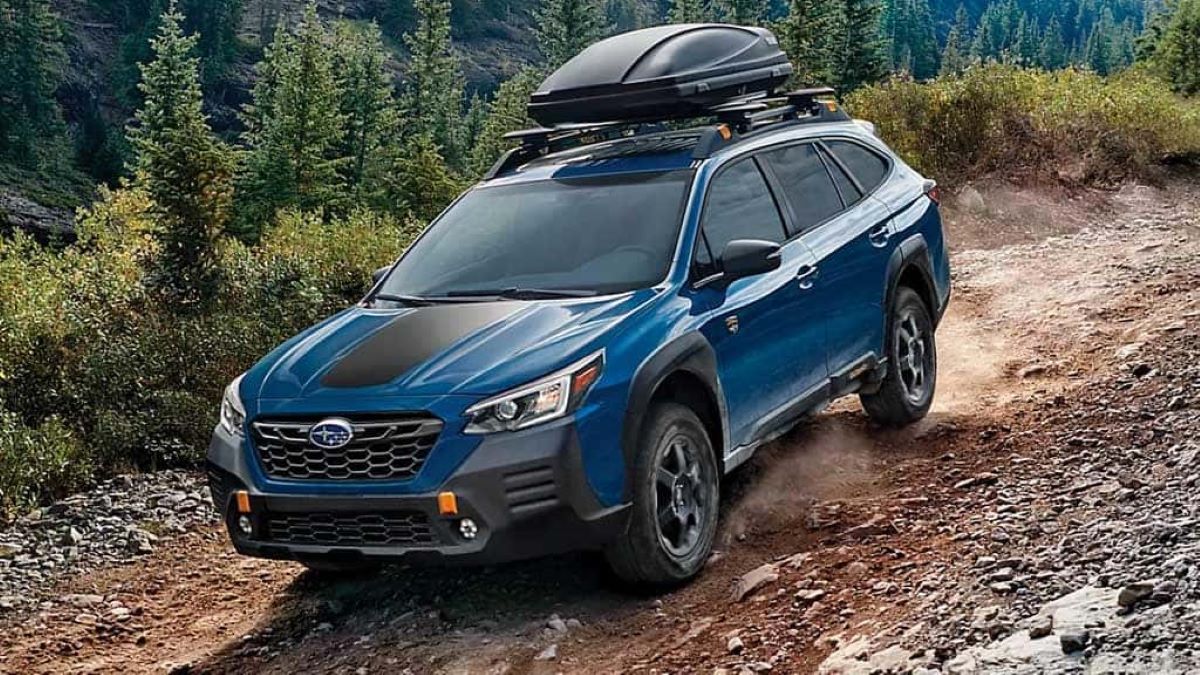
The Outback also uses a pressurized overflow system that prevents air pockets one of the leading causes of boil-overs in hot weather.
Subaru owners who frequently take their vehicles on mountain trails praise how well the cooling system handles both altitude and high summer heat.
The Crosstrek received a redesign for 2024, but Subaru didn’t introduce a new hybrid model until this year. Even so, the 2026 version doesn’t exactly continue where the previous hybrid left off, for one, it’s not a plug-in hybrid.
The 2026 Crosstrek Hybrid pairs a 2.5-liter boxer engine with an electric motor, producing a combined 194 hp, making it the most powerful Crosstrek in the lineup. By comparison, the standard 2.5-liter engine generates 185 hp, while the now-discontinued 2.0-liter flat-four made just 152 hp.
Fuel efficiency is expected to improve as well. The 2025 Crosstrek with the 2.5-liter engine achieved 27/33 mpg city/highway, while the Crosstrek Hybrid should deliver numbers closer to the Forester Hybrid, which earns 35/34 mpg.
Hybrid trims come with model-specific 18-inch dark gray wheels and are available in Sand Dune Pearl or Citron Yellow Pearl exterior paint. Additionally, a newly offered 12.3-inch driver display is standard on every 2026 Crosstrek hybrid.
Cars Coolant Systems That Overheat on Hot Days
Hot days turn a short drive into a ticking time bomb if your cooling system’s not up to the job. This article calls out the coolant systems that flat-out struggle when the mercury climbs, the ones that leave owners stranded with steam pouring out, warped heads, or a suddenly dead engine.
It’s not always about age or mileage; sometimes a small design compromise, a cheap radiator, or an undersized fan makes a car far more likely to overheat in heatwaves or while towing.
I’m not writing a doom list just to scare you. You’ll get the straight reasons these systems fail under heat, common design weaknesses, cheap components, and maintenance habits that turn an OK cooling system into a liability, plus the practical checks and fixes that actually help
1. Jeep Wrangler (3.6L Pentastar V6)
The Jeep Wrangler may be beloved for its rugged off-road abilities, but it’s also infamous for its cooling struggles. The Pentastar V6 runs hot under stress, and the Wrangler’s upright grille design doesn’t provide as much airflow as a sedan or pickup truck.
On long summer highway drives, especially with the A/C blasting, many Wrangler owners experience overheating. Even aftermarket fixes like upgraded radiators and auxiliary fans are common among Jeep enthusiasts who live in desert states.
he Wrangler delivers its best fuel economy with the Wrangler 4xe, which combines a turbocharged four-cylinder engine with plug-in hybrid technology.
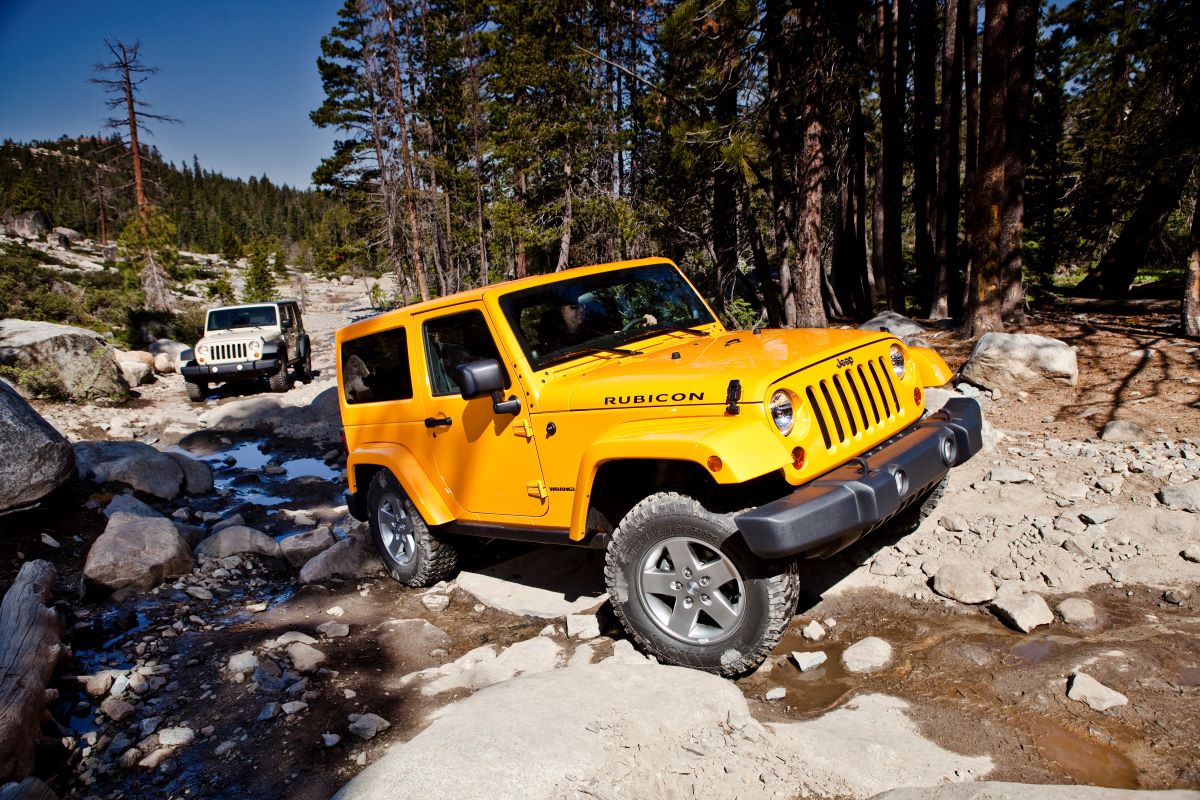
This setup produces 375 horsepower and offers roughly 22 miles of all-electric range on a full battery charge. Frequent recharging can significantly reduce fuel consumption. However, once the battery is depleted, the 4xe hybrid only manages about 20 mpg, no better than the standard Wrangler V6.
If you’d rather prioritize power over efficiency, the Wrangler Rubicon 392 is a standout. Jeep equips this model with a roaring 470-hp 6.4-liter (392-cubic-inch) V8 engine. A full throttle launch rockets it from 0 to 60 mph in just 4.7 seconds, all while retaining the Rubicon’s renowned low-speed off-road prowess.
That said, the Wrangler no longer enjoys a monopoly in its niche. In recent years, the Wrangler and Toyota 4Runner have seen competition from other rugged SUVs entering the segment.
2. Mini Cooper (1.6L Turbocharged Engine)
The Mini Cooper’s fun, sporty design hides a serious flaw: its compact engine bay leaves little room for airflow, which can lead to frequent overheating.

The turbocharged versions, in particular, are notorious for straining the cooling system. Many U.S. owners in warm climates report boil-overs, failed water pumps, and warped thermostats.
While Minis handle fine in mild conditions, hot summer days in cities like Phoenix or Miami often prove too much for the stock cooling system.
3. Chrysler 200 (2.4L Tigershark Engine)
Chrysler’s 200 sedan may have been discontinued, but it still lingers on the used car market. Unfortunately, its 2.4L Tigershark engine is notorious for overheating.
The cooling system often suffers from clogged coolant passages, weak water pumps, and radiator fan issues, leading to hot-day failures.
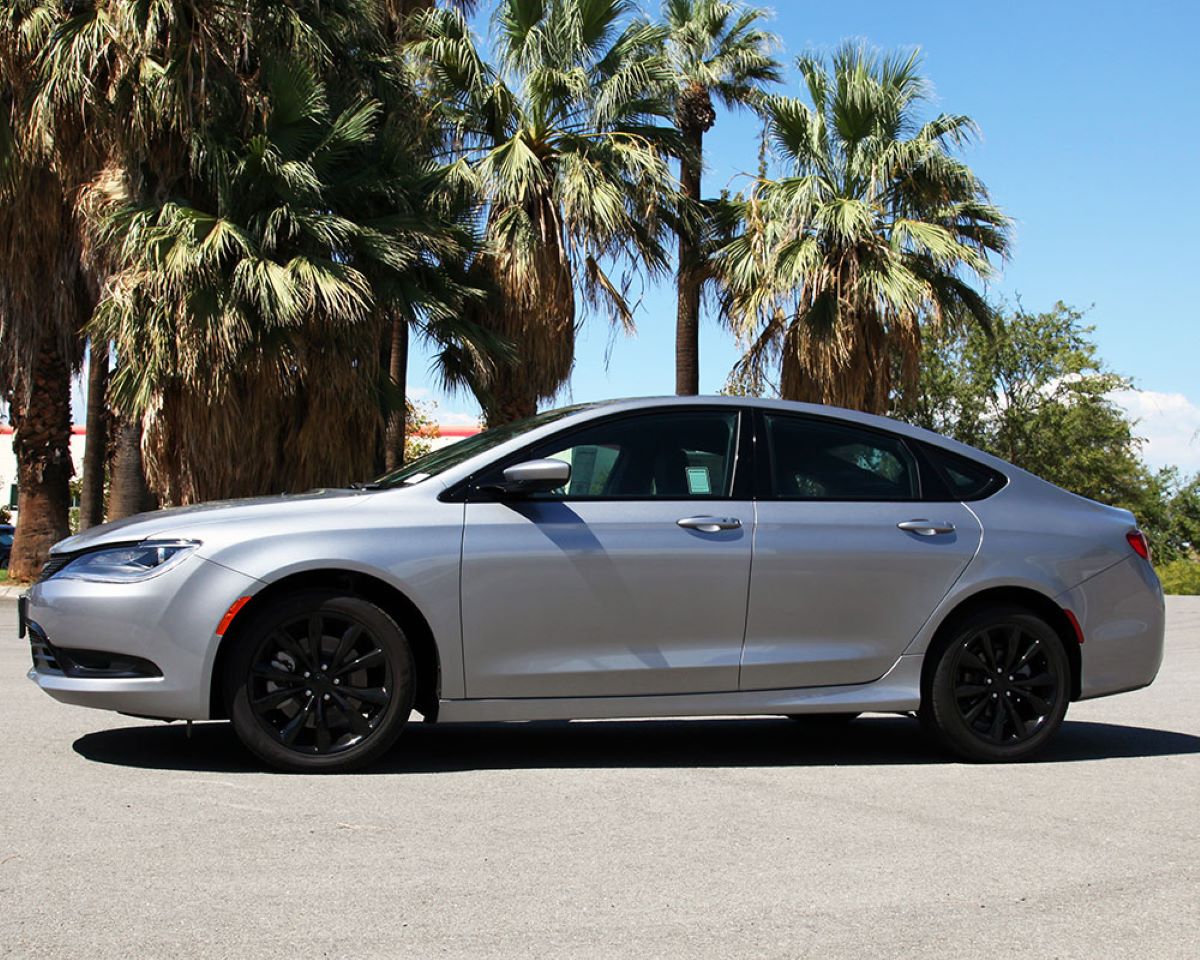
Drivers report that even light city driving in summer can cause the temperature gauge to creep upward. This weakness was a major factor in the car’s poor reputation and early discontinuation.
At the top of the lineup, the Limited trim came with a more powerful V6 engine producing 283 hp and 260 lb.-ft. of torque. It also added leather upholstery and offered an optional premium Boston Acoustics audio system.
Lower trims were powered by a 2.4-liter four-cylinder engine generating 173 hp and 166 lb.-ft. of torque.
On the safety front, standard equipment included antilock brakes, traction and stability control, and side curtain airbags.
Perhaps the Chrysler 200’s most appealing feature was its well-crafted interior, which used premium-quality materials to create a comfortable and inviting atmosphere for passengers.
4. BMW 3 Series (E90/E92 Generation)
BMWs are famous for their driving dynamics, but their cooling systems particularly in older 3 Series models have a reputation for failing in heat.
Plastic expansion tanks crack, water pumps wear out prematurely, and thermostats stick, leading to overheating. While BMW engineered these cars for performance, the cooling system’s long-term durability was sacrificed.
In hot U.S. states, owners often find themselves stranded unless they’ve proactively replaced major cooling components before failure.
The BMW 3 Series is one of the true pillars of the automotive world. Much like the VW Golf, Porsche 911, and Mercedes S-Class, it serves as the benchmark against which nearly all of its rivals are measured, and those rivals rarely come out ahead.
This time, the all-electric version is reimagining BMW from the ground up, down to interior trim made from recycled fishing nets.
The G20 3 Series was launched in 2018 and received a mid-life facelift in 2022. The update mostly focused on surface-level improvements, leaving core mechanicals unchanged, which was good news. The facelift introduced BMW’s sleek curved touchscreen infotainment system.

Its bright, modern display impresses at first glance, though the reduction of physical buttons, including climate controls, was a trade-off, reminiscent of similar moves that affected the VW Golf.
BMW refined the G20 further in 2024, upgrading iDrive to the new BMW Operating System 8.5, tuning the chassis for a more comfortable ride, and equipping the plug-in hybrid 330e with a Gen5 19.5kWh battery, enabling faster charging and up to 63 miles of all-electric range. Diesel engines were also removed from the UK lineup, a disappointment for some enthusiasts.
This automotive icon remains strong, thanks to BMW’s dynamics team knowing when to stick with what works and the design team maintaining its elegant simplicity
This leaves the 320i and M340i as the pure petrol options, the latter featuring a 48V mild hybrid boost and standard xDrive all-wheel drive. The 330e remains as the full plug-in hybrid, offering stats that make it tough to beat in the company car segment, once dominated by the 320d.
Also Read: 10 Cars Americans Stopped Buying in 2025 and Why
5. Chevrolet Cruze (1.4L Turbo)
The Chevrolet Cruze was marketed as an efficient compact car, but its 1.4L turbo engine struggles to stay cool under heavy load.
Many owners in warm climates have reported overheating during highway driving or when the A/C is on full blast. GM issued multiple service bulletins for cooling-related problems, including faulty thermostats and leaking water pumps.
On paper, the Cruze seemed like an affordable commuter, but its weak cooling design makes it unreliable in the heat of U.S. summers.
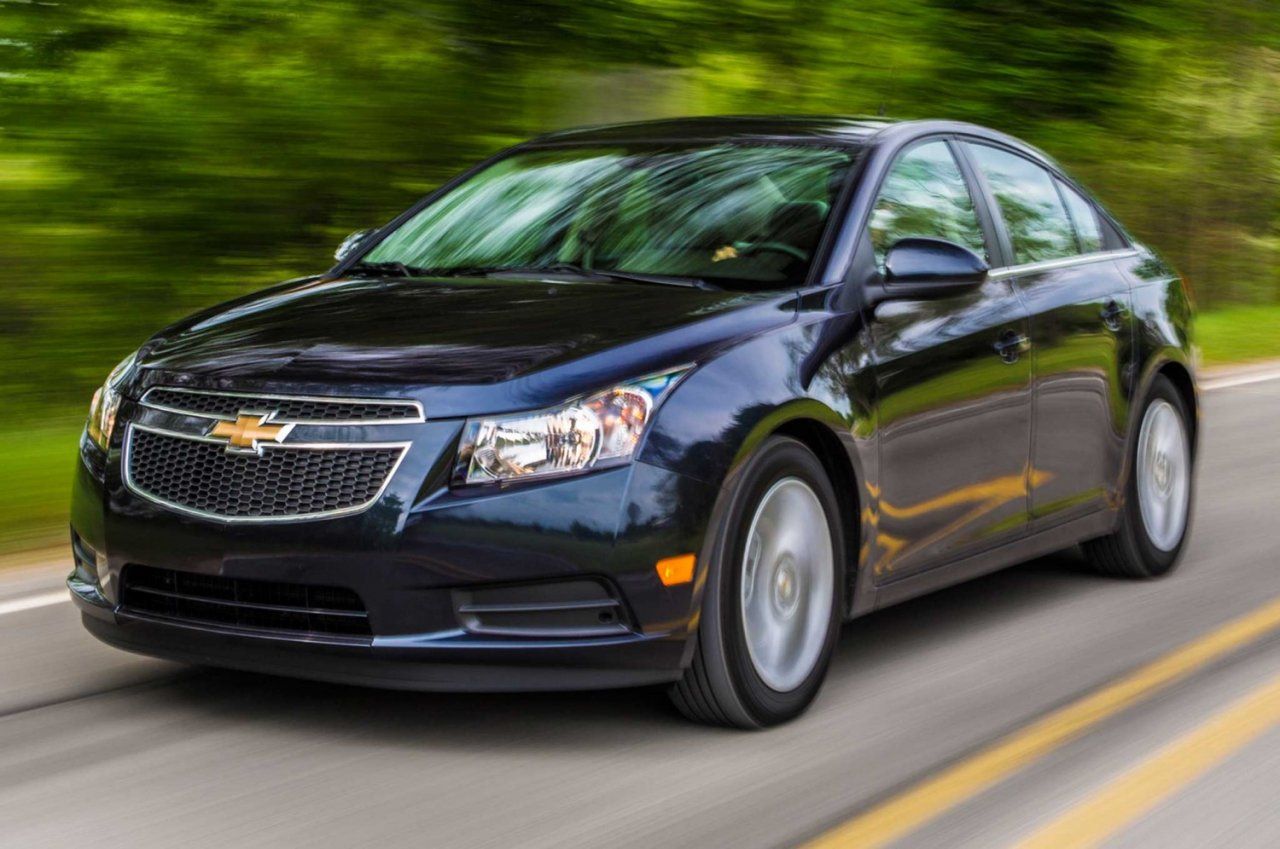
Cooling systems are one of the most overlooked aspects of car ownership until a hot day exposes a weakness.
The Chevrolet Cruze has long been a popular choice in the compact sedan segment, and Chevrolet continues to keep it competitive against strong rivals.
Last year, the Cruze hatchback was introduced, offering added cargo versatility and a new diesel engine capable of exceeding 50 mpg on the highway. This year, Chevrolet combines both features with the Cruze hatchback diesel.
The Cruze retains its core strengths: an appealing blend of technology and safety features, a premium-feeling cabin, and a ride that manages to be both sporty and comfortable. Yet the compact segment is crowded with excellent alternatives. The Honda Civic, redesigned two years ago, remains one of the best small cars on the market.
The Hyundai Elantra and Mazda 3 also offer compelling packages for buyers seeking sportier handling or more advanced technology. Overall, the Cruze is a solid choice, but prospective buyers should consider these top rivals before making a decision.
The Cruze’s turbocharged 1.4-liter engine produces 153 horsepower and 177 lb-ft of torque. While the engine is competitive on paper, power delivery is muted until higher in the rev range, which can make acceleration feel less immediate. Otherwise, the brakes are strong, and the chassis is well-sorted, providing a confident driving experience.
The Cruze’s seats may require some adjustment to achieve ideal comfort, thanks to limited seat adjustability and forward-angled headrests. The ride is generally pleasant, even with the 18-inch wheels on our test model. However, the mandatory engine stop-start system is far from seamless.
Despite its compact classification, the Cruze offers a roomy cabin with generous shoulder room for outboard passengers. The raised center tunnel does limit comfort for the middle rear passenger, but the overall layout, controls, and gauges are user-friendly and intuitive.
Cargo space is ample, featuring a flat load floor and minimal intrusion from the wheel wells. The 60/40-split rear seats fold down for added capacity, and multiple storage cubbies make it easy to stow small items.
The Chevrolet Cruze continues to offer a compelling package for buyers seeking a compact car with technology, comfort, and practicality, though competitors like the Civic, Elantra, and Mazda 3 remain worthy alternatives.
On the other hand, models like the Jeep Wrangler and Mini Cooper prove that design compromises and cramped engine bays can quickly lead to boil-overs and expensive repairs.
For American drivers, especially those living in hot and humid regions, it’s worth paying close attention to how a vehicle’s cooling system performs in real-world conditions.
Choosing a car known for resisting boil-overs can mean the difference between enjoying a road trip with the A/C on full blast or pulling over on the shoulder with steam pouring out from under the hood.