
As electric vehicles (EVs) continue to gain traction in the United States, buyers are increasingly looking beyond performance and range. With more affordable EVs hitting the market, durability especially of interior components has become a major concern.
A vehicle’s dashboard, center console, and interior trim are subject to daily wear and tear, exposure to sunlight, and temperature fluctuations. In cheaper EVs, these areas are often prone to cracking, fading, or warping, which can impact both aesthetics and resale value.
While some budget-friendly EVs manage to deliver surprisingly robust interiors, others fall short, leaving owners frustrated.
In this article, we’ll explore five inexpensive EVs with dashboards that stand the test of time versus five whose plastics tend to crack and degrade prematurely.
Cheap EVs With Long-Lasting Dashboards
When it comes to affordable electric vehicles, the dashboard often tells the real story of longevity. Many budget EVs look sharp on the lot but begin to show their flaws after just a few years, screens that fade or glitch, plastics that warp under the sun, and software support that quietly disappears. For drivers, that means the part of the car they interact with most becomes the biggest frustration.
This article focuses on the exceptions: cost-conscious EVs with dashboards built to last, both in hardware and software. We’ll look at models that offer durable materials, responsive touchscreens that hold up over time, physical controls where they matter most, and ongoing updates that keep technology useful well beyond the warranty.
1. Chevrolet Bolt EV
Since its introduction, the Chevrolet Bolt EV has been a favorite among American buyers seeking an affordable electric car with respectable range.
Beyond its solid battery performance, the Bolt is notable for the quality of its interior materials. The dashboard and surrounding trim are made from sturdy plastics that resist cracking and warping, even in the harsh summer sun of states like Arizona or Florida.
Owners report that even after several years of daily use, the Bolt’s dashboard remains intact, with minimal fading. This durability contributes to the Bolt’s strong resale value, as buyers recognize a well-maintained interior.
The standout update for the 2023 Chevy Bolt is its significant price reduction, $5900 lower than the 2022 model, which brings the MSRP down a striking $10,900 compared to the 2021 version, all while delivering essentially the same car.
Chevy introduced this major price adjustment to ensure the Bolt remains cost-competitive, especially since the brand has now sold enough EVs to no longer qualify for the $7500 federal tax credit once available to buyers.
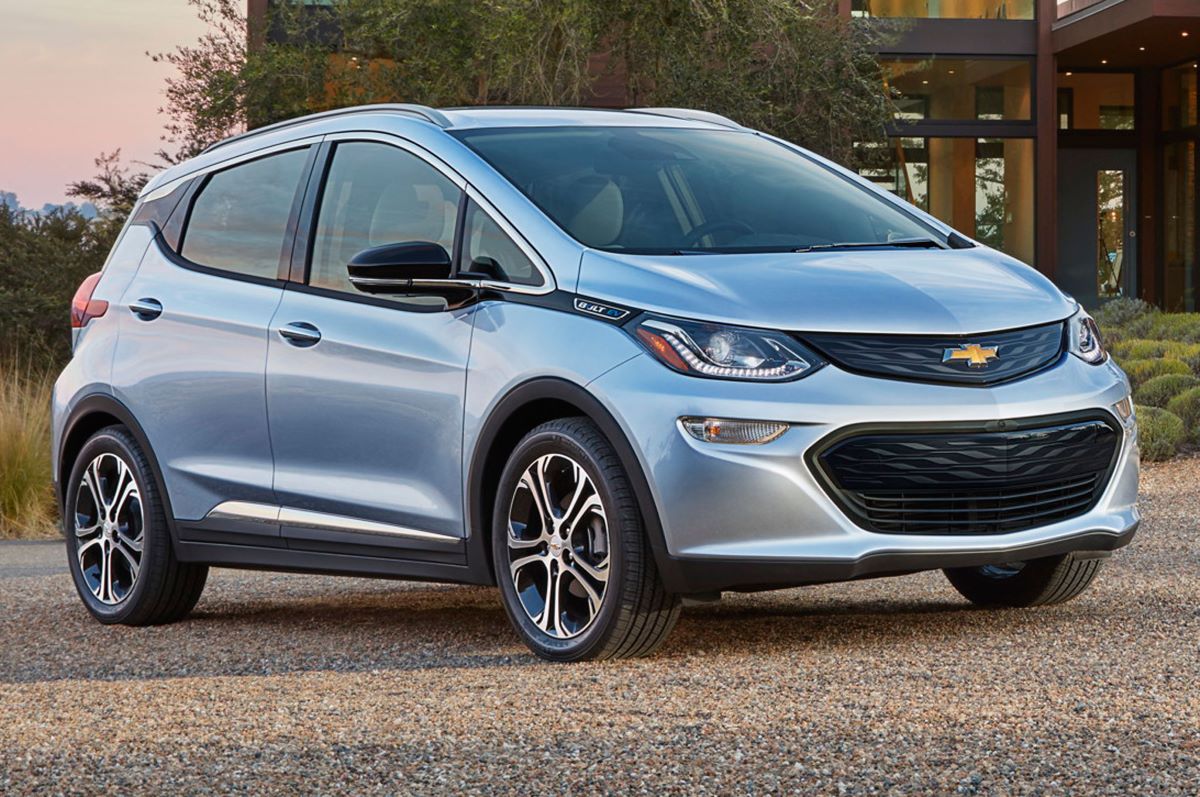
The move also helps repair the Bolt’s image, which took a serious hit when a battery defect capable of causing fires led to a sweeping recall in late 2020 for every Bolt produced. The 2023 Chevrolet Bolt EV starts at $27,495, with the top trim priced at $30,695, depending on selected options.
Both the 1LT and 2LT trims boast an EPA-estimated 259 miles of range and support DC fast charging. The 2LT justifies its higher price with premium upgrades including heated leather seating, a heated steering wheel, a 360-degree camera system, and additional driver-assistance features—making it a strong value for an EV that’s already among the most affordable on the market.
Although we haven’t yet driven the 2023 Bolt EV, its chassis and powertrain carry over unchanged from previous models we’ve tested. The setup features a single electric motor delivering 200 horsepower and 266 lb-ft of torque exclusively to the front wheels.
This translates into quick, energetic response when accelerating from a stop, with ample low-end torque to launch confidently the moment a light turns green. While acceleration feels less urgent at highway speeds, passing and merging should remain effortless.
Additionally, the Bolt includes a one-pedal driving mode—activated with a button on the center console—that maximizes regenerative braking, reducing the need to touch the brake pedal in most driving situations.
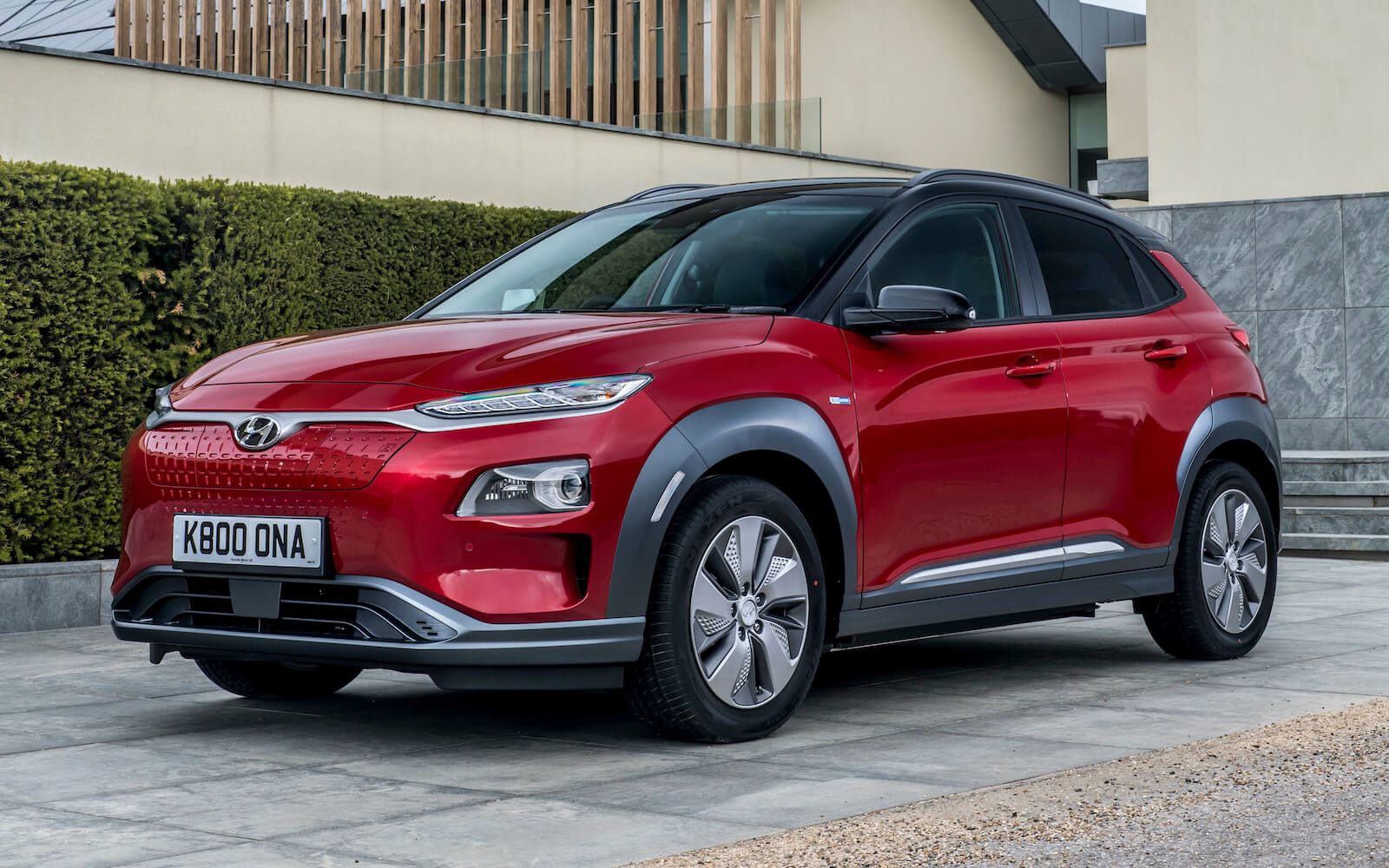
2. Hyundai Kona Electric
The Hyundai Kona Electric combines a modern, attractive design with a surprisingly durable interior. Its dashboard uses a blend of soft-touch materials and reinforced plastics that hold up well against UV exposure.
For a vehicle in its price range, this level of build quality is impressive. Reviews from U.S. owners often highlight that the dashboard does not develop cracks, even when parked under direct sunlight for extended periods.
The combination of longevity and affordability has made the Kona Electric a popular choice in urban markets and regions with extreme seasonal temperatures.
The subcompact Hyundai Kona has already proven itself a solid SUV, and it turns out to be an equally strong foundation for an electric vehicle.
The 2022 Kona Electric keeps nearly all the strengths of its gas-powered sibling but swaps the four-cylinder engine for a 201-hp electric motor paired with a sizable battery pack capable of up to 258 miles per charge.
That figure is crucial, since range remains the defining metric in the fiercely competitive EV market. For context, Chevrolet’s new Bolt EUV claims 250 miles per charge, while the Tesla Model Y pushes that number up to 326 miles.
For 2022, the Kona Electric benefits from a refreshed look that includes redesigned front and rear bumpers, new wheel styles, and an updated interior featuring a standard 10.3-inch digital gauge display.
Hyundai has also simplified the trim lineup by dropping the Ultimate model, leaving buyers to choose between the well-equipped SEL and the upscale Limited. The 2022 Hyundai Kona Electric starts at $35,295 and tops out at $43,795 depending on trim and options.
We suggest opting for the SEL trim with the available Convenience package. While the SEL already comes well equipped, the package adds key upgrades such as a sunroof, heated front seats, and a wireless smartphone charging pad, making it the smart buy for most shoppers.
Under the hood, the Kona Electric relies on a single 201-hp motor driving the front wheels, powered by a 64.0-kWh battery pack.
In testing, it sprinted from zero to 60 mph in 6.4 seconds, 0.2 seconds quicker than the standard gas-powered Kona. True to its roots, the Kona Electric delivers lively driving dynamics, making it enjoyable on winding roads, even if it doesn’t quite reach sports-car levels of excitement.
At highway speeds, it remains composed and comfortable, with a planted feel courtesy of the heavy battery mounted low in the chassis, contributing to a low center of gravity. For a subcompact SUV, it strikes an impressive balance between fun and refinement.
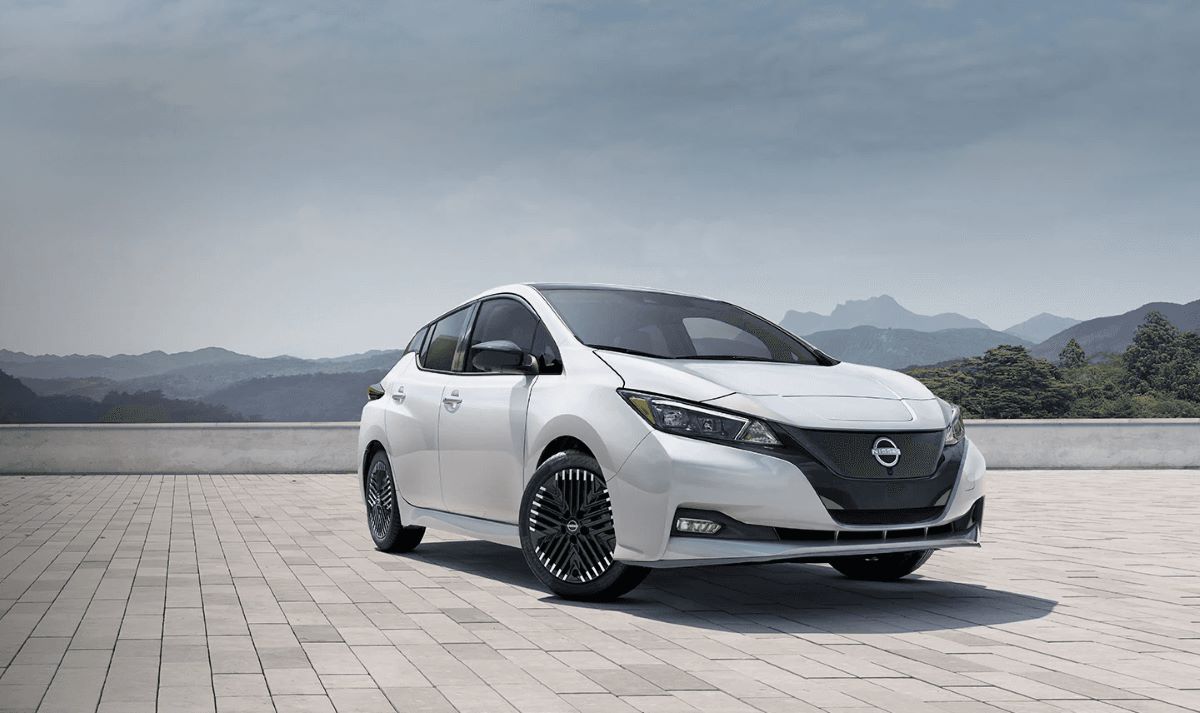
3. Nissan Leaf
The Nissan Leaf is one of the oldest mass-market EVs in the United States, and over the years, its interior quality has been praised for durability. The Leaf’s dashboard is crafted from a mix of textured hard plastics and soft-touch panels that resist cracking.
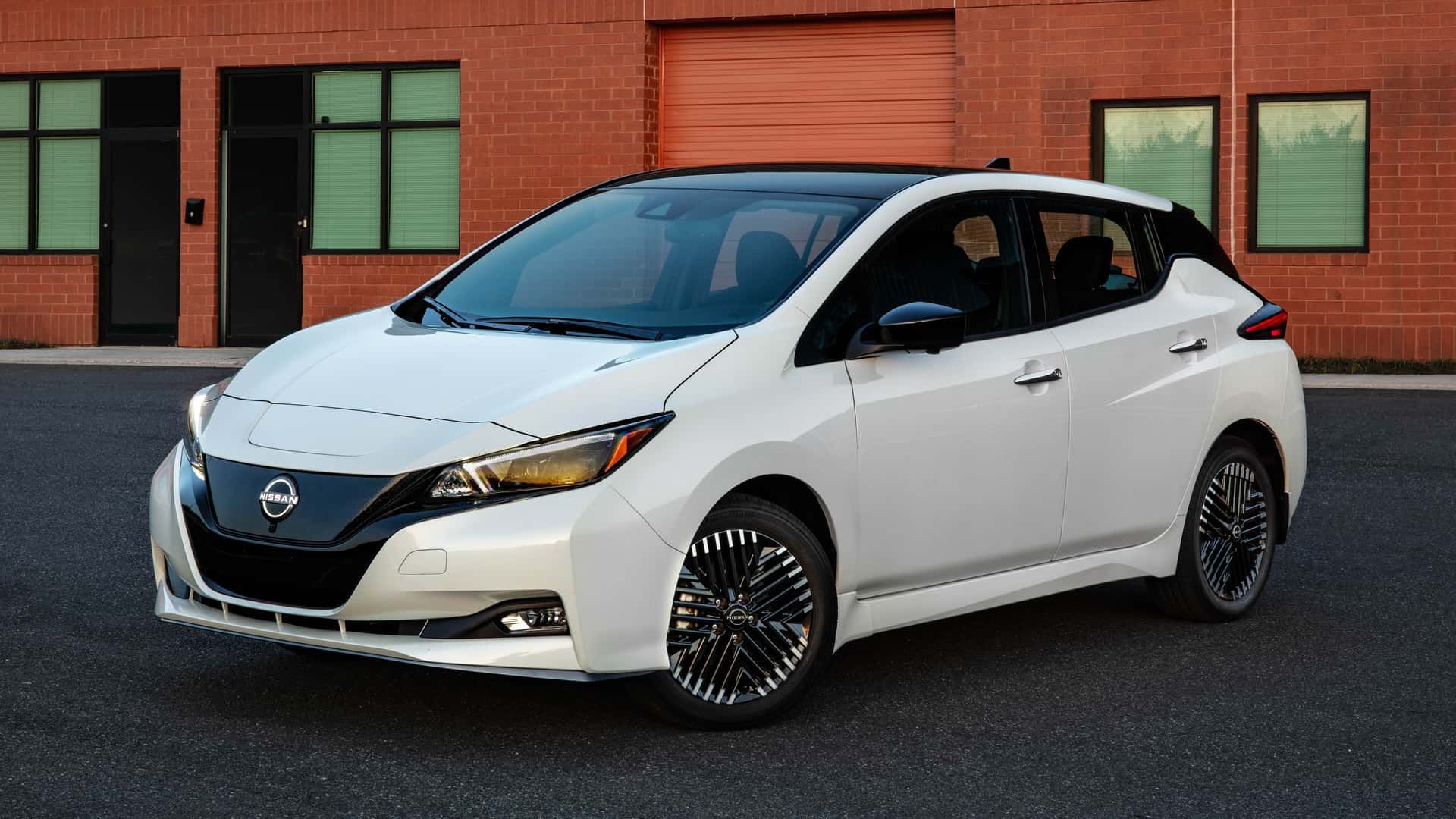
Even older models, particularly those from 2018 onward, demonstrate impressive resilience, making it a practical choice for buyers looking for a budget-friendly EV with a long-lasting interior.
The Leaf’s enduring dashboard quality also means that used models maintain a cleaner, more premium feel compared to competitors in the same price range.
All Nissan Leafs are front-wheel-drive, with performance depending on the trim. The entry-level Leaf S is equipped with a 147-horsepower electric motor paired with a 40.0-kWh battery pack, modest figures by today’s EV standards.
Stepping up to the Leaf SV Plus brings a stronger 214-hp motor and a larger 62.0-kWh battery, offering more robust performance and longer driving range.
One standout feature across the lineup is Nissan’s e-Pedal system, which lets drivers switch between regenerative braking modes: one that allows the car to coast naturally when the accelerator is released, and another that actively slows the vehicle while recapturing energy to recharge the battery.
4. Kia Niro EV
Kia’s Niro EV stands out in the compact electric crossover segment thanks to its practical design and robust materials. Owners frequently note that the dashboard resists sun damage, heat warping, and scratching.
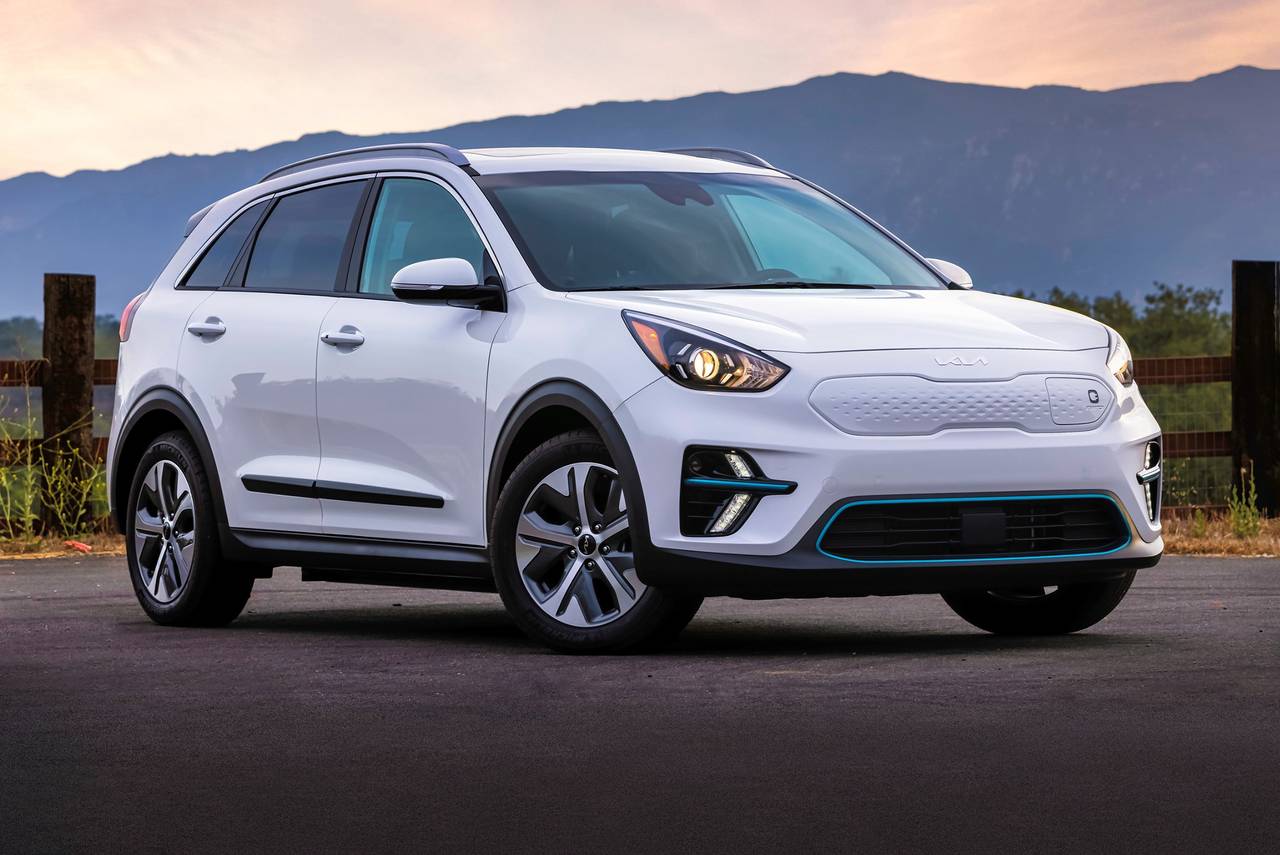
The plastics used in the Niro EV’s interior are of a higher quality than many other budget EVs, providing a “premium feel” without a steep price tag.
For U.S. consumers who park their vehicles outdoors or in high-UV regions, this durability is a significant advantage, as it reduces the need for protective interior treatments or costly replacements.
The 2022 Kia Niro EV is the fully electric counterpart to the hybrid and plug-in hybrid versions of the Niro (both reviewed separately). Power comes from a 64-kWh battery pack paired with a front-mounted motor, delivering an EPA-estimated 239 miles of range.
The Niro EV was already generously equipped, and updates for the 2022 model year have made it even more appealing. What was previously an optional 10.25-inch center touchscreen is now standard across the lineup, bundled with a premium audio system and integrated navigation.
This means that even the base EX trim offers an impressively robust feature set, giving buyers a well-equipped EV without needing to move up to the highest trims.
5. Volkswagen ID.4
Although slightly higher in base price compared to other budget EVs, the Volkswagen ID.4 offers surprisingly durable interior components. Its dashboard materials are engineered to handle temperature extremes, resisting cracks and fading over time.
U.S. owners in sunny states particularly appreciate the ID.4’s resilient plastics, which maintain both structural integrity and aesthetic appeal even after years of exposure to sunlight.
This reliability, combined with a stylish design, makes it one of the more appealing choices for budget-conscious EV buyers looking for long-term durability.
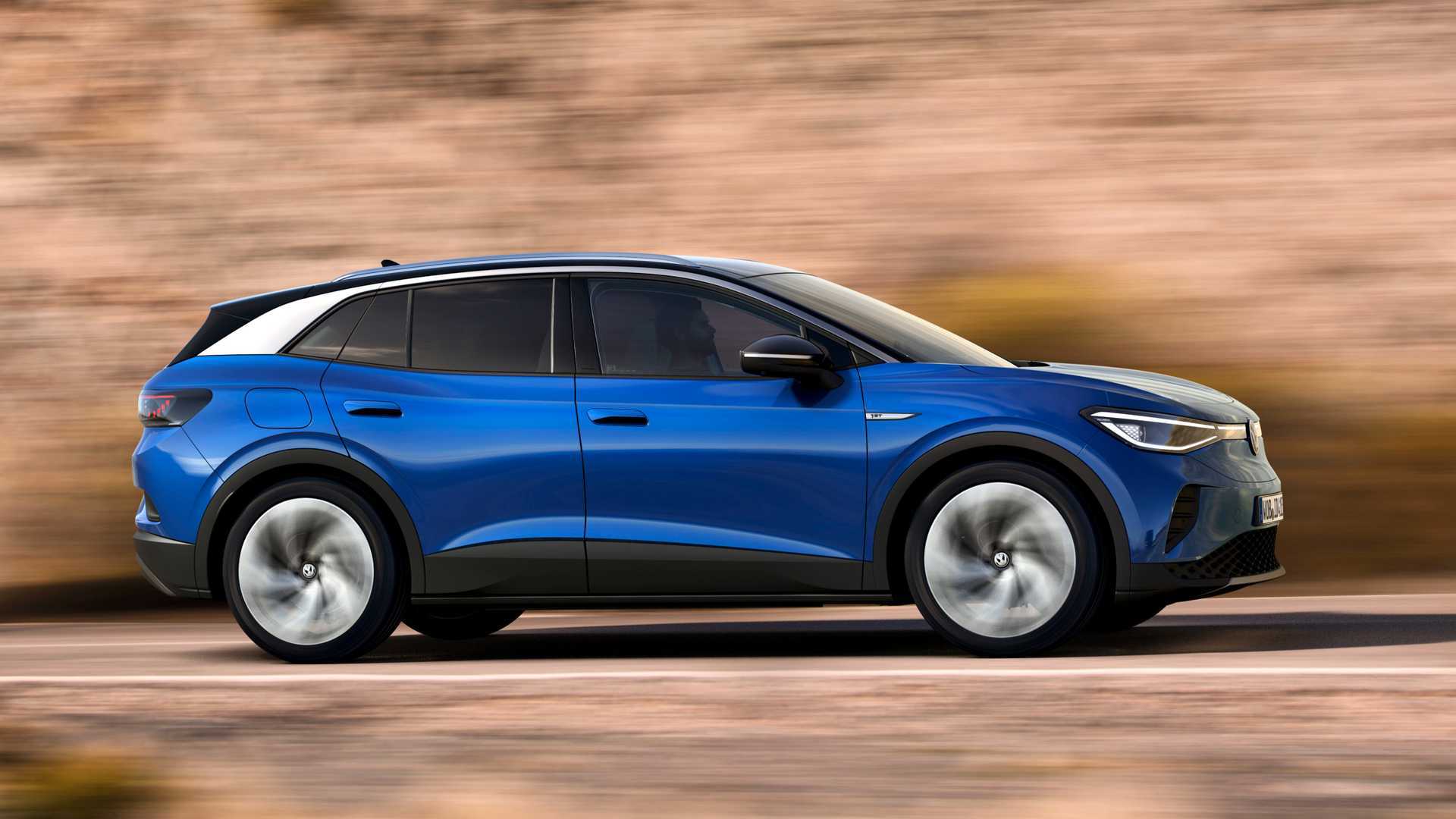
Volkswagen introduced its ID.4 electric SUV just last year, positioning it as a slightly smaller alternative to the brand’s Tiguan. Yet, thanks to the space efficiencies inherent in EV design, the ID.4 manages to offer an interior that’s just as roomy as the Tiguan and other small SUVs.
It also delivers many of the same appealing qualities: a versatile cargo area, an available all-wheel-drive system, and the higher seating position buyers expect in an SUV.
The 2022 ID.4 brings a few updates, most notably a modest increase in estimated driving range. Depending on trim, the EPA estimates the new model will go 2 to 20 miles farther than last year’s version.
While our team hasn’t yet conducted a real-world range test on the 2022 model, these adjustments should further enhance its competitive standing. For comparison, we tested a 2021 ID.4 Pro equipped with all-wheel drive, and it managed 272 miles on a full charge, figures that line up closely with other all-electric small SUVs offering AWD.
Cheap EVs With Cracked Plastics
Budget-friendly EVs may look like a smart choice upfront, lower sticker prices, reduced fueling costs, and the appeal of going electric without breaking the bank. But too often, the savings come with a hidden cost: interior plastics that don’t hold up.
From dashboards that crack under summer heat to trim pieces that warp, fade, or splinter over time, these flaws don’t just undermine the driving experience, they expose the compromises made to hit a price point.
1. Ford Mustang Mach-E (Base Models)
While the Mustang Mach-E has captured attention for its sporty performance and sleek design, some base models suffer from interior quality issues.
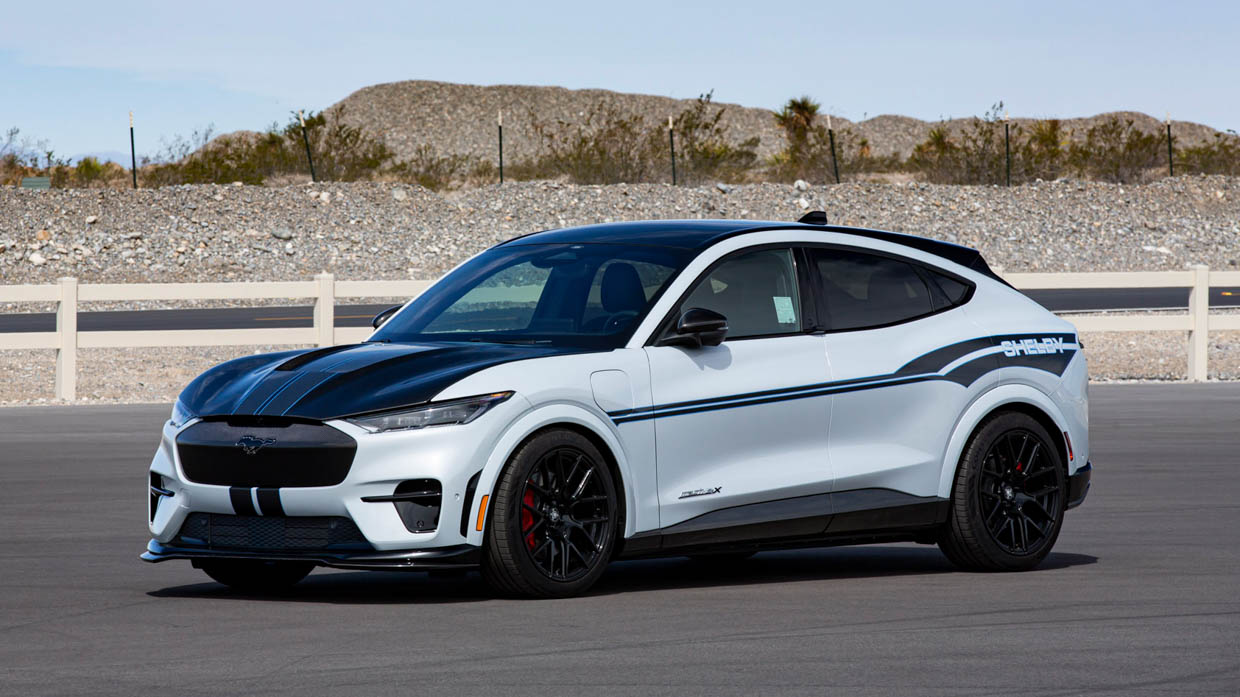
Owners have reported dashboard cracking and brittle plastics, especially in older 2021 models. The problem is often exacerbated in southern U.S. climates, where prolonged exposure to heat and sunlight accelerates material degradation.
For buyers seeking a long-lasting interior on a budget, these early Mach-E models may not meet expectations.
The 2022 Ford Mustang Mach-E can be equipped with either a standard-range 70.0-kWh battery or an extended-range 91.0-kWh pack, paired with an electric motor driving the rear wheels or dual motors powering all four.
The dual-motor setup provides all-wheel drive and, in the high-performance GT and GT Performance trims, delivers a combined 480 horsepower and up to 634 lb-ft of torque.
In testing, the GT Performance model sprinted to 60 mph in just 3.7 seconds, though it didn’t entirely meet the lofty expectations set by its specifications. Other variants produce between 266 and 346 horsepower and 317 to 428 lb-ft of torque, depending on configuration.
2. Mini Cooper SE Electric
The Mini Cooper SE Electric offers a fun driving experience in a compact, stylish package, but some U.S. owners have noted interior durability concerns.
The dashboard and surrounding plastics in particular have been reported to develop cracks over time, especially in vehicles that spend considerable time parked outdoors.
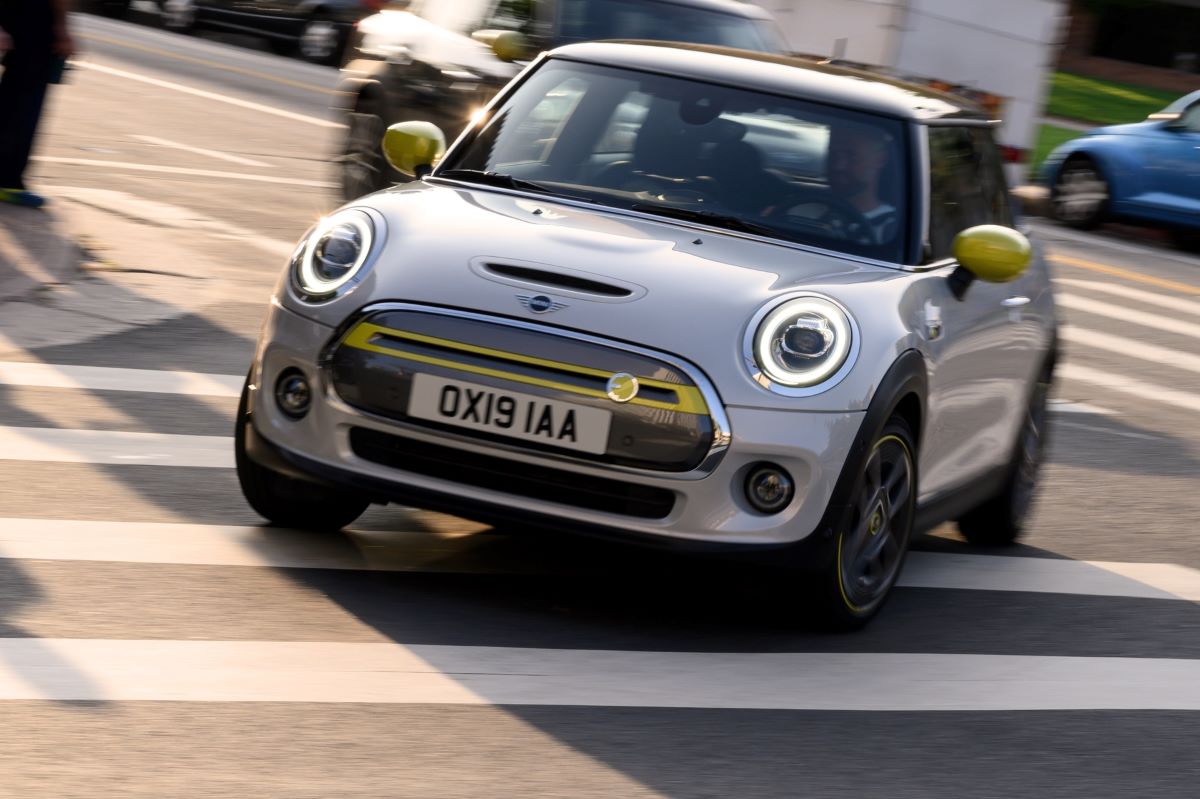
While the SE’s playful design and compact footprint appeal to urban buyers, the fragility of its interior can undermine long-term satisfaction and resale value.
3. BMW i3 (Early Production Models)
BMW’s i3 was revolutionary when it first arrived on the U.S. market, offering a unique approach to urban EVs with lightweight materials.
However, early production models (2014–2017) had dashboards prone to cracking, particularly in areas exposed to sunlight. The combination of hard plastics and a minimalist design made certain stress points susceptible to wear.
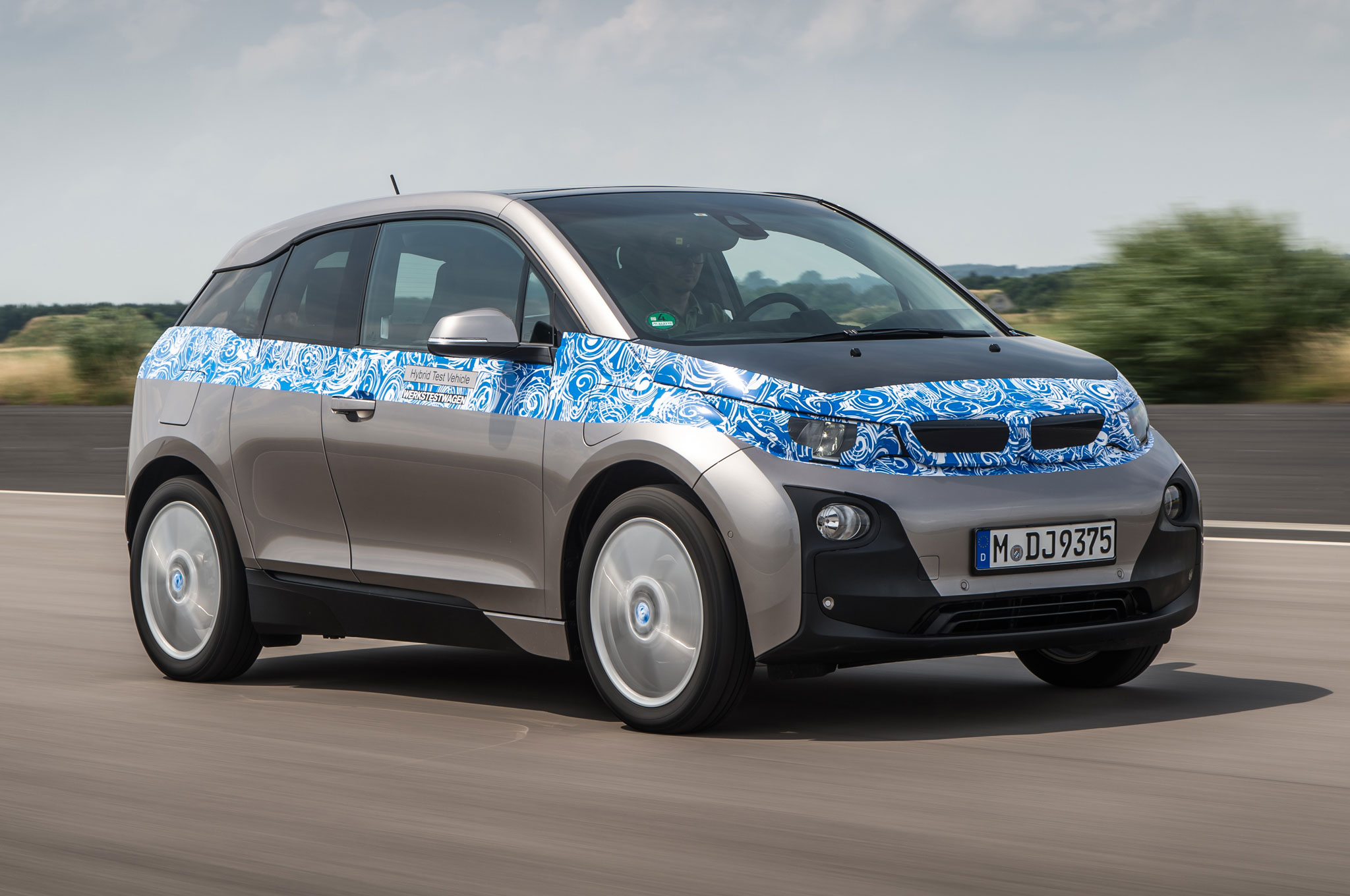
While newer i3 models improved on interior durability, used buyers in the U.S. should be cautious about early versions with potential dashboard issues.
The BMW i3 has always delivered a somewhat brittle driving experience, stiffer and more jittery than ideal. Yet its many other strengths, and the intelligence of its overall design, often outweighed those shortcomings.
At its core, the i3 is built around a carbon-fiber monocoque structure, a major engineering investment for BMW at the time, also shared with the i8 supercar. Early models were available with a small range-extending gasoline engine to recharge the battery, but this option was discontinued after 2018 in favor of a larger battery pack.
Initially expanded to 33.2 kWh and later to 42.2 kWh, the pack remains modest by modern standards, but still supports a range of 177 to 193 miles.
Performance is lively for a compact EV: the standard 170-hp i3 accelerates from 0 to 62 mph in 7.3 seconds, while the sportier 184-hp i3S trims that time to 6.9 seconds.
4. Fiat 500e
The Fiat 500e is one of the most affordable EV options in the United States, but its low price comes with some trade-offs in interior longevity.
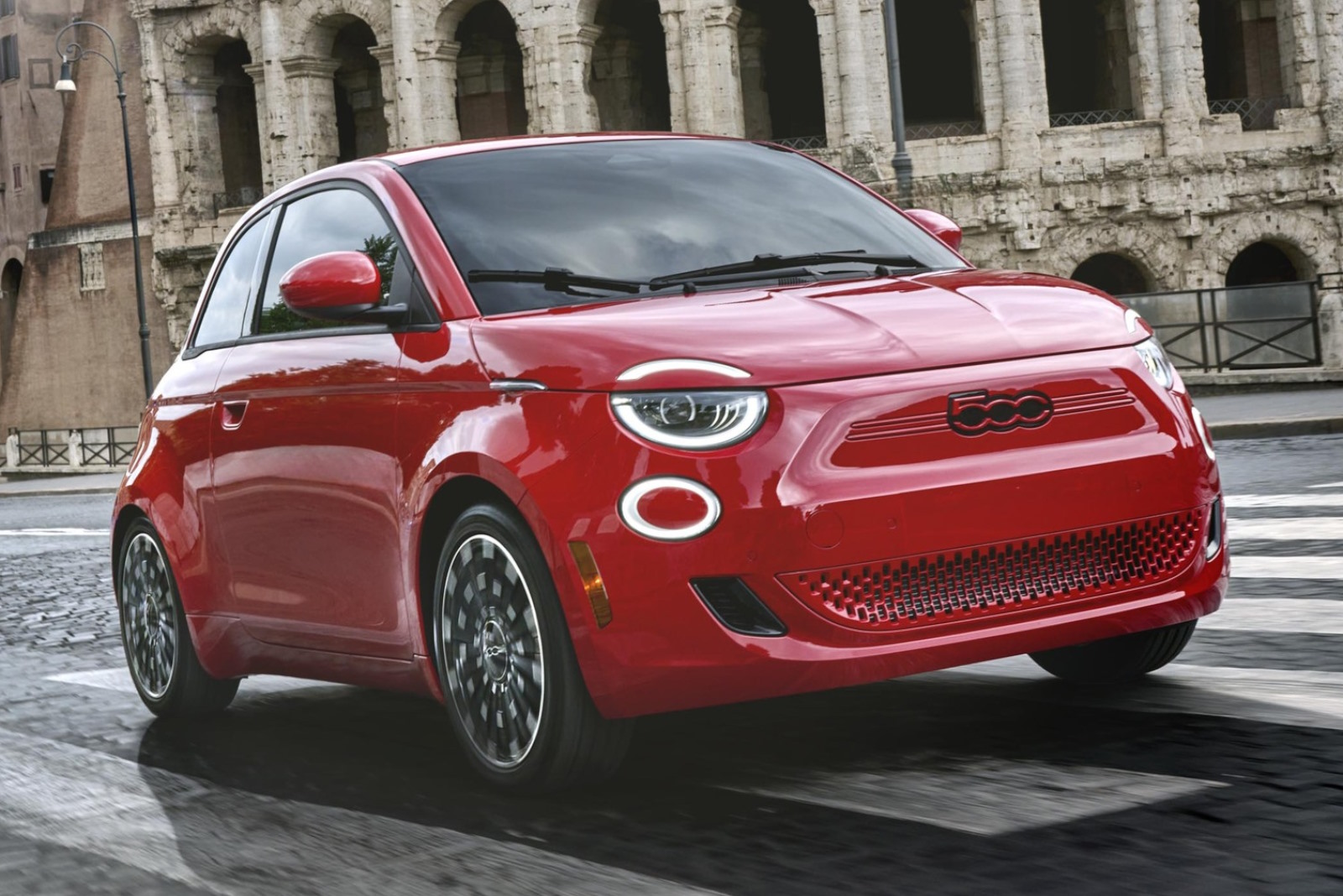
Owners frequently report cracked plastics on the dashboard, particularly around air vents and the center console. High U.S. summer temperatures can exacerbate these issues, making the 500e’s interior less resilient than other budget EVs.
While the car remains a fun city vehicle, its interior durability can be a concern for long-term ownership.
The Fiat 500e is a compact all-electric hatchback and currently the sole model offered in the U.S. by the iconic Italian automaker. At first glance, it closely resembles the previous-generation Fiat 500, which was discontinued in 2019, though the latest version underwent a full redesign just last year.
As always, its design draws heavily from the original Cinquecento of the 1950s, channeling retro charm into a thoroughly modern package. True to its heritage, the 500e feels most at home navigating urban environments, delivering just enough practicality and convenience to handle the demands of daily commuting.
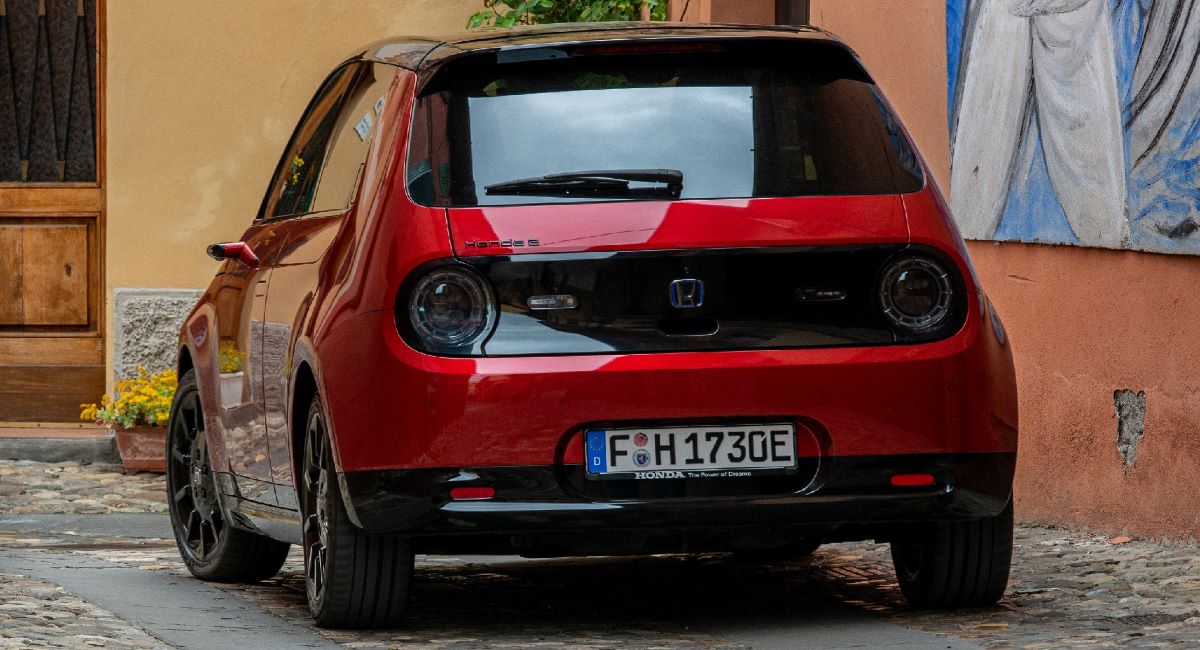
5. Honda e (Limited U.S. Imports)
Although the Honda e is primarily marketed in Europe, a small number of units have found their way to the United States.
These cars are praised for their retro-modern design, but some U.S. owners report brittle plastics that crack over time, particularly in dashboards exposed to strong sunlight.
While the Honda e’s overall build quality is impressive, the interior materials used in these imported models may not hold up as well under prolonged American summer conditions.
The Honda E’s playful styling is matched by equally engaging driving dynamics. Around town, it feels nimble and responsive, with plenty of grip for navigating tight corners and roundabouts.
Its exceptionally small turning circle means three-point turns are almost never required, making it perfectly suited to dense urban environments.
Out on country roads, the Honda E remains composed, cornering with minimal body roll. At any speed, the steering impresses with its accuracy, natural weighting, and strong sense of connection to the front wheels.
When measured against similarly priced rivals such as the Peugeot e-208 and Renault Zoe, the Honda E shines, even if it can’t match the razor-sharp agility of a Ford Fiesta ST hot hatch. Compared to the Mini Electric, however, Honda’s first fully electric model proves to be surprisingly fun.
Ride quality is respectable, too. The Honda E handles potholes and rough surfaces with more finesse than the Mini Electric, though the suspension is on the firmer side.
On less-than-perfect roads, occupants may feel some jostling, but it never becomes intrusive. That said, those prioritizing comfort may find the e-208 a more suitable choice.
Despite being designed primarily for city use, the Honda E maintains composure on faster roads. Wind and road noise are minimal, and the motor is quieter than in many competitors. Its single electric motor produces 152 hp, resulting in an official 0–62 mph time of 8.3 seconds.
While this is slightly slower than the e-208 and about a second behind the Mini Electric, acceleration at lower speeds feels brisk, making it well-suited to the stop-and-go nature of city driving.
A dedicated button activates one-pedal driving, maximizing regenerative braking to the point where lifting off the accelerator quickly slows the car while recapturing energy. This feature minimizes the need for brake pedal input, yet when braking is required, the pedal feel is predictable and smooth, something not all rivals achieve.
The biggest drawback is range. Officially, the Honda E can travel 131 miles on a full charge, though real-world figures are closer to 100 miles. In comparison, the Fiat 500 offers 199 miles, the Renault Zoe 239 miles, and the Mini Electric 145 miles.
When it comes to affordable EVs in the U.S., dashboard durability is a surprisingly important factor for buyers focused on long-term value.
Vehicles like the Chevrolet Bolt, Hyundai Kona Electric, Nissan Leaf, Kia Niro EV, and Volkswagen ID.4 demonstrate that even budget-friendly EVs can offer interiors that resist cracking and fading over time.
Conversely, models such as base Ford Mustang Mach-E, Mini Cooper SE Electric, early BMW i3s, Fiat 500e, and imported Honda e units highlight that lower-cost EVs sometimes cut corners in interior materials, leaving owners with cracked plastics and a compromised cabin experience.
For American buyers, considering interior durability alongside range, performance, and charging infrastructure is key.
A well-built dashboard not only improves daily driving comfort but also preserves resale value, making it a practical consideration in the rapidly growing EV market.
By focusing on EVs known for long-lasting interiors, consumers can enjoy the benefits of electric driving without sacrificing long-term comfort or quality.
