The Toyota 4Runner has earned a legendary reputation for durability, off-road prowess, and versatility over nearly four decades of production. From rugged early models to modern fifth-generation SUVs, the 4Runner consistently blends utility with reliability, making it a favorite among outdoor enthusiasts, families, and anyone seeking a vehicle that can handle both city streets and challenging trails.
However, not all model years share the same level of dependability. Some 4Runners shine with minimal maintenance, strong resale value, and proven longevity, while others carry hidden mechanical or structural issues that can lead to costly repairs.
In this guide, we’ll explore five 4Runner model years you can trust and five you should approach with caution. By understanding the strengths and weaknesses of each generation, buyers can make informed decisions, ensuring their next 4Runner purchase offers years of worry-free performance and adventure-ready capability.
5 Toyota 4Runner Years You Can Trust
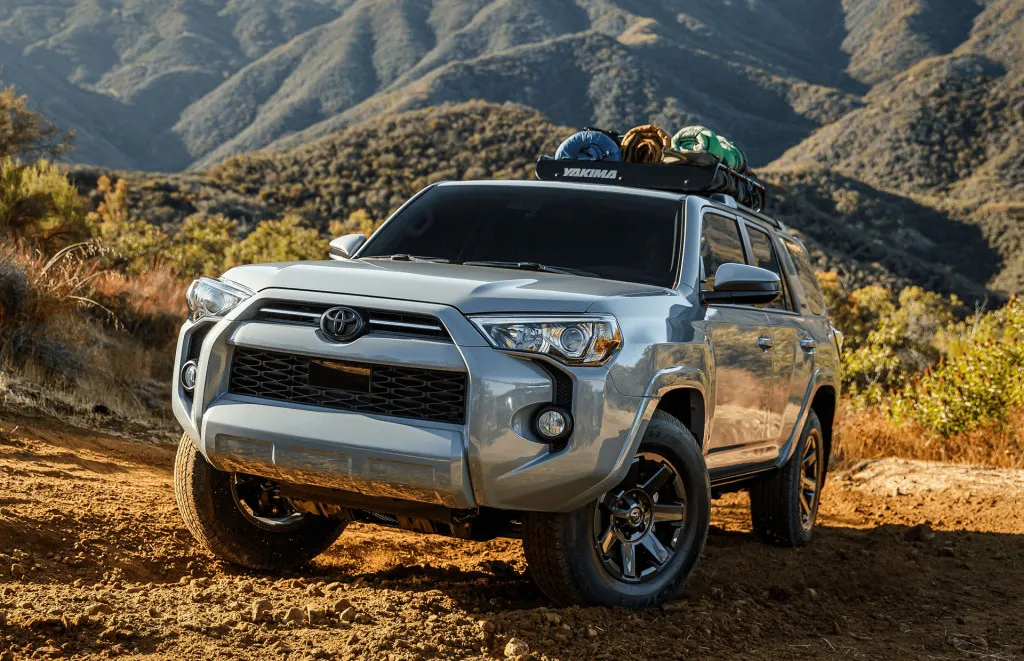
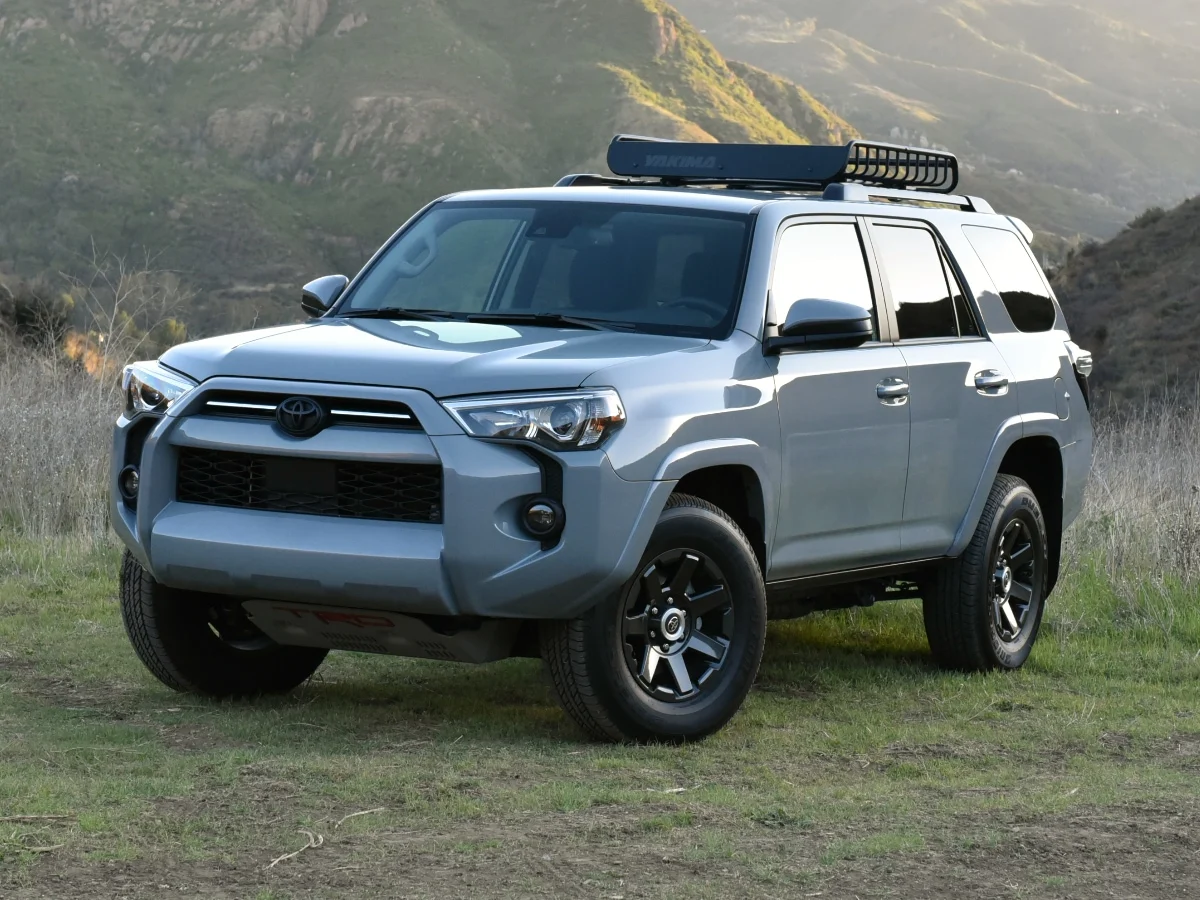
1. 2021 Toyota 4Runner
The 2021 Toyota 4Runner continues the legacy of its fifth-generation design, prioritizing refinement over radical innovation. Retaining its dependable 4.0-liter V6 engine and five-speed automatic transmission, the SUV strikes a balance between rugged capability and everyday practicality.
While it may feel dated compared to newer crossovers, small updates such as an improved infotainment system and enhanced cabin ergonomics make it more user-friendly.
With an average yearly maintenance cost of $514 and only two recalls, the 4Runner remains a reliable choice for those who value simplicity, dependability, and classic SUV styling.
Performance-wise, the 4Runner delivers competent but unspectacular on-road driving. Its engine and transmission are smooth, and the vehicle handles traffic with ease, though braking can feel abrupt, and cornering lacks the agility of car-like crossovers. Where the 4Runner truly shines is off-road.
High ground clearance, a multimode 4WD system, and TRD-specific features enable it to tackle rugged trails and outdoor adventures effortlessly. For buyers prioritizing adventure capability over speed or fuel efficiency, the 4Runner’s off-road prowess outweighs its on-road limitations.
Comfort and interior design reflect the 4Runner’s truck-based roots. The ride can feel bouncy and stiff, and wind noise is more pronounced due to its boxy shape, though tire noise is relatively subdued.
Its tall ride height makes entry and exit slightly challenging, but side steps help mitigate this. Inside, the 4Runner offers a spacious and practical cabin with adjustable seating, excellent visibility, and straightforward controls.
Technology is solid, with a clear touchscreen supporting Apple CarPlay and Android Auto, along with standard safety features like adaptive cruise control and forward collision mitigation.
Storage is abundant, with a large, squared-off cargo area, foldable rear seats, and a towing capacity of 5,000 pounds, making it well-suited for family trips and outdoor gear.
The 4Runner is not particularly fuel-efficient, averaging just 17 mpg combined, which is below many rival crossovers. However, it delivers value through off-road and towing capability, strong resale, and two years of complimentary scheduled maintenance.
While it may not satisfy those seeking cutting-edge tech or smooth fuel-efficient rides, the 2021 Toyota 4Runner appeals to buyers who prioritize durability, versatility, and timeless rugged styling, proving itself as a practical yet adventurous SUV.
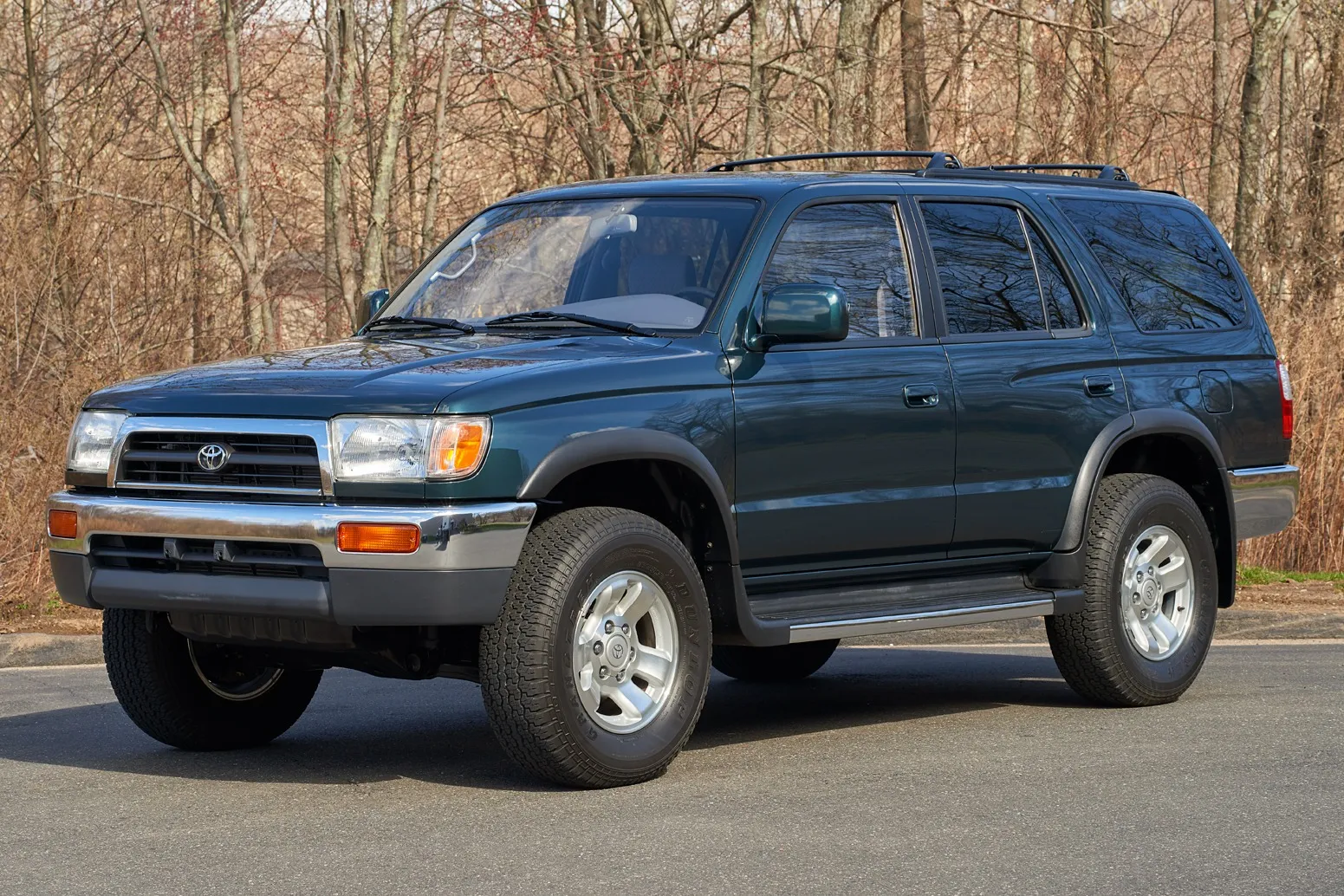
2. 1996 Toyota 4Runner
The 1996 Toyota 4Runner introduced the third generation, marking a major shift from pickup-based design to a purpose-built SUV. With a new chassis, upgraded suspension, and more spacious interior, it set a new standard for midsize sport-utility vehicles.
Toyota focused on creating a refined yet rugged vehicle, ensuring the 4Runner retained its off-road prowess while offering a more comfortable ride and improved handling.
Reliability remained a hallmark, with a high score of 4.7/5 and average yearly maintenance costs of $514, making it a dependable choice for both daily use and weekend adventures.
Under the hood, the 1996 model offered two engine options: a 2.7-liter inline-four producing 150 horsepower and a 3.4-liter V6 generating 183 horsepower. Both engines delivered solid torque, with the V6 producing 217 lb-ft at 3,600 rpm.
These engines represented a significant improvement over earlier second-generation models, making the 1996 4Runner more capable on highways and off-road trails alike.
While slightly less refined than later third-generation versions, the 1996 4Runner’s straightforward mechanics made it easy to maintain, modify, and keep running reliably for years.
The SUV’s interior and exterior underwent thoughtful upgrades to enhance comfort and usability. The wheelbase was extended by two inches, increasing cabin and cargo space, while wider doors and a lower floor simplified entry and exit.
Rear legroom improved by three inches, and the new one-piece hatch-style liftgate with a power-down rear window improved cargo access. Additional features included dual airbags, standard antilock brakes on the V6, a rack-and-pinion steering system, larger console storage, cupholders, and relocated rear speakers.
Seven new exterior colors and updated interior fabrics rounded out the design, giving the 1996 4Runner a modernized, appealing appearance.
Pricing for the 1996 4Runner ranged from $20,000 for the base 2WD four-cylinder model to $36,000 for a fully loaded Limited trim. This positioned it competitively against contemporaries like the Chevrolet Tahoe, Ford Explorer, and Jeep Grand Cherokee.
The 1996 Toyota 4Runner successfully balanced rugged off-road capability with improved comfort, safety, and style, marking a pivotal moment in the SUV’s evolution and laying the foundation for the 4Runner’s enduring popularity in the years to come.
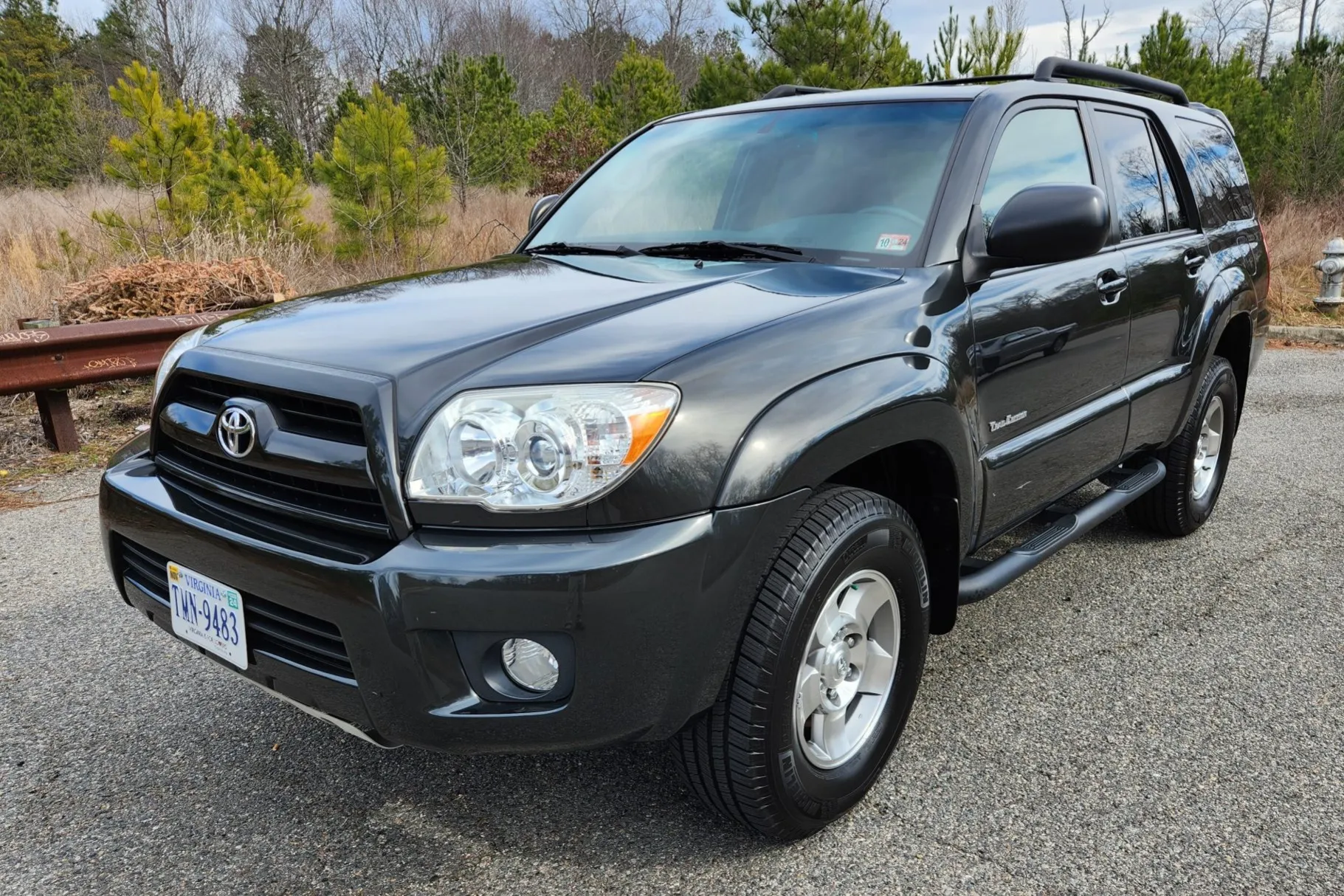
3. 2009 Toyota 4Runner
The 2009 Toyota 4Runner represents the fourth generation of the midsize SUV, continuing its legacy as a capable off-road vehicle while adopting a more modern, angular design.
Though some enthusiasts were initially disappointed by the departure from classic Toyota truck lines, the 4Runner retained its core strength: a rugged, body-on-frame platform ideal for trail driving and heavy-duty use.
Reliability remained high, with a 4.7/5 score, and average yearly maintenance costs stayed reasonable at $514. By 2009, Toyota had mitigated but not completely eliminated the rust issues that had plagued earlier years of this generation, further enhancing its longevity.
Under the hood, the 2009 4Runner offered two engine options: a 4.0-liter V6 producing 236 horsepower and 266 lb-ft of torque, and an optional 4.7-liter V8 delivering 260 horsepower and 306 lb-ft. Both engines could be paired with rear-wheel or four-wheel drive through a five-speed automatic transmission.
Towing capacity ranged from 5,000 pounds for V6 models to 7,300 pounds for rear-wheel-drive V8s, demonstrating serious utility. Fuel economy remained modest, with V6 versions rated at 16/21 mpg city/highway and V8 models at 15/19 mpg, reflecting the vehicle’s focus on capability over efficiency.
Inside, the 2009 4Runner offered seating for five, with an optional, cramped third row that struggled to accommodate adults. Maximum cargo capacity reached 75 cubic feet, though the non-flat-folding third-row seats slightly limited usability.
Nevertheless, the cabin was well-designed, with high-quality materials, intuitive controls, and a layout reminiscent of Toyota’s luxury sibling, Lexus.
Features such as X-REAS suspension enhanced handling, while standard safety equipment, including stability control, traction control, antilock brakes, and multiple airbags, helped the SUV achieve strong crash-test ratings, including five-star side-impact protection.
On the road, the 4Runner felt remarkably composed for a truck-based SUV. Both engine options provided ample power, with the V8 excelling in towing scenarios and the V6 delivering sufficient performance for everyday use. The 4WD variants maintained impressive off-road capabilities, handling rugged trails and obstacles with ease.
While the 2009 4Runner couldn’t match the comfort or interior spaciousness of modern car-based crossovers like the Toyota Highlander or GMC Acadia, it stayed true to the original SUV formula: a reliable, rugged, and versatile vehicle capable of handling both wilderness adventures and urban streets with confidence.
4. 2019 Toyota 4Runner
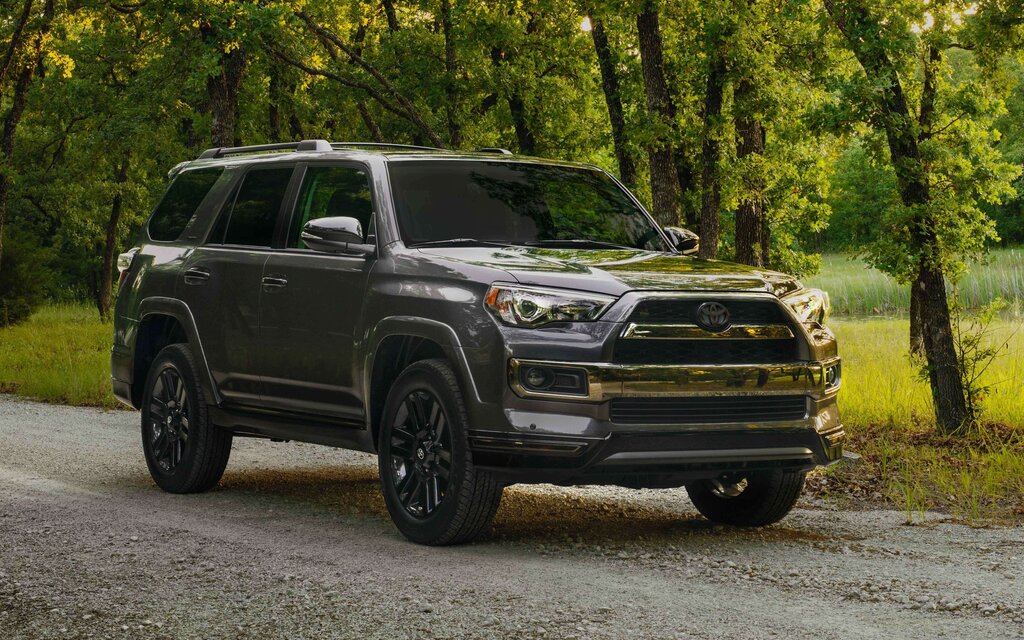
The 2019 Toyota 4Runner continues the fifth generation introduced in 2010, building on a proven platform that emphasizes off-road capability, utility, and long-term reliability. With a 4.8/5 reliability score and average yearly maintenance costs of $514, it remains one of the most dependable midsize SUVs on the market.
Compared to earlier models, the 2019 model addressed minor issues from previous years, including roof rack concerns and comfort updates such as a better sound system and a standard sunroof.
Trim-specific updates, like new Fox shocks on the TRD Pro and the Limited Nightshade Edition’s blacked-out styling, highlight Toyota’s attention to both utility and style.
Under the hood, the 2019 4Runner is powered by a stout 4.0-liter V6 paired with a five-speed automatic transmission. The vehicle delivers strong, linear acceleration with no noticeable lag, and tall gearing keeps it in the powerband efficiently.
While not a performance SUV, it produces sufficient power for everyday driving and towing up to 5,000 pounds. Steering, braking, and handling are competent for a truck-based SUV, with the Limited trim offering slightly smoother ride characteristics.
Off-road performance remains a core strength, especially in TRD Off-Road and TRD Pro trims, which feature lockable rear differentials, disconnecting stabilizer bars, and superior ground clearance.
Inside, the 2019 4Runner is spacious, practical, and family-friendly, though its interior design mixes materials in ways that feel dated or utilitarian. The Limited trim combines leather, faux wood, and spray-painted plastics, resulting in a cabin that is functional but lacks refinement.
Cargo space is generous at 88.8 cubic feet with the rear seats folded, while child seat accommodation is excellent, with easy LATCH access and three tether points. Storage solutions are adequate, though small-item stashing is limited. The SUV balances comfort and utility, providing a reasonable ride without sacrificing its rugged roots.
Technology and convenience, however, lag behind contemporary competitors. The 6.1-inch infotainment display is small and basic, with no Apple CarPlay or Android Auto support. Safety tech is minimal, lacking features like blind-spot monitoring, forward collision warning, and lane-keeping assist, which are standard on many rival vehicles.
Audio and navigation systems are functional but dated. Despite these shortcomings, the 2019 4Runner’s core strengths, reliability, off-road capability, towing, cargo space, and rugged utility make it a compelling choice for buyers seeking a versatile, long-lasting SUV that stays true to the traditional 4Runner formula.
5. 2020 Toyota 4Runner
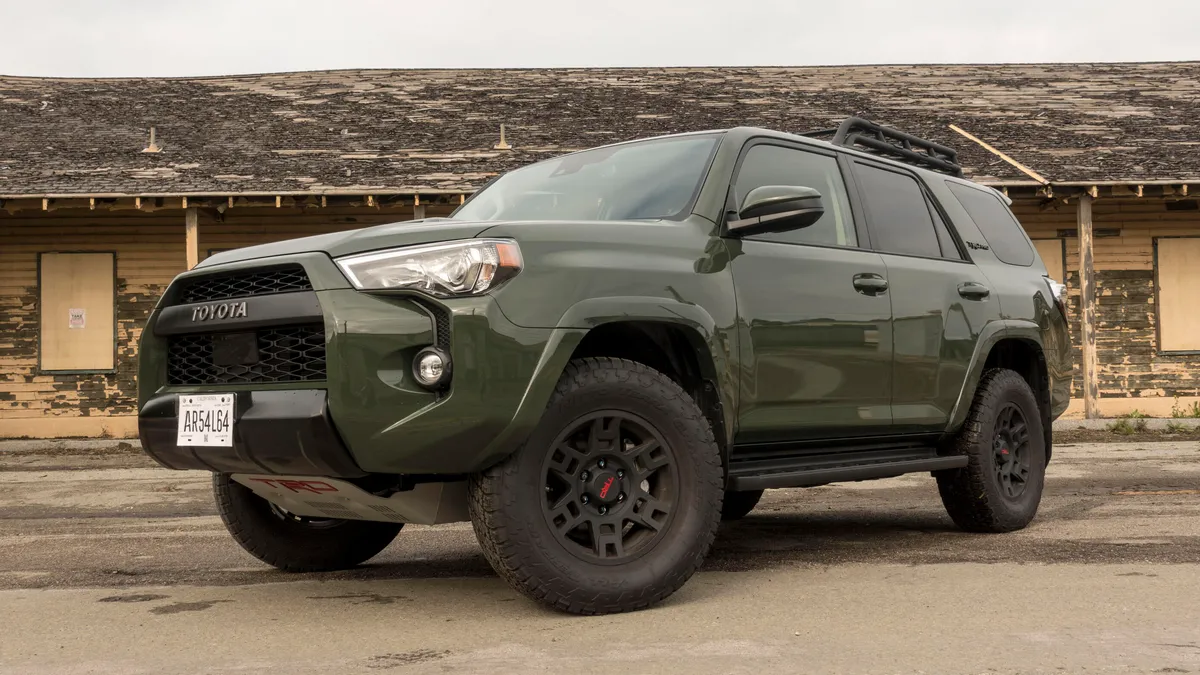
The 2020 Toyota 4Runner continues the legacy of the 5th-generation model as a durable and capable SUV, earning a reliability score of 4.8/5. Built on a strong body-on-frame design and equipped with TRD features, it can handle rigorous off-road adventures as well as years of daily driving.
The 2020 model also introduced standard Toyota Safety Sense P, which includes pre-collision warning, adaptive cruise control, lane-keeping assist, and automatic high beams, enhancing its safety credentials.
While the 4Runner may not be as refined as modern car-based crossovers, it offers seating for up to seven people, strong towing capacity, and a commanding road presence, making it a versatile choice for families and outdoor enthusiasts alike. Maintenance costs remain reasonable, averaging $514 per year, with only two recalls reported.
The 4Runner’s performance is competent, though not sporty. Its 4.0-liter V6 and five-speed automatic transmission provide smooth acceleration, adequate traffic handling, and stability around corners, though braking can feel jumpy at times.
The SUV truly excels off-road, thanks to its high ground clearance, multimode 4WD system, and TRD enhancements, making it ideal for trail adventures or camping trips. Comfort is decent but somewhat compromised by its truck-based construction.
The ride is bouncy and stiff compared to crossover SUVs, and wind noise is more noticeable due to the boxy design. Despite these limitations, road noise from tires is reasonably subdued, and the cabin provides a commanding driving position with excellent visibility.
Inside, the 2020 4Runner offers a practical and spacious cabin with easy-to-use controls and adjustable seating. The updated infotainment system now supports Apple CarPlay and Android Auto, featuring a larger touchscreen with clear graphics and shortcut buttons for convenience.
Standard active safety features enhance the vehicle’s technology offering. Cargo space is generous, and the squared-off design allows for folding rear seats and easy storage of large items or sleeping bags.
The second row accommodates car seats comfortably, though the taller ride height can make entry and exit a bit challenging for smaller passengers. The SUV also supports towing up to 5,000 pounds, with prewired trailer plugs for added versatility.
Fuel efficiency is the 4Runner’s main drawback. Its V6 engine and five-speed automatic transmission yield a combined 17 mpg, which is lower than most all-wheel-drive crossovers. Nevertheless, the 4Runner delivers value through its off-road capability, towing performance, and strong resale value.
It comes with two years of free scheduled maintenance, and the standard warranty meets typical industry expectations. While it may not be the most fuel-efficient or polished SUV, the 2020 Toyota 4Runner is ideal for buyers seeking rugged capability, spacious seating, modern technology, and long-term reliability.
Also Read: 5 Cars With Heat That Works Instantly in Winter and 5 That Leave You Freezing
5 Toyota 4Runner Years You Can’t Trust
1. 1990 Toyota 4Runner: Early Reliability Challenges
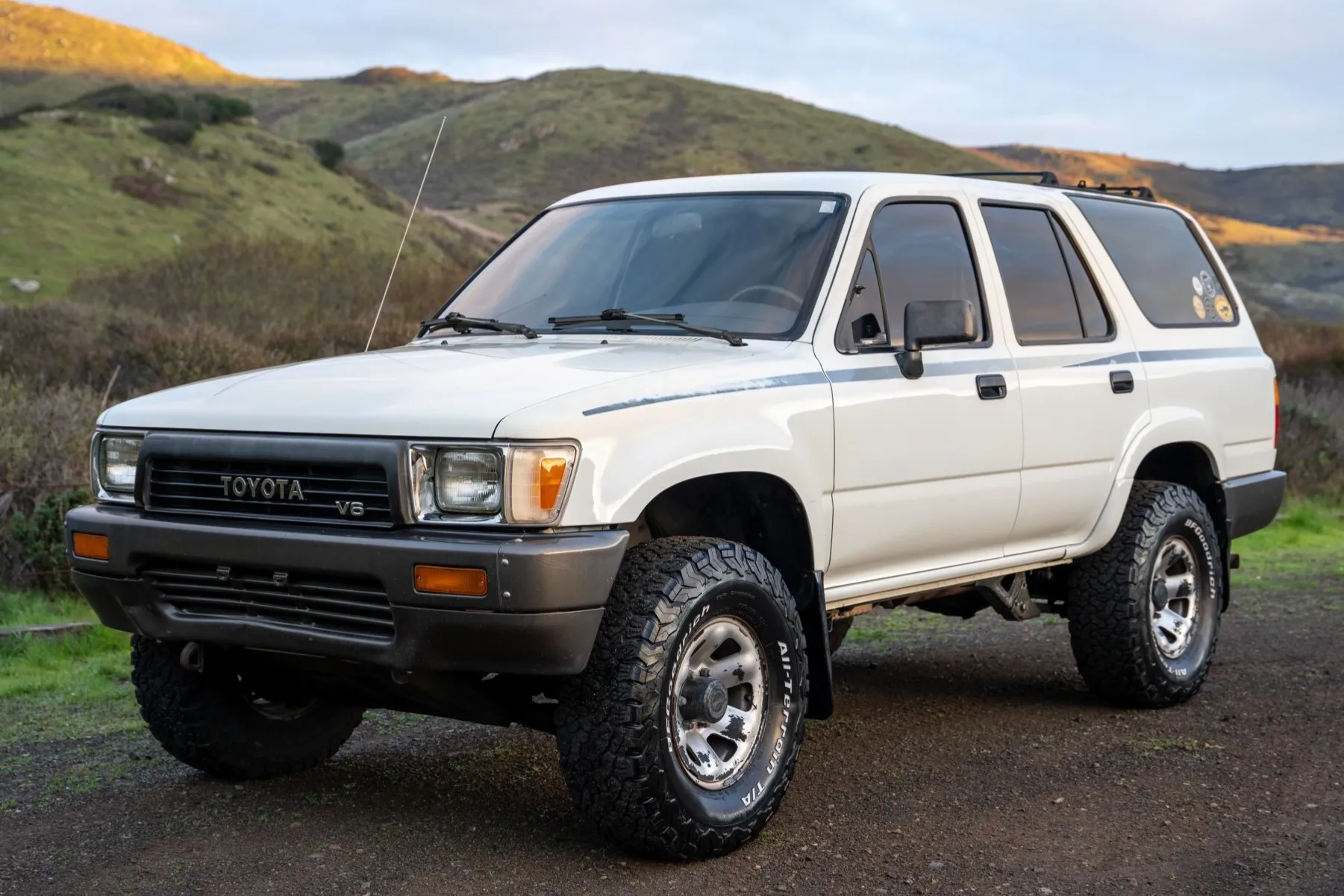
The 1990 Toyota 4Runner, part of the second generation, faced notable reliability challenges that made it a vehicle to approach with caution. Its 3.0L V6 engine, while powerful for its time, was prone to head gasket failures that could lead to severe overheating and catastrophic engine damage if not addressed promptly.
Beyond engine issues, rust emerged as a critical concern, particularly for frames and suspension components exposed to salted winter roads. This rust was more than cosmetic; it threatened the structural integrity of the vehicle, potentially creating safety hazards for occupants.
While the 1990 4Runner had the classic rugged appearance and utility that drew many buyers to early Toyota SUVs, the combination of frequent, expensive engine repairs and widespread corrosion made it a poor long-term investment.
Most mechanics and enthusiasts recommend steering clear of this model unless the vehicle has been meticulously maintained or restored, as the risk of mechanical and structural failure remains high, diminishing its appeal as a reliable used SUV.
2. 1995 Toyota 4Runner: Persistent Engine and Rust Issues
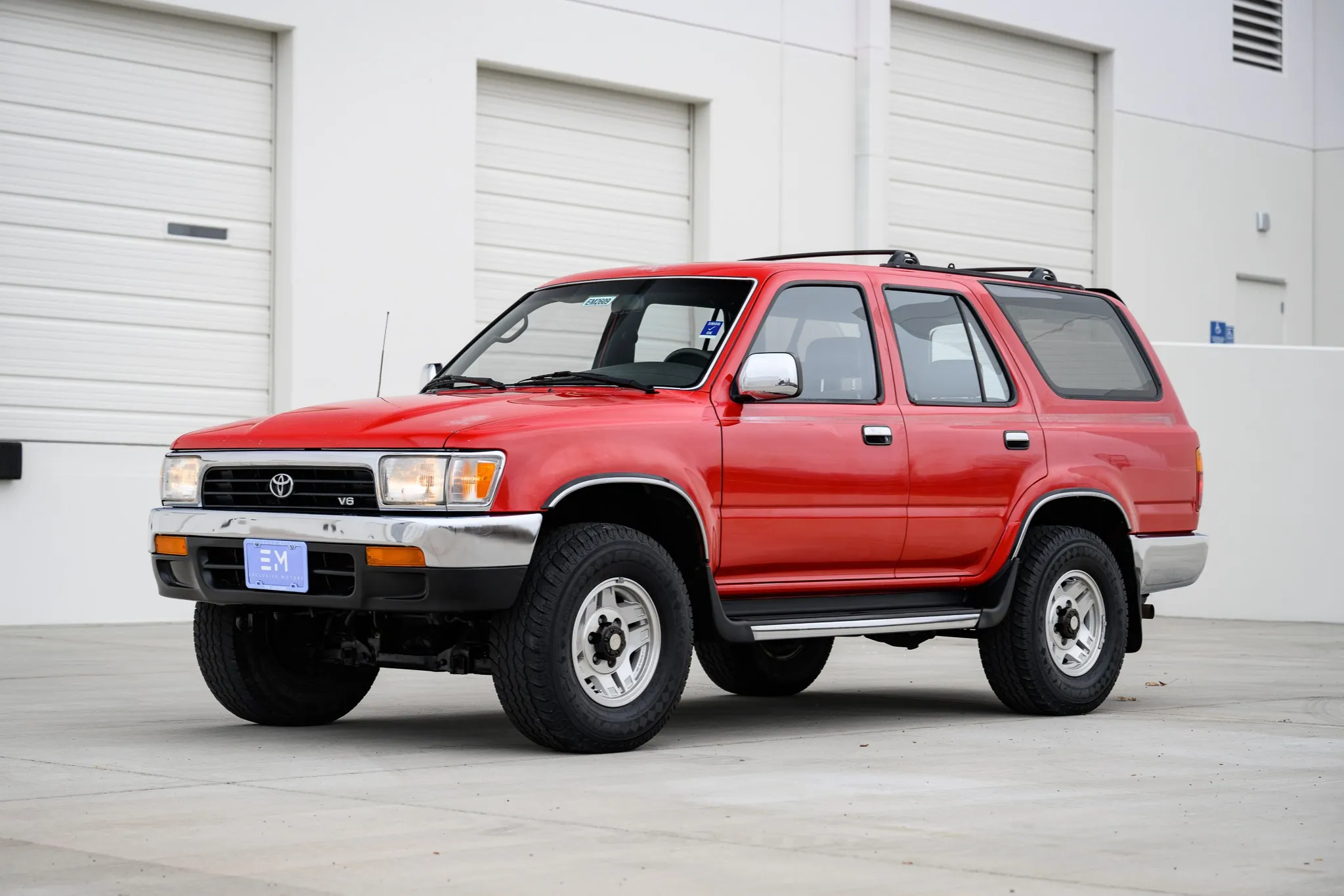
By 1995, the second-generation 4Runner had received minor refinements, but several long-standing problems persisted, making this model year risky for potential buyers. The 3VZ-E 3.0L V6 engine continued to suffer from premature head gasket failures, leading to overheating and, in some cases, complete engine replacement.
Although Toyota issued a recall to address this issue, many vehicles were never repaired, leaving owners vulnerable to costly engine problems. Rust continued to plague the 1995 4Runner, affecting frames, suspension components, and even fuel lines.
In some cases, the corrosion was severe enough to compromise structural integrity and safety. While the 1995 4Runner retained the practical features, off-road capability, and versatile design that made the SUV popular, these mechanical and structural weaknesses overshadowed its benefits.
Buyers seeking a second-generation 4Runner today must weigh the allure of its rugged reputation against the high likelihood of expensive repairs and rust-related hazards, making it a model to approach cautiously unless fully restored or heavily maintained.
3. 2003 Toyota 4Runner: Fourth-Generation Growing Pains
The 2003 4Runner marked the beginning of the fourth generation, bringing redesigned styling and new engine options, but it also introduced a host of reliability concerns. Frame rust remained a significant problem, particularly in regions with harsh winter climates, with corrosion potentially affecting safety and leading to costly repairs.
Higher trims with the optional air suspension system offered improved ride comfort but were prone to premature failure, causing sagging and handling issues. Electrical problems were another common complaint, including malfunctioning dashboard displays and intermittent power window failures.
These issues detracted from the otherwise solid performance and utility associated with Toyota’s SUV lineup. While the 2003 4Runner retained strong off-road capability, towing capacity, and interior space, the combination of rust, suspension failures, and electrical malfunctions made it a model to avoid for buyers prioritizing reliability.
As a result, this SUV often falls short of the high durability standards that Toyota had set in previous generations, particularly in challenging climates or for those expecting trouble-free ownership.
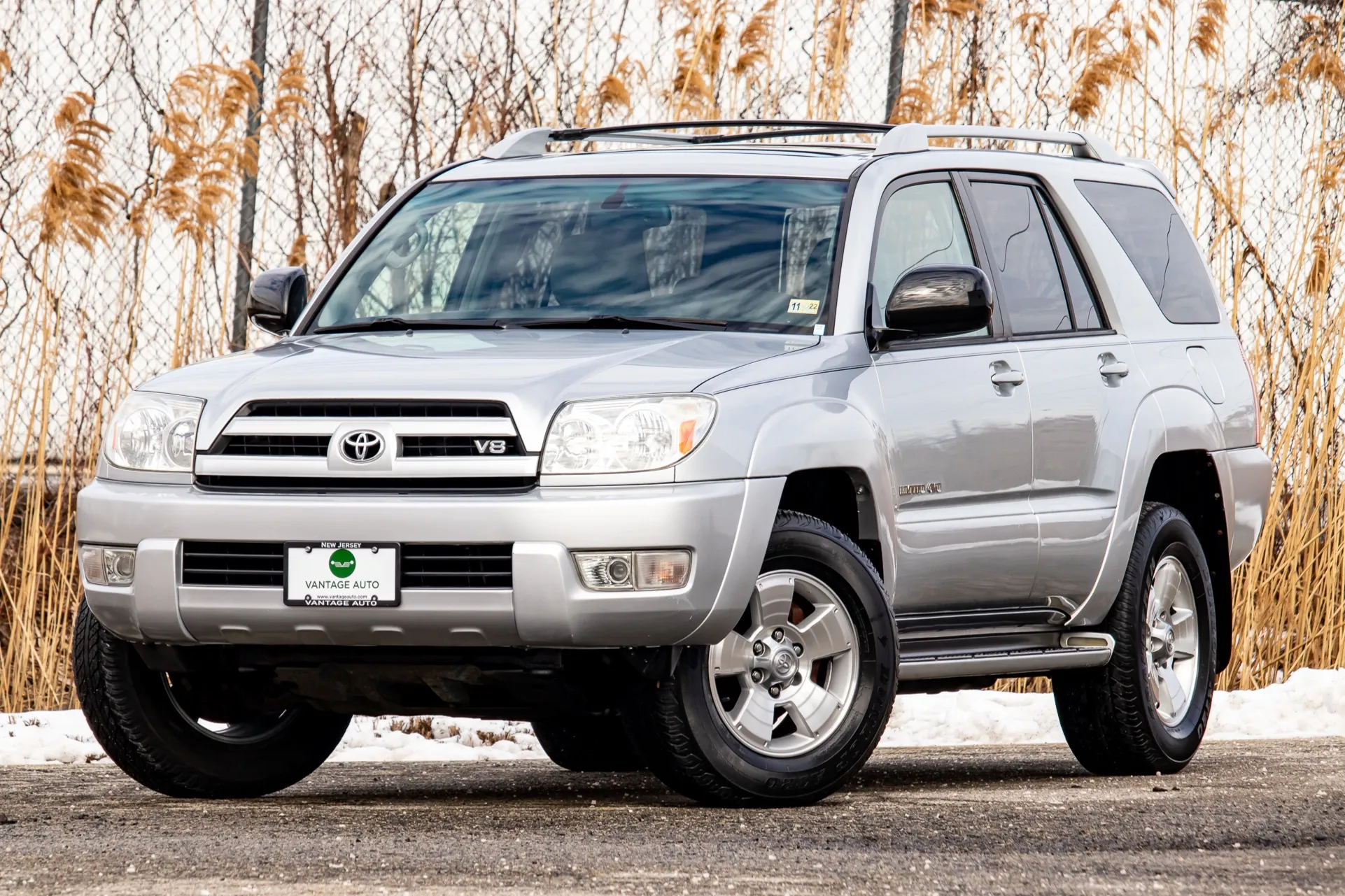
4. 2005 Toyota 4Runner: Cosmetic and Drivetrain Concerns
The 2005 4Runner continued the fourth-generation design but carried over many of the same issues from earlier years. One of the most frequent complaints involved cracked dashboards, which, while primarily cosmetic, could interfere with airbag deployment in certain cases.
Toyota did extend a warranty for some vehicles, but not all owners benefited from coverage. Drivetrain problems were also notable, particularly rear differential leaks, which, if left unresolved, could result in expensive repairs or replacements.
Rust remained a consistent concern, especially for the frame and undercarriage, highlighting ongoing vulnerabilities in the SUV’s structural longevity. Despite these drawbacks, the 2005 model maintained Toyota’s hallmark off-road capability, towing potential, and passenger versatility.
However, the combination of cosmetic, drivetrain, and corrosion issues means that buyers need to be cautious. Prospective owners must carefully inspect these vehicles for signs of structural or mechanical damage to avoid costly repairs, making this model less reliable than newer or well-maintained 4Runners from later years.
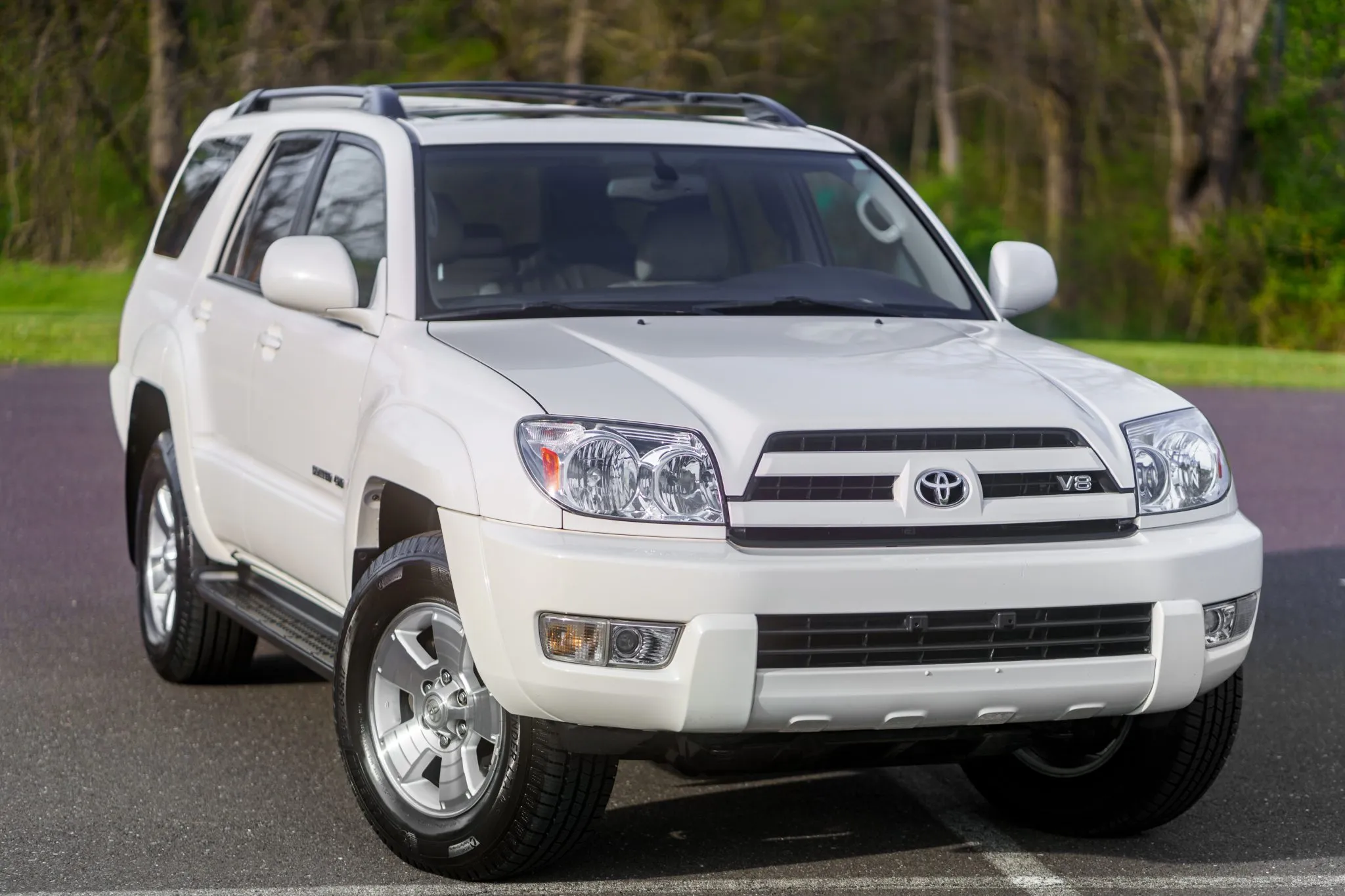
5. 2007 Toyota 4Runner: Incremental Improvements with Lingering Issues
The 2007 Toyota 4Runner represented an improvement over earlier fourth-generation models, yet several lingering problems persisted. Drivetrain issues remained a top concern, with owners reporting vibrations during acceleration and premature wear of the rear differential, often resulting in unexpected repair costs.
Rust continued to affect the frame and suspension, sometimes compromising safety even on well-maintained SUVs. Interior durability was another concern, as aging materials led to faster wear and tear, particularly on high-contact surfaces.
Despite these shortcomings, the 2007 4Runner retained its reputation for off-road capability, passenger space, and towing utility, making it a solid option for adventure-oriented buyers who are willing to accept maintenance responsibilities.
However, the combination of drivetrain problems, corrosion risks, and interior aging means that this model is not as reliable as Toyota’s earlier or later generations. Buyers seeking a dependable SUV must carefully weigh these factors and consider inspections or repairs before purchase to ensure long-term satisfaction and safety.
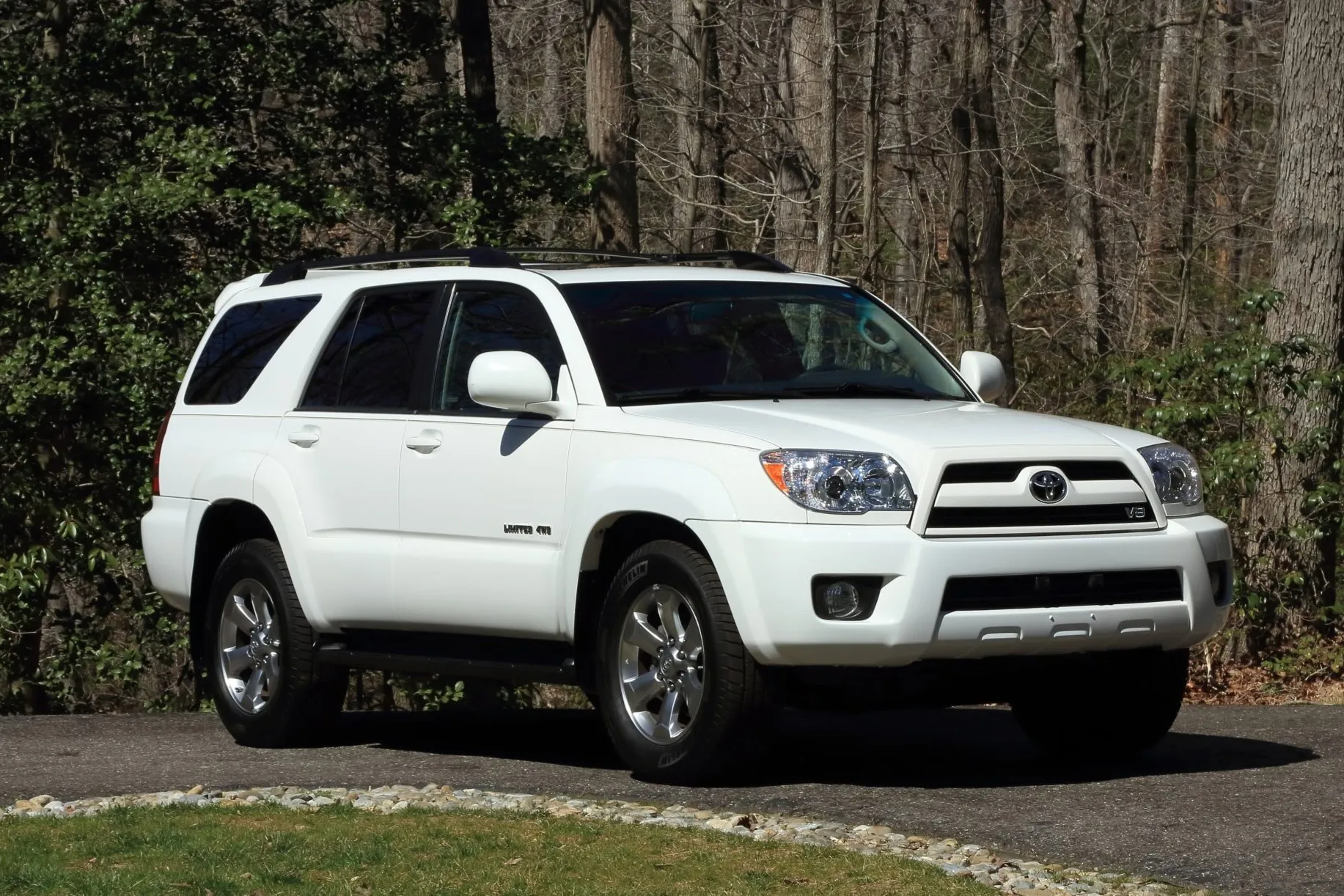
Choosing the right Toyota 4Runner requires careful consideration of each model year’s reliability, maintenance history, and known issues. The trusted years highlight the SUV’s enduring strengths: rugged design, dependable engines, and capable off-road performance, proving why the 4Runner remains a favorite in the midsize SUV segment.
Conversely, the less reliable years serve as a reminder that even legendary vehicles have pitfalls, from rust-prone frames to recurring engine or drivetrain problems. By weighing these factors, buyers can confidently select a 4Runner that matches their needs, lifestyle, and expectations for long-term durability.
Whether prioritizing off-road adventures, towing capacity, or everyday practicality, understanding which model years excel and which falter ensures that your 4Runner experience is both enjoyable and dependable for years to come.
Also Read: 10 Cars With Tricky Seatbelt Buckles for Elderly Passengers