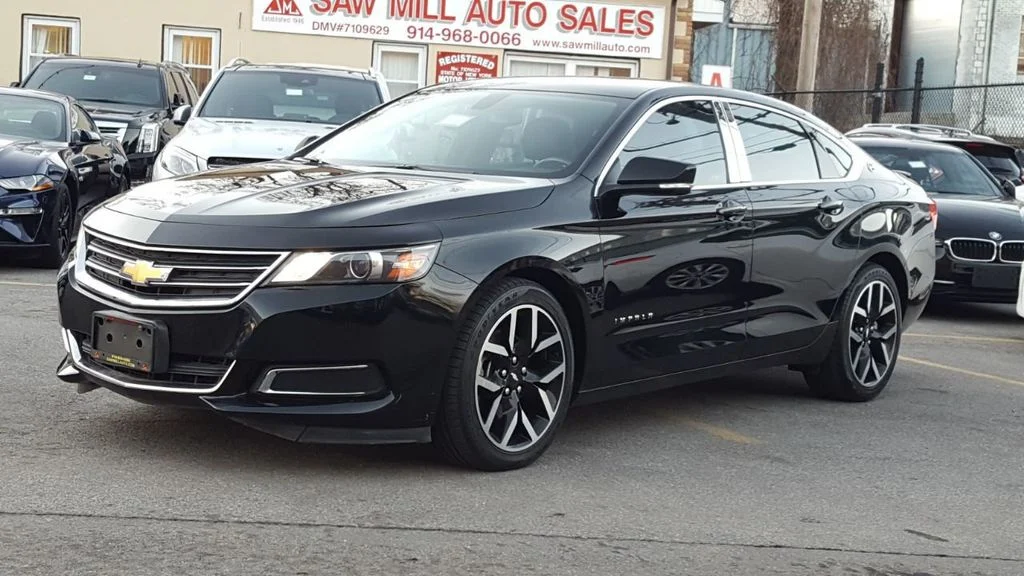
The Chevrolet Impala has long been a staple in the full-size sedan segment, offering buyers a mix of comfort, space, and everyday reliability. Over its decades-long production run, the Impala evolved from a practical family car into a refined sedan capable of competing with near-luxury models.
However, not all model years were created equal. Some generations earned praise for their strong performance, smooth ride, and advanced safety features, while others suffered from costly mechanical flaws and reliability concerns. For used car shoppers, knowing which years to target and which to avoid can make all the difference in ownership experience and long-term value.
In this guide, we break down five of the best Chevrolet Impala model years worth buying, as well as five years that are best left off your shopping list. Whether you’re after comfort, dependability, or a spacious road-trip cruiser, the right Impala year can still deliver tremendous value.
5 Chevy Impala Years Worth Buying
1. 2018 Chevrolet Impala
The 2018 Chevrolet Impala continues its legacy as one of America’s most reliable and comfortable full-size sedans. Known for its smooth ride quality, cavernous cabin, and abundant cargo space, it appeals to buyers seeking a blend of practicality and refinement.
According to CarComplaints.com, issues with this model are minimal, limited mostly to minor electrical quirks and paint finish concerns. While the sedan market is shrinking in the age of electrification, the Impala remains a dependable option with strong consumer appeal, particularly for those who prioritize comfort and reliability over trendier alternatives.
For 2018, the Impala receives minor but valuable updates to its equipment and standard features. A rearview camera, keyless entry, and push-button start are now standard across all trims, including the base LS.
The MyLink infotainment system with an 8-inch touchscreen, Bluetooth, Apple CarPlay, and Android Auto further enhances connectivity and convenience.
These features make even the entry-level model feel well-equipped, offering a modern experience without significant compromises. This consistent attention to updates over the years has kept the Impala relevant and competitive, ensuring it balances affordability with near-luxury amenities.
On the road, the Impala delivers a quiet, composed ride tailored for comfort rather than sportiness. The available 305-hp V6 provides smooth, confident acceleration, though its weight keeps performance in the “average” range compared to rivals.
Handling is competent but uninspiring, with light steering and decent stability, making it well-suited for daily commuting and long highway drives. The base four-cylinder engine, however, feels underwhelming.
Braking and steering performance are adequate, though thick roof pillars limit outward visibility, requiring reliance on driver-assist features like the rearview camera. The Impala prioritizes ease of use and comfort over agility, appealing to buyers who value a relaxed driving experience.
Inside, the Impala emphasizes passenger comfort with spacious seating and one of the largest trunks in its class at 18.8 cubic feet. The cabin is quiet and well-insulated, with materials that, while generally appealing, show some cost-cutting in certain areas.
Seat comfort is excellent, especially in the rear, where adults can enjoy long road trips without fatigue. While visibility suffers slightly due to thick pillars, ease of entry and exit is commendable.
Technology-wise, the MyLink system is intuitive, though advanced safety aids are mostly reserved for higher trims. With a strong focus on space, comfort, and practicality, the 2018 Chevy Impala stands out as a value-packed option for buyers seeking a dependable, roomy sedan.
2. 2017 Chevrolet Impala
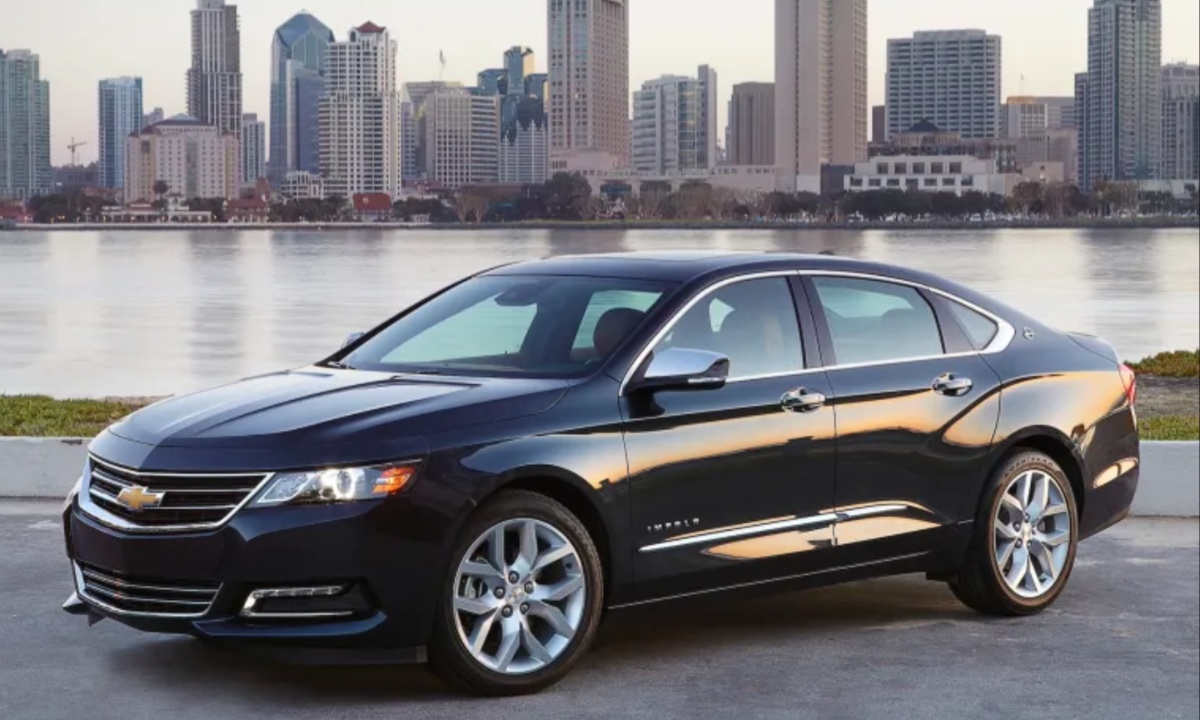
The 2017 Chevrolet Impala stands out as a practical and comfortable large sedan, offering a refined balance of space, technology, and safety. Though it has some drawbacks, such as fading clear coat, gasket wear, and underwhelming base headlights, it largely delivers on what buyers in this class expect.
With a roomy cabin, smooth ride, and impressive quietness on the highway, the Impala is an excellent choice for families or frequent travelers. The redesign a few years prior brought the model back to relevance, giving it modern styling and features, while continuing its tradition of value and dependability.
A defining strength of the 2017 Impala is its spacious interior and practicality. Rear passengers benefit from abundant legroom, while the generous 18.8-cubic-foot trunk easily handles road trip luggage or everyday hauling needs.
Ride quality is tuned for comfort, soaking up bumps with ease, and road and wind noise remain impressively low even at highway speeds. These qualities make it a relaxing long-distance cruiser.
The cabin’s design is sleek and modern, with a flowing dashboard layout and a user-friendly 8-inch MyLink infotainment system available on most trims. Apple CarPlay and Android Auto integration add modern convenience, though some cabin plastics could feel more upscale.
The Impala offers two engine options: a base four-cylinder and a stronger 3.6-liter V6. While the four-cylinder provides better fuel economy, it feels sluggish, especially when the car is fully loaded. The V6, on the other hand, transforms the Impala into a confident performer, with responsive passing power and a quicker 0–60 mph time.
Handling is secure rather than sporty, with light steering and good composure through turns. Thick roof pillars limit visibility somewhat, though available safety aids help offset this drawback.
Braking performance is excellent, stopping from 60 mph in just 114 feet with 19-inch wheels, and overall drivability makes the Impala a reliable daily driver and road trip companion.
Safety is another highlight of the 2017 Impala. Standard equipment includes antilock brakes, stability control, multiple airbags, and GM’s OnStar system with automatic crash notification and emergency assistance.
Higher trims and option packages add advanced driver aids such as blind-spot monitoring, forward collision warning, lane departure alert, and automatic emergency braking.
Crash test results are outstanding, with the Impala earning five stars from the NHTSA and top “Good” ratings from the IIHS, plus a “Superior” rating for models equipped with advanced collision mitigation.
Combined with its spaciousness, smooth ride, and strong technology suite, the 2017 Chevrolet Impala offers excellent value as a safe, comfortable, and capable large sedan.
3. 2016 Chevrolet Impala
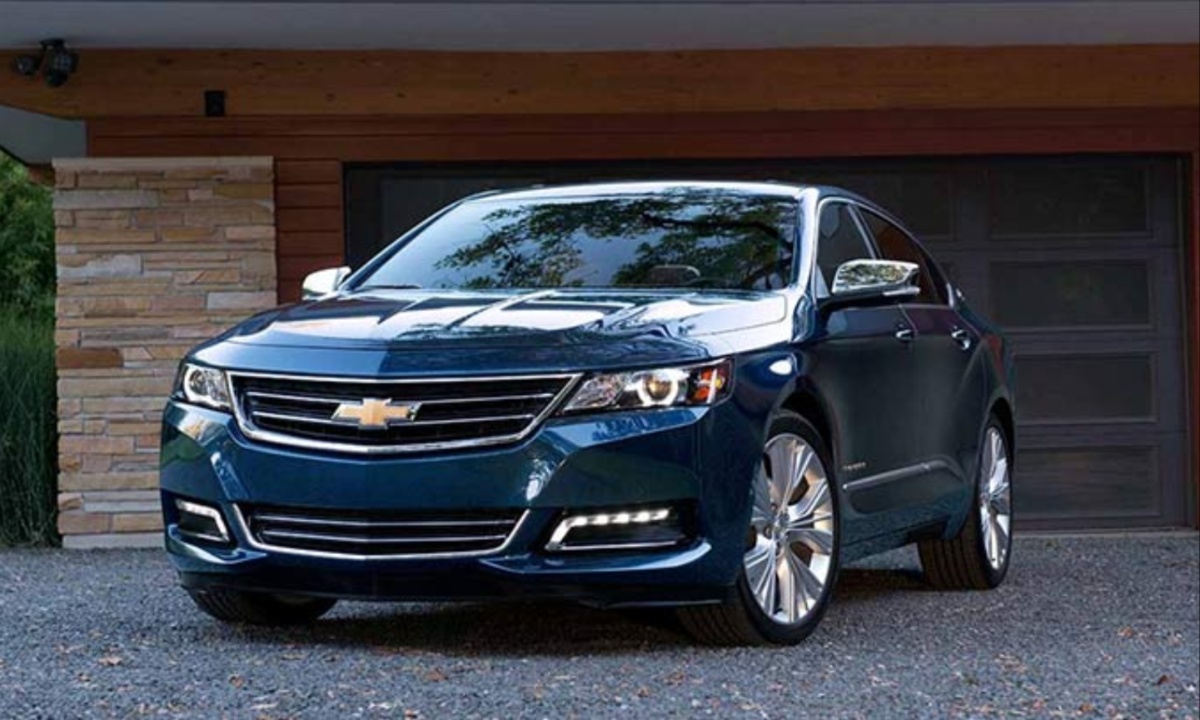
The 2016 Chevrolet Impala offers a compelling mix of comfort, technology, and performance, making it a strong contender in the large sedan market. This year’s updates included Apple CarPlay integration and wireless phone charging, further enhancing its modern appeal.
Owners have reported occasional electrical issues such as power steering malfunctions, GPS glitches, and hesitant acceleration, though the NHTSA issued no recalls. The Impala remains a refined option with its smooth ride, spacious cabin, and large trunk, excelling at the fundamentals of what buyers expect from a full-size sedan.
Chevrolet offers two powertrain options for the 2016 Impala. The standard 2.5-liter four-cylinder produces 196 horsepower with EPA-rated efficiency of 25 mpg combined, aided by a stop-start system.
The more powerful 3.6-liter V6 generates 305 horsepower, delivering stronger acceleration and better highway passing power, with a respectable 22 mpg combined. Edmunds testing recorded a 0–60 mph sprint of just 6.4 seconds with the V6, outpacing several rivals.
A bi-fuel version capable of running on both gasoline and compressed natural gas (CNG) was also introduced, though efficiency dropped slightly in this configuration. Regardless of engine choice, all models use a six-speed automatic transmission with front-wheel drive.
On the road, the Impala provides a comfortable, quiet ride, absorbing bumps and imperfections with ease. The V6 delivers confident performance, particularly during highway cruising, while the four-cylinder favors budget-conscious buyers despite its clear power deficit.
The cabin remains serene at speed, with low wind and road noise contributing to a near-luxury feel. Handling is stable but not sporty, with modest cornering limits.
For maximum comfort, buyers are advised to avoid the optional 20-inch wheels, which can compromise ride quality. The Impala’s strengths lie in its relaxed, secure driving demeanor, making it ideal for long-distance travel.
Inside, the Impala combines modern design with spaciousness. The dual-cowl dashboard flows into the doors for a premium look, while the 8-inch MyLink infotainment system offers crisp graphics and smartphone-like functionality.
Some cheaper plastics remain in the cabin, but overall, the presentation is upscale for the class. The Impala’s generous wheelbase provides excellent rear passenger legroom, and the 18.8-cubic-foot trunk, with split-folding rear seats, adds versatility.
Safety is another strength: the sedan comes with a full suite of airbags, stability control, OnStar services, and optional driver aids like forward collision warning, lane departure alert, blind-spot monitoring, and adaptive cruise control with emergency braking. With top crash-test ratings from both the NHTSA and IIHS, the 2016 Impala blends safety, space, and comfort into a well-rounded package.
4. 2015 Chevrolet Impala
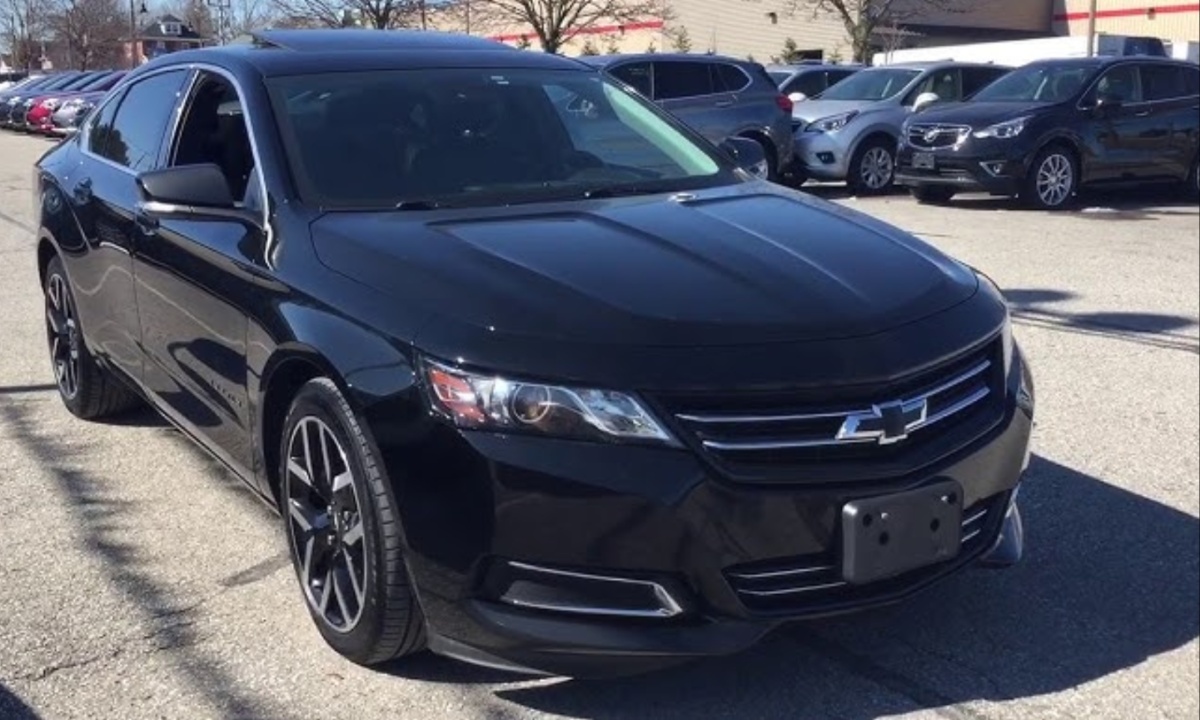
The 2015 Chevrolet Impala builds upon its full redesign from the prior year, cementing its status as a top contender in the full-size sedan segment.
While the NHTSA issued three recalls for minor issues covering the front occupant sensing system, electronic parking brake, and console storage latch, owner concerns typically involve transmission and power steering repairs after 50,000 miles.
For 2015, Chevrolet discontinued the hybrid eAssist version but added 4G LTE connectivity with WiFi hotspot capability, while also introducing a bi-fuel model capable of running on both gasoline and compressed natural gas (CNG).
With its refined styling, quiet ride, and impressive cabin space, the Impala transitioned from a fleet-focused option to a serious competitor in the near-luxury sedan class.
The Impala offers two gasoline engines, both paired with a six-speed automatic transmission and front-wheel drive. The standard 2.5-liter four-cylinder produces 195 horsepower and achieves 25 mpg combined, aided by an automatic stop-start system.
The more desirable 3.6-liter V6 generates 305 horsepower and delivers a smooth, confident performance, with an EPA rating of up to 22 mpg combined. In Edmunds’ testing, the V6 model reached 60 mph in 6.7 seconds, which is competitive for its class.
The bi-fuel Impala, a unique offering in the segment, uses a modified V6 that runs primarily on CNG but switches seamlessly to gasoline when needed. While performance dips slightly when using CNG, this configuration appeals to fleets and environmentally conscious buyers alike.
On the road, the 2015 Impala delivers the composed and cushioned ride expected from a large sedan. The V6 engine shines during highway passing, offering a responsive feel, while the four-cylinder suits budget-conscious drivers who value efficiency over power.
Steering and handling are secure but not sporty, with the sedan prioritizing stability and comfort over cornering performance. Road and wind noise are well-muted, enhancing its reputation as a quiet cruiser.
To maximize comfort, Chevrolet recommends skipping the optional 20-inch wheels, as they can make the ride harsher over rough surfaces. The Impala excels at long-distance travel, balancing capability with refinement.
Inside, the Impala impresses with its spacious, modern cabin and premium design touches. The dual-cowl dashboard flows into the door panels, creating an upscale feel, while the available 8-inch MyLink infotainment system offers crisp graphics and smartphone-like usability.
Some materials, particularly in the center console, reveal cost-cutting, but optional upholstery choices such as the vinyl/suede combination add an elegant touch. Rear passengers enjoy abundant legroom, and the 18.8-cubic-foot trunk, expandable via split-folding rear seats, ranks among the largest in the class.
Safety is another strength: the Impala earned five stars in NHTSA crash testing and “Good” ratings from the IIHS, with advanced driver aids like blind-spot monitoring, lane departure warning, and automatic emergency braking available on higher trims.
With this combination of comfort, safety, and technology, the 2015 Chevrolet Impala delivers a refined and dependable driving experience.
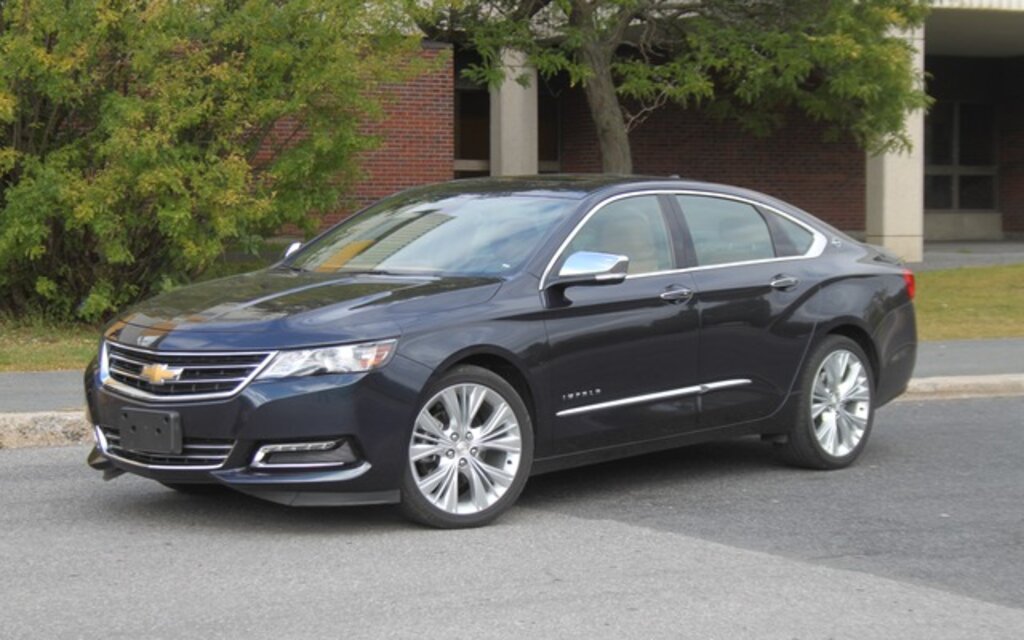
5. 2013 Chevrolet Impala
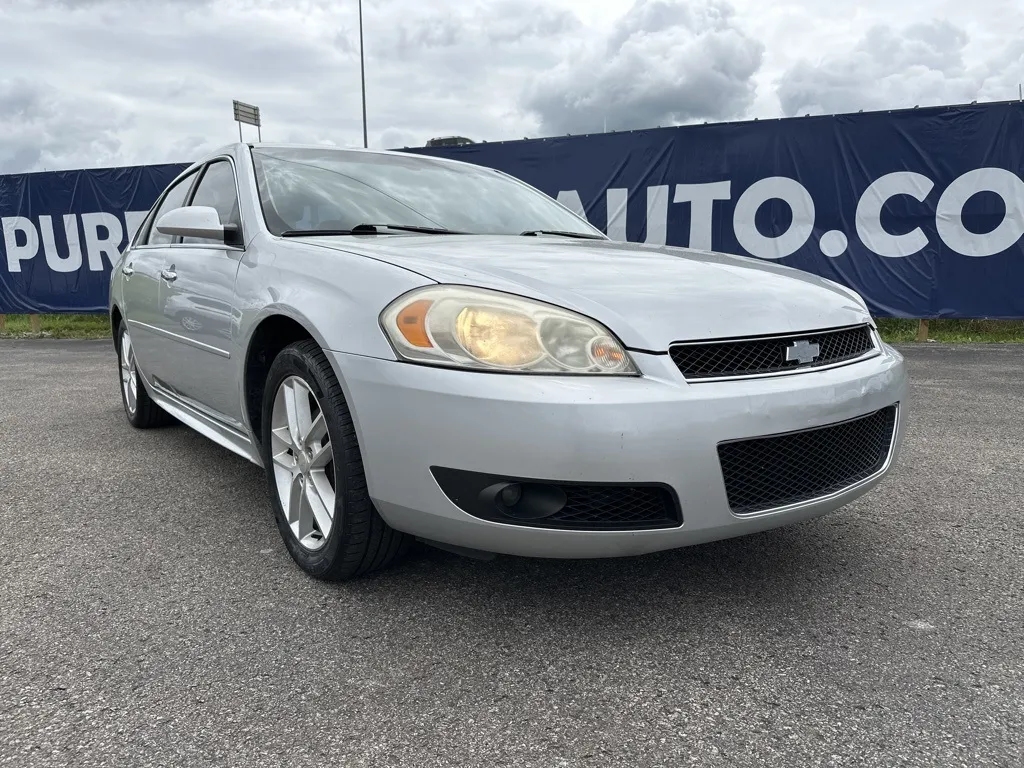
The 2013 Chevrolet Impala represents the last model year of the outgoing generation before its complete redesign in 2014. With only minor updates, including a new Luxury Edition package, the sedan retained its traditional features, such as an available front bench seat and column-mounted shifter options rarely found in modern cars.
The NHTSA reported a single recall related to the ignition key, which could be inadvertently knocked out of place. While the Impala maintained its reputation for spaciousness and reliability, the aging design and lack of refinement made it less appealing compared to rivals and the forthcoming all-new model.
Under the hood, the 2013 Impala came exclusively with a 3.6-liter V6 engine producing 300 horsepower and 262 lb-ft of torque, paired with a six-speed automatic transmission and front-wheel drive.
Performance was respectable, offering acceleration on par with many competitors, while EPA estimates rated the sedan at 22 mpg combined (18 city/30 highway). This balance of power and efficiency helped keep the Impala competitive on paper, even as newer rivals surpassed it in refinement and technology.
The Impala’s driving experience was a compromise between comfort and control. Ride quality was smooth and compliant, easily absorbing bumps and long-distance trips with ease. However, handling fell short, with imprecise steering and limited agility compared to newer full-size sedans.
Buyers seeking a plush, straightforward cruiser might find this balance acceptable, but those prioritizing a more engaging drive were likely better served by alternatives such as the Chrysler 300 or Ford Taurus.
Inside, the 2013 Impala offered generous passenger space, with seating for five or an optional six-passenger configuration thanks to the available front bench seat. The design, however, lagged behind competitors with dated styling, basic technology, and lower-grade materials.
The stereo system was refreshingly simple, but the lack of modern infotainment and convenience features highlighted its age. Cargo capacity was a strong point at 18.6 cubic feet, though the rear seatback was optional and lacked a split-folding design, limiting versatility.
On the safety front, the Impala included ABS, stability control, side-impact airbags, full-length curtain airbags, and GM’s OnStar system. Crash test ratings were solid but not class-leading, with four stars overall from the NHTSA and “Good” scores in most IIHS categories, except for an “Acceptable” rating in roof strength.
While competent and reliable, the 2013 Chevrolet Impala was overshadowed by more modern, feature-rich competitors and served primarily as a placeholder until the dramatically improved 2014 redesign.
Also Read: 5 Cars With Heat That Works Instantly in Winter and 5 That Leave You Freezing
5 Chevy Impala Years To Avoid
1. 2000 Chevrolet Impala: Transmission Troubles and Stalling Issues
The 2000 Chevrolet Impala marked the beginning of serious reliability issues for the model. According to CarComplaints, this year racked up more than 1,000 NHTSA complaints, 10 recalls, and the dreaded “Beware of the Clunker” label.
The biggest problem involved the transmission, which frequently suffered from hard shifting, slipping, and eventual failure. Most failures occurred after about 90,000 miles, forcing many owners to rebuild or replace the transmission at an average cost of $2,400.
To make matters worse, the Impala also developed a troubling tendency to stall while driving, which created dangerous situations on highways and city streets alike. Owners reported sudden engine shutdowns, sometimes linked to faulty mass airflow or crankshaft position sensors.
Other underlying causes were also suspected, making the issue difficult to diagnose and repair. These problems, combined with GM’s slow response, cemented the 2000 Impala as one of the most problematic years in the car’s long history.
Buyers in the used market are strongly cautioned to avoid this model year due to its high repair costs and poor reliability record.
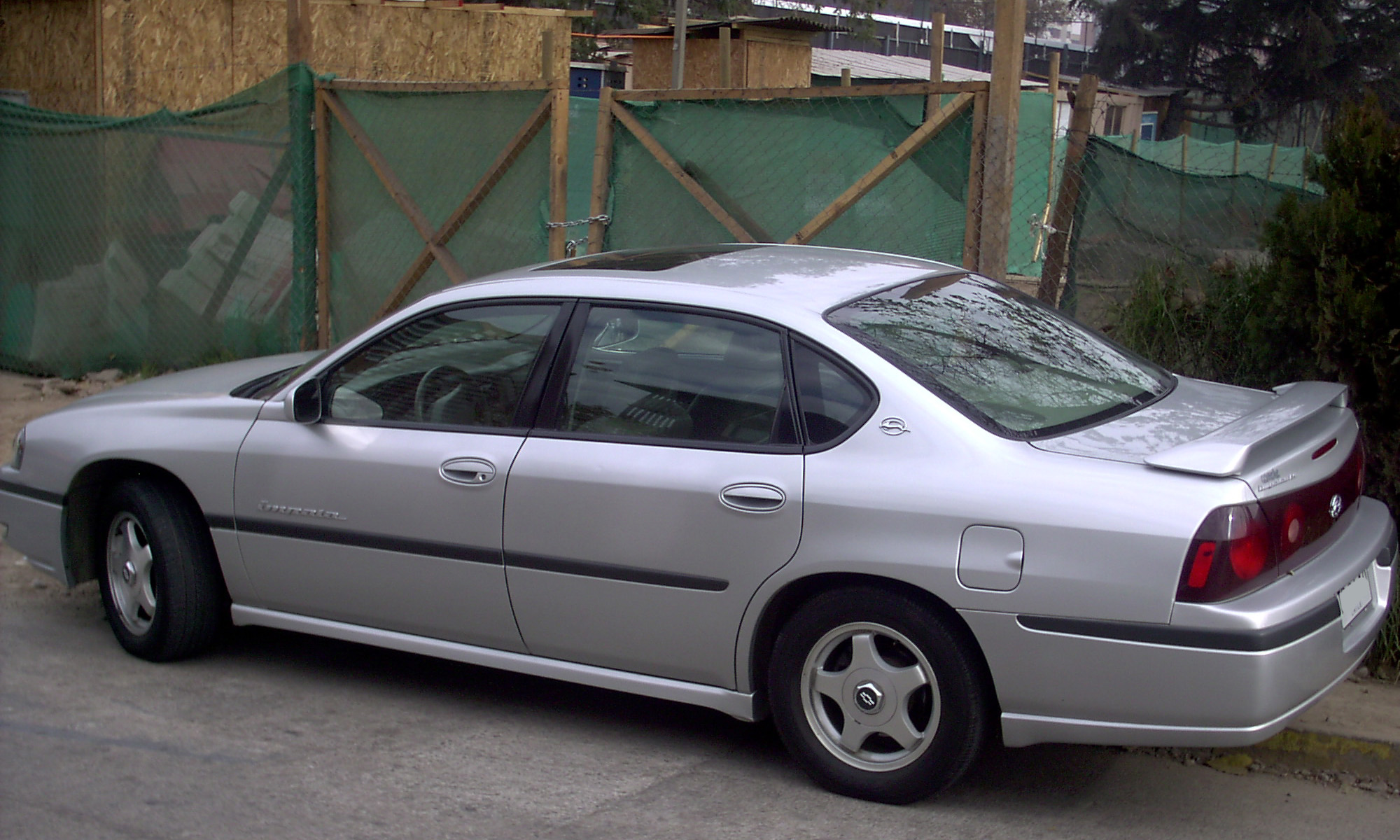
2. 2001 Chevrolet Impala: Recurring Failures and Gasket Leaks
Unfortunately, things did not improve with the 2001 Chevrolet Impala. Like its predecessor, the model suffered more than 1,000 complaints and 10 recalls, earning another “Beware of the Clunker” badge from CarComplaints.
The most notorious issue was once again transmission failure, this time often linked to a faulty pressure control solenoid. Drivers reported erratic or hard shifting, and in many cases, the solution was to rebuild the transmission and replace the solenoid, an expensive and time-consuming repair.
Beyond the gearbox, another widespread issue involved leaking intake manifold gaskets. These gaskets were prone to failure, allowing oil or coolant to leak into areas where it didn’t belong. If ignored, the leaks could lead to overheating, engine damage, or even complete engine failure.
Given the Impala’s reputation for long-distance cruising, these reliability problems frustrated owners who expected durability from a large sedan.
By 2001, many potential buyers began looking elsewhere, as competitors such as the Toyota Avalon and Ford Taurus offered more dependable performance without the constant fear of catastrophic mechanical failures.
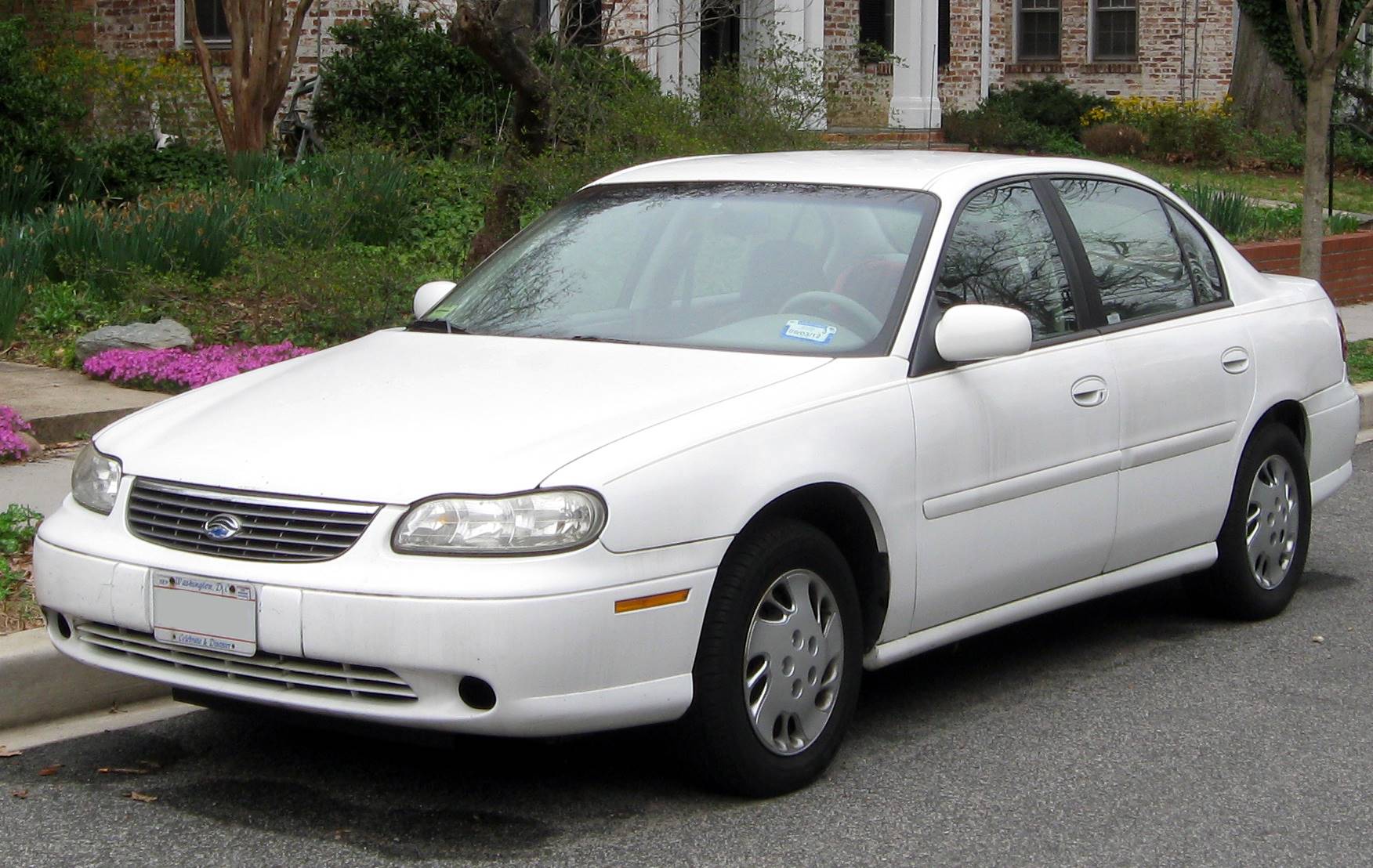
3. 2002 Chevrolet Impala: Security System Malfunctions
The 2002 Chevrolet Impala took unreliability to a new level, despite only seeing minor mechanical updates. This year generated more than 1,000 consumer complaints and seven recalls, eventually earning the notorious “Avoid Like the Plague” award from CarComplaints.
The most frustrating issue was the widespread failure of the Passlock security system. Owners reported that the car would refuse to start while the security light flashed on the dashboard, leaving them stranded without warning.
Sometimes the system reset itself after several minutes, but there was no guarantee of success. Frustrated drivers shared improvised fixes online, but GM never issued a definitive solution, leaving owners to deal with unpredictable no-start conditions.
Transmission problems and intake manifold gasket failures persisted from earlier years, compounding the Impala’s reputation as an unreliable vehicle.
The combination of drivetrain weaknesses and electrical issues meant that even when the car started, owners still faced the possibility of breakdowns. By this point, the Impala was struggling to compete against rivals offering both performance and reliability in the full-size sedan market.
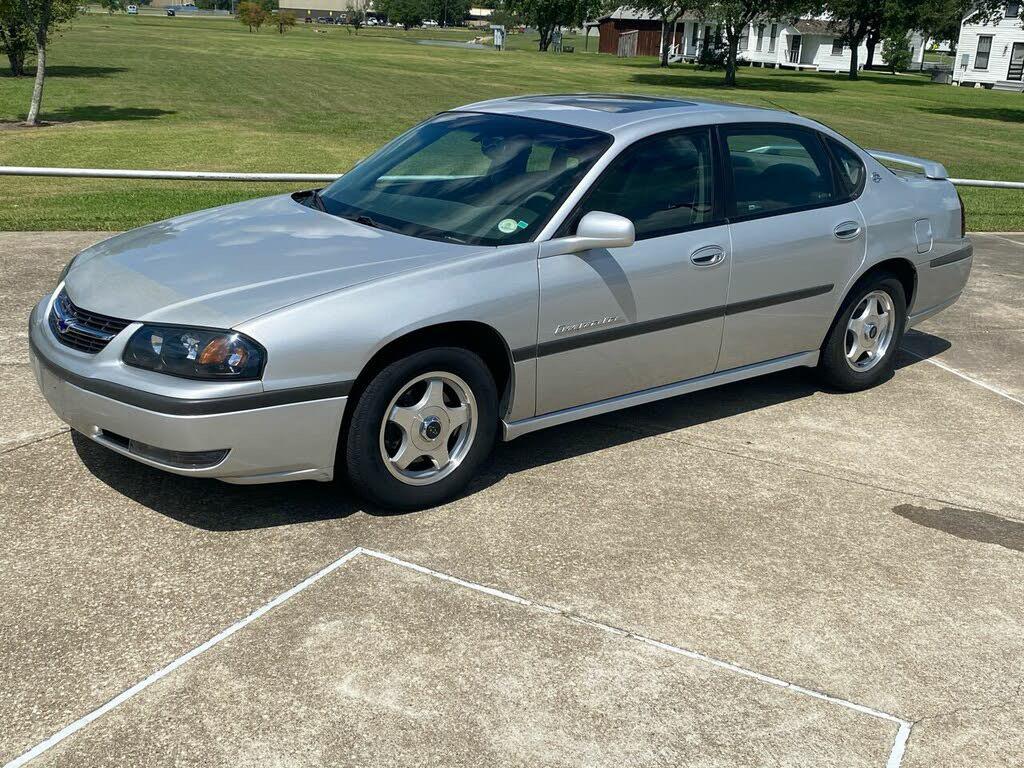
4. 2003 Chevrolet Impala: Another Year, Same Reliability Problems
The 2003 Chevrolet Impala carried over many of the reliability concerns that had plagued earlier models, cementing its reputation as one of the most problematic sedans of its era. With more than 1,000 consumer complaints and eight recalls, it also received the “Avoid Like the Plague” seal of disapproval.
Once again, the Passlock security system was a major source of frustration, with drivers reporting that their cars often failed to start unless they waited at least 10 minutes for the system to reset. For commuters or anyone running late, this problem caused significant headaches and undermined confidence in the vehicle’s dependability.
Transmission issues continued to appear in large numbers, with symptoms including slipping, hard shifts, and premature failures. Intake manifold gasket leaks were another recurring defect, often leading to costly repairs or potential engine damage if ignored.
The repetitive nature of these problems across multiple years eroded consumer trust in GM’s willingness to fix its engineering flaws, and by 2003, the Impala’s reputation was one of poor reliability and high ownership costs.
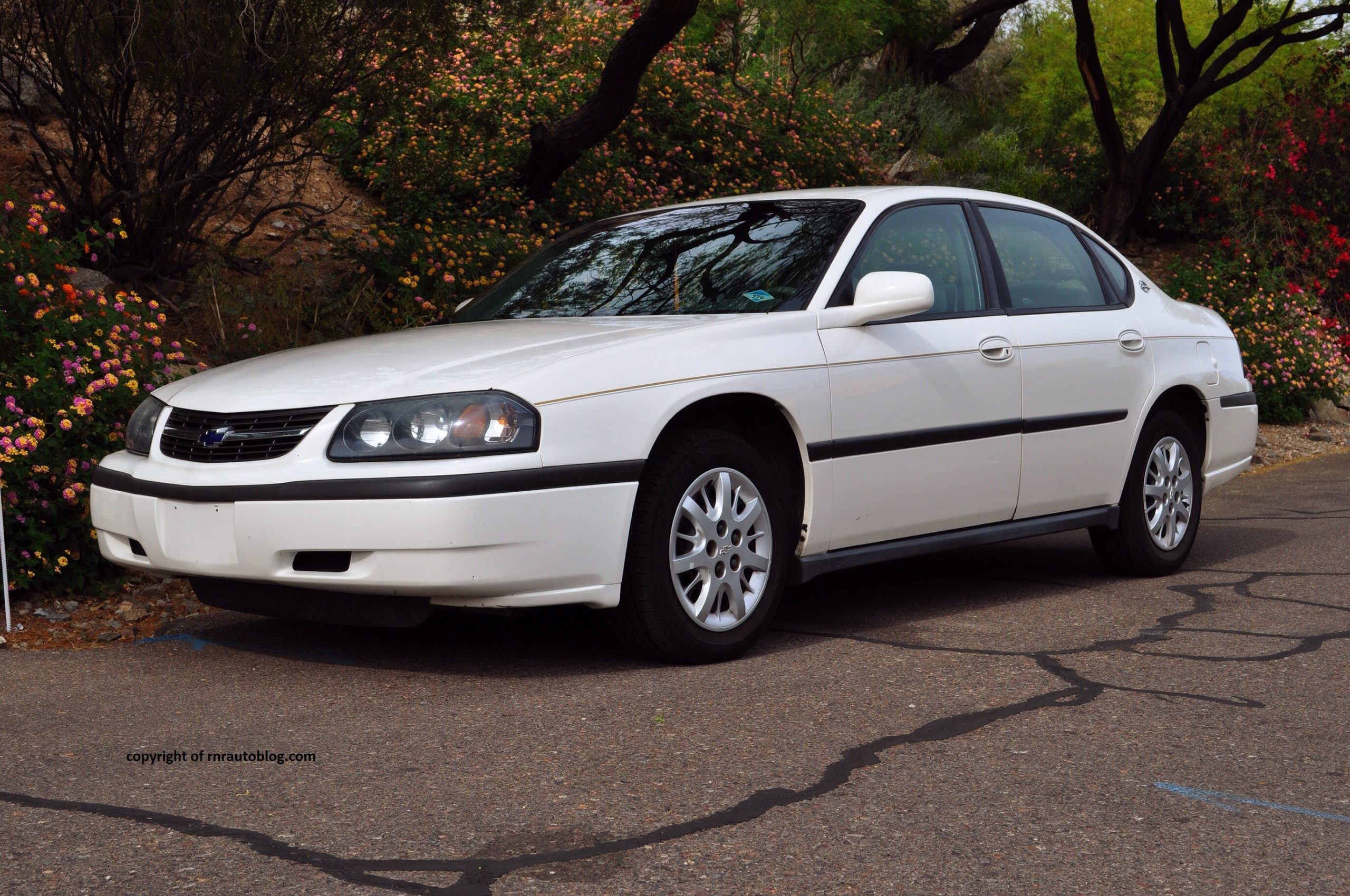
5. 2004 Chevrolet Impala: Instrument Cluster Failures and Beyond
If buyers were hoping that 2004 would bring improvements to the Impala, they were sorely disappointed. The 2004 model year turned out to be one of the worst yet, with more than 2,000 consumer complaints, seven recalls, and yet another “Avoid Like the Plague” designation.
Unlike earlier models, however, the most common issue wasn’t just the transmission but the instrument panel itself. Owners reported failing speedometers, inaccurate fuel and temperature gauges, and intermittent turn signal indicators. The typical fix required replacing the entire instrument cluster, a repair costing around $450.
While this might seem minor compared to catastrophic engine or transmission failures, it created major safety concerns when drivers could not rely on accurate readings. On top of this, transmission troubles still plagued the car, with reports of hard shifting, shuddering, and slippage continuing to frustrate owners.
These overlapping electrical and mechanical problems made the 2004 Impala not only expensive to maintain but also highly unreliable, cementing it as one of the most notorious years in the model’s troubled early 2000s lineup.
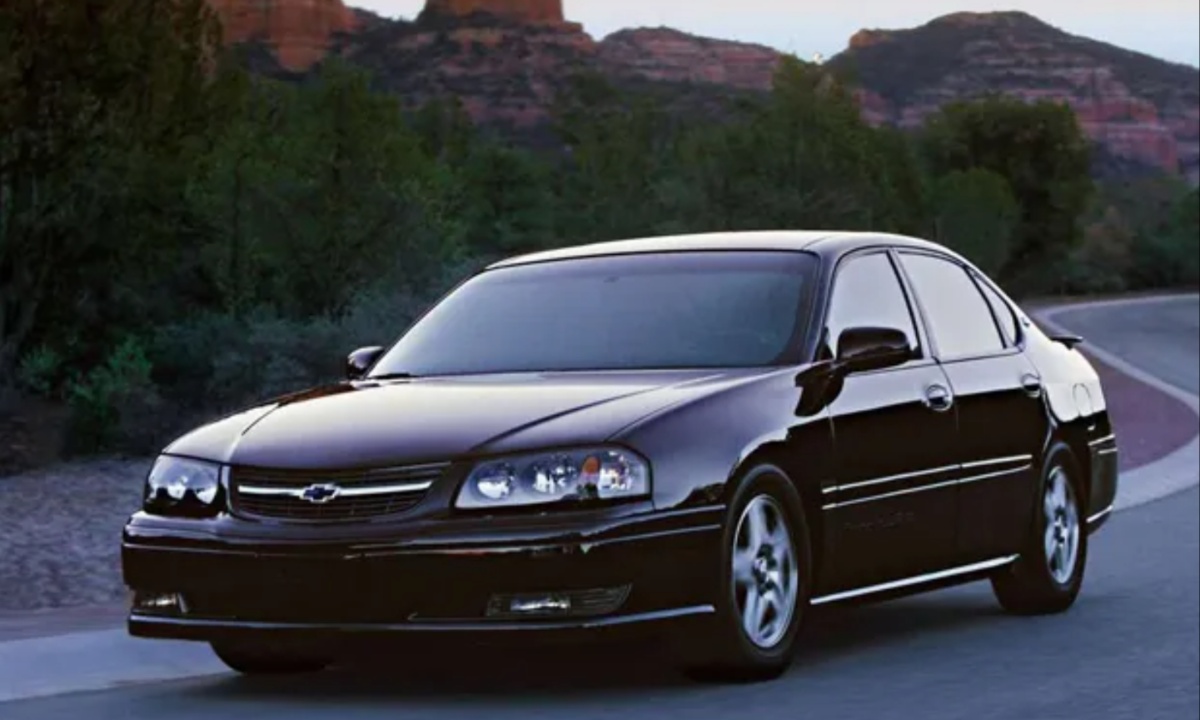
The Chevrolet Impala’s legacy is a mix of dependable family sedan practicality and frustrating reliability pitfalls, depending on the year. The standout models, such as the 2015–2018 editions, prove the Impala can be a quiet, comfortable, and feature-rich full-size sedan that rivals more expensive alternatives.
These years deliver the spacious interiors, smooth highway manners, and safety scores that buyers expect, making them smart choices for anyone considering a used Impala.
On the flip side, early 2000s models demonstrate the risks of poor engineering and persistent defects, from transmission failures to electrical gremlins, and should be avoided to prevent costly headaches.
For today’s used car shoppers, the key is focusing on the right production years that highlight the Impala at its best. With careful selection, the Impala remains a compelling option for those who value comfort, space, and affordability in a reliable full-size sedan.
Also Read: 10 Cars With Tricky Seatbelt Buckles for Elderly Passengers