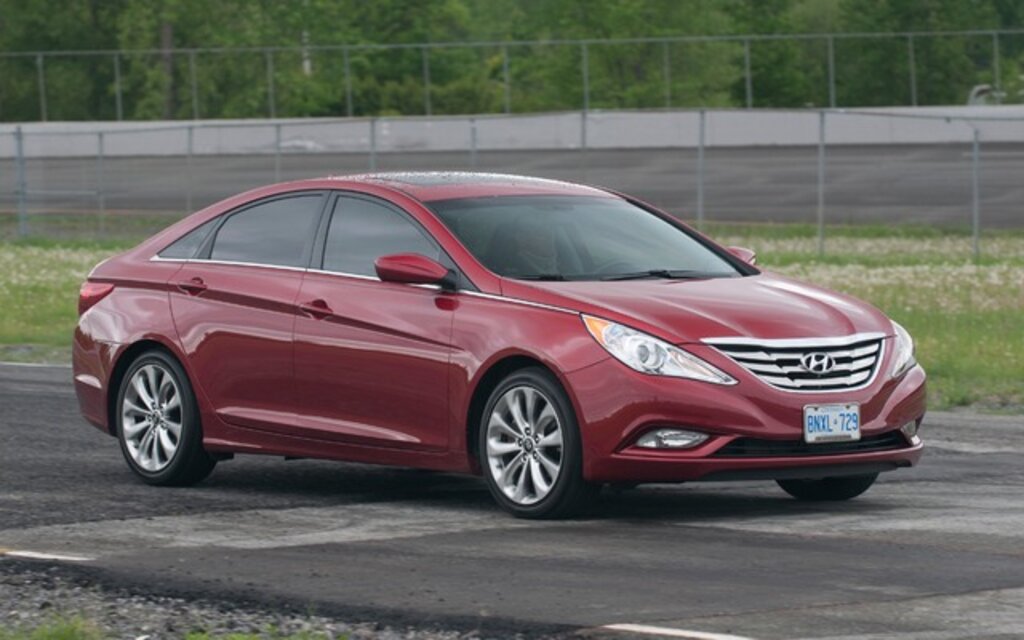
The 2009 Hyundai Sonata is widely praised as one of the most reliable midsize sedans of its era. With fewer than 300 NHTSA complaints and minimal recalls, this model year stood out for dependability compared to its troubled successors.
Owners consistently reported smooth driving performance, strong fuel efficiency, and fewer mechanical issues, particularly regarding the engine and transmission. The 2009 Sonata offered two engine options: a 2.4-liter four-cylinder and a 3.3-liter V6, both of which performed well with regular maintenance.
Additionally, Hyundai equipped the 2009 Sonata with an impressive list of standard features, including full-length side curtain airbags, ABS, and stability control, making it a safe and practical family car. The interior was roomy and comfortable, with high-quality materials for its price point.
Reliability reports from Consumer Reports and J.D. Power reflected owner satisfaction, giving the Sonata high marks in mechanical dependability and overall value.
For used car buyers seeking a budget-friendly midsize sedan with minimal headaches, the 2009 model remains one of the best options in Hyundai’s lineup, bridging the gap between affordability and long-lasting reliability.
5 Hyundai Sonata Years Worth Keeping
1. 2019 Hyundai Sonata
The 2019 Hyundai Sonata marked the final year of the seventh generation and is often praised as one of the best models in its history. Following a mid-cycle refresh, it delivered sharper styling, improved refinement, and enhanced reliability compared to earlier versions.
Competing in the tough midsize sedan segment against stalwarts like the Toyota Camry and Honda Accord, the Sonata managed to hold its ground by offering strong value and practicality.
While some owners reported minor issues such as oil pan cracks or inconsistent fuel economy, these were relatively rare and did not significantly affect its reputation. It was regarded as a dependable and appealing option, particularly for buyers seeking a well-rounded midsize sedan without excessive cost.
Performance in the 2019 Sonata leaned toward comfort and balance rather than outright sportiness. The standard 2.4-liter four-cylinder engine was serviceable but not especially engaging compared to rivals.
However, Hyundai offered alternatives to suit different needs, including a fuel-efficient 1.6-liter turbocharged Eco variant with a seven-speed dual-clutch transmission and a more powerful 2.0-liter turbo engine in the Limited trim.
The latter delivered respectable acceleration, reaching 0–60 mph in 7.4 seconds, which placed it in line with most competitors. While not a sports sedan, the Sonata impressed with controlled handling, responsive steering, and a smooth, composed ride that made it easy to live with day to day.
Interior quality and passenger comfort were standout strengths of the 2019 Sonata. Its updated suspension ensured a cushioned ride without sacrificing control, while available ventilated front seats enhanced long-distance comfort.
The rear seat offered adequate legroom, though not as spacious as some class leaders, and the cabin layout was praised for its intuitive design. Hyundai retained physical buttons alongside a touchscreen interface, striking a balance between modern tech and usability.
With thoughtful touches like remote seatback releases, multiple storage spaces, and a generous 16.3-cubic-foot trunk, the Sonata also proved highly practical for families and commuters alike.
Technology and safety features rounded out the Sonata’s appeal, making it competitive in a feature-heavy segment. Standard Apple CarPlay and Android Auto integration catered to modern connectivity needs, while safety aids such as blind-spot monitoring, lane keeping assist, and rear cross-traffic alert provided reassurance on the road.
Higher trims added conveniences like adaptive cruise control and effective voice recognition. Though the infotainment system was not groundbreaking, its sharp graphics and quick responses were appreciated.
Taken together, the 2019 Hyundai Sonata may not have been the flashiest or most athletic midsize sedan, but its combination of comfort, practicality, technology, and reliability earned it recognition as one of Edmunds’ Best Midsize Sedans of the year.
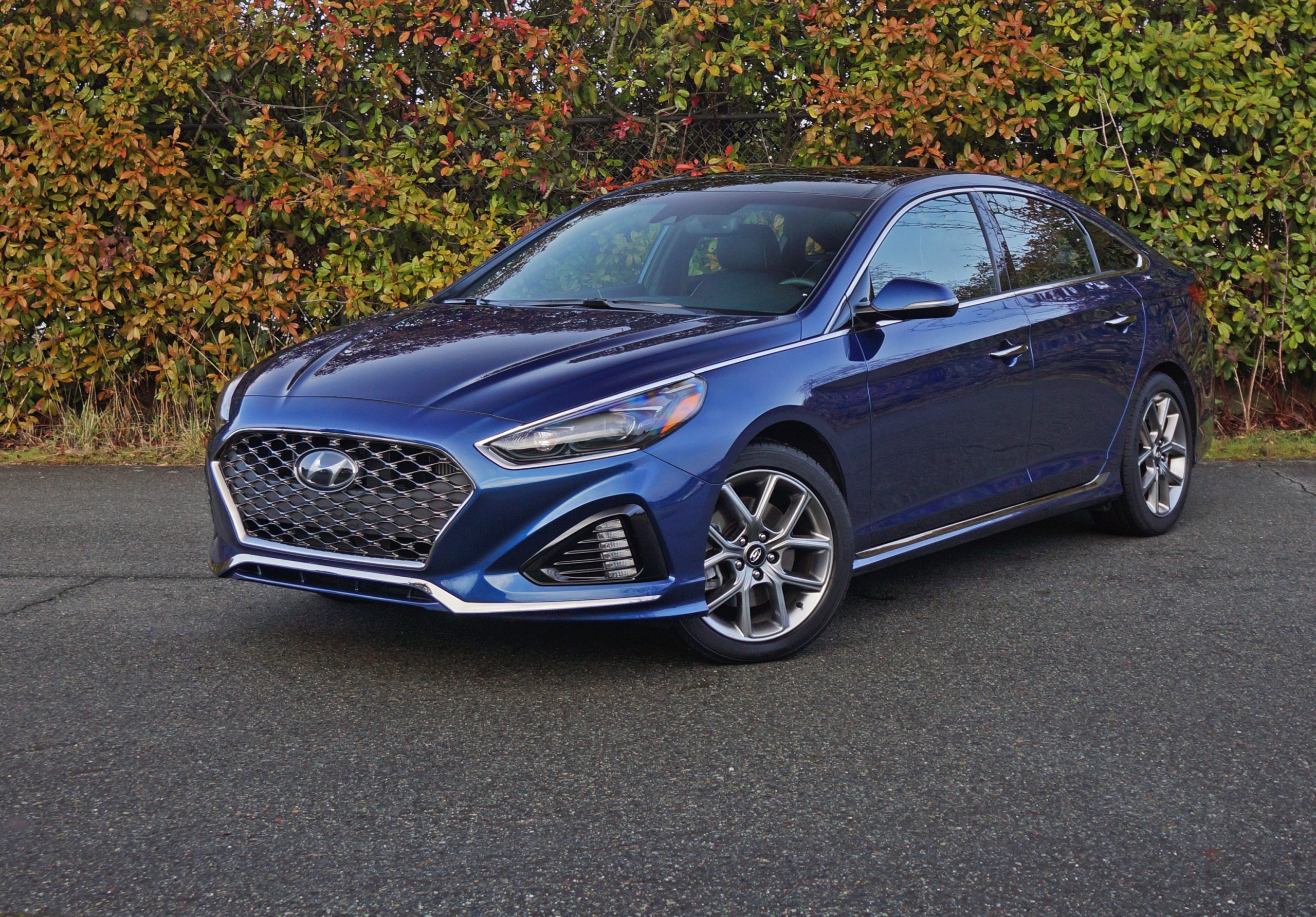
2. 2008 Hyundai Sonata
The 2008 Hyundai Sonata represented a turning point for the brand, as Hyundai moved away from its reputation as a budget-only automaker to a credible competitor in the midsize sedan segment.
By this model year, the Sonata had earned a reputation for strong reliability, with fewer complaints than earlier NF-generation models. Hyundai also resolved a significant safety restraint issue related to the seat adjustment lever, which had previously required a recall.
These updates gave buyers greater peace of mind and made the Sonata a practical, dependable choice. Priced competitively against rivals such as the Toyota Camry, Honda Accord, and Nissan Altima, it offered strong value with its combination of space, comfort, and warranty coverage.
Performance was another strength of the 2008 Sonata, though with some caveats. A 2.4-liter four-cylinder producing 162 horsepower served as the base engine, while an optional 3.3-liter V6 delivered 234 horsepower.
Both engines were available across all trims, paired with manual or automatic transmissions depending on configuration. While the four-cylinder was adequate and fuel-efficient, the V6 provided stronger acceleration but lagged behind competitors in fuel economy.
On the road, the Sonata leaned toward comfort with its soft suspension but still handled precisely, showing composure in corners and delivering short braking distances.
Its vague steering and slower automatic transmission response in manual mode were minor drawbacks but did not overshadow its overall competent driving experience.
Inside, the 2008 Sonata impressed with quality and space, living up to its EPA “large car” designation despite competing in the midsize class. Front seats were redesigned for a more natural driving position, while rear passengers enjoyed generous legroom and headroom, easily accommodating two adults or three children.
The 16.3-cubic-foot trunk outclassed many rivals, and thoughtful touches like steering-wheel-mounted controls, a tilt-and-telescoping steering wheel, and soft-touch materials enhanced everyday usability.
Although some odd design choices, such as the reversed placement of stereo controls and air vents, drew criticism, the cabin remained functional and comfortable. Cloth seats in lower trims were actually favored over the Limited’s leather for long-term comfort.
Safety was a standout area for the Sonata, helping it build credibility against established Japanese competitors. Standard features included stability control, traction control, antilock brakes, and a full suite of airbags.
It earned five stars in NHTSA front- and side-impact tests and a top “Good” rating from the IIHS for frontal offset protection. The Sonata’s solid safety record, combined with Hyundai’s industry-leading warranty of five years/60,000 miles basic and ten years/100,000 miles powertrain, reinforced its appeal as a sensible, family-friendly sedan.
While its refinement still lagged slightly behind class leaders, the 2008 Hyundai Sonata offered a compelling blend of affordability, space, safety, and dependability, making it one of the most competitive models in Hyundai’s lineup at the time.
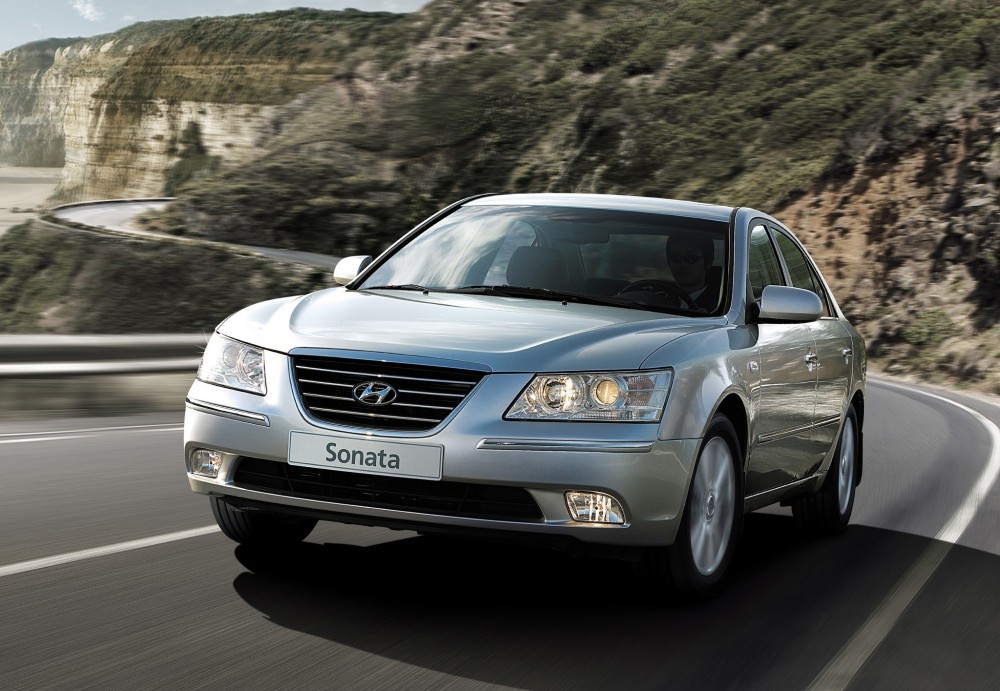
3. 2009 Hyundai Sonata
The 2009 Hyundai Sonata arrived with significant updates that strengthened its position in the midsize sedan market. As part of the fifth-generation lineup, it introduced revised styling, more powerful engines, and most importantly, a completely redesigned interior that elevated the Sonata’s reputation for quality.
Hyundai’s goal was to challenge long-time leaders like the Toyota Camry and Honda Accord, and with its improvements in comfort, efficiency, and reliability, the Sonata managed to carve out a space as a serious contender.
Minor issues such as rear brake wear were reported, but they were inexpensive to fix and did little to harm the model’s reputation. With CarComplaints.com awarding it a “Pretty Good” reliability badge, the 2009 Sonata quickly became a favorite among families and commuters alike.
Under the hood, Hyundai offered two capable powertrains. The standard 2.4-liter four-cylinder engine produced 175 horsepower and up to 32 mpg on the highway, making it an efficient and balanced choice for most buyers.
For those seeking more power, a 3.3-liter V6 generating 249 horsepower provided stronger acceleration, paired exclusively with a smooth-shifting five-speed automatic transmission.
The four-cylinder, available with either a manual or automatic gearbox, proved especially appealing thanks to its combination of improved performance and fuel economy.
While the Sonata wasn’t the sportiest option in its class, its refined ride, highway composure, and added horsepower made it far more competitive than in previous years.
Inside, the 2009 Sonata distinguished itself with one of the most upscale cabins in the midsize sedan category. Hyundai replaced the awkward ergonomics of the outgoing model with a cleaner, more intuitive layout, placing climate and audio controls higher on the center stack.
Materials were upgraded across the board, with soft-touch plastics and improved switchgear, while the Limited trim added wood-grain accents, dual-zone automatic climate control, heated front seats, and even an optional navigation system.
Spaciousness was another strong point rear-seat passengers enjoyed generous legroom, and the class-leading 16.3-cubic-foot trunk made the Sonata one of the most practical sedans available.
Safety was equally impressive, reinforcing Hyundai’s growing reputation for reliability and durability. The 2009 Sonata came standard with a full suite of features, including stability control, traction control, anti-lock brakes, and a comprehensive airbag system.
It earned five-star ratings from the NHTSA in both front- and side-impact tests and received a “Good” rating from the IIHS for frontal offset protection. While side-impact performance was rated “Acceptable,” the Sonata still held its ground as a secure family vehicle.
Altogether, the 2009 Hyundai Sonata represented a maturing brand hitting its stride delivering affordability, space, comfort, and peace of mind in a package that could finally stand shoulder-to-shoulder with its more established Japanese rivals.
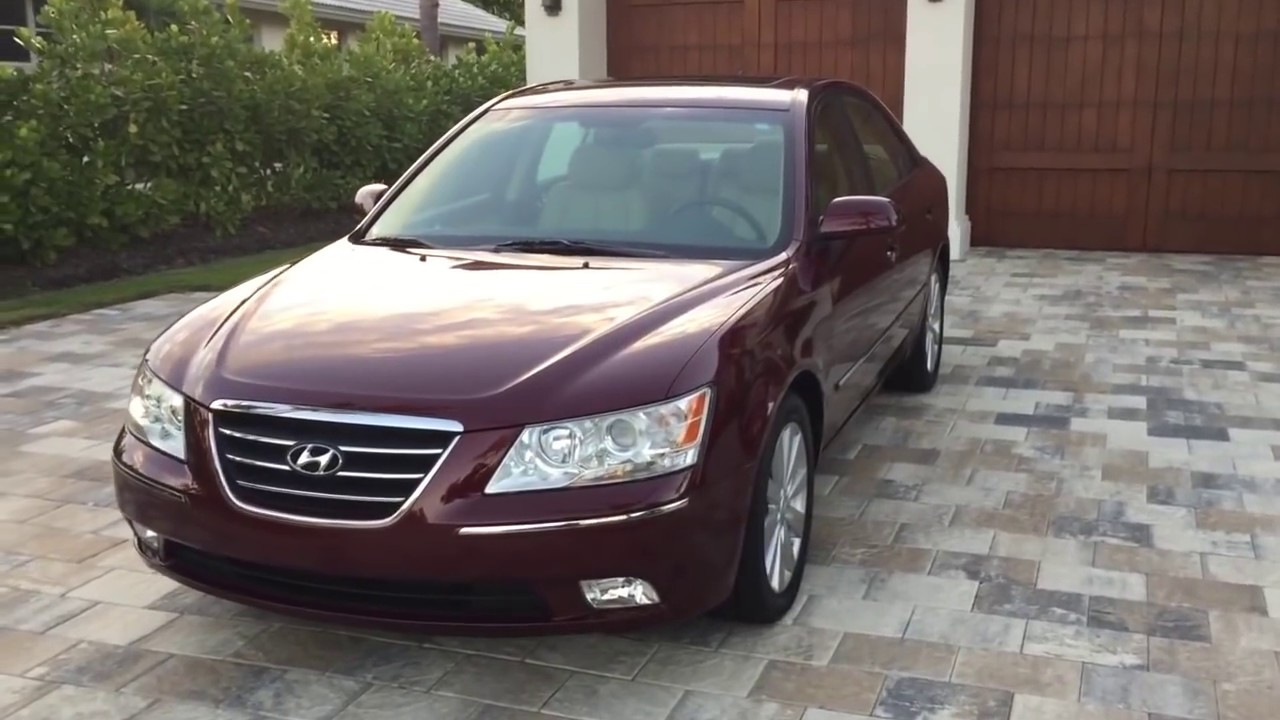
4. 2014 Hyundai Sonata
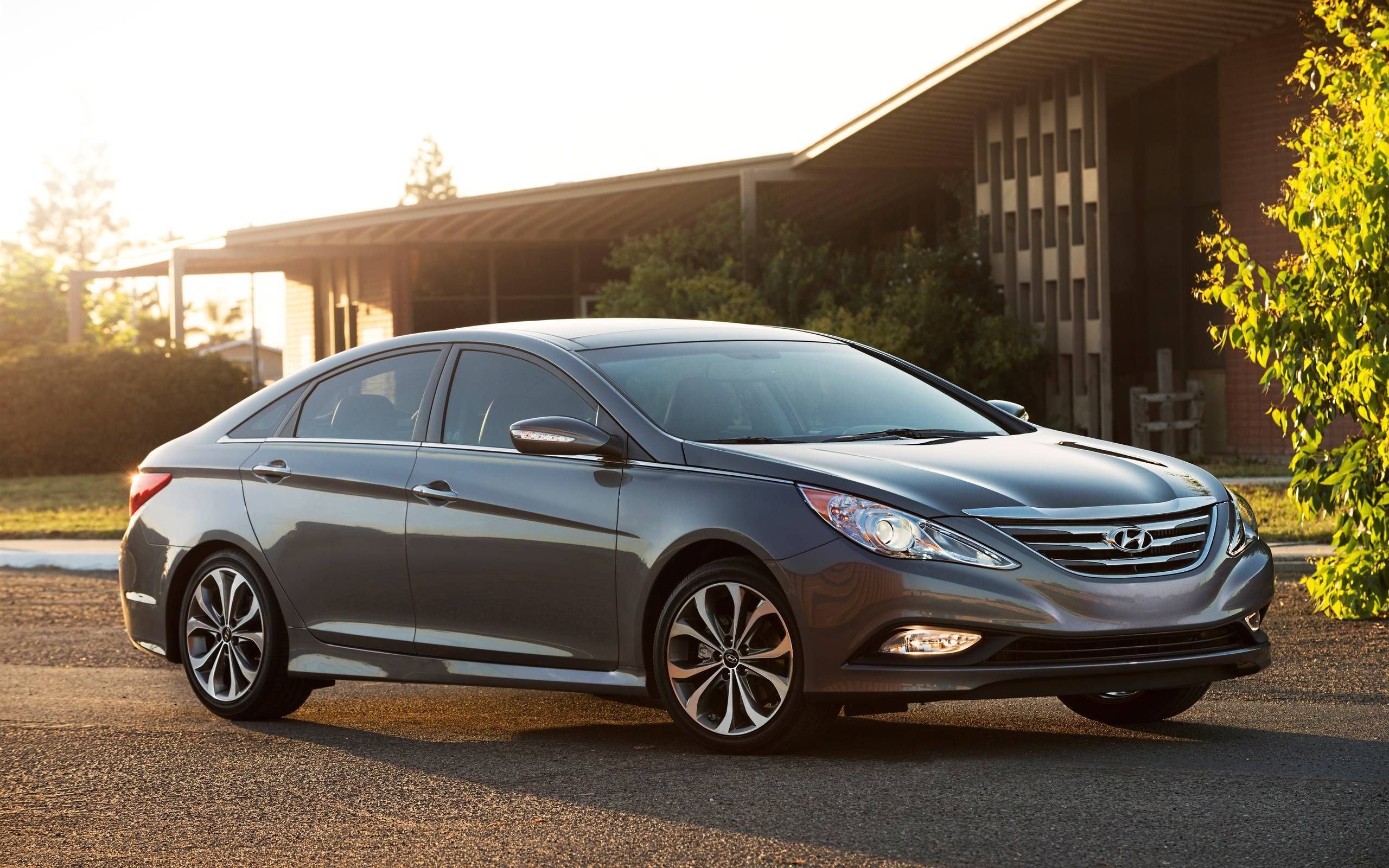
The 2014 Hyundai Sonata marked the final year of the sixth generation, solidifying Hyundai’s presence in the highly competitive midsize sedan segment. Known for its mix of value, comfort, and safety, the Sonata remained a strong option for families and commuters.
Despite facing tougher competition from models like the Honda Accord, Nissan Altima, and Ford Fusion, the 2014 Sonata’s refinements ensured it held its ground.
With relatively few owner complaints and strong reliability, it continues to be a desirable pick in the used car market, appealing to buyers seeking an affordable yet well-equipped family sedan.
Two engine options were offered in 2014. The standard 2.4-liter four-cylinder produced 190 horsepower (192 in SE trim) and delivered up to 35 mpg on the highway, making it a balanced choice for efficiency-minded drivers.
For those wanting more power, a turbocharged 2.0-liter four-cylinder generated an impressive 274 horsepower and accelerated to 60 mph in 6.7 seconds, rivaling V6-powered competitors.
Both engines were paired with a six-speed automatic transmission, praised for smooth shifts. While the base models provided a firm yet compliant ride, the SE trim’s sport-tuned suspension sacrificed comfort for sharper handling, which may not suit all drivers.
Inside, the 2014 Sonata offered a quiet and comfortable cabin with an appealing design. Though the base GLS model used harder plastics, higher trims provided more premium finishes, with the Limited trim featuring piano-black accents, two-tone schemes, and available ventilated driver seats.
Infotainment was a strong point, with standard Bluetooth connectivity and a redesigned 4.3-inch touchscreen, while the optional 8-inch navigation system added a modern touch.
Passenger and cargo space were generous, with 16.4 cubic feet of trunk capacity, though taller passengers noted limited rear headroom due to the sloping roofline. The Sonata’s mix of practicality and technology positioned it well against rivals.
Safety remained one of the Sonata’s greatest strengths. Standard features included anti-lock brakes, traction and stability control, full-length airbags, and Hyundai’s BlueLink telematics.
A rearview camera was standard on most trims, and blind-spot monitoring was available on higher models. The Sonata earned a five-star overall safety rating from the NHTSA and “Good” ratings in most IIHS tests, though it scored “Marginal” in the newer small-overlap test.
Still, its strong safety performance, solid fuel economy, and generous features ensured that even in its fourth year, the 2014 Sonata remained a well-rounded and competitive midsize sedan.
5. 2018 Hyundai Sonata
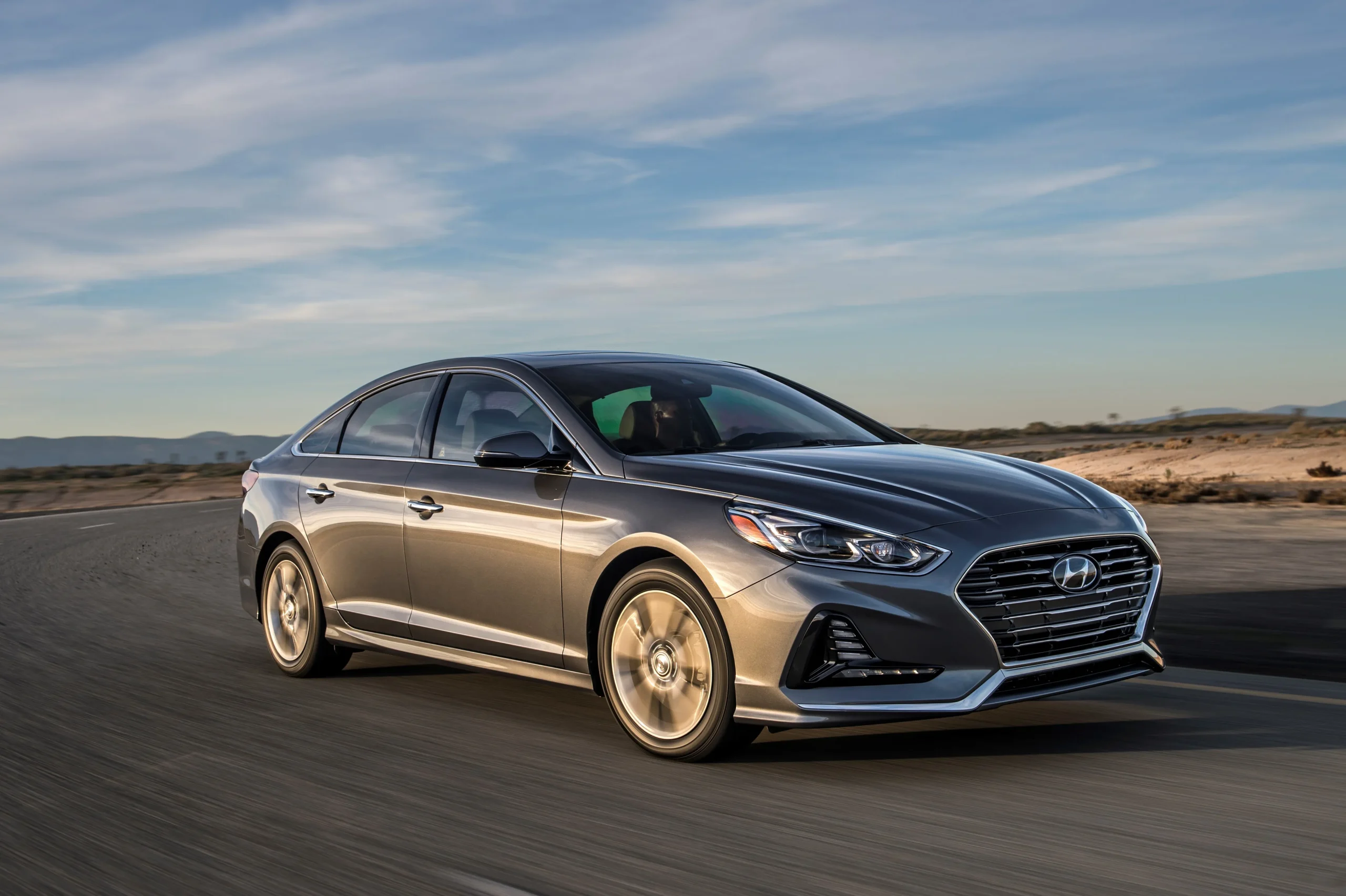
The 2018 Hyundai Sonata represented a major refresh of the seventh generation, bringing sharper styling, new technology, and advanced safety systems that kept it competitive in the crowded midsize sedan market.
While not a full redesign, the updates significantly enhanced its appeal and earned it recognition as one of Edmunds’ Best Midsize Sedans for 2018.
The model year also gained a reputation for reliability, with very few owner complaints and only a single recall, making it an especially attractive choice for used car buyers seeking dependability along with modern features.
Hyundai offered three engines in 2018 to suit a range of drivers. The standard 2.4-liter four-cylinder delivered 185 horsepower and adequate fuel economy, while the turbocharged 1.6-liter paired with a seven-speed dual-clutch transmission provided a balance of efficiency and responsiveness.
At the top, the turbocharged 2.0-liter four-cylinder produced 245 horsepower and was mated to a new eight-speed automatic transmission, offering brisk acceleration with a 0–60 mph time of about 7.4 seconds.
Handling was stable and predictable, steering effort was well-tuned for everyday driving, and the updated suspension struck a solid balance between comfort and control, making the Sonata easy to drive in all conditions.
Inside, the 2018 Sonata impressed with a spacious cabin, intuitive layout, and thoughtful details that enhanced comfort for both driver and passengers. The ride was quiet and refined, with supportive seats ventilated in higher trims designed for long-haul comfort.
The rear seats offered good space for adults, though the sloping roofline slightly reduced headroom. Technology was a highlight, with standard Apple CarPlay and Android Auto, user-friendly infotainment controls, and available upgrades like an 8-inch touchscreen and an Infinity premium audio system.
With 16.3 cubic feet of trunk space and clever storage solutions, the Sonata also delivered strong practicality for families and commuters.
The 2018 Sonata raised the bar with Hyundai’s SmartSense suite of safety features, which included lane-keeping assist, automatic emergency braking, and adaptive cruise control.
These systems, combined with a robust structure, helped the Sonata earn a Top Safety Pick+ rating from the IIHS and five-star crash ratings from the NHTSA. Standard equipment also included a rearview camera and stability control, while higher trims added blind-spot monitoring.
With seven trim levels ranging from the value-focused SE to the feature-rich Limited 2.0T, buyers could easily find a configuration to fit their needs. Competitive pricing, advanced safety, and low complaint levels made the 2018 Sonata one of the most well-rounded and dependable midsize sedans of its time.
Also Read: 5 Cars with Headlight Bulbs That Last Years and 5 You’ll Replace Constantly
5 Hyundai Sonata Years That Fall Apart
1. 2006 Hyundai Sonata – Early Reliability Struggles
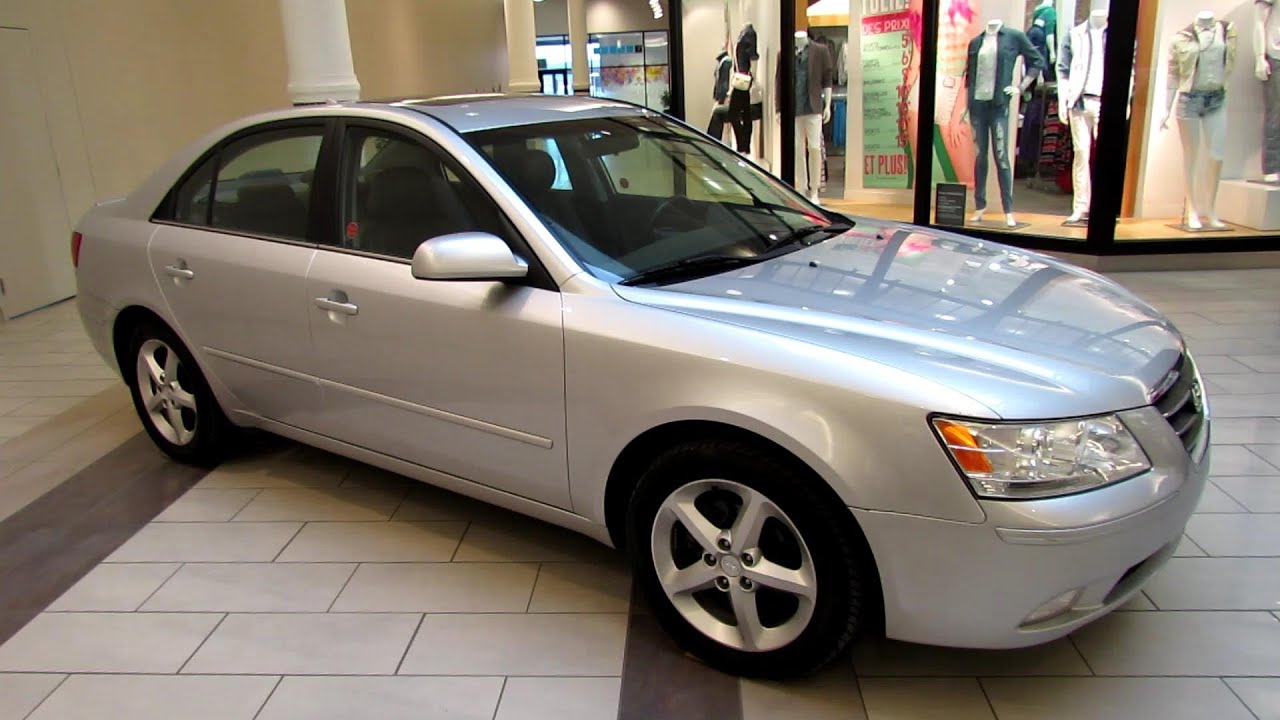
The 2006 Hyundai Sonata marked an unfortunate start to the model’s trouble-prone years, with over 1,000 NHTSA complaints and 11 recalls recorded. One of the most serious issues involved catastrophic engine failures caused by broken pistons or connecting rods.
Owners often reported hearing clicking or grinding noises before their engines gave out, requiring costly rebuilds or complete replacements. These repairs typically ran several thousand dollars, putting a heavy financial burden on drivers. Beyond the engine troubles, the 2006 Sonata also developed persistent airbag light problems.
In many cases, the light would turn on without warning, indicating a malfunction in the seat sensors or airbag system itself. Not only did this issue affect vehicle reliability, but it also raised serious safety concerns for occupants in case of a collision.
Fixing the airbag problem often required replacing both the seat and the sensors, costing up to $1,300 if not covered under warranty. Taken together, these recurring and expensive failures made the 2006 Sonata a risky ownership experience.
For shoppers considering used sedans, this model year is widely regarded as one to avoid due to its poor reliability record and costly mechanical issues.
2. 2011 Hyundai Sonata – A Massive Failure
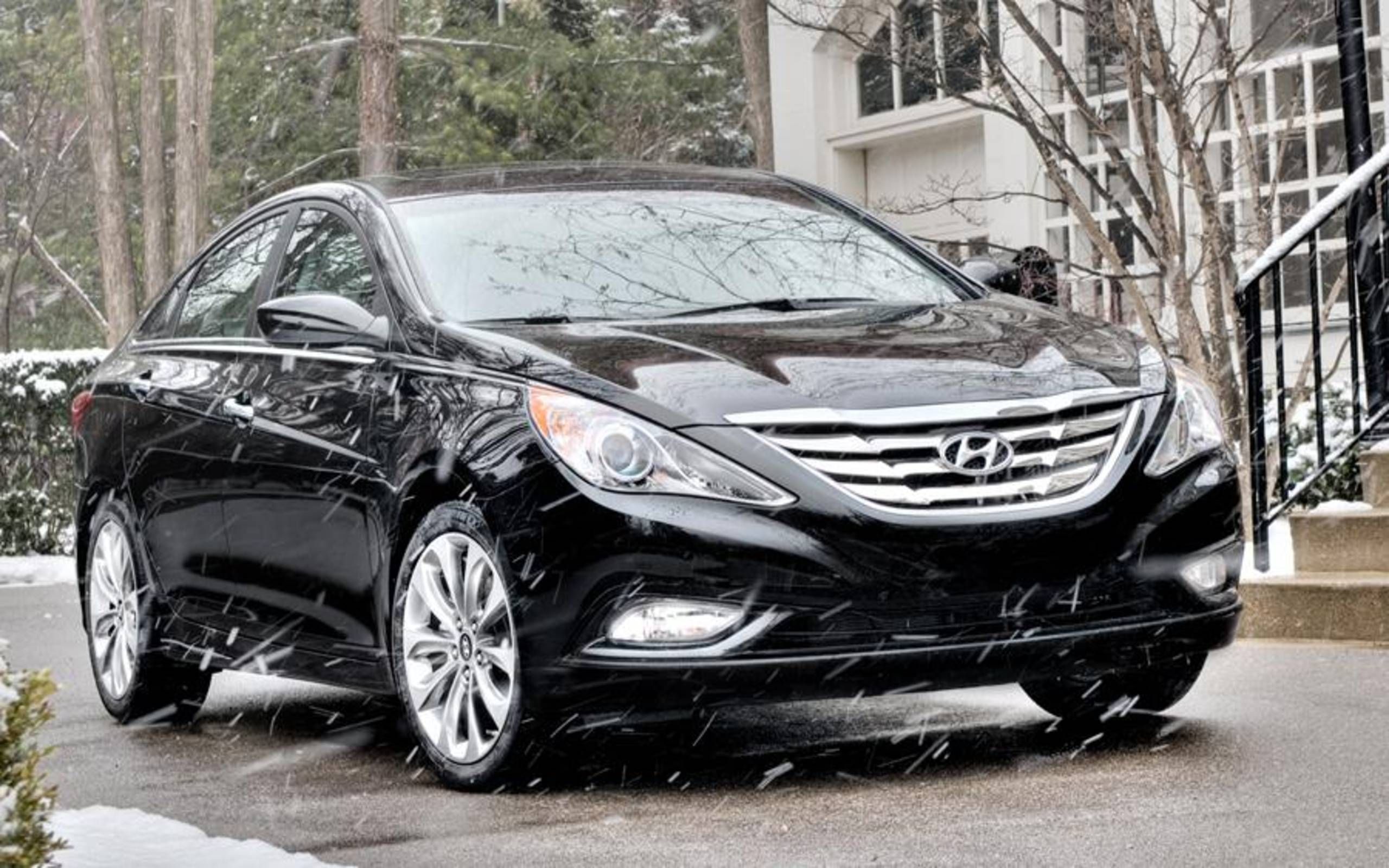
The 2011 Hyundai Sonata is infamous for being the brand’s worst-performing model year, earning CarComplaints.com’s harshest label, “Avoid Like the Plague.” With over 4,000 NHTSA complaints and 14 recalls, this was a year plagued by major mechanical breakdowns, primarily revolving around the engine.
Owners frequently reported engines seizing without warning, often while driving at highway speeds, creating serious safety risks. On average, these failures appeared around 96,000 miles, with replacement costs exceeding $5,000.
Many owners had little choice but to either replace the engine or scrap the vehicle altogether. In addition to stalling and seizing engines, excessive engine noise was another widely reported issue. Knocking and clattering sounds became so common that many owners described their Sonata as sounding unsafe to drive.
Even when these noises didn’t immediately lead to engine failure, they signaled underlying mechanical weaknesses that often required full replacements.
This year’s Sonata quickly developed a reputation for being both unsafe and financially draining to maintain. As a result, the 2011 Sonata stands as one of Hyundai’s biggest missteps, creating long-term damage to consumer trust and becoming a cautionary tale for used car buyers.
3. 2012 Hyundai Sonata – Carrying Over Major Problems
Unfortunately for Hyundai, the 2012 Sonata carried over many of the same catastrophic engine issues as the 2011 model year. Earning the “Beware of the Clunker” badge from CarComplaints.com, it collected more than 1,000 complaints and eight recalls.
The biggest problem was once again the engine, which suffered from metallic knocking noises and premature failure. Hyundai later issued a recall for both 2011 and 2012 Sonatas due to metallic debris left behind in the crankshaft during manufacturing, which caused long-term damage and engine seizures.
In addition to these engine problems, steering system failures became a common headache for owners. Many reported loud clicking noises when turning the wheel or rattling sounds when driving over bumps.
This issue was traced back to a worn flexible rubber coupler, prompting Hyundai to issue service bulletin #17-ST-002v as a fix. Still, many drivers experienced repeated steering problems, requiring expensive repairs even after service interventions.
The 2012 Sonata’s combination of inherited engine flaws and added steering troubles made it one of the least reliable midsize sedans of its time. For many, this model year cemented the Sonata’s reputation for inconsistent quality during the early 2010s.
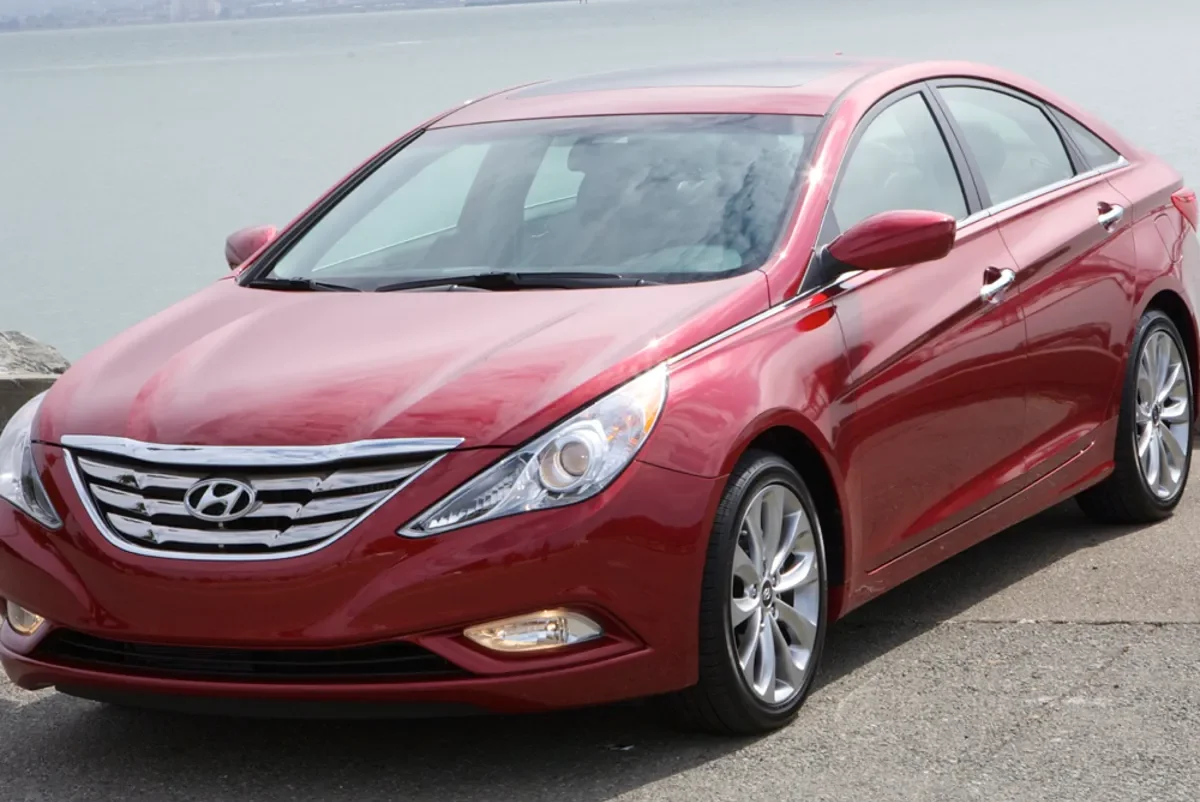
4. 2013 Hyundai Sonata – Another Year of Engine Failures
By 2013, Hyundai’s efforts to improve the Sonata’s reliability still fell short. This model year, labeled another “Avoid Like the Plague” vehicle, racked up more than 2,000 complaints and eight recalls.
Once again, engine seizures dominated the list of concerns, with many owners reporting sudden breakdowns at around 80,000 miles despite proper maintenance. Some drivers described frightening incidents where warning lights for oil, EPS, and the check engine system all illuminated before the vehicle abruptly lost power.
While some owners received replacement engines under warranty, others were forced to pay thousands out of pocket. Even in cases where the engine did not fail outright, rough performance and loud knocking noises were common, eroding confidence in the car’s durability.
These recurring engine issues suggested that Hyundai had not fully solved the design and manufacturing flaws from earlier years. As a result, the 2013 Sonata remained a risky choice for buyers, combining the same reliability concerns as previous years with costly repair bills. This repetition of severe engine problems solidified the early 2010s Sonatas as some of the least dependable midsize sedans on the market.
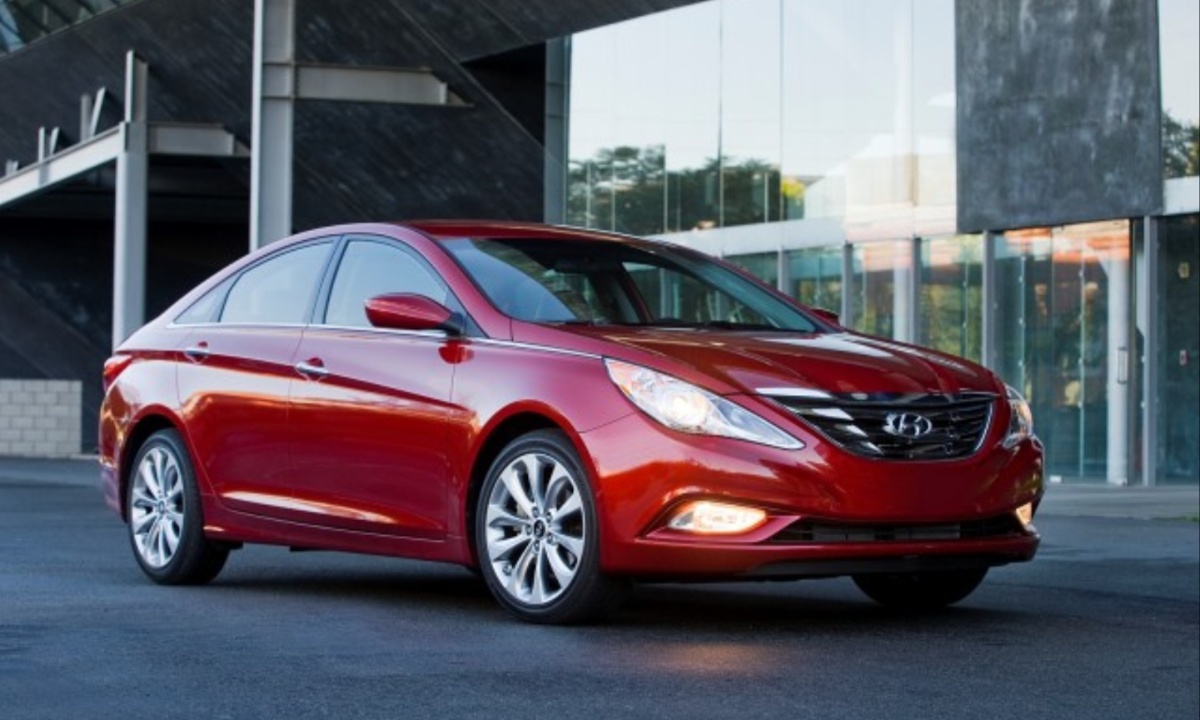
5. 2015 Hyundai Sonata – A Slight Improvement, but Still Flawed
By 2015, Hyundai introduced a redesigned Sonata that showed signs of improvement but continued to struggle with reliability. While better than the disaster years of 2011–2013, the 2015 Sonata still earned CarComplaints.com’s “Beware of the Clunker” badge, backed by over 1,000 complaints and nine recalls.
The top issue reported was excessive oil consumption, with many owners noticing their cars burning through quarts of oil between routine changes. In severe cases, unchecked oil loss led to complete engine failure, requiring expensive replacements.
Beyond oil consumption, stalling engines remained a major concern, with numerous reports of vehicles shutting off while driving at highway speeds. Fixes for this ranged from replacing fuel injectors to rebuilding the engine, all of which were costly.
These recurring problems left many owners frustrated, particularly given the Sonata’s otherwise strong value proposition and feature set. While the 2015 model represented progress compared to earlier years, it was still far from trouble-free.
For used car shoppers, the 2015 Sonata is seen as a “better but still flawed” choice, not nearly as risky as its predecessors but not as reliable as later model years.
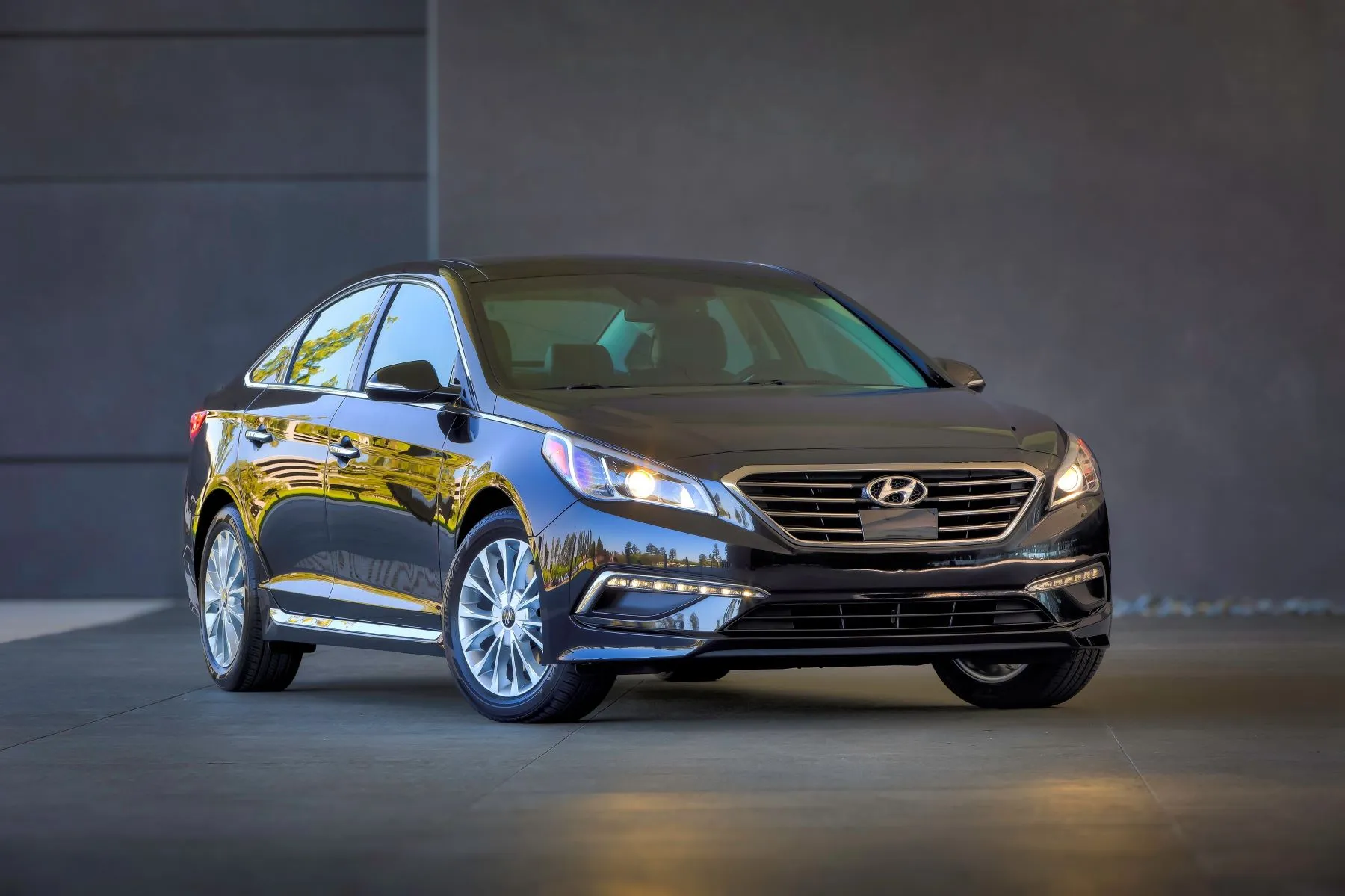
The 2010 Hyundai Sonata marked the final year of its generation and carried forward the strengths of the 2009 model. Like its predecessor, the 2010 Sonata avoided the widespread engine issues that plagued the 2011–2014 redesign years, making it one of the safest bets in the lineup.
This model earned high ratings in crash tests, with five stars in multiple NHTSA categories and “Good” scores from the IIHS. Its four-cylinder engine delivered strong fuel economy, while the optional V6 added extra power for those who wanted more performance without sacrificing reliability.
The interior quality was another highlight, featuring soft-touch surfaces, comfortable seating, and ample space for passengers and cargo. Consumer reviews consistently praised the 2010 Sonata for being quiet on the highway and easy to maintain, with lower-than-average repair costs.
Thanks to Hyundai’s long 10-year/100,000-mile warranty, many buyers also enjoyed peace of mind knowing major components were covered. The 2010 Sonata represented the peak of Hyundai’s growing reputation for value and dependability before the brand’s ill-fated redesign introduced reliability concerns.
Also Read: 10 Cars With Tricky Seatbelt Buckles for Elderly Passengers