
Parents face one of their biggest decisions when their teenager finally earns a driver’s license. Choosing the right car for a young driver is not simply about appearance or affordability. It goes far deeper, involving safety, durability, affordability of repairs, and how forgiving the car can be in the hands of someone still learning discipline on the road.
A teenage driver is often excited, distracted, and less experienced, which means the vehicle they use must provide a solid balance of safety systems, steady handling, and reliability. For families in the United States, the question of which car to trust with a teenager can bring plenty of worry. Parents want peace of mind while also giving their children the freedom to move independently.
Certain cars have proven that they can survive the rough learning stage of young drivers. They are built in such a way that they forgive minor errors, provide advanced safety features, and do not drain parents financially through endless repairs.
At the same time, other cars struggle with this responsibility. These cars may look attractive or even carry modern styling, but they often disappoint when tested in the hands of teenagers.
Either they lack the needed safety technology, or their designs encourage reckless behavior. By looking at safety records, reliability, and general driving behavior, the list below shows which models stand tall and which ones fall short when tested by teens.
5 Cars That Survive Teen Drivers
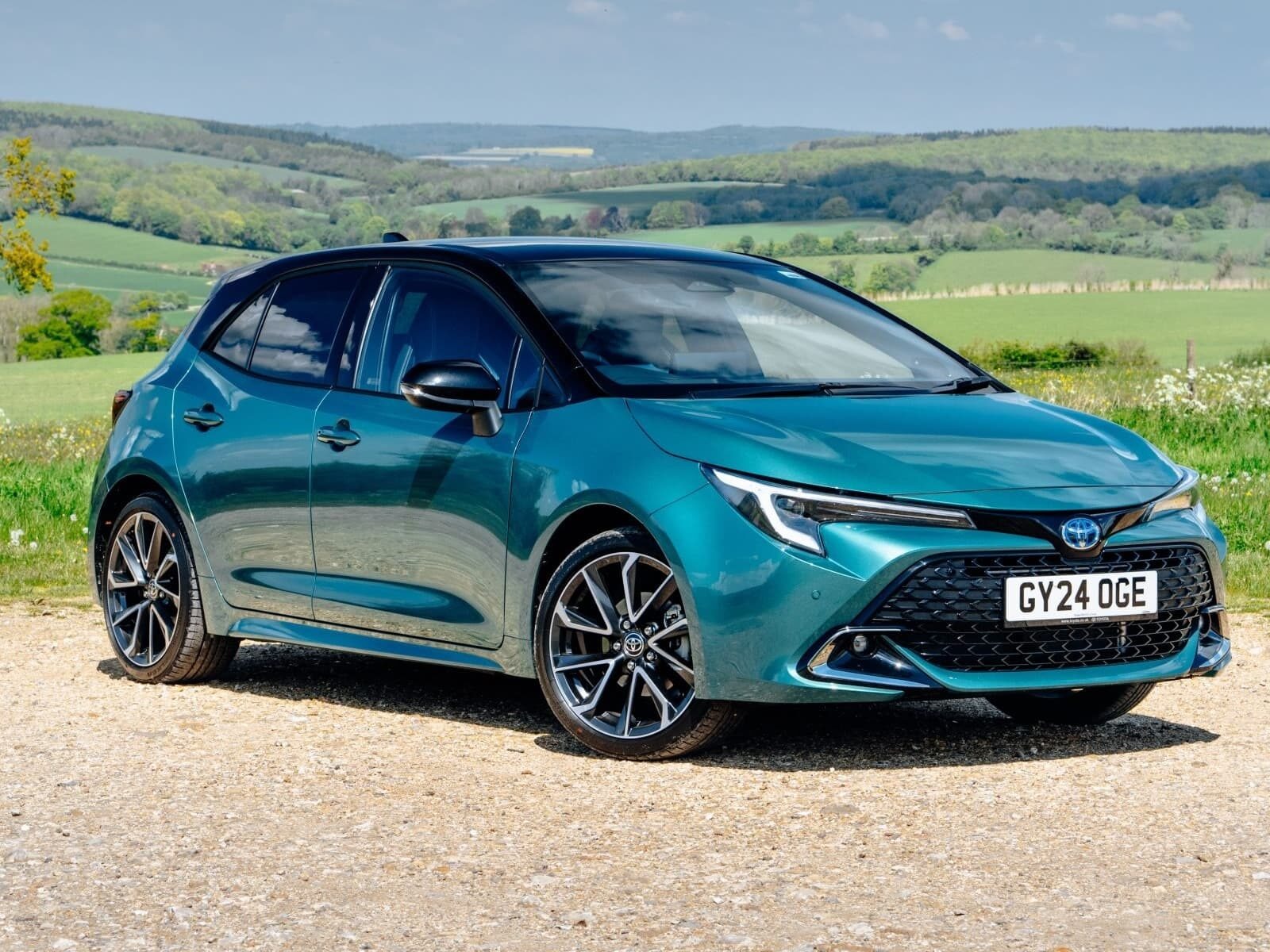
1. Toyota Corolla
The Toyota Corolla has remained one of the most trusted cars across generations, and for teenagers, it is even more dependable. Parents who want safety and durability often find the Corolla an easy choice.
This compact sedan combines affordability with long-standing reliability, making it a car that survives the challenges of a new driver’s learning stage. Its design focuses on simplicity, which means teenagers can concentrate more on the road instead of battling with overwhelming controls.
The Corolla’s safety systems play a central role in why it survives teenage driving habits. With Toyota Safety Sense included in most recent models, parents can rely on features like lane departure alert, automatic emergency braking, and adaptive cruise control.
These systems are not just extra technology but a shield for inexperienced drivers who may miss traffic signs or react late to sudden stops. For a teenager who might get distracted easily, these tools make the difference between a near accident and a safe return home.
Durability is another reason the Corolla stands out. Teenagers are known to treat cars with less care than older drivers. From hitting potholes carelessly to forgetting regular service, a car for teens must have resilience.
The Corolla is widely known to reach high mileage with minimal issues when maintained. This resilience ensures that parents are not spending unnecessarily on expensive repairs while their child learns responsibility.
Insurance companies often give better rates for Corollas compared to flashier cars, which makes it lighter on the family budget. Parents also appreciate the fuel economy, as teenagers often drive longer distances while enjoying their new freedom.
The balance of safety, affordability, and fuel savings makes the Corolla a proven survivor when paired with teenagers. It might not be the fastest or most stylish, but when it comes to giving peace of mind, the Toyota Corolla consistently earns trust.
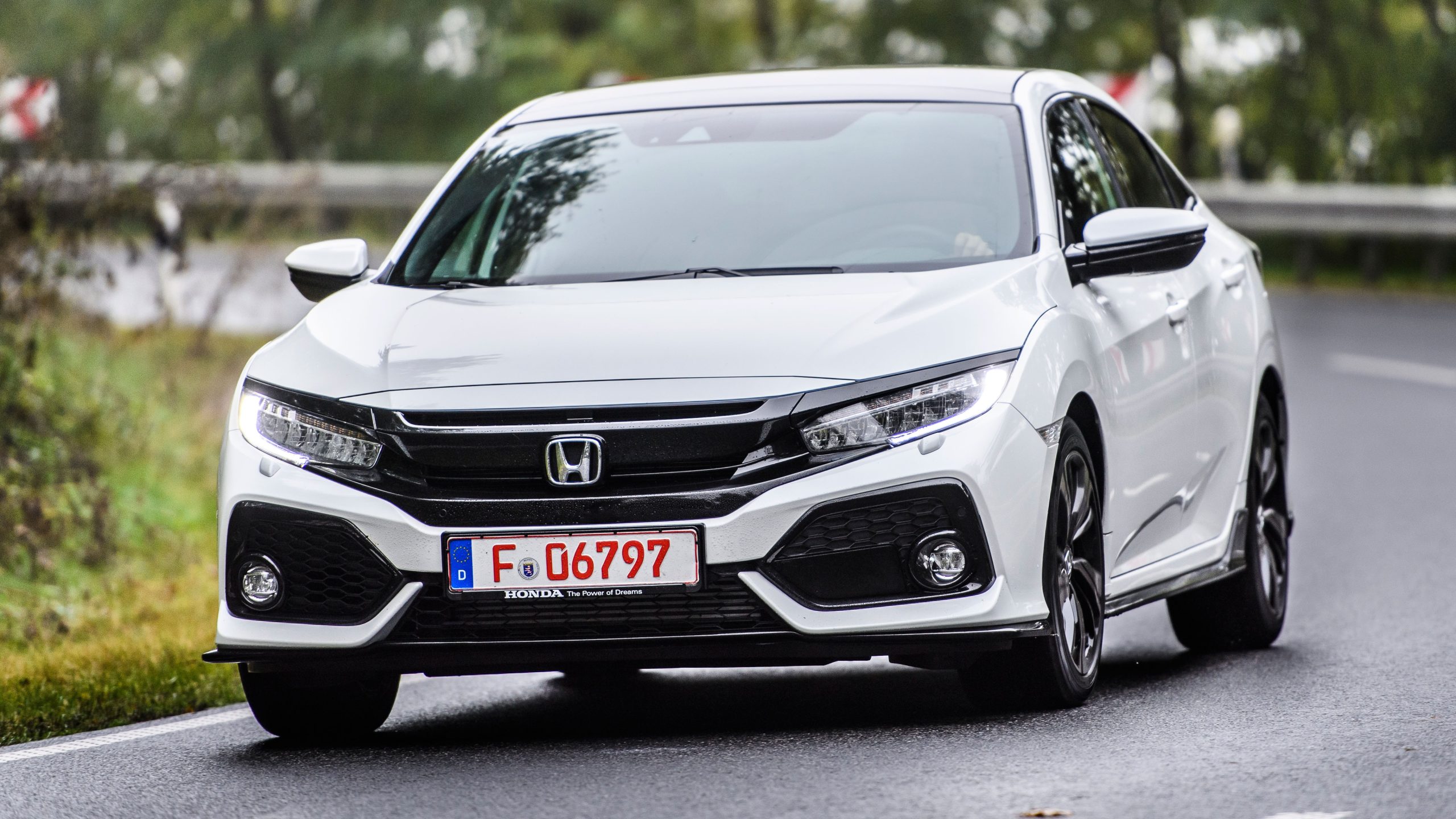
2. Honda Civic
When parents think of cars that have consistently been linked with reliability, the Honda Civic easily comes to mind. For decades, it has carried a reputation for being tough, affordable, and safe. For teenagers, the Civic fits as an ideal companion because it provides solid performance while maintaining good control on the road.
The Civic’s driving experience is forgiving enough for a new driver. It is responsive, but not in a way that encourages careless speeding. Handling is smooth, giving teenagers a better sense of control while steering.
Its braking system is dependable, and that is one of the most important qualities for drivers who still lack confidence in judgment. Knowing that the car can stop effectively when required gives parents and teenagers assurance.
Honda has also invested heavily in safety features for the Civic. Features like road departure mitigation, collision mitigation braking, and adaptive cruise control form part of the Honda Sensing suite, which comes standard in many trims.
These features do not just support experienced drivers; they are particularly valuable for teenagers who might react more slowly or misjudge road situations. Parents know that when their child is behind the wheel of a Civic, the car itself provides an extra pair of eyes.
The Civic also excels in fuel economy, which is important since teenagers often drive more than expected. Whether it is commuting to school, after-school activities, or part-time jobs, the Civic ensures that fuel expenses remain manageable. The car is also widely known for lasting long, which means it can serve one teenager and still be passed down to a younger sibling without heavy repair costs.
The Civic’s mix of safety, low maintenance, and lasting quality explains why so many families in the United States continue to choose it as a first car for young drivers. While some teenagers may dream of sportier models, the Civic delivers what truly matters: a safe and dependable car that can survive the mistakes of learning years.
Also Read: 5 Cars That Stay Tight on the Highway and 5 That Float Like Boats
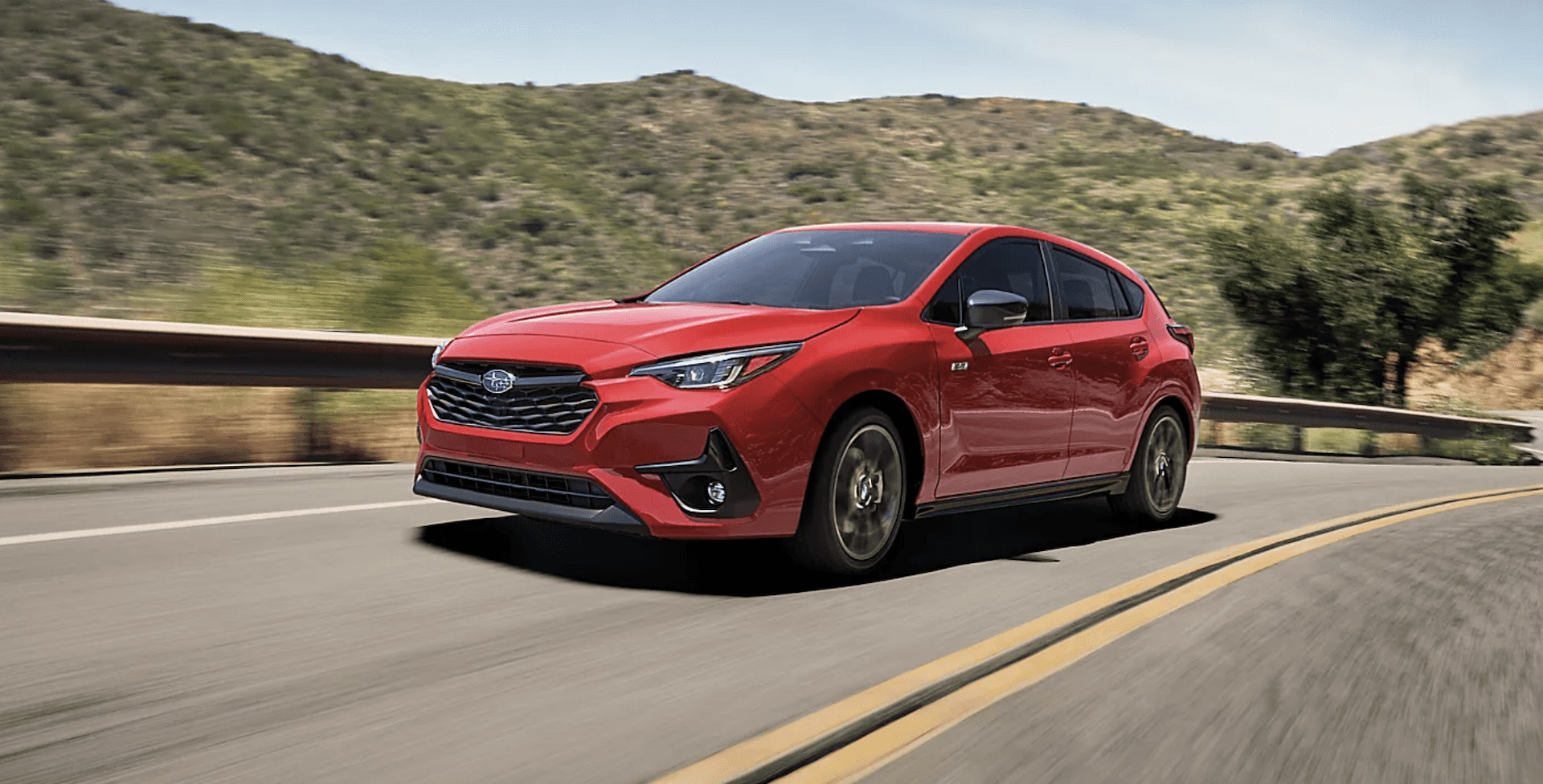
3. Subaru Impreza
Families looking for a car that combines safety with steady driving control often choose the Subaru Impreza. One of its strongest advantages is the standard all-wheel drive, which is rarely found in compact cars. For teenagers, this system provides extra grip on wet or icy roads, making it especially valuable in regions where winter weather can make driving more dangerous.
The Impreza is designed to be stable, and that is what makes it ideal for young drivers. Its steering is predictable, and the suspension gives comfort without sacrificing control. Teenagers learning how to handle corners and sudden traffic stops benefit from a car that does not feel overly aggressive yet remains responsive when needed.
Subaru has also prioritized safety by including EyeSight Driver Assist Technology in many Impreza models. This system offers adaptive cruise control, pre-collision braking, and lane-keeping assist. These features support teenagers who are still getting used to watching multiple things at once on the road. Parents gain comfort knowing their child is driving a car that offers an added layer of protection against distractions or miscalculations.
Durability also makes the Impreza a survivor in teenage hands. Subaru vehicles are well known for lasting a long time, and when regular maintenance is done, they can endure rough use. For teenagers who may not yet pay close attention to every car maintenance need, the Impreza provides some forgiveness.
The interior is simple and user-friendly, which prevents distractions from too many complicated controls. Teenagers can easily connect their phones with Apple CarPlay or Android Auto, allowing them to keep their focus more on the road. Insurance rates for the Impreza also tend to be reasonable, making it a car that works both for teenagers and for parents’ financial comfort.
With its strong grip, thoughtful safety systems, and resilient design, the Subaru Impreza proves it can endure the growing years of teenage driving without breaking down or putting safety at risk.
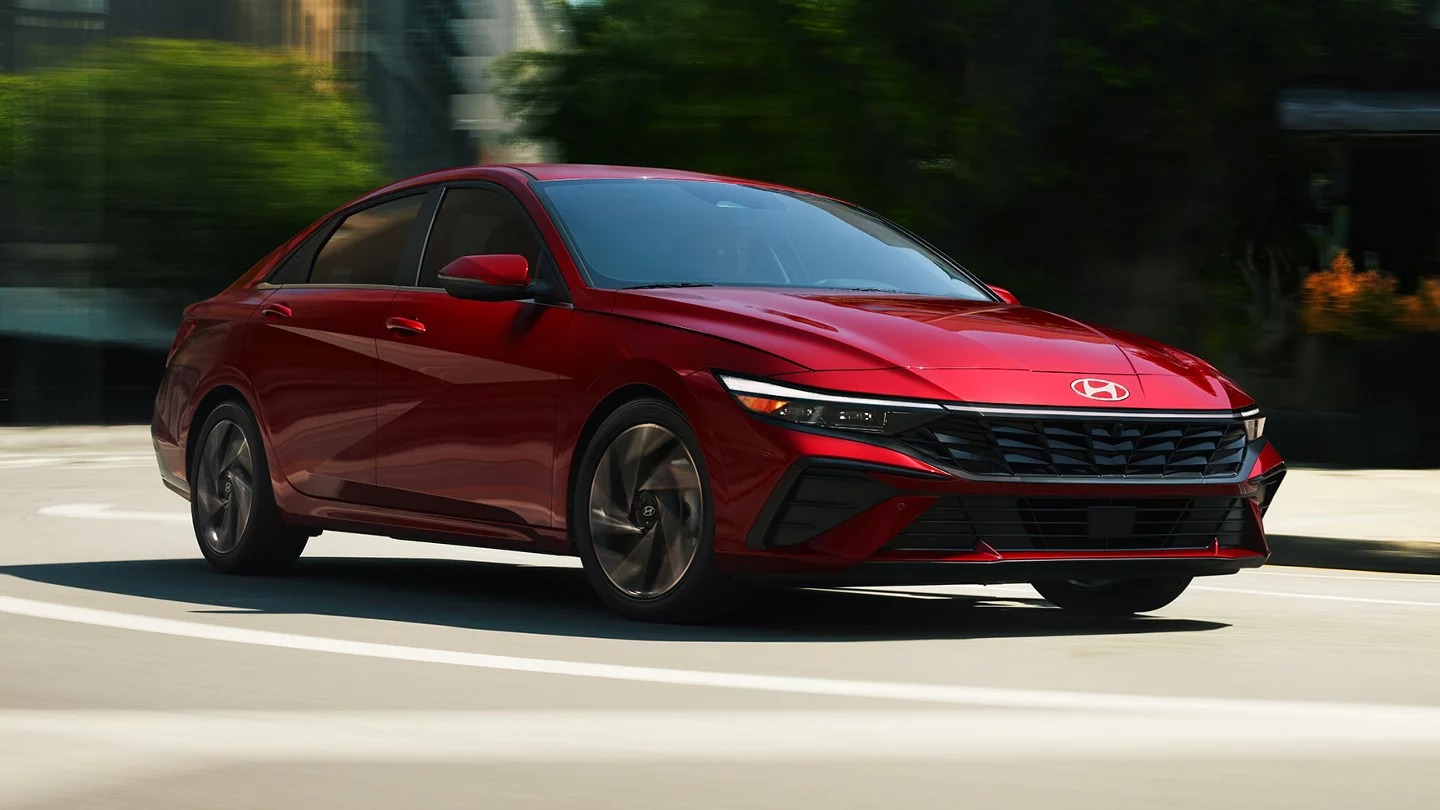
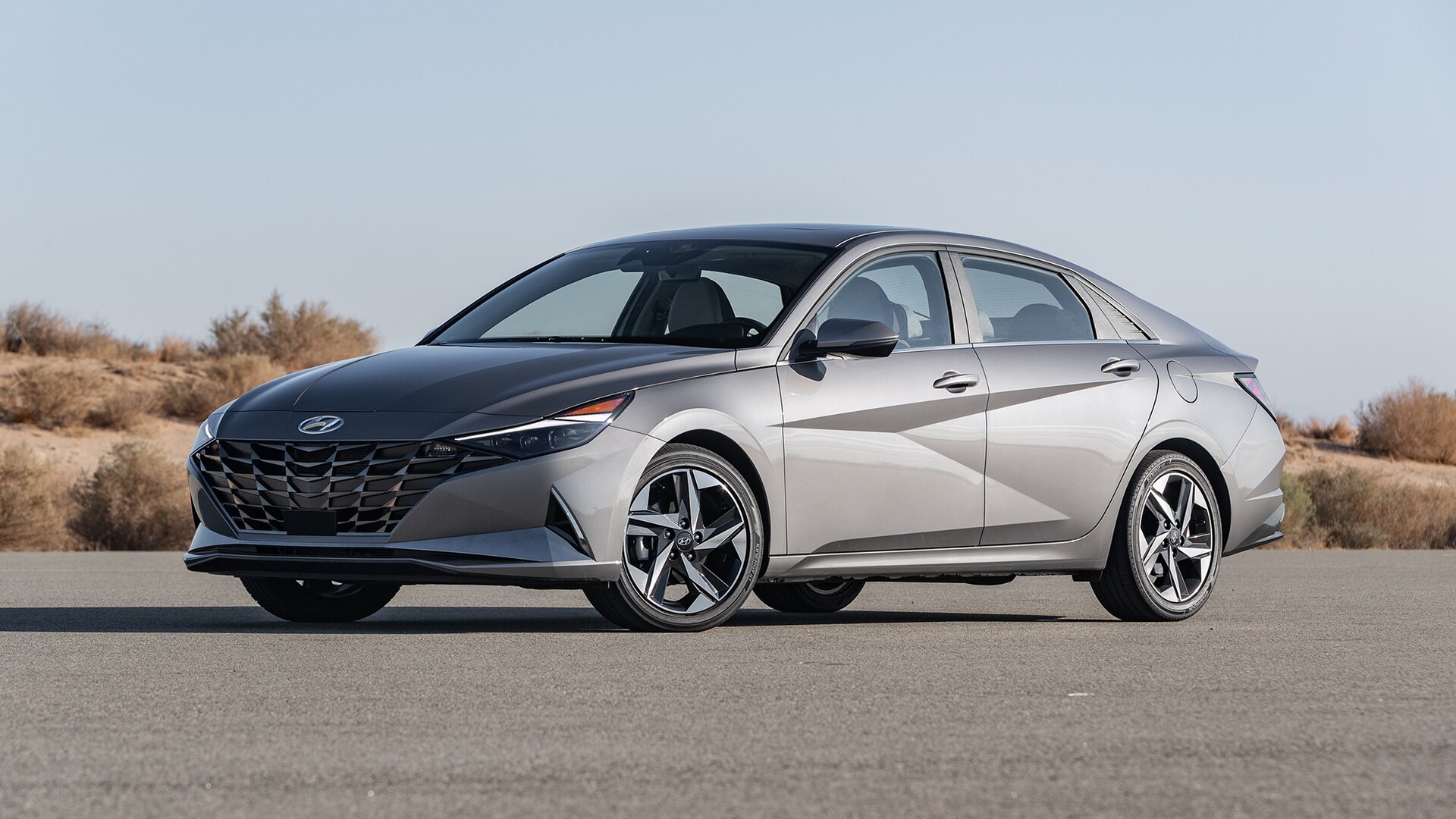
4. Hyundai Elantra
The Hyundai Elantra is another car that parents often recommend when discussing reliable vehicles for teenagers. It is affordable to buy, easy to maintain, and offers a collection of safety systems that fit the needs of new drivers. For families looking for value without sacrificing safety, the Elantra is a trusted choice.
Teenagers appreciate the Elantra’s smooth ride and easy handling. It is not overly powerful, which prevents reckless speeding, but it gives enough strength for daily driving. The steering feels natural, which is important for drivers who are just gaining confidence. Braking is also strong and steady, giving reassurance in emergencies.
Hyundai has added SmartSense safety technology in many trims of the Elantra. These include lane keeping assist, forward collision avoidance assist, and blind spot detection. For teenagers who may not always check every angle before switching lanes or may get distracted, these features are life-saving additions. Parents can trust that even if their child makes a mistake, the car will assist in correcting it.
Durability is another point in favor of the Elantra. Many owners report that with proper care, the Elantra keeps running smoothly for years without major problems. This makes it less stressful for parents who do not want constant repair bills while their child is still learning. Fuel economy is strong, which matters because teenagers usually drive more than their parents expect.
Insurance rates for the Elantra are also on the favorable side, which lightens the financial burden on families. While the design may not turn heads like sportier cars, its practical features and safety-first approach make it one of the cars that truly survive the teenage driving stage. Parents who want to strike a balance between cost and reliability often look at the Elantra as one of the safest bets.
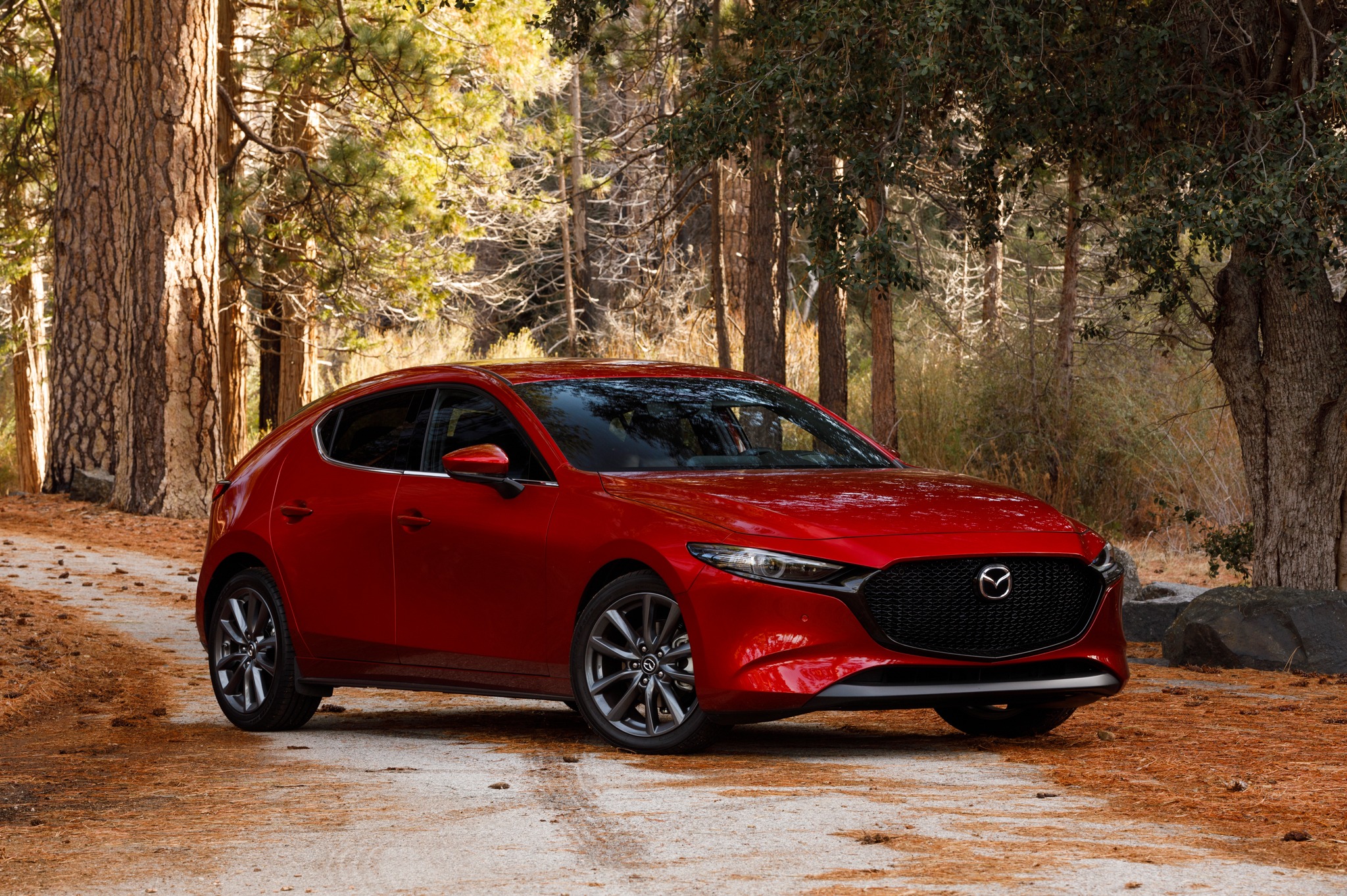
5. Mazda 3
The Mazda 3 manages to combine style with responsibility, which makes it a strong candidate for teenage drivers. It is attractive enough to satisfy a young person’s desire for a good-looking car while still maintaining the qualities parents prioritize: safety, reliability, and affordability.
Mazda is known for making cars that are fun to drive, and the Mazda 3 does not disappoint. Its handling is precise, yet it does not push teenagers into reckless driving. The car gives confidence when cornering, braking, and accelerating, all in a controlled manner. This makes it a safe way for teenagers to enjoy driving without falling into unnecessary risks.
Safety systems in the Mazda 3 also stand strong. Features such as automatic emergency braking, lane departure warning, and adaptive cruise control are widely available in recent models. These tools reduce the dangers of distraction, which is one of the biggest challenges for young drivers. Parents gain comfort from knowing their child’s car has built-in protection.
Durability is another reason the Mazda 3 works well with teenage drivers. Its build quality is high, and owners regularly report long-lasting performance when maintenance is done properly. Fuel economy is also very strong, which is useful for teenagers who tend to drive often for school, part-time work, or social activities.
Insurance is usually moderate compared to high-performance vehicles, making it easier on the family budget. The Mazda 3 also provides a more premium feel inside the cabin compared to some rivals, giving teenagers comfort and technology without the added risks that come with luxury cars.
Because it combines safety, steady driving behavior, and durable design with a look that appeals to teenagers, the Mazda 3 earns a place among cars that survive young drivers. It balances both parental concerns and teenage desires, which makes it a winning choice.
5 Cars That Fail the Test with Teen Drivers
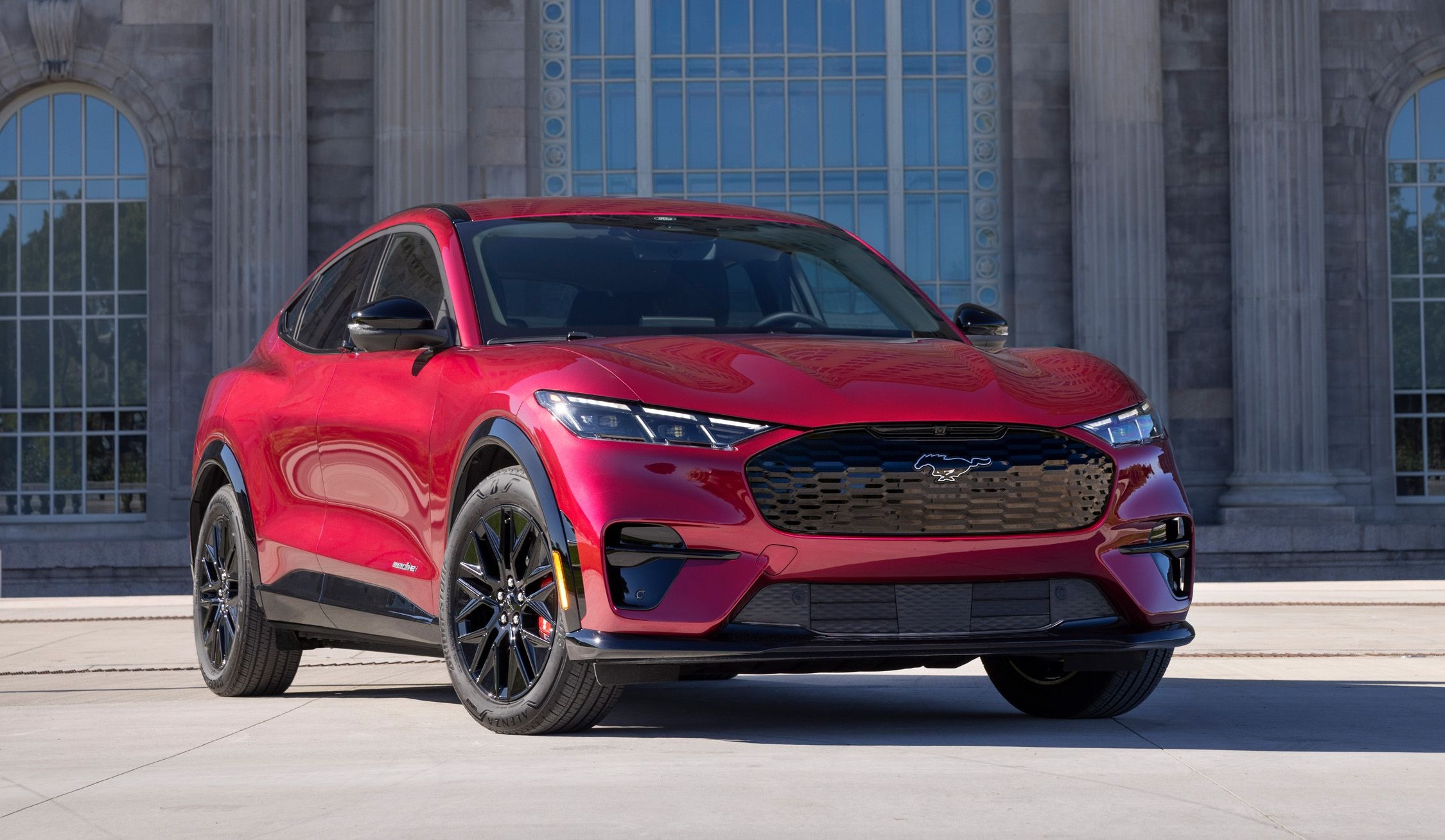
1. Ford Mustang
Many teenagers admire the Ford Mustang because it looks exciting and promises speed, but it is one of the cars that fails the test when placed in the hands of new drivers. A teenage driver often lacks the discipline and maturity to handle such power responsibly.
The Mustang’s powerful engine encourages fast acceleration, and this temptation becomes dangerous for young drivers who may not yet understand the consequences of reckless speed. Handling a muscle car like the Mustang requires skill and experience. While the design gives thrilling performance for experienced adults, it can be overwhelming for someone still learning judgment on the road.
Mistakes at higher speeds can easily lead to accidents that might have been avoided in a smaller, less aggressive car. Parents usually want their teenagers to develop safe habits first before thinking of performance cars, but many young drivers see the Mustang as attractive without realizing the risks.
Insurance is another challenge with the Mustang. Because of its history with crashes involving younger drivers, insurance companies often charge higher premiums for this model, especially when it is purchased for teenagers. Families already dealing with school expenses and other teenage needs may find the insurance costs draining. This makes the Mustang less practical for a first car.
Fuel economy also becomes a burden, as Mustangs consume more fuel than compact sedans or economy cars. Teenagers often drive and may not understand the financial impact of constant refueling. Parents who buy this car for their teens soon discover that the Mustang is not only unsafe but also costly.
The interior is designed for sporty performance, not for simplicity. Teenagers might find themselves distracted by controls or encouraged to push the car beyond their limits. While the Mustang is an iconic American car, its power, expense, and temptation to drive recklessly make it one of the vehicles that fail when given to inexperienced teenage drivers.
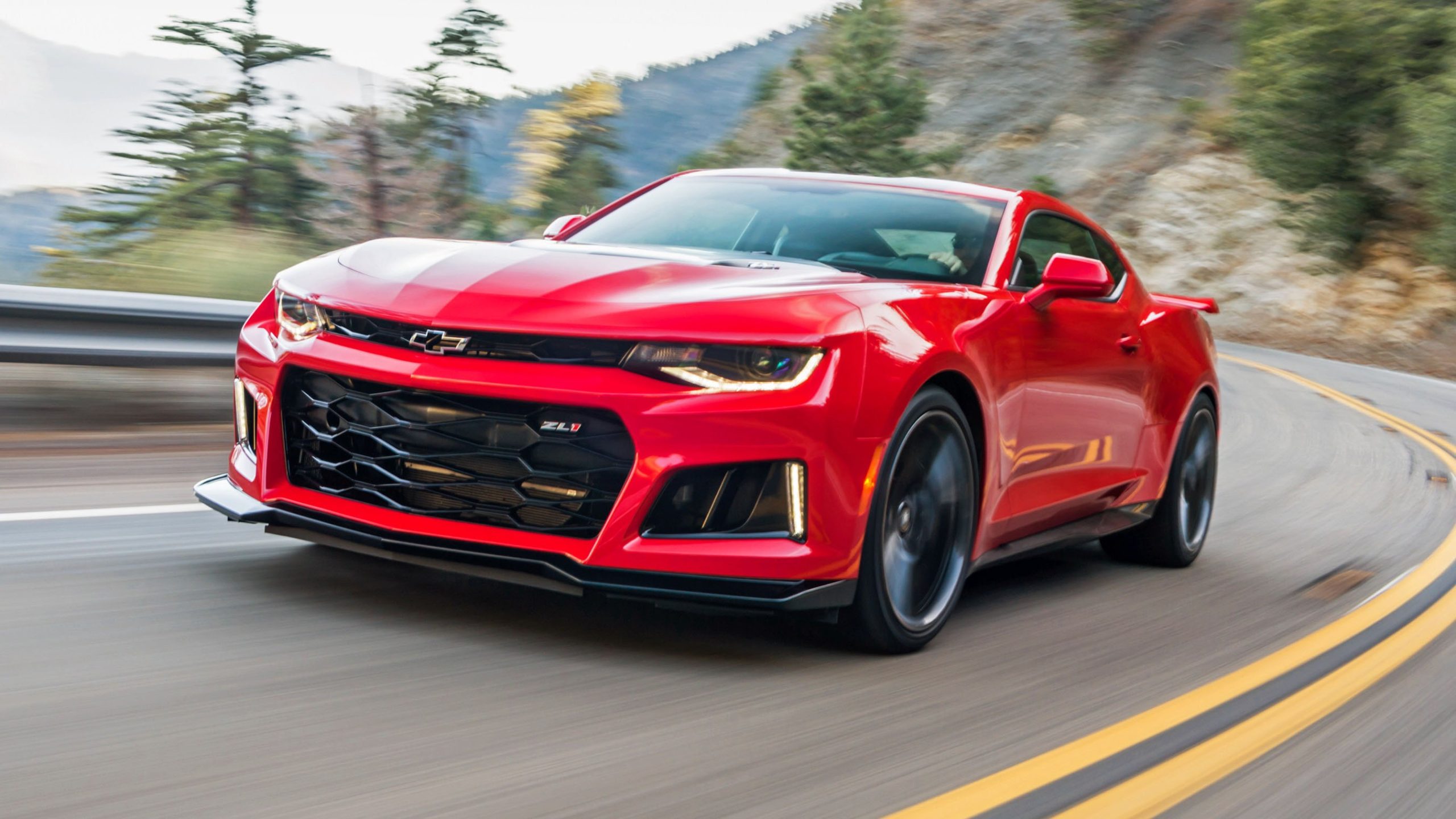
2. Chevrolet Camaro
The Chevrolet Camaro, like the Mustang, is another sports car that tempts teenagers but does not serve them well. Its aggressive styling and strong performance are appealing to young people, but this combination makes it unsuitable for a beginner driver. A teenager with little experience is more likely to be carried away by the Camaro’s acceleration, which can quickly turn dangerous.
The Camaro demands more skill than most teenagers have developed. Its handling is precise but can punish mistakes, especially when drivers push it beyond safe limits. Unlike more forgiving cars, the Camaro is not built to tolerate frequent errors on the road. This reality makes it unsafe for someone still gaining confidence behind the wheel. Parents may find themselves constantly worrying about their teenager’s safety when such a powerful car is involved.
Insurance costs are also high for Camaros. The model has a strong association with risky driving behavior, so insurance companies often add extra charges when teenagers are listed as drivers. These high premiums make the Camaro financially unwise for families who need affordability in addition to safety.
Practicality is another weakness. The Camaro’s back seat is cramped, and the visibility is limited compared to other cars. Teenagers who are still learning to watch blind spots and judge distances face added challenges because the Camaro’s design makes it harder to see clearly. This increases the chances of accidents, especially during lane changes or when backing out of parking spaces.
Fuel consumption is heavy as well, which adds more cost for families. Teenagers often underestimate the expense of running a performance car, and the Camaro quickly reveals its appetite for fuel. Parents soon realize that this vehicle is not only unsafe but also demanding financially.
While the Camaro represents style and excitement, it fails the test for teenagers who need safety, easy handling, and affordability. It belongs to drivers with years of experience, not to those just starting their journey on the road.
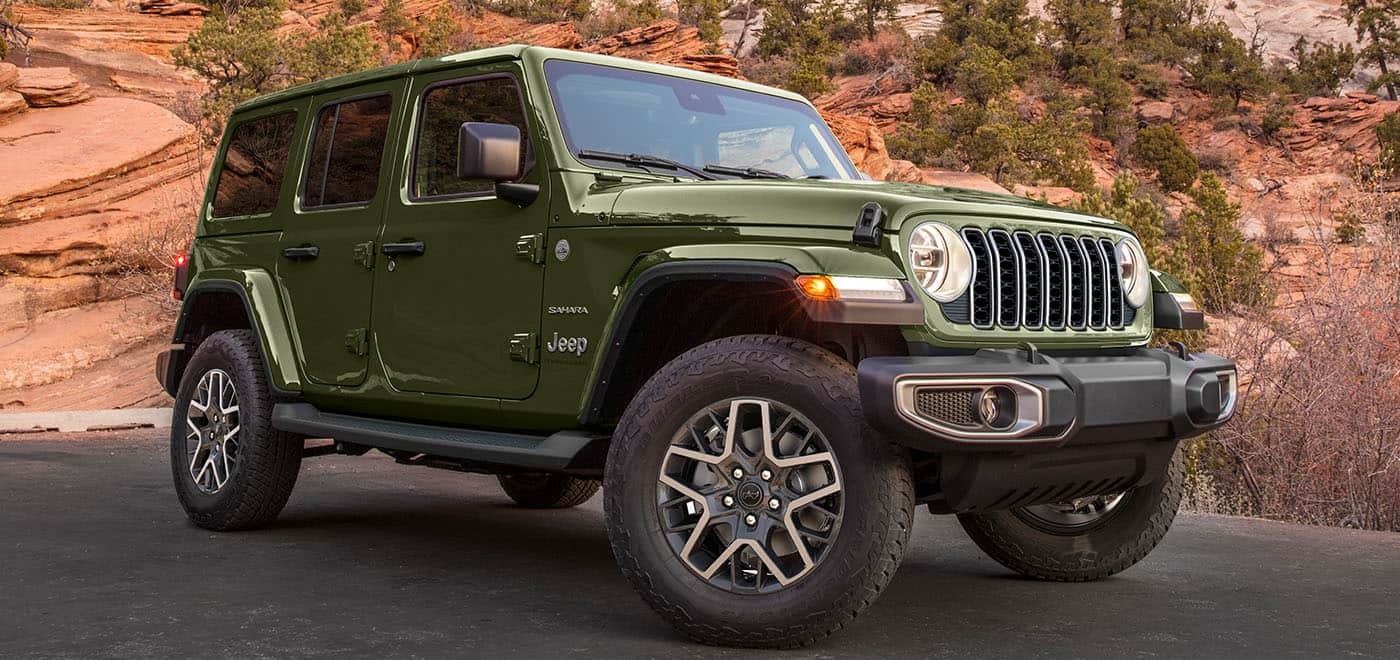
3. Jeep Wrangler
The Jeep Wrangler has a strong image of adventure, which naturally attracts teenagers who want freedom and outdoor fun. However, it is a car that does not perform well with teenage drivers. Its rugged design, while excellent for off-road driving, is less suited for the daily needs of young drivers still learning safe habits.
One major weakness is stability. The Wrangler has a higher center of gravity compared to most cars, which makes it more likely to roll over during sharp turns or sudden maneuvers. Teenagers, who may react late in emergencies or misjudge road conditions, face greater danger in such situations. Rollovers are among the most dangerous types of accidents, and parents want to avoid exposing their children to this risk.
The Wrangler also lacks the refined handling of other compact SUVs or sedans. Its steering feels heavier, and its suspension is designed more for rough terrain than smooth city driving. For teenagers, this makes it harder to manage in everyday traffic. While some might enjoy the adventurous feel, the truth is that the Wrangler is not the easiest car to control for someone still learning.
Fuel economy is another weakness. The Wrangler consumes more fuel than many compact cars, and this can become expensive for teenagers who tend to drive often. Insurance rates are also higher because of the car’s rollover risk. Parents soon discover that owning a Wrangler for a teenager is not only risky but also expensive to maintain.
Another concern is noise and comfort. The Wrangler’s interior can be noisy, and teenagers may end up turning the music louder to cover the sound, which can increase distraction. Visibility is decent, but the vehicle’s size makes parking more challenging for new drivers.
Though it is a favorite for outdoor lovers, the Jeep Wrangler fails the test when given to teenagers. Its rollover risk, higher fuel use, and difficulty in handling make it a poor choice for parents who prioritize safety and control for their children.
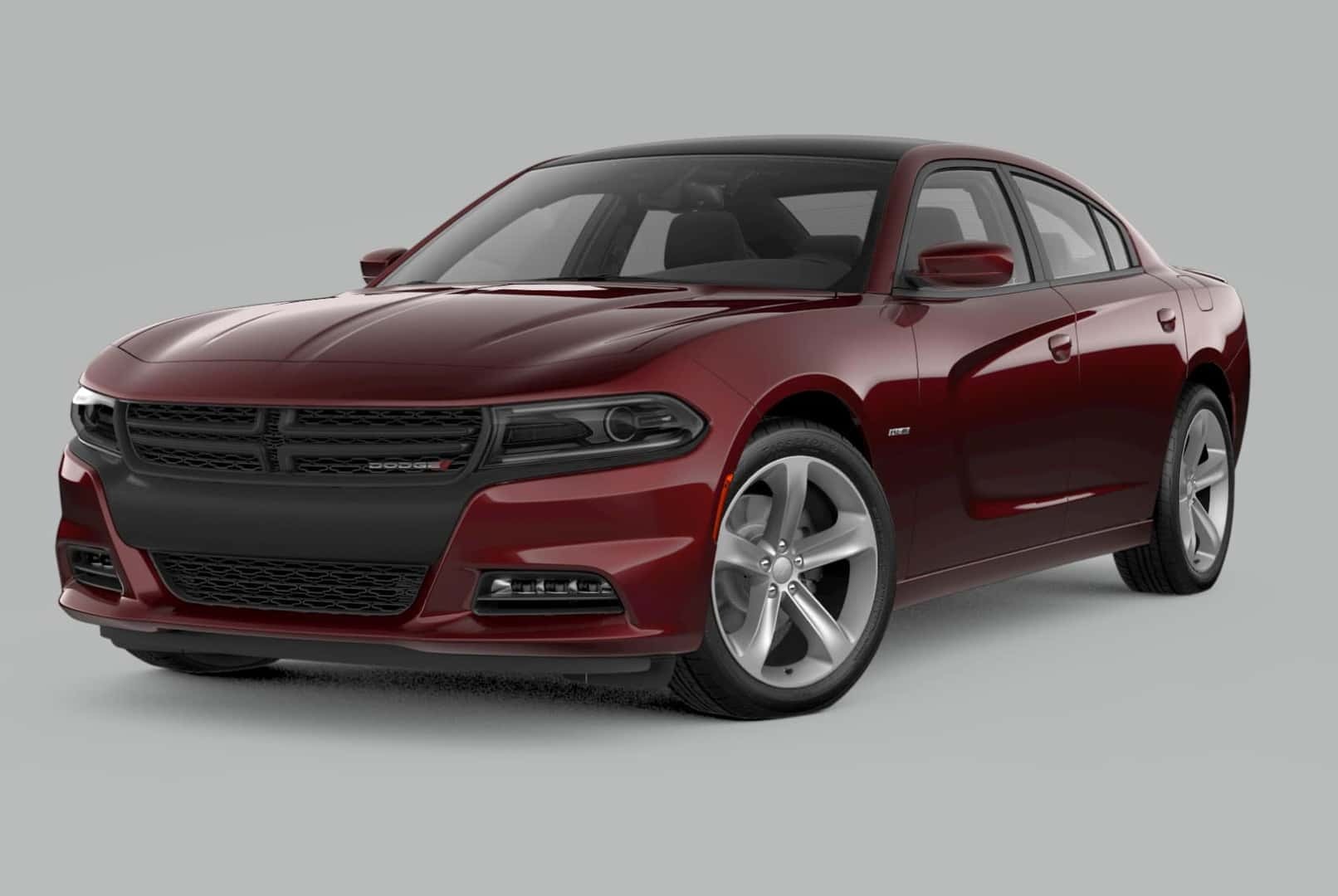
4. Dodge Charger
The Dodge Charger has a bold design and offers a lot of power, which might excite teenagers but makes it unsuitable for them. As a muscle car, it provides high horsepower and quick acceleration, which are dangerous in the hands of drivers without enough experience. Many parents are aware that teenagers often feel tempted to test the limits of powerful cars, and the Charger encourages this kind of risky behavior.
Handling the Charger requires careful skill. At higher speeds, mistakes become harder to correct, and teenagers may not have the quick judgment to manage sudden changes in traffic. The Charger is designed more for performance driving than for forgiving errors, which makes it unsafe as a first car.
Insurance is another problem. Due to its strong performance reputation, insurance companies view the Charger as a high-risk car when paired with younger drivers. The result is higher premiums, which can place financial pressure on families. Combined with poor fuel economy, the Charger becomes an expensive car to maintain, which is not practical for teenagers.
The size of the Charger also makes it harder for teenagers to handle. Parking and maneuvering in tight spaces are more challenging compared to compact cars. This increases the chance of accidents in parking lots or crowded streets. Teenagers who are still developing confidence may find themselves struggling to manage their larger frame.
Even though the interior provides comfort and modern features, these do not cover up the safety weaknesses. Teenagers may enjoy the entertainment systems, but the Charger’s power makes it a dangerous temptation. Parents generally prefer vehicles that guide their children toward safe driving habits, but the Charger does the opposite by encouraging performance driving.
As much as it looks impressive and feels exciting, the Dodge Charger fails the test when placed in the hands of teenagers. Its power, size, and expense all combine to make it unsuitable for young drivers who still need time to build responsible habits.
Also Read: 5 SUVs That Feel Premium Inside and 5 That Feel Cheap
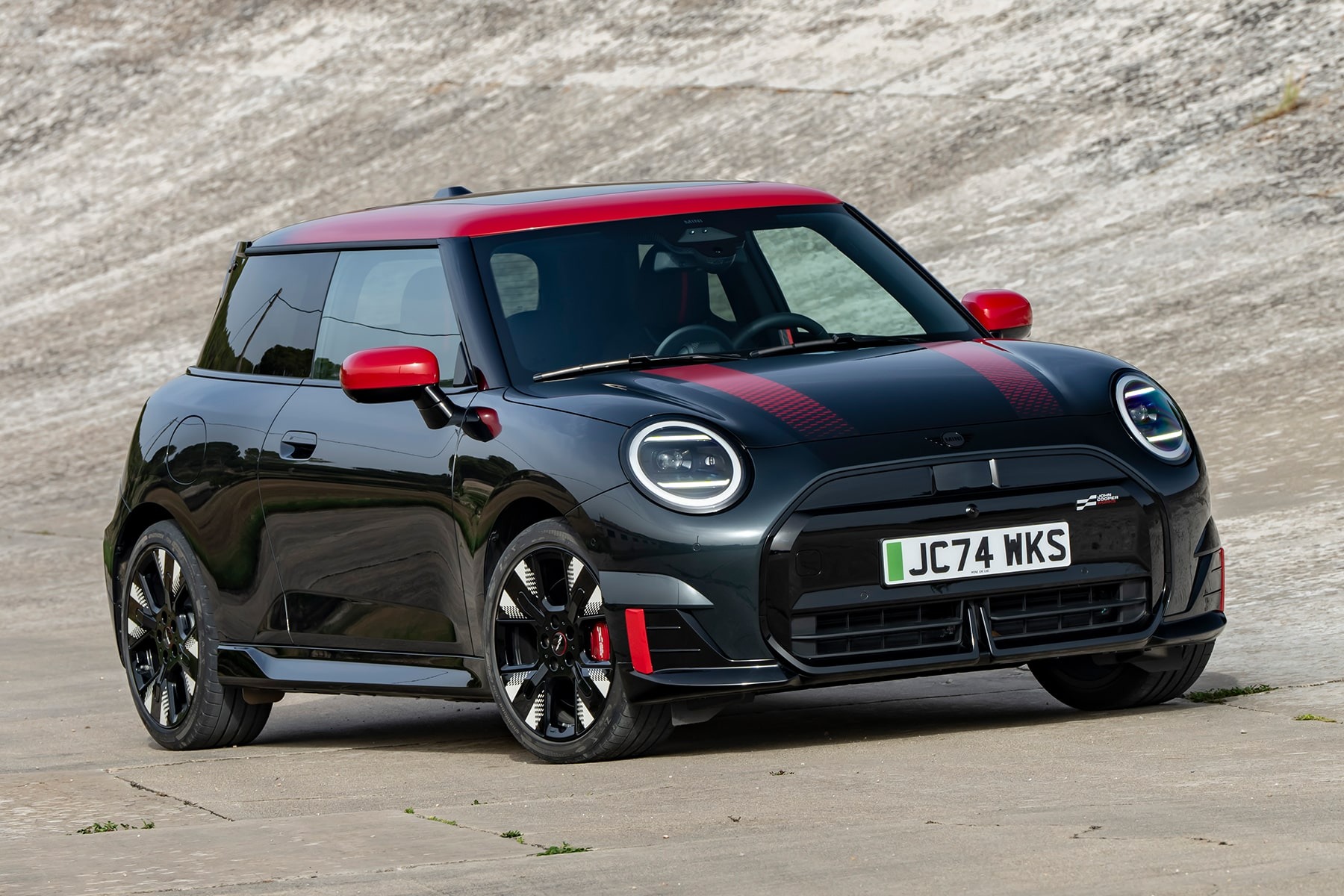
5. Mini Cooper
The Mini Cooper may look small, stylish, and fun, which makes it very attractive to teenagers, but it is another car that fails when tested by new drivers. Its compact size might seem like an advantage, but in practice, it brings challenges that teenagers are not always prepared for.
One major weakness is its limited crash protection. Compared to larger sedans or SUVs, the Mini Cooper does not provide the same level of security in accidents. Teenagers, who are statistically more likely to be involved in collisions, face higher risks in a car that has less space to absorb impacts. Parents naturally want a vehicle that offers maximum protection, but the Mini Cooper does not deliver enough in this area.
The ride quality is also not the best for beginners. The Cooper’s suspension is tuned for sportier performance, which means the ride can feel stiff. Teenagers may find this uncomfortable, and it also makes the car less forgiving on rough roads. Handling is quick and responsive, but this can backfire when inexperienced drivers oversteer or misjudge corners.
Maintenance and repairs are another disadvantage. While the car looks appealing, parts and service for Mini Coopers are often more expensive than for regular compact cars. Parents may find themselves paying high bills if the car develops issues, which is stressful considering teenagers are likely to make driving mistakes that can cause wear and tear.
Insurance costs are also higher compared to other small cars because of the car’s sporty reputation and repair expenses. Fuel economy is decent, but the entire cost of ownership is not ideal for families who want something affordable and practical for a teenager.
The Mini Cooper may be trendy and fun, but it lacks the level of safety, comfort, and affordability that parents expect in a teenager’s first car. While it works better for experienced drivers who appreciate its sporty handling, it fails the test when assigned to young drivers who need security, forgiveness, and simplicity in their vehicle.
