
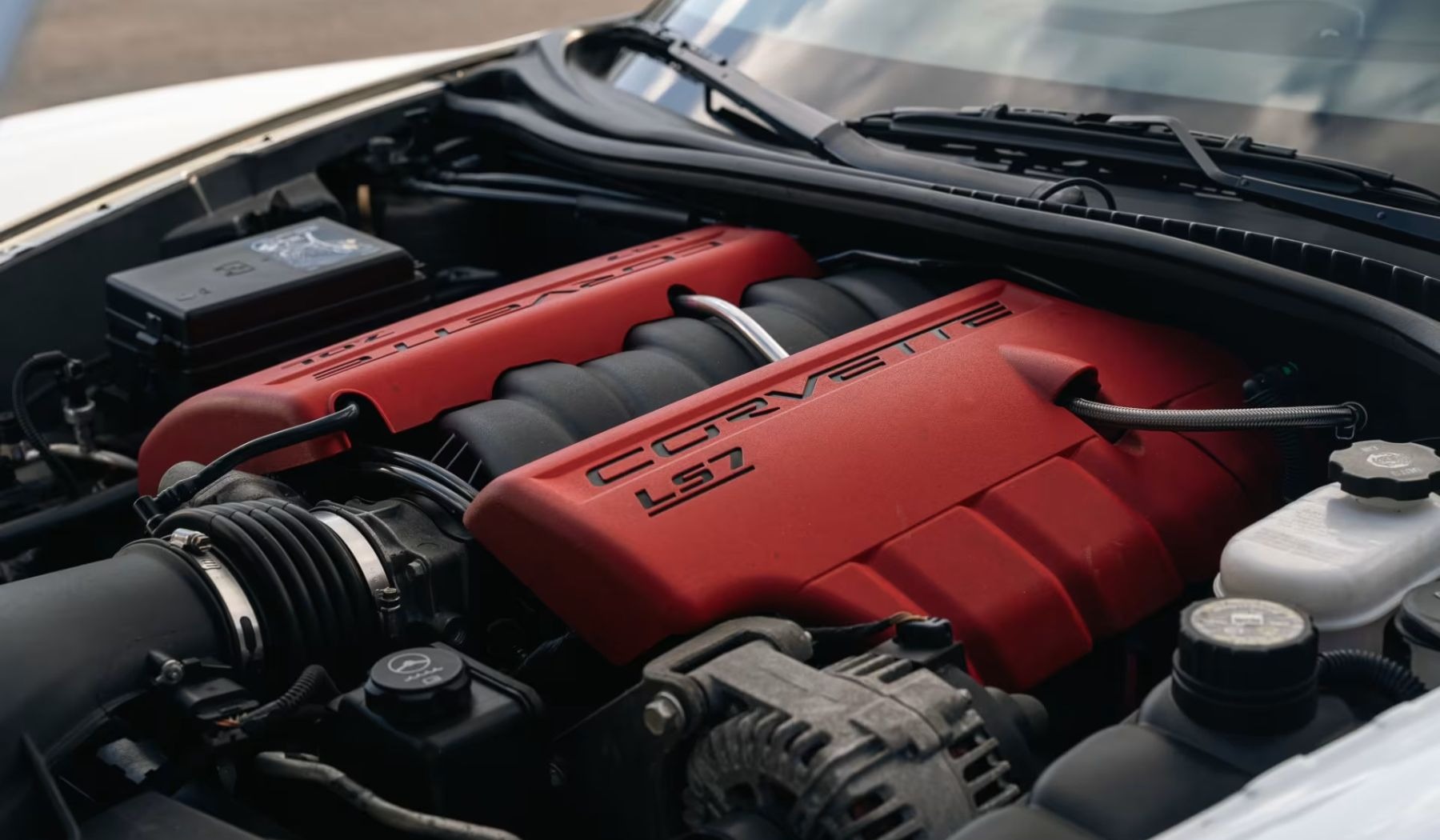
For more than half a century, the V8 engine has been strongly tied to motoring culture across America and other parts of the world. The sound of a V8, the strength it delivers, and the confidence it brings have made it one of the most admired engine layouts ever designed.
Drivers who want strong acceleration, towing ability, or performance on highways have often leaned on V8 power as their trusted option. Whether you talk about muscle cars, luxury sedans, or large trucks, the V8 has been seen as a backbone that supports both power and durability.
Still, as with any technology, not every V8 ever produced has lived up to the promise. Some were built with outstanding engineering and are known to last hundreds of thousands of miles with only basic maintenance.
Others were poorly executed, leading to frequent breakdowns, expensive repairs, and headaches for owners who only wanted reliability. For buyers of used cars and enthusiasts who like classic machines, knowing which engines to seek and which ones to avoid can save both time and money.
By going through the list below one after another, you will see the qualities that define a dependable V8 as well as the pitfalls of those that failed to meet expectations. Whether you are shopping for a truck, a luxury car, or a muscle machine, this list offers a practical guide to help you know where to place your trust and which engines you should walk away from.
Five Reliable V8s
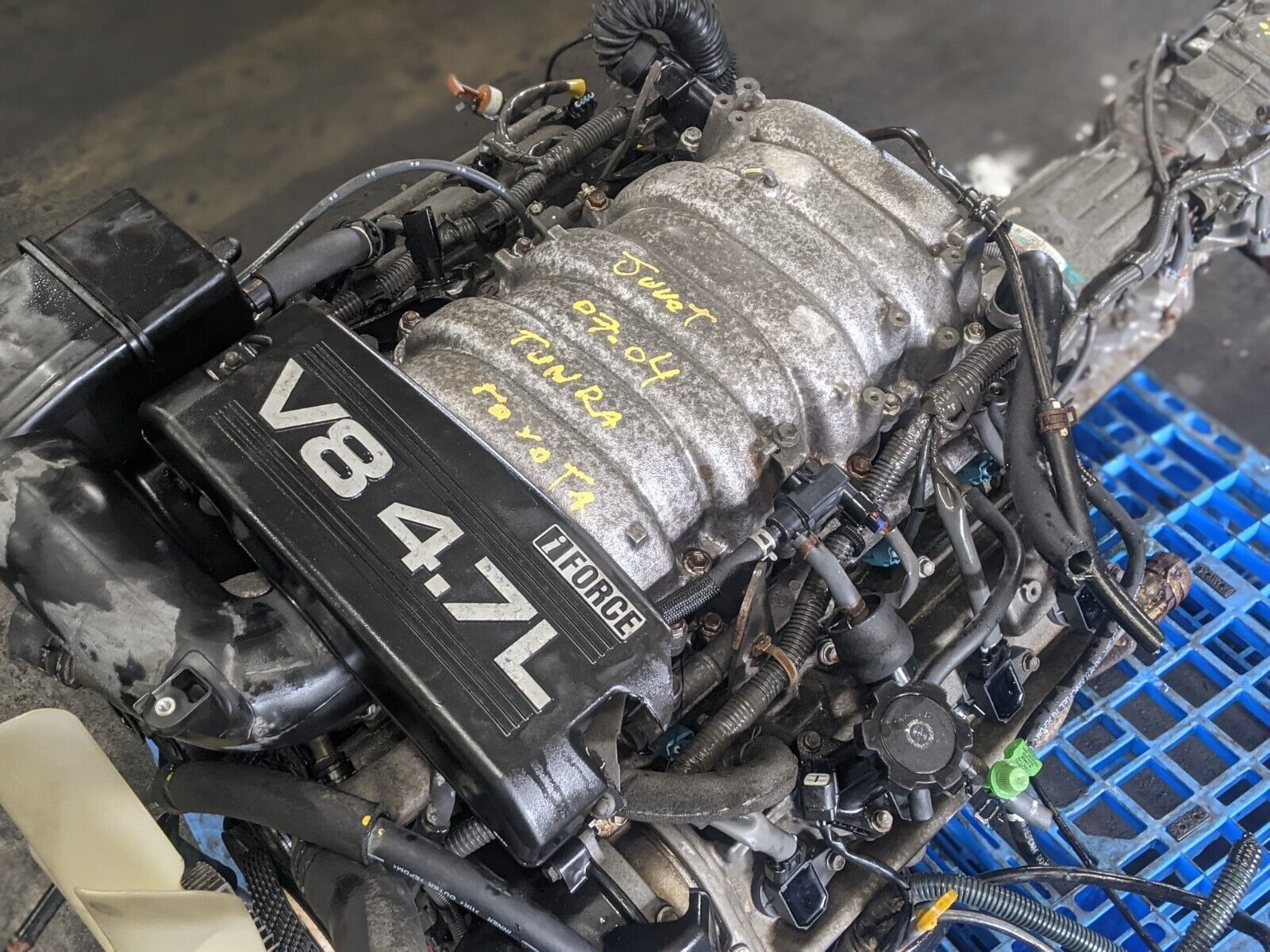
1. Toyota 4.7-Litre iForce V8
The Toyota 4.7-litre iForce V8 was first introduced at the end of the 1990s, and it quickly established itself as a benchmark for toughness. Many owners of Toyota Tundra, Sequoia, and Land Cruiser models have stories of these engines crossing 300,000 miles without major internal repairs. This reputation did not come by chance.
Toyota engineered this motor with a focus on longevity rather than squeezing out the highest power figures of the era. One of the strongest aspects of this engine is its iron block, which provides a solid foundation that resists wear and tear.
The aluminum heads are well designed, and the timing belt system, when replaced at proper intervals, keeps the engine running smoothly for decades. Maintenance is straightforward, and the parts are widely available, making it less stressful to keep the engine in top condition.
Owners praise the smoothness of the 4.7 iForce. Even though it is not the most powerful V8 by modern standards, it delivers steady acceleration and pulls heavy loads without complaint. It was not uncommon to find this engine working inside large SUVs that transported families for years with no major drama. Its fuel consumption is not the best, but reliability has always outweighed that drawback.
For people looking at the used market today, vehicles with this V8 are among the most dependable purchases they can make. Many examples on sale have very high mileage but continue to run with little more than oil changes and timing belt service.
That level of dependability is the reason Toyota built a strong reputation in North America for durability. When buyers speak of engines that can be trusted, the Toyota 4.7 iForce deserves to be near the top of that list.
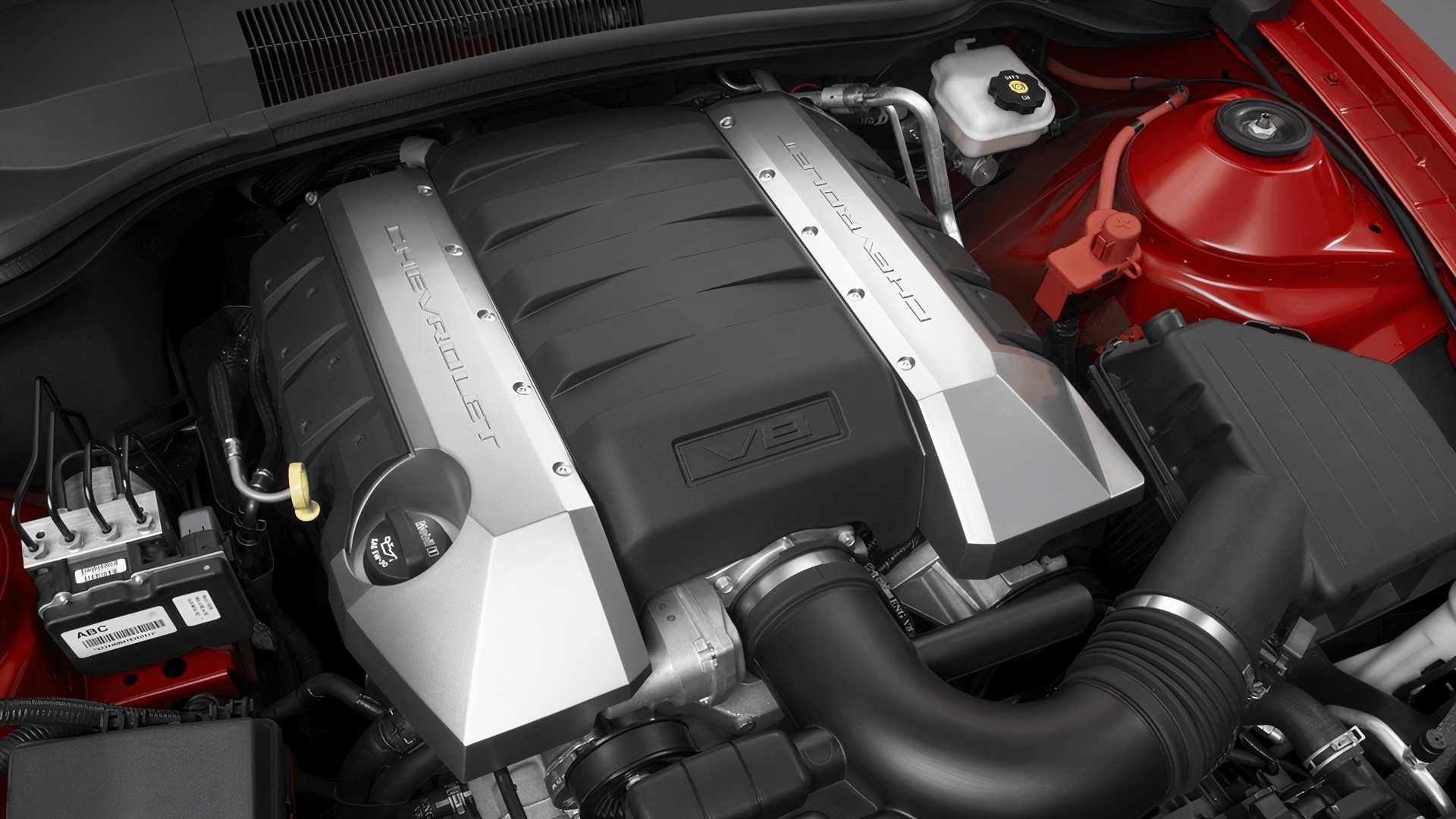
2. General Motors LS3 6.2-Litre V8
The LS3 engine from General Motors is another strong example of a V8 that can be trusted for both power and longevity. Found in vehicles like the Chevrolet Corvette, Camaro SS, and Pontiac G8, it became popular not only with regular drivers but also with tuners and racers who valued its ability to take heavy modifications without falling apart. The LS3 represents the heart of what makes the LS series respected across the car community.
With an output of more than 400 horsepower, the LS3 was strong enough to excite drivers but also simple in its construction. It uses a pushrod design that keeps the moving parts fewer compared to overhead cam layouts. This makes the engine lighter, more compact, and easier to service. Despite producing strong numbers, it manages to remain reliable if maintained correctly. Many owners report running these engines beyond 200,000 miles while still enjoying strong performance.
Another reason the LS3 is celebrated is its versatility. It can be swapped into older cars, trucks, or even classic sports models, which is why aftermarket support is so huge. Builders love how it responds to upgrades without losing its solid reputation. It tolerates forced induction, racing conditions, and heavy daily use.
From a buyer’s point of view, the LS3 is a safe choice because parts are cheap and widely available. Chevrolet’s decision to mass-produce it means components will not disappear anytime soon. Its balance of strength, dependability, and affordability makes it one of the best modern V8s to buy used. For anyone wanting a blend of reliability and performance, the GM LS3 stands as a trusted choice that rarely disappoints.
Also Read: 5 Affordable Engines That Sound Like V12s and 5 That Sound Like Blenders
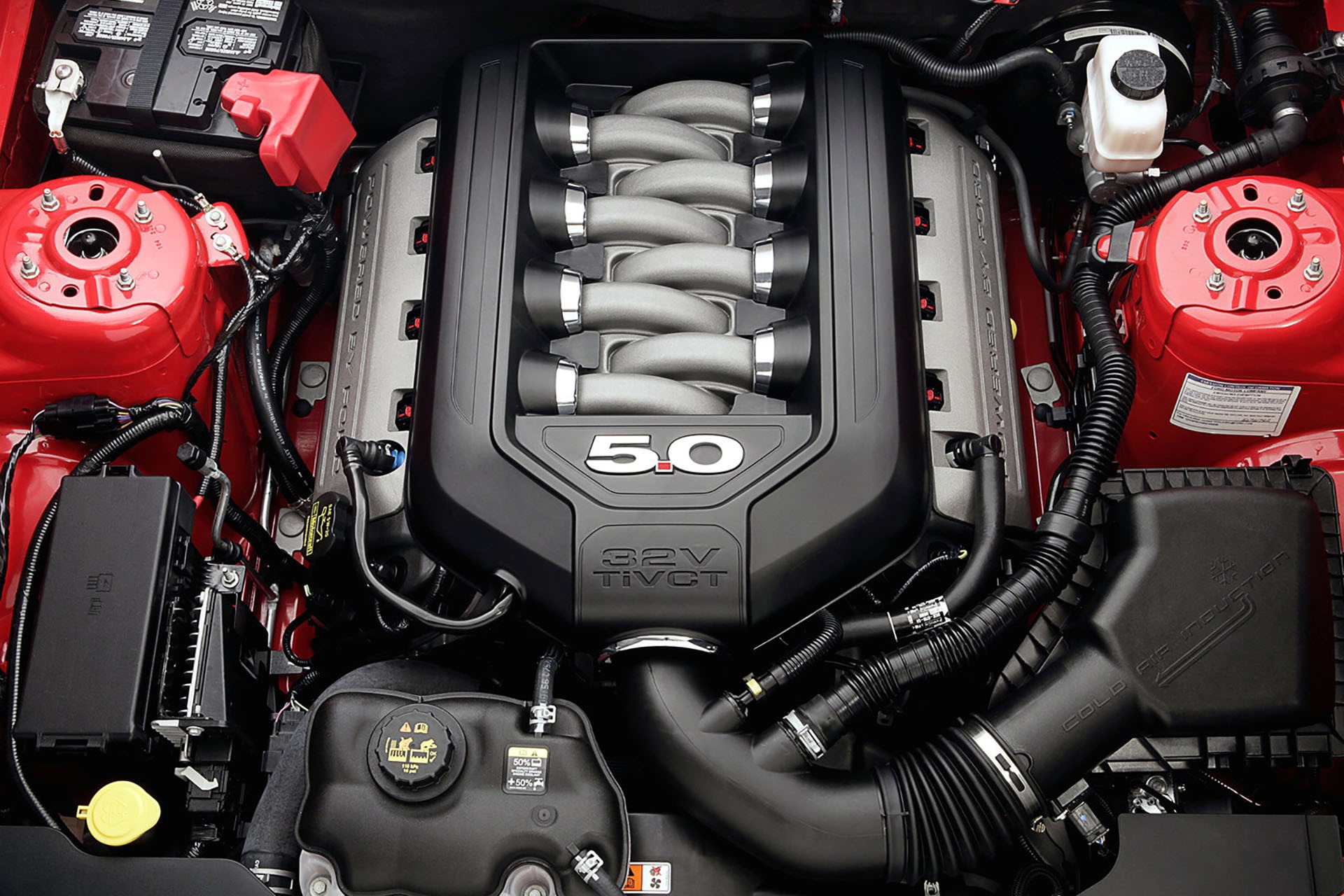
3. Ford 5.0-Litre Coyote V8
Ford reintroduced the famous 5.0 badge in 2011 with the Coyote V8, and since then, it has become a symbol of Ford performance done right. Installed in the Mustang GT and F-150, the engine proved that modern technology could blend with old-school muscle character. While it produces high horsepower figures, it also shows a strong reputation for durability that has made it one of Ford’s most respected modern engines.
The Coyote V8 uses dual overhead camshafts and variable valve timing, which allow it to breathe better and deliver power smoothly across the rev range. Even when pushed to high RPM, the engine maintains its strength without failing. Many Mustang owners push their Coyotes hard on tracks and still manage to keep them running for years without major failures. That alone proves its staying power.
Another highlight is the engine’s ability to handle modifications. Whether it is superchargers, turbochargers, or simple bolt-on upgrades, the Coyote welcomes them while continuing to remain reliable when tuned responsibly. For truck owners, it offers the towing capacity and strength expected of a modern V8 while still being fuel-efficient compared to older engines.
Servicing is straightforward, and Ford dealerships across America stock parts, which makes it easy for owners to maintain them. Many stories exist of Coyotes lasting well over 200,000 miles with only basic maintenance.
Its mix of performance and durability means the 5.0 Coyote has firmly earned its place on any list of dependable V8 engines. Drivers seeking excitement with peace of mind often end up considering a Ford vehicle with this engine under the hood.
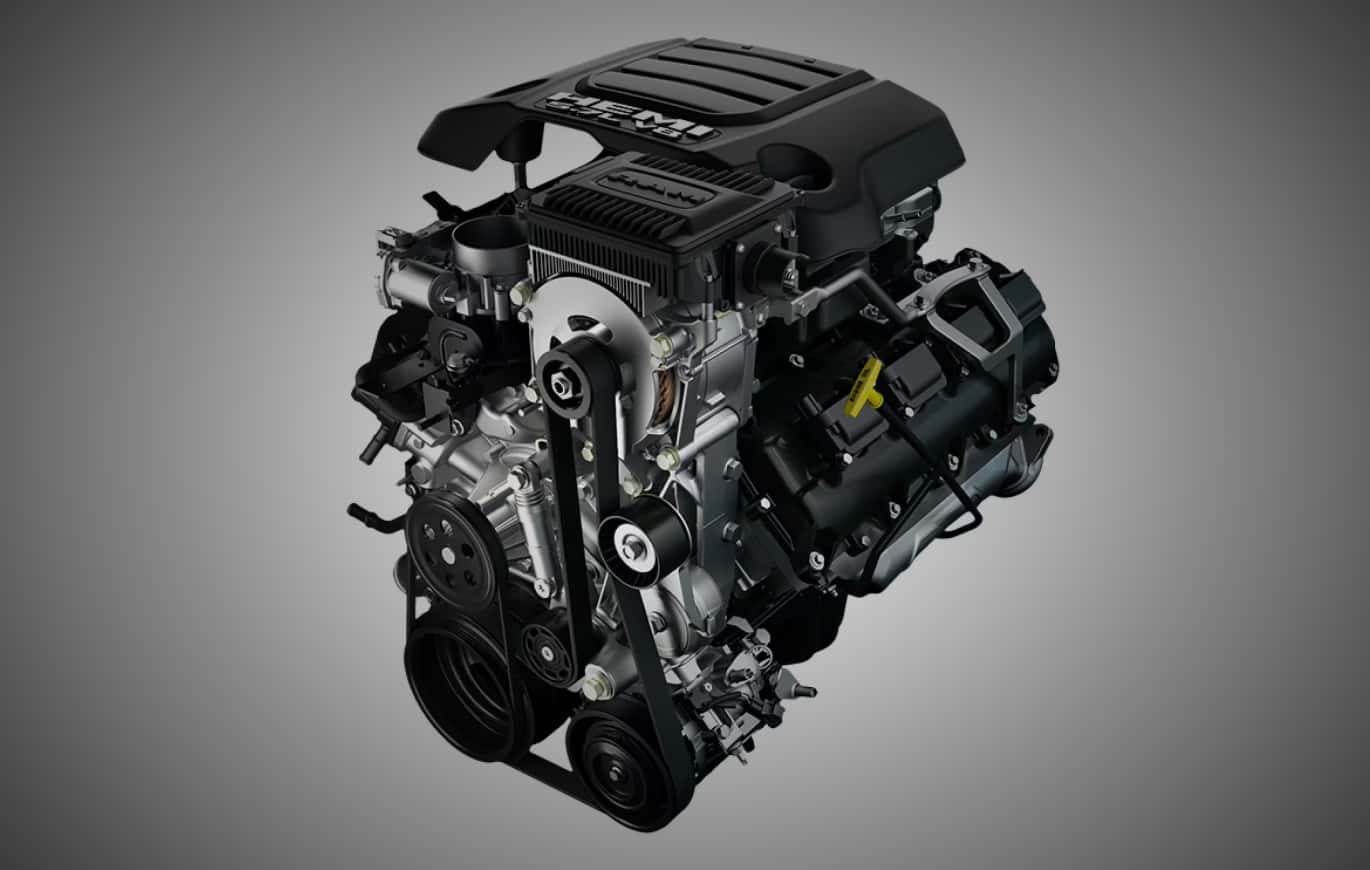
4. Chrysler 5.7-Litre HEMI V8
The 5.7-litre HEMI from Chrysler is one of the most recognised V8s in American motoring. Introduced in the early 2000s, it became the backbone of Dodge, Jeep, and Ram models. What sets it apart is not just the famous HEMI name but its combination of power and resilience. For drivers who wanted strong performance in everyday vehicles, this engine consistently delivered.
The 5.7 HEMI produces more than 340 horsepower, which made it ideal for muscle cars like the Dodge Charger and Challenger, while also serving as a workhorse in Ram trucks. Its cylinder deactivation technology allowed it to save fuel under light loads, something unusual for large V8s at the time. While some owners worried about that system failing, the majority have experienced years of dependable service without major breakdowns.
Maintenance on the HEMI is relatively easy, and the aftermarket support is strong. Many enthusiasts continue to push these engines to higher power levels without losing faith in their durability. There are examples of HEMI-powered trucks and cars passing 250,000 miles while still running strong. That kind of track record gives buyers confidence when shopping for used models.
The engine’s reputation is strengthened by the fact that Chrysler kept refining it over the years. Updated versions included better fuel systems and improved efficiency, but the basic toughness remained.
When people discuss dependable American V8s, the 5.7 HEMI consistently comes up as a trusted choice. For drivers who value a balance between classic muscle car feeling and modern dependability, the Chrysler 5.7 HEMI remains a reliable engine worth considering.
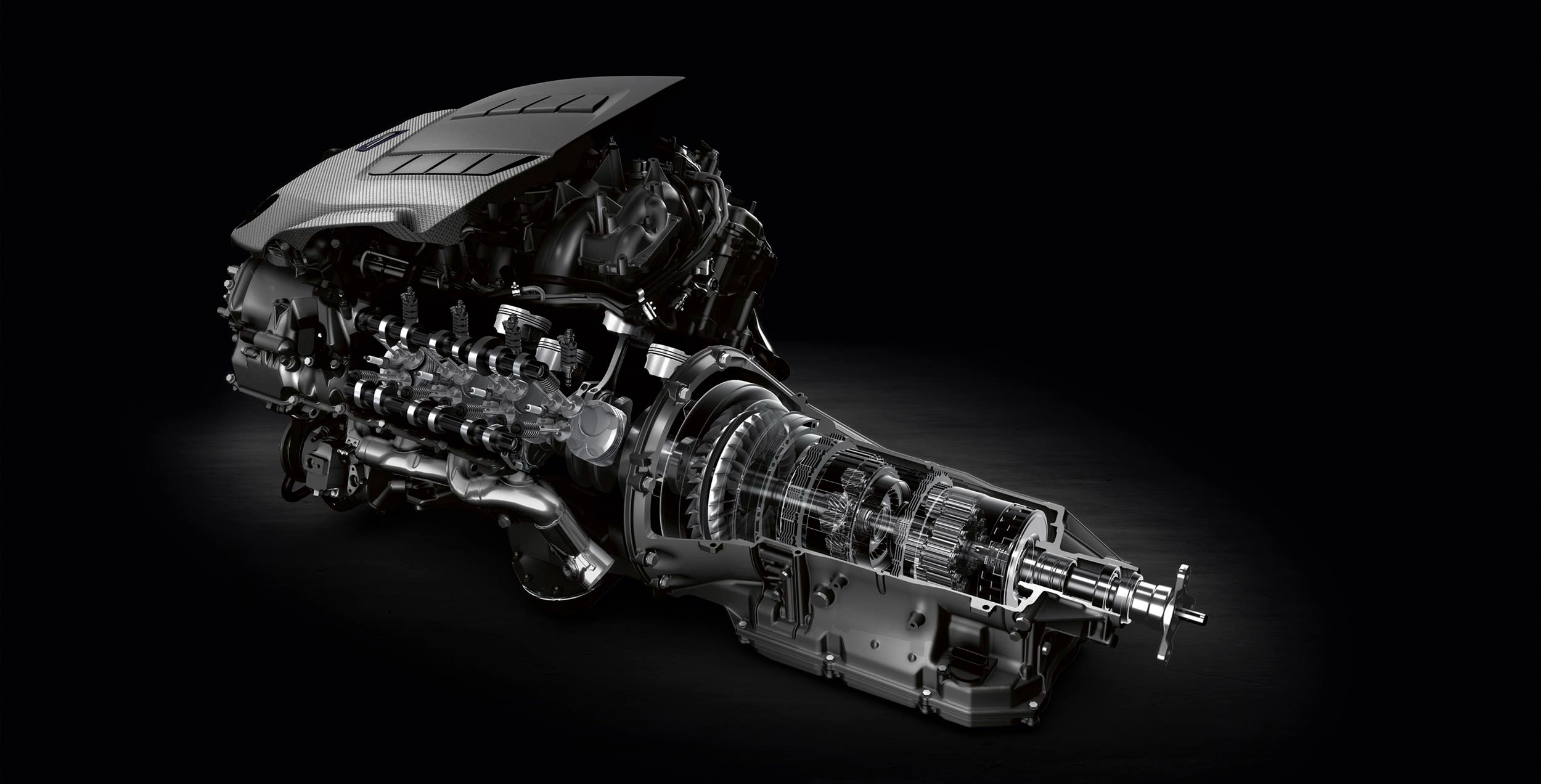
5. Lexus 5.0-Litre 2UR-GSE V8
The Lexus 5.0-litre 2UR-GSE engine is one of the finest blends of luxury and power offered by Toyota’s premium brand. Found in models like the Lexus RC F, GS F, and LC 500, this V8 is a demonstration of how precision engineering can deliver performance while still lasting for many years. Unlike many high-performance engines that struggle with durability, this Lexus V8 is known to stay dependable while delivering thrilling speed.
It uses advanced technology like direct and port fuel injection, forged internals, and a high compression ratio. These features allow it to produce more than 470 horsepower while maintaining refined operation. Drivers enjoy its smooth character at low speeds and its aggressive tone when pushed hard. This dual personality is one of the reasons Lexus gained admiration for this engine.
Durability is another strong side of the 2UR-GSE. Owners report covering high mileage without major engine troubles. The high-quality materials used in its construction contribute to its long life. Unlike some European high-performance engines that can be expensive headaches after warranty, the Lexus V8 holds its ground as a reliable machine.
Servicing is straightforward when maintained at proper intervals. Lexus dealerships have the expertise and parts needed, which reduces stress for owners. For people who desire a high-performance car that will not break their bank with constant repairs, this engine provides peace of mind.
Among modern performance engines, the 2UR-GSE shows that strong output can exist together with dependability. It is a fine example of a V8 that deserves to be on the list of trustworthy options.
5 V8s That Should Be Avoided
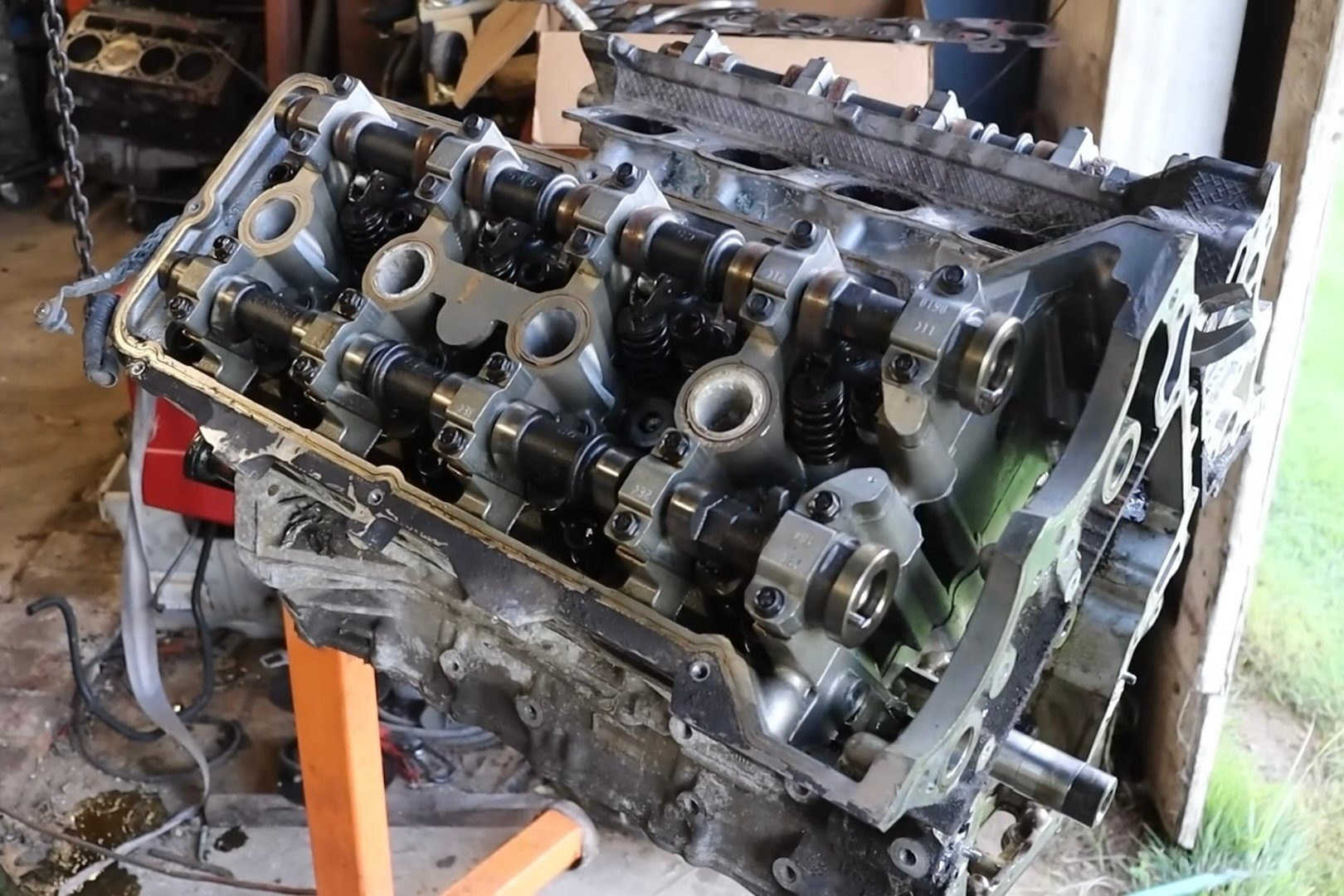
1. Cadillac 4.6-Litre Northstar V8
The Northstar V8 was designed by Cadillac to compete with luxury engines from Europe and Japan, but it ended up with one of the weakest reputations among American engines. Introduced in the 1990s, it looked good on paper, with features like dual overhead cams, high output, and smooth running. However, owners quickly discovered that the engine was plagued with problems that made it costly and frustrating to maintain.
One of the biggest issues was the head gasket failure. The design of the engine block and the way the head bolts were fitted caused the gaskets to wear out prematurely. Once that happened, coolant would leak, overheating followed, and repairs became extremely expensive. Mechanics often advised replacing the entire engine instead of attempting a repair, which meant thousands of dollars lost.
Another challenge was oil consumption. Many Northstar owners reported the engine burning oil at an alarming rate, sometimes requiring a quart every 1,000 miles. Cadillac’s response at the time was that this was “normal,” but for customers spending luxury money, it was far from acceptable. Combined with cooling system problems, the Northstar earned a reputation for being unreliable and costly to own.
Performance was decent for its era, producing over 300 horsepower in some trims, but no amount of speed could make up for the constant trips to the workshop. On the used market today, vehicles equipped with the Northstar can be tempting because of their low prices, but those low values reflect the risk attached to the engine. Buyers who take the chance often regret it later.
Instead of being remembered as Cadillac’s great innovation, the Northstar stands as a warning that complication without durability will always harm reputation. For anyone considering a used Cadillac from that era, avoiding the Northstar engine is one of the best decisions they can make.
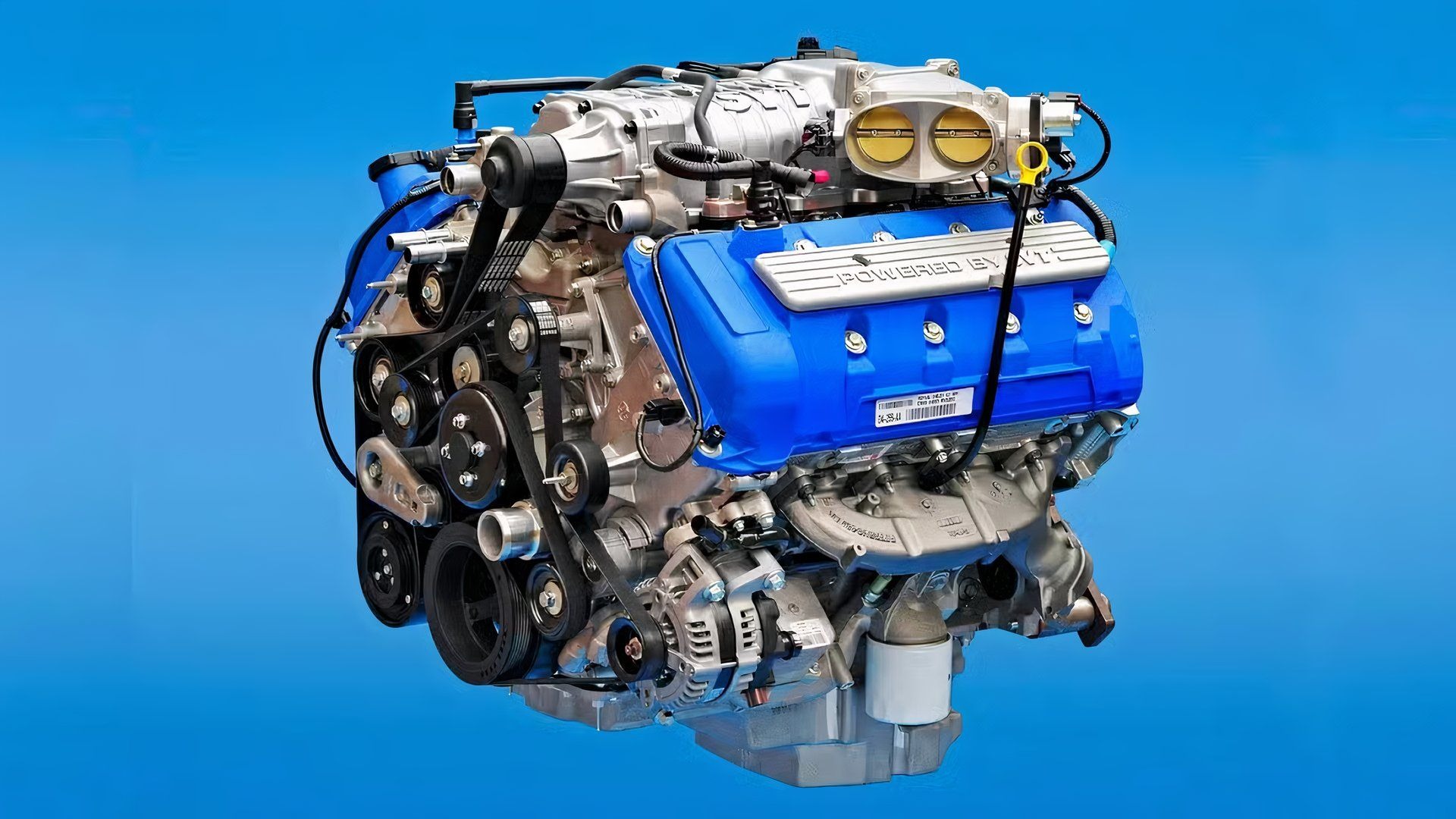
2. Ford 4.6-Litre Modular V8
Ford’s 4.6-litre Modular V8 was produced for many years and found its way into a wide range of vehicles, from Crown Victorias and Mustangs to F-150s and Explorers. While it was meant to replace older pushrod engines with a more modern design, it turned out to be less reliable than expected. Even though it powered millions of vehicles, its problems were widespread enough to give it a troubled reputation.
One of the main complaints was its weak intake manifolds. Early plastic designs cracked under heat, leading to coolant leaks and engine overheating. Ford eventually updated the design, but many vehicles suffered failures before the change was made. Spark plug issues were another headache.
In some versions, plugs would blow out of the cylinder heads, damaging threads and leaving owners with expensive repairs. In other cases, the plugs would seize and break during replacement, forcing mechanics to drill them out carefully.
Oil leaks were also common, especially from valve covers and gaskets. While some of these issues could be repaired, the frequency of problems created frustration for owners who expected better durability from a V8. Power delivery was not impressive either. With output ranging from around 215 to 300 horsepower, it often felt underpowered in heavier vehicles like the Expedition and F-150.
Because the 4.6 Modular was produced in such high numbers, it still exists everywhere on the used market. However, many buyers hesitate because of its reputation for costly maintenance.
While some engines managed to rack up high mileage with proper care, the widespread problems leave it as one of Ford’s least admired V8s. For drivers who want peace of mind, avoiding vehicles with the 4.6 Modular is often the wiser choice.
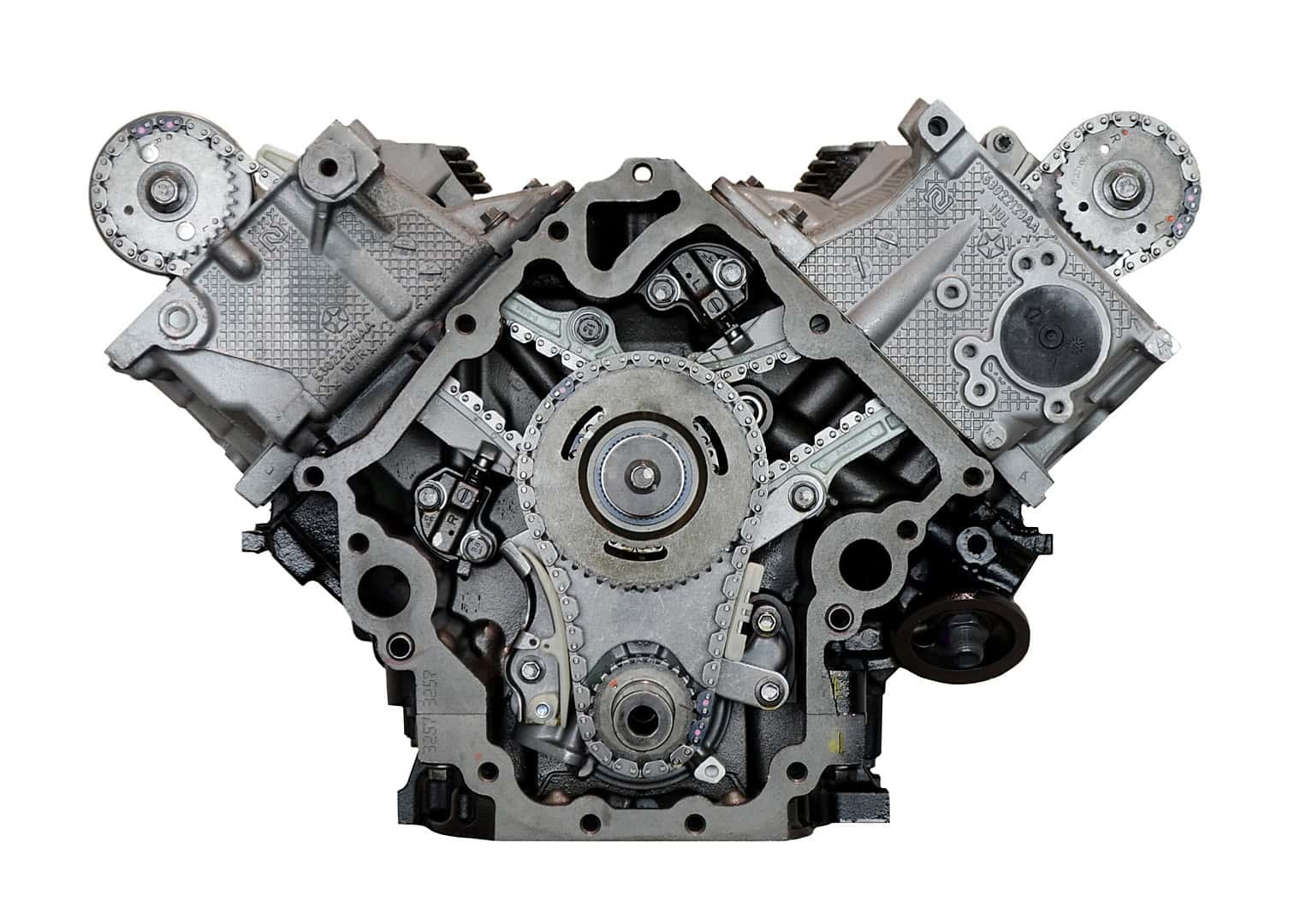
3. Chrysler 2.7-Litre V8
Chrysler’s 2.7-litre V8 is one of the smallest and most problematic V8s ever produced by a major manufacturer. Introduced in the late 1990s, it was meant to provide a balance of power and fuel economy for mid-size sedans like the Chrysler Intrepid and Concorde. Instead, it became infamous for severe reliability issues that destroyed its reputation almost immediately.
The biggest problem was sludge buildup. The internal oil passages were poorly designed, causing oil to circulate poorly. Even with regular oil changes, engines suffered from sludge that blocked flow and starved components of lubrication. This often led to complete engine failure before reaching 100,000 miles. For many owners, the repair costs were higher than the value of the car, leading to widespread frustration.
Another weakness was timing chain tensioners that wore out early. Once they failed, timing skipped, and valves collided with pistons, causing catastrophic damage. Cooling system problems also haunted the 2.7, as water pumps were known to fail and leak coolant directly into the crankcase, mixing with oil and ruining the engine.
Performance was uninspiring. With less than 200 horsepower in many applications, it lacked the strength buyers expected from a V8. Drivers felt underpowered, and when combined with reliability failures, the engine quickly became a nightmare.
On the used market today, cars with this engine are nearly worthless. Even mechanics often advise against touching them because repairs rarely last. The 2.7 Chrysler V8 serves as a reminder that poor engineering decisions can destroy an engine’s reputation forever. For buyers, it is one of the clearest examples of a V8 to avoid at all costs.
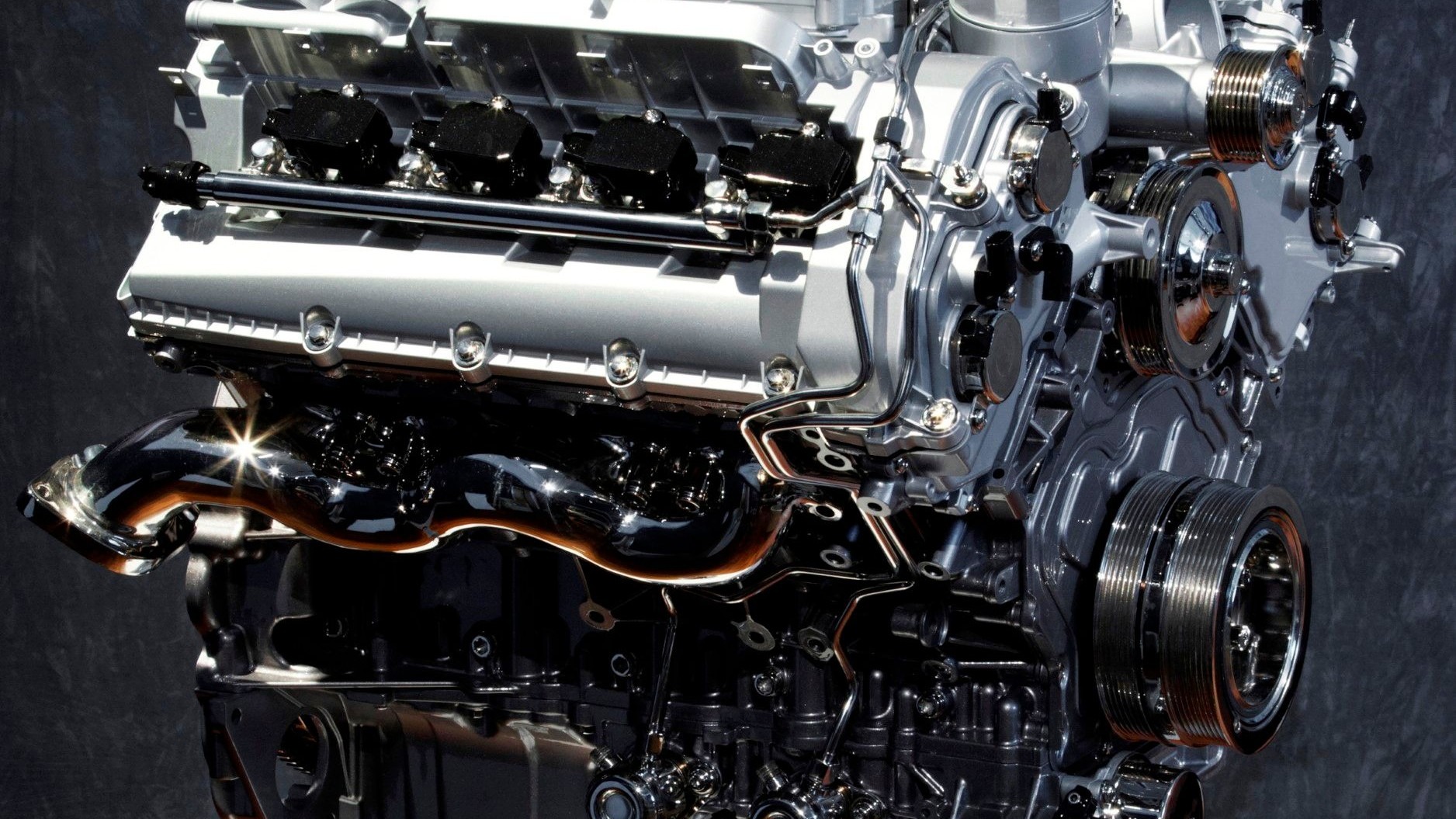
4. Jaguar 5.0-Litre V8 (Early Models)
Jaguar’s 5.0-litre V8 was launched with excitement in the late 2000s, but the first versions developed a reputation for expensive and frequent issues. Luxury buyers expect reliability along with refinement, yet this engine failed to deliver in its early years. While later updates improved durability, the first batches left enough damage to make the engine one to avoid on the used market.
One of the most common problems was timing chain tensioner failure. The tensioners wore out early, causing chain rattle and risking serious engine damage if left untreated. Repairing this issue required serious labour, which translated into very high bills for owners. Oil leaks from valve covers and front engine seals were also widespread, making many cars messy and costly to keep clean.
Cooling system problems were another recurring theme. Radiators and water pumps often failed, sometimes leading to overheating that damaged the engine. Since many Jaguar models were priced at the luxury level, repair costs were inflated compared to mainstream brands, adding frustration for owners.
Performance was not the issue. The 5.0 V8 produced strong horsepower and delivered smooth acceleration. However, the reliability concerns overshadowed the excitement. Many buyers who picked up used Jaguar XF or XJ models equipped with this engine found themselves facing repair costs higher than the car’s value.
While Jaguar later refined the design and improved dependability, the early versions remain risky. For anyone considering a used Jaguar with this V8, checking the year and service records is critical. Otherwise, walking away from these models is the safest choice. The first versions of Jaguar’s 5.0-litre V8 remind us that luxury without durability can quickly destroy trust.
Also Read: 5 Engines That Go a Lifetime Without Rebuilds and 5 That Need One by 60K
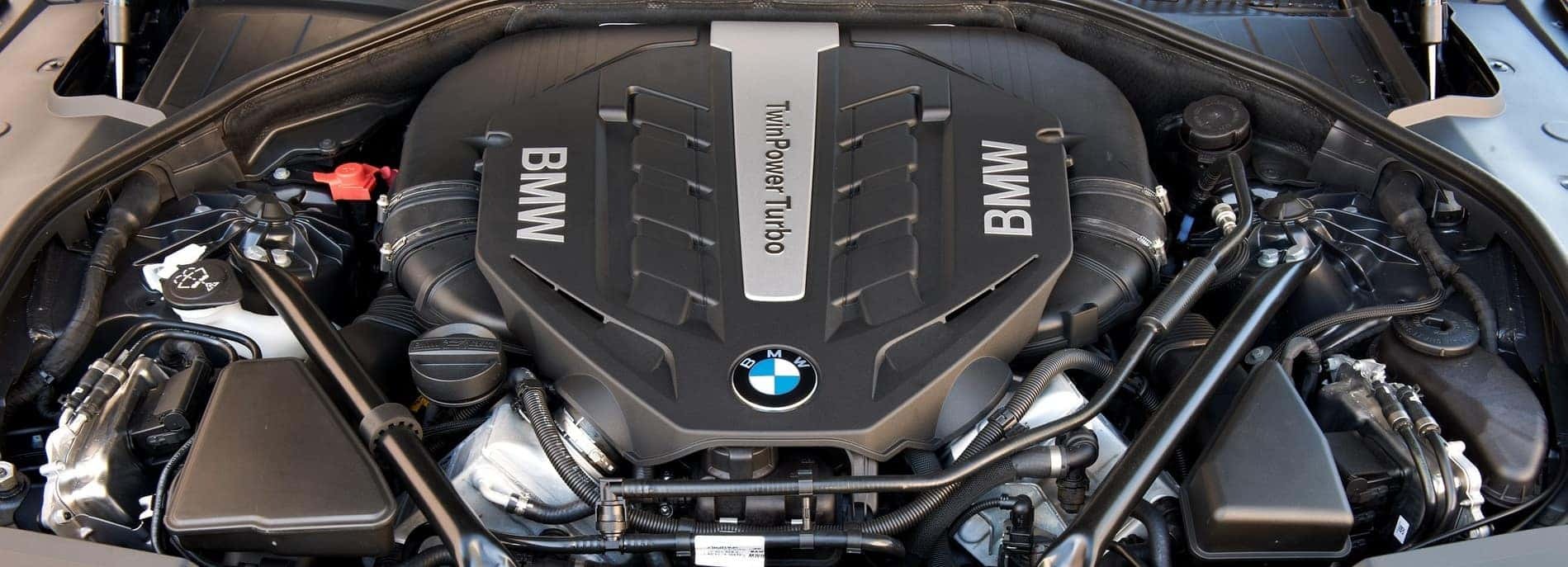
5. BMW 4.4-Litre Twin-Turbo V8 (N63)
The BMW 4.4-litre N63 twin-turbo V8 has one of the worst reputations among modern luxury engines. Introduced around 2008, it powered models like the 7 Series, 5 Series, and X5. While it promised strong performance with twin turbos and advanced engineering, it ended up being a nightmare for many owners due to repeated failures and staggering repair bills.
One of the most troubling issues was extreme oil consumption. Many owners reported burning a quart of oil every few hundred miles, forcing them to constantly top up. Valve stem seals were a common cause, but even when replaced, other problems often appeared. Turbochargers were another weak point, failing earlier than expected and costing thousands to replace.
Heat management was poor. The engine ran hot, which affected components as time went on. Batteries drained quickly due to cooling systems running even after the engine shut off. Timing chain wear was also common, leading to costly repairs. BMW eventually launched customer care programs and extended warranties, which only confirmed how widespread the problems were.
While the N63 produced impressive power and gave BMW sedans and SUVs thrilling acceleration, the ownership experience was far from enjoyable. Many vehicles with this engine suffered constant visits to the workshop, and resale values dropped sharply because of the engine’s reputation.
For anyone looking at a used BMW, models with the N63 V8 should be approached with extreme caution. Even with improvements in later years, the early versions remain some of the most problematic engines on the market.
What looked like a masterpiece of German engineering turned into one of the most expensive ownership nightmares. It is an engine that serves as a clear example of a V8 to avoid.
