
Car buyers who want value for their money often find themselves caught between two choices. Some engines give surprising strength despite coming in budget-friendly vehicles, while others struggle to deliver even when they promise efficiency.
Understanding which engines bring reliable power and which ones disappoint is very important for anyone considering a new or used car purchase. Engine performance is not just about speed; it also speaks to how well a car handles daily driving, overtaking, carrying loads, and fuel economy.
Affordable engines that perform well usually combine clever engineering, decent horsepower, and enough torque to move with confidence. These are the type of engines that make small cars feel alive and give family sedans or compact SUVs the ability to hold their own on highways.
They may not be luxury units, but they manage to deliver a driving experience that keeps people satisfied. Drivers who buy such engines often feel like they got more than what they paid for. On the other side, some engines may look promising on paper but fall short in real-life driving. Such engines can be weak, underpowered, or too noisy under strain.
They can make cars feel sluggish, especially when carrying passengers or climbing hilly roads. Many times, people buy these vehicles expecting smooth performance but discover later that they struggle with acceleration, overtaking, and handling long-distance driving.
We will give attention to five affordable engines that impress with their strength and responsiveness, and another five that leave drivers wishing for more power. In each section, we will look closely at how these engines perform, what makes them shine or fail, and why buyers should pay attention before making their next purchase.
By the time you finish reading, you will see clearly which engines offer value for money and which ones are best avoided.
5 Affordable Engines That Pull Hard
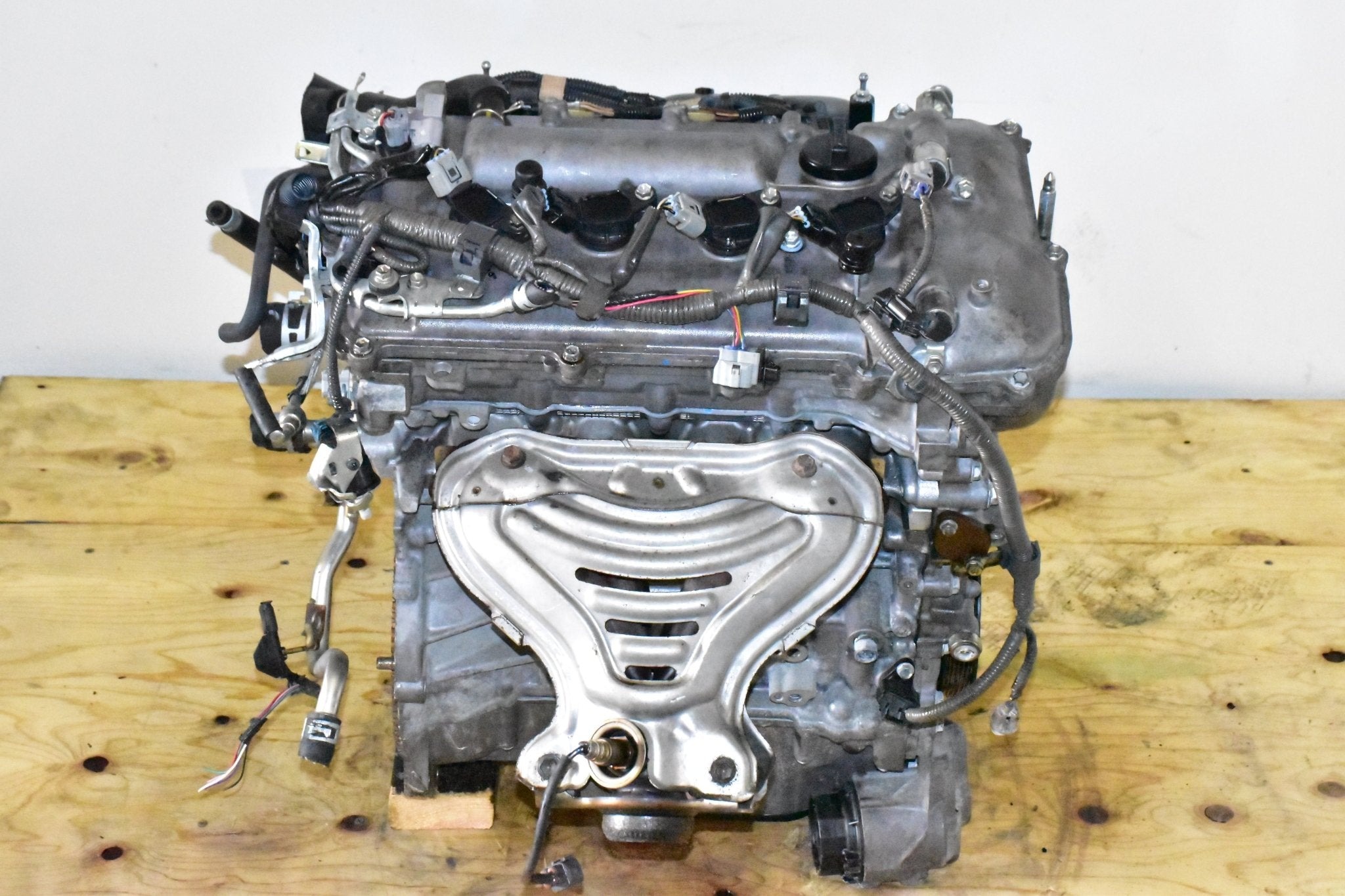
1. Toyota 1.8L 2ZR-FE Engine
Toyota has long built a reputation for creating engines that balance reliability with performance, and the 1.8L 2ZR-FE engine is one of the finest examples in this category. Found in cars like the Toyota Corolla and Matrix, this engine combines affordability with dependable strength.
It is a four-cylinder unit designed with efficiency in mind, yet it does not fail to provide enough punch for everyday driving needs. For people looking for an affordable sedan that will not disappoint in terms of strength, this engine stands out.
One of the biggest strengths of the 2ZR-FE is its ability to offer consistent acceleration. Even when driving at highway speeds, the engine responds well to throttle inputs, making overtaking easier than some competitors.
It produces around 132 to 140 horsepower, depending on the model year, and while those figures may not sound very high compared to bigger engines, it is more than enough for the cars it powers. Drivers often appreciate how well it handles both city driving and longer trips.
Another area where this engine shines is reliability. Toyota engineered it with durability in mind, using parts that last and systems that are less likely to break down under regular use. Owners have reported that this engine can easily cross 200,000 miles with proper maintenance. For someone buying on a budget, knowing that the engine will not drain their wallet with constant repairs is a major advantage.
Fuel economy is another strong point. The 1.8L 2ZR-FE is designed to sip fuel lightly, giving drivers the benefit of both strength and efficiency. It means that people can enjoy responsive driving without sacrificing their budget at the fuel pump. This balance makes the engine a strong choice for students, families, and daily commuters.
When placed against many competitors in the same class, the Toyota 1.8L 2ZR-FE consistently feels stronger and more capable. That combination of strength, efficiency, and reliability explains why it remains one of the most trusted affordable engines on the market.
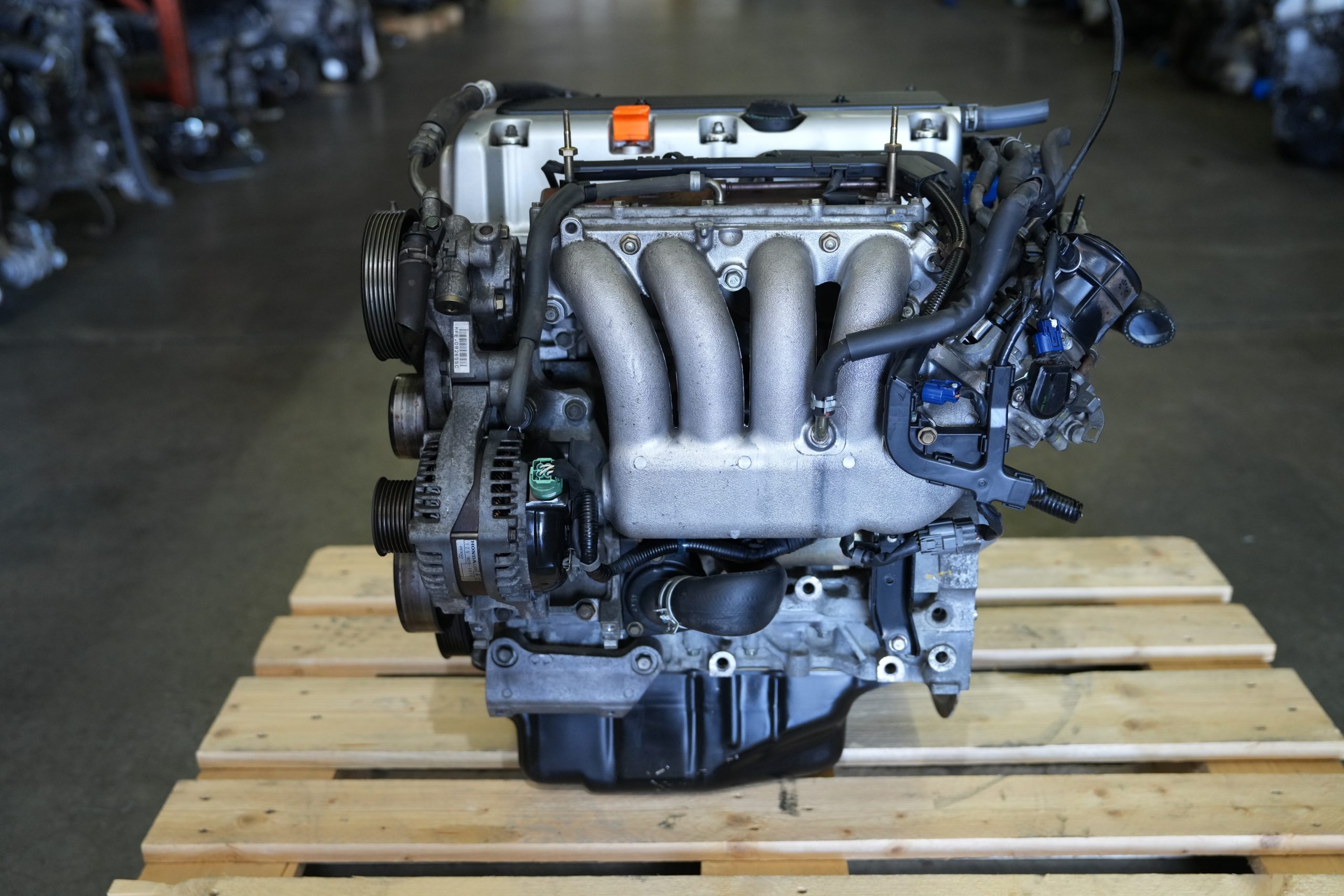
2. Honda 2.4L K24 Engine
Honda’s K-series engines have earned respect for blending strong performance with affordability, and the 2.4L K24 engine represents one of the finest choices for budget-conscious buyers. Found in cars like the Honda Accord and CR-V, this four-cylinder unit delivers impressive strength for its size, making it a favourite among drivers who want both daily usability and occasional spirited driving.
Producing between 160 and 205 horsepower depending on the version, the K24 gives enough energy to make mid-sized sedans and compact SUVs feel lively. Drivers notice how quickly it responds when accelerating from a stop or merging onto highways.
This responsiveness makes it a dependable choice for those who often travel with passengers or carry light loads. Many affordable engines can feel strained under pressure, but the K24 holds up well. Durability is another reason why this engine deserves attention.
Honda designed it with strong internals that can handle heavy use, and many owners report these engines lasting over 250,000 miles with regular care. The long life span adds extra value, since buyers of affordable cars often want engines that will not give them headaches after a few years.
The K24 also enjoys a reputation among car enthusiasts because of its ability to be tuned for extra power. Even though it comes in affordable vehicles, those who want more performance can modify it without compromising its reliability. This makes the engine versatile, serving both regular drivers and those who want to push their cars harder.
Fuel consumption remains within reasonable levels, especially considering the strength it produces. It may not be as light on fuel as smaller engines, but it balances efficiency with performance well enough that most drivers will not complain. Combined with Honda’s strong build quality, the 2.4L K24 remains a trustworthy option for affordable cars that still need to pull hard when required.
Also Read: 5 Engines That Handle High RPMs and 5 That Break When Revved
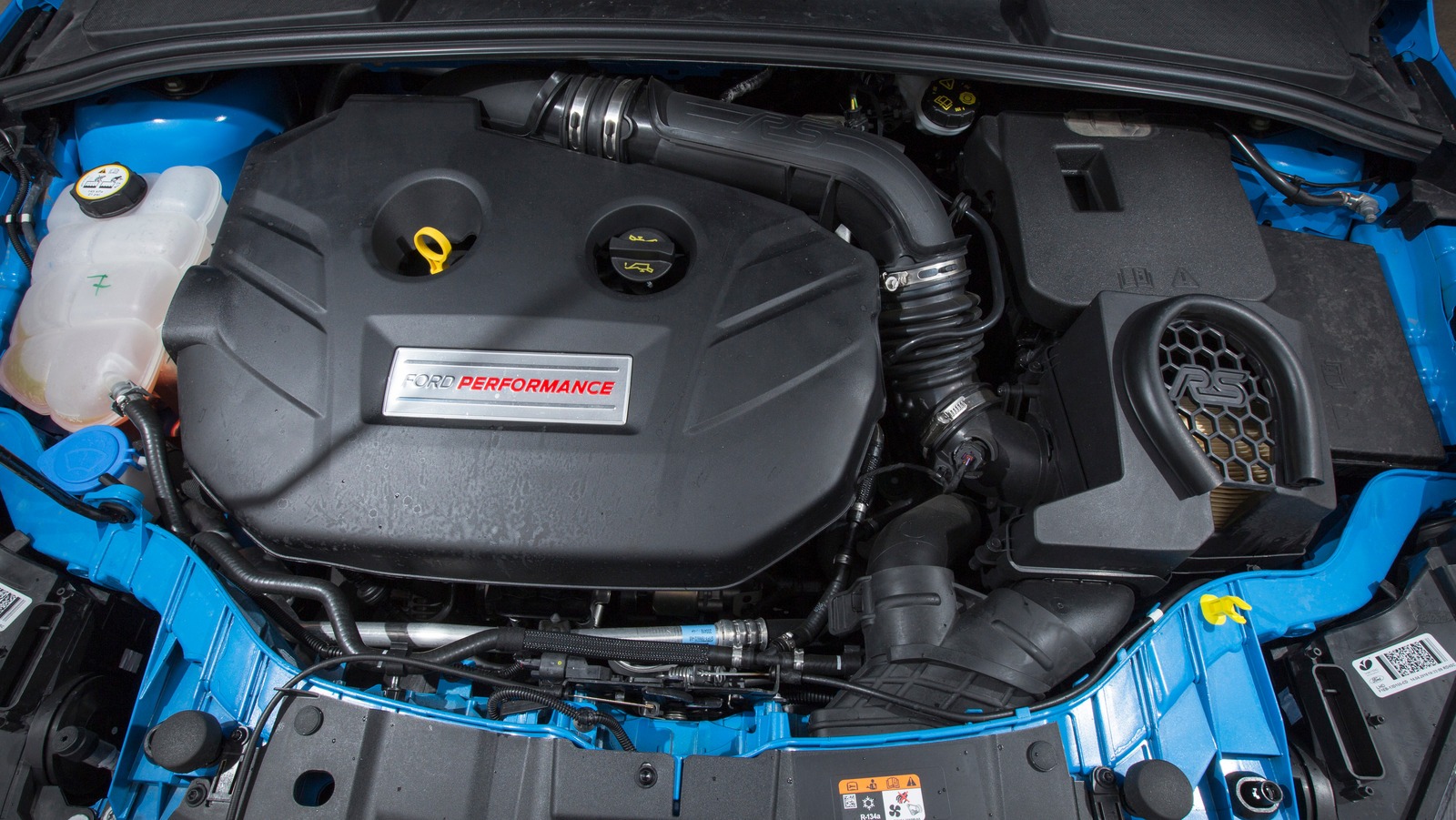
3. Ford 2.3L EcoBoost Engine
The Ford 2.3L EcoBoost engine is one of the most impressive small-displacement engines available in affordable vehicles. Designed as a turbocharged four-cylinder, it provides the kind of strength usually reserved for larger engines, yet it is found in budget-friendly cars such as the Ford Mustang EcoBoost and Ford Focus ST. This balance between affordability and strong performance makes it an attractive choice for many buyers.
The turbocharging technology is the highlight of this engine. With forced induction, the 2.3L EcoBoost can produce between 270 and 310 horsepower depending on the model. This is an impressive figure for an engine of its size, giving cars powered by it quick acceleration and a sporty driving feel. Many drivers are surprised at how much punch this engine provides compared to naturally aspirated engines of similar displacement.
One of the best features of the 2.3L EcoBoost is its versatility. It can handle both city driving and highway cruising with ease, but it also has enough strength to make performance-oriented cars like the Mustang enjoyable even at lower trims. This adaptability gives it an edge over engines that may only excel in one area but fail in others.
Durability has also been a strong point for this engine when maintained properly. Ford designed it with modern materials and engineering that keep it running smoothly, though owners must pay attention to scheduled maintenance to avoid issues with the turbo system. When cared for, the engine provides both reliability and exciting performance.
Fuel efficiency is surprisingly good considering the power output. The turbo system allows the engine to act like a small displacement unit under light driving, but deliver high power when demanded.
This makes it suitable for drivers who want both affordable fuel costs and exciting performance. For anyone who wants an affordable car that feels much faster than its price suggests, the Ford 2.3L EcoBoost engine stands as a great choice.
4. Hyundai 2.0L Theta II Engine
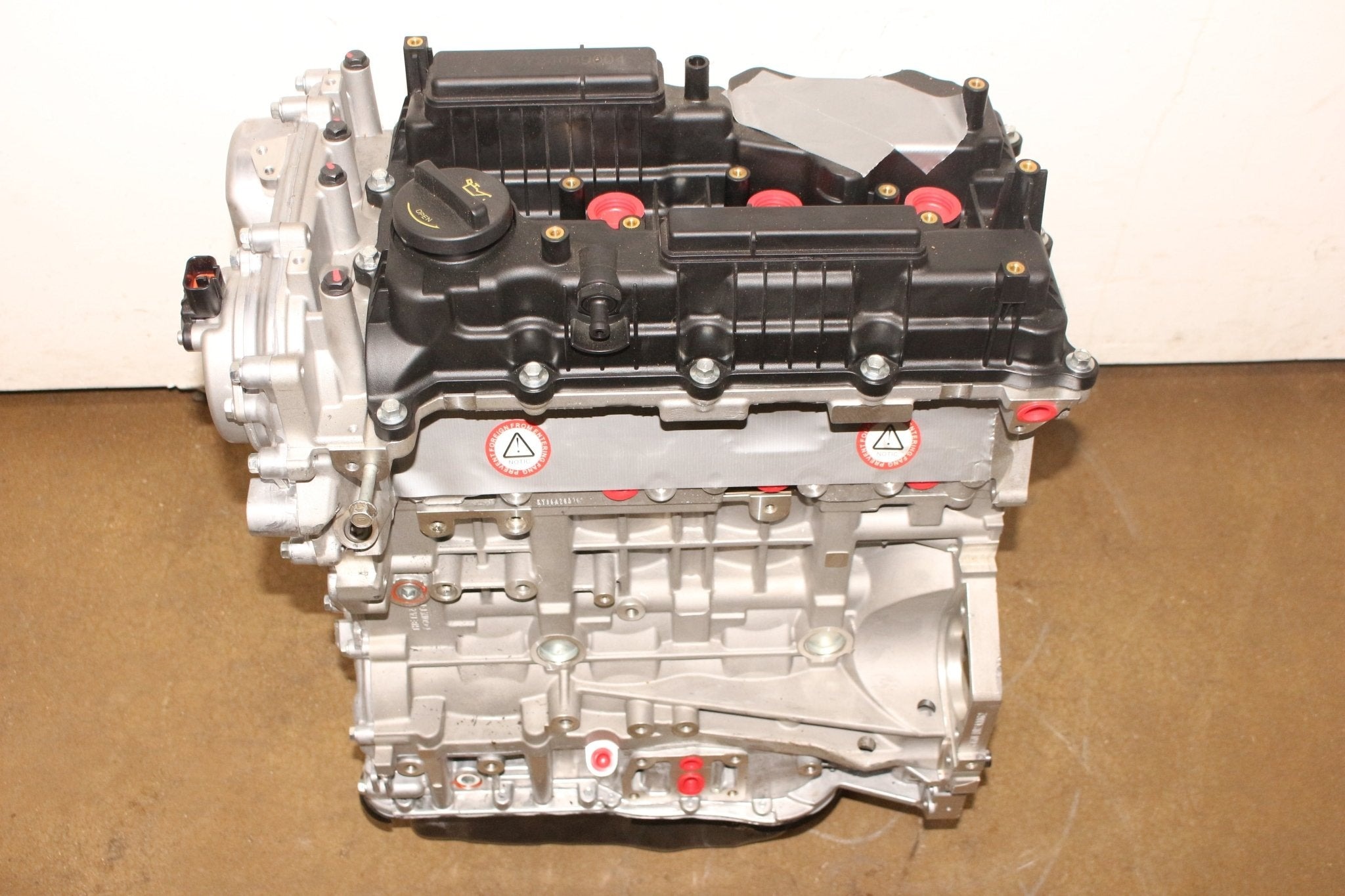
Hyundai has made great progress in recent years with engines that are both affordable and dependable, and the 2.0L Theta II engine demonstrates this growth. Found in vehicles like the Hyundai Elantra and Sonata, it is designed as a four-cylinder power unit that balances affordability with practical strength.
While Hyundai cars were once overlooked, this engine shows how far the brand has come in offering drivers more for less. Producing around 160 to 173 horsepower depending on the version, the Theta II provides more than enough strength for compact sedans and midsize cars.
It allows for smooth acceleration in city driving and gives drivers enough confidence when merging onto highways. Unlike weaker engines that strain under pressure, the Theta II maintains steady performance across different conditions.
A major advantage of this engine is its reliability. Hyundai worked hard to improve quality in recent decades, and the Theta II reflects that change. Many drivers report long-lasting performance with proper maintenance, often exceeding 200,000 miles. This makes it a practical choice for buyers who want an affordable vehicle but still need an engine that can hold up for years.
Fuel economy is another strong area for the Theta II. Even with respectable horsepower, it maintains competitive fuel consumption, helping drivers save money at the pump. This balance makes it appealing for daily commuting and long drives alike.
Another positive feature is the availability of parts and maintenance support. Since the engine is widely used across Hyundai and Kia models, it is easy to service and repair without spending too much. For buyers who want a strong, affordable engine with low maintenance costs, the Theta II is a safe and smart option.
By providing a mix of strength, dependability, and efficiency, the Hyundai 2.0L Theta II engine has helped the brand earn respect among budget-conscious drivers who want more than just basic transportation.
5. Nissan 2.5L QR25DE Engine
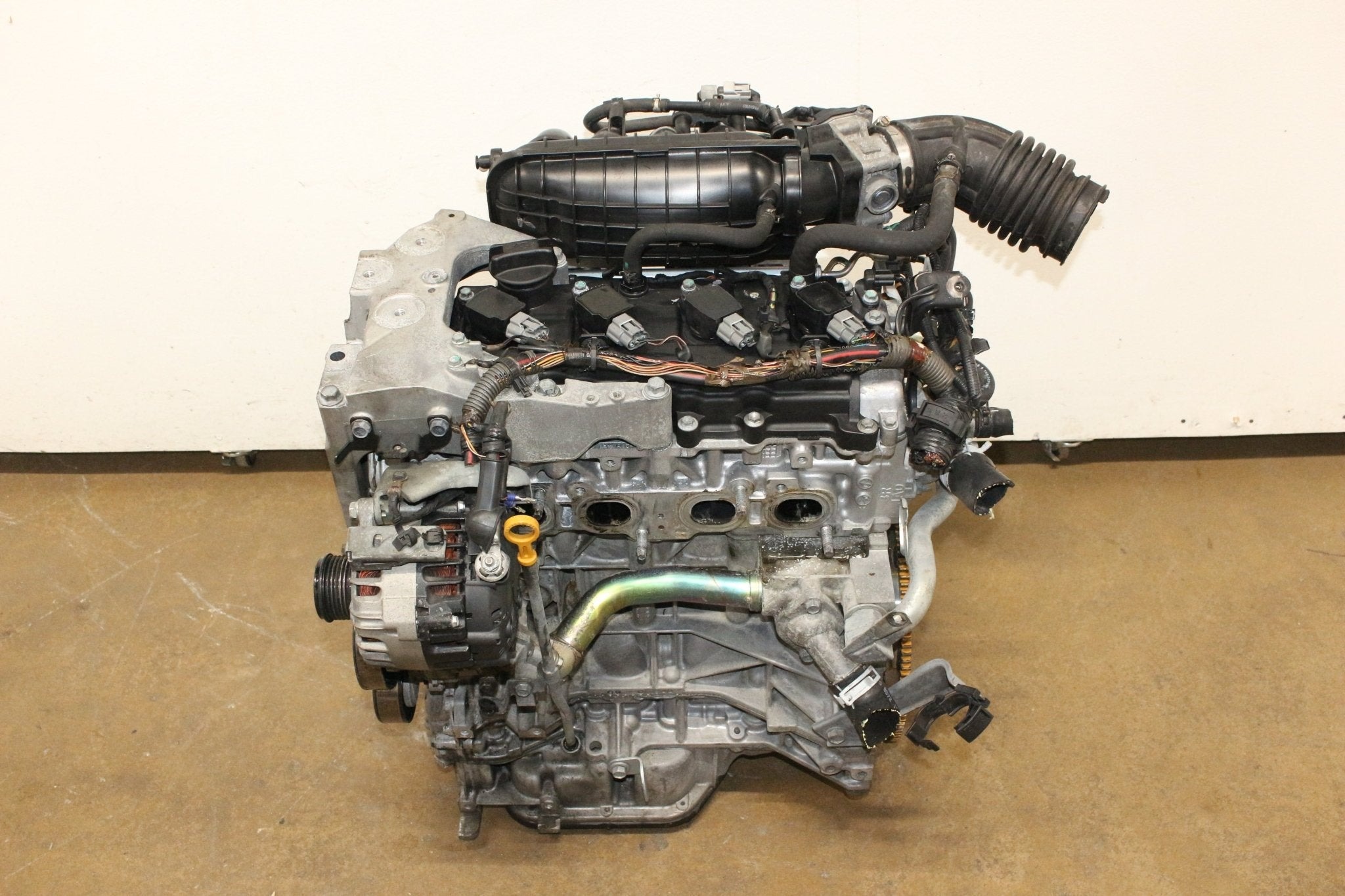
Nissan’s 2.5L QR25DE engine is another strong example of how affordable cars can carry engines that deliver both strength and durability. Found in vehicles like the Nissan Altima, Rogue, and Sentra SE-R, this four-cylinder unit produces dependable power without demanding luxury-level costs. It is especially appreciated by buyers who want enough strength for everyday driving without worrying about high repair expenses.
Producing around 170 to 182 horsepower depending on the version, the QR25DE engine offers sufficient pull for midsize sedans and compact SUVs. It makes highway driving smooth and allows drivers to overtake without much effort. Many affordable engines struggle when the car is fully loaded, but the QR25DE handles such situations well.
Durability has been one of the strongest points of this engine. Nissan designed it to last, and many drivers report using it for well over 200,000 miles with proper servicing. The strong build quality means owners can depend on it for long-term use, a factor that adds extra value to affordable vehicles carrying it.
The engine also balances performance with efficiency. While not as fuel-thrifty as some smaller units, it still manages reasonable consumption figures that make it practical for daily commuting. Drivers do not feel like they are sacrificing fuel economy for strength, which is important in this category.
Maintenance is relatively easy since Nissan widely used this engine across several models, making spare parts accessible. Mechanics are also familiar with its design, so servicing costs stay within budget.
The combination of affordable repairs, strong performance, and long-lasting reliability makes the Nissan QR25DE one of the best affordable engines that can pull hard. It is proof that buyers do not always have to choose between low price and dependable performance.
5 Weak Engines That Barely Move
1. Mitsubishi 1.2L 3A92 Engine
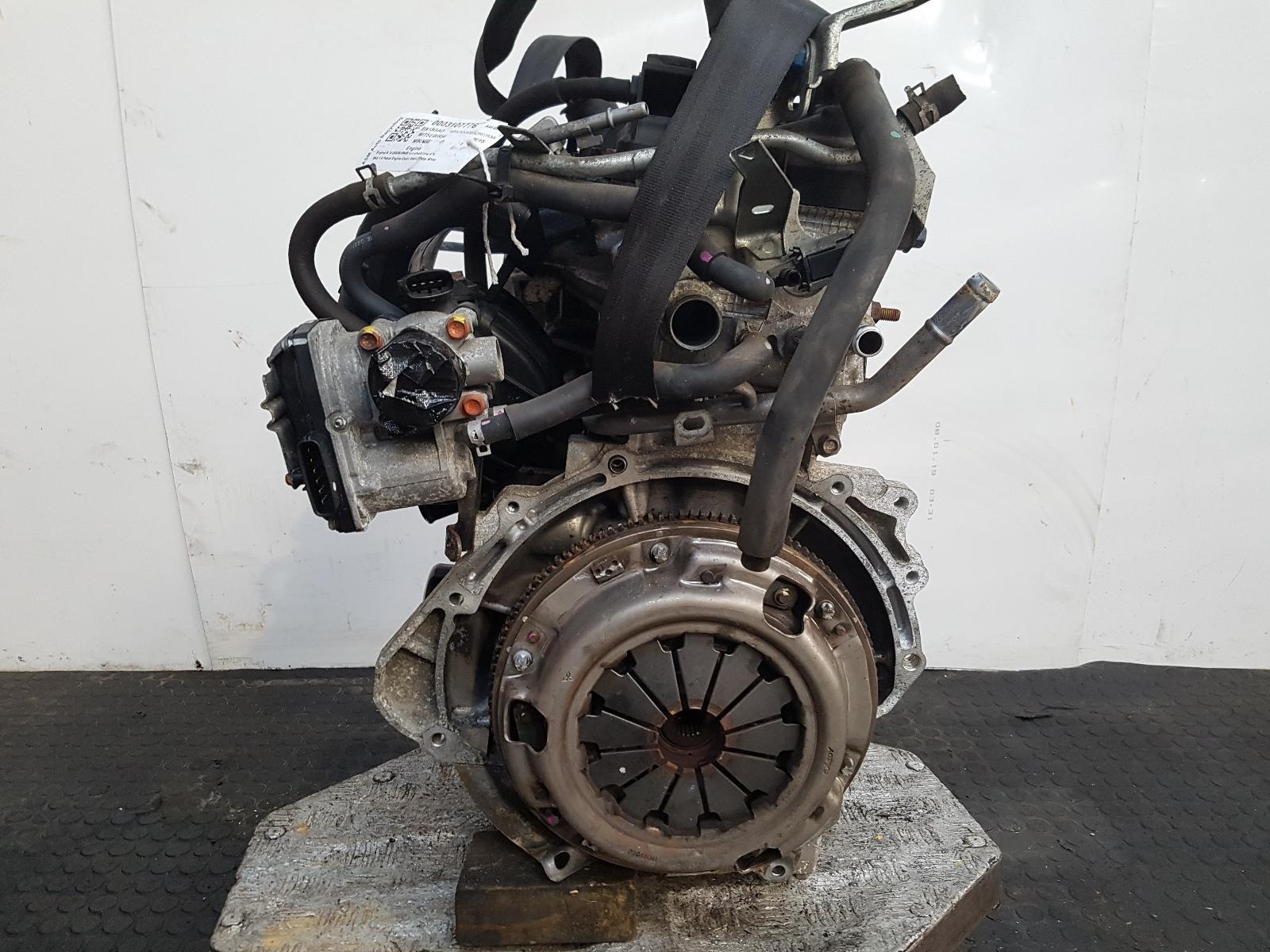
While Mitsubishi has produced respected engines in the past, the 1.2L 3A92 engine found in the Mirage leaves much to be desired. This three-cylinder unit is designed for efficiency, but it struggles when it comes to strength.
Producing around 78 horsepower, it is one of the weakest engines available in affordable cars today. Many drivers find it frustrating to use daily, especially when driving with passengers or climbing hilly roads.
Acceleration is a major weakness of this engine. It takes a long time to reach highway speeds, making merging or overtaking a stressful task. Even with light loads, the engine feels sluggish and unresponsive. Drivers often complain about having to push the throttle hard just to maintain decent speed, which makes the car noisy and unpleasant to drive.
Fuel economy is good on paper, but in practice, the lack of power means drivers must work the engine harder than expected. This reduces the advantage of having a small displacement engine. Instead of being efficient and practical, it feels underpowered and frustrating.
Durability is also a mixed bag. While some units last long with proper care, others develop issues earlier than expected, especially when pushed regularly. Owners who expect reliability like Toyota or Honda engines are often disappointed.
Maintenance costs remain low, but that does not erase the poor driving experience. A car may be affordable, but if it cannot deliver even basic driving comfort, it becomes a bad choice. The Mitsubishi 1.2L 3A92 engine is a good example of why buyers should always test-drive before committing to a purchase.
2. Chevrolet 1.4L EcoTec Engine
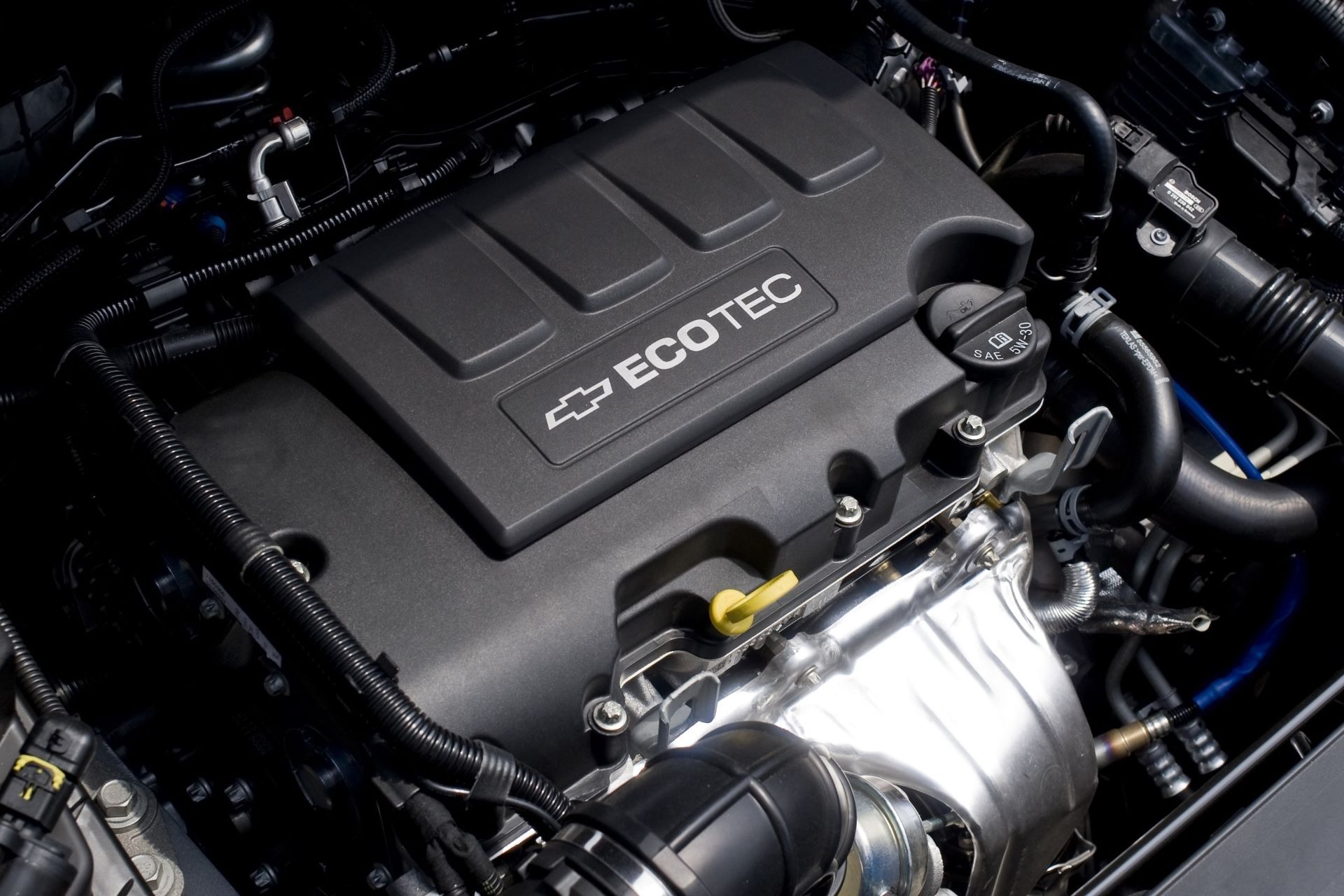
Chevrolet’s attempt to create a small, fuel-efficient engine with the 1.4L EcoTec might have looked promising on paper, but in real driving conditions, it struggles to meet expectations. Found in cars like the Chevrolet Cruze and Sonic, this engine was meant to give buyers a balance of affordability and efficiency. Sadly, it often leaves drivers frustrated with its lack of strength.
Producing around 138 horsepower, the engine seems decent for compact cars. However, the problem is how it delivers power. Acceleration feels weak, and the turbocharged setup does not provide the kind of punch drivers expect when stepping on the gas.
The delay in response, often called turbo lag, makes driving unpleasant, especially when trying to merge into fast-moving traffic. Many owners complain that they feel unsafe when overtaking on highways because the engine hesitates.
Fuel economy is reasonable in theory, but the lack of strength means drivers push the engine harder than intended. This results in higher fuel consumption in real life compared to advertised figures. The situation gets worse when carrying passengers or driving uphill, as the engine struggles even more under such conditions.
Durability is another concern. While some drivers report decent longevity, others experience issues such as oil leaks, turbo failures, and overheating problems. This inconsistency reduces confidence in the engine and makes it less appealing compared to more reliable options from Toyota or Honda. Repair costs can also add up quickly, making the supposed affordability less convincing.
The Chevrolet 1.4L EcoTec feels like an engine that promised efficiency and strength but failed to deliver on both counts. For drivers who value smooth acceleration and reliable performance, this engine leaves them disappointed. It serves as a reminder that not every small turbo engine works well in practice.
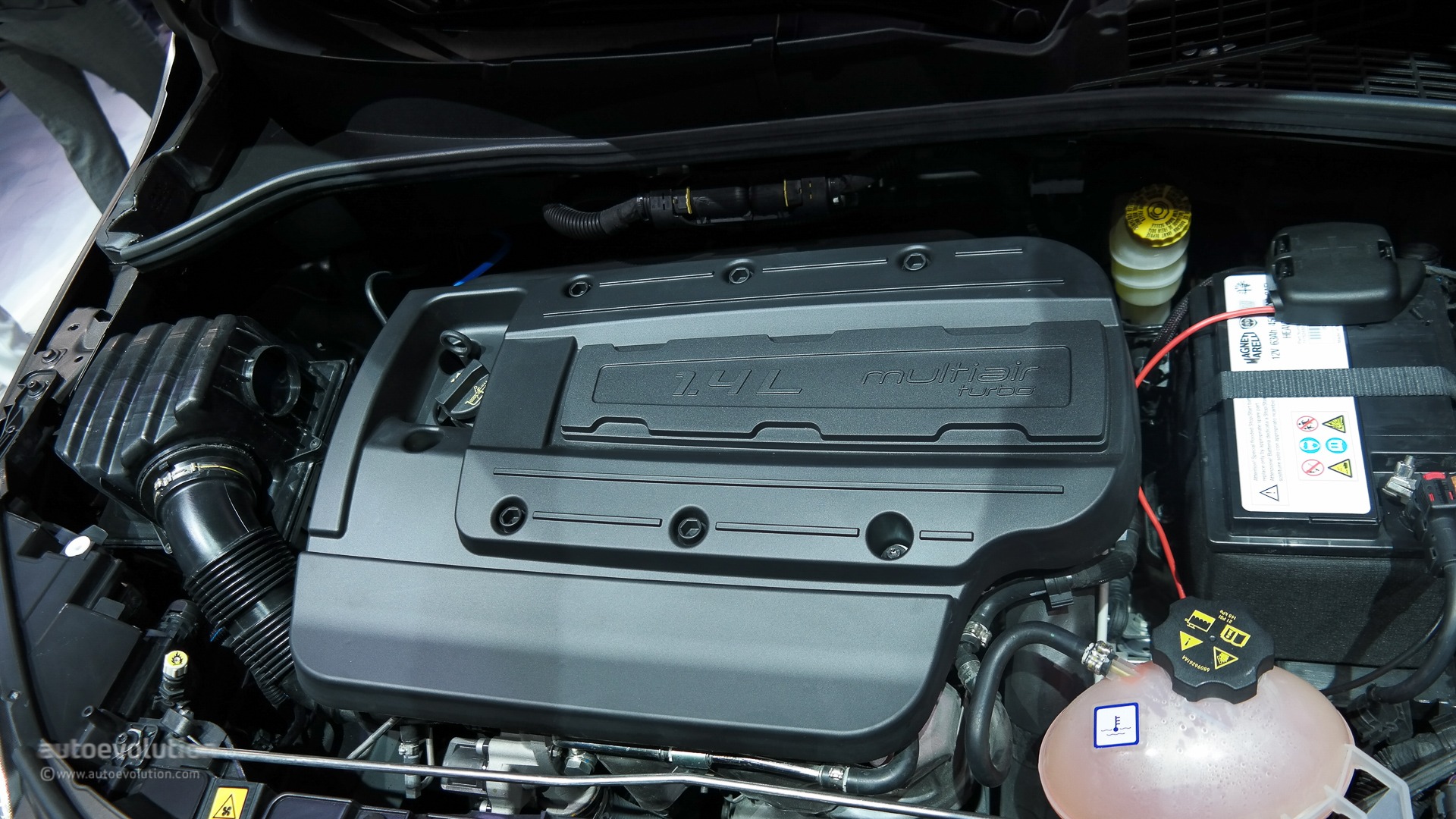
3. Fiat 1.4L MultiAir Engine
Fiat introduced the 1.4L MultiAir engine with big claims about efficiency and performance, but real driving experiences tell a different story. Found in cars such as the Fiat 500 and Dodge Dart, this engine has struggled to impress buyers. Instead of delivering a fun and spirited drive, it often feels underwhelming and unreliable.
On paper, the engine produces between 100 and 160 horsepower depending on the version. While the numbers may sound acceptable for small cars, the problem lies in how it performs on the road.
Acceleration is sluggish, and the engine feels strained at higher speeds. Drivers often notice that it lacks the confidence needed for safe overtaking or highway driving. In city use, it might get the job done, but once more power is required, its weaknesses become obvious.
Reliability is another issue. The MultiAir system, which Fiat promoted as innovative technology, often becomes a source of problems. Many owners report issues with valve systems, oil leaks, and inconsistent performance. Repairs are usually costly and require specialized mechanics, which makes maintenance more stressful compared to mainstream engines.
Fuel economy is acceptable, but again, real-life usage does not always match the claims. Drivers who push the engine harder to compensate for the lack of strength often end up with higher fuel bills. This defeats the purpose of having a small engine in the first place.
Because of these issues, the Fiat 1.4L MultiAir engine has developed a reputation for being unreliable and weak. Instead of being a fun, affordable choice, it leaves many buyers disappointed. For those who want an affordable car with a dependable engine, there are far better choices available.
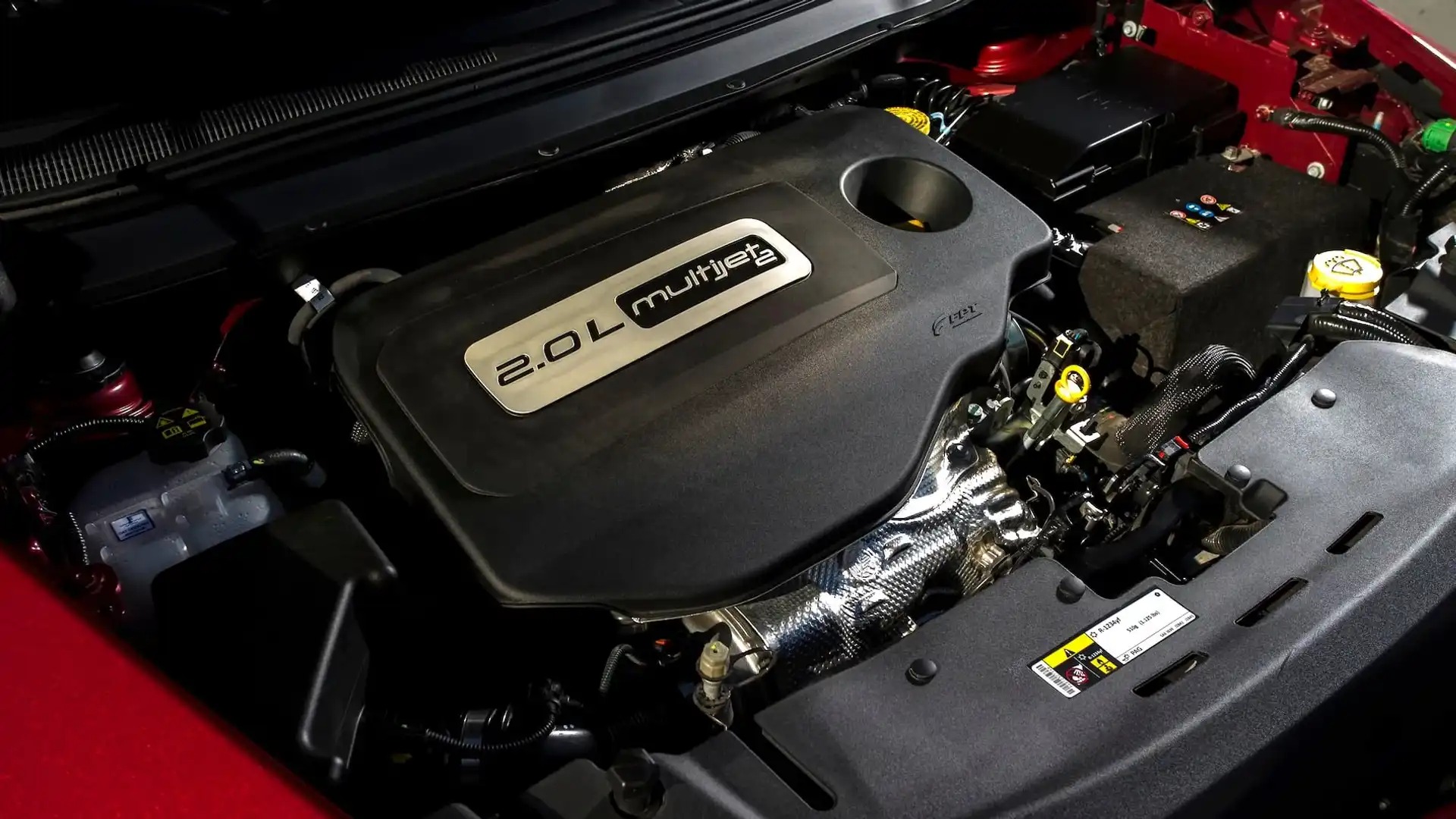
4. Jeep 2.0L Tigershark Engine
Jeep vehicles are often associated with strength and off-road ability, but the 2.0L Tigershark engine does not live up to that image. Found in cars like the Jeep Compass and Jeep Cherokee, this engine produces around 158 horsepower, which is not enough for vehicles that carry more weight than compact sedans.
As a result, drivers often feel the engine is underpowered for the job. The biggest problem with the Tigershark engine is how it struggles with acceleration. For SUVs, drivers expect strong pull, but this engine feels sluggish even in normal city driving.
Highway merging and overtaking become stressful because the engine does not deliver enough response when needed. With full passengers or cargo, the weakness becomes even more obvious, making the driving experience frustrating.
Another issue is fuel economy. Although small displacement engines are meant to save fuel, the Tigershark often consumes more because it works too hard to move heavier vehicles. Drivers expecting efficiency end up disappointed as they watch fuel bills rise.
Reliability has also been questioned. Many owners complain about issues such as oil consumption, stalling, and rough idling. Some even report that the engine fails earlier than expected, forcing expensive repairs or replacements. These concerns reduce confidence in what should have been a dependable unit for an affordable SUV.
The Tigershark engine’s combination of weak power, poor efficiency, and reliability concerns makes it one of the least impressive affordable engines available. Buyers who want a budget SUV are better off looking at competitors with stronger and more dependable engines.
Also Read: 5 Affordable Engines That Sound Like V12s and 5 That Sound Like Blenders
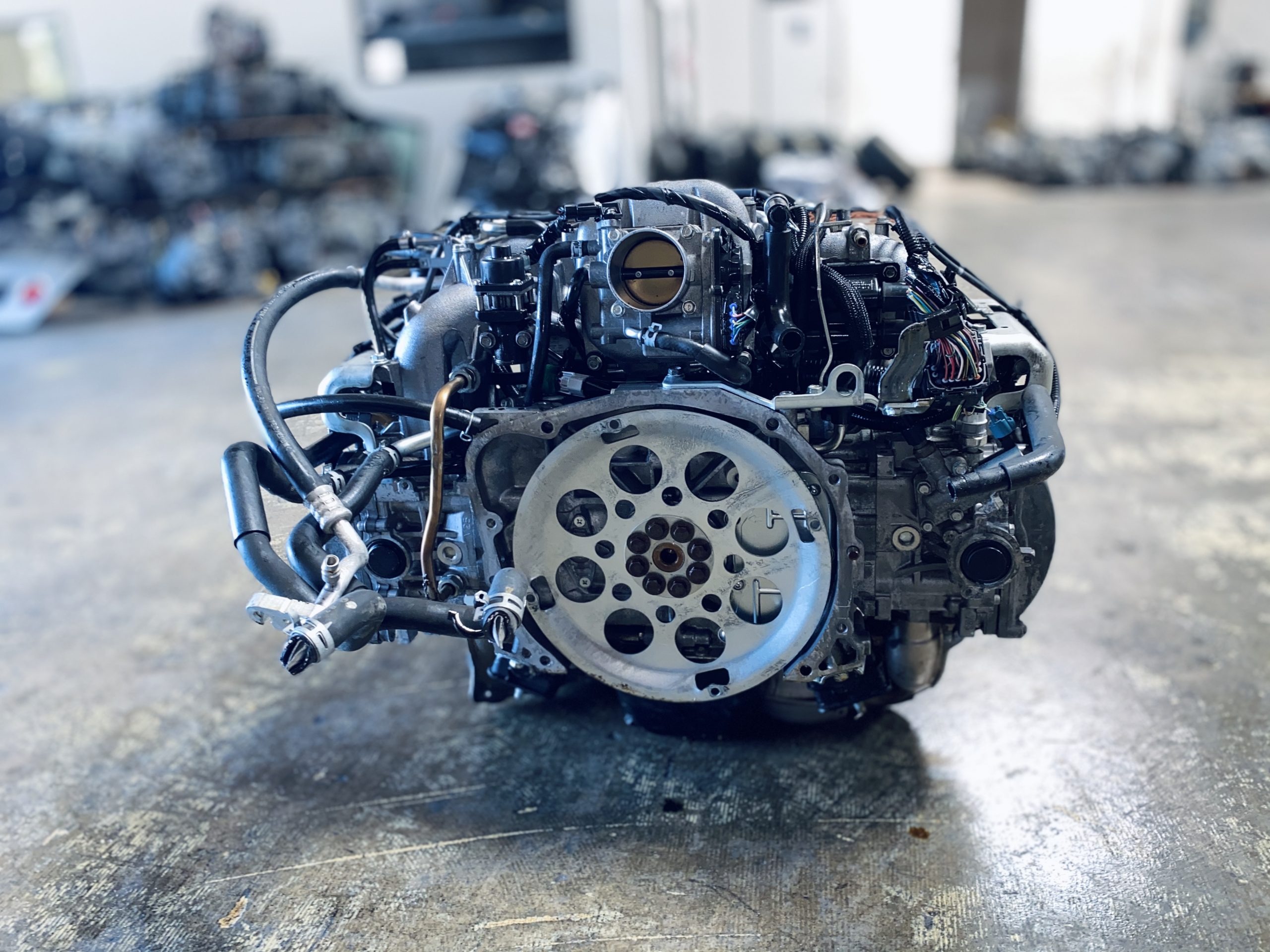
5. Subaru 2.5L EJ25 Engine
Subaru is respected for its all-wheel-drive systems, but the 2.5L EJ25 engine has left many owners disappointed. Found in cars like the Subaru Impreza and Forester, this engine produces around 170 horsepower. While that might sound enough for compact cars and small SUVs, the way it delivers power often feels lacking.
Acceleration is not smooth, and the engine tends to feel heavy when pushed. Drivers often complain about sluggish response, especially during highway driving or when carrying passengers. For an engine of this size, expectations are higher, but the EJ25 does not provide the pull that many drivers want.
A bigger issue is reliability. This engine has developed a reputation for head gasket problems, which can lead to expensive repairs. Oil leaks and overheating are also common complaints. Many owners find themselves spending far more than they expected just to keep the engine running properly. For buyers who wanted an affordable yet dependable engine, this is a serious disappointment.
Fuel efficiency is also not very impressive. The EJ25 consumes more fuel than many competitors while delivering less performance. This poor balance makes it less appealing for budget-conscious drivers who want both strength and reasonable fuel bills.
Even though Subaru vehicles often attract buyers because of their unique all-wheel-drive systems, the EJ25 engine reduces their value. Instead of being a strong companion to the brand’s reputation, it creates frustration and high repair costs. For drivers looking for affordable cars with dependable engines, the EJ25 is not the right choice.
