
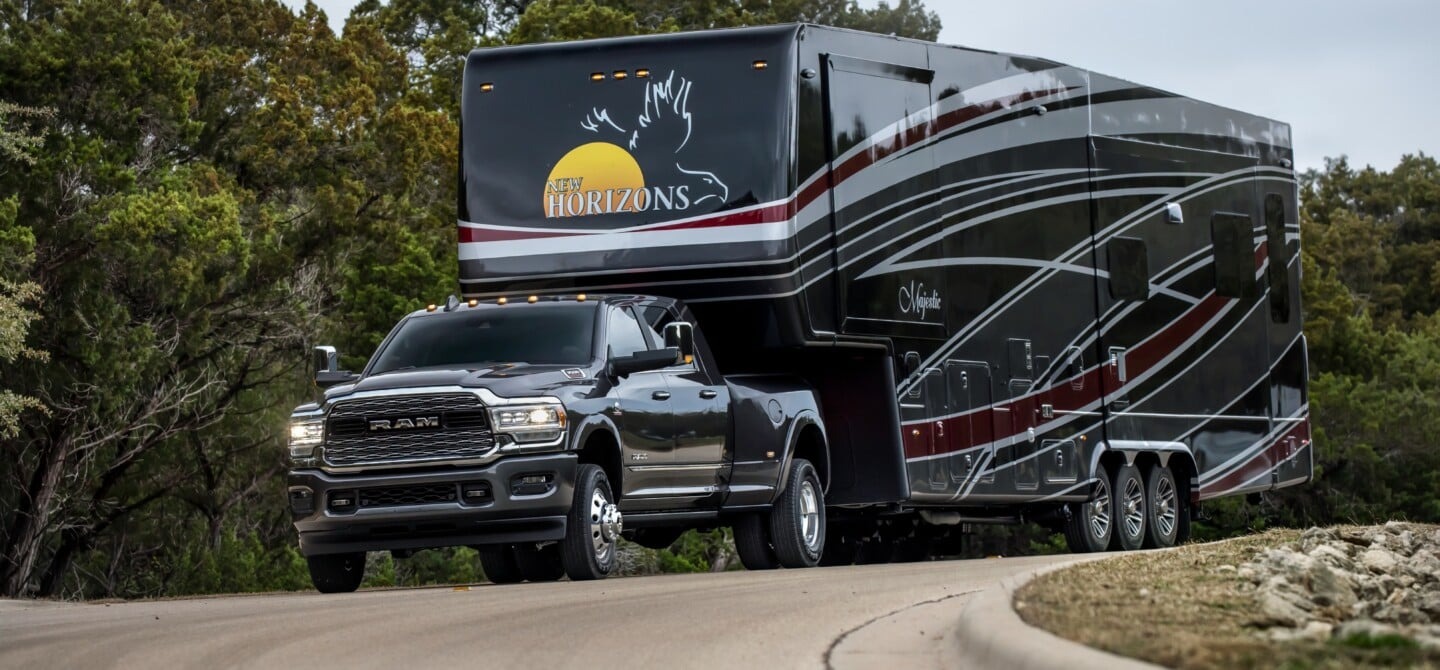
Towing and hauling are two activities that place heavy demand on a vehicle’s engine. Many drivers buy pickup trucks, SUVs, or heavy-duty vehicles with the hope that the machine will manage trailers, boats, equipment, or even construction materials without any issue.
While some engines rise to the occasion and deliver consistent strength under load, others disappoint when placed under similar pressure. The gap between a strong engine and a weak one often lies in durability, torque delivery, temperature control, and fuel management during extended stress.
Truck manufacturers design their power plants with different intentions. Some engines are built with high torque and reinforced internals that can withstand continuous pulling power. These engines normally rely on low-end torque, thicker blocks, stronger pistons, and cooling systems that reduce overheating.
Drivers who often tow heavy loads usually depend on such engines because they provide peace of mind and last longer under strain. On the other side, some engines may look fine during light use but start struggling once weight is attached to the hitch.
Engines in this category suffer from overheating, poor transmission support, weaker rods or pistons, and low torque, which shortens their life once heavy towing becomes frequent.
Knowing which engines thrive and which engines fail makes a big difference when choosing a vehicle for work or recreational towing. Buyers who value long-term use must understand the strengths of durable engines and the weaknesses of engines that cannot handle the job.
We will take a close look at five engines that prove reliable under tough hauling conditions and five that cannot live up to towing demands. Each section explains why they perform well or fail, their main strengths or weaknesses, and what owners should expect when putting them to the test.
5 Engines That Survive Hauling
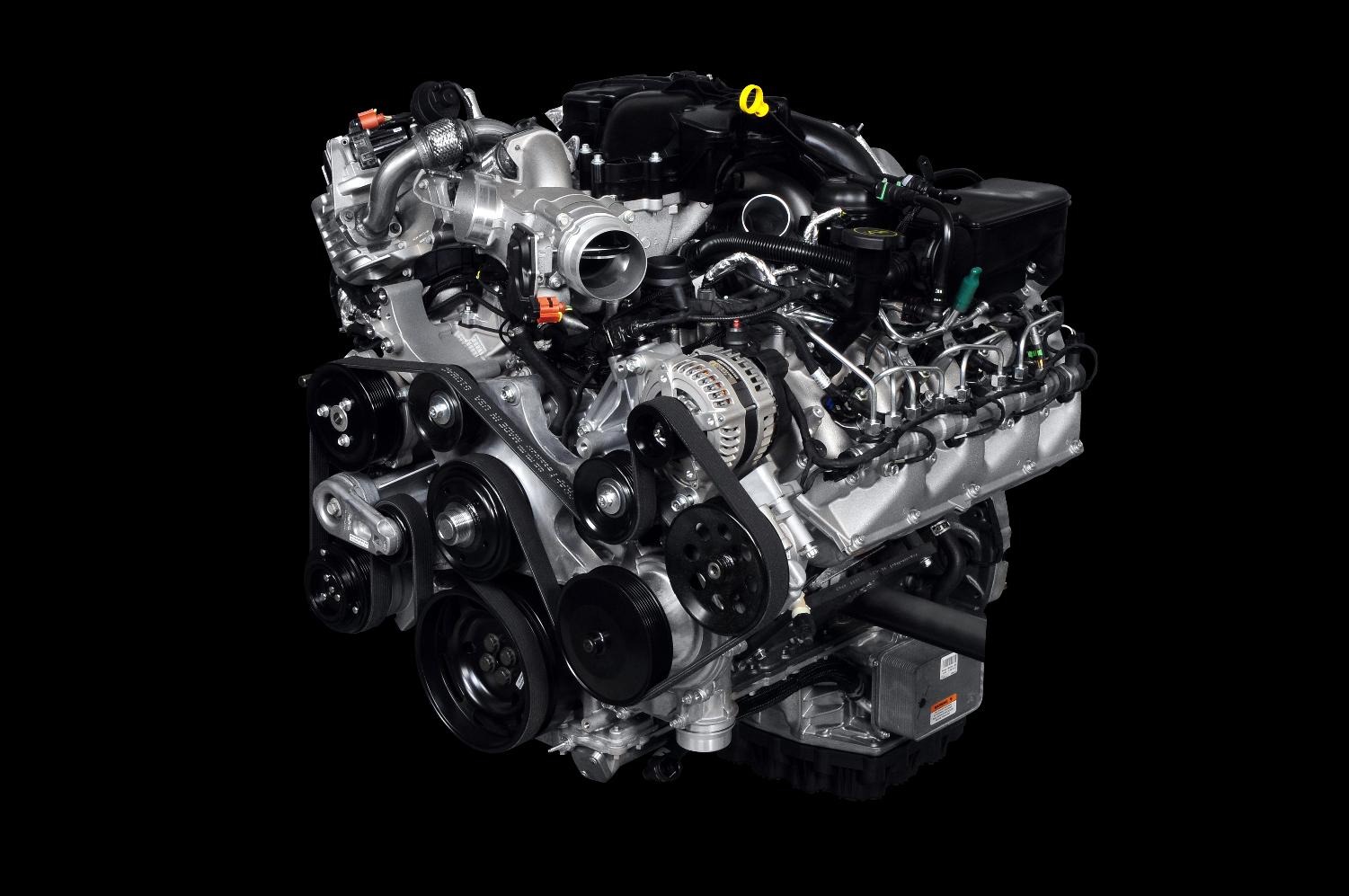
1. Ford 6.7L Power Stroke V8 Turbo Diesel
Ford’s 6.7L Power Stroke has earned a reputation as one of the toughest engines for towing. It was engineered with strength in mind and continues to prove itself in Ford Super Duty trucks. This engine combines advanced turbocharging with strong internal parts to deliver power that does not fade when weight is attached to the back of the vehicle.
The Power Stroke offers very high torque output, often above 900 lb-ft, which makes it capable of pulling trailers, boats, or equipment with ease. Unlike some gasoline engines that require high revs to reach their potential, this diesel delivers torque from low RPM, giving steady pulling force without stressing the engine. Drivers appreciate how it maintains performance on steep inclines and during long-distance hauling.
Durability is another advantage. Ford designed the 6.7L with a compacted graphite iron block and forged-steel crankshaft. These materials handle stress without wearing out quickly.
The engine also uses reverse-flow heads and advanced cooling strategies that limit overheating, even during extended towing in hot climates. Its fuel injection system provides efficient combustion, which improves fuel economy while still giving massive pulling capacity.
This engine is also paired with strong transmissions that can handle the torque. Together, they allow Ford’s heavy-duty trucks to tow well above 20,000 pounds in many configurations. Real-world drivers who use their trucks for farming, construction, or long-distance hauling often keep these engines for hundreds of thousands of miles without major problems, provided maintenance is respected.
The 6.7L Power Stroke proves what a true work engine should be. Its combination of durability, torque, cooling capacity, and long service life makes it stand tall as one of the most trusted engines for heavy hauling. For buyers seeking a truck that will manage the toughest towing assignments, this engine provides confidence and lasting value.
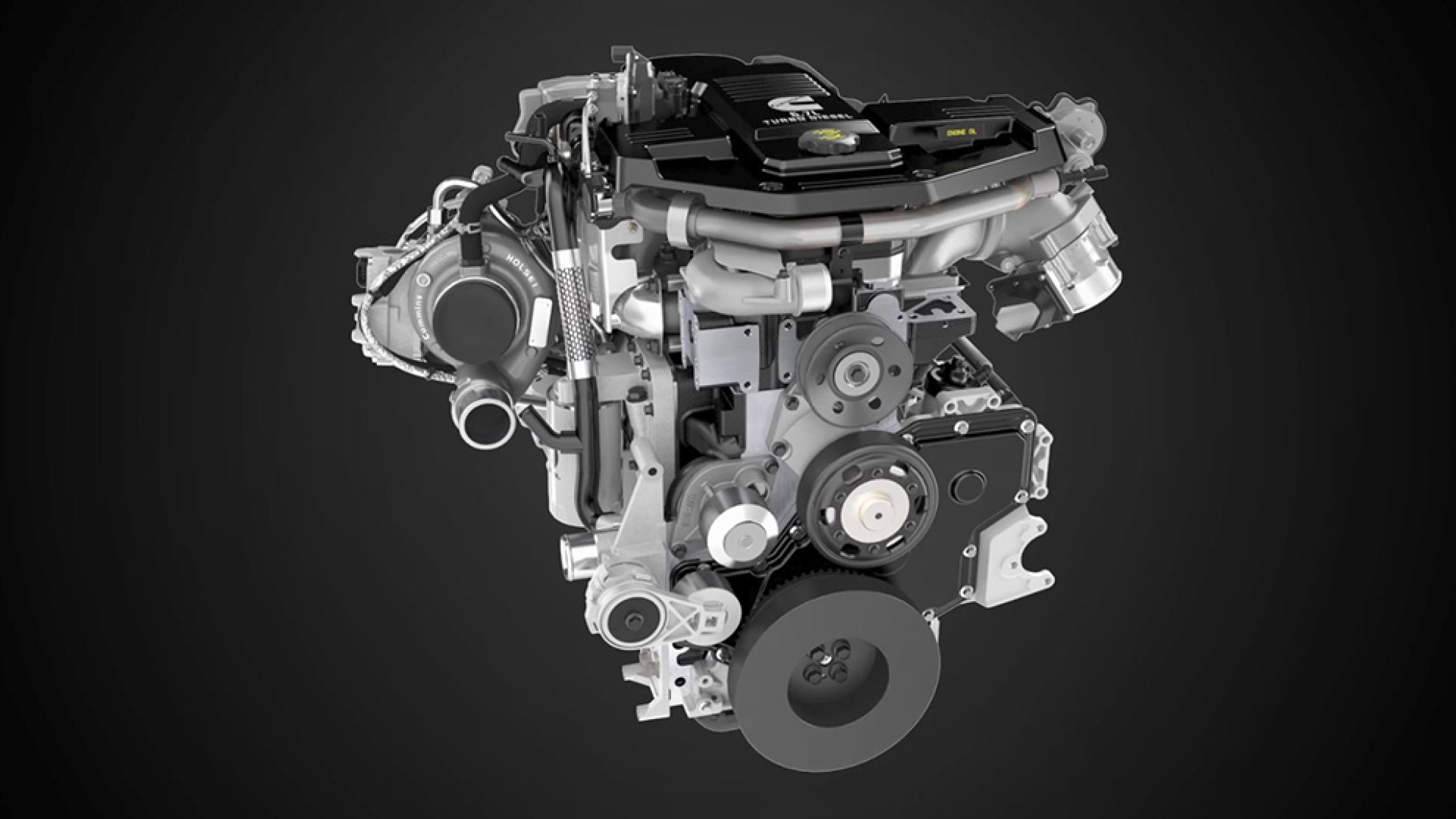
2. Ram 6.7L Cummins Turbo Diesel I6
The 6.7L Cummins inline-six is widely respected as one of the most dependable engines ever placed in a heavy-duty truck. Unlike many V8 designs, its inline-six layout provides natural balance and fewer moving parts, which helps the engine remain durable under stress. Installed in Ram’s heavy-duty trucks, it has proven its ability to tow consistently without giving in to strain.
Torque is where the Cummins shines. Depending on the version, it delivers between 850 to over 1,000 lb-ft of torque. That means it moves massive loads without the driver needing to push the throttle hard.
For tasks like pulling livestock trailers, RVs, or heavy equipment, the engine provides steady and reliable strength. Its turbocharged system ensures torque delivery at lower RPMs, which keeps pulling smooth and reduces wear on the engine.
Durability has been part of the Cummins identity for decades. The cast-iron block, strong pistons, and efficient cooling help the engine manage extended periods of towing without breaking down. Many owners report that their Cummins-powered trucks last for 300,000 to 400,000 miles with proper maintenance, which speaks to how well it endures constant hauling.
Fuel economy is another advantage compared with gasoline engines. Even when towing heavy loads, the Cummins often delivers more miles per gallon than a comparable gas engine. That efficiency reduces fuel costs, especially for drivers who spend long hours towing across states.
Transmission pairing is also critical, and Ram matches the Cummins with strong automatic gearboxes that handle the torque properly. This combination gives Ram trucks a respected place in the towing community, where dependability is valued above all else.
The 6.7L Cummins stands as a workhorse engine because it combines simple but strong engineering with immense pulling capacity. Drivers who choose this engine are investing in proven strength that does not disappoint when the hitch is loaded with weight. It is a perfect example of an engine built with towing in mind, and its record on the road proves it.
Also Read: 5 Turbo Engines That Stay Reliable and 5 That Always Break
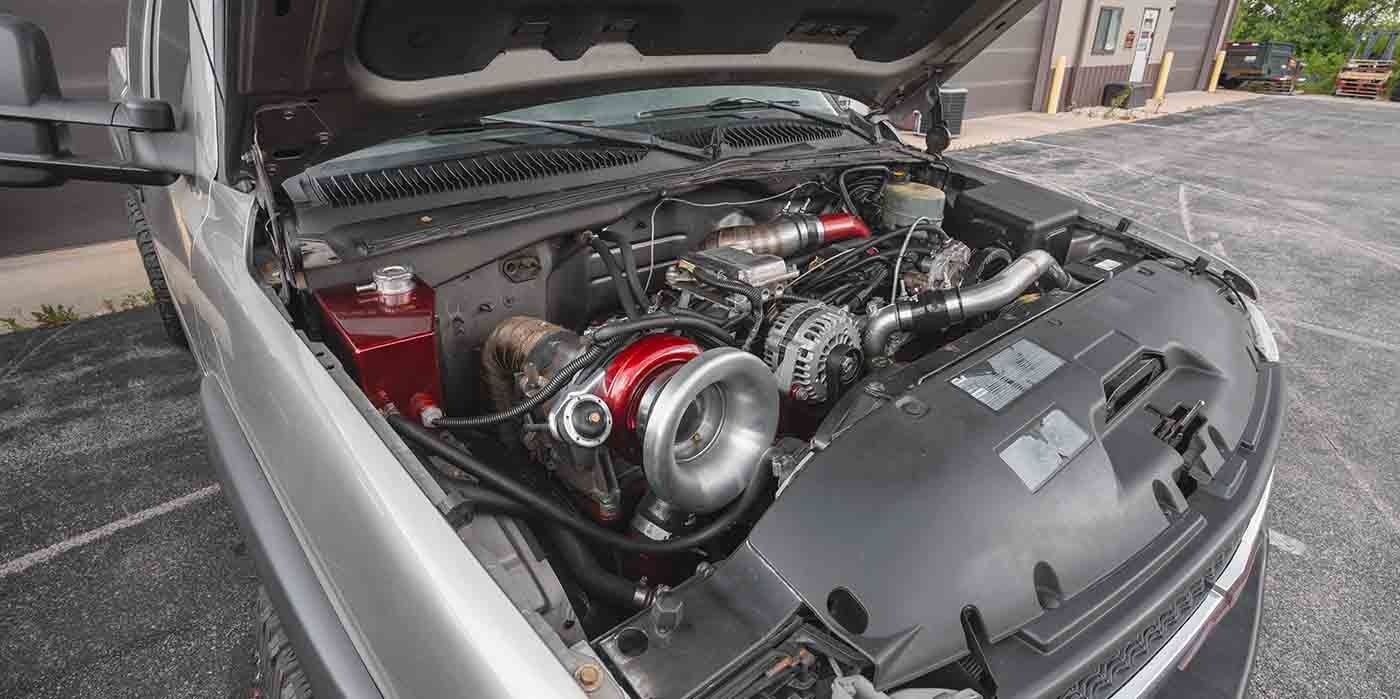
3. General Motors 6.6L Duramax Turbo Diesel V8
The Duramax 6.6L V8 has become one of the strongest engines General Motors has ever produced for its heavy-duty pickups. Installed in Chevrolet Silverado HD and GMC Sierra HD models, it has built a reputation for handling the demands of towing large trailers and equipment.
This engine produces over 900 lb-ft of torque in its latest versions, which makes towing heavy loads almost effortless. Like other modern diesel engines, it delivers strong low-end torque that begins early in the RPM range. This makes it easier for drivers to get moving from a stop even when the trailer is extremely heavy.
Durability is central to the Duramax design. The engine uses a cast-aluminum cylinder head and a strong iron block, along with advanced turbocharging and fuel injection systems. These features work together to provide both power and long-term reliability. Owners who put their trucks to work daily often find that the Duramax holds up for many years without serious mechanical failure.
Cooling is another strength. The Duramax employs advanced intercooling and exhaust after-treatment systems that keep temperatures under control while also meeting emission standards. This allows the engine to run for long periods without overheating, even when pulling loads up steep grades.
Transmission pairing is also excellent, as GM usually connects the Duramax to the Allison automatic gearbox. The Allison is respected for smooth operation and strength, allowing the truck to handle high towing weights without issues. Together, the Duramax and Allison combination is known as one of the most capable setups for hauling.
Owners who use Duramax-powered trucks for hauling report fewer breakdowns under stress compared with some gasoline competitors. The engine was built for work and continues to prove itself as a reliable partner for anyone needing consistent pulling power. The 6.6L Duramax remains a trusted choice for people who take towing seriously and want an engine that survives the test of time.
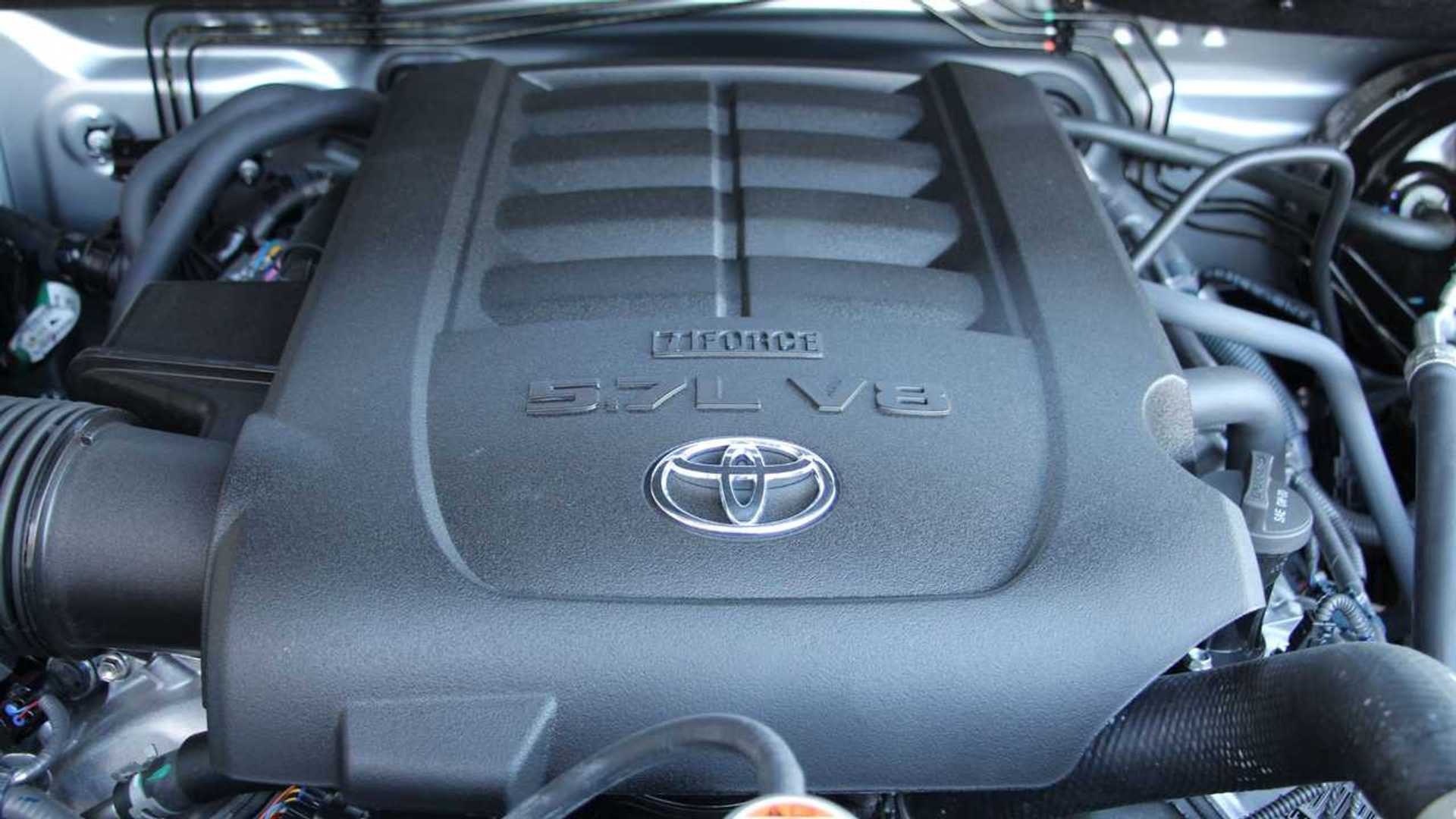
4. Toyota 5.7L i-Force V8
Toyota is not always the first brand that comes to mind when discussing heavy-duty towing, yet the 5.7L i-Force V8 engine inside the Toyota Tundra has proven itself as a reliable workhorse. Although it is a gasoline engine and not a diesel, it still manages towing tasks effectively because of its durability and strong engineering.
The i-Force V8 produces around 381 horsepower and 401 lb-ft of torque. While these numbers may not match diesel torque ratings, they are still impressive for a naturally aspirated gas engine. What stands out is how Toyota engineered the internals to handle stress without falling apart.
The block is made of aluminum with cast-iron cylinder liners, which provide both lightweight efficiency and strength. The pistons and crankshaft are also designed for longevity, meaning the engine can keep running even after years of towing.
Owners of the Tundra often praise how the 5.7L manages trailers weighing between 7,000 and 10,000 pounds with confidence. Even during uphill climbs, the engine maintains steady performance and does not overheat easily. Toyota’s cooling system is part of the secret, as it ensures stable engine temperatures even during extended pulls.
Another advantage is reliability. Toyota’s track record with engine durability carries over to the i-Force. Many drivers report their Tundras surpassing 200,000 miles with heavy towing use, which shows the strength of this powerplant. Maintenance costs are usually lower compared to diesel engines, making it attractive for owners who want towing ability without expensive servicing.
Fuel economy is less efficient compared to diesels, but for those who prefer gasoline-powered trucks, this engine stands out as one of the few capable of long-term hauling. It may not tow as much weight as the heavy-duty diesels, but within its limits, the i-Force performs consistently.
The 5.7L V8 deserves credit for combining Toyota’s reliability with towing strength, making it a dependable choice for buyers who want a truck that balances comfort, longevity, and work power.
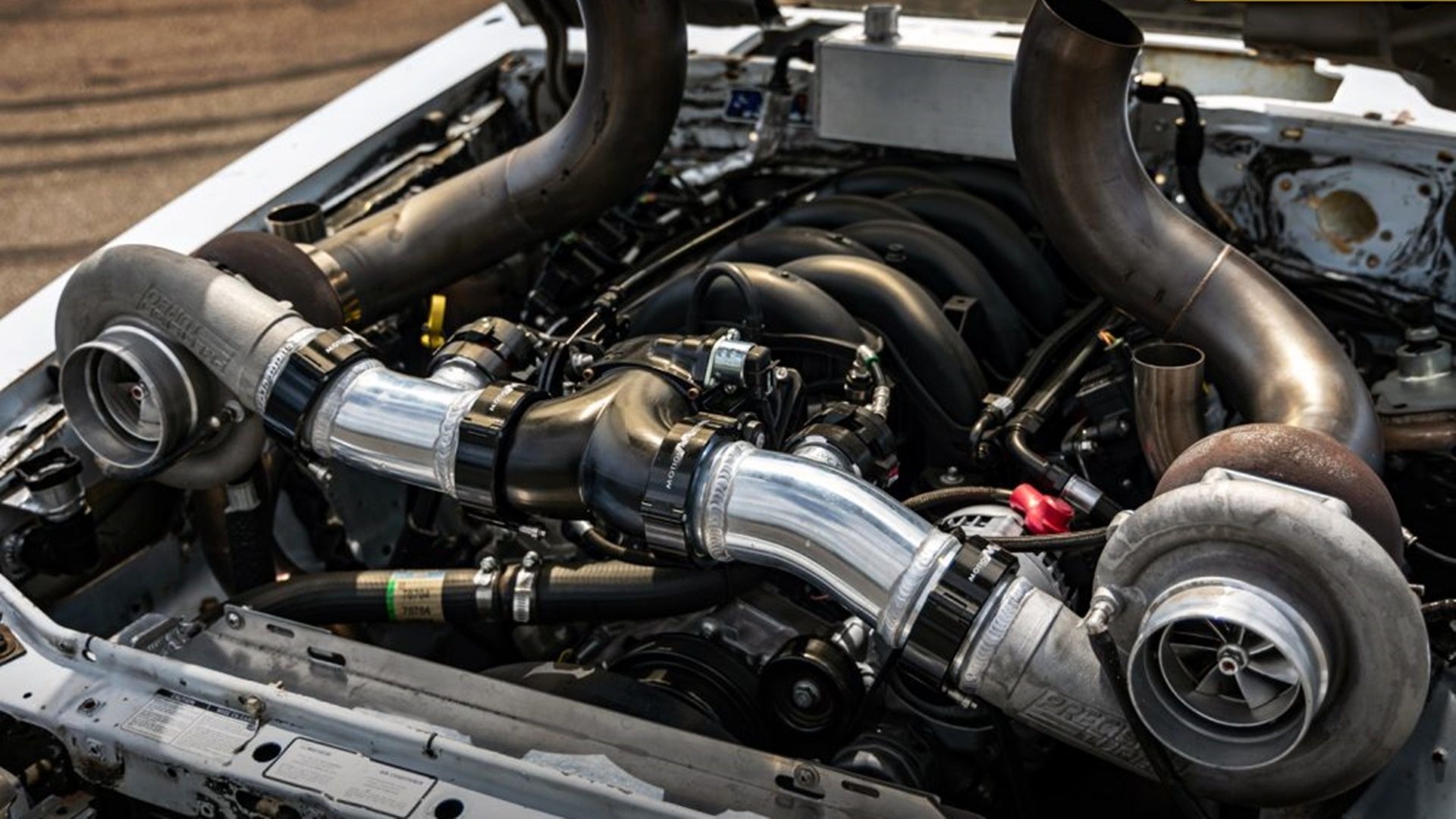
5. Ford 7.3L Godzilla V8 Gasoline Engine
Ford reintroduced a large displacement gasoline engine with the 7.3L Godzilla V8, and it quickly gained respect for its toughness in heavy-duty applications. Installed in Ford Super Duty trucks, this engine was designed to offer an alternative for those who do not want diesel but still need strong towing ability.
The Godzilla V8 produces around 430 horsepower and 475 lb-ft of torque. While not as high as the diesel torque numbers, it still delivers excellent pulling capacity for a gas engine. Its large displacement provides steady torque across the RPM range, which makes it effective for hauling trailers, campers, and work equipment.
Durability is one of its strongest points. The 7.3L features a cast-iron block, forged steel crankshaft, and pushrod design. These elements create a simple but rugged layout that can withstand long-term stress. The pushrod system reduces complications compared to overhead cam engines, which makes it easier to service and less likely to fail under pressure.
Cooling and oiling systems were also upgraded by Ford to ensure stability under heavy loads. This allows the engine to perform for long distances without overheating. Drivers often highlight how dependable the engine feels when pulling large trailers across highways or rural roads.
Another factor that makes Godzilla stand out is longevity. Early reports from owners show these engines running past 200,000 miles with regular maintenance, even with frequent towing. The simplicity of its design means fewer parts to break, and replacement costs are lower than with complicated turbocharged engines.
For those who prefer gasoline over diesel, the 7.3L Godzilla provides peace of mind. It may burn more fuel compared to diesel, but it compensates with dependability, lower maintenance costs, and a long service life. This engine proves that old-school displacement combined with modern engineering can still deliver strength in the towing segment.
5 Engines That Can’t Handle Towing
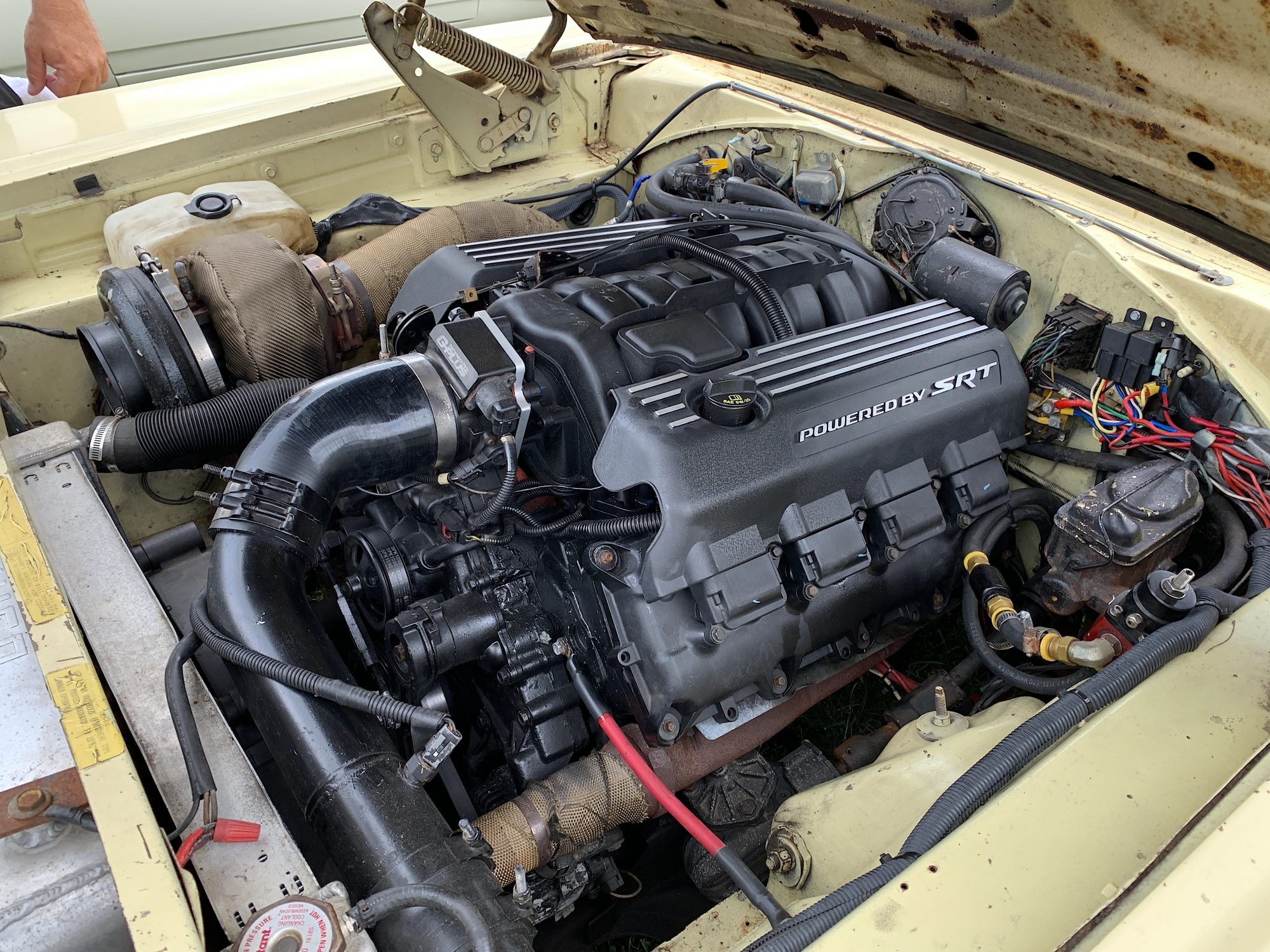
1. Dodge 5.7L HEMI V8 (Older Versions)
The HEMI name carries respect in performance circles, but the 5.7L versions found in older Dodge Ram trucks are not ideal for heavy towing. While these engines deliver strong horsepower numbers and perform well in everyday driving, they fall short when placed under sustained hauling stress.
The 5.7L HEMI produces decent power but lacks the low-end torque required for pulling large trailers. This means drivers often need to rev the engine higher to move heavy loads, which causes more wear and stress on internal parts. As time goes on, the constant strain from towing shortens engine life.
Cooling issues are another weakness. Older versions of the HEMI were prone to overheating when used for extended towing, especially in hot weather. The cooling system was not built to manage continuous stress, leading to higher engine temperatures that damage pistons, valves, and gaskets. Owners who tried towing heavy trailers frequently often experienced early failures.
Fuel economy also suffers when towing. The engine burns through fuel quickly under heavy loads, which increases running costs for those using their trucks for work. Compared to diesel or even stronger gas engines, the HEMI struggles to balance power with efficiency.
Longevity under towing conditions is limited. While the HEMI can last long under light or moderate use, it is not suited for drivers who plan to tow heavy equipment regularly. Transmission pairings in older Ram trucks also struggled with towing, which placed more stress on the engine and caused faster wear.
For light recreational towing, the 5.7L HEMI works fine. But for those seeking long-term durability with heavy trailers, this engine does not provide the reliability needed. Its design was aimed more at performance driving than hauling, and under the pressure of towing, its weaknesses become clear.
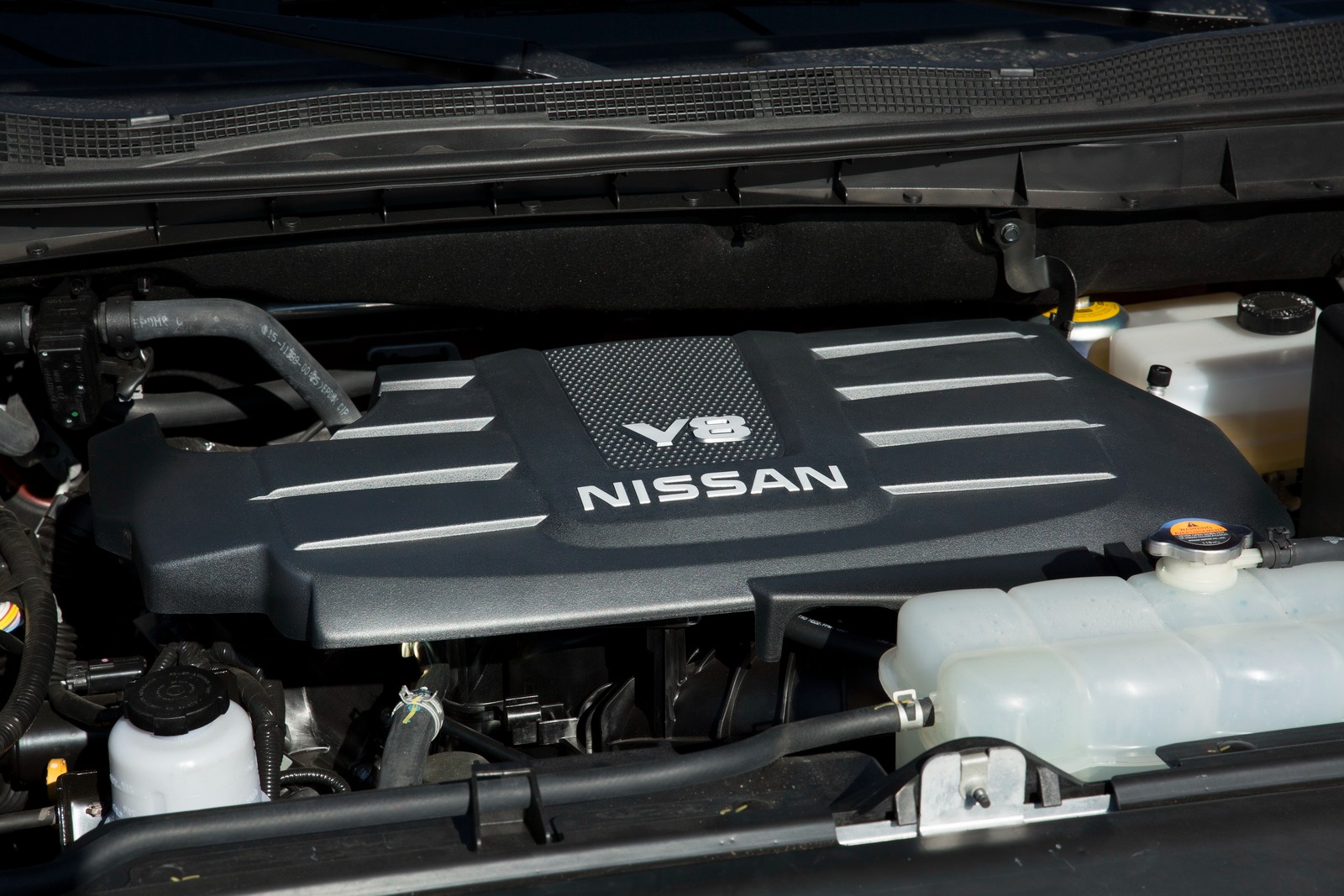
2. Nissan Titan 5.6L Endurance V8
Nissan entered the full-size truck market with the Titan, powered by the 5.6L Endurance V8. While the engine sounds strong on paper, it does not perform well under heavy towing conditions compared with competitors. Drivers who used the Titan for consistent hauling discovered its weaknesses quickly.
The Endurance V8 produces around 400 horsepower and 413 lb-ft of torque. While this seems competitive, the torque delivery happens higher in the RPM range, meaning the driver must push the engine harder when pulling heavy loads. This leads to louder operation, more stress on internal parts, and less control when climbing steep hills with a trailer attached.
Durability is also a concern. The engine’s block and internal components are reliable for normal driving, but frequent towing wears them down faster than expected. Reports from owners show that under continuous hauling, the engine develops timing chain issues, valve problems, and overheating. These failures appear much earlier than in trucks from Ford, GM, or Ram.
Another limitation is cooling. The 5.6L struggles to maintain safe temperatures when towing in hot climates. Without heavy-duty cooling upgrades, the engine often overheats, which reduces its lifespan and increases maintenance costs. For anyone using the Titan as a work truck, this problem makes towing frustrating.
Fuel consumption also adds to the challenge. While most trucks consume more fuel when towing, the Titan burns through fuel at a faster rate, making it less efficient compared to competitors. Drivers covering long distances with trailers face higher costs at the pump.
The 5.6L Endurance V8 works well for light-duty use and recreational driving, but it does not provide the toughness required for constant heavy towing. For people who need reliable power for long hauls, this engine does not deliver the endurance its name suggests.
3. Chevrolet 5.3L EcoTec3 V8
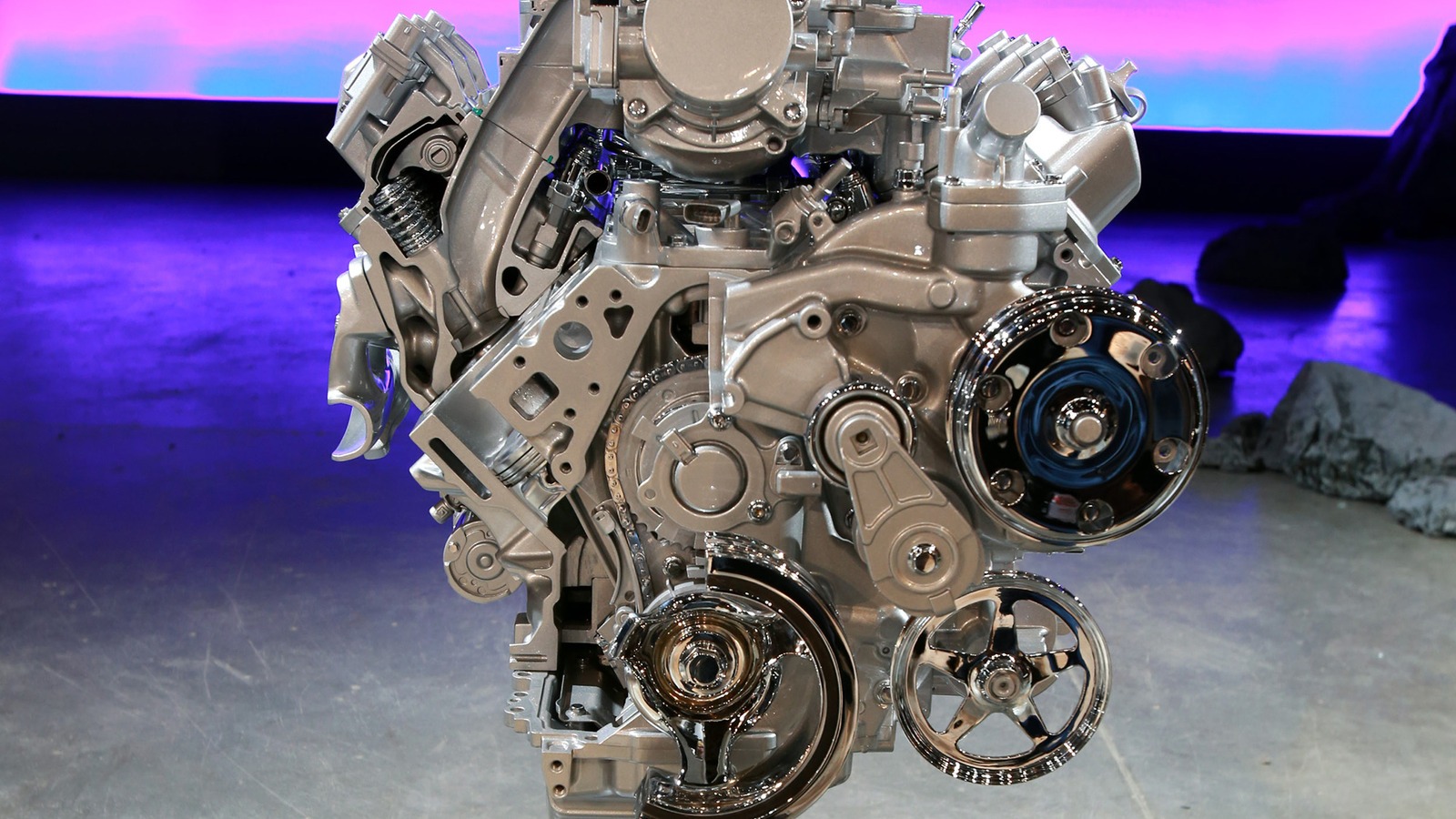
Chevrolet’s 5.3L EcoTec3 V8 is a popular engine in half-ton Silverado trucks. It is efficient and smooth for everyday use, but when it comes to towing heavy loads, the 5.3L shows clear limits. Buyers who expect it to perform like the larger 6.6L Duramax or even the bigger 6.2L gasoline V8 often end up disappointed.
The engine produces around 355 horsepower and 383 lb-ft of torque. While these figures are fine for small trailers or boats, they fall short when drivers attempt to tow heavy campers or large equipment. The torque is simply not enough for demanding hauling, which forces the engine to rev harder and stay under stress longer. This leads to higher wear and tear.
Cooling capacity is another weakness. The 5.3L lacks the robust cooling systems found in heavy-duty trucks, so it overheats more easily when pushed to its limits. Prolonged towing in hot temperatures often results in overheating warnings and reduced performance. This issue affects the longevity of the engine and can cause gasket or head problems as time goes on.
Fuel economy under towing conditions is also disappointing. While the 5.3L is marketed as efficient, towing erases any advantage. The engine burns more fuel than expected when trying to keep up with the weight, which frustrates drivers who planned on using it for long trips.
Transmission pairings in half-ton trucks also play a role in limiting towing. While modern gearboxes are better, earlier versions struggled with keeping the engine in the right power band. This not only reduces performance but also adds strain to the engine.
For everyday driving and light hauling, the 5.3L EcoTec3 works well. It is smooth, dependable, and affordable to maintain. But for consistent towing, it does not stand up to the demands placed on stronger truck engines. Buyers who need serious hauling power are better served with larger gasoline or diesel options in the GM lineup.
4. Toyota 4.6L V8 (Older Tundra Models)
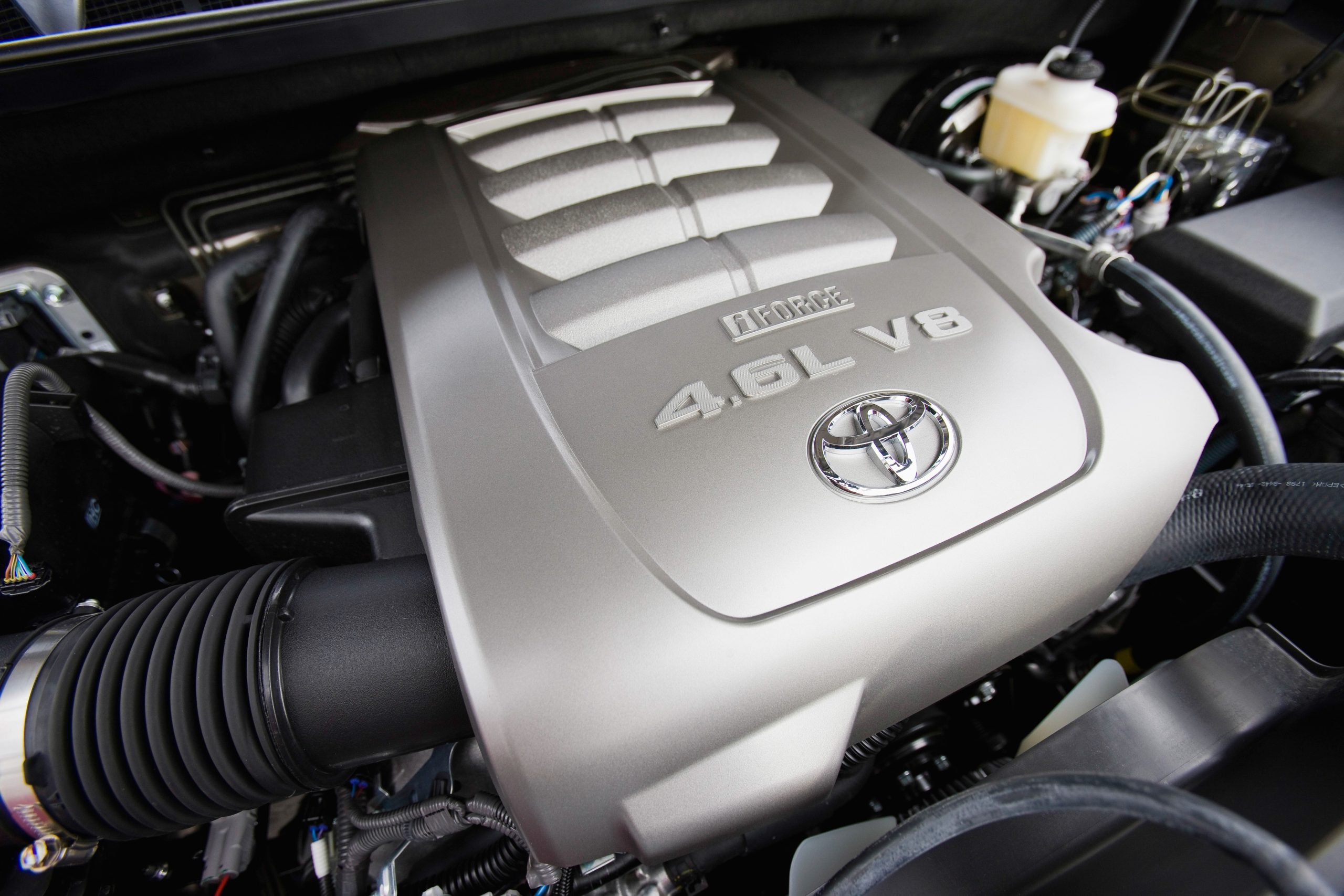
Before the 5.7L i-Force V8 became Toyota’s strong point in the Tundra, the brand offered a smaller 4.6L V8 option. While it worked fine for daily driving and light-duty tasks, the 4.6L was underpowered for towing. Owners who expected it to perform like its bigger brother quickly realized its shortcomings.
The 4.6L produced around 310 horsepower and 327 lb-ft of torque. These figures were acceptable for small loads, but when towing trailers near the truck’s rated capacity, the engine struggled. Drivers had to push the throttle harder, which kept the engine at higher RPMs for longer periods. This constant stress led to faster wear on the internals.
Cooling was another weak area. The 4.6L did not have the advanced cooling design of the larger 5.7L, which meant it ran hotter under towing conditions. Prolonged hauling often led to higher temperatures that risked damaging the engine as time goes on. This made it less reliable for people who wanted to use their truck for consistent towing.
Fuel consumption was also a problem. Even though the 4.6L was smaller than other V8 engines, it still burned a lot of fuel when under stress. This made it less efficient compared to more powerful engines that could handle towing without working as hard.
Owners also reported that transmission pairings with the 4.6L were not ideal for heavy loads. The truck shifted frequently under stress, which not only made driving uncomfortable but also added wear to the drivetrain.
While the 4.6L V8 was fine for buyers who wanted a Toyota truck for commuting or light recreational towing, it did not belong in heavy-duty hauling conversations. Toyota eventually dropped this engine from the lineup, focusing instead on the more capable 5.7L and later hybrid options. For towing, the 4.6L remains a weak link in the Tundra’s history.
Also Read: 5 V8 Engines That Refuse to Quit and 5 That Self-Destruct
5. Ford 3.5L EcoBoost V6 (First Generation)
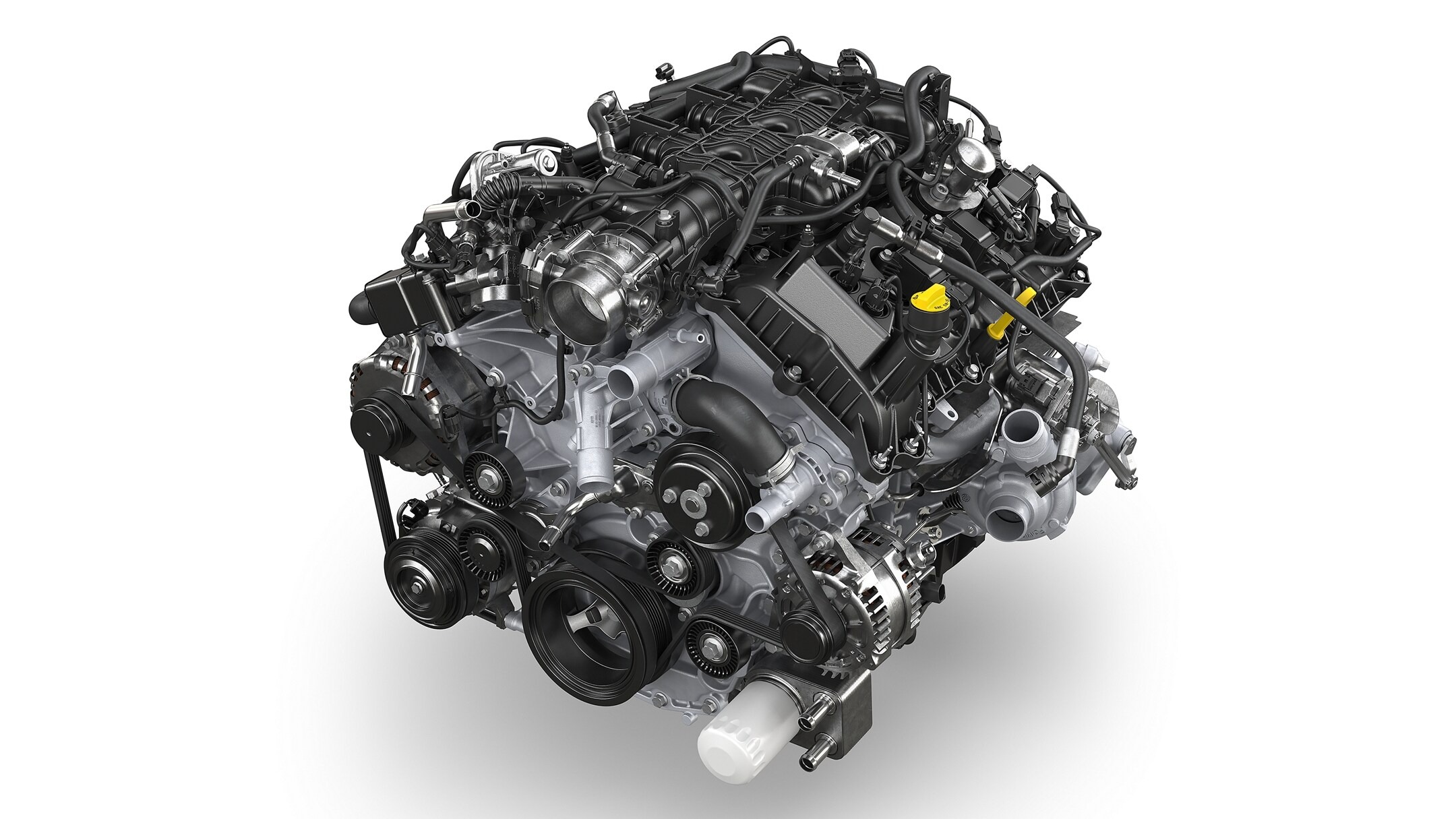
Ford’s EcoBoost lineup has grown in popularity, but the first generation of the 3.5L EcoBoost V6 had mixed results with towing. While it offered strong horsepower and torque figures on paper, real-world performance exposed weaknesses that made it less reliable for heavy-duty hauling.
The engine produced around 365 horsepower and 420 lb-ft of torque, which seemed strong for a V6. Turbocharging provided quick acceleration and decent low-end torque, but under sustained towing, the engine revealed its issues. Many drivers found that prolonged pulling caused overheating, turbo lag, and inconsistent performance on long grades.
Durability also raised concerns. Early versions of the 3.5L EcoBoost experienced carbon buildup problems on intake valves, which reduced efficiency and power sooner or later. For trucks used in heavy towing, this issue appeared sooner and required expensive maintenance. Some owners also reported timing chain wear when the engine was placed under constant stress.
Cooling was another limitation. The first-generation EcoBoost did not have the improved cooling systems found in later versions, so it overheated more easily when towing near maximum capacity. Heat not only reduced performance but also shortened the lifespan of major engine components.
Fuel economy under towing conditions was also less impressive than expected. While Ford marketed the EcoBoost as efficient, heavy loads forced the turbos to work harder, which consumed fuel at rates similar to larger V8 engines without offering the same long-term durability.
Ford improved the EcoBoost design in later generations, addressing many of these issues. But the first generation left a mixed impression among truck owners who relied on their vehicles for heavy hauling. For light-duty use, the engine was fine, but under towing stress, it did not match the durability of traditional V8 or diesel engines.
Engines designed for towing must combine strength, cooling, and durability. The five engines that survive hauling, such as the Ford Power Stroke, Ram Cummins, and GM Duramax, prove how engineering built for stress makes a difference. They deliver torque at low RPM, resist overheating, and last hundreds of thousands of miles when maintained.
The other five engines remind drivers that not every powerplant is built for the same job. Engines like the Nissan Endurance V8, Chevy 5.3L, and early Ford EcoBoost struggle under heavy towing, making them less reliable for long-term use.
For buyers planning to haul regularly, choosing the right engine saves money, reduces breakdowns, and ensures confidence on the road. The right choice means an engine that survives under load rather than one that fails when pushed.
