
Engines are often judged by their strength, durability, and how long they can keep running without serious issues. For many car owners, one of the biggest concerns is whether the timing chain inside the engine will last the lifetime of the vehicle or fail long before it should.
Timing chains are meant to replace the old timing belts that needed more frequent changes, and they are often sold to drivers as a maintenance-free solution. However, reality has shown that some timing chains live up to that promise while others disappoint by wearing out too quickly.
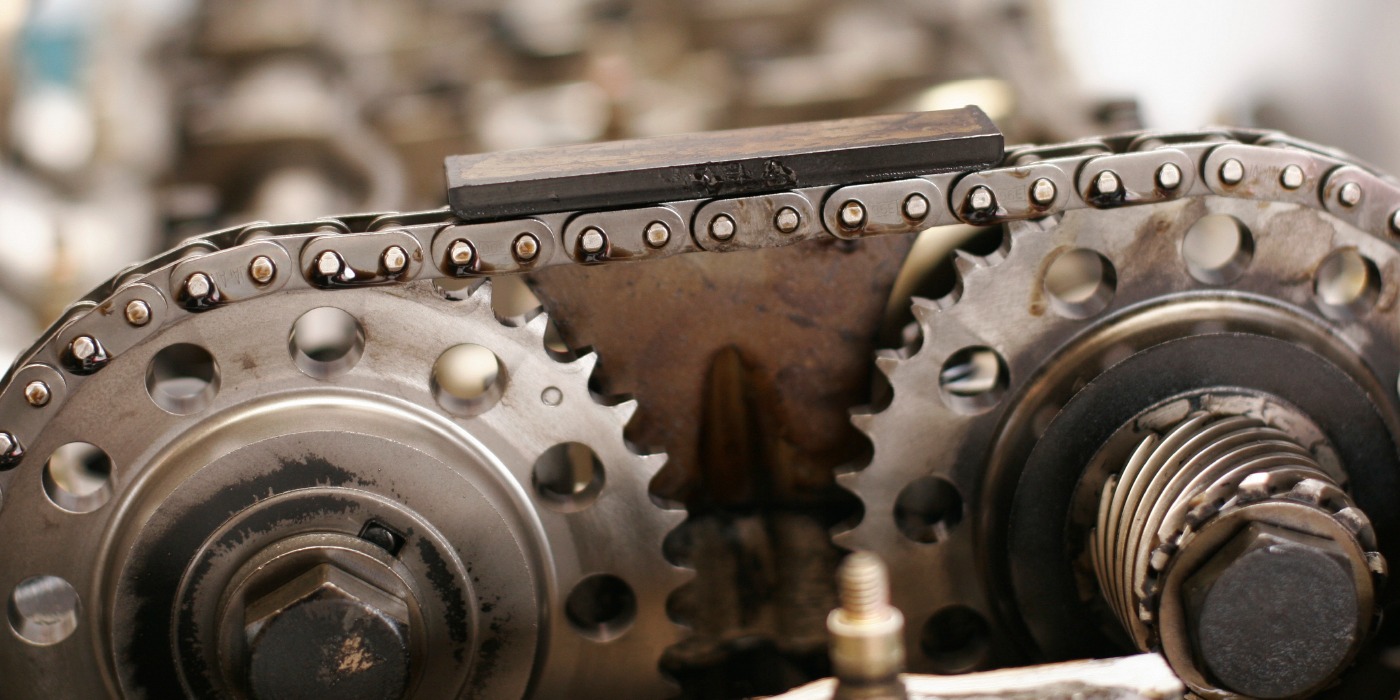
A timing chain connects the crankshaft to the camshaft, ensuring the valves open and close at the right time for proper combustion. When it functions properly, an engine can run smoothly for hundreds of thousands of miles.
When it fails, it can cause bent valves, broken pistons, or complete engine destruction. Repairing such damage is usually expensive, sometimes costing more than the car’s value itself. This is why discussions around timing chain reliability are very important for buyers, mechanics, and everyday drivers.
Some engines are built with chains that hardly stretch even after years of hard use, while others develop chain noise, tensioner issues, or complete breakage earlier than expected. The difference usually comes down to design quality, materials used, and how well the engine handles oil flow. Since timing chains are lubricated by engine oil, poor oiling systems or neglecting oil changes often make a bad design even worse.
5 Engines That Outlive Their Timing Chains
1. Toyota 2UZ-FE V8
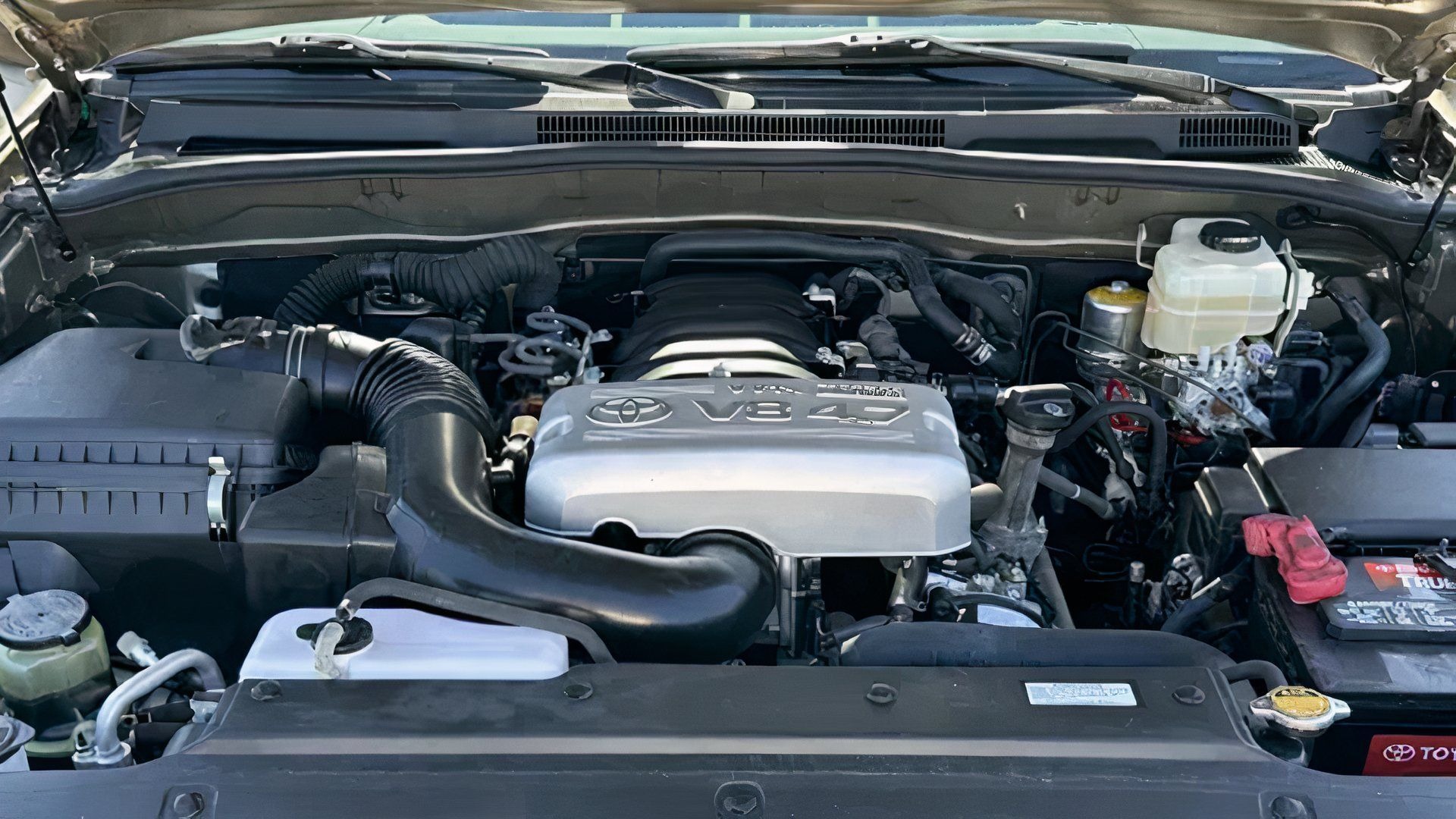
Toyota has built a reputation for producing engines that can last almost forever when properly maintained, and the 2UZ-FE V8 is a strong example. This 4.7-liter V8 was widely used in the Toyota Land Cruiser, Lexus LX470, and Tundra during the late 1990s and 2000s.
Unlike many modern engines that focus on reducing size and adding turbochargers, this engine was built with a heavy cast-iron block and an oversized timing chain system that resists wear. Owners often report that the chain in this engine shows no signs of stretching even after 300,000 miles of use.
The reason is simple: Toyota engineers designed the engine with reliability in mind, using thick chains, strong guides, and durable tensioners. Oil delivery to the chain is excellent, which means the system remains lubricated under all conditions. This design makes it almost impossible for the timing chain to fail under normal use, and even with poor maintenance, it often survives where other engines would not.
The 2UZ-FE is also forgiving when it comes to driving style. Whether used in city driving, towing heavy loads, or off-road conditions, the chain system remains stable. Mechanics often say they rarely ever replace a timing chain in this engine unless the engine itself is being rebuilt for other reasons. Many drivers have sold their vehicles after years of use without ever having to worry about the timing chain.
Compared to other V8 engines from the same period, the Toyota 2UZ-FE is in a class of its own when it comes to durability. American truck engines from the early 2000s sometimes suffered from weak chains or poor tensioner designs, but Toyota kept things simple and strong.
The result is an engine that outlives expectations and makes timing chain failure a concern that owners simply do not have to think about. For anyone seeking a long-lasting SUV or truck engine, the 2UZ-FE stands as proof that Toyota’s conservative approach paid off.
2. Honda J35 V6
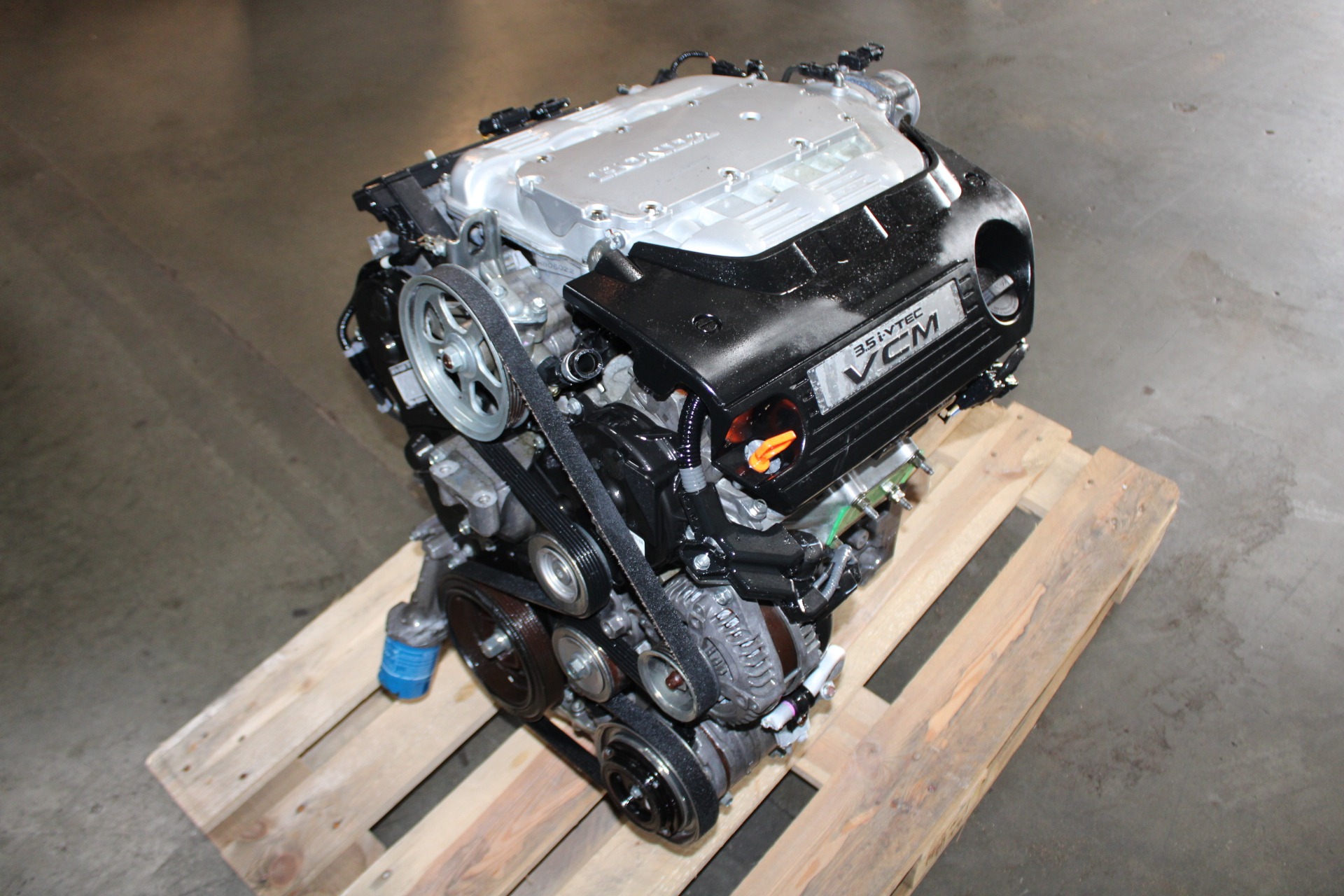
Honda has often been praised for building engines that run for decades with little drama, and the J35 V6 is one of its finest. This 3.5-liter engine has powered models such as the Honda Odyssey, Pilot, and Acura MDX. With millions of these engines sold, their track record on timing chain longevity is very strong.
The J35 was designed with an emphasis on smoothness and practicality. The chain system is made with quality steel, guided by tensioners that rarely give problems. Unlike some other V6 engines, where chains start rattling around 100,000 miles, the J35 keeps working quietly. Owners frequently drive these cars well past 200,000 miles without timing chain complaints. Even in high-mileage vehicles, it is rare to hear about sudden chain failures.
What helps the J35 is Honda’s focus on oil circulation. The engine uses an oil jet system that keeps the chain lubricated at all times, preventing premature wear. Drivers who keep up with oil changes usually never worry about chain trouble.
Even those who are less careful often find that the chain survives far longer than expected. Mechanics sometimes remark that the chain in this engine almost feels like it was designed to last forever, which is not something you can say about many modern designs.
Beyond the chain, the J35 is an all-around strong engine. It can handle daily commuting, long highway trips, and even some heavy use without losing reliability. Honda also kept the design simple enough to avoid weak points that cause trouble in other engines. While some manufacturers tried complicated chain systems that became failure-prone, Honda stuck with a straightforward design.
This reliability has helped make Honda’s minivans and SUVs very popular among families in the US. Buyers often choose them because they know the engines will not give expensive timing chain problems. That trust has kept Honda’s reputation strong, and the J35 remains a shining example of how an engine can combine smooth performance with long-lasting dependability.
Also Read: 5 Engines That Handle High RPMs and 5 That Break When Revved
3. Mercedes-Benz M112 V6
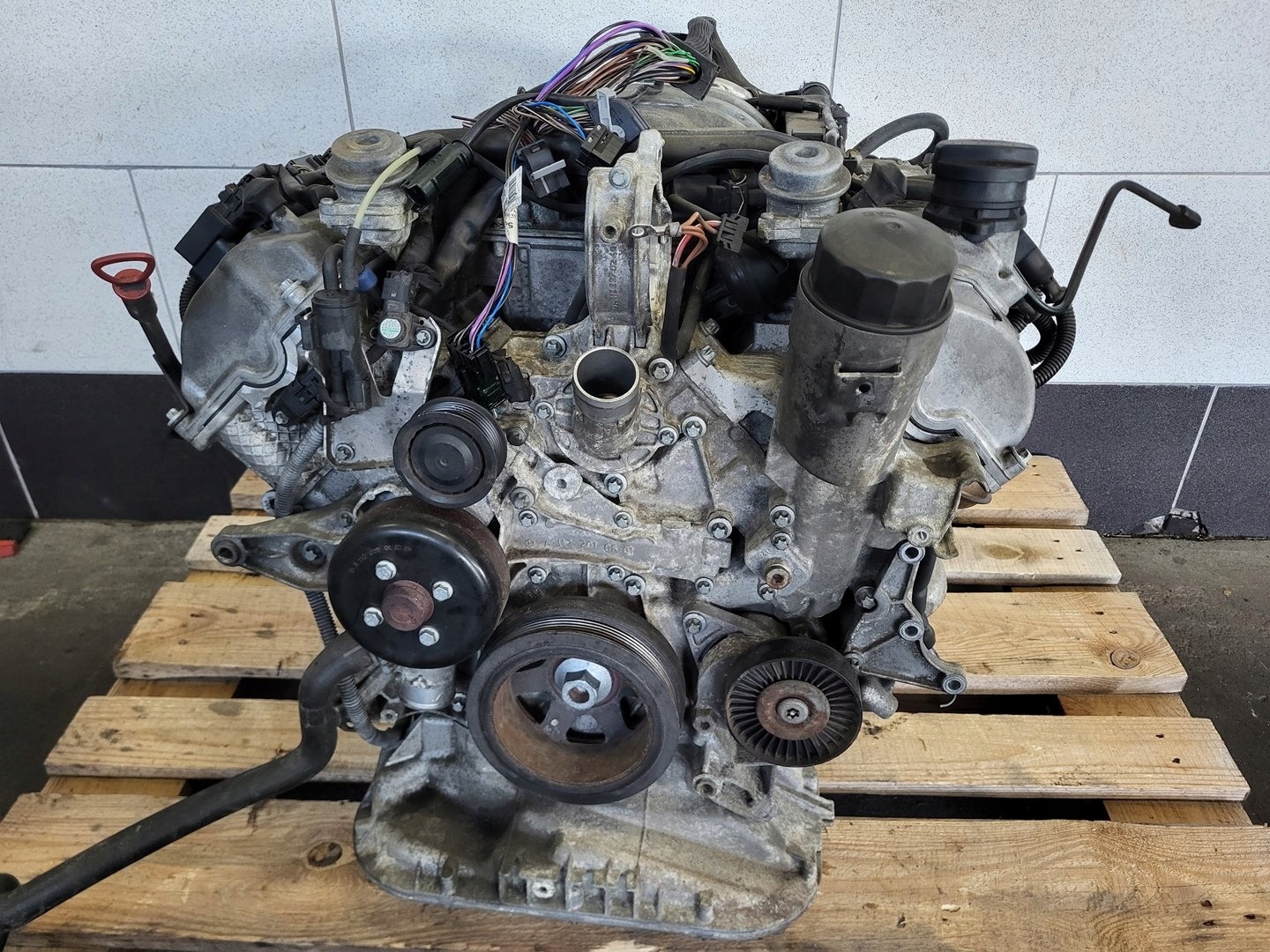
When people think of Mercedes-Benz, they often think of luxury, but the company also has a history of producing engines that last a very long time. The M112 V6, introduced in the late 1990s, is one such engine. It powered a wide range of models, including the C-Class, E-Class, and ML-Class. One of the strongest features of this engine is its robust timing chain.
Mercedes used a double-row chain design that is thicker and stronger than many single-row systems used by competitors. This makes the chain far less likely to stretch or fail. Owners often drive these engines well past 250,000 miles without ever replacing the chain. Even when the engine develops other issues like oil leaks or minor electrical faults, the chain keeps doing its job quietly in the background.
Many mechanics appreciate the M112 because they rarely have to open the timing system. Some say the chain is practically a lifetime equipment. The engine’s oiling design ensures that the chain is always lubricated, even in cold starts or under heavy load. This attention to detail has helped preserve the reliability of the system.
Drivers of these vehicles often express surprise at how few timing chain problems exist, especially considering that many German cars have a reputation for being expensive to maintain. The M112 broke that stereotype by combining strong performance with lasting durability. The chain rarely shows wear even after years of use, making it one of the most trusted parts of the engine.
Mercedes eventually replaced the M112 with newer V6 engines that were lighter and more fuel efficient, but many of those later engines did not enjoy the same reputation for timing chain strength.
Owners of M112 vehicles often say they feel lucky to have one of the last truly tough designs from Mercedes. For anyone searching for a used luxury car that will not surprise them with chain problems, the M112 stands out as a safe option.
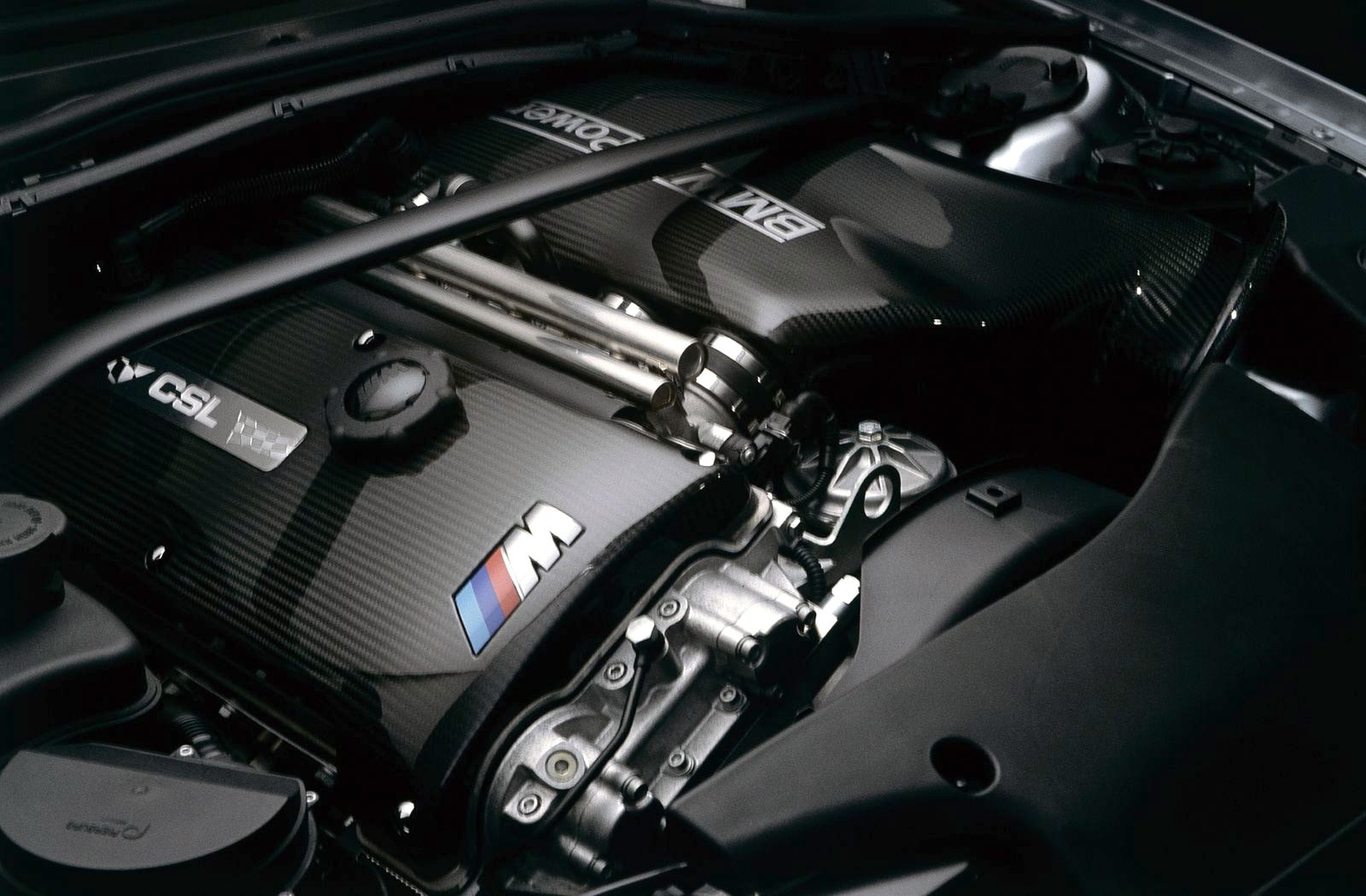
4. BMW M54 Inline-Six
BMW is sometimes criticized for over-engineering its engines, leading to parts that wear out earlier than expected. However, the M54 inline-six is an exception when it comes to timing chain strength. Used in the 3-Series, 5-Series, and X5 during the early 2000s, this 2.5- to 3.0-liter engine is respected for its long-lasting chain.
The chain in the M54 is built with thick links and guided by strong tensioners. It rarely fails, even in engines with more than 200,000 miles. Many BMW enthusiasts say that the timing chain is one of the least problematic parts of this engine. Instead, other components like valve cover gaskets, cooling systems, and crankcase ventilation tend to give more trouble. This is proof that BMW’s chain design in this engine was successful.
The main reason for this durability is consistent lubrication. BMW engineered the M54 with a reliable oiling system that ensures the chain is never left dry. When drivers keep up with oil changes using quality synthetic oil, the chain remains in excellent condition for decades. Even neglectful owners rarely face timing chain disasters with the M54, which cannot be said for some later BMW engines.
Although the M54 requires maintenance in other areas, buyers often choose it because they know the chain will not cause financial headaches. For used car shoppers, this makes the engine attractive, since replacing a chain in a BMW can be very costly due to the tight engine bays and labor-intensive design. The peace of mind of having a chain that lasts is a big advantage.
The M54’s reputation for durability has made it a favorite among car enthusiasts. Many continue to modify and drive these engines today, trusting that the chain system will remain intact. This makes the M54 one of BMW’s best examples of blending performance and dependability in a package that can still be enjoyed many years after production stopped.
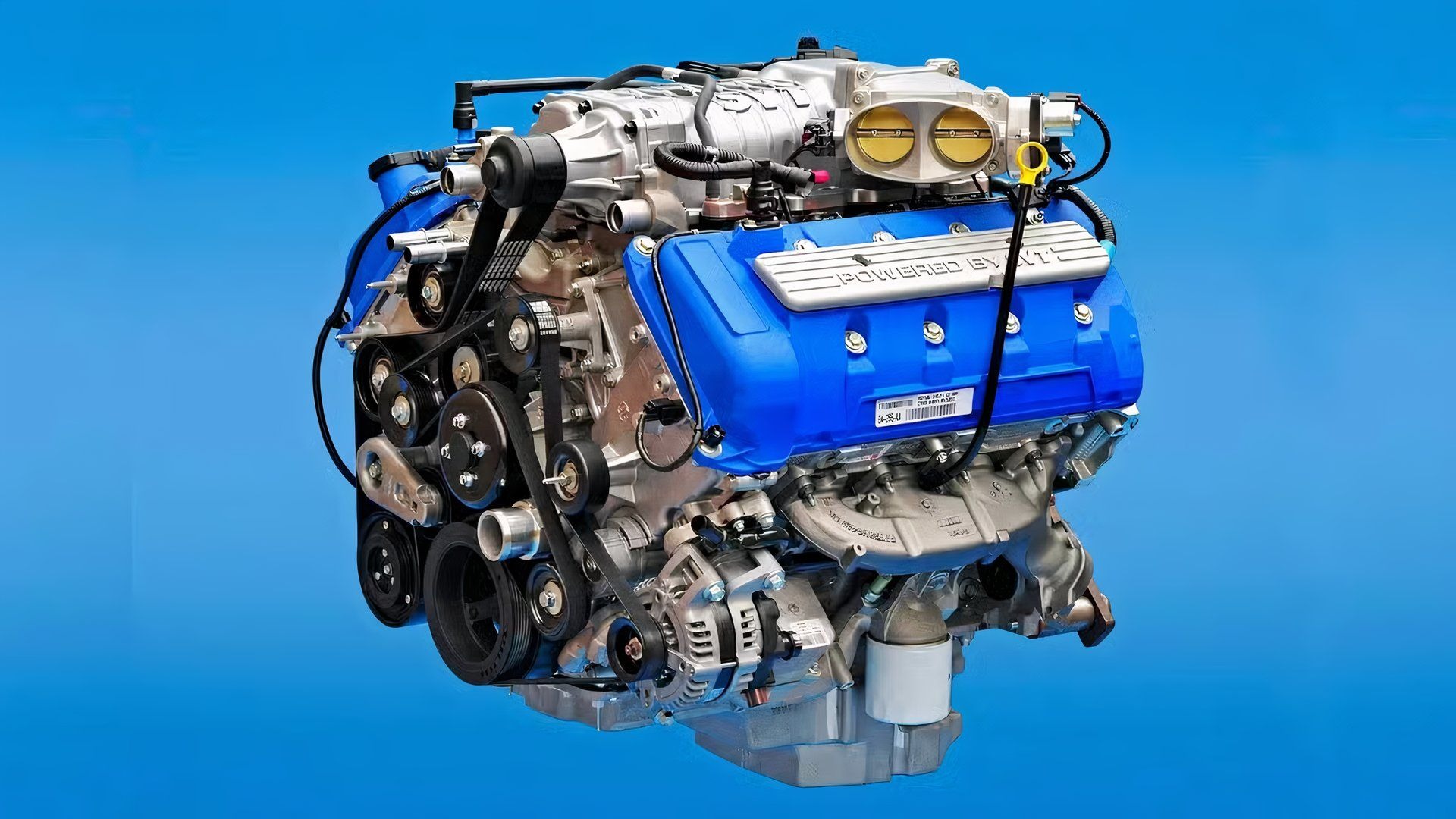
5. Ford Modular V8 (4.6 and 5.4)
Ford’s Modular V8 family, which includes the 4.6-liter and 5.4-liter engines, powers a wide variety of vehicles from Mustangs to F-Series trucks. One thing owners often appreciate about these engines is that their timing chains rarely give trouble. The design used strong chains and reliable guides that can handle hundreds of thousands of miles.
Many Ford trucks with these engines have gone past 300,000 miles while still running the original chain system. Mechanics often say that chain replacement is unnecessary unless the engine is being rebuilt for other reasons. This makes them very dependable for drivers who use their vehicles for heavy work or long highway miles.
The durability comes from Ford’s choice to keep the design simple. Each bank of cylinders uses its chain, and the tensioners are oil-fed for consistent performance. As long as the engine receives regular oil changes, the system stays quiet and reliable. Even when oil changes are delayed, the chains often survive longer than expected.
Owners of Crown Victorias, Mustangs, and F-150s with these engines often describe them as nearly indestructible. While other components may wear out, the chains themselves are rarely an issue. For people who need a truck or car that will not fail under stress, this reliability is very valuable.
Though Ford has since moved to newer designs, the legacy of the Modular V8 remains strong. Many used examples are still on the road today, serving as police cars, work trucks, or daily drivers. Their chains are one of the biggest reasons why these engines continue to earn praise long after their production ended.
5 Engines That Snap Early
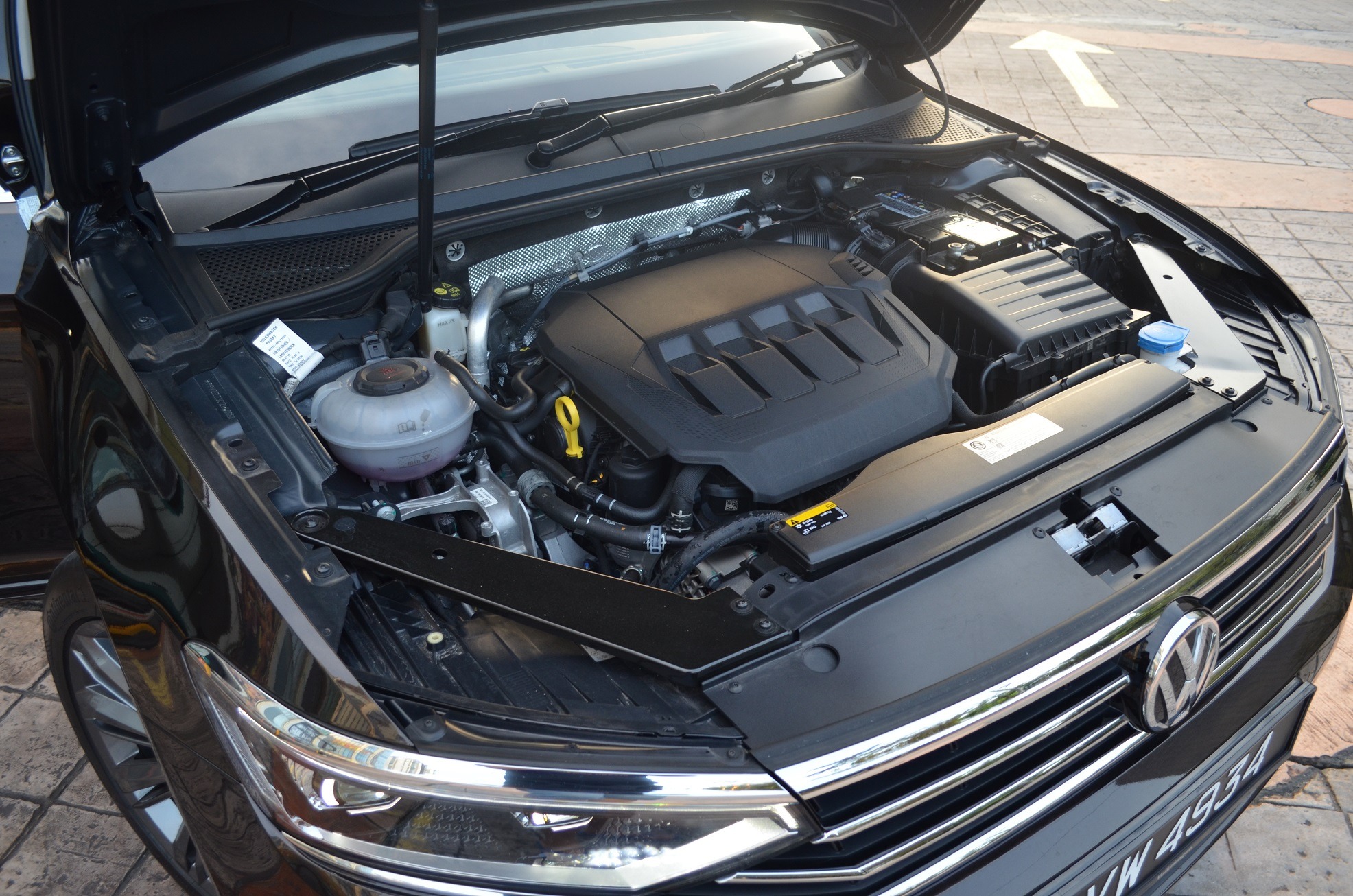
1. Volkswagen 2.0 TSI
While some engines impress with their durable chains, others have gained a bad reputation. The Volkswagen 2.0 TSI, used widely in cars like the Golf GTI, Jetta, and Audi A4 during the late 2000s and early 2010s, is one of them.
This engine uses a chain system that tends to stretch far earlier than expected, sometimes before 70,000 miles. Many owners reported rattling noises at startup, which were traced back to weak chain tensioners. When left unfixed, these issues often led to complete timing chain failure. The results could be catastrophic, with bent valves and destroyed pistons.
Part of the problem was poor tensioner design. The tensioners sometimes lost pressure when the car was off, allowing the chain to slacken at startup. With time, this caused premature wear and failure. Volkswagen later redesigned the tensioners, but many cars on the road still have the earlier weak parts.
Repairing these engines is expensive, since replacing a chain in a compact engine bay requires a lot of labor. Many owners found themselves facing bills that were thousands of dollars high, which damaged Volkswagen’s reputation for reliability. Even when chains were replaced, some cars continued to develop issues because of oil system weaknesses.
Mechanics often warn buyers to check service records carefully before purchasing a used car with this engine. If the chain and tensioner have not been replaced with newer designs, the risk of failure remains high. This has led to many cautious buyers avoiding certain model years altogether.
Although the 2.0 TSI delivers strong performance and good fuel economy, its early chain failures made it one of the least trusted engines in Volkswagen’s lineup. For anyone considering one, the timing chain condition should be the first thing checked.
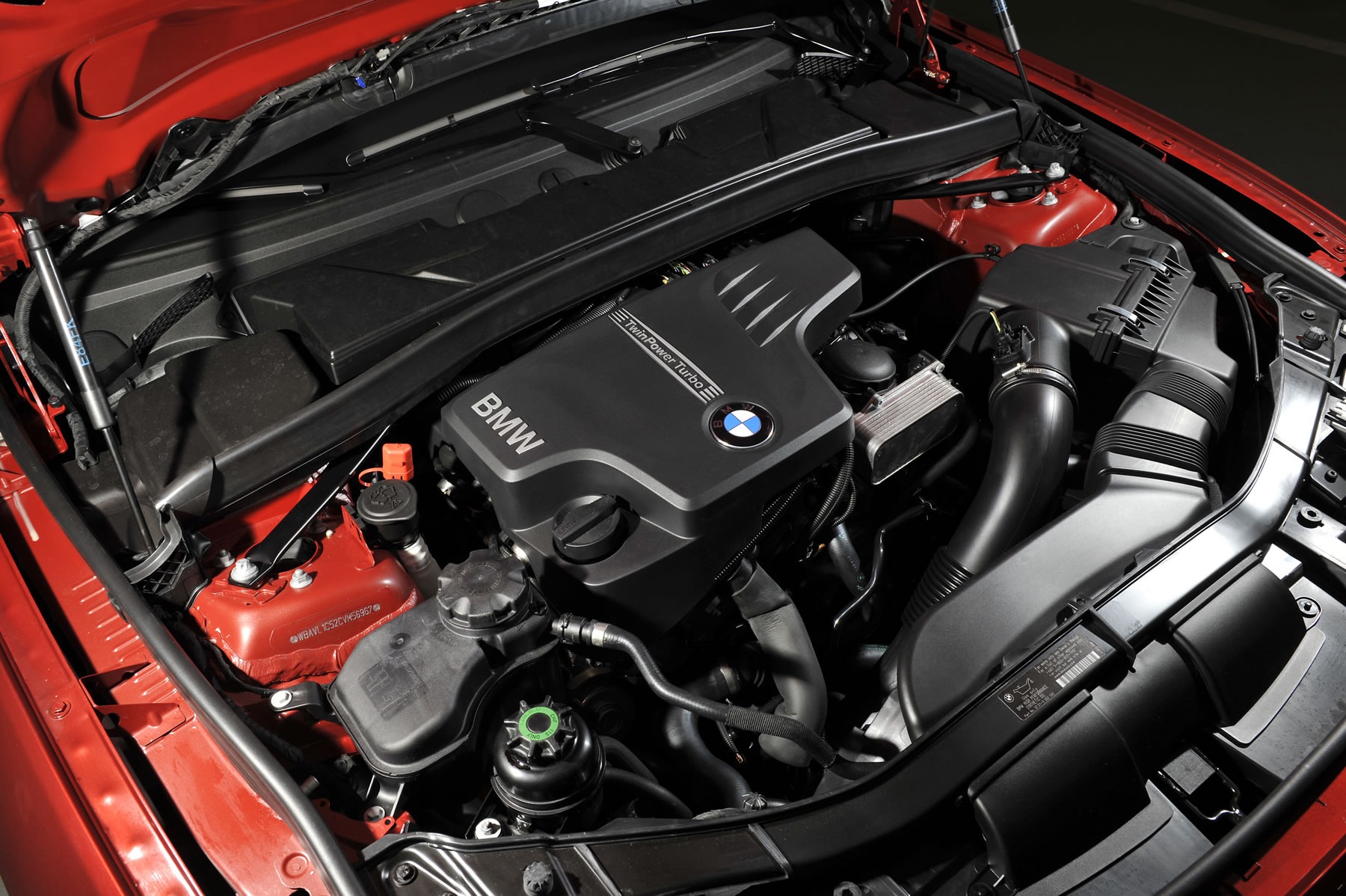
2. BMW N20 Four-Cylinder
BMW’s N20 engine, introduced in 2011, was supposed to replace six-cylinder engines with a smaller turbocharged four-cylinder design. While it delivered good performance and efficiency, its timing chain reputation was poor. Many drivers experienced chain problems far earlier than expected.
The chain in the N20 often stretches or breaks before 100,000 miles. The weak design of the tensioners and guides contributes to the problem. Drivers often report chain noise, followed by complete failure if repairs are not made quickly. Because the N20 is an interference engine, chain failure usually destroys the pistons and valves, leading to complete engine replacement.
BMW eventually issued service campaigns to address these issues, but the damage to its reputation was already done. Many buyers grew hesitant to purchase vehicles with the N20 because of the high cost of repairs. Replacing the chain is extremely labor-intensive, and in some cases, it is cheaper to replace the entire engine.
This issue was particularly disappointing because BMW had built a reputation with engines like the M54, which rarely had chain failures. Moving to smaller turbocharged engines brought new challenges, and the N20’s design proved less reliable.
Used car buyers are often advised to avoid higher-mileage N20 vehicles unless the timing chain system has been replaced with newer parts. Even then, long-term durability remains questionable. For many enthusiasts, the N20 is seen as a low point in BMW engine reliability, especially when compared with older inline-six models.
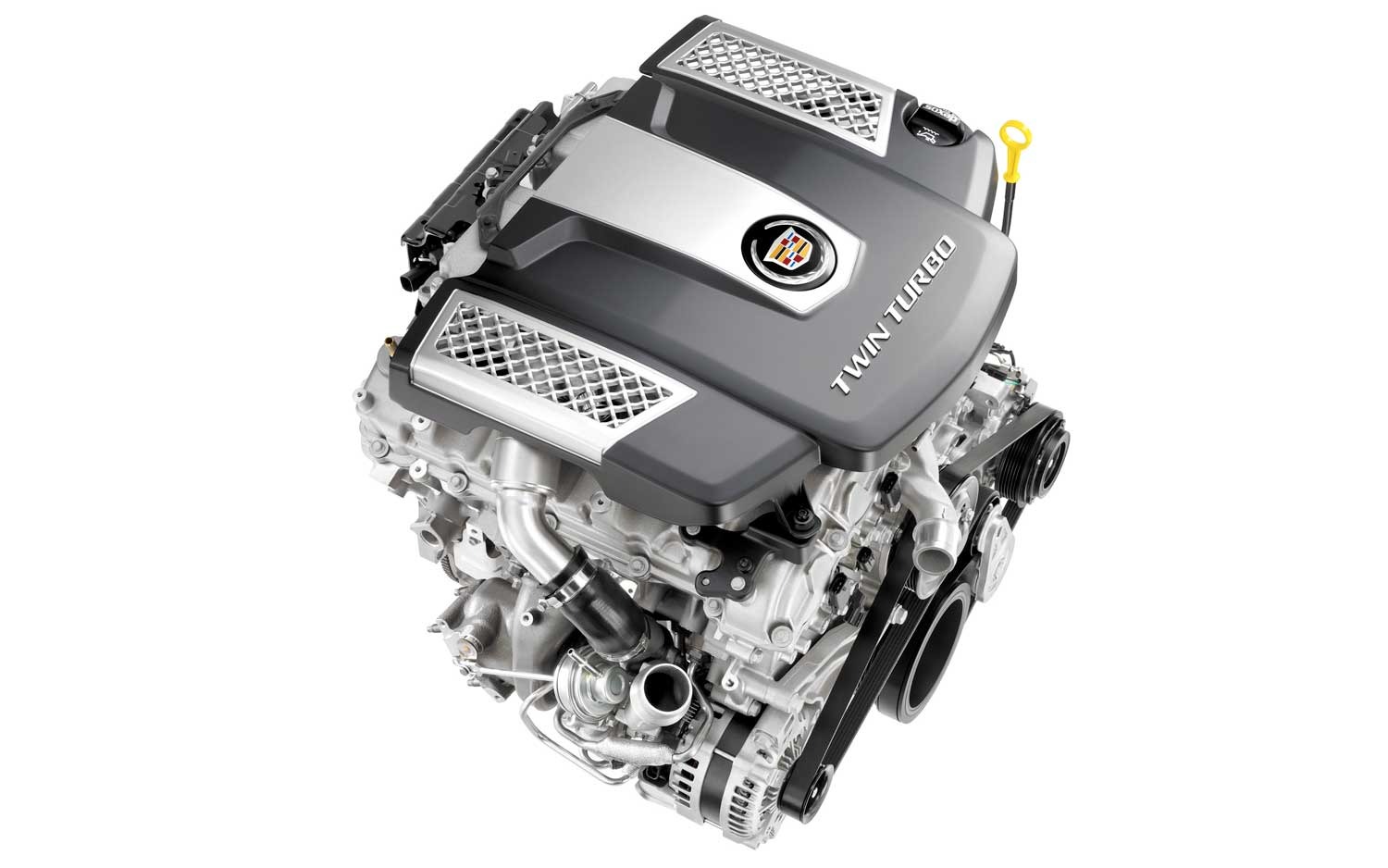
3. Cadillac 3.6 V6 (High Feature)
General Motors introduced the 3.6-liter High Feature V6 to power a wide range of Cadillac, Chevrolet, and Buick models. While the engine produced good power and smooth performance, its timing chain system became a serious weakness.
Many owners reported chain stretch as early as 60,000 miles, often caused by poor oiling and extended oil change intervals. The engine relied heavily on clean oil to keep the chain tensioners working, but real-world drivers did not always follow strict oil schedules. As a result, chains stretched, causing check engine lights and rough running.
The cost of replacing the chains in these engines is very high due to their complicated design. Mechanics must remove many components to access the chains, leading to expensive repair bills. Some owners had their engines replaced entirely because the cost of repair was close to the cost of a new motor.
This issue hurt Cadillac’s reputation, especially because luxury buyers expect long-lasting reliability. GM eventually updated the chain design and improved oil life monitoring, but many earlier vehicles continue to suffer from premature failures.
Buyers of used Cadillacs with this engine are often warned to check maintenance history carefully. Regular oil changes with high-quality oil are the only way to reduce the risk, but even then, the problem has not been fully eliminated. This makes the 3.6 V6 one of the least trusted engines when it comes to timing chain reliability.
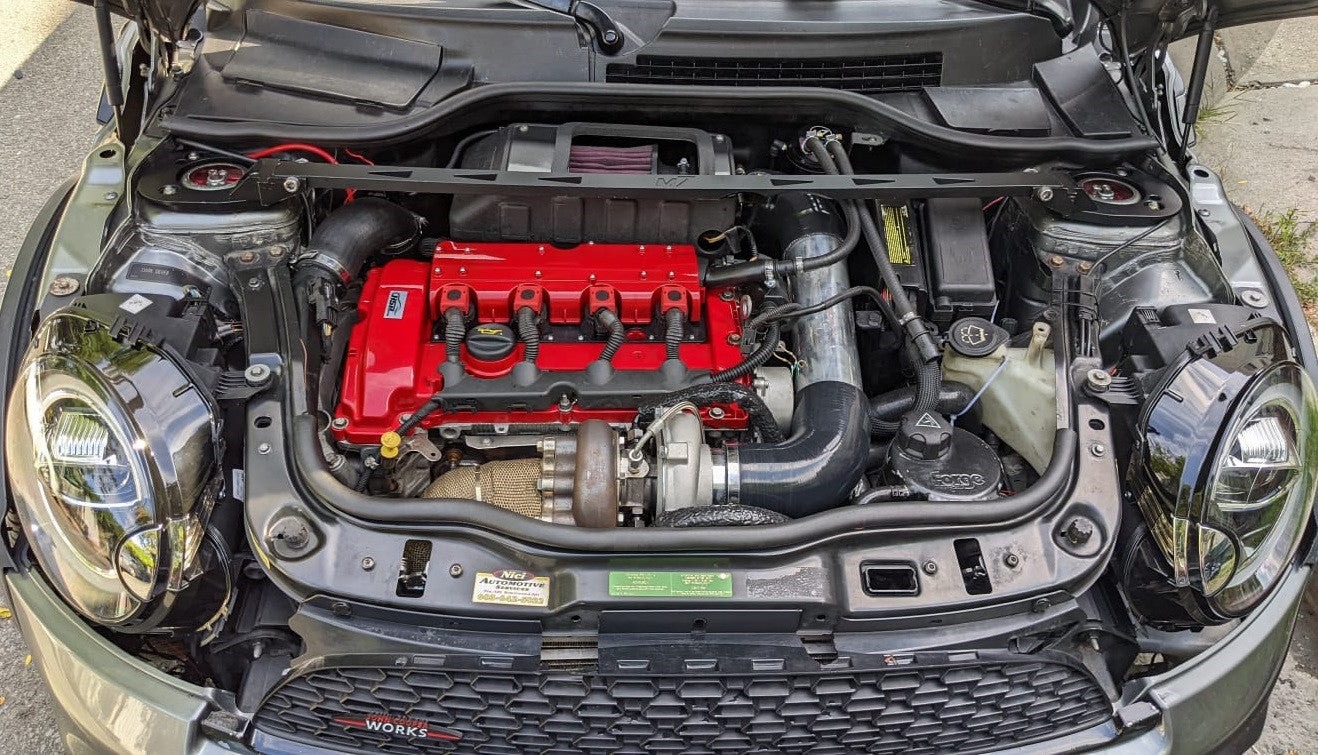
4. Mini Cooper 1.6 Turbo
The 1.6-liter turbocharged engine used in Mini Coopers during the late 2000s and early 2010s became infamous for timing chain failures. Owners often referred to the chain as the “death rattle” because of the loud noise it produced before failure.
Many of these chains failed before 80,000 miles, leaving drivers with expensive repair bills. The tensioner and guide system was poorly designed, allowing the chain to stretch quickly. Cold starts made the issue worse, as the chain was not always properly lubricated.
Mini owners often complained that their cars spent more time in repair shops than on the road. Some class-action lawsuits were filed against the manufacturer because of widespread failures. Even when repaired, the problem sometimes returned, leaving owners frustrated.
This issue damaged Mini’s image, as buyers expected a premium small car but instead faced reliability problems. Mechanics often advise avoiding certain model years altogether unless proof of chain replacement exists. Even then, long-term reliability is uncertain.
Although the Mini Cooper is fun to drive, its 1.6 turbo engine remains a warning about poor timing chain design. Buyers looking for a used Mini must weigh the risk of expensive repairs before committing.
Also Read: 5 Affordable Engines That Sound Like V12s and 5 That Sound Like Blenders
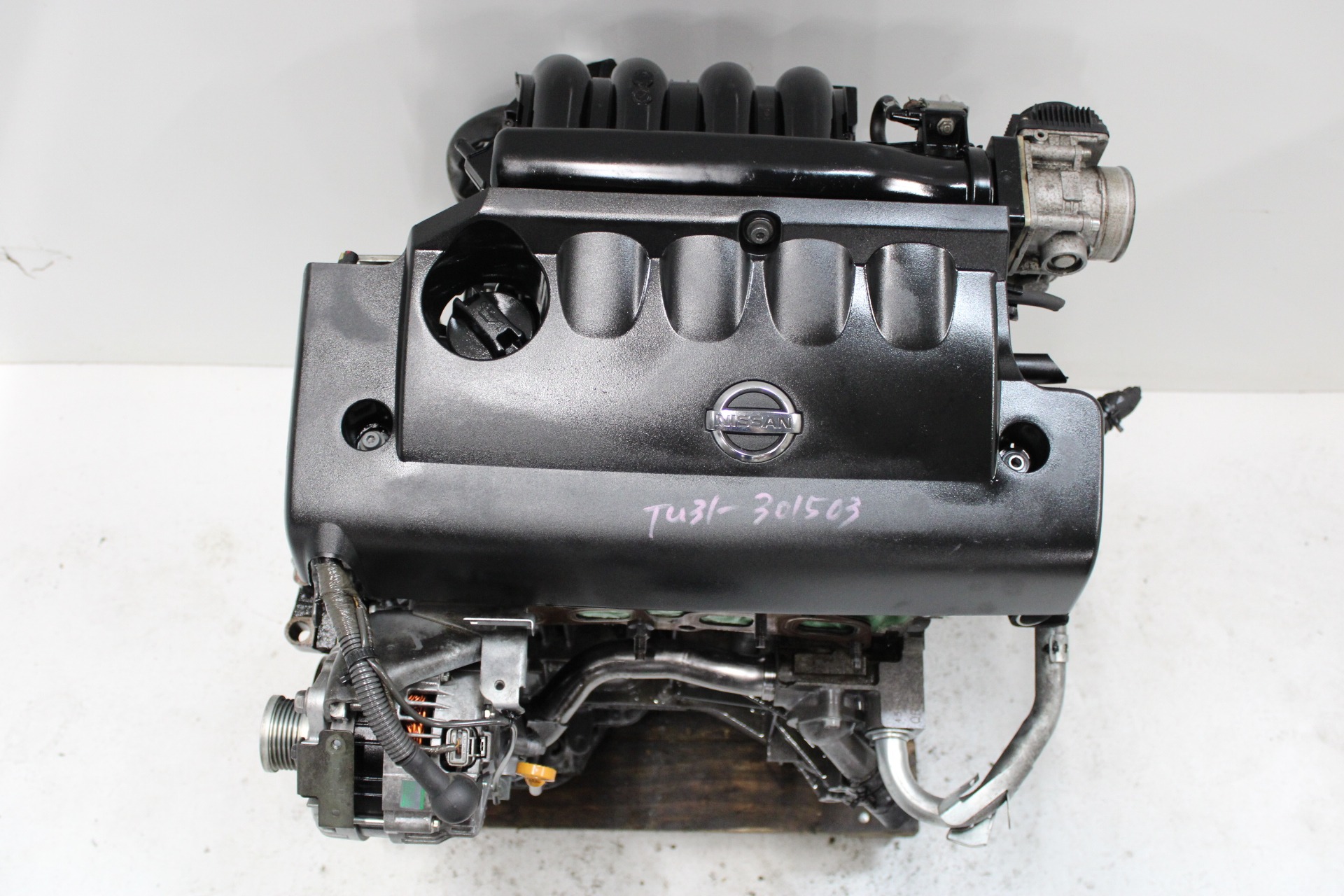
5. Nissan QR25DE Four-Cylinder
Nissan’s QR25DE engine has been widely used in cars like the Altima, Rogue, and Sentra. While it offered good fuel economy and decent power, its timing chain system became a weak point.
Many owners experienced chain stretch earlier than expected, sometimes before 100,000 miles. The chain tensioners and guides were prone to wear, leading to rattling noises and poor engine performance. If ignored, the problem often led to full chain failure and internal engine damage.
The issue was worsened by the fact that these engines were used in popular commuter cars. Many buyers did not keep up with strict maintenance, which made the chain wear out faster. Nissan later improved the design, but many vehicles on the road today still face the risk of early failure.
Repair costs for these engines can be high, especially for budget-minded owners who bought Altimas or Sentras expecting low maintenance. Some mechanics even recommend replacing the chain preemptively once high mileage is reached, just to avoid catastrophic damage.
Although the QR25DE helped Nissan sell many vehicles, its chain reliability has left many buyers disappointed. Used car shoppers are often advised to be cautious and confirm whether the chain system has already been repaired before purchasing.
Engines that maintain their timing chains for hundreds of thousands of miles prove that careful engineering and strong material choices can give drivers peace of mind.
Toyota, Honda, Mercedes, BMW, and Ford showed how dependable chain systems allow owners to focus on regular maintenance without worrying about unexpected failures. These engines have become respected options for used buyers because they keep running reliably even with age and high mileage.
The engines with weak timing chain systems remind us how costly design flaws can be for drivers. Volkswagen, BMW’s N20, Cadillac’s 3.6 V6, Mini’s 1.6 turbo, and Nissan’s QR25DE often left owners facing expensive repairs that could have been avoided with stronger designs.
For anyone buying a used vehicle, understanding these histories helps in making better choices. A dependable timing chain can be the difference between a car that serves well for years and one that drains the wallet with repeated repairs.
