
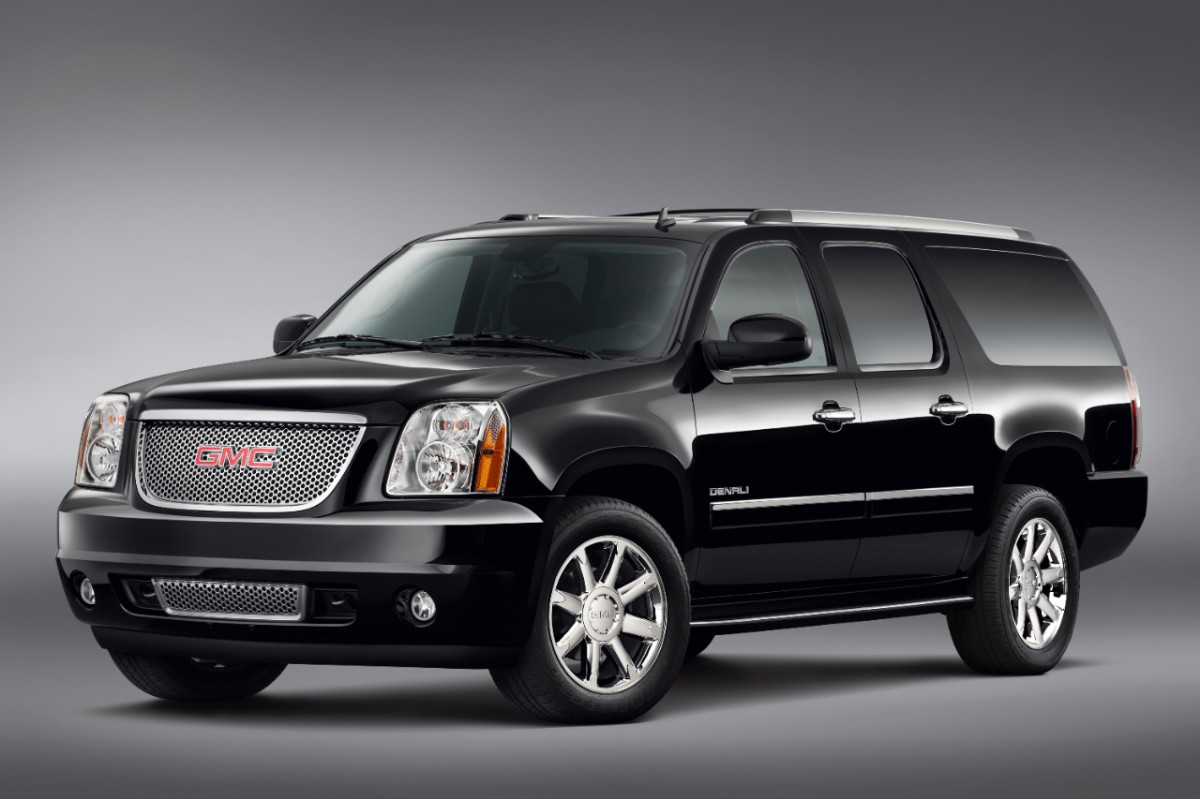
The GMC Yukon has earned its place as one of the most trusted names in the full-size SUV segment, offering a balance of rugged power and everyday comfort. With its strong V8 engines, impressive towing capability, and spacious interiors, the Yukon appeals to families, adventurers, and anyone needing a dependable hauler.
Over the years, however, the model has seen both high points and low points. Some Yukons have proven themselves capable of lasting well over a decade with minimal issues, while others have become known for frequent repairs, recalls, and costly breakdowns.
For buyers searching the used SUV market, knowing which model years to trust and which to avoid is critical. In this guide, we highlight five GMC Yukon years that stand the test of time and continue to deliver dependable performance, along with five years that fell short of expectations and are best left behind.
5 GMC Yukon Years That Last Forever
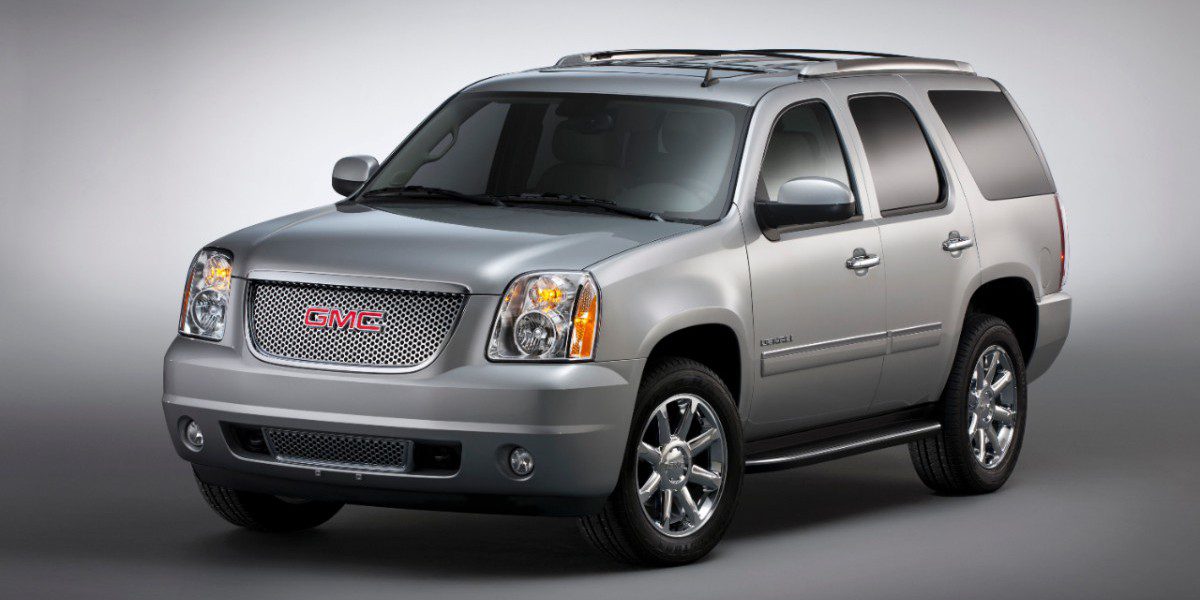
1. 2014 GMC Yukon
The 2014 GMC Yukon stands out as a solid choice for buyers seeking a traditional full-size SUV with durability and practicality. Positioned as the last model year before a major redesign, it balances modern features with proven mechanics.
Compared to earlier third-generation Yukons, the 2014 version benefits from improved reliability, avoiding many of the issues that plagued earlier production runs. However, prospective buyers should verify that the Takata airbag recall fix has been completed for safety assurance.
Reliability ratings are fairly strong, with a RepairPal score of 3.5/5 and J.D. Power awarding it 82/100. While there have been three recalls and a handful of complaints, the Yukon continues to be regarded as a dependable SUV option for families and towing needs.
Under the hood, the 2014 Yukon offers two capable V8 engines. The SLE and SLT trims come equipped with a 5.3-liter V8 producing 320 horsepower, paired with a six-speed automatic transmission.
With available four-wheel drive and low-range gearing, it delivers respectable performance both on-road and off-road. Towing capacity reaches up to 8,500 pounds, making it ideal for hauling trailers or boats. Fuel economy, however, is modest at 17 mpg combined.
For buyers seeking more power, the Yukon Denali boasts a 6.2-liter V8 producing 403 horsepower, achieving 0-60 mph in just 7.5 seconds, though with slightly lower fuel efficiency. Despite its size, the Yukon maintains composed handling, and the available Autoride adaptive suspension enhances stability when towing heavy loads.
Inside, the Yukon provides a refined and quiet cabin with high-quality materials and seating for up to nine passengers. The front and second-row seats are spacious and supportive, though the third row is less accommodating for adults.
One drawback is the third-row seat design, which must be physically removed to maximize cargo space, a feature that feels outdated compared to fold-flat competitors. Technology is functional but not cutting-edge, with Bluetooth limited to phone connectivity and a relatively small navigation display by modern standards.
The lack of a telescoping steering wheel also hinders driving position comfort, though adjustable pedals help compensate. The interior excels in comfort and practicality but shows its age in tech features.
The 2014 Yukon earns strong safety ratings, including four stars overall in government crash testing and five stars in frontal and side impact protection.
Standard safety features include antilock brakes, stability control, airbags, OnStar telematics, rear parking sensors, and a rearview camera, with blind-spot monitoring available on higher trims. On the road, the Yukon impresses with its smooth ride, excellent noise insulation, and highway comfort.
While steering is somewhat slow and imprecise, the SUV remains manageable thanks to its 39-foot turning radius. Compared to crossovers like the GMC Acadia, the Yukon emphasizes towing and rugged utility over everyday practicality, but for buyers needing heavy-duty capability, it remains a compelling and versatile option.
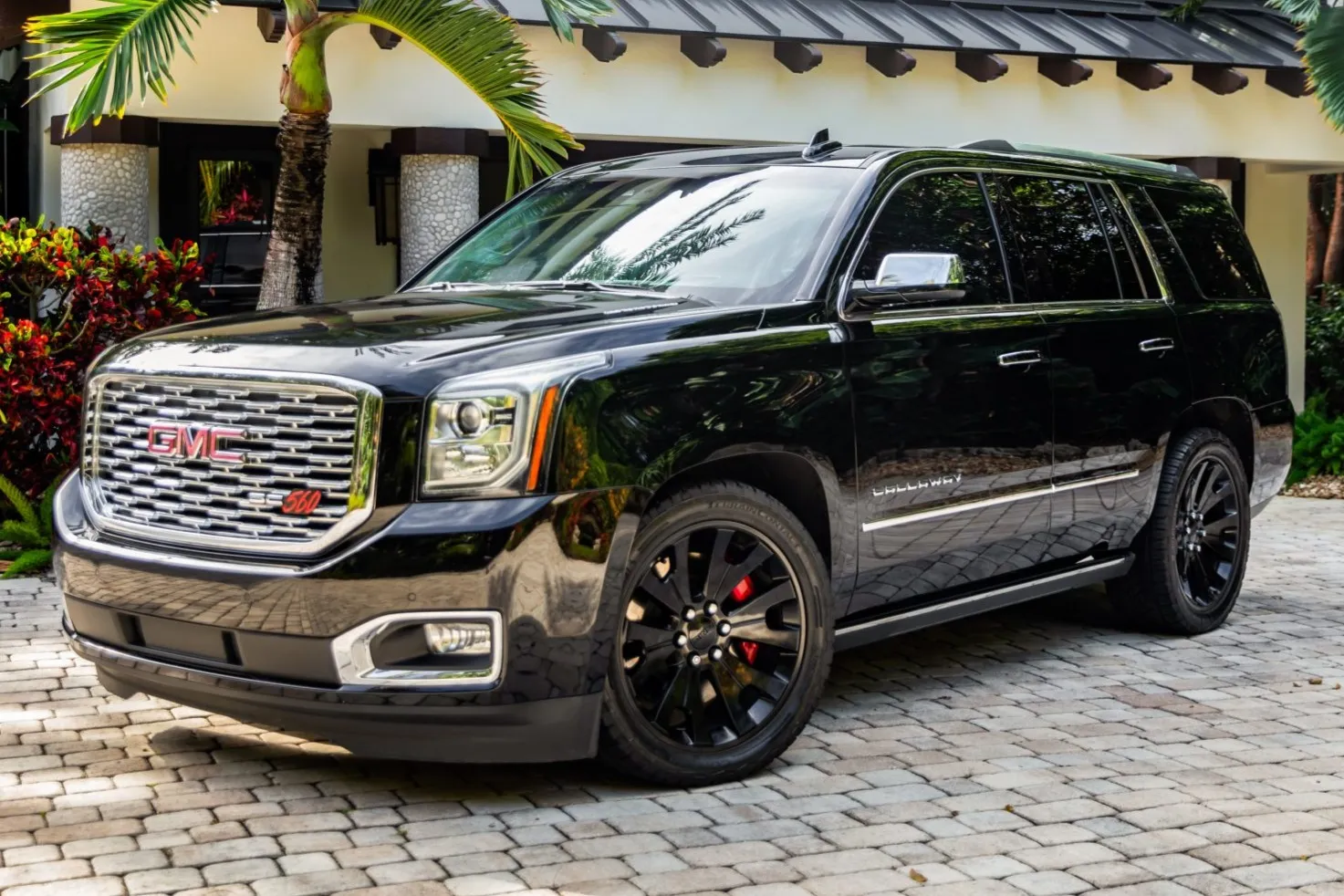
2. 2019 GMC Yukon
The 2019 GMC Yukon ranks among the best years for this model in terms of reliability, recording very few owner complaints and a relatively low likelihood of repairs. Carfax data indicates only a 13% chance of annual repairs, while J.D. Power gives it a quality and reliability score of 78/100.
Compared with earlier fourth-generation models introduced in 2015, the 2019 version avoids most of the first-year production issues. The only commonly reported problems are occasional glitches with electronics or safety assist features.
With just one NHTSA recall and limited complaints, the 2019 Yukon presents itself as a trustworthy option for buyers seeking a traditional body-on-frame SUV that balances ruggedness with everyday usability.
Equipped with standard V8 power, the 2019 Yukon delivers solid performance, particularly with the optional 6.2-liter V8 paired to a 10-speed automatic transmission. This setup allows the Yukon to achieve 0–60 mph in 6.2 seconds, impressive for its size.
While the smaller 5.3-liter V8 provides adequate power, it lacks responsiveness compared to competitors. The adaptive MagneRide suspension, available on higher trims, significantly improves ride quality and handling, though the Yukon still shows its truck-based roots with firm braking and less precise steering.
Towing is one of its strongest attributes, with a maximum capacity of 8,500 pounds, making it ideal for families hauling boats, trailers, or campers. However, fuel efficiency remains modest, and cargo practicality lags behind crossover alternatives.
Inside, the Yukon offers generous space for first- and second-row passengers, along with well-padded, comfortable seating. However, the third row is cramped for adults due to a high floor that forces an awkward knees-up seating position, making it suitable mainly for children.
Cargo space is another drawback, with a high load floor and very limited room behind the third row. The longer Yukon XL addresses this issue, offering more practicality. Interior quality is solid, though still more plasticky than some rivals, and visibility is hindered by thick roof pillars.
Climate control and noise insulation are strong points, ensuring a quiet and comfortable ride even on long drives, though the ride can feel unsettled over broken pavement.
Technology in the 2019 Yukon is functional but dated compared to rivals and newer GM models. Standard features include Apple CarPlay, Android Auto, and an easy-to-use three-zone climate control system, but the infotainment display feels outdated, and the rearview camera is low-resolution.
Advanced driver aids like adaptive cruise control and lane-keeping assist are restricted to higher trims, limiting accessibility for lower-level buyers.
In safety testing, the Yukon performs adequately, with a range of airbags, stability control, and optional assists, though it trails competitors like the Ford Expedition in refinement and available safety tech.
Ultimately, the 2019 GMC Yukon excels in towing strength, passenger comfort, and long-term dependability, but it falls short in everyday practicality and modern technology compared with newer crossovers and direct rivals.
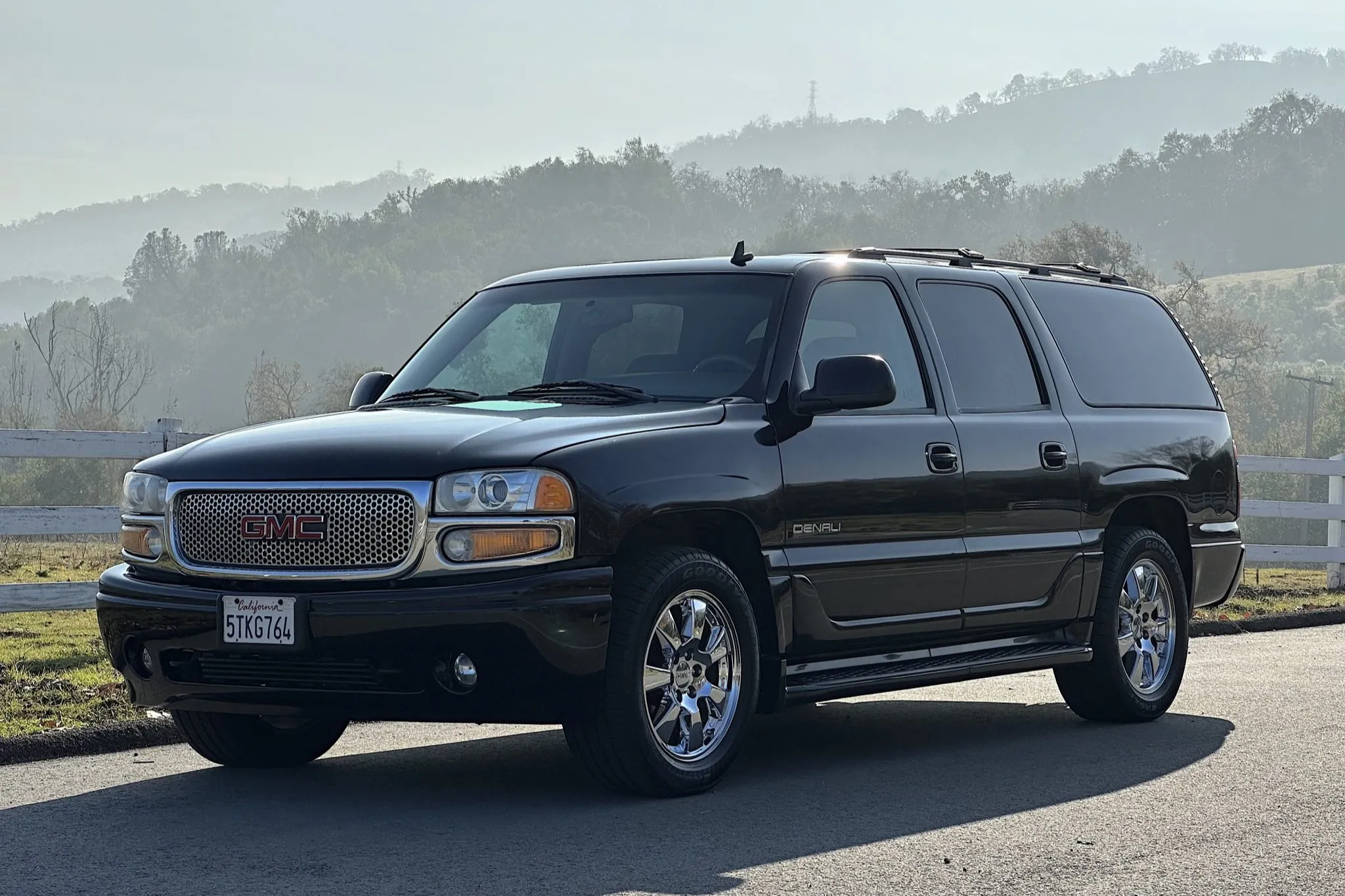
3. 2006 GMC Yukon
The 2006 GMC Yukon has proven to be a solid and dependable option in the used SUV market despite initial criticism about its build quality. Over the years, it has aged well, recording only 56 complaints and three recalls on CarComplaints, which is commendable for a pre-2010 large SUV.
Owners have reported only minor issues, such as problems with the tailgate, but no widespread or severe mechanical flaws. This makes the 2006 Yukon a confidence-inspiring choice for buyers seeking an affordable, capable, and long-lasting full-size SUV.
Notably, the 2006 model introduced new standard features across all trims, including OnStar, steering wheel-mounted audio controls, and stability control, boosting its appeal.
Performance in the 2006 Yukon is defined by its lineup of strong V8 engines. The base model uses a 4.8-liter V8 with 285 horsepower, while a 5.3-liter V8 producing 295 horsepower and 335 lb-ft of torque is standard in four-wheel-drive models.
At the top of the range, the Yukon Denali features a 6.0-liter V8 rated at 335 horsepower and 375 lb-ft of torque, paired with an all-wheel-drive system for maximum performance and towing power. All versions are equipped with a four-speed automatic transmission.
Properly equipped, the Yukon can tow up to 7,700 pounds, while the Denali can handle up to 8,100 pounds, making it a practical choice for families with boats or trailers. The suspension ensures a stable and smooth ride both on and off the road, while light steering allows easier maneuverability for such a large SUV.
Safety features on the 2006 Yukon include dual-stage front airbags with a passenger sensing system, a tire-pressure monitoring system, stability control, and four-wheel antilock disc brakes.
Side airbags are standard on the Denali and optional on other trims. In NHTSA crash testing, the Yukon earned four out of five stars for frontal crash protection, reflecting a decent safety record for its time. On the road, the Yukon’s V8 engines provide ample power for everyday driving and towing.
The 5.3-liter engine is a strong choice for frequent haulers, while the Denali combines luxury with the most robust towing capabilities. Despite its size, the Yukon offers a composed and comfortable ride, supported by a suspension system that performs well on both highways and rougher backroads.
Inside, the 2006 Yukon delivers a spacious and functional cabin designed for families and long trips. Seating for up to nine passengers is available with the optional 50/50 split third-row seat, making it one of the more versatile SUVs in its class.
Leather upholstery adds a touch of comfort, and second-row bucket seats and a DVD entertainment system were available for added convenience. While the controls are simple and easy to use, the interior materials fall short compared to more refined competitors of the same era.
Cargo space is generous, with 104 cubic feet available when the third row is removed and the second row folded, making the Yukon a practical hauler of both people and gear.
4. 2012 GMC Yukon
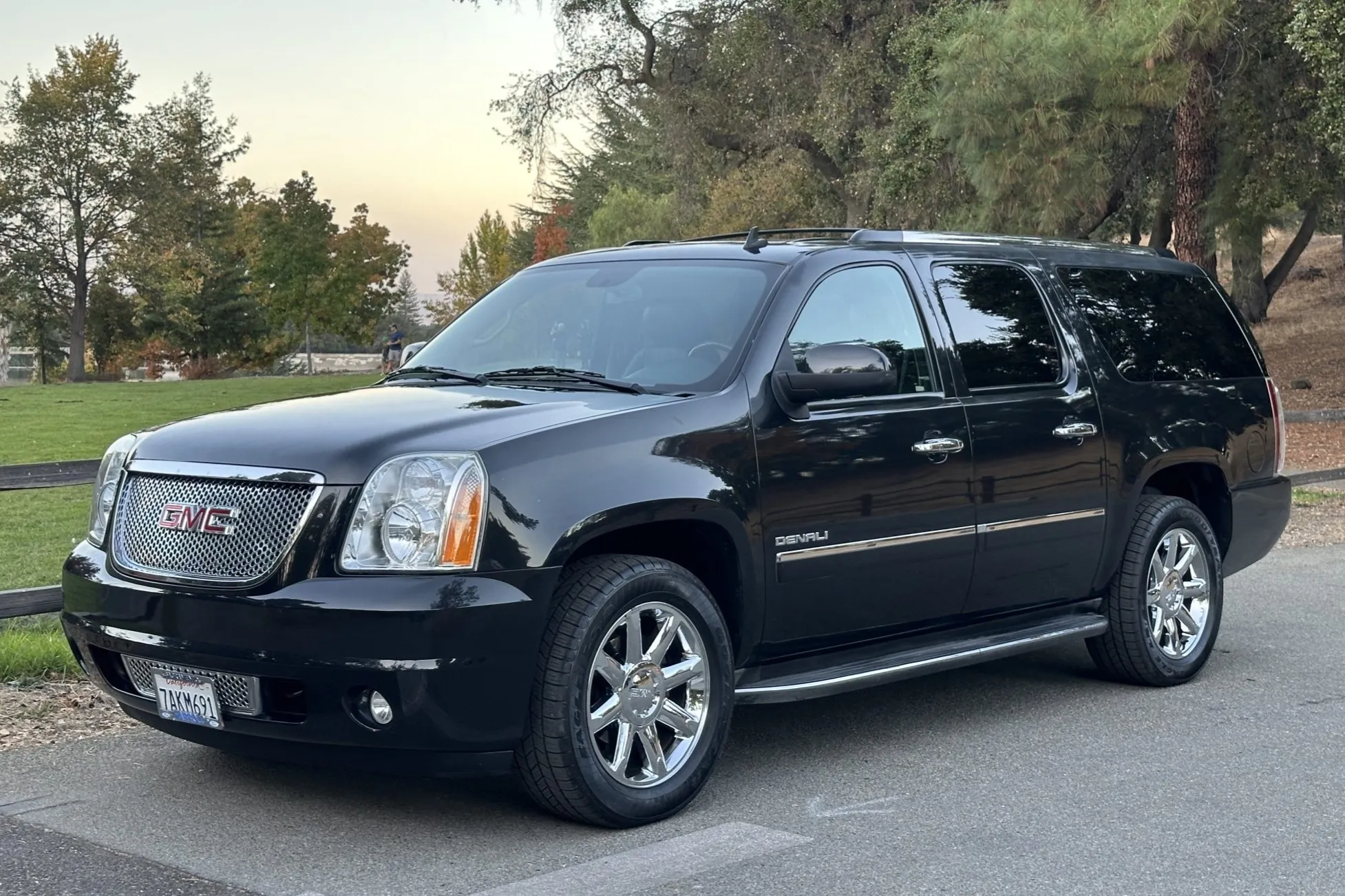
The 2012 GMC Yukon is widely regarded as the most reliable year of the third generation. According to CarComplaints, it recorded only 83 complaints and three recalls, with the most notable issue being an isolated liftgate strut failure.
Consumer Reports rated it 3.0 out of 5.0 for reliability and 4.0 out of 5.0 for owner satisfaction, making it a dependable option for families seeking a durable, full-size SUV.
Updates for this year included a faster, hard-drive-based navigation system with digital music storage and a heated steering wheel on higher trims. With a quiet cabin, a strong towing capability, and versatile seating, the Yukon stands as one of the best traditional truck-based SUVs available at the time.
Performance is a strong suit for the 2012 Yukon, thanks to its lineup of V8 engines. The SLE and SLT trims use a 5.3-liter V8 producing 320 horsepower and 335 lb-ft of torque, paired with a six-speed automatic transmission.
Buyers could choose between rear-wheel drive, a single-speed four-wheel-drive system, or a traditional two-speed system with low-range gearing. The Yukon can tow up to 8,400 pounds when properly equipped, while the Denali trim steps up performance with a 6.2-liter V8 delivering 403 horsepower and 417 lb-ft of torque.
Despite its size, the Yukon accelerates respectably, with the Denali capable of hitting 60 mph in just 7.5 seconds. Fuel economy, however, remains modest, averaging 17 mpg combined for standard models and 15 mpg combined for the Denali.
Safety features on the 2012 Yukon include antilock brakes, stability control, side curtain airbags, and OnStar emergency telematics. Rear parking sensors and a rearview camera were available on all trims, with higher trims offering blind-spot monitoring.
In government crash testing, the Yukon earned four stars overall, scoring five stars in frontal and side protection but receiving a lower three-star rollover rating.
On the road, the Yukon excels as a highway cruiser, delivering a smooth and quiet ride while remaining capable in towing situations. Its 39-foot turning circle aids maneuverability in tighter spaces, although vague steering and less-than-nimble handling remind drivers of its truck-based platform.
The cabin of the 2012 Yukon is well-appointed, with high-quality materials and a clean, functional control layout. Seating is spacious and supportive in the first two rows, and the Yukon can carry up to nine passengers, making it one of the more versatile SUVs in its class.
The third-row seat, however, is less accommodating, with limited legroom and a low cushion design that restricts comfort for adults. Cargo flexibility is also a mixed bag, as the third-row seats must be removed entirely to unlock the full 109 cubic feet of storage space.
While this design feels dated compared to fold-flat systems in rivals, the Yukon remains a practical and capable choice for buyers prioritizing space, power, and towing ability.
5. 2013 GMC Yukon
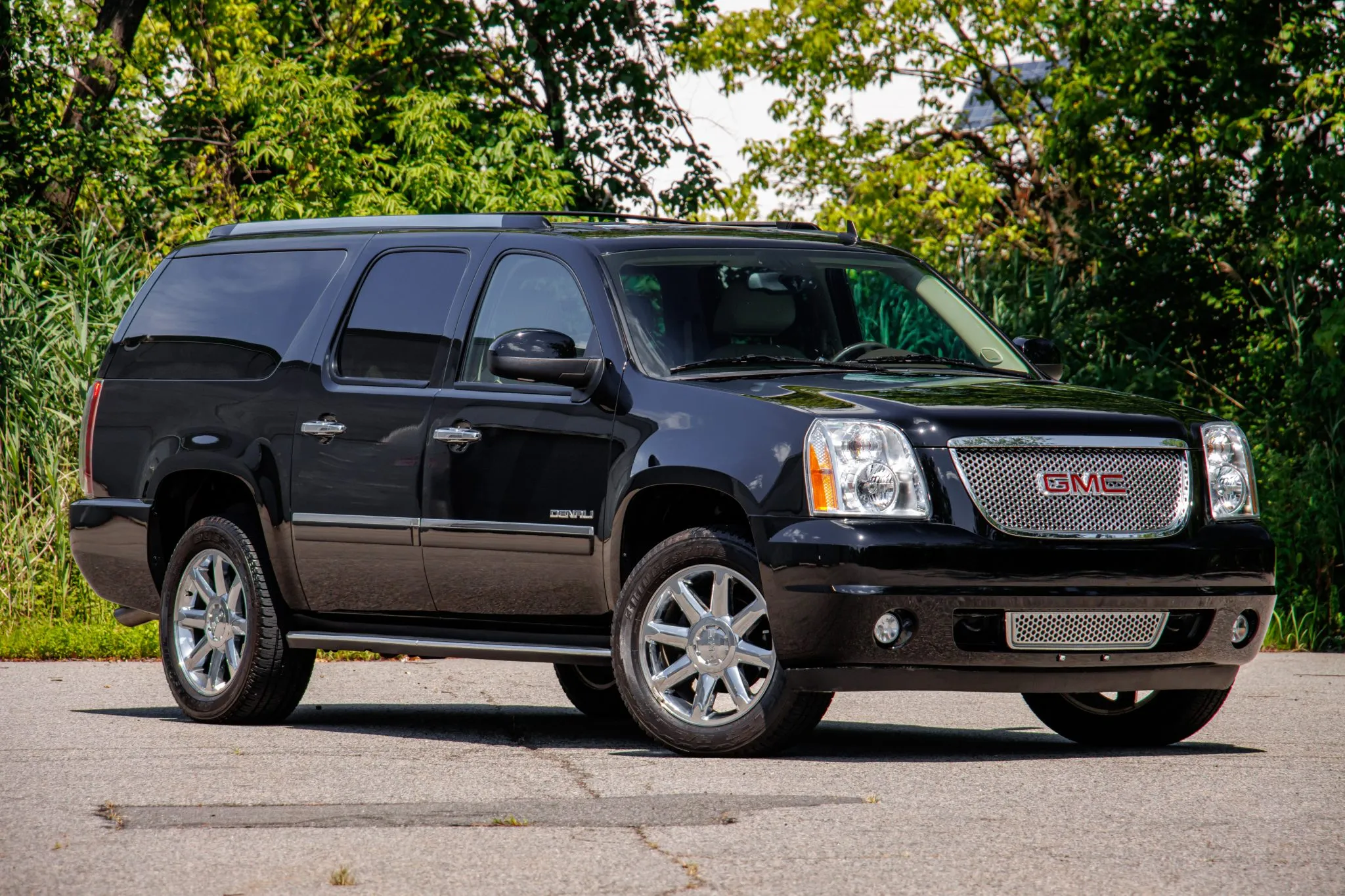
The 2013 GMC Yukon remains a solid entry in the large SUV market, with only a handful of complaints and recalls. Reported issues include carbon buildup and cracked dashboards, though these have not been widespread.
While the following 2014 Yukon has even fewer complaints, the 2013 still stands as a dependable option for buyers seeking a traditional, truck-based SUV. Like its Chevrolet Tahoe sibling, it offers nearly identical performance, capability, and design, with differences limited mostly to exterior styling.
With its balance of power, comfort, and practicality, the 2013 Yukon is one of the strongest choices in its segment, appealing especially to families and buyers who need significant towing strength.
Equipped with standard V8 power, the 2013 Yukon is built for demanding tasks. The SLE and SLT trims feature a 5.3-liter V8 producing 320 horsepower and 335 lb-ft of torque, paired with a six-speed automatic transmission. Rear-wheel drive is standard, while buyers can choose between two available four-wheel-drive systems.
Properly equipped, the Yukon can tow up to 8,500 pounds, making it one of the most capable SUVs of its time. For maximum performance, the Yukon Denali offers a 6.2-liter V8 rated at 403 horsepower and 417 lb-ft of torque, enabling acceleration to 60 mph in just 7.5 seconds.
Fuel economy averages 17 mpg combined for standard models and 16 mpg combined for the Denali, which is typical for this class of SUV.
The 2013 Yukon is well-equipped with standard safety features, including antilock brakes, stability control, side airbags, curtain airbags, and OnStar telematics. Rear parking sensors and a rearview camera are optional across trims, while upper trims like the SLT-2 and Denali can add blind-spot monitoring.
Government crash tests awarded the Yukon an overall four-star rating, with excellent five-star scores for frontal and side protection but a lower three-star rollover score due to its higher center of gravity.
On the road, the Yukon excels in long-distance comfort, offering a quiet cabin and a composed ride. Despite vague steering and limited agility in tight traffic, it feels stable and confident, particularly when towing trailers or carrying heavy loads.
Inside, the 2013 Yukon features a refined cabin with high-quality materials and a straightforward control layout. The available navigation system includes digital music storage but uses a smaller screen than newer GM models. Seating accommodates up to nine passengers, making the Yukon highly versatile for families.
The third-row seats, however, remain a weak point: they offer limited legroom and must be physically removed to maximize cargo space. Once removed, the Yukon provides up to 109 cubic feet of storage capacity, giving it exceptional utility for large hauls. With a blend of comfort, capacity, and rugged design, the 2013 GMC Yukon continues to stand out as one of the best traditional full-size SUVs of its era.
Also Read: 5 Cars That Heat Up Fast in Winter vs 5 Cars That Take Forever to Warm Up
5 GMC Yukon Years That Don’t Last Forever
1. 1999 GMC Yukon: The Problematic End of the First Generation
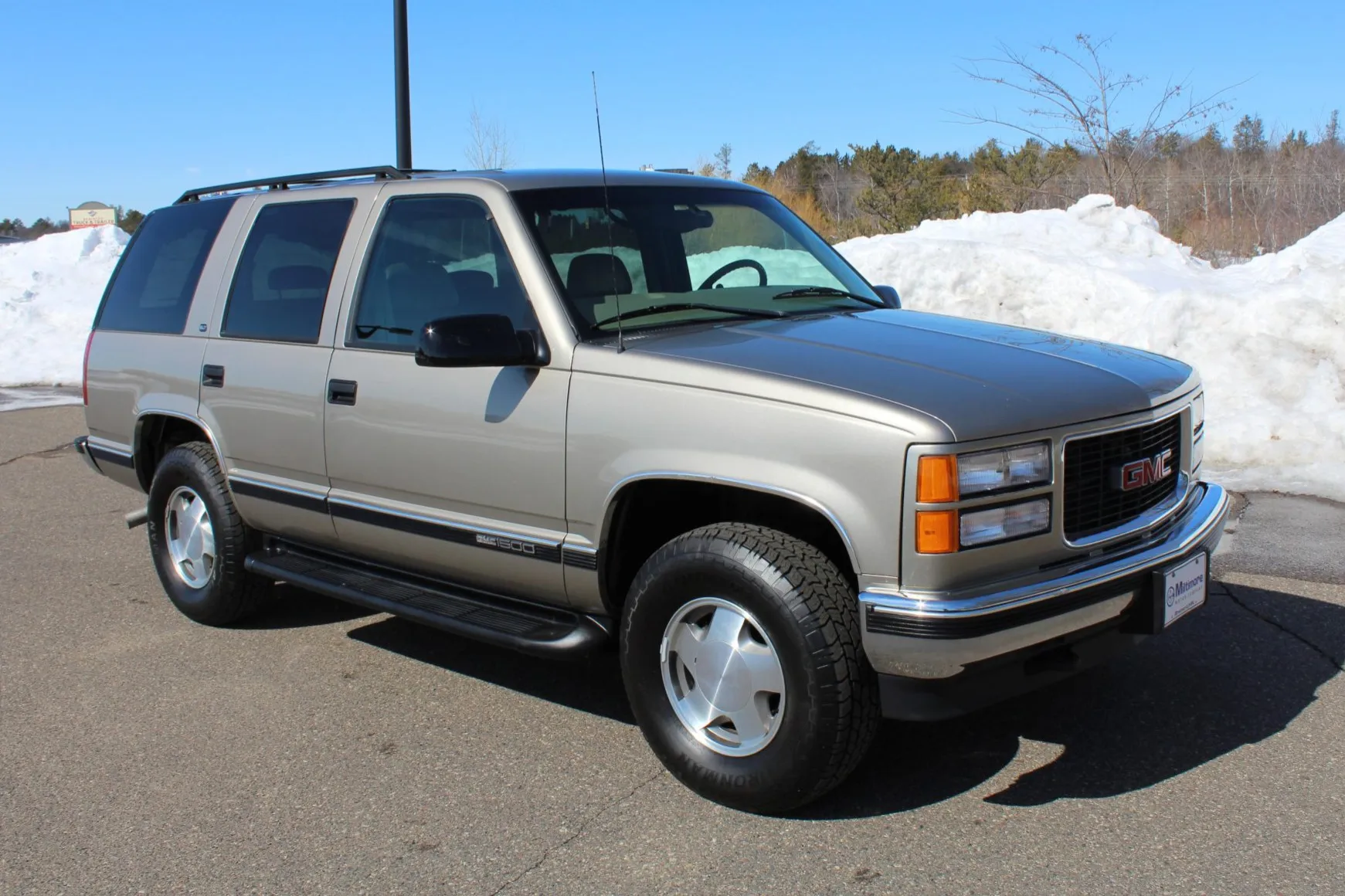
The 1999 GMC Yukon, representing the final year of the SUV’s first generation, stands out for all the wrong reasons. While some might expect that the last year of a generation would resolve earlier flaws, this particular model became infamous for a surge of complaints.
Reports gathered through CarComplaints and the National Highway Traffic Safety Administration (NHTSA) reveal numerous owner grievances, making it the most problematic of its generation.
Even though only 17 official complaints were submitted to CarComplaints, this was significantly higher than previous years, which rarely saw more than three.
Issues ranged from interior lights malfunctioning to doors failing to close properly, underscoring questionable build quality. However, the most serious problems involved critical safety components.
The NHTSA logged 96 complaints about this model year, with two issues standing out above the rest: frequent driver’s seat breakage and alarming brake failures, including complete system lockups. These kinds of problems posed genuine safety risks, especially since braking reliability is crucial in any vehicle.
Unfortunately, none of the seven recalls associated with this Yukon addressed these two key concerns. As a result, the 1999 GMC Yukon earned a poor reputation, serving as a cautionary tale for buyers considering older vehicles from the brand’s first generation.
2. 2001 GMC Yukon: A Rough Start to the Second Generation
As GMC transitioned into the second generation of the Yukon, expectations for improved performance and reliability were high. Unfortunately, the 2001 model quickly dashed those hopes. Complaints soared compared to its predecessor, with brakes emerging as the most pressing problem.
CarComplaints recorded 32 issues, nearly half of which stemmed from brake system failures. For drivers, the stakes could not have been higher. Brake failure is one of the most dangerous mechanical flaws a vehicle can experience. Many reported complete braking loss, leaving them vulnerable to serious accidents.
The NHTSA received almost 430 complaints for this model year, further validating driver frustrations. Approximately one-quarter of these issues centered on braking, but the problems didn’t stop there. Faulty airbags, engine cooling malfunctions, and other systemic failures rounded out the list of recurring concerns.
Making matters worse, the 2001 Yukon was subjected to eight formal investigations, resulting in 11 recalls. Despite these actions, only one recall directly addressed brake-related concerns, and even that failed to resolve persistent parking brake failures.
Compounding the safety worries, government crash tests revealed that the Yukon performed poorly in head-on collisions, particularly for driver protection. Collectively, these issues positioned the 2001 Yukon as one of the least dependable SUVs in the Yukon lineage.
3. 2003 GMC Yukon: Peak Troubles in the Mid-2000s
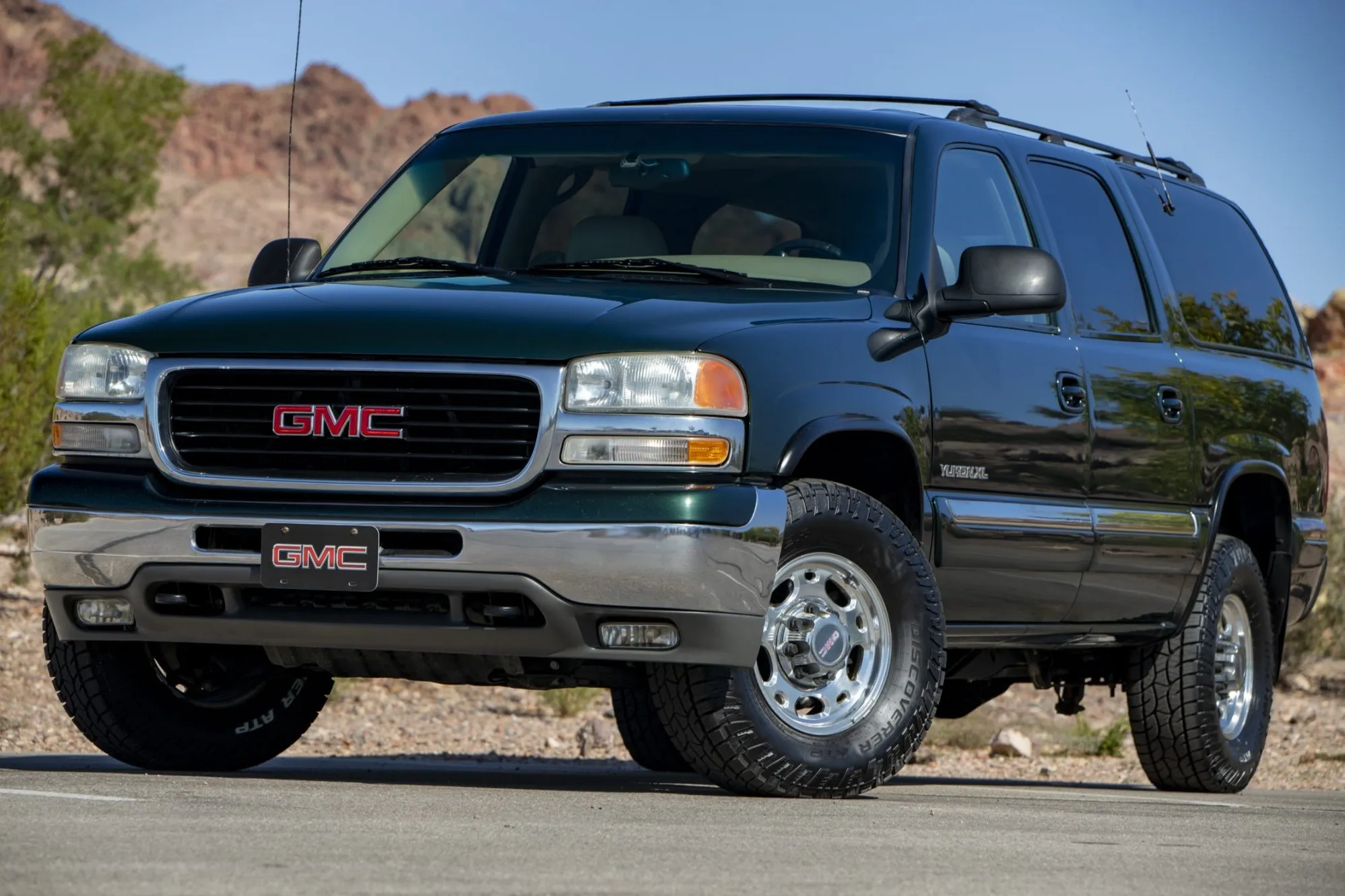
By 2003, one might have expected GMC to iron out the persistent issues of the Yukon’s second generation. Instead, problems escalated further, culminating in the 2003 Yukon being one of the most complained-about models in the SUV’s history. CarComplaints registered 64 driver reports, making it the third-worst year ever for the Yukon.
Meanwhile, the NHTSA received an astounding 515 complaints, confirming widespread dissatisfaction. This wave of grievances largely stemmed from unresolved problems that plagued earlier models, combined with new concerns unique to 2003.
Braking remained a critical weakness, with numerous accounts of failures and inconsistencies. Yet, the number one problem for CarComplaints users was a more fundamental issue: the engine. Drivers consistently reported stalling, unexpected shutdowns, and overall unreliability.
Electrical issues also surged, accounting for nearly a third of all NHTSA complaints. These ranged from inoperative headlights to complete ignition failures, leaving drivers stranded or vulnerable on the road.
Despite eight recalls being issued for the 2003 Yukon, none adequately addressed the stalling engine or electrical system breakdowns. For many owners, this reinforced the perception that GMC was failing to learn from its past mistakes, allowing the Yukon’s reputation for reliability to suffer even more deeply.
4. 2007 GMC Yukon: Third Generation Disappointments
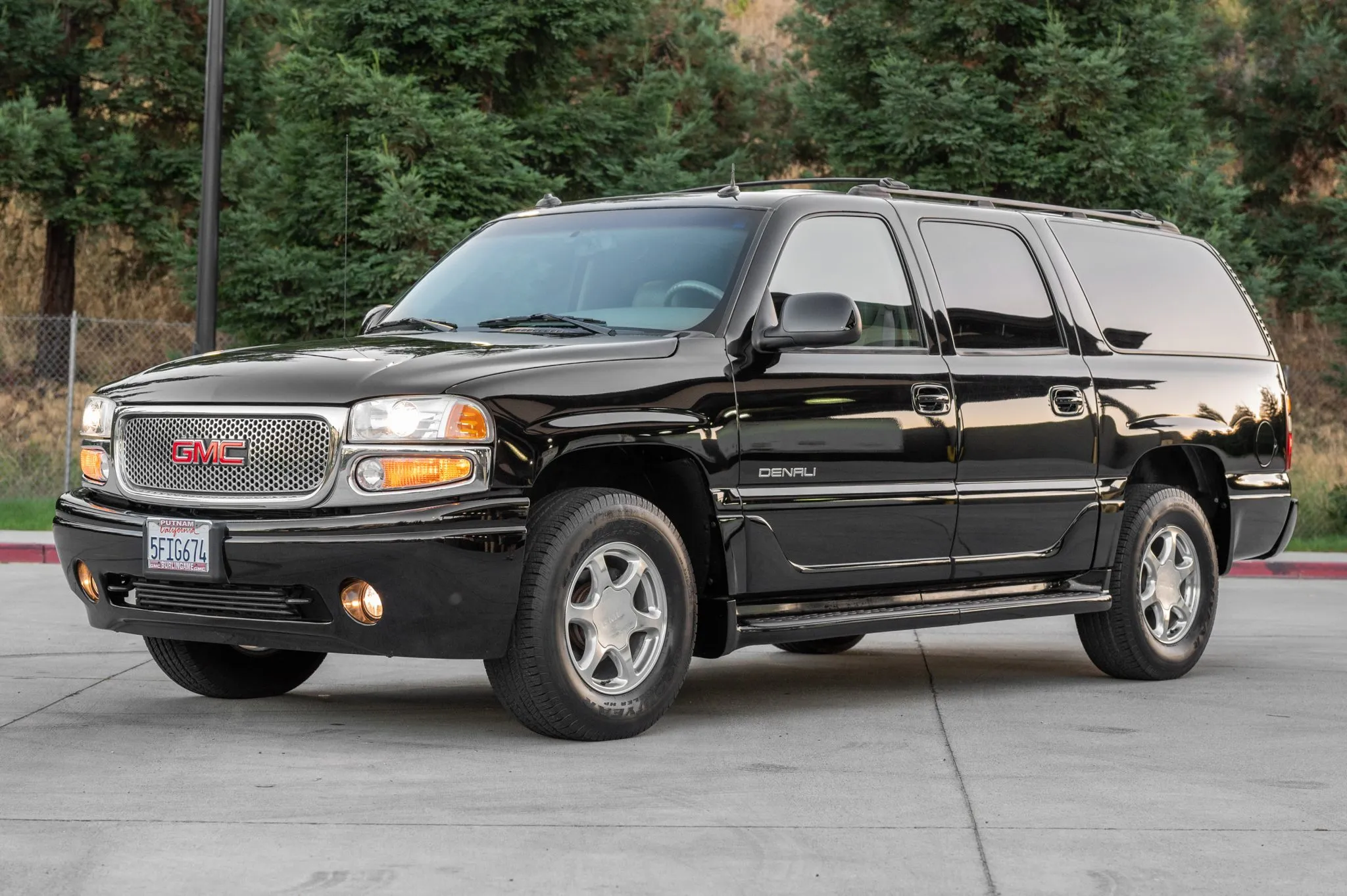
When GMC rolled out the third generation in 2007, consumers anticipated a turning point in quality and dependability. Instead, the new design introduced a fresh set of headaches, making the 2007 model one of the most criticized Yukons ever. CarComplaints logged 97 reports, second only to the notorious 2015 model.
While brake issues from previous years had declined, new engine-related problems quickly emerged. The most frequent driver grievance was excessive oil consumption, a costly issue averaging $2,000 in repairs.
Alarmingly, these problems began appearing well before 75,000 miles, adding frustration for owners who expected longevity from their purchase.
The NHTSA received 766 complaints, the highest number of any Yukon at the time. Unlike CarComplaints users who focused on engine troubles, NHTSA submissions highlighted alarming airbag defects. Nearly half of the reports detailed inadvertent deployments, raising significant safety concerns.
Though GMC issued two airbag recalls, many owners continued to experience malfunctions. Other complaints included electrical failures and steering defects, compounding the model’s poor reputation.
For an SUV more than a decade into its production run, these widespread issues disappointed both longtime fans and new buyers. The 2007 Yukon became a cautionary benchmark, signaling that even generational redesigns could fail to address fundamental flaws.
5. 2015 GMC Yukon: Fourth Generation Failures
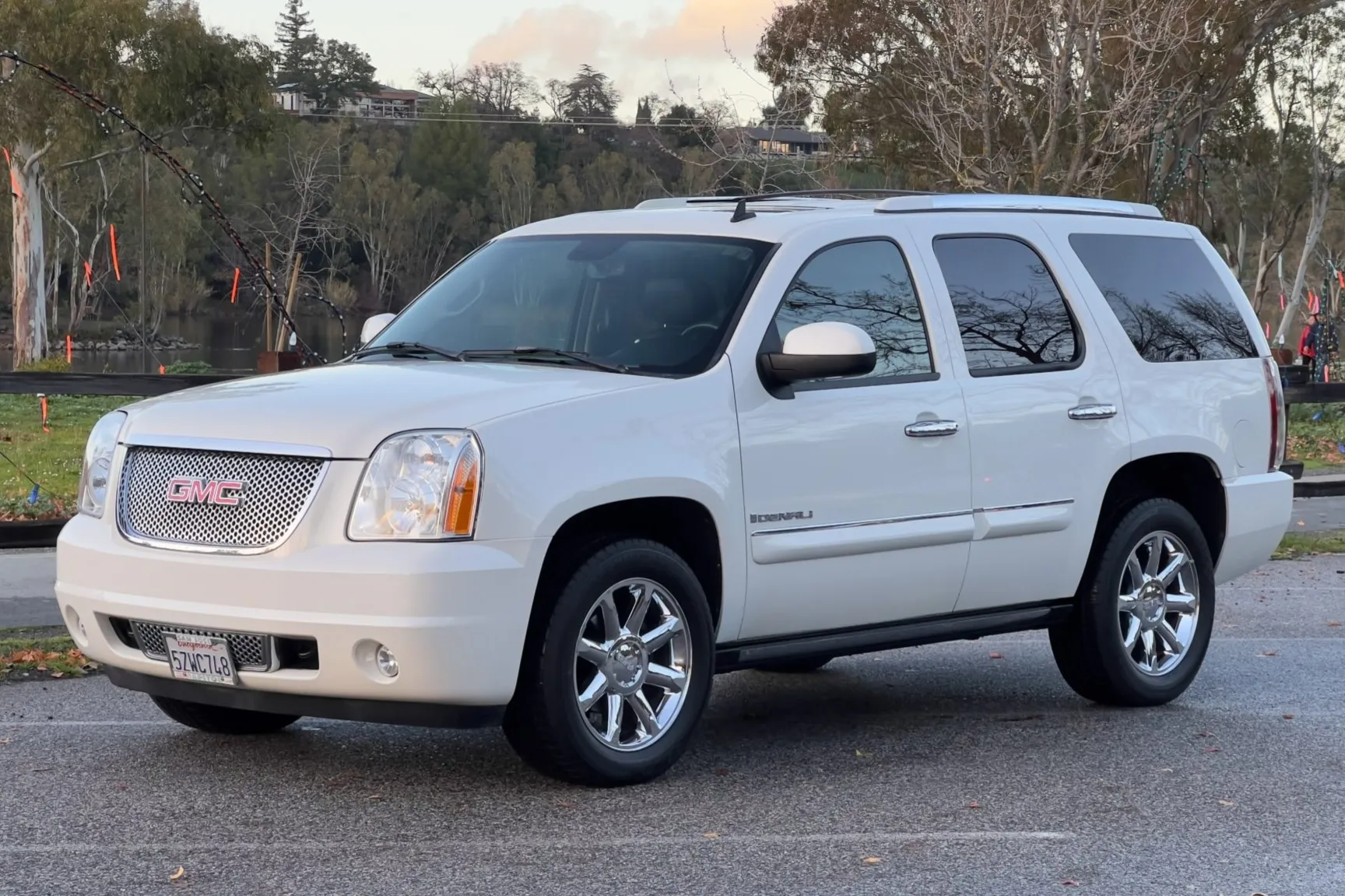
The launch of the fourth generation in 2015 should have marked a fresh chapter of refinement and innovation. Instead, the 2015 Yukon earned infamy as the most problematic model year in the vehicle’s history. CarComplaints recorded a staggering 205 driver complaints, more than doubling the previous record.
The NHTSA also logged 522 complaints, cementing its place among the least reliable SUVs of its class. Owners agreed on one particularly troubling issue: taillight failure.
Hundreds of drivers reported taillights that simply stopped working, creating both legal liabilities and major safety risks. Despite the frequency of these complaints, GMC never issued a recall for the defect.
Instead, the ten recalls associated with the 2015 Yukon focused on other significant but unrelated problems, such as airbag malfunctions, loss of power steering, and software-induced unintended braking.
Collectively, these failures painted a bleak picture of the vehicle’s overall reliability. Adding insult to injury, Consumer Reports gave the 2015 Yukon an abysmal reliability rating of just 17 out of 100.
For many potential buyers, this rating served as a definitive warning to steer clear. Among all Yukons ever produced, the 2015 model stands out as perhaps the single most avoidable, leaving a lasting stain on GMC’s reputation in the full-size SUV market.
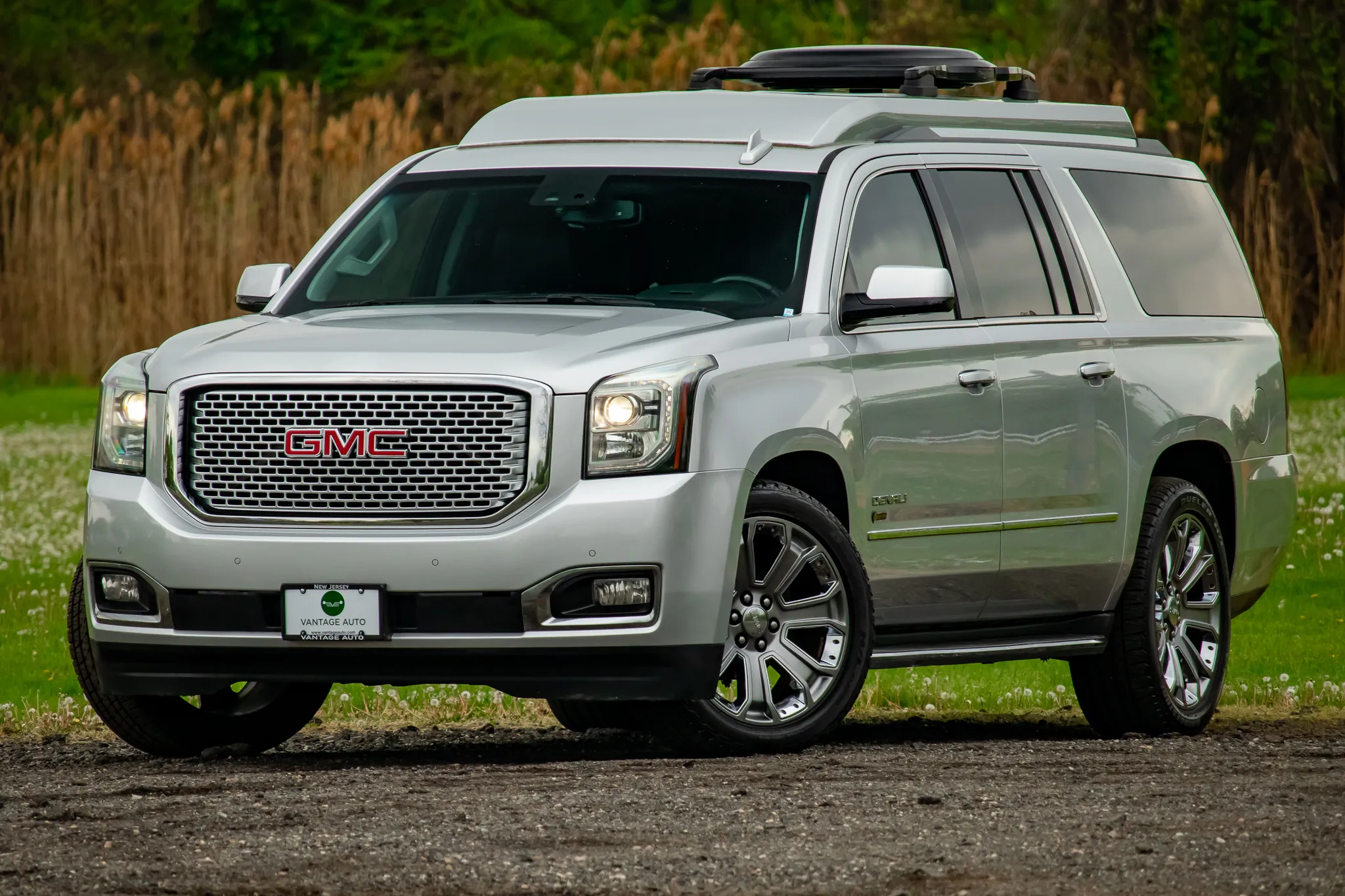
The GMC Yukon’s history shows both reliability and inconsistency, with some years delivering outstanding longevity and others falling short. Models such as the 2006, 2012, 2013, 2014, and 2019 Yukons have proven themselves as dependable choices, offering strong performance, towing capability, and family-friendly comfort.
In contrast, models like the 1999, 2001, 2003, 2007, and especially the 2015 highlight the risks of mechanical flaws, electrical issues, and safety concerns that can undermine long-term ownership.
For shoppers today, the key is selecting a Yukon year with a proven track record of dependability while avoiding the models burdened with persistent complaints and costly repairs.
By choosing wisely, buyers can enjoy everything that makes the Yukon a standout: its rugged power, spacious design, and versatility without the headaches that come with problematic years. Ultimately, the right Yukon can be a long-lasting investment that continues to serve reliably for years to come.
Also Read: 10 Cars With Tricky Seatbelt Buckles for Elderly Passengers
