

When vehicles first started including convenient power outlets, many car owners quickly realized just how useful these connections could be.
From charging mobile phones to powering laptops, coolers, or even small inflators, the functionality of these outlets added another layer of practicality to automobiles.
However, one of the most common questions drivers face is whether their car power outlet continues to deliver electricity even when the ignition is switched off. Some outlets remain live at all times, while others stop providing power after the engine shuts down.
The difference often comes down to manufacturer preference, design philosophy, and vehicle type.
The outlets that stay live are favored by many drivers who rely on charging devices while parked or wish to keep small electronics running overnight.
On the other hand, outlets that cut off when the ignition is turned off are designed for energy conservation, ensuring the battery does not get drained unwittingly. Both types carry unique benefits and drawbacks, influencing convenience and reliability.
This article examines five car outlets that continue to supply current and five that tend to stop working after a year. By comparing these categories, you can better understand how they affect both practicality and long-term ownership.
Also Read: 5 Diesel Engines That Outlast the Vehicle and 5 That Constantly Fail
5 Power Outlets Still Live
The outlets that remain active regardless of ignition status represent a practical advantage for modern car users. These are especially useful for travelers, roadside workers, or families on long trips who frequently depend on auxiliary power.
Imagine being parked at a campsite and able to plug in your portable cooler or charge your laptop while waiting at a rest stop. Such outlets are purposefully designed to prioritize continuous power delivery, functioning independently of whether the engine runs or not.
This constant availability, while convenient, is not entirely risk-free. Drivers must be mindful that leaving devices connected can lead to unwanted battery drain, particularly in situations where the car is parked for extended periods.
However, many auto manufacturers understand that their customers prefer accessibility and flexibility, which is why some vehicles maintain outlets that continue providing current when stationary.
By focusing on five real-world examples of car outlets that typically remain live, we highlight different designs and explain why they are valuable to vehicle owners who prioritize constant access to electricity.
The discussion not only covers their utility but also puts into perspective why these outlets stand the test of time compared to others.
1. Toyota Camry Power Outlet
One of the strongest examples of a car power outlet that stays live even after the ignition is switched off is found in the Toyota Camry.
Known for its reliability and practical design features, the Camry often provides drivers with an outlet that continues to carry power regardless of whether the vehicle is running.
This approach is beneficial for individuals who spend long periods in their vehicle for work or travel. For instance, a driver waiting at an office parking lot can still keep their phone or tablet charging without turning on the engine, which saves fuel and avoids unnecessary idling.
I am writing about this outlet because it stands as a good balance between convenience and efficiency. Toyota has designed the Camry with customer comfort in mind, and this feature appeals strongly to those who rely heavily on their gadgets.

Many car owners appreciate that they have the freedom to use this outlet for overnight charging when camping or to operate accessories like portable coolers or tire inflators.
The live outlet in the Camry also represents how manufacturers sometimes trust their customer base to manage power usage responsibly.
While the risk of battery drain is present if electronics are left plugged in for days, cautious use ensures the outlet delivers excellent utility without issue.
This design choice demonstrates why Toyota remains consistent in providing thoughtful features, and for many drivers, that live outlet becomes a minor yet impactful reason to continue valuing the Camry.
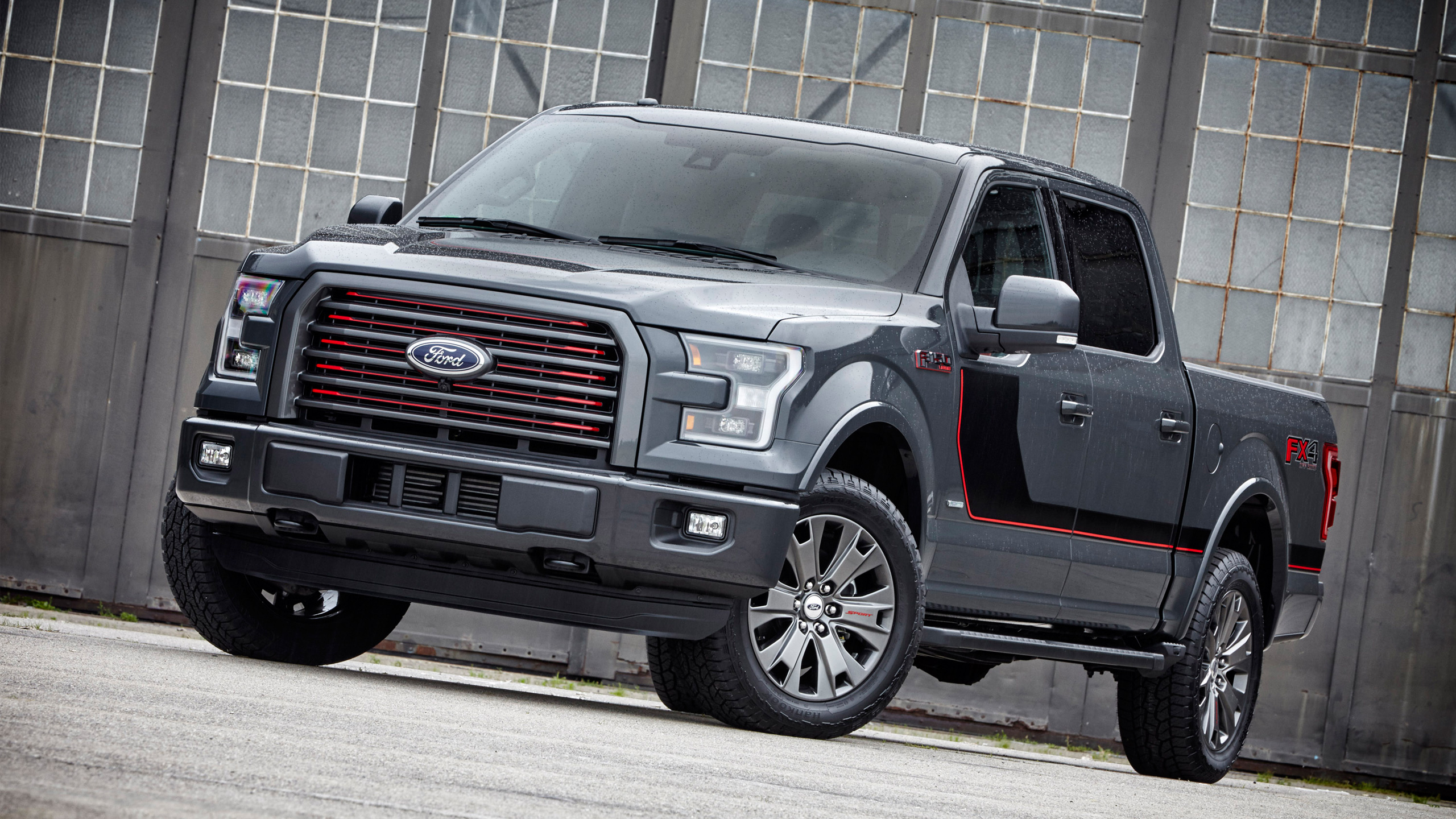
2. Ford F-150 Power Outlet
Ford’s F-150 has been one of the most popular trucks in North America for decades, prized for durability and versatility.
When it comes to power outlets, Ford takes functionality seriously, particularly for workers and adventurers who use the truck as more than simply a means of transportation.
Many F-150 trims provide outlets that remain active even when the ignition is switched off, which becomes a practical tool for drivers spending long hours at job sites or on camping trips.
The reason this outlet deserves recognition is that Ford has envisioned the F-150 as both a workhorse and a mobile office.
Tools, laptops, and phone chargers can be powered up without needing to keep the engine running, which conserves fuel and avoids unnecessary idling regulations in certain areas. Having an outlet that remains live also complements the truck’s reputation as a dependable utility vehicle.
There is also a factor of trust, with Ford assuming that users are responsible enough not to overstress the battery. For many, this faith enhances customer satisfaction because it enables constant readiness.
Someone returning from outdoor work can confidently plug in gear overnight, knowing it will be charged by morning.
By offering this feature, Ford sets the example of convenience-driven engineering, particularly beneficial for individuals balancing personal and professional obligations while depending on their vehicle.
The outlet in the F-150 is a small but powerful detail that showcases how continuous electricity supply directly supports both lifestyle and livelihood.
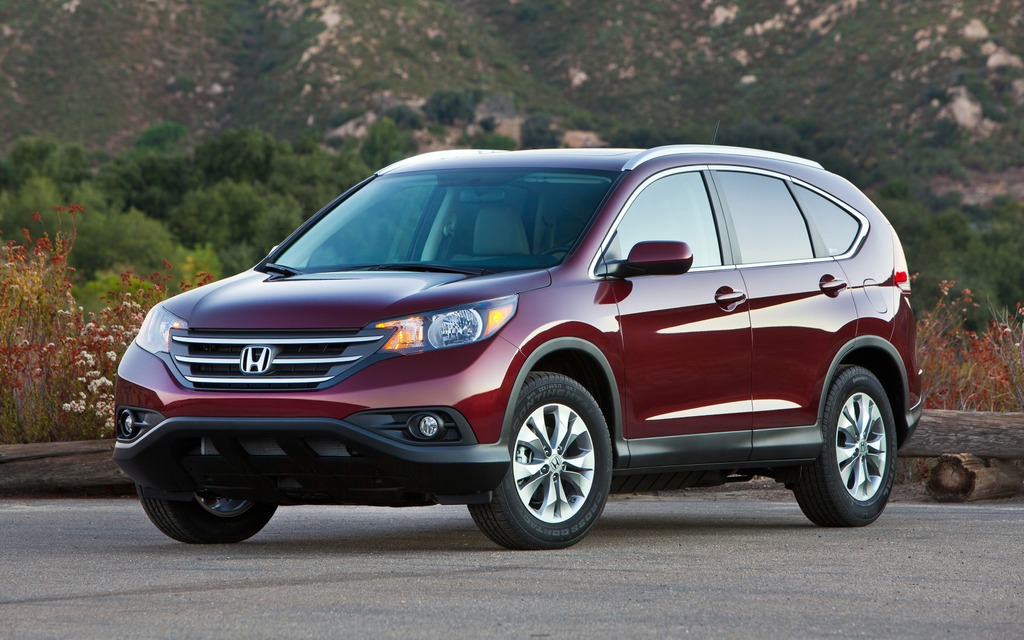
3. Honda CR-V Power Outlet
The Honda CR-V has long enjoyed immense popularity due to its strong balance between comfort, practicality, and modern technology. Among its smart features is a power outlet that often remains live even after the vehicle has been shut off.
This gives CR-V owners an added layer of convenience, particularly for families and commuters who need electronics charged without running the car.
The main reason for writing about this outlet is its appeal to everyday users. Unlike heavy-duty trucks where live outlets serve work-related needs, the CR-V presents a family-oriented application.
Parents on road trips find it useful to charge tablets or small entertainment devices while the car is parked at rest stops.
College students appreciate the ability to leave devices plugged in while the car is parked between classes. For households that use the CR-V as a primary car, this outlet transforms travel downtime into productive moments.
Honda’s focus on practical technology makes sense here. The company has built its reputation on reliability and customer satisfaction, ensuring features like these directly improve user experience.
While there remains the same caution of potential battery drain, most owners understand how to manage their devices responsibly. The CR-V’s outlet emphasizes adaptability without forcing the user to keep the car running.
This shows Honda’s awareness that a vehicle should serve as both transportation and a helpful base for daily life. In practice, it becomes a hidden advantage that owners only fully appreciate after consistent use.
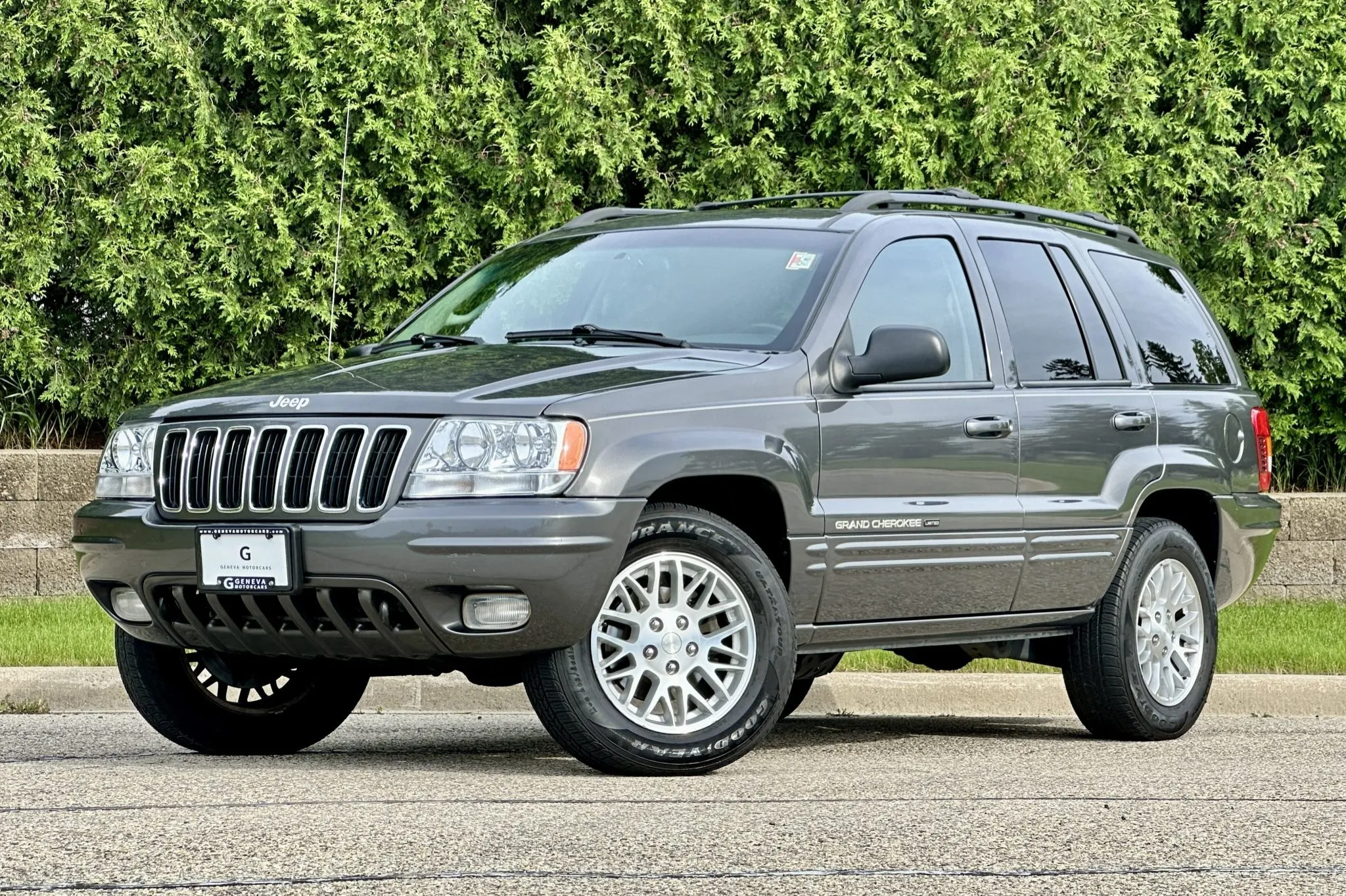
4. Jeep Grand Cherokee Power Outlet
The Jeep Grand Cherokee represents a blend of rugged off-road ability and high-end comfort. Among its many features, the inclusion of a continuously powered outlet places it firmly in the category of vehicles designed for adventurous lifestyles.
Jeep owners are well-known for enjoying camping, trail rides, and road trips in areas where access to electricity is limited. The Grand Cherokee’s live outlet provides an opportunity to bring modern conveniences along for the ride.
I am writing about this outlet because it embodies Jeep’s approach of blending outdoor exploration with practical technology. Imagine being deep in the woods and still able to keep a GPS device, portable refrigerator, or lantern fully operational without running the engine.
This level of consistent support allows drivers to extend their journeys without worrying about losing power in essential gear.
The outlet also proves valuable in everyday life, not just on excursions. Whether waiting to pick someone up or spending time stationary in urban areas, users can rely on it to keep phones or laptops charging.
Jeep has ensured the Grand Cherokee appeals not only to adventure seekers but also to professionals who need trustworthy functionality. The feature reliably serves both environments, making it more than a mere technical addition.
By providing an outlet that does not switch off with the ignition, the Grand Cherokee enhances its dual role as both a rugged explorer’s companion and a sophisticated daily commuter. This reliability reinforces Jeep’s reputation for designing vehicles aimed at real-world readiness.
5. Chevrolet Tahoe Power Outlet
The Chevrolet Tahoe is notable for its size, comfort, and ability to handle large groups and heavy loads. Families, law enforcement agencies, and organizations that transport equipment frequently choose the Tahoe.
One feature that supports these varied roles is the presence of an outlet that remains live even when the vehicle is not running. This detail highlights General Motors’ foresight in positioning the Tahoe as both a personal and professional asset.
The significance of this outlet lies in its everyday applications. For families, it allows continuous charging of devices during long road trips, easing the burden on parents to keep kids entertained.
For officers or service technicians, equipment can remain plugged in overnight without requiring the vehicle to idle. That blend of practicality across different use cases provides a strong reason to highlight the Tahoe in this discussion.
General Motors has designed the Tahoe with multi-purpose reliability in mind. The outlet becomes much more than a secondary feature, as it consistently provides real-world convenience.

Whether someone uses the Tahoe in rural settings or city-based environments, the capability of a live outlet brings seamless flexibility.
Of course, as with other vehicles that maintain live outlets, owners still need to watch battery health carefully. Yet for many, the benefits outweigh the risks.
By recognizing the Tahoe’s outlet, it becomes clear how full-size vehicles serve not only as transportation but also as mobile bases of operation. This functional element helps cement the Tahoe’s role as a dependable large SUV.
5 That Die After a Year
While some car outlets remain dependable throughout ownership, others tend to lose functionality over time. A noticeable issue many drivers face is that the outlets in certain vehicles start strong but eventually lose reliability after about a year of consistent use.
This situation creates frustration for owners who depend on those outlets for regular charging and light power needs. What begins as a convenient feature quickly becomes a source of inconvenience when devices no longer draw current from an outlet that once worked perfectly.
The reasons behind this decline vary. In some cases, it can be due to design choices meant to protect the battery by shutting the outlet off permanently after an extended period.
In other instances, the problem may stem from wear and tear, loose wiring, or poor-quality fuses that gradually weaken after heavy use. Manufacturers may also program outlets to limit their lifespan intentionally, prioritizing battery preservation over long-term utility.
Discussing this issue matters because it highlights why not all outlets offer the same reliability that some owners enjoy in other vehicles.
Examining five examples of outlets that typically fail after a year allows us to understand what causes the decline and why it impacts driver satisfaction so strongly.
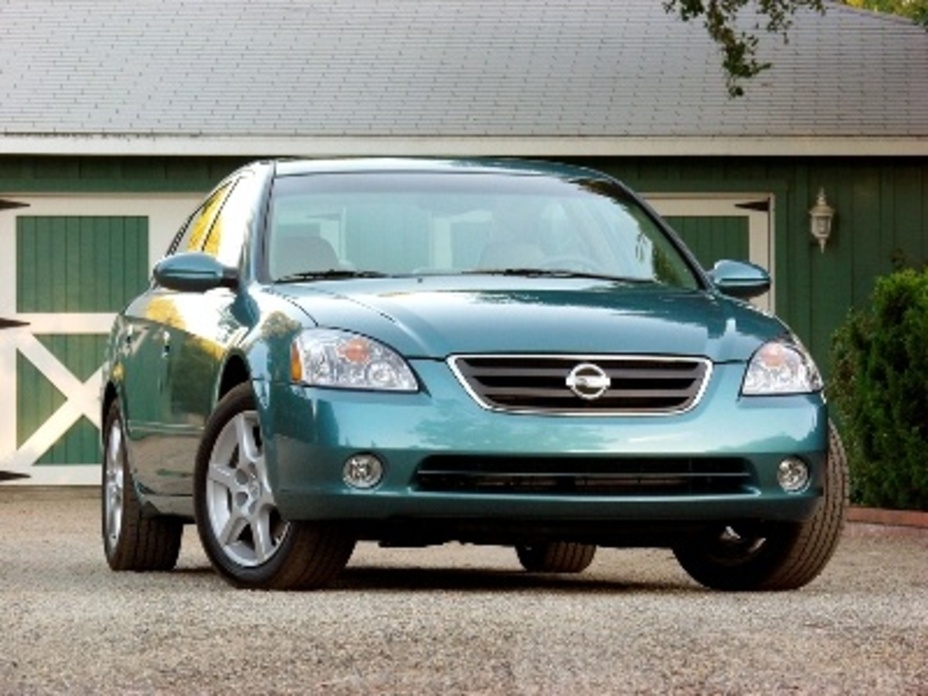
1. Nissan Altima Power Outlet
The Nissan Altima is widely regarded for affordability, fuel efficiency, and smooth handling, making it a popular choice for commuters and families. However, one detail that often frustrates owners is the power outlet’s tendency to fail relatively quickly.
While it works well during the first several months of ownership, many drivers report reduced reliability or complete loss of charging ability within about a year.
The reason I am including the Altima here is that this issue occurs with noticeable frequency and affects the daily convenience of car ownership. An outlet that stops working disrupts the ability to charge phones, which has become nearly indispensable in today’s routines.
Owners often express disappointment when a feature they relied on suddenly becomes non-functional long before they anticipated such problems.
The cause in the Altima is usually attributed to fuse degradation or gradual wear from continuous use.
Because most owners plug in chargers daily, the strain builds until the outlet loses efficiency. While replacement parts are not overly costly, the need for inconvenient repairs discourages buyers who expected more durability.
Writing about this highlights the divide between manufacturer promises of reliability and the lived experiences of drivers. The Altima remains an otherwise trustworthy vehicle, but the short lifespan of its outlet is a detail that strips away part of its practicality.
Examining cases like this emphasizes how minor shortcomings can become lasting frustrations when a car feature ceases to serve its intended purpose over time.
2. Hyundai Elantra Power Outlet
The Hyundai Elantra is often praised for its affordability, sleek styling, and good fuel economy. It appeals to younger drivers as well as commuters who want a practical sedan. Yet one of the recurring issues owners encounter is the short lifespan of its power outlet.
Many users report that the outlet stops functioning consistently around the one-year mark, creating an annoyance for anyone who relies on it daily for phone charging or small electronic devices.
The main reason for discussing the Elantra’s outlet is the high expectations customers have when purchasing a modern compact sedan. With newer vehicles incorporating more dependability in their features, a failing outlet undermines trust.
The problem often lies with fuses and wiring connections that are not as robust as expected. Over time, regular plugging and unplugging takes its toll, eventually loosening the connection to the point where the outlet stops delivering current.
Why this matters is simple: owners of budget-friendly cars turn to them for value and practicality. Losing access to a reliable outlet diminishes the convenience of an otherwise solid vehicle.
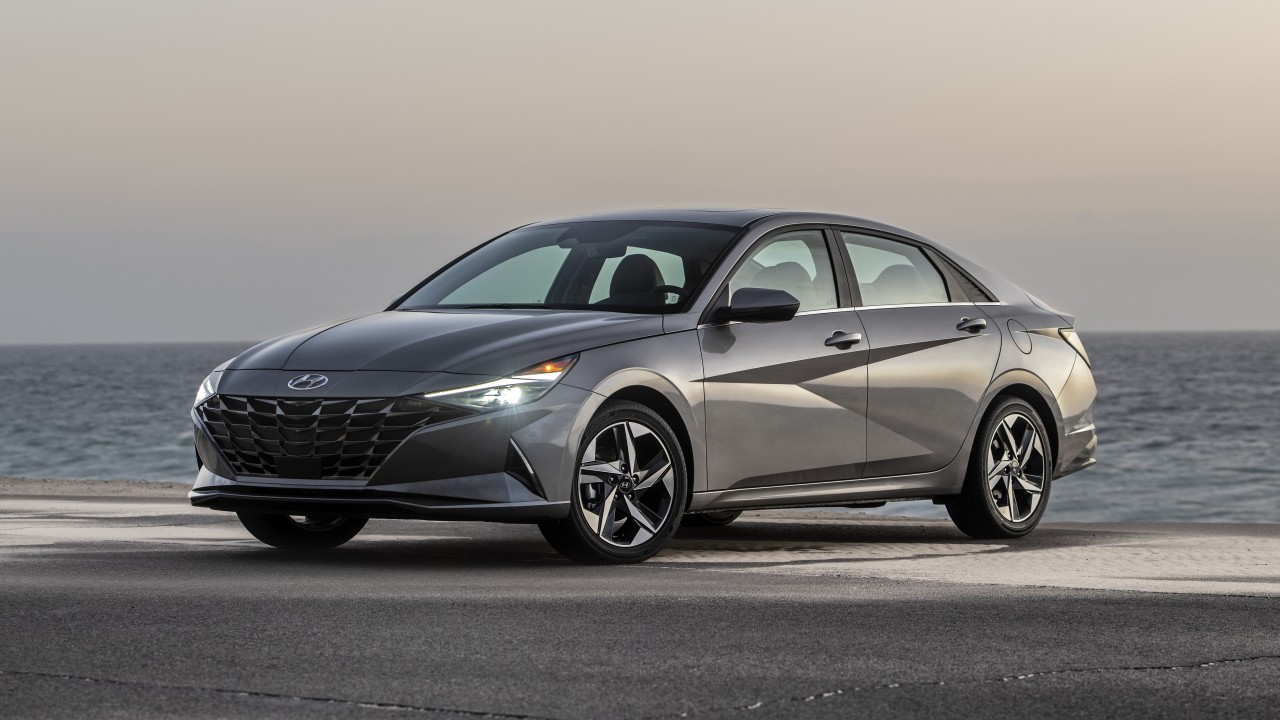
Repairs themselves might not be overly expensive, but the hassle of needing to replace something that was supposed to be dependable is frustrating. Highlighting the Elantra underlines the importance of attention to detail in daily-use features.
Even a well-regarded sedan can fall short over minor issues that gradually chip away at the overall user experience, leaving many wishing the outlet had the longevity that matches the car’s reputation.
3. Kia Soul Power Outlet
The Kia Soul is widely admired for its unique styling and versatility, making it a favorite among younger drivers and families who want a fun, functional car.
Yet despite its distinct personality, many owners notice a weakness in the longevity of its power outlet. After about a year of consistent use, it tends to weaken or fail altogether, leaving passengers without a dependable charging source.
This issue deserves mention because the Soul is often purchased by tech-savvy individuals who rely heavily on electronic devices. Not having a steady charging port undermines the lifestyle that Kia markets to its customer base.
Outlets in the Soul often face stress from frequent use, as passengers in the front and back both depend on them. Over time, strain on fuses, connectors, or the outlet’s internal contacts leads to declining performance.
I chose the Kia Soul here to highlight how even modern, youth-oriented vehicles can falter in providing long-term convenience. When the power outlet stops functioning, it creates unnecessary disruption on road trips, commutes, or even short drives.

While many drivers fix this issue through relatively simple repairs, the inconvenience makes the ownership experience less enjoyable.
Considering how much emphasis automakers now place on integrating cars with digital lifestyles, a failing outlet feels like a disappointing oversight.
By looking at the Soul’s struggles with outlet endurance, it becomes clear how much weight small components carry. A weakened outlet may not be a deal-breaker, but it reduces the trust customers have in the vehicle’s long-term build quality.
4. Volkswagen Jetta Power Outlet
The Volkswagen Jetta is celebrated for its driving dynamics and European styling, but beneath those strengths lies a detail that frustrates owners: the limited reliability of its power outlet.
Many Jetta drivers find that the outlet begins to lose functionality within a year of ownership, either by weakening in current supply or shutting off altogether. This problem is recurrent enough that it often shows up in owner discussions and repair logs.
I am including the Jetta because it represents how premium image and practical execution sometimes conflict. Buyers paying extra for refined engineering expect every component to last, including something as seemingly minor as a power outlet.
Unfortunately, the outlet’s lifespan often falls short of the expectations raised by its branding. Regular charging of smartphones and devices puts the outlet under continuous stress, and over time, signal wear in the wiring or fuses reduces efficiency.
The inconvenience of an outlet failing in a vehicle like the Jetta goes beyond simple repairs. It damages the perception of reliability in a car that positions itself as stylish and dependable. Owners generally do not want to deal with replacing fuses annually or hunting for quick fixes when paying for a brand with sophistication.
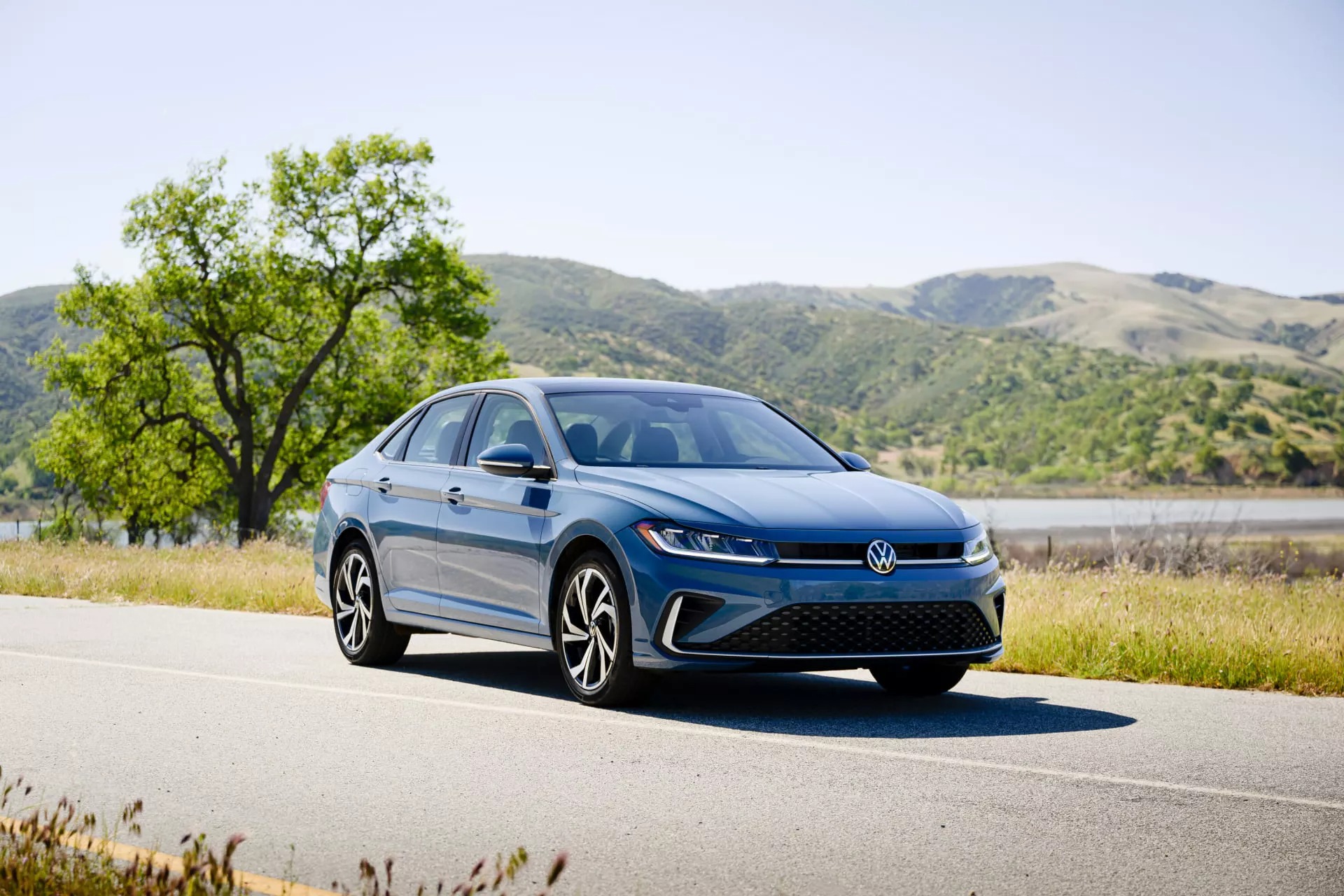
This example is important because it shows how consumer expectations collide with reality. The Jetta offers an enjoyable driving experience, but the frustration of a power outlet dying early undermines its otherwise polished image. It is a case where small shortcomings deliver an outsized effect on long-term satisfaction.
5. Dodge Charger Power Outlet
The Dodge Charger is iconic for its muscle car persona, offering bold styling and powerful performance. Owners often embrace the Charger as more than just transportation; it is a statement vehicle.
Yet under its aggressive presence lies an issue many owners encounter with daily convenience: the power outlet’s short lifespan.
Many Charger outlets appear to weaken or stop working entirely within about a year, leaving drivers annoyed when they cannot rely on it for simple charging tasks.
The reason it is worth highlighting here is that most Charger owners have higher expectations for a vehicle of this class. While the primary focus may be horsepower and style, accessories like outlets are part of modern driving practicality.
With such outlets failing, owners either turn to secondary aftermarket chargers or deal with repeated maintenance on what should be a basic amenity.
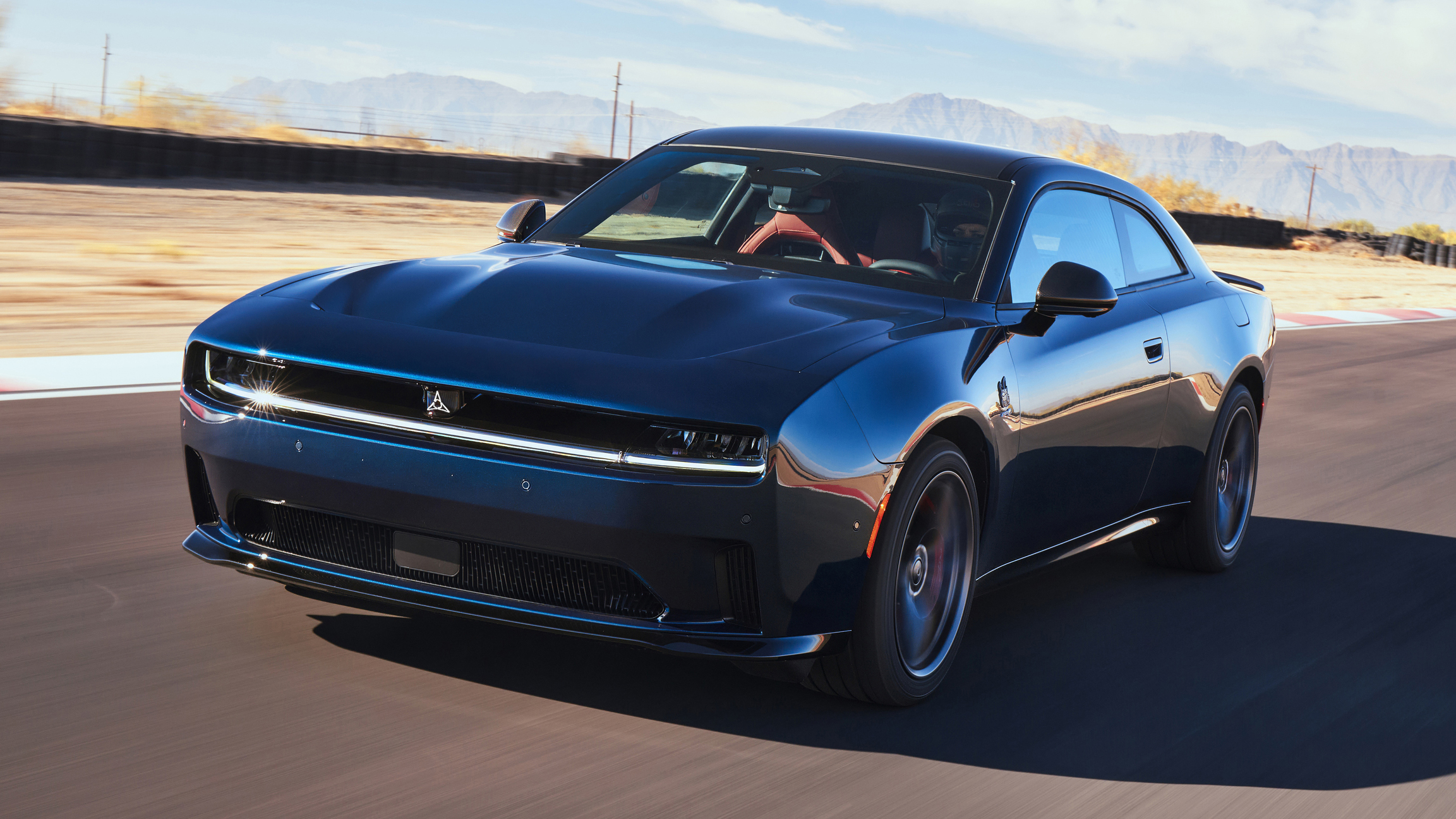
Common causes of failure in the Charger include poorly seated internal connectors or frequent stress from high-powered charging accessories.
Given the Charger’s demographic, drivers often rely heavily on powering multiple devices during long drives, which accelerates wear. Over time, this translates into frustration because something so routine becomes unreliable.
By pointing out this shortcoming, it emphasizes how overlooked details affect even performance-oriented vehicles.
A small failure chip away at satisfaction, leaving owners wondering why a car that delivers outstanding power cannot guarantee longevity in its most basic features. It reflects how performance alone is not enough if everyday convenience does not keep pace in durability.
Also Read: 5 Toyota Sienna Years That Never Die vs 5 That Do
