
Technology has always shaped how humans move and how information is stored. Cars are no longer just vehicles; they carry touch-based systems that keep drivers connected and informed while ensuring convenience on the road.
At the same time, the digital sphere has experienced its own form of evolution through cloud technology, where the way data is stored, shared, and accessed has changed remarkably over the years.
Both subjects highlight progress in two very different spaces, yet they share a common idea: clarity, control, and adaptability.
Touch screens in cars represent clarity of interface, ensuring that drivers can focus without distraction, while cloud advancements represent clarity in handling massive amounts of information distributed across networks.
Looking at both together allows us to see how society adapts to technology not just in the physical environment but in the digital as well. The car’s interface transforms our driving routine, and the cloud transforms the way we trust and use data.
As these developments continue, certain specific examples stand out as worth describing. This text examines five car touch screens that still remain clear and functional over time, alongside five changes in cloud technology that demonstrate how storage and access have matured.
Also Read: 5 Diesel Engines That Outlast the Vehicle and 5 That Constantly Fail
5 Touch Screens Still Clear
Touch screens inside vehicles are expected to handle constant pressure, dust, changes in temperature, and repeated use over many years.
Unlike the touch display on a smartphone, which may get replaced every few years, the screen fitted into a car must remain reliable much longer because it becomes an essential part of the driving experience.
Drivers depend on these screens for directions, access to media, and even key controls such as climate settings. When clarity endures, it proves that the manufacturer has put genuine effort into design, materials, and user experience.
It is worth paying attention to how some touch screens retain their sharpness and responsiveness long after cars have been purchased and driven daily.
These examples prove that technology, when paired with quality production, can maintain performance beyond its expected lifespan. Writing about them matters because drivers often hesitate to trust such systems, worrying that glare, scratches, or lag will develop over time.
By examining certain models that still display information with brightness and accuracy, we can point out what works well and why such designs are still relevant today. The following five cases highlight technologies that remain consistently clear even after years of road use.
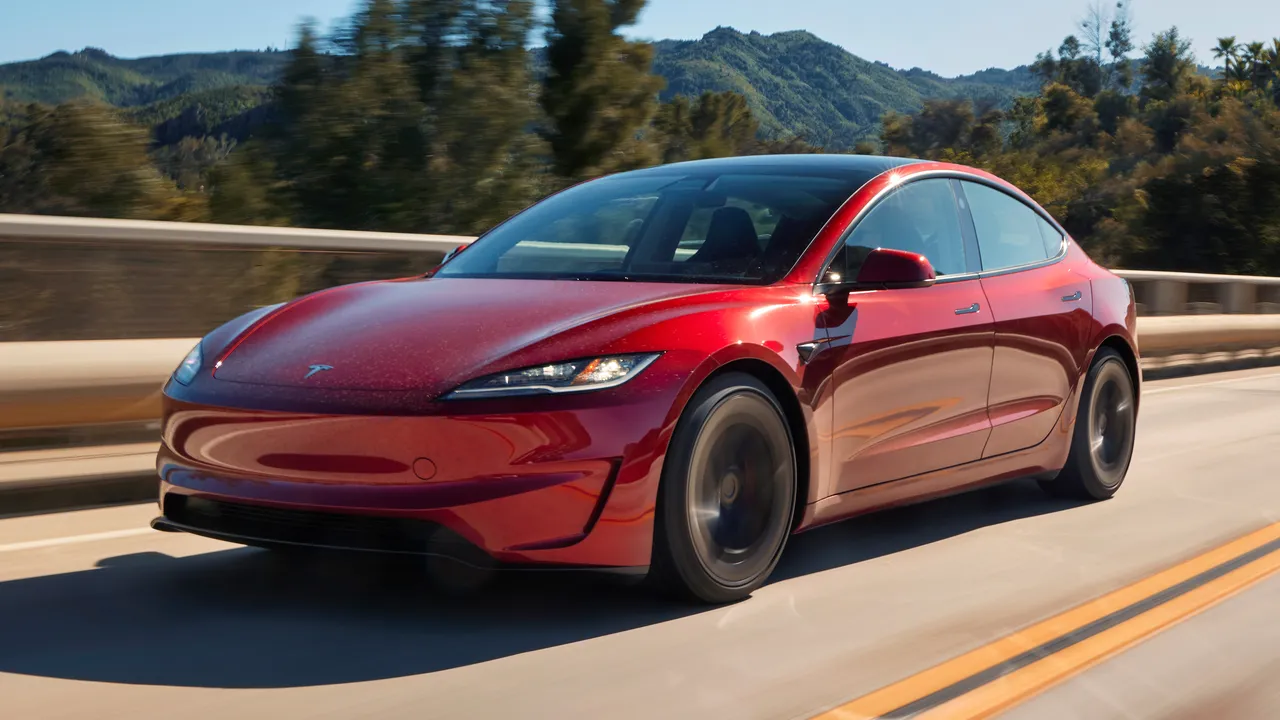
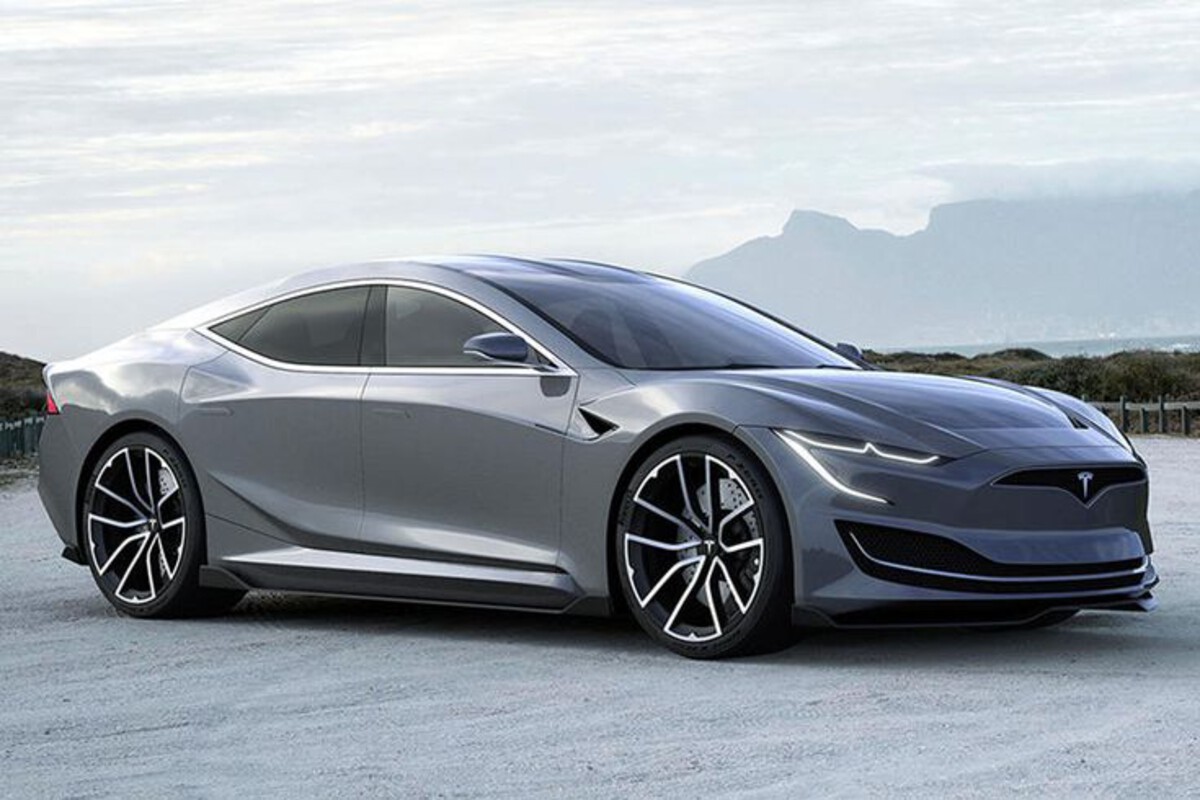
1. Tesla Model 3 Display
Tesla’s large central display in the Model 3 became a defining feature of modern electric vehicles. Unlike many traditional dashboards cluttered with buttons, Tesla chose a minimalist approach, giving almost every command to the touch screen.
What makes this screen worth writing about is how it manages to remain crisp and readable despite exposure to frequent interaction and high brightness requirements.
Drivers often worry that larger screens become smudged or washed out, but feedback continues to show that Tesla’s system holds up well, even several years after ownership.
One reason for this durability is the use of high-quality glass layered with protective coating. The coating resists fingerprints and minimizes glare from sunlight, which is a major cause of distraction while driving.
Tesla also integrates automatic brightness adjustments so that when conditions shift from daylight to night, the display still remains comfortable to use. These details highlight Tesla’s commitment not just to futuristic styling but to long-term functionality.
I am writing about this example because it removes the fear that large displays are unsuitable for cars. Many people assume touch screens fade quickly or lose responsiveness, but the Model 3’s display challenges that belief.
It shows that strong engineering combined with frequent software updates keeps the clarity intact, letting technology remain practical for everyday use over time.
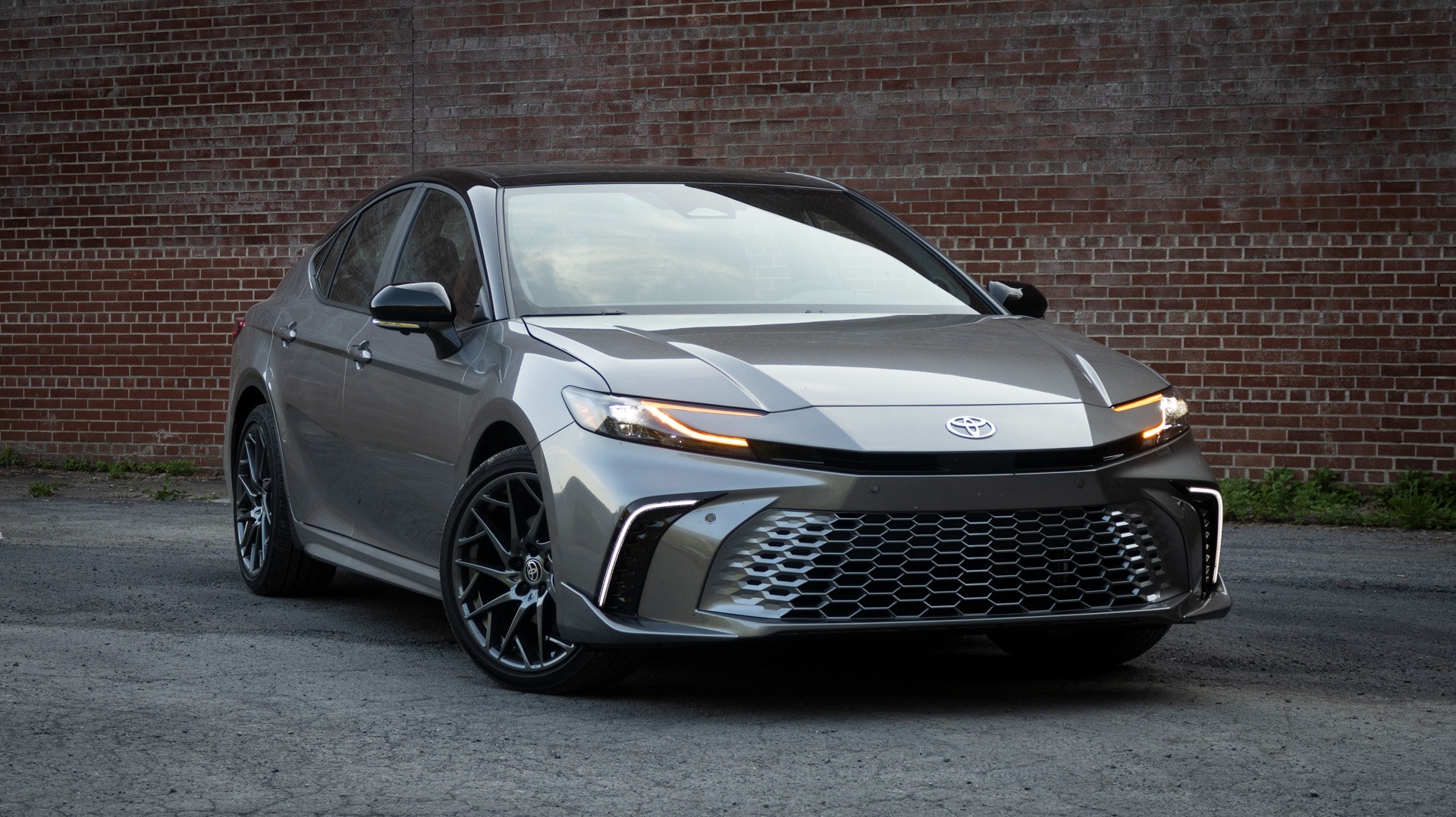
2. Toyota Camry Entune Display
Toyota’s Camry has long been known for reliability, and that reputation extends to its infotainment system.
The Entune screen fitted in many recent Camry models is not as oversized as Tesla’s, yet it demonstrates how balance and thoughtful engineering can produce a display that remains clear even after years of daily use.
Many owners report that their screens resist cloudiness, retain brightness, and rarely experience touch lag.
This ongoing clarity matters, as mid-sized sedans often become family vehicles, exposed to kids’ fingerprints, constant adjustments, or even minor spills inside the cabin.
The Entune display is designed with practical usability in mind. Toyota applied strong anti-glare properties and touch sensitivity that remains consistent across temperature shifts, from cold mornings to hot afternoons.
This attention to environmental resilience is key to why the system continues to look sharp after significant mileage. Unlike some touch screens that appear overly glossy and reflective, the Camry screen emphasizes visibility without distracting light reflections.
I am writing about this model because it represents a middle ground between innovation and practicality. While some companies push for massive screens, Toyota has ensured that theirs strikes a balance between size, clarity, and long-term reliability.
For everyday drivers who prefer something stable rather than experimental, the Camry touch screen reflects how careful design can keep a display functional and crisp.
It reminds us that endurance in technology is just as valuable as flashy new features, especially inside vehicles expected to serve families for many years.
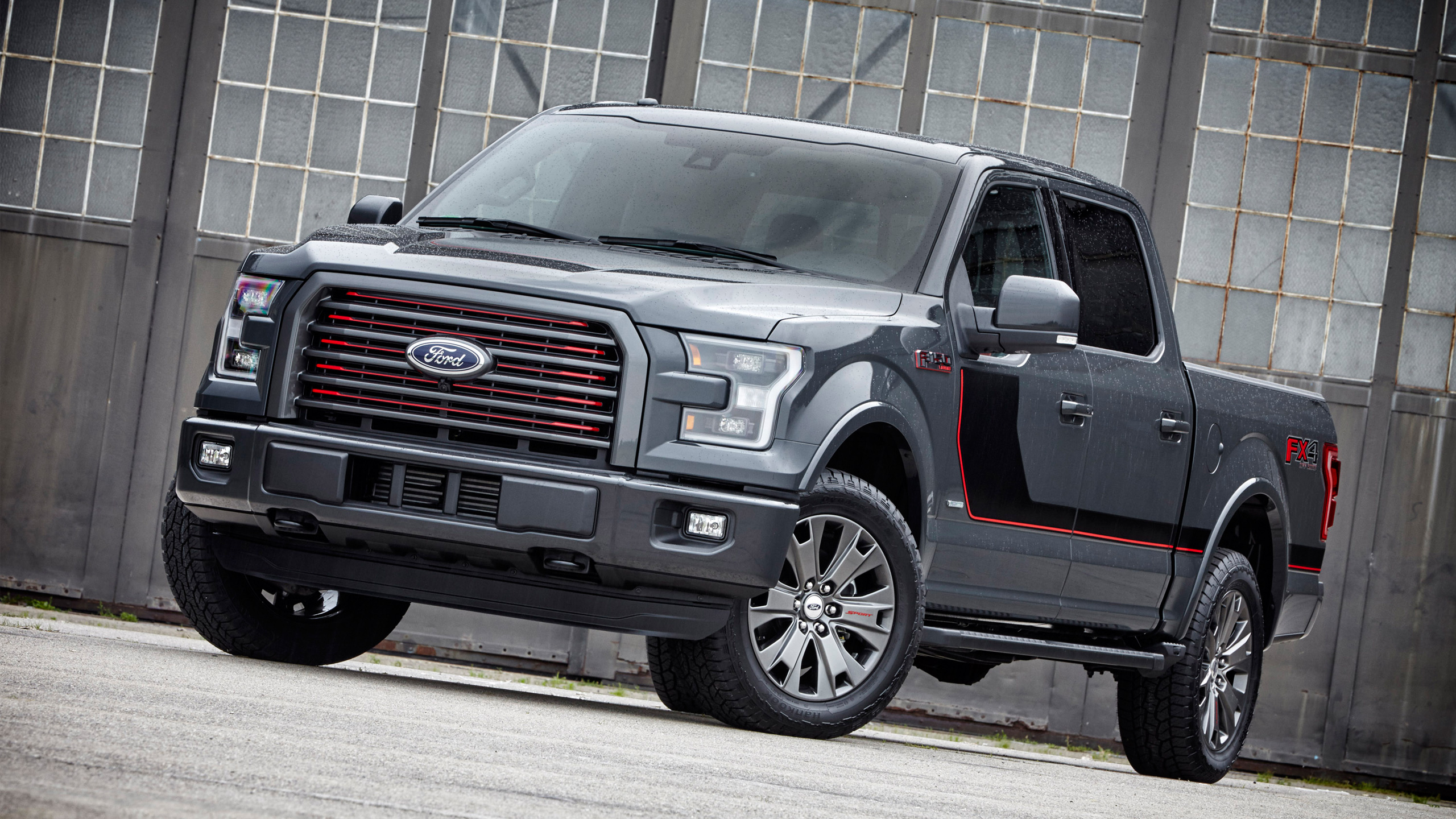
3. Ford SYNC 4 in the Ford F-150
Ford’s F-150 is one of the best-selling trucks worldwide, and its SYNC 4 infotainment display plays a vital role in how modern drivers interact with the vehicle.
Trucks face a unique challenge compared to sedans or luxury cars: they are workhorses, often exposed to mud, dust, heavy use, and constant touch interactions from drivers who may not always have clean hands.
Yet the SYNC 4 screen manages to remain clear and highly responsive over time, which is a strong reason for highlighting it here.
The display is engineered with durability as a key element. Ford applied an anti-smudge layer and sturdy surface finish so that the clarity remains even after frequent use during worksite conditions or outdoor travel.
The system also runs on a responsive platform that minimizes lag, meaning the touch experience feels fresh even several years after purchase.
Drivers often appreciate that the visuals maintain high brightness without overwhelming glare, ensuring that critical information like navigation or towing settings is always accessible.
I am writing about this screen because it shows how ruggedness and clarity can work together. Many assume that durable systems compromise on visual quality, yet the Ford SYNC 4 disproves that idea.
By offering sharp graphics and remaining easy to interact with even in bright sunlight or rough working environments, it highlights how manufacturers can design technology suited for demanding lifestyles.
This reinforces the point that vehicle touch screens can maintain sharpness long after their initial showroom appeal.
4. Honda Accord Display Audio System
The Honda Accord has long been praised for its balance of comfort, practicality, and advanced features, and its Display Audio system reflects the same philosophy. While not the largest on the market, the Accord’s screen holds its reputation for clarity and consistency.
Drivers who have owned the car for several years report that the visuals remain sharp, with minimal fading or distortion, and the screen maintains high responsiveness even after exposure to frequent use.
Honda places a strong emphasis on interface simplicity, meaning the clarity goes beyond visuals it also includes clean menus and logical layouts that age gracefully.
Durability is supported by the type of glass and coatings used. Protective layers reduce glare during broad daylight while also resisting scratches, making it suitable for drivers with long daily commutes.

Another positive factor is Honda’s approach to software updates, which helps preserve smooth functionality along with the clear display. The precision of touch response also prevents the frustration of repeated taps, an issue often seen in older or poorly designed screens.
I am including this example because it demonstrates how a balanced approach to hardware and software results in a display that doesn’t feel outdated even after several years. Not every car requires a massive, futuristic screen to remain effective.
The Honda Accord proves that focus on readability, responsiveness, and protection from wear and tear can deliver an interface that still feels clear and useful throughout the vehicle’s life span.
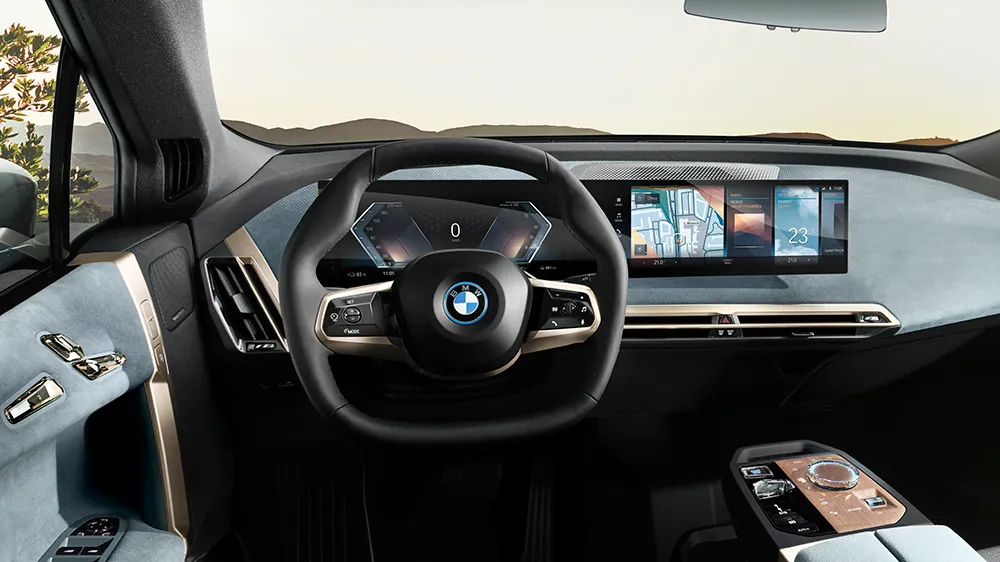
5. BMW iDrive System
Luxury brands often set high expectations for technology, and BMW’s iDrive system has been meeting those expectations for years.
The latest iterations of the iDrive touch interface, featured in vehicles like the BMW 5 Series and X5, showcase durability combined with premium presentation.
The screen is designed not only to show rich graphics and crisp colors but also to maintain this level of performance over a long period of ownership.
Drivers who use BMW vehicles daily notice that the clarity of the display holds up well, even under bright sun or with frequent touches.
Beyond just vivid resolution, BMW integrates strong anti-reflective properties into the surface of the glass. This allows the driver to focus on important information like navigation, parking cameras, or entertainment, without battling distracting glare.
The system also supports both touch input and control via the rotary dial, meaning direct contact is reduced at times, which naturally preserves surface quality. Combined with high-grade materials, the screen continues to look and act new long after purchase.
This example is worth writing about because it illustrates what happens when advanced engineering meets premium quality assurance.
People invest in BMW vehicles expecting that every feature will last with consistent excellence, and the iDrive touch display aligns with that promise.
It sets a standard for other manufacturers by proving that luxurious visual clarity does not need to deteriorate quickly but can remain reliable and stylish throughout years of regular use.
5 Cloud Over Time
The evolution of cloud technology is a story of steady transformation that has reshaped how data is stored, shared, and secured.
From its early beginnings as a means to offload files from local machines, the cloud has expanded to support businesses, governments, researchers, and everyday individuals.
It is no longer just a storage option but a foundation for collaboration, artificial intelligence, remote services, and large-scale data processing.
Observing this progress over time shows how society’s relationship with information has shifted from physical possession to digital resilience.
Cloud advancements matter because they reveal how technology adapts to growing demands.
Early systems focused largely on simple file hosting, while today’s cloud supports intricate applications that drive sectors like healthcare, finance, and entertainment.
Issues of trust, privacy, and security have also evolved, making clarity in how the cloud functions essential to users.
By reviewing five major moments or trends in the growth of cloud computing, we can understand why this technology has become so vital and why it continues to dominate discussions on digital infrastructure.
Each stage we look at highlights changes that underline not only progress but also why the cloud remains so central to our connected lives.
1. From Local Storage to Early Remote Servers
The first stage of cloud technology traces back to the shift from local storage to the earliest remote servers. Initially, individuals and companies relied heavily on physical devices like floppy disks, compact discs, or external hard drives to save and transfer data.
These methods worked but placed clear limits on capacity and accessibility. The introduction of remote servers changed this dynamic by offering the possibility of accessing files from different devices without carrying physical media everywhere.
This transition was groundbreaking because it altered the concept of ownership and access. No longer tied to a single machine, users could upload files onto services like early online file-hosting platforms and retrieve them from anywhere with an internet connection.
While the speeds were not as fast and the interfaces were simple, the core idea set the stage for the sophisticated cloud systems we rely on today.
I am writing about this shift because it highlights how a small change in convenience can revolutionize habits. When users discovered that they no longer needed to physically carry every document or program, the appeal of remote connectivity became clear.

Although basic by current standards, these early remote storage solutions introduced the clarity that data could exist beyond the confines of one machine, giving rise to the idea of digital flexibility that still defines the cloud era.
2. Emergence of Consumer Cloud Services
The second major phase in cloud history came with the rise of consumer cloud platforms. Companies like Dropbox, Google Drive, and later Apple’s iCloud transformed the way individuals interacted with their own documents and media.
For the first time, everyday users could sign in with a simple account and open photos, music, or personal files across multiple devices without extra technical knowledge. This consumer-facing growth did not just serve convenience; it fundamentally shifted expectations about digital storage.
These services introduced clarity through streamlined design, making the process of synchronization nearly invisible. Updating a document on one device instantly reflected on another, creating trust that information was consistent no matter the entry point.
Gradually, the fear of losing files on a broken laptop was replaced by the assurance that everything could remain secure on the cloud.
I am writing about this point because it shows how technology can move from something abstract to something personal. The rise of consumer platforms cemented the perception of the cloud as an everyday necessity rather than a novelty for businesses.

This step opened the door to broader conversation about personal security, subscription models, and digital permanence. It also made clear that the cloud was not just for companies but for individuals managing their work, entertainment, and memories.
That shift in accessibility has continued to shape how people view ownership of their digital lives.
3. Business Adoption and SaaS Growth
The third stage of growth saw businesses adopting cloud solutions as core infrastructure. Software-as-a-Service (SaaS) models began to dominate work environments, with companies embracing platforms like Salesforce, Microsoft 365, and Slack.
The appeal was clear: instead of installing complex programs on each machine, businesses could rely on cloud-based platforms accessible through browsers and apps.
This approach reduced costs, simplified updates, and encouraged collaboration across teams located in different places.
The clarity provided by this stage was in efficiency. Companies found that employees could work together on the same document in real time, share updates instantly, and integrate tools across entire organizations.
The cloud shifted from being a place to store files to a hub for actual productivity. For startups in particular, SaaS leveled the field by removing the heavy burden of infrastructure costs, allowing them to focus on growth and innovation.
I am writing about this stage because it illuminates how the cloud became indispensable to modern workplaces. Without SaaS, remote work and cross-border cooperation would not have been as seamless.

The pandemic years later only reinforced the truth that business continuity often depends on cloud solutions.
This moment in the cloud’s timeline proved that digital clarity was not just about storage but about creating an ecosystem where communication and operations were streamlined across countless industries.
4. Security and Privacy Concerns
As the cloud expanded, so did concerns about its risks. This stage centered on growing awareness of data privacy and security issues. When information moved from local hard drives to shared servers, questions about control and trust naturally followed.
High-profile cases of breaches or leaks made users and businesses demand more transparency. Issues such as compliance with regulations, encryption standards, and protection of sensitive data came to the forefront.
Clarity during this phase meant more than crisp graphics or seamless syncing it meant building trust in invisible infrastructure.
Companies responded by introducing stronger encryption methods, multi-factor authentication, and region-specific storage policies to meet local laws like GDPR.
These changes ensured that individuals and businesses began to view the cloud not just as a convenience, but as an environment where strong safeguards could exist.
I am writing about this turning point because it demonstrates how no technology thrives without addressing responsibility.

By handling massive quantities of personal and business data, cloud systems had to grow beyond simple efficiency and take on the duty of protecting lives and livelihoods.
This step solidified the cloud’s maturity. It was no longer just technical innovation; it required ethical clarity, regulatory compliance, and a reassurance that personal information was treated with respect. That transition continues to influence the way future systems are developed.
5. AI Integration and the Future of Cloud
The most recent and ongoing stage in cloud history involves integration with artificial intelligence and large-scale computing demands.
Today’s cloud platforms are no longer just passive storage systems. Instead, they support advanced analytics, machine learning models, and global collaborative applications.
Companies like AWS, Microsoft Azure, and Google Cloud provide not only space but immense computing power, allowing businesses and researchers to process data that would be impossible on local machines.
Clarity here is about potential. Users are no longer limited to managing files they can now use the cloud to train models, analyze health data, or run global video platforms. This integration of AI with cloud services turns the digital sky into an endless resource of innovation.
The speed of processing and flexibility of scaling give industries an ability to adapt faster and push boundaries in ways that were unimaginable even a decade ago.
I am writing about this phase because it represents the cloud’s role in shaping the future. It emphasizes how storage has evolved into intelligence, creating a foundation for technologies that will steer healthcare, education, business, and entertainment.
The cloud’s journey from simple hosting to intelligent global infrastructure reflects humanity’s need not just for space but for smarter, clearer access to the power of data.
This phase continues to expand, ensuring that the conversation about cloud computing remains central to technological progress for years to come.
Also Read: 5 Cars That Keep Their Carpets Clean Easily and 5 That Trap Dirt Forever
