
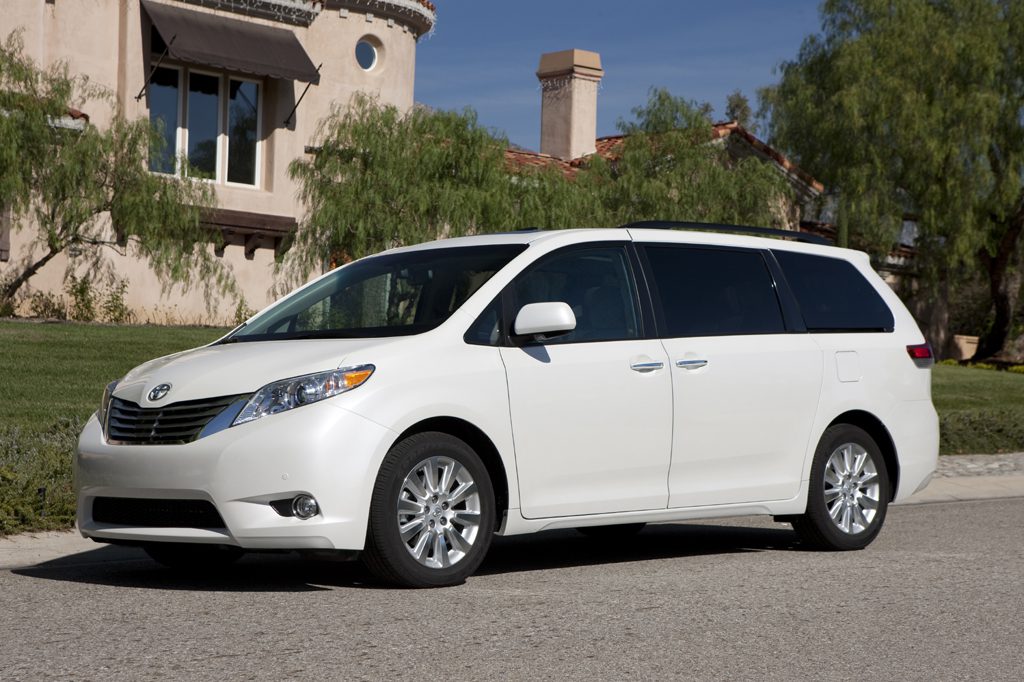
The Toyota Sienna has long been a trusted name among family minivans, offering a blend of comfort, practicality, and Toyota’s well-earned reputation for dependability. Over its many generations, the Sienna has delivered strong engines, versatile seating, advanced safety technology, and even a hybrid-only lineup in recent years.
Still, not every model year has lived up to expectations. Some Siennas have proven remarkably durable, running for hundreds of thousands of miles with minimal repairs, while others have been plagued by recurring mechanical, electrical, or design issues that left owners frustrated.
For anyone shopping for a used Sienna, knowing which years stand out for reliability and which are best avoided is key. This guide highlights five Toyota Sienna models that continue to impress with long-term dependability, along with five that failed to meet the standard buyers expect.
5 Toyota Sienna Years That Never Die
1. 2002 Toyota Sienna
The 2002 Toyota Sienna holds a special place among first-generation models for achieving the highest safety ratings of its era. Toyota equipped this minivan with features that were ahead of their time, including stability control, ABS brakes, and available front and side airbags.
While it may lack modern advanced driver-assist technologies seen in later generations, its strong focus on safety, reliability, and refined engineering makes it a standout choice for families prioritizing peace of mind. Even though it was entering its fifth model year, the Sienna remained one of the top minivan options for buyers in the early 2000s.
This year brought no sweeping changes but did introduce the “Symphony” special edition for the LE trim. This package included upscale touches like a JBL premium audio system, keyless entry, roof rack, color-keyed heated power mirrors, and an overhead console with HomeLink.
Unique styling enhancements included painted bumpers and a new exclusive Lunar Mist Metallic color. Meanwhile, the base CE model benefited from an updated Extra Value package, which added a roof rack and keyless entry at no additional cost.
These updates were subtle, but they helped keep the Sienna competitive in a growing minivan market without straying from its practical, no-nonsense character.
Under the hood, the Sienna borrowed the proven 3.0-liter V6 engine from the Toyota Camry, producing 210 horsepower and 220 pound-feet of torque. Paired with a smooth four-speed automatic transmission, the Sienna delivered reliable performance and composed handling.
The ride quality was pleasant, with a suspension tuned to absorb road imperfections, minimal wind noise, and braking that inspired confidence.
Steering was predictable, if not sporty, making the Sienna easy to drive for families who wanted a comfortable and stress-free driving experience. While acceleration wasn’t exhilarating, it was more than adequate for everyday use, especially when fully loaded with passengers or cargo.
Inside, Toyota prioritized space and flexibility. The Sienna’s cabin felt familiar to Camry owners, with quality materials and a straightforward layout. Seating arrangements were versatile, thanks to removable modular second- and third-row seats, along with optional captain’s chairs in higher trims.
The third row’s 50/50 split-folding design added utility, though it lacked the convenience of newer fold-flat systems offered by rivals like Honda and Mazda. Comfort could also be improved, as the front seats were firm and lacked extensive adjustment options.
Still, the 2002 Sienna provided a solid balance of practicality, safety, and refinement, making it a reliable and trusted family hauler, even if it wasn’t the flashiest minivan on the market.
2. 2012 Toyota Sienna
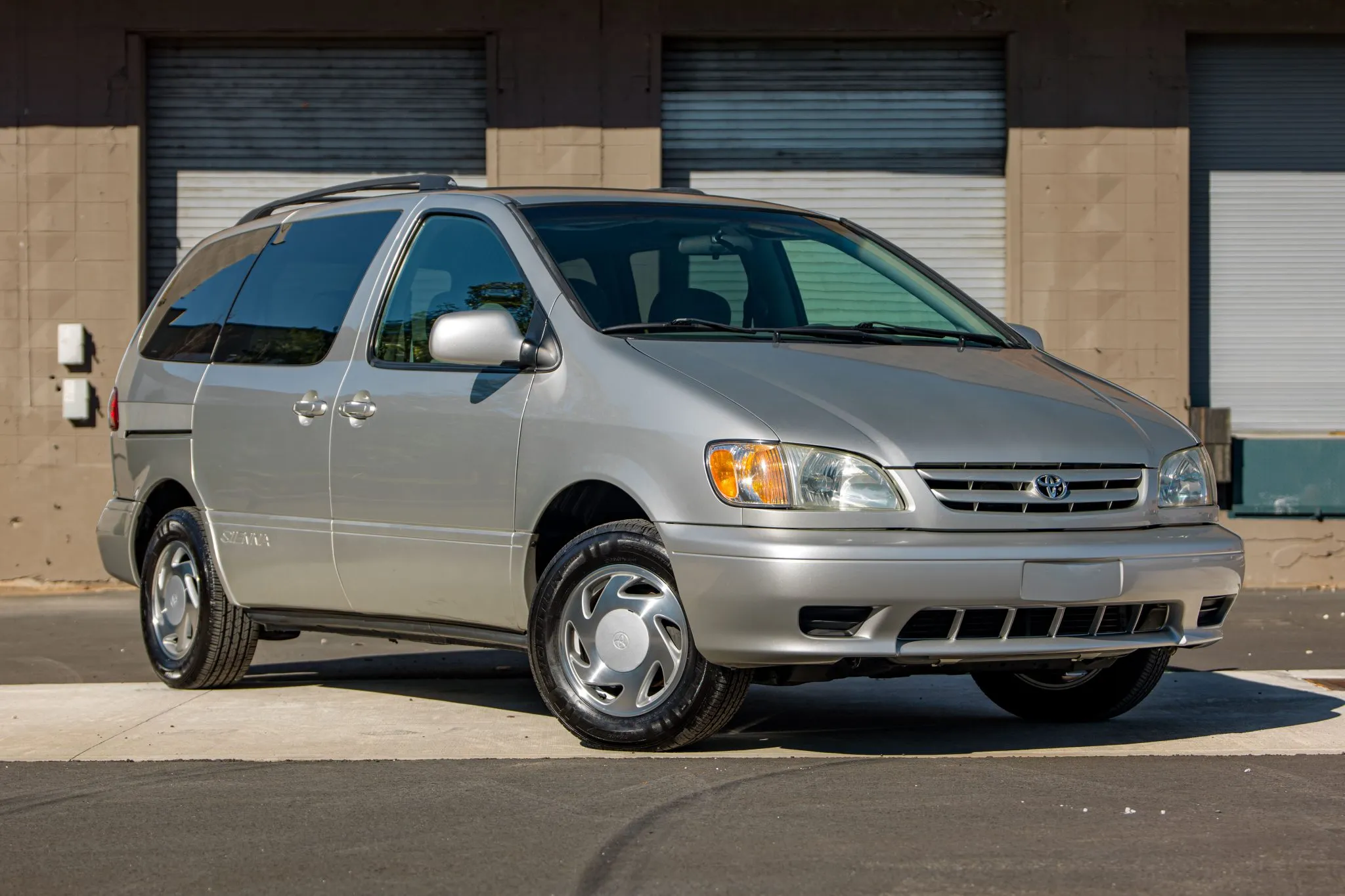
The 2012 Toyota Sienna stands out as one of the most capable and well-rounded minivans of its time, earning top rankings from both J.D. Power and U.S. News. Praised for its reliability, smooth ride, and spacious second-row seating, it scored an impressive 85 overall from J.D. Power, while also being named one of Edmunds’ Best Used Cars.
Owners highlighted its comfortable driving dynamics and roomy cabin, but criticized the audio system, interior quality, and somewhat cumbersome rear hatch. With an average used market price ranging from $9,888 to $15,063, the 2012 Sienna provides excellent value for families seeking space, comfort, and Toyota’s proven dependability.
Performance-wise, the Sienna offered buyers a choice between a 2.7-liter four-cylinder engine producing 187 horsepower and a more robust 3.5-liter V6 with 266 horsepower. Both engines were paired with a six-speed automatic transmission, and unique to the segment, Toyota offered all-wheel drive on V6-equipped trims.
The four-cylinder delivered adequate performance in lighter loads but struggled when fully packed, while the V6 provided strong acceleration, hitting 0–60 mph in 7.9 seconds.
Fuel economy was surprisingly close between the two engines, averaging 21 mpg combined. For those who wanted sharper handling, the SE trim added a sport-tuned suspension, offering a firmer yet still comfortable ride.
Safety remained a strong point for the Sienna, with a long list of standard features such as stability control, ABS, front-seat side airbags, full-length curtain airbags, and a driver’s knee airbag. Government crash testing awarded the Sienna an overall four-star rating, including five stars for side-impact protection.
The Insurance Institute for Highway Safety (IIHS) gave it the highest score of “Good” in key crash categories. In braking tests, the Sienna Limited stopped from 60 mph in 127 feet, which was competitive within the segment.
Toyota also offered optional features like a pre-collision system and hill start assist on higher trims, boosting safety confidence for larger families.
Inside, the 2012 Sienna excelled in space and flexibility. It could seat seven or eight passengers, with available second-row captain’s chairs or a 40/20/40 split-bench setup. Optional lounge seating in higher trims added recliner-style comfort, complete with extending footrests.
Cargo capacity was another highlight, offering up to 150 cubic feet with the third row folded and second-row seats removed. Technology and convenience features included a split-screen rear entertainment system, tri-zone climate control, and power-sliding doors.
However, drawbacks included some low-quality plastics and heavy second-row seats that were difficult to remove. The 2012 Sienna combined Toyota’s hallmark reliability with modern comfort, versatility, and segment-exclusive AWD, making it one of the best family minivans of its generation.
3. 2013 Toyota Sienna
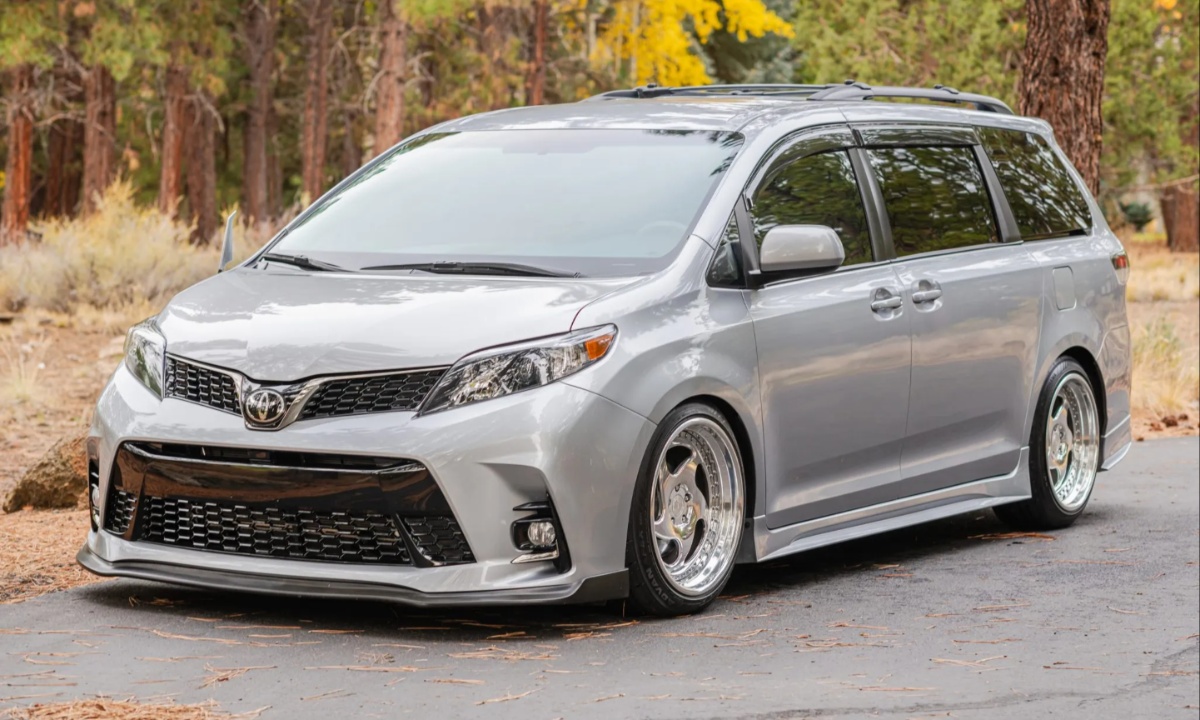
The 2013 Toyota Sienna continued its dominance in the minivan segment, retaining the number one spot despite a slight dip in J.D. Power ratings, where its quality and reliability score fell from 84 to 80, and overall score from 85 to 82.
Still, buyers appreciated its transmission smoothness, roomy second row, and ease of entry, making it especially appealing for families with elderly passengers. Priced between $11,348 and $17,187, the 2013 Sienna was built on the strengths of the previous model while simplifying the lineup.
The biggest news was the elimination of the four-cylinder option, making the 266-horsepower V6 engine standard across all trims, a move that improved performance without sacrificing much in terms of fuel economy.
This model year also saw incremental upgrades in equipment. The LE trim gained triple-zone automatic climate control, while higher trims like the XLE and Limited were fitted with blind-spot monitoring for added safety.
As before, Toyota offered a wide range of trims, from the practical base version to the sporty SE, which featured firmer suspension tuning and more aggressive styling, and the luxury-oriented XLE and Limited, offering features such as recliner-style second-row seating and an advanced split-screen rear entertainment system.
Regardless of trim, all versions provided a refined driving experience, a comfortable ride, and the ability to seat up to eight passengers, with all-wheel drive still offered exclusively in the Sienna among minivans.
Performance was a strong point for the 2013 Sienna, thanks to its robust 3.5-liter V6 paired with a six-speed automatic transmission. This engine propelled the minivan from 0–60 mph in just 7.5 seconds, a swift time for the class.
Fuel economy was rated at 18 mpg city/25 mpg highway/21 mpg combined in front-wheel-drive form, while opting for all-wheel drive reduced efficiency slightly. Safety equipment remained comprehensive, with standard stability control, ABS, multiple airbags including a driver’s knee airbag, and active front head restraints.
Government crash tests awarded the Sienna four out of five stars overall, while the IIHS rated it “Good” in key crashworthiness categories, reinforcing Toyota’s reputation for safety.
Inside, the 2013 Sienna offered both functionality and comfort, though interior materials drew some criticism for feeling less premium than rivals. Lower trims used durable cloth, while upper trims featured leather upholstery and faux-wood accents.
Available second-row lounge seats with footrests elevated passenger comfort, while flexible seating configurations allowed for up to 150 cubic feet of cargo space with seats removed or folded.
Technology highlights included Toyota’s Entune infotainment system, which integrated smartphone apps like Pandora and Bing search, along with a split-screen rear entertainment system.
Though some controls had laggy responses, the overall setup was user-friendly. Blending reliability, practicality, and strong V6 power, the 2013 Toyota Sienna cemented itself as one of the most versatile and family-friendly vehicles in its class.
4. 2014 Toyota Sienna
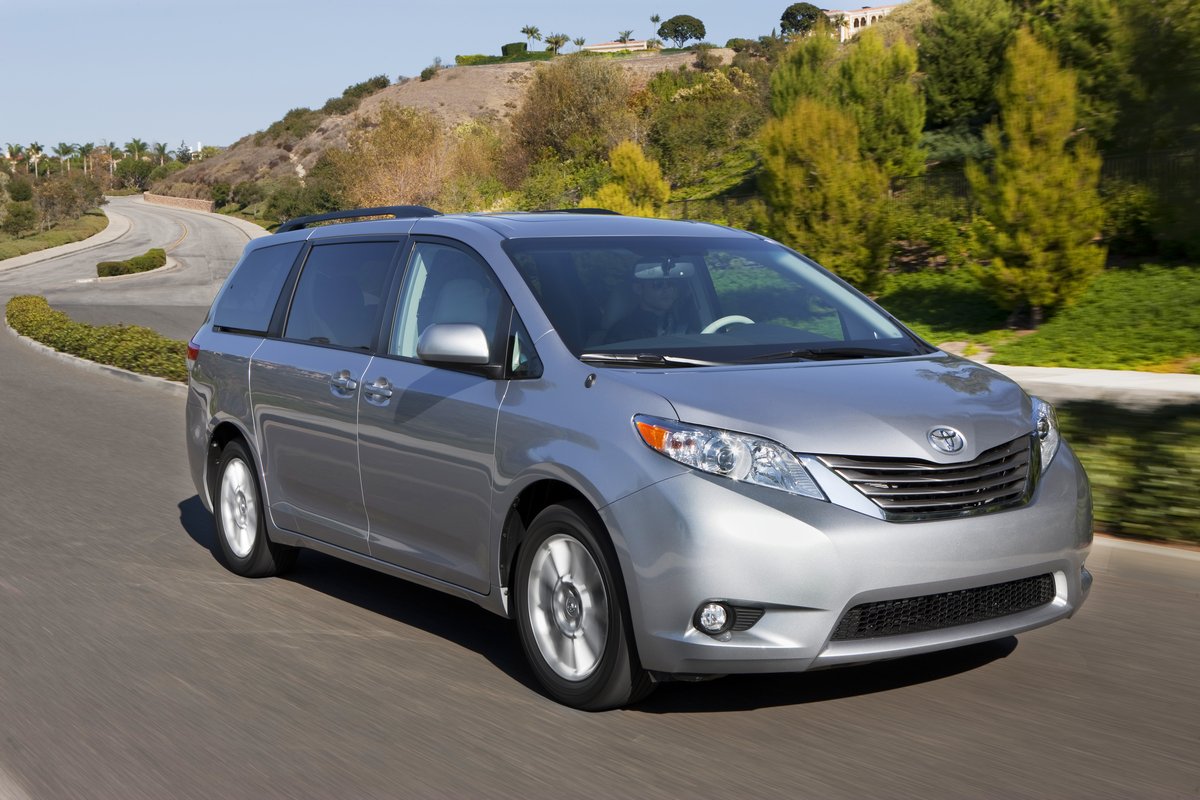
For the 2014 model year, the Toyota Sienna remained one of the most appealing minivans available, though its position in industry rankings shifted slightly.
According to J.D. Power, the Sienna’s quality and reliability score nudged up from 80 to 81, but its overall rating slipped from 82 to 79, moving it from the top spot to number two among minivans.
Despite this, U.S. News kept the Sienna at number one in its segment, praising its strong V6 engine, roomy interior, and rare all-wheel-drive option.
Owners echoed approval for comfort and ease of use, though some criticized rear visibility and the audio system. Prices in the used market range from $12,837 to $20,388, though demand remains high as nearly 29% of buyers still own their Sienna a decade later.
In terms of updates, the 2014 Sienna remained largely unchanged, reinforcing Toyota’s confidence in the existing design. The tow prep package became standard across all trims, while the sporty SE trim gained blind-spot monitoring as a standalone option.
Buyers continued to have a wide range of choices, from practical base trims to the athletic SE and the more luxurious XLE and Limited. The SE distinguished itself with firmer suspension and sportier styling, while higher trims offered upscale comforts such as recliner-style lounge seating and advanced infotainment.
No matter the version, the Sienna was praised for being well-built, comfortable, and capable of transporting up to eight passengers, all while offering one of the strongest V6 engines in its class.
Performance remained a highlight thanks to the standard 3.5-liter V6 engine producing 266 horsepower and 245 lb-ft of torque, paired with a six-speed automatic transmission. Front-wheel-drive versions achieved 21 mpg combined (18 city/25 highway), while all-wheel-drive dropped efficiency slightly to 19 mpg combined.
In Edmunds testing, the Sienna sprinted from 0–60 mph in 7.5 seconds, making it one of the quicker minivans on the market. Safety equipment included ABS, stability and traction control, multiple airbags, and active head restraints.
Higher trims offered features such as blind-spot monitoring, parking sensors, and forward collision warning. Government crash testing rated the Sienna at four out of five stars overall, and the IIHS gave it a top “Good” score in multiple crash categories.
Inside, the Sienna balanced practicality with comfort, though interior materials continued to receive mixed reviews. Lower trims came with fabric upholstery, while upper trims added leather and faux-wood accents. Some plastics felt cheap, but seating comfort was widely praised.
Technology highlights included Toyota’s Entune infotainment system with smartphone integration, navigation, and a rear entertainment system with a split-screen monitor. Cargo flexibility was another strong point, with up to 150 cubic feet of capacity available when the third row was stowed and the second row removed.
While the second-row seats were heavy and awkward to remove, their long-slide functionality maximized legroom for taller passengers. The 2014 Toyota Sienna continued to excel as a dependable, powerful, and versatile minivan, offering families a refined blend of practicality and comfort.
5. 2020 Toyota Sienna
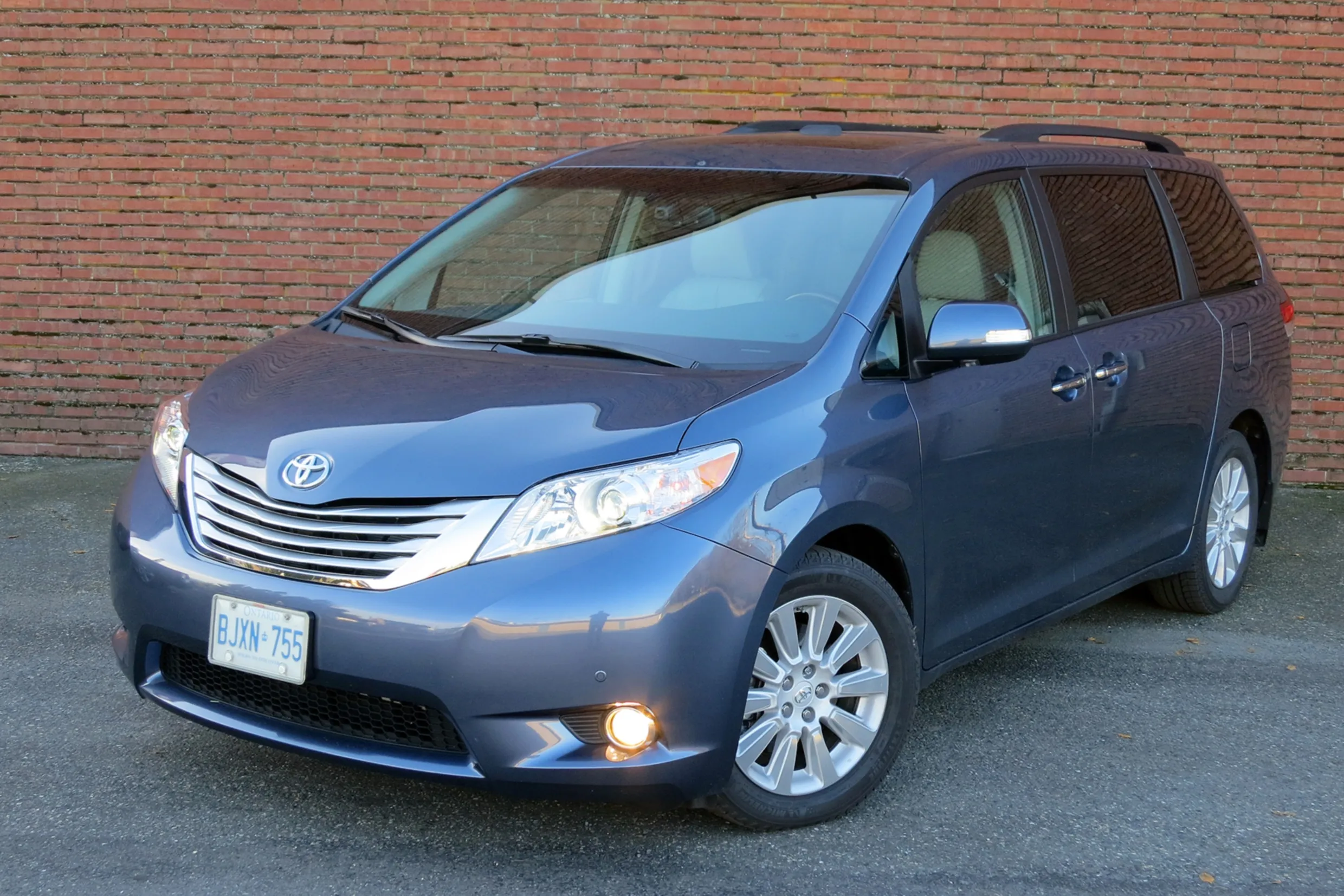
The 2020 Toyota Sienna marked the final year of its generation, yet it remained a strong contender in the minivan market. Powered by a refined 3.5-liter V6 paired with an eight-speed automatic transmission, the Sienna produced lively performance and could sprint from 0–60 mph in 7.8 seconds.
Available all-wheel drive continued to set it apart, as no other minivan at the time offered this feature. Though handling wasn’t its strongest suit, body roll was evident in turns. The SE trim’s sport-tuned suspension provided a more composed ride.
Braking was smooth and predictable, while fuel economy was rated at 22 mpg combined, with test loops occasionally exceeding estimates.
One of the 2020 Sienna’s greatest strengths was its standard Toyota Safety Sense P (TSS-P) suite. This included adaptive cruise control, lane departure warning, automatic emergency braking, pedestrian detection, and automatic high beams.
These features helped bolster its strong safety reputation, even if the adaptive cruise lacked modern stop-and-go capability. The Sienna also scored well in crash protection, making it a smart choice for families who prioritize security.
Compared with rivals like the Honda Odyssey and Chrysler Pacifica, Toyota’s commitment to advanced driver aids helped keep the aging Sienna competitive.
Inside, the 2020 Sienna offered flexibility and space for up to seven or eight passengers. Available second-row captain’s chairs could be equipped with integrated leg rests, while the third row folded flat into the floor for maximum cargo space.
Families appreciated thoughtful details like a removable center jump seat, power-sliding doors, and abundant cupholders. Cargo capacity was excellent, with a flat load floor and low liftover height, making loading simple.
On the downside, second-row seats were heavy and difficult to remove, and limited headroom in the rear rows highlighted the drawbacks of the Sienna’s tapered roofline.
Technology and comfort were a mixed bag. Updates brought Apple CarPlay and Amazon Alexa, but Android Auto was still absent. The infotainment system was intuitive but saddled with low-resolution graphics, while physical controls were poorly arranged; front cupholders, for example, could block seat heater access.
Comfort was good overall, with plush ride quality and supportive seating, though long trips revealed some pressure points. Noise insulation could also be improved, as road and wind noise occasionally intrude at highway speeds.
Despite these flaws, the 2020 Toyota Sienna remained a practical and dependable minivan, blending strong V6 performance, advanced safety, and exceptional cargo flexibility qualities that kept it a solid family favorite even in its final year before redesign.
Also Read: 5 Cars with Fuel Doors That Never Freeze vs. 5 That Jam in Winter
5 Toyota Sienna Years That Die
1. 2004 Toyota Sienna: A Rough Start to the Second Generation
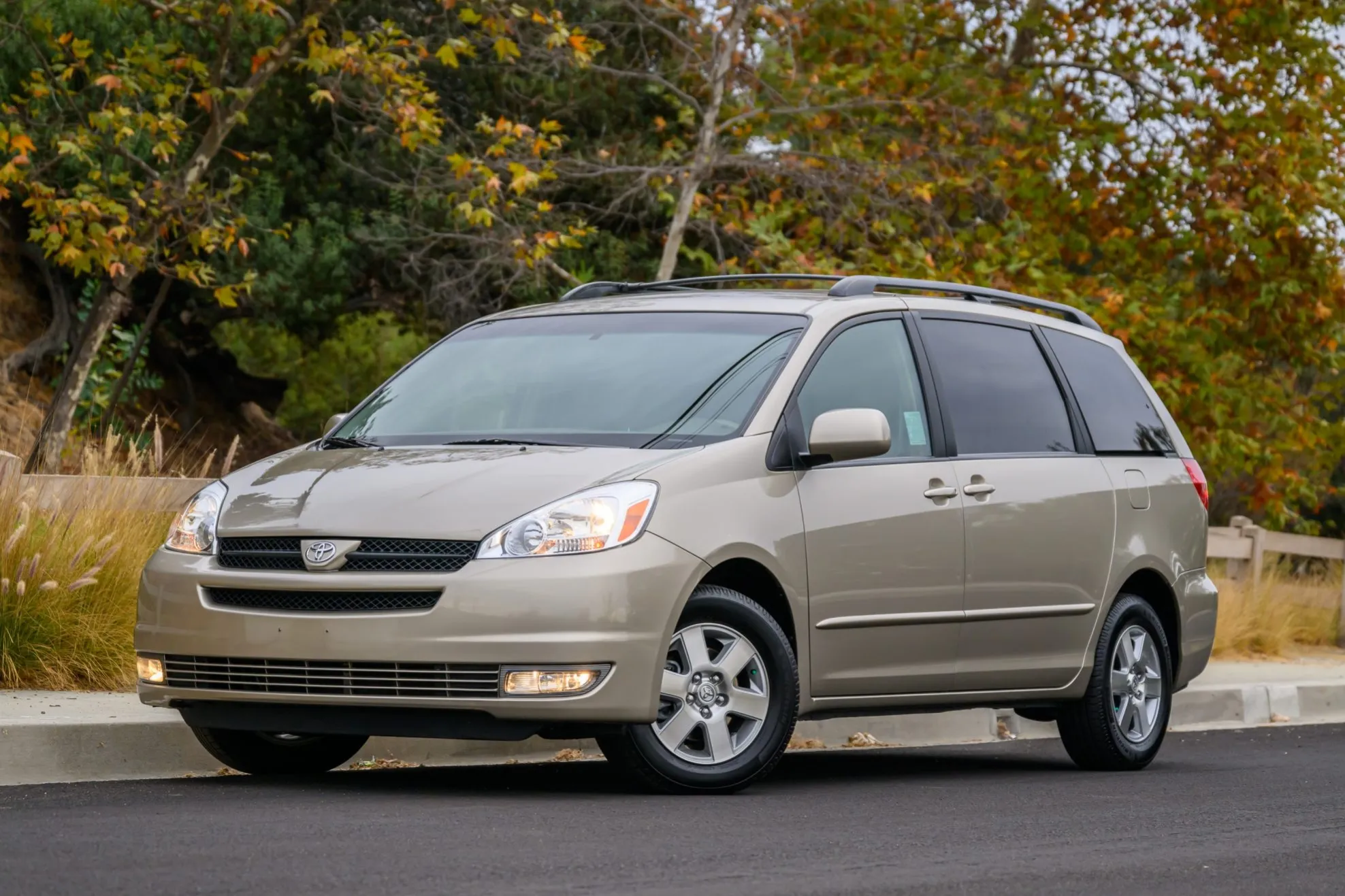
The 2004 Toyota Sienna marked the launch of the second generation, bringing a redesigned body and an interior tailored for families. While the van was well-received for its comfort and practicality, it quickly developed a reputation for frustrating quality problems.
One of the most visible concerns was premature paint peeling and fading, which left many vehicles looking older than they were. Although cosmetic in nature, this issue undermined Toyota’s reputation for durability and long-term appeal. Beyond aesthetics, mechanical complaints were frequent and troubling.
Owners reported rapid brake wear, steering vibrations, and odd noises that diminished driving confidence. Electrical malfunctions also became a recurring issue, especially with the power sliding doors and windows, which were among the vehicle’s most promoted features.
These persistent faults translated into costly repairs and frequent dealership visits, souring the ownership experience. Because of the number and severity of its issues, the 2004 Sienna is widely regarded as one of the weakest model years in the lineup and is often cited as a year to avoid.
2. 2007 Toyota Sienna: Transmission Woes Overshadow Reliability
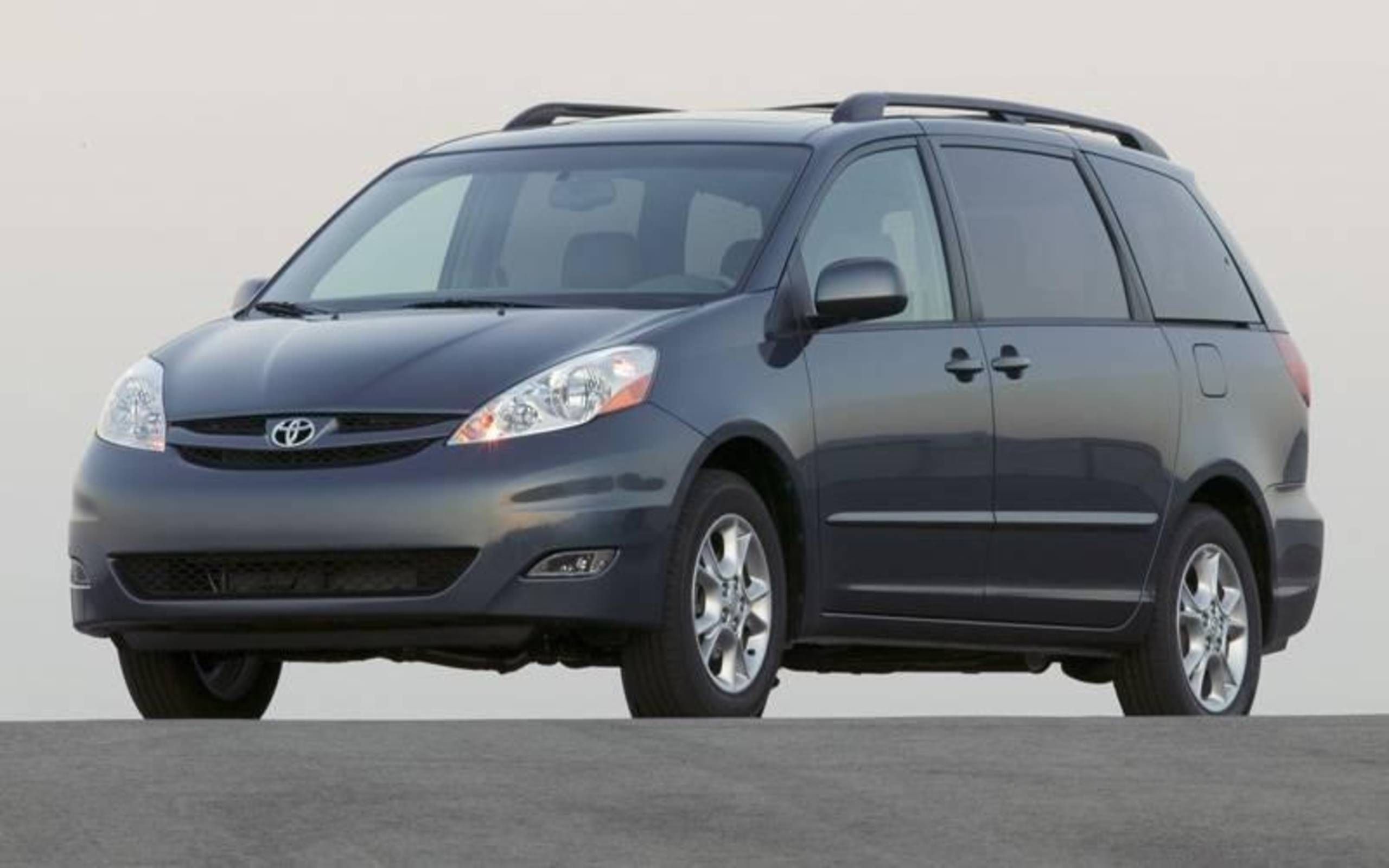
By 2007, Toyota had improved some aspects of the Sienna, but new problems emerged this time, centered around the transmission. Owners frequently reported rough shifting, hesitation, and in severe cases, complete transmission failure.
Given the expense of replacing a transmission, this became one of the most financially damaging issues associated with the model. Alongside transmission concerns, brake wear proved unusually rapid, with many drivers forced to replace pads and rotors far sooner than expected.
This led to ongoing maintenance costs and reduced confidence in the vehicle’s durability. The steering system also drew complaints, particularly due to vibrations and alignment difficulties that made handling less stable. Electrical issues, such as faulty power sliding doors, continued to frustrate families relying on convenience features.
These combined factors made the 2007 Sienna a year plagued by expensive and recurring issues, tarnishing its reputation for reliability. Families who purchased this model often found themselves spending significantly more on repairs than anticipated, making it another year frequently highlighted as one to avoid.
3. 2011 Toyota Sienna: Redesign Marred by Early Failures
The 2011 Toyota Sienna arrived with a bold redesign, sharper styling, and promises of improved technology and comfort. Unfortunately, mechanical shortcomings quickly became apparent.
Suspension problems were among the most common complaints, with struts and shocks wearing prematurely, resulting in a rough ride and higher repair bills. These issues undermined the minivan’s reputation for comfort, particularly for families relying on long-distance travel.
Engine troubles also emerged, including stalling and rough idling linked to timing chain or belt failures. Such issues posed safety risks, especially when the engine shut down unexpectedly. Repairs for timing components were costly, further adding to owner frustration.
In addition to these mechanical concerns, electrical malfunctions plagued systems like the air conditioning, leading to inconsistent performance during extreme weather.
Although the redesign refreshed Toyota’s image and drew initial excitement, the reality of premature mechanical wear and costly fixes left many owners dissatisfied. The 2011 Sienna, despite its modern appeal, ultimately joined the list of model years to avoid due to these recurring reliability concerns.
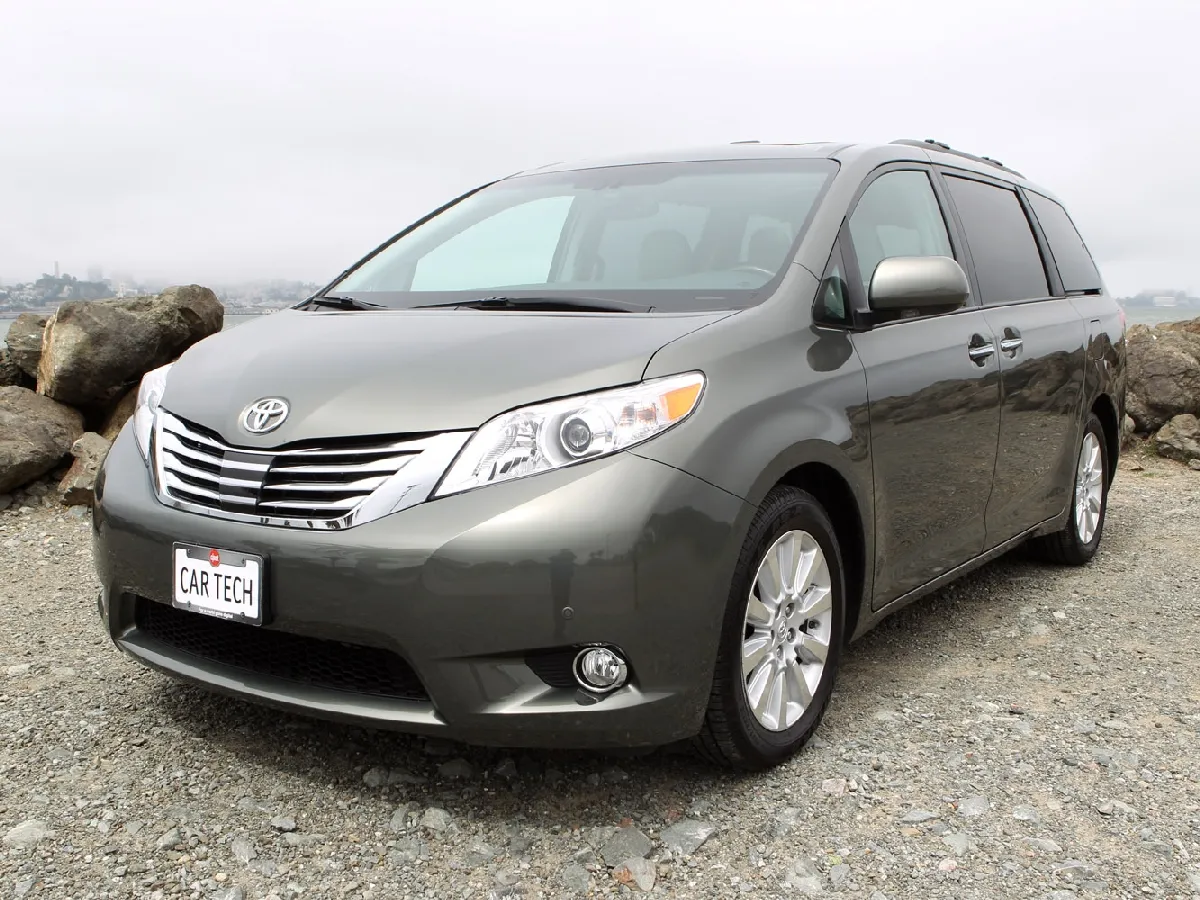
4. 2016 Toyota Sienna: Technology Troubles and Safety Shortfalls
By 2016, the Sienna was firmly established in its third generation, offering advanced features like touch-screen infotainment and driver-assist technologies. However, technology became a double-edged sword.
Owners often complained of malfunctioning infotainment systems, with unresponsive screens, poor Bluetooth connectivity, and frequent system crashes. For a family-focused vehicle, these glitches reduced convenience and created frustration during daily use. Safety features also suffered from inconsistent reliability.
Reports surfaced of malfunctioning rearview cameras and erratic lane departure warning systems, both of which compromised driver confidence and safety.
Beyond these technological issues, mechanical complaints resurfaced, particularly with premature brake wear, which raised concerns about the long-term durability of essential components.
While the 2016 Sienna delivered a more refined driving experience overall, its tech-related flaws and safety system malfunctions made it less reliable than buyers expected. The year highlighted how increasing reliance on technology can become a liability when quality control fails.
For many, the promise of advanced features did not outweigh the frustrations of dealing with persistent malfunctions and higher-than-expected maintenance costs.
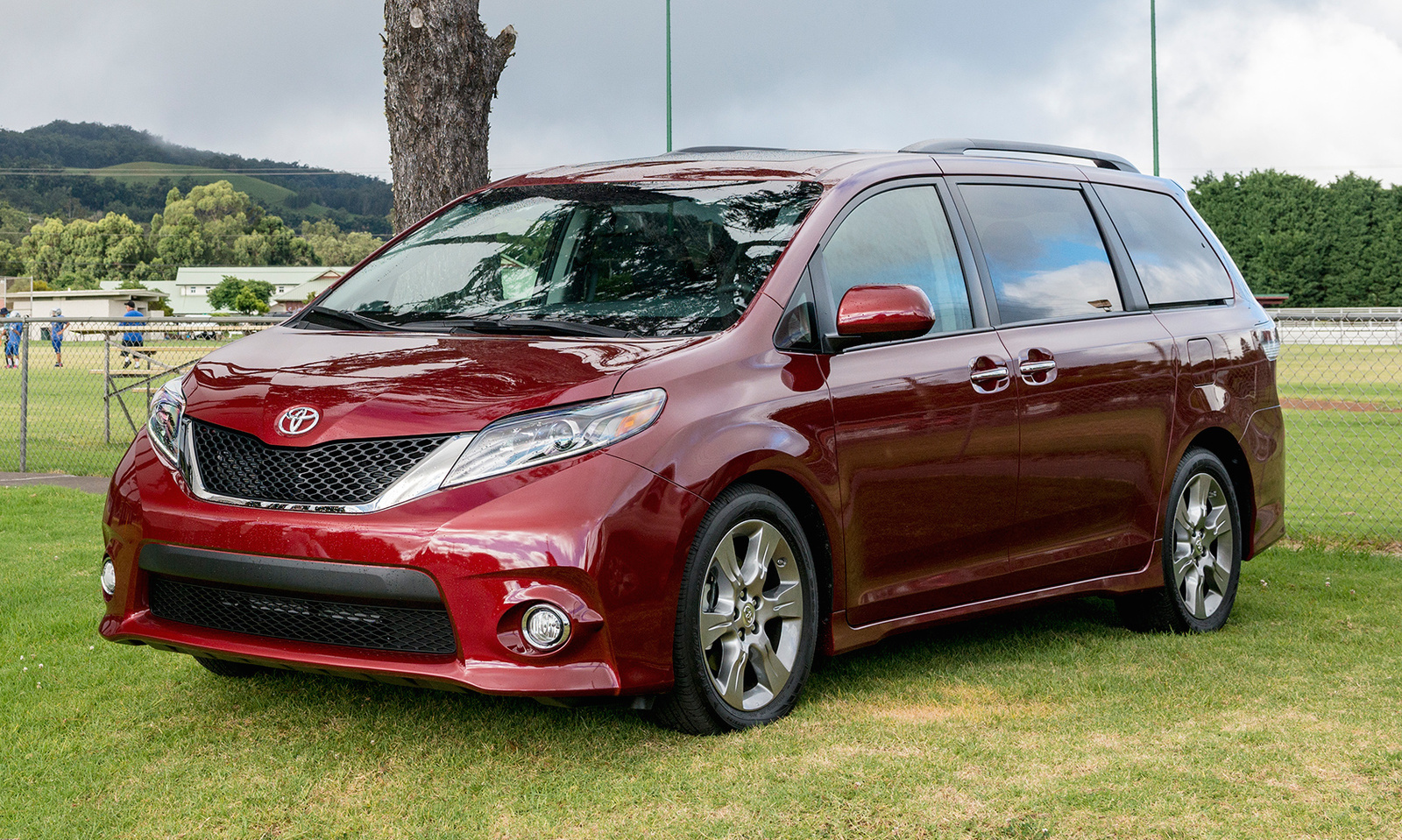
5. 2021 Toyota Sienna: Hybrid Innovation with Growing Pains
The 2021 Toyota Sienna represented a dramatic shift, as it became the first model year to offer a hybrid powertrain across the lineup. While the move promised efficiency gains and eco-friendliness, it also introduced new reliability challenges.
Some owners reported hybrid system failures, including battery errors, stalling, and system shutdowns that left the vehicle inoperable. These issues often required costly repairs, offsetting the savings from fuel efficiency. Transmission complaints were also common, particularly regarding rough shifting and hesitation during acceleration.
These problems were most noticeable in stop-and-go traffic, reducing comfort and confidence. Suspension stiffness compounded the concerns, as many drivers found the ride harsher than expected for a family-oriented vehicle. Infotainment issues, including glitches with connectivity and software reliability, added to the list of frustrations.
While Toyota positioned the 2021 Sienna as a forward-looking minivan, the early reliability problems highlighted the risks of major design overhauls. Owners expecting the usual Toyota dependability often faced growing pains associated with new technology, making this model year a mixed success at best.
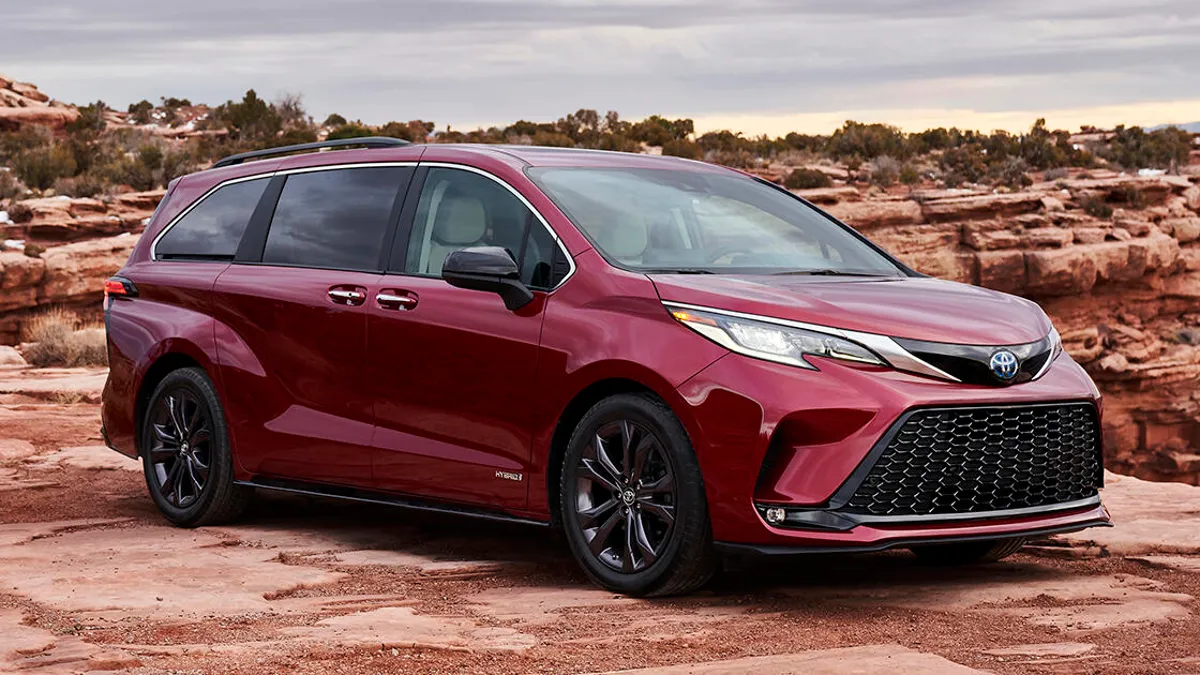
The Toyota Sienna continues to be a strong contender for families seeking space, safety, and dependability, but its track record shows that reliability can vary depending on the model year.
While some versions have stood the test of time with impressive longevity, others have struggled with mechanical flaws or technology issues that made ownership less enjoyable. For buyers entering the used market, doing research before committing is essential.
Choosing the right Sienna year can reward families with a minivan that delivers peace of mind for years to come, while avoiding the wrong one can save thousands in unexpected repair costs. In the end, careful selection is the key to enjoying everything that makes the Toyota Sienna one of the most practical family vehicles available.
Also Read: 10 Cars With Tricky Seatbelt Buckles for Elderly Passengers
