
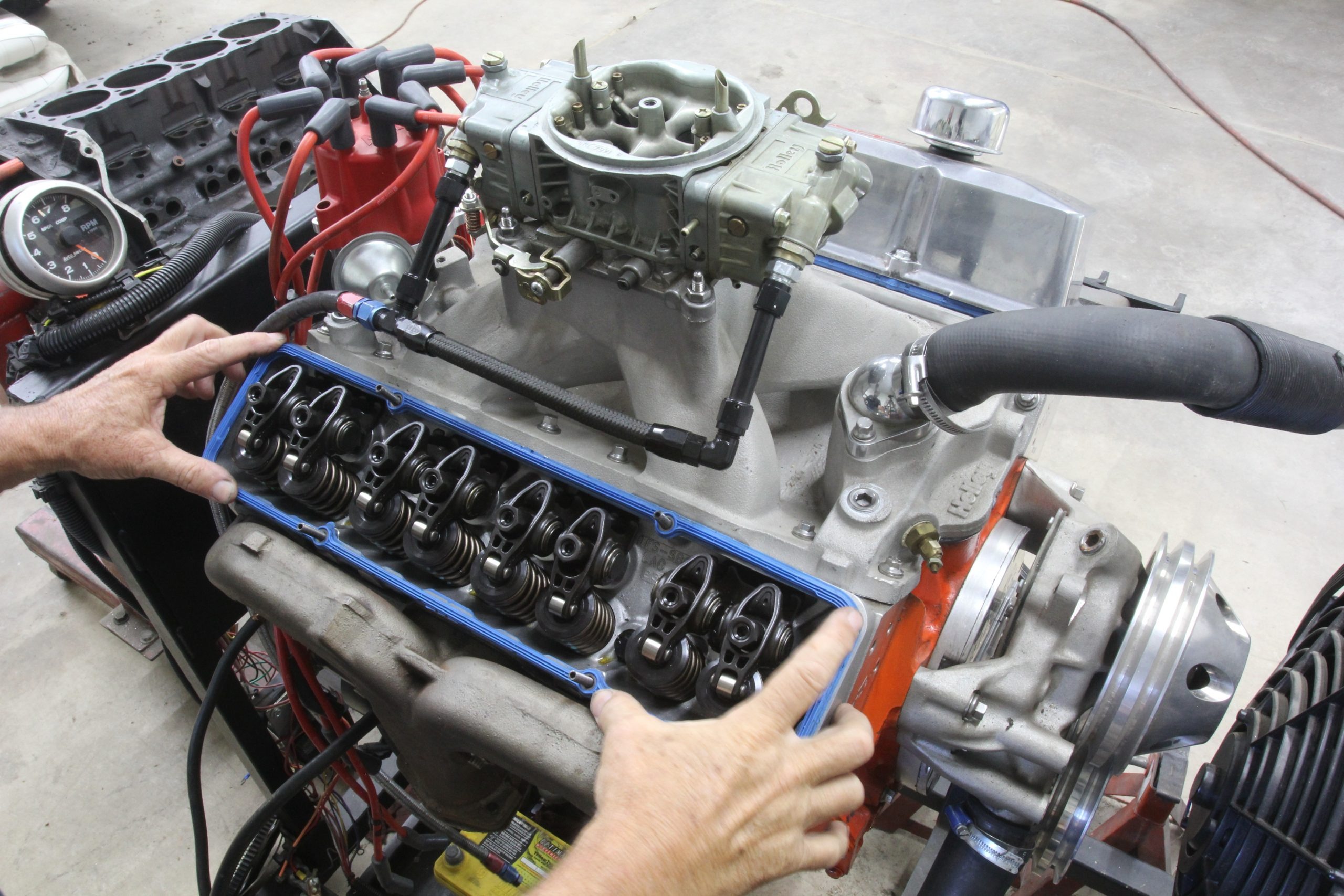
Car engines remain the heart of every automobile, and how well they are built decides how long they will serve their owners. Many drivers will agree that oil leaks can cause unnecessary stress because they create constant stains on the driveway, lead to low oil levels, and, in many cases, signal that repairs are needed.
An engine that holds oil without problem is usually a sign of quality engineering and attention to durability during production. Some engines, no matter how often they are maintained, tend to allow oil to escape through seals, gaskets, or design flaws.
It is not every engine that is prone to this problem, and knowing which ones are reliable and which ones give trouble can help buyers, mechanics, and enthusiasts make better decisions. A good engine should run smoothly, last long, and require only routine servicing rather than constant repair for leaks.
Brands like Toyota, Honda, and Lexus have built strong reputations for producing reliable engines that remain dry for years. Meanwhile, some manufacturers have dealt with recurring complaints of oil leakage in particular models, which reduces trust and increases ownership costs.
This discussion will focus on ten engines. Five of them have a strong record of remaining dry and dependable, while five others often frustrate their owners with leaks. Each will be explained in detail, including their strengths, weaknesses, and why they earned a place on the list.
The aim is to give a balanced view so that readers can understand why certain engines stand out for durability and why some continue to struggle with basic oil retention. By the end, it becomes clear which engines give peace of mind and which ones demand extra attention.
5 Engines That Never Leak Oil
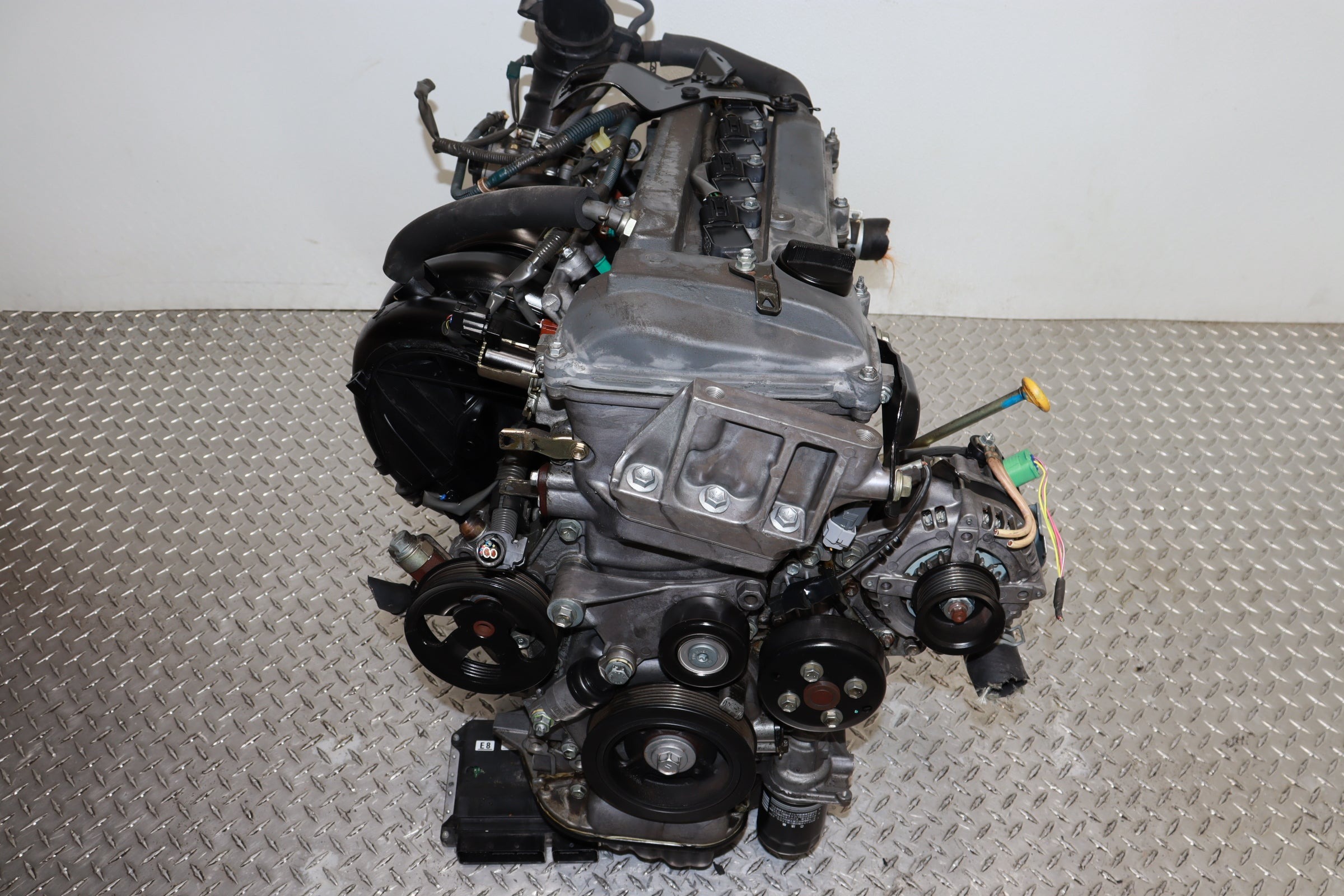
1. Toyota 2.4L 2AZ-FE
Toyota has long been associated with reliability, and one of the engines that proves this is the 2.4L 2AZ-FE. Produced between the early 2000s and mid-2010s, this engine found its way into cars such as the Toyota Camry, RAV4, and Highlander.
Drivers who own vehicles powered by this engine often confirm that oil leaks are rarely a problem. This is not by accident, because Toyota engineers invested in a strong block design and well-sealed gaskets that resist common issues that plague other four-cylinder engines.
The 2AZ-FE was built with aluminum alloy materials to keep it light but still strong. Its timing chain system, which replaced belts in earlier generations, means fewer chances of oil escaping from worn covers.
Maintenance requirements are also straightforward, with regular oil changes and filter replacements being enough to keep the engine running clean and dry. For a mid-size four-cylinder, it produces enough power for everyday driving without stressing the components that protect the oil system.
Owners often describe the engine as one that does not give unnecessary problems, provided it is not abused or neglected.
Even vehicles that have crossed 200,000 miles still manage to run without leaving patches of oil on the ground. This is part of the reason many used Toyota models with this engine retain value for long periods.
Compared to some rivals, the 2AZ-FE stands out for how well it resists leaks from valve covers and oil pans. While no engine is completely free from issues, this particular design remains one of Toyota’s strongest offerings in terms of preventing oil loss.
It proves that careful engineering and strong seals can give drivers long years of service without dealing with the headache of constant repairs.
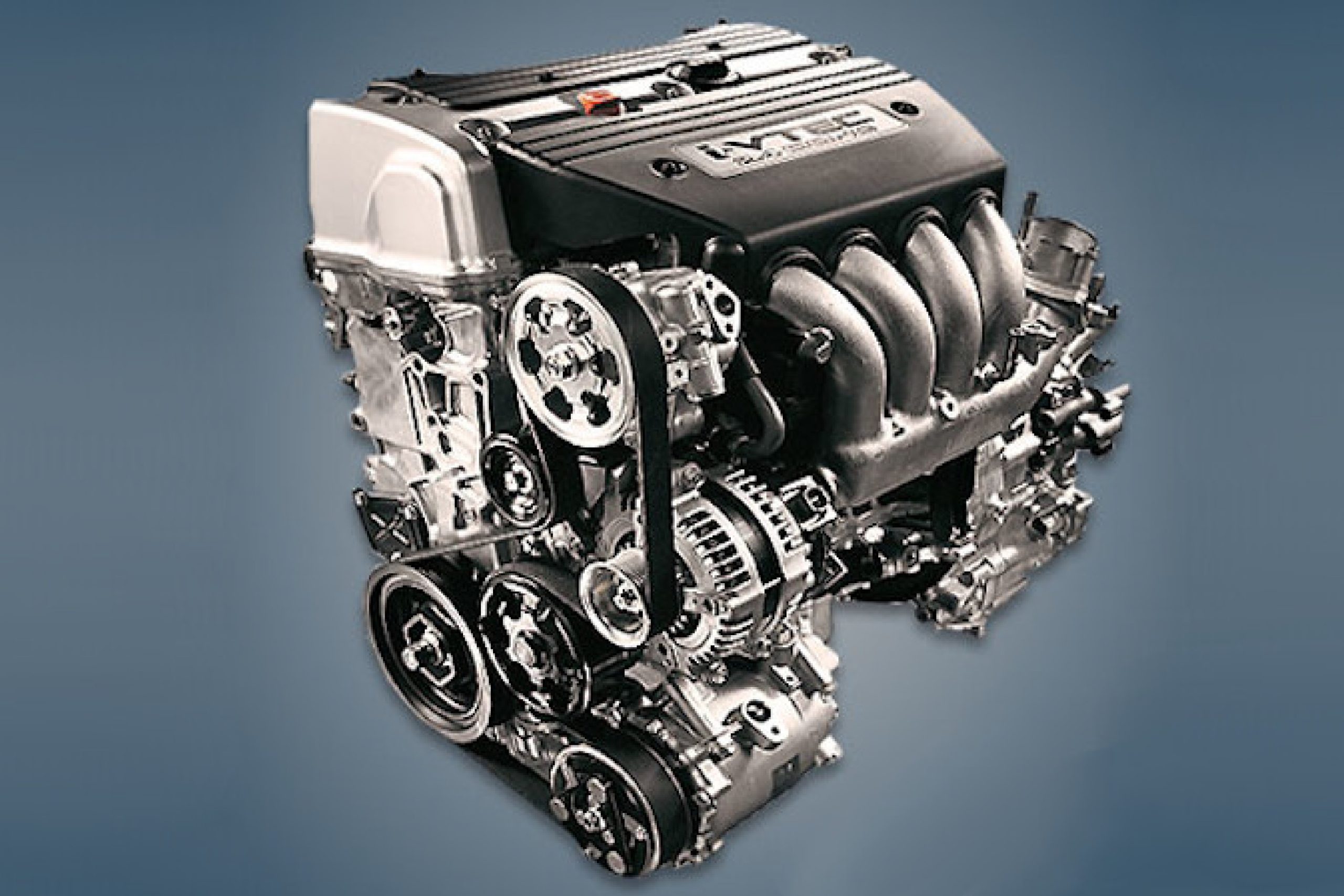
2. Honda K24
Honda engines have built a reputation for balance between performance and durability, and the K24 engine represents this reputation well. Introduced in the early 2000s, the K24 powered several Honda and Acura models, including the Accord, CR-V, Element, and Acura TSX.
What makes this engine respected is not only its smooth performance but also its ability to run cleanly without suffering from regular oil leaks.
One of the advantages of the K24 is its simple yet effective sealing system. Honda engineers created strong gaskets that rarely fail, even when the vehicle is driven in challenging conditions.
The engine is known for being able to handle high mileage without developing common oil seepage issues seen in competing brands. Many owners have reported passing the 250,000-mile mark without having to repair oil leaks, a feat that confirms the strength of its design.
Another factor is that the K24 uses a chain-driven camshaft, which reduces the need for regular timing belt replacements that often lead to gasket wear and oil leaks.
It also makes use of an aluminum block with iron sleeves, giving it a solid structure that helps in keeping seals intact. This balance between lightweight material and durability makes it dependable in the long run.
Mechanics often describe the K24 as a low-maintenance engine because even as vehicles age, it does not develop major oil problems. When serviced properly with quality oil, it continues to perform without burning or leaking unnecessarily.
While some Honda engines have been criticized for oil consumption, the K24 is usually praised for its resistance to both consumption and leakage.
Drivers looking for a dependable used vehicle often seek out models with the K24 engine, knowing that they are likely to avoid costly repairs related to oil leakage. It remains a shining example of Honda’s engineering discipline, combining efficiency, longevity, and reliability in one package.
Also Read: 5 Engines That Never Blow Gaskets and 5 That Eat Them Weekly
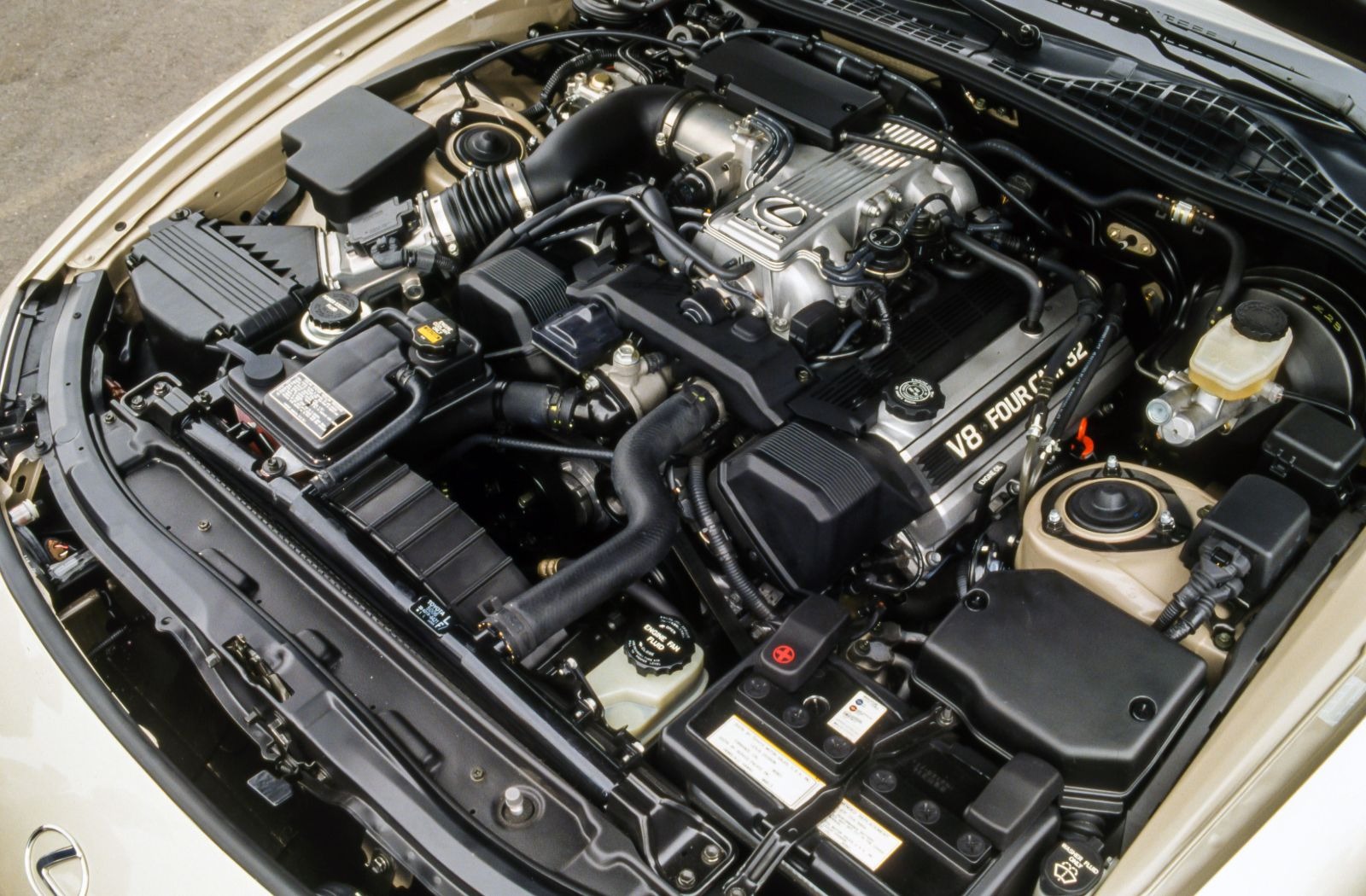
3. Lexus 1UZ-FE
The Lexus 1UZ-FE is one of those engines that show how Toyota’s luxury division mastered durability from the start. Introduced in the late 1980s and running through the 1990s, it powered flagship models like the LS400, SC400, and GS400.
Known as a 4.0L V8, this engine is often described as nearly indestructible. Oil leaks are rarely reported, which is impressive considering their size and complication compared to smaller engines.
One reason for its durability is that it was overbuilt with very tight manufacturing standards. The engine used a forged steel crankshaft, aluminum block, and high-quality seals, which were designed to last for decades.
Even when driven hard, the 1UZ-FE maintained strong oil pressure and avoided common gasket problems. Owners have long praised its ability to cover high mileage without requiring frequent repairs. The design of the valve covers and oil pan was carefully executed, meaning that oil rarely escapes from weak points.
This level of engineering was unusual at the time and showed how Toyota wanted to prove that Lexus could compete with established luxury brands like Mercedes-Benz and BMW. Many of those German engines of the same era developed leaks early in their lives, while the Lexus 1UZ-FE remained clean.
Collectors and enthusiasts often search for cars with this engine because of its reputation for longevity and reliability. Even today, it is not unusual to find LS400 models with engines that have never been opened for oil-related repairs. The fact that it can run for 300,000 miles or more without leaking shows how carefully it was designed.
The Lexus 1UZ-FE remains one of the finest V8 engines ever produced. Its resistance to oil leaks proves that engineering discipline and quality materials can create machines that last well beyond expectations.
4. Toyota 1GR-FE
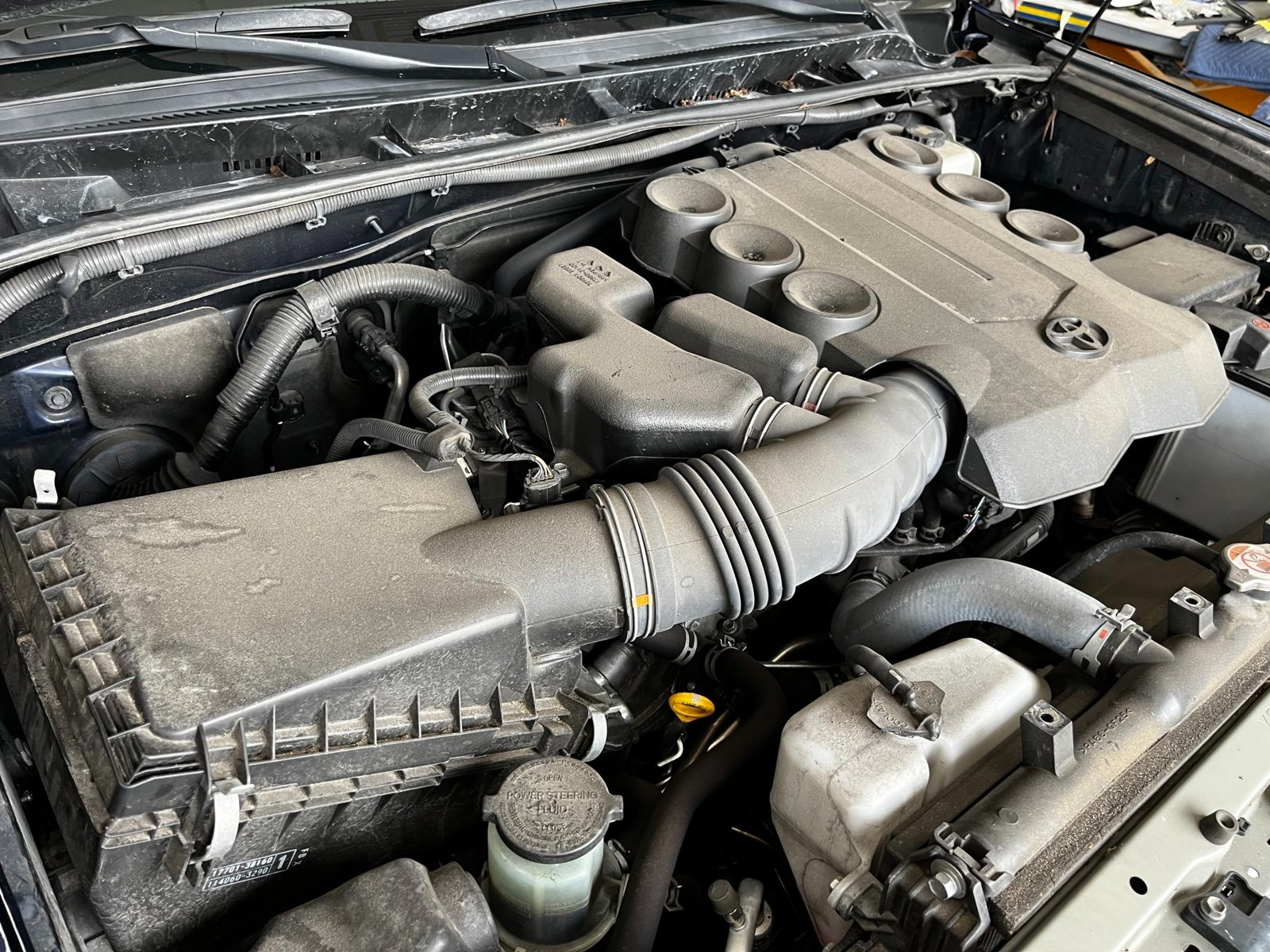
Among Toyota’s dependable engines, the 1GR-FE V6 deserves recognition. Introduced in 2003, this 4.0L engine has powered models such as the Toyota Tacoma, 4Runner, FJ Cruiser, and Land Cruiser Prado. Known for being strong and capable, especially for off-road driving, the 1GR-FE also enjoys a reputation for avoiding oil leaks even after years of use.
The engine block was built with aluminum, paired with a cast-iron crankshaft, which creates strength while keeping the engine from becoming too heavy.
Its timing chain system is well sealed and avoids the common oil seepage that affects belt-driven designs. Toyota engineers ensured that gasket materials were of high quality, giving the 1GR-FE a long service life free from common leak problems.
Owners who use the engine for off-road adventures often speak highly of its durability. Even when pushed under tough conditions, it rarely shows weakness in its oil system.
This is impressive because many engines exposed to dust, mud, and constant stress tend to develop leaks faster. The 1GR-FE, however, maintains strong seals even under heavy use.
Another positive point is its simple maintenance requirements. Regular oil changes and servicing at recommended intervals are usually enough to keep the engine dry. Mechanics often report that when leaks occur in rare cases, they are usually due to negligence rather than inherent design flaws.
With a record of high mileage durability, the 1GR-FE has proven itself as one of Toyota’s strongest V6 offerings. Its resistance to oil leaks gives peace of mind to owners who expect dependability both on highways and in challenging terrains.
5. Honda J35 V6
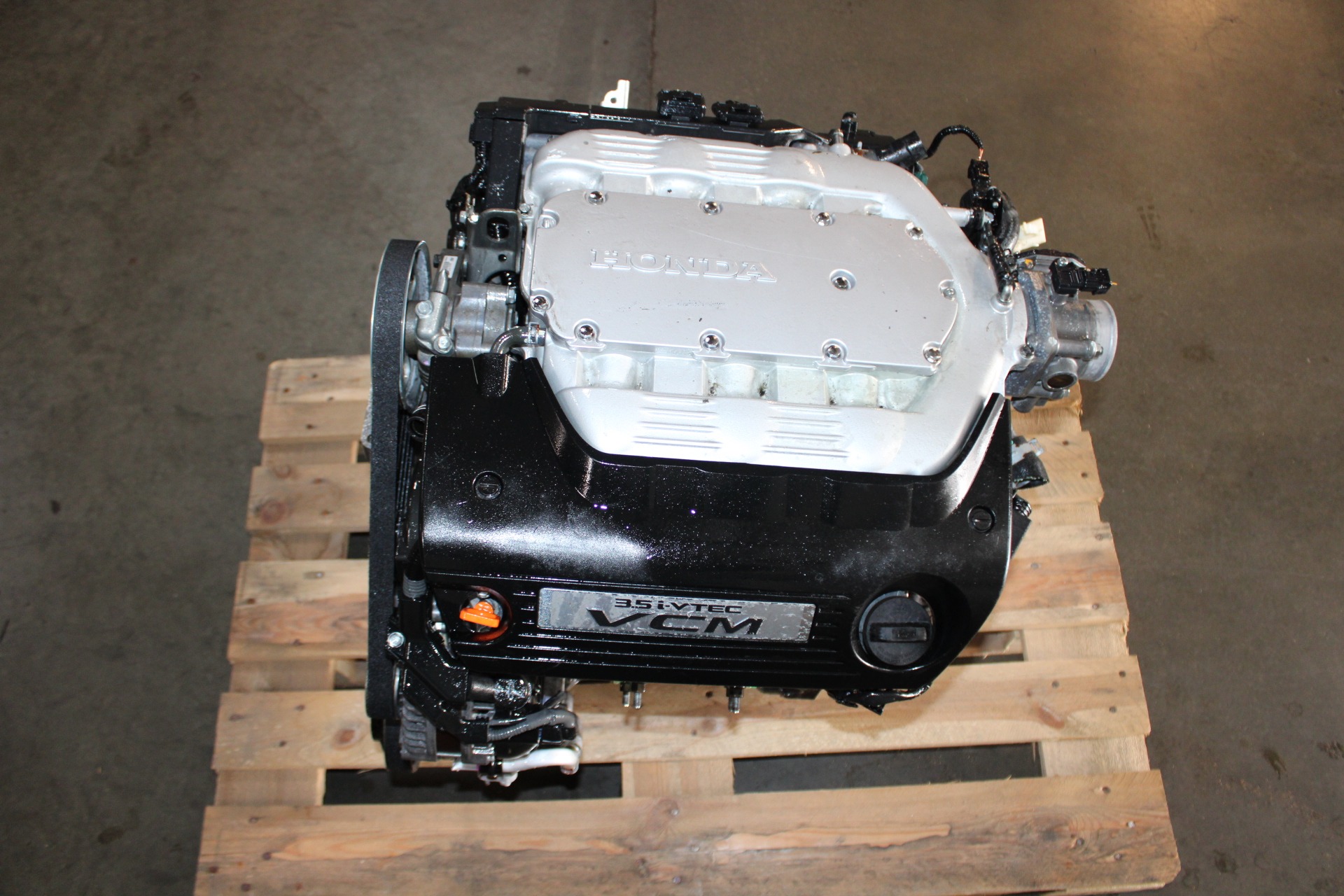
The Honda J35 V6 is another engine that has earned a reputation for reliability and resistance to oil leaks. First introduced in the late 1990s, it has been used across many Honda and Acura models such as the Odyssey, Pilot, Accord V6, and Acura MDX. This 3.5L engine balances performance with everyday usability while maintaining a strong record of staying dry even at high mileage.
One of the reasons it avoids oil leaks is the quality of its gasket and seal design. Honda engineered the J35 with precision, making it difficult for oil to escape through weak points.
Owners often report that the engine runs clean for years, provided regular maintenance is observed. It is not uncommon to see Odyssey or Pilot models with well over 200,000 miles still using their original gaskets without leaks.
The J35 also benefits from its chain-driven camshaft system, which reduces opportunities for oil to escape. The engine block is built from aluminum with solid reinforcements, giving it strength while keeping the seals intact for long-term use.
Because it powers larger vehicles, it was designed to handle stress, and part of that strength shows in how it avoids oil-related problems.
Mechanics who work on the J35 often consider it one of the most dependable Honda V6 designs. Repairs related to oil leaks are rare compared to other V6 engines in similar vehicles. When leaks occur, they are usually the result of age rather than poor engineering.
For families who rely on Honda and Acura SUVs or vans, the J35 gives reassurance that they can drive for years without suffering from constant oil issues. Its reputation for durability and leak resistance makes it one of the best V6 engines of its era.
5 Engines That Can’t Stay Dry
1. BMW N52 Inline-6
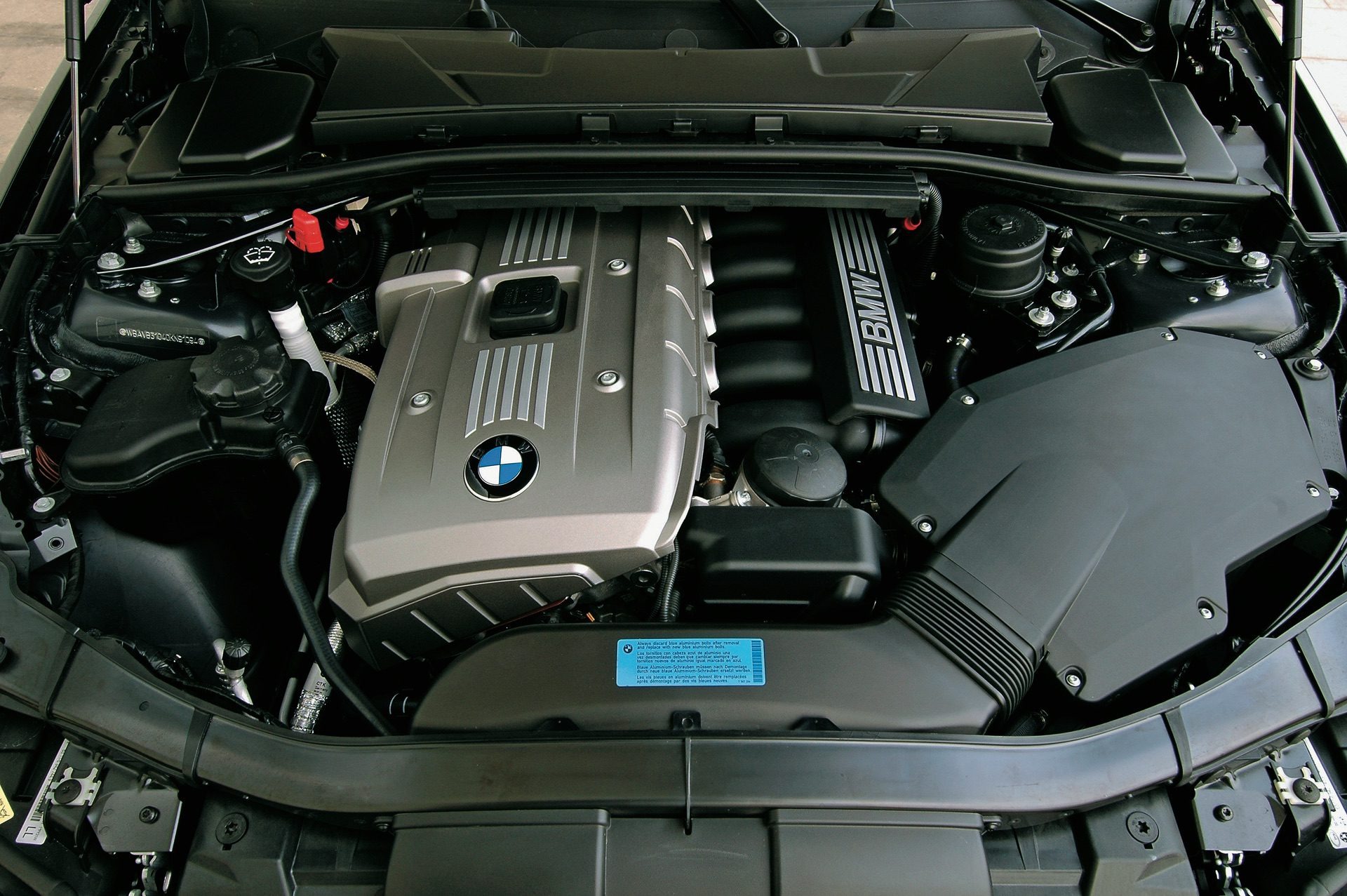
The BMW N52, produced from 2004 until around 2015, powered many of the brand’s 3 Series, 5 Series, and X3 models. While it is admired for smooth performance and a refined driving experience, it has also built a strong reputation for oil leaks that frustrate owners.
Many mechanics who work on BMWs regard the N52 as one of the engines most likely to develop leaks, especially as mileage increases.
The main sources of leaks on this engine are the valve cover gasket and the oil filter housing gasket. Both of these components are prone to hardening with age, causing oil to seep onto the sides of the engine block and sometimes even onto other components.
When ignored, the leaks can create smoke from burning oil and leave messy stains under the vehicle. These issues are so common that almost every BMW with an N52 engine past 80,000 miles has experienced one form of leakage or another.
Another point of concern is the complication of repairs. Unlike engines with simpler layouts, fixing oil leaks in the N52 can be costly and time-consuming. BMW used a plastic valve cover, which warps with heat cycles, creating opportunities for oil to escape. Even when replaced, the new covers sometimes fail again within a few years.
Many owners love the way the N52 performs, but accept that part of owning the engine involves dealing with oil leaks. Independent mechanics often prepare new BMW owners for this reality, stressing that regular inspection of gaskets and covers is necessary to avoid severe problems.
While it may be one of BMW’s smoothest six-cylinder designs, its tendency to leak makes it less appealing to those seeking trouble-free ownership.
2. Subaru EJ25
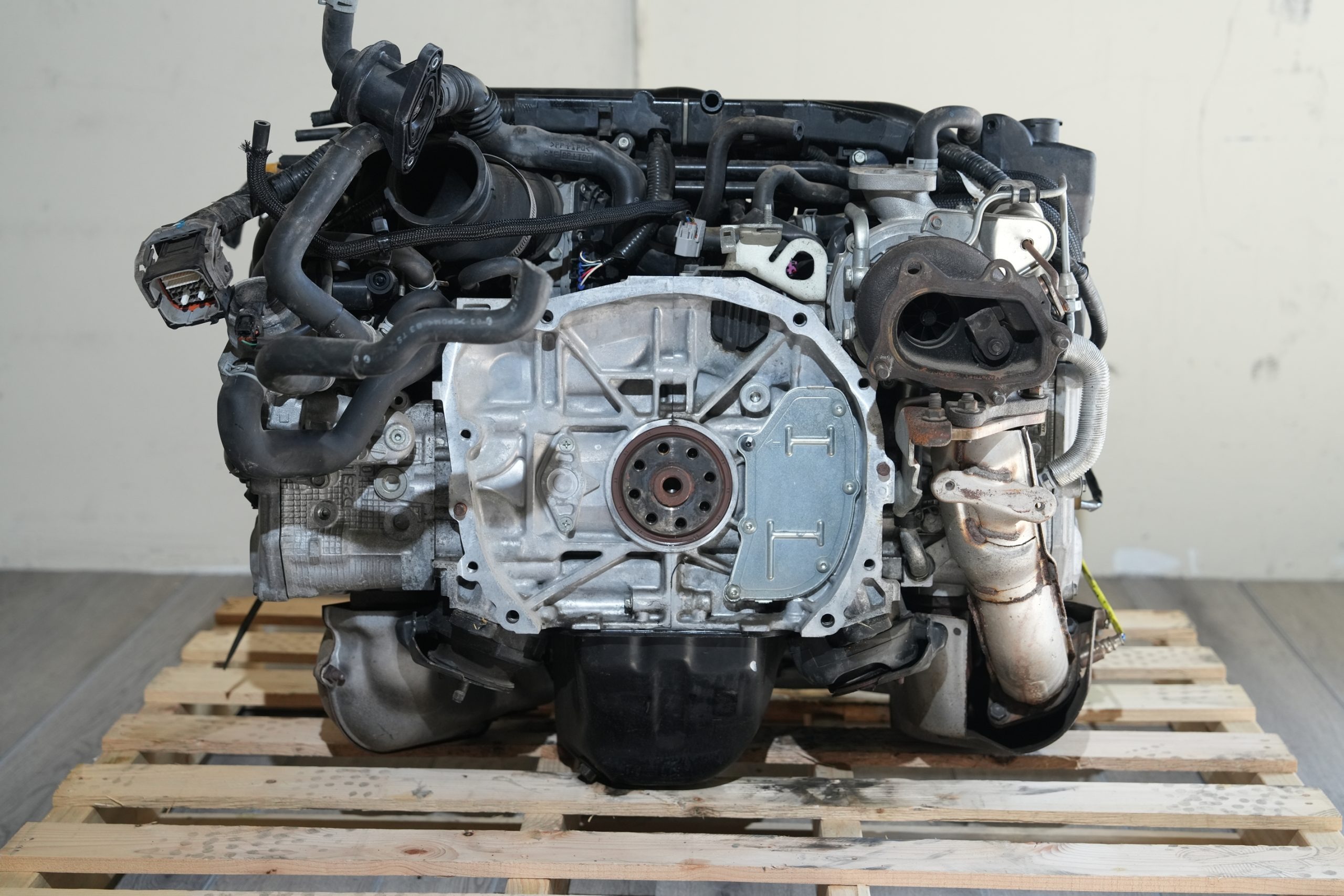
The Subaru EJ25, which has powered many Legacy, Outback, Impreza, and Forester models, is known for its boxer layout and strong low-end torque.
While it is respected for performance and balance, it also carries a reputation for persistent oil leaks that frustrate owners. The flat-four design places the head gaskets and seals in positions that are prone to oil seepage, especially as the engine ages.
One of the most frequent complaints involves leaking head gaskets. This issue became so common that entire generations of Subaru vehicles suffered from early gasket failures, often before reaching 100,000 miles.
When the gaskets fail, oil and coolant can mix or escape onto the exterior of the engine, creating messy and expensive repairs. Subaru attempted to fix the problem over time, but the EJ25 continued to struggle with oil retention throughout its production life.
Another area prone to leakage is the valve cover gaskets. Because of the boxer design, the gaskets sit horizontally, which increases the likelihood of oil seeping out as the rubber ages. Many owners report having to replace valve cover gaskets more than once during the life of the engine.
Repairing oil leaks on the EJ25 can also be more difficult than on upright engines, since the flat layout makes it harder to access certain components. This increases labor costs and makes ownership more expensive. Even with regular maintenance, leaks often return, frustrating drivers who expect long-term reliability.
Despite its flaws, the EJ25 remains popular among enthusiasts because of its performance and tuning potential. However, when it comes to oil leaks, it is widely recognized as one of the engines most likely to leave stains on the driveway.
3. Chrysler 2.7L V6
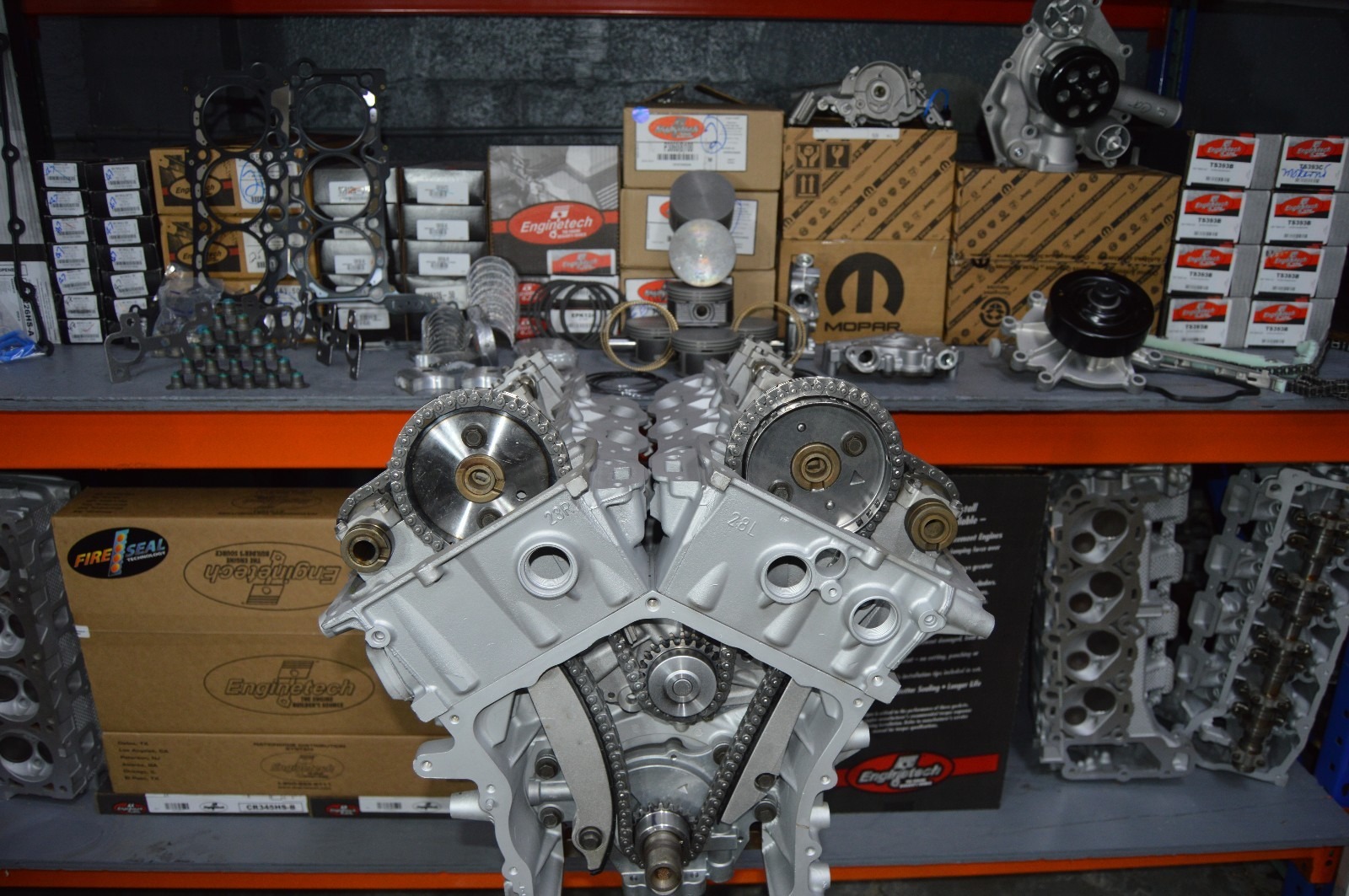
Chrysler’s 2.7L V6 engine, used in models like the Dodge Intrepid, Chrysler Sebring, and Dodge Stratus, gained an unfortunate reputation for oil-related problems almost from the start.
Apart from issues with sludge buildup, the engine is also prone to oil leaks that make ownership challenging. Many owners faced recurring repairs within just a few years of use.
One major weakness is the design of the timing chain tensioner and oil passages. Poor lubrication often leads to overheating and sludge, which in turn damages gaskets and seals.
Once the seals harden or wear, oil begins to escape at several points. Valve cover gaskets, front crankshaft seals, and oil pan gaskets are common sources of leakage.
Another problem is that the engine often runs hotter than average, which accelerates the breakdown of gasket material. This makes oil leaks appear much earlier compared to better-designed V6 engines from other brands. For drivers, this means frequent top-ups and expensive repairs that do not always guarantee a long-term fix.
Mechanics often criticize the 2.7L V6 as one of Chrysler’s weakest designs. Many vehicles powered by this engine suffered from both internal and external oil problems, sometimes leading to total failure if leaks were not addressed quickly. Owners who neglected oil changes faced even worse outcomes, with engines seizing entirely.
Because of its history, the Chrysler 2.7L V6 has become a warning example of how poor engineering can ruin a car’s reputation. Buyers looking at used cars often avoid models with this engine, knowing that oil leaks and other related problems are almost guaranteed.
4. Volkswagen 2.0T TSI (EA888 Gen 2)
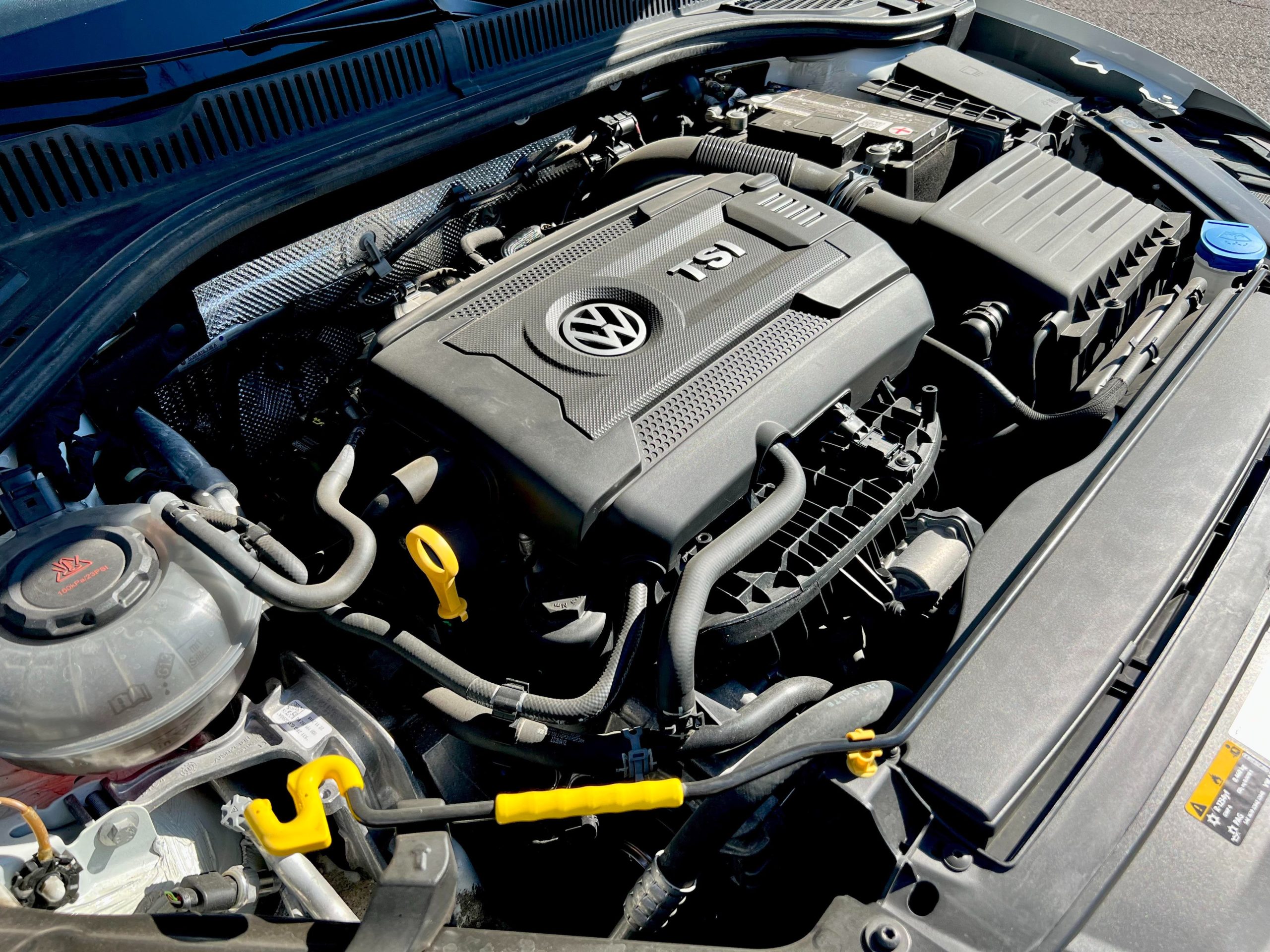
Volkswagen’s 2.0T TSI engine, particularly the second-generation EA888 used in many Golf, Passat, Audi A4, and A3 models, has earned both praise and criticism. While it delivers strong performance and fuel efficiency, it is also well known for oil leaks that start earlier than many owners expect.
One of the most common leak points is the rear main seal. Made from a delicate material, it often fails prematurely, causing oil to drip between the engine and transmission.
Repairing this issue is expensive since the transmission must be removed to access the seal. Many owners find themselves paying thousands of dollars for what should have been a simple sealing job.
Another weak area is the valve cover gasket and camshaft bridge. Oil tends to seep from these areas as the engine accumulates mileage, leaving messy residue and burning smells. In some cases, the leaks contribute to increased oil consumption, making the engine even more frustrating to maintain.
Volkswagen enthusiasts appreciate the performance of the 2.0T, but they often warn new owners about its oil-related weaknesses. Independent workshops have made a business out of repairing these common leaks, and many mechanics keep replacement gaskets and seals in stock because of the frequency of failures.
While later versions of the EA888 improved reliability, the early Gen 2 engines remain widely known for their inability to stay dry. For many buyers, the repair costs outweigh the enjoyment of driving, making it one of the more problematic engines of its era.
Also Read: 5 V6 Engines That Stay Smooth and 5 That Shake to Death
5. Land Rover 5.0L V8 (AJ133)
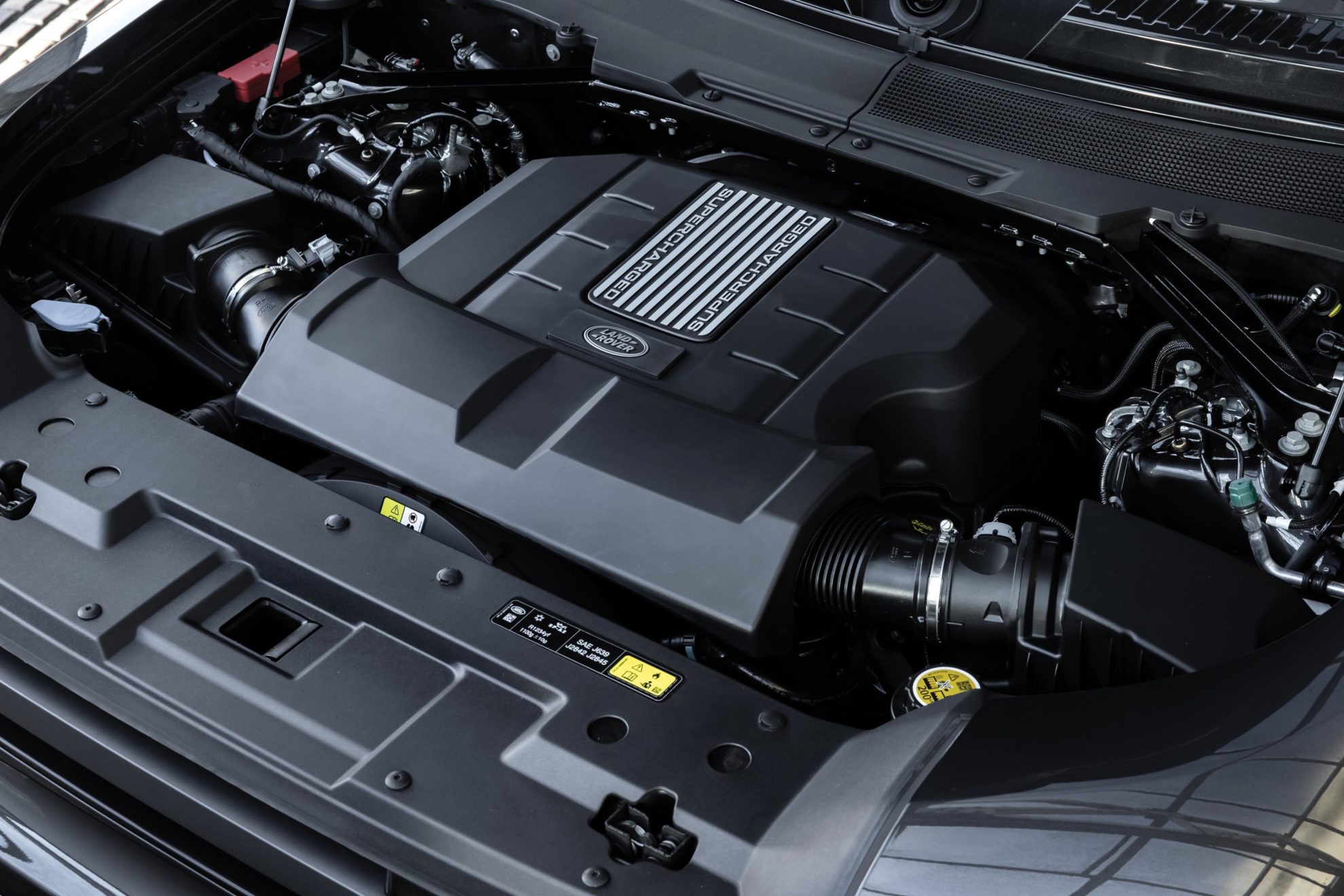
The 5.0L V8 engine found in many Land Rover and Jaguar models since 2009 is powerful and refined, but it has also gained a reputation for frequent oil leaks.
Vehicles such as the Range Rover, Range Rover Sport, and Jaguar XJ equipped with this engine often develop leaks around the valve covers, timing covers, and crankshaft seals.
One reason is the sheer heat produced by the large displacement V8. High operating temperatures accelerate gasket wear, leading to cracks and oil seepage.
The plastic valve covers are another weakness, as they warp under heat cycles, breaking the seal and causing oil to drip onto the exhaust system. Many owners complain of burning oil smells and visible smoke as a result.
Another frequent problem involves the timing cover gasket. Replacing it requires serious labor, making the repair costly. For many owners, the frustration is not only the leaks themselves but also the high repair bills that follow. Luxury vehicles with this engine often end up spending long hours at workshops, draining both time and money.
Despite these issues, the engine delivers strong power and a smooth driving experience, which keeps many enthusiasts interested. However, long-term ownership often means accepting that oil leaks are part of the package. Mechanics familiar with Land Rover engines usually advise frequent inspections to catch leaks early before they damage other components.
The 5.0L V8 shows that even premium engines from respected brands can struggle with something as basic as oil retention. For many buyers, the joy of owning a powerful SUV or sedan is reduced by the constant battle against leaks.
Engines are judged not only by how much power they produce or how smooth they feel, but also by how reliable they remain over years of use. An engine that holds oil properly will give its owner peace of mind, reduce maintenance costs, and increase long-term trust in the brand.
Choosing a vehicle goes beyond style and performance. Understanding which engines are dependable and which ones demand constant attention can save buyers from future frustration.
While no engine is completely perfect, the difference between a reliable design and a problematic one often lies in how well it holds its oil. For many drivers, that alone decides whether an engine is remembered as a trusted companion or a constant burden.
