
Families often look for vehicles that can handle daily movement, weekend getaways, and even long road trips without giving them stress. Among different types of vehicles, SUVs remain among the top picks because of the space, road presence, and sense of safety they provide.
The design of an SUV usually promises comfort, flexibility, and better handling on different terrains. Families with children often need extra room, supportive seats, good air conditioning, and technology that makes trips more pleasant. Because of this, the market for family SUVs keeps growing as buyers seek cars that provide both comfort and durability.
Not every SUV performs well after years of use. Some start strong but lose value and comfort as they age. Others manage to keep their interior quality, smooth rides, and family-friendly features for many years.
Buyers who want peace of mind usually go for SUVs that can stay reliable and comfortable for long use, while avoiding those that age too quickly. What separates these two groups is not only the design but also the materials used, the build quality, the driving feel, and the ability to adapt to changing family needs.
When shopping for a family SUV, many people look beyond just the stylish appearance. They focus on space, seating arrangement, air conditioning vents for back passengers, smooth suspension, and safety systems that protect children and adults.
While some SUVs maintain these qualities for a long time, others begin to show issues such as rattling interiors, weak electronics, poor seating support, and rough rides. For families, these shortcomings can be frustrating.
We are going to point out five SUVs that remain comfortable for families, and five that do not hold their value in terms of comfort as they age. Each one is broken down carefully so that readers can understand why some vehicles stay strong while others disappoint after some years.
5 Family SUVs That Stay Comfortable
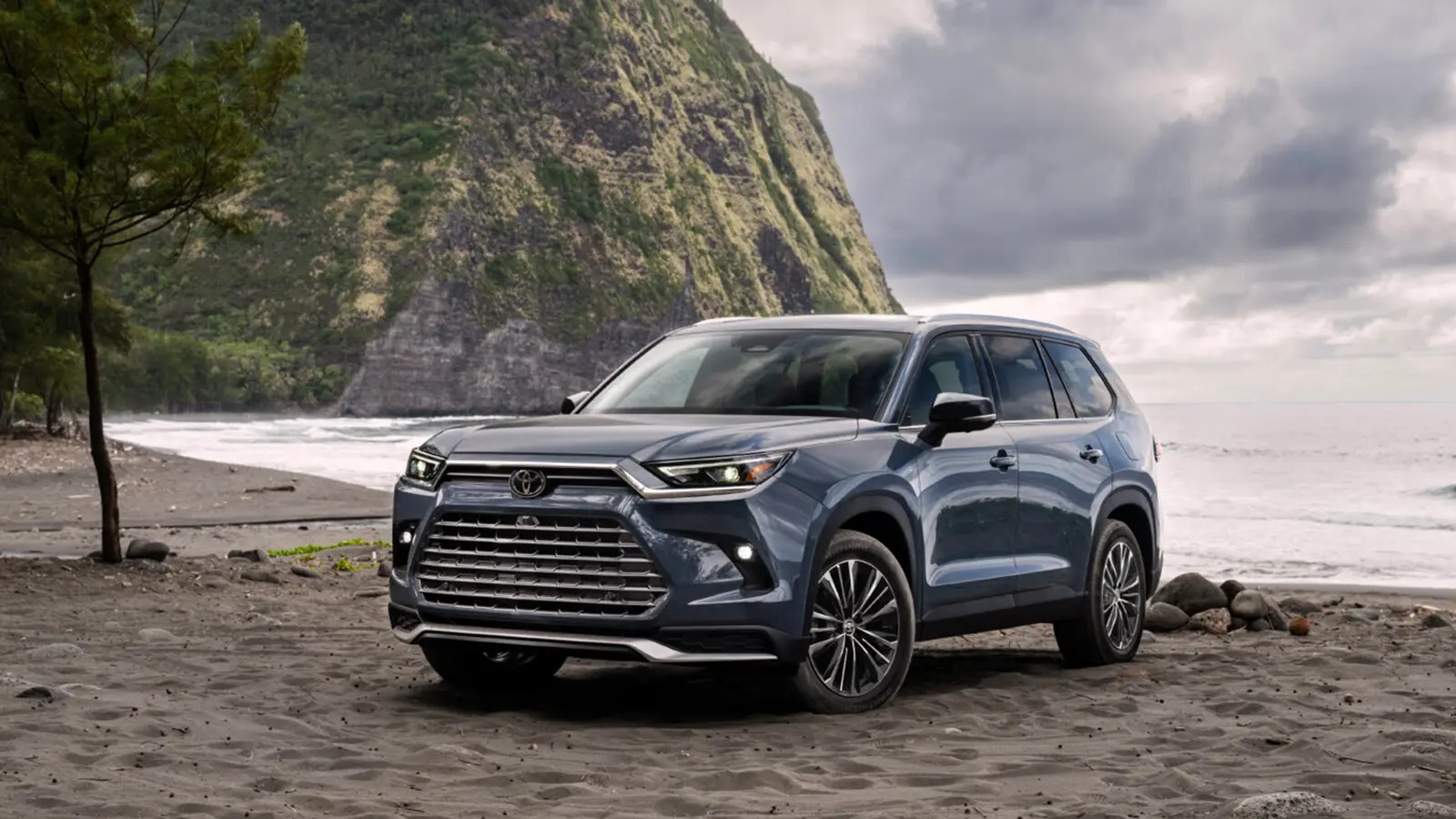
1. Toyota Highlander
The Toyota Highlander has built its reputation as a strong family option by offering plenty of interior space, long-lasting comfort, and excellent reliability. Families usually appreciate the three-row seating arrangement, which can accommodate both adults and children without making the cabin feel squeezed.
The seats are supportive, and the rear rows are designed with enough legroom to keep passengers relaxed during both short and long journeys. Toyota engineers designed the Highlander with a suspension that absorbs bumps well, ensuring the ride remains smooth even on rougher roads.
Another aspect that makes the Highlander stand out is its climate control system. Families with young children often worry about everyone feeling cool at the back during hot summers, and Toyota’s design gives rear passengers their own air vents to make rides more comfortable.
Storage space is also commendable, as the Highlander provides enough room for strollers, groceries, school bags, and luggage for long trips.
Technology is another area where this SUV shines. The infotainment system is easy to operate, with Apple CarPlay and Android Auto making it simple for parents to connect their phones.
Children can watch shows or listen to music without parents needing to struggle with complicated controls. Safety features like lane departure alert, adaptive cruise control, and automatic emergency braking bring confidence to families who use the car daily.
What truly separates the Highlander from some rivals is its ability to age well. Many families still use older models that continue to offer comfort without frequent breakdowns.
The materials in the cabin hold up to years of wear from kids and heavy family use. Resale value also stays high, making it a safe long-term investment. For many families, the Highlander balances space, comfort, and durability in a way that keeps it ahead of others in its class.
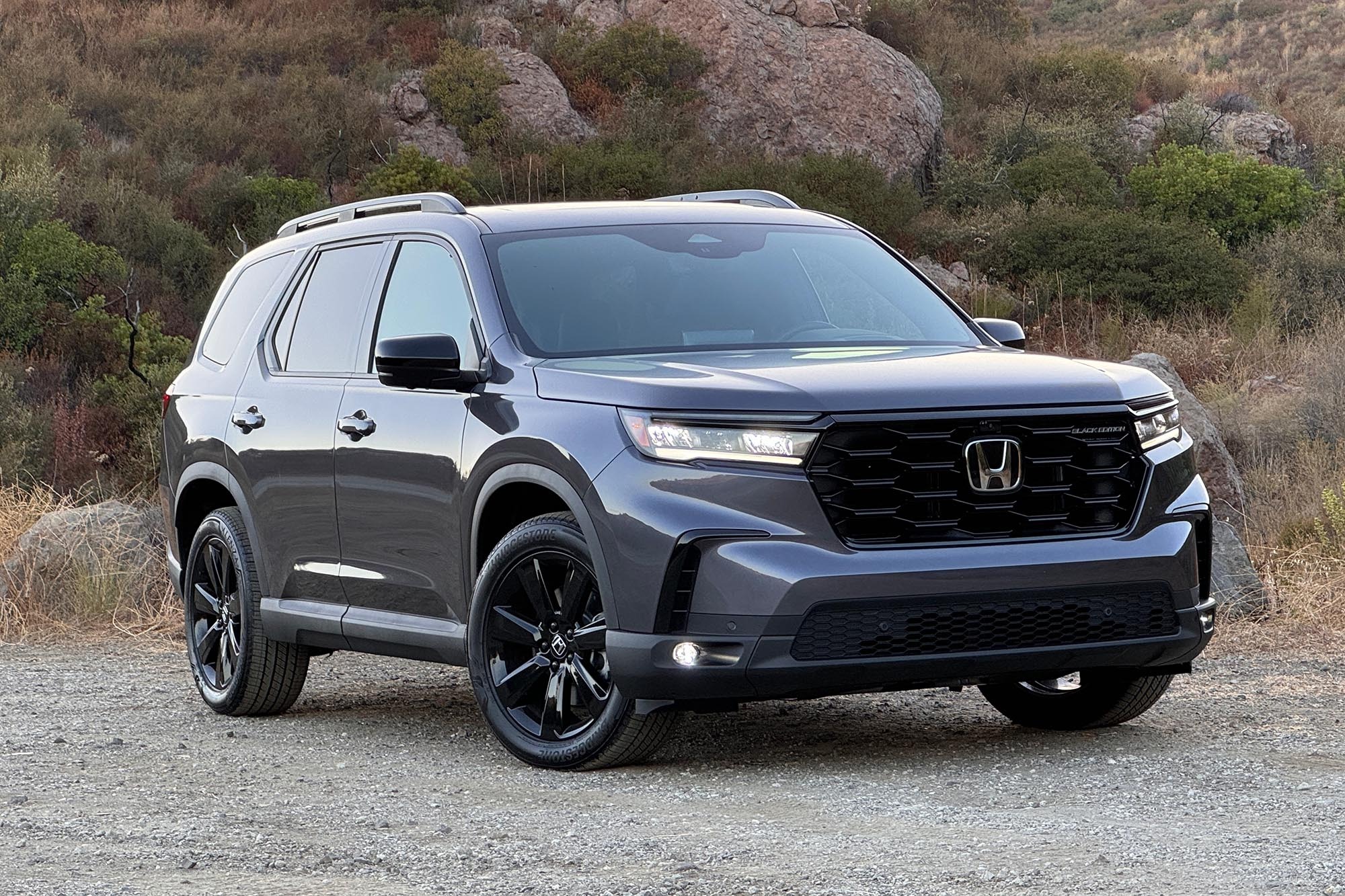
2. Honda Pilot
The Honda Pilot has earned its place as one of the most dependable and family-friendly SUVs on American roads. With a spacious interior and three-row seating, it comfortably carries large families while still leaving room for cargo.
The design ensures easy access to the third row, something many parents appreciate when they have children who need to get in and out quickly.
Comfort is one of the strongest points of the Pilot. The suspension is tuned to deliver a smooth and balanced ride, so passengers hardly feel rough patches or potholes on the road.
Seats are cushioned in a way that supports long hours of driving, and both front and rear passengers benefit from wide seating areas. For parents travelling with kids, the rear entertainment system and multiple charging outlets keep everyone occupied and comfortable.
Honda also gives attention to small details that matter to families. Cabin noise is kept low, meaning conversations can continue without being disturbed by the outside environment.
Climate control zones ensure that passengers in all rows stay comfortable regardless of outside weather. There are also multiple cup holders and storage pockets spread around the cabin, which makes the vehicle very practical for day-to-day use.
In terms of safety, the Honda Pilot comes with advanced driver assistance systems like forward collision warning, lane keeping assist, and blind-spot monitoring.
Parents often look for these features to feel confident about their children’s safety. The vehicle is also designed to age gracefully. Many older Pilots still deliver reliable performance, which makes families stay loyal to the model.
The Pilot’s reputation is built not just on size but also on consistency in delivering comfort. It remains one of the SUVs that families can depend on for years without losing its usefulness or comfort level.
Honda’s careful engineering makes sure the Pilot stays attractive to buyers looking for something that remains comfortable even after long use.
Also Read: 5 SUVs That Never Rust and 5 That Always Do
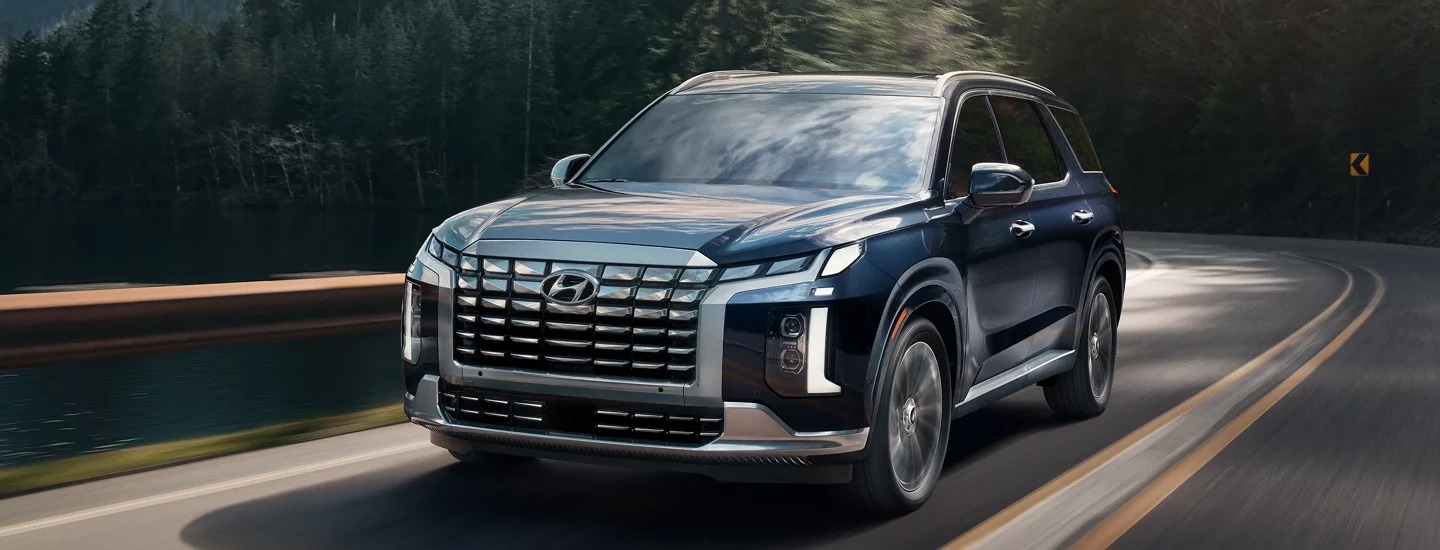
3. Hyundai Palisade
The Hyundai Palisade has become a favourite among families looking for an SUV that blends modern design with practical comfort. Introduced as a relatively new player in the large SUV market, the Palisade quickly impressed buyers with its upscale interior and thoughtful features.
The three-row seating arrangement is designed with family use in mind, offering good space and quality materials that do not wear out quickly.
What makes the Palisade special is how much attention Hyundai paid to passenger comfort. The cabin feels more like a luxury SUV than a standard family hauler.
The seats are wide and supportive, and the second-row captain’s chairs in higher trims provide the kind of relaxation usually reserved for more expensive vehicles.
Air vents for every row, USB ports for charging, and a user-friendly infotainment system help keep children and adults satisfied during trips.
Ride quality is another strength of the Palisade. The suspension setup makes it glide smoothly on highways and city roads. Even on bumpy paths, the vehicle does not transfer much discomfort to passengers.
Sound insulation is excellent, which gives the cabin a quiet atmosphere even when driving at higher speeds. Parents often mention that their kids can sleep comfortably during long journeys without being disturbed by noise or roughness.
Hyundai also invested in safety technology, including automatic emergency braking, adaptive cruise control, and rear cross-traffic alert.
These features give families peace of mind. The Palisade’s design is also built to remain attractive after years of use. Its quality materials resist wear, and many owners find that even after several years, the cabin still feels fresh and solid.
For families searching for an SUV that gives both comfort and a sense of modern style, the Hyundai Palisade remains a strong choice. It shows that a well-designed SUV can combine long-term comfort with family-friendly features without losing its appeal.
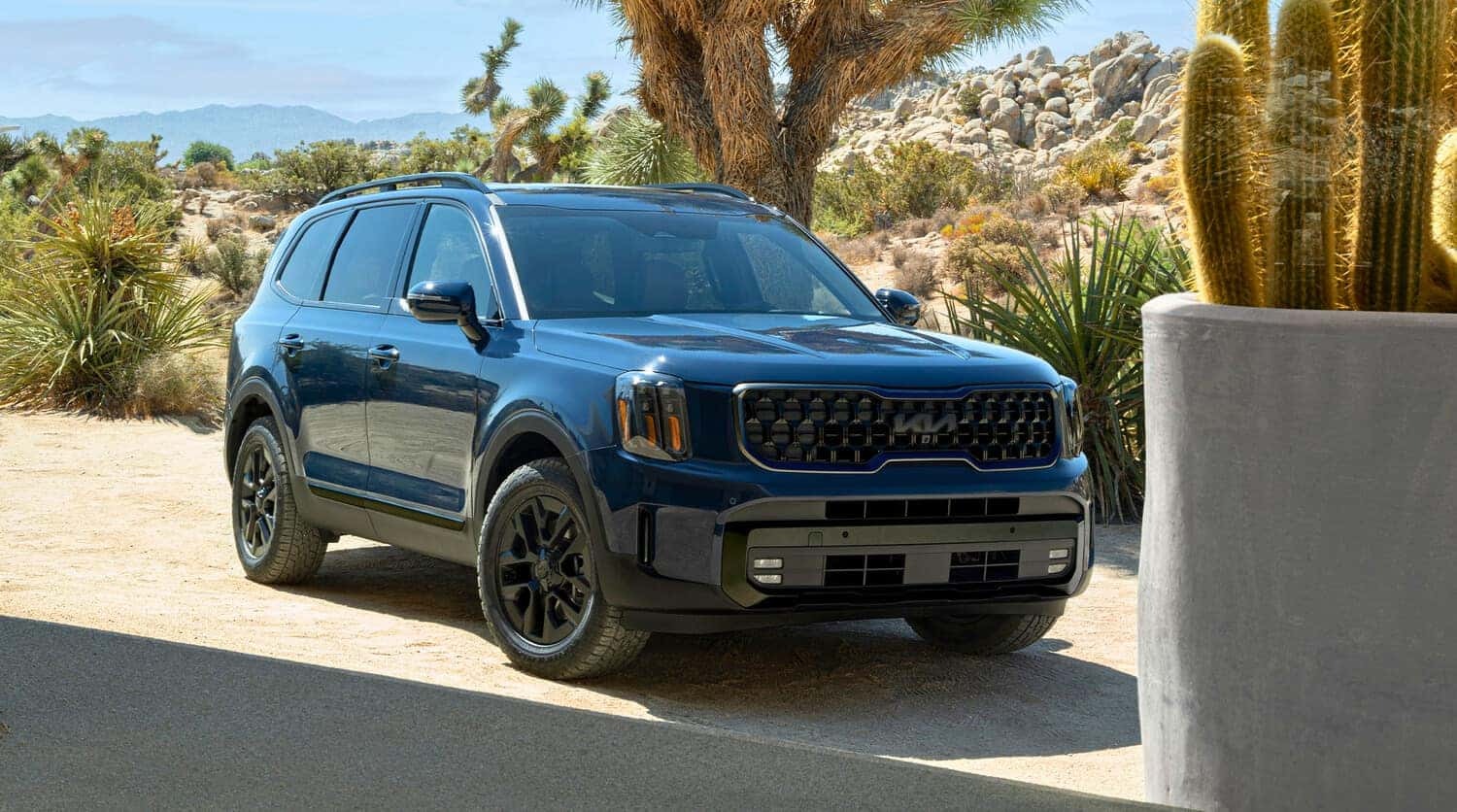
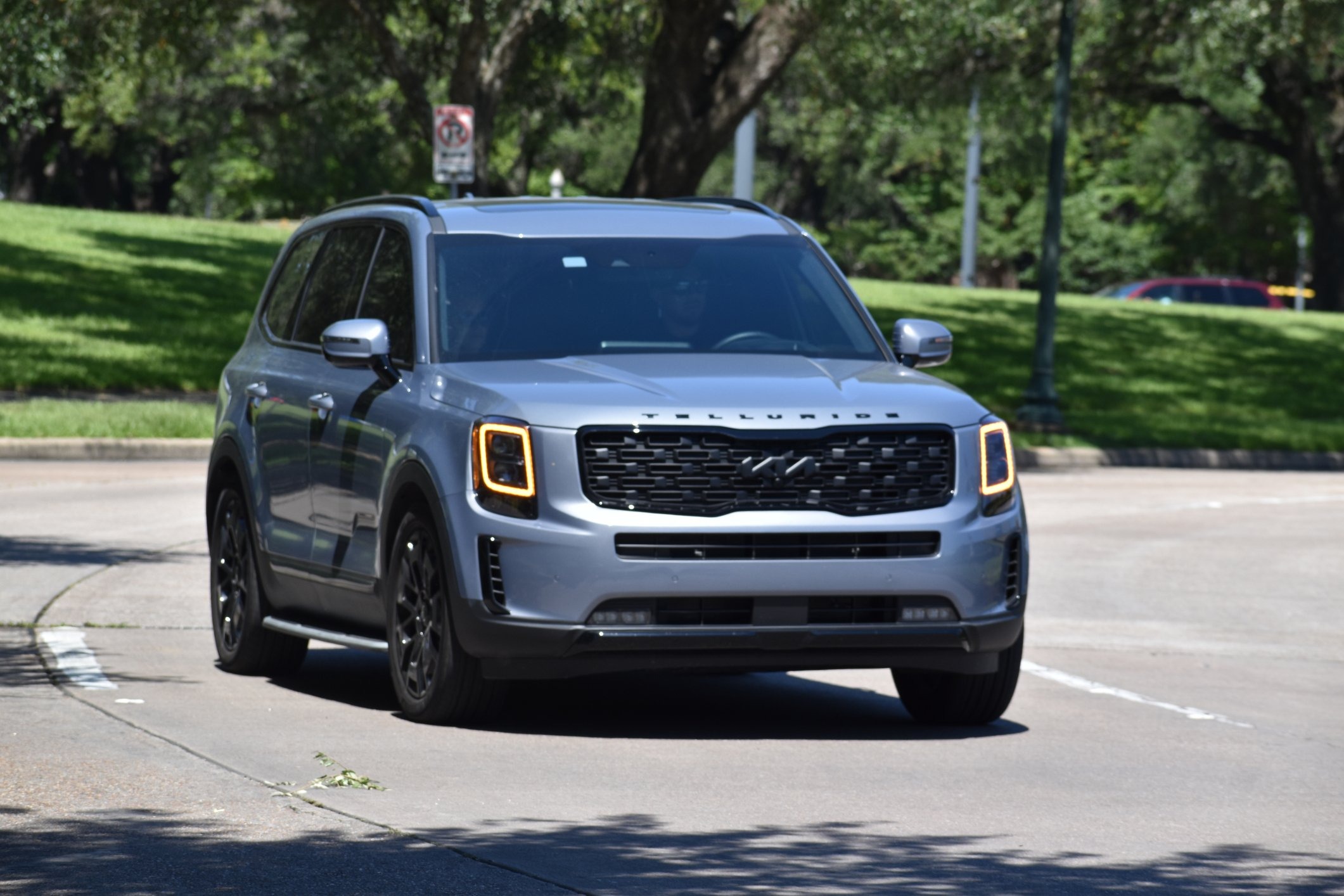
4. Kia Telluride
The Kia Telluride has become one of the most praised SUVs for families because it combines comfort, modern technology, and value.
From the moment it was introduced, it gained attention for providing a premium experience without carrying a luxury badge. The three-row seating layout allows large families to travel with ease while leaving enough cargo room.
One major strength of the Telluride is how well it handles comfort. The suspension is well-tuned, giving it a smooth ride over different road conditions. The seats are firm enough to support long drives yet soft enough to prevent discomfort.
Passengers across all rows benefit from generous legroom and headroom, which makes it easier for adults to sit at the back without feeling cramped.
The interior of the Telluride has been described as stylish and upscale, with materials that can withstand family use. From soft-touch surfaces to durable fabrics, the cabin is made to last.
Climate control zones cover all rows, while USB charging ports are available in multiple areas to keep devices powered. Parents often find the Telluride convenient because children can stay entertained and comfortable without much stress.
Kia also added many safety features, such as blind-spot monitoring, rear cross-traffic warning, lane keep assist, and forward collision avoidance. These systems help keep families secure, which is very important for parents with young children.
The Telluride also maintains its comfort as it ages. Owners report that even after several years of use, the cabin remains comfortable, and the suspension continues to provide a smooth experience. Another reason families love the Telluride is its excellent resale value.
While many SUVs lose their charm after some years, the Telluride’s reputation for comfort and durability keeps it attractive on the used market. Families who want a dependable and comfortable SUV that can last for many years without giving stress often find the Telluride among the best choices.
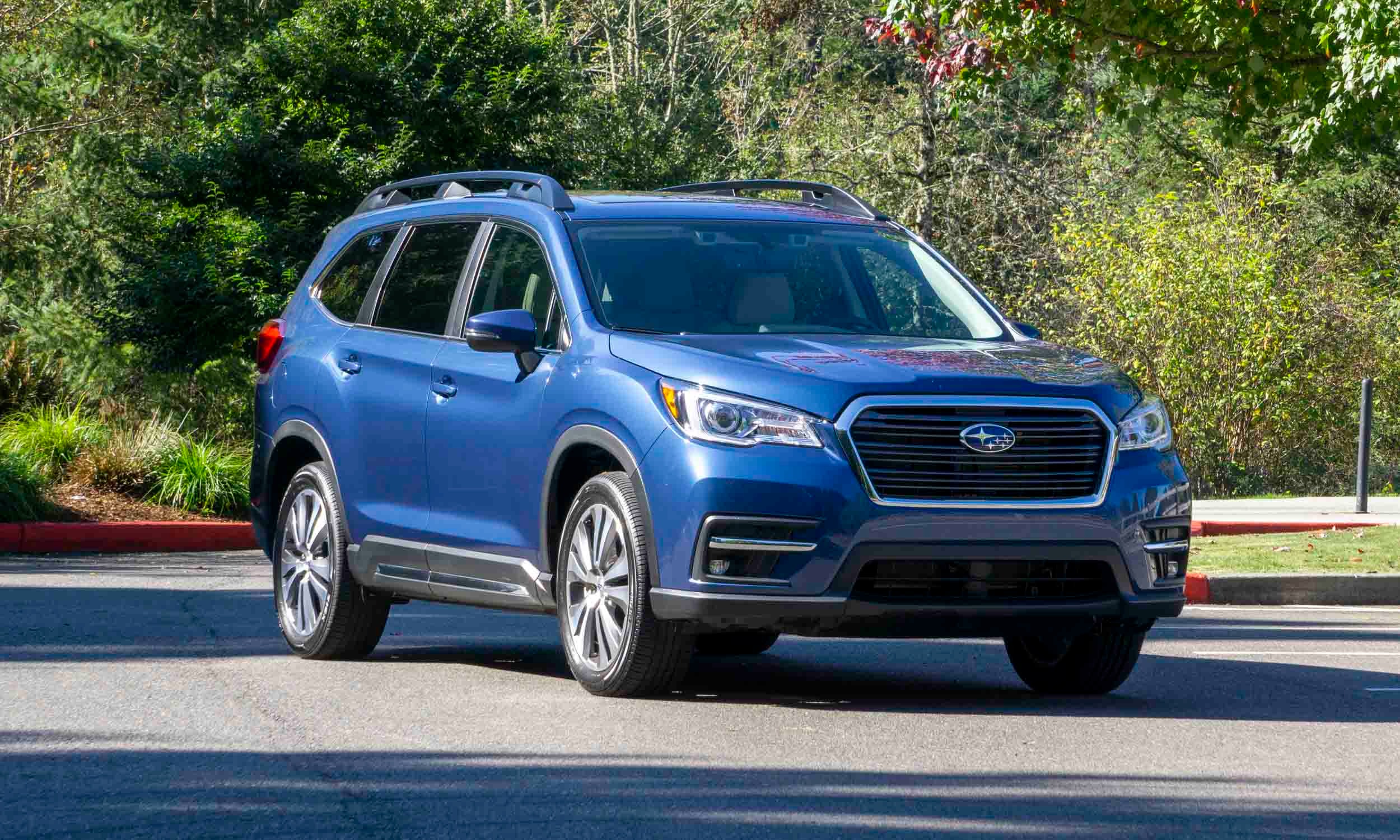
5. Subaru Ascent
The Subaru Ascent is designed with families in mind, offering a spacious three-row layout combined with Subaru’s well-known all-wheel drive system. Families who need a safe and comfortable ride in different weather conditions often find the Ascent appealing.
Inside the cabin, the seats are comfortable and supportive, even for long drives. The second row can come with either a bench seat or captain’s chairs, giving families flexibility based on their needs.
There is enough legroom in the first two rows, and children can sit comfortably in the third row. Storage areas are spread across the cabin, with cup holders, small compartments, and a decent cargo area.
Comfort is enhanced by the ride quality of the Ascent. The suspension is tuned to absorb road imperfections, so the vehicle stays stable even on uneven surfaces.
Subaru also gave attention to noise reduction, meaning passengers can enjoy a quiet atmosphere during trips. Families often appreciate this because it makes conversations easier and keeps children calm.
Technology inside the Ascent is user-friendly. The infotainment system works smoothly, with features such as Apple CarPlay and Android Auto included. Rear passengers have access to their vents, which is an important detail for family comfort.
Safety technology is also a strong point, as the Ascent includes adaptive cruise control, lane centering, and pre-collision braking. Parents find comfort in knowing that these features provide extra security during drives.
The Subaru Ascent also maintains its comfort as time goes on. Many families report that their Ascents remain reliable and comfortable even after years of heavy family use. Subaru’s reputation for durability extends to this model, making it one of the SUVs that truly serve families well in the long run.
5 Family SUVs That Don’t Age Well
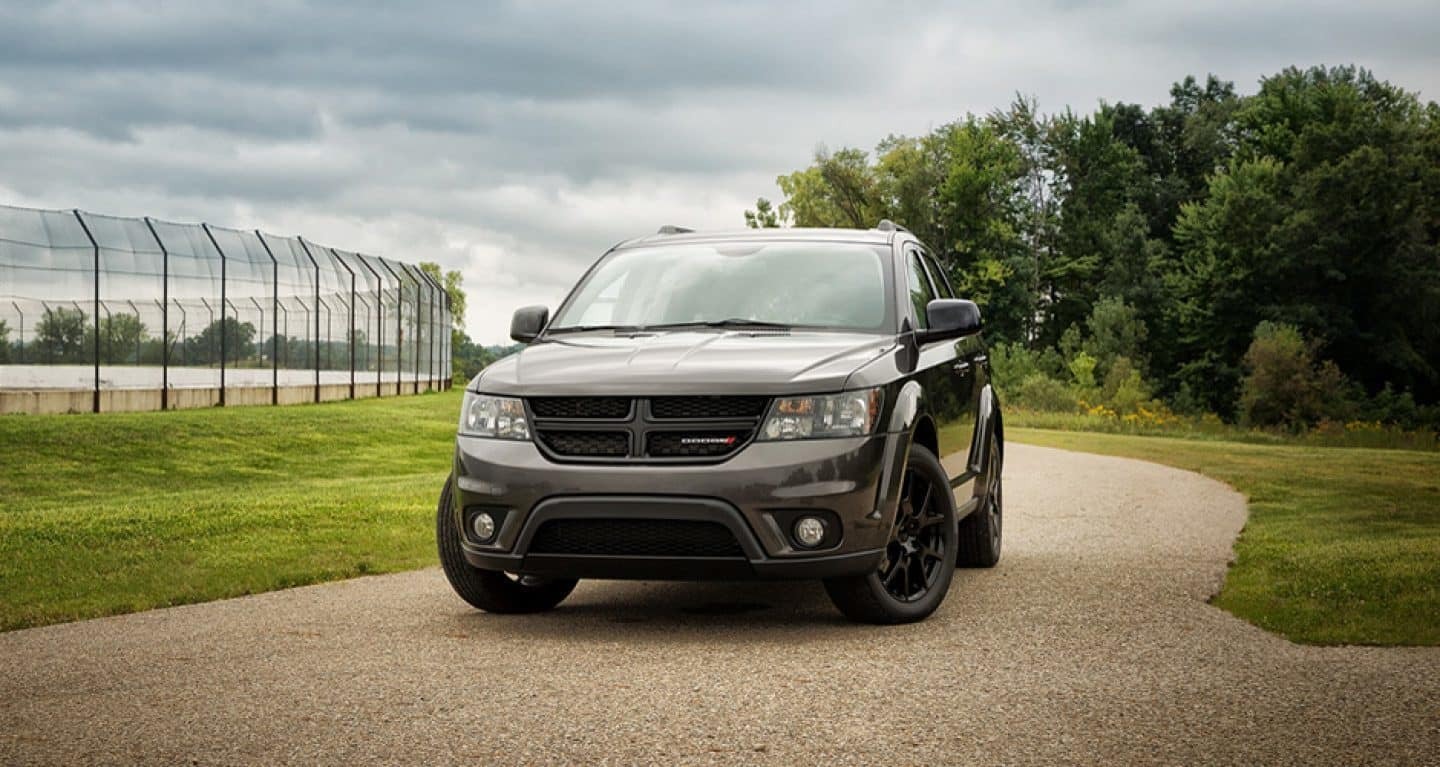
1. Dodge Journey
The Dodge Journey entered the family SUV market with the promise of affordability and practicality, but with time it has struggled to maintain comfort and quality. Families initially found the Journey appealing because of its lower starting price and available three-row seating.
On the surface, it appeared to be a budget-friendly option for households needing space. However, many owners discovered that the vehicle does not age gracefully, especially when used heavily by families. One of the main issues with the Dodge Journey is the quality of the interior materials.
The cabin feels basic, and with constant use from children and family activities, surfaces wear out quickly. Seats lose their firmness, and plastics tend to scratch easily. After a few years, the interior often looks older than it should, which reduces the sense of comfort for passengers.
Ride quality is another weak point. While the suspension handles smooth roads fairly well, it struggles on rougher surfaces.
Families report that bumps and potholes cause too much discomfort in the cabin. Noise insulation is also poor compared to newer rivals, so highway drives can become tiring due to road and wind noise.
Technology inside the Journey feels outdated as well. The infotainment system is less responsive, and many modern connectivity features are missing. Families with growing children who want entertainment options often feel limited in the Journey.
On top of that, safety scores for the Journey are lower than what parents expect in a family-focused SUV. Resale value is another area where the Journey disappoints. Because it has not built a strong reputation for long-term comfort and reliability, used models do not retain much value.
Many families who bought the Journey new find that it ages faster than expected, making it less appealing after only a few years. While the low price attracts buyers initially, it does not provide the lasting comfort and dependability that families expect from a long-term SUV.
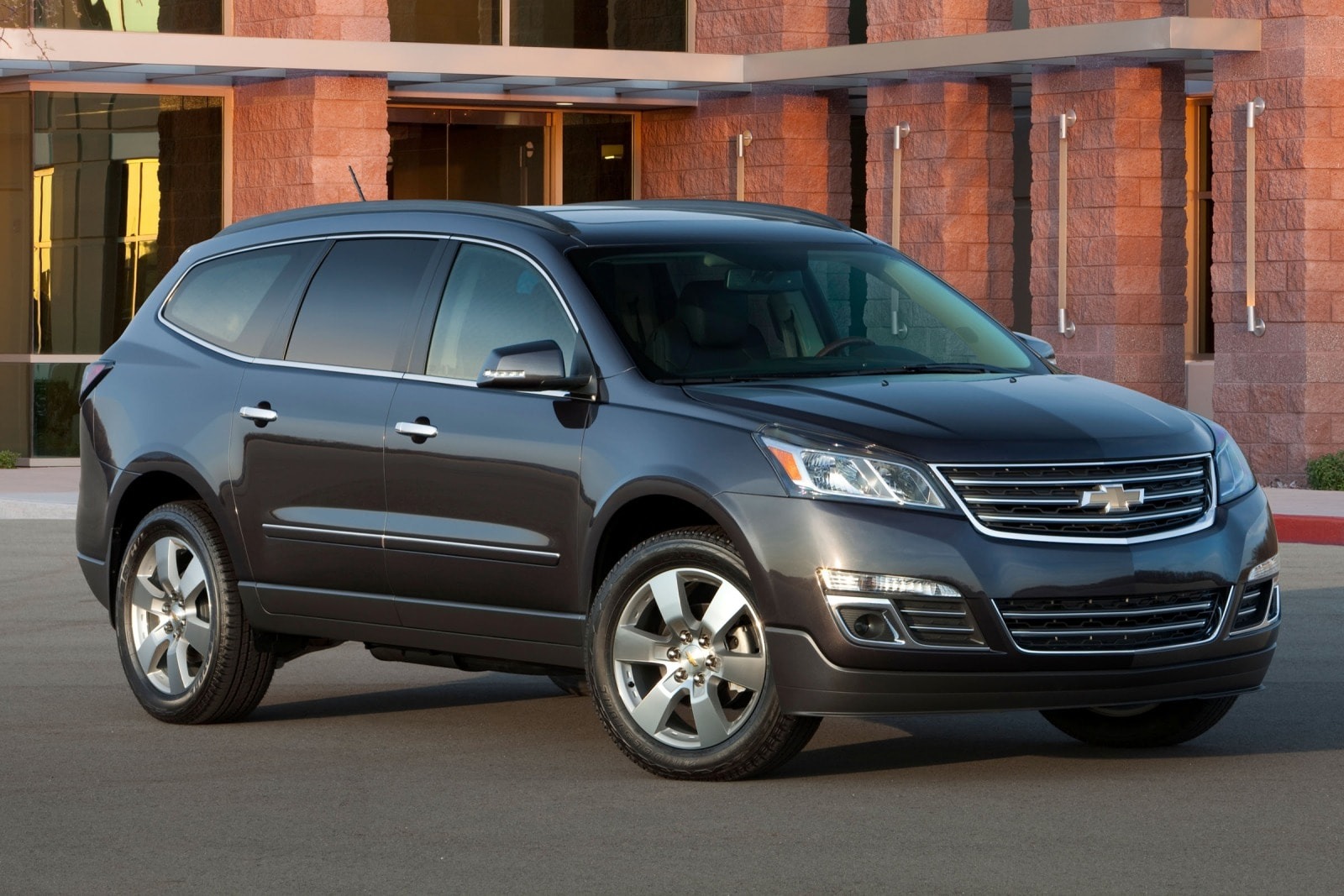
2. Chevrolet Traverse (Older Models)
The Chevrolet Traverse has improved in recent years, but older models have earned a reputation for losing their comfort too quickly. Families were initially drawn to the Traverse because of its generous interior space, which made it easy to carry both passengers and cargo.
However, early generations of the Traverse have not aged well, and this affects how comfortable they remain for families after years of use.
One of the common complaints is with the interior wear and tear. Seats in the first two rows are supportive when new, but they lose their cushioning with time, which makes long trips uncomfortable.
The third-row seats, while offering extra space, are not designed for adults to sit comfortably, especially once the vehicle gets older. Cabin materials in older models also tend to show scratches and fade quickly, which lowers the sense of quality.
Ride quality is another area where older Traverses struggle. As they age, suspension systems often lose their smoothness, leading to rougher rides. Road noise becomes more noticeable inside the cabin, and the once-quiet ride turns into a less pleasant experience.
Families who depend on the vehicle for long road trips notice these issues more clearly after some years of ownership. Technology in older Traverses also does not keep up with modern standards. Infotainment systems lack responsiveness, and connectivity features are limited.
For families with children who expect entertainment and seamless device use, this becomes a drawback. Safety features in older models are fewer compared to today’s versions, which makes them less attractive for parents who prioritise protection.
Resale value also takes a hit with the Traverse. Older models are not in demand on the used car market because of their reputation for poor ageing. Families who purchase them often find themselves wanting an upgrade sooner than expected.
While the Traverse has improved in newer generations, the older ones remain an example of an SUV that does not hold its comfort and quality well after years of family use.
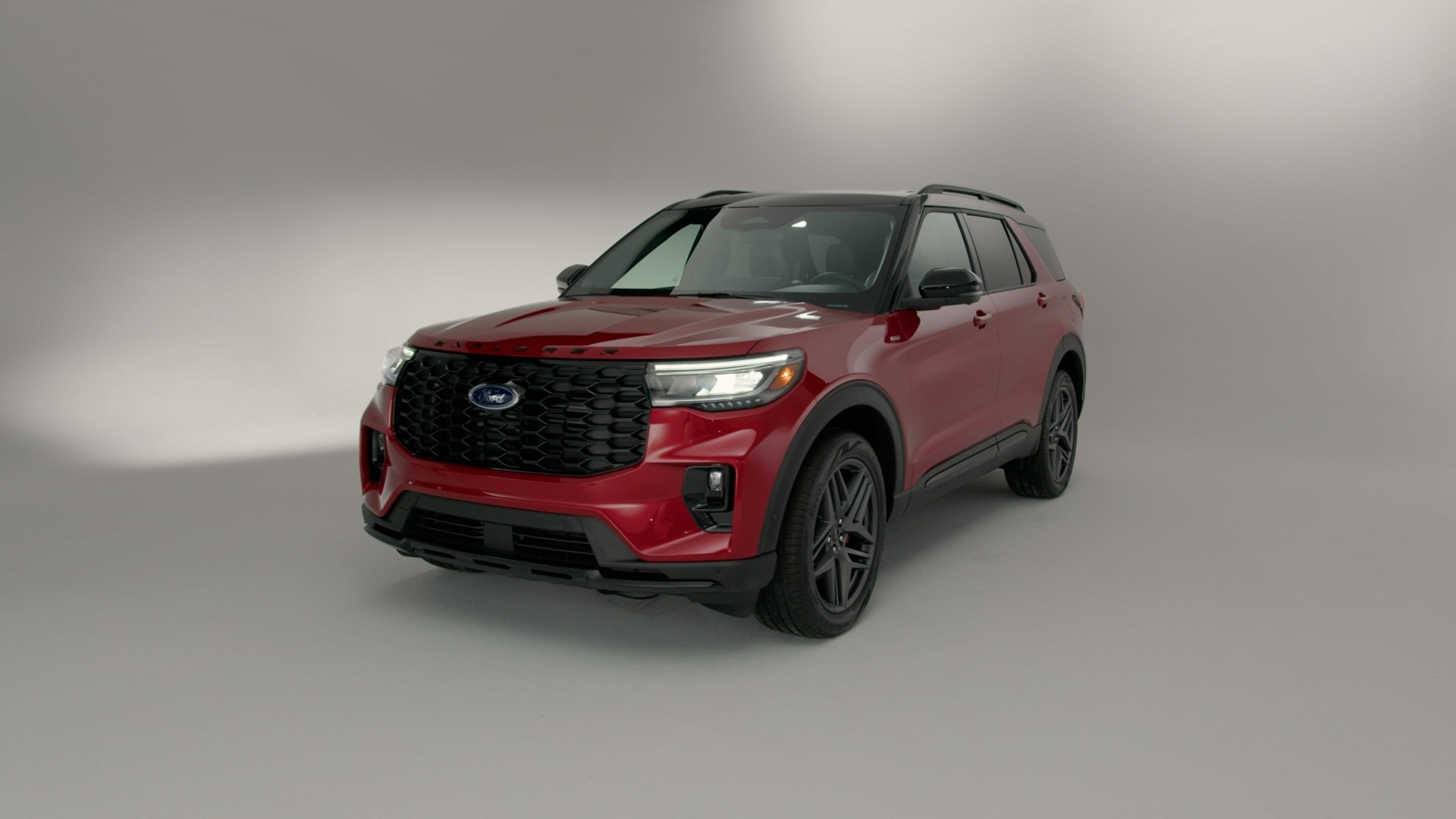
3. Ford Explorer (Early 2010s Models)
The Ford Explorer has long been a familiar name in the SUV market, but some versions, especially those from the early 2010s, have struggled with ageing. Families often bought the Explorer because of its space, strong performance, and brand recognition.
However, certain model years revealed problems that caused the vehicle to lose comfort and dependability as it aged.
One of the most common issues with those Explorers is related to interior design and durability. The seats tend to wear quickly, and the cabin materials are not as strong as those rivals.
After a few years, many Explorers from that era show cracked leather, fading trims, and loosened fittings. This reduces the comfort level for families, especially those who use the vehicle daily.
The ride quality is another area where problems become visible with age. While new, the suspension delivered a balanced feel, but as components wear down, the ride becomes harsher.
Road vibrations are felt more strongly, and highway trips become less relaxing. Families who expect a smooth, quiet ride often feel disappointed after owning these Explorers for a while.
Technology is also a weak point. The MyFord Touch infotainment system that came with many of those Explorers was criticised for being difficult to use and unreliable.
Families found it frustrating when screens froze or failed to connect with devices properly. In a family setting where children depend on entertainment features, this quickly reduces satisfaction.
Maintenance costs rise as the Explorer ages, and mechanical problems are reported more frequently in those years.
Transmission issues and electrical faults are not uncommon, which adds stress for families who want a dependable SUV. Because of these problems, resale value drops quickly, and many buyers avoid older Explorers in the used market.
While newer versions of the Ford Explorer have improved, the early 2010s models are remembered as SUVs that did not age well. Families who purchased them often experienced discomfort, reliability issues, and a quicker decline in quality compared to rivals.
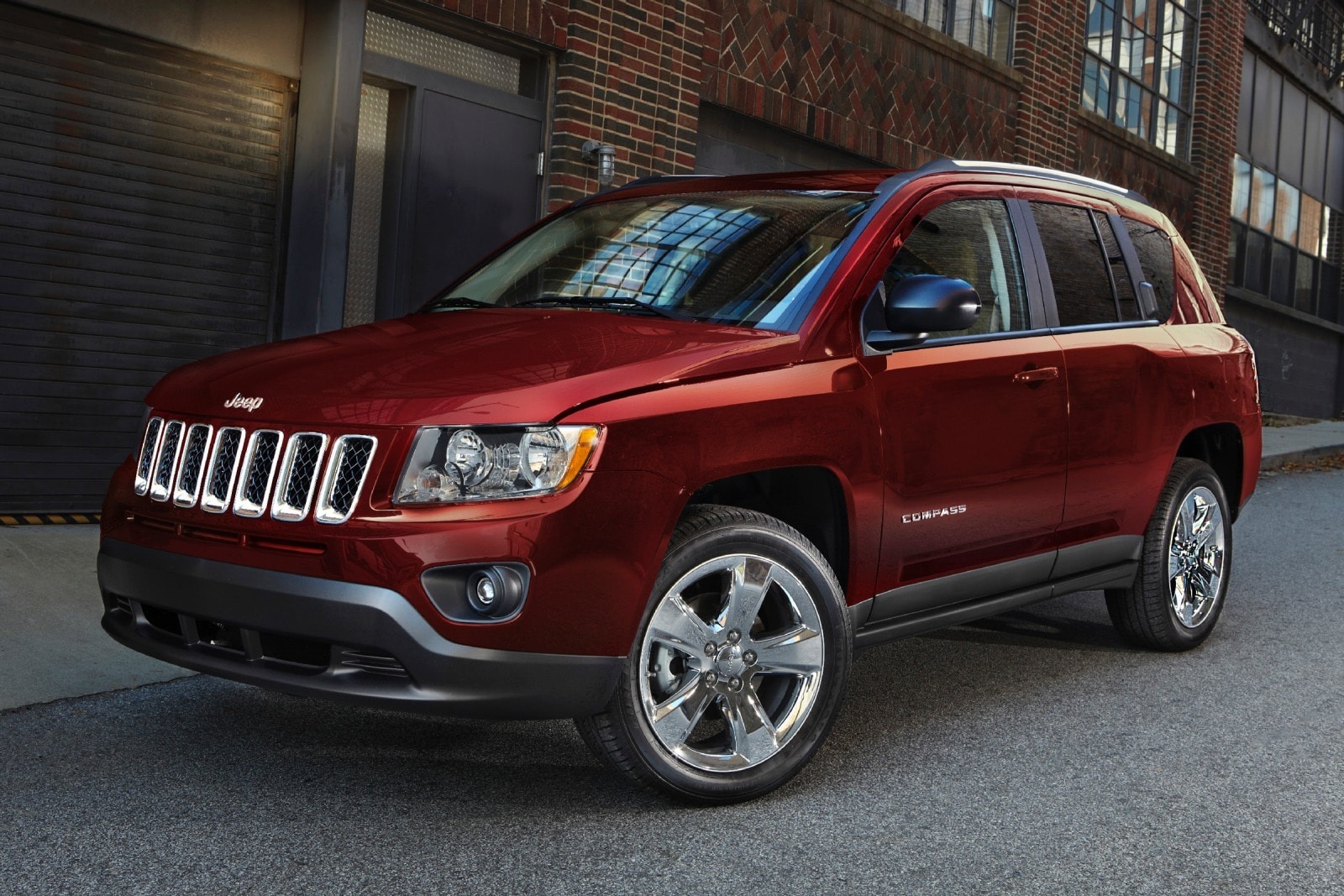
4. Jeep Compass (Older Generations)
The Jeep Compass was introduced as a smaller family SUV with off-road styling, but earlier generations gained a reputation for being less comfortable and less durable as time goes on.
Families who bought the Compass for its price and Jeep badge sometimes found that it did not meet their expectations for long-term family use.
One of the main issues with older Compass models is the quality of the ride. The suspension is stiff and does not absorb bumps well, which means passengers feel more vibrations inside the cabin.
Families using the vehicle for daily commutes or long trips often complained about discomfort. Road noise is another issue, as the insulation was not strong enough to block sounds effectively.
Interior quality also falls short. Seats in older Compass models are less supportive, especially for long drives, and materials used in the cabin wear quickly.
Plastics scratch and fade, and the entire design looks outdated compared to rivals. For families with children, this creates frustration as the vehicle does not maintain its sense of comfort over time.
Technology in older Compass models is limited, and the infotainment system feels basic. Families who rely on seamless phone connection, rear entertainment, or multiple charging options find themselves lacking in this SUV. Safety ratings also lag, with fewer driver assistance systems compared to rivals.
Another concern is reliability. Older Compass models have been linked to mechanical problems, including transmission issues.
Families who expect a worry-free ownership experience often end up spending more on repairs. This affects how the vehicle holds its value, as used models of older Compass versions are not popular in the market.
For families seeking a long-term SUV that remains comfortable, the older Jeep Compass does not perform well. Although Jeep improved later generations, the earlier ones remind many buyers of how an SUV can lose its comfort and value too quickly.
Also Read: 5 SUVs That Hold Value and 5 That Tank at First Sale
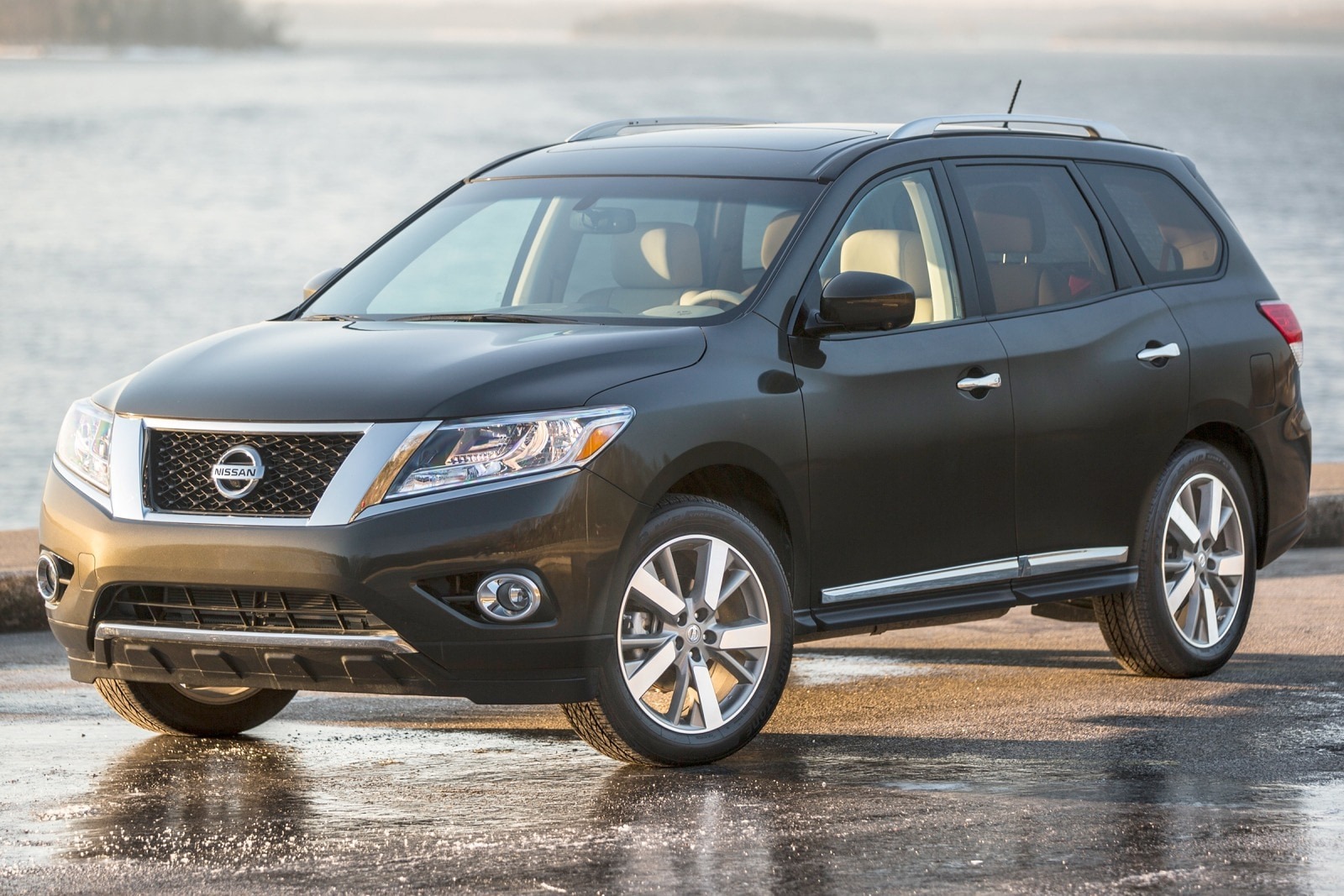
5. Nissan Pathfinder (2013-2015 Models)
The Nissan Pathfinder has been a popular name in family transportation, but the 2013 to 2015 models stand out for not ageing well. These versions introduced a major redesign that seemed promising at first, with sleek styling and a more family-oriented design.
However, families who bought them soon realised that comfort and durability declined with age.
One of the biggest issues is with the continuously variable transmission (CVT). Many owners reported problems ranging from hesitation to complete failure.
These issues not only reduce driving comfort but also lead to costly repairs. Families depend on reliability, and a failing transmission disrupts both daily use and long trips.
The interior design in these Pathfinders also shows wear quickly. Seats lose their support and can become uncomfortable after years of use. Cabin materials, while stylish at launch, fade and scratch easily. Families often notice that the vehicle looks older inside than it should after a few years.
Ride quality is another weakness. While smooth when new, the suspension does not hold up well with age, and the vehicle begins to feel less stable. Noise levels increase, and highway drives become tiring. For families who take long journeys, this drop in comfort is a major disappointment.
Technology in these models feels outdated today. Infotainment systems lack responsiveness, and connectivity is not as seamless as rivals.
Safety features are also limited compared to competitors during the same period. Families looking for advanced driver assistance systems will find these Pathfinders less attractive.
Resale value drops quickly for the 2013 to 2015 Pathfinders because of their reputation for CVT issues and poor aging.
Many buyers avoid them in the used market, which affects owners who want to upgrade. Families who purchased these models often felt they did not get the long-lasting comfort they expected from a Pathfinder.
