
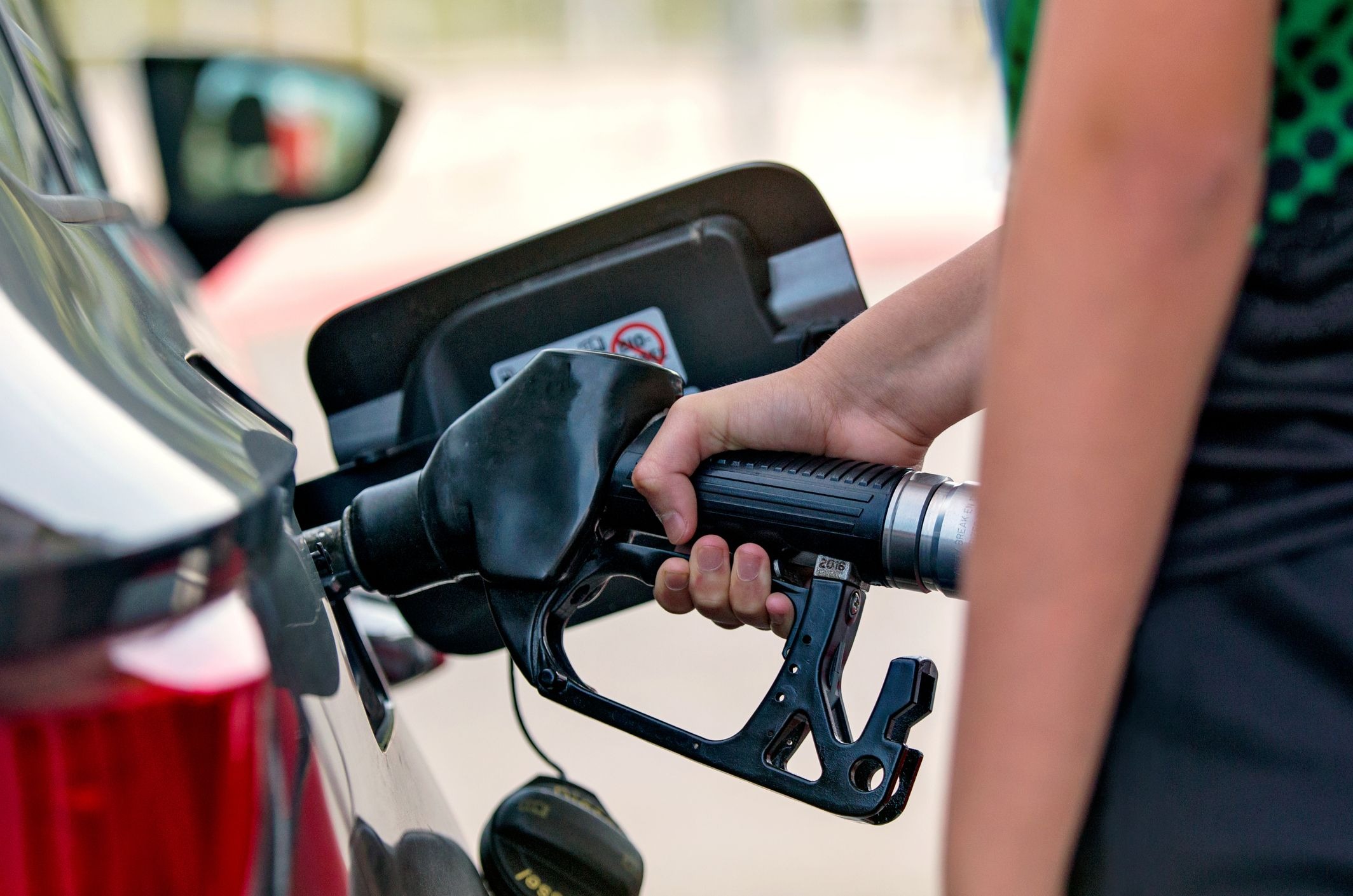
Many car owners in the United States always ask themselves one question when they pull up at a gas station: Should I spend on regular fuel or should I go for premium? This question is not just about saving some extra dollars but about what the engine under the hood needs.
For some vehicles, regular gas works perfectly and helps the driver save a lot of money on running costs. For others, using the wrong type of fuel can lead to serious damage and expensive repairs. Understanding the difference between engines that do well with regular gas and those that demand premium is very important for any driver who wants to keep a car in good condition.
It is not strange to hear people say that premium gas is always better. That is not true for all engines. Certain engines are designed in such a way that the higher octane in premium fuel is necessary to avoid knocking, improve combustion, and protect the parts.
At the same time, some engines were built to run without stress on cheaper regular gas, and buying premium for them adds no real benefit. The truth lies in knowing which engines fall into each category.
Let’s carefully go through five engines that are safe with regular gas and will not complain even if you never buy premium. We will also discuss five engines that must never be filled with regular gas if you do not want to spend thousands of dollars on repairs.
This knowledge will help you make the right decision at the gas station and will also guide you if you are planning to buy a new or used vehicle. By the time you finish reading, you will understand the engines that love cheap gas and those that demand premium to stay alive.
5 Engines That Love Cheap Gas
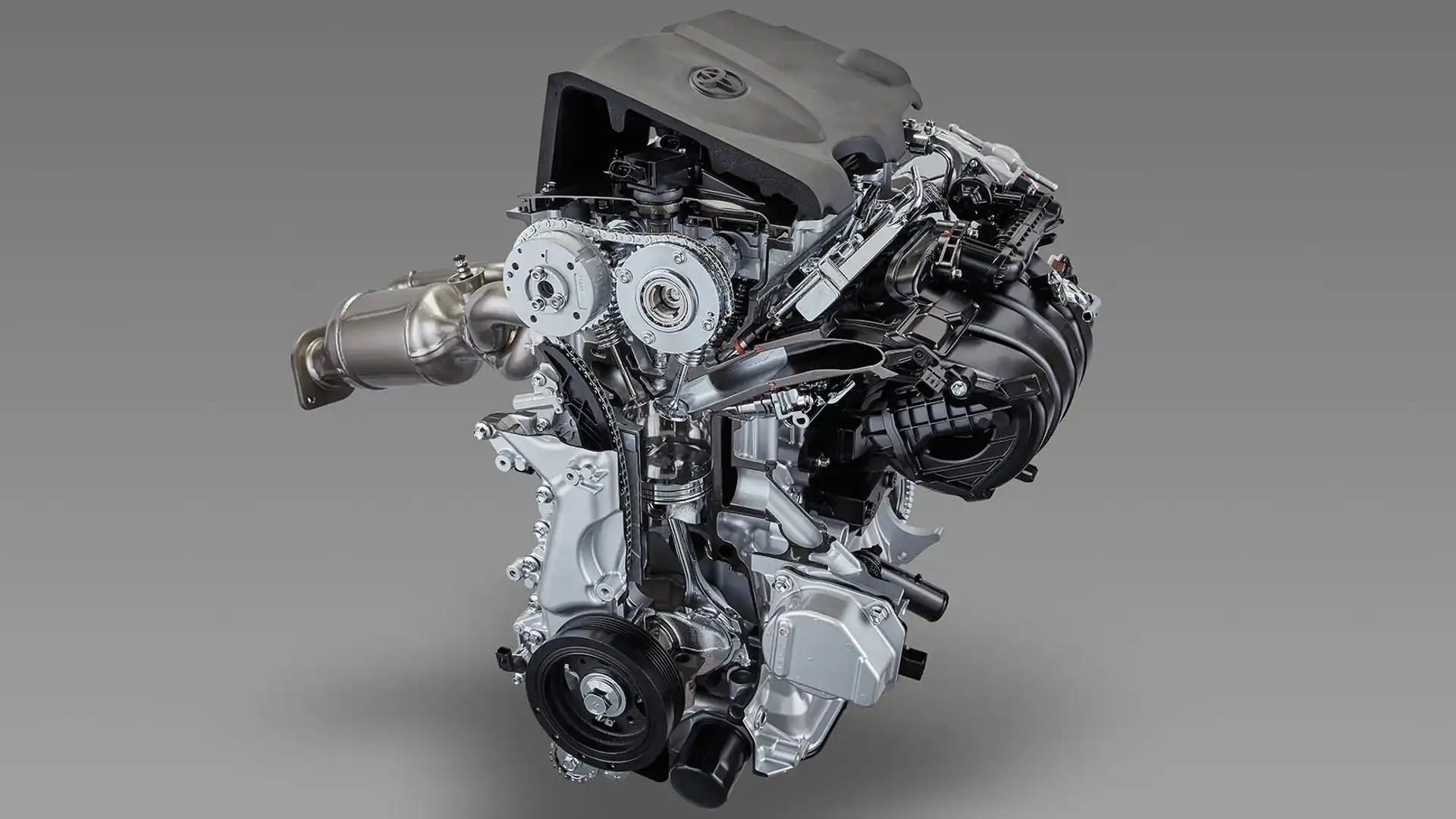
1. Toyota 2.5-Litre Dynamic Force Engine
Toyota has long been praised for making engines that run for years without problems, and the 2.5-litre Dynamic Force engine is a strong example of this. Found in models such as the Toyota Camry, RAV4, and some Lexus variants, this four-cylinder engine is designed with efficiency and reliability in mind.
It uses advanced combustion technology that allows it to perform well with regular 87-octane gas. Many drivers are always happy to learn that they can save money at the pump without affecting performance or longevity. The reason this engine works so well with regular gas is that Toyota engineers balanced compression and timing in such a way that detonation risk is very low.
High-octane fuel is not necessary for the controlled environment inside this engine. That is why car owners can fill up with the cheapest option and still enjoy smooth acceleration, good highway power, and excellent fuel economy.
Another thing worth mentioning is that Toyota engines generally have a reputation for durability. The 2.5-litre Dynamic Force is not different. When serviced properly with routine oil changes, this engine can last well above 200,000 miles, and part of the affordability comes from the fact that it does not require premium gas to reach those high numbers.
For American drivers who commute daily or take long trips, that means they can save hundreds of dollars every year while keeping their car in excellent shape.
In addition, this engine is common in hybrid variants, where efficiency is even more pronounced. In those cases, using regular gas makes the savings even greater because the vehicle is already fuel-efficient. Toyota designed it with customers in mind, allowing them to spend less without risking engine damage.
For a family car or a reliable commuter, the Toyota 2.5-litre Dynamic Force engine is a clear example of one that loves cheap gas and still gives dependable performance for many years.
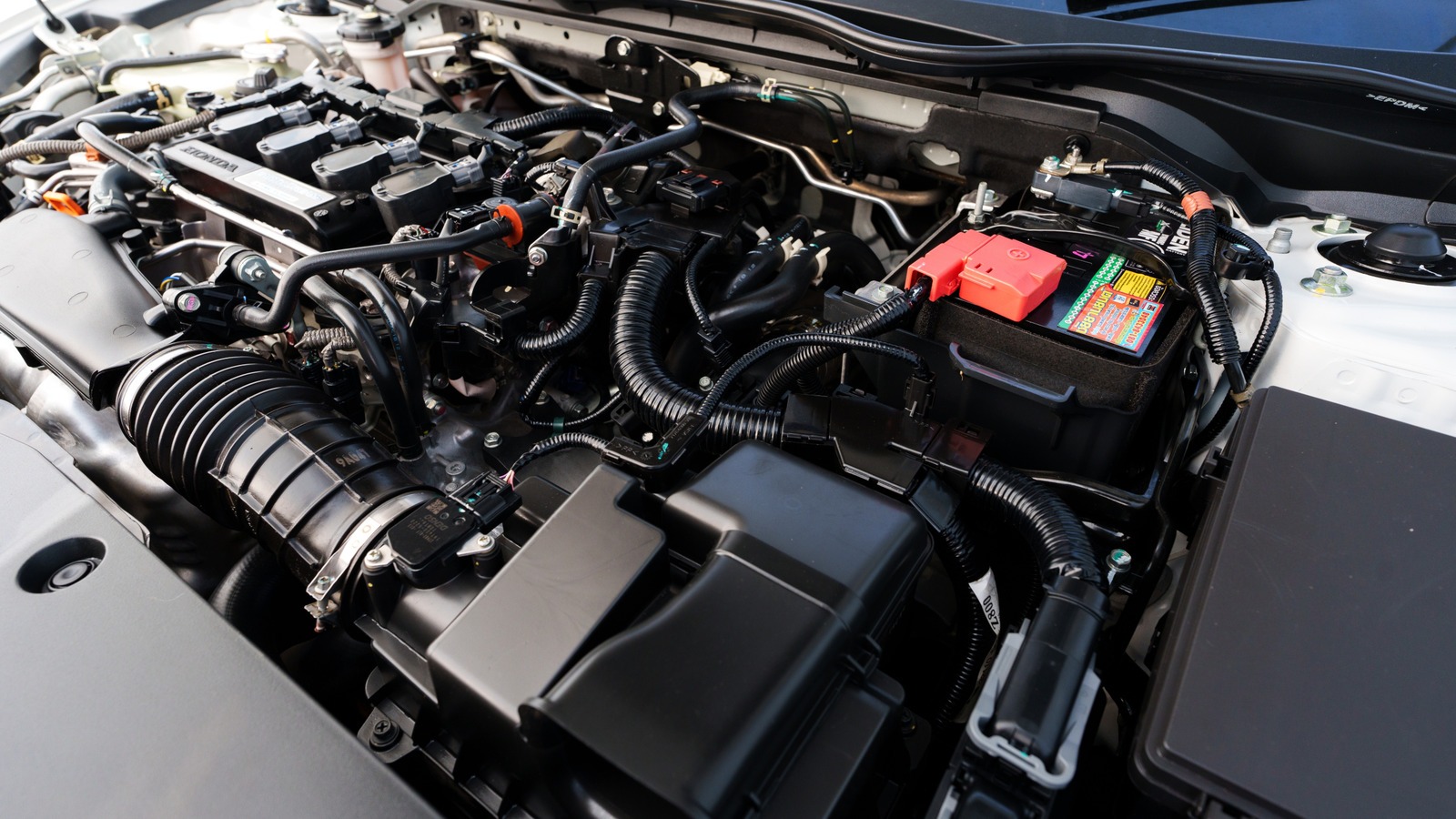
2. Honda 1.5-Litre Turbocharged Four-Cylinder
Honda made waves when it introduced the 1.5-litre turbocharged four-cylinder in models like the Honda Civic, Accord, and CR-V. Some drivers initially believed that because it is turbocharged, it would require premium fuel. But Honda designed this engine to perform very well with regular gas. It is a smart approach that balances power and affordability, making it attractive to buyers who want a mix of fun and practicality.
The secret lies in how the turbo system is tuned. Instead of pushing extreme levels of boost that would demand high-octane fuel, Honda engineers kept the compression ratios and timing moderate enough to avoid knocking.
That allows the engine to generate good horsepower and torque while still staying safe with 87-octane fuel. For most daily drivers, the difference in performance between premium and regular is very small, almost unnoticeable.
Another benefit is the strong fuel economy figures that this engine offers. Pairing turbocharging with direct injection, Honda made sure the 1.5-litre is both powerful and efficient. With regular gas, many owners get great mileage numbers while still enjoying a spirited driving feel when needed. That makes it perfect for long commutes, city driving, or even road trips.
Some drivers have voiced concerns about oil dilution in earlier versions of this engine, but Honda has made updates to fix this issue. With proper care and scheduled maintenance, the 1.5-litre turbo continues to deliver dependable service. Importantly, the fact that it runs on regular gas without issues means that drivers do not have to worry about spending extra money just to keep the engine healthy.
This shows how clever engineering can make turbo engines affordable for everyday drivers. While some turbocharged cars from other brands force you to buy premium, Honda gave customers a reliable option that keeps running costs down. The 1.5-litre turbo remains one of the most praised small engines for mixing performance and the ability to run smoothly on regular gas.
Also Read: 5 Engines That Survive the Salt Belt and 5 That Rust Inside
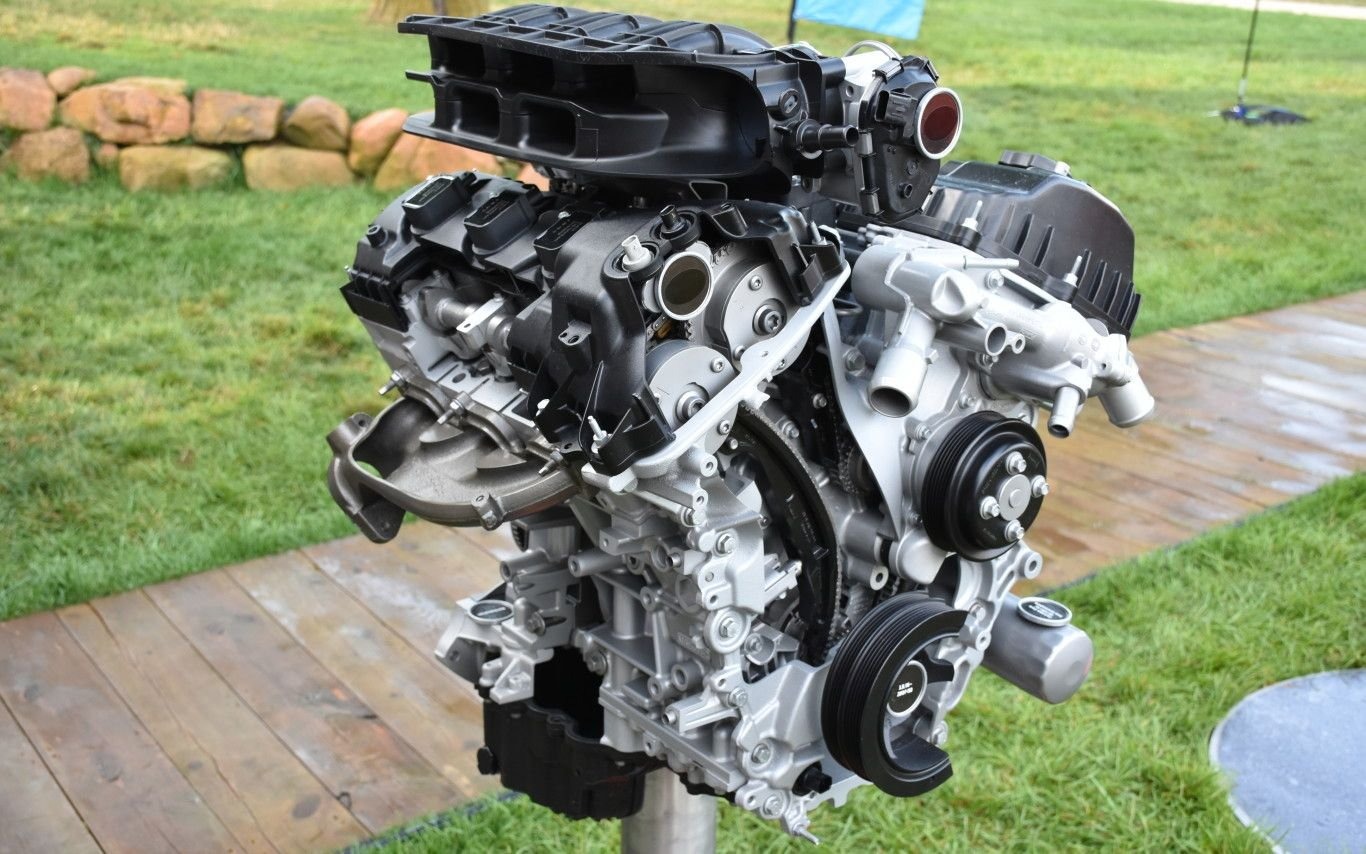
3. Ford 3.5-Litre Cyclone V6
Ford’s 3.5-litre Cyclone V6 engine has powered many models over the years, including the Ford Edge, Ford Flex, and even some versions of the F-150. What makes this engine appealing to many buyers is that it does not demand premium fuel. Despite its size and decent output, the Cyclone V6 was designed to accept regular 87-octane gas and still deliver strong performance.
The reason Ford achieved this is that the Cyclone series focused on naturally aspirated design with careful management of compression ratios. By not pushing extreme performance figures, the engineers allowed the engine to remain reliable and forgiving with cheaper gas.
For many American families who rely on SUVs and trucks for everyday tasks, this becomes a great advantage since they can fill up with regular fuel and still enjoy plenty of power for daily driving and towing. Durability is another strength of this engine.
With a simple mechanical design compared to turbocharged alternatives, the 3.5-litre Cyclone V6 is less prone to problems that could arise from higher stress levels. Regular gas does not compromise its reliability, and that explains why many high-mileage Ford vehicles on the road still have this engine performing well.
When you look at cost savings, it becomes even clearer. Trucks and SUVs often have large fuel tanks, which means filling with premium would quickly add up. By being able to use regular fuel safely, owners save a considerable amount of money in the long run. Drivers of vehicles like the Ford Flex often praise how much they save on fuel without sacrificing power for highway cruising or carrying heavy loads.
Ford’s 3.5-litre Cyclone V6 stands as proof that bigger engines do not always require expensive gas. It offers a great balance of strength, longevity, and affordability. That is why it is remembered fondly by those who appreciate engines that keep running well without demanding premium fuel.
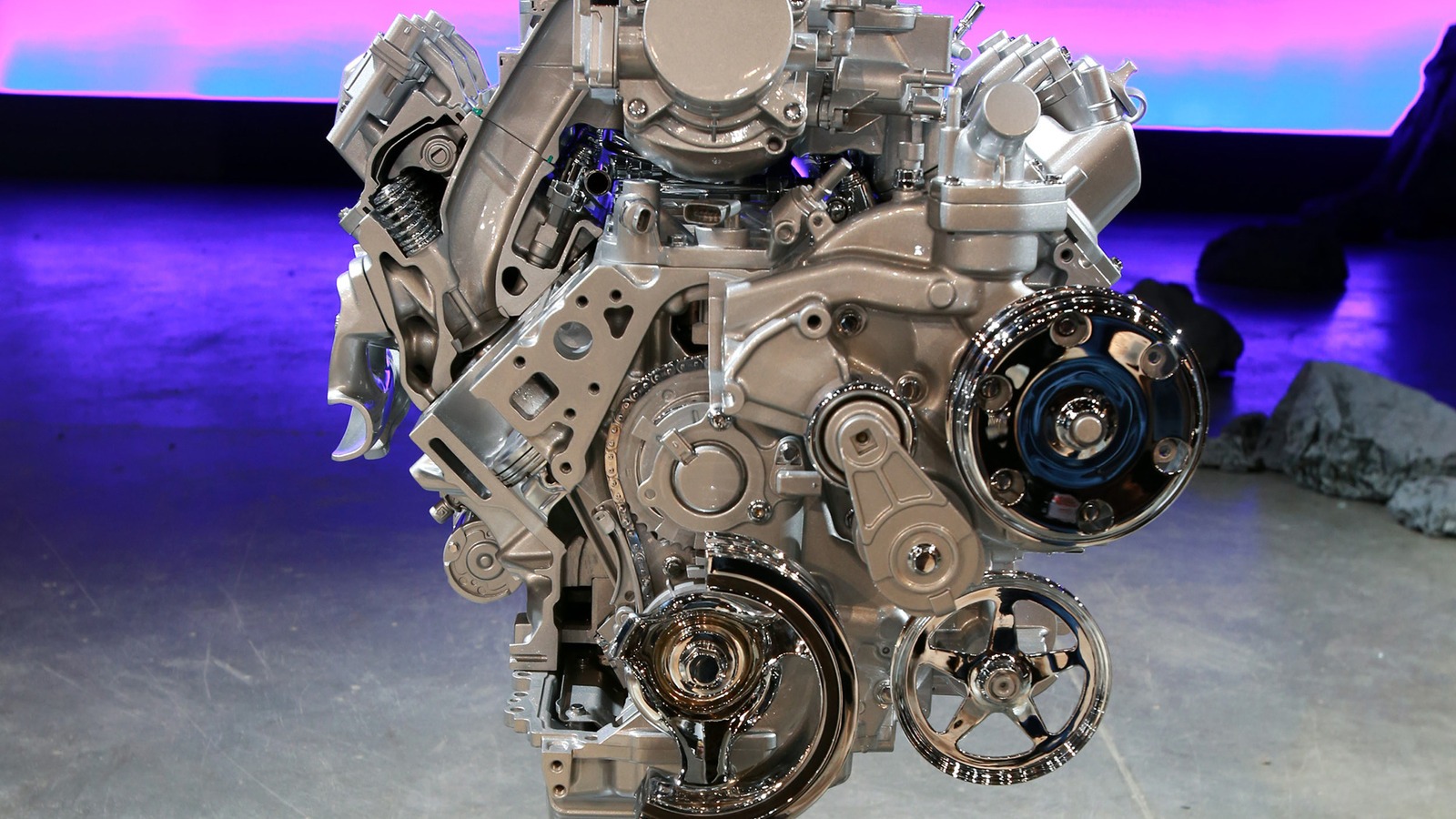
4. Chevrolet 5.3-Litre EcoTec3 V8
Chevrolet’s 5.3-litre EcoTec3 V8 engine is widely respected in the pickup and SUV market. Found in models like the Chevrolet Silverado, Tahoe, and Suburban, this engine is powerful enough for towing, off-road driving, and long highway trips.
Despite being a strong V8, it is perfectly fine with regular gas, which gives owners the freedom to save money every time they visit the pump. The EcoTec3 technology blends direct injection with variable valve timing and cylinder deactivation. This means the engine is efficient when cruising and powerful when you need to pull weight.
Even with these advanced features, the design does not demand high-octane fuel. Chevrolet engineered it to run safely on 87-octane gas, which is very helpful for truck owners who often cover long distances and cannot always find premium gas at rural stations.
Another advantage is the strong reliability history of this engine. With proper care, it can cross hundreds of thousands of miles without serious issues. Many Silverado and Tahoe owners report using regular gas for years without noticing any performance problems.
For people who drive in areas with high towing demand or need a family SUV with strength, this engine provides everything while keeping fuel expenses lower than you might expect for a V8. The savings also matter because trucks with V8 engines consume more fuel compared to smaller cars. If premium gas were required, the running costs would rise quickly.
With this 5.3-litre EcoTec3, Chevrolet gave customers a reliable powerhouse that respects their wallet. That combination of strength and affordability is the reason this engine continues to be loved among American drivers who want both capability and cost-effectiveness.
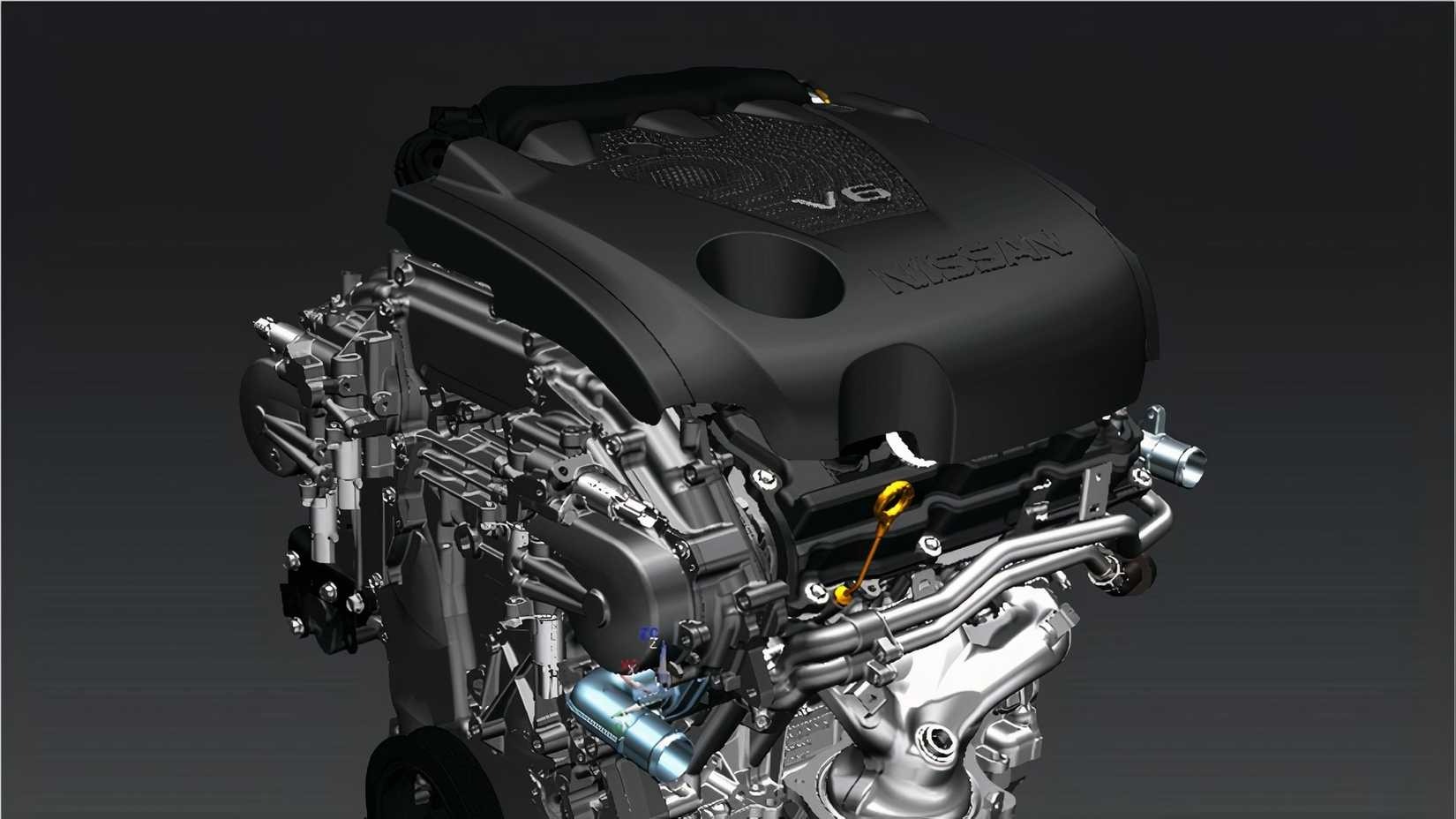
5. Nissan 3.5-Litre VQ V6
The Nissan VQ series has been one of the most admired V6 engine lines for decades, and the 3.5-litre version is especially popular. It has powered vehicles like the Nissan Altima, Maxima, Murano, and Pathfinder. What makes it stand out is that it gives very good performance yet accepts regular gas without any issues.
This engine is known for smoothness and power delivery. Nissan balanced it in such a way that everyday driving feels refined while highway acceleration is strong. Drivers do not have to worry about filling it with premium fuel to get that kind of performance. Many owners testify that they have used regular gas for years with no loss in efficiency or reliability.
Another impressive aspect of the VQ35 engine is longevity. Nissan engineers created a durable setup with timing chains instead of belts and with sturdy internal components. These features help it reach very high mileage figures if properly maintained. Since it accepts regular fuel, the cost of ownership becomes lower as time goes on, and drivers enjoy both savings and confidence in the engine’s lifespan.
For Americans who want a midsize sedan or SUV that combines comfort, power, and affordability, the Nissan 3.5-litre VQ V6 is a solid choice. It shows that you can still enjoy a powerful engine without paying extra every time you refuel. This balance of strong output and low operating cost is why the VQ series continues to hold respect among car lovers.
5 Engines That Break Without Premium
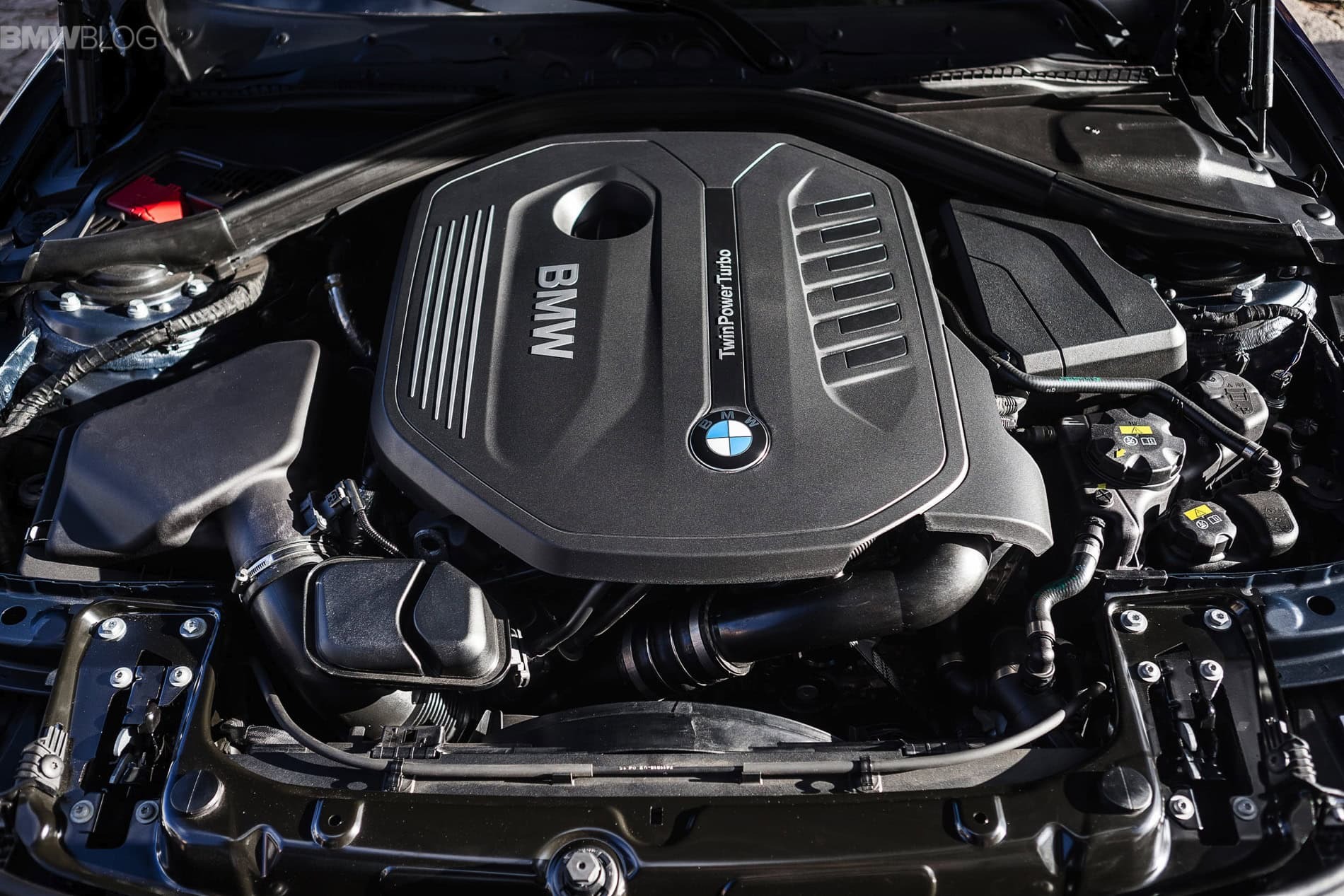
1. BMW 3.0-Litre Twin-Turbo Inline-Six
BMW has built its reputation on engines that deliver precision performance, and the 3.0-litre twin-turbo inline-six is at the heart of that legacy. Used in cars like the BMW 335i, 340i, and some models of the X5 and X6, this engine produces impressive horsepower and torque. However, it was designed to work strictly with premium fuel. If you fill it with regular gas, you risk causing serious engine problems.
The high compression ratios and forced induction setup require higher octane levels to prevent pre-detonation, which is when the fuel ignites too early. Using lower-grade gas increases the chance of knocking, which can damage pistons, valves, and turbochargers. As time goes on, this can lead to very expensive repairs, sometimes running into thousands of dollars.
BMW engineers programmed the engine management system to expect premium fuel. While the system might adjust slightly if regular gas is used, performance will drop immediately. Acceleration will feel weaker, fuel efficiency will go down, and the smooth driving feel that BMW is known for will be lost.
More importantly, long-term use of regular gas can shorten the life of the engine. For anyone buying or driving a BMW with this engine, the cost of premium gas is simply part of the ownership experience.
The car was built with performance in mind, and premium fuel is part of that package. Trying to save money at the pump with regular gas can lead to far bigger losses when mechanical problems appear. That is why this engine is always mentioned when discussing those that cannot survive without premium fuel.
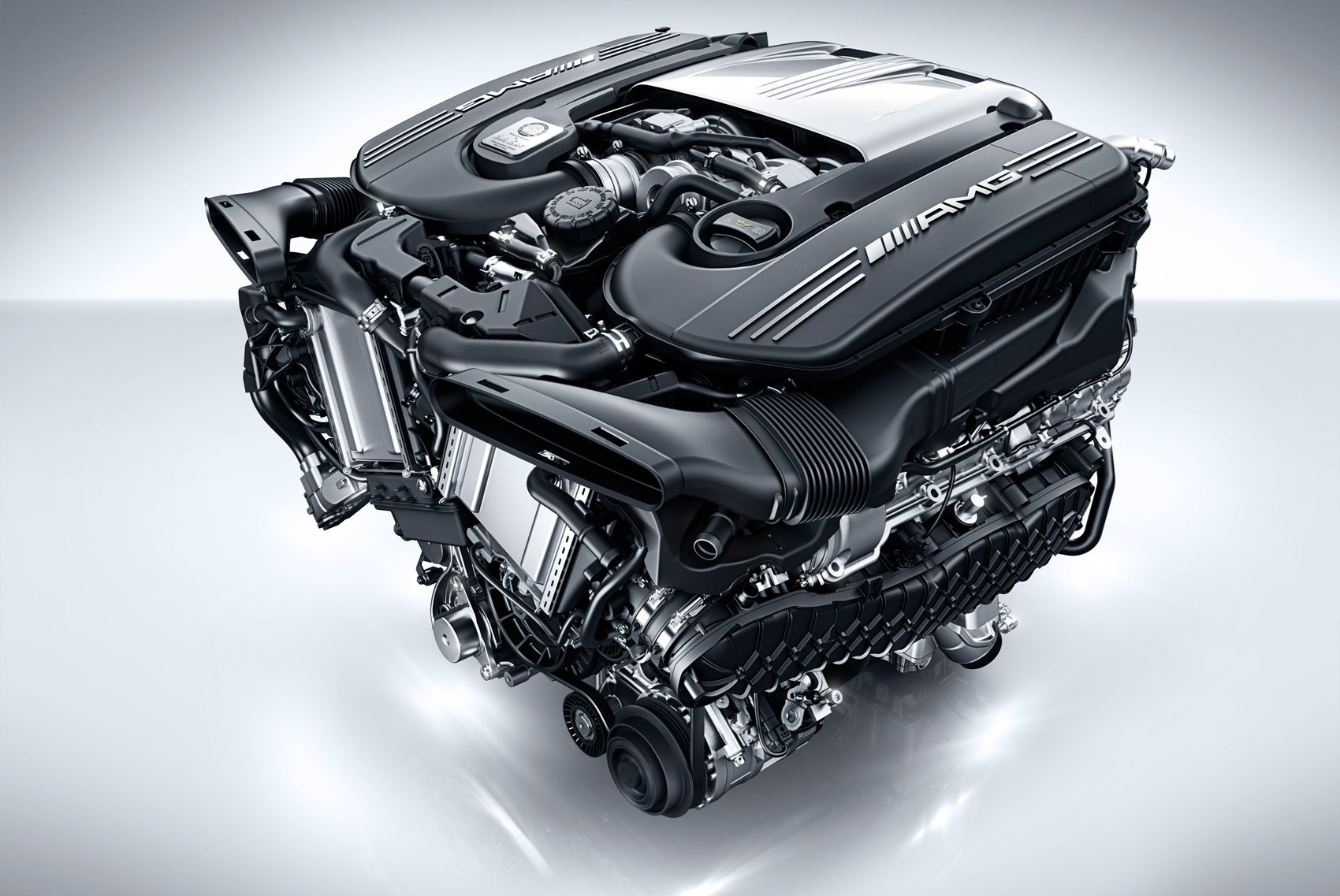
2. Mercedes-Benz 4.0-Litre BiTurbo V8
Mercedes-Benz has always aimed to combine luxury with extreme performance, and the 4.0-litre BiTurbo V8 is one of the engines that shows this clearly. Found in AMG models such as the C63, E63, and GT, this powerhouse delivers enormous horsepower and torque. But it is designed only to function with premium fuel, and using regular fuel in it is a recipe for disaster.
The twin-turbochargers push high amounts of air into the combustion chamber. To handle that pressure, the engine needs premium fuel that resists knocking under stress.
Regular fuel lacks that resistance and will ignite prematurely under such intense pressure. When that happens, the engine’s internals suffer severe strain. Pistons and valves can wear faster, and the turbos themselves might also face damage due to unstable combustion.
Another point is that AMG engines are hand-built with very tight tolerances. This precision means that even small changes in fuel quality can affect performance and reliability. Mercedes-Benz specifically instructs owners to always use premium fuel, and the engine management system is calibrated with that requirement in mind. Trying to use regular fuel will cause the system to pull back power to protect itself, but long-term damage is still possible.
For drivers of Mercedes-AMG cars, the thrill of acceleration and the roar of the BiTurbo V8 are tied directly to the use of premium gas. It is not just about better performance but about keeping the engine alive. Owners who ignore this advice may find themselves facing repair bills that easily cross five figures. That is why the 4.0-litre BiTurbo V8 is known as one of those engines that simply cannot survive without premium fuel.
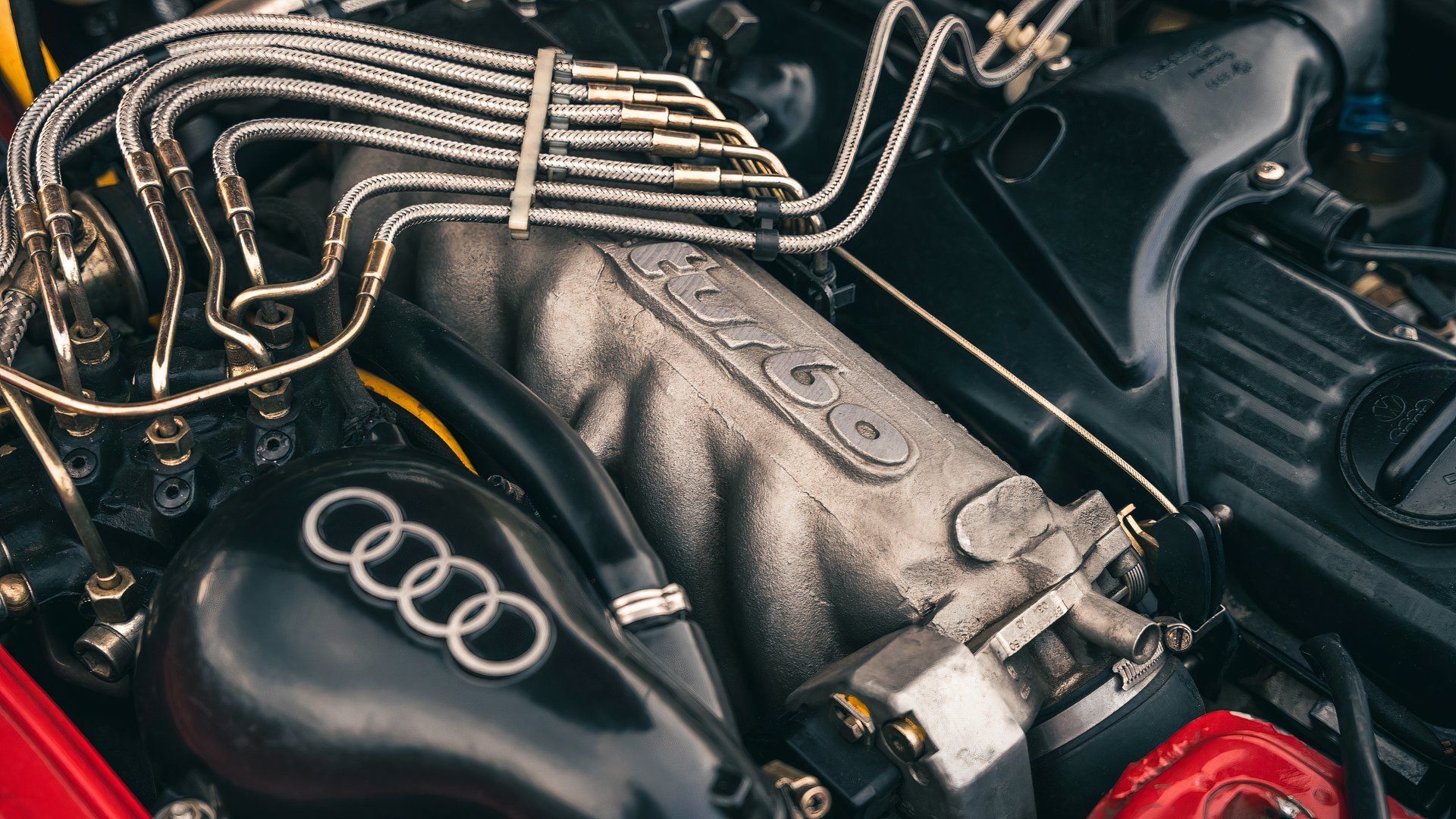
3. Audi 2.0-Litre Turbocharged Four-Cylinder
Audi’s 2.0-litre turbocharged four-cylinder is one of its most common engines, appearing in cars like the A4, A5, Q5, and even smaller A3 models. It produces good horsepower for its size and provides a sporty yet efficient driving feel. But to function correctly, it depends on premium fuel.
The reason lies in the turbocharger and the high compression setup. Regular fuel does not have enough octane to handle the pressures inside the engine, especially when the turbo is providing boost. When lower-grade gas is used, knocking is almost certain, and that can harm pistons, valves, and other major parts. Audi engines are precise and sensitive, so even small amounts of pre-detonation can cause long-term wear.
While some drivers may say that the engine can still run on regular gas, the truth is that performance drops sharply. The car will feel slower, and fuel efficiency will worsen. The engine computer will adjust ignition timing to try and protect itself, but this only reduces power and still does not remove the risk of damage. Over years of wrong fuel use, expensive repairs will become unavoidable.
Audi clearly instructs owners to use premium gas, and this is not just a recommendation but a requirement. If you want to maintain the sporty driving character that Audi cars are known for, sticking to premium is non-negotiable.
Regular fuel will rob you of that smooth turbocharged acceleration and will eventually shorten the life of the engine. That is why this 2.0-litre turbo belongs on the list of engines that cannot tolerate anything less than premium.
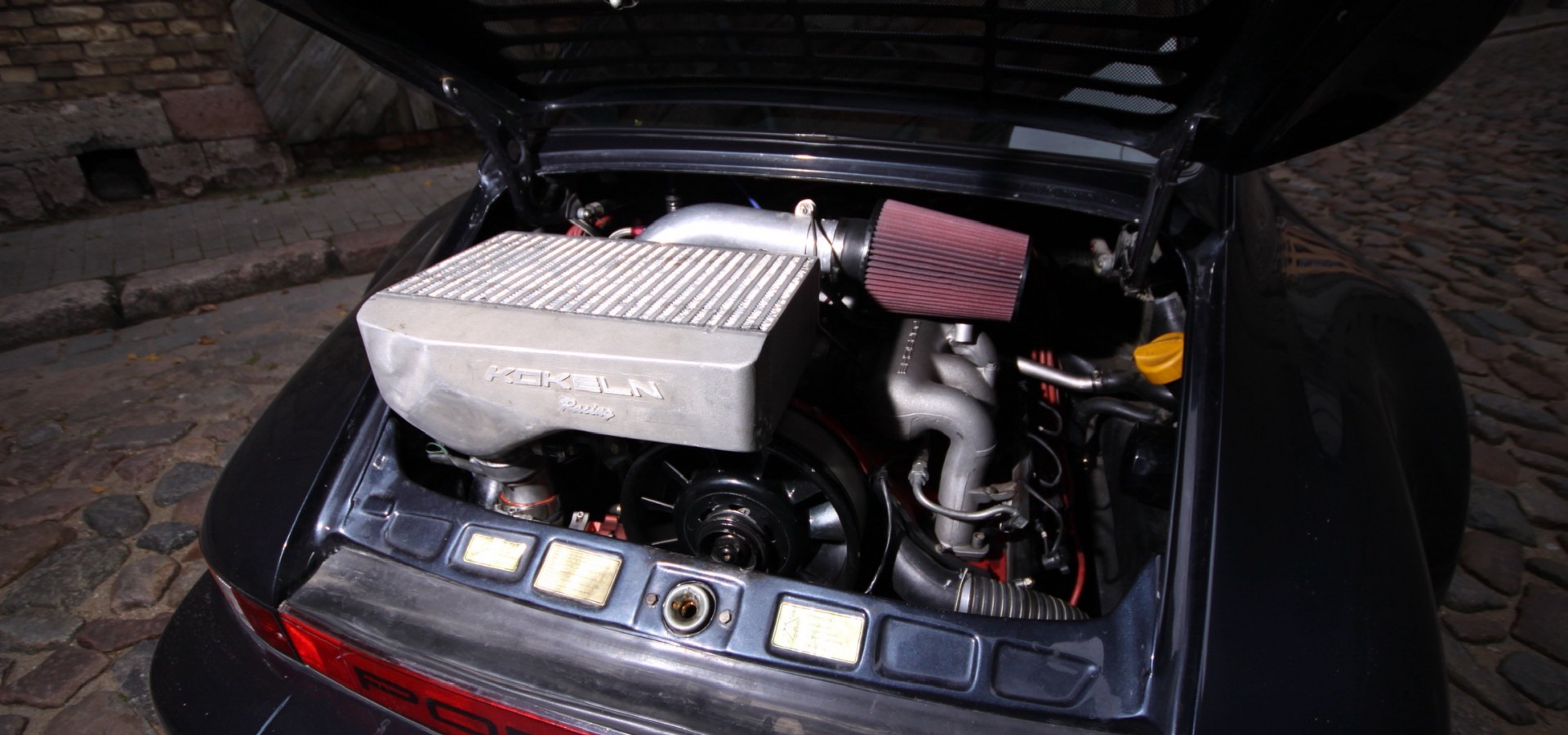
4. Porsche 4.0-Litre Naturally Aspirated Flat-Six
Porsche has always built engines that thrill drivers, and the 4.0-litre naturally aspirated flat-six is a perfect example. Found in models like the 911 GT3 and Cayman GT4, this engine is all about high-revving excitement and pure performance. But this level of engineering demands premium fuel at all times.
This flat-six has high compression ratios that need the stable combustion of premium gas. Regular fuel will ignite too early and create knocking, which is very dangerous at the extreme RPMs that this engine reaches. At over 8000 revolutions per minute, any misfire or knock can destroy internal components quickly. That makes regular fuel not just a poor choice but a direct threat to the engine’s life.
Another reason a premium is required is the precision with which Porsche builds these engines. Every part is tuned for maximum performance, from intake to exhaust. Premium fuel allows the engine to maintain consistency under heavy stress, whether on the racetrack or spirited road drives.
Regular gas would force the computer to cut power drastically to protect the engine, and that takes away the entire purpose of owning such a performance car. For Porsche drivers, filling with premium is part of the ownership pride.
These cars are built for people who value performance above fuel costs. Ignoring the premium requirement would destroy not just the experience but also the mechanical reliability. That is why this 4.0-litre flat-six is listed among those engines that break if you ever try to run them on regular gas.
Also Read: 5 Engines That Rarely Fail Smog and 5 That Always Fail Tests
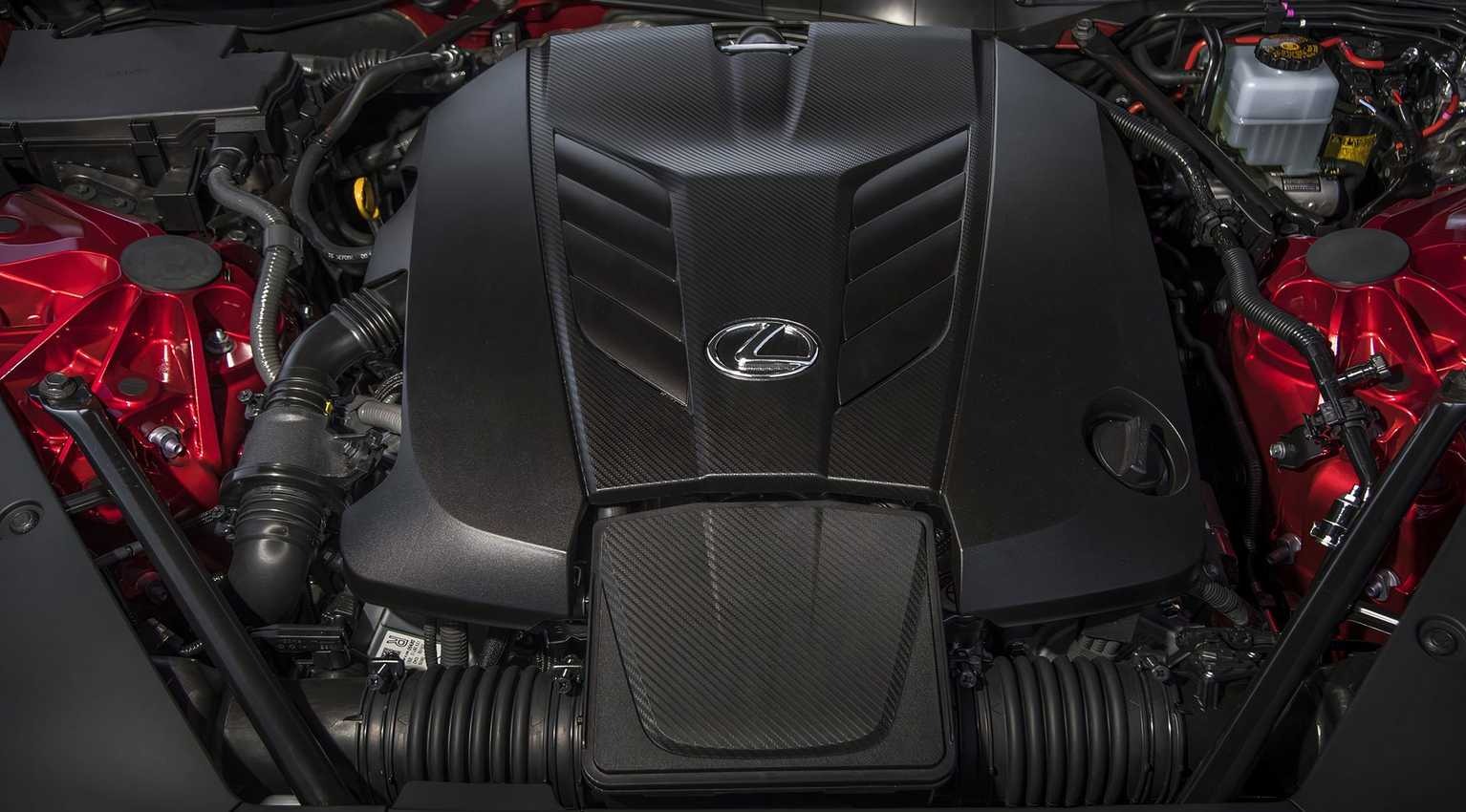
5. Lexus 5.0-Litre V8
Lexus may be known for quiet luxury, but its performance engines demand the best fuel. The 5.0-litre V8 used in models like the Lexus RC F, GS F, and LC 500 is a naturally aspirated powerhouse that insists on premium fuel for safe and proper operation.
This V8 produces strong horsepower through high compression. Premium fuel is needed because it resists early detonation. If you pour regular gas into it, the engine will suffer knocking that can wear down pistons and valves. As time goes on, this leads to serious damage that cannot be ignored.
Even though it is naturally aspirated, the compression ratios are too high for regular gas to handle. The car’s computer may reduce timing to avoid damage, but that will rob the engine of power and make it feel sluggish. Drivers who bought this engine for its thrilling sound and strong performance will immediately notice the loss if they attempt to use regular gas.
Another point to remember is that Lexus tuned this V8 to deliver not just speed but also refinement. Premium gas allows it to run smoothly and quietly while still offering strong bursts of acceleration. Regular gas ruins that balance and creates the risk of rough running and poor efficiency.
For Lexus owners who appreciate both performance and reliability, filling with premium is non-negotiable. It keeps the 5.0-litre V8 in good condition and ensures that the luxurious driving experience is preserved. That is why this engine is part of the group that cannot function safely without premium fuel.
