
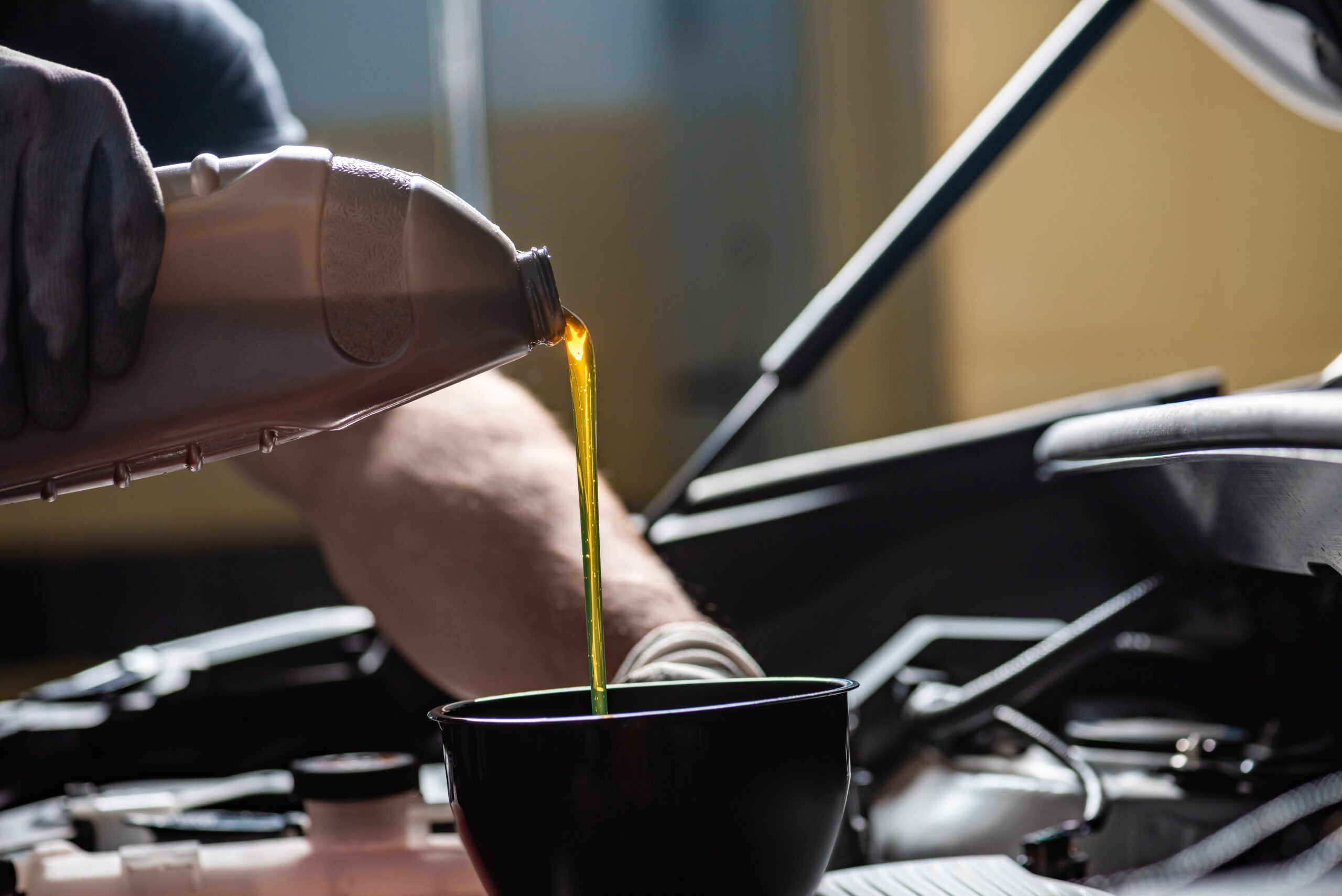
When people are in the market for a vehicle, one factor that always matters is the strength and reliability of the engine. While style, interior design, and comfort can draw attention, what keeps a car running for years is the condition of its engine.
Many buyers quickly learn that some engines are far better at keeping their oil levels stable while others give owners a difficult time with frequent topping up. For drivers on a budget, having an engine that does not waste oil brings peace of mind, reduces repair expenses, and prevents unnecessary visits to the mechanic.
Oil consumption is one of the most common issues that vehicle owners face. Some engines are designed with tight tolerances and durable parts that prevent leaks and keep oil use low. Others have design flaws or weaker components that make them prone to burning oil as mileage increases.
For people trying to avoid stress, the ability to identify which engines are oil-friendly and which are not can save a lot of money and frustration. Some engines have gained respect for running smoothly for hundreds of thousands of miles without draining oil. These options usually come from manufacturers with a history of building dependable cars.
Also, there are engines known for disappointing drivers with constant oil loss, sometimes even when the car is relatively new. Recognising this difference can help buyers make smart choices, whether they are going for a used car or a new one.
5 Affordable Engines That Rarely Burn
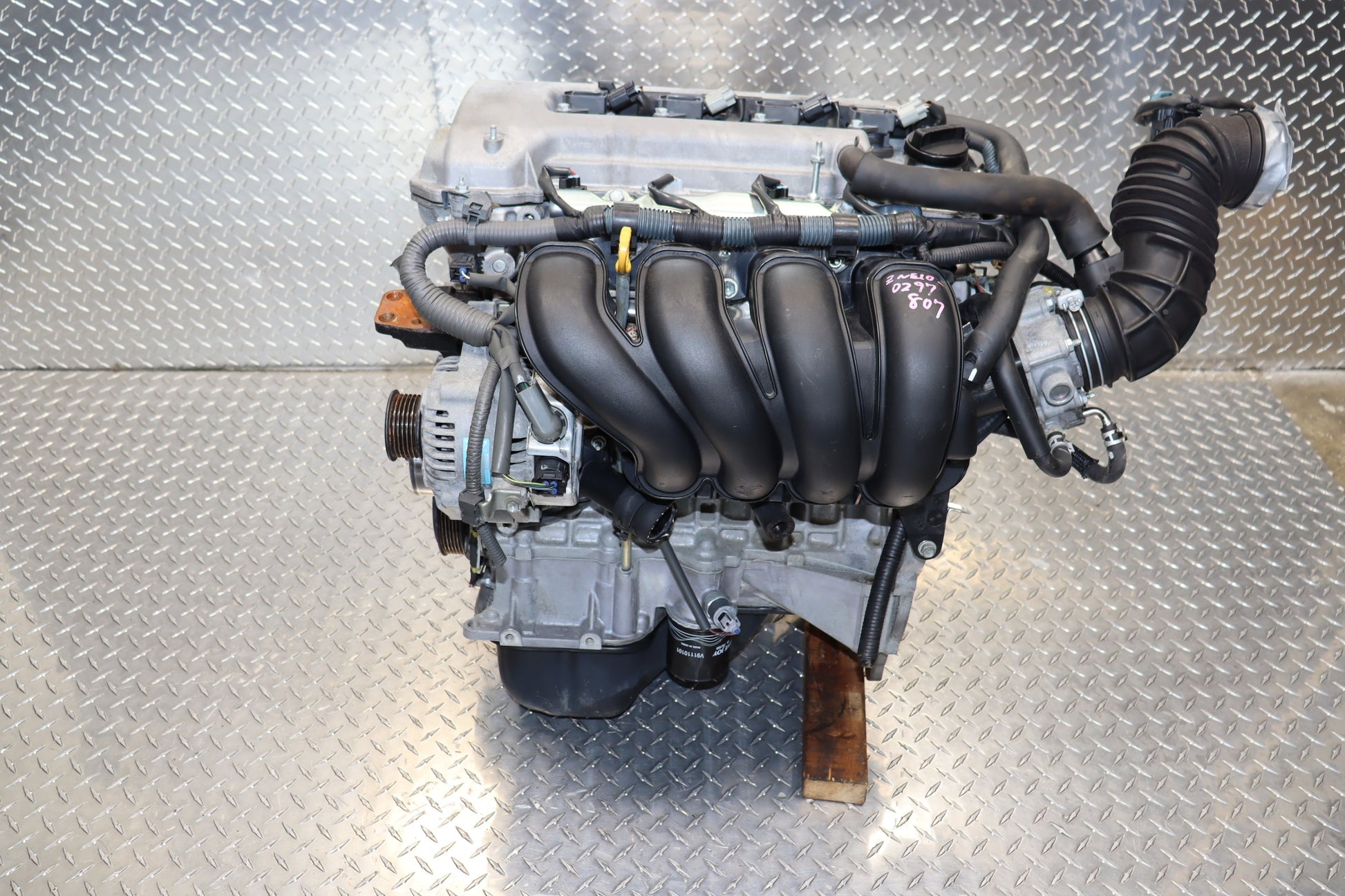
1. Toyota 1ZZ-FE Engine
The Toyota 1ZZ-FE is one of those engines that has earned its place among dependable options. Built during the late 1990s and used in popular models like the Corolla, Celica, and Pontiac Vibe, it stands out for its balance between affordability and durability.
Many owners have praised it for running efficiently while keeping oil use low, even as the vehicle ages. This quality makes it a preferred choice for those who want peace of mind and fewer maintenance headaches. A major reason the 1ZZ-FE maintains good oil control is its aluminium block design, which helps it stay lightweight and durable.
It was built with a timing chain instead of a belt, reducing the chances of sudden failures and expensive replacements. Its engineering keeps the oil circulation consistent, avoiding the common problems of leaks or high burn rates. Drivers who stay on top of regular oil changes often find that this engine can last well over 200,000 miles without serious trouble.
One advantage of this engine is that it was designed with fuel efficiency in mind, and Toyota balanced that with durability. The combination of multipoint fuel injection and variable valve timing allows the 1ZZ-FE to perform smoothly under different driving conditions while still keeping oil stability. This makes it a practical choice for daily commuters who need a car that is both cost-effective and easy to maintain.
When compared with some of the newer engines that focus heavily on performance, the 1ZZ-FE might not deliver outstanding horsepower, but its strength lies in its consistency. It was not built to impress with speed but to reassure owners with reliability. Mechanics often recommend it as a second-hand buy because it is less likely to come with hidden oil consumption problems.
For people searching for a budget-friendly option, the Toyota 1ZZ-FE remains a safe bet. Its track record across millions of units shows why it is still regarded as one of the most reliable engines for oil control. Those who buy cars equipped with it often find themselves enjoying years of steady driving with minimal oil-related concerns.
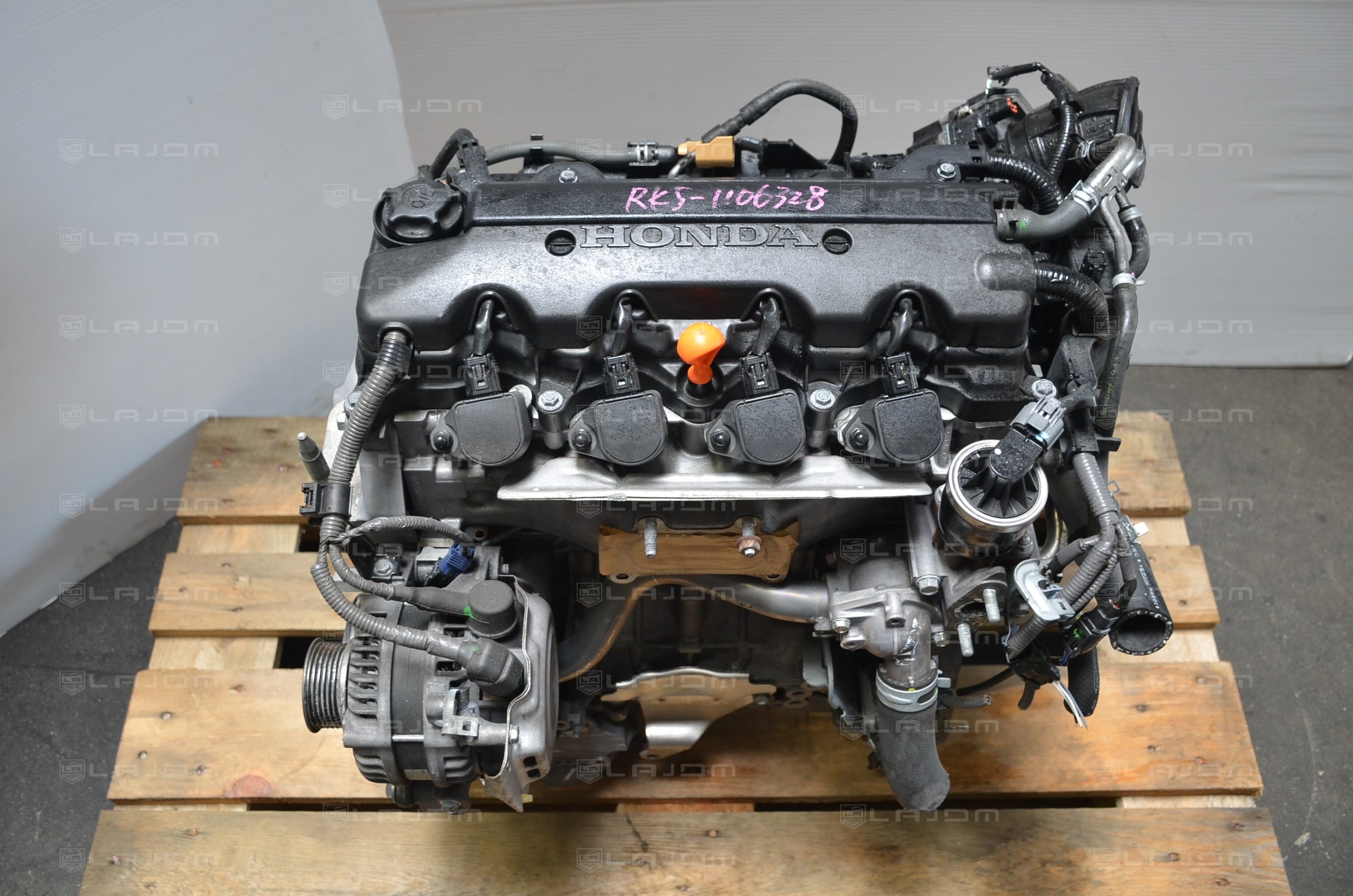
2. Honda R18 Engine
Honda has long been respected for making engines that deliver both durability and efficiency, and the R18 series is a clear example of that reputation. Introduced in the mid-2000s and featured in the Honda Civic and other compact models, this engine has proven itself to be dependable over long distances.
Drivers who own vehicles with the R18 often mention that oil levels remain stable between changes, which is a major relief for anyone who has dealt with oil-burning engines before. The R18 was designed as part of Honda’s approach to mixing fuel efficiency with everyday reliability. It comes with an aluminium block and uses Honda’s i-VTEC system, which adjusts valve timing for both performance and economy.
While these technologies help the car run smoothly, what really makes the R18 stand out is its resistance to consuming oil. Many owners report that even after crossing 150,000 miles, the oil use remains minimal, provided routine servicing is done on time.
Another feature that strengthens the R18’s reputation is the use of precise piston rings and cylinder design that reduces oil slipping into the combustion chamber. This careful engineering means the engine burns fuel cleanly without unnecessary oil loss. For those who drive daily to work or school, this makes a huge difference in reducing expenses and keeping the car dependable.
The R18 is not known for being a powerhouse in terms of performance, but that was never the main goal. It was developed to be simple, durable, and easy to maintain, which is why mechanics often recommend it for people who want a reliable used Honda.
Even in markets where car maintenance can be expensive, the R18 proves to be a wallet-friendly option because it rarely surprises owners with oil-related issues. Many drivers around the world continue to praise this engine for combining affordability with low running costs.
When measured against engines from other brands that struggle with oil burning, the R18 shows how consistent engineering choices can make a difference. For anyone searching for a dependable daily-use engine, the Honda R18 is a wise choice that balances efficiency, longevity, and strong oil control.
Also Read: 5 V8 Engines That Refuse to Quit and 5 That Self-Destruct
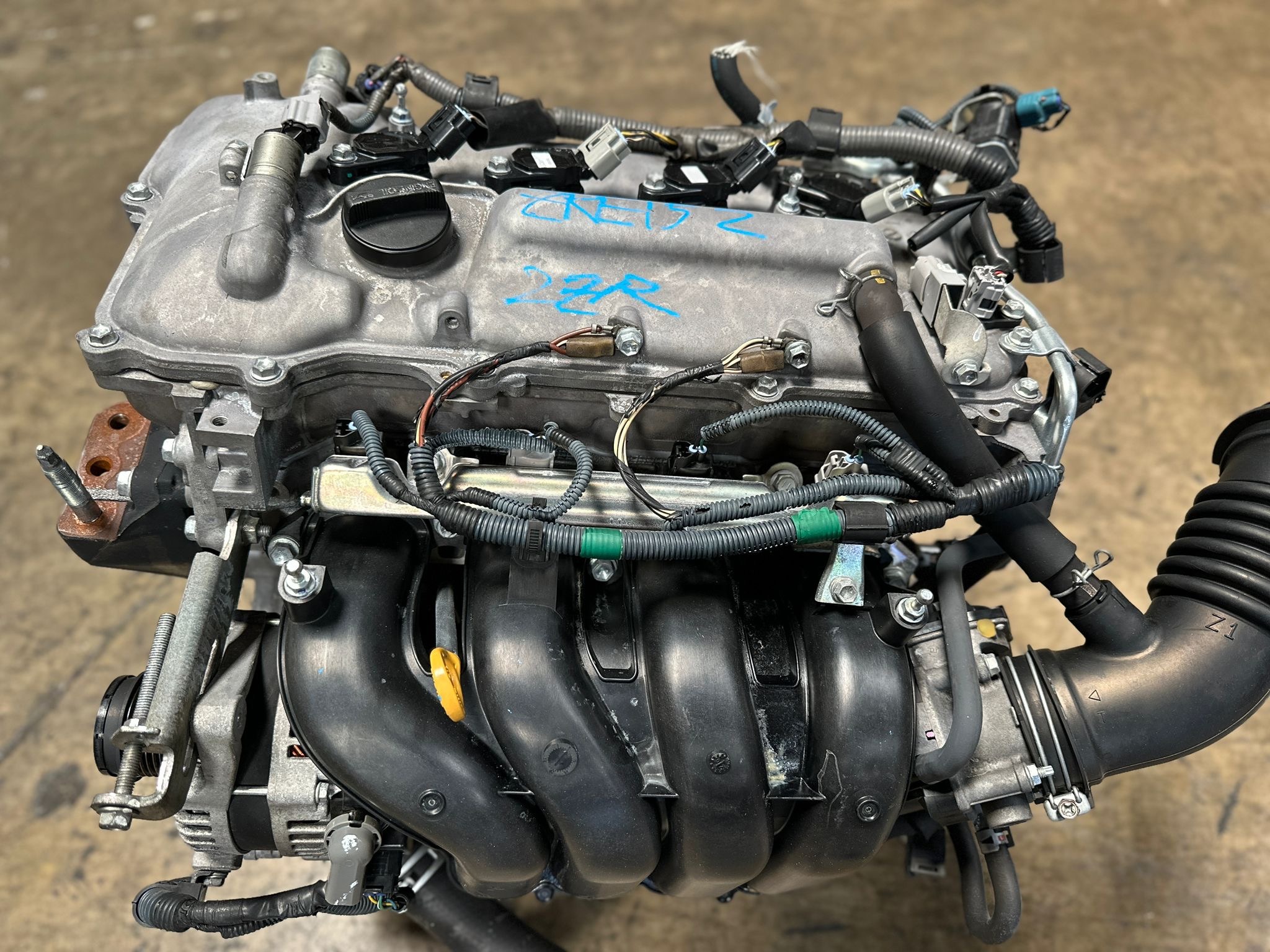
3. Toyota 2ZR-FE Engine
The Toyota 2ZR-FE engine continues the company’s tradition of building motors that stand the test of time. Introduced as the successor to the 1ZZ-FE, this engine was used in popular models like the Toyota Corolla, Matrix, and some Scion cars. It carried improvements that made it stronger in handling oil consumption while still being affordable for everyday buyers.
One of the standout features of the 2ZR-FE is its use of Toyota’s Dual VVT-i technology, which adjusts both intake and exhaust valves for smoother performance and better fuel efficiency. This system helps the engine burn fuel more cleanly while maintaining steady oil levels.
Drivers who use cars equipped with the 2ZR-FE often report that oil changes are straightforward and oil levels stay stable for long intervals. Durability is another advantage of this engine. It was designed with an aluminium alloy block that balances strength with weight savings.
The cylinder walls and piston rings were engineered to minimise wear, which directly contributes to better oil control. Because of these design choices, the 2ZR-FE often reaches high mileage without common problems like oil leaks or high consumption.
For those who depend on their cars daily, this engine delivers consistent reliability. While it may not give thrilling acceleration, it offers peace of mind for drivers who want a motor that keeps maintenance costs low. Mechanics frequently recommend the 2ZR-FE to customers looking for a second-hand car that will not disappoint with surprise oil issues.
Toyota’s careful balance between efficiency, affordability, and reliability is clear in the 2ZR-FE. Owners often find themselves satisfied with how little effort it takes to keep the engine running smoothly. Compared with rivals that develop oil problems after a few years, the 2ZR-FE stands firm as one of the engines that rarely drain oil, making it a dependable option for anyone shopping for an affordable vehicle.
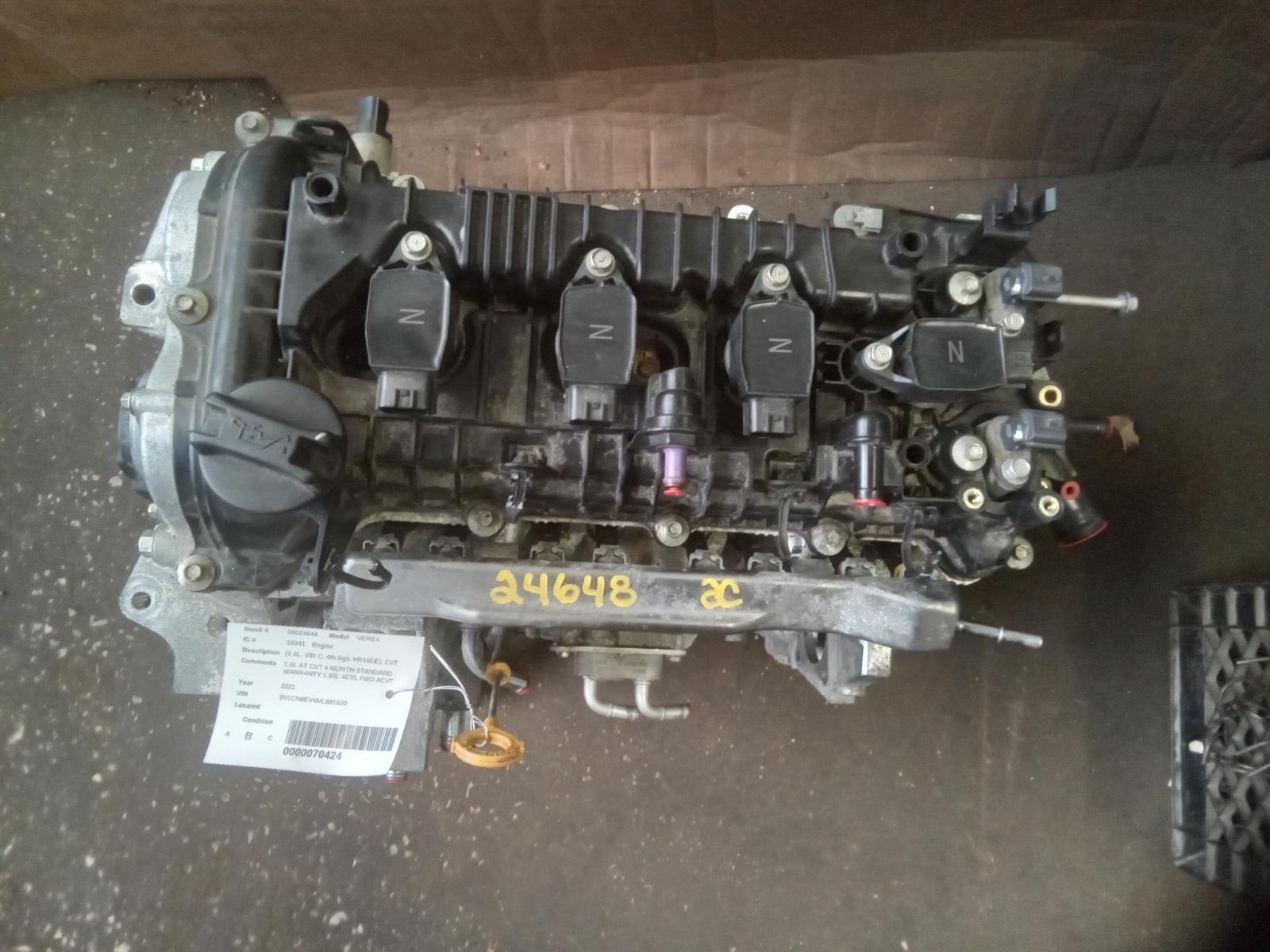
4. Nissan HR16DE Engine
The Nissan HR16DE has built a reputation as a simple and dependable powerplant that keeps oil use under control. Found in popular compact cars like the Nissan Versa, Note, and Sentra, it was developed with affordability in mind while still delivering steady performance. Owners frequently comment on its ability to hold oil levels steady, which makes it an attractive option for drivers seeking low-maintenance cars.
This engine uses a lightweight aluminium block and chain-driven camshafts, which reduce long-term maintenance costs. Its design allows for smooth operation, while the piston rings and cylinder walls are engineered to limit oil slipping into the combustion chamber. This helps the HR16DE avoid the oil-burning issues that plague many engines in its class.
One of the advantages of the HR16DE is its ability to deliver strong fuel economy while still lasting for years without trouble. Nissan engineered it for everyday use, focusing on making it easy to service and reliable across high mileage. Drivers who follow regular maintenance schedules often report reaching well over 200,000 miles with no major oil-related issues.
For people looking for affordable used cars, engines like the HR16DE stand out because they provide reassurance that oil problems will not drain their wallets. While it may not have the same performance edge as more advanced engines, it strikes a healthy balance between economy and durability. This makes it a suitable choice for families, students, or anyone who values dependability over speed.
Mechanics often speak well of the HR16DE because it is straightforward to repair and does not surprise owners with oil leaks or excessive burning. This combination of low cost, simplicity, and reliability ensures its place among engines that rarely consume oil. For budget-minded buyers, the Nissan HR16DE is a safe and practical choice.
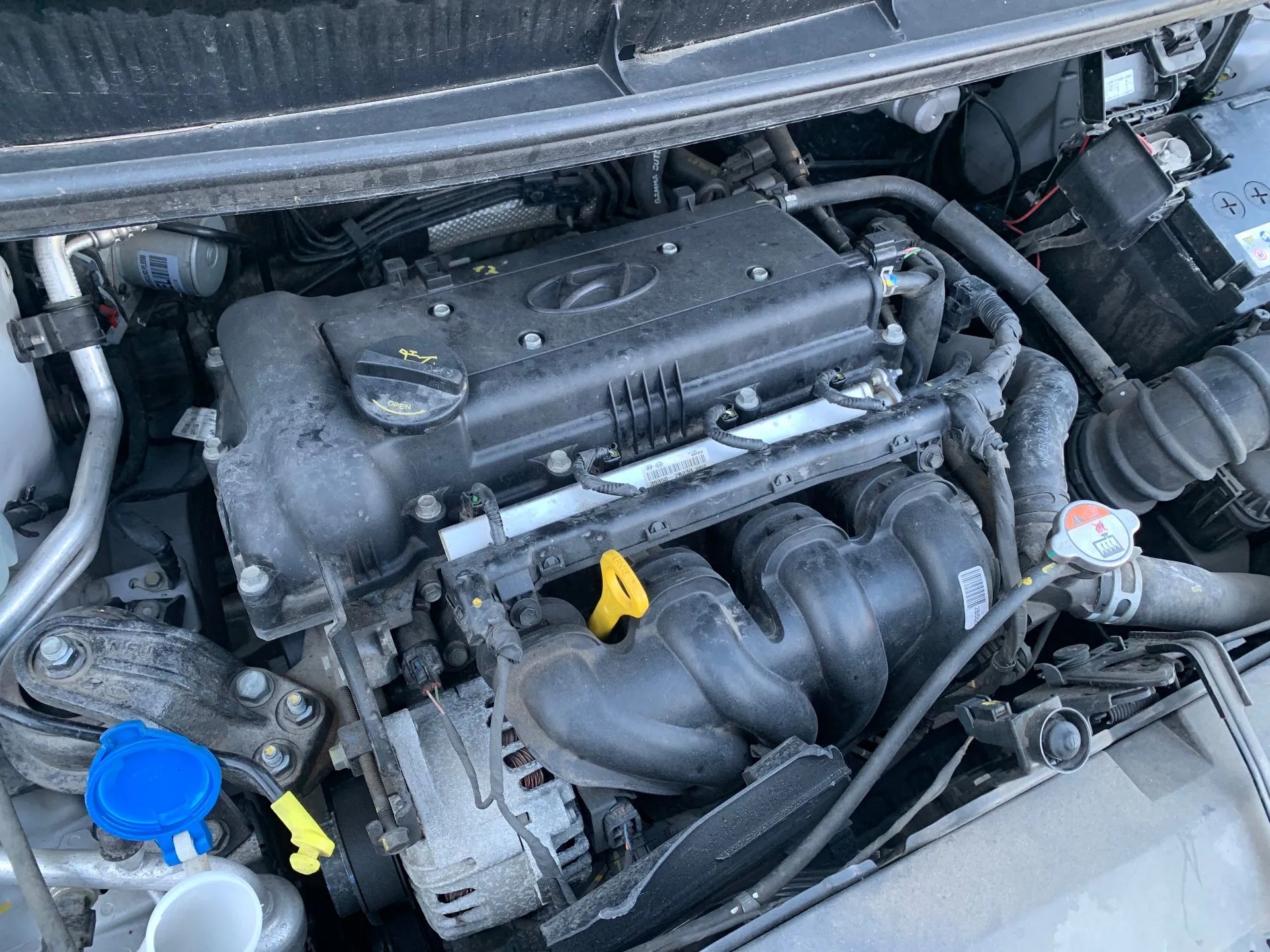
5. Hyundai G4FC Engine
Hyundai has made steady progress over the years in producing engines that can stand beside those of more established brands. The G4FC engine, part of the Gamma family, is one example that has impressed many drivers with its low oil consumption. Found in cars like the Hyundai Accent and Kia Rio, it was designed with affordability and efficiency in mind, yet it manages to deliver dependable oil control.
This engine is built with an aluminium block and uses modern features such as CVVT (Continuous Variable Valve Timing) to improve both fuel efficiency and performance. Its engineering ensures smooth combustion, which limits unnecessary oil use. Owners often highlight how oil levels remain stable for long intervals, reducing the stress of frequent top-ups.
One strong point of the G4FC is its durability across high mileage. Drivers who stick to proper servicing schedules frequently report the engine lasting well beyond 150,000 miles without developing oil problems. This gives it a reliable reputation in markets where affordability and low maintenance are top priorities.
While the G4FC is not known for high performance, it fits perfectly for everyday drivers who want consistent service from their vehicles. Hyundai and Kia used it across different compact models, which means parts are widely available and repairs are relatively easy. Mechanics appreciate that it does not come with complicated designs that often lead to oil consumption issues.
For anyone searching for a wallet-friendly engine that rarely burns oil, the Hyundai G4FC is a dependable option. It shows that affordable engines can still be designed to manage oil use effectively, making it a smart choice for budget-conscious buyers.
5 Engines That Constantly Burn Oil
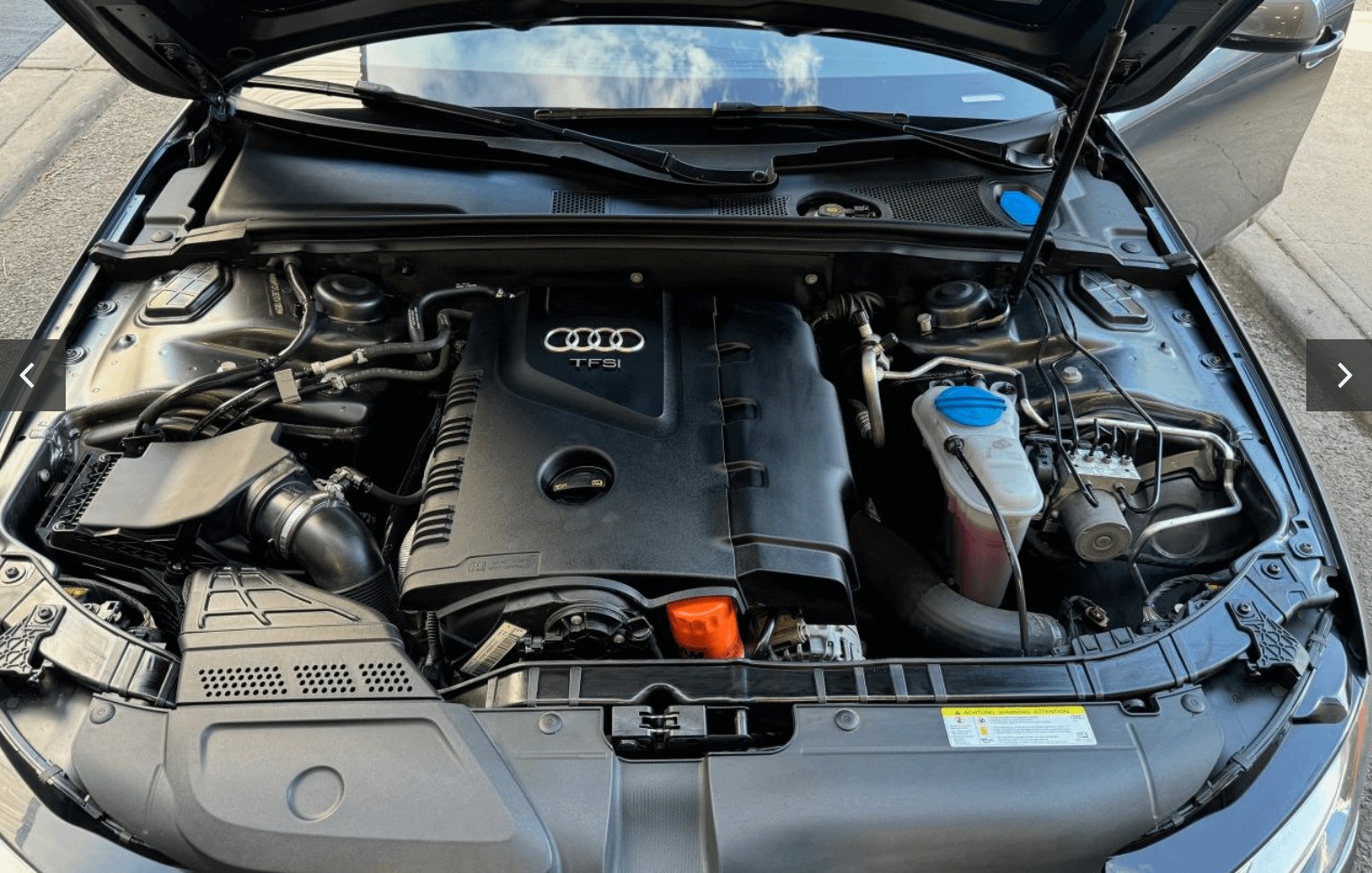
1. Audi 2.0 TFSI (EA888 Gen 2)
The Audi 2.0 TFSI engine from the EA888 second generation has often been linked with high oil consumption, and many owners know this issue too well. Found in popular models like the Audi A4, A5, and Volkswagen Passat, it was designed to deliver strong performance and fuel efficiency. However, its reputation has been affected by frequent oil top-ups that become unavoidable for many drivers.
One of the main causes of the oil-burning problem is the piston ring design. The rings in this generation were not effective in keeping oil out of the combustion chamber, leading to oil being burned along with fuel.
This design flaw means that even when the engine is new, some drivers notice the oil level dropping faster than expected. With mileage, the problem often worsens, causing frustration and extra costs.
Many owners report having to carry a bottle of oil in the trunk at all times because the engine can consume up to a quart every 1,000 miles or less. This not only increases the cost of maintenance but also creates worry about engine longevity. While some drivers have received repairs or piston replacements under warranty, many who purchased used vehicles were left to deal with the expense themselves.
The issue is not just about cost but also convenience. Drivers who rely on their cars daily find it stressful to check and refill oil so often. Mechanics are familiar with complaints about this engine, and while some fixes can reduce consumption, the design flaw means it rarely goes away completely.
Audi and Volkswagen improved the design in later generations, but the damage to the reputation of the EA888 Gen 2 engines remains. Buyers looking at used vehicles with this engine are usually advised to be cautious and prepared for oil consumption. For those who want a worry-free experience, avoiding the Audi 2.0 TFSI Gen 2 is often the best decision.
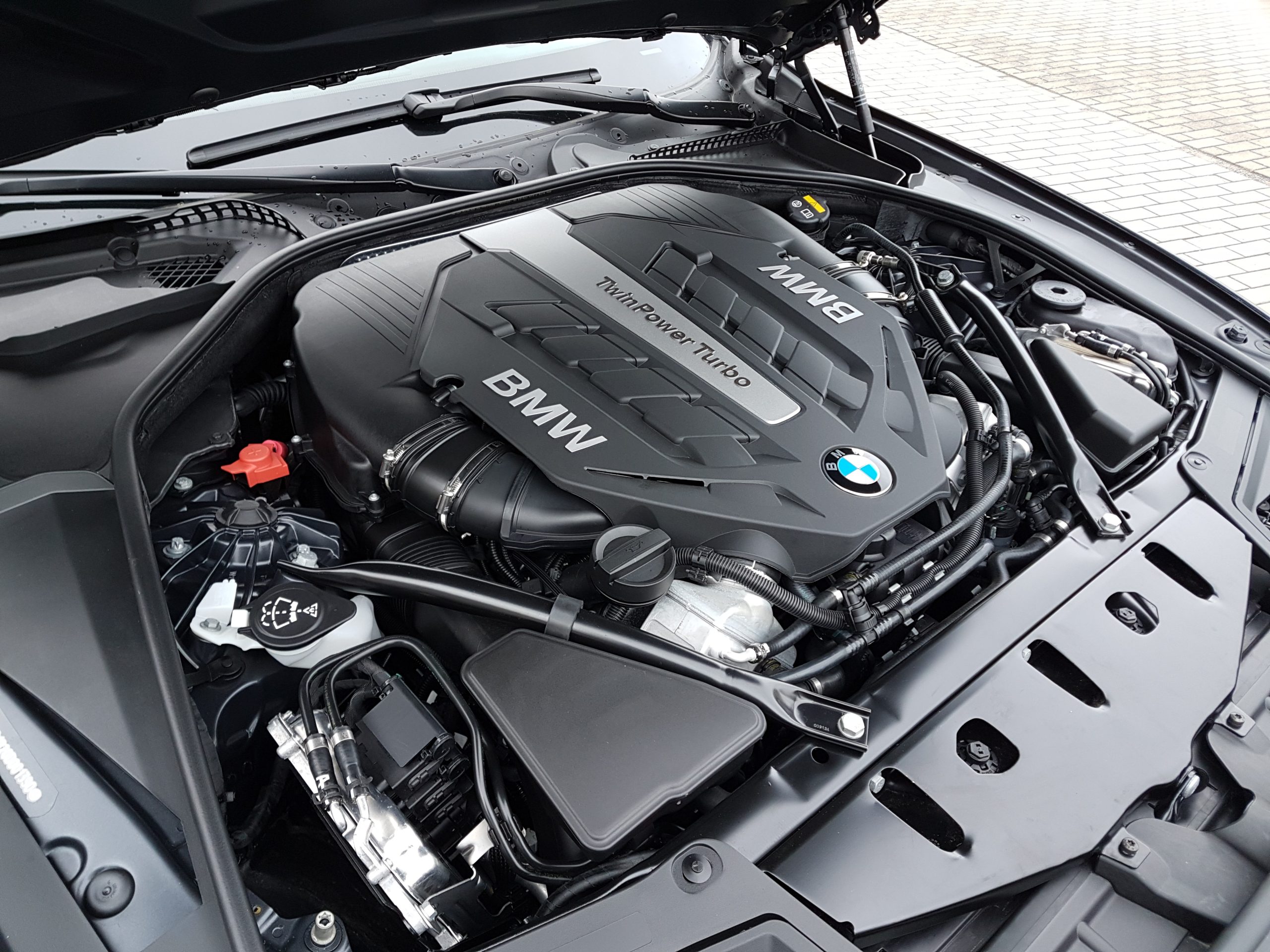
2. BMW N62 V8 Engine
The BMW N62 V8 engine, used in models such as the 5 Series, 7 Series, and X5 during the 2000s, is another motor widely recognised for its oil consumption issues. While it was praised for delivering smooth power and a refined driving experience, many owners quickly discovered that it burns oil at a worrying rate. This makes it expensive to maintain, especially for buyers who expected a luxury car to come with fewer headaches.
The main problem with the N62 lies in its valve stem seals. After a while, these seals wear out, allowing oil to leak into the combustion chamber. When this happens, the engine begins burning oil steadily, often producing blue smoke from the exhaust. Owners find themselves refilling oil frequently, sometimes every few hundred miles, which is both costly and inconvenient.
Another issue is the complication of the engine. The N62 was designed with advanced technology, including variable valve timing and a lightweight aluminium block, but this also made repairs complicated and expensive. Replacing valve stem seals requires serious labour, and many mechanics charge high fees for the job. This means that once the oil burning starts, fixing it is rarely affordable for everyday drivers.
Despite these problems, some owners continue to love the N62 because of its strong performance. It delivers smooth acceleration and a luxury feel that fits the BMW image. However, the constant need for oil checks and the possibility of costly repairs make it a risky choice, especially for people buying used BMWs with high mileage.
The N62 serves as a reminder that even premium engines can come with flaws. For buyers who are not ready to handle frequent oil refills and expensive fixes, this engine is one to avoid. Many mechanics advise potential buyers to research carefully before investing in a car powered by the BMW N62, as oil consumption issues are almost guaranteed with age.
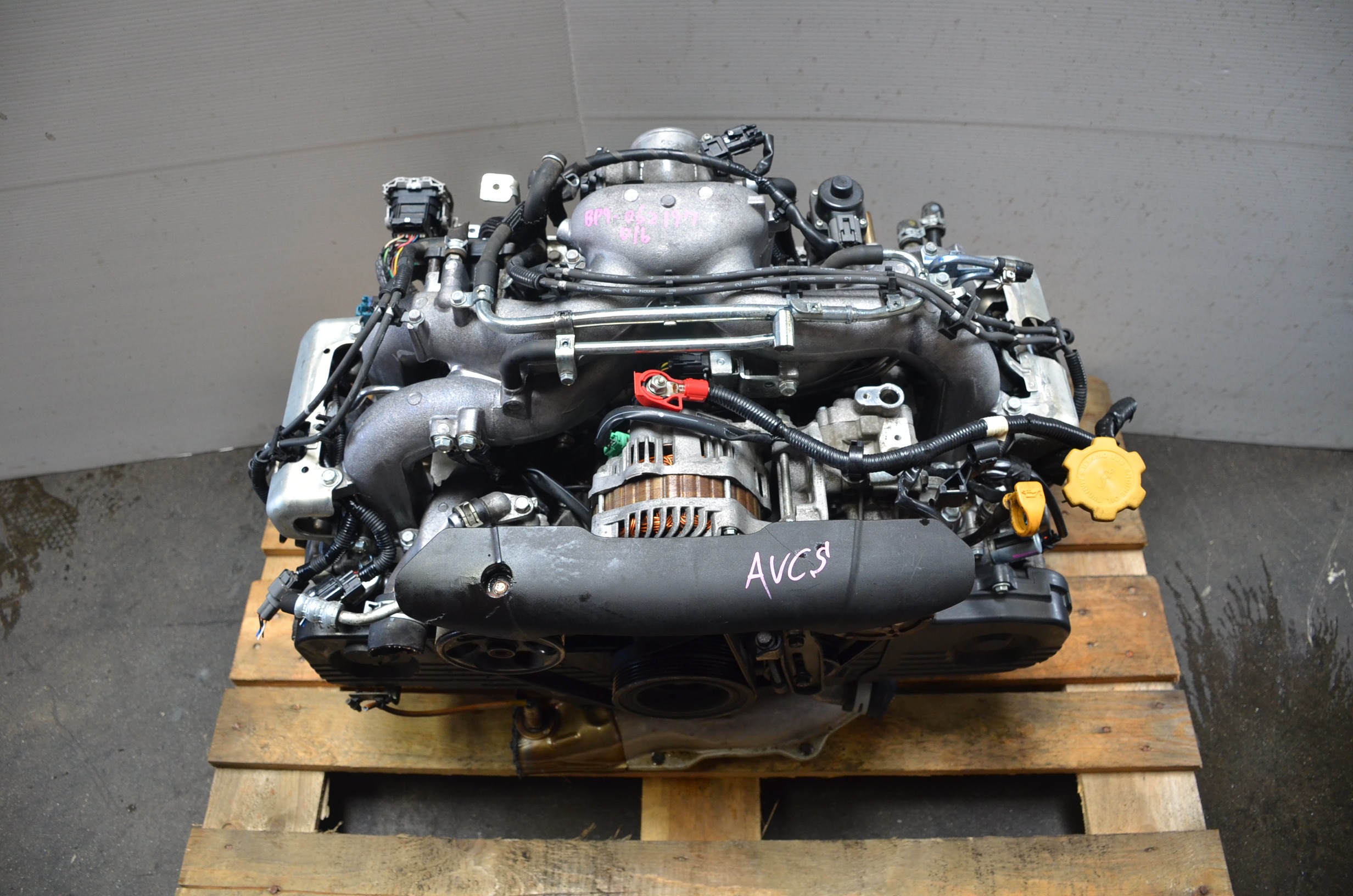
3. Subaru EJ25 Engine
Subaru has built a strong reputation with its all-wheel-drive system, and the EJ25 engine has powered many of its most popular models, including the Outback, Forester, and Legacy.
While the EJ25 has strengths, one of its biggest weaknesses is high oil consumption. Owners across different markets have reported that this engine tends to burn oil steadily, creating frustration for people who expect long-lasting reliability.
The oil problem is often linked to piston ring design and cylinder wall wear. Oil sneaks past the rings and enters the combustion chamber, leading to a gradual loss of oil between changes.
For some drivers, the issue becomes clear only after several thousand miles, but others experience heavy oil use much earlier in the engine’s life. Subaru has faced criticism for this, and in some regions, drivers even received warranty repairs.
Another factor is that Subaru engines are horizontally opposed, or “boxer” style. This design places the pistons sideways, which can make oil control more difficult compared to inline engines.
While the layout helps with handling and balance, it increases the chances of oil getting past seals and rings. After a while, the problem can become worse, especially if owners miss routine servicing.
Drivers who own EJ25-powered cars often mention carrying extra oil during long trips. Some report consumption as high as a quart every 1,200 miles, which adds cost and stress. The problem can also affect the catalytic converter, since burning oil leaves deposits that reduce efficiency. Repairs are often expensive and may not fully resolve the issue, leaving many owners disappointed.
While Subaru remains popular for its all-wheel-drive vehicles, the EJ25’s oil-burning reputation has made some buyers cautious. Mechanics often advise people considering a used Subaru with this engine to test oil consumption carefully before committing. Without careful maintenance, the EJ25 can become an expensive burden.
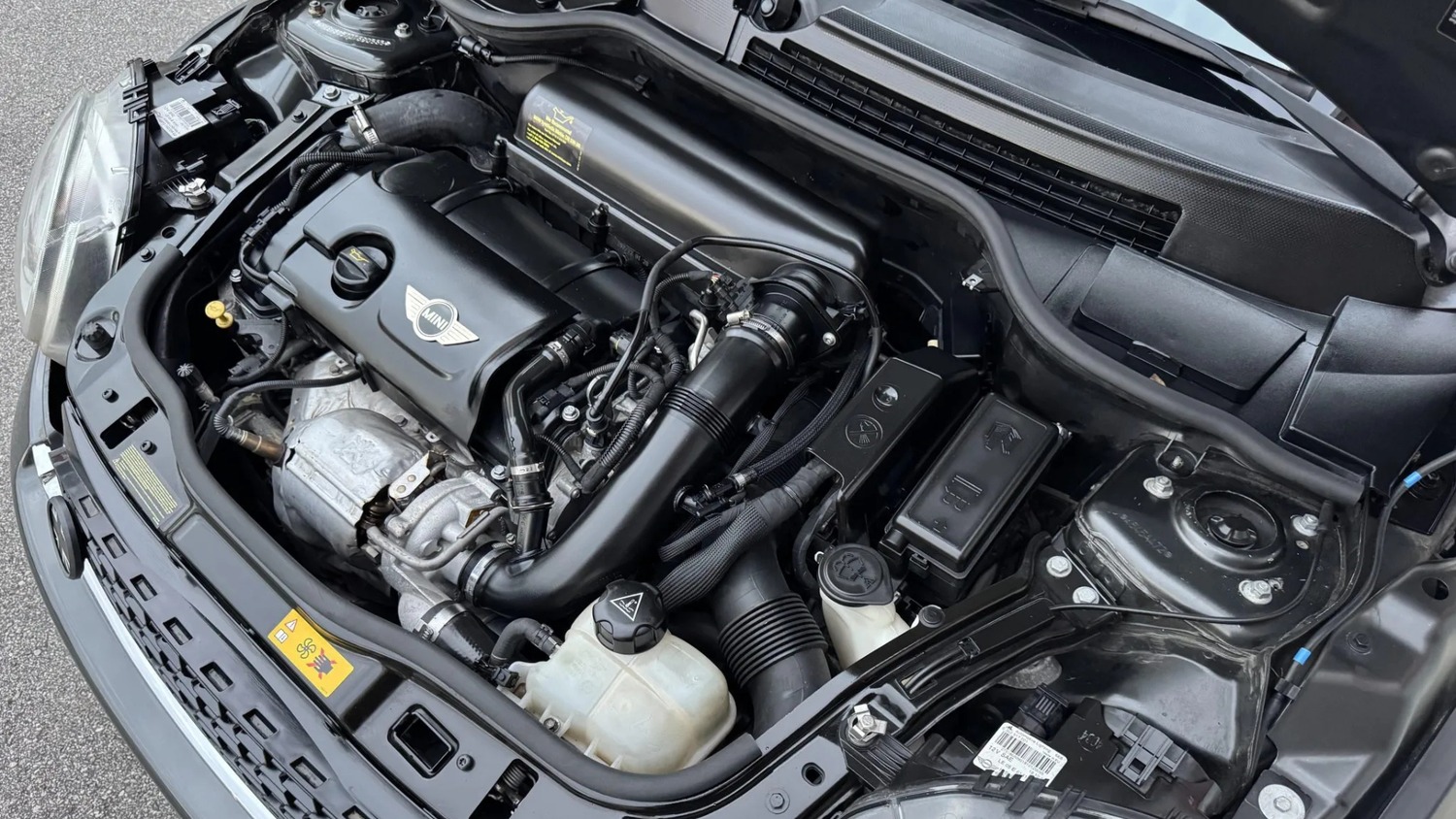
4. Mini Cooper 1.6L (N14/N18) Turbo Engines
The Mini Cooper is loved by many drivers for its stylish design and fun driving experience, but the 1.6L turbocharged engines used in models from the late 2000s to early 2010s, particularly the N14 and N18, have been widely criticised for oil consumption problems. While they deliver strong performance for a small car, they are also notorious for draining oil quickly.
One of the biggest contributors to this issue is the piston ring design, which allows oil to seep into the combustion chamber. After a while, as the engine ages, this problem becomes worse, forcing owners to top up oil frequently. Some report consumption levels of one quart every 1,000 miles or less, which is high for a compact car.
The turbocharger adds another layer to the problem. Turbo engines run hotter than naturally aspirated ones, and this extra heat puts more strain on seals and components. When the seals weaken, oil leaks into the intake and combustion system, further increasing consumption. Many owners experience blue smoke from the exhaust, a sign that oil is being burned.
Repairing these engines is also challenging. Labour costs are high, and fixing the root of the oil problem often requires major work on the pistons and rings. Some owners choose to live with the issue by topping up oil regularly, but this adds to long-term costs and reduces satisfaction.
Despite the fun factor of driving a Mini Cooper with the N14 or N18 engine, many mechanics warn buyers to be prepared for oil problems. The engines deliver great handling and performance, but the frequent oil refills overshadow the positives for many people. For those seeking a reliable daily driver, these engines are often best avoided.
Also Read: 5 Engines That Rarely Fail Smog and 5 That Always Fail Tests
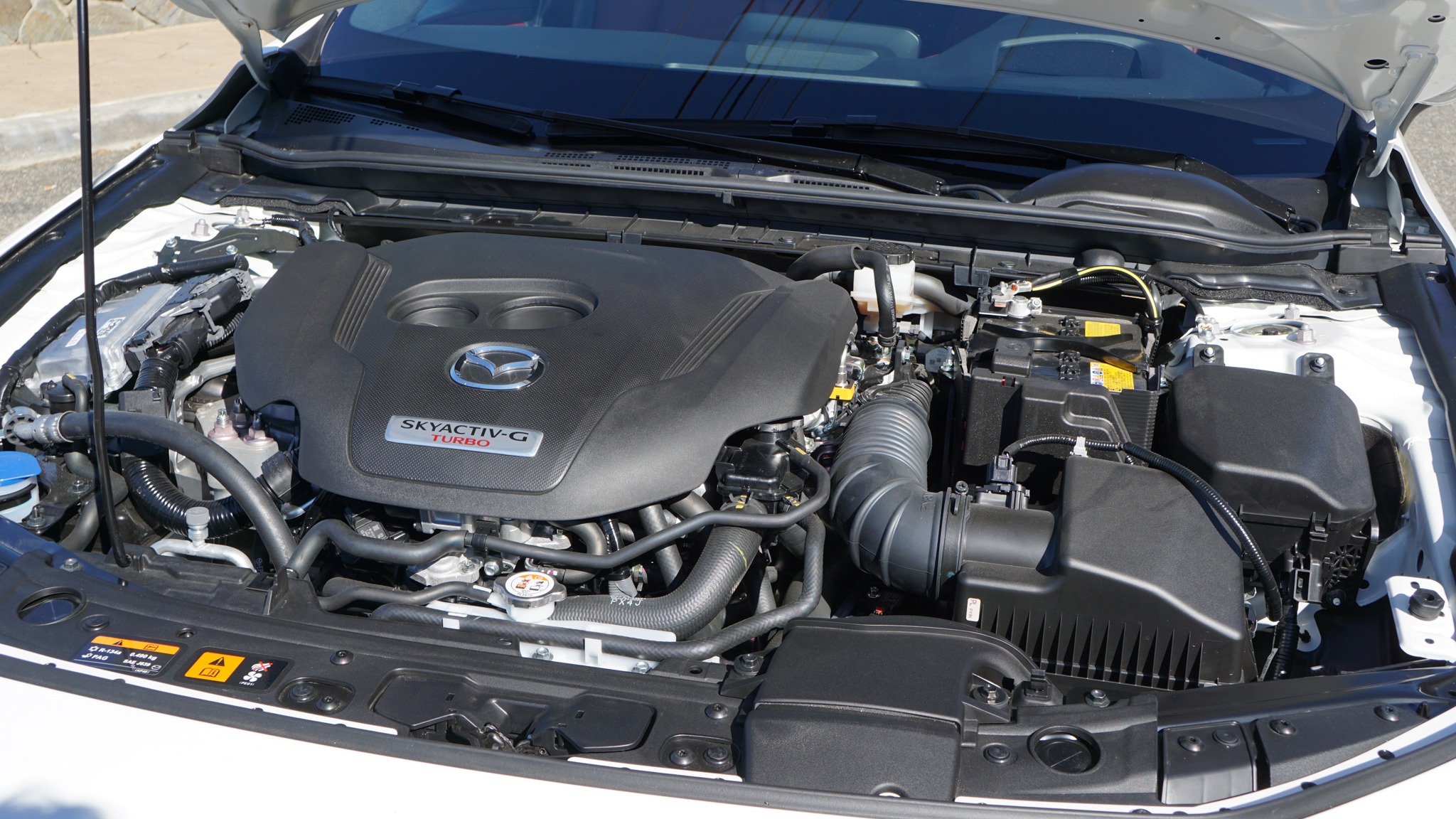
5. Mazda SkyActiv 2.5L Engine
Mazda’s SkyActiv engines were introduced with much attention for their fuel efficiency and lightweight design. While many of these engines perform well, the 2.5L version used in models like the Mazda6, CX-5, and Mazda3 has been linked to oil consumption complaints. This has surprised many buyers who expected the modern design to avoid such problems.
The oil issue often arises from piston ring wear and cylinder wall scoring. When the rings fail to seal properly, oil slips into the combustion chamber and gets burned. This leads to a gradual but steady drop in oil levels. For some owners, the problem appears at higher mileage, but others report it much earlier, sometimes under 60,000 miles.
Drivers frequently mention having to check oil levels more often than they expected. Some report consumption as high as one quart every 1,500 miles, which reduces confidence in long road trips. The issue can also cause long-term damage if oil levels drop too low without the driver noticing.
Mazda has issued service bulletins in some markets to address these concerns, but many used car buyers remain cautious. Repairs can be expensive because fixing piston ring problems usually requires major engine work. For drivers who bought Mazda vehicles for efficiency and low running costs, discovering oil consumption issues can be frustrating.
The SkyActiv 2.5L still offers good performance and fuel economy, but the oil problem affects its reputation. Mechanics often advise potential buyers to check maintenance records carefully and watch oil levels closely.
While not every engine suffers from the issue, enough cases exist to make it a concern. For those who want a stress-free ownership experience, this engine may not be the best choice.
