
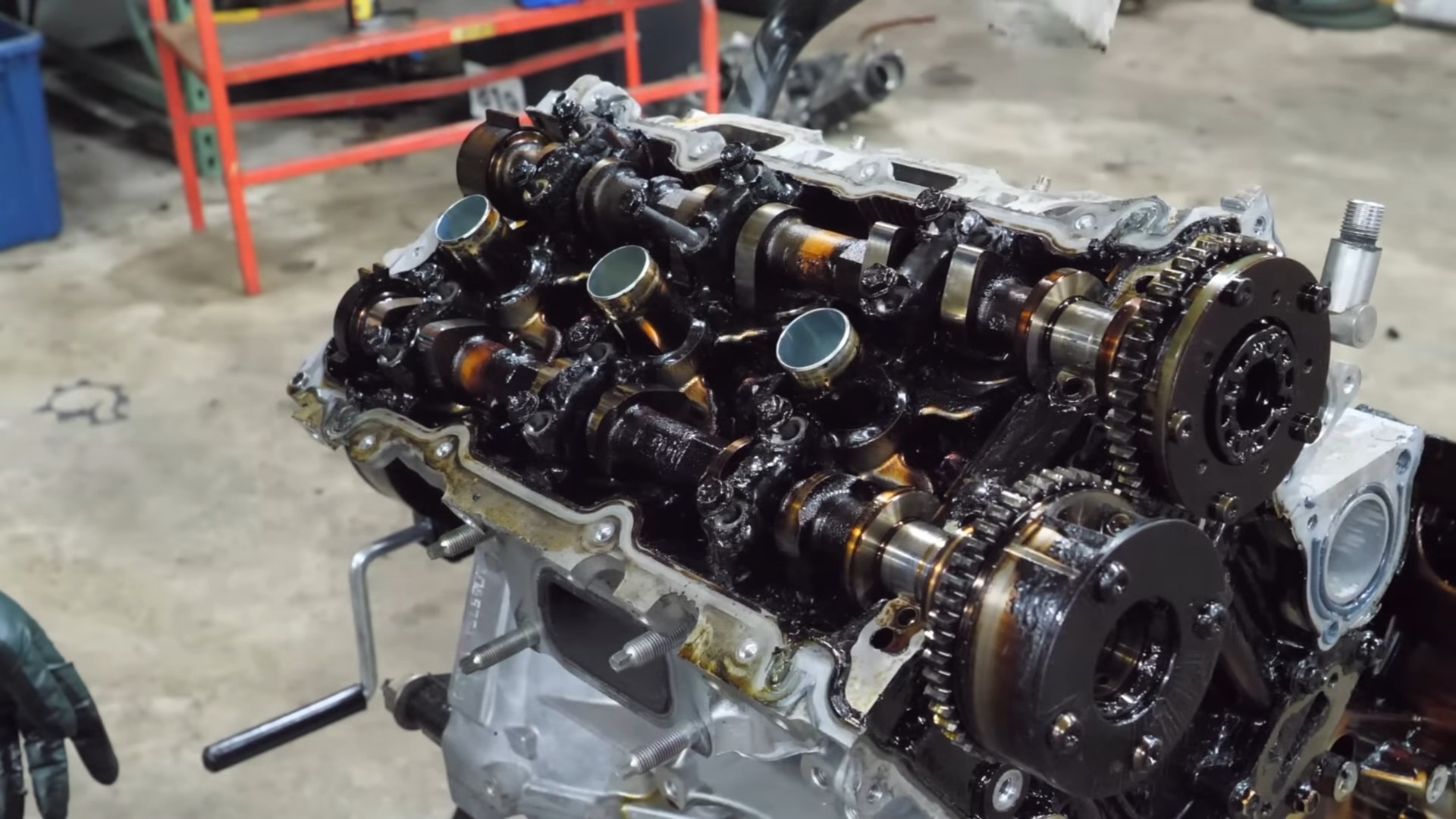
Car owners often think about fuel, tyres, or how smooth the ride feels, but many forget one silent part of the machine that decides whether a car lasts for years or breaks down too soon. Inside every engine, oil keeps things moving smoothly, but the way that oil behaves depends a lot on how the engine was built.
Some engines are well designed to keep oil passages clear, reduce deposits, and allow the oil to keep protecting the moving parts. Others are known to collect thick black sludge inside, even when owners change oil as instructed.
When sludge builds up, it can block oil flow, starve moving parts of lubrication, and cause expensive failure. That is why mechanics often say that the design of the motor itself matters as much as the driver’s habits.
Drivers in America have long memories when it comes to how engines behave. Car forums, mechanic workshops, and even roadside talks show that some motors are loved for staying clean inside, while others are avoided because of sludge problems.
A clean-running motor can last well beyond 200,000 miles with regular care, while one that sludges easily can require a complete rebuild before it even reaches half that mileage. People who depend on their cars daily for work, family trips, or long-distance travel understand how painful it is when an engine fails without warning.
We will focus on five motors that are widely praised for staying clean inside. They are known to resist sludge and allow oil to do its job well. We will also look at five engines that have gained a reputation for sludging up, either because of design flaws, small oil passages, or heat issues.
Each section will give details of what makes these motors either reliable or troublesome, so that drivers can understand the differences. This is not about brands only, but about how certain designs affect engine life. Understanding these motors helps buyers, mechanics, and drivers to make better choices when it comes to maintenance and future purchases.
5 Motors That Stay Clean Inside
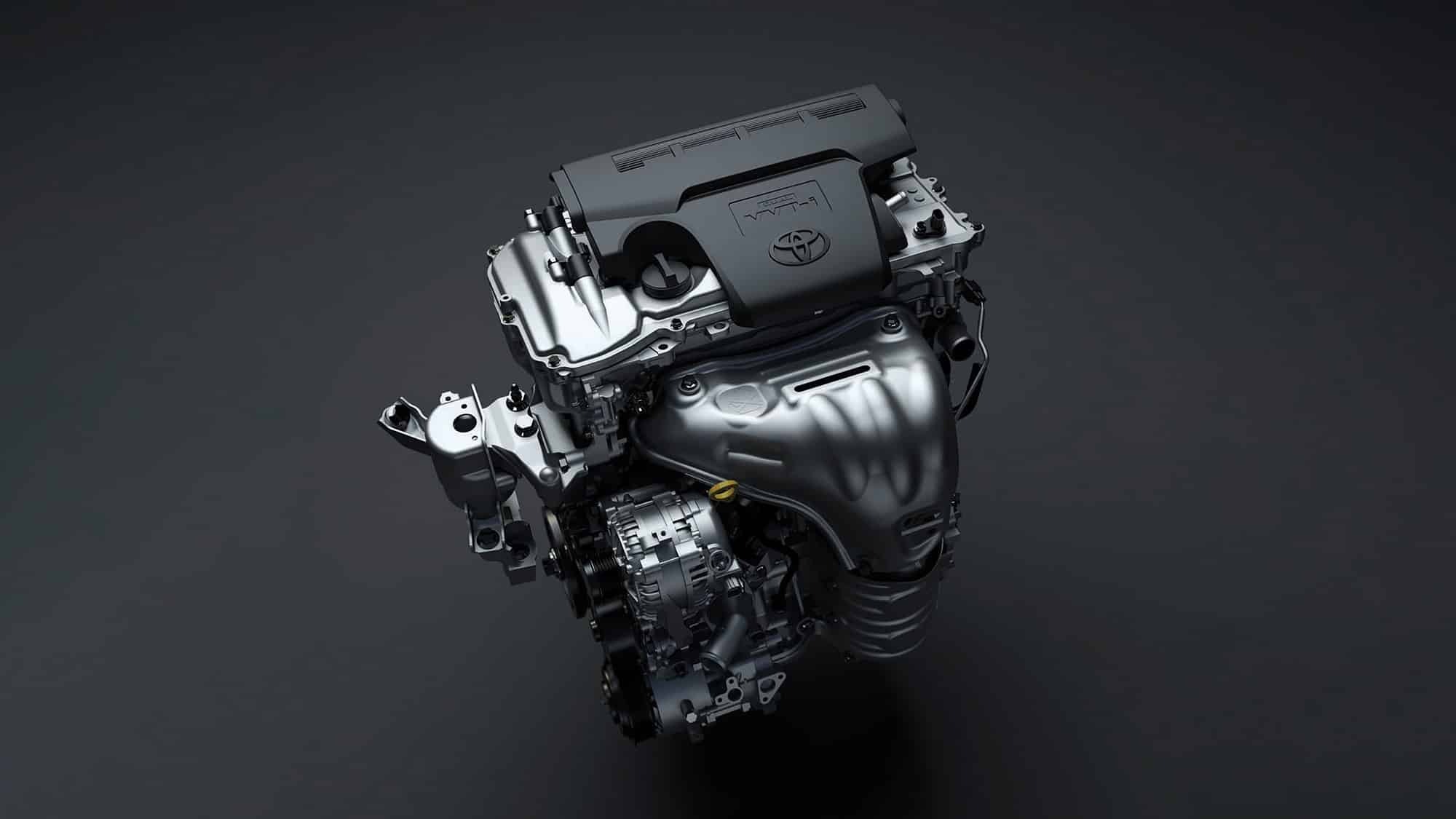
1. Toyota 2.5L 2AR-FE Four-Cylinder
The Toyota 2.5L 2AR-FE is one motor that drivers and mechanics in the United States praise for being clean on the inside. Found in cars like the Toyota Camry, RAV4, and even the Lexus ES, this engine is known for its durable design and oil control.
One reason it stays clean is the use of strong piston rings and improved oil return passages. Oil flows easily back to the sump, which means it does not sit in hot areas where it can cook into sludge. Another strong point of this engine is its cooling system.
The 2AR-FE was designed with efficient coolant circulation, and this prevents local hot spots. Engines that run too hot inside are more likely to create sludge because oil burns faster under heat. With the 2AR-FE, temperatures remain more stable, which keeps the oil fresh for longer.
Drivers in different states report that even after 150,000 miles, these engines remain free of thick sludge when maintained properly. Oil changes are still important, but even if one misses a service by a few hundred miles, the engine rarely punishes the owner with clogging.
This is different from older Toyota designs from the late 1990s and early 2000s, which had a bad name for sludging. The company studied the issue and redesigned motors like the 2AR-FE to prevent a repeat. For many drivers, this engine represents peace of mind. It is not the most powerful four-cylinder on the market, but it balances performance and reliability.
Many Uber and taxi drivers in American cities use cars with this engine, and they push them hard with long hours daily. Even under that stress, sludge rarely appears, which explains why the 2AR-FE is respected. With regular oil changes using good synthetic oil, the motor can stay clean inside for hundreds of thousands of miles.
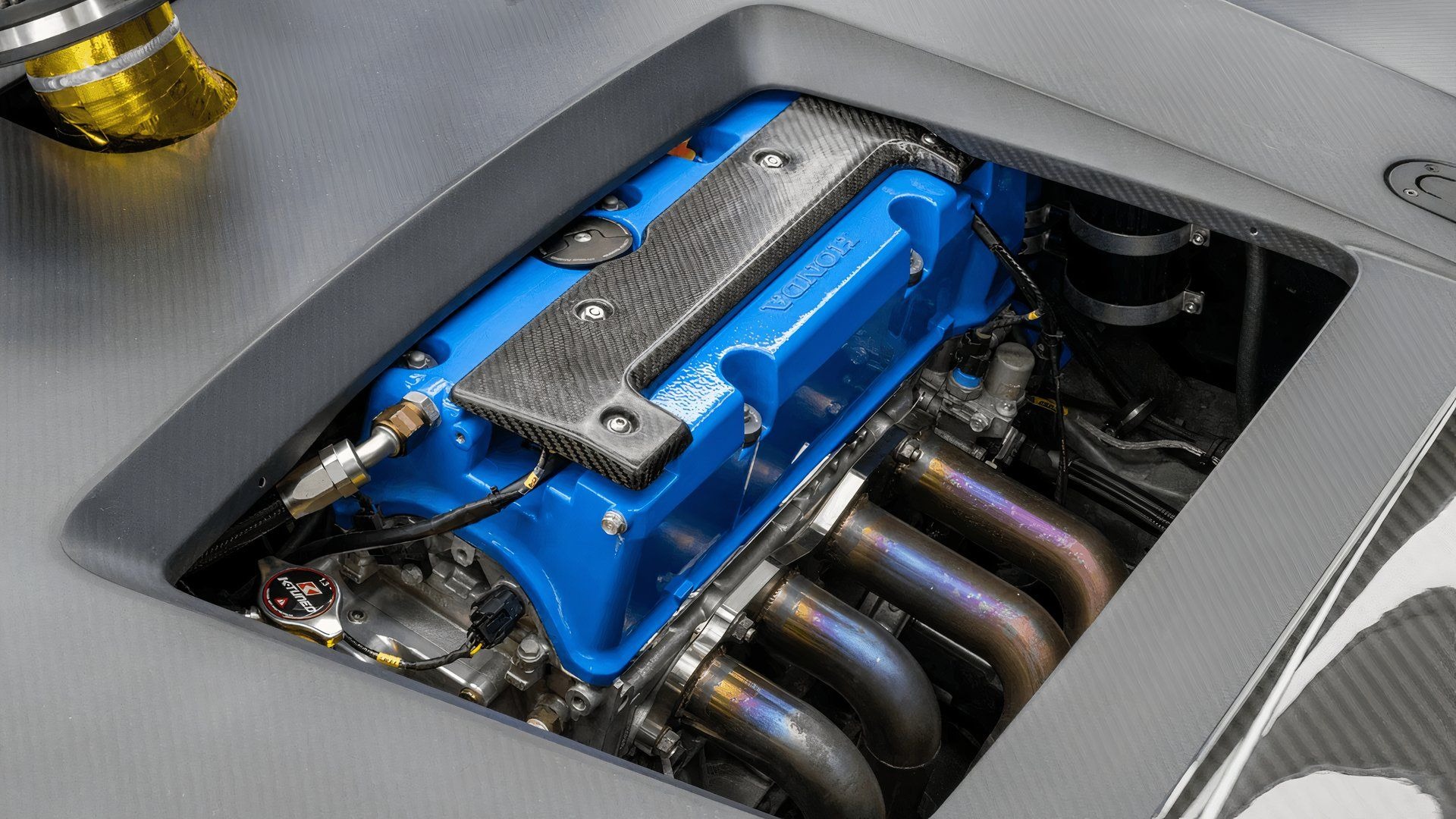
2. Honda K24 Four-Cylinder
Honda engines have always enjoyed strong respect for reliability, and the K24 is one of the brightest examples. Found in models like the Honda Accord, CR-V, and Acura TSX, this motor is known for staying clean inside even when subjected to heavy use.
One major reason is Honda’s engineering approach to oil flow. The K24 has wide passages that allow oil to move quickly and return without restriction. This means less chance of oil burning on hot surfaces. The design also benefits from Honda’s focus on precision.
Tolerances inside the motor are tight but not so tight that oil gets trapped. By allowing oil to circulate smoothly, the K24 avoids the buildup that turns into sludge. Mechanics often say that when they open up a K24 with 180,000 miles, they are surprised at how little varnish or sludge is present.
Another reason this engine stays clean is that it does not run extremely hot. Some performance engines are tuned to run at very high temperatures for power, but the K24 is balanced. It produces good power for its size, yet it is not stressed to the point of overheating. When paired with good-quality oil and timely service, it gives drivers years of trouble-free operation.
Honda enthusiasts also praise the K24 for its flexibility. Some tune it for racing, others use it in family cars, but in both cases, the engine resists sludge problems. That makes it a favourite not only for ordinary drivers but also for people who build project cars. The fact that this engine remains clean even under aggressive use shows how well it was designed.
Drivers who buy used cars with the K24 can often rest assured that the motor is still in good condition if the previous owner did basic maintenance. That confidence is one of the reasons why these engines are so highly valued in the second-hand market. Clean-running, reliable, and long-lasting, the Honda K24 stands out as one of the best engines for resisting sludge.
Also Read: 5 Most Reliable V8s To Get and 5 That Should Be Avoided
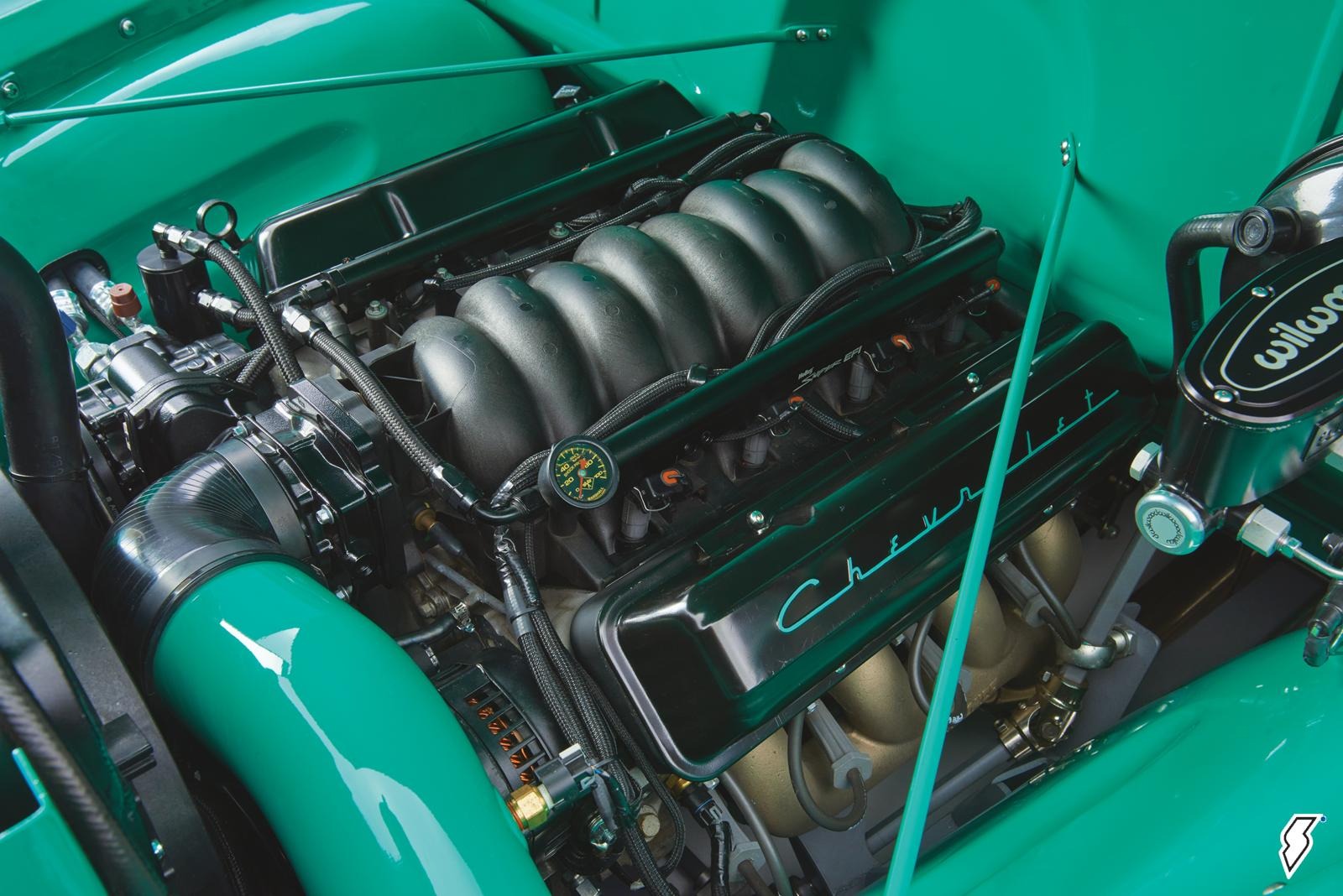
3. GM LS V8 Engines
When people talk about strong American engines that can handle abuse, the GM LS series often comes up. These V8 motors, used in Chevrolet trucks, SUVs, and performance cars, are not only powerful but also designed to stay clean inside.
One of the strongest points of the LS engines is their oiling system. General Motors engineered the LS motors with deep sumps and efficient oil return channels. This design prevents oil from getting trapped in the heads, where it could bake into sludge.
Another important feature is the size of the oil passages. They are wide enough to allow oil to circulate freely, even at high RPMs. Many LS engines are used in racing and performance applications, yet they still hold up well. If an engine can handle track abuse without sludging, then ordinary street use becomes even easier for it.
Truck owners also report long life from LS engines. Pickup trucks in America often face hard duty, from towing heavy trailers to driving in rough conditions. Even under such workloads, the LS engines remain clean when maintained correctly. Mechanics often open them up after 200,000 miles and find them free of heavy sludge.
The popularity of the LS motor has also created a large aftermarket. Many tuners and builders modify these engines for extra power. Despite the stress of modifications, LS motors are rarely known for sludge issues.
Instead, they fail only if oil levels are neglected for too long. When treated with proper oil changes, the LS V8 proves to be a clean-running powerhouse that earns its reputation.
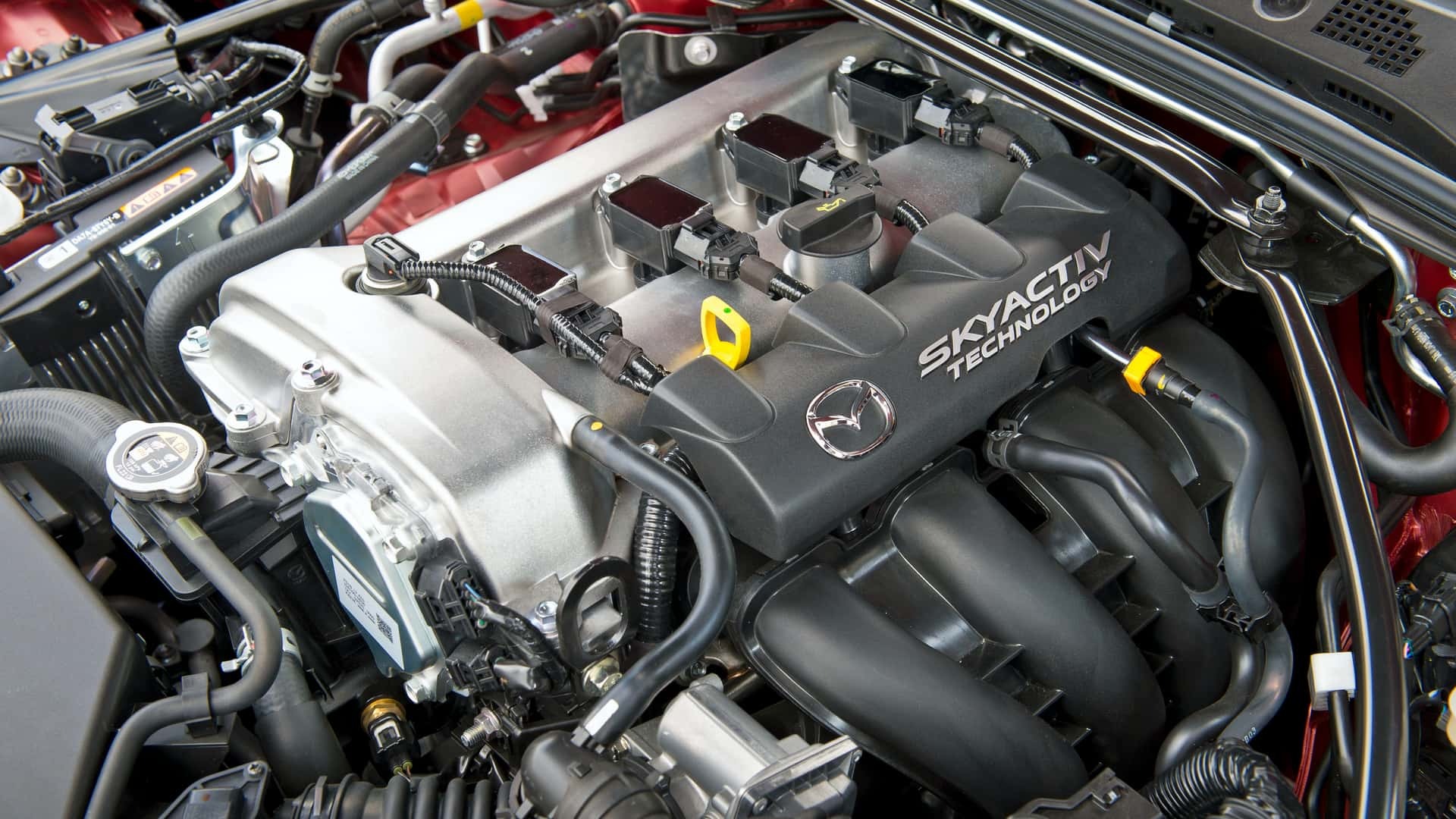
4. Mazda Skyactiv-G Engines
Mazda has worked hard to show that fuel efficiency and reliability can go hand in hand, and the Skyactiv-G series proves that point. These four-cylinder engines, used in Mazda3, Mazda6, and CX-5, have a smart design that prevents sludge buildup.
One of the secrets is high compression combined with precise fuel injection. Because combustion is cleaner, less residue ends up in the oil. Cleaner combustion means fewer deposits for the oil to deal with.
Mazda also built these engines with strong oil control rings. Oil does not leak past the rings into the combustion chamber, which keeps both the pistons and oil cleaner. Many owners report that even after high mileage, the inside of a Skyactiv engine looks fresh compared to rivals.
Another benefit is efficient cooling. The design avoids extreme heat pockets, and as a result, the oil does not break down as quickly. When oil stays fresh, sludge has less chance to form. The Skyactiv-G is also less sensitive to missing a single oil change compared to more delicate motors. That said, routine service is still vital, but the design gives owners a bit more breathing room.
Many American drivers love these engines for their balance of fuel economy and dependability. They are also light, which makes them efficient without straining the car. Even with their advanced design, they do not punish owners with sludge problems. Instead, they reward consistent maintenance with a clean interior and long life.
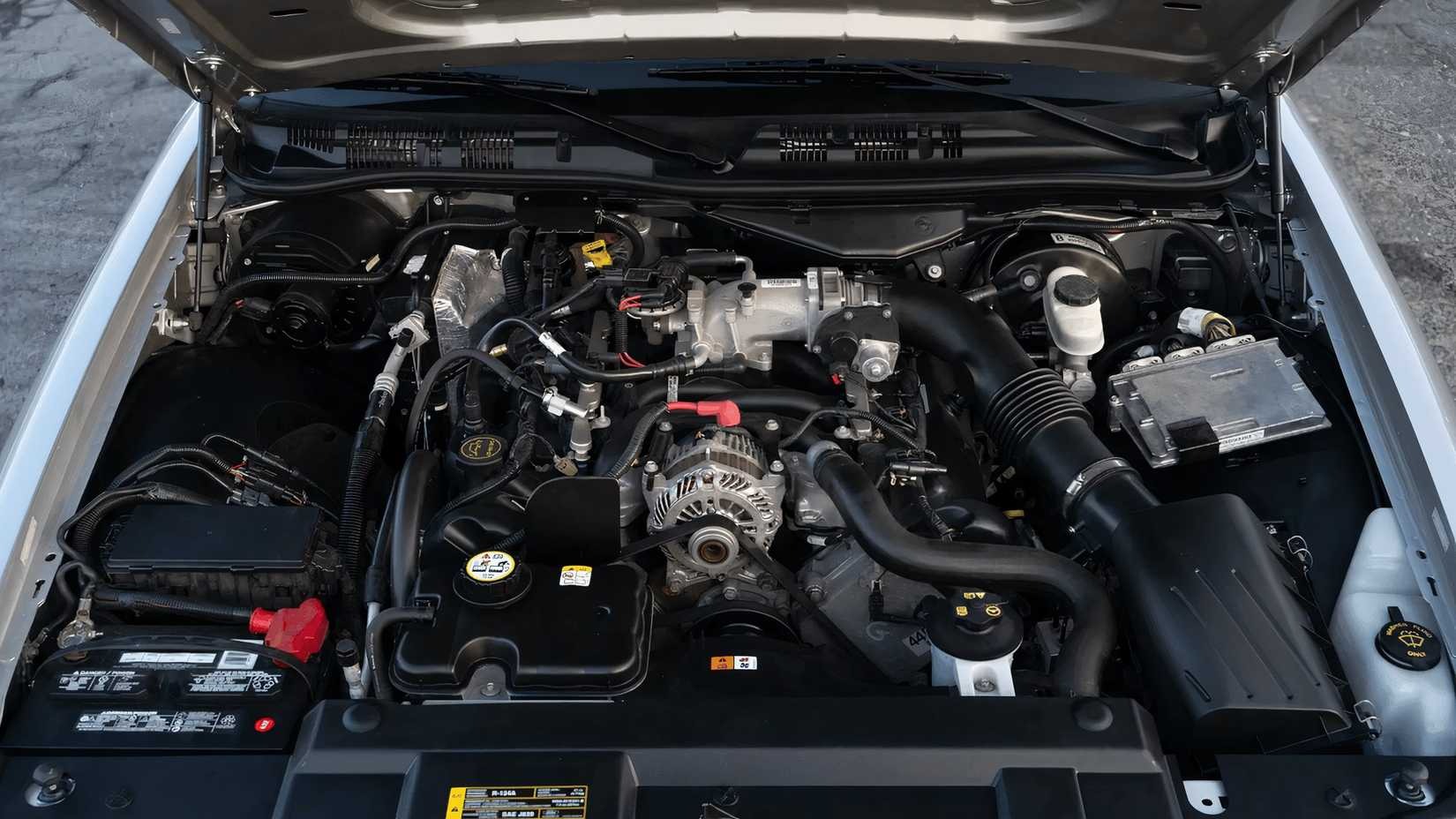
5. Ford Modular V8 Engines
Ford’s Modular V8 family, which includes the 4.6L and 5.4L engines, has been used widely in Mustangs, F-150s, and Crown Victorias. These engines are respected for being durable and staying clean inside. One reason is the design of the oiling system. The Modular V8 has well-placed oil channels that keep the moving parts lubricated without trapping oil in hot spots.
Another advantage is that Ford did not push these engines too hard in stock form. They produce decent power but are not tuned to extremes, which means less stress on the oil. Engines that are constantly under stress tend to create sludge because the oil overheats. The Modular engines are balanced for both work and daily driving.
Police departments and taxi fleets in the United States used these engines for years, often putting 200,000 to 300,000 miles on them. Mechanics who service these vehicles often comment on how clean the insides remain. This long service life under heavy use proves that the design keeps oil flow healthy and sludge-free.
Owners also value the fact that parts are easy to find and repairs are straightforward. A clean-running engine that is also easy to fix makes the Modular V8 a favourite for many American drivers. Whether in a family sedan or a heavy-duty truck, these motors stay clean inside when given regular oil changes, proving that good design matters as much as good maintenance.
5 Engines That Sludge Up
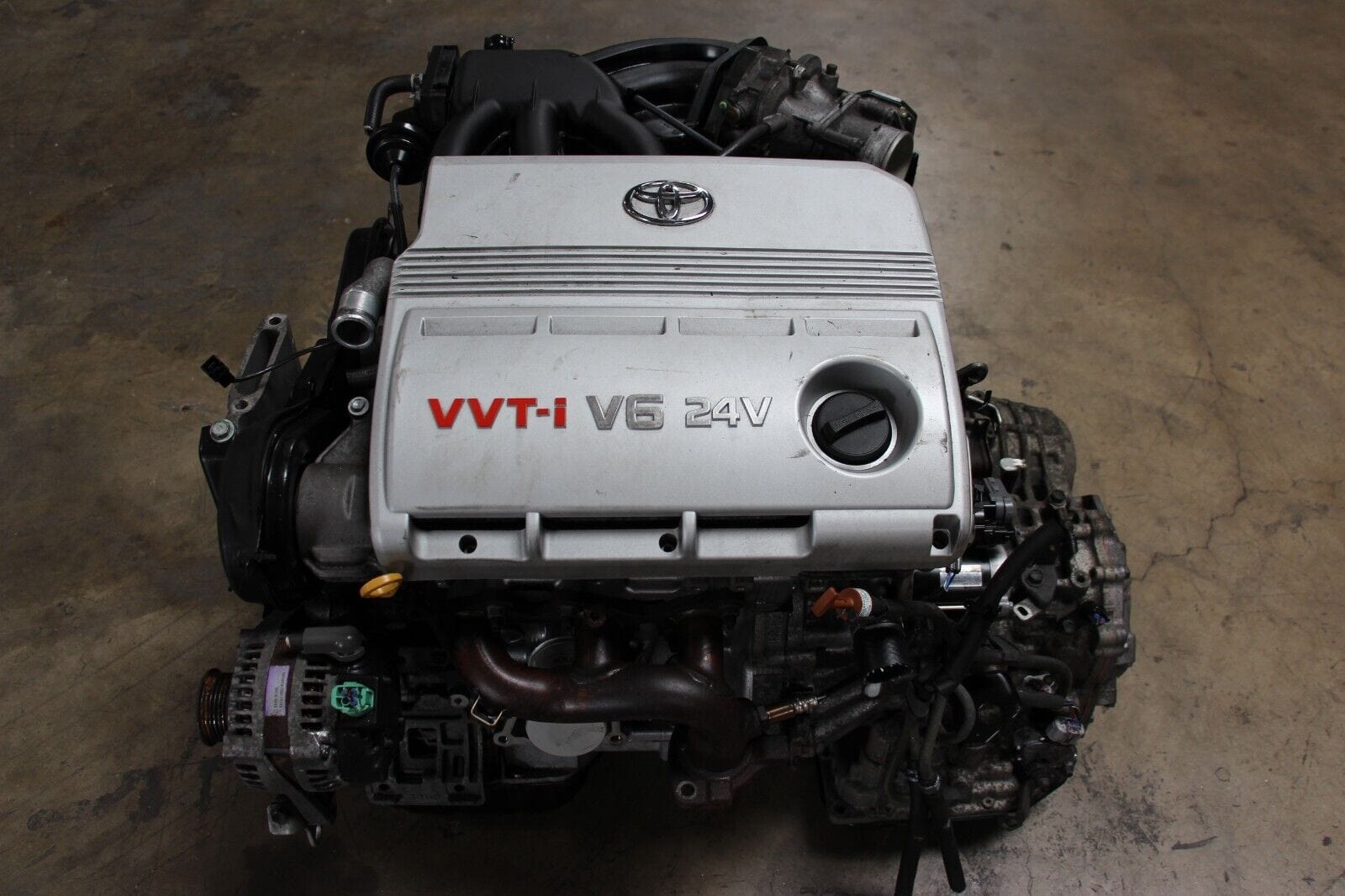
1. Toyota 3.0L V6 1MZ-FE
Among the engines that mechanics in the United States often complain about for sludge problems, the Toyota 1MZ-FE stands out. This 3.0L V6 was fitted in popular cars like the Toyota Camry, Avalon, Sienna, and Lexus ES300 during the late 1990s and early 2000s. While Toyota built a strong reputation for reliability, this particular motor caused a lot of disappointment because of the way it collected thick deposits inside.
The main issue comes from its design. The 1MZ-FE has narrow oil return passages that allow oil to get trapped in the cylinder heads. When oil remains in these hot areas for too long, it begins to cook and form sticky sludge. Once sludge builds up, oil circulation is reduced, and the cycle becomes worse. Owners who skipped even one or two oil changes often found their engines completely clogged.
Toyota later offered extended warranties and even acknowledged the problem after facing many complaints. Drivers reported engine failure at mileages far below what was expected from a Toyota. Mechanics opening up these engines described black tar-like sludge blocking the passages, starving the camshafts and valves of oil.
For many American families, this issue was painful because cars like the Camry and Sienna were supposed to be worry-free. Instead, the engines demanded extra care and frequent oil changes with synthetic oil to reduce the risk. Even with proper service, some engines still developed sludge due to poor ventilation in the crankcase.
Today, the 1MZ-FE still shows up in used cars, but buyers approach it with caution. Unless the previous owner can prove excellent maintenance, many people avoid it. The lesson here is that even a respected brand can produce an engine that struggles with sludge. The 1MZ-FE remains one of the most discussed examples of how poor design choices can damage a company’s reputation.
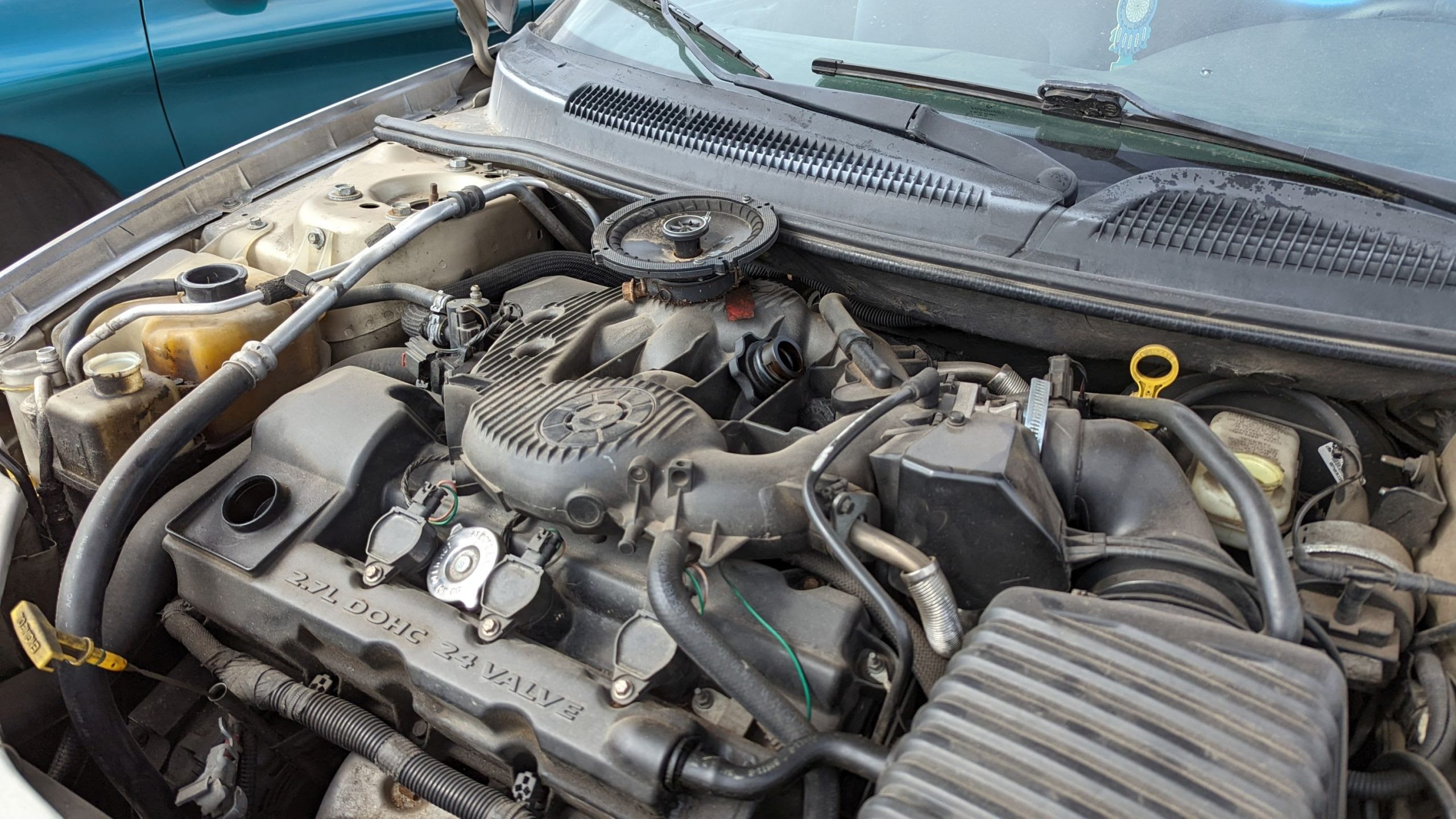
2. Chrysler 2.7L V6
The Chrysler 2.7L V6 is another motor that has gained a bad reputation for sludge buildup. Used in vehicles like the Dodge Intrepid, Chrysler Sebring, and Concorde, this engine was marketed as modern and efficient during its launch. Unfortunately, it soon became known as one of the worst offenders for oil sludge.
The problem begins with the engine’s small oil capacity. With only about five quarts of oil, the motor runs hotter because there is less fluid to absorb heat. This heat leads to faster oil breakdown, and when oil breaks down, sludge forms more easily. Another weakness is the design of the water pump.
The pump is located inside the engine, and if it leaks, coolant can mix with oil. When coolant mixes with oil, sludge forms even faster and damages internal parts. Owners across the United States complained about premature failure. Some engines locked up at just 60,000 or 70,000 miles, far earlier than expected.
Even regular oil changes could not fully protect the motor because of its flawed design. Mechanics who dealt with these engines often described it as a nightmare, saying they were frequently replaced rather than repaired.
Chrysler’s reputation suffered greatly from this engine, as many buyers lost trust in the brand. Lawsuits even followed, with customers demanding compensation for failed engines. The company tried to improve the design in later years, but the damage was already done.
For buyers of used cars today, the Chrysler 2.7L V6 is usually avoided. Even if it runs fine at the time of purchase, there is always a high risk of sludge and sudden failure. People who owned these cars often say that keeping up with oil changes was not enough, because the flaws were built into the motor itself. This engine remains a warning to buyers about how poor engineering choices can ruin an otherwise stylish vehicle.
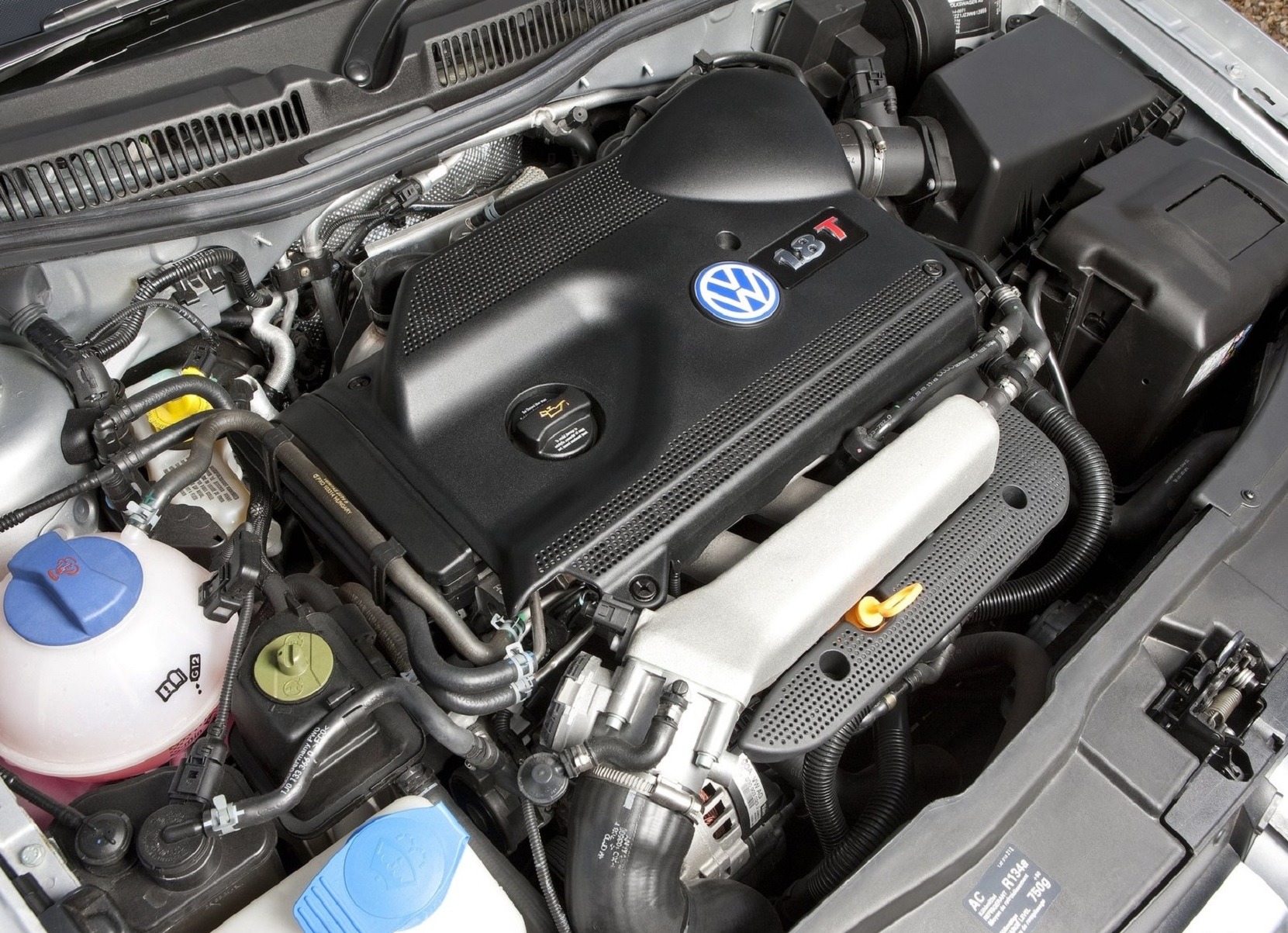
3. Volkswagen and Audi 1.8T Turbo
The Volkswagen and Audi 1.8T turbocharged four-cylinder engine is another motor that gained a reputation for sludge buildup, especially in the late 1990s and early 2000s. While this engine was praised for its strong performance and smooth turbo power, many owners soon discovered that it had serious oil issues.
The problem begins with the design of the oil pan, which holds a relatively small amount of oil. With less oil to circulate, the engine runs hotter, especially under turbo boost. Hotter oil breaks down faster, and when it breaks down, it leaves behind deposits that turn into sludge.
Another weakness is the narrow oil passages that supply the turbocharger. The turbo generates extreme heat, and if oil flow is restricted, it cooks inside the lines. This not only causes sludge but can also lead to turbo failure. Owners who missed even one or two oil changes sometimes paid the price with a ruined turbo and a clogged engine.
Volkswagen and Audi later recommended that owners use fully synthetic oil only, because conventional oil could not handle the heat. They also advised shorter oil change intervals than before. While this reduced some problems, many engines had already failed by then.
In the United States, lawsuits and complaints piled up as drivers faced repair bills worth thousands of dollars. Mechanics often described pulling valve covers off these engines and finding thick black sludge covering everything. Once sludge forms in this motor, cleaning it out is extremely difficult, and many engines were scrapped instead.
Even though newer versions of this engine improved, the 1.8T from that period is still remembered for sludge. People who buy used Volkswagens or Audis with this motor are usually warned to check maintenance history carefully. Without proof of frequent synthetic oil changes, the risk remains high. This engine shows how performance gains can be wasted if the oiling design is not strong enough to handle the stress.
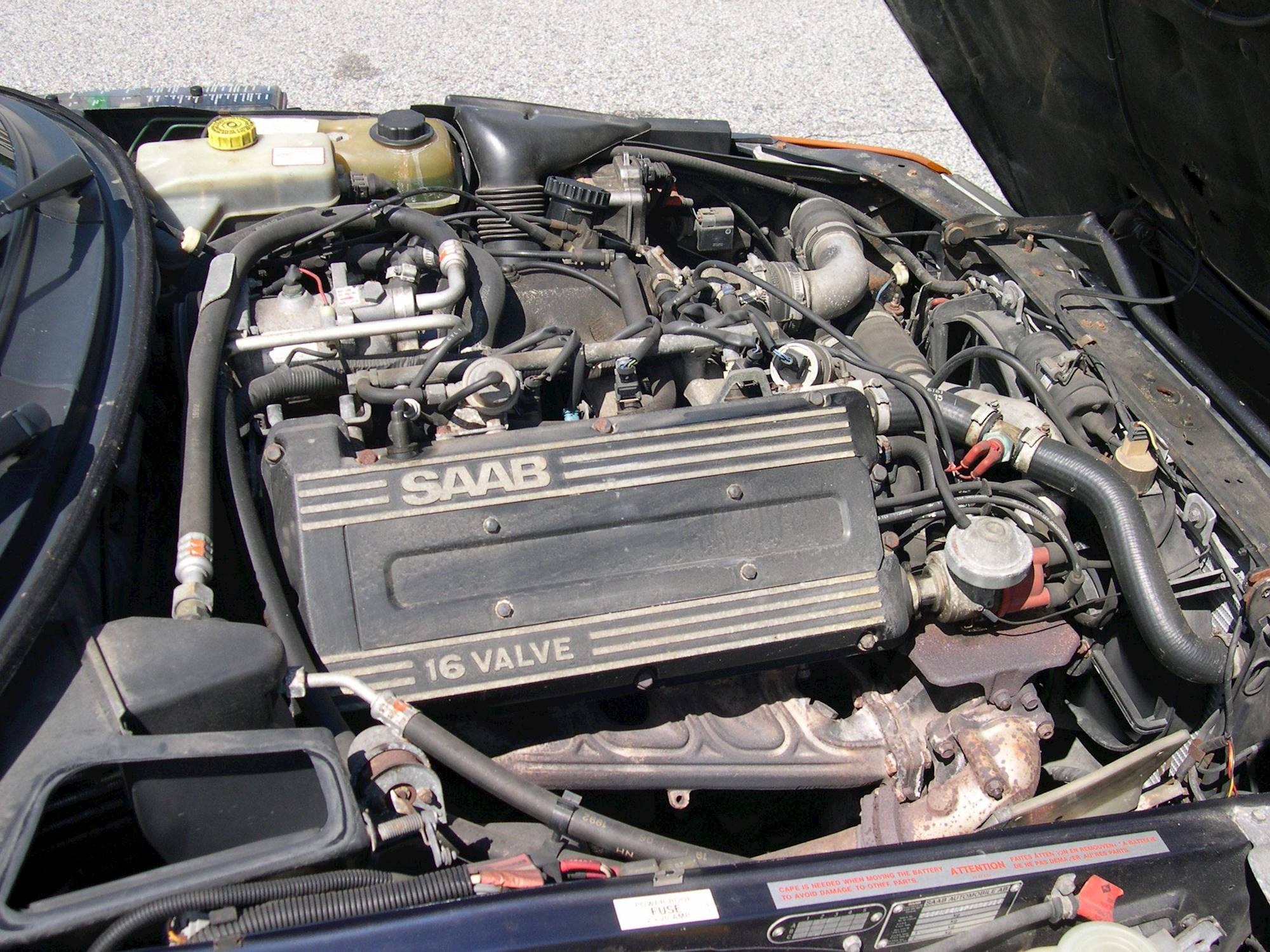
4. Saab 2.0L and 2.3L Turbo Engines
Saab cars have always had a loyal following, but their four-cylinder turbocharged engines from the late 1990s and early 2000s developed a dark reputation for sludge problems. These motors, found in models like the Saab 9-3 and 9-5, were advanced for their time but suffered from oil issues that frustrated many owners.
The main problem was a small oil capacity combined with high heat from turbocharging. When engines run hot, oil breaks down faster, and sludge starts to form. Saab’s Positive Crankcase Ventilation (PCV) system also added trouble. The early versions were poorly designed, allowing more oil vapour to cycle back into the intake. This created deposits that worsened the sludge inside the motor.
Many American Saab owners reported engines seizing at relatively low mileage, often before 100,000 miles. Even with proper oil changes, the poor PCV design and heat issues still caused buildup. Saab later released updated PCV kits to fix the problem, but many engines had already been damaged.
Mechanics working on these engines often described the sludge as extremely thick, coating everything inside the motor. The only way to fix it was to tear the engine apart completely, which was expensive. Some owners gave up and sold their cars for scrap, while others kept spending money to keep the unique Saabs alive.
This issue damaged Saab’s image in the United States, where reliability is highly valued. While enthusiasts still enjoy these cars for their turbo power and unique design, they also admit that sludge was a serious weakness.
Anyone considering a used Saab today must ask if the PCV system was upgraded and whether synthetic oil was always used. Without these precautions, sludge can quickly destroy the engine.
Also Read: 5 Hybrids That Survive Long Drives and 5 That Overheat
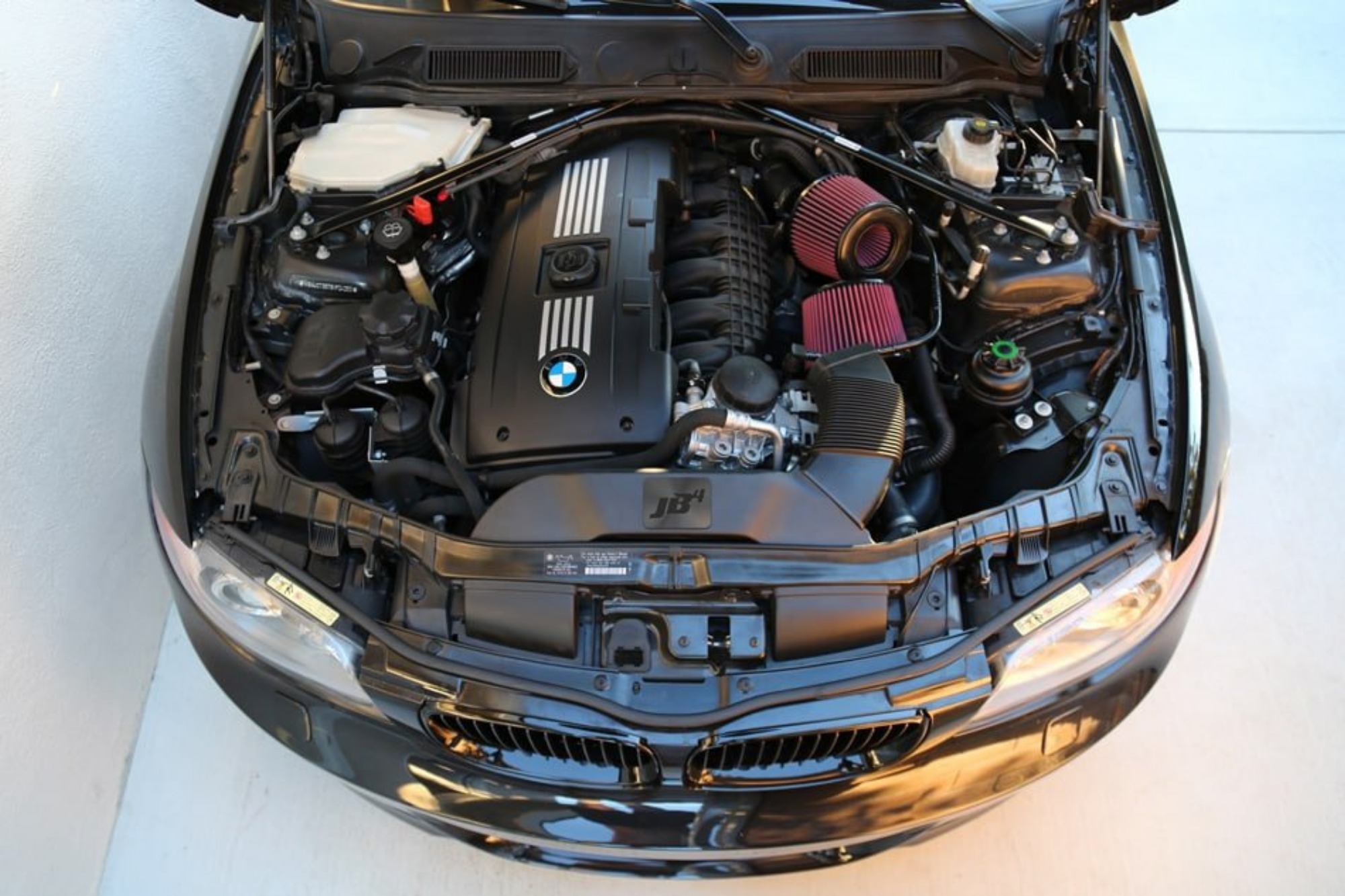
5. BMW N54 Twin-Turbo Six-Cylinder
BMW is often linked with strong performance and luxury, but the N54 twin-turbo six-cylinder engine, found in cars like the 335i, 135i, and early 740i, had more than its fair share of sludge complaints. While this motor produced impressive power and was loved by enthusiasts, its design made it vulnerable to oil issues.
The N54 generates a lot of heat due to its twin turbos. High heat alone is enough to break down oil faster, but the situation was made worse by tight oil passages. When oil flow is restricted in a hot engine, deposits form quickly. Owners who extended oil changes found their engines filled with thick varnish and sludge.
Another problem was that BMW’s recommended service intervals were too long for American driving conditions. Many owners followed the factory advice of changing oil every 15,000 miles, but by then, the oil had already degraded badly. Mechanics later recommended shorter intervals with synthetic oil, but many engines had already suffered damage.
Drivers across the United States reported rough running, oil starvation, and even complete engine failure. Mechanics who opened up the N54 often saw heavy sludge deposits inside, especially in cars that followed the long factory intervals.
While enthusiasts still love the N54 for its tuning potential and strong performance, they also admit it requires extra care. Without frequent synthetic oil changes and careful monitoring, sludge is a real threat. This engine remains a reminder that even high-performance motors can suffer when design choices push oil beyond its safe limits.
Engines are the heart of every vehicle, and how clean they stay inside often decides how long a car lasts. Some motors, like the Toyota 2.5L 2AR-FE or Honda K24, are praised because they allow oil to do its job well, keeping parts clean and free from sludge.
Others, like the Toyota 1MZ-FE or Chrysler 2.7L V6, became famous for the wrong reasons, leaving owners with clogged motors and high repair bills. Drivers who understand these differences can make better choices when buying or maintaining cars. Regular oil changes with good synthetic oil remain the best defence, but design matters too.
A well-designed engine gives owners more forgiveness, while a poor design punishes even small mistakes. By learning which engines stay clean and which ones sludge up, car owners can save money, time, and frustration, keeping their vehicles running smoothly for years.
