
The Dodge Durango has built a reputation as one of the most versatile SUVs on the road, balancing rugged utility with family-friendly comfort. Known for its muscular stance, capable towing ability, and bold V6 or V8 engines, the Durango is a workhorse that appeals to those who need both performance and practicality.
However, like any vehicle, it demands care and attention to continue performing at its best. While routine professional servicing is essential, there are plenty of maintenance projects that can be tackled over a weekend to ensure your Durango stays in top condition. These projects not only extend the life of the SUV but also save money while giving owners a greater sense of control over their vehicle’s health.
Weekend projects are about more than just mechanical upkeep; they are about forming a connection with your vehicle. A few hours spent maintaining brakes, checking fluids, or upgrading small components can make a big difference in reliability, efficiency, and overall driving enjoyment
. For the Dodge Durango, whose power and longevity are often tested by heavy loads, off-road adventures, or daily commuting, proactive maintenance is the key to keeping it running strong.
This guide explores ten highly effective weekend projects that every Durango owner can take on. From oil changes to replacing spark plugs, inspecting suspension components, refreshing the cooling system, and even simple cleaning jobs that prevent rust, these tasks are achievable with basic tools and a bit of patience. Each project has been selected because it not only preserves performance but also enhances safety and helps avoid costly repairs down the road.
Whether you’re a seasoned DIY mechanic or just starting to learn the basics of car maintenance, these weekend projects can transform the way you care for your Dodge Durango. By dedicating a few hours every couple of weeks, you’ll enjoy smoother rides, stronger performance, and the confidence that comes with knowing your SUV is ready for whatever lies ahead.
10 Weekend Projects That Keep a Dodge Durango Running Strong
The Dodge Durango is built tough, but even the strongest vehicles require regular attention to maintain peak performance. These ten weekend projects are designed to target the most crucial areas of maintenance, ensuring that your SUV delivers reliable power and smooth operation for years to come.
Each project was selected not only for its impact on performance but also for its accessibility tasks that the average owner can handle with patience, basic tools, and a willingness to get their hands dirty.
From fluid checks and replacements to component inspections, these jobs directly affect the longevity of your Durango’s drivetrain, suspension, and braking systems. For example, regular oil changes keep the engine lubricated and running smoothly, while replacing spark plugs restores fuel efficiency and reduces strain on the ignition system.
Cleaning the throttle body can resolve sluggish acceleration, and changing filters air, fuel, and cabin improves both performance and comfort. Even jobs like inspecting belts, hoses, and suspension bushings can prevent small issues from snowballing into expensive repairs.
Beyond just mechanical health, these projects enhance the overall driving experience. A well-maintained Durango accelerates more smoothly, tows with confidence, and delivers a quieter, more refined ride.
Best of all, completing these tasks yourself instills a deeper appreciation for the vehicle’s engineering. By taking on these weekend projects, owners not only extend the life of their SUV but also strengthen their bond with it, making the Dodge Durango not just a mode of transport but a dependable companion on every journey.
ALSO READ: 5 Cars With Durable Cup Holders vs 5 That Break Easily
1. Regular Oil and Filter Changes
Keeping the engine healthy starts with consistent oil and filter changes. For a Dodge Durango, which often works hard pulling trailers or navigating rough terrain, clean oil ensures the engine’s moving parts stay lubricated, reducing friction and preventing premature wear. Dodge recommends oil changes every 5,000 to 7,500 miles, but heavy-duty usage may require more frequent service.
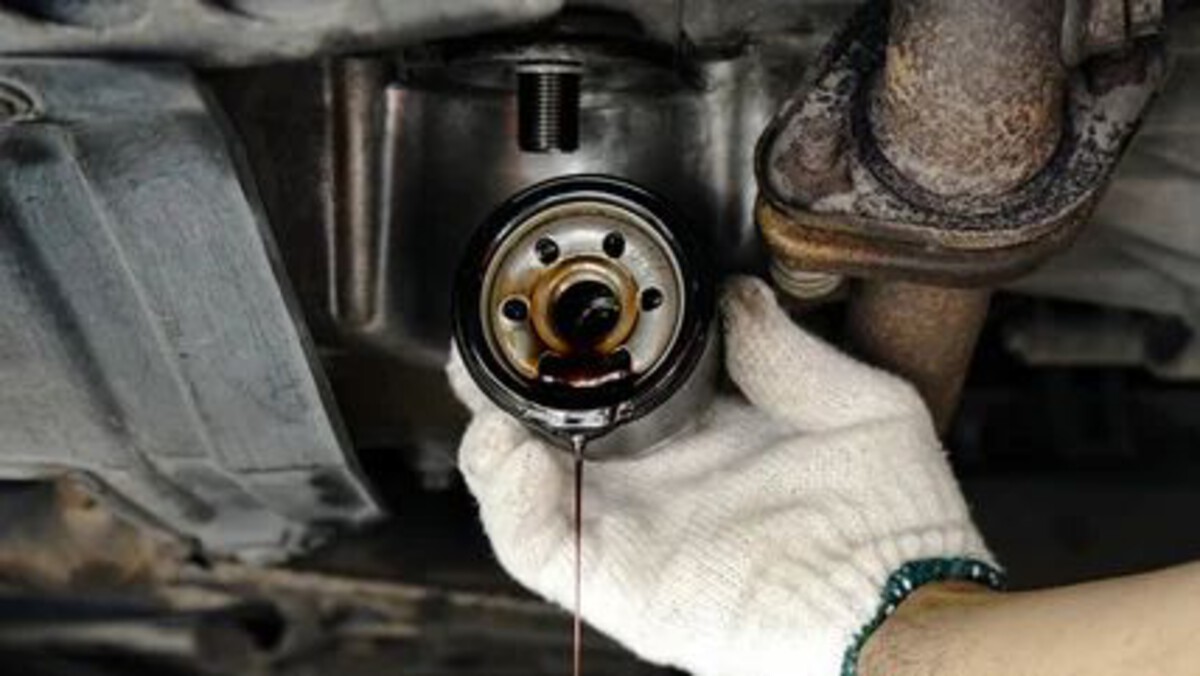
Changing the oil at home is straightforward. With basic tools like a jack, oil catch pan, and socket wrench, you can drain the old oil, replace the filter, and pour in fresh synthetic or conventional oil, depending on your engine type. Synthetic oil is typically recommended for modern Durangos because it withstands high temperatures and offers better long-term protection.
The oil filter is just as important, as it traps debris and sludge that would otherwise damage the engine. Replacing it takes only a few minutes but ensures that fresh oil circulates cleanly. Neglecting this small component can lead to clogs, reduced oil flow, and ultimately costly engine repairs.
Beyond performance, regular oil and filter changes boost fuel efficiency and reduce emissions, which is a win for both your wallet and the environment. Completing this project every few months or at the recommended interval gives you peace of mind knowing your Durango’s powerhouse is always in top condition.
Not only does this project prolong engine life, but it also establishes a maintenance rhythm that can prevent bigger breakdowns. For any Durango owner, mastering oil changes is the cornerstone of DIY car care.
2. Replacing Spark Plugs and Ignition Coils
Spark plugs and ignition coils are vital for combustion efficiency, and in a Dodge Durango, they directly impact both performance and fuel economy. Over time, spark plugs wear down, causing misfires, rough idling, sluggish acceleration, and even difficulty starting. The ignition coils, which supply voltage to the plugs, can also weaken, compounding these issues.
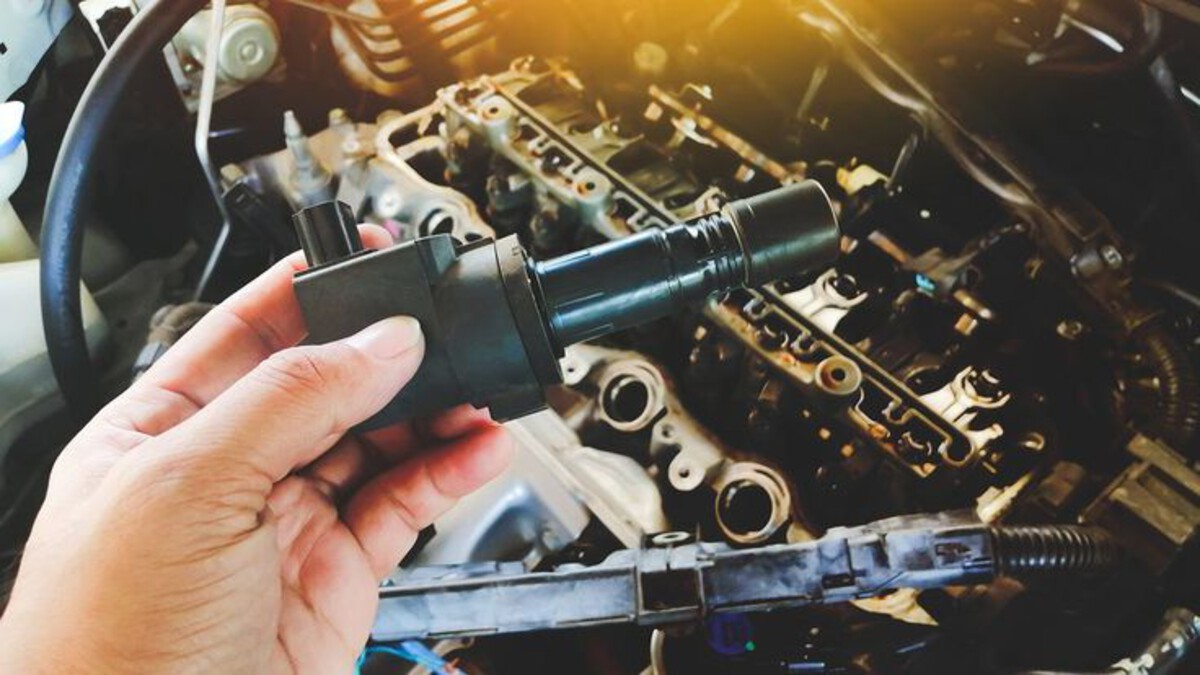
Replacing spark plugs is a manageable weekend project. Most Durangos require replacement every 60,000 to 100,000 miles, depending on whether they use standard or iridium plugs. With a socket wrench and extension, you can remove the old plugs, check for signs of fouling or deposits, and install fresh ones. This small job immediately restores smoother engine operation.
Ignition coils, while more expensive, should also be inspected and replaced as needed. Faulty coils not only trigger a check engine light but also reduce fuel efficiency and increase emissions. Swapping them out is as simple as unbolting the old units and securing new ones.
The benefits of replacing these components are clear. Your Durango will start more reliably, accelerate more smoothly, and deliver consistent power whether you’re commuting or towing. It also prevents strain on the catalytic converter, which can be damaged by repeated misfires.
Tackling this project ensures that your SUV maintains its signature muscle. With new spark plugs and ignition coils, your Durango will feel rejuvenated, running with the strength and responsiveness it was built to deliver.
3. Inspecting and Replacing Brake Pads
Brakes are one of the most critical safety systems on a Dodge Durango, especially given the SUV’s size and towing capabilities. Over time, brake pads wear down due to constant friction, and failing to replace them in time can result in longer stopping distances, damaged rotors, and even brake failure. Regular inspection and replacement of brake pads is a project that every Durango owner should prioritize.
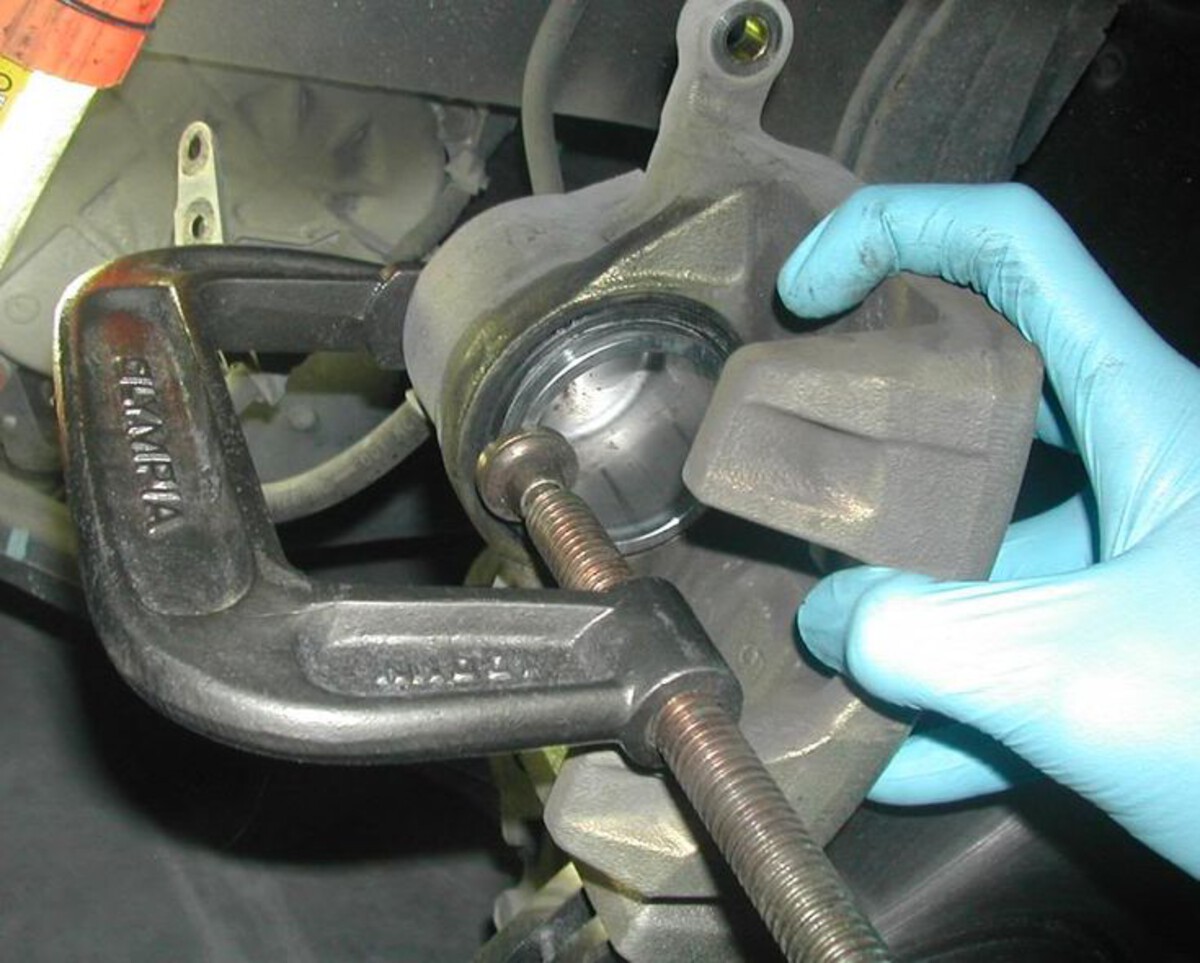
The first step is to listen and feel. Squealing noises, grinding sounds, or vibrations while braking often indicate that pads are worn thin. Visually inspecting the pads through the wheel spokes can also give clues if the pad material is less than a quarter inch; replacement is due.
To replace the pads, start by safely lifting the vehicle and removing the wheels. The caliper, which holds the pads, must be unbolted and carefully secured without stressing the brake line. Once the worn pads are removed, new pads can be installed along with any included hardware. Applying brake lubricant at contact points ensures smooth operation and reduces noise.
Replacing pads not only restores braking performance but also protects more expensive components like rotors and calipers. Many Durango owners also opt for upgraded pads designed for towing or high-performance use, which provide additional stopping power and longer life.
This project doesn’t require advanced tools, just a basic socket set, jack stands, and a little patience. The payoff is huge: shorter stopping distances, a quieter ride, and peace of mind knowing your Durango can stop safely whether you’re navigating city traffic or descending a mountain pass with a trailer in tow.
4. Flushing and Refilling the Cooling System
A Dodge Durango’s powerful engine generates a significant amount of heat, and the cooling system works tirelessly to keep temperatures in check. Over time, coolant degrades, loses its effectiveness, and accumulates rust or sediment that can clog passages. Flushing and refilling the cooling system every few years is essential to preventing overheating, blown head gaskets, and costly engine damage.
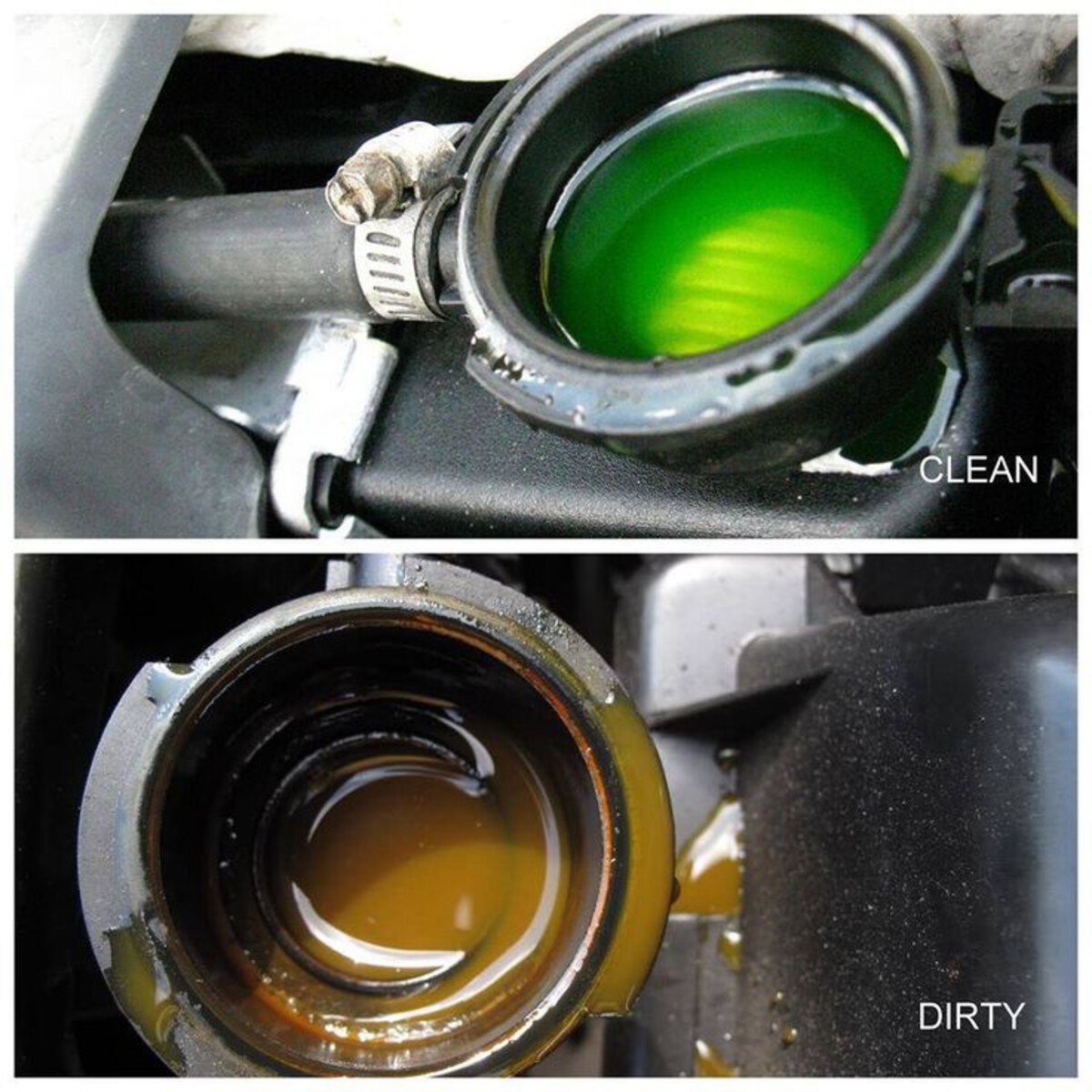
The process begins with draining the old coolant by opening the radiator drain plug or removing the lower radiator hose. Once drained, a radiator flush solution can be added with distilled water to clean out debris, rust, and scale deposits inside the system. After running the engine briefly with the flush mixture, it’s drained again, and fresh coolant is added. For most Durangos, a 50/50 mix of antifreeze and distilled water is ideal, though some climates may require different ratios.
Air pockets can form during refilling, so “burping” the system by running the engine with the radiator cap off until the thermostat opens ensures consistent circulation. Checking for leaks around hoses, clamps, and the water pump is also crucial during this project.
Benefits are immediate: engine temperatures remain stable even in demanding conditions, and components like the radiator, water pump, and thermostat last longer. A neglected cooling system, on the other hand, can lead to overheating, warped heads, and repairs costing thousands.
This project takes only a few hours, but it’s one of the most effective ways to safeguard your Durango’s engine. By refreshing the cooling system, you keep the SUV running strong no matter how hot the weather or how heavy the load.
5. Replacing the Air Filter and Cabin Filter
Engines thrive on clean air, and for the Dodge Durango, a fresh air filter directly impacts performance, fuel economy, and longevity. Over time, dirt, dust, and debris clog the filter, restricting airflow and making the engine work harder. The cabin filter, meanwhile, keeps dust, pollen, and pollutants from entering the passenger compartment, ensuring a comfortable ride. Replacing both filters is a quick weekend project with noticeable benefits.
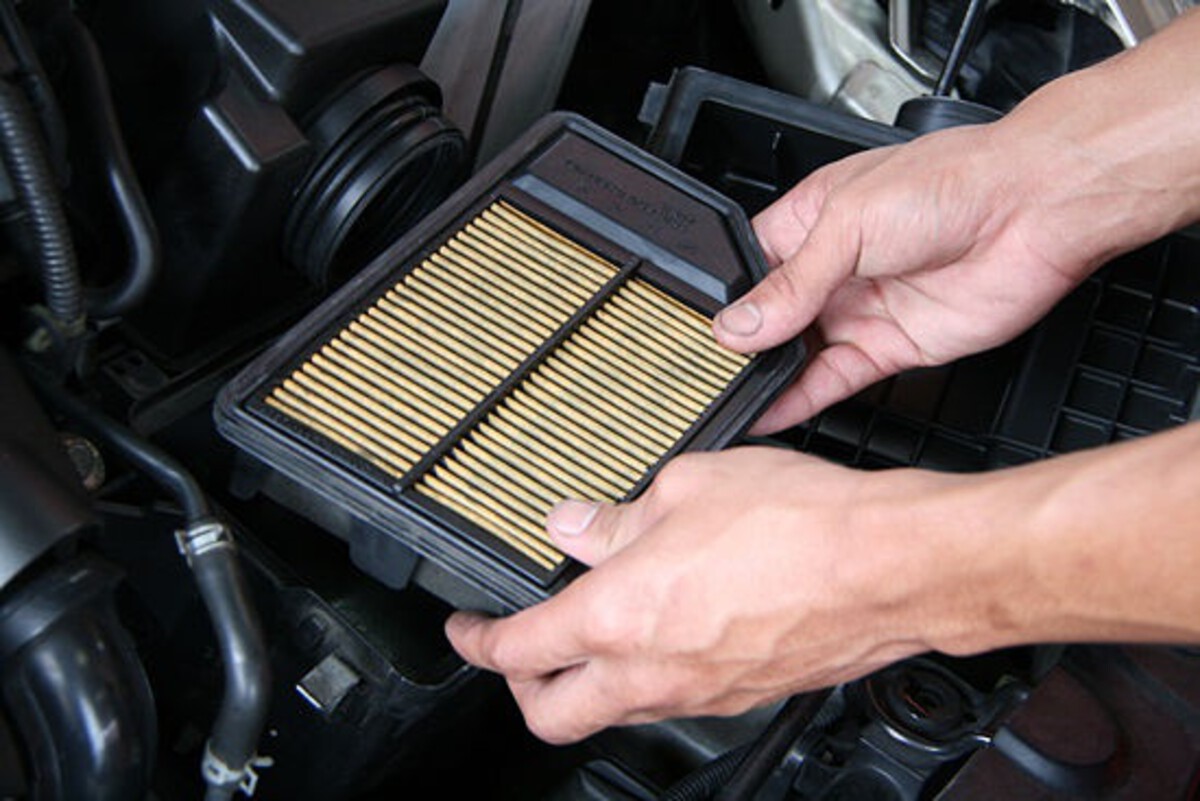
The engine air filter is typically located inside an airbox under the hood. Accessing it requires unclipping or unscrewing the cover and removing the old filter. A dirty or darkened filter should be replaced immediately with a new one. Performance filters are also available for owners who want slightly better airflow and throttle response.
The cabin filter is often located behind the glove box or under the dashboard. Though it doesn’t affect performance, it greatly improves air quality inside the vehicle. A clogged cabin filter can reduce airflow from the vents, strain the HVAC system, and lead to musty odors. Replacing it restores ventilation efficiency and provides cleaner air for occupants.
These filters typically need replacement every 15,000 to 30,000 miles, but heavy use in dusty environments may require more frequent changes. The process is simple, requires no specialized tools, and usually takes less than an hour.
By replacing both filters, your Durango will breathe easier, delivering smoother performance and better fuel economy. Inside the cabin, passengers enjoy fresher, cleaner air a small improvement that makes every drive more enjoyable. It’s one of the simplest yet most rewarding maintenance tasks for any Durango owner.
ALSO READ: 5 Models With Quality Door Panels vs 5 With Flimsy Interiors
6. Cleaning the Throttle Body and Intake
Over time, carbon buildup in the throttle body and intake system can cause poor acceleration, rough idling, and sluggish throttle response in a Dodge Durango. Cleaning these components restores smooth airflow, improves performance, and enhances fuel efficiency. This project may sound intimidating, but with the right cleaner and a little patience, it’s a straightforward task for a weekend.
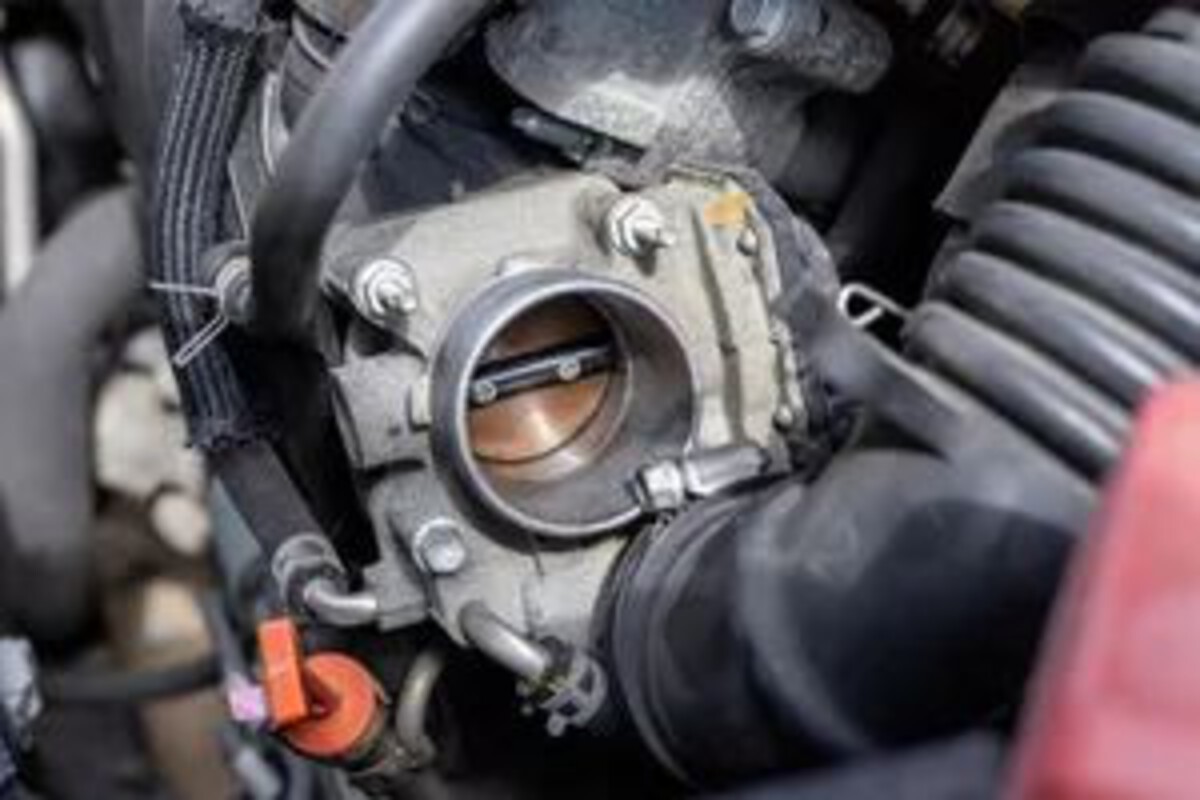
The throttle body is located between the air filter and the intake manifold. Removing the air intake hose reveals the throttle plate, which controls how much air enters the engine. Carbon deposits often accumulate around the plate and housing, leading to sticking or restricted airflow.
Using a throttle body cleaner and a microfiber cloth, you can carefully remove these deposits. For heavier buildup, spraying the cleaner while gently moving the throttle plate helps dissolve residue. Care must be taken not to flood the intake or damage sensors, so short bursts of cleaner are best.
For a deeper clean, some owners also remove the intake manifold to access internal deposits. While more time-consuming, this ensures maximum airflow restoration. After cleaning, reassembling the intake components is straightforward, and the difference is often immediately noticeable: smoother idle, sharper throttle response, and improved fuel efficiency.
This project pairs well with replacing spark plugs or filters, as all three address airflow and combustion efficiency. It’s especially beneficial for Durangos used in city driving, where stop-and-go traffic encourages carbon buildup.
By cleaning the throttle body and intake, you rejuvenate your Durango’s responsiveness, making acceleration feel crisp and effortless once again. It’s a rewarding project that transforms the way your SUV drives.
7. Battery Inspection and Maintenance
The battery is the lifeline of your Dodge Durango’s electrical system, powering everything from ignition to infotainment. Without proper care, a weak battery can leave you stranded at the worst possible moment. Inspecting and maintaining the battery is a straightforward weekend project that can save both frustration and money.
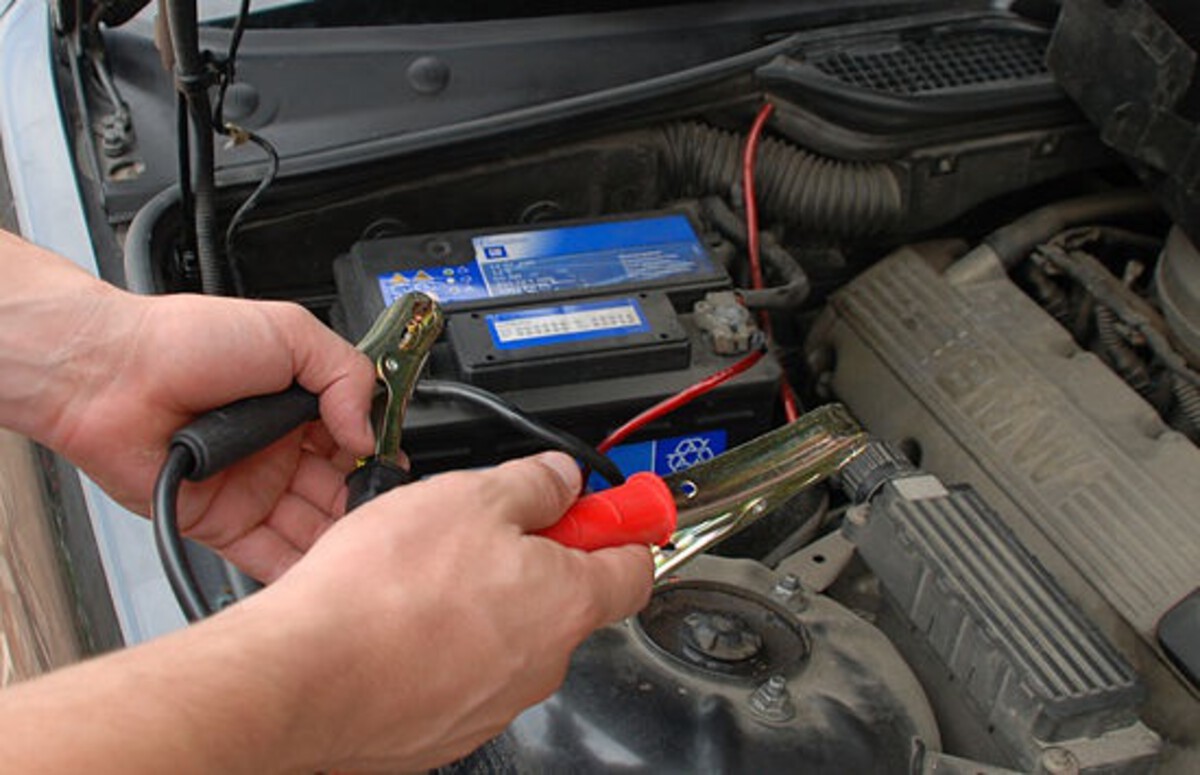
The first step is a visual inspection. Look for corrosion around the terminals, often appearing as white or bluish powder,r which can interfere with electrical flow. Cleaning the terminals with a wire brush and a simple baking soda-water solution restores good contact. Applying a protective anti-corrosion spray afterward helps prevent future buildup.
Next, check the battery cables for cracks, frays, or looseness. Secure, undamaged cables ensure consistent current delivery. A multimeter can be used to test the battery’s voltage. A healthy battery should measure around 12.6 volts when the engine is off and 13.7 to 14.7 volts while running. Anything significantly lower indicates the battery may be weakening.
If the battery is more than four or five years old, replacement may be the best option. Modern Durangos often rely on absorbed glass mat (AGM) batteries for their start-stop systems, and using the correct type ensures proper performance. Replacing a battery is simple disconnect the negative terminal first, then the positive, swap the old battery for the new one, and reconnect in reverse order.
Regular battery maintenance keeps your Durango’s electronics reliable and prevents sudden no-start situations. This project takes less than an hour but delivers enormous peace of mind, especially for long trips or cold-weather driving when battery performance is most critical. A strong, well-maintained battery ensures your SUV is always ready to fire up and hit the road.
8. Suspension and Steering Component Inspection
The Dodge Durango’s suspension system is designed to balance comfort with capability, whether you’re towing, off-roading, or just cruising highways. Over time, bushings, shocks, ball joints, and tie rods wear down, leading to uneven tire wear, poor handling, and even unsafe driving conditions. A thorough suspension and steering inspection is a rewarding weekend project that helps catch problems before they become serious.
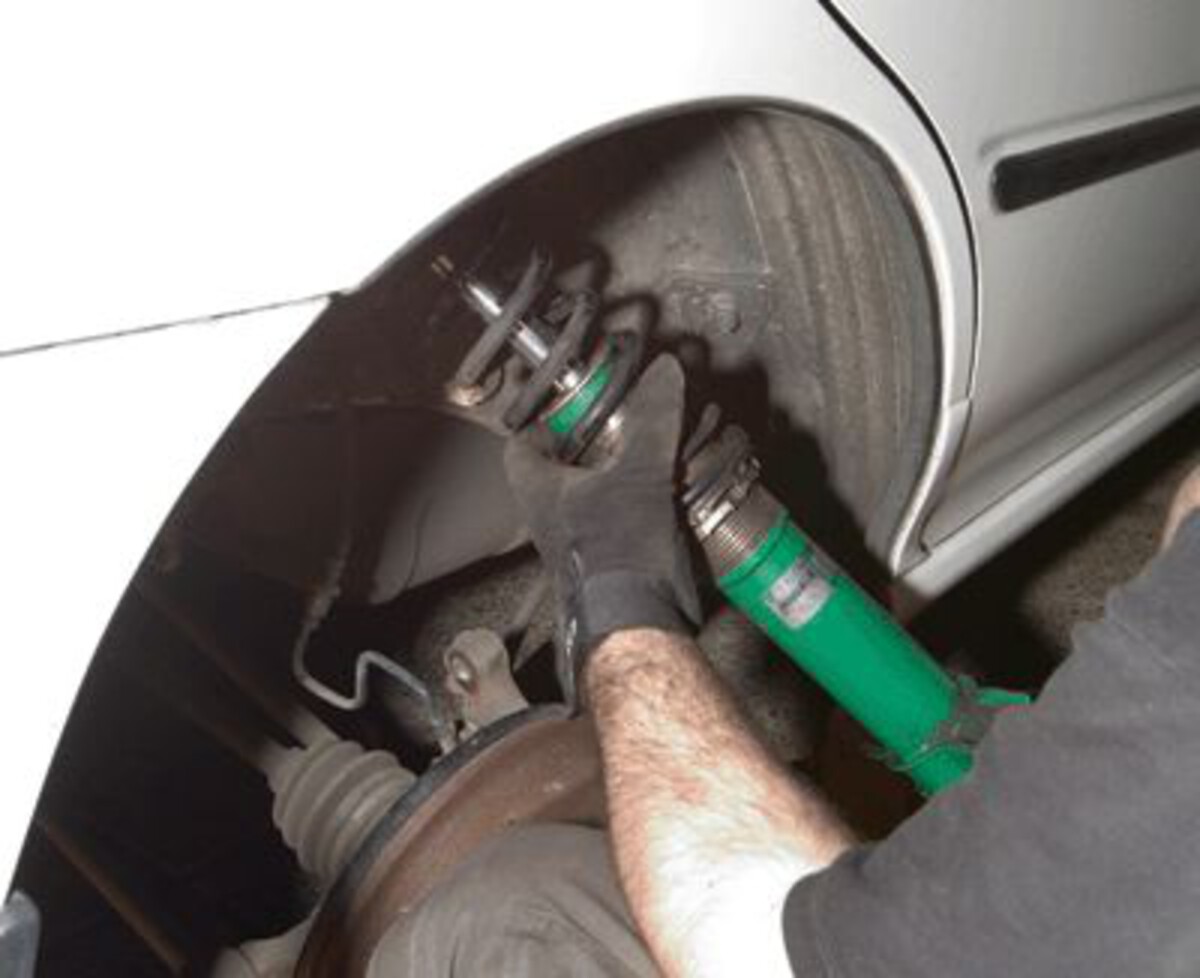
Begin with a visual check of suspension components. Look for cracked or leaking shock absorbers, torn bushings, or rusted control arms. Bounce each corner of the Durango to test shock function excessive bouncing means the shocks or struts need replacement. Inspecting ball joints and tie rods involves checking for play by wiggling the wheels while the vehicle is lifted; looseness often signals wear.
Pay attention to steering feel. If the wheel vibrates, pulls to one side, or feels loose, it’s a clear sign that something in the suspension or steering needs attention. Uneven tire wear patterns also indicate alignment or suspension problems.
While some repairs like replacing bushings or control arms may require advanced tools, simply identifying worn components and replacing shocks or struts is well within the scope of a DIY weekend project. Lubricating joints and checking power steering fluid levels also improve steering smoothness.
By maintaining your Durango’s suspension and steering, you ensure safer handling, more predictable braking, and longer tire life. This project not only keeps the ride comfortable but also makes towing and off-road driving more controlled. A solid suspension system transforms your SUV from feeling tired and loose to sharp, confident, and ready for any road.
9. Transmission Fluid Service
The transmission is one of the most expensive components in a Dodge Durango, and keeping it healthy should be a top priority. Transmission fluid lubricates gears, cools components, and ensures smooth shifting. Over time, the fluid breaks down, losing its protective qualities and allowing friction and heat to cause damage. Servicing the transmission fluid is an essential weekend project that extends its lifespan and performance.
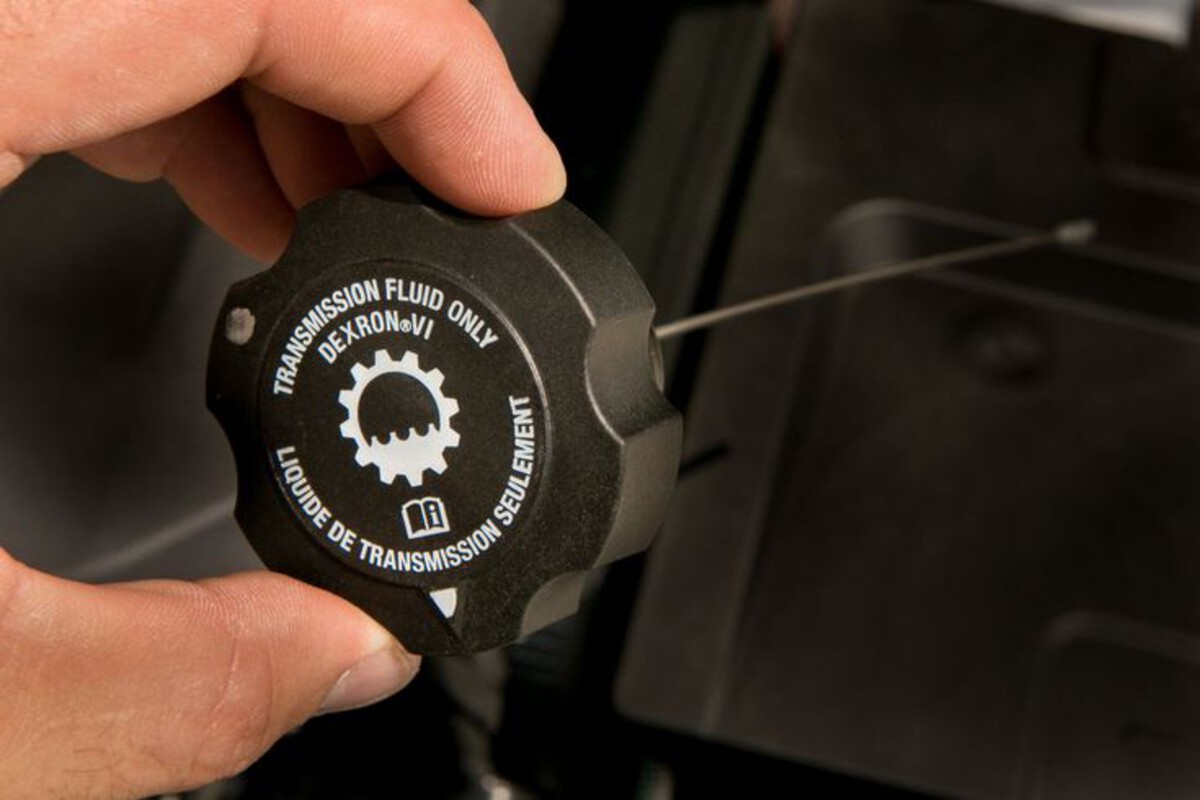
The process starts by checking the fluid level and condition. Clean, healthy fluid should be bright red and have a sweet smell. Dark, dirty, or burnt-smelling fluid signals it’s time for a change. For many Durangos, fluid should be replaced every 60,000 miles, though heavy towing or frequent stop-and-go driving may require shorter intervals.
A simple drain-and-fill involves removing the transmission pan drain plug, draining old fluid, and refilling with new fluid to the proper level. Some owners choose a full fluid exchange, which replaces nearly all the fluid in the system, though this often requires a specialized machine. Replacing the transmission filter and pan gasket during the service is highly recommended, as these parts trap contaminants and ensure a clean, leak-free system.
The benefits are immediate smoother shifts, reduced slippage, and better overall drivability. A well-serviced transmission also runs cooler, reducing stress on internal components and extending life. Neglecting this system, on the other hand, often leads to costly repairs or full replacements.
This project requires patience and attention to detail, but it’s manageable with basic tools and a willingness to get a little messy. Keeping fresh fluid in your Durango’s transmission is one of the best investments you can make in its long-term strength.
10. Exterior Wash, Wax, and Rust Prevention
Mechanical care is vital, but protecting the Dodge Durango’s exterior is just as important for long-term durability. Road salt, mud, rain, and UV rays all take their toll, leading to rust, faded paint, and weakened body panels if not addressed. A weekend wash, wax, and rust-prevention session preserves not only your SUV’s looks but also its structural integrity.

Start with a thorough wash, paying close attention to wheel wells, undercarriage, and lower panels where grime and salt accumulate. Using a high-pressure hose helps dislodge dirt from hidden crevices. A clay bar treatment removes embedded contaminants, preparing the surface for waxing.
Waxing is more than cosmetic. A quality wax or paint sealant creates a protective barrier against moisture, dirt, and UV damage, keeping the paint vibrant and preventing oxidation. Applying wax every few months makes future washes easier and helps repel road grime.
Rust prevention is especially important for Durangos used in snowy or coastal regions. Inspect the underbody, frame rails, and suspension components for early signs of rust. Applying a rust inhibitor or undercoating spray can stop corrosion before it spreads. Touching up rock chips or scratches with matching paint prevents exposed metal from rusting.
Even interior trim benefits from protection. Cleaning and conditioning leather seats, wiping down plastics, and applying UV protectant keeps the cabin fresh and prevents cracking.
This project enhances resale value, protects structural safety, and makes your Durango shine like new. More importantly, it ensures that your SUV not only runs strong under the hood but also remains solid and sharp on the outside for years to come.
Caring for a Dodge Durango is about more than just maintaining a vehicle it’s about preserving a trusted companion built for strength, versatility, and endurance.
The ten weekend projects outlined here cover every aspect of keeping the SUV running strong, from vital systems like the engine, brakes, and transmission to often-overlooked areas such as filters, suspension, and exterior protection. Each project represents a practical investment in the Durango’s long-term health and performance.
What makes these tasks so valuable is their accessibility. None require advanced expertise; only time, effort, and basic tools. By tackling them on weekends, owners avoid costly shop visits while gaining a deeper connection to their SUV.
Each oil change, filter replacement, or brake inspection becomes a step toward ensuring that the Durango remains reliable whether it’s towing heavy loads, tackling rough roads, or simply commuting day to day.
A well-maintained Durango rewards its owner with smoother rides, stronger acceleration, safer handling, and a polished appearance that resists the wear of time. More importantly, it provides peace of mind. When you know your vehicle has been cared for with diligence and attention, every drive feels more secure.
These projects aren’t just chores; they’re investments in durability. They transform ownership from passive reliance into active stewardship. A Dodge Durango maintained with these practices doesn’t just survive the years it thrives, staying ready for every road trip, adventure, and family memory still to come. With dedication, your Durango will not only run strong today but continue to prove its worth for the long road ahead.