
When it comes to midsize trucks, the Chevy Colorado holds a sweet spot for drivers who want a capable hauler without the bulk of a full-size pickup. It’s versatile enough to handle construction site demands, road trips with heavy gear, and even light off-roading.
However, like any truck, the Colorado isn’t immune to premature wear if regular care is overlooked. Many owners fall into the trap of thinking a reliable truck is a “set it and forget it” machine, but that mindset often leads to unexpected breakdowns. The truth is that reliability is not just built in the factory it’s also forged in the garage and the driveway.
Preventing a Colorado from breaking down early comes down to proactive checks that extend its lifespan and preserve its value. Trucks don’t usually fail overnight; issues build up slowly, often hiding in overlooked systems like the cooling system, suspension, transmission, and even the battery.
By the time warning lights illuminate, damage is often already in progress. That’s why seasoned truck owners swear by regular, hands-on inspections that uncover small problems before they escalate into big, wallet-draining repairs.
What makes the Chevy Colorado particularly worth maintaining is its balance of everyday drivability and rugged dependability. Its 2.5L four-cylinder and 3.6L V6 engines are robust, but they still depend on clean fluids, stable electrical systems, and well-maintained components to stay in fighting shape.
Skipping routine checks may not cause immediate breakdowns, but over time, small lapses like ignoring fluid levels or worn belts will compromise both performance and safety.
This guide focuses on eight essential checks that can keep a Chevy Colorado running strong and reliable for years to come. Each step highlights not just what to inspect, but why it matters in the long run.
Whether you’re a first-time truck owner or a seasoned DIY enthusiast, these checks ensure your Colorado delivers the kind of dependable service Chevy built it for. Think of them as preventative medicine for your truck simple, practical, and effective at stopping breakdowns before they happen.
8 Weekend Projects That Keep a Chevy Colorado Running Strong
Keeping a Chevy Colorado in peak condition doesn’t always require a professional mechanic. With a few hours on a weekend, owners can tackle simple yet effective maintenance projects that extend the truck’s life, improve performance, and prevent costly breakdowns. These small efforts go a long way in ensuring the Colorado continues to deliver reliable service, whether it’s used for work, daily driving, or weekend adventures.
Start with regular oil and filter changes, which are the backbone of engine health. Replacing the air filter is another quick job that boosts efficiency and keeps contaminants out of the intake. Inspecting and cleaning the battery terminals helps prevent starting issues, especially in harsh climates. Tire care is just as criticalas rotating them and checking tread depth ensures even wear and maintains traction.
Brake inspections can also be handled at home, giving early warning signs of wear before they become dangerous. Replacing worn wiper blades is simple but vital for visibility during sudden rainstorms. Checking and topping off fluids like coolant, transmission, and power steering fluid keeps all systems running smoothly. Finally, giving the undercarriage a good wash to remove dirt and road salt prevents premature rust.
Together, these projects safeguard Colorado’s dependability and preserve its rugged reputation.
ALSO READ: 5 Vehicles With Resilient Roof Liners vs 5 With Peeling Headliners
1. Engine Oil and Filter Check
The lifeblood of any Chevy Colorado is its engine oil. This simple fluid lubricates moving parts, reduces friction, and prevents catastrophic engine wear. Yet, it’s one of the most commonly overlooked maintenance checks.
Colorado owners should not just rely on the oil-change reminder system; instead, they should make manual inspections part of their monthly routine. A quick check of the dipstick reveals oil color, level, and consistency, giving clues to engine health.

Dirty or darkened oil often signals that the engine is running on borrowed time. Likewise, low oil levels may point to leaks, worn seals, or consumption issues that demand attention. The oil filter, often neglected, is just as critical. A clogged filter starves the engine of clean lubrication, forcing it to run harder under stress.
For Colorado models equipped with the V6, which often endures heavy towing duties, oil breaks down faster under load. Fresh oil not only maintains proper viscosity but also cools components under high heat. Skipping this check might not cause immediate failure, but over tens of thousands of miles, it accelerates wear on pistons, bearings, and the crankshaft.
Owners who stick to the “change every 5,000–7,500 miles” rule often find their Colorados outlast expectations, while those who gamble with longer intervals risk costly rebuilds. A simple 10-minute oil and filter check each month offers peace of mind and protects one of the truck’s most valuable assets the engine itself.
2. Transmission Fluid Inspection
The transmission is one of the most expensive components to repair or replace in a Chevy Colorado, which is why keeping the transmission fluid in top condition is non-negotiable. Transmission fluid lubricates the gears, keeps temperatures in check, and ensures smooth shifting. Without it, the truck’s automatic transmission can quickly fall victim to overheating, slipping, or complete failure.
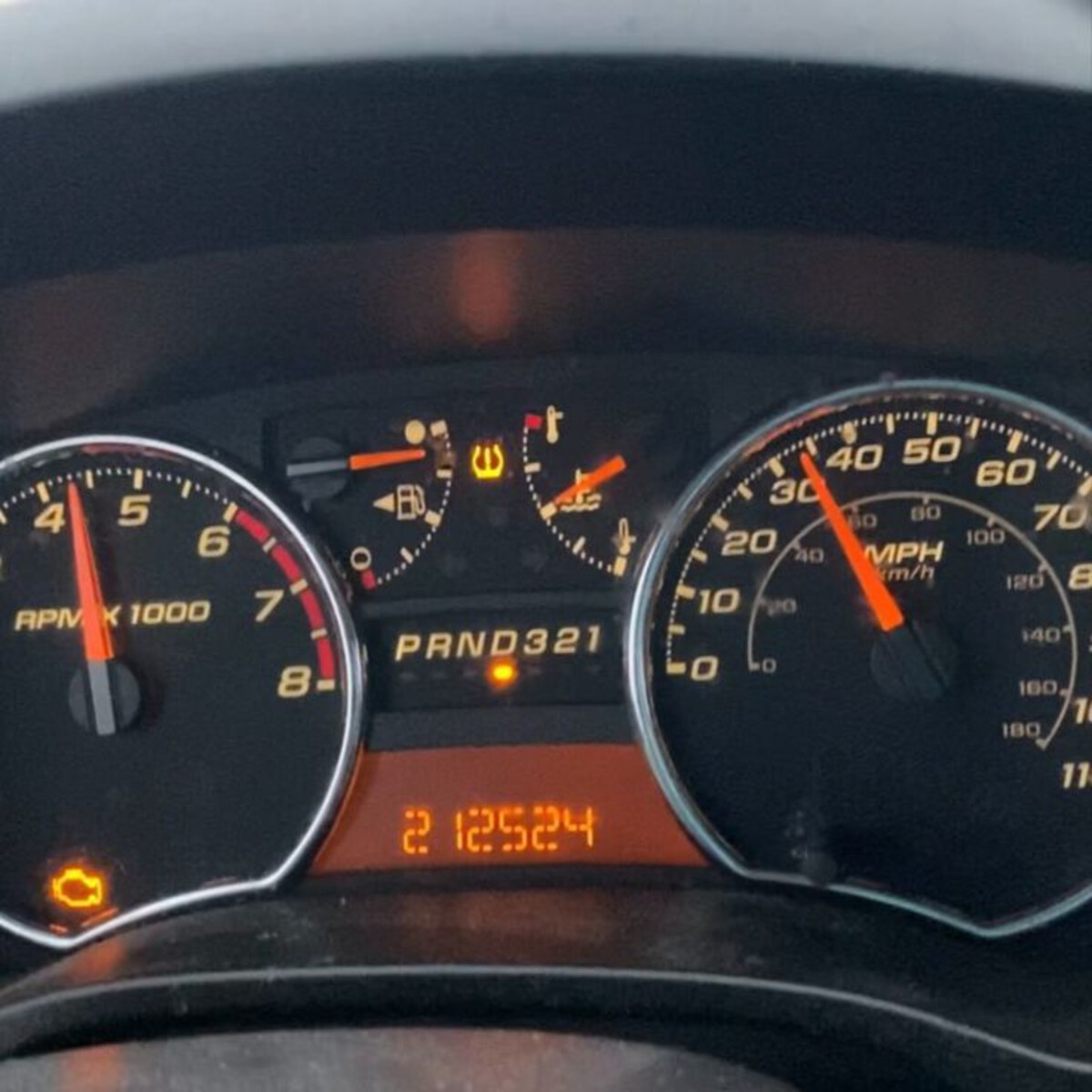
Owners often make the mistake of assuming transmission fluid is “lifetime fill,” but in reality, heavy use such as towing, off-roading, or frequent stop-and-go traffic places significant strain on it. The Colorado, especially in its V6 configuration with towing packages, can run hot under load. Transmission fluid that’s burned or contaminated loses its ability to protect internal components, leading to wear on clutches, solenoids, and gear sets.
Checking the fluid is simple. With the engine warmed up and the truck in park, owners can pull the dipstick (if equipped) to check fluid color and smell. Bright red and clean fluid is ideal, while dark, burnt-smelling fluid is a red flag. For models without a dipstick, service intervals are crucial ignoring them invites disaster.
A transmission flush or fluid change every 45,000 to 60,000 miles extends the system’s life dramatically. Catching small leaks around the pan, cooler lines, or seals early is also vital, as low fluid levels can destroy the transmission in short order.
By committing to routine checks, Chevy Colorado owners protect themselves from one of the costliest repairs in truck ownership. Smooth shifts and dependable performance are the reward for paying attention to this often-ignored system.
3. Cooling System Check
A Chevy Colorado that overheats is a Chevy Colorado in danger. The cooling system regulates engine temperature, preventing catastrophic failures such as blown head gaskets, warped cylinders, or cracked blocks. While the Colorado’s engine is generally durable, neglecting the radiator, coolant, and hoses is a shortcut to early breakdowns.

Coolant is more than just antifreeze it carries heat away from the engine while protecting against corrosion inside the system. Over time, coolant breaks down, losing its protective qualities and allowing rust or sediment to form. These particles can clog the radiator, thermostat, and heater core, choking the system’s efficiency.
Colorado owners should make a habit of inspecting coolant levels regularly. A low reservoir often signals leaks, whether from a failing water pump, cracked hose, or radiator seepage. Steam or a sweet smell from under the hood is another warning sign. Additionally, checking the radiator cap ensures proper system pressure, a small detail that makes a huge difference.
Hoses and clamps deserve attention too. Even a minor leak can escalate quickly, leaving a driver stranded on the roadside. A burst hose under highway conditions can drain coolant within minutes, pushing engine temps into the danger zone.
Coolant flushes every 50,000 miles keep the system clean and effective. Pairing that with a visual inspection of the fan clutch or electric cooling fans ensures proper airflow across the radiator. For Colorados used in hot climates or heavy-duty towing, this becomes even more critical.
By staying vigilant, owners ensure that their trucks never fall victim to overheating the silent killer of otherwise dependable vehicles.
4. Battery Health and Connections
While the Chevy Colorado’s rugged nature suggests toughness, even the strongest truck grinds to a halt with a weak or dead battery. Batteries do far more than just start the engine; they support modern electrical demands like infotainment systems, sensors, and auxiliary power. A failing battery or corroded connections can leave drivers stranded without warning.

Battery health should be checked at least twice a year. A simple multimeter test reveals voltage strength anything consistently below 12.4 volts indicates weakness. Colorado owners in cold climates need to be especially cautious, as frigid temperatures drain batteries faster and make starting harder. Heat is equally damaging, shortening battery life by evaporating electrolyte fluid.
The terminals and connections deserve equal attention. Corrosion buildup at the posts restricts current flow, often causing intermittent electrical issues like dim lights, slow cranking, or random error codes. Cleaning terminals with a wire brush and applying dielectric grease is a quick DIY task that prevents these headaches.
It’s also smart to check the alternator during battery inspections. A weak alternator strains the battery by failing to recharge it properly, a common issue that mimics battery failure. Ensuring the alternator produces 13.5–14.5 volts keeps the system healthy.
Colorado owners who add accessories like light bars, winches, or aftermarket audio should upgrade to stronger batteries to handle the load. Sticking with a worn-out or undersized unit guarantees early breakdowns when demand spikes.
Replacing a weak battery before it fails completely is a low-cost preventative step compared to the frustration and towing bills of being stranded. With regular checks, Colorado’s electrical system remains strong, ensuring reliable starts and consistent power for every drive.
5. Suspension and Steering Components
The suspension and steering systems of a Chevy Colorado are often overlooked until handling issues appear. Yet, these systems play a vital role in both safety and comfort. A truck that bounces excessively, wanders on the highway, or clunks over bumps is not only unpleasant to drive, but it’s also at risk of serious mechanical failure.
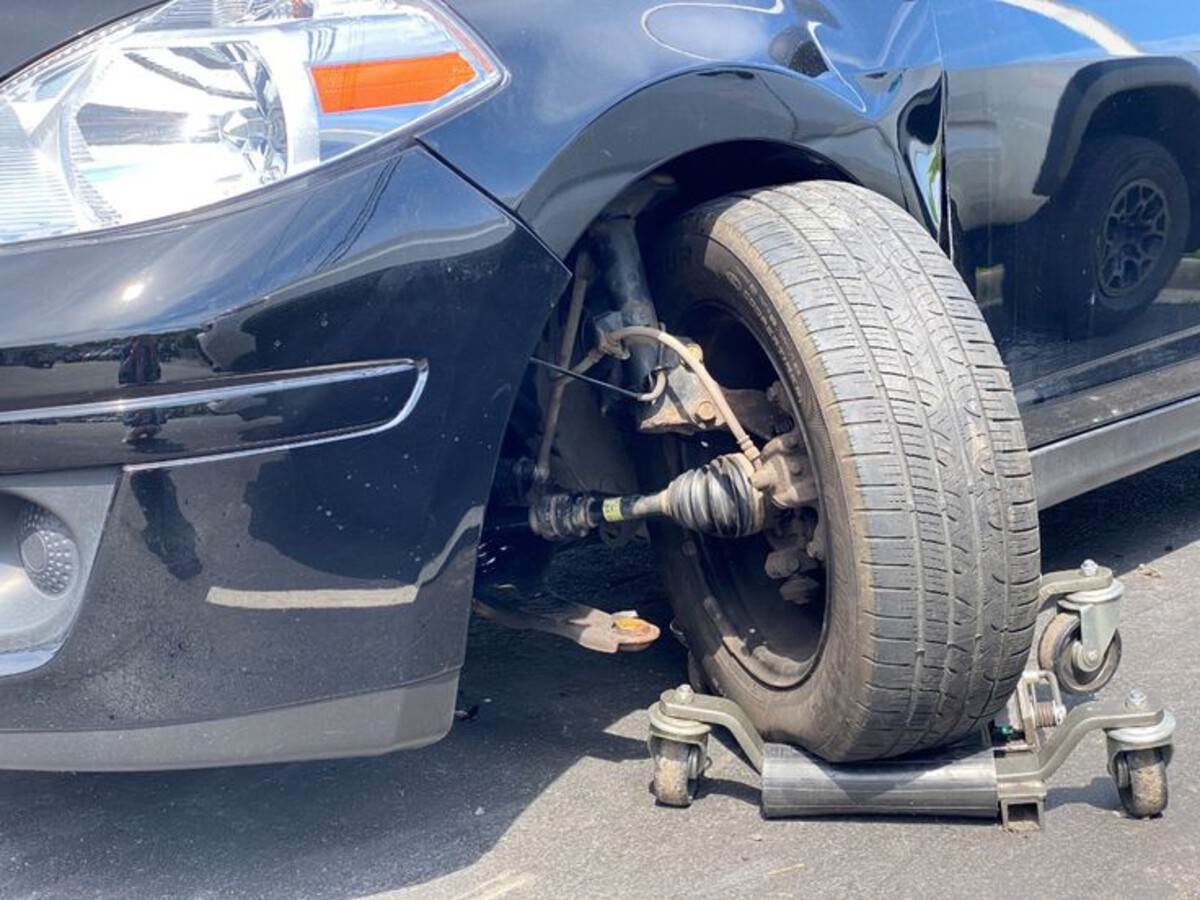
Colorado’s suspension endures heavy stress from towing, hauling, and rough roads. Components like ball joints, tie rods, control arms, and bushings wear out gradually. Worn suspension not only reduces stability but also accelerates tire wear and places extra strain on steering components. Catching issues early saves money and maintains driving confidence.
Regular inspections should include looking for torn boots, leaking shocks, and loose connections. Shocks and struts, in particular, deserve close attention. A leaking shock may not seem urgent, but it compromises the truck’s ability to keep tires planted firmly on the road, especially in emergency maneuvers.
Steering systems also require vigilance. Power steering fluid levels should be checked, and any whining noises or stiffness while turning need immediate attention. Electric power steering systems, used in newer Colorados, should be inspected for sensor or motor faults that can impact drivability.
Ignoring suspension wear leads to poor alignment, pulling to one side, or vibrations that travel through the steering wheel. Left unresolved, these issues snowball into expensive repairs and make the truck unsafe.
By routinely checking suspension and steering components, owners ensure their Colorado remains stable, responsive, and roadworthy. A smooth ride is more than comfort; it’s a safeguard against unexpected breakdowns.
ALSO READ: 5 Models With Quality Door Panels vs 5 With Flimsy Interiors
6. Brake Pads, Rotors, and Fluid
Few systems are as critical to safety as the brakes, and in the Chevy Colorado, brake maintenance is key to avoiding early breakdowns. A truck that won’t stop reliably is a liability, whether it’s hauling gear, towing a trailer, or just navigating daily traffic. Brake components wear out gradually, and because the decline happens slowly, many owners underestimate how badly their braking performance has degraded until it’s too late.
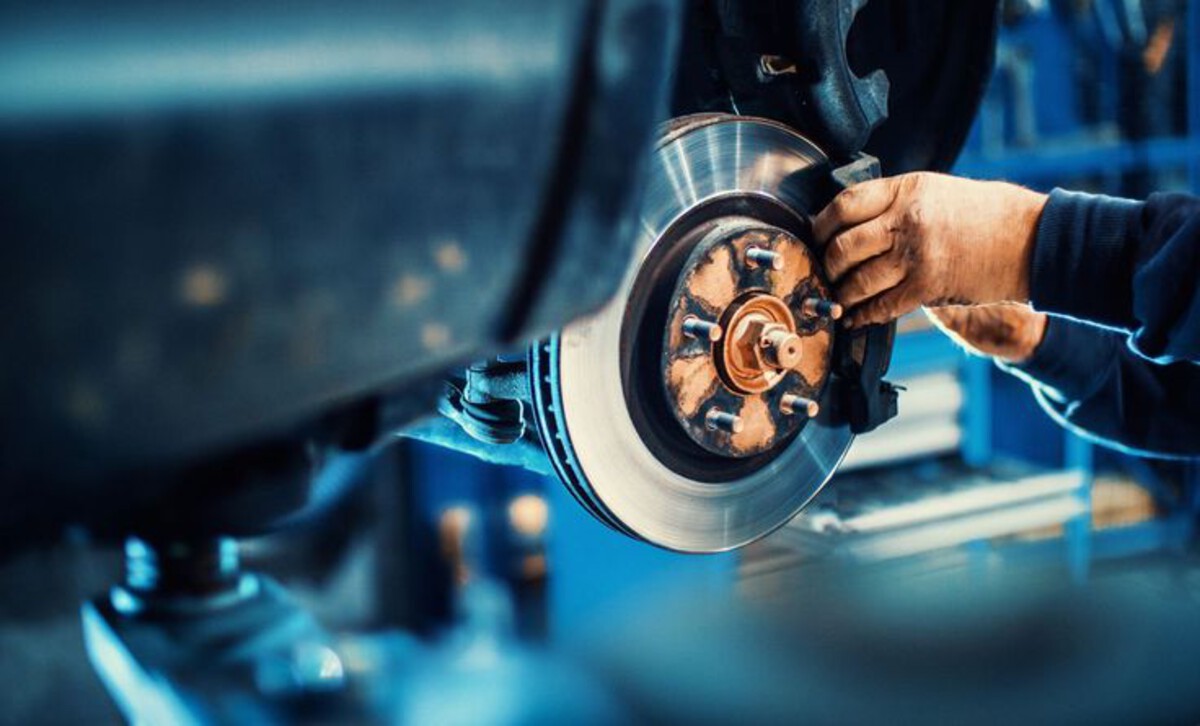
Brake pads are the first line of defense. Over time, they thin out, and when ignored, the metal backing plate grinds against the rotor, causing deep grooves and overheating. Replacing rotors then becomes necessary, turning a simple job into a costly repair. Regularly inspecting pad thickness ideally every oil change helps catch wear before it spirals into bigger problems.
Rotors themselves should be checked for warping or scoring. Warped rotors often reveal themselves through steering wheel vibration when braking. If not addressed, they compromise stopping distance and place strain on calipers. Flushing brake fluid every 30,000 to 40,000 miles is also vital. Brake fluid absorbs moisture over time, which lowers boiling points and introduces air bubbles into the system, reducing braking power.
Colorado owners who tow or frequently drive in mountainous terrain put extra strain on brakes, meaning more frequent checks are smart. Listening for squealing, grinding, or pulsations during braking provides early warning signs.
Healthy brakes keep the truck, its passengers, and everything in tow safe. Routine checks and timely replacements are the cheapest insurance against both breakdowns and accidents.
7. Tire Condition and Alignment
Tires are where the Chevy Colorado meets the road, and their condition directly affects safety, performance, and reliability. A blown tire or uneven wear pattern can sideline even the toughest truck, turning an otherwise capable machine into stranded steel.
Regular tire inspections should go beyond simply checking air pressure. Owners should look for tread depth, cracks, bulges, and uneven wear. Low tread reduces grip, especially in wet or icy conditions, while sidewall damage can lead to sudden blowouts.
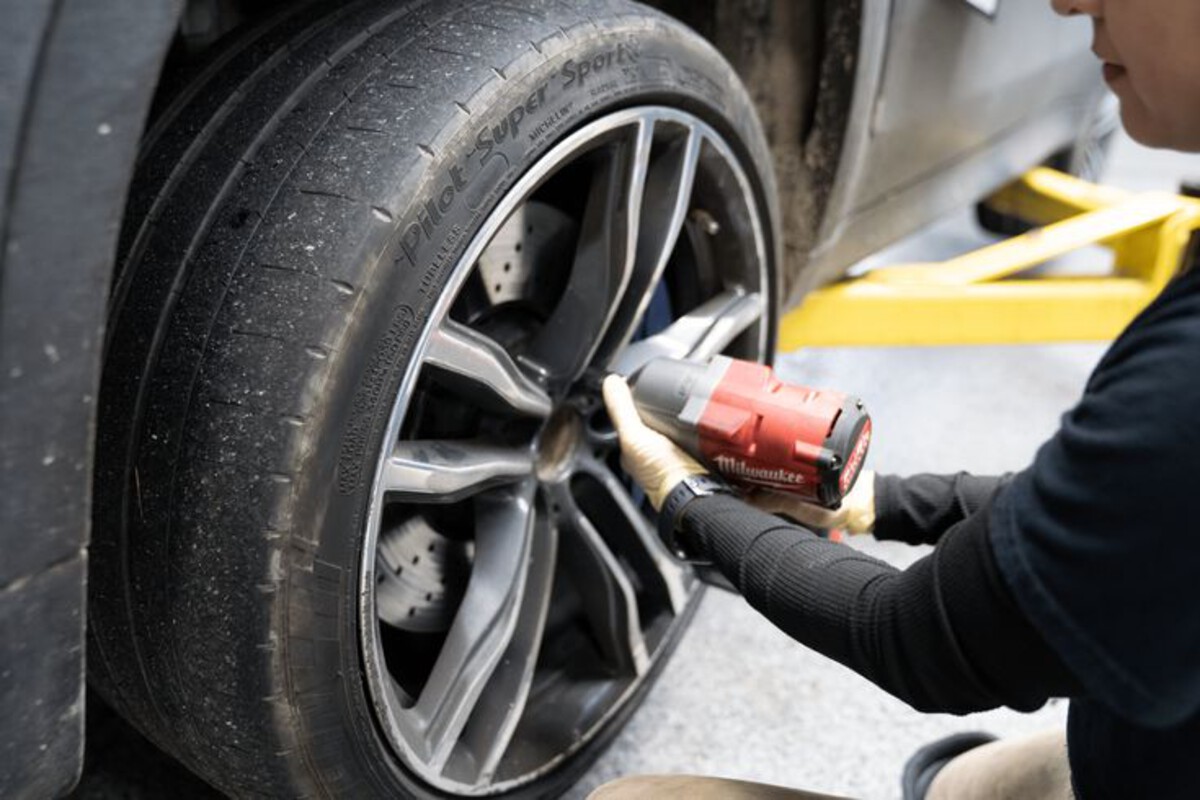
Maintaining proper tire pressure, checked monthly, is equally important, as underinflated tires generate heat, strain suspension parts, and lower fuel efficiency.
Alignment is another overlooked factor that makes a huge difference. Misaligned wheels cause uneven tread wear, pulling to one side, and poor fuel economy. Many Colorado owners only address alignment when the truck “feels off,” but by then, tires may already be ruined. Getting an alignment checked annually, or after hitting major potholes, prevents premature tire replacement.
Rotation also matters. Swapping tires every 6,000 to 8,000 miles ensures even wear across all four wheels, extending life and maintaining balanced handling. For trucks frequently used off-road or with heavy towing loads, more frequent checks are wise.
Colorado is often chosen for its balance between work and daily use, but neglecting tire condition undermines both. Good tires with proper alignment keep the ride smooth, improve braking performance, and ensure the truck stays dependable. It’s a simple check that prevents costly downtime.
8. Belts and Hoses
While often hidden from sight, belts and hoses are among the most critical parts of keeping a Chevy Colorado from breaking down early. They may not seem glamorous, but when one fails, it can stop the truck in its tracks instantly.
The serpentine belt is especially important, powering essentials like the alternator, water pump, and power steering pump. If it snaps, the engine will quickly overheat, the battery will drain, and steering will become extremely difficult. Cracks, fraying, or squealing noises from the belt are warning signs that should never be ignored. Replacing it before failure is a cheap way to avoid an expensive tow.

Hoses play a similarly crucial role. They carry coolant, transmission fluid, and power steering fluid between vital components. Over time, they dry out, swell, or develop leaks at connection points. A burst radiator hose can empty coolant within minutes, leaving the engine vulnerable to severe damage. Inspecting for soft spots, bulges, or dampness during routine checks helps catch problems early.
Colorado owners who use their trucks in extreme conditions, whether hot desert climates or freezing winters, should be especially attentive. Temperature swings accelerate belt cracking and hose deterioration. Replacing these components every 60,000 miles, or sooner if wear is visible, keeps the truck in top shape.
Belts and hoses might not be flashy, but they’re the silent backbone of reliability. Staying ahead on their maintenance guarantees that the Colorado won’t break down due to something preventable.
Another Angle: 8 Weekend Projects That Keep a Chevy Colorado Running Strong
Sometimes the best way to keep a Chevy Colorado dependable isn’t through expensive upgrades or constant dealership visits, but through simple weekend care that owners can handle themselves. Taking a different angle on truck longevity means focusing on the smaller details that add up to lasting strength.
For starters, checking spark plugs and replacing them when worn keeps the engine firing smoothly and prevents misfires that hurt fuel economy. Cleaning the throttle body and mass airflow sensor is another overlooked job that restores throttle response and improves efficiency. While most owners remember oil changes, many forget to flush the radiator system—fresh coolant keeps the Colorado’s engine protected from overheating and corrosion.
Inspecting the suspension components like bushings and shocks on a quiet Saturday helps catch wear before it affects handling or causes tire issues. Greasing hinges, latches, and door seals also prevents annoying squeaks and prolongs the truck’s usability. Another smart move is inspecting the differential fluid; replacing it on time helps maintain smooth power delivery to the wheels, especially if the truck is used for towing or off-road duty.
Even taking a couple of hours to deep clean the interior and wash the exterior pays off protecting surfaces from wear and keeping the truck feeling like new. These projects may seem small, but combined, they keep Colorado ready for whatever comes next.
A Chevy Colorado that receives consistent care will rarely leave its driver stranded. The eight checks outlined here aren’t complicated; they’re habits. Each one addresses a critical system that, if neglected, leads to premature failure.
Whether it’s the unseen damage caused by dirty oil, the creeping wear of misaligned tires, or the silent decline of a weak battery, small issues compound into big expenses. By staying ahead, Colorado owners protect their investment, ensuring the truck delivers both capability and dependability.
The beauty of these checks lies in their simplicity. Most can be done in a driveway with basic tools and an observant eye. For the owner who values independence, this means less reliance on repair shops and more control over the truck’s future. Beyond saving money, these checks preserve confidence in the knowledge that your truck is ready for long hauls, towing jobs, or spontaneous adventures without hesitation.
For Dodge Durango owners, the principle remains the same: consistent care transforms a vehicle from a short-term commuter into a long-term companion. Both Colorado and Durango prove that vehicles are only as strong as the attention given to them.
At the end of the day, preventing breakdowns is about more than mechanical survival. It’s about preserving freedom, reliability, and pride of ownership. A Chevy Colorado with a disciplined owner won’t just survive the miles it will thrive, carrying its driver through years of work and adventure with the same strength it had the day it rolled off the lot.