
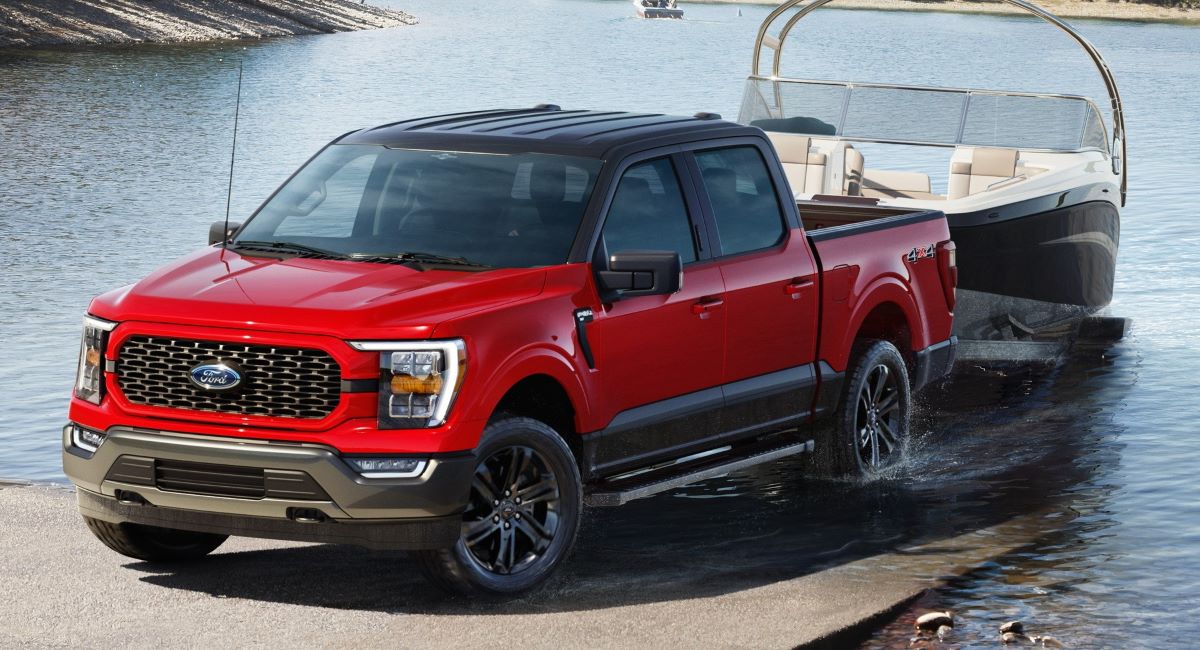
When it comes to American trucks, the Ford F-150 stands as a true legend. For decades, it has been the best-selling pickup in the United States, winning over everyone from construction workers and ranchers to families who simply want a dependable daily driver with muscle.
Known for its strength, versatility, and long-lasting value, the F-150 has earned its place as a symbol of durability. But like any vehicle, it needs a little extra care to stay at its best.
While Ford engineers build these trucks tough, certain smart upgrades can push the lifespan of an F-150 far beyond the 200,000-mile mark and keep it feeling solid even after years of hard work.
For owners who want their truck to last forever or at least long enough to pass it down to the next generation taking proactive steps makes all the difference.
These upgrades are not about flashy customizations but practical improvements that protect the truck, reduce wear and tear, and improve reliability.
Whether you drive a brand-new F-150 or one that already has a hundred thousand miles on it, these simple upgrades can extend its life dramatically. Let’s look at nine key improvements that will keep your Ford F-150 running strong for decades.
1. Install a High-Quality Cold Air Intake System
One of the easiest ways to extend the life of your F-150’s engine is by ensuring it breathes clean, cool air. A high-quality cold air intake system improves airflow to the engine, reducing strain and improving fuel efficiency.
More oxygen means cleaner combustion, which helps reduce carbon buildup on the valves and pistons. Over time, this can keep your engine healthier and running smoother.
For F-150 owners who tow or haul heavy loads, this upgrade is especially beneficial because it allows the engine to perform with less stress.
It’s a cost-effective modification that not only improves longevity but can also give your truck a modest performance boost in horsepower and throttle response.
Installing a cold air intake (CAI) is a popular way to upgrade your engine’s airflow system and boost overall performance. A CAI draws in cooler, denser air, which is rich in oxygen, improving combustion and producing more power.
By replacing the restrictive stock airbox with smooth, wide pipes, airflow improves significantly, enhancing throttle response, delivering quicker acceleration, and giving your engine a more aggressive, throatier sound.
Many drivers also notice a modest improvement in fuel economy, typically 3–5%, depending on the vehicle, due to more efficient combustion. According to SAE studies, a quality CAI can add 5–15 horsepower on naturally aspirated engines.
To install one, you’ll need a vehicle-specific CAI kit, a socket set (8mm–14mm), screwdrivers, Torx bits if required, safety gloves, eye protection, and rubbing alcohol with a microfiber cloth for cleaning sensors. Choosing a kit with a heat shield or hydro sock is recommended to block engine heat and water.
Before starting, disconnect the battery (negative terminal first) to prevent electrical shorts. Then, remove the stock airbox by unclipping the air filter lid, detaching the mass airflow (MAF) sensor wiring, and loosening clamps to remove the intake tubing. Clean the MAF sensor with specialized cleaner without touching the delicate wires.
Installation begins by attaching the MAF sensor to the new intake tube, securing it with screws or clamps as provided. Next, mount the air filter onto the tube, using silicone grease for a tight seal and positioning it away from engine heat, such as near the fender well.
If included, attach the heat shield to the chassis to isolate the filter from hot air. Reconnect all components, including the MAF sensor, and double-check that all clamps and fittings are tight.
Once installed, inspect the intake for leaks, reset the ECU by disconnecting the battery for about 10 minutes to clear old airflow data, and take the car for a test drive, listening for unusual sounds or check engine lights.
Using an OBD-II scanner can help monitor air/fuel ratios to ensure optimal performance. Common mistakes to avoid include misaligning the MAF sensor, placing the filter near heat sources, skipping the heat shield, and over-tightening clamps, which can crack the intake tubing.
Performance gains are most noticeable at high RPMs, such as during highway merging, and a deeper engine growl is typical under acceleration. However, note that some states, including California, restrict aftermarket intakes, so always check local emissions laws before installation.
Also Read: Top 10 Cars With Easy-to-Clean Floors and Accessible Interiors
2. Upgrade to a Heavy-Duty Transmission Cooler
The transmission is one of the most critical and expensive components of any truck. Heat is its biggest enemy, especially when you’re towing, hauling, or driving in stop-and-go traffic.
Adding a heavy-duty transmission cooler can significantly reduce temperatures inside the transmission, protecting the fluid and internal components from overheating.
F-150 transmissions are generally reliable, but they are not immune to wear from heat and stress. By investing in this simple upgrade, you’ll extend fluid life, reduce the risk of costly repairs, and keep your truck shifting smoothly well into high-mileage territory.
3. Switch to Synthetic Fluids
Engine oil, transmission fluid, differential oil, and even power steering fluid play vital roles in protecting moving parts.
Switching to full synthetic fluids across the board can help an F-150 last longer. Synthetic fluids resist breakdown at higher temperatures, flow better in extreme cold, and provide stronger protection against metal-to-metal contact.
This upgrade doesn’t require any major modifications just a change in maintenance habits. For example, synthetic oil can last longer between changes, but most truck enthusiasts prefer to stick to conservative intervals to keep their engines spotless inside.
Whether you own a 5.0L V8 or the popular EcoBoost, using synthetic fluids ensures every part is running at peak protection.
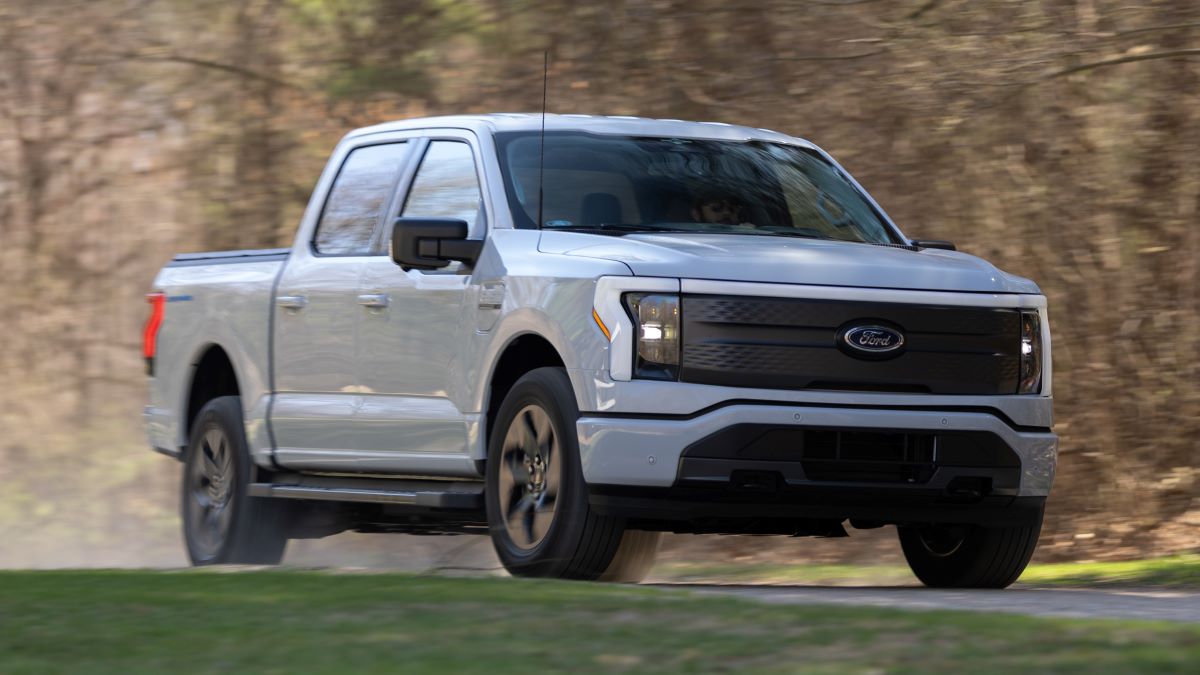
4. Upgrade the Suspension with Stronger Components
The F-150 is designed to handle tough conditions, but over time, factory suspension components wear down, leading to a rougher ride and less stability. Upgrading to heavy-duty shocks, struts, and bushings not only improves handling but also reduces stress on the frame and chassis.
For truck owners who frequently drive on rough terrain or carry heavy payloads, a suspension upgrade ensures that the truck doesn’t sag or wear unevenly.
It also helps reduce rattling and vibrations that can loosen components over the years. In the long run, it’s not just about comfort it’s about preserving the truck’s structural integrity.
A car’s suspension is what keeps your ride smooth, balanced, and controlled, without it, even a short drive would feel like riding a wooden cart over cobblestones. But suspension isn’t just about springs and shocks; it’s the entire system that connects your vehicle to the road, absorbing every bump, dip, and turn you encounter.
This system includes components such as shocks, struts, springs, control arms, sway bars, and bushings, all of which work together to maintain stability, comfort, and safety.
In fact, studies in automotive engineering show that a properly functioning suspension can improve braking efficiency by up to 20 percent, enhance cornering grip, and reduce driver fatigue on long trips. Upgrading your suspension can completely transform how your car feels, and a wide range of options exists to match different driving styles and road conditions.
A suspension system stabilizes the vehicle, absorbs bumps, and keeps the tires in constant contact with the road. Shock absorbers and struts help control wheel motion and reduce bouncing after hitting a bump, while springs, whether coil springs, leaf springs, or torsion bars, support the vehicle’s weight and determine ride height.
Control arms connect the wheels to the frame, allowing up-and-down movement while maintaining proper alignment. Sway bars, also known as stabilizer bars, reduce body roll during turns by linking the left and right sides of the suspension.
Small but essential bushings, made of rubber or polyurethane, dampen vibrations and enable smooth movement between metal components. Together, these parts ensure a balanced, comfortable, and safe ride.
When considering upgrades, it’s important to understand the differences between stock, sport, and off-road suspension systems. Stock suspension is the factory-installed setup, designed to balance comfort, safety, and cost.
While it works well for everyday driving on standard roads, it isn’t optimized for high performance or rugged terrain. Sport suspension, on the other hand, is tuned for improved handling, reduced body roll, and a lower ride height, making it ideal for faster driving and sharper cornering, though it may feel stiffer.
Off-road suspension is built for durability, extra ground clearance, and longer travel to handle rocks, uneven terrain, and unpaved roads without damaging the vehicle. Choosing the right type depends on your driving habits and the conditions you frequently encounter.
Front and rear suspensions are often designed differently because they manage different loads and functions. The front suspension supports the weight of the engine and manages steering forces, commonly using designs like MacPherson struts or double wishbones to improve control and stability.
Rear suspensions can range from simple torsion beam setups in small cars to independent multi-link designs in performance or luxury vehicles, offering smoother rides and better handling. The balance between front and rear suspension significantly affects how a car responds to acceleration, braking, and cornering.
Finally, suspension systems can be classified as independent or solid axle designs. In an independent suspension, each wheel moves independently, which provides better handling, comfort, and road grip because shocks on one side do not affect the other.
This design is common in modern vehicles, especially at the front, and often at the rear in high-performance and luxury models. Solid axle suspension connects both wheels via a single rigid axle, meaning motion on one side affects the other.
While this can reduce ride comfort slightly, it offers superior durability, making it well-suited for heavy loads, off-road use, and easier maintenance. Many pickup trucks and SUVs utilize solid axles at the rear for improved towing capacity and ruggedness.
5. Add a Rust-Proofing Treatment
One of the biggest threats to an F-150’s long life, especially in northern states where road salt is common, is rust. Corrosion can eat away at the frame, wheel wells, and undercarriage long before the engine ever gives out.
Adding a professional rust-proofing treatment such as an oil spray or electronic rust prevention module helps protect your truck against this silent killer.
Even newer aluminum-bodied F-150s are not completely immune to corrosion since the underbody and frame still contain steel.
Applying rust protection early can easily extend the lifespan of the truck by preventing structural damage that is almost impossible to reverse once it begins.
6. Install a Larger Radiator for Better Cooling
Engines run best when they stay within a safe temperature range. Overheating is one of the fastest ways to shorten an engine’s life. Upgrading to a larger, more efficient radiator can help keep your F-150’s engine cool even under heavy loads, in hot climates, or when towing.
This upgrade is particularly important for EcoBoost engines, which are known to generate higher temperatures under stress. A more efficient cooling system reduces engine wear, prevents gasket failures, and ensures your truck can handle tough conditions without overheating.
The car radiator is a vital component of the cooling system, responsible for maintaining optimal engine performance by dissipating excess heat.
While it might seem that bigger radiators are always better, the reality is more nuanced, radiators can, in fact, be too large. Understanding the proper size is essential to ensuring both engine efficiency and overall vehicle performance.
The primary function of a radiator is to transfer heat from the engine coolant to the surrounding air. This occurs through the radiator’s core, which contains numerous small tubes and fins.
As coolant passes through these tubes, heat is transferred to the fins and then dissipated into the air, aided by airflow from the cooling fan. This process keeps the engine at a stable temperature, preventing overheating and maintaining optimal operation.
However, using an oversized radiator can have unintended consequences. Excessive cooling may lower the engine temperature below its designed operating range, which can reduce engine efficiency. Engines are engineered to perform best within a specific temperature window, and running too cool can negatively affect combustion and power output.
Cooler engine temperatures also increase fuel consumption, as the engine takes longer to reach its optimal operating temperature, requiring richer fuel mixtures that decrease efficiency. In addition, lower operating temperatures can increase harmful emissions, including unburned hydrocarbons and carbon monoxide.
Another potential drawback occurs in colder climates: an oversized radiator can reduce the vehicle’s heating capacity, making it harder for the engine to generate and maintain heat for the cabin, which can compromise comfort during winter driving.
Ultimately, while a larger radiator may seem like a straightforward upgrade, it’s important to select a size appropriate for the engine and driving conditions. Proper radiator sizing ensures effective cooling without sacrificing efficiency, emissions, or comfort, striking the right balance between performance and practicality.
7. Use a Bed Liner and Underbody Coating
Cosmetic upgrades might seem unnecessary when talking about longevity, but protecting your truck’s body from dents, scratches, and corrosion is just as important as caring for the engine.
A spray-in bed liner keeps the truck bed from rusting when exposed to water, chemicals, or heavy cargo.
Pairing this with an underbody coating adds another layer of protection against road debris, salt, and moisture. This keeps the frame and underside of your F-150 solid for decades.
For truck owners who plan on using their vehicle as a true workhorse, this small investment makes a massive difference in long-term durability.
8. Install a Tuner for Smarter Engine Management
Modern F-150s are controlled by sophisticated engine computers, and a performance tuner or programmer can optimize how the truck runs.
While some people use tuners purely for horsepower gains, others program them for longevity tuning down aggressive factory settings to reduce strain on the engine and transmission.
A smart tuner can improve fuel efficiency, lower engine temperatures, and even reduce unnecessary gear-hunting in automatic transmissions.
This makes the driving experience smoother while helping critical components last longer. Of course, any tuner should be installed with caution choosing reputable brands and conservative settings ensures your warranty and reliability remain intact.
There was a time when making more power meant wrenching under the hood, swapping engine components, tweaking fuel delivery, and adjusting distributor timing by hand. But today’s high-performance vehicles are as much about software as mechanical hardware.
With modern smart tuning systems, enthusiasts can now unlock hidden horsepower, sharpen throttle response, and tailor driving dynamics for the street, track, or trail, all without swapping a single part.
These next-generation tuning tools go far beyond the old handheld programmers of the past. They function more like mission control units, giving you the ability to customize, monitor, and optimize your vehicle’s electronic brain: the ECU.
Instead of spending weekends bolting on new parts just to change how your car feels, you can make adjustments in seconds with the push of a button.
Back in the day, tuning often meant “chipping” a car, replacing physical ECU components with aftermarket chips to alter performance parameters.
Modern systems eliminate that hassle. Through advanced plug-and-play interfaces, they allow drivers to adjust parameters inside the ECU itself.
This means you can increase horsepower, modify torque curves, change speed limit thresholds, refine shift points, or even create tailored driving modes like eco, sport, or race. Turbocharged vehicles especially benefit, as these systems can boost turbo pressure and completely transform the car’s personality.
Most smart tuning systems include plug-and-play hardware modules, wireless connectivity via Bluetooth or Wi-Fi, and intuitive apps or devices with digital displays.
Many even support on-the-fly tuning, so you can adjust settings as conditions change, whether you’re towing a trailer, carving corners, or heading off-road.
The benefits are extensive. First, there’s enhanced performance, tuners provide direct access to torque maps, throttle sensitivity, and shift programming, which translates to more usable power across a variety of vehicles, from turbo diesels to muscle cars to boosted imports.
They also allow speed limit adjustments, removing restrictive factory limiters to let the vehicle stretch its true potential, especially on track days. Mode switching and customization add even more flexibility, letting you toggle between presets like street, tow, off-road, or race with a simple tap.
On top of that, real-time monitoring ensures you can track vital stats like air/fuel ratios, boost levels, and engine temps, with some systems even recording long-term data trends to help fine-tune performance.
Installation is refreshingly simple compared to traditional tuning methods. Most systems require little more than plugging into the OBD-II port, downloading the companion app, and syncing with your phone or tablet via Bluetooth.
From there, you can select preloaded maps, switch between modes, or fine-tune variables like fuel delivery, throttle curves, and turbo boost targets. Once your settings are saved, you’re ready to hit the road with a fully customized driving experience tailored to your exact needs.
Also Read: 10 Best Used Diesel Pickups That Go 300,000 Miles Or More
9. Upgrade the Braking System
Lastly, one of the simplest yet most overlooked upgrades is the braking system. Over the years, standard brake components can wear out quickly under heavy use, especially when towing or hauling.
Upgrading to high-performance brake pads, rotors, and stainless-steel brake lines can drastically improve stopping power while reducing heat buildup.
Better brakes mean less strain on the suspension and tires, and more importantly, it keeps you safer. A truck that can stop effectively is one that avoids accidents, which is ultimately the best way to ensure it lasts forever.

The Ford F-150 is built to last, but no truck no matter how tough can survive decades of hard work without a little extra help.
These nine upgrades are simple, practical, and designed for longevity rather than just appearance. By improving airflow, cooling, lubrication, protection against rust, and overall durability, you’re setting up your F-150 for hundreds of thousands of reliable miles.
Whether you rely on your truck for work, family life, or weekend adventures, these upgrades can help it remain as dependable as the day you bought it. With the right care, an F-150 isn’t just a truck you own for a few years it’s a truck you can keep for a lifetime.
