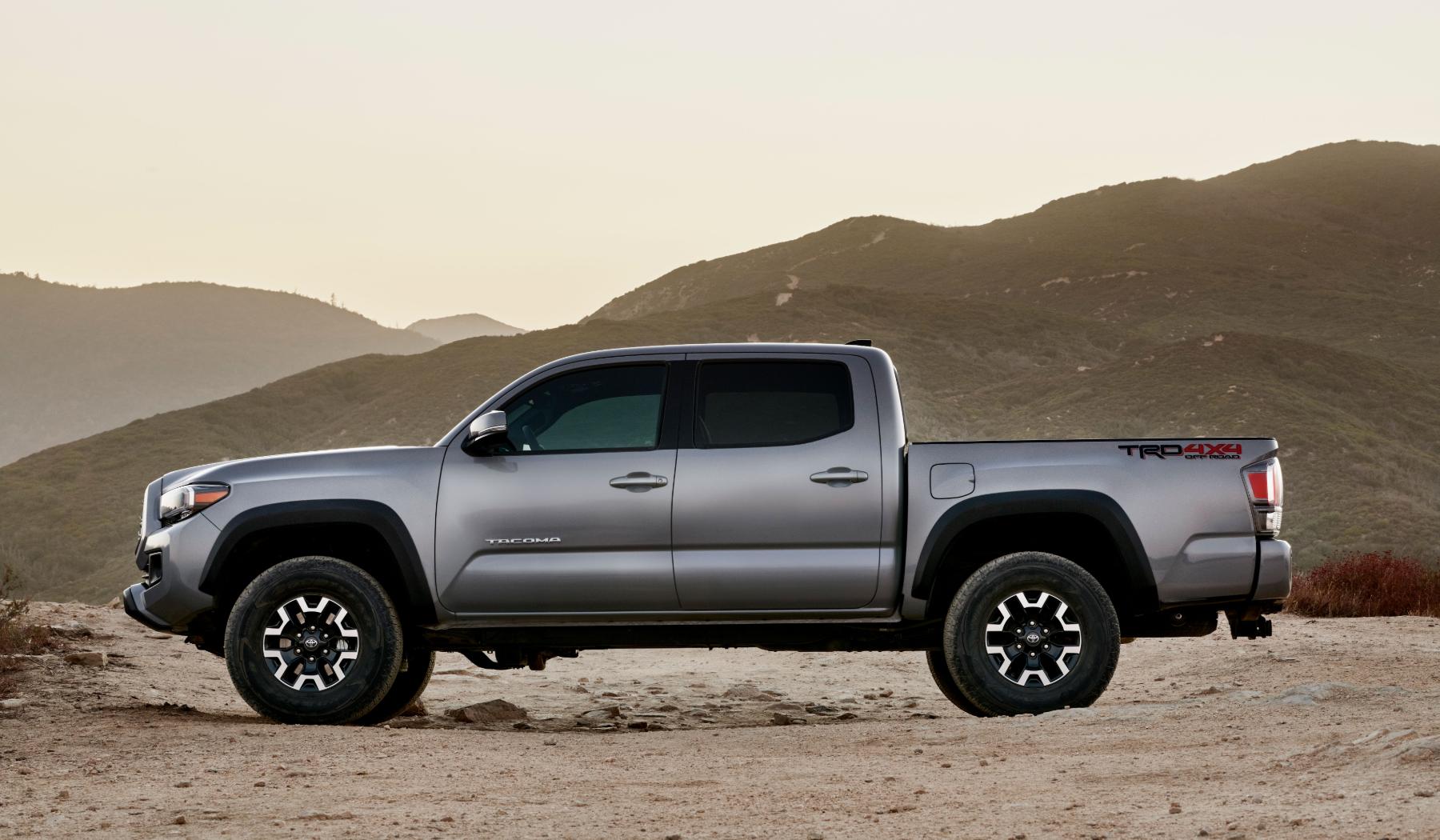
The Toyota Tacoma has earned a reputation as one of the most durable midsize pickups on the market, prized for its off-road capabilities, reliability, and overall longevity.
However, like any vehicle exposed to the elements, Tacomas are not immune to rust especially when it comes to the frame.
Rust can silently compromise structural integrity, affect towing capacity, and lead to costly repairs if not addressed early.
In the U.S., where winters bring salt-treated roads in the North and coastal areas have salty air, rust prevention becomes even more critical.
Fortunately, there are effective strategies Tacoma owners can implement to protect their truck’s frame and extend its lifespan. Here are eight practical ways to prevent rust from destroying a Toyota Tacoma frame.
1. Regularly Wash and Clean the Undercarriage
One of the most effective ways to prevent rust is to remove the substances that accelerate corrosion.
Salt, mud, and grime can stick to the frame and create a breeding ground for rust, especially in regions like the Midwest and Northeast, where roads are heavily salted in winter.
Regularly washing your Tacoma, particularly the undercarriage, helps remove these corrosive elements.
Investing in a pressure washer or taking your truck to a car wash with an undercarriage cleaning option can make this task more thorough and less time-consuming. Even during non-winter months, cleaning off dirt and road debris helps maintain a protective barrier against moisture.
2. Apply Rust-Proofing Treatments
Rust-proofing is an extra layer of defense that goes beyond washing. Products like undercoating sprays, rust inhibitors, and corrosion-resistant coatings can provide long-term protection for the Tacoma frame.
Many owners choose professional undercoating services, which often include rust-proofing sprays designed for the specific contours of the frame.
These treatments create a barrier that prevents moisture and salt from directly contacting the metal, significantly slowing the oxidation process. For DIY enthusiasts, aerosol rust inhibitors can be applied to exposed areas during routine maintenance.
Worried about rust on your vehicle? You’re not alone. Rust is one of the most common—and frustrating, issues car owners face, but the good news is that it can be prevented and treated if you know what to look for.
This guide covers everything you need to know, from spotting the first signs of rust to stopping it in its tracks, whether you prefer rolling up your sleeves for a DIY fix or leaving it to the professionals.
At the heart of rust prevention is understanding how it forms. Rust occurs when iron reacts with oxygen and moisture, creating ferrous oxide.
This process is accelerated by constant exposure to water, salt, and road debris, which is why areas like wheel wells, undercarriages, and spots where the paint has chipped are the first places rust tends to appear.
Once moisture breaks through damaged paint, the oxidation process begins, and the longer it’s left unchecked, the more damage it causes. Knowing these vulnerable areas makes it easier to stay ahead of rust before it spreads.
Not all rust is the same, and the severity determines how you should treat it. Surface rust is the least serious, appearing as small patches of discoloration or flaky paint. If caught early, it can often be sanded down and sealed with fresh paint.
Left untreated, though, surface rust can progress into scale rust, which eats deeper into the metal, causing it to flake and weaken. This stage requires sanding down to bare metal and using rust inhibitors and coatings to restore protection.
The most severe form is penetrating rust, where the corrosion eats all the way through the metal, often creating holes. At this point, repair usually means part replacement and professional help, since the structural integrity of the vehicle is compromised.
Catching rust early is the key to avoiding costly repairs. Some early warning signs include bubbling paint, orange discoloration, or rough spots along the body.
A good rule of thumb is to inspect your vehicle for rust at least twice a year, especially after winter if you live in an area where roads are salted.
Don’t just rely on a quick glance, press gently on suspicious spots with a screwdriver. If the metal feels solid, it’s likely surface rust. If it gives way or feels brittle, the rust has already advanced.
The best way to deal with rust is to prevent it from forming in the first place. Regularly washing your car is one of the simplest and most effective methods, especially focusing on the undercarriage and wheel wells where salt and grime accumulate.
Fix paint chips and scratches as soon as they appear, since even small ones can expose bare metal. Applying touch-up paint, a protective clear coat, or rust-inhibiting products adds an extra layer of defense.
For those living in wet or snowy climates, investing in rust inhibitors or protective sprays can go a long way in keeping rust at bay. And of course, storing your car in a garage or using a proper cover reduces constant exposure to moisture.
By combining these preventive measures with regular inspections, you can dramatically extend the life of your vehicle and save yourself from the headaches of major rust repairs. Staying proactive is the difference between a quick touch-up and a costly part replacement.
Also Read: 10 Maintenance Myths That Cost Drivers Thousands
3. Inspect and Touch Up Paint Chips
Paint serves as the first line of defense against rust. Small chips or scratches on the Tacoma’s body or frame can expose bare metal to moisture and oxygen, triggering corrosion.
Regularly inspecting your truck for paint damage and promptly touching up chips can prevent rust from taking hold.
For the frame, even though most of it is undercoated, paying attention to areas around welds or joints where protective coatings may wear off is essential. Automotive touch-up paint and rust-resistant primers can effectively seal these vulnerable spots.

4. Keep the Truck Dry
Moisture is the main catalyst for rust. While you can’t control rain or snow, you can minimize prolonged exposure. Parking in a garage or covered area whenever possible reduces the time your Tacoma spends in wet conditions.
If garage space is limited, using a high-quality truck cover can help, especially during winter or in coastal regions. Additionally, ensuring that drain holes in the frame and rocker panels remain clear allows water to escape rather than accumulate, which reduces the risk of rust formation.
Automobiles are among the greatest inventions of mankind, and almost everyone has owned one at some point. Cars have proven to be invaluable when it comes to transportation, whether it’s moving people, goods, or equipment.
They come in all shapes and sizes, but the truck stands out as one of the most versatile. One of the defining features of a truck is the open space behind the cab, commonly referred to as the truck bed.
Unlike passenger space, this area is designed to haul items rather than people, making it an indispensable tool for anyone who needs to move heavy or bulky things.
However, the open nature of the truck bed also comes with its challenges. The thought of rain, dirt, or harsh sunlight ruining your cargo can be a constant concern. If you’ve ever asked yourself, “How can I keep my luggage dry in the truck bed?” you’re not alone.
Weather can make transporting belongings a struggle, but there are effective ways to protect your items. By the time you finish reading, you’ll know exactly how to keep your luggage dry, no matter the forecast.
One of the most reliable solutions is a tonneau cover. The word “tonneau” comes from French, meaning “cask” or an open rear passenger compartment, and today these covers are widely used to shield truck beds.
They come in different types and models, and choosing the right one depends on your needs. For beginners, soft covers are often recommended because they are easier to install.
Although they can be somewhat expensive, tonneau covers are excellent at keeping luggage dry and are well worth the investment for most truck owners.
Another option is a truck bag, which offers a waterproof and lightweight way to protect your belongings. These large cargo bags fit neatly into the truck bed and are easy to use.
When not in use, they can be rolled up and stored away, making them both convenient and practical. For many, a truck bag is a simple solution that provides strong protection without the cost of a full tonneau cover.
If you’re in a hurry, on a tight budget, or simply don’t have access to a cover or truck bag, contractor trash bags can serve as a surprisingly effective alternative. Made of durable polyethylene, the same material used in food containers, these heavy-duty bags are affordable and widely available.
With some duct tape and a few quick tricks, you can seal your luggage inside the bags to keep it dry. By carefully taping the ends and ensuring each seam is secure, contractor bags provide a quick and practical waterproofing option.
Another method to keep luggage safe from moisture is to make a truck bed riser. Water often pools at the bottom of the truck bed, and by elevating your belongings, you can prevent them from getting wet.
For a quick fix, you can use a wooden pallet, but building your own riser with wood planks or 2×4 lumber works just as well. Simply cut the wood to size, place the planks flat across the truck bed, and stack your items on top. This simple step raises your luggage above any water that collects in the bed, keeping everything dry.
Finally, there’s the classic tarp-and-bungee method. Though not as refined as other solutions, it’s often the go-to choice in a pinch. By placing a tarp over your cargo and securing it tightly with bungee cords, you create a basic waterproof barrier.
The key is to fasten the tarp snugly so that wind and rain cannot sneak underneath. While it may not provide the same level of protection as a tonneau cover or truck bag, it remains a cost-effective and quick fix when you need to shield your belongings from the elements.
Whether you choose a tonneau cover, a truck bag, contractor bags, a bed riser, or the trusty tarp-and-bungee method, there are plenty of ways to protect your cargo from rain, dirt, and sun.
Each method has its advantages depending on your budget, time, and needs. By taking a little time to prepare, you can travel with confidence knowing that your belongings in the truck bed will stay dry and secure.
Also Read: 5 Trucks with Tail Lights That Last Forever vs 5 That Burn Out Yearly
5. Address Rust Early
Even with preventive measures, some rust may begin to appear over time. The key is to tackle it immediately. Surface rust can be sanded off, treated with rust converter, and repainted or undercoated before it progresses into structural damage.
Ignoring small rust spots can lead to expensive repairs down the road, as rust spreads quickly along the frame if left unchecked. Regular inspections particularly after off-road adventures or winter months are crucial for early detection.
Rust on cars is a common issue that can escalate quickly if ignored. It happens when bare metal is exposed to oxygen and moisture, kicking off the oxidation process. What starts as small surface blemishes can soon spread beneath the paint, eating away at the body and, over time, compromising the vehicle’s structural integrity.
Scratches, chips, and paint damage often serve as the entry points for rust, and once it takes hold, it can weaken panels and even lead to holes.
Beyond being an eyesore that reduces the overall appeal of your vehicle, rust poses a very real safety risk if left untreated. That’s why catching and treating it early isn’t just about looks, it’s about extending the life of your car and avoiding costly repairs down the road.
To safely remove rust without damaging your car’s paint, you need to use methods that are both effective and gentle. Natural solutions, like a paste of vinegar and baking soda, can be applied to rusty spots and scrubbed off with a soft brush after a few hours, loosening rust without stripping paint.
Another household option is lemon juice mixed with salt, which works as a mild acid to break down rust while being safe on surrounding paintwork.
For areas that are more stubborn, a rust converter may be the better choice. These chemical treatments turn rust into a stable compound that can be painted over, effectively halting the corrosion process.
When natural or chemical solutions aren’t enough, sanding may be required. Using fine-grit sandpaper allows you to carefully remove rust from small spots, though care is needed to avoid scratching the surrounding paint.
Once the area is cleaned, a touch-up coat of paint helps protect the exposed metal. For those who prefer ready-to-use solutions, commercial rust removers are widely available and formulated to target rust without harming factory paint. Just be sure to follow instructions closely and work in a well-ventilated area.
Of course, removing rust is only half the battle, preventing it from coming back is just as important. Applying a rust inhibitor to treated areas adds a protective layer, while regular waxing helps seal the paint against moisture.
Keeping your car clean and washing away salt, dirt, and debris from vulnerable spots like wheel wells and the undercarriage is also key. By combining rust removal with preventive maintenance, you can not only restore your vehicle’s appearance but also shield it from future corrosion.
The bottom line: rust never sleeps, and once it starts, it won’t stop on its own. Regular inspections, swift action, and proper care are your best defenses. With the right tools and techniques, you can tackle rust at the first sign and keep your car looking sharp and structurally sound for years to come.
6. Avoid Road Salt When Possible
Road salt is one of the most aggressive causes of rust. While it is necessary for safe winter driving, excessive exposure accelerates corrosion on metal surfaces.
If you live in areas with heavy winter salting, washing your Tacoma frequently during the season, especially the undercarriage, is vital.
Some owners also plan routes to avoid heavily salted roads or limit driving immediately after snowstorms. Even rinsing the undercarriage after commuting through salted streets can make a noticeable difference over time.
7. Upgrade to Rust-Resistant Components
Over the years, aftermarket options for rust-resistant parts have become widely available. Stainless steel or coated fasteners, bolts, and suspension components resist corrosion better than standard steel equivalents.
Additionally, some Tacoma owners opt for specialized frame coatings or skid plates with built-in anti-rust properties, especially for trucks frequently used off-road. Investing in these upgrades can pay off in terms of frame longevity and overall vehicle safety.
Also Read: 8 Maintenance Habits That Save a Ford Edge From Major Repairs
8. Maintain Proper Drainage and Ventilation
The design of the Tacoma’s frame includes areas where water can become trapped if debris accumulates. Regularly inspecting and clearing mud, leaves, and other debris from the frame, wheel wells, and rocker panels ensures proper drainage.
Ventilation is equally important allowing airflow around the frame helps moisture evaporate instead of sitting against metal surfaces.
This is especially important for Tacomas driven in humid or rainy climates, where water can linger and accelerate rust formation.
Your work truck was built tough to endure the elements and handle the demands of your jobsite. Over the years, it has reliably hauled loads and kept you moving from one place to the next.
Modern advancements in technology and engineering have certainly made today’s vehicles more resistant to corrosion than older models, but even the best designs can’t completely protect a truck from rust. That’s where preventative maintenance comes in.
Reading Truck Body outlines several anti-rust maintenance tips that can help extend your truck’s life. If you want to reduce the risk of corrosion forming, you’ll need to take proactive, defensive measures.
The materials used in your truck’s construction play a major role in how susceptible it is to rust. Depending on the make and model, some trucks are built with ferrous metals such as steel or cast iron, while others incorporate non-ferrous metals like aluminum. Ferrous metals, which contain iron, are more prone to rust, while non-ferrous metals resist it.
When iron surfaces come into contact with moisture and oxygen, oxidation begins, leading to the reddish-brown surface rust you’re familiar with. Left unchecked, this corrosion can eat away at your truck’s exterior panels and even critical components, compromising its structural integrity over time.
Road conditions add another layer of risk. As you drive, your undercarriage, body panels, and tires are constantly exposed to debris, pebbles, and rocks kicked up by your own tires or those of passing vehicles. These impacts can chip away at the paint, creating small openings that expose the bare metal underneath.
Once that happens, moisture and especially road salt can penetrate those gaps, accelerating the spread of rust. Salt, in particular, is notorious for speeding up oxidation, whether it comes from winter-treated roads, coastal areas, or other salty environments.
The organization specifically warns drivers in snow- and ice-prone regions to take preventive measures, as rust can reach critical components like fuel tanks, brake lines, and exhaust systems. Without intervention, corrosion can lead to expensive repairs and potentially unsafe driving conditions.

The Toyota Tacoma is built to last, but its longevity depends on proactive maintenance, particularly when it comes to preventing rust on the frame.
By regularly cleaning the undercarriage, applying rust-proofing treatments, addressing paint chips, keeping the truck dry, and maintaining proper drainage, owners can significantly reduce the risk of corrosion.
Combining these habits with mindful driving on salted roads and upgrading to rust-resistant components creates a comprehensive defense system.
For Tacoma owners, these eight strategies are not just maintenance tips they are investments in the truck’s structural integrity, resale value, and long-term performance. Protecting the frame today means keeping your Tacoma roadworthy and adventure-ready for years to come.