
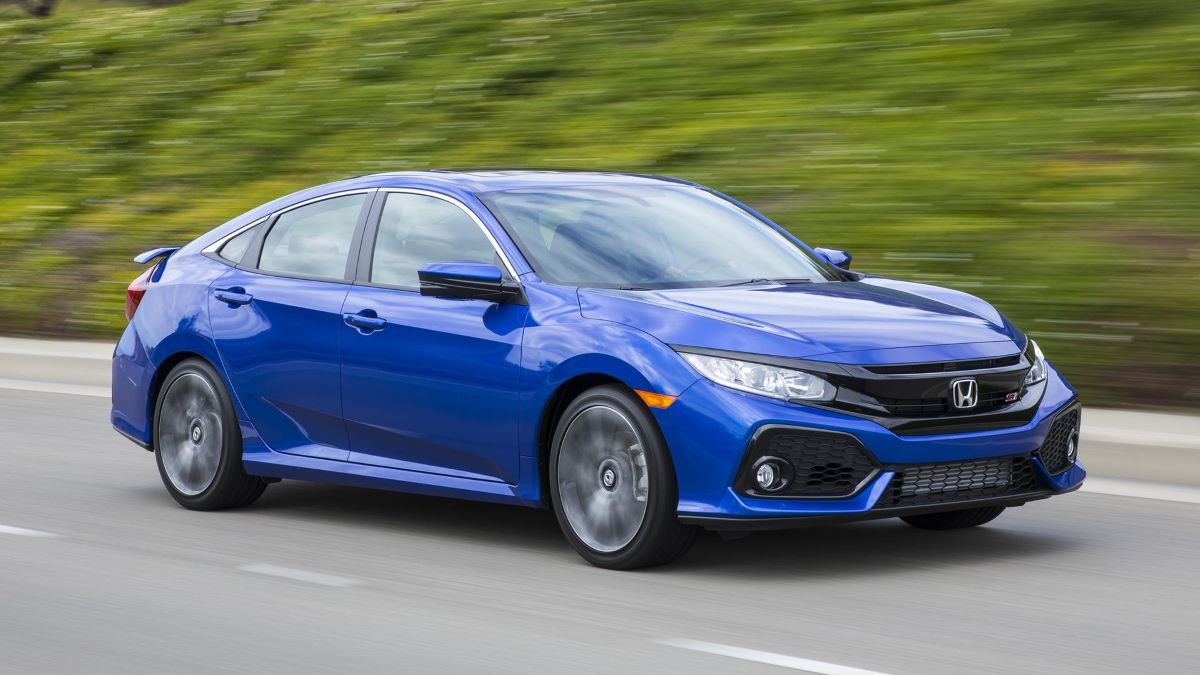
The Honda Civic has long been celebrated as one of the most reliable, fuel-efficient, and long-lasting vehicles on the road.
For decades, American drivers have chosen Civics not only for their affordable ownership but also for their potential to go well beyond 200,000 miles with proper care.
But even the most durable vehicles are not immune to wear and tear. While many owners hope for a high-mileage Civic, achieving that kind of longevity requires more than luck it requires strategy, diligence, and a few easy maintenance “wins” that can keep your car running smoothly for years.
If your goal is to add 100,000 miles or more to your Honda Civic, there are practical steps you can take that are surprisingly simple yet highly effective.
1. Stick to the Maintenance Schedule
Honda provides a clear maintenance schedule in the owner’s manual for every Civic model. Following these recommendations is the first step toward longevity.
Oil changes, filter replacements, transmission fluid checks, and timing belt inspections are not just suggestions they’re essential preventive measures.
Skipping oil changes, for instance, can lead to sludge buildup, which reduces engine efficiency and can cause irreversible damage.
Regular maintenance keeps the engine lubricated, the cooling system functioning, and the car running at peak performance, making it the simplest way to extend your Civic’s life.
Also Read: 5 Fluids You Should Always Keep Full to Protect Performance and Ensure Safety
2. Use Quality Oil and Fluids
Not all oils and fluids are created equal. Honda engines are designed to work with high-quality synthetic or semi-synthetic oils, which maintain viscosity under extreme temperatures.
Likewise, using the recommended transmission fluid, brake fluid, and coolant prevents premature component wear.
Many Civic owners underestimate the impact of using the right fluids, but this small choice can significantly affect engine longevity and overall reliability. Think of it as giving your car premium fuel for longevity it costs a little more upfront but saves thousands in repairs later.
Most car owners don’t realize just how complicated their vehicles really are. Cars with internal combustion engines rely on a surprising number of fluids to run smoothly. Of course, you’re probably familiar with the basics like engine oil, gasoline, coolant, windshield washer fluid, and transmission fluid.
But there are several others that are just as important, differential fluid, brake fluid, power steering fluid, clutch fluid, and even air conditioning refrigerant. All of these fluids need to be checked routinely and replaced on a regular schedule, or you risk costly repairs and poor performance down the road.
Depending on your vehicle, accessing these fluids may require special tools, especially if you’re planning on replacing them yourself. However, if you simply want to check their condition, most are easy to locate under the hood or near the engine bay.
Because every vehicle is different, your owner’s manual should always be your go-to reference for exact locations and specifications. Still, understanding what each fluid does and why it matters gives you a clearer picture of your car’s overall health.
Take engine oil, for instance, the lifeblood of your engine. Checking it is simple, thanks to the dipstick, usually marked with a yellow or orange handle.
When pulled out, the color of the oil tells you a lot: fresh oil will be a light, caramel shade, while old oil turns dark brown or black. A clean rag is all you need to wipe and recheck the dipstick to confirm both color and oil level.
Ideally, you should check engine oil when the car is warm but turned off. Oil changes vary depending on what type you use, ranging from every 3,000 miles for conventional oil to as much as 10,000 miles for synthetic.
Transmission fluid is another critical component, and it comes with its own dipstick, usually located toward the back of the engine bay. Some newer cars, however, are sealed and don’t require fluid changes.
For those that do, transmission fluid should be checked with the engine warmed up and idling. Healthy fluid will be red or pink, while brown or black fluid indicates it’s time for a change. In general, transmission fluid needs replacing every 30,000 miles, but your manual will give you the precise interval.
Brake fluid, on the other hand, is found in a small reservoir near the firewall under the hood, usually marked with a black lid and a circular brake symbol.
Unlike oil, you can simply look at the reservoir to check the level and fluid color. New brake fluid is almost translucent with a golden hue, but if it’s dark brown or black, it’s overdue for a flush.
Low fluid levels may also signal a leak or worn brake pads. For most drivers, a flush every two years is sufficient, but aggressive drivers or those with performance cars may need to change it more often.
Every fluid in your vehicle has a purpose, from cooling and lubricating moving parts to ensuring safety systems like brakes and steering work properly.
Ignoring them only shortens the life of your car and increases the risk of breakdowns. By routinely checking and maintaining these fluids, you not only save money in the long run but also keep your car running at its best.
3. Replace the Timing Belt on Time
Many Civics, especially older models, are equipped with timing belts. A snapped timing belt can lead to catastrophic engine damage, often requiring a full engine rebuild.
Honda typically recommends timing belt replacement every 60,000 to 100,000 miles, depending on the model and year. Adhering to this interval is a high-return maintenance move.
It’s a task that may seem costly at first, but it’s far cheaper than replacing an engine. For US drivers, where highway miles can accumulate quickly, monitoring the timing belt is one of the most reliable ways to protect the Civic’s heart: its engine.
4. Pay Attention to Brakes and Tires
Brake and tire maintenance is often overlooked in longevity discussions, but it’s vital. Worn brakes and underinflated or misaligned tires not only compromise safety but also strain the suspension and drivetrain.
Regularly checking brake pads, rotors, and tire pressure keeps the Civic operating efficiently.
Rotating tires every 5,000 to 7,500 miles ensures even wear, which prolongs tire life and maintains fuel efficiency. This simple win not only keeps you safe but also protects other parts of your car from unnecessary stress.

5. Don’t Ignore Warning Lights
Honda Civics are equipped with sensors that alert drivers to potential problems, from low oil pressure to malfunctioning emissions systems.
Ignoring warning lights can turn a minor, inexpensive fix into a major, costly repair. Addressing dashboard alerts promptly keeps small issues from escalating, allowing the vehicle to stay on track for those extra 100,000 miles.
For US drivers, with long commutes and highway travel, responding quickly to alerts is essential to avoid breakdowns in inconvenient locations.
Cars are complex machines designed to handle everything from routine daily commutes to exhilarating weekend drives. Like any piece of machinery, however, they demand consistent care and attention.
Overlooking warning signs can allow small issues to snowball into major repairs, not to mention create unsafe driving conditions. To help you stay ahead of trouble, here are ten warning signs no driver should ever ignore.
One of the clearest signals that something is wrong comes from the dashboard warning lights. Whether it’s the check engine light, oil pressure alert, or battery symbol, these indicators should never be dismissed.
Each light has a specific meaning outlined in your owner’s manual. For example, a flashing check engine light means you should pull over immediately and listen for unusual sounds.
Sometimes the culprit is as minor as a loose gas cap, but it could also point to something serious, like a failing catalytic converter. A simple OBD-II scanner can help you identify the problem more quickly.
Another red flag comes in the form of unusual engine noises. Engines normally run with a smooth, steady hum, so any knocking, ticking, or grinding should raise concern.
Knocking often suggests issues with the fuel-to-air mixture, while persistent ticking may point to valve clearance problems.
Grinding noises, whether from the engine or transmission, can indicate severe internal damage. Whatever the sound, the best move is to schedule a visit to your mechanic right away rather than wait for things to worsen.
Vibrations while driving are another sign that something isn’t right. While you might chalk it up to rough road surfaces, consistent shaking through the steering wheel or seat usually points to mechanical issues.
Common causes include misalignment, tire imbalance, or even brake problems. If vibrations occur at all speeds, inspect your tires for deformities or book a wheel alignment. Don’t overlook your brakes either, since warped rotors can cause similar symptoms and need immediate attention.
Few things are more alarming than seeing smoke or steam rise from your engine. The color often reveals the root cause: white smoke suggests coolant is burning, often due to a blown head gasket, while blue smoke indicates burning oil, which can lead to catastrophic engine failure if ignored.
Steam, on the other hand, usually signals a coolant leak. You can temporarily top off the coolant to avoid overheating, but the safest step is to call a professional and have the issue fixed before permanent damage occurs.
Also Read: 5 EVs With Simple Cooling Systems vs 5 With Complex Thermal Issues
6. Keep the Cooling System Healthy
A Civic’s engine depends on its cooling system to regulate temperature. Radiators, hoses, and coolant must all be in top shape to prevent overheating, which can warp cylinder heads or damage gaskets.
Flushing the coolant system at intervals recommended in the manual, replacing old hoses, and checking for leaks are easy yet effective steps to ensure the engine remains cool, even in extreme summer heat or during long highway drives common across the US.
The cooling system in your car is one of its most essential components, responsible for maintaining the proper engine temperature.
If the system fails, the engine can quickly overheat, often resulting in severe and costly damage. From my own years of driving and maintaining vehicles, I’ve learned that keeping the cooling system in good shape is easier than most people think.
With some simple but consistent care, you can avoid expensive repairs or even being stranded with a breakdown. In this guide, I’ll walk you through the essential steps I take to maintain my cooling system and how you can do the same.
Before diving into maintenance, it’s worth understanding the basics of how the cooling system works. Its job is to remove excess heat from the engine, which generates significant heat, especially at high speeds or when climbing steep grades.
To keep the temperature balanced, the system relies on key components such as the radiator, water pump, thermostat, coolant, and hoses, all working together to regulate heat.
One of the easiest and most important steps is checking your coolant level. Coolant helps transfer heat away from the engine, and without enough of it, overheating is almost inevitable. I make it a habit to check the coolant every few weeks, topping it off when needed and always using the type specified by my vehicle’s manufacturer.
But it’s not just about the level, coolant quality matters, too. Over time, coolant loses effectiveness and can form sludge or rust inside the radiator. To prevent that, I flush the radiator and replace the coolant about every 30,000 miles, or as recommended in my manual.
The radiator itself is the heart of the cooling system, and I regularly inspect it for dirt, debris, leaks, or corrosion. A quick visual check can prevent major trouble later on.
Along with the radiator, I always check the hoses for cracks, leaks, or weak spots that could allow coolant to escape. Even a small leak can lead to overheating if ignored.
Another key component to watch is the thermostat. Its job is to control coolant flow through the engine, opening only when the engine reaches the right temperature.
A faulty thermostat can cause overheating or prevent the engine from warming up properly. I once had to replace mine after noticing the temperature gauge fluctuating. It’s a small, inexpensive part, but it plays a huge role in engine health.
The water pump is equally vital, as it keeps coolant circulating between the engine and radiator. If the pump fails, overheating happens fast.
I’ve had to replace one before, and while it wasn’t cheap, I learned that replacing it early is far better than dealing with engine damage. Signs of water pump trouble include coolant leakage around the pump or strange noises while the engine is running.
The cooling fan is another often-overlooked component that’s critical for temperature control. It pushes air through the radiator, especially when the car isn’t moving fast enough to get natural airflow.
If the fan isn’t working, the car can overheat even if everything else in the system is fine. I always test the fan during hotter months and get it repaired if it doesn’t run when it should.
Finally, it’s important to stay alert for warning signs of overheating. The temperature gauge running high, steam or smoke from under the hood, or a sweet coolant smell are all red flags.
I learned this the hard way once when I ignored a small fluctuation in the gauge, nearly overheating my engine. Since then, I’ve made it a rule never to dismiss these signs, when they appear, I pull over immediately and check the situation before it turns into a disaster
7. Regularly Inspect Suspension and Steering Components
The Civic’s ride quality and handling depend on the health of its suspension and steering systems. Worn shocks, struts, or bushings can compromise control and accelerate tire wear.
Checking these components every 15,000 to 30,000 miles and replacing them as needed keeps the car smooth, safe, and mechanically efficient.
For drivers in areas with potholes, snow, or rough rural roads, this maintenance step is especially critical to prevent frame or chassis damage.
8. Protect the Body and Frame
Rust can be a silent killer for Civics, particularly in regions where salt is used on winter roads. Washing the undercarriage during winter months and treating any scratches or chips with touch-up paint can prevent corrosion from spreading.
Using protective wax and parking in shaded or covered areas also preserves the paint and metal. For US owners, this is an easy win that directly contributes to the car’s resale value and long-term structural integrity.
9. Mind Your Driving Habits
How you drive can have as much impact on your Civic’s lifespan as maintenance. Gentle acceleration, avoiding hard braking, and minimizing high-speed driving can reduce stress on the engine, transmission, and brakes.
Additionally, avoiding excessive idling helps prevent engine wear and conserves fuel. In the US, with its mix of city traffic and open highways, adopting smooth, consistent driving habits can add significant miles without major mechanical strain.
In today’s fast-paced world, distractions are everywhere, and driving is no exception. From buzzing notifications to heavy traffic, staying attentive behind the wheel has never been more important.
Mindful driving is the practice of being fully present and aware while operating a vehicle, ensuring safety for yourself and others on the road.
Whether you’re commuting to work, running errands, or embarking on a long road trip, adopting mindful driving techniques can reduce stress, prevent accidents, and create a safer, more enjoyable driving experience.
At its core, mindful driving means giving your full attention to the task of driving, free from distractions, emotional stress, or the auto-pilot habits that often creep in during routine trips.
Instead of letting your mind wander, mindful driving encourages awareness of your surroundings, including other vehicles, pedestrians, and road signs, as well as your own emotions and physical state.
This level of focus helps you make safer, more informed decisions on the road, ultimately enhancing your awareness, reaction times, and overall driving performance.
Driving demands constant focus and split-second decision-making, and even a brief lapse in attention can have serious consequences.
The benefits of mindful driving go beyond safety. Staying alert and aware makes it easier to respond to sudden stops, lane changes, or unexpected obstacles, while mindful breathing and staying calm behind the wheel can help manage road rage or traffic-induced stress.
By staying fully present, you not only react more quickly to potential hazards but also cultivate a calmer, more enjoyable driving experience.
Practicing mindful driving doesn’t have to be complicated. The first step is eliminating distractions, silence your phone, set up your GPS and playlist before leaving, and keep both hands on the wheel.
Staying present is equally important, which means paying attention to traffic signals, checking mirrors often, and remaining aware of how your car responds to acceleration or braking.
Defensive driving is also a key part of mindful driving: maintain a safe following distance, anticipate the actions of erratic drivers, and remain cautious at intersections and pedestrian crossings.
Emotional control plays a big role as well. Frustration and road rage can quickly cloud judgment, leading to reckless decisions.
Deep breathing, calming music, or simply accepting delays as part of driving can help you stay grounded. On long trips, taking breaks every two hours, staying hydrated, and recognizing signs of fatigue are critical for maintaining focus.
10. Keep Records and Stay Proactive
Finally, maintaining a detailed service record helps you stay on top of maintenance intervals and anticipate future repairs.
Proactive care such as replacing worn belts, fluids, and components before they fail prevents sudden breakdowns and extends the Civic’s life.
Many long-term Civic owners in the US attribute their high-mileage success to careful record-keeping and proactive maintenance planning. It’s a small investment of time that pays enormous dividends in longevity.
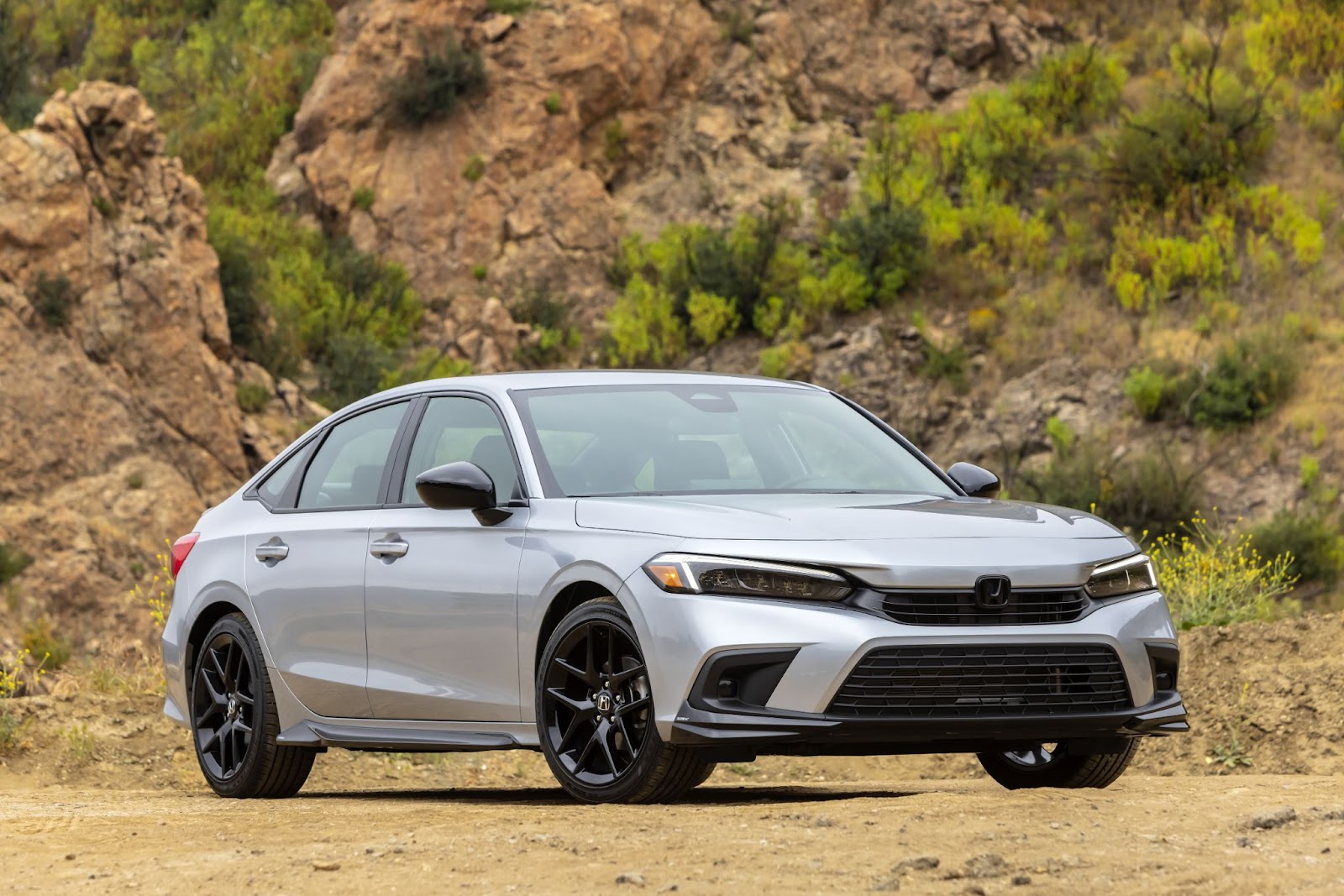
Adding 100,000 miles to a Honda Civic is far from impossible, and the steps required are surprisingly manageable. With consistent maintenance, careful driving habits, and attention to both mechanical and cosmetic health, Civic owners can enjoy decades of reliable transportation.
From timely oil changes and fluid checks to suspension inspections and rust prevention, these ten “easy wins” provide a roadmap to keep your Civic running strong.
For US drivers, who rely on vehicles for commuting, road trips, and daily errands, implementing these strategies not only extends mileage but enhances safety, performance, and overall ownership satisfaction.
A well-cared-for Honda Civic is more than just a car it’s a long-term investment that can serve faithfully for hundreds of thousands of miles.
By following these practical steps, your Civic can reach and surpass that coveted 100,000-mile milestone, providing decades of reliable driving without the stress and cost of major repairs.
