
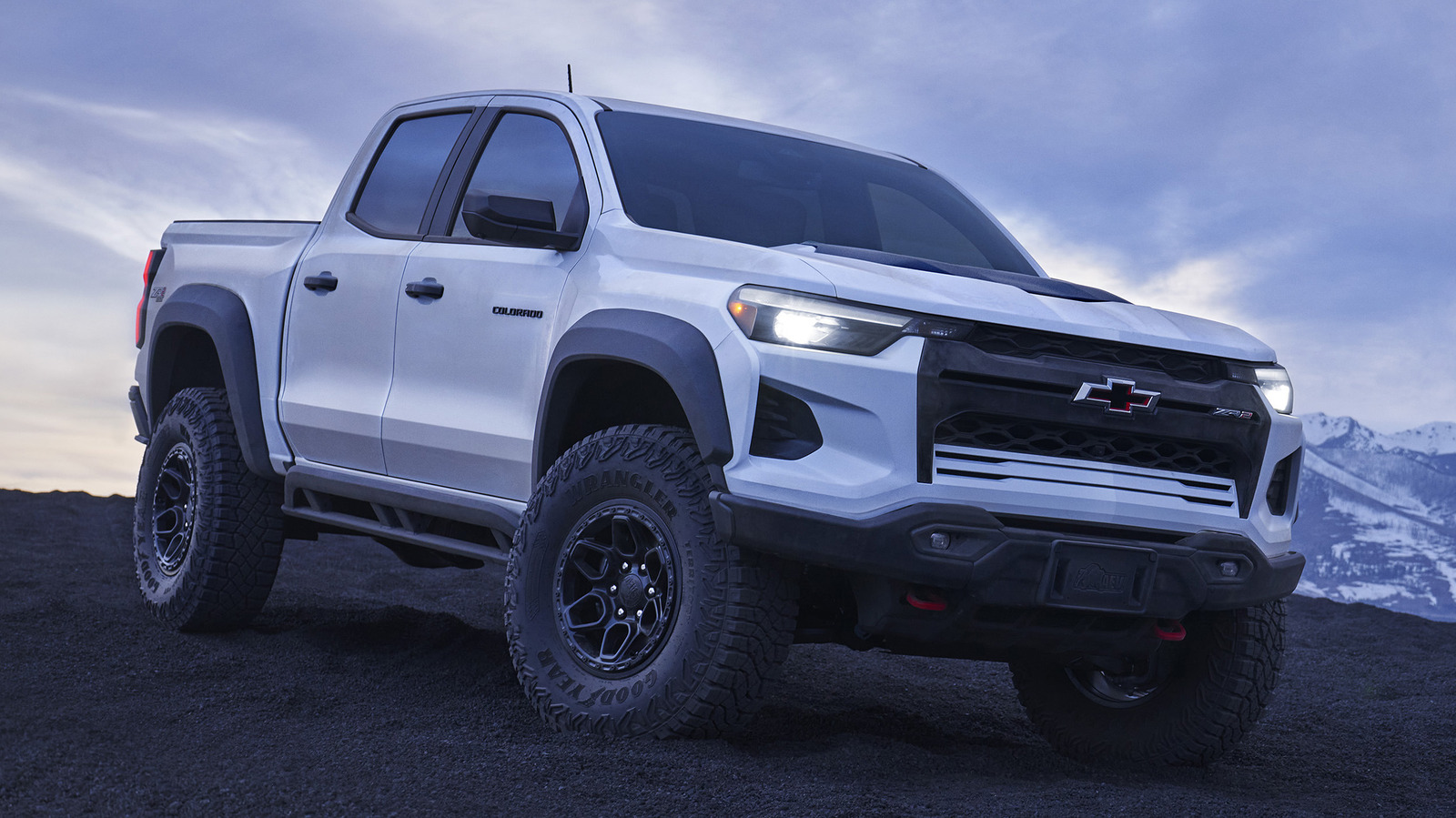
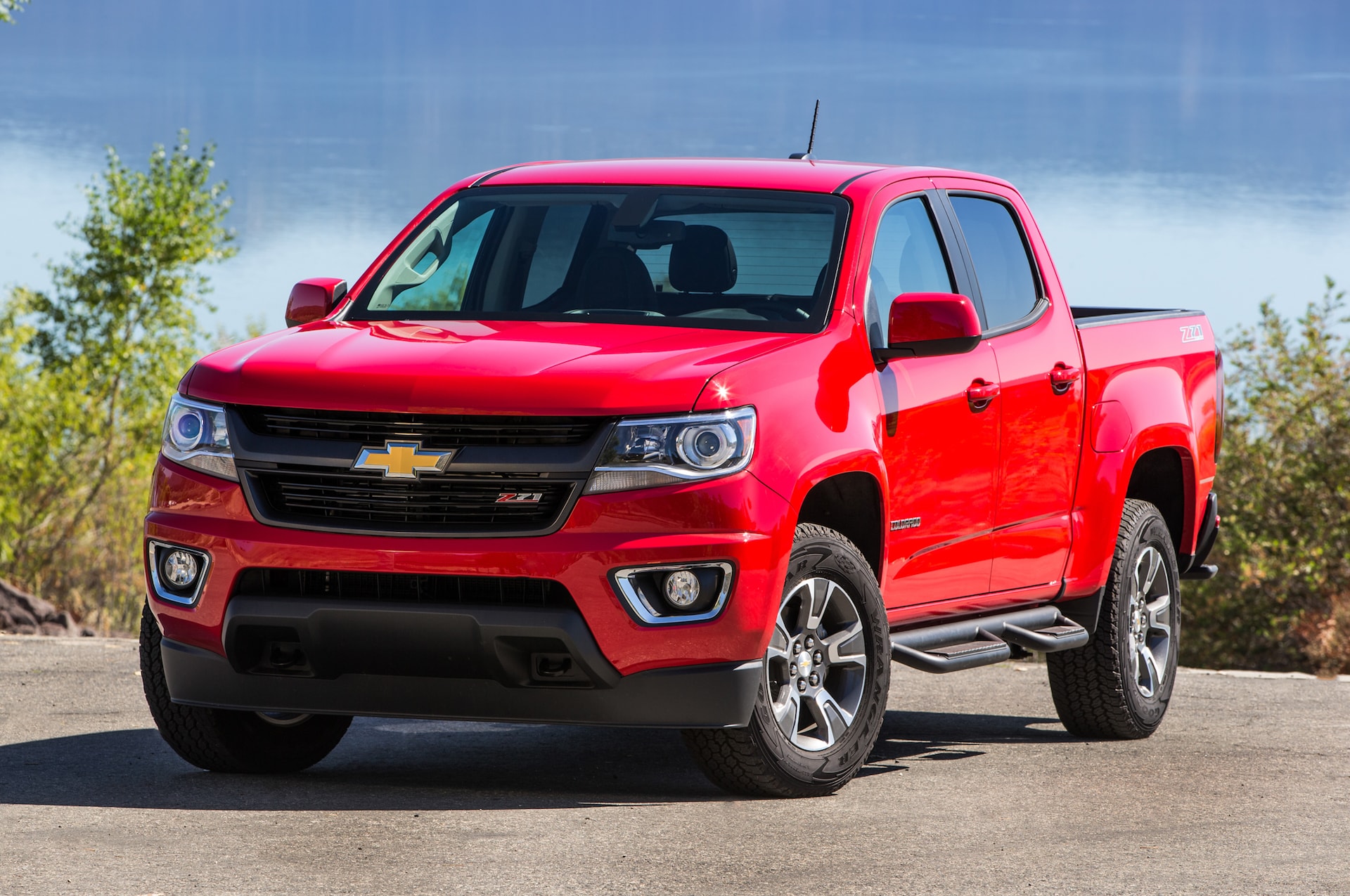
The Chevy Colorado has built a strong reputation as a midsize truck that offers both daily practicality and the toughness needed for towing.
Many people rely on it to haul boats, trailers, campers, or equipment, making its towing ability a central part of what owners value most. A truck that tows well doesn’t just happen by coincidence.
It takes care, consistent attention, and the right practices to keep everything working at its peak over the years.
Whether you use your Colorado for weekend adventures or for lengthy work commitments, the way you maintain and prepare your truck directly influences how well it continues to tow season after season.
Towing places more stress on an engine, transmission, suspension, and braking system than regular driving. This means that even small oversights can grow into bigger issues if ignored.
By understanding what measures matter most, you can make confident choices that protect both your truck and whatever you’re pulling. Owners who apply the right habits not only extend their vehicle’s life but also enjoy safer journeys and fewer breakdowns along the way.
What makes caring for a towing vehicle different is that you’re maintaining a system under twice the strain: your truck and the load behind it.
Everything from the hitch to the cooling system to tire pressure plays a part in stable performance. By addressing these factors regularly, you improve dependability and avoid the frustration of costly repairs.
The ten steps ahead focus on the most effective strategies for keeping a Chevy Colorado strong when towing.
Each of these areas highlights a practice that owners can easily apply to protect their investment while enjoying consistent, safe, and powerful performance for years to come.
Also Read: 10 Mistakes That Kill a Chevy Silverado Before 150,000 Miles
1. Prioritize Routine Engine Maintenance
When towing, your Chevy Colorado’s engine works harder than usual. Extra heat builds up, and any weakness in the system becomes more noticeable under load. This is why regular engine maintenance is the foundation of long-term towing strength.
Oil changes should not be skipped or delayed because oil degrades faster under towing conditions. Fresh oil helps reduce friction and prevents overheating, two factors that directly affect how well your truck pulls a load.
Using the manufacturer-recommended grade of oil is crucial, as it ensures proper lubrication even when operating under heavy stress.
Beyond oil, filters also deserve careful attention. Air and fuel filters can clog sooner due to dust, dirt, and higher fuel demand during towing. Keeping these clean maintains airflow and proper combustion. Coolant is another vital area.
Because pulling weight generates more heat, your cooling system must always be in excellent condition. Regular checks of coolant levels, inspecting hoses, and flushing the radiator at recommended intervals prevent breakdowns that could leave you stranded while hauling.
Attention to spark plugs and ignition components should not be overlooked, either. When hauling, engine load is consistently high, so spark plugs wear quicker than they might during normal driving. Replacing them early ensures steady power and better fuel efficiency.
Altogether, consistent engine care establishes a strong base for reliable towing. By staying disciplined with service intervals and inspections, your Colorado will remain powerful, efficient, and prepared for the demands of pulling trailers or heavy gear year after year.
2. Protect the Transmission System
For any towing vehicle, the transmission is one of the most stressed components. Your Chevy Colorado transfers significant force through this system to move a trailer, which makes transmission health crucial to long-term performance.
Heat is the biggest enemy here. When a transmission overheats, fluid breaks down, gears slip, and long-term damage can occur.
To counter this, always stick to scheduled fluid changes. Transmission fluid should remain clean with good viscosity, ensuring smooth gear shifts and proper cooling during demanding towing conditions.
Installing or maintaining a transmission cooler is a smart approach if you tow often. By lowering fluid temperatures, a cooler adds protection that prevents overheating during steep climbs, long towing trips, or in hot climates.
Alongside that, inspecting seals and gaskets helps prevent slow leaks, which may go unnoticed until shifting problems begin. How you drive also affects transmission longevity. Abrupt acceleration, late braking, or sudden downshifts while towing increase strain.
Smooth, steady driving keeps the load balanced and transmission stress manageable. If your truck has a Tow/Haul mode, always use it. This feature optimizes shift points for carrying heavy loads, reducing gear hunting and overheating risks.
Finally, listening to small signals helps catch early issues. Any slipping sensation, rough shift, or delayed gear change deserves immediate attention before damage worsens.
With proactive care, the transmission will last longer and maintain its ability to handle heavy hauling. By respecting this system, your Chevy Colorado can continue towing with confidence for years.
3. Monitor and Maintain Tires Correctly
Tires act as the direct link between your truck and the ground, making them vital for safe and effective towing. The extra weight from a trailer increases pressure on each tire, magnifying wear and shortening lifespan if not cared for properly.
The first priority is tire pressure. Incorrect inflation is one of the most common causes of blowouts when hauling. Always check pressure before a towing trip, making sure it matches both the truck’s and trailer’s recommended levels. Proper inflation provides better stability, steering response, and fuel efficiency.
Tire condition should also be assessed before towing. Uneven tread wear can lead to instability when cornering or braking, especially with a trailer attached. Rotating tires consistently keeps wear even and extends their lifespan.
Inspecting for sidewall cracks or bulges ensures small issues do not become dangerous at highway speeds.
Weight distribution is another factor that affects tire life. An improperly balanced trailer adds unnecessary strain on rear tires, leading to overheating and blowouts. Using a weight-distribution hitch helps balance the load and avoids overburdening the rear axle.
Alignment checks are also important. Pulling a trailer exaggerates any misalignment, which then accelerates tire wear. By keeping alignment correct, your truck drives straighter, requires less steering effort, and maintains better control.
Safe towing requires a solid foundation, and tires are at the center of it. With consistent attention to inflation, alignment, and condition, your Chevy Colorado will handle loads safely while extending tire life through many years of use.
4. Strengthen the Braking System
Towing places a much heavier load on brakes compared to normal driving. Every time you slow down, brakes are responsible for controlling not just the truck but also the trailer.
If braking components are not properly maintained, stopping distances increase, and safety is compromised. Keeping your Chevy Colorado’s braking system at its best begins with inspecting the brake pads and rotors regularly.
Pads wear down more quickly under towing stress, and thinning pads reduce stopping power. Replacing them before they become too worn ensures safe braking.
Brake fluid also plays a big role in system health. Over time, fluid absorbs moisture, lowering its ability to pass pressure effectively. Flushing it at proper intervals maintains a firm pedal feel and prevents corrosion inside the system.
Rotors should be checked for warping or grooves, especially when driving on steep grades with a trailer. Even small imperfections can grow worse during heavy braking events.

If you tow frequently, consider higher-performance brake pads or rotors designed for heavy-duty use. These resist heat buildup better and provide more consistent stopping power under stress. Trailer brakes deserve equal attention.
Ensuring that the trailer’s braking system is functional keeps the load balanced and prevents all the stress from falling on the truck’s brakes alone.
For mountain roads or frequent descents, make use of engine braking where possible. This lowers strain on brake components and extends their lifespan.
Keeping brakes in top form not only protects your truck but also ensures safety for your cargo and passengers on every trip.
5. Use the Right Hitch and Towing Equipment
Even the most powerful truck can underperform if the hitch system is not designed for the weight being carried. Choosing the correct hitch setup for your Chevy Colorado is essential, as it directly affects safety, stability, and towing efficiency.
A mismatched hitch may appear functional but can create dangerous sway or structural stress. Always consult the weight ratings of both the hitch and your truck to confirm they exceed the load being towed.
A receiver hitch matched to the proper class is typically the best choice for most Colorado owners.
For heavier trailers, a weight-distribution hitch helps spread tongue weight evenly, preventing the rear of the truck from sagging. This improves handling and braking performance while reducing strain on the suspension.
Safety chains or cables are another critical component. They act as a backup connection in case the trailer detaches from the ball mount, preventing a complete separation. Chains should always be crossed under the hitch, ensuring the trailer tongue rests securely if disengagement occurs.
Regular inspection of hitch parts is equally important. Check for rust, cracks, or loose bolts that may weaken the system. Greasing the ball and coupler helps prevent friction wear and makes it easier to connect and disconnect.
Electrical connections are another area to maintain. Trailer lights, brake wiring, and connectors must work properly to maintain safety and comply with regulations.
By ensuring equipment is matched, functional, and cared for, you create a dependable towing setup that supports your truck’s long-term performance.
6. Keep Suspension and Shocks in Good Shape
A well-maintained suspension is crucial when towing because it keeps the truck stable under the added weight. The Chevy Colorado’s suspension system balances comfort with load capacity, but years of heavy use can weaken springs, shocks, and bushings.
If these parts wear out prematurely, towing becomes both unsafe and uncomfortable. That is why frequent inspections and timely replacements are necessary.
Shocks and struts are the primary components that absorb road impacts. When towing, the truck dips and sways more than usual, and worn shocks will make this worse.
Replacing them with heavy-duty shocks can improve handling and reduce bounce. Leaf springs or coil springs also deserve close attention. Cracked or sagging springs reduce carrying capacity and compromise stability.
Another maintenance step involves keeping an eye on bushings, ball joints, and control arms. Extra towing stress accelerates wear in these areas, which can lead to vibrations, steering problems, or uneven tire wear. Greasing moving joints as required by service guidelines keeps them working smoothly.
Upgrades such as air springs or helper springs are worth considering for drivers who frequently haul near the truck’s maximum rating.
These enhance weight balance and reduce rear-end sag. Combined with proper load distribution, they ensure a level ride and steady steering during towing.
Maintaining suspension health gives the driver more confidence and reduces strain on other components like tires and brakes. A firm, balanced suspension system allows the Chevy Colorado to handle heavy pulling tasks effectively for years.
7. Manage Weight Distribution and Trailer Balance
Towing performance depends heavily on how weight is managed between the truck and trailer. Even with the latest features, an uneven or poorly balanced trailer can create swaying, poor fuel economy, and increased component wear.
The Chevy Colorado performs best when the tongue weight is properly set. Tongue weight generally should be about 10 to 15 percent of the total trailer mass. Too little causes sway, while too much creates sag in the rear suspension.
Loading the trailer correctly makes a big difference. Heavy items should be placed over the axles or slightly forward, never at the very back, which shifts the balance dangerously. Spreading weight evenly side to side also keeps steering control consistent.
Strapping cargo tightly prevents load shifting, which could upset stability when driving over bumps or during emergency maneuvers.
Using a weight-distribution hitch further improves stability, especially on larger trailers. It prevents the rear of the truck from dipping too low by spreading the downward force across all axles. This keeps both the Colorado and the trailer level, which benefits braking, handling, and overall control.
Checking balance before long trips is essential. Even a small imbalance can magnify at higher speeds, leading to stressful driving experiences or accidents. Trailer sway control devices can provide extra assurance, particularly in windy conditions or during highway driving.
By always managing trailer weight properly, you protect your truck, make each journey safer, and extend the lifespan of your suspension, tires, and brakes while maintaining steady towing performance.
8. Watch Cooling Systems and Prevent Overheating
Heat is one of the greatest threats to towing durability. Your Chevy Colorado must pull both its weight and the trailer’s load, which means the engine and transmission build up much more heat than in daily driving.
Keeping cooling systems in top condition prevents costly wear. The radiator, coolant, fans, and hoses all work together to control temperatures, and they all require routine checks.
Start with coolant inspections. Low or dirty coolant quickly leads to overheating, which can warp engine parts and cause breakdowns.
Flushing the cooling system at the intervals suggested in the manual ensures efficient operation. Radiator fins should also be checked for dirt or blockages and cleaned if necessary.
The water pump and thermostat should not be ignored. Either part failing under towing pressure conditions can cause rapid overheating.
Hoses and clamps must be examined for leaks or aging, since even a slow leak can eventually overheat the truck and trailer mid-trip.
For frequent haulers, aftermarket add-ons like upgraded radiators or auxiliary coolers for transmission fluid provide extra protection. These keep temperatures stable on long uphill climbs or during hot summers.
Monitoring gauges on the dashboard is equally important. If temperature levels creep higher than normal, it’s better to pause and allow the system to cool instead of risking engine damage.
Preventing overheating does not just protect the motor and transmission; it ensures that towing performance stays strong across many years without sudden failures.
9. Stay On Top of Electrical Systems
Towing relies heavily on electrical systems functioning correctly. Your Chevy Colorado has built-in electronics that interact with trailer connections, lights, and braking systems. Any weakness here impacts both performance and safety.
Routine inspection of wiring harnesses is an essential step, making sure connectors are free from corrosion or loose fittings. Exposure to water, dirt, or road salt often causes electrical issues over time, so cleaning and applying dielectric grease helps protect them.
Trailer lights are one of the most important concerns when towing. Proper brake lights, indicators, and tail lights keep communication with other drivers clear.
Before each trip, a walk-around test ensures that all signals work properly. Malfunctioning lights not only increase accident risk but also lead to legal issues.
The brake controller system is another vital area. It synchronizes trailer brakes with the truck, making sure both share the job of slowing down. Testing it before long drives ensures consistent brake force. If wiring appears worn, replacing it early avoids problems on the road.
Battery health also plays a role. Modern trucks support more electronics than ever, and towing accessories add more demand. Testing the battery and alternator ensures there is enough reserve power for both the truck and trailer needs.
Strong electrical systems keep performance stable and confidence high while towing. By treating wiring, connectors, and power supply as priorities, you reduce the risk of unexpected failures, which allows the Chevy Colorado to tow reliably across countless trips.
10. Practice Smart Driving Habits While Towing
Even with the best maintenance and equipment, how the truck is driven strongly affects its long-term health. Towing puts consistent pressure on every part of the Chevy Colorado, but proper driving habits reduce unnecessary wear.
Smooth acceleration is always preferable. Flooring the gas with a trailer attached puts excess stress on the transmission and engine. Steady pressure allows components to perform within safe ranges.
Maintaining moderate speeds is equally important. High speeds not only lower fuel efficiency but also increase trailer sway and braking distance. Using cruise control where conditions allow provides even throttle application and reduces fatigue during longer trips.
When braking, giving extra distance between vehicles prevents harsh stops that overheat brakes. On downhills, using lower gears and engine braking reduces wear on the braking system, while providing steadier control.
Turning also requires care. Wide, slower turns prevent tires, axles, and suspension from bearing unnatural forces. Constantly checking mirrors helps anticipate trailer movements, preventing jackknifing or lane drift.
Finally, keeping situational awareness prevents panic corrections, which strain steering and axles. Planning routes that avoid steep grades or heavy congestion makes for safer journeys.
By combining good maintenance with smart driving choices, your Colorado experiences less stress, retains stronger towing health, and keeps both truck and trailer secure during years of service.
Thoughtful driving is the last step that ties all the maintenance efforts into dependable performance for the life of the vehicle.
The Chevy Colorado is widely valued for balancing daily drivability with reliable towing capabilities. Keeping this strength intact for years requires consistent care, smart practices, and attention to key components that bear the brunt of hauling.
Regular engine maintenance ensures that oil, filters, and spark plugs are always ready for the extra stress of towing, while a well-protected transmission with clean fluid and, if needed, an added cooler, prevents overheating and costly repairs.
Tires, being the truck’s point of contact with the road, need strict monitoring for pressure, tread wear, and alignment to avoid blowouts and improve stability.
The braking system carries higher responsibilities when towing, making timely pad, rotor, and fluid checks essential. Choosing the right hitch and equipment, including weight-distribution systems and safe electrical connections, further improves safety and performance while reducing strain on the truck’s components.
A healthy suspension system, supported by shocks, springs, and optional add-ons like air springs, allows the truck to remain level and stable under heavy loads.
Weight distribution and trailer balance are equally important, ensuring the trailer does not create sway or overload the rear of the truck.
Cooling systems must also be maintained to handle the higher heat output caused by towing, while electrical systems keep trailer lights and braking devices coordinated and functional.
Finally, smart driving habits, from smooth acceleration to cautious braking and controlled speed, tie all these steps together, reducing unnecessary wear and improving safety.
Each measure extends the life of critical parts while ensuring smoother and more reliable towing experiences. By combining disciplined upkeep with the right techniques, Colorado owners can count on their trucks to tow powerfully and safely for many years ahead.
Also Read: 10 Hacks to Make a Honda Accord Run Smooth for Decades
