
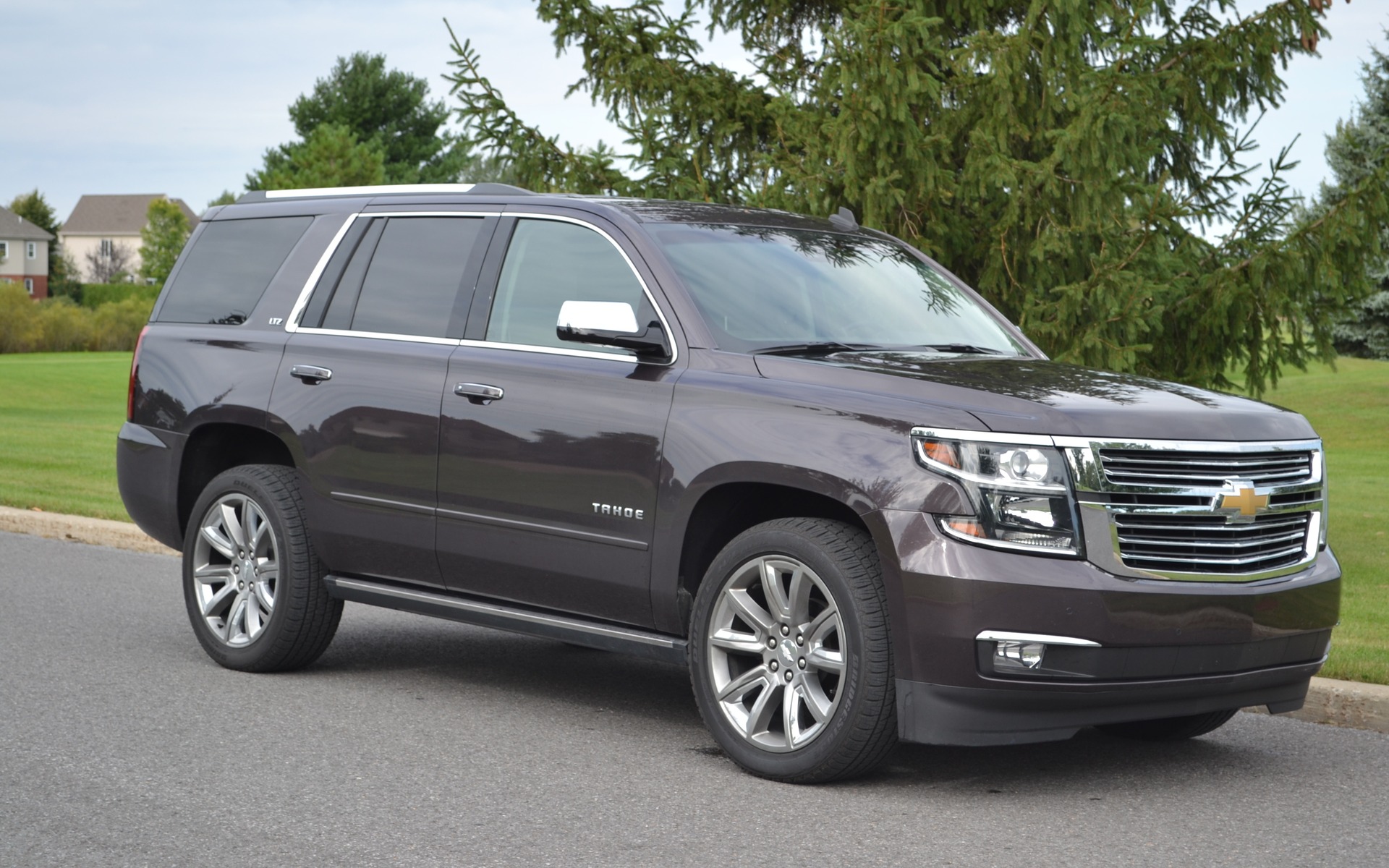
The Chevy Tahoe has built a strong reputation as a reliable, durable, and spacious SUV that delivers both comfort and performance. Owners often take pride in the Tahoe’s ability to handle rugged conditions, long road trips, and years of dependable service.
Yet, even the toughest vehicles face enemies that threaten their longevity, and one of the most common issues for the Tahoe is rust. Rust not only takes away from the SUV’s visual appeal but can also cause structural problems that make the vehicle unsafe over time.
Once corrosion sets in, it spreads quickly, affecting vital components such as the frame, suspension, and brake lines. This makes preventative care essential for anyone hoping to extend the life of their Tahoe.
Many Tahoe owners believe that rust is simply unavoidable, especially in regions where winter roads are covered in salt or in coastal areas with salty air.
While it is true that exposure to harsh elements creates a higher risk, the good news is that rust prevention is both possible and relatively straightforward.
By keeping up with small, consistent care habits, owners can significantly reduce the chances of corrosion and preserve their SUV’s value for years to come.
This guide breaks down ten practical fixes that help stop a Chevy Tahoe from rusting. Each step is easy to understand, affordable for most budgets, and effective when carried out regularly.
Think of these methods as protective habits that, when combined, create a strong shield around your vehicle. Whether your Tahoe is brand new or has already seen years of use, applying these techniques will provide long-lasting results.
Preventing rust is not just about keeping your SUV looking good, but about ensuring it continues to perform safely and reliably for the long haul.
Also Read: 5 Mitsubishi Outlander Years Worth Buying vs 5 That Aren’t
Tip 1: Regular Washing and Underbody Cleaning
Regular washing is one of the simplest yet most effective defenses against rust. Dirt, moisture, and most notably salt are the culprits behind corrosion. During winter, road crews often spread salt and de-icing chemicals that cling to a vehicle’s underbody and wheel wells.
The Chevy Tahoe, with its large frame and suspension components, can trap these particles in hidden spots. If ignored, moisture and salt mixtures accelerate oxidation and eat away at exposed metal.
A careful cleaning routine every one to two weeks is ideal, especially if you live in an area with salted winter roads or sandy coastal air. Avoid relying only on a quick rinse, as this won’t reach critical undercarriage areas.
Instead, use a high-pressure hose or a car wash with an underbody sprayer. Pay close attention to the wheel wells, rocker panels, and suspension points, since these areas are especially prone to corrosion.
For added protection, you can use a neutralizing wash solution designed for vehicles in snowy regions. These products help remove salt more effectively than water alone.
Don’t forget to keep the Tahoe’s body panels and seams clean as well. Even small accumulations of grime around doors and trim can trap moisture, which eventually encourages rust.
By making washing and underbody flushing a year-round habit, you minimize the buildup of harmful residue. It is a small investment of time that yields long-term results, ensuring the Tahoe’s frame and panels remain strong and free from corrosion for years.
Tip 2: Apply Protective Wax Regularly
Washing your Tahoe is the first step, but adding wax creates a barrier that keeps harmful elements from settling directly on the paint and metal. Factory paint offers protection, but as it ages or suffers tiny scratches, its shield weakens.
Wax fills in these imperfections and leaves behind a slippery surface that moisture, dirt, and even salt struggle to cling to. This helps cut down the risk of corrosion forming in the first place.
A good habit is to wax the vehicle at least three to four times a year. Before applying, ensure the surface is clean and dry. Use a high-quality automotive wax rather than cheaper alternatives, as these provide stronger adhesion and longer-lasting results.
Apply small portions evenly across the panels using a microfiber applicator. Allow proper curing before buffing to a smooth finish.
Waxing not only protects against rust but also enhances the Tahoe’s appearance, keeping paint vibrant and glossy. This boosts resale value while also reminding you to care for the SUV regularly.
Although waxing requires some effort, the process gets easier once it becomes part of your routine. Think of it as sealing tiny entry points where moisture could potentially sit and eat away at the metal underneath.

Over the lifespan of your Tahoe, these protective layers make a major difference. Combined with other maintenance habits, wax adds yet another effective shield in the fight against corrosion.
Tip 3: Apply Undercoating and Rustproofing Treatments
While surface protection is vital, hidden areas such as the Tahoe’s underbody, suspension arms, and frame components are the places most likely to corrode.
Applying an undercoating treatment adds a durable shield that stops water, salt, and debris from settling directly on exposed metal parts.
Rustproofing sprays and rubberized coatings are commonly applied at dealerships or auto shops, but many DIY-friendly products are available for home application as well.
Undercoating usually comes in spray form, creating a thick protective layer. It works especially well in wheel wells, rocker panels, and around suspension mounting points.
A high-quality rustproofing product penetrates seams, joints, and hard-to-reach crevices, stopping hidden rust from forming where washing cannot always reach.
If your Tahoe is new, applying these treatments early is ideal, as they help lock out exposure from the start. However, even older models benefit significantly.
Just be sure to have the undercarriage inspected first, since applying coatings over active rust can trap moisture and worsen the problem. In such cases, cleaning or mechanically removing the rust before applying fresh protection is a smart step.
Professional services may cost anywhere between $100 and $400 depending on coverage, but compared to expensive frame repairs, this is a worthwhile investment.
A properly applied undercoating can last several years before reapplication is needed. Combined with washing and waxing, this treatment creates one of the strongest defenses available against corrosion.
Tip 4: Inspect and Repair Paint Chips Promptly
One of the most overlooked rust triggers on the Tahoe is chipped paint. Even a small stone hitting the hood or a door edge scraping against another object can expose bare metal.
Once unprotected steel is exposed, oxidation begins almost immediately. That tiny blemish can spread faster than most people realize, creating larger rust patches within months if untreated.
Checking the Tahoe for chips and scratches on a regular basis can save you significant trouble down the line. Pay extra attention to the hood, fenders, rocker panels, and around door handles, as these are common high-impact areas.
Even road debris can leave subtle chips you may not spot at a glance, so run your fingers along suspect areas during inspection.
When you discover chips, repair them with touch-up paint designed for Chevy models. Clean the area thoroughly, apply primer if necessary, and carefully dab on the paint in thin layers. Let each coat dry fully before adding another. A clear coat sealer can then be applied to complete the job.
For deeper scratches or widespread damage, a body shop visit might be the safer option since professionals can restore factory-level protection and finish. By addressing chips quickly, you prevent oxygen and moisture from attacking exposed metal.

This small effort, repeated regularly, helps eliminate one of the main entry points for rust. It’s an easy habit that prolongs the Tahoe’s body life significantly.
Tip 5: Maintain Wheel Wells and Fenders
Wheel wells and fender areas see more grime, road debris, and salt exposure than almost any other part of the Tahoe.
These areas collect mud and trapped moisture, which slowly eat away at the protective coatings. If left unchecked, rust begins forming from the inside out, often going unnoticed until it becomes severe.
Start with regular cleaning using a pressure washer or hose nozzle designed for concentrated spray. Flush out mud, sand, and salt that tend to build up inside the wells.
Inspect liners to make sure they haven’t come loose or cracked, because exposed areas behind them offer easy entry points for corrosion.
Another smart step is applying rustproofing sprays in these areas. Rubberized coatings provide a protective layer that stops grit and grime from holding moisture against the metal. Wheel wells with proper protective coatings usually hold up far better than untreated ones.
Keep fenders checked for bubbling paint or surface imperfections. These bubbles are early indicators of hidden rust working outward. Small-area repairs at this stage are far easier than replacing entire panels later.
Additionally, avoid parking your Tahoe for extended periods in muddy terrain or areas where water gathers around the wheels. Continuous moisture is the perfect breeding ground for corrosion.
By keeping wheel wells and fenders clean and protected, you cut off one of the main hotspots where rust begins spreading to other body sections. This simple care step preserves both appearance and structural integrity.
Tip 6: Use Rust Inhibitors and Sprays
Even with washing, waxing, and undercoating, there are still small spaces and seams that remain vulnerable. That’s where rust inhibitor sprays come in.
These products are designed to seep into hard-to-reach areas such as seams, creases in the undercarriage, door sills, and frame joints. Unlike thick rubberized coatings, inhibitors are thinner liquids or penetrating oils that displace moisture and leave behind a protective layer.
You can apply rust inhibitors a few times a year, especially before winter or if you anticipate driving in salty conditions. Spray generously into areas prone to exposure.
Think about spots where dirt and moisture collect but may not be cleaned as easily, such as inside tailgate seams, under door trims, and along the bottom edges of body panels.
Some of the most popular options use lanolin-based or synthetic oil formulas. These not only prevent corrosion but can also slow the spread of existing surface rust. For the Tahoe’s frame rails and suspension joints, inhibitor treatments are particularly effective.

If your SUV sees a lot of off-road duty, reapply the product more frequently, as mud and water exposure tends to wear the protective layer faster. The convenience of inhibitor sprays comes from their ability to provide targeted defense exactly where you need it.
Adding them into your rust-prevention routine creates another layer of insurance against corrosion, especially in problem spots other treatments might miss.
Tip 7: Store the Vehicle Properly
Where you keep your Tahoe makes a major difference in rust prevention. Constant exposure to moisture, humidity, or road salt residue accelerates corrosion, even if you keep up with regular washing. Parking under proper shelter ensures your efforts to prevent rust last longer.
The best option is a dry garage with controlled ventilation. Leaving the Tahoe in a damp or poorly sealed space can actually worsen rust problems, as trapped humidity clings to exposed surfaces.
If you don’t have access to a garage, using a high-quality, breathable car cover protects from rain, snow, and debris. Make sure the cover allows airflow so condensation doesn’t accumulate underneath.
Avoid parking for long stretches directly on dirt or grass. Ground moisture rises overnight and creates a damp environment underneath the vehicle.
If outdoor parking is unavoidable, try to place your Tahoe on paved or gravel surfaces and rotate its position occasionally to avoid consistent exposure on the same areas.
In coastal regions, consider extra precautions since salty air increases rust risks. Washing the Tahoe more frequently and applying wax after removing salt residues will help immensely. Pair this routine with proper storage, and you can extend the vehicle’s life expectancy considerably.
Proper storage habits combine preventive measures with environmental control. By parking your Tahoe in the right way, you’re not giving rust the constant dampness or salt exposure it thrives on. This is one of the lowest-effort strategies with some of the longest-lasting benefits.
Tip 8: Keep Drains and Seals Clear
On a large SUV like the Chevy Tahoe, there are multiple drains and seals built into the design to redirect water safely away from metal panels and interior components.
Over time, these passages can clog with leaves, dirt, and road debris, forcing water to sit where it doesn’t belong. When standing water lingers in door sills, sunroof channels, or under-body seams, corrosion begins almost unnoticed.
Inspecting and clearing these drains is a simple but powerful way to limit rust. Open the Tahoe’s doors and check the lower edge, where you should see small holes meant to let water escape. If these plugs get blocked, water collects inside the door itself.
A pipe cleaner or compressed air can easily clear the pathway. Similarly, examine the rear liftgate area and ensure its drains remain open.
If your Tahoe has a sunroof, make it part of your seasonal checklist to confirm the sunroof drains are flushing properly.

Pour a small amount of water into the track and verify that it exits below the vehicle. Any blockages in this system could cause water intrusion in the headliner, eventually trickling into hidden metal cavities where rust thrives.
Finally, monitor the rubber seals around doors and windows. Cracked or hardened seals fail to keep moisture sealed out, leading to interior dampness and corrosion along hidden seams. Replacing worn seals is inexpensive and prevents much larger issues later.
By keeping drains flowing freely and rubber seals healthy, you cut off one of the sneakiest sources of rust formation inside your Tahoe.
Tip 9: Maintain the Undercarriage After Off-Roading
The Tahoe is often chosen for its capability off paved roads. Whether handling gravel, wet trails, or seasonal hunting trips, off-road adventures expose the undercarriage to dirt, water, mud, and grit that cling to suspension parts and frame rails.
These residues hold moisture against the steel for days at a time, creating the perfect environment for corrosion to spread.
After every off-road drive, it’s wise to give the Tahoe special attention below. Start with a thorough underbody rinse using a garden hose or power washer.
Make sure to target skid plates, axle housings, and lower suspension arms. If heavy mud is present, let it dry slightly before removing it, since hardened clumps are sometimes easier to break off.
Once cleaned, inspect components for chipped coatings or exposed metal. Rough terrain often scrapes away factory protection where rocks or debris strike the underside. If paint or coating is damaged, apply rustproofing spray or touch-up products quickly to reseal the area.
Also remember that frequent water crossings can accelerate rusting of bolts, brackets, and transmission pans. Using inhibitor sprays after such trips further strengthens protection.
If your Tahoe sees off-road use regularly, build a habit of seasonal inspections under professional lifts for a more complete check.
Off-road conditions provide unique challenges that road-only SUVs may not encounter, so a bit of extra care after each adventure keeps corrosion from creeping in unnoticed.
Tip 10: Schedule Annual Inspections and Professional Care
Even with consistent at-home maintenance, some areas of the Tahoe are difficult to monitor. Rust often begins in hidden seams, tight joints, or beneath protective coverings where the average owner might not look.
This is why scheduling an annual inspection with a professional mechanic or body specialist is one of the smartest anti-rust measures you can take.
During these inspections, professionals lift the vehicle and closely check frame rails, brake and fuel lines, suspension mount points, and behind wheel wells.
Early signs of surface rust can be treated on the spot with grinding, sanding, or sealing before they spread into structural problems. Spotting these areas early often prevents costly repairs and keeps your Tahoe’s body integrity strong.
Many shops offer dedicated rustproofing maintenance packages that combine cleaning, sealing, and recoating treatments in one visit. While there’s a cost involved, the long-term savings from avoiding major body repairs makes it worthwhile.
For newer Tahoe models, consistent professional servicing also helps maintain resale value, as buyers are often wary of hidden rust damage.
Think of annual inspections as a second layer of assurance on top of your personal routine. By combining professional expertise with your own care efforts, you are creating a strong approach that protects your SUV from every angle.
Even the most durable vehicle cannot fight rust on its own, but with annual checkups, you can keep control over its condition for the long haul.
Many Tahoe owners underestimate the importance of preventive measures until corrosion becomes visible. Unfortunately, by the time rust shows in large patches, damage underneath has already begun spreading.
The goal of regular care is not to react to rust after it appears, but to starve it of the conditions it needs to grow.
Each preventive habit may seem small, yet together they create a powerful shield that can easily add five, ten, or even fifteen additional years of structural life to your vehicle.
Keeping rust away is not just about saving the Tahoe’s appearance, though the cosmetic difference is obvious. Paint bubbling, crusted wheel wells, and discolored frames lower the pride of ownership and slash resale values.
More importantly, rust in critical places affects driving safety. Brake and fuel lines can corrode, structural strength in the chassis can weaken, and bolts holding suspension parts can deteriorate.
These failures often start from gradual corrosion before escalating into serious issues. By applying the fixes discussed, you are taking control of both aesthetics and long-term reliability.

Let’s look at how these tips work together holistically. Regular washing and underbody flushing attack the daily buildup of salt and grime. Wax and sealants create a chemical shield that prevents moisture from clinging to surfaces.
Undercoating and inhibitors add deeper protection for hidden areas. Touch-up paints keep vulnerable chips sealed, while wheel well and fender maintenance cuts off one of the most common sources of corrosion.
Storage choices minimize environmental dangers, drain and seal care stop trapped water, and off-road routines protect against unique exposures. Finally, annual inspections tie the process together with a professional safety net.
Think of your Tahoe as an investment. The purchase cost of these SUVs is significant, and replacement prices continue to rise. Simple maintenance habits help safeguard that investment.
A few minutes spent rinsing the underbody in winter or applying rust-inhibiting spray in autumn might feel minor, but across years of ownership, these efforts translate into thousands of dollars saved on repairs and resale value retained.
Also Read: 5 Kia Sorento Years With Strong Reliability vs 5 Without
