

The Nissan Maxima has long been celebrated for its mix of refined comfort, spirited performance, and lasting dependability when maintained with care.
Owners appreciate its responsive handling, strong V6 engine, and premium feel that often rivals vehicles in higher classes.
Yet even the most reliable cars depend on consistent upkeep and smart driving habits. Many issues that shorten a vehicle’s lifespan are not due to manufacturing flaws but to avoidable mistakes made by drivers and owners.
Neglecting certain small details may not cause immediate breakdowns, but over time they chip away at overall reliability, leading to mounting repair bills and frustrating downtime.
Every vehicle has its weak points, and the Maxima is no exception. For instance, ignoring fluid levels, using poor-quality replacements, or neglecting scheduled inspections can gradually wear down what should otherwise be a long-lasting drivetrain.
Poor driving habits such as aggressive acceleration or ignoring warning lights, also contribute to reduced efficiency and premature wear. While the Maxima was engineered to deliver years of dependable service, it requires attentive ownership to stay at its best.
What many drivers underestimate is the cumulative effect of these choices. A skipped oil change here and a prolonged dashboard light there might not feel urgent. However, they quietly burden the engine, suspension, and electronics.
Before long, what could have been prevented by simple maintenance turns into a costly repair or, worse, a loss of confidence in the vehicle’s performance.
This guide outlines nine common mistakes that compromise a Nissan Maxima’s reliability. By understanding why each misstep creates problems, owners can better protect their investment and continue enjoying a car designed to balance practicality with sporty appeal.
Avoiding these pitfalls not only saves money but also ensures the Maxima lives up to its reputation for long-term dependability.
Also Read: 5 Cars with Practical Storage vs 5 That Fall Short
Mistake 1: Skipping Regular Oil Changes
Engine oil is the lifeblood of your Nissan Maxima. It lubricates moving parts, minimizes friction, and helps keep the engine running at proper temperatures. When owners delay or completely skip oil changes, the consequences accumulate quietly but significantly.
Dirty oil loses its ability to lubricate effectively, allowing metal components to grind against one another, which increases wear. Additionally, contaminants in old oil may form sludge that blocks passages and reduces efficiency.
The result is often reduced fuel economy, sluggish performance, or, in severe cases, complete engine failure. Given the cost of repairing or replacing an engine, oil changes are one of the most affordable yet critical maintenance tasks that should never be delayed.
Nissan generally recommends changing the oil and filter every 5,000 miles for optimal reliability, though exact intervals may vary depending on driving conditions.
Long-distance commuters or drivers in hot climates should be even more cautious, as extreme weather can accelerate oil breakdown. Using the proper oil grade is equally important, since low-quality or incorrect formulations may compromise lubrication.
Choosing synthetic oils often provides better resistance against heat and degradation and can benefit the Maxima’s V6 engine in the long term.
By staying consistent with oil changes and using the right filter, an owner can eliminate one of the largest threats to engine reliability. This small investment of time and money ensures smoother operation and protects one of the car’s most expensive and vital systems.
Mistake 2: Ignoring Transmission Service
The Nissan Maxima is known for its powerful V6 engine, but its performance depends heavily on a healthy transmission. Unfortunately, many owners overlook transmission maintenance, assuming it will function flawlessly without attention.
This is a costly mistake. Over time, transmission fluid breaks down due to heat and mechanical stress. When the fluid loses its effectiveness, lubricating properties diminish, causing more friction and premature wear inside the transmission.
If left unchecked, drivers may notice delayed gear shifts, strange noises, or even complete transmission failure. Repairing or replacing a transmission is among the most expensive jobs a driver can face.

In many cases, these problems could have been avoided through timely service. Nissan vehicles, especially those with continuously variable transmissions (CVTs), depend heavily on fluid quality and proper levels.
Checking the transmission fluid regularly is crucial, along with having it changed according to Nissan’s recommended intervals. For many models, this means around every 50,000 to 60,000 miles, though heavy driving conditions may require more frequent service.
Using the correct manufacturer-approved fluid is essential, since using generic fluid can damage crucial internal components.
Beyond fluid changes, driving style also impacts transmission health. Aggressive acceleration, towing loads, or constantly idling in heavy traffic can increase stress and heat, leading to a shorter lifespan.
Owners who respect the transmission’s needs by maintaining fluid quality and driving responsibly maximize the value of their Maxima while avoiding some of the most wallet-draining repair bills.
Mistake 3: Overlooking Cooling System Maintenance
The cooling system is vital for keeping the Maxima’s powerful engine within safe operating temperatures. Neglecting it is a mistake that can rapidly affect reliability.
This system consists of the radiator, water pump, thermostat, hoses, and coolant. Each of these components works together to disperse heat generated during combustion. When any part fails, the risk of overheating increases dramatically.
One of the most common mistakes is ignoring coolant levels or failing to replace coolant at the recommended intervals. Old coolant becomes corrosive over time, damaging internal passages and the radiator itself.
Debris and rust buildup may also reduce circulation, limiting the system’s ability to control engine temperature. Just one episode of severe overheating can warp cylinder heads and cause a blown head gasket, repairs that are costly and time-consuming.
Hoses and clamps should also be inspected regularly. A small, unnoticed coolant leak may eventually lead to major breakdowns when the system cannot maintain pressure.
Drivers often first notice temperature warning lights or rising gauges on the dashboard. Ignoring these alerts is risky and puts the engine at immediate risk.
Flushing the cooling system periodically and topping it with the correct type of antifreeze not only prevents overheating but also safeguards against corrosion during cold months.
Simple inspections, performed alongside oil changes, allow owners to spot potential leaks and problems before they escalate. Proper attention to the cooling system ensures the Maxima remains reliable in both city driving and long-distance trips.
Mistake 4: Neglecting Brake Maintenance
Reliability is not just about avoiding breakdowns; it also includes maintaining safety systems like the brakes. Many Maxima owners make the mistake of postponing brake service until there are loud squeals or grinding noises.
By that point, the problem is advanced, and repair costs rise significantly. Worn-out brake pads can damage rotors, leading to expensive replacements.
Brake fluid is another frequently overlooked area. Over time, it absorbs moisture, which lowers boiling points and compromises braking power under stress.
Moisture can also corrode metal components inside the braking system, shortening the lifespan of calipers and lines. Ideally, brake fluid should be flushed about every two to three years to retain effectiveness.
Regular inspection of brake pads, rotors, and fluid is critical. Drivers who mostly engage in stop-and-go traffic or aggressive driving will wear out pads more quickly.
Ignoring early signs such as pulsing pedals, warning lights, or a soft brake feel not only jeopardizes safety but also compromises the car’s reputation for dependability.

Maintaining the braking system also boosts resale value. Potential buyers can easily detect squealing brakes or visual signs of neglect. A properly serviced braking system, on the other hand, gives confidence that the car has been cared for properly.
Reliable braking keeps both the driver and the car safe from accidents while minimizing costly damage later. Treating this system as central to reliability rather than secondary ensures that the Maxima continues to provide safe, consistent performance year after year.
Mistake 5: Using Cheap or Incorrect Replacement Parts
When repairs are needed, some owners opt for the cheapest replacement parts available. While this may save money upfront, it often costs more in the long run.
The Maxima is a finely tuned vehicle, and its components are designed to work together precisely. Using low-quality or incompatible parts introduces risks like premature wear, poor performance, and reduced durability.
For example, cheap filters may fail to trap contaminants effectively, allowing harmful particles to circulate within critical systems.
Poor-quality spark plugs can reduce fuel efficiency, cause rough idling, and even damage ignition coils. Non-OEM brake parts may wear unevenly or decrease stopping performance significantly.
While aftermarket parts are not always bad, they need to meet Nissan’s specifications. Trusted brands or OEM parts ensure fit and performance that keep the vehicle running as intended.
It is particularly important for sensitive systems such as electronics and sensors, where using incompatible devices can trigger errors or cause malfunctions that interfere with other systems.
Owners should view quality parts as protective insurance for their vehicle’s long-term health. If budget is an issue, performing repairs in stages with genuine, reliable components is better than replacing everything at once with inexpensive alternatives.
Investing in proper replacements from the start keeps the Maxima’s reliability intact while avoiding repeated labor costs and frequent breakdowns.
Choosing wisely during repairs ensures smoother performance, prevents cascading problems, and prolongs the overall life of the car. Cutting corners with inferior parts is simply a false economy that undermines dependability.
Mistake 6: Overlooking Tire and Wheel Care
Many drivers underestimate the role tires and wheels play in a car’s overall reliability. Tires are the only part of the Maxima directly in contact with the road, and yet they are often neglected.
Driving on worn-out or improperly inflated tires not only affects handling but can also compromise safety and other mechanical systems.
Underinflated tires increase rolling resistance, which causes the engine to work harder, lowering fuel economy. They also produce extra heat, increasing the likelihood of blowouts during long drives.
Overinflation, on the other hand, reduces traction and prematurely wears the center tread. Regularly checking air pressure ensures optimal performance, longer tire life, and reduced strain on the suspension.
Wheel alignment is another area often ignored. Misaligned wheels cause uneven tire wear, pulling, and erratic steering responses. Left unchecked, alignment issues may lead to premature suspension wear as well as compromised fuel efficiency.
Many drivers only notice alignment issues when the car drifts or the steering wheel vibrates, but prevention through routine checks is more reliable and cost-effective.

Rotating tires regularly distributes wear evenly among all four wheels, meaning drivers won’t be forced to replace them prematurely. Keeping an eye on tread depth is equally important for preventing hydroplaning in wet conditions.
Whether commuting on highways or navigating city streets, proper tire and wheel care plays a crucial role in keeping the Maxima dependable. A well-maintained set of tires improves safety, preserves suspension integrity, and ensures the vehicle performs smoothly over time.
Mistake 7: Disregarding Electrical and Battery Health
Modern cars like the Maxima rely heavily on electronics for everything from ignition to climate control and safety features. Neglecting battery and electrical system health is a major mistake that can lead to reliability issues.
A weak or aging battery not only makes cold starts difficult but also puts strain on the alternator, which works harder to compensate. This additional stress can shorten the alternator’s lifespan.
Loose or corroded battery terminals are another common but avoidable issue. Corrosion restricts current, leading to dim lights, weakened accessories, and intermittent starting problems.
Cleaning terminals and checking connections should be part of routine maintenance to prevent these headaches.
Electrical faults extend beyond the battery. Sensors, wiring, and fuses are crucial for modern vehicle performance. Ignoring warning lights or malfunctioning accessories may allow minor problems to snowball into serious failures.
For example, a faulty oxygen sensor can reduce fuel efficiency while also triggering expensive repairs if ignored.
Replacing the battery every few years or when signs of weakness appear significantly reduces the chance of getting stranded.
Using a high-quality replacement battery ensures proper compatibility with Nissan’s systems. Periodic inspections by a technician can also spot wiring issues before they become disruptive.
Reliability depends on ensuring electrical components remain dependable. A well-maintained battery and electrical system guarantee smoother operation of electronics and starting functions, supporting every other mechanical system.
Overlooking them often leads to frustrations that could have been prevented with basic preventive care.
Mistake 8: Forgetting Suspension and Steering Inspections
The Maxima is designed to deliver a smooth yet sporty ride, and its suspension and steering systems are key players in this balance.
Unfortunately, owners often ignore them until serious problems appear. Worn-out struts, shocks, or bushings compromise not only comfort but also reliability and handling safety.
Symptoms usually appear gradually. Drivers may notice clunking noises, uneven tire wear, or excessive bouncing over bumps.
If left unchecked, weak suspension components cause additional strain on tires, steering, and even body joints. Poor steering responsiveness can reduce control at high speeds, putting the driver at risk during emergencies.
Power steering fluid and components also require attention. Low fluid levels lead to stiff steering and internal damage to the pump. Leaks in hoses or seals can develop slowly, but once they cause sudden failures, repairs become costly and inconvenient.
Regular inspections during routine service can catch these issues early. Replacing worn bushings, struts, or shocks restores handling, protects tires, and maintains overall vehicle balance. Checking power steering fluid or looking for leaks ensures smooth performance without unexpected breakdowns.
Suspension and steering are often thought of as comfort features, but they directly impact vehicle dependability and safety.

Consistent checks and timely replacements keep the Maxima driving confidently across all road conditions while preventing cascading failures in other areas. This preventive focus goes a long way in sustaining reliability while reducing long-term repair costs.
Mistake 9: Ignoring Warning Lights and Strange Noises
One of the most damaging mistakes Maxima owners make is disregarding warning lights or unusual car sounds.
Vehicles are equipped with diagnostic systems and mechanical cues to alert drivers when something is wrong. Ignoring these alerts allows small issues to grow into severe failures.
For example, a check engine light may be caused by a loose gas cap, or it may signal a failing catalytic converter. Without a diagnosis, there is no way to know.
Continuing to drive with warning lights on invites greater damage over time. Similarly, dashboard indicators for oil pressure, temperature, or battery charge should never be overlooked.
Strange noises are also often dismissed. Clicking during turns, grinding when braking, or knocking from the engine compartment are signals that components are reaching the end of their useful life. By not addressing them, drivers put both the vehicle and their safety at risk.
Timely attention is crucial. Even if a sound or light seems minor, scheduling a diagnostic check ensures peace of mind and prevents preventable breakdowns. Modern vehicles are designed to provide early warnings, and ignoring them undermines one of the car’s best defenses against failure.
Owners who respond quickly save not only money but also significant frustration. Treating alerts seriously is a simple way to keep the Maxima healthy, dependable, and safe for years of use. Avoiding this common mistake can mean the difference between routine maintenance and catastrophic repair.
The Nissan Maxima has long stood out as a dependable sedan, blending sporty performance with lasting comfort. Yet, reliability does not come automatically.
Owners often make avoidable mistakes that gradually weaken the car’s health and lead to expensive repairs. Understanding these pitfalls helps protect the Maxima’s value and ensures it delivers consistent performance year after year.
One of the most damaging mistakes is skipping oil changes. Engine oil is vital for lubrication and temperature control, and when it becomes dirty or neglected, wear increases rapidly.
Similarly, many overlook transmission service, especially in vehicles equipped with continuously variable transmissions. Transmission fluid deteriorates with time, and without proper changes, shifting problems and potential failure may occur.
The cooling system is another crucial area. Old coolant turns corrosive and hoses may leak, creating overheating risks that can lead to blown head gaskets or warped engine parts. Simple coolant flushes and inspections help prevent these issues.
Along the same lines, neglecting the brakes affects both safety and dependability. Worn pads, damaged rotors, and old fluid reduce braking efficiency while increasing repair costs.
Cost-cutting with cheap replacement parts also weakens reliability. Non-compatible or poor-quality components accelerate wear and cause unstable performance. Investing in genuine or high-grade aftermarket parts helps preserve the vehicle’s integrity.
Likewise, ignoring tires and alignment puts strain on the suspension. Proper inflation, rotation, and wheel balancing not only extend tire life but also maintain fuel efficiency and smooth handling.
The Maxima also depends strongly on its electrical system. Failing to replace aging batteries or ignoring corroded terminals can cause frustrating power losses and strain alternators or sensors.
Proactive battery replacement and clean connections help keep systems stable. Related to this, many drivers forget suspension and steering checks.
Worn struts, shocks, or steering components slowly erode ride quality and safety. Catching these problems early saves money and keeps handling sharp.
Finally, one of the biggest mistakes is ignoring warning lights or unusual noises. Dashboard alerts signal developing issues with the engine, brakes, or electrical systems.
Strange clicks, knocks, or grinding sounds are also early signs of component failure. Dismissing them turns inexpensive fixes into catastrophic expenses.
The common thread across these mistakes is neglect. Each may seem minor at first but contributes to a larger breakdown when left unchecked.
Owners who follow scheduled services, use proper parts, and act quickly when warning signs appear not only save money but also enjoy a smoother, longer-lasting driving experience.
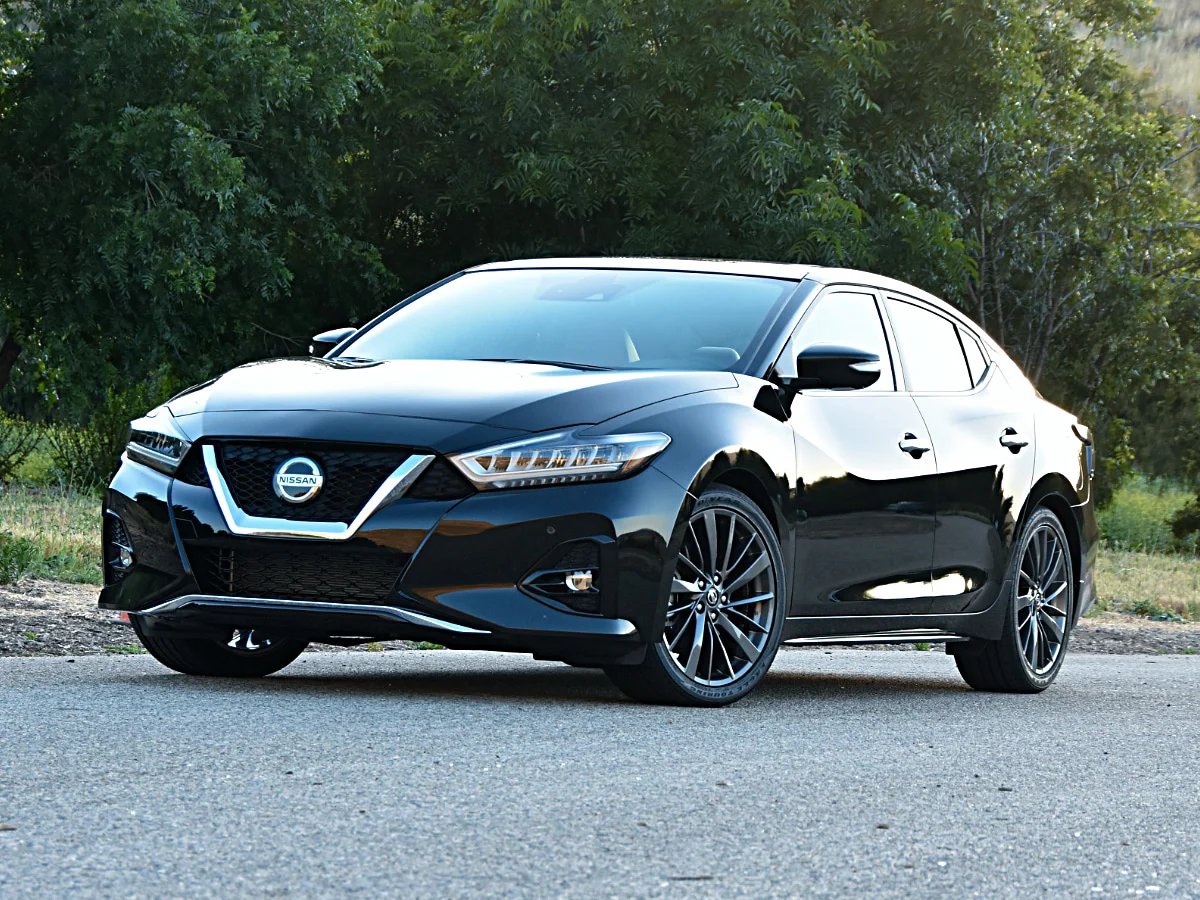
Caring for a Maxima is not about reacting to problems but about preventing them. By avoiding these nine mistakes, owners protect the car’s refined powertrain, preserve safety systems, and secure the driving enjoyment Nissan intended.
A responsible approach to maintenance ensures the Maxima remains reliable, efficient, and enjoyable for many miles ahead.
Also Read: 10 Easy Wins That Add 100,000 Miles to a Honda Civic
