
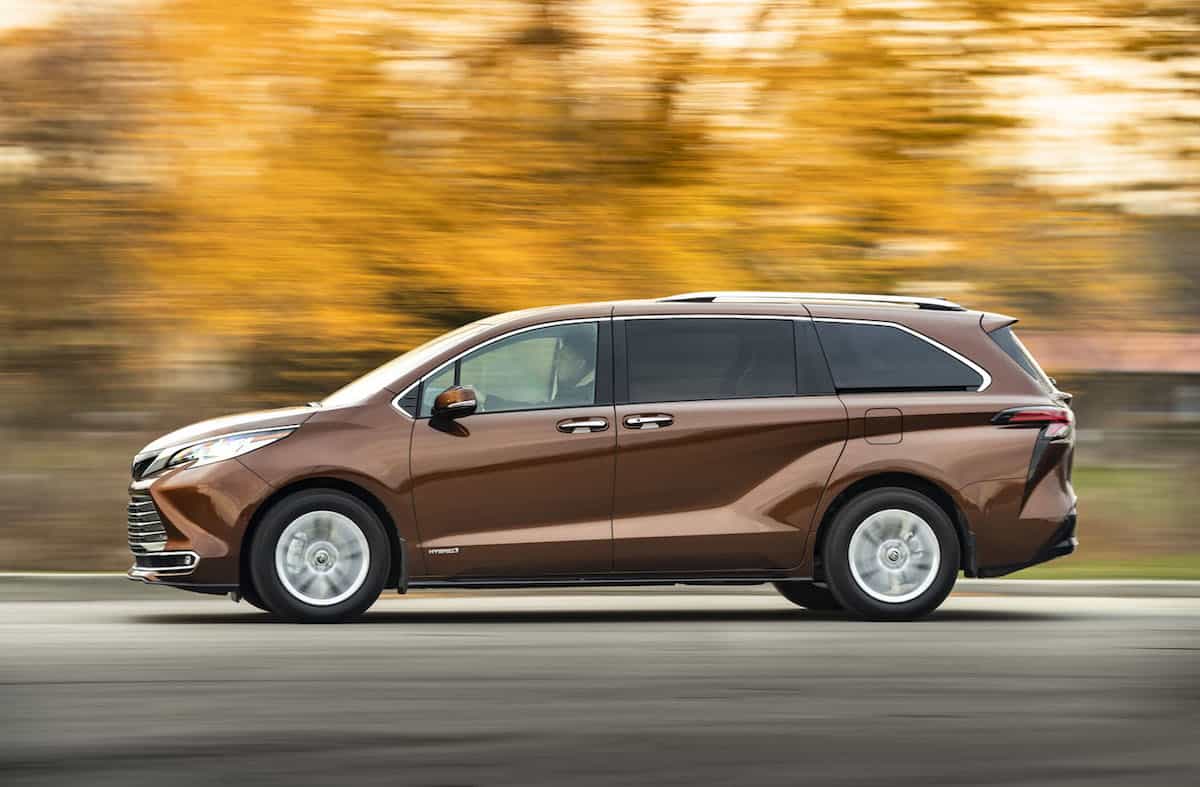
A family van like the Toyota Sienna is built with long drives in mind. It offers comfort, space, and features designed to make every stretch of road feel more manageable.
Still, no matter how reliable a vehicle may be from the factory, keeping it prepared for longer journeys requires consistent care.
A road trip often means many hours of driving through different terrains, shifting weather patterns, and varying traffic conditions, so being ready isn’t simply about filling up the gas tank. It’s about creating habits that keep the vehicle in peak condition, ensure safety, and make travel more enjoyable for everyone inside.
When a Toyota Sienna is well looked after, it rewards its driver with smoother rides, fewer unexpected breakdowns, and lower repair bills.
Preventive steps, regular inspections, and mindful driving choices go a long way in making sure the van performs the way it should. Beyond mechanical reliability, certain practices also allow the experience of a trip to feel easier, more organized, and less stressful.
From paying attention to tire condition to keeping the interior clutter-free, every small habit contributes to an overall sense of readiness and calm.
The road can be unpredictable, and for families or groups relying on a single vehicle to carry people and belongings comfortably, preparation is everything.
Developing and sticking to the right habits not only extends the longevity of the van but also helps in building confidence before setting off for hundreds of miles.
Whether the journey is cross-country or to a weekend retreat, a Toyota Sienna that’s road-trip ready adds assurance and peace of mind.
The following habits represent practical steps that any driver can adopt to make sure this dependable van is always prepared for what lies ahead.
Also Read: 5 Affordable EVs That Feel Luxury and 5 That Feel Basic
Habit 1: Keep Tires Properly Maintained
Tires are the foundation of safety and performance. On a road trip, they endure continuous use, changing road surfaces, and shifting temperatures.
For a Toyota Sienna carrying a family and luggage, improperly maintained tires can cut fuel efficiency, create a harsher ride, and even result in dangerous blowouts. Making tire care a consistent habit is one of the most reliable ways to keep the van ready for long drives.
Begin with regular pressure checks. Many drivers overlook this step, trusting the tires to “feel fine,” but even small underinflations can affect handling and increase fuel consumption.
For the Sienna, setting up a routine of checking pressure at least once a week, and definitely before starting a trip, ensures stable driving. The vehicle’s manual provides the correct pressure, and it’s best to stick to those numbers rather than estimating.
Tread depth is just as important. Worn tread makes it harder for the tires to grip during rain, potentially lengthening stopping distances.
A simple coin test to measure depth gives a quick reading of whether replacement is near. If one tire begins to wear faster than the rest, that can be a clue pointing toward alignment or suspension issues that also deserve attention.
Rotation is another practice that extends tire longevity and maintains balance. Every few thousand miles, moving tires between positions distributes the wear evenly, saving money in the long run.
Combined with visual checks for cracks, bulges, or embedded debris, rotation helps bring peace of mind before venturing far from home.
Finally, timing matters. Tires over six years old, even if they look fine, may have weakened rubber from age. Replacing them before setting off for a long trip is better than risking problems on a busy highway.
In short, treating tires as more than just round rubber parts, but as critical safety components, is a habit that guarantees smoother trips in a Sienna.
Habit 2: Stay on Top of Oil and Fluid Changes
The lifeblood of any vehicle lies in its fluids. For the Toyota Sienna, oil, coolant, brake fluid, transmission fluid, and windshield washer fluid each play roles in keeping the van operating smoothly.
Neglecting them not only shortens engine life but also creates serious risks during long stretches of driving where help might not be immediately available.
Oil stands at the top of the list. Road trips mean extended periods of high-speed driving, and the engine relies on clean oil to stay lubricated and cool.
Using the correct grade recommended by Toyota and replacing it at the suggested intervals protects internal parts from wear. Some Sienna models offer maintenance reminders through the dashboard, but creating a manual habit of logging mileage and marking service dates ensures no step is skipped.
Equally important is coolant, which keeps the engine temperature under control. Traveling through mountains or hot climates can stress the cooling system, so topping off coolant before leaving is essential. A quick scan of hoses for leaks or swelling adds further peace of mind.
Brake fluid and transmission fluid are often forgotten because they don’t require frequent replacement, yet their condition has a direct effect on stopping power and shifting quality. Dark, dirty fluid indicates it may be time for service.
Brake performance is critical on trips involving steep inclines, so giving attention here avoids unnecessary risks.
Windshield washer fluid may seem minor, but driving through bugs, dust, or unexpected rain without a way to clear the glass hampers visibility. Carrying an extra bottle in the trunk removes this worry.
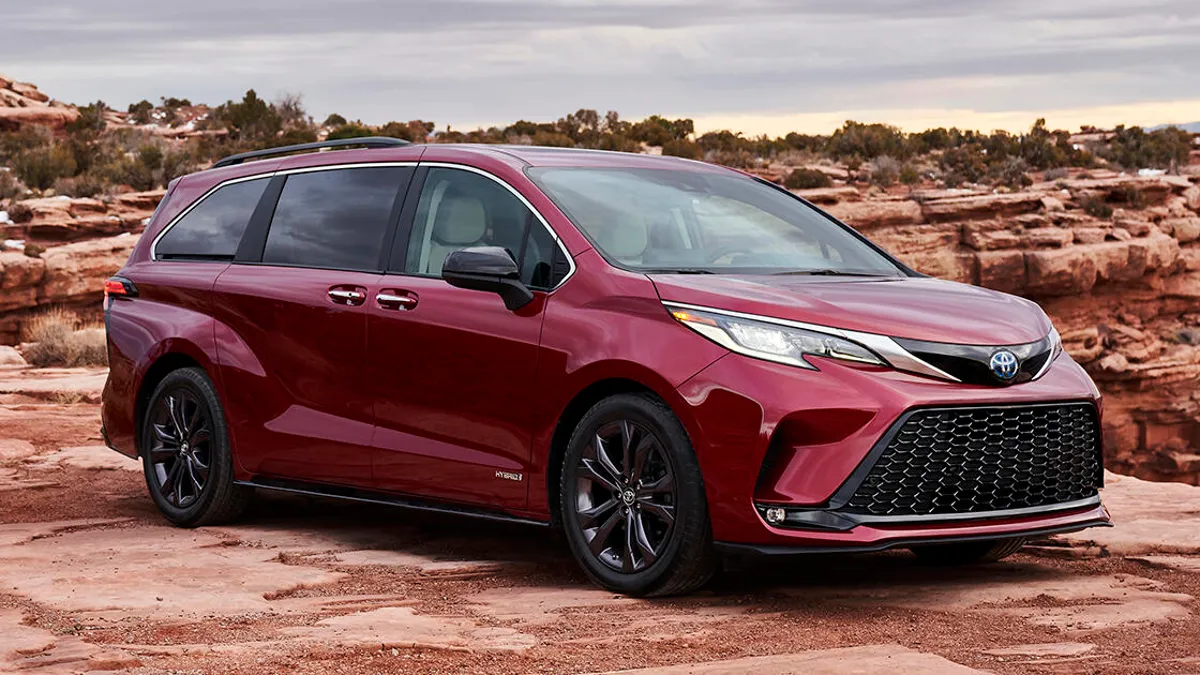
Developing the practice of checking all fluids together, perhaps once a month or before every long trip, builds consistency. While oil changes require professionalism at a shop, topping off most fluids is simple enough for owners with a bit of curiosity.
This habit not only cuts down on breakdown risks but also keeps every drive feeling dependable. On the road, where confidence matters most, clean and full fluids are silent guardians of reliability.
Habit 3: Inspect Brakes Regularly
Few parts of a vehicle offer as much security as the braking system. For a minivan like the Toyota Sienna, which often carries passengers across highways and city streets, dependable brakes are non-negotiable.
Making inspection and upkeep of brakes a regular routine is a habit that directly impacts safety during long trips.
Brake pads slowly thin over time, and if left too long, they not only reduce stopping power but can also damage rotors, leading to higher repair costs. Listening for squealing or grinding noises is one early clue that attention is needed.
Experienced owners often schedule professional inspections at least twice a year, even if no immediate signs appear. This practice ensures that minor wear does not become a major expense.
Another aspect is the brake fluid condition. As fluid absorbs moisture, it can lose efficiency, which results in a spongy pedal feel. Especially when traveling through mountains or carrying full loads, efficient hydraulic pressure is critical to maintain stopping strength.
Keeping an eye on the fluid reservoir and making sure it remains clear rather than dark brown protects against unexpected weakening.
Rotors and calipers also deserve occasional checks. A warped rotor may cause vibrations when the brakes are pressed, and worn calipers can lead to uneven pad contact.
Mechanics can detect these during inspections, but habits like observing strange pedal feedback, vibrations, or extended stopping distances are things drivers can note themselves.
Even handbrakes, which are not always used in automatic vehicles, play a role in safe parking on hilly areas. Testing them once in a while confirms that the cable and mechanism still function correctly.
For road trips, where sudden stops might be necessary due to wildlife, traffic, or weather conditions, strong brakes provide the confidence to handle whatever lies ahead. A Toyota Sienna isn’t just transporting belongings; it’s carrying families, friends, and loved ones.
Making brake checks a habitual part of preparation secures that responsibility. With every squeak-free and sturdy stop, drivers know this habit pays for itself in reassurance.
Habit 4: Keep the Battery Reliable
Few situations are more frustrating than a dead battery in the middle of a trip. Even a sturdy minivan like the Toyota Sienna won’t move an inch if its battery fails.
Building the habit of monitoring and maintaining the battery ensures smooth starts and consistent performance across long journeys.
Car batteries generally last between three and five years, depending on climate and usage. Older batteries may surprise drivers with sudden failures, especially in extreme heat or cold.
Checking the age of the battery and replacing it proactively before a long trip is far better than finding out it won’t hold a charge at a gas station far from home.
Visual inspection provides important clues. Corrosion around the terminals reduces the efficiency of electrical connections, leading to difficulty starting the engine or flickering interior lights.
Keeping a small brush or baking soda solution available to clean terminals during inspections is a simple step that improves reliability. Tightening loose connections is equally important.
Drivers should also pay attention to slow starting or dimming headlights when idling, signals that the power supply might be weakening. A professional load test at a repair shop gives a quick answer as to whether the battery can handle the stress of longer journeys.
Beyond the battery itself, the charging system, including the alternator and belts, plays a role in ensuring energy storage remains healthy.
Strange squeaks or warning lights may indicate that the alternator isn’t performing well. Catching these early avoids being stranded when the battery drains mid-trip.
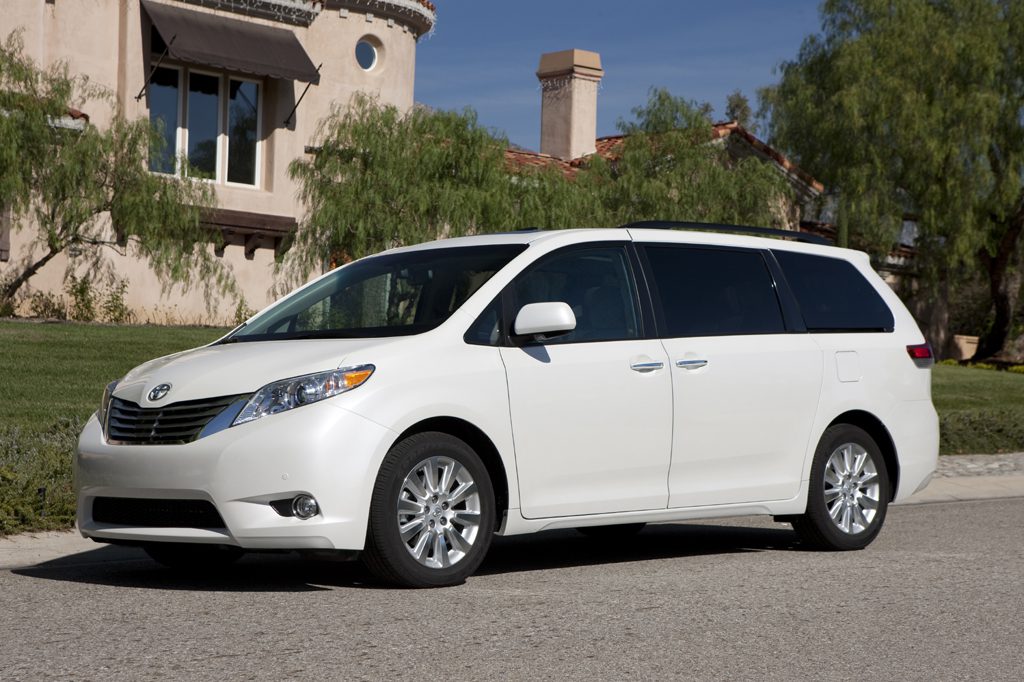
For added assurance, many road-trippers carry a portable jump starter. Lightweight and rechargeable, these devices provide emergency power without needing another vehicle. When packed alongside standard emergency kits, a jump starter transforms a potential breakdown into a quick roadside fix.
Making battery checks part of monthly car care, and renewing older units before a trip, builds reliability into every journey.
The Toyota Sienna’s spacious cabin and advanced features rely on stable electrical power. Keeping the battery strong allows drivers and passengers alike to enjoy every moment of the trip without unnecessary interruptions.
Habit 5: Pack and Organize Smartly
One reason drivers love the Toyota Sienna is its generous cabin and cargo space. However, a trip can still become uncomfortable if luggage, snacks, gadgets, and equipment are not packed thoughtfully.
Developing a habit of smart organization not only enhances comfort but also contributes to safety and convenience.
Weight distribution matters more than many realize. Overloading one side of the van can affect handling, especially on sharp turns or uneven roads.
Start by packing heavy items low and toward the center, allowing lighter bags and personal belongings to sit on top or toward the rear. This approach stabilizes the vehicle’s balance and prevents items from moving unexpectedly while driving.
Resisting the urge to overpack is another important step. While the Sienna has space, extra clutter quickly reduces accessibility. Essentials such as snacks, water, and first-aid supplies should be within easy reach, either in the glove box or behind the driver’s seat.
Less frequently used items can be stored deeper in the trunk area. Family trips run far smoother when no one is digging through piles to find something simple like sunscreen.
Organizers, storage bins, and seat-back pockets all help keep order inside the cabin. Clear labels or color-coded bags let everyone know where their belongings are, reducing stress during travel.
Electronic devices should be kept in protective cases and ideally connected to the Sienna’s USB ports or outlets for charging.
Safety should never be overlooked. Loose objects, if left unsecured, can become dangerous projectiles during sudden stops. Straps, nets, or cargo covers prevent this risk while keeping everything tidy.
Establishing a consistent practice of thoughtful packing before every trip gradually becomes second nature. The peace of mind from knowing where each item is located, combined with the comfort of an uncluttered cabin, creates an environment that encourages relaxation.
For the driver, an organized Sienna reduces distractions and helps maintain focus on the road. A van packed with purpose ensures that the journey begins on the right note.
Habit 6: Keep the Interior Clutter-Free
Cleanliness often gets overlooked in car maintenance, but it matters more than most realize. A clutter-free Toyota Sienna brings a clear sense of order and improves both comfort and safety during road trips.
Making cleanliness a regular habit prevents small messes from turning into frustrating distractions or long cleaning projects.
Every trip begins smoother when the cabin feels welcoming. Crumbs, wrappers, and spilled drinks not only create an unpleasant environment but also attract pests if left long enough.
By integrating quick clean-ups into the daily or weekly routine, Sienna drivers keep the van feeling fresh. Handheld vacuums, small trash bags, and microfiber cloths are simple tools that make upkeep effortless.
A clean interior also affects safety. Items like water bottles rolling under the brake pedal or power cords stretched across the floor present real hazards while driving.
Establishing zones for food, charging devices, and children’s belongings reduces these risks. The Sienna’s many storage compartments make this easier, but only if they are used consistently.

Another advantage of this habit is improved air quality. Dust and dirt build up in vents, filters, and seat fabric, which can aggravate allergies. Wiping surfaces often, combined with replacing cabin air filters at the recommended intervals, ensures fresher airflow for every passenger.
Families in particular benefit from this habit. Road trips with children often include snacks, toys, and art supplies, which, if unmanaged, spread quickly.
Teaching everyone to return items to bags or designated containers keeps clutter from growing during the drive.
Finally, cleanliness boosts long-term value. A well-kept interior retains its appearance, protecting resale potential or simply keeping the van pleasant to own.
Developing the discipline to clean regularly transforms interior care from a chore into part of the preparation ritual. A clutter-free Sienna doesn’t just look better; it feels better, making every hour on the road smoother and more enjoyable.
Habit 7: Schedule Professional Inspections
While personal habits like topping off fluids or cleaning interiors help, there are limits to what most drivers can identify on their own.
That is why scheduling regular professional inspections forms a habit equally important as any other. For a family-focused vehicle like the Toyota Sienna, professional care supplements day-to-day efforts with expert understanding.
During inspections, mechanics review systems most drivers rarely think about. Suspension components, exhaust systems, belts, hoses, and sensors all receive checks for hidden problems.
Catching early wear in these parts can prevent expensive breakdowns later on the road. For example, a weakening serpentine belt may look fine to the untrained eye but could snap without warning, disabling multiple vehicle systems mid-journey.
Setting inspection intervals at least twice a year provides balance. It isn’t excessive, yet it allows enough opportunity for experts to identify trouble before it grows. Timing these inspections before a scheduled road trip gives extra reassurance.
Professionals also use diagnostic tools capable of detecting electronic trouble codes even before dashboard lights appear.
Modern vehicles, including the Toyota Sienna, rely on numerous sensors to optimize performance and safety. A quick scan helps ensure all systems are functioning correctly, reducing worries during long hauls.
Drivers should maintain open communication with mechanics. Sharing details such as unusual noises, unfamiliar odors, or changes in fuel economy gives professionals clues to investigate further. Pairing good observation habits with expert analysis closes the gap between driver awareness and full mechanical insight.
This habit functions as a partnership. Owners contribute steady routines, while technicians bring advanced equipment and knowledge. Together, they form a safeguard.
Every trip feels easier when the driver knows that both personal care and professional reviews back up the van’s reliability.
For the Toyota Sienna, a model built to handle years of family adventures, embracing professional oversight is a habit that reinforces its reputation for dependability.
Habit 8: Keep Emergency Supplies Stocked
Even the most prepared vehicle can face surprises on the road. Unexpected flats, sudden weather shifts, or traffic delays emphasize the importance of emergency supplies.
Drivers who maintain a stocked kit in their Toyota Sienna form a habit that directly enhances safety, comfort, and confidence.
At a minimum, every emergency kit should include jumper cables, a flashlight with fresh batteries, a tire inflator or sealant, and a basic first-aid kit.
These essentials cover many of the most common roadside problems. Storing them in an organized bag or box keeps them from shifting during travel.
Water and non-perishable snacks should also be standard. Long traffic delays or detours into remote areas make access to supplies uncertain. With children in the Sienna, these items quickly change from convenience to necessity.
Blankets, ponchos, or small umbrellas provide additional comfort if weather forces an extended wait outside the vehicle.
Technology can be part of the kit as well. A fully charged power bank ensures that phones remain useful even when the vehicle is off. Roadside assistance contact numbers or insurance details should be printed on paper, not just stored digitally, in case of device failure.
Rotating the supplies twice each year prevents expired medications, drained batteries, or spoiled snacks. Making the check part of spring and fall maintenance keeps the kit reliable without requiring much thought.
Drivers who travel through cold regions should add items like ice scrapers and extra gloves, while those in hotter areas may carry sunblock and electrolyte drinks. Adapting the kit to surroundings ensures each trip is personalized to real risks.
The Toyota Sienna is spacious enough that keeping supplies on board never feels like a burden. Treating this as a standing practice makes unexpected events easier to face.
Reliability isn’t only about the machine itself but also about how ready its driver is when circumstances shift.
Habit 9: Drive Smoothly and Consistently
Mechanical care is vital, but the way a Sienna is driven has as much impact on readiness as any maintenance step.
Driving habits determine fuel economy, component wear, and overall comfort. Developing consistent, gentle driving practices ensures the van remains dependable for the long road ahead.
Sudden acceleration burns more fuel and places strain on the transmission. Harsh braking wears pads and rotors prematurely.
By contrast, a steady pace allows the engine and braking system to operate within comfortable ranges, extending their lifespan. On highways, using cruise control where appropriate maintains efficiency while reducing fatigue for the driver.
Steering habits also influence vehicle health. Taking corners smoothly and avoiding abrupt maneuvers limits suspension stress. Tire tread lasts longer when the driver avoids scraping curbs or striking potholes unnecessarily.
Being attentive to road conditions and adjusting before issues arise keeps the Sienna in better condition with minimal extra effort.
Fuel economy improves noticeably under gentle driving. A family vehicle loaded with travelers and gear benefits from every bit of efficiency. Saving money at the pump also adds up during long trips.
Consistency further improves passenger comfort. Families, especially children, respond better to a calm ride without constant jolts or jerks. The atmosphere inside the van becomes more relaxed, supporting the broader purpose of making road trips enjoyable rather than stressful.
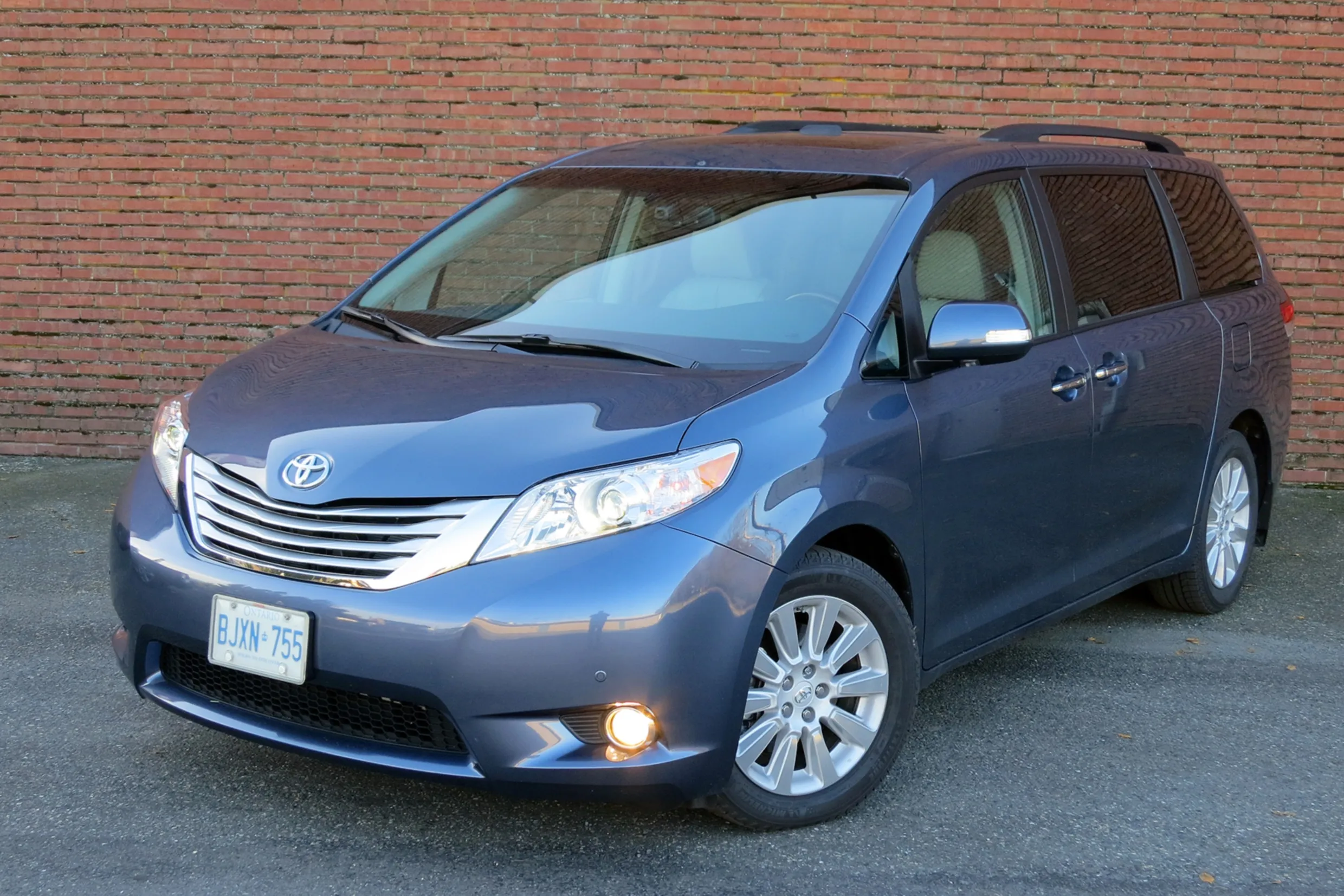
Practicing defensive driving as part of this habit strengthens safety as well. Maintaining distance from other vehicles and anticipating traffic flow reduces the need for sudden moves. Patience behind the wheel directly connects to reduced mechanical strain and increased longevity of parts.
Drivers who recognize themselves as caretakers of both passengers and machine find motivation to stay mindful.
Over time, this becomes routine, and the Toyota Sienna benefits by staying road-trip ready not just through mechanical upkeep but through responsible, smooth driving.
Also Read: 5 Hyundai Tucson Years Worth Owning vs 5 With Problems
