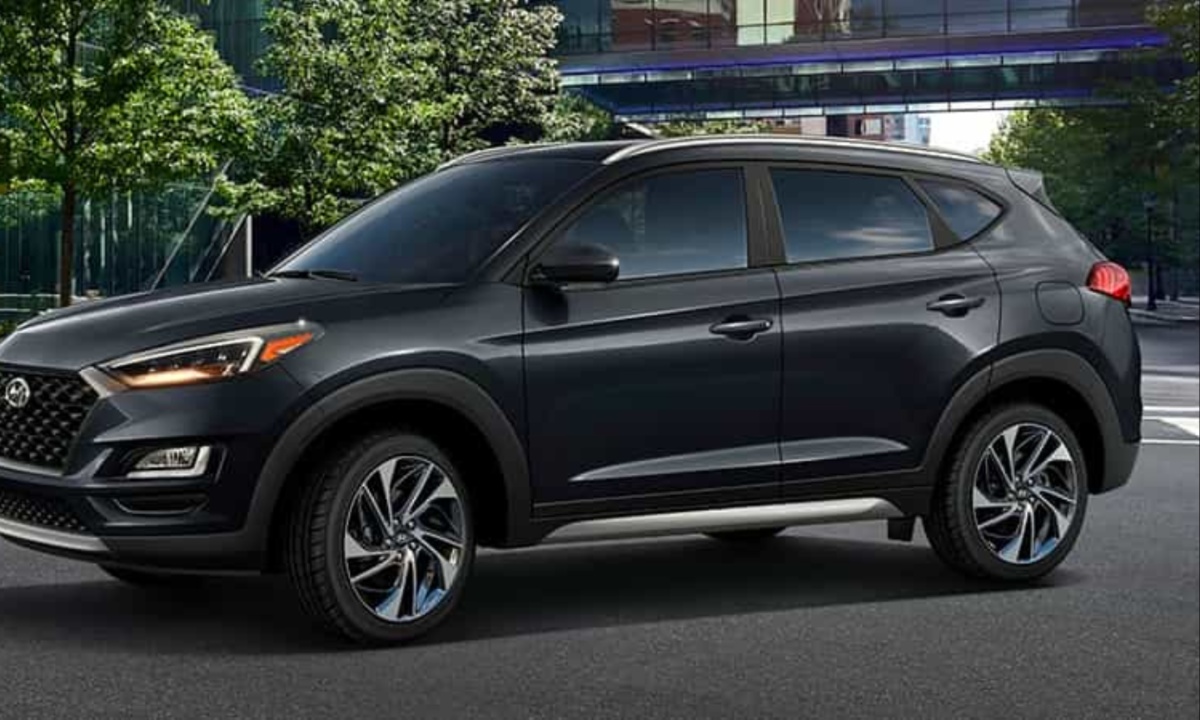
Since its debut in 2005, the Hyundai Tucson has grown into one of the most popular compact SUVs on the market. Known for its balance of affordability, practicality, and Hyundai’s industry-leading warranty, the Tucson has attracted buyers ranging from first-time car owners to growing families.
Over nearly two decades, however, Tucson’s reputation has not been completely flawless. While certain model years stand out for their reliability, comfort, and strong resale value, others have developed reputations for mechanical problems, costly repairs, or frustrating recalls.
For used SUV buyers, knowing the difference between a dependable Tucson and a problematic one can mean years of worry-free driving or constant trips to the repair shop.
This guide highlights five of the best Hyundai Tucson years worth owning, as well as five years to avoid, so you can make an informed choice and invest in a compact SUV that will meet your needs with confidence.
5 Hyundai Tucson Years Worth Owning
1. 2020 Hyundai Tucson
The 2020 Hyundai Tucson is widely considered the best choice for buyers looking at this compact SUV. As one of the final models of its generation, many of the issues seen in earlier versions were resolved by this point, making it more dependable.
That said, buyers should be mindful of the important recall involving a potential ABS module fire hazard and ensure the repair has been documented by a certified Hyundai technician.
Some minor electronic quirks have also been reported, but overall, the 2020 Tucson enjoys strong reliability ratings and high customer satisfaction. Industry experts such as J.D. Power awarded it 85/100 for Quality and Reliability, while surveys from KBB and Cars.com revealed that most owners recommend it to others.
Behind the wheel, the 2020 Tucson delivers a balanced and confident drive. Handling, braking, and steering are all tuned well, giving drivers a sense of control not always found in compact SUVs. However, the powertrains fall short of being exciting.
Both available four-cylinder engines feel underpowered, especially when compared to rivals with turbocharged or higher-output options. Where Tucson shines is in comfort.
The suspension smooths out road imperfections, and the cabin is impressively quiet. Supportive seats cater to various body types, with upper trims even offering heated and ventilated seating features rarely found in this class.
Inside, the Tucson provides a spacious and thoughtfully arranged cabin. Passengers under six feet will find ample headroom and legroom, while storage cubbies throughout the interior make carrying small items simple.
Outward visibility is good, though the backup camera could be sharper. Technology is another strong point, as Hyundai’s infotainment system is easy to use, supported by voice controls and available advanced driver aids.
While the screen graphics are somewhat dated and the display is on the smaller side, the optional Infinity-branded audio system and intuitive navigation system enhance the experience.
In terms of practicality, the 2020 Tucson offers competitive cargo space for its size, though it trails leaders like the Honda CR-V and Subaru Forester. Still, the easy-to-fold rear seats and low liftover height add convenience.
Towing capacity stands at 2,000 pounds, higher than some direct competitors, though the modest engine limits performance under heavy loads. Fuel economy, rated at 25 mpg combined, is weaker than several rivals, particularly the CR-V and CX-5.
Yet, Hyundai offsets this with excellent value, highlighted by its industry-leading warranties, build quality, and feature-rich trims, making the 2020 Tucson a smart, dependable buy.
2. 2005 Hyundai Tucson
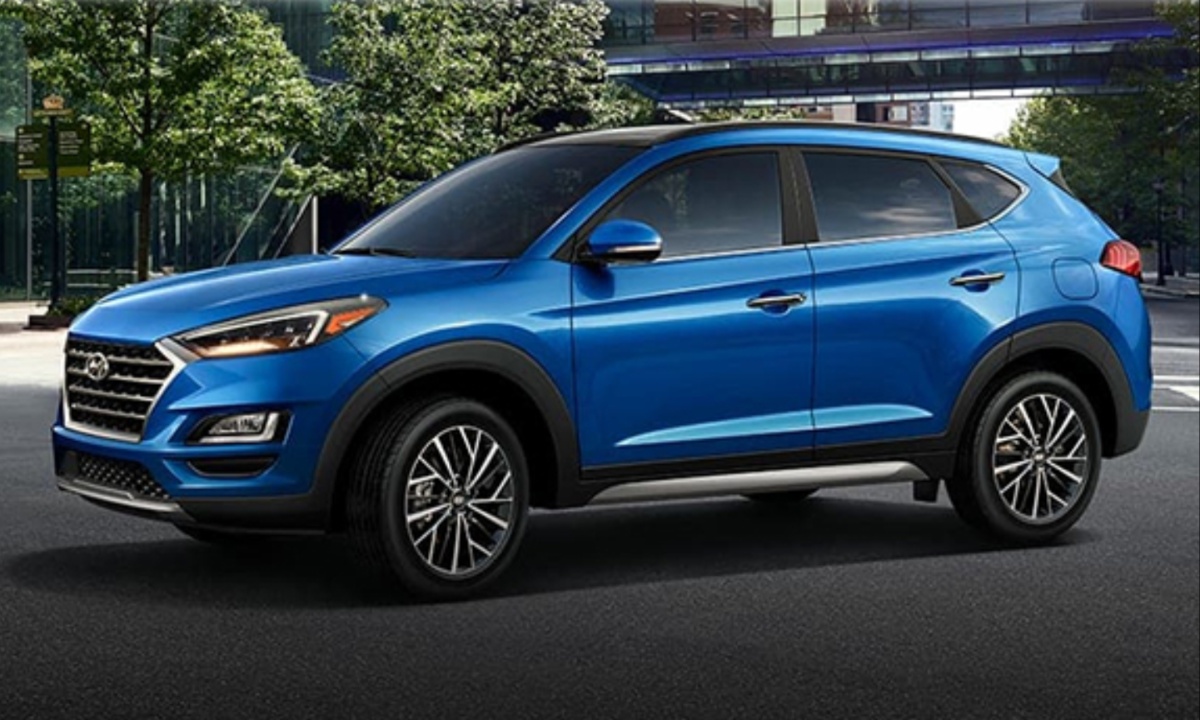
The 2005 Hyundai Tucson marked the debut of Hyundai’s compact SUV, offering buyers a smaller alternative to the Santa Fe while riding on the Elantra platform. It arrived with appealing styling, a generous list of standard features, and Hyundai’s strong warranty, which helped it compete in the growing compact SUV segment.
Priced originally between $18,894 and $23,344, today the Tucson can be found for around $3,000 to $3,600, depending on trim, mileage, and condition. Despite its age, this first-generation model remains an affordable and practical choice for budget-conscious buyers seeking a dependable SUV.
One of Tucson’s 2005 strongest selling points is its reliability. With only 43 reported complaints according to CarComplaints.com and a single minor recall related to rear stop lights, it ranks as one of the less problematic vehicles of its era. Consumer sentiment backs this up, with an impressive 4.5 out of 5 average rating and 90% of owners recommending it.
Many drivers highlight its comfort, durability, and ease of ownership, with several reporting over 200,000 miles without major issues. Routine maintenance appears to be the key, as owners consistently praise the Tucson for its dependability when properly cared for.
Owners describe the 2005 Tucson as comfortable, versatile, and fun to drive. With available four-wheel drive, decent interior space, and features like a sunroof, the vehicle provided strong value compared to rivals like the Toyota RAV4 and Honda CR-V.
While the V6 model’s fuel economy is modest at 16–23 mpg, the four-cylinder trims achieve a slightly better 19–25 mpg. Drivers also note Tucson’s ability to handle snow with confidence, making it a practical choice in a variety of conditions. Its blend of affordability, reliability, and comfort continues to stand out in the used SUV market.
The 2005 Hyundai Tucson also scores well in safety, with the NHTSA awarding it 5 out of 5 stars in front-side crash tests for both driver and passenger protection. Standard safety features included airbags, child seat anchors, and door locks, adding reassurance for families.
Combined with its low ownership costs, dependable performance, and strong owner satisfaction, the Tucson remains a hidden gem in the compact SUV category.
For buyers seeking a budget-friendly SUV that balances safety, comfort, and long-term reliability, the 2005 Hyundai Tucson remains one of the smarter choices even two decades after its debut.
3. 2009 Hyundai Tucson
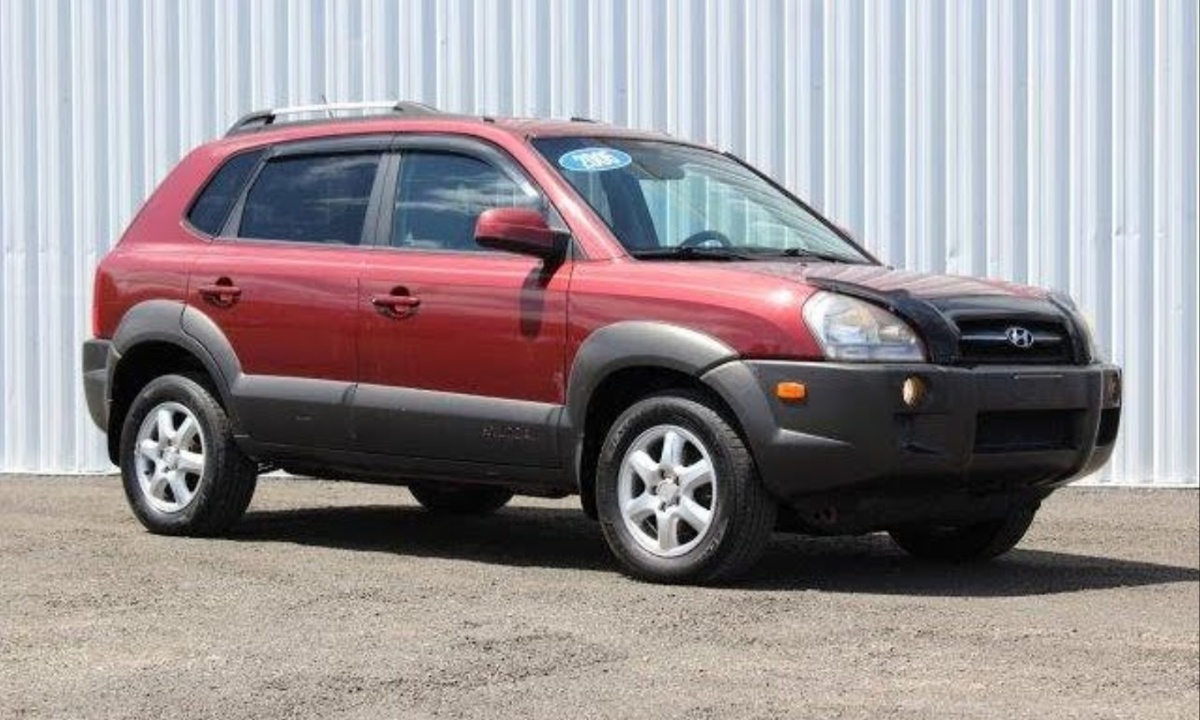
The 2009 Hyundai Tucson stands out as one of the most reliable and affordable compact SUVs of its generation. As a late first-generation model, it benefits from improved quality control and refinements to its mechanical components, making it a solid choice for budget-conscious families.
With available safety features such as anti-lock brakes, electronic stability control, and multiple airbags, the Tucson provides peace of mind at a low entry price. Buyers also appreciated Hyundai’s generous 10-year/100,000-mile warranty, which added to its reputation as a dependable, value-driven option.
While not the most stylish or powerful compact SUV, the Tucson has remained popular among those seeking a no-frills, practical daily driver.
Performance options included a standard 2.0-liter four-cylinder engine producing 140 horsepower and an available 2.7-liter V6 with 173 horsepower. Transmission choices ranged from a five-speed manual to a four-speed automatic, with all-wheel drive offered on higher trims.
The V6 offered better pulling power but was still slower than rivals like the Toyota RAV4 V6, which highlighted the Tucson’s performance limitations. Fuel economy averaged 20–22 mpg combined for the four-cylinder and around 20 mpg for the V6, keeping it competitive for the time but not class-leading.
Despite these shortcomings, the Tucson delivered solid reliability and predictable handling, making it a well-rounded option for everyday use.
Inside, the Tucson offered a comfortable and well-designed cabin for its price point. Features like heated seats, a sunroof on Limited models, satellite radio, and even a built-in navigation system helped it stand out in the budget SUV segment.
Cargo space was practical, with 66 cubic feet available when the rear seats were folded flat. The ability to fold down the front passenger seat also made hauling long items easier, a thoughtful touch that enhanced its versatility.
While the interior lacked the refinement of competitors like the Honda CR-V or Nissan Rogue, it provided good build quality and an intuitive layout that appealed to value-minded drivers.
On the road, the Tucson offered a smooth, carlike ride that prioritized comfort over sportiness. It excelled in safety, scoring five stars in government crash tests and earning strong marks from the Insurance Institute for Highway Safety.
While it fell short in speed and refinement compared to more expensive rivals, its combination of affordability, long warranty coverage, and reliable engineering made the 2009 Hyundai Tucson a smart buy during its time.
For families seeking a trustworthy, budget-friendly SUV, it continues to represent one of Hyundai’s most underrated offerings.
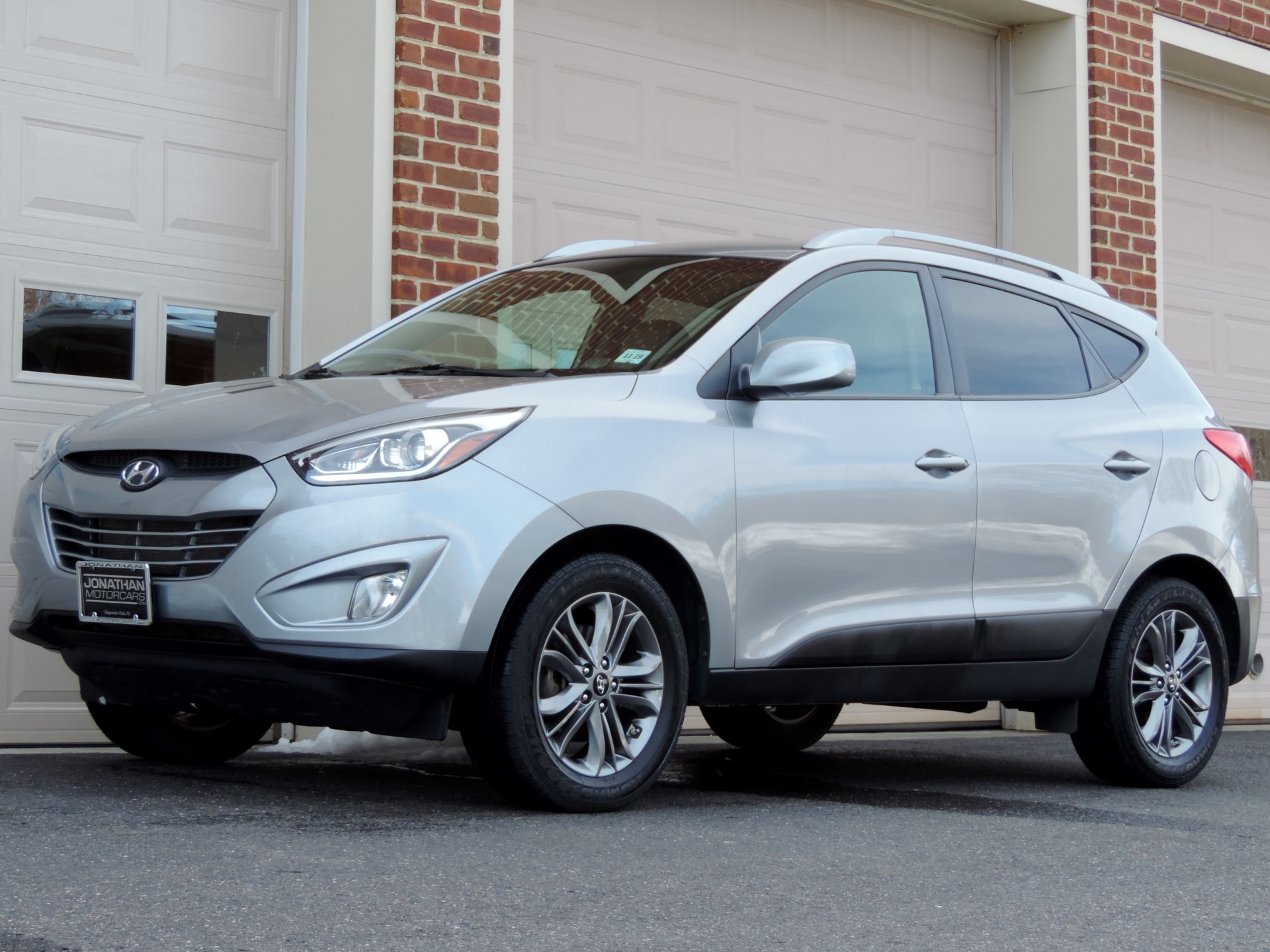
4. 2014 Hyundai Tucson
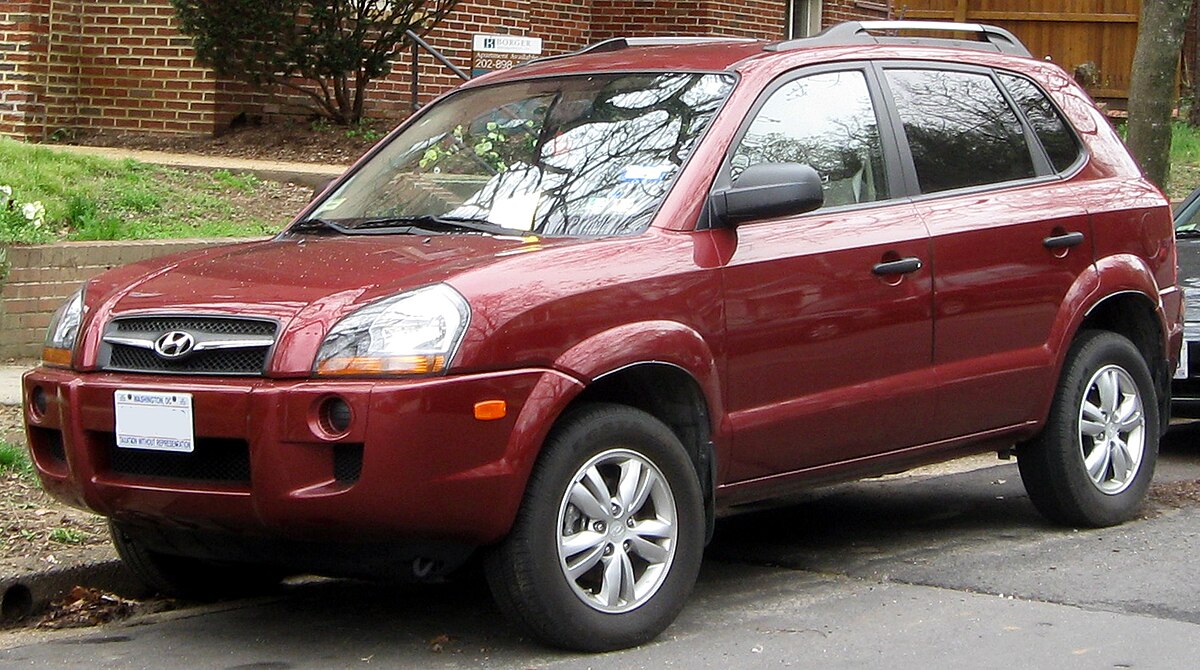
The 2014 Hyundai Tucson stands out as one of the most dependable models in Hyundai’s compact crossover lineup, earning strong praise for its refined interior, comfortable ride, and easy-to-use technology.
Consumer Reports highlighted its above-average reliability and high owner satisfaction, making it a trusted option for families and daily commuters alike. With stability control, multiple airbags, and up to 29 mpg on the highway, the Tucson combines safety with affordability, particularly for budget-conscious buyers.
For 2014, Hyundai refreshed the lineup by discontinuing the base GL trim, introducing a new SE model, and revising both engines to feature direct fuel injection. Updated styling, LED running lights, and touchscreen infotainment systems further helped modernize the Tucson, offering buyers more value at the entry level.
In terms of size, the Tucson brings the “compact” back into compact crossover. Measuring shorter than rivals like the Toyota RAV4 and Chevy Equinox, it sacrifices some passenger and cargo room but rewards drivers with excellent maneuverability and a sporty feel.
While the rear seats gained reclining functionality in 2014, they still lack sliding adjustability, limiting interior flexibility. Buyers seeking more power and utility may prefer competitors such as the Mazda CX-5 or Ford Escape, while those prioritizing agility may find the Tucson’s hatchback-like proportions appealing.
Its smaller footprint makes it an excellent urban vehicle, especially for those who value ease of parking and a nimble driving experience over maximum storage space.
Performance-wise, the Tucson comes with two engine options: a 2.0-liter four-cylinder producing 164 horsepower and a stronger 2.4-liter version with 182 horsepower. Both pair with a six-speed automatic transmission, and while neither engine is particularly quick, they deliver adequate performance with reasonable fuel economy.
The SE and Limited trims are recommended over the GLS due to the more capable engine and similar efficiency. Safety ratings were solid overall, with four out of five stars in government crash testing and “Good” scores in most IIHS categories, though it scored poorly in the small-overlap frontal-offset test.
Features such as a rearview camera and Hyundai’s Blue Link telematics on higher trims added further appeal.
Inside, Tucson’s cabin offers a stylish dashboard, intuitive controls, and improved technology options, with a standard 4.3-inch or optional 7-inch touchscreen depending on trim. Front comfort is enhanced with a tilt-and-telescoping steering wheel, though rear seat space remains tight compared to rivals.
Cargo space is usable, at 25.7 cubic feet behind the seats and 55.8 cubic feet with them folded, though less than leaders in the segment. While its ride can feel firm, the Tucson delivers a European-inspired driving experience that prioritizes agility.
The 2014 Hyundai Tucson is a well-rounded crossover that shines with reliability, modern features, and maneuverability, making it an excellent choice for buyers seeking practicality in a smaller, stylish package.
5. 2018 Hyundai Tucson
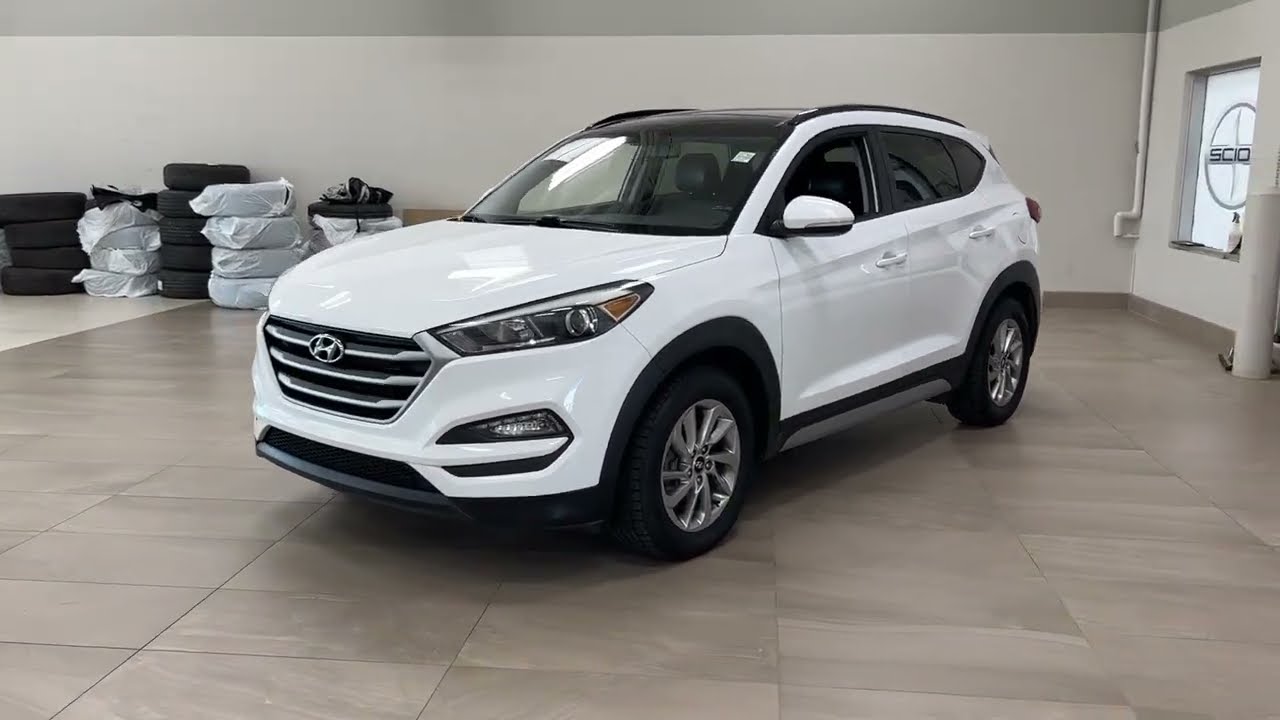
The 2018 Hyundai Tucson stands out in the compact SUV segment by blending everyday practicality with dependable performance. With a refined design, smooth handling, and a quiet cabin, it delivers a comfortable ride whether used for commuting or road trips.
Hyundai also raised the bar in this model year by improving interior materials and providing an intuitive infotainment system, giving it a premium feel compared to rivals.
J.D. Power rated it highly in dependability and overall quality, while safety features such as a standard rearview camera and available blind-spot monitoring enhanced its appeal among used SUV buyers.
Value is one of Tucson’s strongest selling points. Even mid-tier trims like the SEL offer heated front seats, a power-adjustable driver’s seat, and a 7-inch touchscreen with Apple CarPlay and Android Auto.
At the top end, the Limited trim features luxury touches including ventilated seats, leather upholstery, LED headlights, navigation, and a panoramic sunroof, all priced more competitively than similar crossovers.
While cargo space is slightly below class leaders like the Honda CR-V, passenger space is generous, making the Tucson ideal for singles, couples, or downsizing families who want comfort without excess bulk.
On the performance front, the Tucson offers both strengths and weaknesses. The base engine provides a smooth, predictable drive, while the turbocharged option delivers stronger acceleration but suffers from hesitation in its dual-clutch automatic transmission.
Handling is composed and confidence-inspiring, with controlled body roll and stable cornering. Braking distances are average, and while not sporty, the Tucson is capable and balanced enough for most drivers.
Ride quality is also well-rounded, with the suspension absorbing bumps without losing firmness. Road and wind noise remain minimal, although the engine can sound coarse under hard acceleration.
Inside, the Tucson emphasizes comfort and usability over luxury. Seats are supportive for long trips, and rear passengers benefit from ample legroom and reclining options.
Visibility is somewhat compromised by thick roof pillars, but technology like parking sensors, blind-spot monitoring, and rear cross-traffic alert helps compensate on higher trims.
Cargo space is smaller than rivals’ but adequate for daily use, complemented by useful small-item storage. The 2018 Hyundai Tucson may not be the flashiest SUV, but with its balance of value, reliability, comfort, and features, it proves to be a smart, well-rounded choice for buyers seeking a dependable compact crossover.
5 Hyundai Tucson Years With Problems
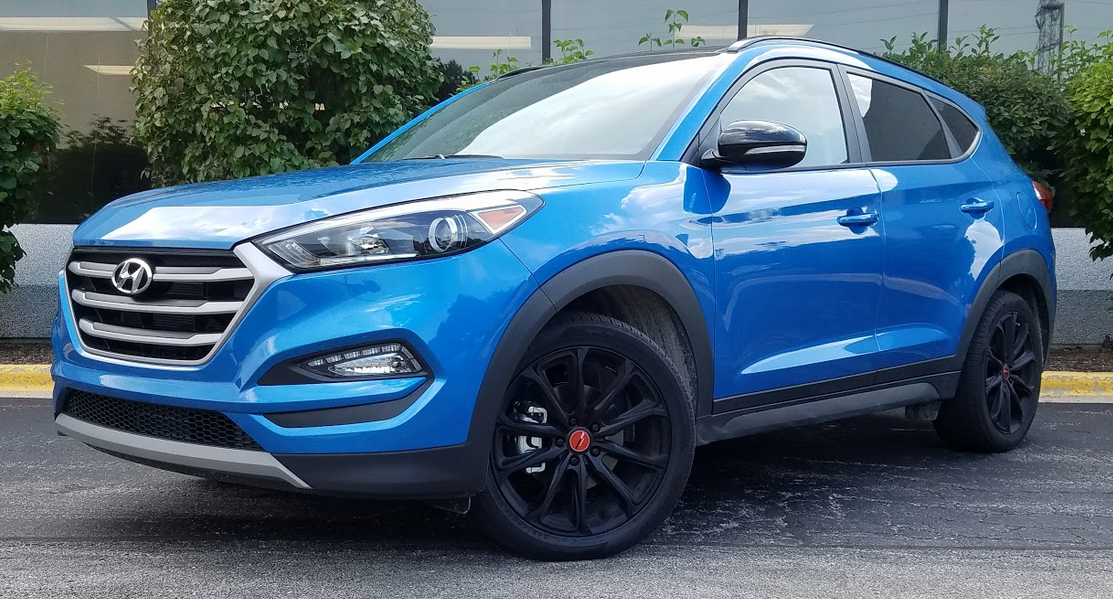
1. 2017 Hyundai Tucson – A Troubled Third-Generation Start
The 2017 Hyundai Tucson represents one of the most problematic years in the model’s history. Reports from CarComplaints and the NHTSA highlight numerous issues, including hesitation to accelerate, erratic power delivery, and widespread transmission problems.
Many drivers experienced delayed engagement and jerky performance due to the faulty dual-clutch transmission, which proved more problematic in early production runs.
Making matters worse, this model year was affected by Hyundai’s fire hazard recall caused by a defective ABS module, which could potentially lead to an engine compartment fire.
Although Hyundai attempted to address these concerns with recalls and service campaigns, owners continued to experience expensive repairs and unreliability at relatively low mileage.
CarComplaints even rated the 2017 model as worse than the 2016 Tucson due to higher repair costs and more severe issues. For buyers considering a used compact SUV, the 2017 Tucson is widely recognized as a model year to avoid.
2. 2012 Hyundai Tucson – Fire Risk and Recalls
The 2012 Hyundai Tucson, part of the second generation, also ranks among the least desirable model years due to serious safety hazards. A manufacturer-issued recall targeted engine oil pan leaks that could result in engine damage if not fixed promptly.
More concerning, the vehicle was later linked to fire risks caused by a leaking ABS system module fuse that could spark a short circuit, leading to fires whether the SUV was parked or driven.
Although Hyundai offered free inspections and replacements, the fact that fire hazards existed in such volume has permanently damaged the model year’s reputation. The NHTSA detailed how these risks required both oil pressure switch updates and ABS module replacements to prevent catastrophic failures.
While not every owner experienced these issues, the safety implications are too significant to overlook. Even with recall fixes performed, the 2012 Tucson carries more long-term risk compared to other used Hyundai models.
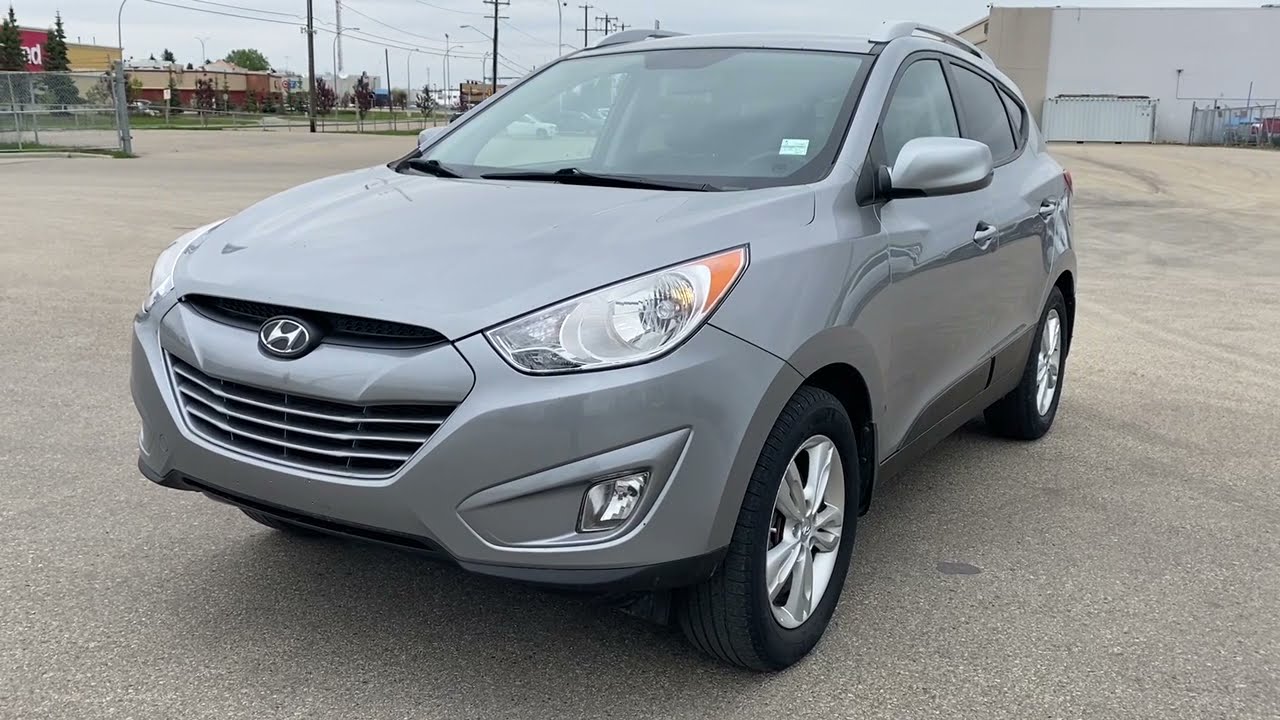
3. 2005 Hyundai Tucson – Rocky First Impressions
When Hyundai introduced the Tucson to the U.S. in 2005, the compact SUV entered a competitive market against the likes of the Honda CR-V and Toyota RAV4. Unfortunately, the debut year fell short of expectations due to widespread reliability concerns.
Owners reported recurring engine problems such as stalling and difficulty starting, which undermined confidence in the vehicle’s dependability. Brake system failures added to the list of mechanical issues, making the first-year Tucson one of the least reliable entries in Hyundai’s SUV lineup.
Consumer Reports rated the 2005 Tucson poorly, highlighting its below-average reliability compared to rivals. These early setbacks hindered Hyundai’s attempt to establish the Tucson as a trustworthy long-term option.
While Hyundai improved subsequent models with more refined engines and stronger reliability scores, the 2005 Tucson remains a year that most used SUV buyers should avoid if they are looking for durability and peace of mind.
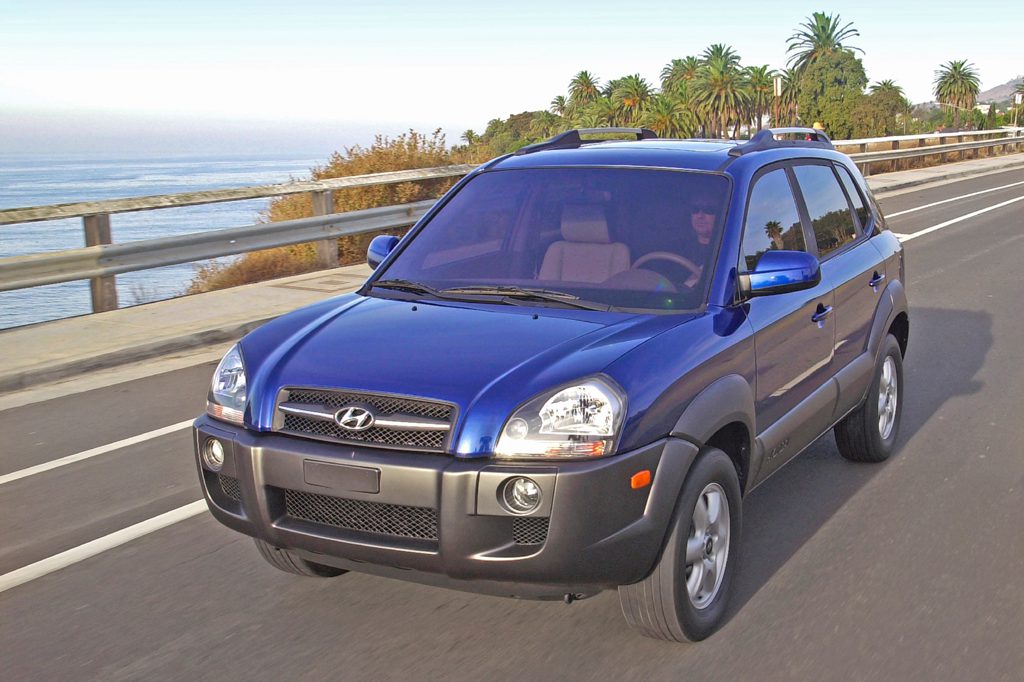
4. 2009 Hyundai Tucson – Transmission and Fuel Economy Woes
The 2009 Hyundai Tucson faced a different set of challenges, with the majority of complaints centering on its transmission. Drivers consistently reported rough gear shifts, delayed acceleration, and overall unrefined driving dynamics. These issues often led to expensive repairs that eroded the vehicle’s long-term value.
Beyond transmission problems, the 2009 Tucson also disappointed with poor fuel efficiency. At a time when rival compact SUVs were improving gas mileage, Hyundai’s offering fell behind, leaving owners dissatisfied with both performance and operating costs.
J.D. Power reviews confirmed the models’ below-average reliability, making it a questionable choice for budget-conscious buyers. While later Tucsons addressed fuel efficiency and refined the drivetrain, the 2009 model year remained stuck with outdated engineering.
Between its high fuel consumption and mechanical complaints, the 2009 Tucson stands out as another year in the lineup that buyers should carefully avoid when shopping the used SUV market.
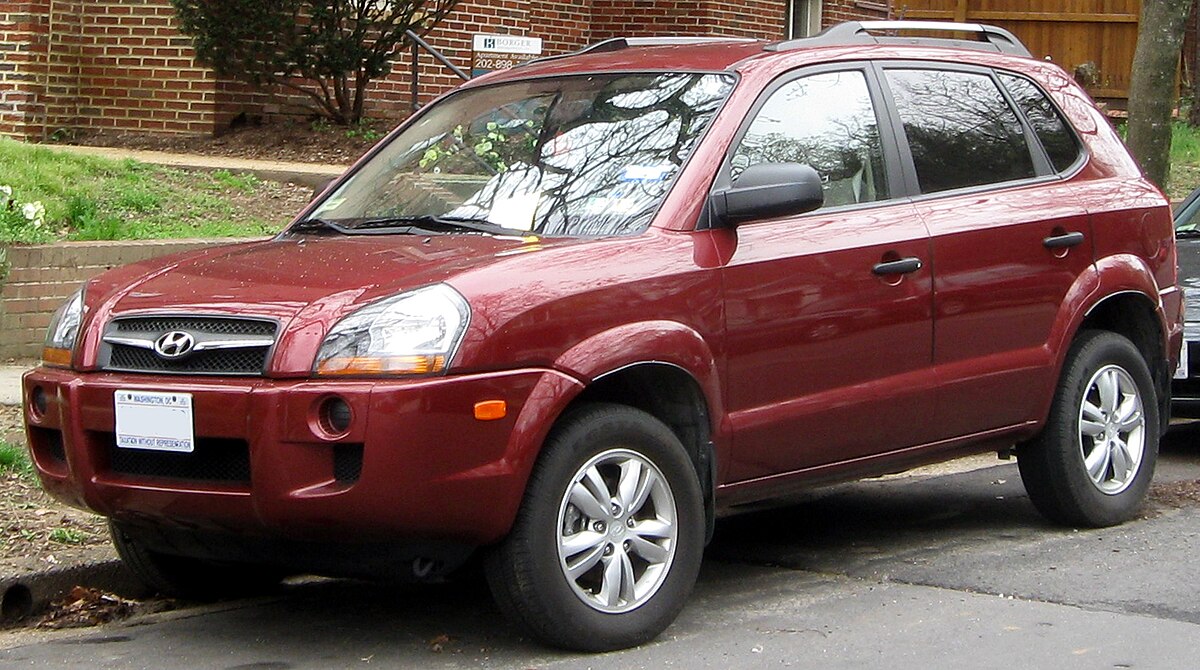
5. 2011 Hyundai Tucson – Reliability Concerns Persist
By 2011, Hyundai continued refining the Tucson, but this model year remained plagued by lingering mechanical problems. Among the most common complaints was premature failure of the air conditioning system, a frustrating issue for owners in hotter climates.
In addition, the 2011 Tucson struggled with recurring engine and transmission problems, echoing concerns raised in other weak model years. Consumer Reports scored this Tucson poorly in both reliability and owner satisfaction, citing frequent repairs and higher-than-average maintenance costs.
Despite Hyundai’s efforts to modernize the Tucson with updated styling and features, the mechanical shortcomings overshadowed its appeal.
For buyers, the 2011 model year represents a frustrating ownership experience that fails to deliver on Hyundai’s promise of value and durability. With its combination of comfort features but weak dependability, the 2011 Tucson is remembered as another cautionary example in the compact SUV segment.
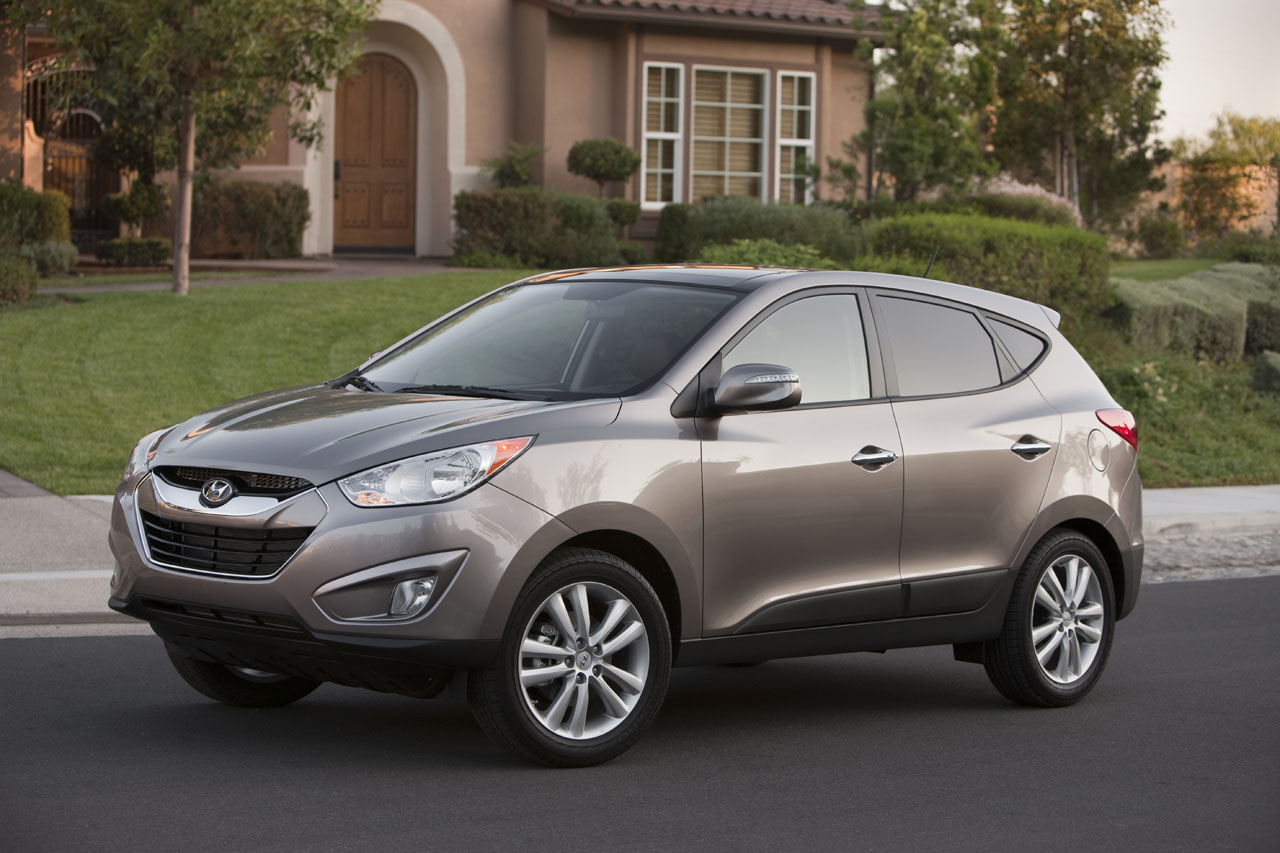
The Hyundai Tucson has established itself as a strong contender in the compact SUV segment, blending comfort, practicality, and affordability into a versatile package. Over the years, however, its performance and reliability have varied, with some models earning high marks while others have struggled with recurring issues.
Choosing the right version can make the difference between owning a dependable vehicle that delivers long-term value and one that becomes a source of costly repairs.
For used SUV buyers, it’s important to research reliability records, check for any outstanding recalls, and review a vehicle’s maintenance history before making a purchase. A thorough inspection by a trusted mechanic can also help identify hidden problems and prevent unpleasant surprises down the road.
By focusing on the most reliable options and steering clear of the problematic ones, buyers can enjoy everything the Tucson was designed to provide: dependability, comfort, and practicality for everyday driving.
Also Read: 10 Cars With Tricky Seatbelt Buckles for Elderly Passengers