

The Infiniti QX60 has been a popular choice in the luxury midsize SUV market since its debut, combining upscale comfort, family-friendly practicality, and long-term value. However, like many vehicles with a long production run, not every year of the QX60 has been created equal.
While some models shine for their reliability, design improvements, and thoughtful updates, others have gained a reputation for mechanical flaws and costly repairs. For buyers looking at the used SUV market, choosing the right model year is critical to avoid expensive pitfalls while still enjoying a premium driving experience.
This guide explores the five Infiniti QX60 years worth buying and the five years you should avoid, helping you make an informed decision. Whether you prioritize longevity, modern technology, or affordability, understanding the strengths and weaknesses of different QX60 model years ensures your purchase is both dependable and rewarding.
5 Infiniti QX60 Years Worth Buying
1. 2016 Infiniti QX60
The 2016 Infiniti QX60 is a standout choice among used luxury SUVs, showing clear improvements over its earlier versions. Critics and consumer reports highlight its smoother ride, spacious cabin, and improved fuel economy compared to previous model years.
Infiniti addressed several transmission issues that had previously plagued the model, reducing both frequency and severity of drivetrain problems. While some owners still report control arm repairs around 60,000 miles and occasional AWD coupler concerns, these issues appear far less troubling than in older versions.
As a result, many consider the 2016 Infiniti QX60 the most reliable year of the lineup, making it a strong option for buyers seeking long-term value in a family-friendly luxury crossover.
Infiniti refreshed the 2016 QX60 with updated headlights, taillights, and a redesigned grille, giving it a more modern look. Inside, upgrades such as acoustic glass and improved sound insulation reduce highway noise, while revised engine mounts enhance overall refinement.
Infiniti also added a new steering and suspension system for a sportier feel and better feedback, addressing past criticism of numb handling.
Features like standard xenon headlights, LED foglights, and Infiniti’s 24/7 Personal Assistant service further add to the luxury appeal. These refinements make the 2016 model feel more upscale while still remaining affordable compared to other luxury three-row crossovers.
Powered by a 3.5-liter V6 engine with 265 horsepower and a continuously variable transmission (CVT), the QX60 offers front-wheel drive as standard with all-wheel drive optional. The EPA rates it at 23 mpg combined for FWD and 22 mpg combined for AWD, though real-world tests suggest slightly lower results.
The hybrid version provides better efficiency at 26 mpg combined. Properly equipped, the QX60 can tow up to 5,000 pounds, making it versatile for families.
Safety is also a highlight, with standard airbags, stability control, and a rearview camera, while optional packages add adaptive cruise control, blind-spot monitoring, lane-departure prevention, and a 360-degree parking camera.
The interior of the 2016 Infiniti QX60 emphasizes flexibility and comfort, seating up to seven passengers. The second row slides and reclines, allowing easier access to the third row even with a child seat installed.
While the third row accommodates adults, taller passengers may find headroom tight. High-quality materials, wood accents, and leather upholstery give the cabin a luxurious feel. Though its infotainment system lacks some of the latest smartphone integration, it remains user-friendly with physical buttons and an optional Bose sound system.
Cargo space reaches 76.5 cubic feet with seats folded, offering decent practicality, though competitors like the Acura MDX provide more room. The 2016 Infiniti QX60 strikes an excellent balance between reliability, comfort, and affordability.

2. 2020 Infiniti QX60
The 2020 Infiniti QX60 stands as a reliable, family-friendly luxury SUV that emphasizes comfort over performance. While not the flashiest option in its segment, it provides a smooth and quiet ride that appeals to those who prioritize everyday usability.
Equipped with a 3.5-liter V6 engine delivering 295 horsepower and paired with a well-calibrated continuously variable transmission (CVT), the QX60 delivers adequate power for daily commuting and highway driving.
Handling is soft, with steering that feels somewhat disconnected, yet the vehicle absorbs bumps and rough pavement with ease.
Competing models such as the Audi Q7 and BMW X5 offer more engaging drives, but the QX60 focuses on dependability and comfort. For buyers seeking a luxury SUV without excessive flair, the QX60 holds solid appeal.
Inside, the QX60 excels at providing a refined and versatile cabin. The second-row seats feature a unique flip-over mode, allowing third-row access even with a child seat installed.
Both the second and third rows can be adjusted or folded at the push of a lever or button, creating flexibility for cargo and passenger needs. Passenger comfort is a highlight, with wide front seating, strong climate control performance, and excellent noise insulation that keeps the cabin peaceful.
While the third row is best suited for shorter trips, it offers decent knee room and recline capability. The design feels upscale, though not as modern as some competitors, and its infotainment system lags behind in graphics and ease of use.
Still, the combination of practical space and thoughtful touches makes the QX60 a functional luxury crossover.
Technology is another area where the QX60 shows both strengths and shortcomings. Safety features such as blind-spot monitoring, lane departure warning, and automatic braking enhance driver confidence, but many are locked behind costly packages rather than included as standard.
The available Bose 13-speaker audio system delivers premium sound, but the navigation graphics and Bluetooth pairing feel dated compared to rivals. Storage options, however, are commendable, with multiple cupholders, accessible car-seat anchors, and convenient power-folding third-row seats.
Cargo space behind the third row is limited, though folding the seats greatly expands capacity, making it well-suited for family travel.
When it comes to value, the 2020 Infiniti QX60 strikes a middle ground. With an EPA-estimated 22 mpg combined, fuel efficiency aligns with its class. Its pricing is competitive in base form, but fully equipped trims can become expensive, especially given that many desirable features require bundled packages.
While it doesn’t offer the cutting-edge tech, sharp performance, or luxurious refinement of top European rivals, the QX60 succeeds in what it was built for: moving families in comfort and quiet.
For shoppers prioritizing reliability, versatility, and passenger-friendly amenities, the QX60 makes a respectable and dependable choice in the crowded midsize luxury SUV market.

3. 2021 Infiniti Q60
The 2021 Infiniti Q60 is one of the most striking coupes in its class, defined by sharp lines, sweeping panels, a long hood, and a compact rear. Its proportions make it look ready for performance driving, though the actual experience doesn’t fully live up to the aggressive styling.
Under the hood, the Q60 offers a strong V6 engine with smooth acceleration across trims. The Red Sport 400 stands out with 400 horsepower, delivering powerful straight-line performance. However, its handling lacks the sharpness of rivals, with steering and suspension that feel less engaging than those of European competitors.
The Q60’s cabin shows its age, with an outdated interior layout and technology that trails behind competitors.
Apple CarPlay and Android Auto were recently added, the system feels dated, and the base trim misses out on basic collision avoidance features. Comfort is adequate, but the design lacks the polish seen in luxury rivals like the Audi S5 or BMW 4 Series.
Despite its flaws, the Q60 delivers style and a reasonable blend of luxury and performance for the price. The Luxe trim offers the best balance of features and cost, making it the top choice for most buyers.
Enthusiasts considering the Red Sport 400 should avoid the ProActive package, as its unique steering system diminishes road feel and driving enjoyment.

4. 2013 Infiniti QX60
The 2013 Infiniti QX60, originally introduced as the JX35, has earned a reputation as a dependable luxury SUV when properly maintained. Owners often praise its ability to last well beyond 150,000 miles, with some vehicles reaching the 200,000-mile mark.
On average, the model delivers a lifespan of around 191,000 miles, giving it a 44.3% chance of surpassing 200,000. While its reliability is strong overall, some drivers have experienced issues with the continuously variable transmission (CVT), which remains its most notable weakness.
Under the hood, the QX60 is powered by a 3.5-liter V6 engine generating 265 horsepower. Paired with the CVT, it provides adequate performance for daily driving and long trips.
Fuel economy is competitive for its class, with an EPA estimate of 23 mpg combined for front-wheel drive models and 22 mpg combined for all-wheel drive versions.
As a family-oriented luxury SUV, the QX60 emphasizes comfort and versatility. It features three rows of seating, accommodating up to seven passengers with ease.
Standard equipment includes Bluetooth connectivity and tri-zone automatic climate control, while higher trims or options add upgrades such as a Bose audio system and built-in navigation.
The 2013 Infiniti QX60 blends reliability, practicality, and luxury in one versatile package.

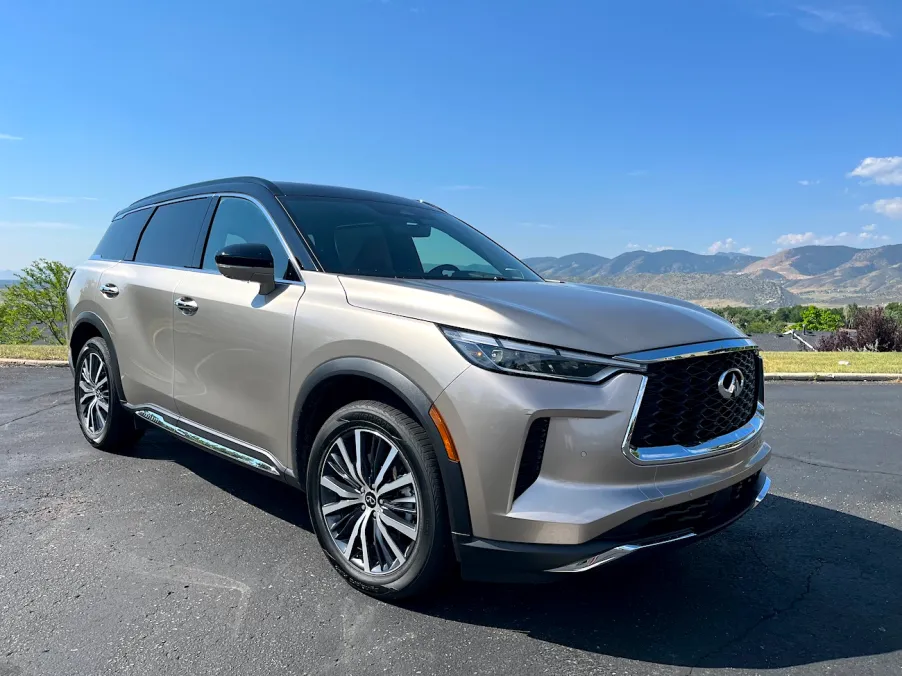
5. 2022 Infiniti QX60
The 2022 Infiniti QX60 marks the start of the SUV’s second generation after a hiatus in 2021, bringing much-needed updates to a model that had shown its age since 2014. With a modern design, new technologies, and improved luxury features, the three-row SUV is now more competitive in the midsize luxury segment.
A 3.5-liter V6 engine returns, paired this time with a new nine-speed automatic transmission that replaces the previous CVT, delivering smoother acceleration and a more engaging drive. While not the sportiest in its class, the QX60’s performance is respectable, hitting 0-60 mph in 7.4 seconds.
Fuel economy averages around 22 mpg combined, keeping it on par with rivals like the Acura MDX and Audi Q7. With a towing capacity of up to 6,000 pounds when properly equipped, the SUV balances performance with utility.
Comfort remains one of the QX60’s stronger selling points, especially with its quiet cabin and effective tri-zone climate control system. Heated and ventilated front seats, along with heated second-row seating, enhance passenger comfort, although both the front and second-row seats could use better support and cushioning.
The third row provides sufficient space for adults, a notable improvement over many rivals. Ride quality, however, is a mixed bag, as the SUV feels too firm on bumps yet too soft at higher speeds. Inside, the cabin offers easy entry thanks to wide doors and low ride height, along with logical control placement.
The interior materials and finishes are high-quality, though not quite at the level of German competitors. Optional touches such as a digital gauge cluster, wireless charging, and a 17-speaker Bose sound system reinforce the QX60’s luxury credentials.
Infiniti has made significant strides in technology, equipping the QX60 with a standard 12.3-inch touchscreen, wireless Apple CarPlay, and Android Auto (USB required). The infotainment system is responsive, though its interface looks less refined compared to premium rivals.
ProPilot Assist, standard on higher trims, bundles driver-assistance technologies that generally work well, even if adaptive cruise control feels overly cautious at times. Storage and practicality are also strengths, with competitive cargo space and clever underfloor storage.
Folding the rear seats expands capacity considerably, making it useful for families. Interior storage solutions are adequate, with felt-lined compartments adding a premium touch. For buyers needing capability, the QX60’s towing limit of 6,000 pounds is impressive, though still behind segment leaders like the Mercedes-Benz GLE.
The 2022 Infiniti QX60 represents a strong return for the model, delivering better value in a class dominated by European and Japanese luxury SUVs. It undercuts the pricing of rivals like the Audi Q7 while staying competitive with the Acura MDX.
Warranty coverage is also slightly above average, though Infiniti does not include complimentary maintenance. With trims such as the Autograph offering standout features like a blacked-out roof and removable second-row console, the QX60 blends practicality, luxury, and affordability.
While it may not lead to handling dynamics or seat comfort, the redesign solidifies the QX60 as a well-rounded contender in the luxury midsize SUV space, making it an appealing choice for buyers seeking style, tech, and family-friendly functionality.
Also Read: 5 Cars That Stay Safe and 5 That Have Serious Crash Concerns
5 Infiniti QX60 Years To Avoid
1. 2014 Infiniti QX60 – A Problematic Start
The 2014 Infiniti QX60 is widely recognized as one of the worst model years for this luxury SUV, primarily because of its Continuously Variable Transmission (CVT). Unlike other Infiniti vehicles in North America, it was the only one equipped with Nissan’s CVT, which carried a reputation for poor reliability.
Owners consistently reported transmission failures between 100,000 and 150,000 miles, often accompanied by symptoms such as jerking, shuddering, or even total loss of power. In many cases, drivers experienced terrifying scenarios like sudden deceleration on highways or violent jerks while in traffic.
These malfunctions not only compromised safety but also led to significant financial strain, with replacement costs reaching as high as $7,000. To make matters worse, many of these failures occurred just after Infiniti’s extended warranty expired at 94,000 miles, leaving owners with little recourse.
As a result, the 2014 model is generally considered one to avoid, particularly for buyers who prioritize long-term dependability and affordable maintenance in a luxury SUV.

2. 2015 Infiniti QX60 – Continued Transmission Struggles
Despite widespread awareness of the CVT issues in the 2014 QX60, Infiniti failed to address the root problems in the following year’s model. The 2015 Infiniti QX60 continued to suffer from many of the same complaints, making it another model year that buyers should approach with caution.
Owners reported severe transmission problems such as grinding, whining noises, juddering, and complete transmission failures, typically occurring between 75,000 and 90,000 miles. These issues often happened just outside the standard warranty coverage, leaving many drivers with no choice but to pay out of pocket.
Transmission repairs and replacements frequently exceeded $5,000, a cost particularly frustrating for owners who believed the manufacturer should have taken greater responsibility for known problems. Safety concerns were also significant, with some drivers experiencing a sudden loss of acceleration in dangerous traffic conditions.
Infiniti’s lack of warranty extension for this model year only added to customer dissatisfaction. The 2015 QX60’s inability to overcome persistent CVT issues further damaged the vehicle’s reputation and diminished buyer confidence in the lineup.

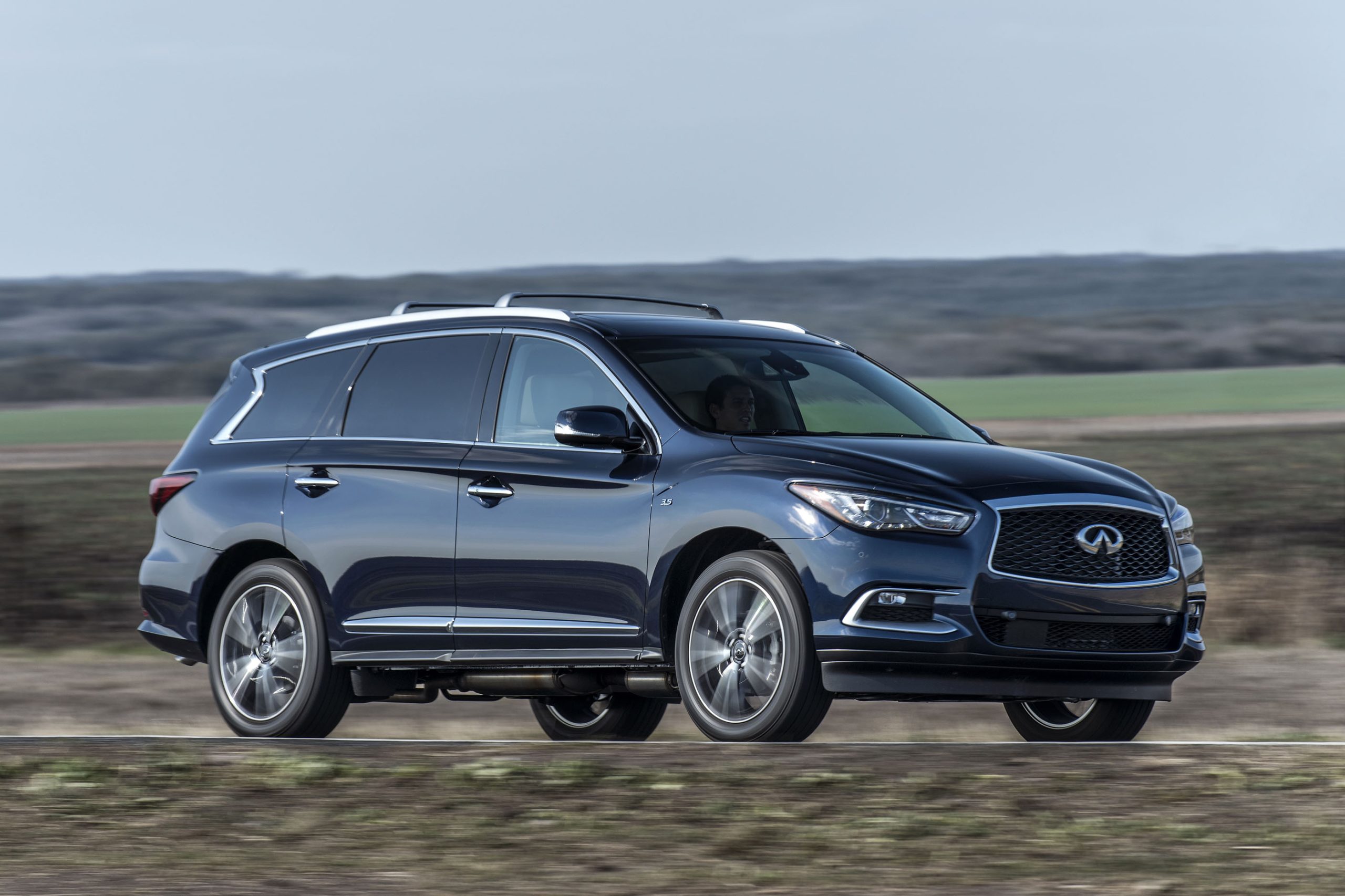
3. 2017 Infiniti QX60 – Engine and Transmission Failures
The 2017 Infiniti QX60 compounded reliability concerns with both engine and transmission problems, making it one of the least dependable models in the series. Many owners reported early engine issues, including sludge buildup and excessive oil consumption, sometimes leading to catastrophic failures at just 30,000 miles.
Such problems are unacceptable in a luxury vehicle marketed for refinement and durability. Transmission troubles were equally problematic, with drivers complaining about strange noises, droning sounds, and lagging performance from the CVT.
Repair costs for these issues were steep, with some owners paying more than $8,000 for transmission-related fixes. What frustrated customers the most was the timing, as these problems frequently emerged right after warranty coverage expired, leaving them with enormous bills for what should have been warranty-protected failures.
These issues severely undermined consumer trust and placed the 2017 model among the least recommended Infiniti SUVs. Buyers seeking peace of mind in a family-oriented luxury vehicle were left disappointed, further tarnishing the QX60’s reputation.
4. 2018 Infiniti QX60 – Safety Feature Defects
Although the 2018 Infiniti QX60 aimed to improve upon earlier issues, it still exhibited significant reliability flaws, especially with safety systems. While the transmission and electrical problems persisted, the most concerning defect involved the automatic emergency braking system.
Numerous owners reported the system engaging without warning, causing the SUV to suddenly decelerate or stop even when no obstacles were present. Such unexpected braking created highly dangerous driving conditions, particularly at higher speeds or in heavy traffic.
Reports from CarProblemZoo and CarComplaints.com highlighted multiple incidents of false activation, with drivers describing how alarms sounded, followed by abrupt braking for no reason.
Beyond braking issues, the 2018 QX60 also struggled with excessive oil consumption, oil sludge buildup, and sporadic stalling, adding to ownership headaches.
Even though the number of complaints was not as high as in previous years, the nature of the problems, especially those linked to safety, was troubling. These flaws placed the 2018 model firmly on the list of Infiniti QX60 years that consumers should avoid.
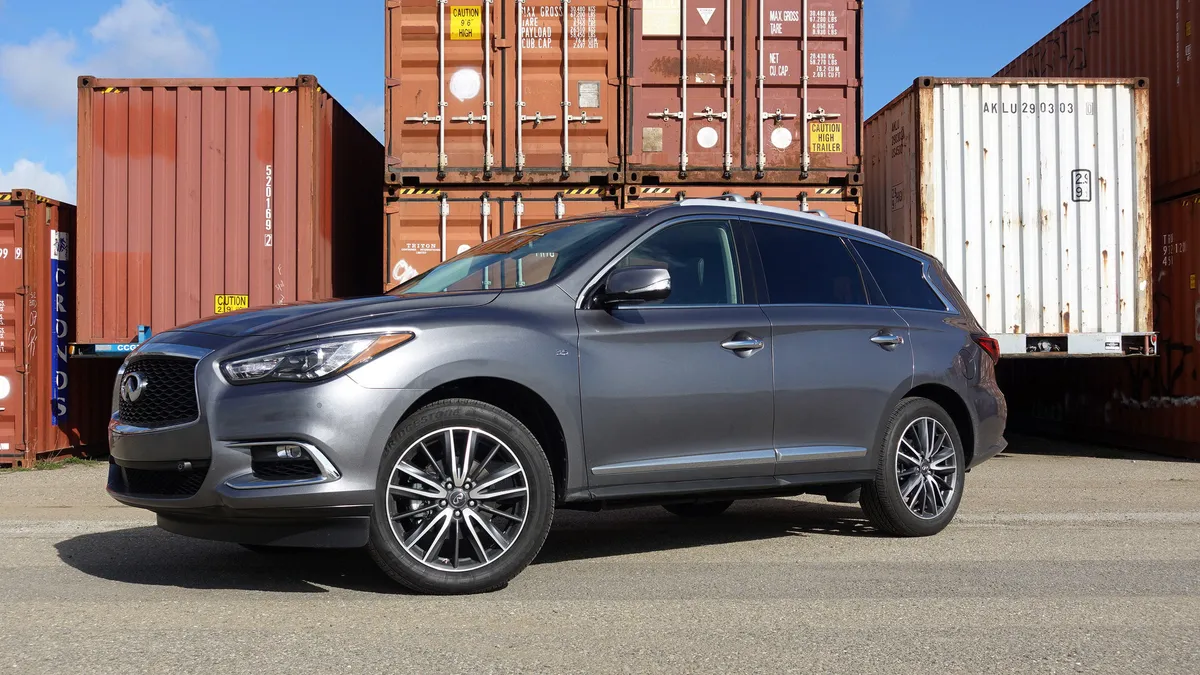
5. 2019 Infiniti QX60 – Ongoing Reliability Concerns
The 2019 Infiniti QX60 carried forward many of the same weaknesses that plagued earlier models, including recurring transmission malfunctions, oil consumption issues, and safety system defects.
Similar to the 2018 version, the automatic emergency braking system frequently engaged without reason, startling drivers and posing potential risks of rear-end collisions. Electrical malfunctions and stalling were also reported, contributing to inconsistent performance.
According to CarComplaints.com, the 2019 model received a few official complaints, but CarProblemZoo data reflected over 30 recorded problems, highlighting ongoing reliability struggles.
While some owners reported fewer issues compared to the 2014 or 2015 models, the persistence of fundamental flaws significantly overshadowed any improvements. The combination of drivetrain problems and unpredictable safety systems made ownership an unreliable and stressful experience.
For a luxury SUV positioned against competitors like the Acura MDX or Audi Q7, such shortcomings made it less appealing, especially for buyers seeking long-term dependability. Ultimately, the 2019 QX60 reinforced the need for caution when considering certain model years of Infiniti’s popular three-row SUV.

The Infiniti QX60 has evolved significantly over the years, with certain model years standing out as excellent investments and others proving troublesome for long-term ownership.
The most reliable years, like the 2016 and 2022 models, showcase Infiniti’s efforts to improve ride quality, modernize technology, and enhance overall durability. On the other hand, years plagued by transmission issues or flawed safety systems, such as 2014 and 2018, demonstrate why careful research is essential before purchasing.
Ultimately, the QX60 can be a smart choice in the luxury SUV segment, especially when buyers focus on proven years that balance comfort, performance, and reliability.
By avoiding models with persistent problems and prioritizing those with strong owner satisfaction, you can enjoy the benefits of Infiniti’s craftsmanship without the headaches of unexpected repairs. In a competitive market, knowing which QX60 years to buy or avoid makes all the difference in your driving experience.
Also Read: 10 Cars With Tricky Seatbelt Buckles for Elderly Passengers
