The Kia Sorento has earned a strong reputation in the midsize SUV segment, offering buyers a mix of practicality, comfort, and long-term dependability.
Over the years, certain model years have stood out for their impressive reliability, making them excellent choices for used-car shoppers who want peace of mind without sacrificing features or performance.
From rugged, truck-like early models to more refined and technology-packed modern versions, these Sorentos highlight the brand’s ability to adapt to changing market demands while maintaining durability.
Buyers can find value across different generations, whether they prioritize towing capacity, family-friendly features, or everyday driving comfort. While not every Sorento year has been perfect, some have consistently proven themselves as dependable, budget-friendly options.
In this article, we’ll take a closer look at five Kia Sorento model years with strong reliability, breaking down what makes them stand out and why they remain solid choices in today’s used SUV market.
5 Kia Sorento Years With Strong Reliability
1. 2009 Kia Sorento
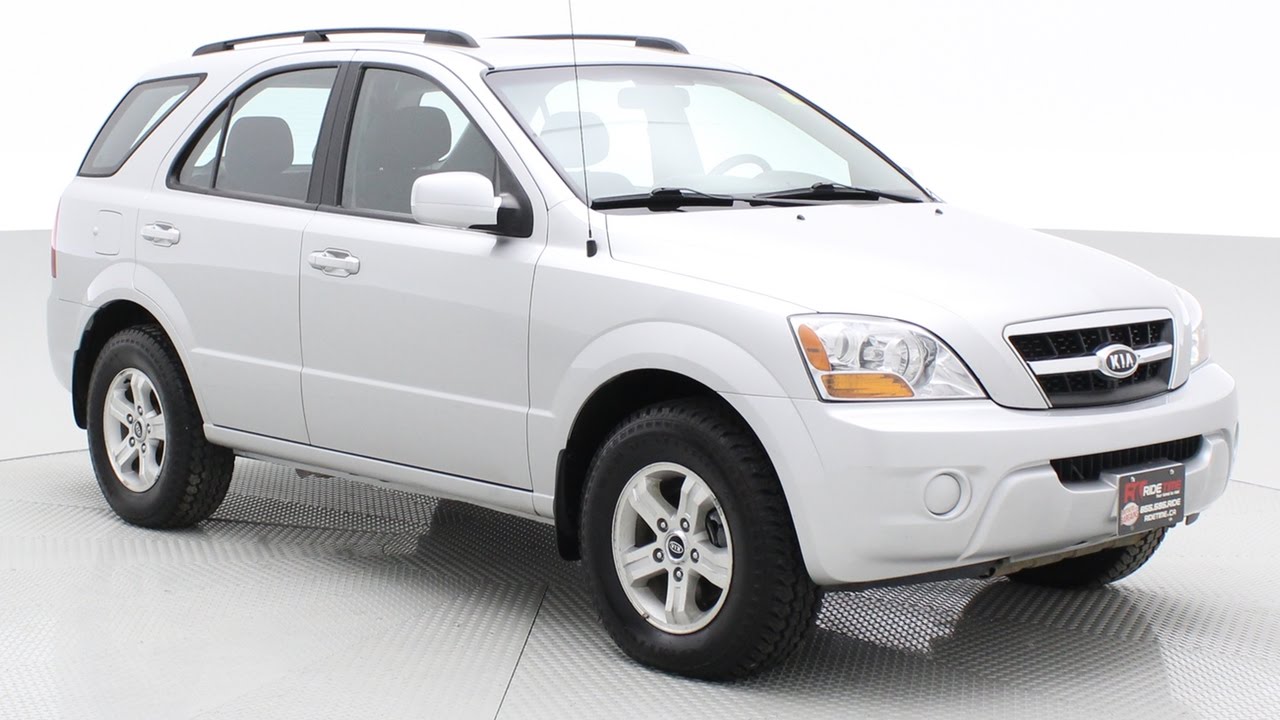
The 2009 Kia Sorento sticks to its traditional SUV roots, offering buyers two V6 engines: a 3.3-liter producing 242 horsepower and a stronger 3.8-liter rated at 262 horsepower. Both are paired with a five-speed automatic transmission and provide sufficient power for daily driving, highway passing, or towing.
When properly equipped, the Sorento can tow up to 5,000 pounds, outclassing many rival crossovers of its era. Available in both two-wheel and four-wheel drive, higher trims featured a “Torque-On-Demand” 4WD system designed to automatically engage the front wheels during slippery conditions.
While these mechanical strengths make the Sorento versatile, its lackluster fuel economy, averaging 16–18 mpg combined, and weaker braking performance limit its overall appeal for drivers seeking a more refined, commuter-friendly SUV.
Unlike many of its crossover competitors, the 2009 Sorento retains a truck-based, body-on-frame chassis with a solid rear axle, providing a more rugged foundation for off-road driving.
The availability of low-range gearing in 4WD models boosts trail capability, making it an attractive option for adventurous buyers. However, this traditional build also means compromises.
The Sorento’s ride can feel stiff and bouncy over rough roads, while its trucklike handling is less polished than modern crossovers such as the Honda CR-V or Toyota RAV4.
Although it performs reasonably well in the dirt, more specialized off-road SUVs like the Nissan Xterra or Toyota FJ Cruiser deliver superior trail performance. For drivers balancing both city and off-road needs, the Sorento stands as a middle ground but lacks dominance in either category.
Inside, the Sorento focuses on function over flash. The cabin is comfortable, with well-padded front seats, a simple dashboard layout, and decent-quality materials for its class.
Standard features include air conditioning, power windows and locks, and a CD player, which were respectable at the time but fall short by today’s standards. The rear bench seat accommodates three passengers, though taller riders may find legroom tight.
Cargo space is practical, with the 60/40 split rear seats folding to offer 66 cubic feet of storage, slightly behind top competitors. While not the most stylish interior, its durability and straightforward usability make it a reliable choice for families or buyers who value simplicity over luxury.
Safety was a strong point for the 2009 Sorento, with features like full-length curtain airbags, stability and traction control, and driver knee airbags included across all trims. Government crash tests awarded it top marks in both frontal and side impacts, though IIHS side-impact scores were poor.
Ultimately, the Sorento combines rugged strength, decent comfort, and a reputation for reliability, but it struggles to match the refinement and efficiency of crossover rivals.
For buyers seeking a durable, truck-like SUV that balances city driving with occasional off-road use, the 2009 Kia Sorento represents a solid, budget-friendly option in the used market.
2. 2019 Kia Sorento
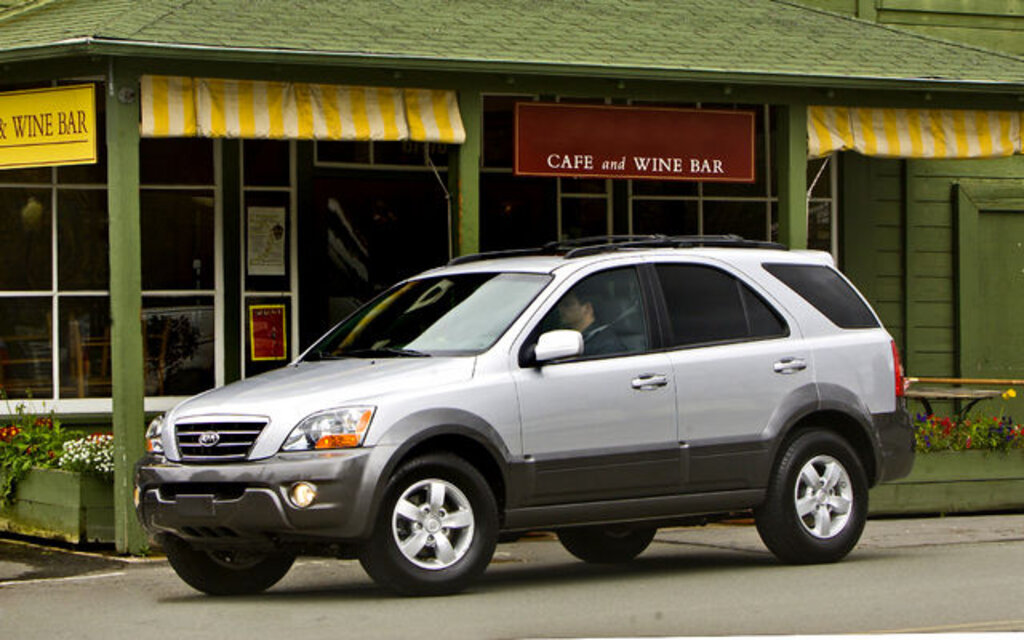
The 2019 Kia Sorento stands out in the crowded SUV market for delivering a strong mix of power and everyday usability. Its most appealing option is the 3.3-liter V6 engine, which pairs with a new eight-speed automatic transmission.
This setup offers smooth shifting and better fuel economy compared to the outgoing six-speed. While acceleration times have slowed slightly, hitting 60 mph in 8.3 seconds compared to earlier tests, the Sorento remains capable of brisk highway merging and towing up to 5,000 pounds.
The steering is light but accurate, body control is well managed, and braking performance is stable and confident, even under pressure.
With the addition of an all-wheel-drive system featuring a lockable torque split, the Sorento is prepared for slippery conditions. However, with just 7.3 inches of ground clearance, it is best suited for snowy commutes or light trails rather than rugged off-road adventures.
Comfort is where the 2019 Sorento shines brightest. Its well-padded seats provide excellent support for long trips, with available heating, ventilation, and power adjustments that add to its premium feel. Noise insulation is another strength, with acoustic glass helping the cabin remain quiet even at highway speeds.
The Sorento’s ride is composed and smooth, soaking up bumps without feeling sloppy. Families will appreciate its standard third-row seating, which expands capacity to seven passengers, though the back row is best for children. Cargo space is versatile, offering 11.3 cubic feet behind the third row, expanding to 38 cubic feet when folded flat.
With a hands-free power tailgate and simple seat-folding mechanisms, the Sorento makes hauling gear or groceries easy. Positioned between Kia’s smaller Sportage and larger Telluride, the Sorento hits a sweet spot for buyers who need extra space but don’t want an oversized SUV.
Technology in the 2019 Kia Sorento keeps it competitive with rivals. Standard smartphone integration through Apple CarPlay and Android Auto ensures seamless connectivity, while higher trims offer wireless charging, multiple USB ports, and an upgraded Harman Kardon sound system.
The infotainment system, featuring an eight-inch touchscreen, is praised for its simplicity and quick response. Safety is another highlight, with available features like adaptive cruise control, lane keeping assist, blind-spot monitoring, and surround-view cameras enhancing driver confidence.
These systems perform reliably without being overly intrusive. Government crash-test scores were excellent, further boosting its appeal as a family SUV.
While its tech may not be the flashiest in the segment, the Sorento combines user-friendly operation with a generous list of standard and optional features, making it a practical choice for tech-focused buyers.
The 2019 Kia Sorento strikes a rare balance between affordability, versatility, and refinement. Offering trims that range from budget-conscious to near-luxury, it provides options for a wide spectrum of buyers.
Its standout qualities include a smooth and quiet ride, flexible seating and cargo space, and one of the best warranties in the industry, which adds peace of mind for used-car shoppers. While its third row is tight for adults and the V6 feels slightly less energetic than before, these drawbacks are minor compared to its strengths.
Recognized by Edmunds as one of the Best 3-Row SUVs for 2020, the Sorento proves itself as a well-rounded vehicle for families and commuters alike. For those seeking a midsize SUV that blends comfort, safety, and long-term dependability without stretching into luxury pricing, the 2019 Kia Sorento remains a top contender.
3. 2020 Kia Sorento
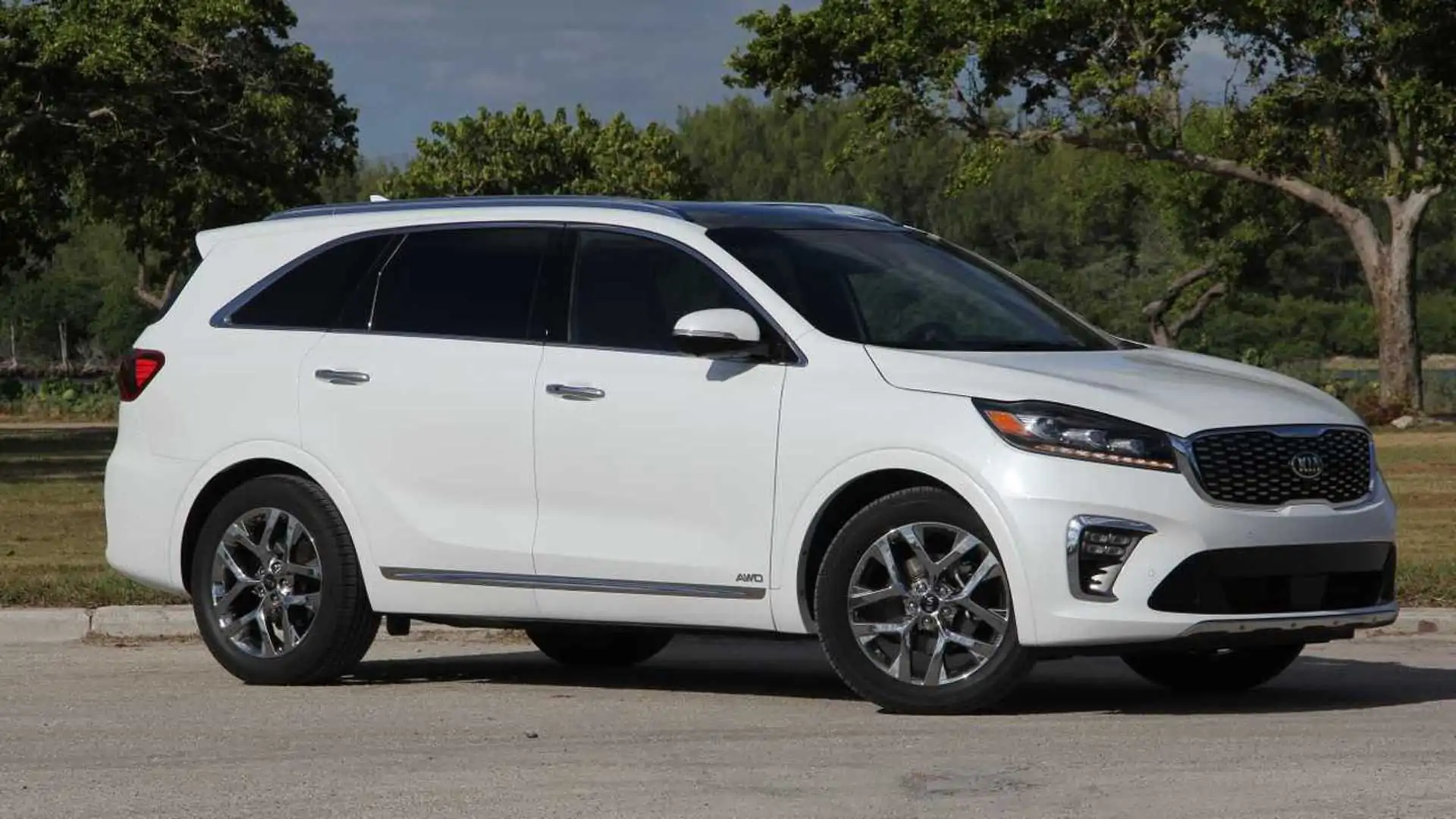
The 2020 Kia Sorento carries over much of the formula from the previous year, offering buyers a balance between compact maneuverability and midsize practicality.
Powered by an available 3.3-liter V6 engine paired with an eight-speed automatic transmission, the Sorento delivers smooth acceleration, though performance is described as merely adequate.
It takes 8.3 seconds to reach 60 mph, slower than earlier tests, and feels sluggish at low revs before waking up near 5,000 rpm. Braking is solid, stopping from 60 mph in just 125 feet, while steering remains light yet accurate, making it easy to maneuver in city traffic or on the highway.
Handling is better than expected for a family SUV, but outside of Sport mode, the transmission can feel hesitant to downshift. With 7.3 inches of ground clearance, the Sorento is capable in slippery winter conditions but isn’t designed for true off-road adventures.
Comfort is one of the Sorento’s strongest qualities, with a ride that feels smooth and premium for a non-luxury SUV. The seats are a blend of firm and plush, with available heating, ventilation, and even an extendable lower cushion up front.
Second-row passengers benefit from sliding and reclining seats, while the third row, though standard, is best reserved for children due to its low cushions and tight space. Ride quality is refined, soaking up bumps with ease, while the acoustic glass windshield and windows help maintain a quiet, serene cabin.
The interior is thoughtfully designed, with easy access to the first two rows and a clean, intuitive control layout. The 8-inch touchscreen infotainment system is simple to use and responds quickly, although the third row’s cramped entry and limited visibility with the seats up are minor drawbacks.
Technology in the 2020 Sorento is competitive for the class, with Apple CarPlay and Android Auto standard across trims, complemented by optional features such as a Harman Kardon sound system, navigation, and a full suite of driver-assist systems.
Adaptive cruise control, lane keeping assist, and blind-spot monitoring all work effectively, though adaptive cruise can feel slightly jerky. Storage is practical, with multiple cabin nooks and a wireless charging pad for devices.
Cargo capacity is average for the class, offering 11.3 cubic feet behind the third row and 38 cubic feet when folded. Folding both rows is simple thanks to straps and levers, and the smart power tailgate adds convenience.
Towing capacity is impressive at 5,000 pounds, putting the Sorento on par with some midsize SUVs and making it versatile for families who occasionally haul heavier loads.
Fuel efficiency is one area where the Sorento lags slightly, with the V6 AWD model rated at 21 mpg combined, similar to midsize competitors but less efficient than compact rivals. In real-world testing, it achieved 21.6 mpg on a highway-heavy route, which is acceptable but unremarkable.
Build quality is solid, with soft-touch materials in most areas, though some components are shared with cheaper Kia models. The brand’s standout warranty coverage continues to add significant value, giving buyers peace of mind for long-term ownership.
The 2020 Kia Sorento is a capable, feature-packed SUV that straddles the line between compact and midsize. While its third row is tight and fuel economy average, it remains a well-rounded option for families seeking versatility, comfort, and strong warranty protection without moving up to a larger SUV like the Kia Telluride.
4. 2015 Kia Sorento
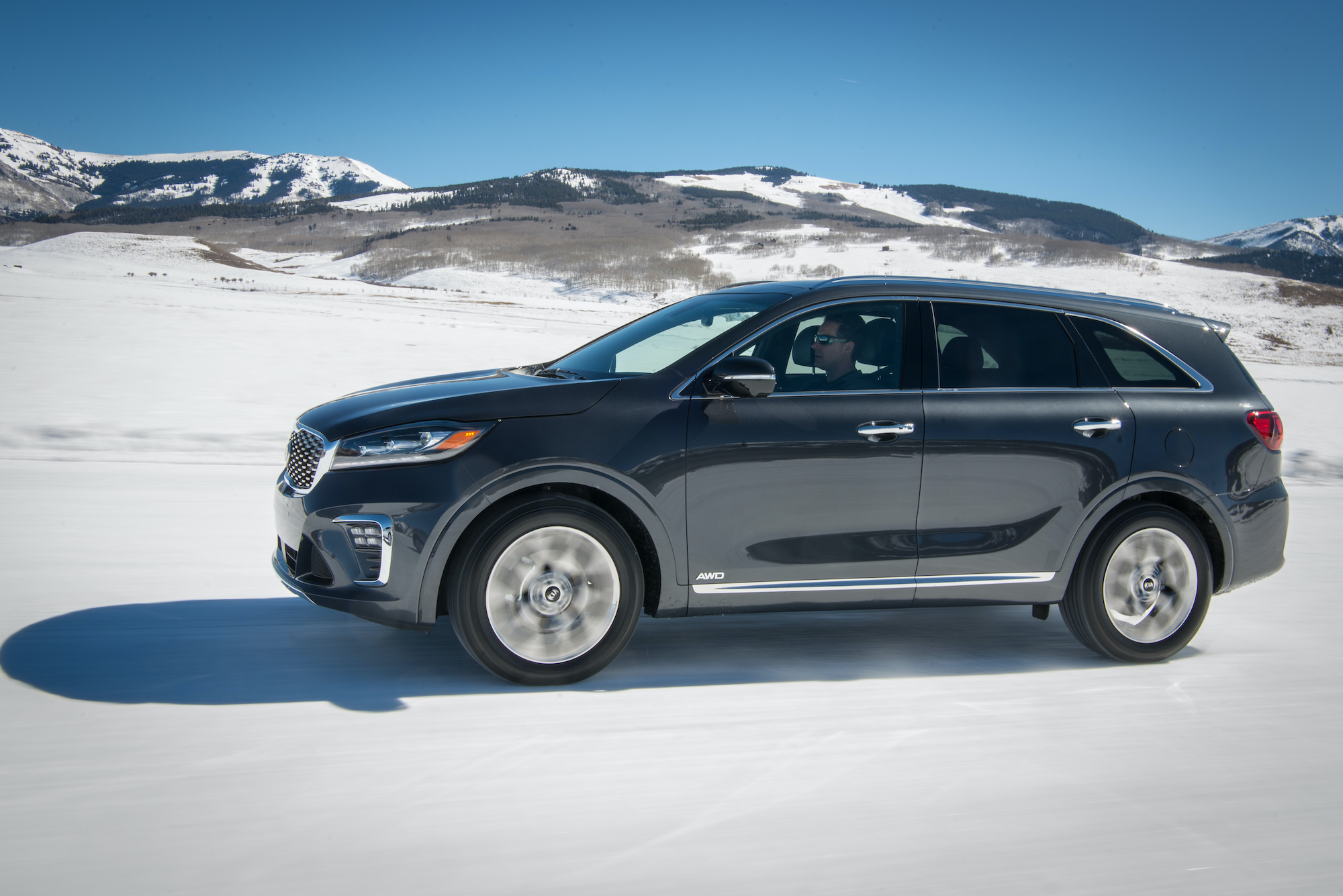
The 2015 Kia Sorento remains largely unchanged from the previous year but continues to appeal as a versatile crossover.
Straddling the line between compact and midsize SUVs, it offers features rarely found in smaller rivals, such as an available third-row seat and V6 power, while still being more maneuverable than larger seven-passenger models.
With a reputation for solid build quality, comfortable ride, and generous features, the Sorento appeals to families seeking a practical yet refined option.
Pricing starts in the mid-$20,000 range, but higher trims equipped with the V6 can push close to $40,000, positioning it among competitive offerings such as the Hyundai Santa Fe, Dodge Durango, and Ford Edge.
Buyers can choose between two engines: a 2.4-liter four-cylinder with 191 horsepower or a stronger 3.3-liter V6 delivering 290 horsepower. Both pair with a six-speed automatic transmission, with front-wheel drive standard and all-wheel drive optional.
In performance testing, the V6 achieved a 0–60 mph sprint in 7.5 seconds, making it competitive in its class. Fuel economy, however, is average at best.
The four-cylinder manages 23 mpg combined with front-wheel drive, while the V6 delivers 21 mpg combined in front-drive versions and 20 mpg with all-wheel drive. Most drivers will find the V6 a more rewarding choice, offering smoother acceleration and better overall capability than the base engine.
Safety is a strong point for the Sorento, as it comes standard with stability control, antilock brakes, multiple airbags, and active front headrests. Upper trims add driver aids such as blind-spot monitoring and a rearview camera.
Government crash tests awarded the Sorento a five-star overall rating, while the Insurance Institute for Highway Safety gave it top scores in most categories, though it performed poorly in the small-overlap front crash test.
On the road, the Sorento impresses with quiet highway cruising, composed handling, and a comfortable ride. While not sporty, its suspension absorbs most road imperfections well, and the SUV feels more maneuverable than larger seven-passenger competitors.
Inside, the Sorento offers a generous list of standard features even at lower trims, including user-friendly technology like Kia’s intuitive Uvo infotainment system. Higher trims feature an 8-inch touchscreen with crisp graphics and a modern gauge cluster.
Seating is comfortable in the first two rows, though the optional third row is best suited for children and can be tricky to access. Cargo capacity is respectable, with up to 72.5 cubic feet of space when the second row is folded, offering more practicality than compact rivals but less room than dedicated midsize three-row SUVs.
The 2015 Kia Sorento delivers a strong mix of value, versatility, and refinement, making it a solid choice for families.
5. 2017 Kia Sorento
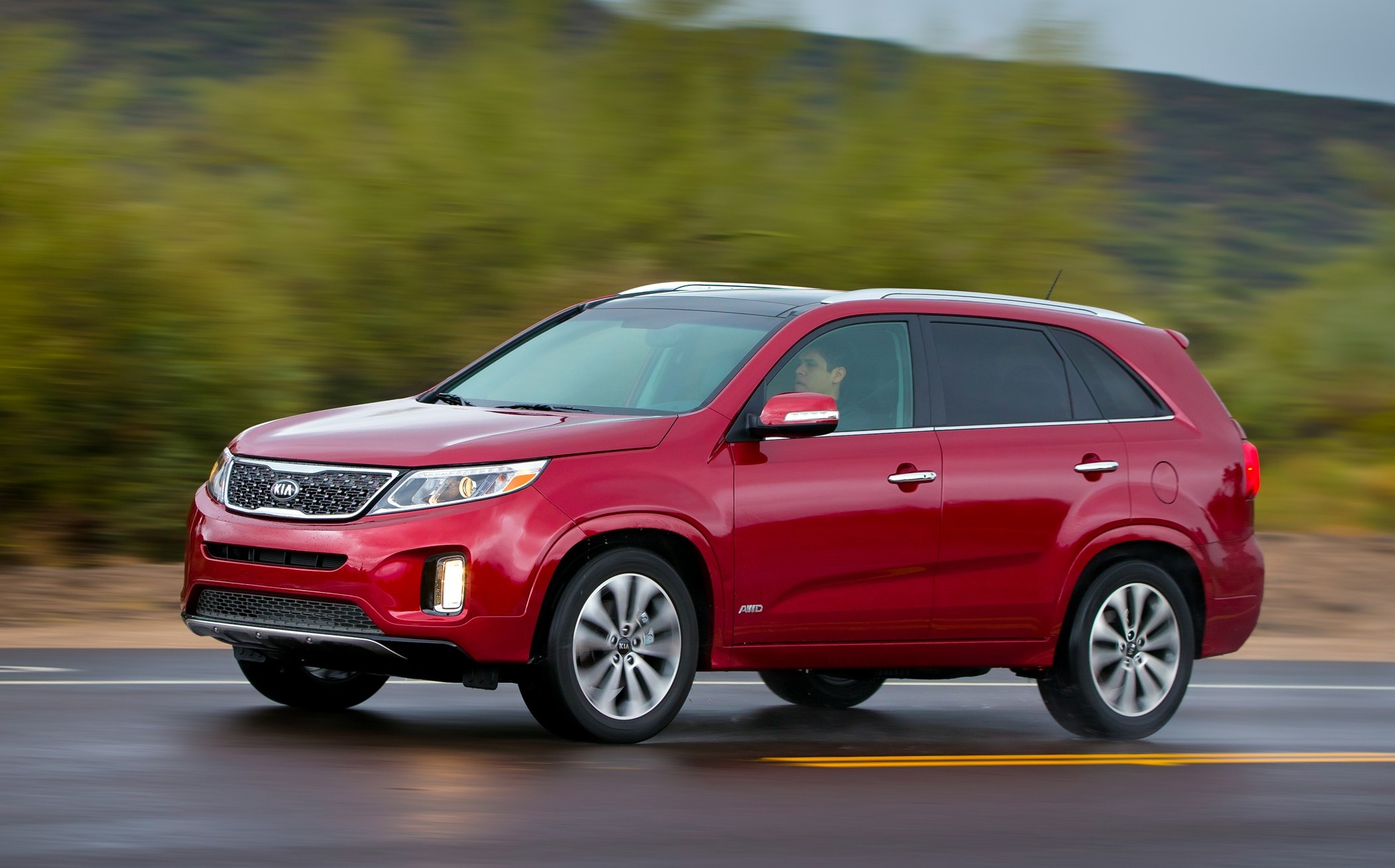
The 2017 Kia Sorento builds on its recent redesign with modern tech updates and advanced safety features. Apple CarPlay and Android Auto are now available, enhancing smartphone integration, while adaptive headlights and automatic emergency braking improve driver confidence.
Buyers can choose between three engines: a base 2.4-liter four-cylinder, a turbocharged 2.0-liter, or a robust 3.3-liter V6. While the four-cylinder feels underpowered for the Sorento’s size, the V6 delivers stronger performance and refinement.
Seating flexibility is another highlight, as buyers can opt for a two-row configuration or a three-row setup, the latter best suited for families with children. Though some rivals offer more interior volume, the Sorento strikes a balance between practicality and maneuverability, making it attractive to a wide audience.
Safety was a strong point for the 2017 Sorento, earning top marks in both government and IIHS crash tests, including the highest possible “Good” ratings across all major categories.
Standard equipment includes stability control, multiple airbags, and a rearview camera on most trims, with available upgrades like blind-spot monitoring, rear cross-traffic alert, and lane departure warning. The forward collision mitigation system with automatic braking further boosts its appeal.
Brake performance is average for its class, stopping from 60 mph in 121 feet. Beyond test results, Kia’s generous warranty coverage adds to the Sorento’s reputation for reliability and value. Notably, Edmunds named it among the Best Used SUVs and Best Used Cars of 2017, reinforcing its strong standing in the midsize SUV market.
On the road, the 2017 Sorento delivers a refined and comfortable ride. Even trims with large 19-inch wheels absorb bumps smoothly, while cabin noise remains impressively low, especially in higher trims.
Driver Mode Select offers Normal, Sport, and Eco settings, adjusting transmission response and steering effort, though differences in steering feel are subtle outside the SX and SX Limited trims. The V6 engine is recommended for its 290 horsepower, providing confidence for highway merging and long trips.
The turbocharged four-cylinder serves as a middle ground but lacks the punch expected from modern turbos. The Sorento balances comfort and composure, making it a strong candidate for family travel and daily commuting alike.
Inside, the 2017 Sorento boasts an upscale design with soft-touch surfaces, available two-tone color schemes, and user-friendly controls. The infotainment system is intuitive, with large buttons and clear menus.
Passenger comfort is a priority, as second-row seats slide, recline, and fold flat, allowing flexibility between cargo and seating needs. The third row is suitable for children or smaller adults, but less spacious than rivals like the Toyota Highlander.
Cargo space is modest with all three rows up at 11.3 cubic feet, expands to 38 behind the second row, and maxes out at 73.5 cubic feet. This capacity is competitive for two-row midsize SUVs, though some three-row crossovers offer more.
Combined with its comfort, safety, and value, the 2017 Sorento stands as one of Kia’s most well-rounded midsize SUVs.

Also Read: 5 Cars with Backup Cameras You Can Trust vs 5 That Are Blurry and Useless
5 Kia Sorento Years Without Strong Reliability
1. 2011 Kia Sorento: A Troubled Start to the Second Generation
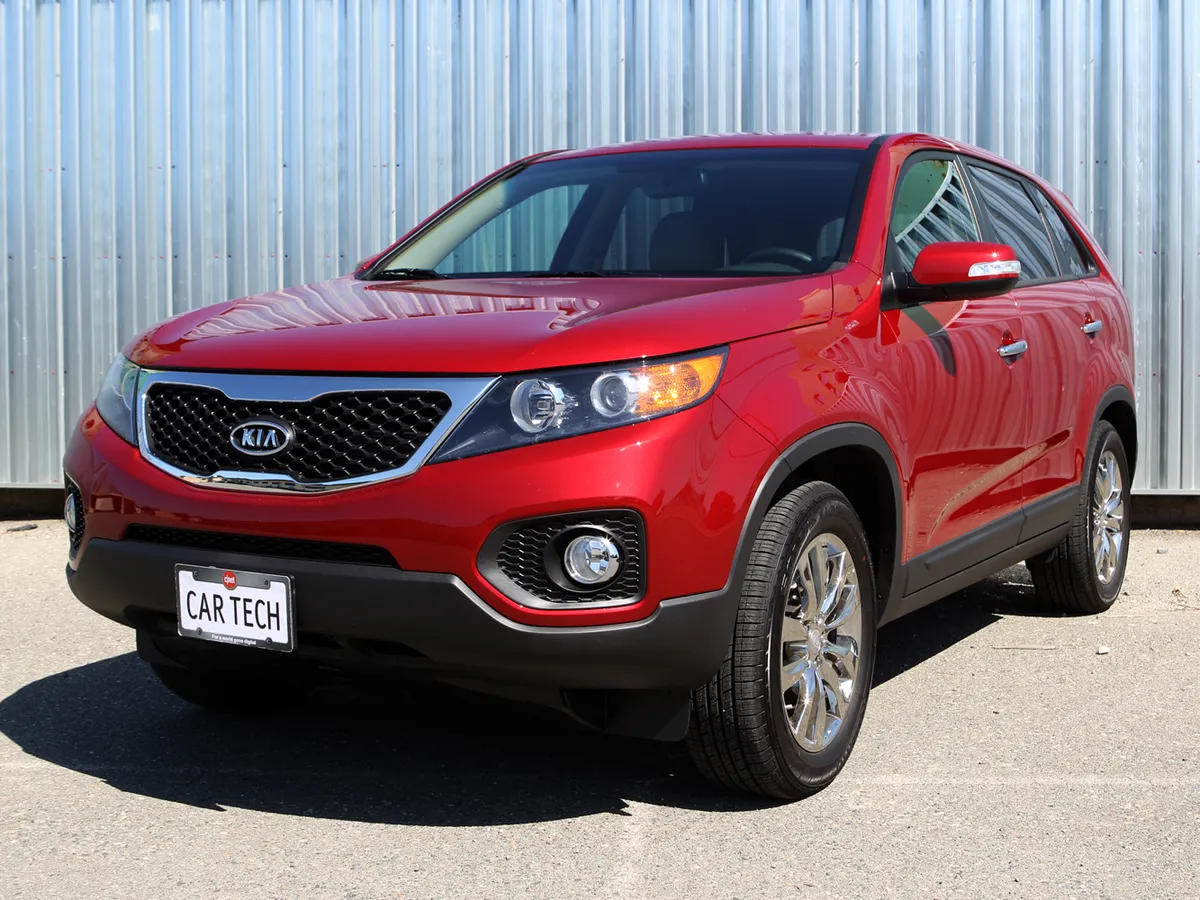
The 2011 Kia Sorento marked the beginning of the model’s second generation, but it quickly developed a reputation for reliability concerns. Owners reported multiple issues with the 2.4-liter Theta II MPi I4 engine, ranging from excessive oil consumption to complete engine failure.
These mechanical problems often occurred at relatively low mileage, leaving many drivers with costly repairs. In addition to engine-related failures, electrical system malfunctions were widespread.
Complaints included faulty wiring, malfunctioning dashboards, and inconsistent electronic features that affected convenience and safety alike. The build quality of the interior also came under scrutiny, with drivers noting the use of subpar materials that wore prematurely.
Taken together, these concerns created a negative perception of the 2011 Sorento among owners and industry reviewers. Many considered it one of the weakest offerings of the decade for Kia, a disappointing development given its otherwise competitive design and features.
Despite its affordability and practicality on paper, the persistent issues surrounding this model year diminished its appeal in the used SUV market, with many buyers actively avoiding it. For reliability-minded drivers, the 2011 Sorento remains a year to skip when evaluating secondhand Kia SUVs.
2. 2012 Kia Sorento: Persistent Reliability and Safety Risks
The 2012 Kia Sorento carried over many of the problems from the prior year, and in some respects, it introduced even greater risks. As of 2025, the model has amassed more than 850 complaints and five official recalls.
Perhaps the most alarming concern is the NHTSA’s active warning about fire hazards tied to the Hydraulic Electronic Control Unit (HECU), which may short-circuit and cause engine compartment fires even when the vehicle is parked.
Several documented cases of fires emerged soon after engine replacements, raising doubts about the long-term safety of the Sorento. Nearly half of all complaints involve engine failures, including seizures, stalling, knocking noises, and sudden loss of power.
More concerning, some replacement engines failed only weeks after installation, often leading to total vehicle loss. Beyond engine defects, electrical system malfunctions persisted. Owners reported random warning light activations, smoke from under the hood, and intermittent stalling.
Airbag issues also surfaced, with malfunctioning warning systems leading to failed safety inspections, though no official recall addressed these defects. For buyers, the 2012 Sorento represents not only a financial liability but also a potential safety risk, reinforcing its reputation as one of Kia’s most problematic SUV models.
3. 2013 Kia Sorento: Escalating Powertrain and Safety Concerns
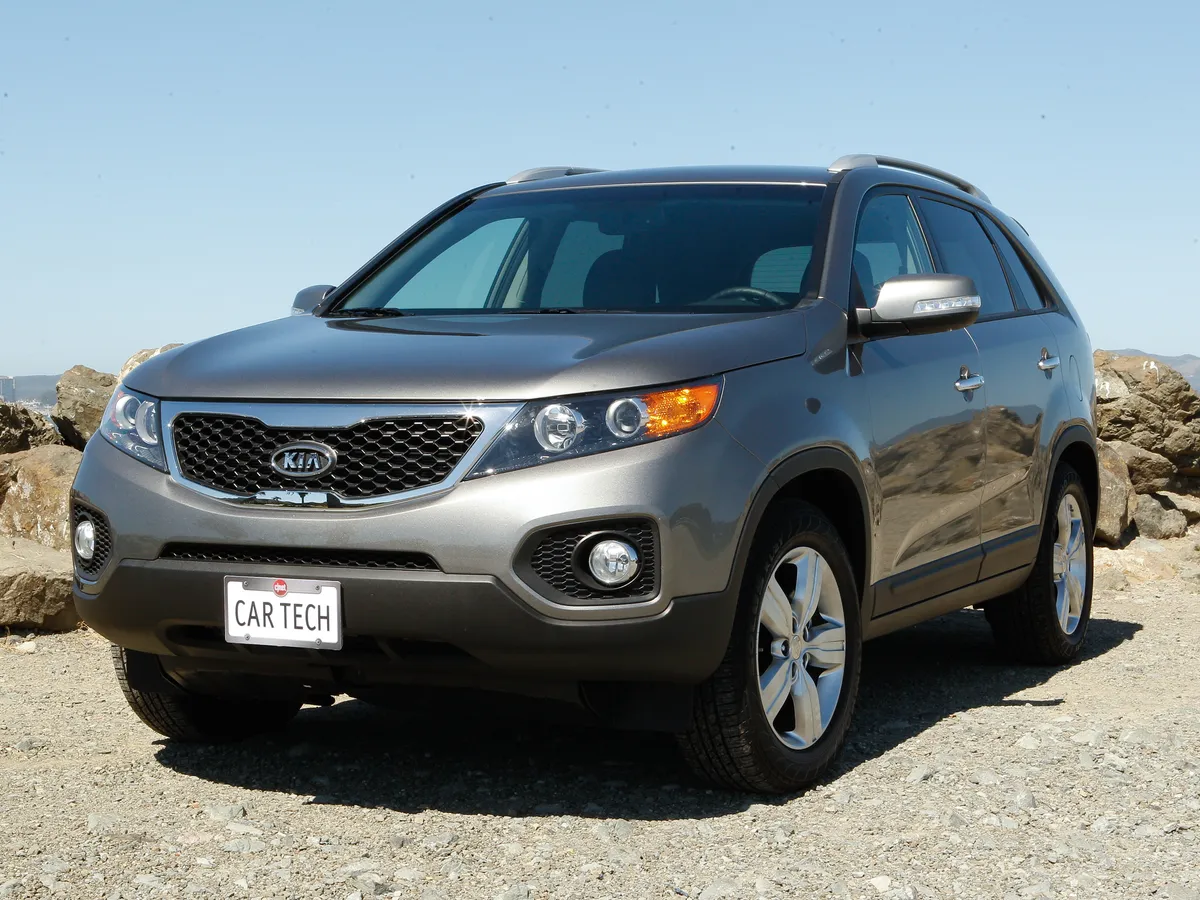
The 2013 Kia Sorento continued the trend of reliability challenges, with widespread issues impacting owners’ confidence in the vehicle. Engine failures were the most prevalent problem, particularly involving the 2.4-liter engine.
Many drivers faced complete engine breakdowns that required replacements, often at high out-of-pocket costs due to limited warranty coverage. Transmission reliability also proved to be a major weakness. Owners reported rough shifting, sudden jerks during acceleration, and in some cases, complete transmission failure.
These problems not only made driving uncomfortable but also contributed to unexpected breakdowns. Safety concerns compounded the Sorento’s struggles, as multiple recalls were issued related to the engine and powertrain systems. Such recalls underscored the systemic nature of the vehicle’s reliability flaws.
For an SUV that marketed itself as family-friendly, the combination of engine instability, transmission troubles, and safety recalls seriously tarnished its reputation. Many consumers who purchased the 2013 Sorento experienced expensive repair cycles that diminished the vehicle’s value.
Consequently, the 2013 model year is widely regarded as another entry on the list of Kia Sorentos to avoid, especially for those seeking a reliable and safe midsize SUV for long-term ownership.
4. 2014 Kia Sorento: Fire Hazards and Structural Failures
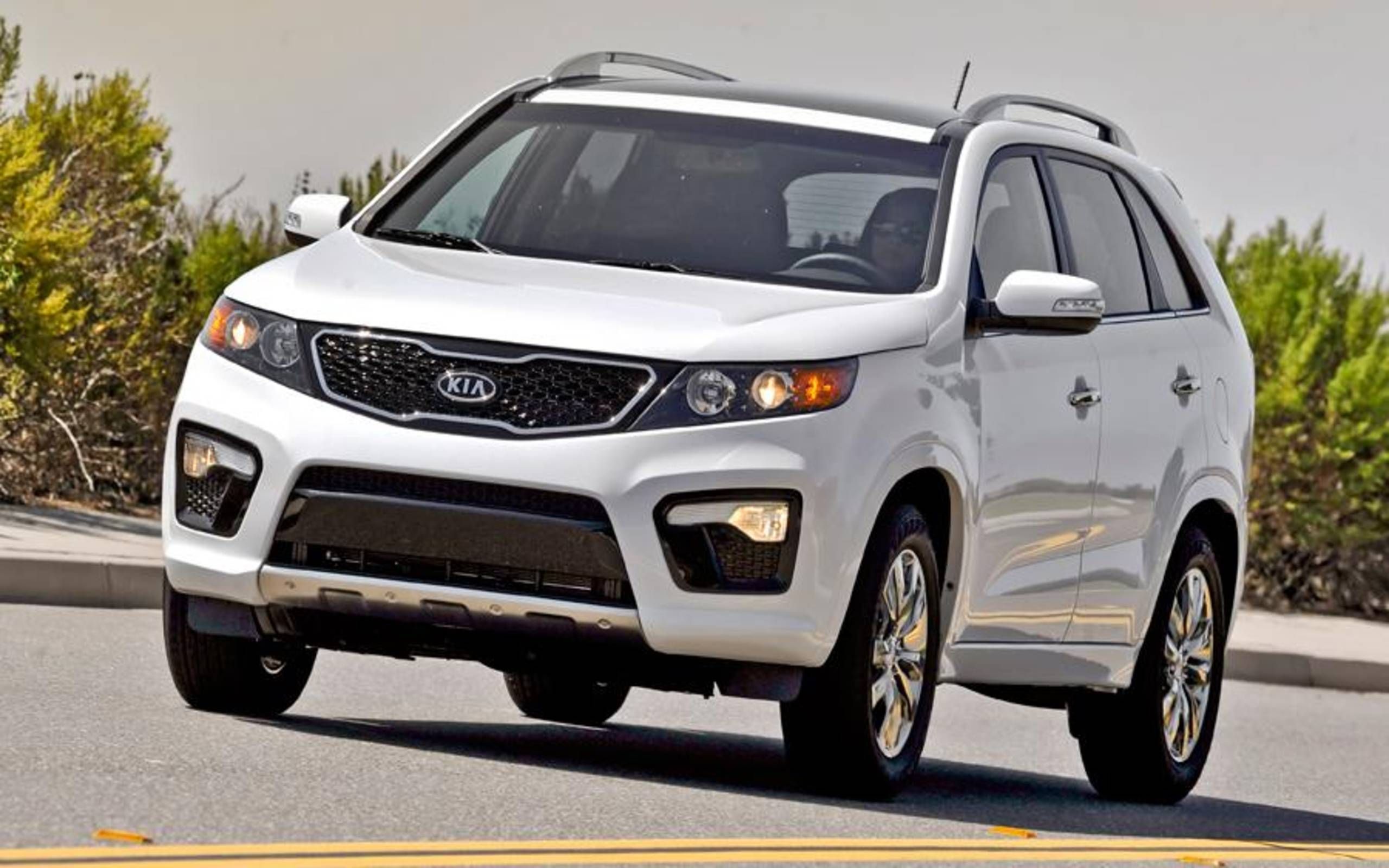
By 2014, Kia’s Sorento lineup showed little improvement in dependability. This model year accumulated 933 complaints and six recalls, making it another problem-laden entry. The most serious concern involved repeated NHTSA fire risk warnings tied to defects in the HECU.
Owners were advised that their vehicles could ignite even while parked, yet many waited months for remedies, forcing them to keep unsafe SUVs in their driveways. Electrical failures further undermined safety. Drivers reported sudden power losses on highways, flickering dashboards, and full system shutdowns without warning.
Beyond critical mechanical issues, the 2014 Sorento also developed widespread structural and cosmetic defects. The “Snow White Pearl” paint was especially problematic, with reports of peeling, bubbling, and flaking in large sheets.
Many vehicles developed rust in exposed areas where paint had failed, leaving owners frustrated with both safety and aesthetic deterioration. Powertrain issues remained prevalent as well, with premature bearing wear, overheating, and complete engine failures requiring expensive replacements.
Some even experienced rear axle breakdowns at relatively low mileage. The combination of fire hazards, cosmetic decay, and severe engine and transmission problems left the 2014 Sorento with one of the poorest reputations in its class.
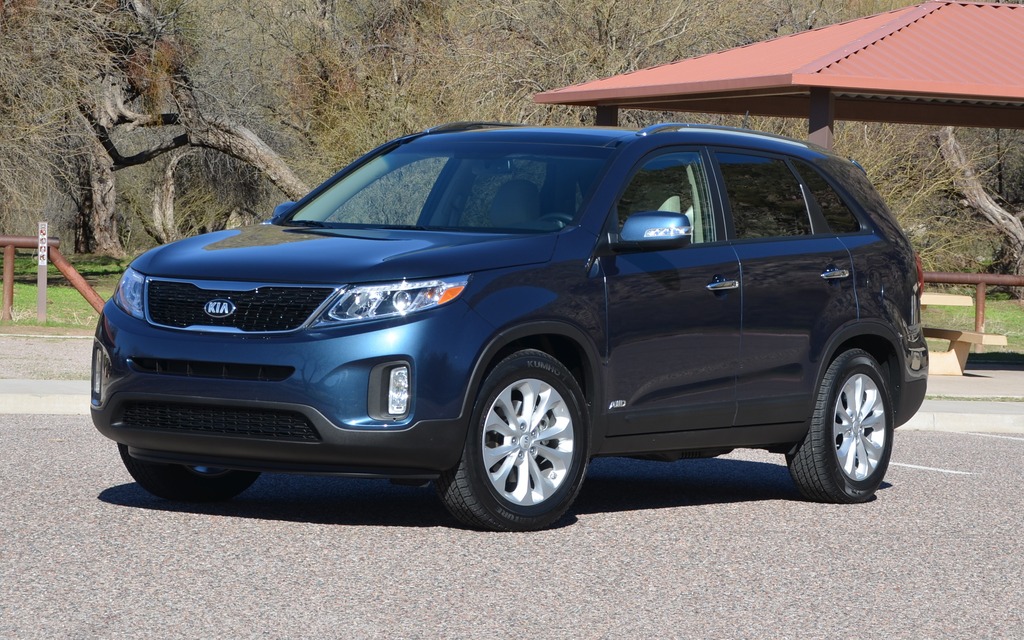
5. 2016 Kia Sorento: The Most Problematic Model Year
The 2016 Kia Sorento, despite launching with praise for its styling and features, became one of the brand’s most notorious failures in terms of reliability. According to owner reports and complaint databases, it holds the highest number of registered complaints and ranks as the second-most problematic Sorento overall.
Engine failures were widespread, often requiring full rebuilds or replacements. Issues stemmed from faulty cylinder heads, head gaskets, and timing chains, resulting in breakdowns at relatively low mileage.
Electrical system failures were equally frustrating, affecting infotainment units, climate controls, and essential vehicle operations. Additionally, the 2016 model suffered from leaking exhaust systems and driveline malfunctions, leading to further repair costs.
With eight recalls issued by the NHTSA and a growing reputation for catastrophic failures, this model year stands out as the one most experts recommend avoiding. For buyers considering a used Sorento, the 2016 edition represents a costly gamble that could lead to frequent repairs, unsafe driving conditions, and financial strain.
While Kia has made strides in later model years, the 2016 Sorento remains a cautionary tale about the risks of prioritizing design upgrades over mechanical reliability and long-term durability.
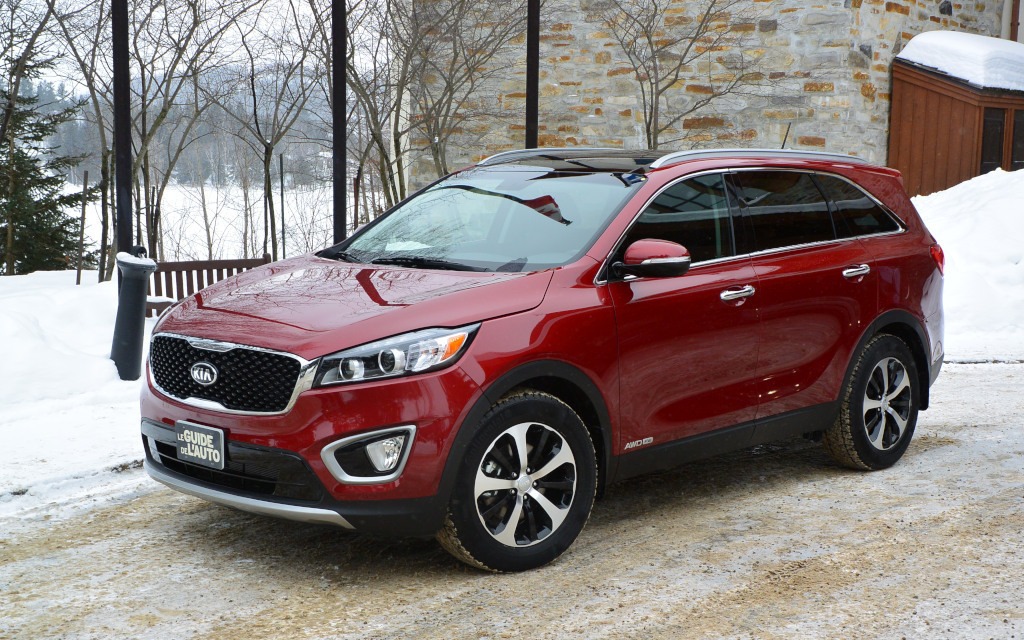
When shopping for a used SUV, reliability is often one of the most important factors, and these five Kia Sorento years prove that the model can deliver lasting quality.
Each one offers its own strengths, from rugged off-road capabilities to refined ride comfort and modern safety technology, making them appealing to a wide range of buyers.
While some Sorento model years have faced well-documented issues, the years highlighted here represent the best of the lineup, giving owners confidence in their long-term value.
For families, commuters, or adventurous drivers alike, choosing one of these reliable Sorento models means gaining an SUV that balances practicality, performance, and durability.
If you’re in the market for a dependable midsize SUV that doesn’t compromise on features or capability, these Kia Sorento years stand out as some of the smartest choices available in the used car market today.
Also Read: 10 Cars With Tricky Seatbelt Buckles for Elderly Passengers