The Volkswagen Jetta has long been a staple in the compact sedan segment, known for its balance of style, performance, and German engineering. Over the years, certain model years have distinguished themselves with exceptional reliability, solid builds, and enduring appeal, making them favorites among drivers seeking a dependable small car.
From the fourth-generation 2003 Jetta, praised for its fuel-efficient diesel engine and upscale interior, to the modern 2023 iteration that combines turbocharged performance with advanced technology, these standout years showcase Volkswagen’s commitment to versatility and quality.
Each of these models offers a unique blend of comfort, driving dynamics, and safety, catering to a broad spectrum of needs, whether for city commuting, long-distance travel, or spirited driving.
Understanding which Jetta years deliver consistent performance and value helps buyers make informed choices when exploring the used compact sedan market.
5 Volkswagen Jetta Years With Solid Builds
1. 2003 Volkswagen Jetta
The 2003 Volkswagen Jetta stands out as one of the most respected compact sedans of its era, capping off the fourth generation with a strong reputation for quality, driving dynamics, and versatility.
Known for its solid build, refined road manners, and upscale interior compared to typical economy cars, the Jetta attracted buyers who wanted more sophistication in a small car.
One of its defining strengths was reliability, particularly with the 1.9L TDI diesel engine, which became a favorite among enthusiasts. Delivering exceptional fuel economy often rivaling hybrids of the time, the TDI offered long-term durability, with many examples running well beyond 300,000 miles.
Even the gasoline options, including the 2.0-liter and 1.8T turbocharged engines, provided smooth performance, ensuring the Jetta appealed to a broad spectrum of drivers looking for dependability, efficiency, and driving enjoyment.
Beyond performance, the 2003 Jetta offered a wide range of trims and configurations, including GL, GLS, GLX, and the sportier GLI, alongside sedan and wagon body styles. Standard features such as power accessories, side and head-curtain airbags, cruise control, and a CD player made even entry-level models feel well-equipped.
The GLS added alloy wheels, a sunroof, and options for leather interiors, while premium packages introduced upscale touches like power seats, automatic climate control, and rain-sensing wipers.
For driving enthusiasts, the GLI sedan delivered a sport suspension, 17-inch wheels, and sport seats. These thoughtful configurations ensured the Jetta could serve as both a practical family vehicle and a spirited daily driver, appealing to a wide market range.
Under the hood, buyers could select from several capable engines, each tailored to different needs. The base 2.0-liter four-cylinder offered modest power with average fuel economy, while the 1.9L TDI excelled as a fuel miser, achieving up to 49 mpg, ideal for commuters and long-distance drivers.
The 1.8T turbocharged engine brought lively acceleration and engaging performance without sacrificing efficiency, while the VR6 delivered strong six-cylinder power for those seeking near-luxury performance in a compact package.
Transmission choices included manual and automatic options, with the GLI standing out thanks to its six-speed manual and sport-tuned suspension. This variety of powertrains showcased Volkswagen’s commitment to giving buyers flexibility, whether they prioritized fuel economy, performance, or a balance of both.
Inside, the Jetta impressed with premium materials, thoughtful design, and VW’s signature nighttime illumination, setting it apart from rivals like the Honda Civic and Toyota Corolla.
While rear-seat legroom was somewhat tight, the front offered supportive seating and an upscale feel uncommon in compact sedans of the time. The wagon variant provided impressive cargo capacity, enhancing the car’s versatility.
Safety was another strength, with standard airbags, available stability control, and strong crash test results, including five stars in frontal-impact ratings. On the road, the Jetta balanced comfort with agility, offering a smooth ride yet retaining German-inspired handling precision.
For buyers seeking a dependable, stylish, and well-equipped small car in 2003, the Jetta proved to be a standout, blending practicality with driving excitement in a way few competitors could match.

2. 2011 Volkswagen Jetta
The 2011 Volkswagen Jetta marked a major redesign, introducing the sixth generation with an emphasis on space, efficiency, and affordability. Volkswagen aimed to broaden the Jetta’s appeal in the U.S., offering a lower starting price while providing more interior room than ever before.
Rear legroom increased significantly, making the cabin comfortable for passengers, and the trunk offered 15.5 cubic feet of cargo space, one of the largest in the compact sedan class. While some critics noted a decline in interior material quality compared to previous models, the Jetta still provided a solid and practical driving experience.
Standard features such as Bluetooth, keyless entry, and push-button start added convenience, making the 2011 Jetta appealing to families, commuters, and first-time buyers alike.
Volkswagen diversified the Jetta lineup with multiple trims and engine options to suit a variety of preferences. Base models received a 2.0-liter four-cylinder engine producing 115 horsepower, while the SE and SEL trims offered a 2.5-liter inline-five producing 170 horsepower.
For those prioritizing fuel efficiency, the 2.0-liter TDI diesel engine delivered 140 horsepower with 236 lb-ft of torque and exceptional fuel economy, up to 42 mpg highway.
Transmission options included a five-speed manual, six-speed automatic, or Volkswagen’s dual-clutch automated manual for the TDI. While the base engines were adequate, the TDI stood out for its torque and efficiency, and the 2.5-liter provided a balance of power and smooth performance for daily driving.
Safety and driving dynamics remained strengths of the 2011 Jetta. All models came standard with traction and stability control, front side airbags, side curtain airbags, and active head restraints, while rear brakes varied between drums and discs depending on the trim.
Edmunds testing indicated respectable braking performance, and the car retained solid German-engineered handling despite switching from an independent rear suspension to a torsion beam setup.
Steering felt precise, though slightly artificial at the center, but the car remained agile and responsive in corners. The Jetta continued to provide a composed and comfortable ride suitable for city streets and highways alike.
Inside, the 2011 Jetta was noticeably different from its predecessors. Soft-touch materials and premium finishes from the 2010 model were replaced by harder plastics, and some of the thoughtful details that previously distinguished the Jetta were removed, including adjustable armrests, rear-seat air vents, and a carpeted trunk lid with struts.
Nevertheless, the cabin remained roomy, with a practical layout that allowed full-size adults to sit comfortably in the back. The 15.5-cubic-foot trunk easily accommodated luggage and groceries, surpassing some larger sedans.
Optional features such as a touchscreen stereo with redundant controls for iPods added convenience and modern functionality.
Despite some compromises in interior refinement, the 2011 Jetta successfully combined spaciousness, practicality, and fuel efficiency, making it a strong contender among compact sedans like the Honda Civic, Hyundai Elantra, and Mazda 3.

3. 2017 Volkswagen Jetta: Turbocharged Performance Meets Practical Space
The 2017 Volkswagen Jetta represented a continuation of the model’s focus on reliability, comfort, and modern features. Volkswagen streamlined the lineup, offering turbocharged engines across all trims, starting with a 1.4-liter turbo engine that balanced impressive fuel efficiency with engaging driving dynamics.
The 2.0-liter turbo engine in the GLI added excitement for those seeking sportier performance, while the SEL model’s 1.8-liter turbo delivered lively acceleration and smooth refinement. Despite these enhancements, the Jetta retained its core identity as a practical and spacious compact sedan.
Owners praised the roomy cabin, large 15.5-cubic-foot trunk, and modern infotainment system with Apple CarPlay and Android Auto, which enhanced connectivity for tech-savvy drivers.
Safety and technology were strong points for the 2017 Jetta. A rearview camera became standard on all trims, while advanced driver-assistance features such as blind-spot monitoring, rear cross-traffic alert, forward collision warning, and automatic emergency braking were available on higher trims.
All Jettas included traction and stability control, antilock brakes, six airbags, and active head restraints. VW’s Car-Net system on SE trims and above provided crash notification, roadside assistance, remote vehicle access, and geo-fencing capabilities.
In government crash tests, the Jetta earned a five-star rating, while the Insurance Institute for Highway Safety gave “Good” marks across multiple categories, reinforcing its reputation as a safe compact sedan.
On the road, the 2017 Jetta offered competent and comfortable driving, with engines and transmissions that suited a variety of driving preferences.
The turbocharged 2.0-liter GLI engine provided robust torque and sporty handling, though it fell short of the high-performance benchmarks set by rivals such as the Ford Focus ST and Volkswagen GTI.
Other Jetta models delivered compliant highway cruising, smooth acceleration, and engaging performance for everyday driving. Handling remained solid despite the absence of a more European-style precision, and most drivers found the ride pleasant and predictable.
While the driving dynamics were not as exciting as some competitors, the Jetta maintained a balanced and reliable character.
Inside, the 2017 Jetta emphasized space and practicality over luxury. Rear legroom and trunk capacity outclassed most competitors, making it one of the most spacious compact sedans available.
Infotainment was modernized with touchscreen options, smartphone integration, and a standard USB port, enhancing convenience and usability.
However, the interior design was criticized for feeling traditional and using hard plastics, particularly in lower trims, which contrasted with the softer, higher-quality materials found in rivals like the Honda Civic, Mazda 3, and VW Golf.
Despite these compromises, the cabin remained comfortable and functional, providing ample room for passengers and cargo. For buyers prioritizing space, technology, and turbocharged engines, the 2017 Volkswagen Jetta offered a compelling and practical choice in the compact sedan segment.

4. 2020 Volkswagen Jetta: Stylish, Tech-Focused, and Spacious
The 2020 Volkswagen Jetta, part of the model’s seventh generation, stands out as a modern and refined compact sedan. With sleek exterior styling inspired by Audi and a host of advanced features, the Jetta delivers a premium feel at an accessible price.
It comes standard with a 1.4-liter turbocharged engine paired with an eight-speed automatic transmission, providing smooth performance and respectable fuel economy. For enthusiasts seeking more control, R-Line trims offer a six-speed manual transmission.
Inside, the cabin is spacious and ergonomic, featuring high-quality materials and an available 10.25-inch Digital Cockpit display that brings a futuristic, customizable interface to the driver’s view. The combination of technology, interior comfort, and stylish design makes the 2020 Jetta a compelling choice for compact sedan buyers.
Safety is a strong suit for the 2020 Jetta. Standard features include a rearview camera, blind-spot monitoring, and forward collision warning, while higher trims offer additional driver-assistance technologies such as adaptive cruise control.
In government crash tests, the Jetta earned excellent ratings from the National Highway Traffic Safety Administration (NHTSA), affirming its reputation as a safe choice for families and commuters.
Volkswagen also offers Car-Net telematics in SEL trims and above, enabling crash notification, remote vehicle access, roadside assistance, and geofencing for teenage drivers. These safety and connectivity features position the Jetta as a tech-forward, reliable option in its segment.
On the road, the Jetta provides a balance of comfort and competent driving dynamics. The turbocharged engine delivers solid low-end torque for city driving, though acceleration beyond 60 mph can feel underwhelming, with a 0-60 mph time of 8.4 seconds in testing.
The suspension absorbs road imperfections well, providing a ride that feels premium for its class, though body bounce over large bumps can occur. Steering is lighter than some competitors, and brake feel is inconsistent at times, but the transmission shifts smoothly.
Sportier trims, such as the GLI, provide firmer suspension and more robust brakes, though they still fall short of rival hot-hatch performance models. The Jetta drives comfortably on highways and around town, with sufficient performance for most buyers.
Inside, the Jetta balances spaciousness with some compromises in materials and ergonomics. Rear legroom is generous, though headroom is average, and the center rear seat is less comfortable due to a floor hump. Storage is ample, with a 14.1-cubic-foot trunk and multiple small-item compartments, making it practical for families.
Infotainment technology shines in higher trims, including Apple CarPlay, Android Auto, a configurable digital instrument panel, and an optional BeatsAudio system. However, lower trims lack voice controls, and driving-assist systems are optional rather than standard.
Fuel economy ratings are respectable, but real-world performance often falls short of EPA estimates. Despite some limitations, the 2020 Jetta offers a solid mix of style, technology, and interior space, making it a strong contender in the compact sedan market.

5. 2023 Volkswagen Jetta: Modern Comfort and Practical Performance
The 2023 Volkswagen Jetta continues the evolution of the seventh-generation model, combining efficiency, performance, and modern design. Powered by a 1.5-liter turbocharged engine producing 158 horsepower, the Jetta offers spirited acceleration while maintaining impressive fuel economy.
Its responsive powertrain makes city commuting and highway driving equally manageable. For those seeking more performance, the Jetta GLI provides GTI-like dynamics in a sedan package, though the standard Jetta still delivers an enjoyable, practical driving experience.
The 2023 model remains a strong competitor in the compact sedan segment, balancing fun-to-drive characteristics with everyday usability.
Inside, the 2023 Jetta cabin emphasizes space, quality, and user-friendly technology. Wireless Apple CarPlay and Android Auto come standard, while higher trims add leather upholstery, a panoramic sunroof, and a premium BeatsAudio sound system.
Volkswagen’s minimalist design approach avoids overcomplicated touch controls, favoring traditional dials and knobs for climate and audio adjustments, which enhances ease of use.
Rear passengers benefit from generous legroom, making the Jetta practical for families or those regularly transporting more than two people. USB ports have been upgraded for faster charging, further supporting the car’s tech-focused appeal.
Safety remains a key focus for the 2023 Jetta. Standard and available features include adaptive cruise control, lane-keeping assist, automatic emergency braking, and rain-sensing wipers, offering peace of mind for drivers and passengers alike.
The SE trim is particularly recommended for its inclusion of all major safety technologies, along with convenient amenities such as keyless entry and heated seats, making it a well-rounded choice without a steep price increase.
Two years or 20,000 miles of standard maintenance further enhance the Jetta’s value proposition compared to many mainstream competitors.
With a blend of practicality, modern technology, and subtle styling, the 2023 Volkswagen Jetta stands out in the compact sedan market. Its updated turbocharged engine, spacious interior, and straightforward controls make it a viable alternative to rivals like the Honda Civic, Hyundai Elantra, and Kia Forte.
While it may not be the most powerful or luxurious option in its class, the 2023 Jetta’s combination of performance, comfort, and standard features ensures it remains a strong contender for drivers seeking a reliable, stylish, and tech-equipped compact sedan.

Also Read: 5 Cars with Backup Cameras You Can Trust vs 5 That Are Blurry and Useless
5 Volkswagen Jetta Years That Fail Early
1. 2006 Volkswagen Jetta: Transmission Troubles and Engine Alerts
The 2006 Volkswagen Jetta is widely regarded as one of the most problematic models in the Jetta lineup, making it a clear candidate to avoid for reliability-conscious buyers. The most critical issue reported by owners revolves around transmission failure.
Drivers frequently experienced difficulty shifting, with the car often getting stuck in neutral between 85,000 and 110,000 miles. Gear changes, particularly between 2nd, 3rd, and 4th gears, caused jerking movements that undermined drivability.
Resolving this problem typically requires a full transmission replacement, with costs reaching up to $4,000, making it a major financial concern for owners. Beyond the transmission, the 2006 Jetta suffered from recurring check engine light activations during cold weather.
Investigations revealed that faulty glow plugs or wiring harnesses were responsible for this issue, which could persist intermittently for months. While not as severe as transmission failure, this defect contributed to the model’s reputation for inconsistency.
Taken together, the combination of costly mechanical failures and annoying electronic glitches makes the 2006 Jetta a model year that should be approached with caution by used car shoppers prioritizing dependability.

2. 2009 Volkswagen Jetta: Brake System Failures
The 2009 Volkswagen Jetta, while slightly better than the 2006 model in terms of complaint volume, is notorious for its critical safety-related defects. The most common and severe problem affected the Antilock Braking System (ABS), which often failed without warning.
Many owners reported that the ABS warning light illuminated when the system malfunctioned, while some experienced stalling as a result. The failure of the ABS module could even lead to a total loss of braking and traction control, creating dangerous driving conditions and near-accident scenarios.
The severity of this issue prompted the National Highway Traffic Safety Administration (NHTSA) to issue a recall to address the defective ABS module. Beyond brakes, the 2009 Jetta suffered from other minor mechanical and electrical issues, but the potential for compromised safety remains the primary concern.
While not plagued by as many complaints as some other model years, the 2009 Jetta demonstrates how a single systemic failure can significantly impact a vehicle’s reliability and consumer confidence. Buyers considering this year should carefully verify recall completion and inspect braking performance before purchase.

3. 2010 Volkswagen Jetta: Electronics and Performance Issues
The 2010 Jetta continued Volkswagen’s streak of problematic years, with over a hundred complaints noted by owners and automotive watchdogs. Unexpectedly, the most common defect was the car’s stereo system, which often failed entirely, requiring replacement at a cost of up to $600.
More serious, however, were the performance-related issues that affected drivability. Many owners experienced stalling, poor acceleration, and erratic check engine light behavior, signaling underlying engine or electronic faults.
Additionally, fuel pump failures were a widespread concern, traced to defective high-pressure fuel pumps that could compromise performance or strand drivers unexpectedly.
Combined, these issues reflected both mechanical and electrical shortcomings, painting the 2010 Jetta as a less reliable choice for buyers seeking a dependable compact sedan.
Though repairs were generally less costly than transmission or brake failures, the frequency and variety of complaints damaged the model’s reputation, making it one of the Volkswagen Jetta years to approach with caution when shopping for a used vehicle.

4. 2012 Volkswagen Jetta: Transmission and Engine Misfires
While not as severely flawed as earlier problematic years, the 2012 Volkswagen Jetta still exhibited notable reliability concerns. Over 700 complaints and eight recalls were reported for this model, reflecting ongoing mechanical and electrical vulnerabilities.
A frequent issue involved the automatic transmission, which could produce humming noises, unusual odors, and unresponsiveness, particularly in high-mileage vehicles. Addressing this problem often required a complete transmission replacement, making it a costly repair for owners.
Engine misfires were another common complaint, triggering the check engine light and signaling potential performance problems. Although these issues were less frequent than the catastrophic failures seen in the 2006 or 2009 models, they still contributed to inconsistent driving experiences and diminished confidence among potential buyers.
For those prioritizing reliability, the 2012 Jetta offers a somewhat better option, but prospective owners should be vigilant about transmission health and engine diagnostics.
5. 2013 Volkswagen Jetta: Stalling and Fuel System Concerns
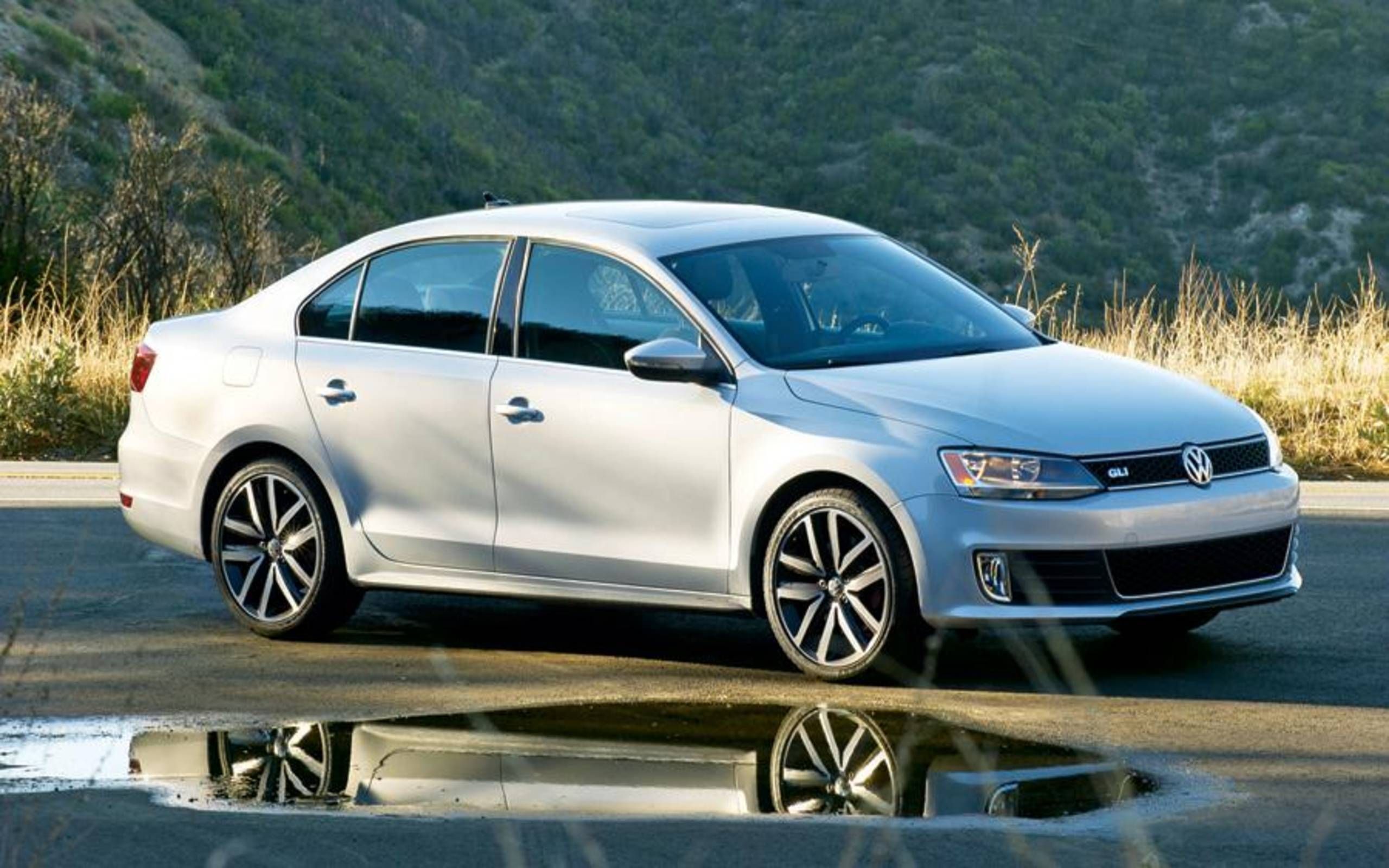
The 2013 Volkswagen Jetta is widely criticized for severe reliability shortcomings, earning a 1 out of 5 reliability rating from Consumer Reports. Its most pressing concern was engine stalling, which could occur even at highway speeds, creating dangerous situations for drivers.
Reports indicate that these issues typically manifest around 68,000 miles and often require costly repairs exceeding $1,000. Fuel system problems, particularly related to the high-pressure fuel pump, further affected performance, triggering warning lights and inconsistent acceleration.
While less frequent than the 2010 model’s widespread complaints, these defects still compromised the Jetta’s dependability. Owners also noted other minor electronic and mechanical issues, but the combination of stalling engines and fuel system failures places the 2013 Jetta among the model years to avoid.
Buyers looking for a safe and reliable compact sedan should consider alternatives or thoroughly inspect any used 2013 Jetta before purchase, ensuring all repairs and recalls have been addressed.

Selecting a reliable Volkswagen Jetta involves more than just evaluating style or price; it requires attention to build quality, performance, and long-term dependability. The highlighted model years demonstrate how Volkswagen has consistently produced Jettas that combine comfort, practicality, and engaging driving experiences.
From the well-equipped 2003 classic to the tech-savvy 2023 model, these vehicles exemplify durability and thoughtful engineering that appeal to both enthusiasts and everyday drivers.
By focusing on these strong-performing years, buyers can avoid the pitfalls of less reliable models while enjoying a compact sedan that meets modern expectations for safety, efficiency, and convenience.
Whether it’s for commuting, family use, or spirited drives, these Jettas stand out as wise investments in the used car market. For anyone seeking a dependable, stylish, and well-built compact sedan, choosing one of these standout years ensures peace of mind and driving satisfaction.
Also Read: 10 Cars With Tricky Seatbelt Buckles for Elderly Passengers