
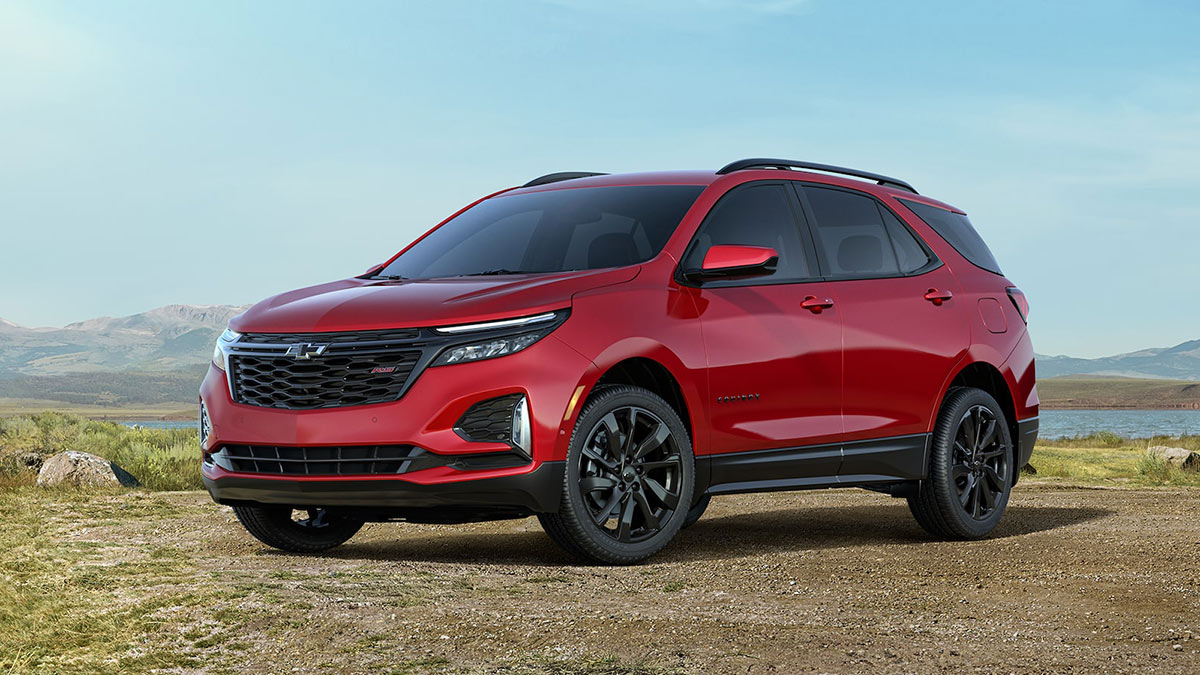
When it comes to family vehicles, reliability often ranks higher than style, horsepower, or luxury features. Parents want a crossover SUV that won’t break down during school runs, family road trips, or daily commutes.
The Chevy Equinox has become a popular choice in the U.S. for families who need a balance of affordability, fuel efficiency, and versatility. But like any vehicle, long-term dependability doesn’t happen by accident it requires consistent care and attention.
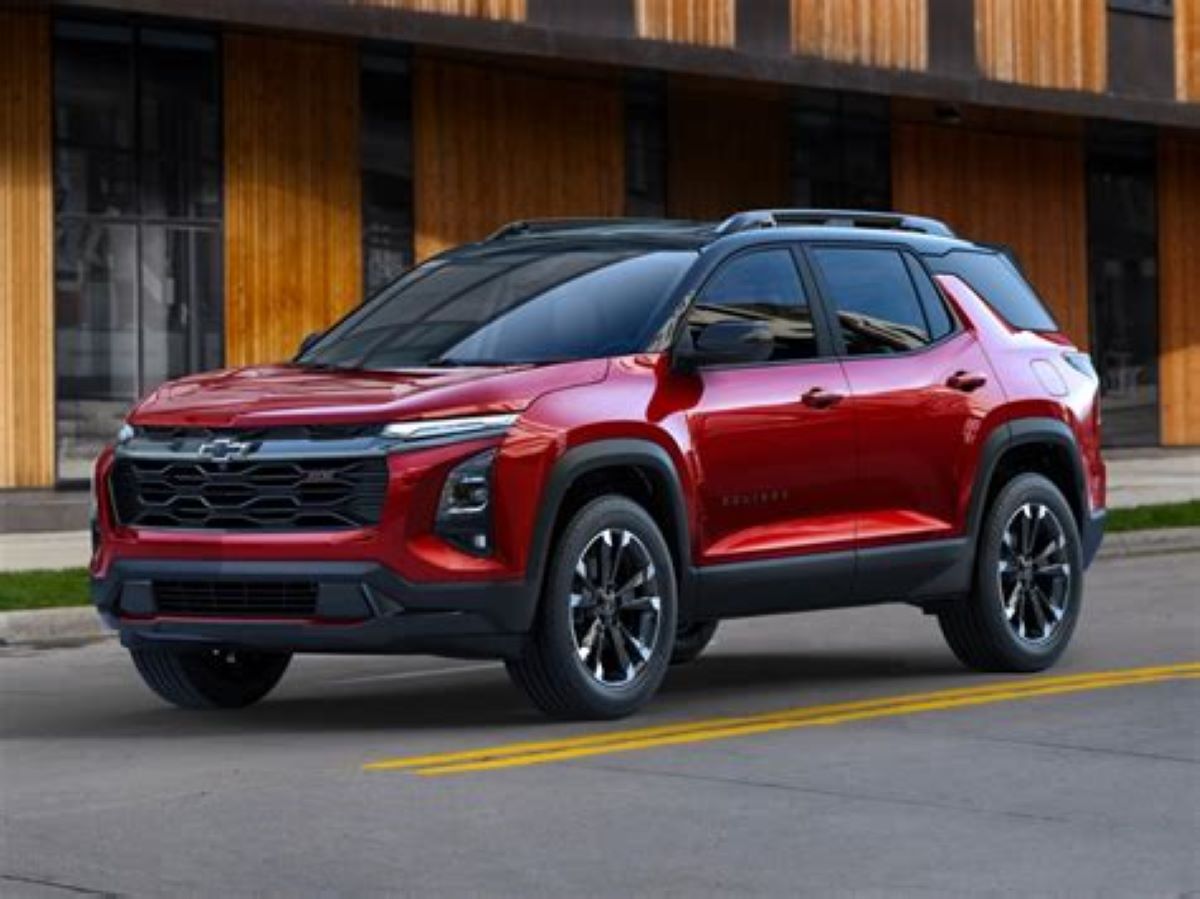
The Chevy Equinox, especially recent models, is built with practicality in mind. Its spacious interior, safety ratings, and tech features make it a family favorite.
However, even a dependable SUV can start showing problems if neglected.
From engine performance to transmission health and even interior comfort, a few simple steps can ensure your Equinox remains roadworthy for years to come. Let’s explore ten key steps that help keep a Chevy Equinox reliable for families.
1. Stick to Regular Oil Changes
One of the simplest yet most important habits for any car owner is timely oil changes. For the Equinox, clean engine oil ensures the 4-cylinder or available V6 engines run smoothly.
Old or low-quality oil can cause increased wear, sludge buildup, and even engine failure. Families who rack up miles on school runs and road trips should follow the manufacturer’s oil change schedule, usually every 5,000 to 7,500 miles, depending on driving conditions.
Using high-quality synthetic oil also gives extra protection, especially for those who live in areas with extreme heat or cold.
2. Keep an Eye on Transmission Health
The Chevy Equinox has had a mixed history with transmissions, particularly in older models. While newer models have improved, preventive care is still crucial.
Transmission fluid should be checked regularly for color and level. Fresh fluid should be a bright red; if it’s dark or smells burnt, it’s time for a change.
Smooth shifting is key for families who rely on their vehicle for everything from grocery store runs to long-distance travel.
Ignoring transmission care can lead to expensive repairs, so preventative maintenance goes a long way in keeping the SUV dependable.
Your car’s transmission is essentially its nervous system; when it malfunctions, everything else can start to misbehave. If you’ve ever experienced a sudden jolt while shifting gears or noticed an unexplained puddle of fluid beneath your vehicle, you could be facing a transmission problem.
The transmission’s job is to transfer power from the engine to the wheels, ensuring your car moves smoothly whether you’re navigating stop-and-go traffic or cruising on the open road. Transmission repairs are far from cheap.
A complete rebuild or replacement can cost anywhere from $2,000 to $5,000, a hefty sum that regular checks could help you avoid. Key warning signs include slipping gears, delayed shifts, unusual noises, or dashboard warning lights.
Just like engine oil, transmission fluid needs consistent attention. It’s the lifeblood of your transmission system, keeping components lubricated and cool. Healthy transmission fluid should be a bright red with a faintly sweet smell
Modern vehicles are smart; they often alert you when something isn’t right. If a gear icon or check engine light comes on, don’t ignore it. Use a diagnostic tool or visit a mechanic for a proper scan.
Ever feel like your car is in the wrong gear or suddenly changes speed without input? You might notice sudden surges or hesitation. This is frequently one of the earliest indications that your transmission is struggling.
Strange engine revving can also be linked to transmission problems. If your RPM needle jumps erratically, something is off. Monitor these fluctuations during acceleration and gear changes.
Also Read: 10 Best Used Diesel Pickups That Go 300,000 Miles Or More
3. Rotate and Replace Tires Consistently
Tires are literally where the Equinox meets the road, and they play a huge role in both safety and comfort. For families, this means ensuring traction on wet highways, snowy streets, or dirt roads on camping trips.
Rotating tires every 6,000 to 8,000 miles helps distribute wear evenly, extending their lifespan. Regularly checking tire pressure also improves fuel efficiency, saving money over the long haul.
Since the Equinox is often loaded with kids, groceries, and luggage, healthy tires give peace of mind during every drive.
4. Stay on Top of Brake Maintenance
Nothing is more critical for family safety than fully functional brakes. The Equinox, like all SUVs, carries extra weight, which means brakes tend to wear faster.
Drivers should listen for squeaking, grinding, or pulsation when braking, signs that pads or rotors need attention.
Regular inspections, typically with every oil change, prevent small issues from turning into major repairs. A well-maintained braking system doesn’t just ensure safety; it also reduces repair costs over time.
If you own a car, you likely already understand the importance of maintaining your vehicle’s safety and performance. Among all the components that require attention, the braking system ranks at the top for protecting both your safety and the well-being of your car.
This comprehensive guide will take you through the world of car brakes, explaining how they function, the critical components involved, and offering essential advice on maintaining them. So, buckle up as we explore how to understand, care for, and maintain your car’s brakes effectively.
Brakes are a vital part of your vehicle’s safety system, responsible for slowing and stopping your car when necessary. Understanding how brakes work is fundamental to appreciating their role in keeping you safe and ensuring your vehicle remains in top condition.
The basic principle behind brakes is the conversion of kinetic energy, the energy of motion, into heat. Pressing the brake pedal activates a complex hydraulic system, which relies on several key components, including brake pads and calipers.
Brake pads are among the primary components responsible for stopping your car. When you press the brake pedal, hydraulic pressure forces the brake pads against the rotors. The resulting friction generates heat and slows the vehicle. Calipers are equally essential; they squeeze the brake pads against the rotors to create the friction necessary for effective stopping.
A common mistake many drivers make is overheating the brakes. Excessive braking, such as when driving downhill or in stop-and-go traffic, can cause brakes to overheat. When brakes become too hot, they lose effectiveness and may even fail.
Modern car brakes have evolved significantly from those of the past. Earlier vehicles relied primarily on drum brakes, which had limitations in both performance and durability. Today, most cars use disc brakes, which provide superior stopping power and resist overheating better than drum brakes. Understanding this evolution is important when it comes to maintaining your brakes.
Brake fluid is another critical part of the braking system. Over time, it can become contaminated with moisture and debris, reducing its effectiveness. Experts recommend changing brake fluid every two years or according to your vehicle’s maintenance manual. Fresh brake fluid helps ensure your brakes operate at peak performance.
Recognizing when your brakes need replacement is crucial for both safety and vehicle performance. Reduced brake performance, such as taking longer to stop or needing to apply extra pressure to the pedal, can indicate worn brake pads, damaged rotors, or other issues.
Modern vehicles often include a dashboard warning light specifically for brake problems. If this light illuminates, have your brakes inspected by a professional promptly.
You can sometimes visually inspect brake pads through the spokes of your wheel. If the pad material is less than a quarter-inch thick or displays uneven wear, replacement is necessary. Brake fluid leaks around wheels or brake lines are another warning sign that should not be ignored.
Noises while driving also provide important clues. Grinding sounds when not pressing the brakes may indicate excessively worn pads, with metal backing contacting the rotors, a serious problem requiring immediate attention.
High-pitched squeaks or squeals when braking often signal that brake pads have worn down to the point of needing replacement, as they come with a built-in indicator to alert you. Vibrations in the steering wheel or brake pedal can indicate warped rotors, which affect braking force distribution and should be addressed promptly.
It’s essential not to dismiss any of these warning signs. Addressing brake issues quickly can save money and, most importantly, protect your safety. If you notice any of these symptoms, have your brakes inspected by a qualified mechanic to determine the necessary repairs, which could include brake pad replacement or other corrective measures.
5. Address Check Engine Lights Promptly
It’s tempting to ignore a check engine light, especially if the car still drives normally. But with a family vehicle, delays can lead to bigger problems down the road.
On the Equinox, common triggers for the light include faulty sensors, loose gas caps, or issues with the emissions system.
Using an inexpensive OBD-II scanner or visiting a trusted mechanic quickly identifies the problem. For families who rely heavily on their SUVs, quick action keeps reliability intact and avoids unexpected breakdowns during critical moments.
This warning can indicate something as minor as a loose or faulty gas cap, or something more serious like engine or exhaust system malfunctions. Regardless of the cause, it’s important to take the check engine light seriously and service your vehicle promptly when it illuminates.
A check engine light is not just a general maintenance reminder; it’s a warning indicator designed to alert the driver to potential problems within the engine or emission system. The severity of the issue can vary widely.
In some cases, a simple tightening of the gas cap will resolve it, while in others, there could be a more significant engine problem. Whether you investigate the issue yourself or take your vehicle to a mechanic, addressing a check engine light promptly is critical for safety on the road.
It’s also important to understand the difference between a solid and a flashing check engine light, as each signals a different level of urgency. A solid check engine light, which most drivers encounter, may indicate a minor issue or a more complex repair.
While it should be addressed as soon as possible, it generally does not pose an immediate threat to your vehicle unless you notice other symptoms. This solid indicator simply means there is a problem with one of the engine systems, and scheduling an appointment with a mechanic shortly is advisable.
A flashing check engine light, on the other hand, usually points to a more serious issue. Most often, this indicates an ignition problem, such as an engine misfire. If left unresolved, a flashing check engine light could lead to catastrophic damage to your vehicle. If you encounter a flashing light while driving, pay close attention to your vehicle’s performance.
Signs like loss of power, shaking, unusual odors, or any abnormal behavior should prompt you to pull over safely, inspect the situation, and either address the problem yourself or contact roadside assistance.
6. Protect the Cooling System
The Equinox is known for solid performance, but overheating can spell disaster for any engine. Families should routinely check coolant levels and inspect hoses for leaks or cracks.
Coolant should be flushed according to GM’s recommendations, usually every 5 years or 150,000 miles. This is especially important for families living in warmer U.S. states where engines are under constant heat stress.
A reliable cooling system ensures smooth performance on road trips and prevents costly engine damage.
Also Read: 10 Cars That Americans Will Never Stop Buying
7. Maintain the Interior for Family Comfort
Reliability isn’t just about mechanical health, it’s also about how the SUV holds up to family life. With kids, pets, and daily errands, the Equinox interior can quickly wear down.
Simple habits like using seat covers, vacuuming regularly, and conditioning leather seats (if equipped) can keep the cabin looking fresh.
Keeping up with interior maintenance also helps resale value, which benefits families who may eventually upgrade to a larger vehicle. A clean and well-kept cabin ensures the Equinox stays a comfortable family hauler.
Cleaning the interior of a car is always a challenge for drivers, and it becomes even tougher when kids and pets are involved. Vehicles can quickly become dirty and cluttered from sticky hands, crumbs, pet hair, and paws wandering everywhere.
However, maintaining a clean and comfortable car is achievable by adopting a few practical habits. This guide is designed to help parents and pet owners keep their vehicles in order, especially during long trips with children and animals.
Parents and pet owners often face constant messes inside their cars. Toys, food crumbs, dirt, and pet fur can quickly accumulate, creating frustration if not addressed regularly. While frequent deep cleaning may be impractical, establishing a basic routine makes upkeep much more manageable. The key is preparation: preventing messes before they start and understanding the best methods for cleaning different surfaces.
One effective strategy is to set rules and organize your car. For children, discouraging constant snacking, teaching them to store belongings properly, and encouraging less mess can make a noticeable difference.
For pets, providing their own blankets or designated spaces in the vehicle can prevent fur from spreading over the seats. Organizational tools such as car organizers help keep toys, wipes, and snacks within reach but contained, while washable seat covers or pet mats protect upholstery, making cleaning far easier. When every item has a place, clutter is minimized and the interior stays orderly.
Regular, small maintenance tasks are far more effective than tackling a huge mess all at once. Keeping cleaning tools like microfiber cloths, small vacuums, and pet hair removers in the car allows you to address spills and debris immediately after trips.
Prompt attention to messes prevents stains and odors from developing, reducing the effort needed later. For pet hair, brushes or lint rollers are essential, and using specialized vacuum attachments ensures hidden dirt in tight spaces is removed.
For children, wiping dashboards, doors, handles, and cup holders with mild cleaners keeps surfaces hygienic. Making cleaning a regular habit ensures your car remains bright and comfortable.
Using the right cleaning products is crucial for safety and effectiveness. Strong chemicals or heavily scented cleaners can irritate skin, so natural or hypoallergenic products are ideal, especially in family vehicles.
Most car detailing products designed for family use work well on leather, fabric, and plastic. Adding a subtle air freshener and maintaining proper ventilation helps keep the air inside the vehicle fresh. Regularly changing cabin air filters also ensures that the interior remains clean and healthy.
Long-term cleanliness requires not just cleaning but also habit changes. Establishing designated areas or times for eating and drinking, reminding children to clean their hands before entering the car, and grooming pets regularly all help minimize mess.
Though keeping a vehicle spotless with kids and pets is challenging, planning ahead, combining preventative measures with consistent cleaning, and using safe, effective products will keep your car looking pleasant and organized regardless of your schedule.
8. Keep Up With Software and Recalls
Modern Chevy Equinox models rely heavily on software for everything from navigation to engine management.
Staying current with software updates at the dealership helps improve performance, safety features, and even fuel efficiency. Families should also check regularly for recalls, which General Motors posts on their website.
Addressing recalls quickly ensures safety, reliability, and peace of mind, especially when kids are frequent passengers.
9. Monitor Fuel System and Spark Plugs
For a vehicle that sees heavy daily use, small engine components matter. The Equinox’s spark plugs, fuel injectors, and filters should be inspected and replaced as part of routine service.
Worn plugs can cause misfires, rough idling, or poor fuel economy, all of which affect reliability. For families budgeting fuel costs, a well-maintained fuel system ensures efficiency and prevents breakdowns on busy schedules.
Keeping track of your car’s fuel economy and emissions is easier than you might think, thanks to modern tools like OBD2 scanners. By plugging this device into your car’s diagnostic port, you can access real-time data about your vehicle’s performance, fuel efficiency, and emissions output. This allows you to spot potential issues early and take steps to reduce your environmental impact while saving money on gas.
Monitoring your car’s fuel economy helps you save money by identifying unusual fuel consumption, detecting mechanical issues early, and knowing when to change oil or air filters to maintain efficiency.
At the same time, keeping an eye on emissions ensures your vehicle meets pollution standards and contributes to cleaner air. High emissions not only harm the environment but can also indicate underlying engine problems that, if left unchecked, may become costly repairs.
Both types of emissions matter when monitoring your car’s environmental impact. Keeping tabs on fuel economy and emissions helps ensure your car runs efficiently, reduces harmful pollutants, and avoids unnecessary expenses. Simple maintenance, like keeping tires properly inflated and changing air filters, also improves fuel efficiency.
By using these tools, you can proactively manage your car’s fuel consumption, reduce emissions, and maintain optimal performance. Investing in these devices pays off in the long run by saving money, protecting the environment, and avoiding unexpected repairs.
10. Build a Relationship With a Trusted Mechanic
Finally, reliability isn’t just about DIY maintenance, it’s about having professional support when needed. Families who take their Equinox to the same mechanic or dealership service department benefit from consistent record-keeping and trusted advice.
A mechanic familiar with the SUV’s history can spot potential issues early and provide honest recommendations. This long-term relationship ensures the Equinox gets the right care to stay dependable through years of family use.
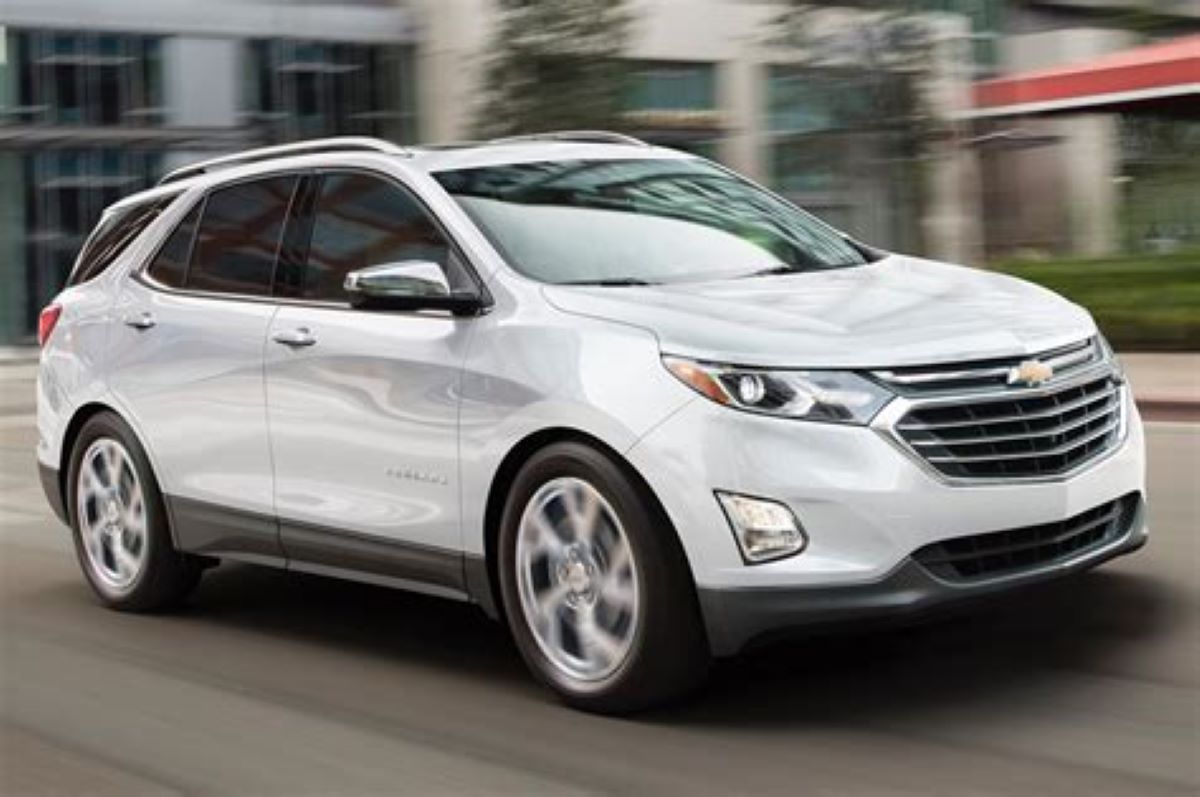
The Chevy Equinox has earned its place as one of America’s go-to family SUVs, but long-term reliability depends on the choices owners make.
Families who keep up with oil changes, transmission care, tire rotations, and brake checks will find their SUV lasting well beyond 150,000 miles.
Preventive maintenance, attention to warning signs, and a proactive approach to recalls keep both safety and reliability at the forefront.
For U.S. families juggling carpools, commutes, and vacations, the Equinox can be more than just a vehicle; it can be a dependable partner in daily life.
By following these ten steps, owners can ensure their Equinox delivers on its promise of reliability, comfort, and safety for years to come.
