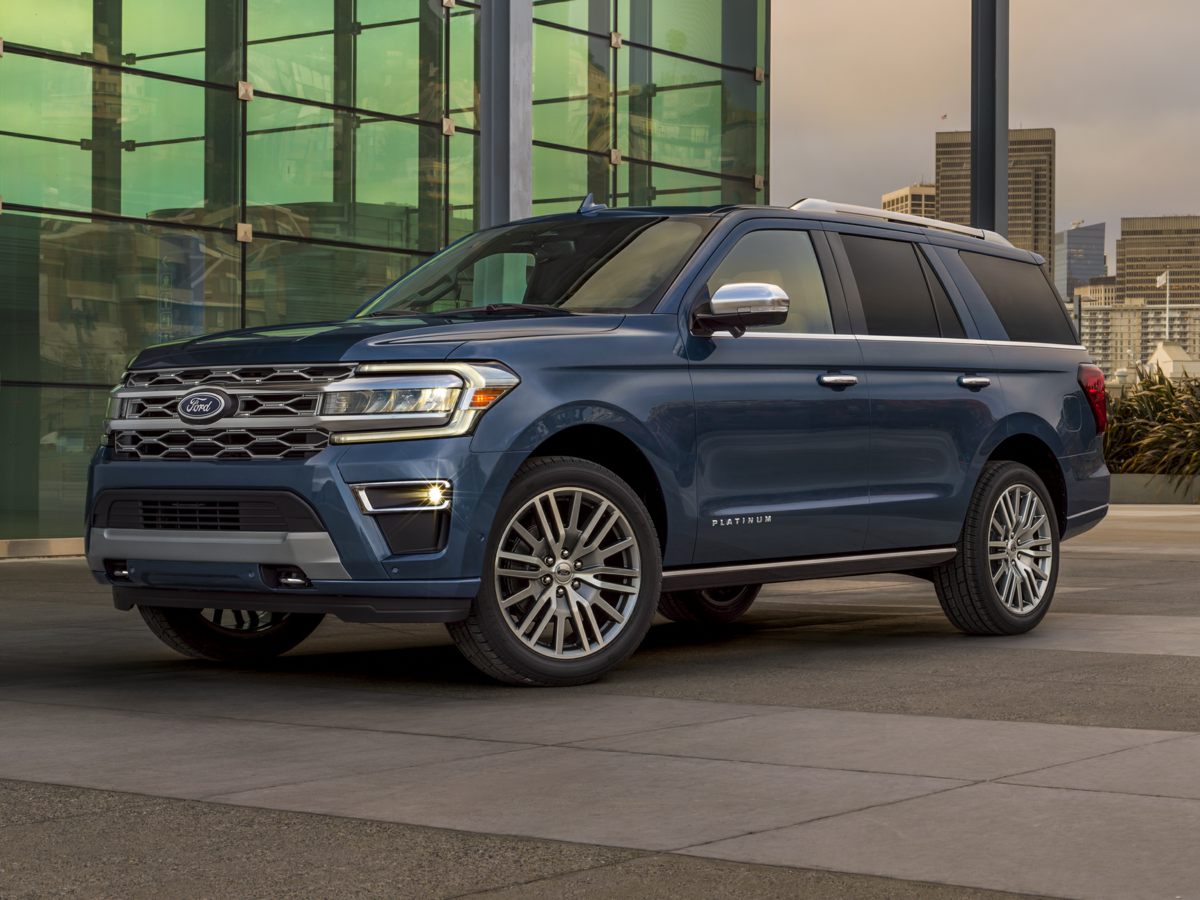
When it comes to full-size SUVs, the Ford Expedition has long been a top choice for American families, road trip enthusiasts, and drivers who need both power and comfort.
With its spacious three-row seating, strong towing capacity, and reliable V6 EcoBoost engine in newer generations, the Expedition is built to last well beyond 200,000 miles when properly maintained.
Unfortunately, many owners unintentionally cut that lifespan short through simple oversights.
Neglecting regular care, pushing the vehicle too hard without preparation, or ignoring small issues until they snowball into major repairs can all spell early trouble for this otherwise capable SUV.
To help Expedition owners keep their vehicle on the road longer, we’ve broken down nine of the most common mistakes people make that can cause premature breakdowns.
By avoiding these oversights, you’ll protect your investment and ensure your Ford Expedition remains a dependable family hauler or workhorse for years to come.
1. Ignoring Transmission Maintenance
One of the most expensive repairs Expedition owners face is transmission failure. The SUV’s automatic transmission handles a lot of stress, especially when towing heavy loads or carrying full passenger capacity.
Unfortunately, many drivers never change the transmission fluid until it’s too late. Over time, dirty fluid loses its ability to lubricate and cool the transmission, leading to overheating and slipping gears.
Ford recommends regular fluid inspections, and for older models, fluid changes around every 30,000–60,000 miles can extend the life of the gearbox.
Skipping this service is a common oversight that often results in catastrophic failure well before the 150,000-mile mark.
2. Overloading Beyond Towing and Weight Limits
The Expedition is one of the best towing SUVs on the market, with properly equipped models rated to pull trailers up to 9,300 pounds. But just because it can tow big loads doesn’t mean it’s invincible.
Many owners strain the suspension, brakes, and transmission by hauling more than the rated capacity. Overloading not only wears down mechanical components but also creates dangerous handling situations.
Even within weight limits, using the wrong hitch setup or failing to use trailer brakes can stress the Expedition unnecessarily.
Owners who regularly tow should stay disciplined about trailer weights and invest in proper towing accessories to avoid shaving years off their SUV’s life.
Towing capacity isn’t just a random number in your vehicle’s manual, it’s a carefully calculated figure that tells you the maximum weight your car, SUV, or truck can safely pull. Importantly, this number is based on ideal conditions: a single driver, no passengers, no cargo, and a perfectly balanced load.
Once you add passengers, gear, or an uneven trailer, your vehicle’s actual towing capacity decreases. While the manual lists a “maximum towing capacity,” this typically applies to specific configurations, such as a heavy-duty truck with a diesel engine, upgraded axles, and a gooseneck hitch.
To calculate a realistic towing limit, consider your vehicle’s Gross Combined Weight Rating (GCWR), curb weight, and payload. Subtract your vehicle’s loaded weight from the GCWR to determine a safe towing capacity, which is almost always lower than the maximum listed.
Exceeding towing limits can strain brakes, suspension, and axles, potentially causing brake failure, warped axles, or suspension problems, all of which can make controlling your vehicle at high speeds dangerous.
Overloaded trailers also increase tongue weight, which can cause rear sagging, bouncing, and steering challenges. Tires are at risk, too; excessive load can lead to premature wear, overheating, uneven tread, or blowouts.
Beyond safety concerns, towing over capacity carries legal risks, including fines and potential loss of insurance coverage. Certain jurisdictions have strict laws regarding GVWR and GCWR, with police trained to spot overloaded vehicles.
To respect towing capacity, it’s crucial to know more than just your vehicle’s “max” rating. Understand your Gross Vehicle Weight Rating (GVWR), the fully loaded trailer weight (Gross Trailer Weight or GTW), and the tongue weight (TW), which is typically 10–15% of the GTW. All of these factors interact, and an imbalance can make the setup unstable.
Not all hitches are created equal either; they are rated by class, from Class I (up to 2,000 pounds) for small cars and bike racks to Class V (up to 20,000 pounds) for heavy-duty trailers. Before every trip, inspect your setup: check tire pressure, hitch connections, brake lights, and load balance. Staying around 10% below maximum towing capacity provides a safety buffer, protecting both your vehicle and everyone else on the road.
Also Read: 5 EVs With Simple Cooling Systems vs 5 With Complex Thermal Issues
3. Neglecting Cooling System Upkeep
With a powerful engine designed to haul large loads, the Expedition’s cooling system works hard to keep temperatures in check.
Radiator leaks, failing water pumps, or simply ignoring coolant flushes can quickly lead to overheating. Once the engine overheats, damage to head gaskets, pistons, or even the entire block can occur, resulting in repairs that often exceed the SUV’s value.
Owners should regularly check coolant levels and condition, flush the system as recommended, and replace worn hoses or thermostats before they fail. In hot climates or when towing, a healthy cooling system becomes even more critical to longevity.
4. Skipping Regular Oil Changes
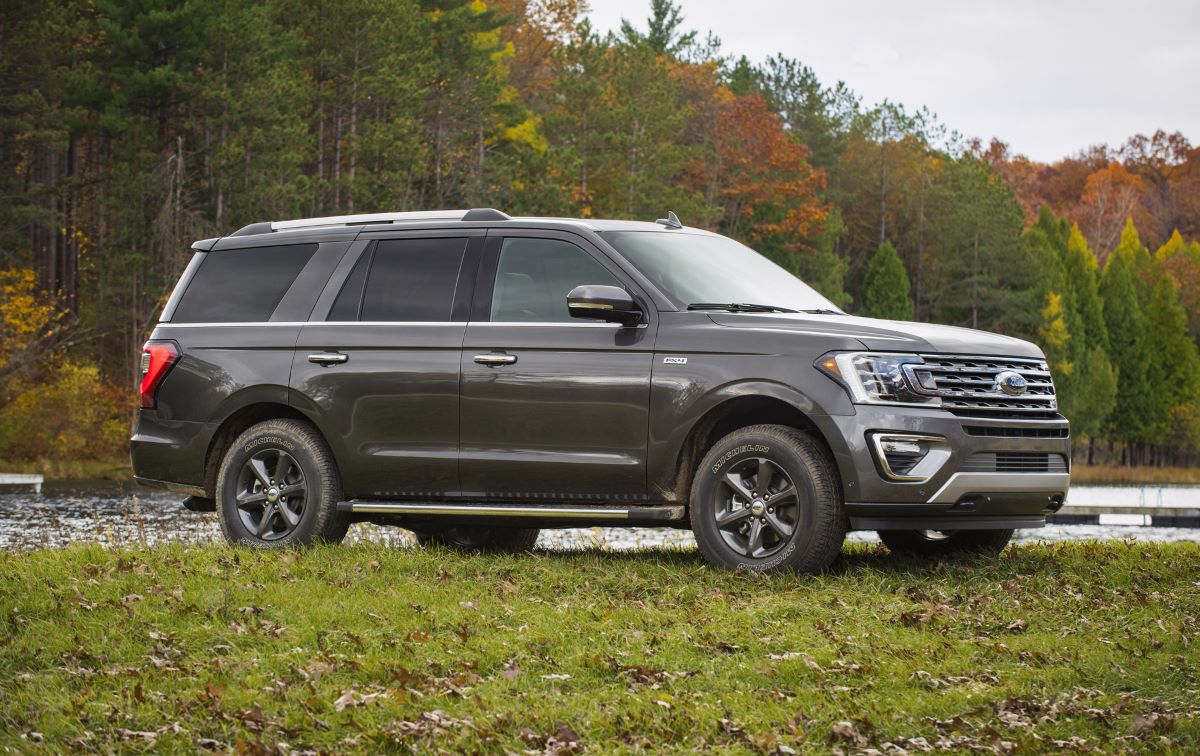
It might sound obvious, but many Expedition owners delay oil changes, especially with newer models advertising longer service intervals.
The EcoBoost V6 engines are turbocharged, meaning they run hotter and put more stress on the oil than naturally aspirated engines. Dirty or degraded oil can cause sludge buildup, reduced lubrication, and eventually severe engine wear.
Consistently using high-quality synthetic oil and sticking to 5,000–7,500-mile intervals is the safest way to ensure the engine lasts. Skipping just a few oil changes can shorten an Expedition’s life dramatically, turning a reliable SUV into a ticking time bomb.
ChatGPT said:
Neglecting regular oil changes can have serious consequences for your vehicle, leading to severe engine damage, reduced performance, and costly repairs. Over time, old oil breaks down, losing its ability to lubricate critical engine components, which increases friction, generates excessive heat, and causes wear on essential parts.
This can result in overheating, warped engine components, and even complete engine failure. Dirty or depleted oil can also lower oil pressure, creating a cycle that worsens engine performance.
Vehicles with turbocharged engines are especially at risk, as turbos rely on clean oil for lubrication and heat management; contaminated oil can lead to turbo failure, spreading metal shavings throughout the engine and causing catastrophic damage.
Failing to change oil regularly also impacts fuel efficiency. Contaminated oil makes the engine work harder, leading to increased fuel consumption, more frequent trips to the pump, and higher operational costs.
The performance drop is accompanied by reduced power output, sluggish acceleration, and slower responsiveness. Over time, sludge and debris can clog essential systems such as oil filters and oil passages, further impairing lubrication and contributing to overheating, increased engine wear, and a shorter engine lifespan.
In addition to mechanical problems, neglecting oil changes can raise your vehicle’s emissions. Contaminated oil creates more friction, forcing the engine to work harder and straining the emissions system, which leads to higher output of harmful gases.
This not only affects engine efficiency but also harms the environment and public health. Missing oil changes can also void warranties, reduce resale value, and erode buyer trust due to incomplete maintenance records.
Overall, regular oil changes are essential to maintaining your vehicle’s health, performance, and longevity. Most manufacturers recommend changing oil every 5,000 to 7,500 miles, depending on driving conditions and oil type, though some vehicles may require more frequent changes in stop-and-go traffic or extreme temperatures.
Staying on top of this simple maintenance task prevents overheating, preserves fuel efficiency, protects turbocharged engines, avoids sludge buildup, and keeps your vehicle running smoothly for years to come.
Also Read: 5 Vehicles Still Running From the 90s and 5 That Died in the 2010s
5. Overlooking Suspension and Steering Wear
Because the Expedition is a heavy, full-size SUV, its suspension and steering components endure more stress than smaller vehicles.
Ball joints, control arms, shocks, and bushings wear out faster under the vehicle’s weight especially if it frequently carries passengers, cargo, or trailers.
Many owners ignore clunks, vibrations, or uneven tire wear until the suspension reaches a dangerous point. Driving on worn components not only reduces ride comfort but also puts added stress on the frame and steering system.
Replacing suspension parts as they wear may not be cheap, but it’s far less costly than repairing frame or steering damage caused by prolonged neglect.
6. Using Cheap or Incorrect Fuel
Expeditions with the turbocharged EcoBoost engines require higher-quality fuel to perform at their best.
Using low-grade or poor-quality fuel can lead to carbon buildup, reduced efficiency, and even premature engine failure. In older V8 models, cheap gas may cause knocking or pinging, especially under heavy load.
Owners often overlook the fact that saving a few dollars at the pump can end up costing thousands in the long run. Following Ford’s recommended fuel grade and occasionally using fuel system cleaners helps maintain performance and prevent early wear.
Using the wrong fuel type in a vehicle can lead to severe mechanical problems, expensive repairs, and major inconvenience for drivers. With today’s range of automotive fuels, including gasoline, diesel, ethanol blends, and electricity for EVs and PHEVs, understanding the correct fuel for your vehicle is crucial for maintaining performance, safety, and longevity. Mistakes are surprisingly common, and the consequences can be significant.
Each fuel type is designed for specific engine systems: gasoline engines rely on spark ignition, diesel engines depend on compression, ethanol blends require compatible components, and electric vehicles need proper voltage and charging protocols. Using the wrong fuel can damage these systems in different ways. Gasoline in a diesel engine removes lubrication, causes knocking, and corrodes seals and hoses.
Diesel in a gasoline engine can clog injectors, cause stalling, and damage catalytic converters. Ethanol blends in incompatible vehicles may corrode fuel system components and reduce efficiency, while incorrect charging for EVs risks battery and electronic damage.
Immediate action is critical if incorrect fuel has been used. Never start the engine if the mistake is noticed beforehand; if the vehicle is already running, stop driving immediately and contact roadside assistance to drain and flush the fuel system. Experts emphasize that even small amounts of the wrong fuel can create costly damage.
Studies estimate that hundreds of thousands of drivers make this error annually, costing millions collectively. Real-life cases illustrate the financial and mechanical toll: for example, a diesel owner who accidentally used gasoline incurred $4,500 in repairs, while a vehicle misfueled with ethanol suffered $3,000 in corrosion-related damages.
Preventative measures can save both money and stress. Clearly labeling fuel caps, double-checking pump handles and signage, educating anyone who drives your car, and using filler neck restrictors are simple yet effective steps to prevent mistakes. Taking these precautions ensures proper fuel usage, protects engine components, and avoids the high costs and downtime associated with incorrect fueling.
7. Letting Rust and Corrosion Spread
While newer Expeditions have better rust protection than older generations, the large SUV is still vulnerable, especially in regions with snowy winters and salted roads.
Rust often starts underneath, eating away at the frame, suspension mounts, and brake lines before the owner even notices. Left unchecked, corrosion can compromise safety and lead to expensive repairs that force owners to retire the vehicle early.
Regularly washing the undercarriage, especially in winter, and applying rustproofing treatments can add years to the Expedition’s life. Skipping this simple preventative step is a major oversight for owners in northern states.
Proper fuel usage and rust prevention are essential for maintaining a vehicle’s performance, safety, and longevity. Modern cars use a variety of fuels, including gasoline, diesel, ethanol blends like E10 and E85, and electricity for EVs and plug-in hybrids. Each engine is specifically designed for a particular fuel type, and using the wrong fuel can cause severe damage.
For example, putting gasoline in a diesel engine can lead to loss of lubrication, engine knocking, and fuel system corrosion, while diesel in a gasoline engine may clog injectors, cause stalling, and damage the catalytic converter.
Using ethanol blends in non-compatible vehicles can corrode seals and hoses and reduce engine efficiency, and improper charging of electric vehicles can harm the battery or onboard electronics.
If a misfueling mistake occurs, it is critical to act quickly: do not start the engine if the error is noticed beforehand, stop driving immediately if the engine has started, and contact roadside assistance to drain and flush the fuel system. Preventative measures, such as labeling fuel caps, double-checking pumps, educating all drivers of the vehicle, and using filler neck restrictors, can help avoid these costly mistakes.
Rust is another persistent threat to vehicle integrity and appearance, forming when iron-containing metals react with oxygen and moisture, a process accelerated by salt from winter roads or coastal environments. Rust progresses in stages, beginning with surface rust, which appears as small reddish-brown spots or paint bubbling and is easily treatable.
If untreated, it can develop into scale rust, which creates flaking, pitted metal surfaces, and eventually penetrating rust, which compromises structural integrity and may require welding or part replacement. Rust tends to form in areas that trap moisture or road debris, such as wheel wells, rocker panels, door bottoms, trunk floors, frame rails, and around glass edges.
Early identification is crucial, with signs including paint bubbling, rough textures, discoloration, and small holes. Treatment involves cleaning the area, sanding away rust, applying a rust converter or primer, and finishing with paint and a protective topcoat.
Temporary solutions like fluid film can help slow rust spread until a permanent repair is made. Prevention through regular washing and waxing, promptly addressing scratches or paint chips, undercoating vulnerable areas, and applying rust inhibitors offers long-term protection.
In summary, careful attention to fuel choice and proactive rust prevention is critical for minimizing mechanical failures and costly repairs. Immediate action after misfueling or early rust detection can significantly reduce damage, while consistent maintenance and protective measures ensure your vehicle remains safe, efficient, and visually sound over time.
8. Ignoring Brake System Care
Given its size, the Ford Expedition requires strong brakes to keep its weight under control. But many owners fail to replace brake pads and rotors until they’re dangerously worn. Driving with thin pads or warped rotors stresses the calipers and brake lines, eventually leading to total brake system failure.
Additionally, brake fluid often goes unchanged, leading to moisture buildup and corrosion inside the system. Routine brake inspections and timely pad and rotor replacements are essential to keep the Expedition safe and functional for the long haul.
When it comes to vehicle safety, few components are as critical as the brake system, and brake pads are its first line of defense. Despite their importance, they are one of the most commonly neglected parts, as many drivers delay replacement because the car “still kind of stops.”
Pressing the brake pedal forces hydraulic fluid through the brake lines, pushing the caliper’s pistons to squeeze the pads against the spinning rotors. This friction slows the wheels, bringing the car to a stop. Each time the brakes are used, a thin layer of the pad wears away. Over time, this reduces their effectiveness and eventually requires replacement.
The lifespan of brake pads varies based on driving style, the type of driving, the vehicle, and the pad material. City driving and hard braking wear pads faster, and heavier vehicles or those used for towing accelerate the wear. Depending on these factors, brake pads typically last between 25,000 and 70,000 miles, with aggressive use significantly shortening their service life.
Ignoring worn brake pads can create a chain reaction of damage and safety risks. The most immediate consequence is reduced stopping power; thinner pads generate less friction, meaning longer distances to stop, a critical safety concern, especially for new drivers.
If pads wear down to the metal backing plate, they grind directly against the rotors, causing grooves and scoring. This damage often requires rotor resurfacing or replacement, which is far more expensive than replacing the pads alone, and can cause pulsing or vibration in the brake pedal.
Worn pads can also damage the calipers and hydraulic system. Caliper pistons are designed to press pads against rotors, not metal on metal, so extended pistons risk tearing seals, leading to brake fluid leaks, contamination, and loss of hydraulic pressure.
Prolonged use of worn pads can also overheat rotors and brake fluid, causing brake fade, reduced braking effectiveness during heavy or prolonged braking, and a soft, spongy pedal.
Over time, these issues escalate repair costs dramatically: instead of a simple pad replacement costing $150–$300 per axle, rotor replacement can reach $200–$500, caliper replacement $300–$800, and brake line repairs $150–$300, quickly multiplying the expense.
Also Read: 5 Cars With Best Long-Distance Comfort vs 5 That Sink After Hours
9. Not Addressing Warning Lights Early
Modern Expeditions come equipped with advanced diagnostic systems, but too many drivers ignore the “check engine” light or other warnings.
Whether it’s an oxygen sensor, misfire, or low oil pressure, small issues can snowball into major problems if neglected. A minor fuel system glitch today could lead to catalytic converter failure tomorrow, while ignoring a misfire could result in piston damage.
Owners who immediately scan and fix warning light issues often save thousands in repair costs and keep their SUV healthy longer. Those who ignore them, on the other hand, frequently end up junking their Expedition much earlier than necessary.
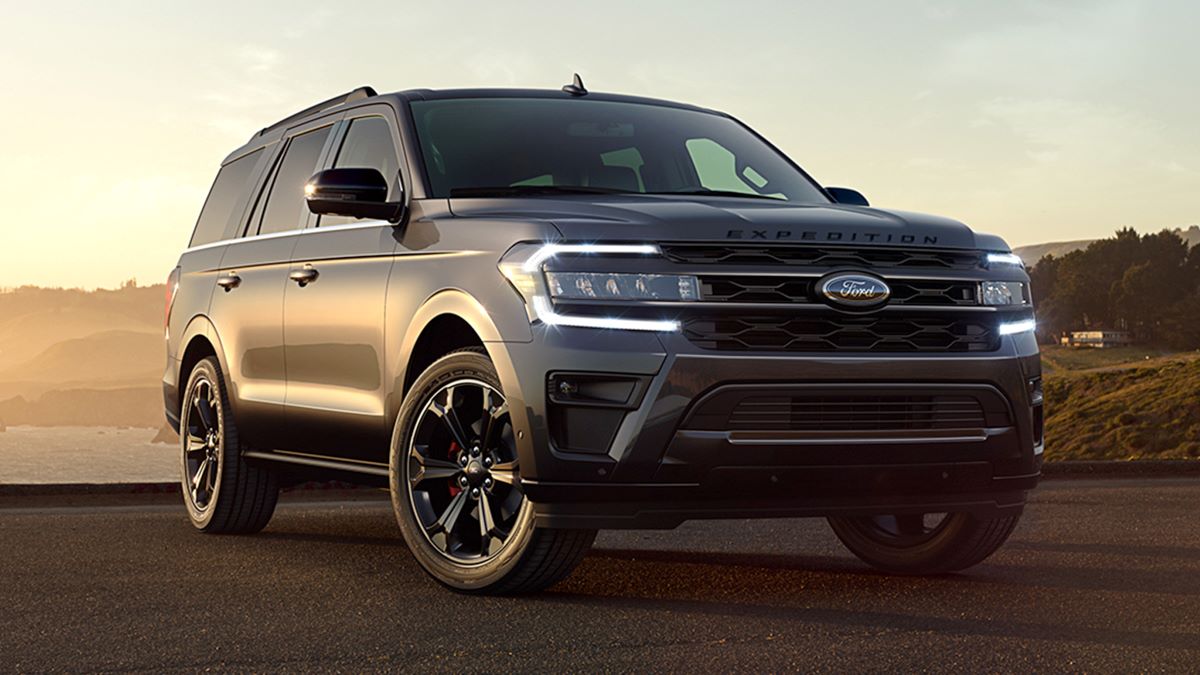
The Ford Expedition is built to handle the toughest family duties and long highway miles, but like any vehicle, it depends on attentive care.
Many of the problems that shorten its lifespan are preventable with basic maintenance and good driving habits.
From changing fluids on time to respecting towing limits and protecting against rust, small actions go a long way toward keeping this SUV reliable well past 200,000 miles.
In the end, most Expeditions that “die early” don’t do so because of inherent flaws they fail because owners overlook these critical areas.
By avoiding these nine oversights, you can ensure your Ford Expedition remains a trustworthy companion for road trips, family outings, and everyday driving for many years to come.