
When shopping for a reliable vehicle, understanding which cars offer dependable service and which ones might drain your wallet through constant repairs can save you thousands of dollars and countless headaches.
The automotive market presents a wide spectrum of options, from budget-friendly vehicles that deliver exceptional reliability to seemingly attractive cars that hide expensive maintenance nightmares beneath their appealing exteriors.
Car reliability has become an increasingly important factor for American consumers, especially as vehicle prices continue to rise and economic uncertainty affects household budgets. Smart buyers recognize that the initial purchase price represents only a fraction of true ownership costs.
Maintenance expenses, unexpected breakdowns, and frequent repair shop visits can quickly transform an affordable car into a financial burden that stretches family resources beyond comfortable limits. Some manufacturers have built stellar reputations by consistently producing vehicles that require minimal maintenance while delivering years of dependable transportation.
These brands focus on proven engineering, quality materials, and rigorous testing procedures that result in cars capable of reaching high mileage markers without major mechanical failures. Their commitment to reliability creates loyal customer bases and strong resale values that benefit both original purchasers and subsequent owners.
Certain vehicles appear attractive on dealer lots but reveal their true nature only after ownership begins. These problematic cars often feature complicated systems that fail prematurely, expensive replacement parts, or design flaws that create recurring issues.
Understanding which vehicles fall into this category helps consumers avoid costly mistakes that could impact their transportation needs and financial stability for years to come. This comprehensive analysis examines ten vehicles that represent both ends of the reliability spectrum.
Five affordable cars demonstrate exceptional dependability that makes them excellent choices for budget-conscious buyers seeking long-term value. Five others serve as cautionary examples of vehicles that might look appealing initially but typically require frequent, expensive repairs that can overwhelm maintenance budgets and create ongoing frustration for their owners.
Affordable Motors That Rarely Need Repairs
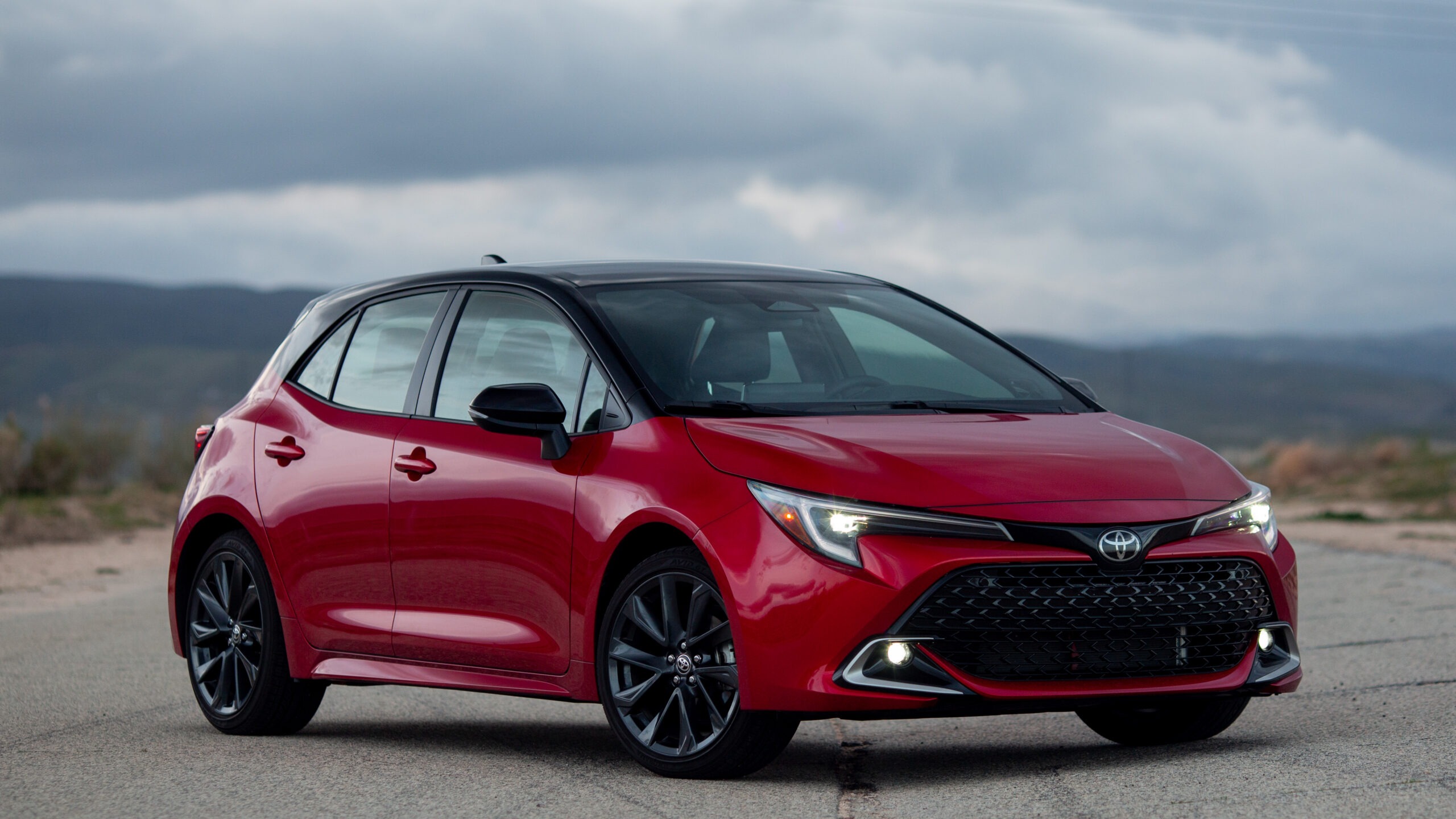
1. Toyota Corolla
The Toyota Corolla stands as one of the most dependable compact cars ever manufactured, earning its reputation through decades of consistent performance and minimal maintenance requirements.
This vehicle represents the perfect balance between affordability and reliability that appeals to first-time car buyers, budget-conscious families, and anyone seeking transportation without constant worry about mechanical failures.
Toyota’s engineering philosophy emphasizes simplicity and durability rather than cutting-edge technology that might create reliability issues. The Corolla’s powertrain features a naturally aspirated four-cylinder engine that operates efficiently without the difficulty of turbocharging or advanced variable valve timing systems that can fail prematurely.
This straightforward approach results in an engine that typically runs smoothly for hundreds of thousands of miles with basic maintenance consisting of regular oil changes, air filter replacements, and periodic tune-ups. The transmission options available in the Corolla include both manual and continuously variable transmissions that have proven their reliability through extensive real-world testing.
The manual transmission requires minimal maintenance beyond occasional clutch adjustments or replacements after extremely high mileage, while the CVT system operates smoothly without the complicated hydraulic systems found in traditional automatic transmissions that often require expensive repairs.
Maintenance costs for the Corolla remain remarkably low throughout the ownership experience. Replacement parts are widely available and competitively priced due to the vehicle’s popularity and Toyota’s extensive dealer network.
Independent mechanics can service these vehicles without specialized diagnostic equipment, keeping labor costs reasonable even when warranty coverage expires. Common maintenance items like brake pads, air filters, and spark plugs cost less than comparable components for European luxury vehicles.
The Corolla’s reliability extends beyond the powertrain to include electrical systems, air conditioning, and interior components that continue functioning properly long after purchase. Door handles, window regulators, and seat mechanisms rarely fail prematurely, reducing the likelihood of annoying repairs that plague some other vehicles.
This comprehensive reliability makes the Corolla an excellent choice for anyone seeking dependable transportation without the financial stress of frequent repair shop visits.
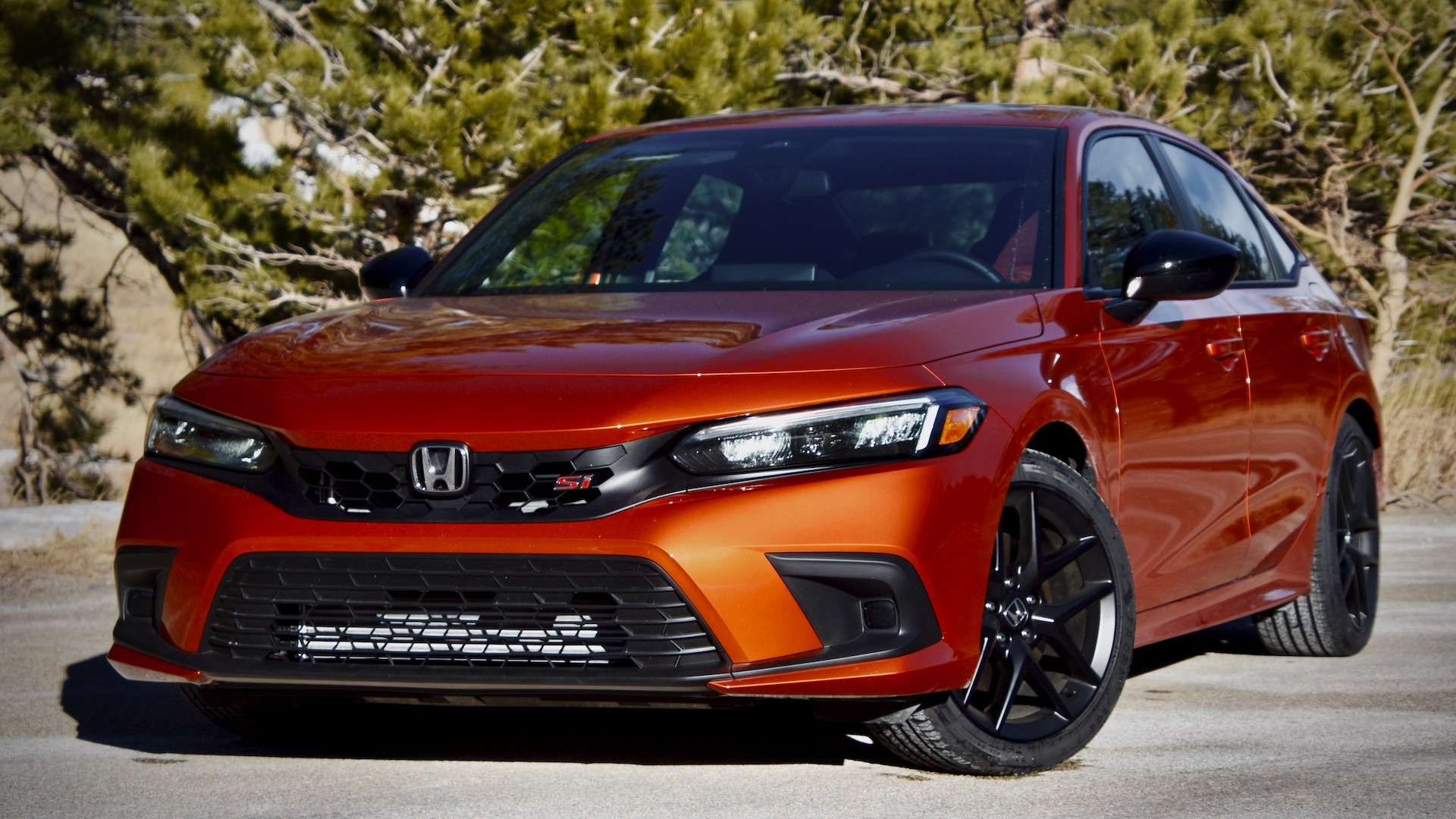
2. Honda Civic
Honda has built an outstanding reputation for producing reliable vehicles, and the Civic exemplifies this commitment to quality engineering and durability. This compact car offers an exceptional combination of fuel efficiency, practical design, and mechanical dependability that has made it a favorite among American consumers for multiple generations.
The Civic’s engine lineup features proven powerplants that deliver reliable performance without requiring frequent maintenance interventions. Honda’s naturally aspirated engines operate smoothly and efficiently while avoiding the difficulty of forced induction systems that can create reliability concerns.
These engines typically require only basic maintenance consisting of regular oil changes, filter replacements, and periodic spark plug changes to maintain their excellent performance characteristics. Honda’s approach to automotive engineering emphasizes long-term durability through careful material selection and conservative design practices.
The Civic benefits from this philosophy through components that resist wear and maintain their functionality well beyond typical warranty periods. Engine internals, transmission components, and suspension parts demonstrate exceptional longevity that translates into reduced ownership costs and fewer unexpected breakdowns.
The vehicle’s electrical system demonstrates the same reliability as its mechanical components, with alternators, starters, and electronic control modules that rarely fail prematurely. Interior electronics, including the radio, air conditioning controls, and power accessories, continue operating properly throughout the ownership experience without requiring expensive repairs or replacements that commonly affect other vehicles in this price range.
Maintenance costs for the Civic remain reasonable due to Honda’s extensive service network and the availability of competitively priced replacement parts. Independent repair shops can service these vehicles effectively, providing owners with alternatives to dealer service departments when warranty coverage expires.
This accessibility helps keep long-term ownership costs manageable while ensuring that proper maintenance procedures are followed to maintain the vehicle’s exceptional reliability record.
Also Read: 5 Motors That Survive Abuse and 5 That Don’t Last Under Stress
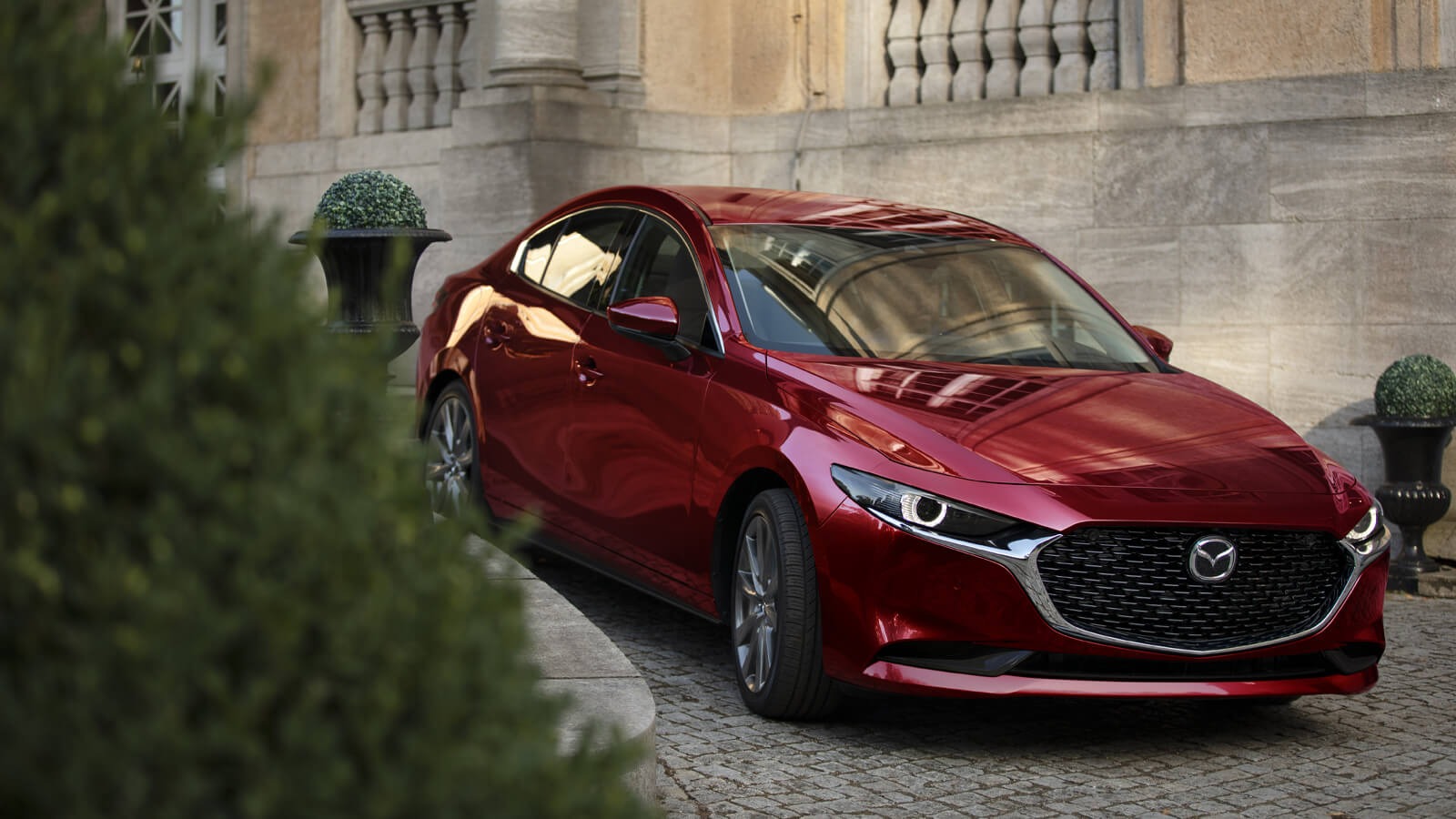
3. Mazda3
The Mazda3 represents exceptional value in the compact car segment by combining engaging driving dynamics with impressive reliability that rivals more expensive vehicles. Mazda’s focus on quality engineering and attention to detail results in a vehicle that requires minimal maintenance while delivering a premium ownership experience at an affordable price point.
Mazda’s SkyActiv engine technology emphasizes efficiency and durability through advanced engineering that optimizes combustion processes and reduces internal friction. These engines operate smoothly and quietly while requiring only basic maintenance to maintain their excellent performance characteristics.
The naturally aspirated design avoids the difficulty of turbocharging that can create reliability issues in other vehicles, resulting in powerplants that typically provide hundreds of thousands of miles of dependable service.
The transmission options available in the Mazda3 include both manual and automatic systems that demonstrate exceptional reliability throughout their service lives. The manual transmission offers precise shifting and durability that appeals to driving enthusiasts, while the automatic transmission operates smoothly without the complicated hydraulic systems that often require expensive repairs in competing vehicles.
Both transmission types require minimal maintenance beyond periodic fluid changes that help ensure continued reliable operation. Build quality in the Mazda3 exceeds expectations for vehicles in this price range, with interior and exterior components that resist wear and maintain their appearance throughout the ownership experience.
Paint quality, interior materials, and trim pieces demonstrate durability that rivals more expensive vehicles while avoiding the premature failure issues that affect some competing models. Maintenance requirements for the Mazda3 remain straightforward and affordable throughout the ownership experience.
Mazda’s dealer network provides comprehensive service support, while the vehicle’s conventional design allows independent mechanics to perform routine maintenance and repairs effectively. Replacement parts remain competitively priced and readily available, helping to keep long-term ownership costs manageable for budget-conscious consumers seeking reliable transportation.

4. Subaru Outback
The Subaru Outback combines the reliability of a traditional sedan with the capability of an SUV, creating a unique vehicle that serves families seeking dependable transportation for both daily commuting and outdoor adventures. Subaru’s commitment to quality engineering and conservative design practices results in a vehicle that rarely requires major repairs while providing exceptional longevity.
Subaru’s horizontally opposed engine design provides inherent balance and smoothness that reduces internal stress and promotes long-term durability. These engines operate quietly and efficiently while requiring only basic maintenance to maintain their excellent performance characteristics.
The naturally aspirated configuration avoids the complication of turbocharging that can create reliability issues, resulting in power plants that typically provide reliable service for hundreds of thousands of miles. The symmetrical all-wheel-drive system that comes standard on all Outback models demonstrates exceptional reliability and durability throughout its service life.
This system operates transparently without requiring driver intervention while providing enhanced traction and stability in various weather conditions. The mechanical simplicity of this system reduces the likelihood of expensive electronic failures that affect some competing all-wheel-drive implementations.
Interior and exterior build quality in the Outback meets high standards that result in components maintaining their functionality and appearance throughout the ownership experience.
Seat materials, dashboard components, and exterior trim pieces resist wear and continue operating properly long after purchase. This attention to quality extends to mechanical components, including suspension parts, brake systems, and steering components that rarely require premature replacement.
Maintenance costs for the Outback remain reasonable despite its all-wheel-drive capability, with service requirements that mirror those of conventional front-wheel-drive vehicles. Subaru’s dealer network provides comprehensive support, while the vehicle’s proven design allows independent mechanics to perform routine maintenance effectively.
The availability of competitively priced replacement parts helps ensure that long-term ownership costs remain manageable for families seeking reliable transportation.
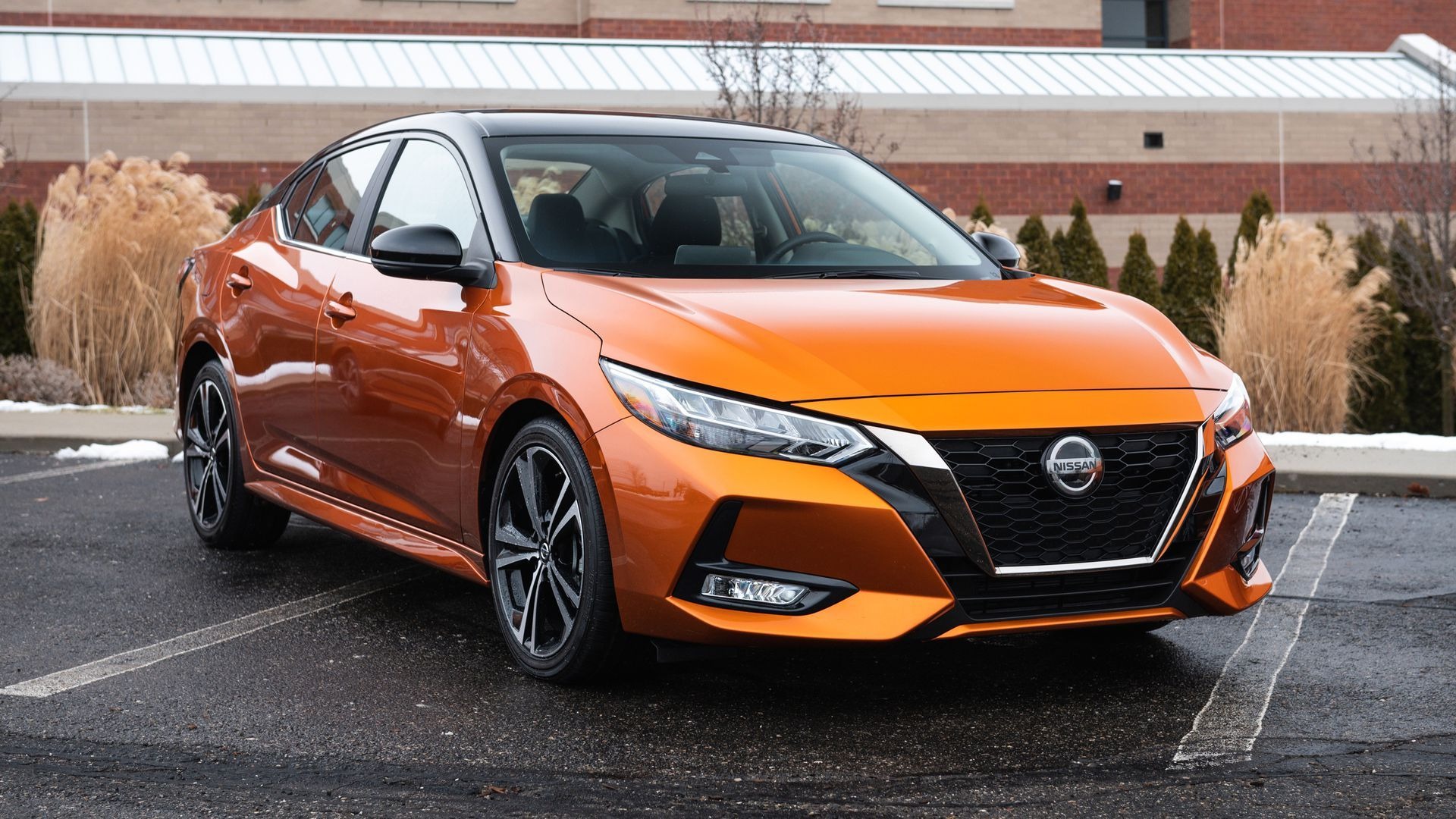
5. Nissan Sentra
The Nissan Sentra provides affordable transportation with reliability that exceeds expectations for vehicles in its price range. Nissan’s focus on proven engineering and quality manufacturing processes results in a compact car that requires minimal maintenance while delivering dependable service for budget-conscious consumers.
The Sentra’s naturally aspirated four-cylinder engine emphasizes simplicity and durability through a conventional design that avoids complicated technologies that might create reliability issues.
This straightforward approach results in a powerplant that operates smoothly and efficiently while requiring only basic maintenance consisting of regular oil changes, filter replacements, and periodic tune-ups to maintain excellent performance.
Nissan’s continuously variable transmission in the Sentra has proven its reliability through extensive real-world testing and customer feedback. This system operates smoothly and efficiently while avoiding the complicated hydraulic components found in traditional automatic transmissions that often require expensive repairs. The CVT requires minimal maintenance beyond periodic fluid changes that help ensure continued reliable operation.
Build quality in the Sentra demonstrates attention to detail that results in components maintaining their functionality throughout the ownership experience. Interior materials, exterior trim pieces, and mechanical components resist wear and continue operating properly long after purchase. This comprehensive approach to quality helps ensure that owners experience minimal unexpected repairs or component failures.
The electrical system in the Sentra demonstrates the same reliability as its mechanical components, with alternators, starters, and electronic control modules that rarely fail prematurely. Interior electronics, including the infotainment system, climate control, and power accessories, continue operating properly throughout the ownership experience without requiring expensive repairs that commonly affect other vehicles in this price segment.
Maintenance costs for the Sentra remain affordable due to Nissan’s extensive service network and the availability of competitively priced replacement parts. Independent repair shops can service these vehicles effectively, providing owners with alternatives to dealer service when warranty coverage expires. This accessibility helps keep long-term ownership costs manageable while ensuring proper maintenance procedures are followed.
Affordable Motors That Always Need Repairs
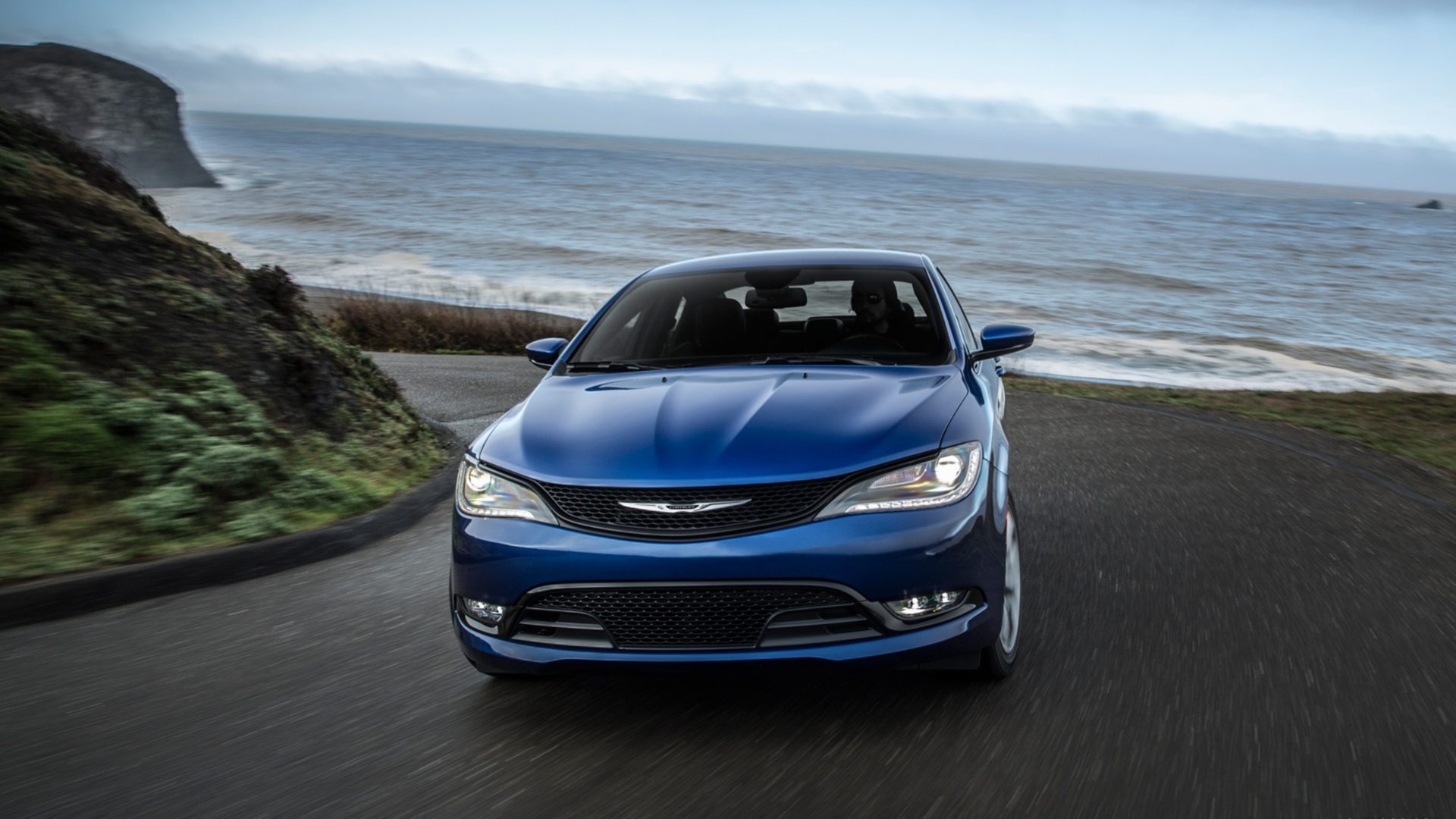
1. Chrysler 200
The Chrysler 200 presents a cautionary tale of how attractive styling and competitive pricing can mask serious reliability issues that create expensive ownership experiences. This midsize sedan appeared promising when introduced, but quickly developed a reputation for frequent mechanical problems that frustrated owners and created substantial repair bills throughout its production run.
The 200’s engine lineup included both four-cylinder and V6 options that suffered from various reliability issues, including premature failure of internal components, oil consumption problems, and cooling system defects.
The four-cylinder engine experienced head gasket failures, timing chain problems, and excessive oil burning that required expensive repairs, often occurring well before typical warranty periods expired. The V6 engine demonstrated similar issues while adding complications that increased diagnostic and repair costs.
Transmission problems plague the Chrysler 200 regardless of whether owners selected manual or automatic options. The nine-speed automatic transmission experienced widespread reliability issues, including harsh shifting, complete failure to engage gears, and premature wear of internal components that required complete transmission replacement.
These transmission problems often occurred at relatively low mileage, creating substantial repair expenses that exceeded the vehicle’s depreciated value. Electrical system failures in the 200 create ongoing frustration for owners through malfunctioning infotainment systems, defective climate control modules, and failing power accessories.
These electronic problems often prove difficult to diagnose and expensive to repair due to the complication of interconnected systems that require specialized diagnostic equipment and replacement modules that cost more than comparable components in more reliable vehicles.
Interior and exterior build quality issues compound the 200’s reliability problems through premature failure of door handles, window regulators, and trim pieces that create additional repair expenses.
Paint quality problems, seat wear issues, and dashboard component failures add to the list of potential problems that owners might encounter throughout their ownership experience, making this vehicle a poor choice for budget-conscious consumers seeking dependable transportation.
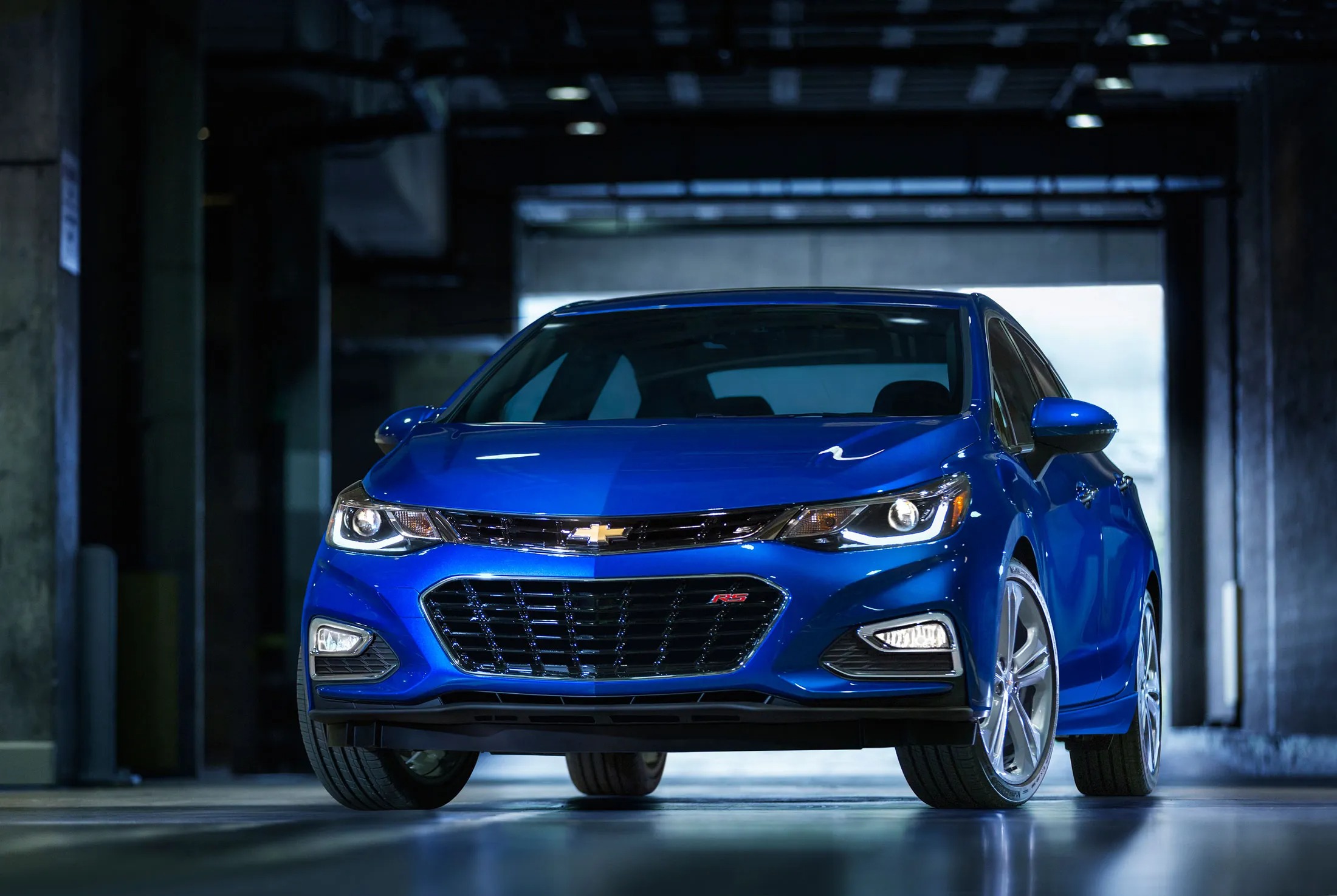
2. Chevrolet Cruze
The Chevrolet Cruze demonstrates how cost-cutting measures and aggressive pricing can result in reliability issues that create expensive ownership experiences for unsuspecting buyers.
This compact car initially appeared competitive in its segment but quickly revealed numerous mechanical and electrical problems that generated substantial repair bills and customer dissatisfaction.
Engine problems in the Cruze include turbocharger failures, cooling system defects, and oil consumption issues that require expensive repairs, often occurring within the first few years of ownership.
The turbocharged engine experiences premature turbocharger bearing failures, intercooler leaks, and wastegate actuator problems that create substantial repair expenses. These issues often recur even after initial repairs, creating ongoing frustration and financial stress for owners.
The Cruze’s automatic transmission demonstrates reliability issues, including harsh shifting, slipping between gears, and complete failure of electronic control modules. These transmission problems often require complete unit replacement rather than simple repairs, creating substantial expenses that can exceed the vehicle’s remaining value.
Manual transmission models experience clutch problems and synchronizer wear that create additional maintenance expenses. Cooling system defects in the Cruze create serious reliability concerns through water pump failures, radiator leaks, and thermostat housing cracks that can result in engine overheating and catastrophic damage.
These cooling system problems often occur without warning, leaving owners stranded and facing expensive towing and repair bills that can strain household budgets. Electrical system failures affect multiple vehicle systems, including the infotainment unit, power steering assist, and engine management systems.
These electronic problems often prove difficult to diagnose and expensive to repair due to interconnected systems that require specialized diagnostic procedures and costly replacement modules. The complication of these systems makes independent repair difficult, forcing owners to rely on dealer service departments that charge premium rates for diagnosis and repair.
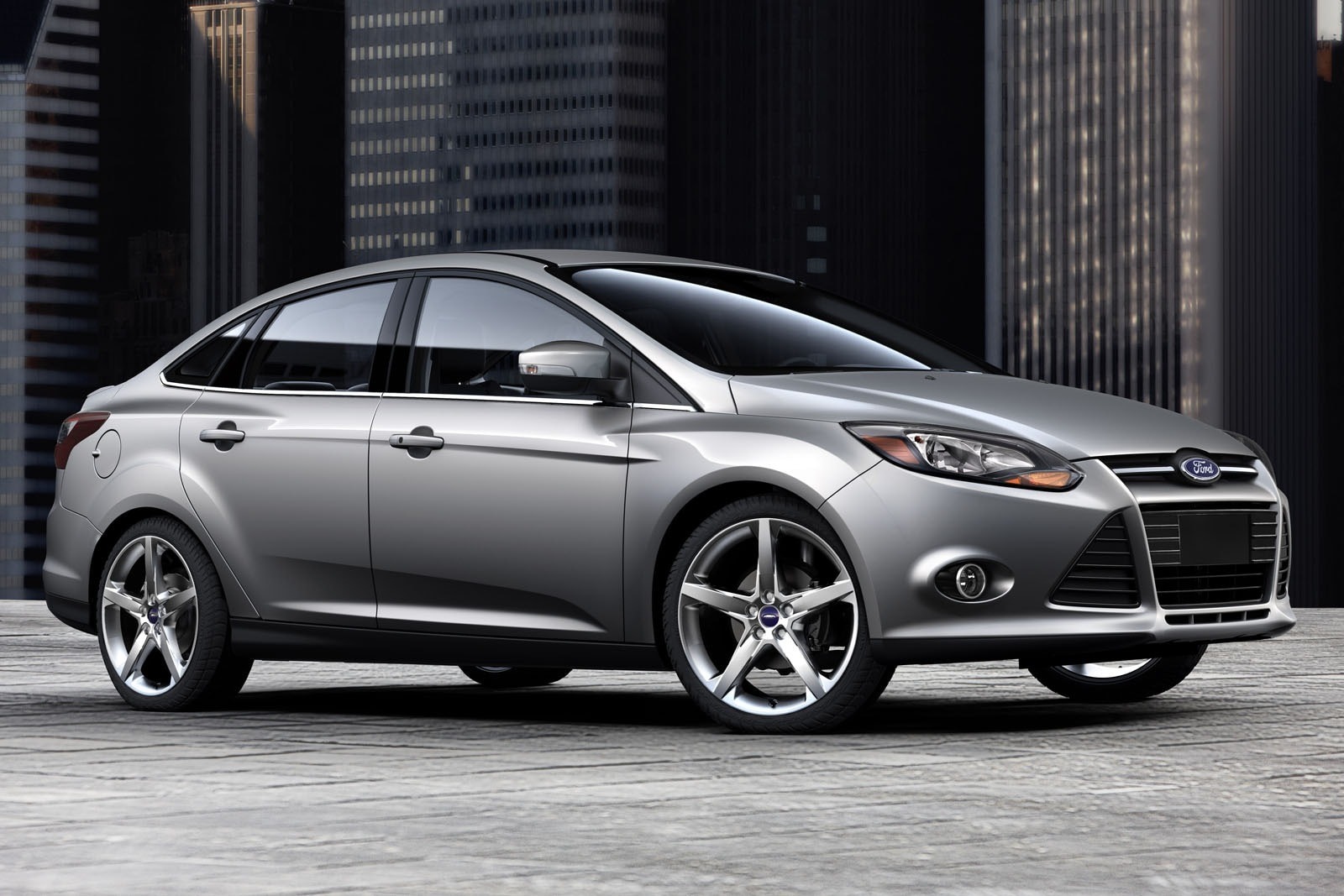
3. Ford Focus
The Ford Focus, particularly models equipped with the PowerShift dual-clutch transmission, represents one of the most problematic vehicles in recent automotive history due to transmission issues that created class-action lawsuits and substantial financial losses for owners.
This compact car initially showed promise but quickly developed a reputation for expensive mechanical problems that made ownership a frustrating experience. The PowerShift transmission in automatic Focus models experiences widespread reliability issues, including shuddering during acceleration, slipping between gears, and complete failure of clutch assemblies.
These transmission problems often manifest within the first few thousand miles of ownership and frequently recur even after multiple repair attempts. The compound design of this transmission system makes repairs expensive and often unsuccessful, leading to repeated visits to service departments.
Engine problems in the Focus include timing belt failures, cooling system defects, and oil consumption issues that create additional reliability concerns. The timing belt can fail prematurely, causing catastrophic engine damage that requires complete engine replacement or rebuild. Cooling system problems, including water pump failures and radiator leaks, can result in engine overheating that creates expensive repair bills.
Electrical system issues affect multiple vehicle functions, including power windows, door locks, and infotainment systems. These electronic problems often prove intermittent and difficult to diagnose, requiring multiple service visits and expensive diagnostic procedures.
The complication of modern automotive electrical systems makes these repairs particularly costly when they occur outside warranty coverage. Interior and exterior build quality problems in the Focus include premature paint failure, interior trim deterioration, and mechanical component wear that creates additional maintenance expenses.
Door handles break frequently, window regulators fail prematurely, and seat mechanisms wear out much sooner than expected for a vehicle in this price range. These quality issues compound the transmission problems to create an ownership experience that many consumers find unacceptable.
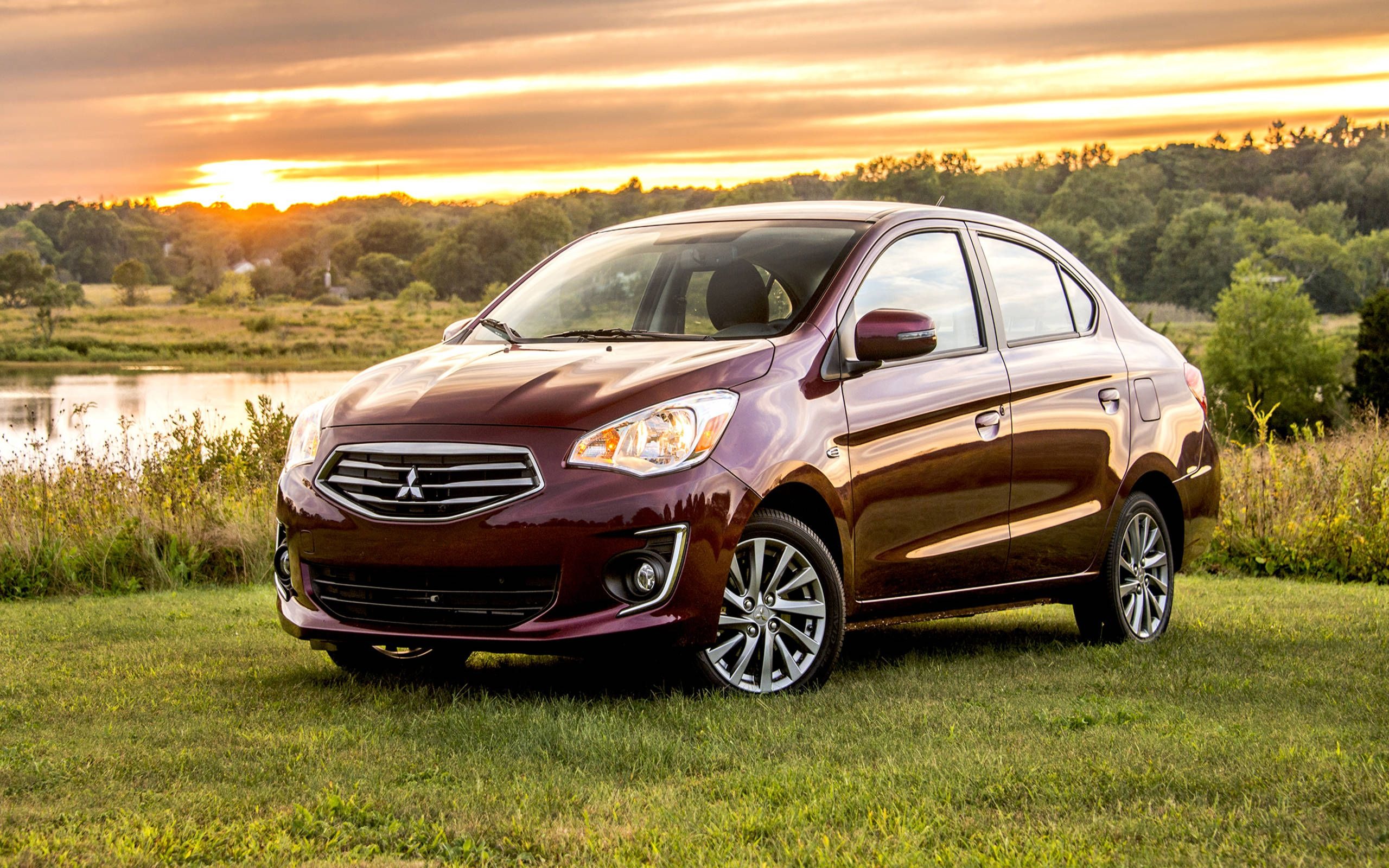
4. Mitsubishi Mirage
The Mitsubishi Mirage represents the extreme low end of the automotive market, where aggressive cost-cutting creates reliability issues that quickly overwhelm any initial savings from its bargain purchase price. This subcompact car attracts budget-conscious buyers with its low sticker price but delivers an ownership experience filled with frequent repairs and component failures.
The Mirage’s three-cylinder engine lacks the durability and refinement found in competing four-cylinder powerplants, resulting in premature wear of internal components and frequent mechanical problems.
This engine experiences timing chain stretch, excessive oil consumption, and cooling system problems that require expensive repairs, often occurring well before typical warranty periods expire. The engine’s harsh vibration and poor refinement indicate fundamental design compromises that affect long-term reliability.
Transmission reliability issues in the Mirage include premature wear of internal components in both manual and CVT automatic options. The continuously variable transmission experiences belt wear, pulley problems, and electronic control failures that require expensive repairs or complete transmission replacement.
These transmission problems often occur at relatively low mileage, creating substantial repair expenses that exceed reasonable expectations for any vehicle. Electrical system problems plague the Mirage through failing alternators, defective starters, and malfunctioning electronic control modules.
These electrical failures often occur without warning, leaving owners stranded and facing expensive towing and repair bills. The vehicle’s basic electrical system lacks the redundancy and quality components found in more reliable vehicles, resulting in frequent component failures.
Build quality issues throughout the Mirage create ongoing maintenance expenses through premature failure of interior and exterior components. Door handles break easily, window mechanisms fail frequently, and interior trim pieces deteriorate rapidly.
Paint quality problems, rust issues, and general component wear occur much sooner than expected, creating an ownership experience that frustrates buyers who initially chose this vehicle for its low purchase price.
Also Read: 5 Cars That Are Suited For Teen Drivers and 5 That Fail To Deliver
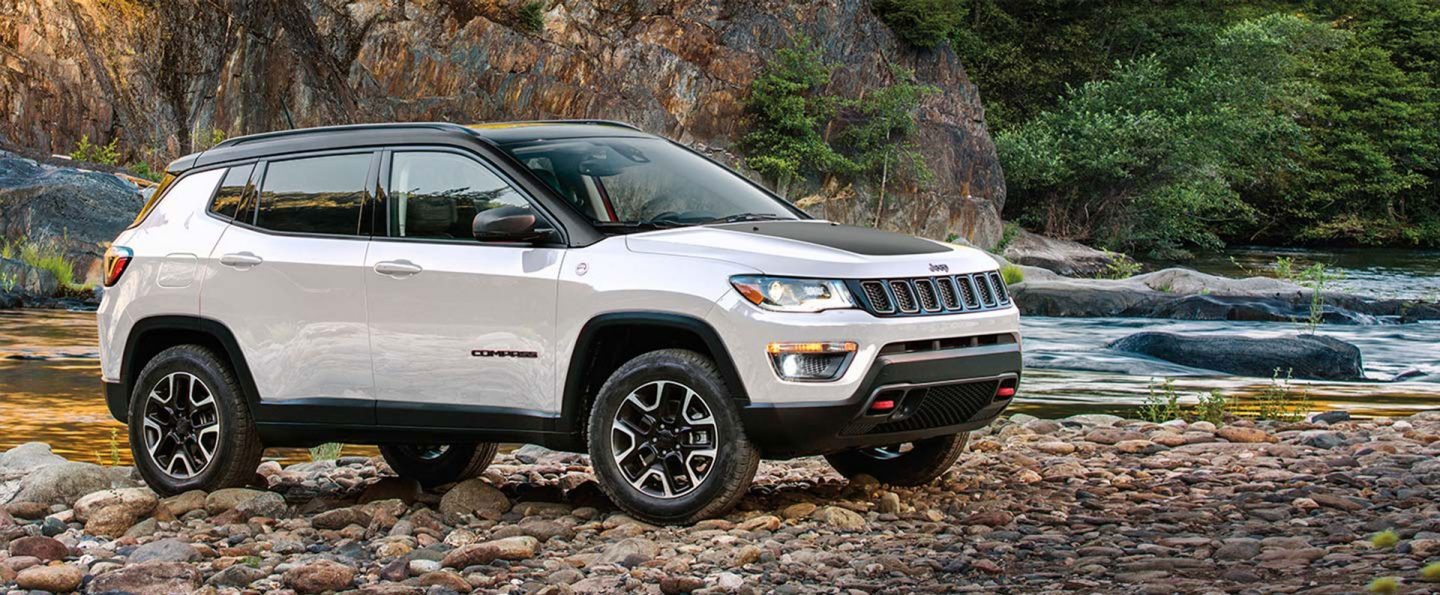
5. Jeep Compass
The Jeep Compass combines attractive styling with serious reliability issues that create expensive ownership experiences for buyers drawn to its rugged appearance and brand reputation. This compact SUV suffers from numerous mechanical and electrical problems that generate substantial repair bills throughout its ownership cycle.
Engine problems in the Compass include oil consumption issues, timing chain failures, and cooling system defects that require expensive repairs. The available engines experience premature wear of internal components, head gasket failures, and oil pump problems that can result in catastrophic engine damage.
These engine problems often occur within the first few years of ownership, creating substantial repair expenses during periods when owners least expect major mechanical issues. Transmission reliability concerns affect both manual and automatic options available in the Compass.
The nine-speed automatic transmission experiences harsh shifting, gear engagement problems, and premature failure of internal components that require complete transmission replacement. These transmission issues often manifest as jerky operation during acceleration and difficulty maintaining proper gear selection during normal driving conditions.
Electrical system failures in the Compass create ongoing frustration through malfunctioning infotainment systems, defective climate control modules, and failing power accessories. These electronic problems often prove intermittent and difficult to diagnose, requiring multiple service visits and expensive diagnostic procedures.
The complication of interconnected electronic systems makes repairs particularly costly when they occur outside warranty coverage. The Compass also suffers from numerous quality control issues, including paint defects, interior trim failures, and premature wear of mechanical components.
Door handles break frequently, window regulators fail prematurely, and seat mechanisms demonstrate poor durability. These quality issues compound the major mechanical problems to create an ownership experience that many consumers find unacceptable, particularly given the vehicle’s relatively high purchase price compared to more reliable alternatives in the compact SUV segment.
Choosing the right vehicle requires careful consideration of both initial purchase price and long-term ownership costs. The five reliable vehicles discussed demonstrate that affordable transportation can provide years of dependable service without creating financial stress through frequent repairs.
These cars earn their reputations through conservative engineering, quality materials, and proven manufacturing processes that result in vehicles capable of reaching high mileage markers without major mechanical failures.
On the contrary, the five problematic vehicles serve as important reminders that attractive styling and competitive pricing cannot compensate for fundamental engineering defects and quality control issues that create expensive ownership experiences.
Smart car buyers research reliability records, read owner reviews, and consider the total cost of ownership rather than focusing solely on purchase price when selecting their next vehicle.
