
When it comes to small hatchbacks, the Honda Fit has long been a favorite in the United States. Known for its clever “Magic Seat” system, excellent fuel economy, and surprising cargo space for its size, the Fit is a car that many Americans rely on for commuting, city driving, and long road trips alike.
Although Honda discontinued the Fit in the U.S. after the 2020 model year, thousands of these cars are still on the road, and their reputation for dependability makes them a sought-after choice in the used market.
But like any vehicle, the Honda Fit’s long-term reliability depends heavily on how well it’s taken care of. With proper maintenance, many Fits can surpass 200,000 miles, serving their owners for decades.
However, certain bad habits and oversights can drastically shorten the car’s lifespan. If you’re not careful, you could end up with costly repairs or even a ruined car in less than 10 years.
Here are eight common mistakes that owners make with the Honda Fit, and why avoiding them is the key to keeping this beloved hatchback running smoothly for years to come.
1. Skipping Regular Oil Changes
One of the quickest ways to ruin any car, including the Honda Fit, is neglecting oil changes. The Fit’s 1.5-liter four-cylinder engine is known for being efficient and reliable, but like all modern engines, it relies on clean, high-quality oil to lubricate moving parts and prevent wear.
Skipping oil changes or extending intervals far beyond Honda’s recommendations can cause sludge buildup, overheating, and premature engine wear.
In the U.S., many drivers stick to the “3,000-mile rule,” but Honda typically recommends oil changes every 7,500 to 10,000 miles with synthetic oil under normal conditions.
If you drive mostly short trips, spend time idling in traffic, or experience extreme temperatures, you may need to change it more often. Consistent oil changes are a small investment compared to the thousands of dollars it costs to repair or replace an engine.
2. Ignoring Transmission Maintenance
The Honda Fit’s transmission is another area where neglect can spell disaster. Most U.S. models from 2015 onward were equipped with a continuously variable transmission (CVT), which provides smooth and efficient acceleration but requires proper care.
Unfortunately, many owners assume CVTs don’t need fluid changes or worse, they use the wrong type of transmission fluid.
Honda recommends replacing CVT fluid around every 25,000 to 40,000 miles, depending on driving habits. Skipping this service can lead to jerky shifting, slipping, or complete transmission failure.
Since CVT repairs often exceed $3,000, preventive maintenance is far more affordable. Owners of older Fits with manual or traditional automatic transmissions also need to follow fluid service schedules to avoid premature wear.
Ignoring transmission issues can trigger a chain reaction of problems that may eventually lead to total vehicle failure. Recognizing the risks and acting promptly is essential for protecting your car’s performance and longevity.
In this guide, we’ll break down the potential consequences of neglecting transmission concerns, while highlighting why regular maintenance and timely repairs matter so much.
Transmission troubles often begin as minor inconveniences but can quickly grow into major, expensive repairs if left unchecked. Acting on early warning signs saves you both time and money. If you notice unusual noises, gears slipping, or delays when shifting, it’s important to consult a professional right away. Ignoring these red flags allows problems to worsen, leading to higher repair bills and more downtime.
Identifying transmission symptoms early is the best defense against costly damage. Watch for signs like:
- Unusual Noises: Whining, clunking, or humming can signal transmission trouble.
- Fluid Leaks: Transmission fluid on the ground is an urgent problem requiring immediate attention.
- Slipping Gears: Sudden, unexpected shifts can be dangerous and point to transmission failure.
- Delayed Engagement: Hesitation when shifting from park to drive often indicates underlying issues.
- Check Engine Light: A warning light can stem from transmission problems and should never be overlooked.
Transmission failures don’t just damage the transmission itself; they put added strain on your engine and other systems. Over time, this can wear down major components, leading to even bigger repair bills.
Additionally, drivability takes a hit when your transmission is malfunctioning. Issues like slipping gears or delayed response make driving unpredictable, especially in heavy traffic or bad weather, putting your safety at risk.
Long-term neglect can shorten your vehicle’s lifespan. Left unresolved, transmission issues eventually lead to complete failure, forcing you into a costly replacement. The added strain on your engine and related systems only accelerates wear and tear, pushing you toward an early vehicle replacement.
Staying on top of maintenance and repairs not only extends transmission life but also preserves your vehicle’s performance, efficiency, and resale value.
Our services include:
- Transmission Repair: Handling everything from small fixes to major repairs.
- Transmission Rebuilds: Restoring transmissions to like-new condition.
- Maintenance Services: Keeping your transmission healthy with regular fluid changes and inspections.
- Diagnostics: Using advanced technology to ensure accurate results and efficient repairs.
We aim to make the repair process as stress-free as possible, offering top-notch service and full peace of mind.
Transmission problems that go unaddressed can spiral into major breakdowns and safety risks. Taking care of them early saves time, money, and hassle, while ensuring your car remains reliable.
3. Overloading the Car
The Honda Fit may have an impressive amount of cargo space for its size up to 52.7 cubic feet with the rear seats folded but that doesn’t mean it’s designed to haul everything.
Overloading the Fit with too much weight, whether it’s heavy furniture, construction materials, or excessive passengers, puts strain on the suspension, brakes, and transmission.
Many U.S. drivers use the Fit for road trips or moving, but exceeding its payload capacity can lead to premature wear and safety issues. Even the tires can fail under too much weight.
Checking the owner’s manual for weight limits and distributing cargo evenly can help preserve the car’s performance and keep it safe on the road.
4. Neglecting the Cooling System
Another mistake that shortens the Honda Fit’s life is ignoring the cooling system. Overheating is one of the most damaging problems for small engines, and it often results from neglected coolant changes or a failing radiator.
Some owners forget that coolant needs to be replaced periodically, not just topped off when it’s low.
Old coolant loses its ability to regulate engine temperature and prevent corrosion inside the system. In the U.S., where summers can be hot and traffic is often stop-and-go, a compromised cooling system can cause a breakdown quickly.
Regularly checking coolant levels, replacing it at recommended intervals, and inspecting hoses and the radiator for leaks can save the Fit’s engine from catastrophic overheating.
5. Driving on Worn Tires and Neglecting Alignments
The Honda Fit is light, nimble, and designed for urban driving, but poor tire maintenance can ruin both performance and safety.
Many Fit owners drive on worn or mismatched tires far past their safe limit, forgetting that tires affect handling, braking, and fuel efficiency. Driving with uneven wear or ignoring regular rotations also puts strain on the suspension system.
Wheel alignment is another often-overlooked maintenance task. Hitting potholes, a common hazard on U.S. roads, can throw the Fit’s alignment off, causing the car to pull to one side and wear out tires prematurely.
Keeping tires properly inflated, rotated, and aligned is essential for prolonging the car’s life and ensuring a smooth, safe ride. A car’s steering and suspension system connects the body of your vehicle to the wheels that keep it moving. When the alignment is off, everything gets thrown out of balance.
Driving with poor alignment doesn’t just put stress on your suspension; it also accelerates tire wear and, most importantly, compromises your safety on the road. It’s essential to recognize the warning signs of misalignment and schedule an alignment check right away if you suspect something is off.
Driving with misaligned wheels is never worth the risk. Alignment issues won’t correct themselves and require professional wheel alignment service to resolve. If ignored, poor alignment can lead to:
- Rapid or permanent tire damage caused by uneven wear.
- Reduced fuel efficiency due to increased friction on your tires.
- Loss of steering control raises your chances of an accident.
Fortunately, most of these issues can be avoided by keeping up with regular alignment service, typically every 6,000 miles. But if you notice symptoms of misalignment in between scheduled visits, don’t wait. Bring your vehicle to a professional for an inspection right away.
You should always be in command of your car, not the other way around. How your vehicle handles is one of the clearest indicators of an alignment problem. Keep an eye out for these red flags:
- Your vehicle drifts: With your steering wheel centered, if your car veers right or left, alignment is likely the culprit.
- Off-center steering wheel: If your wheel doesn’t sit straight while driving down a flat road, that’s a strong indicator of misalignment.
- Uneven tire wear: Excessive wear on one side of the tread often means your vehicle’s weight isn’t being distributed properly, pointing to alignment trouble.
We recommend scheduling a wheel alignment service at least every 6,000 miles. However, if you notice any symptoms before your next appointment, don’t delay; bring your vehicle in as soon as possible. A timely alignment check will not only protect your tires but also keep your vehicle safe and handling smoothly.
6. Ignoring Brake Maintenance
Brake systems are vital for any vehicle, but especially for smaller cars like the Fit that are often driven in city traffic. Stop-and-go driving, common in many U.S. metropolitan areas, wears down brake pads quickly.
Ignoring squeaking, grinding noises, or reduced stopping power can lead to damage to the rotors and calipers, multiplying repair costs.
Brake fluid is another critical but often ignored component. Over time, it absorbs moisture, which reduces braking effectiveness and can corrode the system from the inside. Flushing brake fluid every few years helps keep the Fit’s braking system responsive and reliable.
7. Using Cheap Parts and Skipping Preventive Maintenance
Many Honda Fit owners buy the car for its affordability and low cost of ownership. While it’s tempting to save even more by cutting corners with cheap aftermarket parts or skipping scheduled maintenance, this habit often backfires.
For example, using low-quality spark plugs, filters, or brake components can reduce performance and cause premature failures.
Preventive maintenance like replacing the serpentine belt, keeping the battery terminals clean, and checking suspension components might seem like unnecessary expenses, but they help prevent breakdowns. Spending a little more for OEM or high-quality replacement parts pays off in reliability and longevity.
Owning a car offers both freedom and convenience, but it also comes with the ongoing responsibility of maintenance, which can add up in cost over time. The good news is that by understanding your vehicle’s maintenance needs, you can take steps to reduce expenses while ensuring your car stays safe and reliable. Preventive maintenance is the first and most effective strategy.
By following a regular maintenance schedule, you can extend your vehicle’s lifespan and minimize the likelihood of unexpected breakdowns. Routine oil changes, for example, protect your engine from wear and ensure it runs efficiently.
Checking and topping off essential fluids such as coolant, brake fluid, transmission fluid, and windshield washer fluid is equally important, as it keeps your car operating smoothly and prevents premature damage to critical components.
Another way to save money is by handling simple maintenance tasks yourself. Labor costs at repair shops vary greatly depending on location, vehicle type, and the complexity of the job, so taking care of small jobs on your own can significantly cut costs.
Replacing the air filter, for instance, improves fuel economy and protects your engine, while changing wiper blades regularly enhances visibility and prevents damage to the windshield. Keeping your battery terminals clean and checking for corrosion can also prevent common starting issues, particularly during extreme hot or cold weather.
Tires are another crucial but often overlooked aspect of vehicle maintenance. Proper tire care not only increases safety but also extends the life of your tires and improves fuel efficiency. Inspecting tire pressure monthly and before long trips helps you avoid uneven wear and wasted fuel caused by underinflation.
Regular tire rotations promote even wear across all tires, while proper wheel alignment ensures better handling and prevents premature tire damage. Following the recommended intervals in your owner’s manual or on the sticker inside the driver’s door jamb will help you stay on track.
While preventive maintenance is vital, some tasks can safely be delayed without immediately jeopardizing performance or safety. Cabin air filters, for example, can often be replaced less frequently if you primarily drive in clean, urban environments.
Brake inspections are essential, but unless you notice clear warning signs such as squealing, grinding, or reduced stopping power, you may be able to stretch the time between checks slightly, though not indefinitely.
Similarly, modern spark plugs are built to last up to 100,000 miles in many vehicles. As long as your car runs smoothly and fuel efficiency remains steady, you can generally wait until the mileage recommended in your manual before replacing them.
Your driving habits also play a key role in how much maintenance your vehicle will require. Driving smoothly, avoiding sudden accelerations and hard braking, reduces strain on your brakes and tires while improving fuel efficiency.
Likewise, allowing your vehicle to idle for long periods wastes fuel and adds unnecessary wear to your engine. Instead, it’s better to begin driving gently once the engine has warmed. Ultimately, reducing maintenance costs is not just about saving money; it’s about ensuring your vehicle stays dependable, efficient, and safe for years to come.
By practicing preventive care, handling simple tasks yourself, paying attention to your tires, knowing which services can be delayed, and driving wisely, you can lower expenses while maximizing your car’s lifespan and performance. A well-maintained vehicle doesn’t just save you money, it also provides peace of mind every time you’re on the road.
8. Letting Rust and Body Damage Go Unchecked
Finally, many Honda Fit owners underestimate the importance of protecting the car’s body and undercarriage from rust. This is especially true in U.S. states that use road salt during the winter.
Rust can start small, often underneath the car where it’s hard to see, and spread until it compromises the frame or suspension mounting points.
Ignoring dents, chipped paint, or scratches can also lead to rust over time. A rusted-out Honda Fit may not be worth repairing, no matter how good the engine is.
Regular car washes, especially after winter driving and applying protective coatings, can make a big difference in keeping the Fit structurally sound.
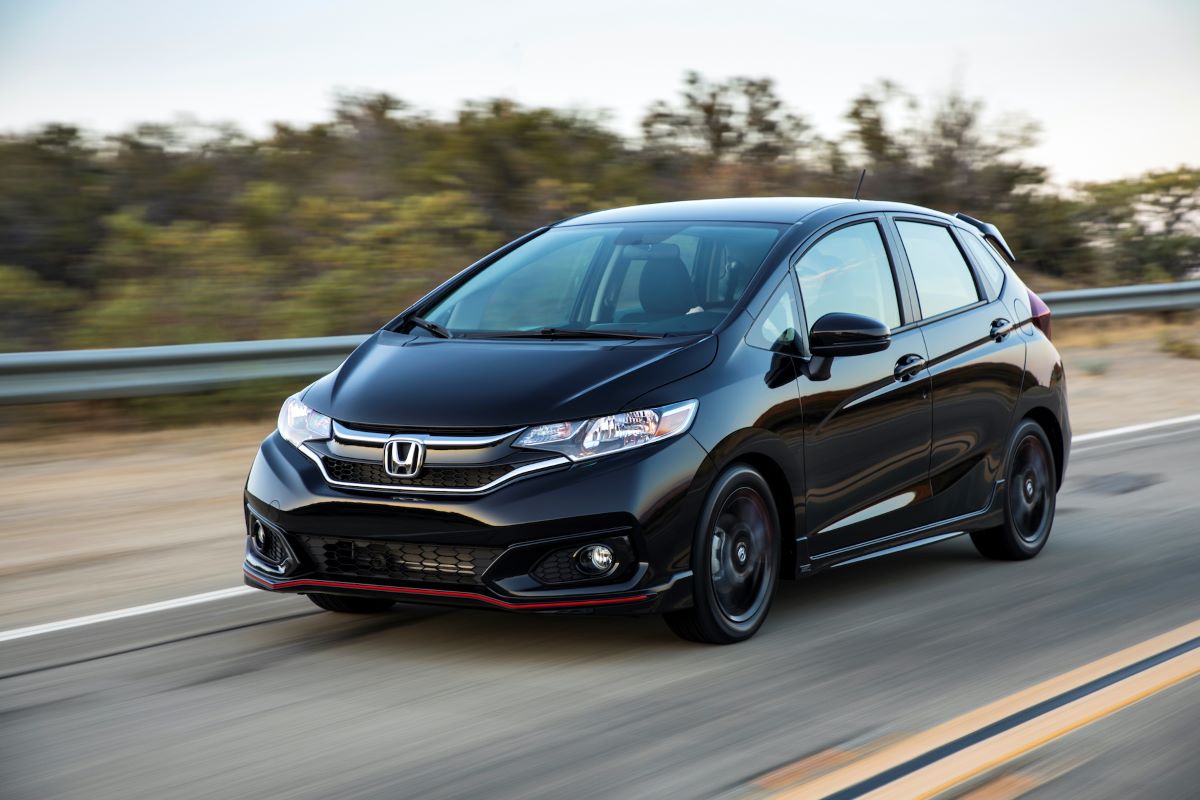
The Honda Fit has earned a reputation as one of the most reliable and versatile small cars ever sold in the U.S., but even a well-engineered vehicle can be ruined by poor maintenance and neglect.
Any scratches or dents that expose bare metal also leave it vulnerable to oxidation, while trapped condensation inside the vehicle, under trim or floor mats, can cause hidden rust to develop. Knowing these common causes helps you prevent rust from reappearing once you’ve dealt with existing spots.
When shopping for a used car, spotting rust doesn’t always mean walking away, but the severity matters. Small areas of surface rust on body panels are usually minor and can be sanded down to bare metal and refinished without issue.
Penetrating rust, where bubbling paint or visible pits appear, signals spreading corrosion and requires more effort to repair. If rust has eaten through panels completely or affected structural parts like the frame, brake lines, or suspension, that’s a major red flag. Anything beyond surface-level oxidation often means costly repairs are inevitable, so a careful inspection is critical.
Eliminating minor surface rust is a fairly straightforward process. Start by sanding the affected area with 400-grit sandpaper until clean metal is exposed, then wipe it with a prep solution to create a surface that paint can adhere to.
After that, apply a rust-inhibiting primer followed by matching paint to seal and protect the area. On chrome surfaces, very fine wet sanding is best to avoid scratches, followed by polishing and applying a protectant. Taking the time to sand and reseal ensures that rust doesn’t return and that the repair blends with the surrounding paint.
If rust has spread beneath the paint, the repair requires more work. In this case, you’ll need to sand down and scuff the surrounding area to reveal the full extent of corrosion, then apply a rust converter to stabilize the oxidation and stop it from spreading.
Any pits or depressions can be filled with a metal filler before priming and repainting with a rust-resistant enamel. This process seals the area, isolates the rust, and prevents it from creeping further beneath the paint.
Some rust repair jobs can be handled at home, while others should be left to professionals. Light surface rust is easy enough to sand, prime, and paint on your own. Even moderate surface rust can be a DIY project if you have the tools and patience.
But when rust has spread beneath the paint, professionals with the right experience and equipment are better equipped to handle the repair without damaging unaffected areas. If rust has caused holes or perforated panels, welding is necessary, and that kind of work should always be handled by a qualified shop.
Professional rust repair costs can vary widely depending on severity and location. Treating small surface rust spots typically runs between $50 and $150, while replacing sections of rusted body panels may cost between $300 and $800.
If left unchecked, surface rust can evolve into major damage and expensive repairs. But with the right methods, you can stop rust early, make effective repairs, and in many cases spend less than $100 to restore the affected areas. Don’t let corrosion destroy your vehicle—tackle rust as soon as it appears and keep your car strong, safe, and looking its best.
Skipping oil changes, ignoring transmission service, overloading the car, and neglecting brakes or tires are just some of the mistakes that can turn a dependable hatchback into a money pit in under 10 years.
The good news is that avoiding these mistakes doesn’t require expert mechanical skills, just consistent care, attention, and a willingness to follow Honda’s recommended service schedule.
With the right approach, a Honda Fit can easily outlast a decade, providing affordable, reliable, and practical transportation long after other cars have given up.