
When people think about how long a car engine can last, many usually expect that once it goes past one hundred thousand miles, problems will start piling up. This belief has made plenty of drivers fear owning cars that have crossed this mark. Yet, things are not always as bad as many imagine.
The truth is that some engines are built with so much strength and proper engineering that once they go past one hundred thousand miles, they even begin to deliver performance with more stability. At the same time, some others quickly start showing weakness once they cross that line, making maintenance harder and repairs more frequent.
The difference often comes down to design quality, the type of materials used, the simplicity of the build, and how the engine has been treated over the years. Engines that are easy to service, with fewer delicate parts, usually stay strong for longer.
On the other hand, those packed with sensitive technology or engines that work under more stress tend to lose their efficiency faster when the mileage begins to climb. For car buyers, this makes the decision tricky.
A used car may look good on the outside, but the life left in its engine is what truly matters. Knowing which ones can travel beyond one hundred thousand miles without worry and which ones may start declining almost immediately helps buyers make more informed choices.
We will take a careful look at five engines that seem to perform even better once they have crossed the one hundred thousand mark, and then explain five that usually begin to decline quickly after reaching that distance.
5 Engines That Run Better After 100K
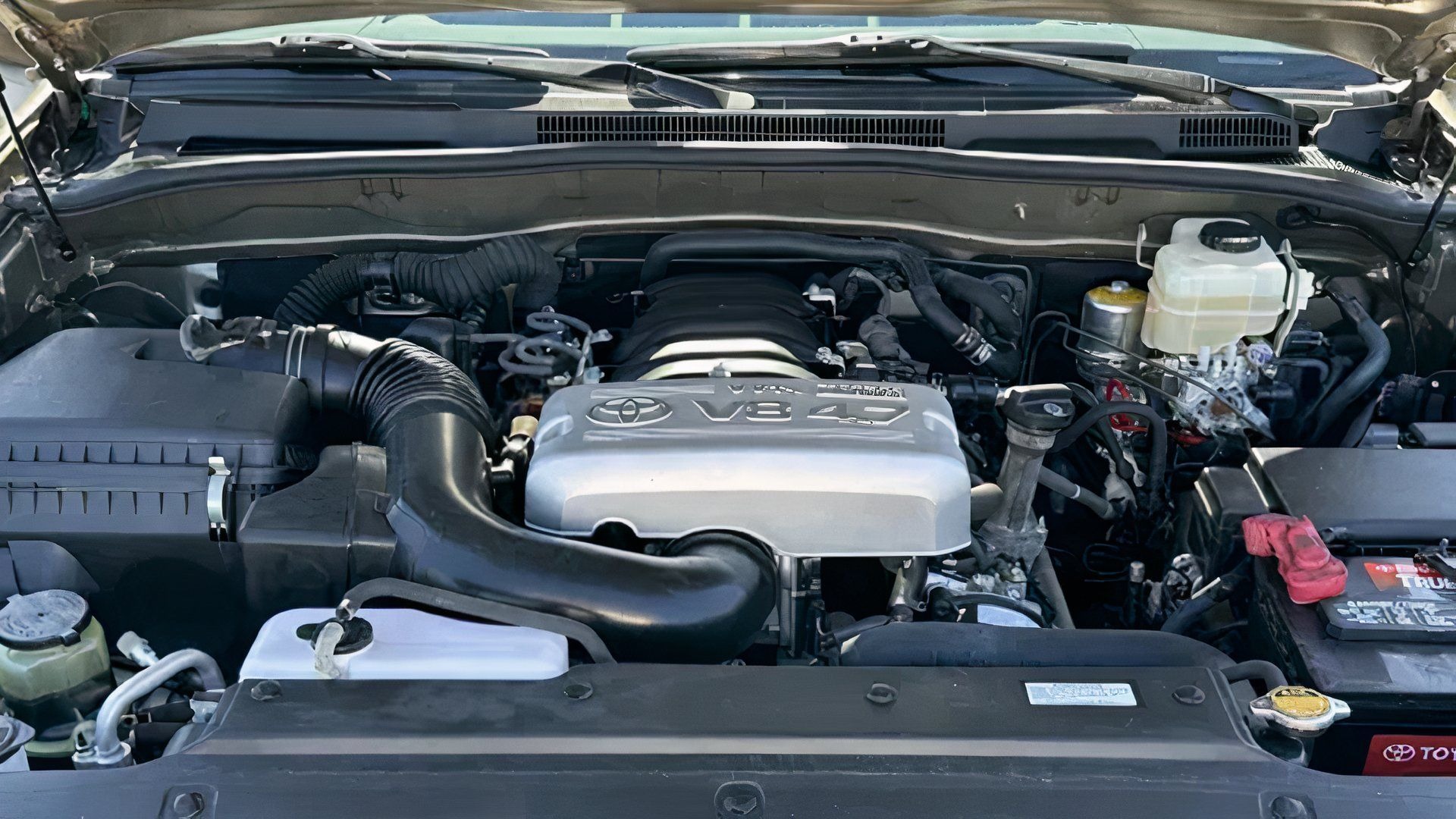
1. Toyota 2UZ-FE V8
The Toyota 2UZ-FE V8 engine is one of those power units that many drivers trust without hesitation. Introduced in the late 1990s, this engine was fitted in vehicles like the Toyota Land Cruiser, Lexus LX, and Tundra. Built with durability in mind, it was designed with a cast-iron block and aluminum heads. That choice of materials alone gave it the ability to handle stress without losing reliability.
One of the reasons this engine performs better after one hundred thousand miles is the way it was engineered to operate at lower stress levels compared to other V8 engines. While some high-performance V8s are built to chase maximum speed and horsepower, Toyota kept this one focused on balance and reliability.
It was tuned for steady power delivery and long service life. The conservative design means that once the engine has been properly maintained with regular oil changes and cooling system checks, it easily reaches two hundred thousand miles and even beyond.
The 2UZ-FE also avoids over-complicated technology that can sometimes cause early decline in other engines. Instead of relying on turbochargers or very delicate direct injection systems, it keeps things simple.
The result is that parts are easier to replace and cheaper to maintain, which makes it less likely to fail suddenly. Many owners even say that once the engine passes one hundred thousand miles, it runs more smoothly because it has already been well broken in.
Toyota’s reputation for dependable engineering is clear with this V8. Vehicles fitted with it often hold their value much longer, and that is because buyers know that the engine can handle both daily use and heavy-duty work.
Drivers who need a truck or SUV that can remain strong for long distances usually see the 2UZ-FE as one of the safest options. It is an engine that proves that high mileage does not always mean weakness.
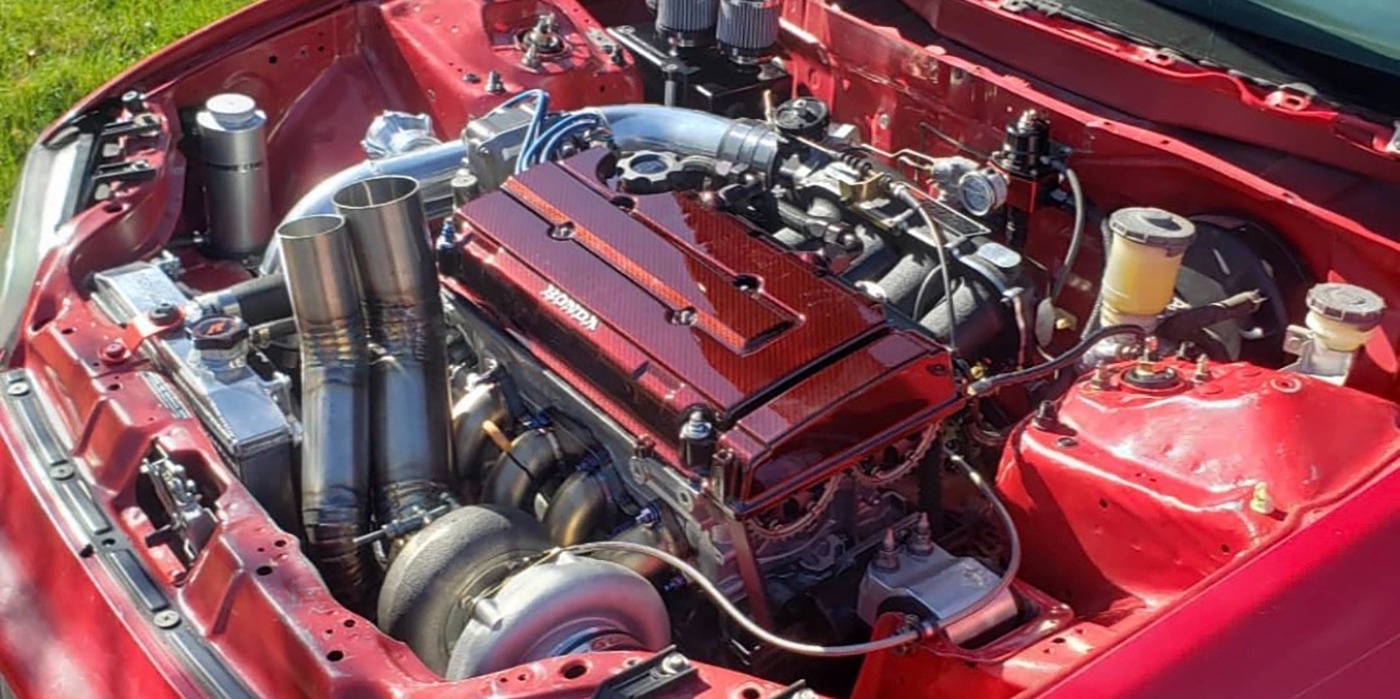
2. Honda K24 Inline-4
Honda has always had a tradition of producing four-cylinder engines that last, and the K24 stands out among them. Introduced in the early 2000s, this engine has powered cars like the Honda Accord, CR-V, and Element. Known for its balance of performance and reliability, the K24 is one of those engines that becomes even more trusted once it has gone past one hundred thousand miles.
The design is part of what makes the K24 so durable. It comes with a cast aluminum block reinforced with iron sleeves, making it lighter yet strong enough to resist wear. The timing chain system also reduces the need for regular belt changes, which lowers long-term maintenance costs. Many drivers report that even after years of use, the timing chain rarely gives trouble, provided oil changes are done on time.
Another factor that makes the K24 shine after high mileage is Honda’s engineering philosophy of keeping things precise yet simple. The K24 does not rely on forced induction or other stress-heavy systems.
It is naturally aspirated, which means fewer parts that could fail. This design also makes it run cooler and reduces the pressure on the engine parts. When an engine runs cooler, it is more likely to last longer and retain good performance.
Owners often point out that once their K24 engines cross the hundred-thousand-mile point, the engines feel even smoother. This happens because the moving parts have worn in properly, creating less friction.
Some K24 engines have been reported to run for more than three hundred thousand miles without major repair, which shows how much strength they carry. For anyone buying a used Honda, seeing a K24 under the hood is usually a good sign.
The engine offers peace of mind because it is dependable, fuel-efficient, and strong enough to keep going far past the mileage that usually scares drivers. It is a reminder that a well-built four-cylinder can match the reliability of larger engines when treated with care.
Also Read: 5 Affordable Engines That Can Be Tuned and 5 That Can’t Take Mods
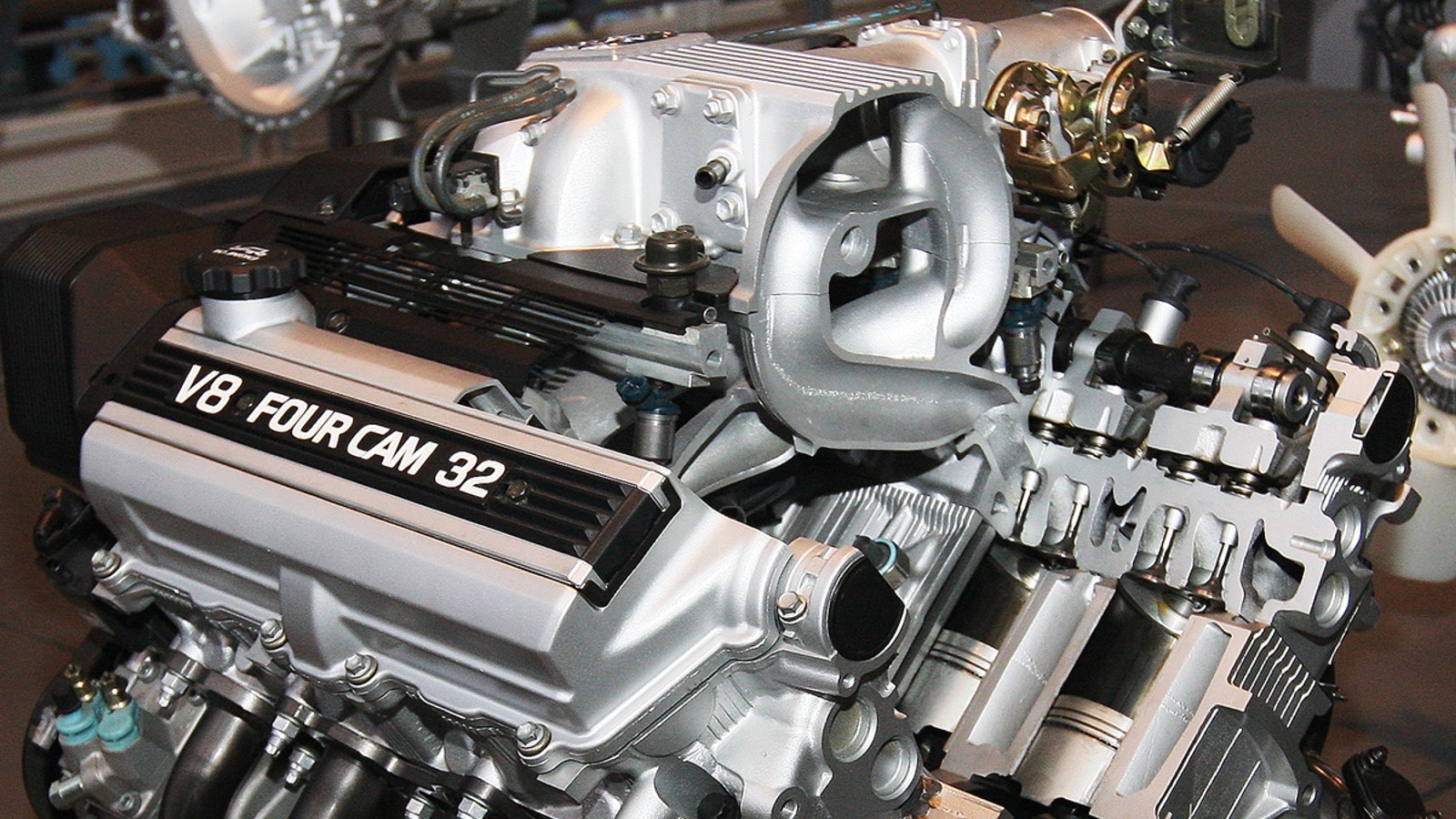
3. Lexus 1UZ-FE V8
The Lexus 1UZ-FE V8 is one of the finest examples of Toyota’s engineering for luxury vehicles. Introduced in the early 1990s and used in the Lexus LS400 and other models, this engine was built to set a standard for refinement and endurance.
It has a reputation of being able to handle extremely high mileage without showing weakness. Many owners agree that it even performs better after the first one hundred thousand miles. One of the main reasons for its strength is its design. The 1UZ-FE was made with an aluminum block and forged steel internals.
That combination gave it both light weight and toughness. The engine was engineered to operate smoothly even under demanding conditions, and this has allowed many units to cross three hundred thousand miles with only routine service.
This V8 also makes use of a timing belt system that, when changed at the right intervals, keeps the engine in excellent health. The internal balance of the engine is another reason it lasts. It was designed with a strong crankshaft and well-distributed weight, which reduces vibration and wear.
By the time it has gone past one hundred thousand miles, most of the friction points have already settled, giving the engine a smoother and more stable run. Drivers who own Lexus cars with this V8 often praise how refined the engine remains even after decades of use.
The quietness and stability do not fade quickly, and this helps the cars retain a luxury feel even when they are older. It is an engine that shows how proper engineering can make a luxury vehicle remain desirable even after many miles.
The 1UZ-FE is not only long-lasting but also reliable when it comes to servicing. Replacement parts are still available, and many mechanics are familiar with its structure, making repairs straightforward. This combination of long life and easy maintenance explains why this engine is respected among drivers who value dependability in their vehicles.
4. Toyota 1GR-FE V6
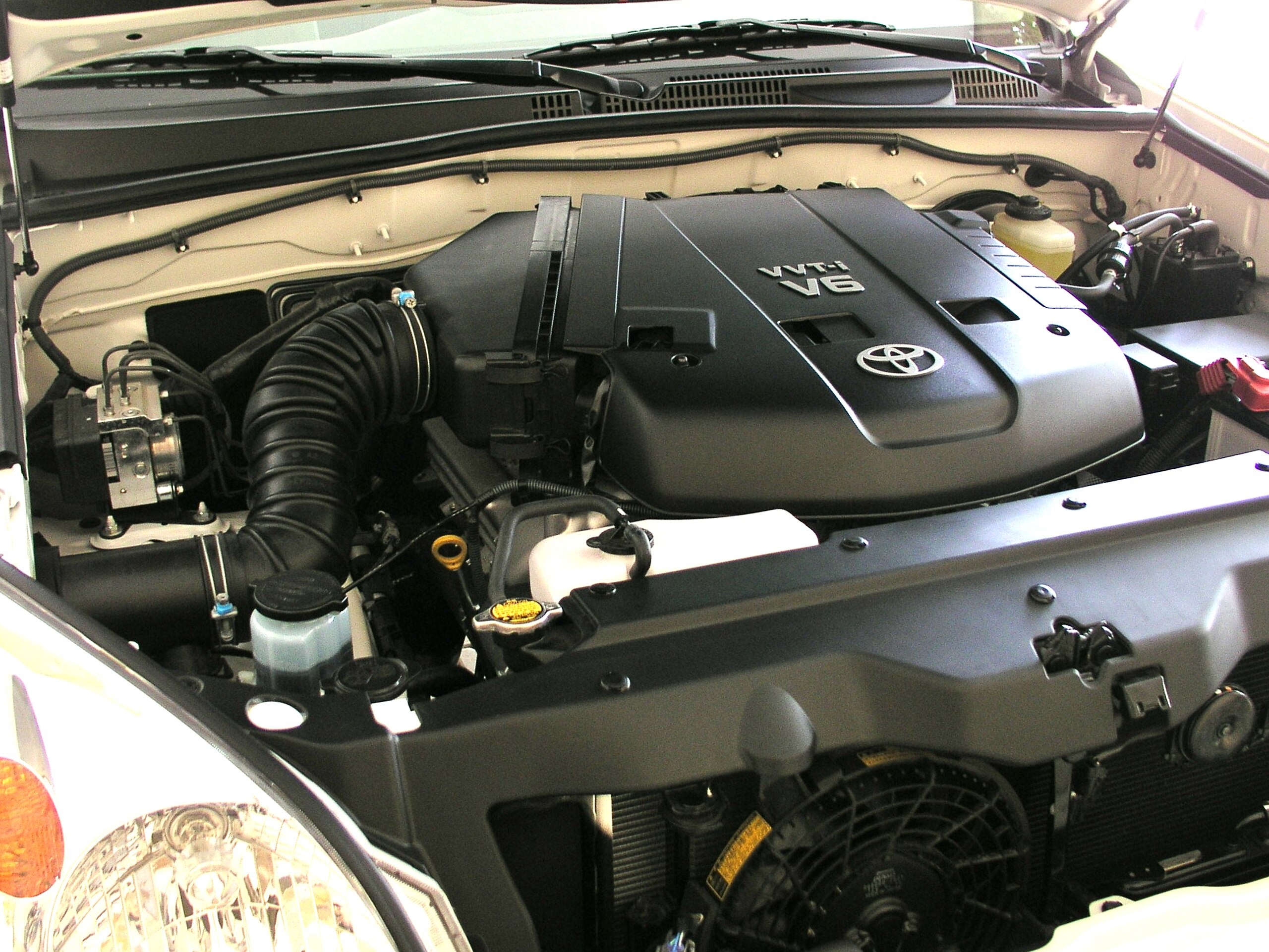
The Toyota 1GR-FE V6 has become one of the most respected engines in Toyota’s lineup, especially for trucks and SUVs. Introduced in the early 2000s, it has powered vehicles like the Toyota Tacoma, 4Runner, and FJ Cruiser.
Known for its strong output and ability to handle stress, this V6 continues to perform with surprising reliability even after one hundred thousand miles. In fact, many owners argue that it only gets better with age, provided maintenance is kept up.
The foundation of this durability lies in the engineering choices Toyota made. The 1GR-FE uses an aluminum block with cast iron cylinder liners, striking a balance between lightweight construction and strength.
It also uses dual overhead camshafts and variable valve timing, which give both performance and efficiency without putting the engine under unnecessary strain. Because the components were designed for long life, they do not wear out quickly.
Another major advantage is the timing chain system. Unlike timing belts that require regular replacement, the chain system of the 1GR-FE lasts far longer, often for the lifetime of the engine. This reduces the risk of sudden failures and lowers long-term maintenance costs. Owners who stick to regular oil changes usually find that the chain and other internals remain in excellent condition.
The cooling system of the 1GR-FE also deserves mention. Trucks and SUVs often face heavy-duty work, from towing to climbing rough terrain. Toyota engineered the cooling passages to handle extreme heat and workload, which prevents overheating. This is one of the reasons the engine can cross well past two hundred thousand miles while staying dependable.
Owners often note that once the engine has covered more than one hundred thousand miles, it feels more broken in and smoother. This is because the friction surfaces have already settled, and the parts operate in harmony.
Many drivers report going beyond three hundred thousand miles without major issues, which confirms its long-term strength. For buyers searching for a used Toyota truck or SUV, finding the 1GR-FE under the hood is usually a good sign that the vehicle has many more years left.
5. Honda J35 V6
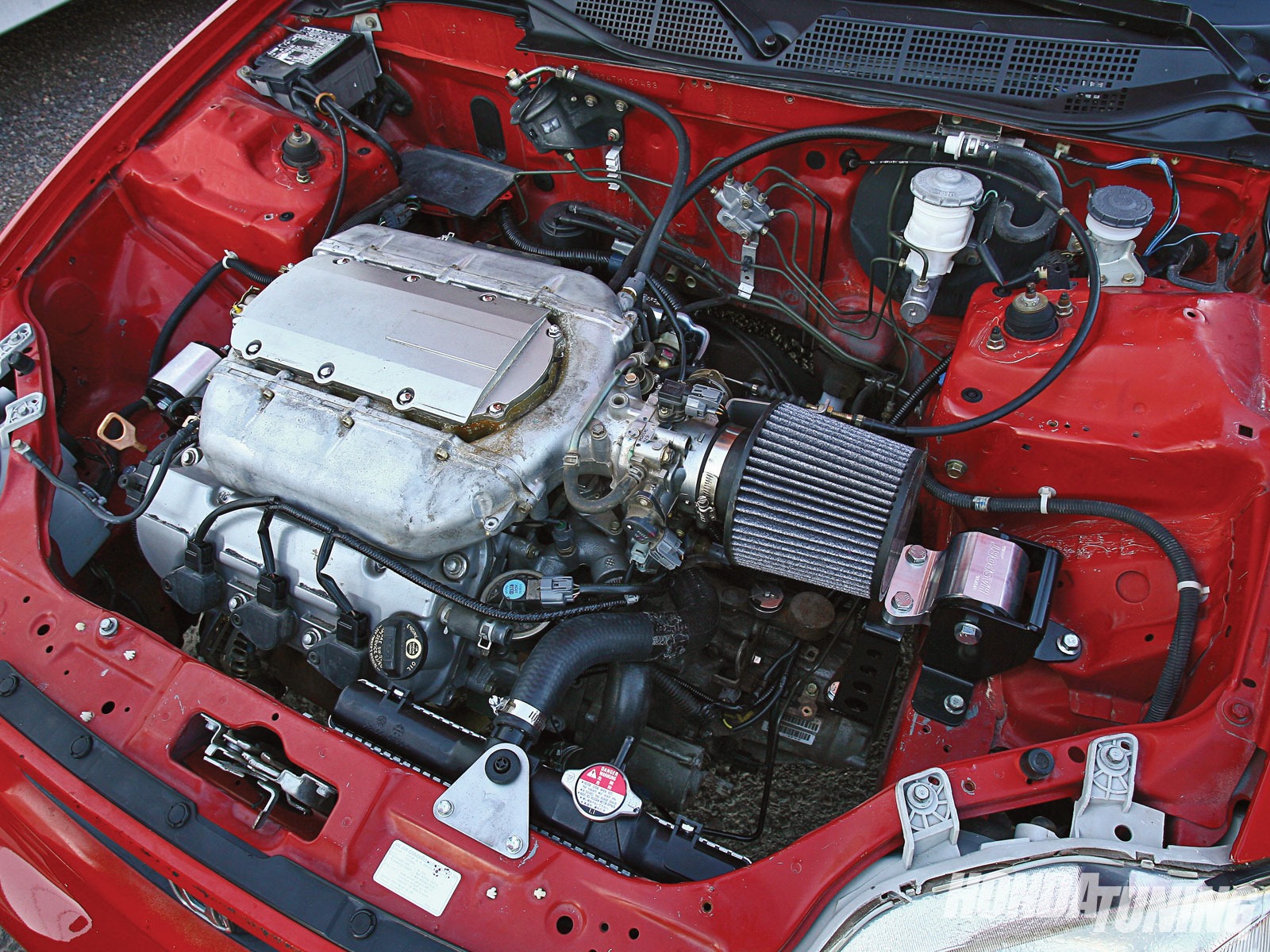
Honda’s J-series V6 engines have built a reputation for durability, and the J35 is among the best. Used in vehicles such as the Honda Odyssey, Pilot, Ridgeline, and Accord V6, this engine has served many drivers across North America for decades.
What makes it special is how well it performs even after it has passed the one hundred thousand-mile mark. With proper servicing, the J35 continues to deliver power and efficiency for many more years. One factor behind the J35’s strength is its design. It uses an aluminum-alloy block and heads, combined with a single overhead camshaft and Honda’s VTEC system.
This balance allows the engine to produce strong power without being overworked. It was never designed to chase maximum horsepower figures but rather to provide steady, usable torque across a wide range of speeds. That philosophy helps the engine last longer because it avoids constant stress.
The J35 also benefits from Honda’s attention to smoothness. It is equipped with a well-designed intake and exhaust system that promotes efficient airflow. The engine does not need to push itself to extremes, which is why it remains dependable after high mileage.
Many owners report their J35 engines running smoothly past two hundred and fifty thousand miles with only routine servicing like oil changes, spark plugs, and timing belt replacements. Maintenance plays a role in its long life, but Honda designed it to make this easy.
For example, parts are widely available, and mechanics are very familiar with the engine. Issues that do appear, like worn motor mounts or valve adjustments, are relatively simple and affordable to handle compared to failures in more complicated engines.
Owners often share that after the first one hundred thousand miles, the J35 actually feels more efficient and settled. Once the moving parts are well-worn in, the engine delivers smoother acceleration and quieter performance.
This makes it a favorite among families who rely on their Honda vans and SUVs for long-distance travel. Buyers of used Hondas with this V6 can usually feel safe knowing they are getting an engine with plenty of life left.
5 Engines That Decline Almost Immediately
1. Chrysler 2.7L V6
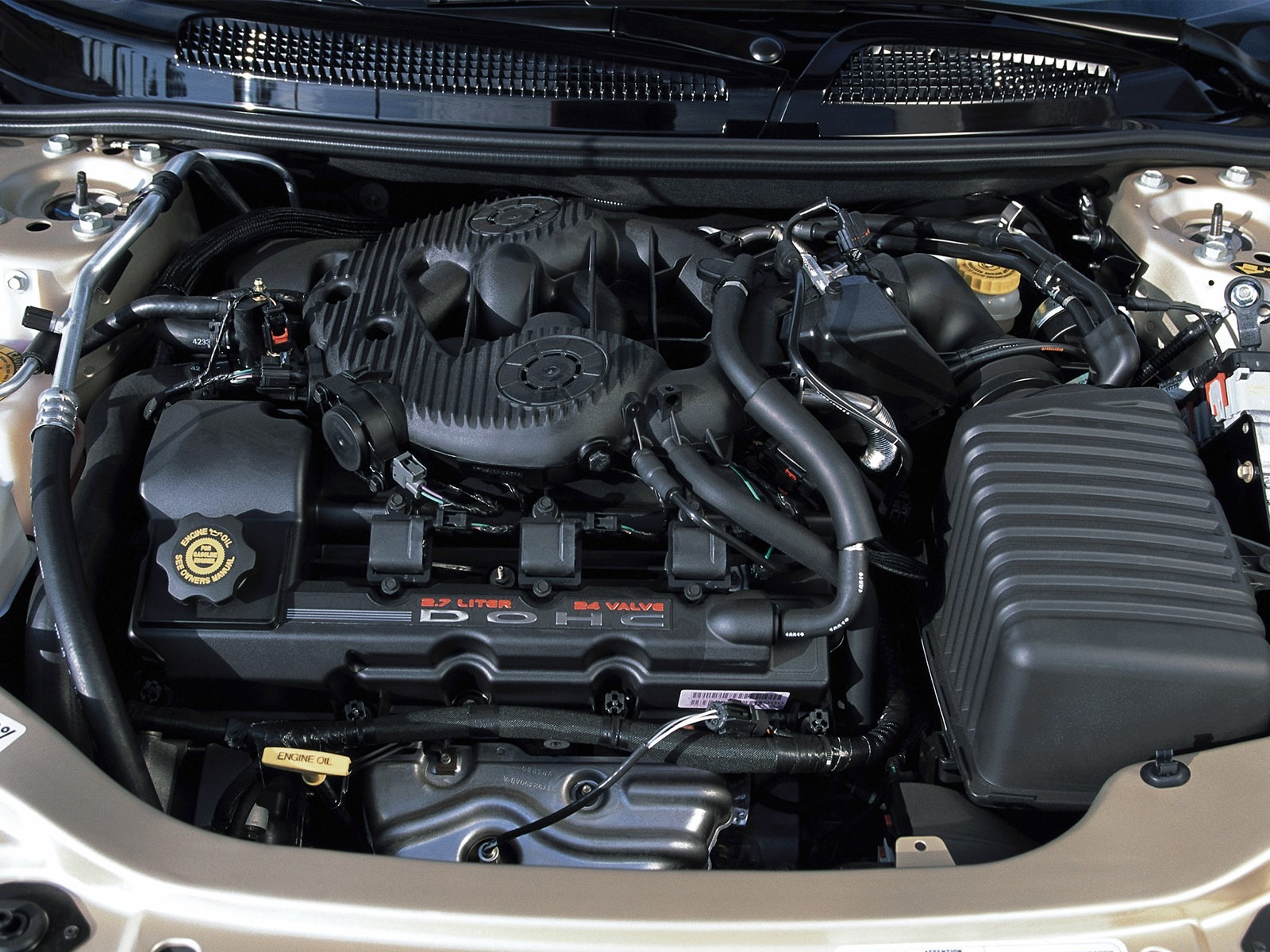
The Chrysler 2.7L V6 engine, which appeared in cars like the Dodge Intrepid, Chrysler Sebring, and Dodge Stratus, has long been criticized for its poor long-term reliability. Many drivers have experienced serious problems not long after their vehicles passed the one hundred thousand-mile mark.
While some engines show issues earlier, once this engine crosses into higher mileage, its weaknesses become very clear. One of the most common complaints is oil sludge buildup. The design of the engine causes it to run hot, and the narrow oil passages often struggle to keep the engine properly lubricated.
When oil sludge begins to form, it restricts the flow of oil, which can starve important components like the timing chain and bearings. This leads to accelerated wear and, in many cases, complete engine failure. Drivers who do not maintain strict oil change intervals usually face these problems faster.
Another issue is the timing chain tensioner. As mileage increases, the tensioner often fails, leading to misalignment of the timing system. This can cause serious engine damage if not addressed in time. Combined with the tendency for the water pump to leak coolant into the oil system, the problems stack up quickly after one hundred thousand miles.
Unlike Toyota or Honda engines that seem to become more stable after high mileage, the Chrysler 2.7L becomes more fragile. Repairs are expensive and frequent, and many owners feel that keeping the engine alive beyond one hundred and fifty thousand miles requires constant attention.
For buyers considering a used car with this engine, caution is advised. Even if the vehicle looks good, the engine’s history of reliability issues makes it a risky purchase. Many mechanics recommend avoiding it because of the high likelihood of failure after passing one hundred thousand miles.
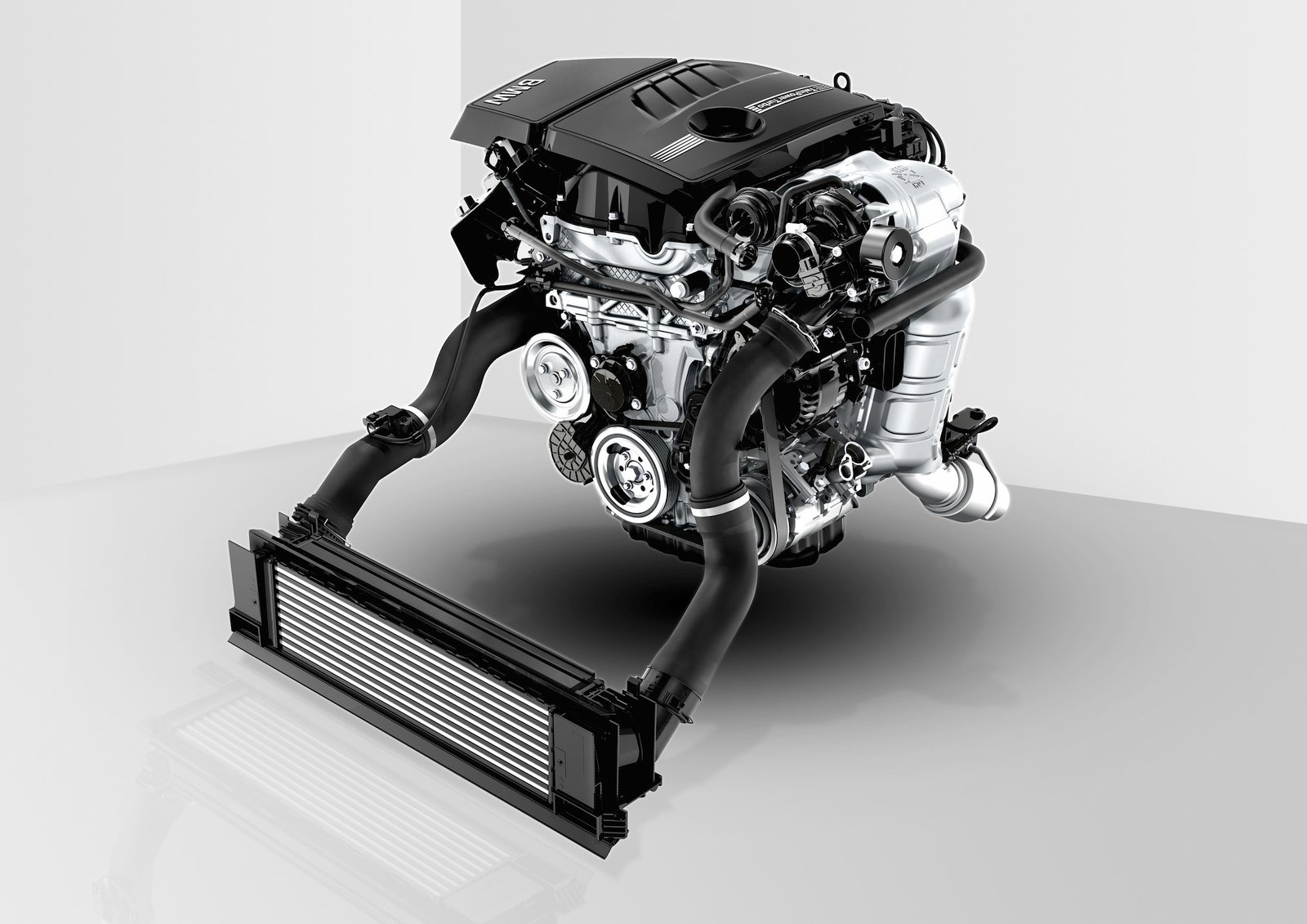
2. BMW N63 V8
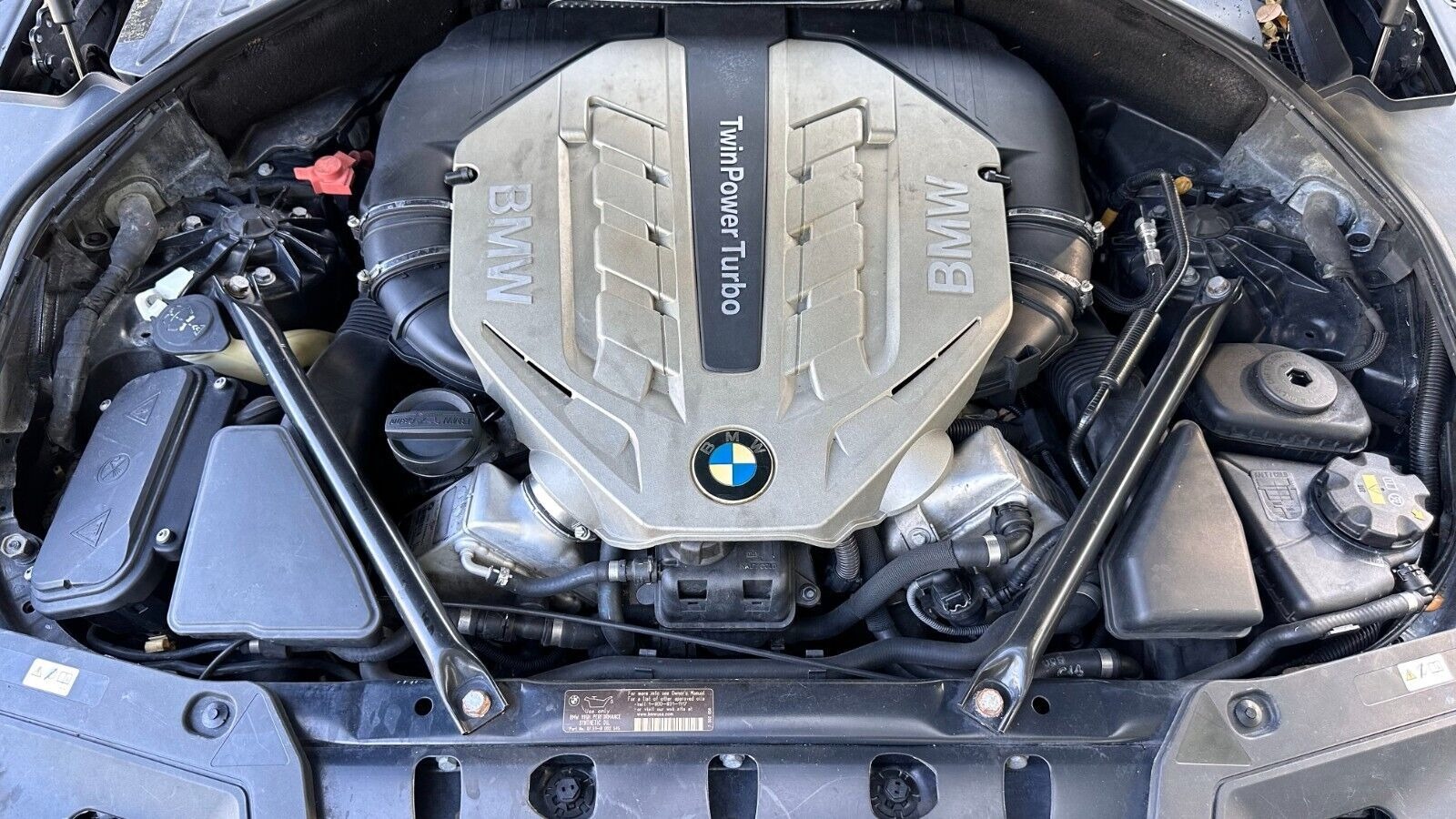
The BMW N63 twin-turbocharged V8 is one of the most discussed engines when it comes to reliability concerns. Used in vehicles like the BMW 7 Series, 5 Series, and X5, it was introduced in the late 2000s with high expectations.
While it delivers strong performance, its long-term durability is a different story. Once these engines go past one hundred thousand miles, problems often begin to show up, and they are usually expensive to fix.
A major weakness of the N63 is its turbocharger setup. The engine uses a hot-vee design, where the turbochargers are placed inside the V of the engine. While this improves performance, it also creates massive heat buildup in the engine bay. Heat is the enemy of engine longevity, and in the case of the N63, it leads to early wear on critical components.
Oil consumption is another widespread issue. Many N63 owners report that their engines burn oil excessively after reaching higher mileage. This means constant topping up is required, and if the oil runs too low, engine damage can occur. Valve stem seals and piston rings are usually the cause, and replacing them is costly.
Fuel injectors, ignition coils, and high-pressure fuel pumps also tend to fail as mileage increases. Once the engine has crossed the one hundred thousand-mile mark, the combination of all these problems makes it a challenge to maintain. Unlike Toyota or Honda engines that thrive with mileage, the N63 usually struggles to stay dependable.
BMW even had to issue service campaigns and technical updates to address some of the issues, but many owners still experience problems as the engines age. For buyers, a used BMW with this engine can be a tempting deal because of the luxury appeal, but it often becomes a financial burden after one hundred thousand miles.
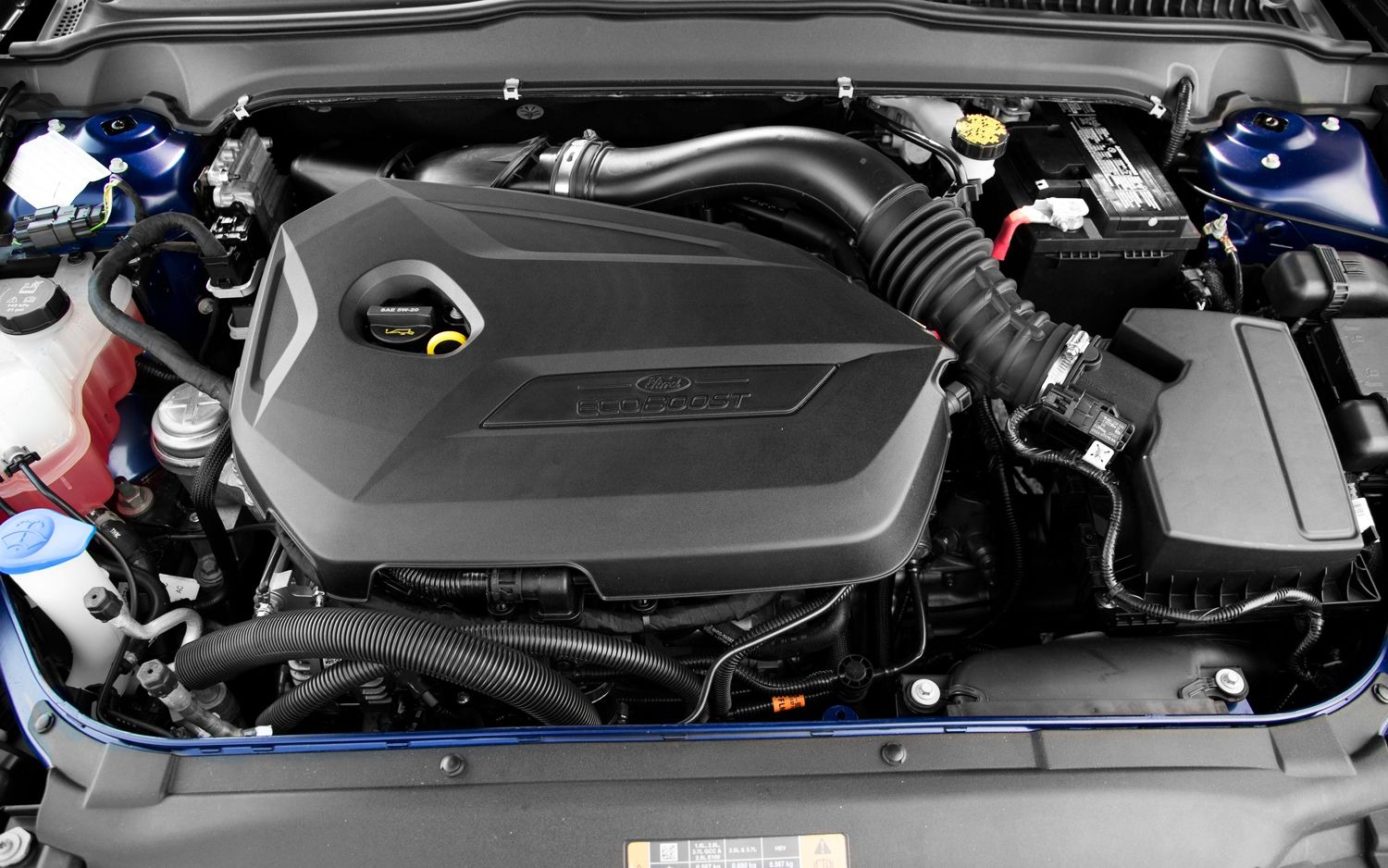
3. Ford 1.6L EcoBoost
Ford introduced the 1.6L EcoBoost engine as part of its modern turbocharged lineup. It was fitted in vehicles like the Ford Escape, Fiesta ST, and Focus. At first, the engine looked promising because of its mix of small size and strong power thanks to turbocharging. However, long-term ownership tells a different story. Once these engines pass one hundred thousand miles, problems often become more serious and frequent.
One of the major issues that has affected the 1.6L EcoBoost is overheating. Many owners have reported that the cooling system design struggles to keep temperatures under control, especially in earlier models.
Head gasket failures and cracked cylinder heads became common, which led to Ford recalling several vehicles. Once an engine suffers from head gasket damage, repairs are expensive, and sometimes the whole engine needs replacement.
Turbocharger reliability is another problem. Because the engine is small and relies heavily on turbocharging to deliver performance, the turbo works under constant pressure. After one hundred thousand miles, many turbos begin to wear out, leading to loss of power, oil leaks, and costly repairs. In some cases, turbo failure can even damage the rest of the engine.
Carbon buildup is also reported with this engine due to direct injection. As mileage grows, intake valves accumulate deposits that restrict airflow and reduce performance. Cleaning this requires special service, and if ignored, it makes the engine run rough and consume more fuel.
While the EcoBoost concept was designed to balance power and efficiency, the 1.6L version did not deliver long-term reliability. Owners who take good care of them may stretch their life, but compared to naturally aspirated engines from Toyota or Honda, the difference in durability is very clear. For anyone buying a used car with this engine, crossing one hundred thousand miles often means facing regular repairs and expensive maintenance.
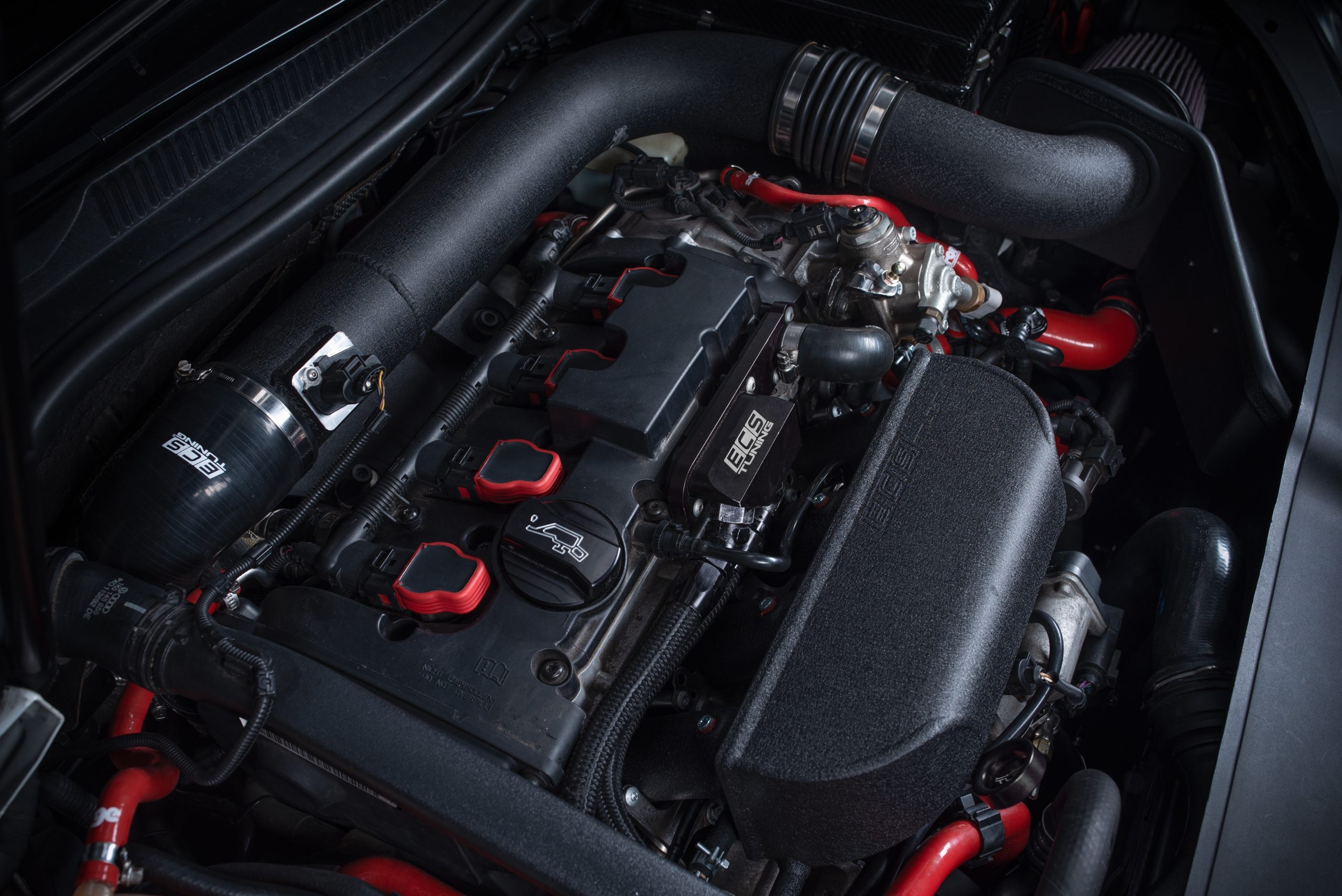
4. Volkswagen 2.0T TSI (Early Versions)
Volkswagen’s 2.0T TSI engine gained attention when it was introduced because it combined strong performance with good efficiency. It was used in cars like the VW Passat, Jetta, GTI, and Audi A4. While it delivers smooth power, the early versions of this engine have shown serious weaknesses once they reach higher mileage, especially after one hundred thousand miles.
One of the main problems is excessive oil consumption. Many owners report that their engines burn large amounts of oil after crossing into high mileage. This issue is often linked to faulty piston rings and valve seals, which wear out too quickly. Without constant oil top-ups, the engine risks failure.
Timing chain tensioner failures are another common complaint. When the tensioner weakens, it can cause the timing chain to jump or break, which usually results in catastrophic engine damage. This has made the early 2.0T TSI engines very risky to own beyond one hundred thousand miles if the tensioner has not been replaced with an updated version.
Carbon buildup from direct injection is also a long-term issue. Intake valves get clogged with deposits, leading to rough idling, poor fuel economy, and loss of power. Cleaning the buildup requires expensive service, and ignoring it shortens the engine’s life.
Turbocharger problems also increase after higher mileage. Because the turbo is heavily used, wear and tear become obvious around or after one hundred thousand miles. Oil leaks, loss of boost, and noisy operation are common symptoms.
While Volkswagen has made improvements in later versions of the 2.0T engine, the earlier ones are well known for their struggles once mileage climbs. For buyers considering a used car with this engine, it is important to confirm if updates have been made. Otherwise, passing one hundred thousand miles often means stepping into a cycle of costly repairs.
Also Read: 5 Affordable Engines That Pull Hard and 5 That Barely Move
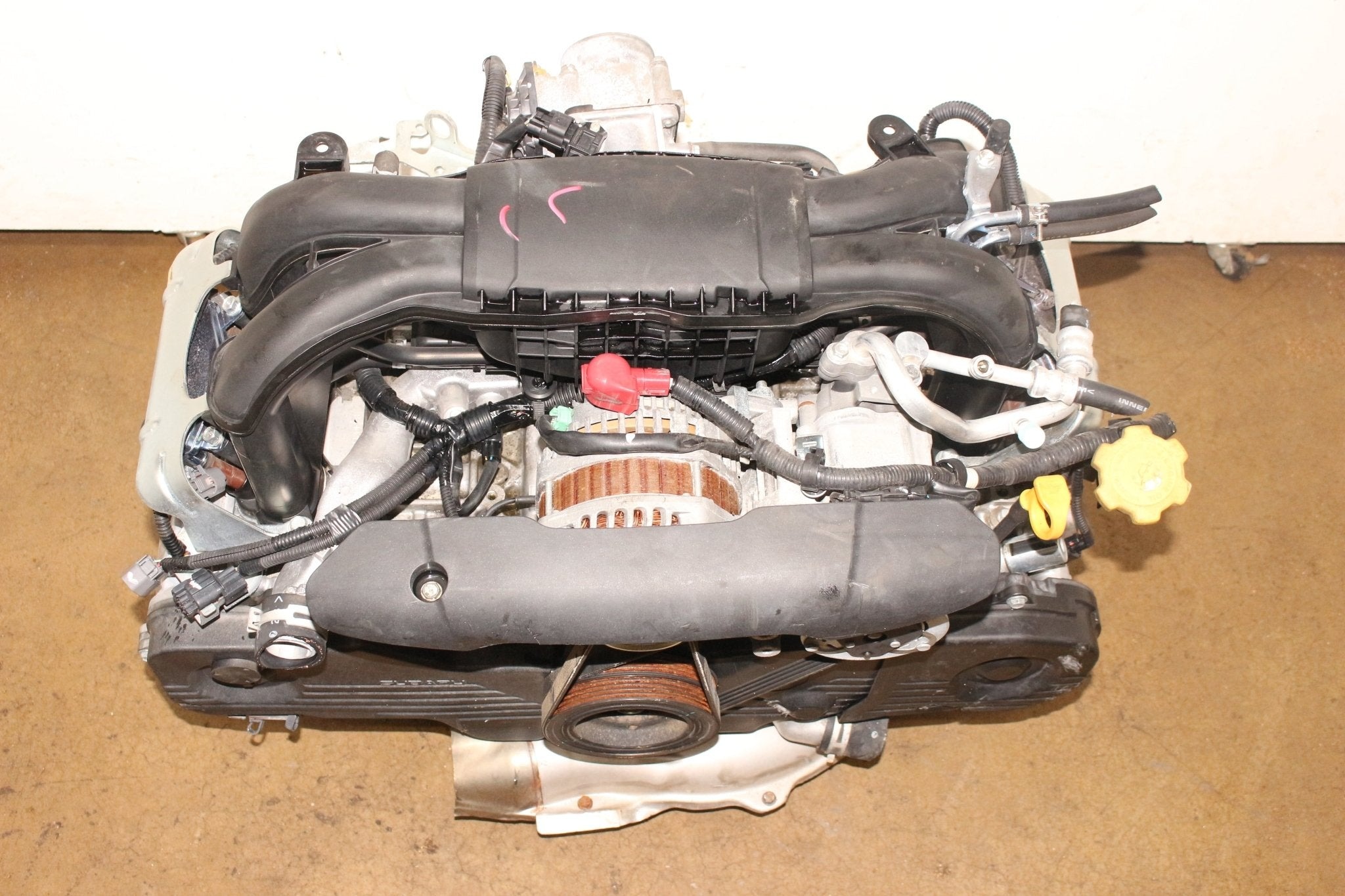
5. Subaru EJ25
The Subaru EJ25 engine has been used in several Subaru models, including the Impreza, Outback, Forester, and Legacy. Known for its boxer layout, it helped give Subaru vehicles their unique driving feel and all-wheel-drive performance.
However, the EJ25 has also developed a reputation for problems that become very clear after one hundred thousand miles. The most common issue with the EJ25 is head gasket failure. Subaru’s boxer design means the head gaskets are placed in a way that makes them more vulnerable to leaks.
As the engines age, coolant and oil leaks are common, especially once mileage has gone past one hundred thousand. Repairing head gaskets is costly because of the engine layout, and in many cases, owners face repeat failures if the repair is not done with updated parts.
Another weakness is oil consumption. Many drivers report that once their EJ25 engines have aged, they start to consume more oil. This requires constant checking and topping up, and if neglected, the engine can suffer serious damage.
Timing belt replacement is also critical for the EJ25. Unlike engines with chains, the belt needs regular changes. If the belt fails after high mileage, the engine can be destroyed. Combined with head gasket issues and oil consumption, the engine demands more attention than most drivers want to give once it passes one hundred thousand miles.
Although some EJ25 engines have lasted long when carefully maintained, the general experience is that they require frequent and expensive repairs after hitting high mileage. For buyers, a Subaru with this engine may seem attractive because of its all-wheel drive, but the reality of engine maintenance makes it a less dependable choice once the odometer climbs.
