
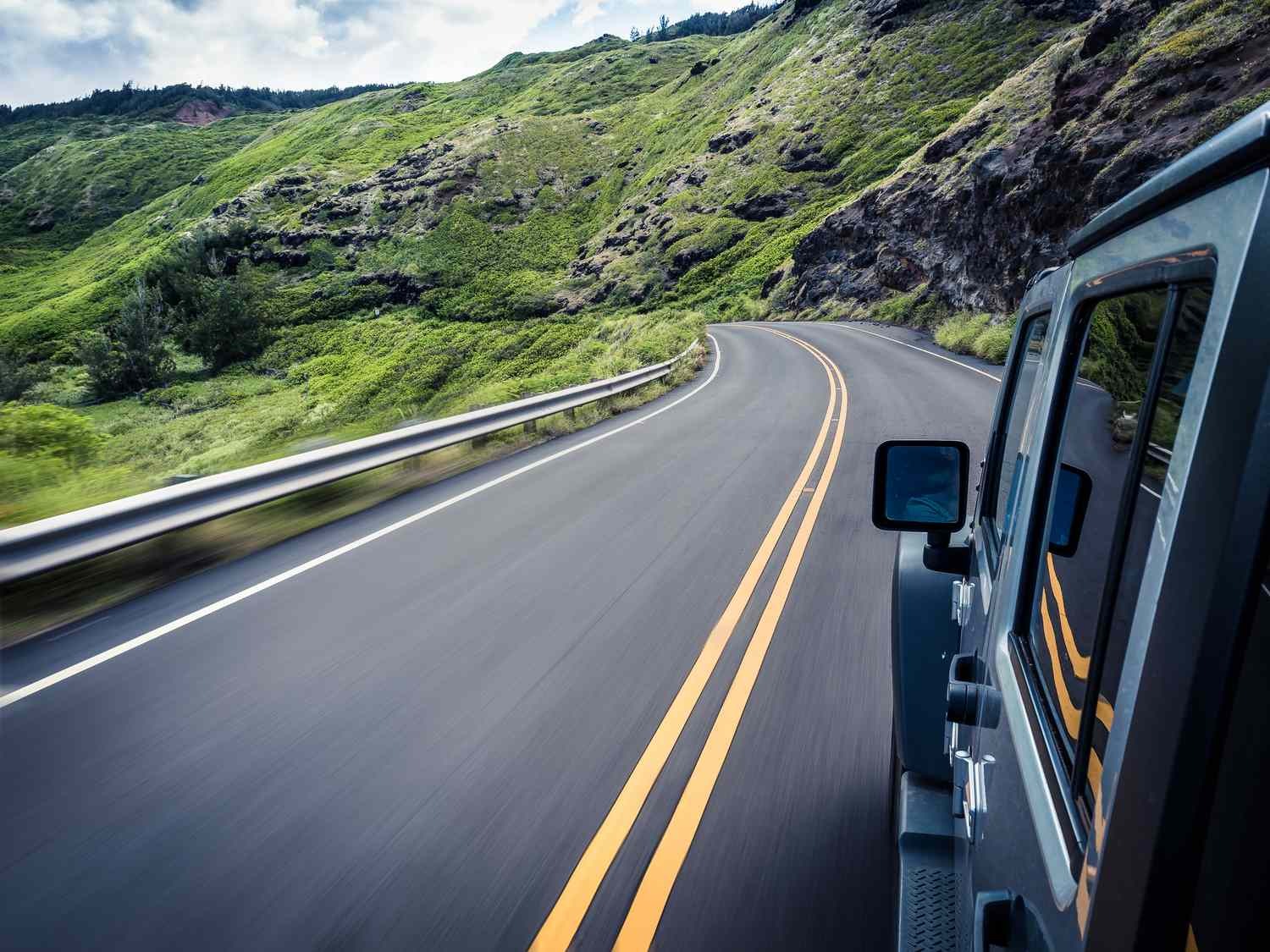
Many people spend long hours on the road, either for family trips, work journeys, or pure love for driving. While every vehicle has four wheels and an engine, their performance during extended highway use differs greatly. Some cars handle endless stretches of road with ease, giving comfort, efficiency, and stability.
Others begin to struggle once speed is consistent, showing weaknesses in build, design, or fuel management. Long drives require vehicles that can stay stable at higher speeds, maintain comfort for passengers, and keep fuel costs under control. Safety also becomes very important when a car is driven for several hours at a time.
Cars built with strong suspension systems, balanced handling, and advanced technology tend to make highway journeys enjoyable. They reduce fatigue, allow smoother rides, and keep drivers confident even at higher speeds. At the same time, not every vehicle fits into this category.
There are cars designed mainly for city traffic, short errands, or light commutes. When pushed into highway conditions, such cars often feel underpowered, noisy, or uncomfortable. Some may even give the driver a sense of instability when overtaking or facing crosswinds. The difference comes from engineering focus, fuel type, interior comfort, and engine size.
Understanding which vehicles perform well on highways and which ones fall short can save drivers a lot of stress. It helps in making wise decisions, whether someone is planning to buy a car for road trips or simply wants to know what to expect from their current vehicle. In this discussion, we shall look at five motors that handle long drives excellently and five that do not perform well on highways.
Motors That Love Long Drives
1. Toyota Camry
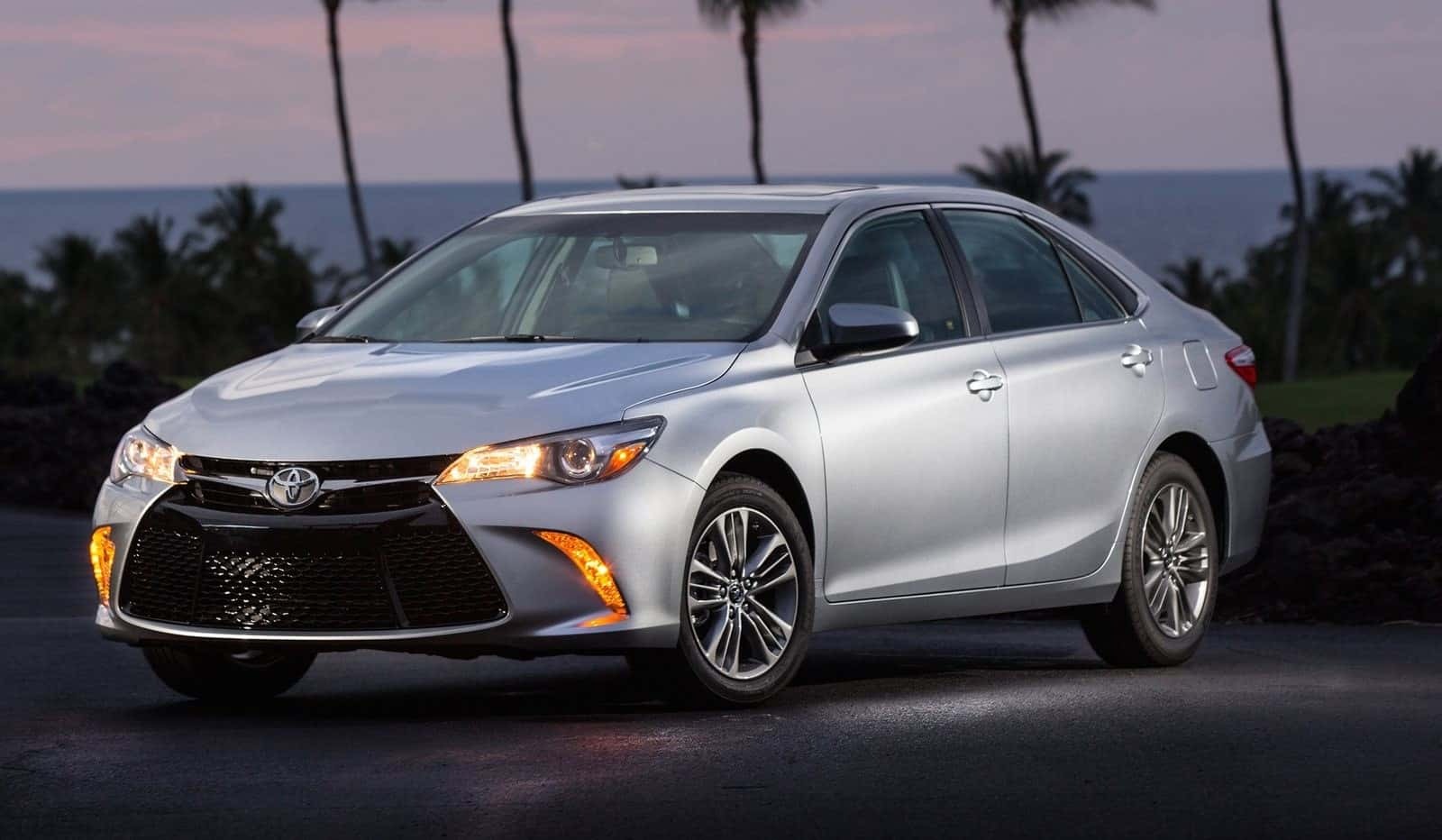
The Toyota Camry has built a strong reputation as a car that never disappoints on long journeys. Many drivers choose this model because of its balanced mix of comfort, fuel economy, and smooth performance.
On highways, the Camry feels very stable, even at higher speeds. The suspension is tuned in a way that absorbs road bumps effectively, making passengers feel relaxed. The seats are also designed to give long-lasting comfort, which is something people quickly notice when they drive for several hours.
Another reason the Camry shines on highways is its engine reliability. The car is offered with both four-cylinder and V6 options, both of which are responsive and durable.
The four-cylinder is more fuel-efficient, perfect for drivers who want to save on long-distance fuel costs. The V6 version, on the other hand, gives stronger acceleration, making overtaking easier on wide roads. Both options still provide quiet rides, with very little engine noise inside the cabin.
Technology in the Camry also helps it excel during highway use. Features like adaptive cruise control, lane departure alerts, and blind spot monitoring reduce driver stress. They allow smoother handling and make long trips safer. The interior is spacious enough for families, with enough legroom and headroom that prevent the feeling of tightness during extended drives.
Fuel efficiency is another strength. The hybrid version of the Camry, in particular, offers excellent gas mileage, giving drivers fewer stops at fuel stations. For those who travel across states or cover several hours on the road, this efficiency makes a huge difference. Many drivers also trust Toyota’s reputation for durability.
A well-maintained Camry can handle hundreds of thousands of miles without major issues, which explains why it is one of the top choices for highway comfort. All these qualities make the Toyota Camry a car that almost feels built for highways. From efficiency comfort, from performance to reliability, it continues to prove that long drives do not have to feel stressful or costly.
2. Honda Accord
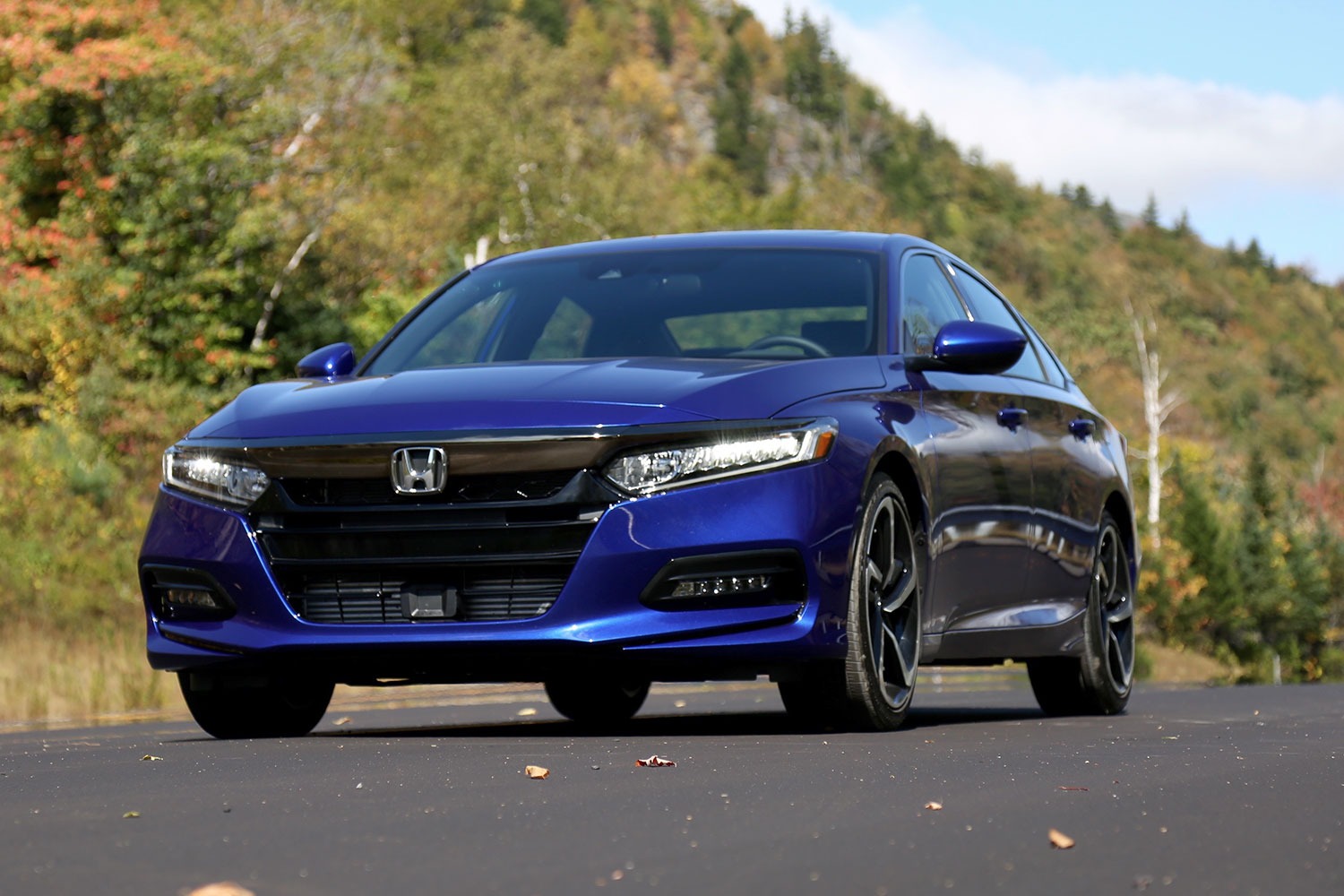
When discussing vehicles that provide comfort and dependability during long journeys, the Honda Accord cannot be ignored. For many years, it has been regarded as one of the best midsize sedans for highway driving.
The Accord combines sharp handling, excellent fuel economy, and comfortable interiors to deliver a pleasurable highway experience. One of the first things drivers notice is how smooth the car feels at high speeds. Unlike some sedans that struggle with stability once they hit 70 or 80 miles per hour, the Accord remains steady.
Its suspension is built to handle rough patches on the road without transferring too much vibration into the cabin. The steering is also very responsive, allowing the driver to maintain control even during sudden lane changes or overtaking maneuvers.
Under the hood, the Accord offers different powertrains, including turbocharged four-cylinder engines and hybrid options. The turbocharged versions provide enough power for quick acceleration, which is helpful when merging onto highways.
The hybrid models give drivers a chance to save money on fuel while still enjoying solid performance. Either way, drivers find themselves covering long distances without the stress of frequent fuel stops. Inside the cabin, Honda designed the Accord to prioritize passenger comfort. The seats are well-padded and supportive, making sure that even after hours of travel, drivers and passengers do not feel worn out.
There is plenty of room for legs and shoulders, so passengers do not feel cramped. Added to this is a quiet cabin, where road noise is kept at a minimum, allowing conversations and music to be enjoyed without distraction.
Also Read: 5 Sedans That Stay Worth Owning and 5 That Become Money Pits
3. Ford Explorer
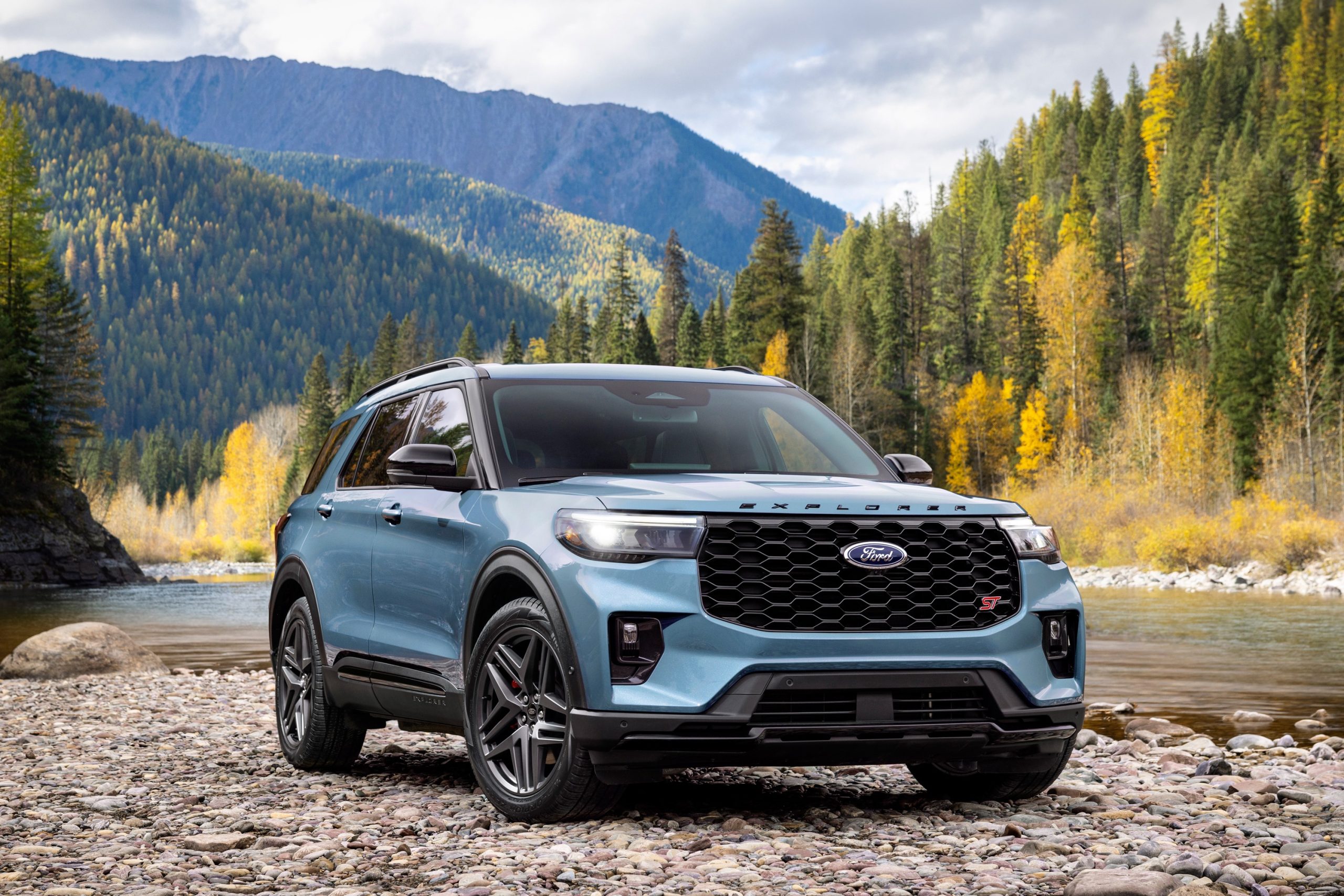
For families or groups who enjoy traveling across states, the Ford Explorer remains one of the most dependable choices for long-distance highway use. This midsize SUV has been a favorite in the American market for years because it combines power, comfort, and spaciousness. When put on highways, it shows why it stands among the best options for drivers who want smooth, long trips without compromising on performance.
The Explorer comes with a variety of engine options, including turbocharged four-cylinder engines and more powerful V6 choices. The engines deliver enough strength to handle long highway climbs and fast overtakes without strain.
Drivers who love towing also appreciate the Explorer because it can pull trailers or boats with ease, which makes it suitable for road trips that include outdoor adventures. The combination of power and balance ensures that the vehicle does not feel weak even when fully loaded with passengers and luggage.
Comfort is one of the strongest qualities of the Explorer. The interior is designed with long trips in mind. Seats are wide and supportive, offering proper posture even after hours of travel. The three-row seating arrangement also makes it ideal for larger families, with enough space for children, adults, and cargo.
Passengers in all rows benefit from climate control systems that keep the cabin comfortable in different weather conditions. Safety features also stand out in the Explorer, which makes drivers feel more confident during extended highway use.
Features such as adaptive cruise control, blind spot information system, and lane-keeping assist help reduce driver fatigue. Long hours behind the wheel often bring stress, but these advanced systems give drivers additional support, making the journey safer and easier.
Fuel efficiency, especially in the hybrid version, helps reduce the burden of fuel expenses on long journeys. While SUVs generally consume more fuel than sedans, the Explorer balances its size and efficiency better than many competitors. Drivers covering long distances find that this balance saves them money while still giving them the advantage of space and power.
4. Chevrolet Impala
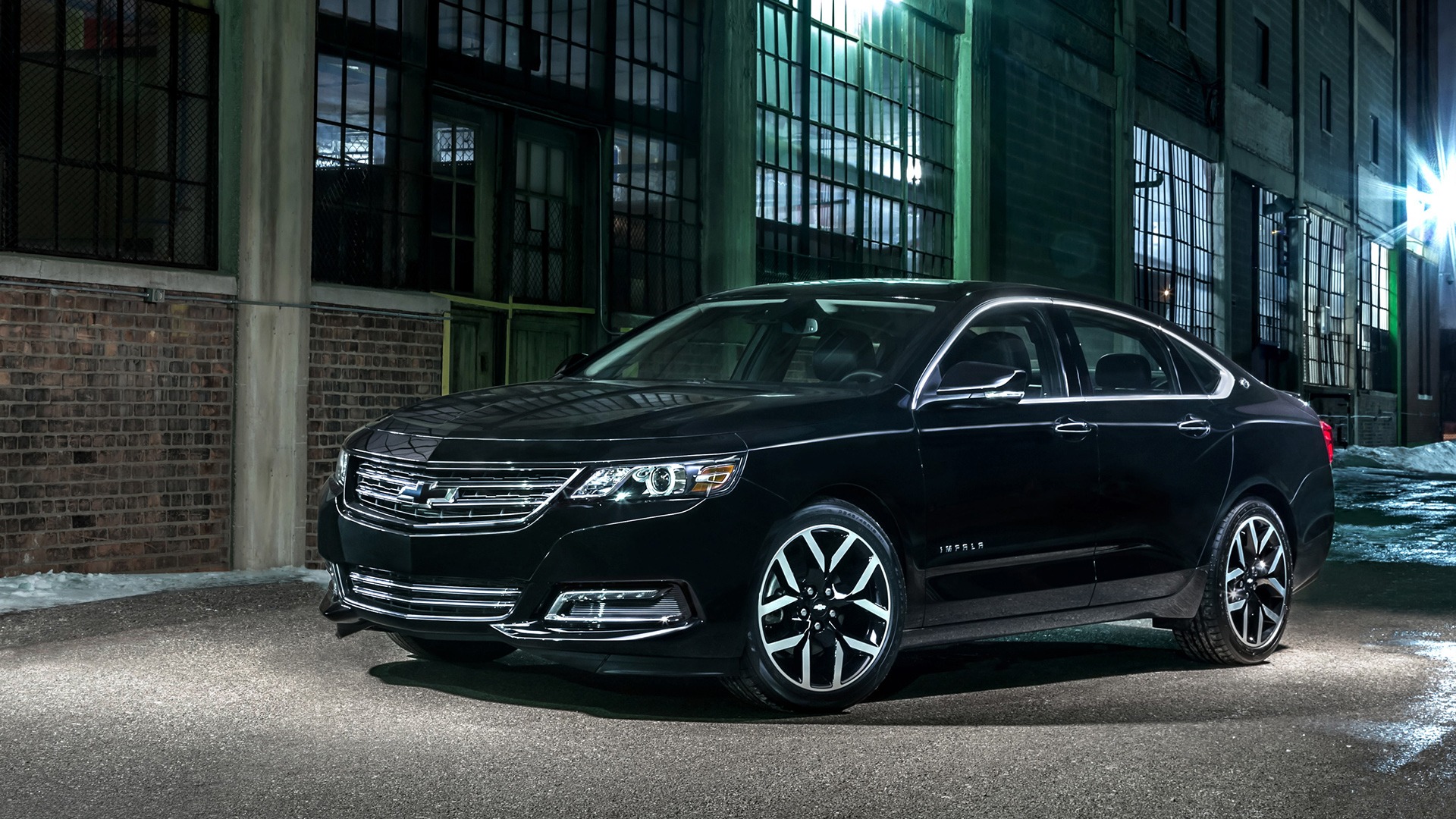
The Chevrolet Impala has long been recognized as a comfortable and steady option for highway driving. Though it is no longer in production in recent years, many drivers still keep the Impala as a trusted companion for long trips because of its spacious design, smooth performance, and reliable engine options.
On highways, the Impala shows why large sedans still hold value for people who prioritize comfort and stability during long drives. One of the strongest features of the Impala is its roomy interior. Passengers in both the front and back seats enjoy plenty of legroom and headroom, which makes a huge difference during hours of travel.
Long drives often test the comfort of passengers, but the Impala’s wide seats and supportive cushioning reduce fatigue and keep everyone relaxed. The trunk is also very large, offering enough space for luggage, coolers, and other road trip essentials. Families who enjoy road travel often find this especially helpful.
The Impala also shines in ride quality. Its suspension system is tuned to absorb rough patches on highways, meaning bumps and uneven surfaces are handled without discomfort. The cabin remains quiet, as Chevrolet worked on noise insulation to block out road and wind sounds.
This makes long trips feel calmer, giving passengers an environment where they can rest or hold conversations without distraction. Engine options also play a part in why the Impala fits long drives. It offered both four-cylinder and V6 engines, with the V6 being particularly strong for highway use.
Drivers appreciate the smooth acceleration that allows for easy merging onto highways and stress-free overtaking. Even with its size, the Impala delivers respectable fuel efficiency, which reduces the need for too many fuel stops on extended trips.
Technology in the Impala adds extra convenience. Features like navigation systems, lane departure alerts, and adaptive cruise control assist the driver during hours of highway driving. The infotainment system is simple to use, making it easy for passengers to enjoy music or connect their devices while traveling.
5. BMW 5 Series
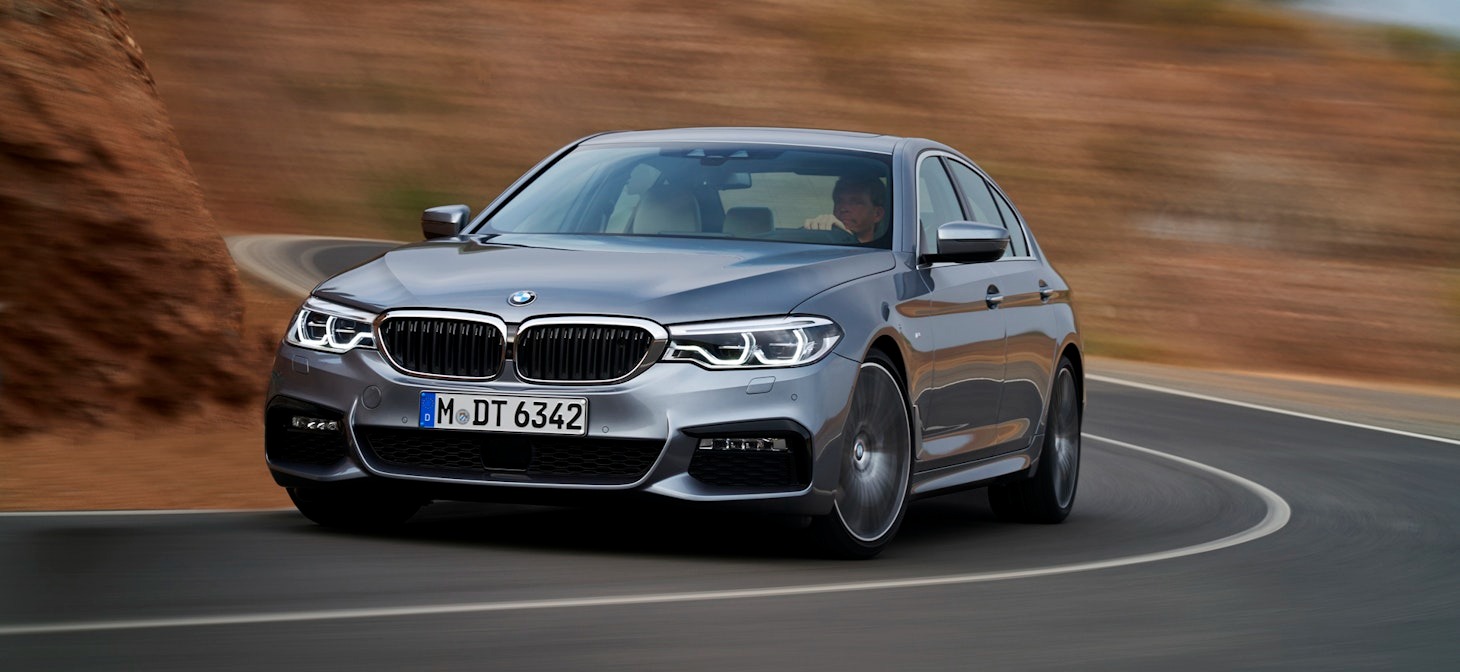
The BMW 5 Series stands as one of the finest examples of a car built for long highway journeys. This luxury sedan brings together performance, technology, and comfort in a way that few others can match. For decades, the 5 Series has been a favorite among drivers who enjoy road trips because it provides a mix of power and elegance while keeping the driver in full control of the vehicle during extended drives.
Performance is the strongest reason the BMW 5 Series thrives on highways. Its range of engines, from efficient four-cylinders to powerful six-cylinders and even plug-in hybrid options, gives drivers different choices depending on their preference. Regardless of the choice, acceleration is smooth, and the car handles merging and overtaking with ease.
The balance between speed and control is what makes it a true highway machine. Comfort is another strength. BMW designed the cabin with long journeys in mind. Seats are built to support posture and reduce fatigue, even when the trip stretches for hours.
Passengers enjoy high-quality materials and thoughtful interior design that brings a calm and pleasant atmosphere. The cabin is also quiet, with minimal road and wind noise, allowing both drivers and passengers to enjoy music, conversation, or simply a peaceful ride.
Technology inside the 5 Series enhances the highway experience further. Adaptive cruise control, lane-keeping assistance, blind spot monitoring, and automatic emergency braking make driving less stressful.
These features help drivers stay safe and reduce the effort required to maintain steady control during long-distance travel. The infotainment system also provides easy access to navigation, entertainment, and connectivity, keeping the journey enjoyable.
Fuel efficiency is well balanced for a luxury sedan of its size. The hybrid version, in particular, appeals to those who want to save fuel without giving up strong performance. On long drives, this efficiency makes a difference by reducing fuel stops and saving money.
The 5 Series is also admired for its strong build quality. Drivers feel secure behind the wheel because the car responds with precision and stability even at higher speeds. BMW engineering ensures that handling remains sharp while ride comfort is not sacrificed.
5 Motors That Hate Highways
1. Smart Fortwo
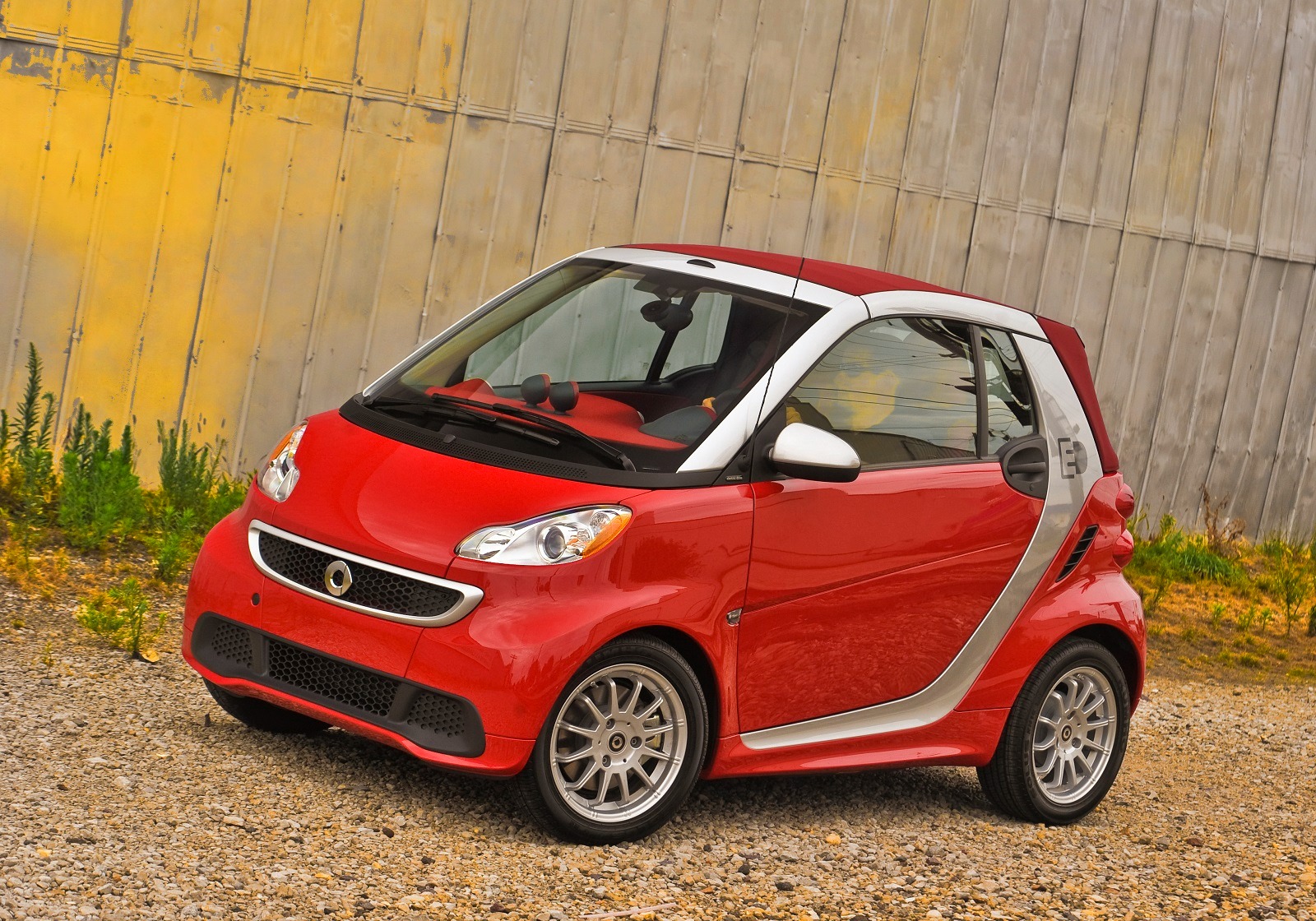
The Smart Fortwo is widely known as one of the smallest cars on the road, and while this tiny design makes it perfect for city driving and tight parking spaces, it struggles badly when taken onto highways. Drivers who have attempted long trips with the Fortwo often describe the experience as tiring and uncomfortable, mainly because the car was never designed for extended high-speed use.
One of the biggest challenges the Fortwo faces on highways is stability. Due to its very short wheelbase and lightweight body, it tends to feel shaky once it goes above average city speeds. Crosswinds can easily push the car from side to side, leaving the driver constantly correcting the steering.
This constant adjustment creates stress during long trips and makes the driver feel unsafe compared to larger and more stable vehicles. Comfort is another weakness of the Smart Fortwo on highways. The cabin is extremely small, which is fine for short city runs but becomes uncomfortable during hours of travel.
Limited legroom and basic seats make passengers feel cramped and tired quickly. Because of its size, the car also lacks the kind of suspension that absorbs highway bumps effectively. Passengers feel nearly every vibration, and road noise becomes loud inside the cabin.
Power is also a limitation. The small engine is designed mainly for efficiency in city traffic. On highways, however, it struggles with acceleration. Merging onto busy roads or overtaking larger vehicles becomes difficult and sometimes risky.
The car feels underpowered, and the driver often has to push the engine hard just to maintain highway speeds. This constant strain on the engine also affects fuel efficiency, as the car consumes more fuel at high speeds than expected.
Another issue is safety. While the Fortwo does come with basic safety features, its tiny frame makes drivers feel vulnerable when surrounded by larger vehicles like trucks, SUVs, and sedans. In highway situations where speed differences are common, being in such a small car can cause anxiety for drivers and passengers.
2. Mitsubishi Mirage
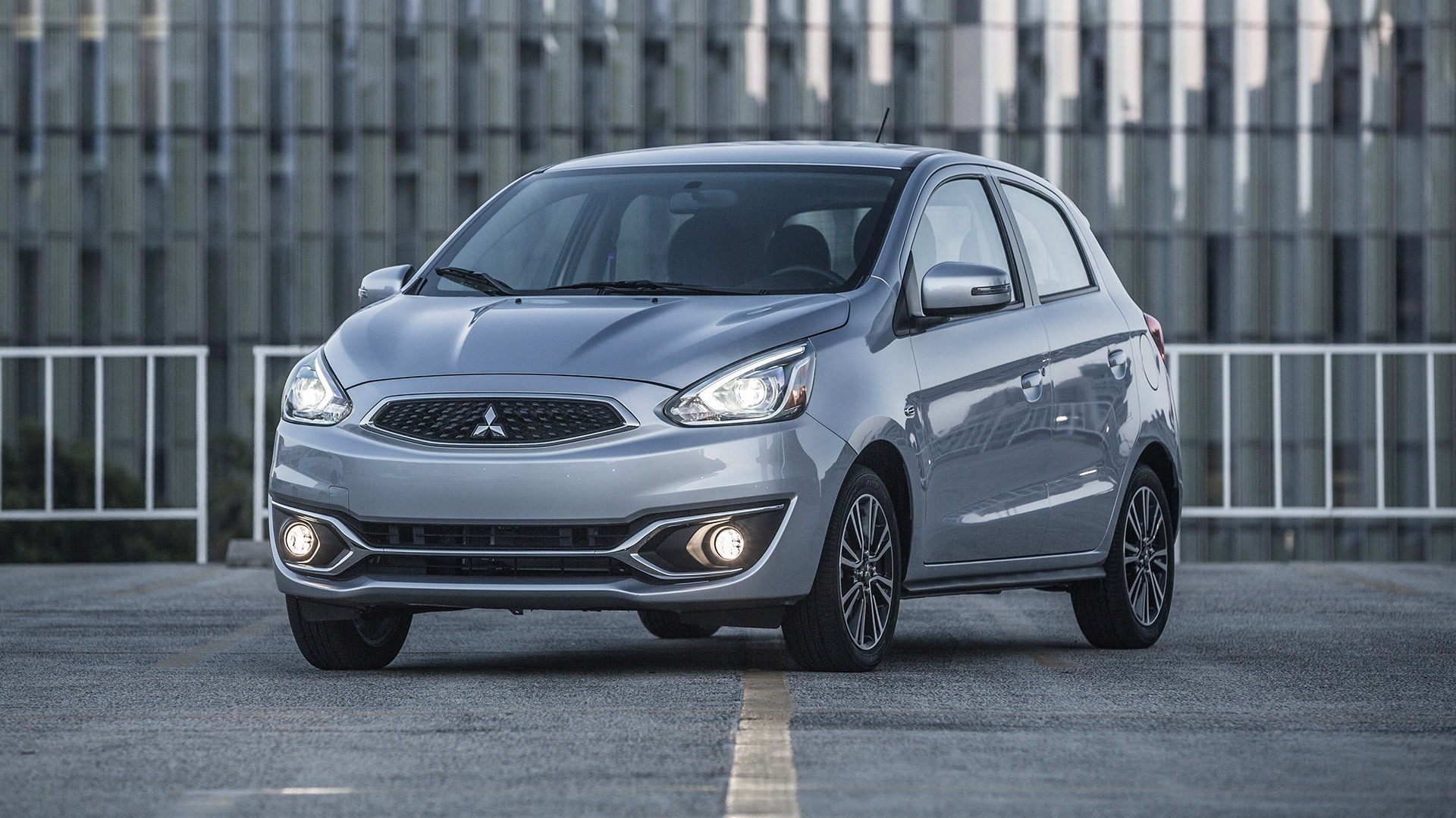
The Mitsubishi Mirage is one of the most affordable small cars on the market, but its low cost comes with several weaknesses, especially when it is taken onto highways. While the Mirage works well for short errands and local city trips, drivers quickly notice its flaws during long journeys. The car simply does not have the strength, comfort, or stability to manage extended highway driving.
The first major problem lies in the engine. The Mirage is powered by a very small three-cylinder engine, which is designed mainly for saving fuel rather than delivering performance. On highways, the engine feels weak and underpowered.
Acceleration is slow, making it stressful to merge into fast-moving traffic or to overtake other cars. Drivers often have to push the car hard just to maintain normal highway speeds, and this leads to more engine noise and discomfort inside the cabin.
Ride quality is another drawback. The Mirage has a light body and basic suspension setup. As a result, it does not handle bumps and rough patches well at higher speeds. Passengers often feel every shake, and the lack of strong noise insulation means that wind and road sounds are very noticeable inside the car.
During long trips, this constant vibration and noise quickly become tiring for both the driver and the passengers. Comfort also suffers because of the small interior. The seats are thinly padded and not built for extended use.
On short drives, this may not be a serious issue, but on long highway trips, the seats cause fatigue and back pain. Limited legroom in the back also makes passengers uncomfortable during extended journeys. This lack of comfort discourages people from using the Mirage for long-distance travel.
Safety concerns also come into play. The Mirage has limited safety features compared to larger sedans or SUVs. Its small size makes it feel exposed on highways, especially when surrounded by big trucks or faster vehicles. This adds to driver anxiety and reduces the sense of security that is necessary for relaxed long trips.
Fuel economy is often seen as the Mirage’s strong point, but on highways, the advantage is not as big as in city driving. Because the small engine has to work harder to maintain higher speeds, the fuel savings are reduced. This means drivers do not enjoy the same level of efficiency they expect from city use.
3. Kia Rio
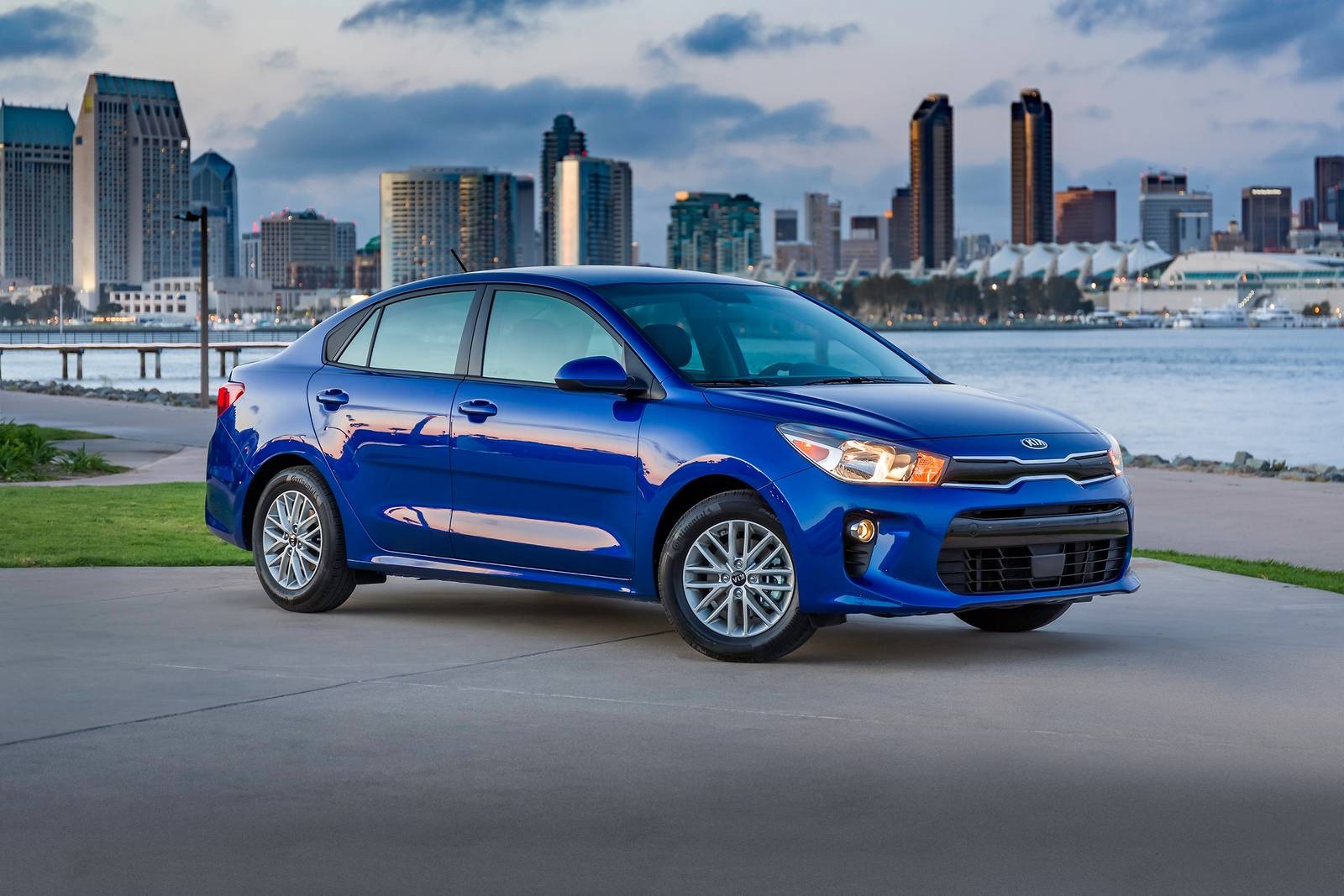
The Kia Rio is popular as a budget-friendly compact car, and it serves well for city commutes or short daily errands. However, once it is taken onto highways, many of its weaknesses start to show. Though reliable in some ways, the Rio lacks the strength, comfort, and stability needed for long-distance driving, which makes it a poor fit for extended highway use.
The first major issue is the limited engine power. The Rio is equipped with a small four-cylinder engine that performs well at low city speeds, but once the car is pushed onto open roads, it feels sluggish.
Acceleration is slow, which makes merging into highway traffic stressful. Drivers often have to push the engine hard just to keep up with other vehicles, and this constant strain increases engine noise inside the cabin. Overtaking becomes another challenge, as the Rio lacks the extra burst of power required to pass larger vehicles quickly and safely.
Comfort is another area where the Rio struggles. The seats are built with basic materials and are not supportive enough for long hours of driving. After some time on the highway, both drivers and passengers begin to feel fatigue.
The small interior space adds to this discomfort, especially for back-seat passengers who often complain of limited legroom. Long trips can become tiring because the design was not focused on extended journeys. Ride quality is also weak at higher speeds.
The suspension system in the Rio is not tuned for highway smoothness, so passengers feel more bumps and vibrations. Noise insulation is minimal, which means that wind and road sounds quickly fill the cabin. Instead of a calm and quiet atmosphere, passengers deal with constant background noise that makes long trips unpleasant.
Fuel efficiency, though good in city driving, does not remain impressive on highways. The small engine consumes more fuel when pushed at higher speeds, so the expected savings are not as strong. This limits the advantage of owning a fuel-efficient compact car.
Safety is another concern for drivers. While the Rio comes with basic safety features, its small body size and limited structural strength do not provide the same level of security as larger sedans or SUVs. On highways where trucks and larger cars dominate, drivers often feel exposed. This lack of confidence makes long trips stressful and reduces the willingness to use the Rio for such journeys.
4. Hyundai Accent
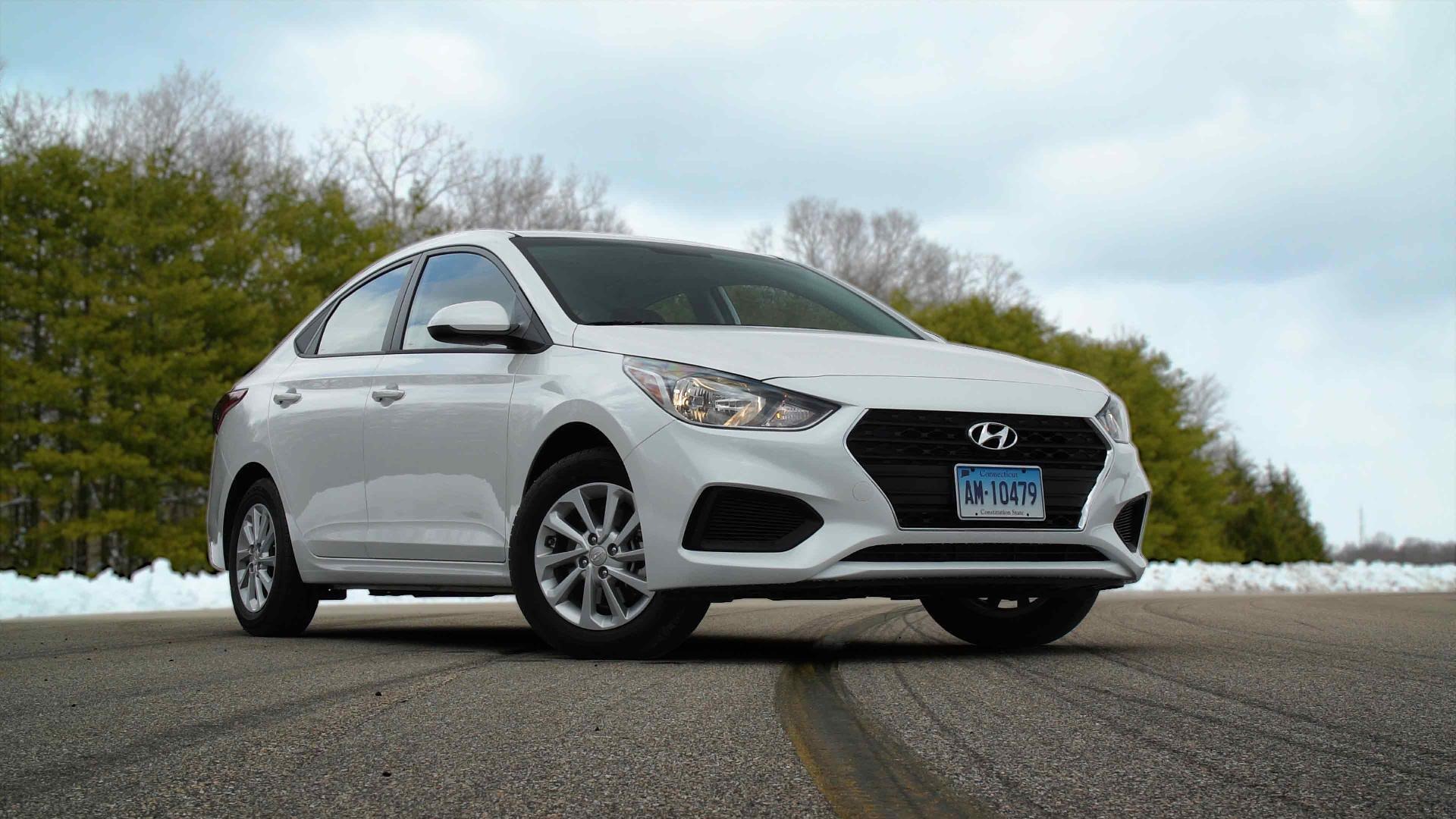
The Hyundai Accent is a small sedan that attracts buyers because of its affordable price and good fuel economy in city driving. While it is dependable for short trips and daily errands, it performs poorly when tested on highways.
Drivers who attempt long journeys in the Accent often find the ride stressful and uncomfortable because the car was not designed for extended high-speed use. One of the biggest problems is its lack of power. The Accent is powered by a small four-cylinder engine that delivers enough performance for city driving but struggles badly on highways.
Acceleration is slow, making it difficult for drivers to merge quickly into fast-moving traffic. Overtaking larger vehicles becomes a challenge, as the car does not provide the strong push needed to pass safely. The weak engine makes the driver feel limited, especially when the road requires consistent speed and confidence.
Another issue is comfort. The Accent has a very simple interior, with seats that are not designed for long-term support. Passengers begin to feel discomfort after only a short period of highway driving.
The limited legroom, particularly in the back seats, makes long journeys tiring for families or groups. The small cabin also lacks proper insulation, which means that wind and road noise become very loud once the car picks up highway speed. This noisy environment adds to passenger fatigue.
The suspension system is also a weakness. While it handles well enough in city traffic, on highways it struggles to absorb bumps and rough surfaces. The car feels shaky, and vibrations transfer directly into the cabin. Drivers and passengers end up dealing with constant movement, which makes long trips exhausting rather than enjoyable.
Fuel efficiency is often praised in city use, but on highways, the small engine works harder and consumes more fuel than expected. This reduces the benefit of owning a car that is meant to save money on gas. Drivers who travel long distances often find themselves disappointed that their car cannot deliver strong efficiency on highways.
Safety is another concern. While the Accent includes some basic safety features, it does not provide the level of protection that larger and more advanced vehicles offer. On highways filled with trucks and bigger vehicles, drivers often feel vulnerable. The small body size gives little confidence in case of high-speed accidents, making long trips less secure.
Also Read: 5 Cars That Stay Tight on the Highway and 5 That Float Like Boats
5. Fiat 500
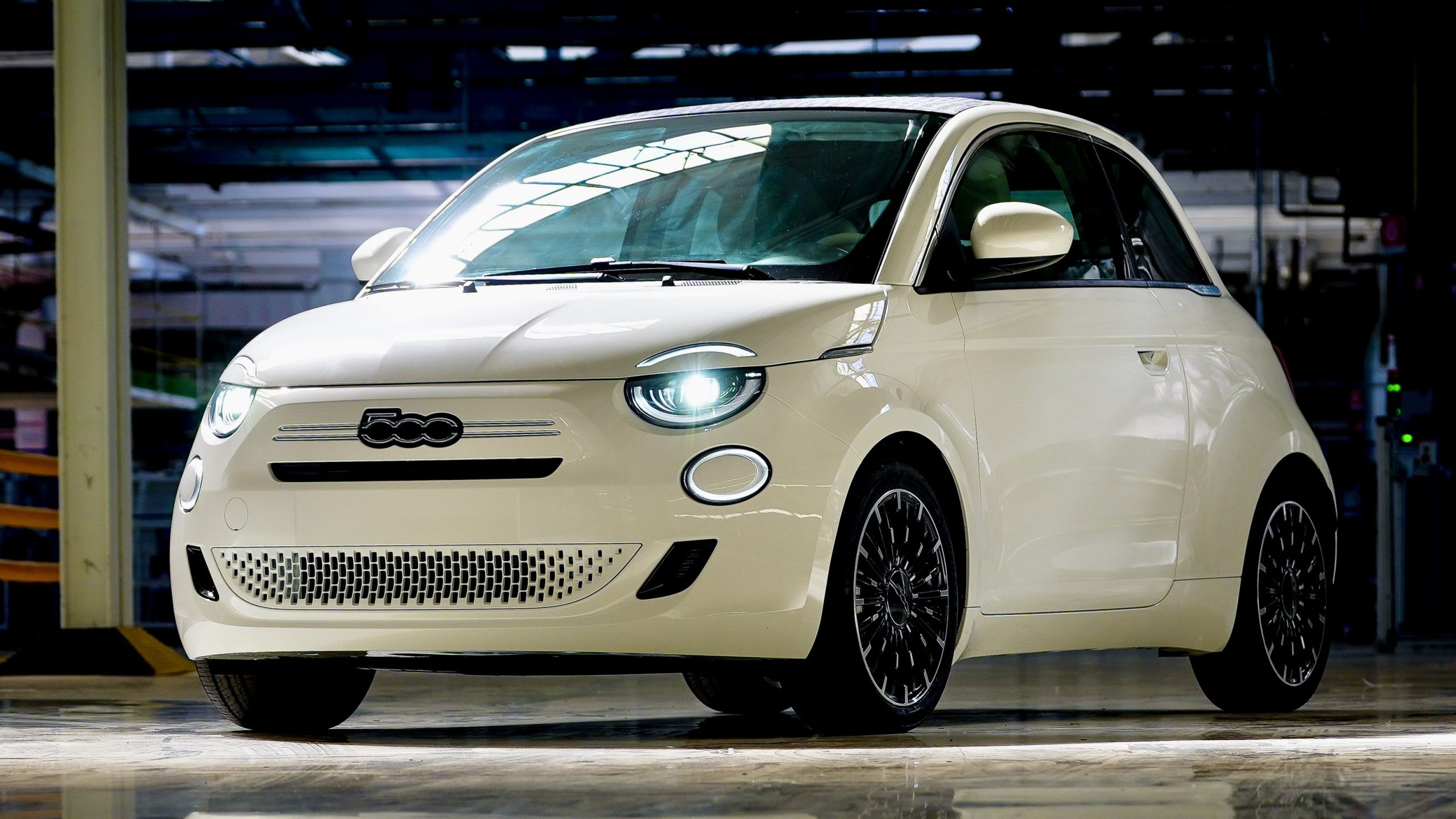
The Fiat 500 is often admired for its stylish design and small size, which makes it an attractive choice for people living in crowded cities. Its compact body allows for easy parking and simple maneuvering in narrow streets.
However, once the Fiat 500 is placed on highways, the charm quickly fades. This car struggles to provide the performance, comfort, and stability needed for long-distance travel, which is why it ranks among the weakest cars for extended highway use.
The first challenge is its limited engine power. The Fiat 500 comes with small engines that are designed more for efficiency than for strength. On highways, the car feels slow and unresponsive when merging or overtaking.
Drivers often notice that the car struggles to keep up with faster traffic, and it requires pushing the engine hard just to maintain steady highway speeds. This lack of power leads to noisy performance, as the engine constantly hums and strains inside the cabin.
Stability is another serious issue. Because of its very small size and lightweight build, the Fiat 500 is easily affected by crosswinds. Drivers often feel the car sway when large trucks pass by or when winds are strong on open stretches of road.
This constant instability makes drivers uneasy and creates a stressful driving experience, especially during long trips. Comfort inside the Fiat 500 is also limited. The cabin is compact, with little room for legs and shoulders.
Seats are small and not supportive enough for hours of travel. What feels fine during short errands becomes very uncomfortable after one or two hours on the highway. The noise inside the cabin also adds to this discomfort. Wind and road sounds quickly fill the space, making it hard for passengers to relax or enjoy conversations.
Ride quality is another weakness. The suspension does not handle bumps or uneven road surfaces smoothly. At higher speeds, passengers feel vibrations and shakes more strongly, which makes the journey tiring. For people who value calm and steady travel, the Fiat 500 fails to provide a pleasant experience.
Safety is also a concern on highways. While the car includes some standard safety features, its small size does not provide the protection drivers desire at higher speeds. Being surrounded by larger vehicles, such as trucks and SUVs, can make Fiat 500 drivers feel vulnerable. This lack of confidence affects how comfortable one feels during long-distance travel.
