The Acura RDX has long been one of the most important vehicles in Acura’s lineup, blending the comfort of a luxury SUV with the performance and reliability that buyers expect from the brand.
Since its debut in 2007, the RDX has gone through several design changes, technological upgrades, and engine revisions, giving shoppers a wide variety of choices depending on their priorities. But not every model year has been created equal.
Some years are remembered for frustrating reliability issues, while others have proven themselves as long-lasting, dependable, and rewarding to own. For buyers searching the used car market, knowing which RDX years stand out can make the difference between years of worry-free driving and costly repairs.
In this guide, we highlight five Acura RDX model years that continue to impress with their durability, driving experience, and long-term value, making them smart investments for today’s SUV buyers.
5 Acura RDX Years That Last Forever
1. 2011 Acura RDX
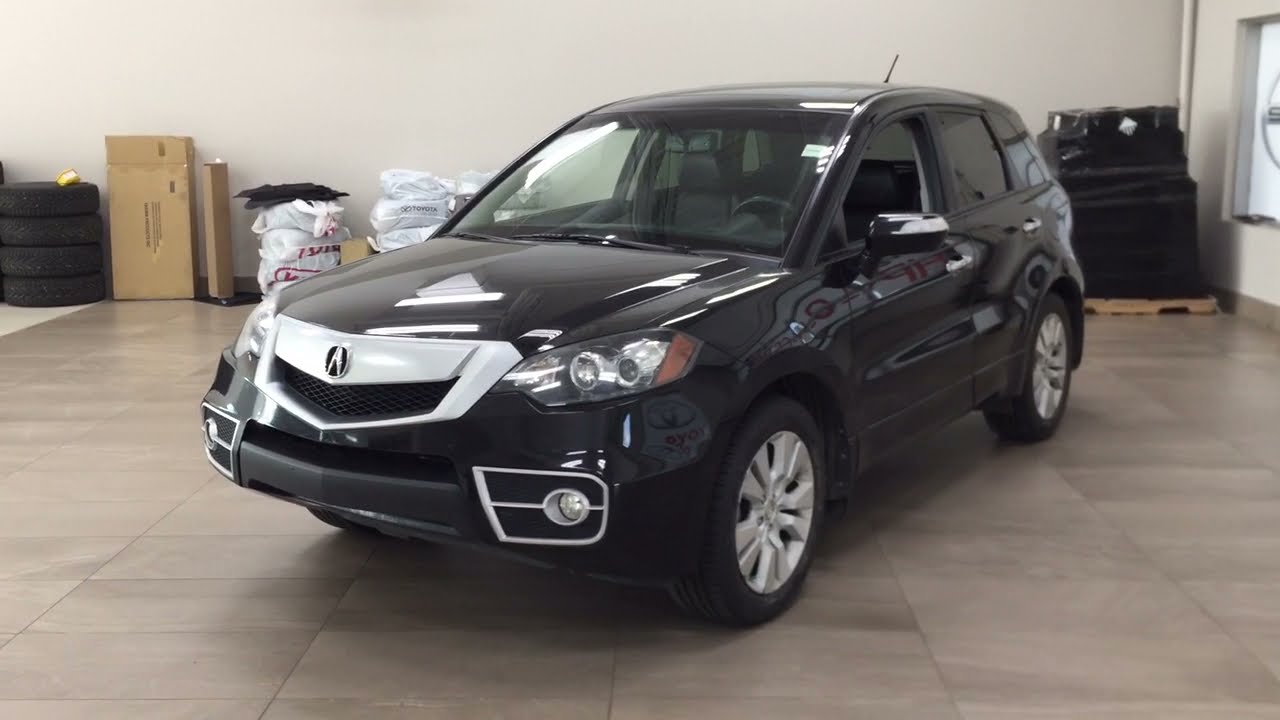
The 2011 Acura RDX stands out in the compact luxury crossover market with its turbocharged 2.3-liter four-cylinder engine, producing 240 horsepower and 260 lb-ft of torque. Paired with a five-speed automatic transmission, it delivers brisk acceleration, making highway merging and passing effortless.
Buyers can choose between standard front-wheel drive or Acura’s advanced SH-AWD system, which not only splits power front to back but also side to side, giving the RDX an edge in cornering and traction. Edmunds testing recorded a 0–60 mph time of 6.9 seconds for the front-wheel-drive version, making it quicker than many rivals.
Fuel economy, however, is average, with 19/24 mpg for FWD and 17/22 mpg for SH-AWD models. Drivers will appreciate its firm, sporty handling, though the ride can feel stiff on rough city streets. For enthusiasts who want the spirit of a sport sedan in a crossover, the RDX delivers.
Acura equipped the 2011 RDX with an extensive suite of safety features, including antilock brakes with brake assist, stability and traction control, active front head restraints, side curtain airbags, and front side airbags.
A rearview camera is available as an option. In Edmunds brake testing, the RDX stopped from 60 mph in a solid 125 feet, reflecting confident braking performance. Although the 2011 version had not yet been tested under updated federal crash protocols, the 2010 model earned five stars in both frontal and side-impact evaluations.
The Insurance Institute for Highway Safety also rated the RDX “Good” in key categories such as frontal-offset and side impacts, reinforcing its reputation as a safe, reliable choice in the luxury crossover segment.
Inside, the RDX offers a driver-focused cabin with premium touches like leather upholstery, available navigation, and the highly regarded Acura/ELS surround-sound audio system. While some critics note the interior design is conservative and uses more hard plastics than newer rivals, comfort and usability remain strong.
The cabin features generous front legroom, supportive seats, and a large center storage console that can fit a laptop or briefcase. Cargo capacity is competitive, with 28 cubic feet behind the rear seats and 61 cubic feet with seats folded flat.
Though rear seats don’t recline or slide like those in some competitors, space remains adequate for passengers and luggage alike, making the RDX practical for both daily commutes and weekend getaways.
Now in its fifth year of production, the 2011 Acura RDX often flies under the radar compared to newer competitors such as the Audi Q5, BMW X3, Mercedes-Benz GLK, and Volvo XC60.
While its styling particularly the controversial “beak” grille draws mixed opinions, the RDX compensates with strong performance, advanced SH-AWD handling, and a well-rounded feature set. Importantly, it often undercuts its German rivals in price while delivering comparable driving enjoyment and equipment.
Owners also report fewer issues with the 2011 model compared to earlier years, adding to its dependability. For buyers seeking a sporty, reliable, and reasonably priced luxury crossover, the 2011 Acura RDX remains a compelling option that deserves more recognition than it typically receives.
2. 2012 Acura RDX
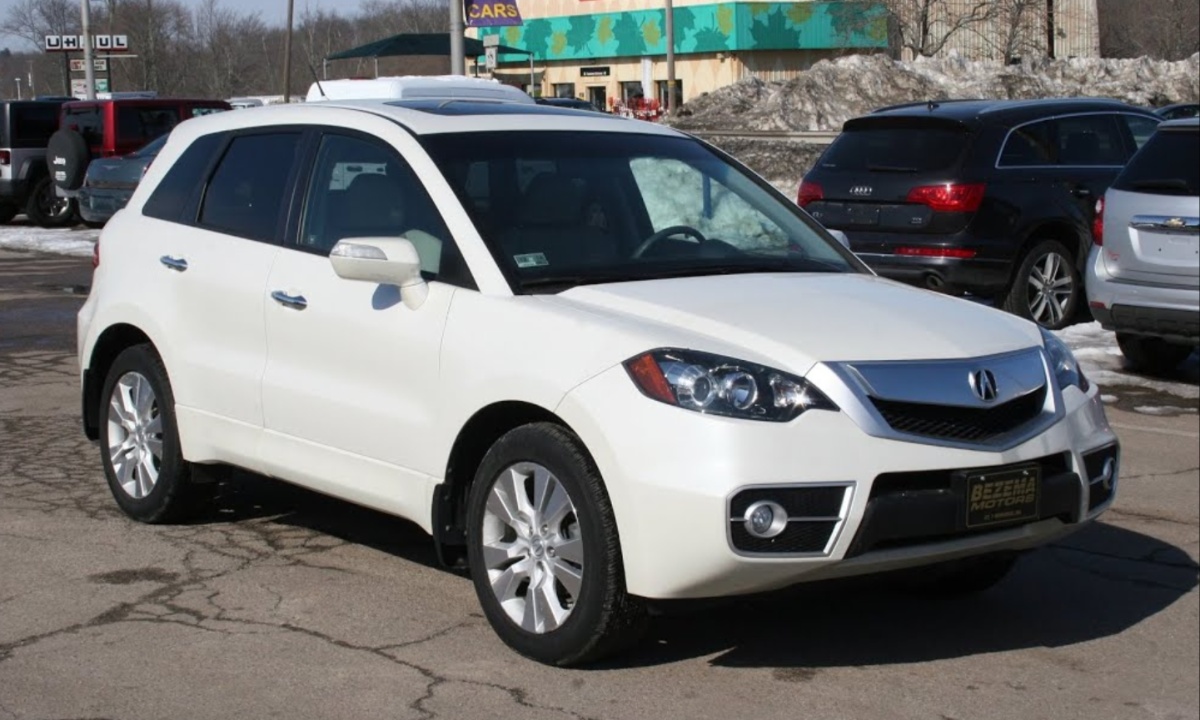
The 2012 Acura RDX closes out the first-generation lineup with a strong performance profile. Powered by a 2.3-liter turbocharged four-cylinder engine producing 240 horsepower and 260 lb-ft of torque, it offers quick acceleration, reaching 60 mph in just 6.9 seconds in front-wheel-drive form.
Acura’s Super Handling All-Wheel Drive (SH-AWD) adds another layer of agility, distributing power not just front to rear but also side to side, enhancing cornering stability and traction.
This setup makes the RDX feel more like a sport sedan in SUV clothing, with precise steering and confidence-inspiring grip. While its ride can be firm, especially on rougher surfaces, the trade-off is sharp handling and engaging dynamics that stand out in the compact luxury crossover class.
Its fuel economy, at 19/24 mpg for FWD and 17/22 mpg for AWD, is competitive though not class-leading. The RDX continues to prioritize performance and driver involvement over sheer comfort.
Acura equipped the 2012 RDX with a comprehensive suite of safety features, including antilock brakes, stability and traction control, active front head restraints, side curtain airbags, and front side airbags.
A rearview camera was optional, adding convenience to daily driving. In crash tests, the Insurance Institute for Highway Safety (IIHS) rated the RDX “Good” in frontal-offset and side-impact evaluations, though its “Marginal” rating in roof strength testing was a drawback.
Despite this, owners consistently report high reliability from the 2012 model, making it one of the more dependable choices in the segment. Unlike earlier first-generation years, this version benefited from refinements that reduced reported issues, boosting its reputation for durability.
This balance of safety and long-term dependability made the 2012 RDX especially attractive to buyers seeking a used luxury crossover that could provide peace of mind alongside engaging driving dynamics.
Inside, the 2012 RDX offers a well-appointed cabin with supportive front seats, high-quality materials, and solid construction. While its design was beginning to show its age compared to newer competitors, the layout remained functional and driver-friendly.
The optional Acura/ELS audio system stood out as one of the best in its class, while controls for navigation and entertainment were intuitive. Storage was a highlight, with a deep center console capable of holding a laptop or briefcase.
Rear passenger space was adequate, though the seats lacked sliding and reclining adjustments offered by rivals. Cargo capacity measured 28 cubic feet with the seats up and expanded to 61 cubic feet when folded, placing it in line with competitors.
Although it missed newer conveniences like Bluetooth audio streaming, keyless entry, and a power liftgate, the RDX delivered comfort and practicality that worked well for daily use and longer trips.
When it debuted, the Acura RDX helped pioneer the luxury compact crossover segment, but by 2012, competition had intensified. Rivals such as the Audi Q5, BMW X3, Mercedes-Benz GLK, and Volvo XC60 offered stronger six-cylinder engines, more advanced features, and interiors with greater refinement.
As a result, the RDX started to feel dated in certain respects, particularly in styling and available technology. However, it maintained an advantage in pricing, undercutting many rivals while still delivering strong performance and generous features.
For buyers prioritizing value, dependability, and sport-oriented handling, the RDX remained compelling, even as newer entries overshadowed its appeal.
The 2012 model, as the final iteration of the first generation, combined refinement, reliability, and engaging driving dynamics, making it a well-rounded yet slightly underappreciated option in the luxury crossover market.
3. 2016 Acura RDX
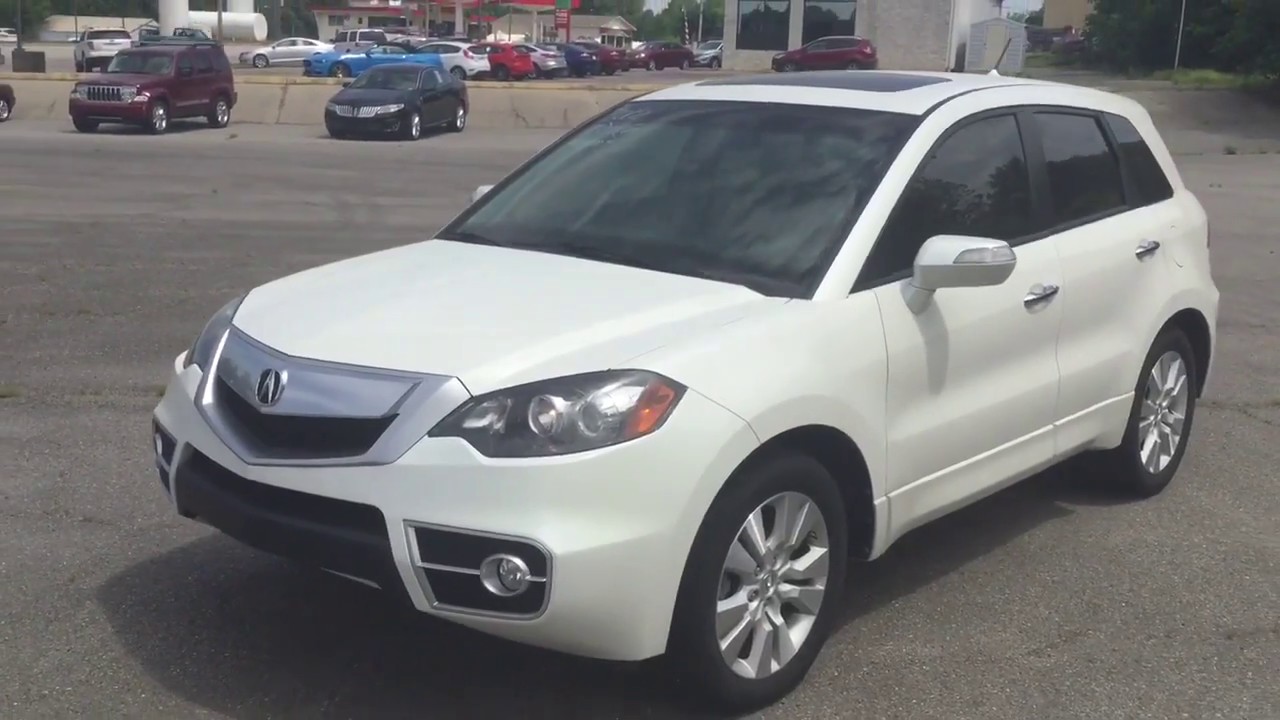
The 2016 Acura RDX represents a carefully executed refresh of the second-generation model, combining a stronger powertrain, modern styling, and upgraded technology. At its core, the RDX is powered by a 3.5-liter V6 engine that produces 279 horsepower and 252 lb-ft of torque, paired with a refined six-speed automatic transmission.
This setup ensures smooth acceleration and dependable strength, whether driving through city streets or cruising on the highway. With optional all-wheel drive, it also maintains confident handling in adverse conditions.
Despite many rivals moving toward smaller turbocharged engines, the RDX’s naturally aspirated V6 provides responsive performance without sacrificing fuel efficiency, achieving up to 23 mpg combined. The balance of power and practicality makes it a standout option for drivers who prioritize both reliability and driving enjoyment.
One of the biggest updates for the 2016 RDX comes in the form of exterior and interior design improvements. On the outside, Acura reworked the grille, headlights, and taillights, giving the SUV a sharper and more contemporary appearance.
Standard LED headlights further enhance its upscale profile. Inside, the cabin benefits from upgraded materials and more intuitive technology features. The addition of Apple CarPlay and Android Auto integration helps the RDX meet the expectations of tech-savvy drivers, while available dual-screen infotainment and navigation systems expand convenience.
Seating comfort is another strength, with firm yet supportive front seats and generous rear legroom that accommodates tall passengers with ease. Cargo space is equally practical, offering 26.1 cubic feet behind the rear seats and up to 61.3 cubic feet with them folded, striking a competitive balance within the luxury crossover class.
Safety also plays a key role in the RDX’s appeal. For 2016, Acura introduced its suite of AcuraWatch driver-assistance technologies, including adaptive cruise control, lane departure intervention, forward collision mitigation, and blind-spot monitoring.
These features, while sometimes overly sensitive, provide an extra layer of reassurance for families and commuters. Standard safety features such as stability control, antilock brakes, and multiple airbags further contribute to its strong safety profile. The RDX earned top marks from both the National Highway Traffic Safety Administration and the
Insurance Institute for Highway Safety, giving buyers confidence in its crash protection. Combined with its reputation for dependability and lower-than-average maintenance costs, the 2016 model emerges as one of the more reliable options in its class.
Although not as overtly sporty as rivals like the BMW X3 or Porsche Macan, the RDX delivers a comfortable, refined driving experience with well-controlled handling and minimal road noise.
It may lack alternative powertrains such as hybrids or diesels found in competitors like the Lexus NX 300h or Audi Q5, but its V6 engine and competitive pricing more than compensate.
When compared to German and Swedish alternatives, the RDX may not carry the same prestige, but it shines as a practical luxury crossover with a well-rounded mix of performance, technology, comfort, and safety.
For shoppers seeking a dependable and stylish small luxury SUV without the premium price tag of European competitors, the 2016 Acura RDX remains a compelling choice.
4. 2018 Acura RDX
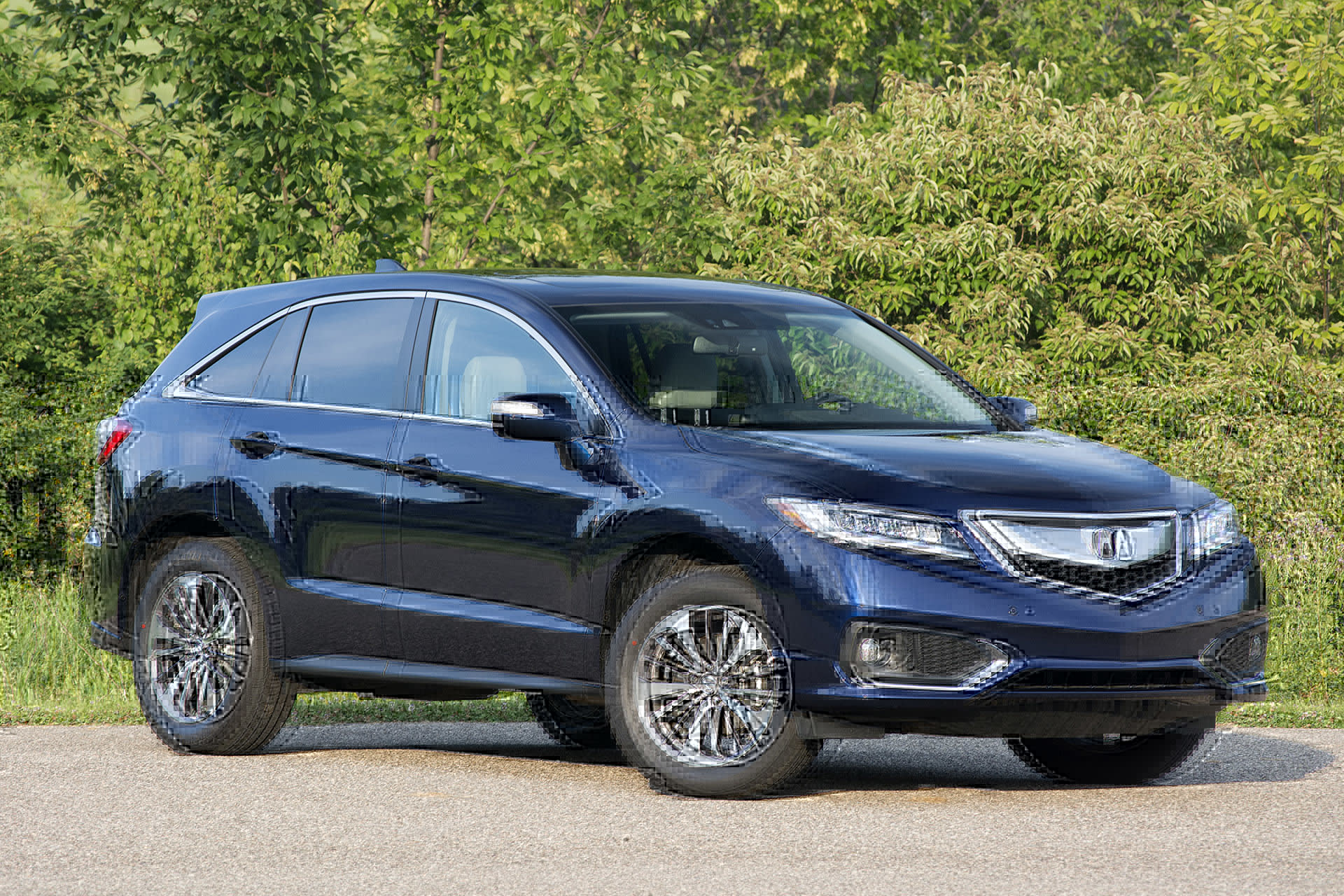
The 2018 Acura RDX marks the last year of the model’s second generation, standing out as a well-rounded compact luxury SUV. By this point, Acura had years to refine the formula, resulting in an SUV that combined strong performance, comfort, and impressive value.
Under the hood, the familiar 3.5-liter V6 engine delivers 279 horsepower paired with a smooth six-speed automatic transmission. Its acceleration is strong, and while some rivals may be slightly quicker, few match the RDX’s balance of responsiveness and refinement at its price point.
Handling is precise and composed, especially with the optional all-wheel-drive system that improves traction on slippery roads. At the same time, ride quality is tuned for everyday comfort, making the RDX a reliable and versatile companion for both city commutes and weekend trips.
Inside, the RDX delivers a spacious and comfortable cabin designed to accommodate families and individuals alike. The interior offers generous shoulder and legroom in both rows, with enough space to comfortably seat three adults in the back.
Cargo capacity is practical, supported by a wide rear hatch opening and convenient seatback releases for folding the 60/40 split rear bench.
Standard features such as a sunroof, heated front seats, and a power liftgate enhance the everyday driving experience, while options like ventilated seating and dual-screen infotainment add to its luxury appeal.
Sound insulation is another highlight, with Active Noise Control and engine mounts minimizing vibration and unwanted cabin noise. Together, these qualities make the RDX one of the more family-friendly and versatile SUVs in the luxury compact segment.
Technology and safety features further enhance the appeal of the 2018 RDX. The available Technology package brings voice-activated navigation, upgraded audio, and smartphone integration, though the dual-screen setup requires some time to master.
AcuraWatch, a suite of advanced driver aids, adds peace of mind with adaptive cruise control, forward collision warning, and lane departure mitigation. Standard safety equipment includes stability control, multiple airbags, and a multiview rear camera with useful angles for parking and visibility.
Buyers can also add blind-spot monitoring and rear cross-traffic alert, boosting confidence in crowded urban settings. Government crash tests awarded the RDX strong safety ratings, making it a secure option for families looking for a dependable premium SUV.
Where the 2018 RDX really shines is in its value proposition. Unlike most competitors that rely on smaller turbocharged engines, the RDX continues to offer a V6 as standard, providing smooth power delivery without inflating costs.
Even when fully loaded with available options and all-wheel drive, the RDX remains priced competitively against European rivals, often matching their base trims while delivering more standard equipment. This balance of performance, comfort, reliability, and affordability makes the RDX a standout in the compact luxury SUV class.
As the final year of its generation, the 2018 model reflects Acura’s refinement and consistency, leaving behind a strong reputation for buyers seeking a dependable, luxurious, and practical vehicle without stretching their budget.
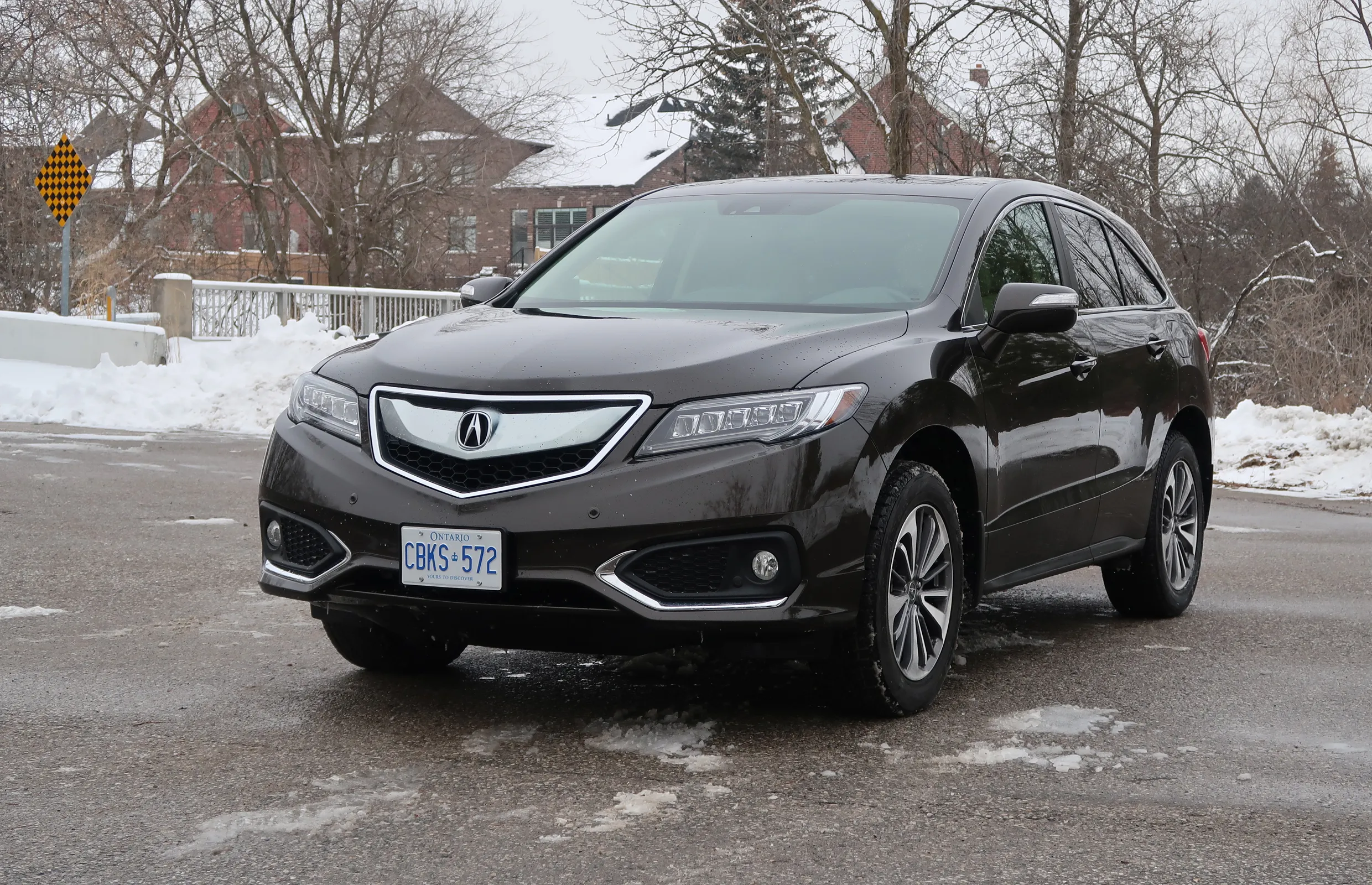
5. 2021 Acura RDX
The 2021 Acura RDX represents the continued evolution of Acura’s third-generation compact luxury SUV, first introduced in 2019. With sharper styling, advanced features, and a turbocharged engine, it strikes a balance between performance and everyday usability.
Under the hood, a 2.0-liter turbocharged inline-four produces 272 horsepower and 280 lb-ft of torque, paired with a 10-speed automatic transmission. This setup ensures responsive acceleration, smooth shifting, and versatility across different driving conditions.
On the road, the RDX delivers confidence-inspiring handling, and when equipped with Acura’s SH-AWD system, cornering becomes sharper with enhanced grip. Edmunds testing recorded a 0-60 mph time of seven seconds competitive if not class-leading but more than adequate for daily commutes and spirited drives.
The RDX’s refined driving character makes it a strong option for buyers seeking both excitement and reliability in a luxury SUV.
Acura paid close attention to comfort in the 2021 RDX, making it a pleasant choice for long drives and daily routines alike. Heated and ventilated front seats provide strong support while accommodating a wide variety of body types.
The suspension system does well to smooth out rough pavement and maintain composure over undulating highways, while cabin noise is kept at bay through thoughtful insulation. Inside, the RDX boasts an upscale layout inspired by the Acura NSX, blending high-quality materials with modern design cues.
Passenger space is generous, particularly in the second row, which offers more headroom and legroom than many competitors.
Cargo space is also a highlight, with 31.1 cubic feet available behind the rear seats and clever storage solutions integrated throughout the cabin. Practical yet premium, the RDX’s interior ensures that comfort is never compromised.
Technology is one of the RDX’s strongest suits, appealing especially to buyers who value modern conveniences. A 10.2-inch infotainment screen comes standard, controlled by Acura’s innovative touchpad system.
While the interface may take some adjustment, it adds a futuristic feel to the cabin. Apple CarPlay is included as standard, though Android Auto was initially delayed but promised through updates. The premium audio system stands out, offering clarity and depth for audiophiles.
Safety remains a cornerstone of the RDX, with AcuraWatch driver-assistance features included across all trims. These systems include adaptive cruise control, lane-keeping assist, and forward-collision warning, with additional options like blind-spot monitoring and rear cross-traffic alert available.
The SUV also earns strong safety ratings, making it a reassuring choice for families. Acura manages to combine both technology and safety without inflating costs, giving the RDX an edge over rivals.
Value is where the 2021 Acura RDX makes a lasting impression. Despite offering advanced technology, premium materials, and sharp styling, it remains one of the most affordable entries in the luxury compact SUV segment.
Even in its higher trims or with the performance-oriented PMC Edition, it undercuts European rivals like the BMW X3 and Audi Q5 while offering more standard equipment. Build quality is consistently solid, from the exterior finish to the cabin detailing, reinforcing Acura’s reputation for long-term reliability.
While fuel economy lags behind some competitors and customization options are more limited, the RDX delivers a package that emphasizes balance, practicality, and affordability.
For buyers seeking a stylish, well-equipped SUV without venturing into higher price brackets, the 2021 Acura RDX offers a compelling alternative that blends innovation with lasting dependability.
Also Read: 5 Cars with Climate Control That Works vs 5 That’s Just for Show
5 Acura RDX Years That Won’t Last Forever
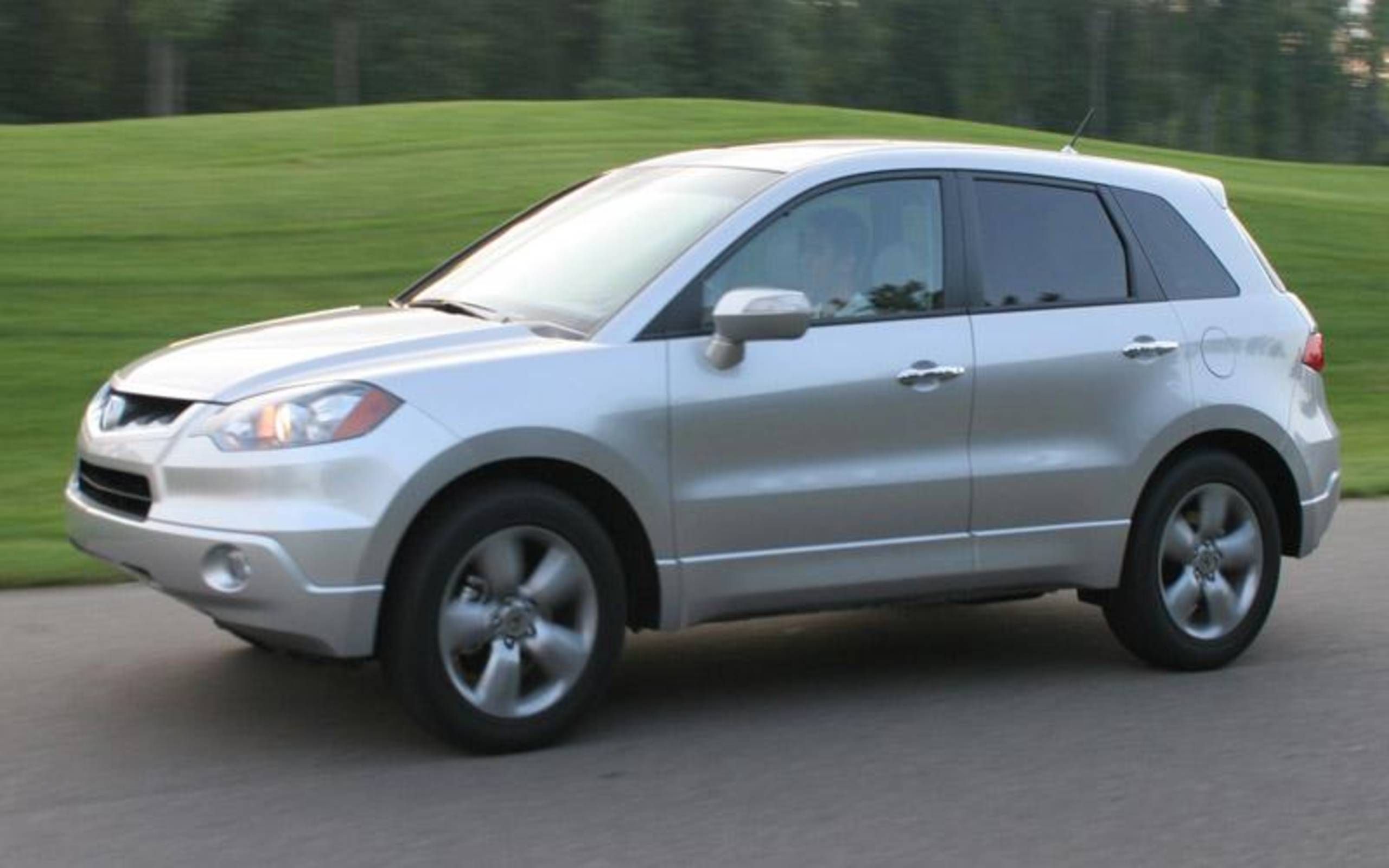
1. 2007 Acura RDX: A Rocky Debut
The 2007 Acura RDX marked the brand’s first entry into the luxury compact SUV market, and while it showcased impressive styling and strong performance on paper, its execution left much to be desired.
A centerpiece of the design was a 2.3-liter turbocharged engine the first turbo in Acura’s lineup, but it quickly revealed itself as a liability rather than an asset. Owners frequently reported turbocharger failures, resulting in a sudden loss of power, poor fuel economy, and expensive repairs that often exceeded $2,000.
These mechanical issues, coupled with transmission troubles, created serious frustrations for early adopters. Drivers experienced hesitation, jerking shifts, and unsafe acceleration patterns that undermined the driving experience.
On top of this, maintenance costs ran higher than expected, with many owners paying significant sums to address repeated problems.
Despite its promise as a sporty, premium SUV, the 2007 RDX became notorious for unreliability, leading many buyers to avoid it altogether in the used market. This poor first impression lingered over the RDX name for years, making Acura’s debut in this category a challenging one.
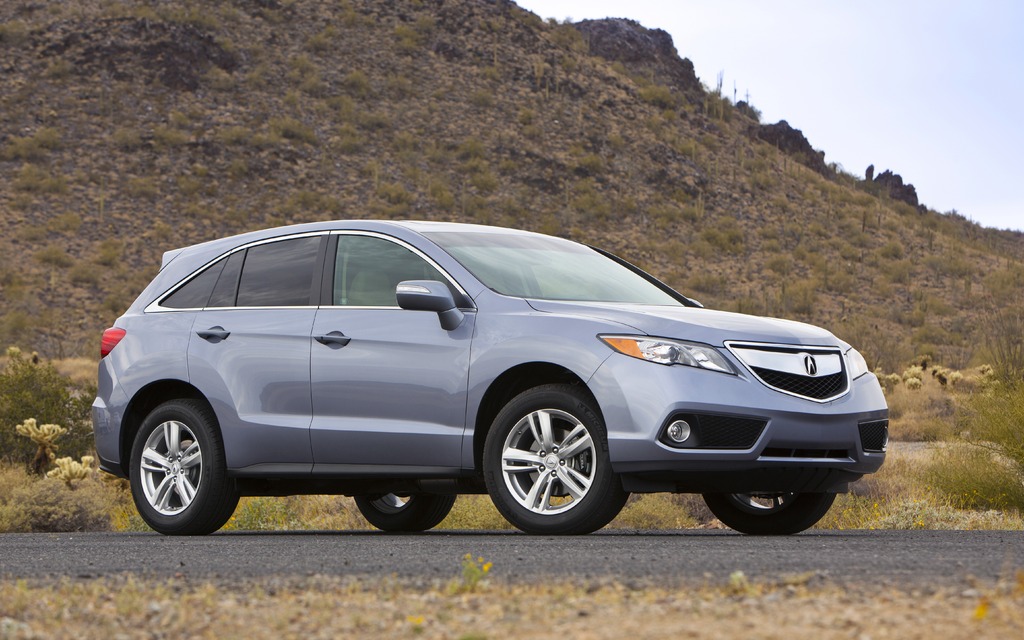
2. 2013 Acura RDX: A Major Redesign with Lingering Issues
By 2013, Acura attempted to correct past missteps with a significant redesign. The turbocharged four-cylinder was replaced with a naturally aspirated 3.5-liter V6, offering smoother performance, better fuel efficiency, and fewer long-term complications.
While this change was welcomed, new issues quickly surfaced that prevented the RDX from becoming a standout in its segment. Headlight dimming became one of the most common complaints, severely affecting nighttime visibility and creating safety concerns.
Many owners replaced bulbs only to encounter the same problem again. Technology also became a pain point, as the infotainment system suffered from frequent glitches, unresponsive controls, and random crashes. These flaws frustrated drivers expecting seamless functionality in a modern luxury SUV.
Additionally, transmission troubles persisted from earlier years, with owners reporting jerky shifts and hesitation during acceleration. Although these problems were not as severe as the 2007’s issues, they still impacted driving satisfaction and long-term reliability.
Ultimately, while the 2013 RDX showcased a more practical powertrain, its mix of electrical and mechanical shortcomings made it less appealing to buyers seeking a trouble-free luxury SUV.
3. 2014 Acura RDX: Carryover Design, Recurring Problems
The 2014 Acura RDX built upon the 2013 redesign but unfortunately carried over many of the same issues that plagued its predecessor. The most notable was the persistent headlight dimming problem, which continued to compromise nighttime driving despite repeated bulb replacements.
Owners frequently reported frustration as no permanent fix was provided by Acura. Beyond lighting, suspension issues began surfacing, with some drivers complaining of a harsh, uncomfortable ride that failed to absorb road imperfections. These shortcomings made long trips tiresome and detracted from the luxury driving experience.
Electrical glitches also plagued the model, including malfunctioning dashboard lights, unreliable sensors, and erratic operation of the power tailgate. Such problems created doubt about the SUV’s dependability, undermining Acura’s reputation for precision engineering.
While the RDX offered a smooth V6 engine and decent fuel economy for its class, the mounting electrical and mechanical issues made the 2014 model year a questionable choice.
Buyers seeking luxury and peace of mind were often advised to approach this year cautiously, as its shortcomings could lead to frustration and higher-than-expected ownership costs.
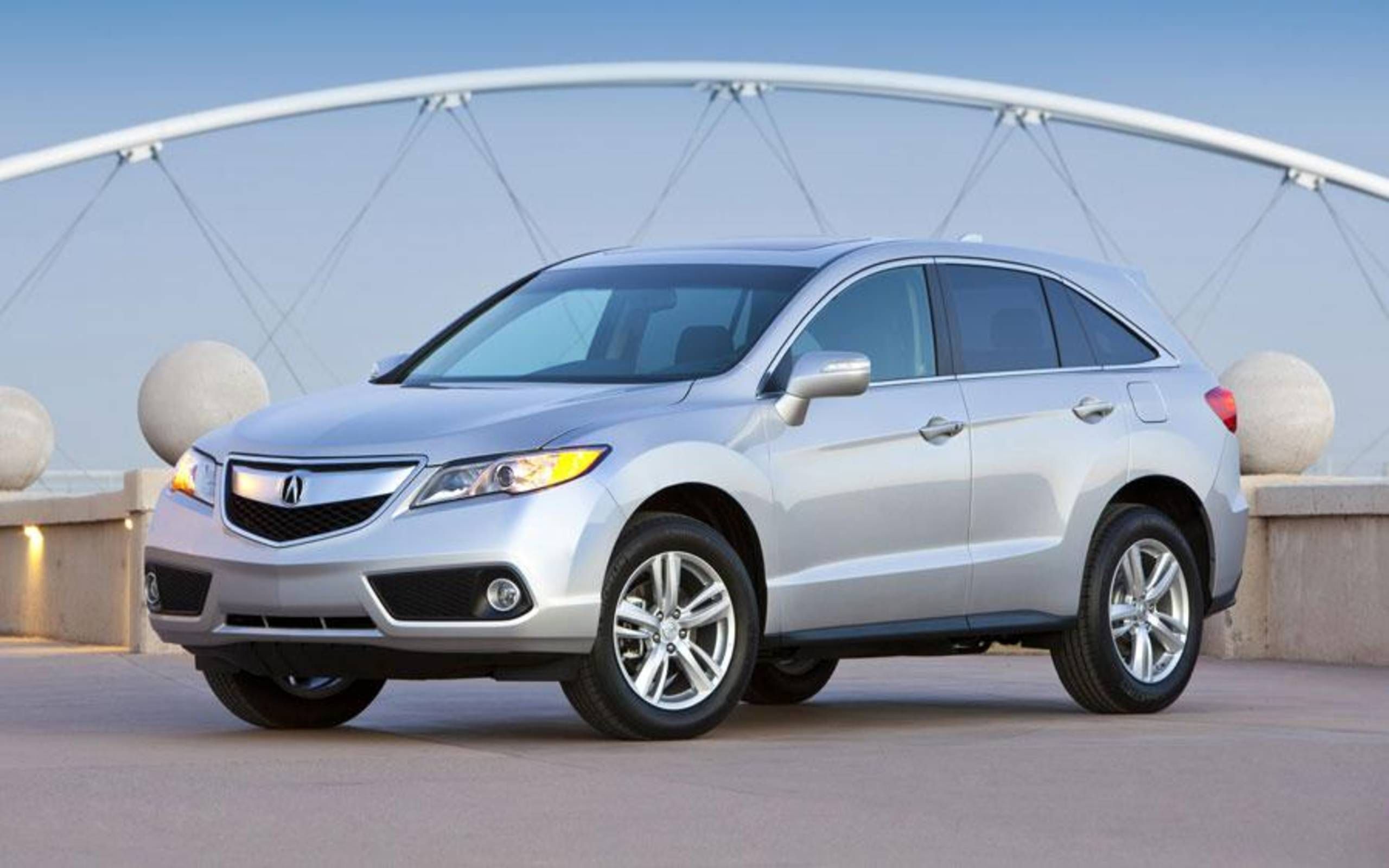
4. 2015 Acura RDX: Persistent Problems Continue
The 2015 Acura RDX showed little improvement in addressing the frustrations that dogged earlier models. Once again, the headlight dimming issue dominated owner complaints, raising concerns about safety and Acura’s unwillingness to find a lasting solution.
For a luxury SUV, this repeated problem was particularly damaging to the model’s reputation. Beyond lighting, transmission and engine-related problems surfaced, including reports of jerky shifting and unexpected engine stalling.
These issues not only hurt performance but also raised significant safety concerns when they occurred in traffic. Infotainment reliability remained another weak point, with complaints about frozen screens, laggy performance, and unresponsive commands continuing to frustrate drivers.
For a vehicle positioned in the luxury segment, such technology failures undermined its appeal, especially against rivals that offered more polished systems. The 2015 model year highlighted Acura’s struggle to refine the second-generation RDX, as recurring flaws overshadowed its positives.
While it retained the strengths of its V6 engine and spacious interior, the reliability problems kept it from being a trustworthy option, leaving buyers hesitant about investing in what should have been a dependable compact luxury SUV.
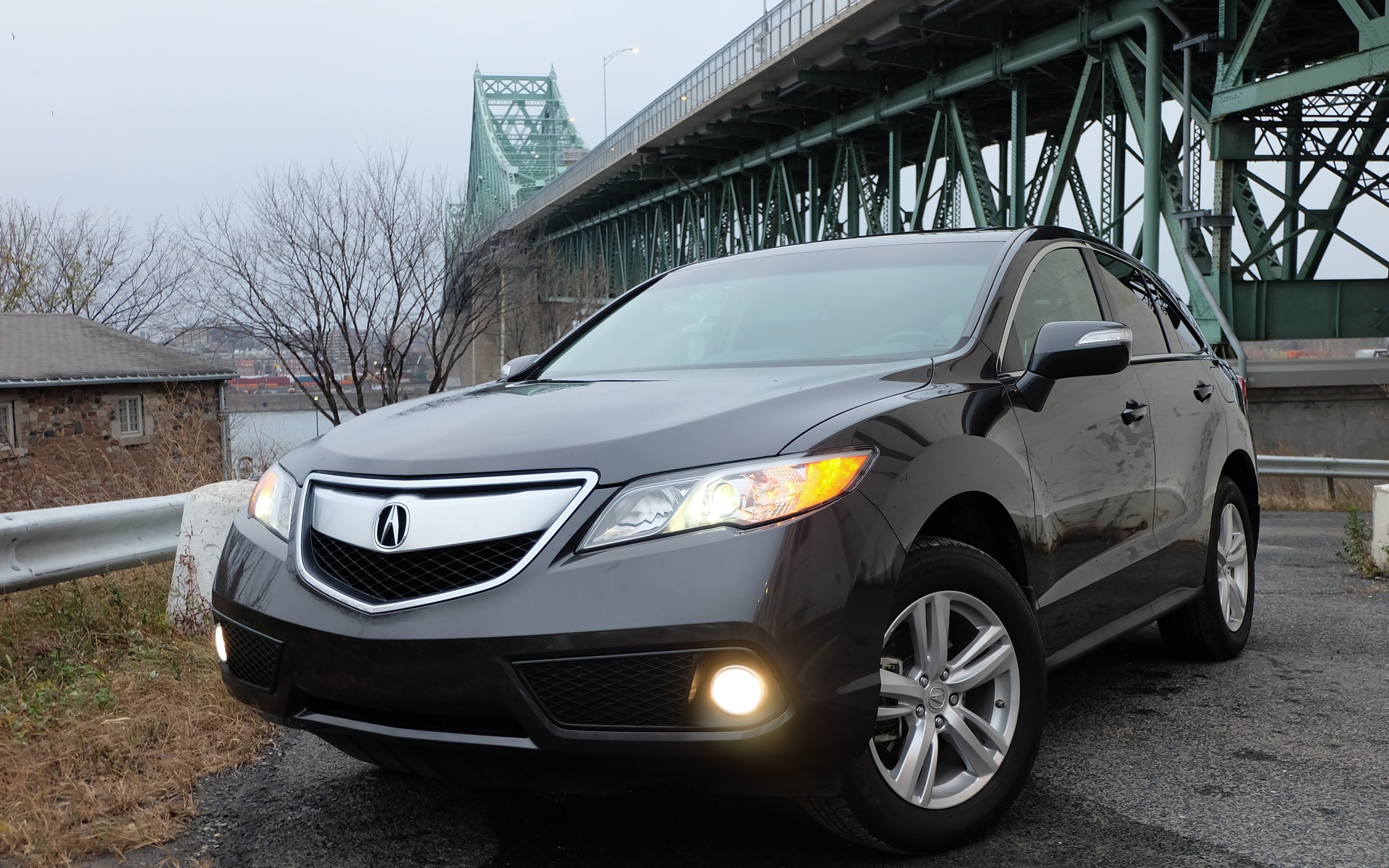
5. 2019 Acura RDX: Bold Redesign, New Growing Pains
The launch of the third-generation Acura RDX in 2019 was intended to reset the model’s reputation, and in many ways, it succeeded. A new turbocharged 2.0-liter inline-four, advanced safety features, and a modern infotainment system brought the SUV in line with competitors.
However, its bold redesign was not without teething problems. Many owners reported premature brake wear, with components needing replacement far earlier than expected, raising concerns about long-term maintenance costs.
Even more concerning was the issue of engine stalling, which posed a significant safety risk, particularly during high-speed driving. Meanwhile, the redesigned infotainment system though ambitious was plagued with glitches, including unresponsive touch controls, random crashes, and a steep learning curve for drivers.
These frustrations kept the RDX from fully capitalizing on its strong design and competitive features. Despite these setbacks, the 2019 model remains more appealing than its earlier troubled years, offering promise for Acura’s direction.
Still, the persistent technical and mechanical issues remind buyers that even new designs can struggle with reliability during their first production year.
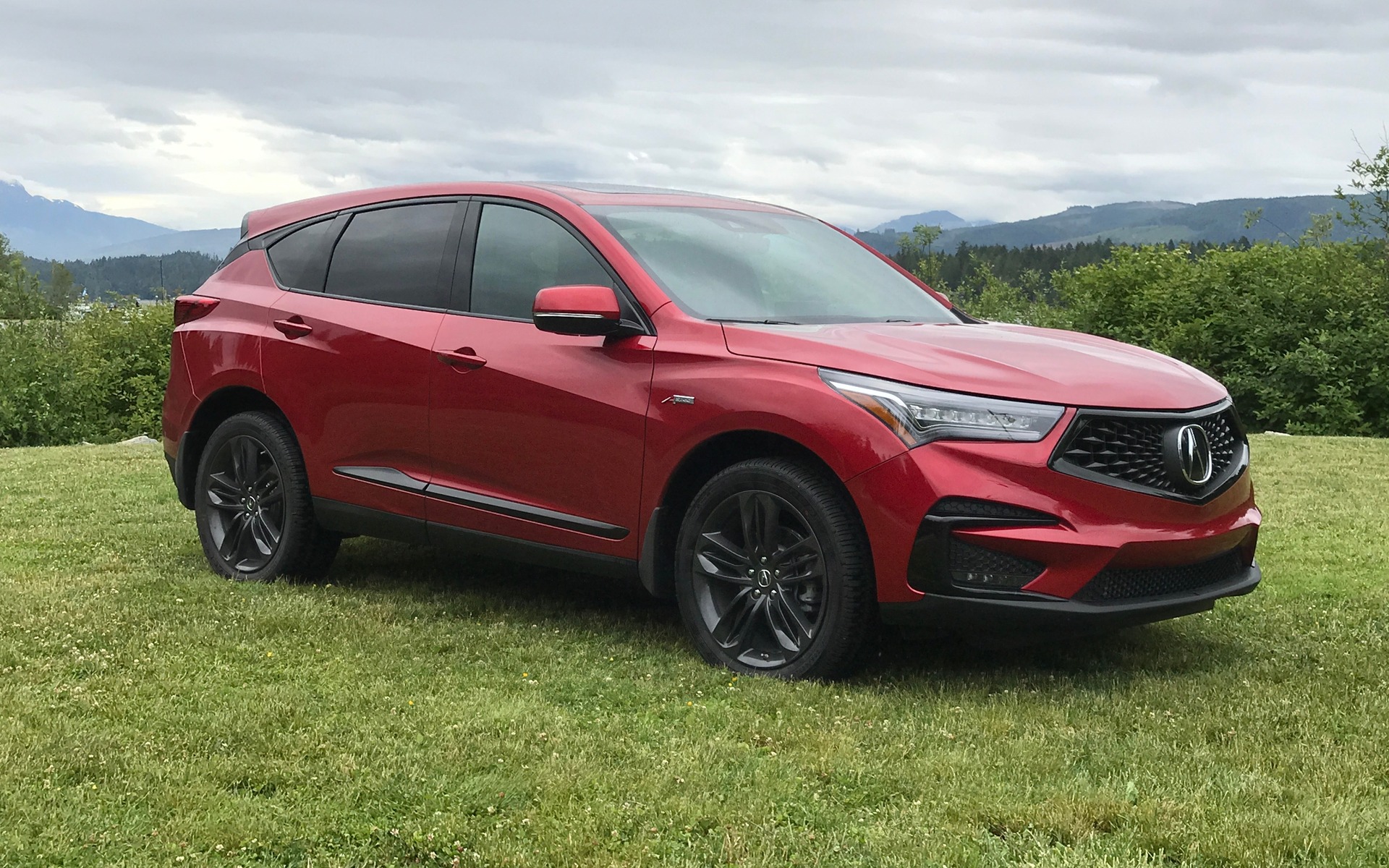
The Acura RDX has evolved over the years, but a few model years have proven themselves to be especially dependable choices for used car buyers. The 2011 and 2012 versions closed out the first generation with sporty performance and better reliability than their predecessors.
The 2016 and 2018 models refined the formula, combining a smooth V6, upgraded technology, and family-friendly practicality. Finally, the 2021 RDX delivered modern styling, advanced safety features, and strong value, showing how far the SUV had come since its early days.
Together, these five years represent the best of the RDX’s legacy, offering long-term dependability without sacrificing performance or comfort.
While some model years are best avoided, the ones covered here continue to hold their reputation as lasting, trustworthy luxury SUVs. For anyone considering a used Acura RDX, these standout years remain the safest bets for a balance of reliability, value, and enjoyment behind the wheel.
Also Read: 10 Cars With Tricky Seatbelt Buckles for Elderly Passengers