Land Rover is a brand that commands admiration for its blend of rugged off-road capability, striking design, and luxury appeal. From the iconic Range Rover to the adventurous Defender, these vehicles are often seen as status symbols that deliver both performance and prestige.
However, behind the polished image lies a persistent issue: reliability. For decades, Land Rover has struggled with dependability, with many of its models plagued by electrical glitches, mechanical faults, and long repair times.
While some models stand out as stronger performers, others have earned a reputation as money pits, costing owners time, money, and peace of mind. In this article, we’ll take a closer look at five Land Rover models that, despite their undeniable charm and capability, have proven to be unreliable investments.
Whether you’re considering a used purchase or simply curious about the brand’s pitfalls, this guide highlights the models you may want to avoid.
5 Land Rover Models That Are Money Pits
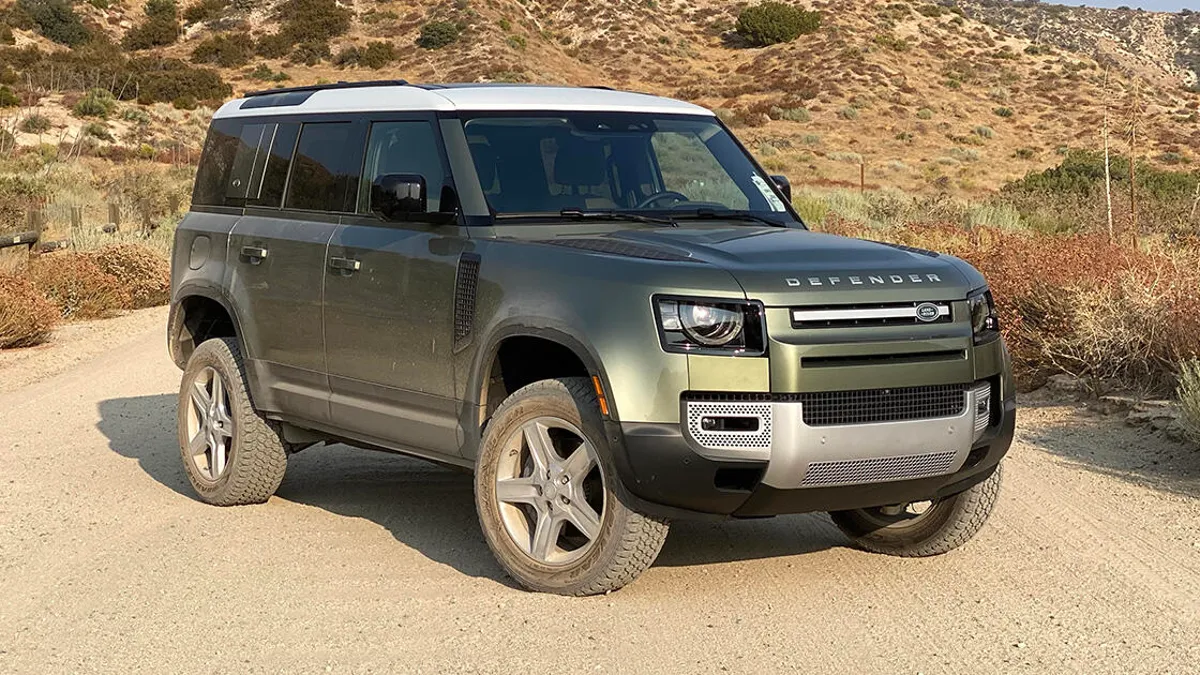
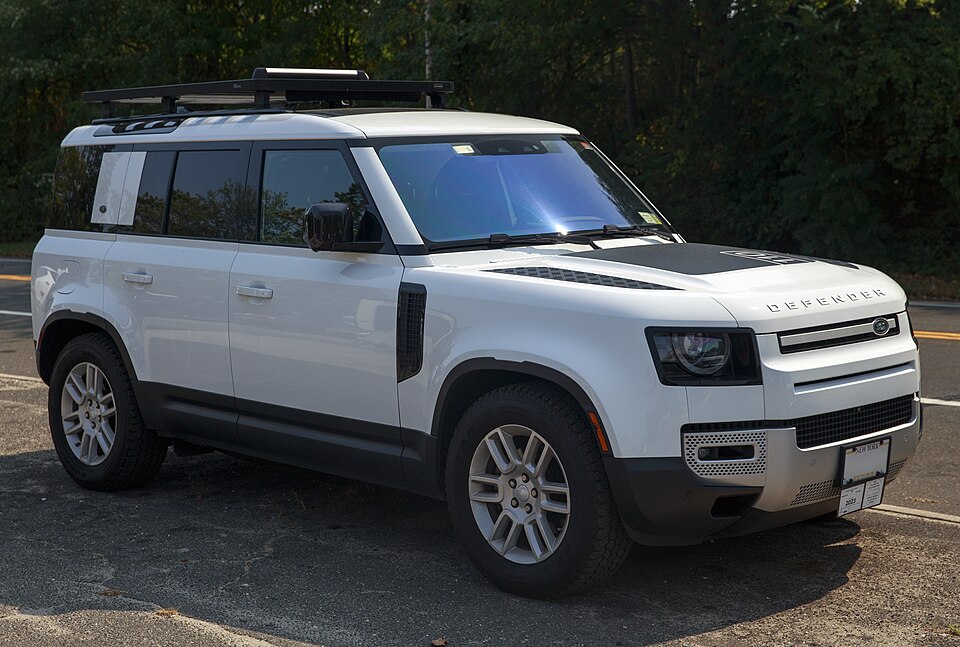
1. 2020-Present Land Rover Defender
The reborn Land Rover Defender has proven itself a worthy successor to the legendary original, combining modern refinement with genuine off-road capability.
Since its reintroduction in 2020, it has become available in three distinct body styles: the compact three-door Defender 90, the versatile five-door Defender 110 with seating for up to seven, and the larger Defender 130 accommodating up to eight passengers.
While the Defender maintains its rugged heritage with short overhangs and up to 11.5 inches of ground clearance, it also adopts a smoother, more contemporary design that blends luxury with toughness.
Impressively, it holds a reliability rating of 96.3%, making it Land Rover’s most dependable model to date and the second most reliable seven-seater in its class. Owners reported that only 14% of vehicles experienced issues, mainly related to the engine or infotainment system, with repairs handled free of charge.
On the road, the Defender balances strength with sophistication. Equipped with a V6 engine delivering 395 horsepower, the Defender 110 achieved a 0–60 mph sprint in 6.7 seconds, respectable for a 5,571-pound off-road SUV.
The transmission shifts smoothly, braking is controlled, and steering precision is sharper than expected for a rugged utility vehicle. Ride comfort is solid, with the suspension filtering out most bumps, although larger wheels and all-terrain tires can add firmness.
The interior remains quiet and composed even at highway speeds, offering optional heated and ventilated seats alongside a climate system that effectively maintains cabin comfort. However, some controls, like the multifunction dials for climate and drive modes, require a learning curve.
Inside, the Defender emphasizes space and practicality. The four-door model provides excellent headroom, legroom, and accessibility, aided by large doors, grab handles, and an air suspension that can lower the ride height for easier entry.
Storage is generous, with creative solutions like shelves and multilevel compartments, though the swing-out rear tailgate can be cumbersome in tight spaces. With rear seats folded, cargo space is ample, and the vehicle can tow up to 8,200 pounds when equipped with the towing package.
Technology is another highlight, with a responsive infotainment system, digital gauge cluster, Android Auto and Apple CarPlay integration, and an advanced surround-view camera system that enhances both urban maneuvering and trail navigation. While voice commands are inconsistent, smartphone connectivity compensates effectively.
Fuel efficiency is decent for its class, with the Defender 110’s 3.0-liter turbo six rated at 19 mpg combined, outperforming rivals like the Toyota Land Cruiser and Mercedes-Benz G-Class. Pricing starts around $50,000, making it competitive given its blend of off-road strength and modern luxury.
However, early build models showed some quality concerns, including misaligned body panels and interior wear, particularly in higher trims tested at over $70,000.
Despite these issues, the Defender remains a standout in the midsize luxury SUV segment, offering unmatched off-road capability, impressive reliability, and a versatile design that honors its heritage while appealing to modern SUV buyers.
2. 2014–2022 Range Rover Sport
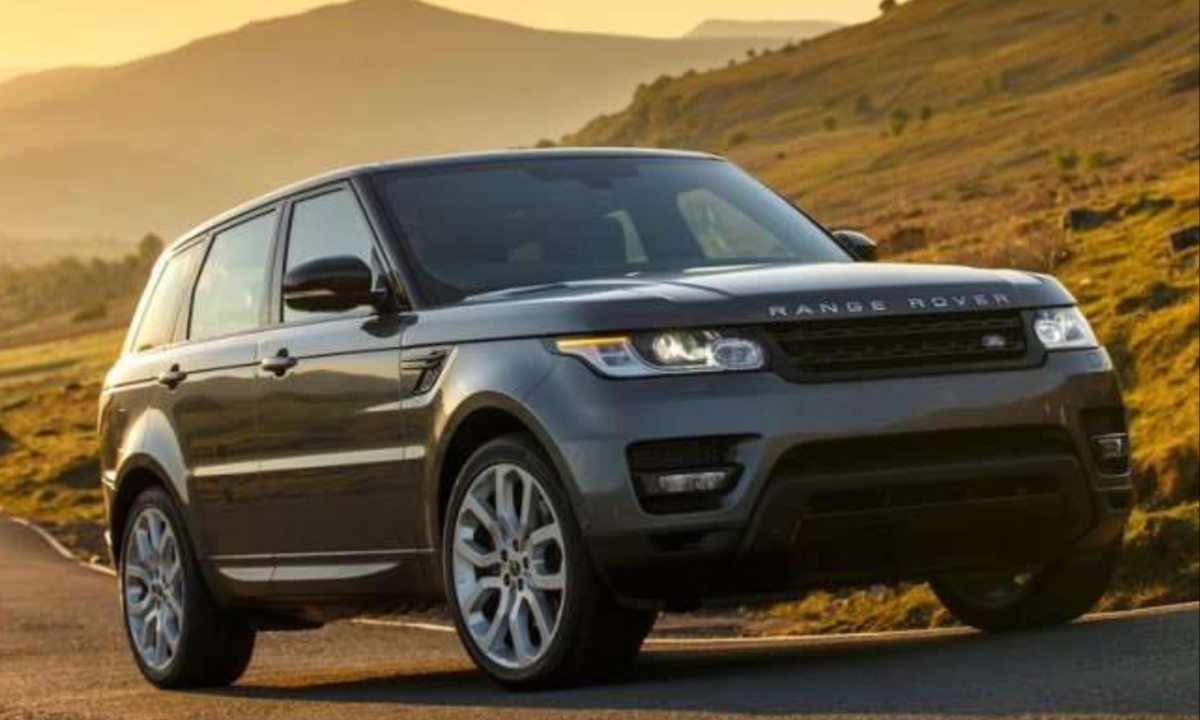
The second-generation Range Rover Sport, produced from 2014 to 2022, represented a major evolution from its predecessor by focusing on weight reduction, improved handling, and greater efficiency.
Riding on the same aluminum-intensive platform as the flagship Range Rover, the Sport shed nearly 400 pounds compared to the previous model. This redesign allowed for better agility on pavement while retaining Land Rover’s hallmark off-road ability.
Buyers could choose between two supercharged engines: a 3.0-liter V6 delivering 340 horsepower or a 5.0-liter V8 producing 510 horsepower. Both were paired with an eight-speed automatic transmission and full-time four-wheel drive.
With the right configuration, the Range Rover Sport could sprint from 0–60 mph in as little as 4.6 seconds while still towing up to 7,700 pounds, making it one of the most versatile midsize luxury SUVs of its time.
Despite its name, most Range Rover Sport owners spent more time on city streets and highways than on trails. Recognizing this, Land Rover refined the vehicle’s road manners without sacrificing its rugged DNA.
The ride was smoother, steering more precise, and noise levels impressively low for a luxury SUV. Terrain Response technology allowed drivers to optimize performance across various conditions, from snow to sand.
Safety was also prioritized, with standard equipment including parking sensors, a rearview camera, and multiple airbags, while optional features such as adaptive cruise control and blind-spot monitoring elevated confidence behind the wheel.
Although not quite as capable off-road as the full-size Range Rover, the Sport offered a balanced driving experience that satisfied both urban commuters and weekend adventurers.
Inside, the 2014 redesign brought the Range Rover Sport’s cabin closer to true luxury standards. Gone were the cheaper plastics, replaced with high-grade leather, customizable trims, and a more refined layout.
Seating was highly adjustable, and the lower driving position combined with a raised center console created a cockpit-like feel without compromising visibility. For the first time, Land Rover added a third-row option, expanding seating capacity to seven.
While this row was best suited for children, it gave the Sport an edge over rivals like the Porsche Cayenne, which lacked the option. Cargo space, however, was below average for the segment, with 27.7 cubic feet behind the second row and 62.2 cubic feet at maximum capacity, limiting practicality compared to some competitors.
Reliability for the 2014–2022 Range Rover Sport proved stronger than the newer generation, with only 22% of reported vehicles experiencing issues. The most frequent problems were linked to the braking system, engine, and bodywork.
Encouragingly, 90% of repairs were completed at no cost to owners, while just 10% required out-of-pocket expenses of up to $1,900. About 10% of affected vehicles were back on the road within a week, a quicker turnaround than seen with later models.
The second-generation Range Rover Sport combined sleek styling, strong performance, and improved dependability.
Though expensive compared to rivals like the BMW X5 or Mercedes-Benz GLE, it stood out for its unique mix of athleticism, luxury, and genuine off-road capability, securing its place as one of Land Rover’s most well-rounded offerings.
3. 2022 Present Range Rover Sport
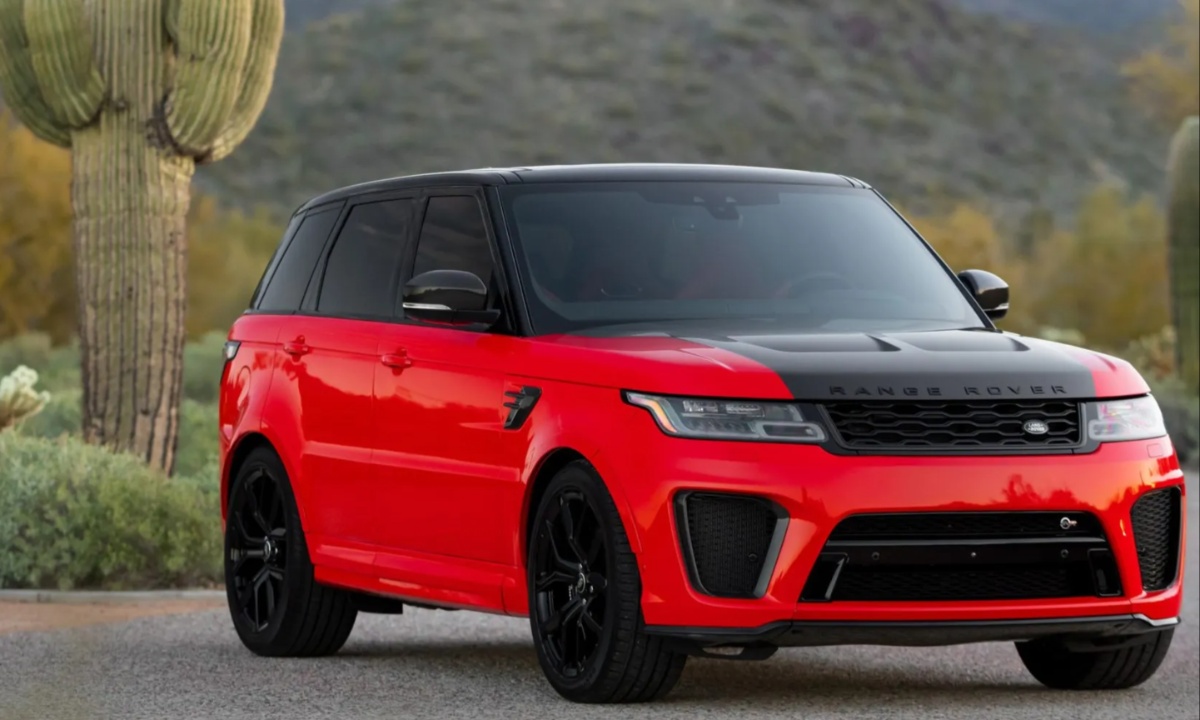
The current-generation Range Rover Sport, introduced in 2022, continues to blend luxury and versatility in a midsize SUV package. Sharing its platform with the flagship Range Rover, it inherits a lavish interior, strong off-road credentials, and a robust engine lineup that includes a petrol V8, diesel, and plug-in hybrid (PHEV) options.
What distinguishes it is in size and practicality. More compact than its big sibling, the Sport is easier to maneuver in urban settings while still delivering a premium driving experience. With nimble handling and an upscale cabin, it aims to balance refinement with everyday usability.
Reliability has improved compared to earlier generations, with the 2022-present Range Rover Sport earning a 92.6% rating. About 20% of reported vehicles experienced issues, most commonly related to the hybrid battery pack, exhaust system, and non-engine electricals.
While every repair was fully covered by Land Rover, all cases required more than a week in the garage, highlighting long turnaround times. Nevertheless, the lack of repair costs provided reassurance to owners, making dependability a stronger point than in many past models.
In terms of updates, Land Rover made several key changes for 2022. The turbocharged diesel V6 was discontinued, and the PHEV option was dropped early due to supply chain shortages during the COVID-19 pandemic.
This reduced the variety of available powertrains, though the range still offers plenty of performance and efficiency options to suit different needs.
The lineup slots neatly between the smaller Evoque and the full-size Range Rover, providing a versatile middle ground. Land Rover has also continued rolling improvements to keep the Sport competitive, despite its roots dating back to the 2014 redesign.
Competition in the midsize luxury SUV segment is fierce, with rivals such as the Audi Q8, BMW X5, Mercedes-Benz GLE, and Porsche Cayenne often surpassing the Range Rover Sport in comfort, technology, and value.
Yet, the Sport retains its distinctive charm thanks to its blend of prestige styling, capable performance, and off-road prowess that few competitors can match.
Among the trims, the HSE Silver Edition stands out as a smart choice, offering more standard features than the entry-level SE while keeping pricing reasonable. When equipped with the optional Drive Pro Pack, it also gains advanced driver aids like adaptive cruise control, enhancing both safety and convenience.
4. 2013–2022 Range Rover
The fourth-generation Range Rover, produced from 2013 to 2022, carried forward the brand’s reputation as one of the most prestigious luxury SUVs in the world.
Known for combining lavish comfort with serious off-road prowess, it was available with a wide selection of engines, including petrol, diesel, and, in later years, plug-in hybrid technology.
With elegant styling and an opulent interior, the Range Rover became the go-to choice for the wealthy and status-conscious, while still retaining rugged capabilities such as high ground clearance and advanced terrain systems. Its reliability was mixed, reflected in a 90.9% rating.
Around 28% of reported models experienced faults, most often bodywork and electrical issues. While 80% of repairs were handled free of charge, 20% of owners faced expenses exceeding $1,900, and some vehicles spent more than a week off the road.
Performance-wise, the Range Rover was designed for relaxed yet powerful driving. The long-wheelbase SE model with the P400 engine, tested at nearly 6,000 pounds, still achieved a brisk 0–60 mph in 6.1 seconds.
Despite this speed, its true strength was comfort, with smooth gear shifts and a plush ride provided by its adaptive air suspension. Off-road, the SUV offered advanced tools like two locking differentials, over 11 inches of clearance, and multiple terrain modes, including Wade for river crossings.
While its bodywork limited extreme off-road use, the Range Rover remained one of the most capable luxury SUVs for mixed terrain. On-road handling leaned toward comfort rather than sharpness, with light steering and noticeable body roll, though all-wheel steering added agility at low speeds for city driving and parking.
Inside, the Range Rover excelled in delivering a sense of grandeur. Spacious first and second rows, massive windows, and wide-opening doors created a commanding driving position and excellent visibility.
The available 24-way power-adjustable seats provided exceptional comfort, though the optional third row was tight and best suited for children. Downsides included confusing controls and a touchscreen interface that often required multiple attempts to register commands.
Technology was otherwise competitive, offering wireless Apple CarPlay and Android Auto, adaptive cruise control, and lane-centering assistance that felt subtle and supportive rather than intrusive. Voice commands, however, lagged behind rivals, struggling to process anything beyond basic inputs.
Practicality was mixed for such a large SUV. Cargo space behind the third row was limited to just 8.7 cubic feet, well below competitors like the Mercedes-Benz GLS or Cadillac Escalade, though folding the seats improved its utility.
Towing capacity of 7,716 pounds made it a strong performer in that area, while real-world fuel economy was commendable at around 21 mpg combined thanks to its mild-hybrid system, with pricing that reflected its luxury positioning, the Range Rover offered exclusivity, comfort, and off-road skill, though interior rattles and repair costs sometimes undermined its value.
Even with these drawbacks, the fourth-generation Range Rover remained an icon of prestige and performance, embodying the blend of ruggedness and refinement that defines the brand.
5. Range Rover Evoque (2019–present)
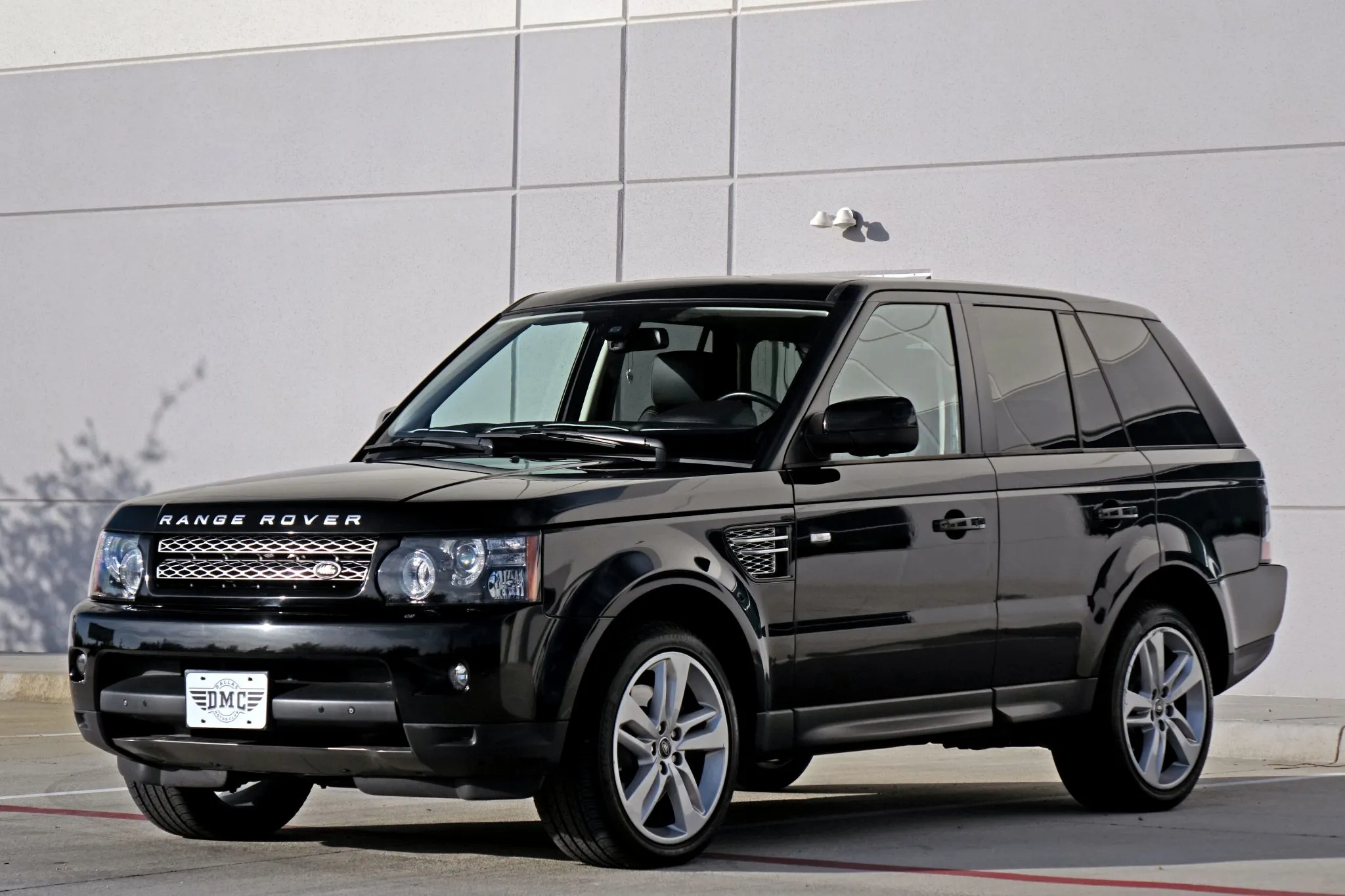
The Range Rover Evoque, introduced in 2019, continues to embody Land Rover’s blend of striking design and off-road capability within a compact package. While its exterior styling remains close to the original Evoque, the current model has received notable updates under the skin.
These include a more refined infotainment system, a broader range of powertrains with mild-hybrid technology, and the introduction of a plug-in hybrid (PHEV) capable of short all-electric drives.
Positioned as a subcompact luxury SUV, the Evoque competes in a crowded segment, though it demands a higher price than rivals like the Audi Q3 or BMW X3. Its appeal lies in its upscale standard features, distinctive design, and superior off-road abilities, setting it apart from competitors.
Reliability has shown improvement compared to earlier models, though some issues persist. With a reliability score of 86.9%, owners reported that 31% of vehicles encountered problems, most often related to electrical systems, air-conditioning, and bodywork.
On a positive note, 83% of repairs were carried out at no cost, while about 15% ranged between $450 and $1,900. The main drawback lies in downtime, as 56% of affected vehicles spent more than a week in the workshop.
Even so, the Evoque is considered a more reliable family SUV than its predecessor, with Land Rover absorbing the majority of repair expenses.
The Evoque’s driving experience strikes a balance between comfort and agility, with supportive front seats, decent ride quality, and responsive handling. Unique in the luxury SUV market, the convertible version offers open-top freedom without sacrificing too much refinement, though rear seats and cargo space are limited.
Cabin noise is generally well controlled, though squeaks and vibrations emerge on rougher surfaces. The interior makes a strong impression with quality materials, modern styling, and a driver-focused seating position, though accessing the rear seats can be a challenge.
Practicality remains its weakest point, as small-item storage and cargo capacity, especially in the convertible, are less than rivals.
On the technology front, the Evoque boasts an improved touchscreen system, smartphone integration, and optional advanced driver aids. While features like adaptive cruise control and blind-spot monitoring enhance safety, the infotainment system can occasionally lag or fail to recognize inputs.
The optional Meridian sound system, however, delivers excellent audio quality, making the Evoque’s in-cabin experience more premium.
Ultimately, the 2019–present Evoque is best suited for buyers who value style, luxury, and occasional off-road ability over outright practicality, offering a fashionable yet capable choice in the subcompact luxury SUV segment.
Also Read: 5 Cars That Rarely Need Brake Pad Replacements vs. 5 That Burn Through Them
5 Land Rover Models That Are Money Pits
1. Range Rover Evoque (2011–2019): Style Meets Reliability Concerns
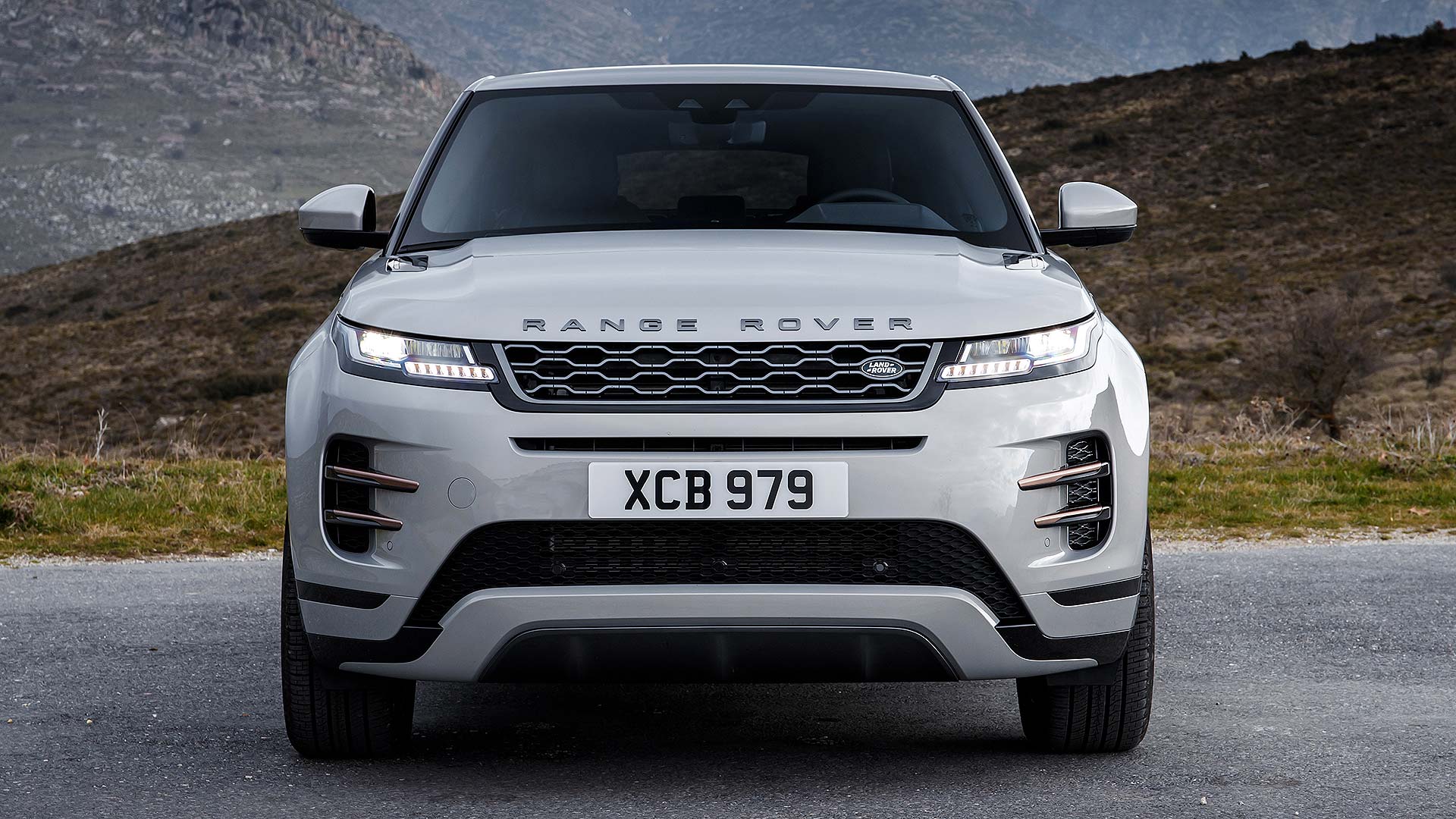
The first-generation Range Rover Evoque instantly captured attention with its sharp styling, premium badge, and strong road presence. As a used SUV, it remains appealing due to its relatively affordable price compared to newer models, while still delivering the sense of luxury that Land Rover is known for.
Owners praised its driving position, equipment levels, and family-friendly design. However, beneath the appeal lies a serious drawback: poor dependability. With a reliability rating of 73.8%, the Evoque ranked as the least dependable Land Rover model and one of the most unreliable family SUVs on the market.
Around 35% of owners reported faults, ranging from electrical issues with the engine to suspension and exhaust failures. While most repairs were free, 56% of cases required more than a week in the workshop, significantly affecting usability.
This balance of desirability and unreliability makes the Evoque a risky but tempting option in the used SUV market.
2. Range Rover Velar (2017–Present): Luxury with Lingering Flaws
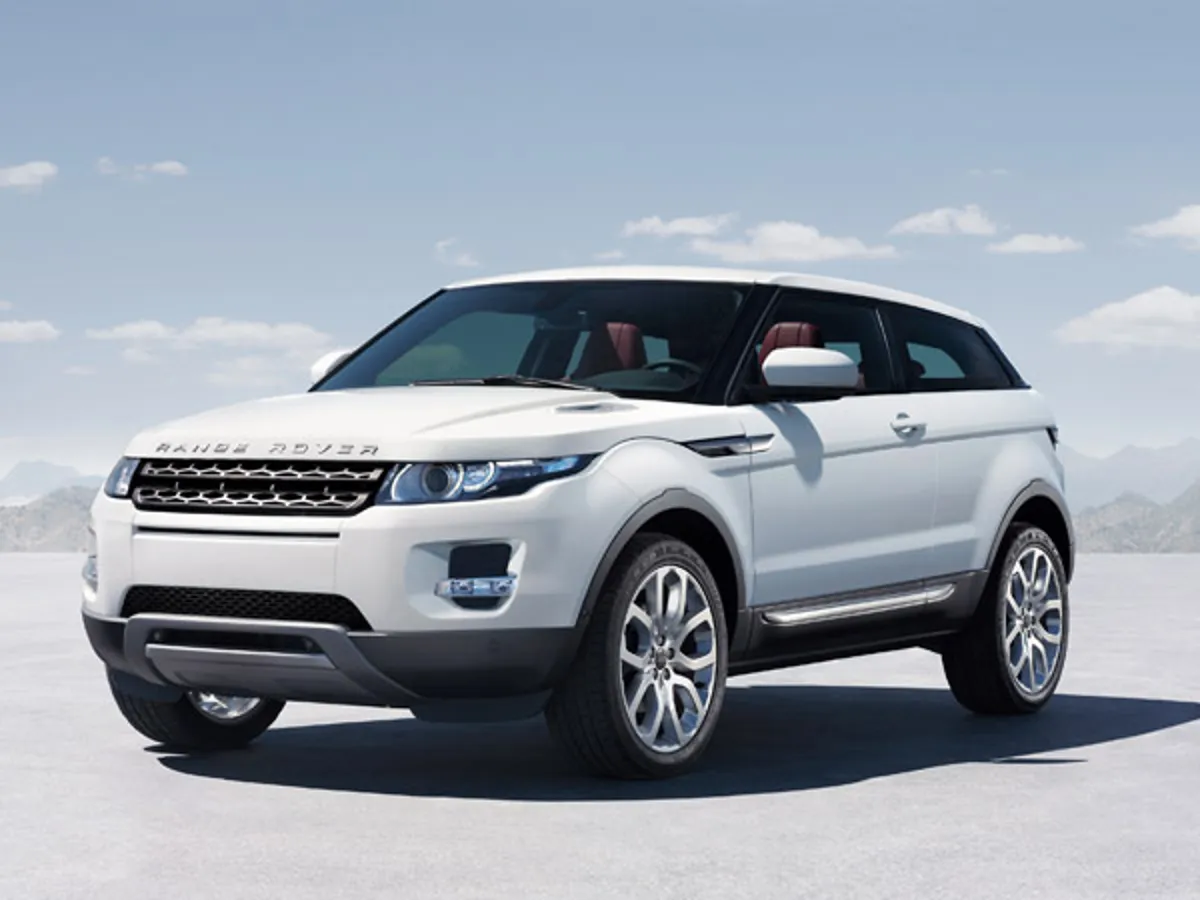
Introduced in 2017, the Range Rover Velar was designed to bridge the gap between the Evoque and the larger Range Rover Sport. Its sleek design, spacious cabin, and availability in both diesel and plug-in hybrid versions helped it stand out in the luxury SUV segment. However, reliability remains a concern.
Owners reported problems with 46% of vehicles, a particularly high figure for such a premium model. Most issues were linked to bodywork and interior trim, which are relatively minor, yet frustrating given the Velar’s premium price tag. Fortunately, Land Rover covered the majority of repair costs, with 89% of repairs free to owners.
The time off the road was more worrying, with more than half of the reported cases requiring over a week to resolve. Despite its technological sophistication and prestige appeal, the Velar continues Land Rover’s pattern of blending innovation with frustrating reliability shortcomings.
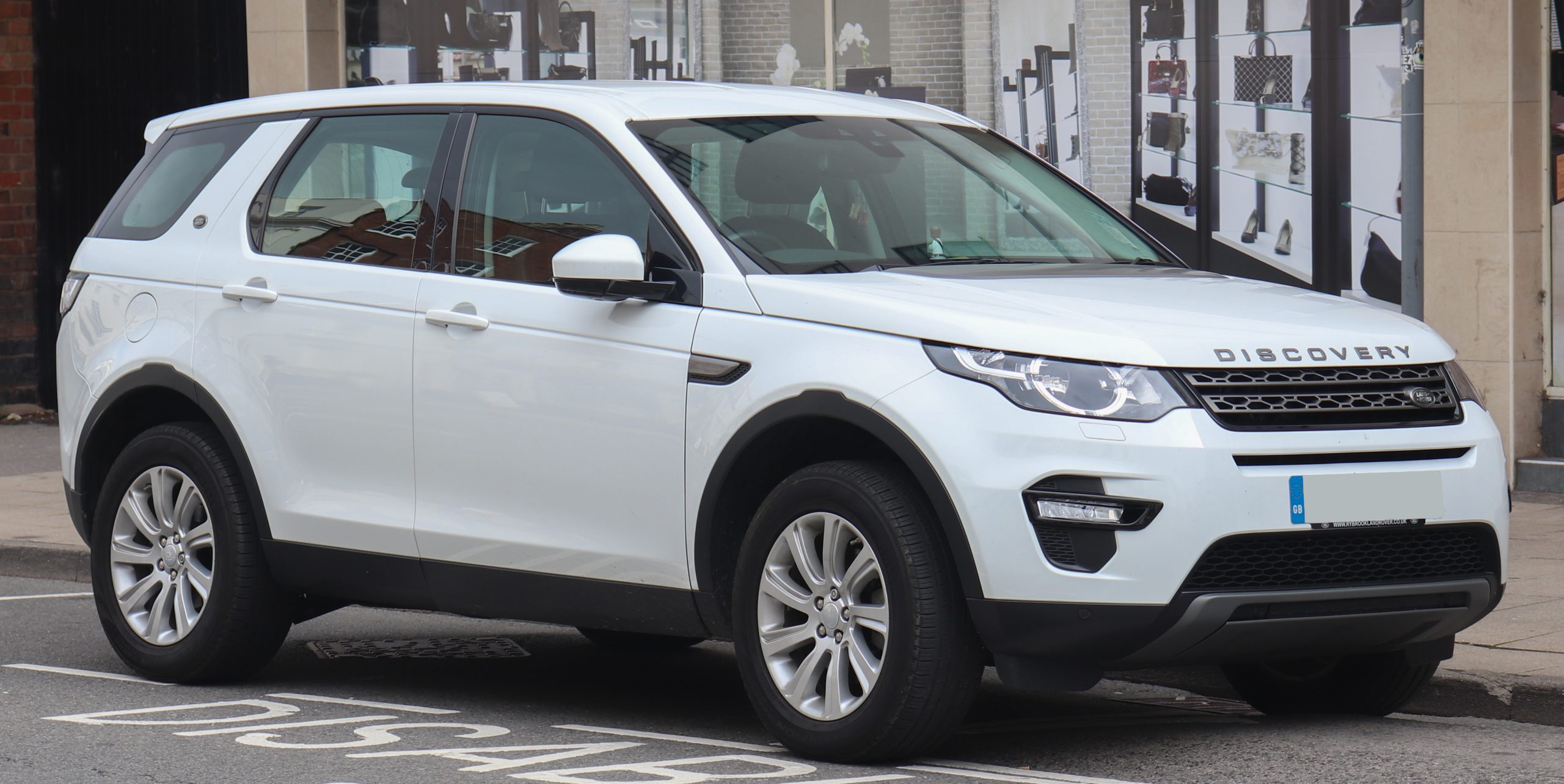
3. Land Rover Discovery Sport (2014–Present): Practical but Problematic
The Land Rover Discovery Sport positions itself as a versatile and family-focused SUV. It offers seating for up to seven, generous interior space, and strong off-road credentials, making it more than just an urban luxury vehicle. Owners value its towing ability, practicality, and comfort, especially in the five-seat configuration.
However, reliability paints a mixed picture. Around 27% of Discovery Sport owners experienced issues, most commonly with non-engine electrics, bodywork, and batteries. Reliability rating stood at 84.1%, better than the Evoque and Velar, yet still below expectations for a premium SUV.
While Land Rover covered over three-quarters of repairs, the repair times were problematic; 41% of cars stayed in the workshop for over a week.
These extended downtimes diminish the vehicle’s practicality, particularly for families who depend on it daily. Even so, the Discovery Sport continues to appeal thanks to its mix of luxury, space, and capability, making it a competitive choice against rivals.
4. Range Rover Sport: Luxury Performance with Persistent Issues
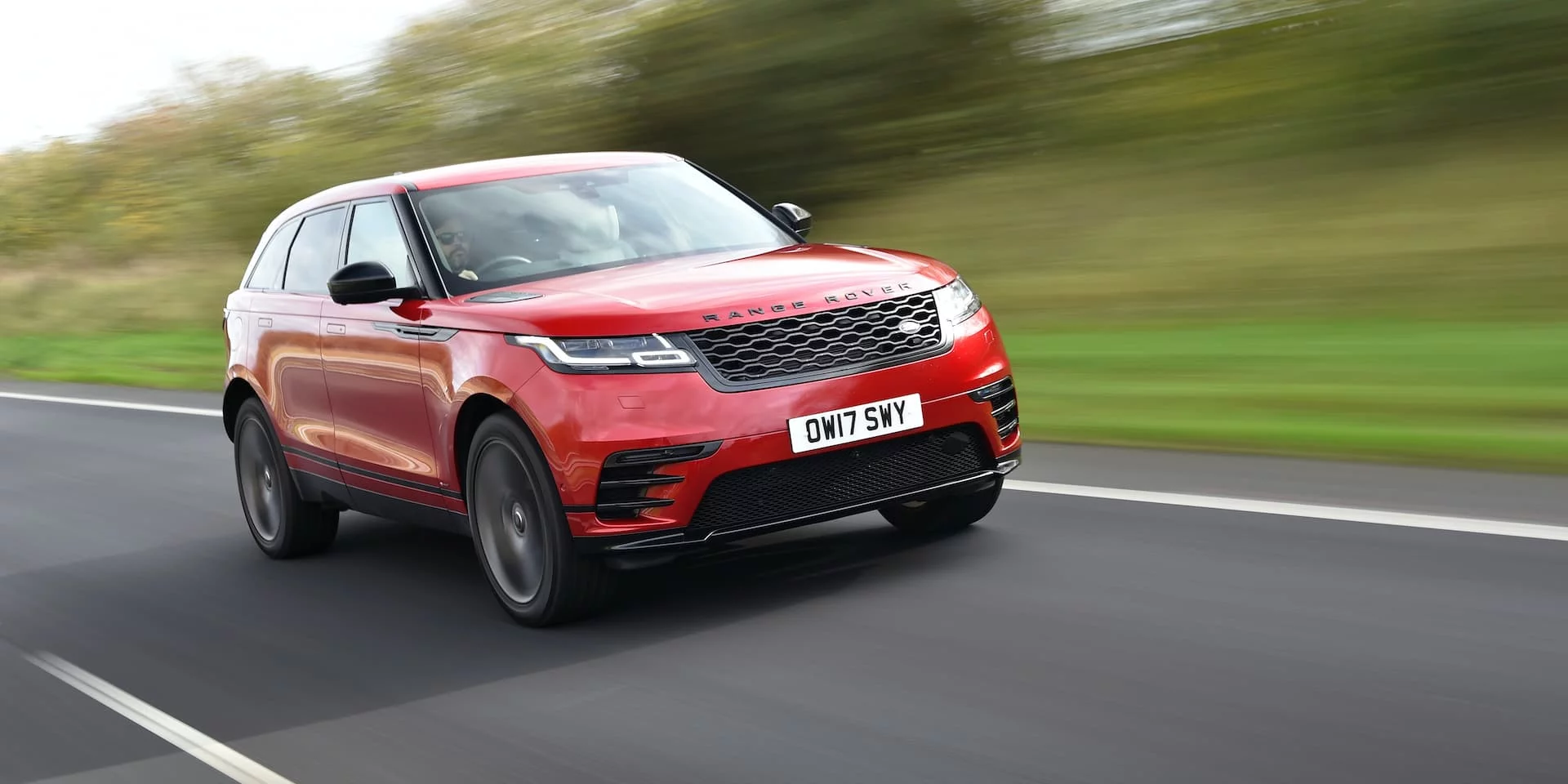
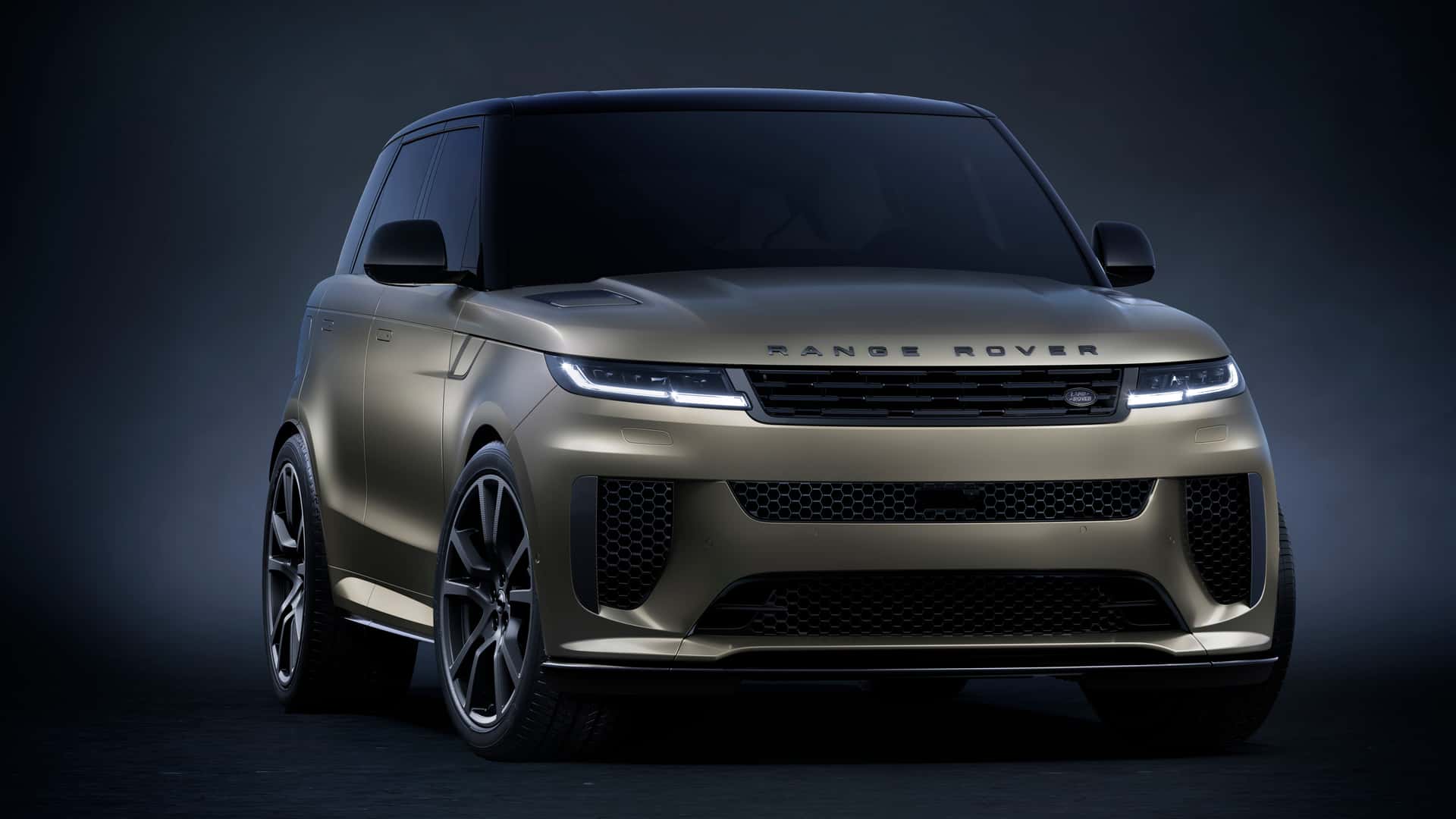
The Range Rover Sport has long been celebrated for combining strong performance with luxury appeal. It offers an engaging drive, striking design, and advanced features, catering to buyers seeking a premium SUV with both comfort and sportiness. However, its reliability record is far from spotless.
Reports highlight frequent issues with the air suspension, infotainment glitches, and electrical faults, problems that undermine the ownership experience. Though less plagued than the Evoque, the Sport still struggles with extended downtimes for certain repairs, adding to maintenance frustrations.
Owners who prioritize driving dynamics and prestige may still accept the trade-offs, but prospective buyers must be prepared for potential repair bills and reliability concerns. The Range Rover Sport delivers an exceptional drive and presence, yet reliability remains a shadow over its otherwise strong credentials.
5. Land Rover Freelander 2: Compact Appeal Tarnished by Unreliability
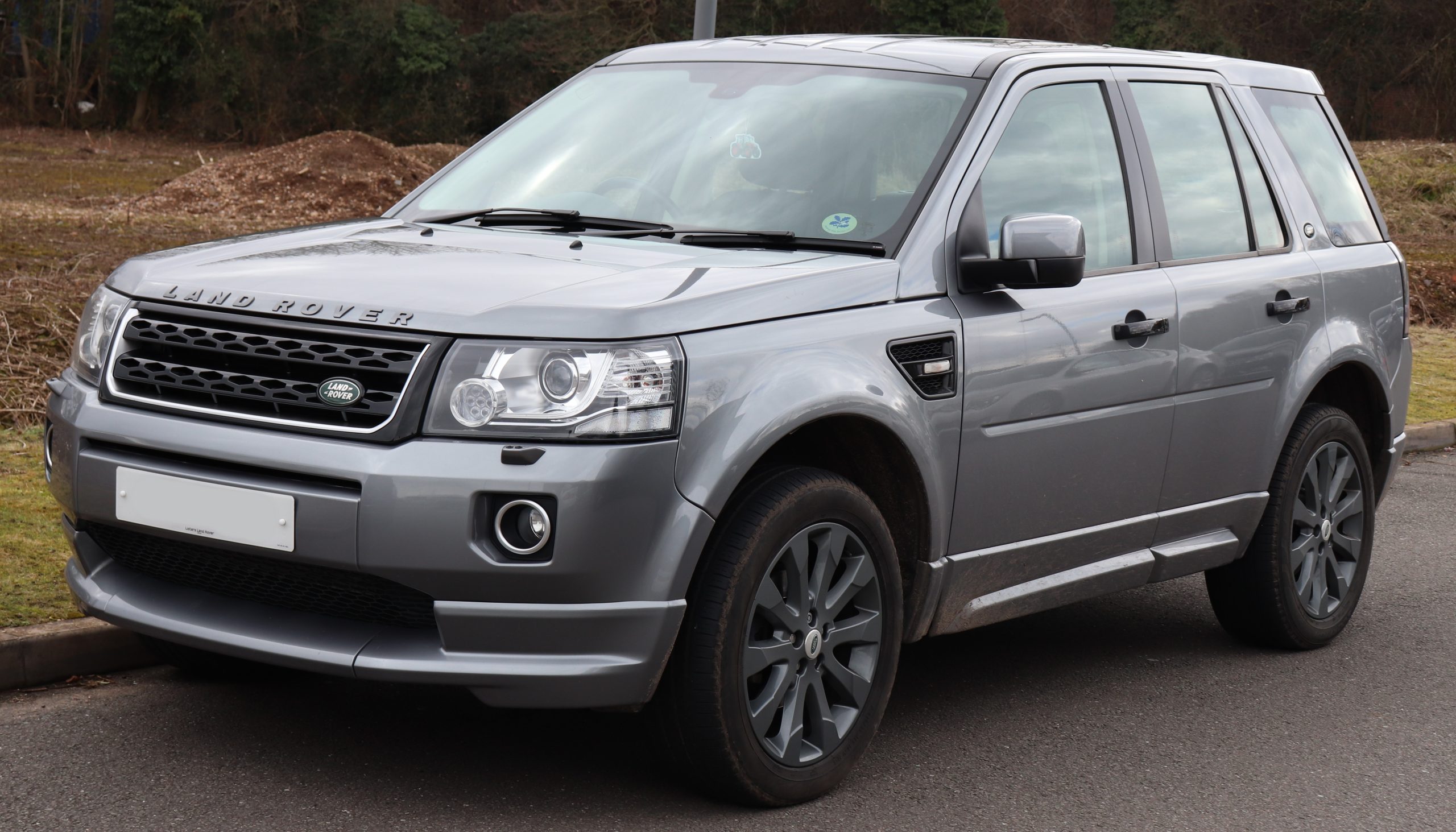
The Land Rover Freelander 2 carved a niche as a compact, stylish SUV tailored for urban use while retaining off-road capabilities. Its manageable size, premium design, and versatile character appealed to those seeking Land Rover prestige in a smaller package. However, reliability problems significantly damaged its reputation.
Owners reported frequent failures linked to the transmission and engine components, leading to breakdowns that caused frustration and costly repairs. While it offered practicality and comfort, the Freelander 2’s long-term dependability was inconsistent, making it a less appealing choice in the used market compared to competitors.
In essence, the Freelander 2 provided a mix of style, capability, and compact convenience but failed to live up to expectations for durability. For many buyers, this made it more of a liability than a reliable partner, a recurring theme in Land Rover’s SUV lineup during this era.
Land Rover’s legacy is built on luxury and off-road dominance, but reliability continues to hold back the brand from true greatness. As this list of models shows, owning one can often mean dealing with repair bills, inconvenient downtime, and frustrations that undermine the ownership experience.
To some buyers, the prestige, performance, and unique character of a Land Rover may outweigh these drawbacks, making the trade-off worthwhile. For others, especially those seeking long-term dependability and lower running costs, the risks are harder to justify.
The Defender and Range Rover Sport highlight how Land Rover has made strides toward improvement, yet persistent issues in models like the Evoque, Velar, and Freelander 2 serve as reminders that the brand’s struggles are far from over.
Ultimately, choosing a Land Rover requires balancing heart and head, a decision between enjoying one of the most stylish, capable SUVs on the road and accepting the costs of its flaws.
Also Read: 10 Cars With Tricky Seatbelt Buckles for Elderly Passengers