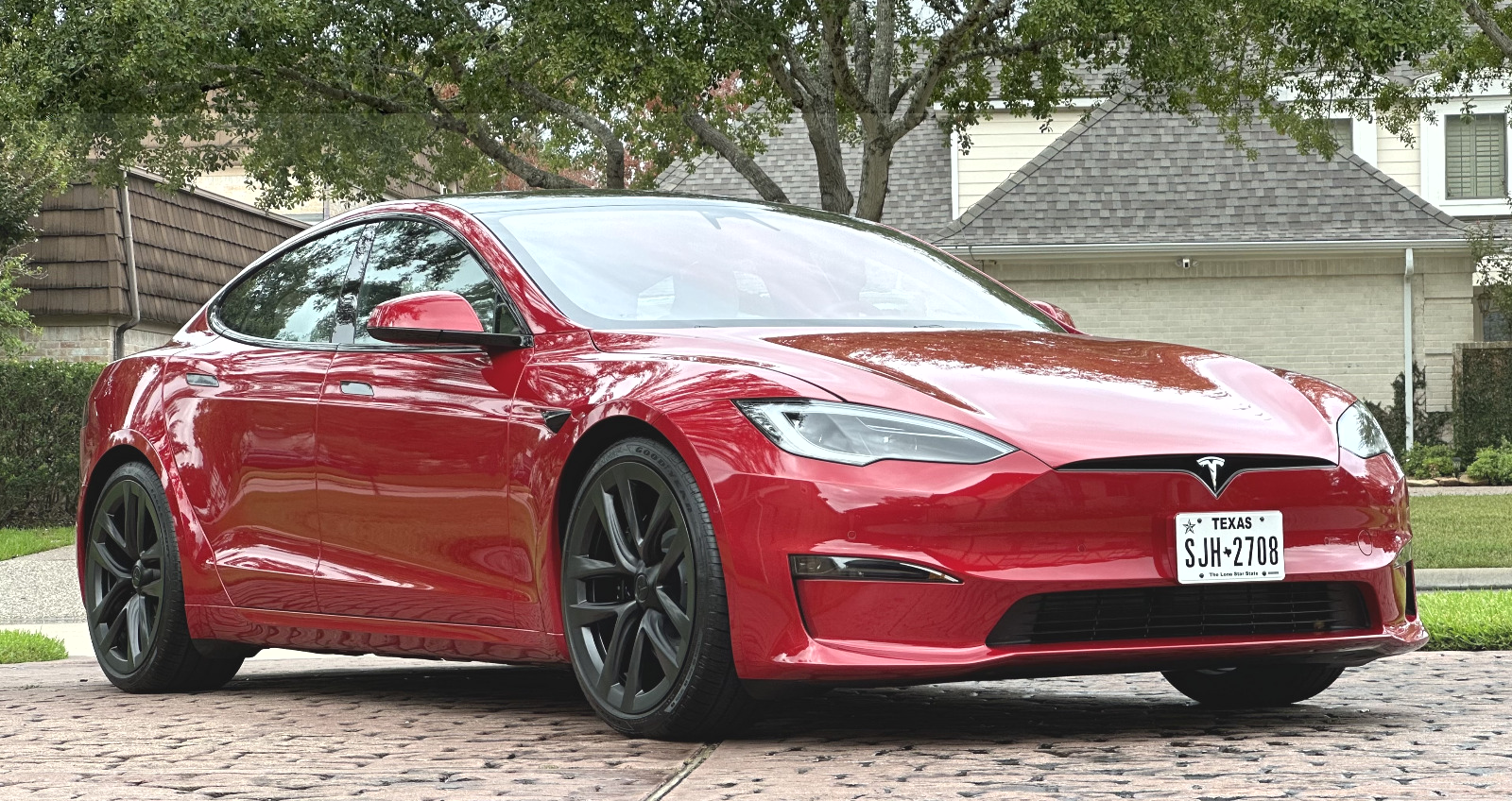
The Tesla Model S has long been hailed as a groundbreaking electric vehicle, blending luxury, speed, and cutting-edge technology in a way few rivals can match. Since its debut in 2012, the Model S has redefined expectations for EVs, offering exhilarating acceleration, long driving ranges, and access to Tesla’s robust Supercharger network.
However, not all model years have lived up to the hype. While some stand out as strong, reliable options with refined battery systems and manageable maintenance costs, others have been plagued by frustrating issues ranging from door handle malfunctions to costly touchscreen failures.
For buyers exploring the used EV market or considering the latest models, understanding which years hold up best and which fall short is critical.
This guide highlights five of the strongest Tesla Model S model years that deliver dependable performance, along with five more problematic years that may leave owners dealing with unexpected challenges.
5 Tesla Model S Years With Solid Batteries
1. 2023 Tesla Model S
The 2023 Tesla Model S remains Tesla’s flagship electric sedan, continuing its role as a pioneer in the EV market. While changes for the year were minimal, updates included a new key card in place of the key fob and the return of a traditional round steering wheel as a no-cost option, replacing the widely criticized yoke.
Tesla also lowered prices, giving the Standard Range trim a cheaper starting point. Despite these updates, reliability remains a concern. The 2023 Model S recorded 10 recalls, higher than older versions but fewer than some recent models, and earned a modest reliability rating of 40 out of 100.
On the positive side, its average yearly maintenance cost was relatively low at $372, making it one of the more affordable luxury EVs to maintain. With a starting price of $73,151, the Model S still commands a premium but offers unique performance and technology for its segment.
Performance is a key highlight of the Model S, particularly in the Plaid variant. Equipped with a tri-motor setup producing 1,020 horsepower, the Plaid accelerates from 0 to 60 mph in just 2.3 seconds in Edmunds’ testing, making it the quickest vehicle they have ever reviewed.
While Tesla claims 1.99 seconds, the discrepancy is due to testing methods, but the performance is nonetheless staggering. The standard dual-motor Model S offers up to 405 miles of driving range, further boosting its appeal. However, while acceleration is groundbreaking, handling and braking are less impressive.
Steering feels disconnected, and brakes show signs of fade after repeated hard stops, raising questions about long-term safety under high-performance driving. This combination makes the car feel more like a muscle car than a refined sports sedan.
In terms of comfort and interior design, the Model S delivers a smooth ride courtesy of its adaptive air suspension, even with larger wheels. The cabin is quiet, thanks to the absence of a combustion engine, though road and wind noise can still creep in.
Seats are comfortable but not particularly supportive, and the rear layout can feel cramped with higher floor levels. The interior tech continues to showcase Tesla’s innovation, with a massive 17-inch touchscreen, Google Maps integration, and an impressive 22-speaker audio system.
However, the lack of Apple CarPlay and Android Auto integration is a drawback, and reliance on touch-sensitive controls for basic functions, such as signaling, can be distracting.
Tesla’s Autopilot remains one of the most recognizable driver-assist systems, but its beta-phase updates often feel incomplete, leaving users to deal with inconsistent performance.
When it comes to practicality, the Model S excels. Its hatchback design offers ample cargo capacity, enhanced by foldable rear seats and a useful front trunk. Charging is another strong point, as Tesla’s vast Supercharger network remains a major advantage over rival EVs.
Efficiency is also commendable, with real-world range results nearly matching EPA estimates. However, value is a mixed bag. At nearly $140,000 for the Plaid, the Model S offers unmatched speed and range but suffers from questionable build quality, including misaligned panels and interior trim issues.
Warranty coverage is competitive, but concerns about reliability and recalls temper its appeal. For buyers prioritizing performance, range, and charging convenience, the 2023 Tesla Model S stands out, but rivals like the BMW i7, Lucid Air, Mercedes EQS, and Porsche Taycan offer stronger refinement, comfort, and craftsmanship.
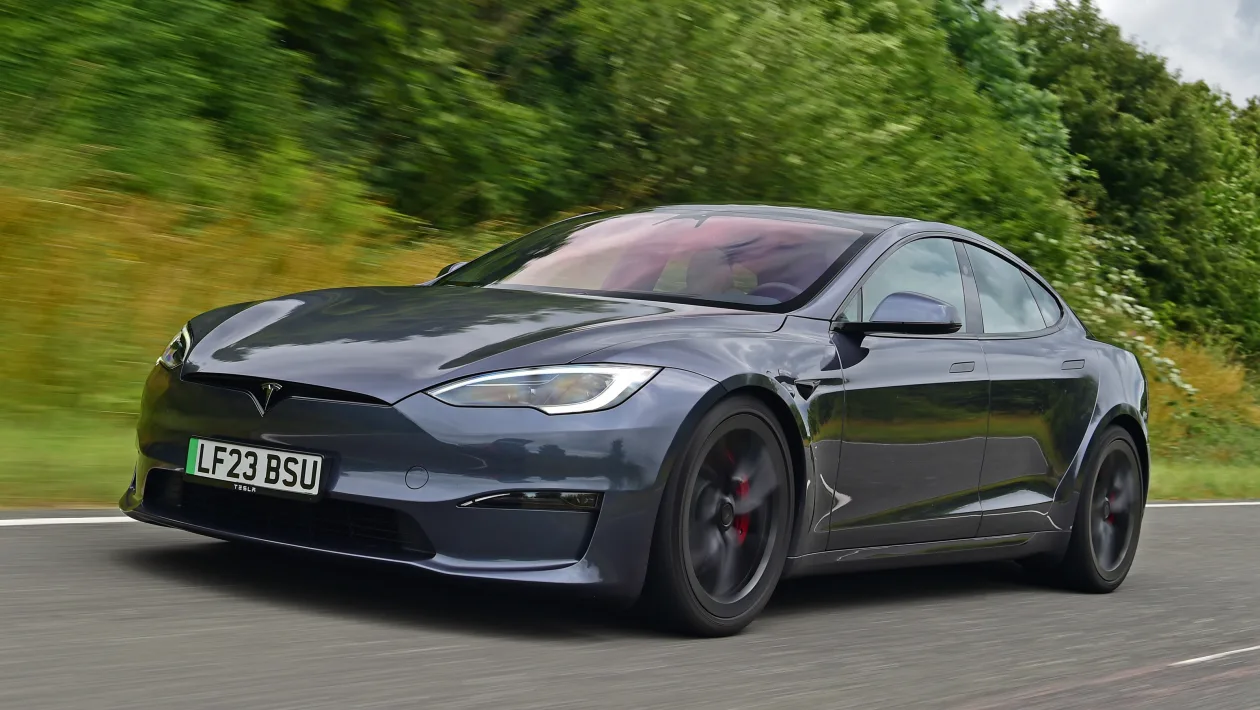
2. 2019 Tesla Model S
The 2019 Tesla Model S marked another step forward for Tesla’s flagship sedan, introducing revised trims, an adaptive air suspension, and improved driving range. Buyers could choose between Standard, Long Range, and Performance trims, though these differences were largely software-based.
Tesla dropped the smaller battery pack, equipping all models with a 100-kWh unit. Features like extended range or “Ludicrous Mode” required expensive software unlocks, costing buyers up to $20,000. While this approach gave flexibility, it left some owners questioning whether they were truly getting their money’s worth.
From a performance perspective, the Model S continued to impress. Even older trims like the P85D could sprint from 0–60 mph in just 3.5 seconds, aided by instant torque and grippy all-wheel drive.
Handling remained surprisingly agile for such a heavy car, with precise steering and excellent braking distances. The adaptive suspension delivered a firm but controlled ride, while regenerative braking made everyday driving smooth.
However, some owners noted unusual powertrain noises and a resonance from the rear. Still, for sheer acceleration and drivability, the 2019 Model S remained a standout in the luxury EV segment.
Inside, the Model S delivered a futuristic experience centered around a massive 17-inch touchscreen. The minimalist cabin felt airy and spacious, with excellent visibility and impressive cargo space thanks to both a front and rear trunk.
Seating comfort was strong, though more adjustability and cooling functions would have been welcome. Build quality was generally solid, with premium materials and tight panel gaps, though features like the retracting door handles proved finicky.
Tech highlights included one of the largest backup camera displays in the industry, intuitive climate controls, and an advanced cruise control system. On the downside, navigation could be unreliable, and the lack of Apple CarPlay or Android Auto remained a frustration for many drivers.
In terms of reliability, the 2019 Model S carried over some of Tesla’s long-standing challenges. It tied the 2016 and 2023 versions with 10 total recalls, making dependability a concern. Annual maintenance costs averaged $691 higher than some rivals but lower than many luxury gas-powered sedans.
On the market today, used examples sit at an average price of $41,431, making them more accessible than ever. For buyers seeking a blend of luxury, technology, and unmatched EV performance, the 2019 Model S offers plenty of appeal.
But with recurring recalls and Tesla’s reliance on costly software upgrades, it may not satisfy those prioritizing traditional luxury refinement or long-term dependability.
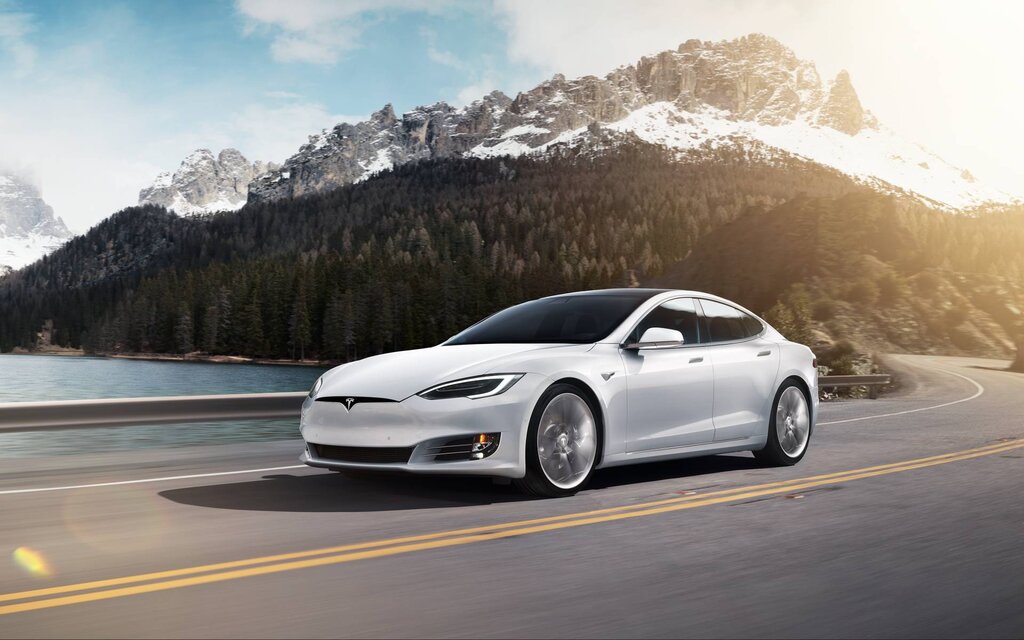
3. 2017 Tesla Model S
The 2017 Tesla Model S introduced a refreshed look, replacing its faux front grille with a sleeker design and reshaped headlights. Tesla also upgraded its onboard charging system, swapping out the 40-amp unit for a more capable 48-amp charger.
As always, Tesla continued its rolling updates rather than sticking to traditional model-year changes, ensuring hardware and software features evolved throughout the year. The most notable addition was the P100D trim, which became one of the fastest production cars in the world.
Behind the wheel, the 2017 Model S delivered the kind of performance that set Tesla apart from its rivals. Even in standard form, the car’s instant torque and precise all-wheel drive made it agile and thrilling.
In its most aggressive “Insane” mode, the P85D sprinted from 0–60 mph in just 3.5 seconds, while the P100D could reach the same speed in a blistering 2.5 seconds. Braking was equally impressive, with short and stable stopping distances, while sharp steering and sticky tires gave the sedan sports-car-like agility.
The driving experience wasn’t just about speed. Regenerative braking made everyday driving smooth and intuitive, while adaptive cruise control stood out as one of the best systems available at the time.
The ride leaned toward the firm side, especially with larger 21-inch wheels, and some owners reported powertrain whine and rear resonance. Even so, comfort levels were solid overall, and the cabin remained quiet compared to most vehicles on the road.
Inside, the Model S felt spacious and futuristic. A massive 17-inch touchscreen dominated the minimalist dashboard, handling nearly all functions.
While intuitive and quick to respond, the reliance on virtual controls could frustrate those preferring traditional buttons. Door handles occasionally failed to deploy properly, but otherwise, the build quality was strong, with tight panel gaps and premium materials.
Practicality was another strength. With 26.3 cubic feet of space behind the rear seats, expanding to 63.3 cubic feet with them folded, the Model S offered more cargo room than most luxury sedans. An optional third-row jump seat added versatility for families.
Visibility was excellent, thanks to a high-resolution backup camera and advanced parking sensors, though Tesla continued to exclude Apple CarPlay and Android Auto, offering only Bluetooth connectivity. Navigation, meanwhile, was often criticized as unreliable.
For all its strengths, the 2017 Model S struggled with dependability. It tied the 2015 model year with nine total recalls, covering issues such as electrical malfunctions, power steering loss, and seat belt faults.
Its reliability rating of 28/100 placed it among Tesla’s weaker years. Annual maintenance costs averaged $810, higher than some luxury EV rivals but still manageable compared to gas-powered alternatives.
Pricing today averages around $30,375, making it one of the more accessible entry points into Tesla ownership.
With 300-plus miles of range, access to Tesla’s growing Supercharger network, and industry-leading performance, the 2017 Model S remains appealing, though prospective buyers should weigh its exhilarating driving experience against its spotty reliability record.
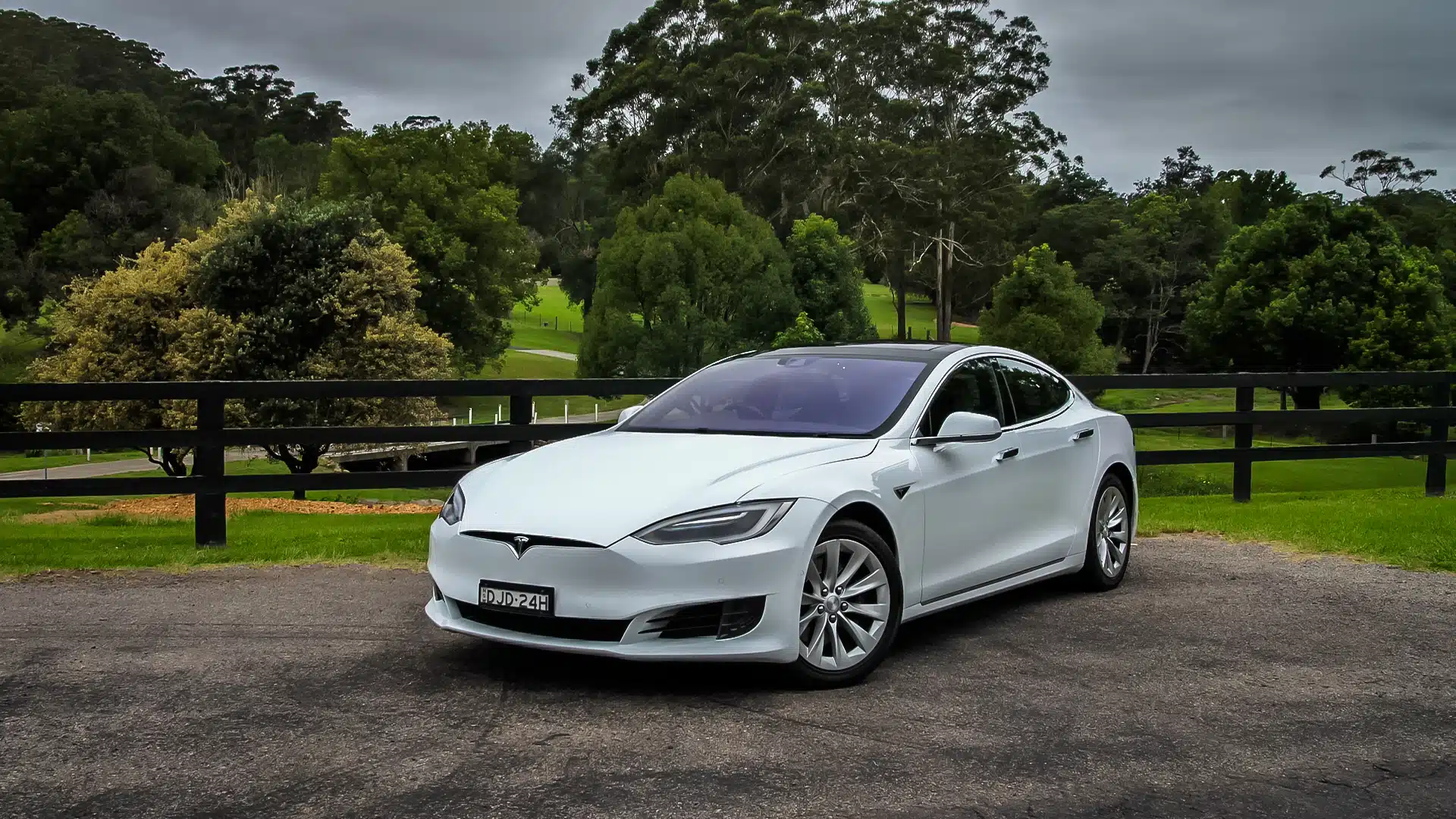
4. 2012 Tesla Model S
The 2012 Tesla Model S marked the brand’s first full-production year, rewriting expectations for electric vehicles. Unlike the small, economy-car-based EVs of the time, the Model S was a full-size luxury sedan with striking design, advanced technology, and performance to rival conventional premium cars.
With a starting price of around $60,000 before incentives, it offered accessibility in the luxury EV market. Buyers could choose from multiple battery configurations: 40 kWh, 60 kWh, and 85 kWh, each providing different levels of power and range.
The Performance trim pushed output to 416 horsepower and a 0–60 mph time of just 4.3 seconds, rivaling sports cars. Beyond power, Tesla’s nationwide Supercharger network enabled quicker charging, making long-distance electric travel a realistic possibility for the first time.
Despite its innovations, the 2012 Model S struggled with dependability. It faced eight recalls, addressing issues with the electrical system, faulty airbag deployment, and seat belt attachment failures. These recalls raised concerns about safety and reliability in Tesla’s debut model.
The lack of an official reliability rating further complicated its reputation, and maintenance costs were higher than average at about $1,040 per year the steepest among Model S model years. While many buyers were drawn to the car’s futuristic appeal, some were hesitant due to repair costs and extended downtimes, which affected practicality. Even so, as one of the earliest examples of a long-range EV, it remained an attractive option for buyers seeking a balance between affordability and innovation.
On the road, the 2012 Tesla Model S shattered expectations of what an electric car could feel like. Immediate torque delivery allowed for rapid acceleration in silence, creating a driving experience both smooth and exhilarating.
The sedan handled like a conventional luxury vehicle, offering sharp steering, responsive braking, and athletic suspension tuning without sacrificing comfort. Efficiency was equally impressive, with the EPA rating the 85 kWh model at 89 MPGe combined.
Charging options were versatile, from standard household outlets to Tesla’s expanding Supercharger network, which could replenish up to 160 miles of range in about 30 minutes. These capabilities placed the Model S in a class of its own, setting a new benchmark for EV performance and practicality.
Inside, the 2012 Model S stood out for its minimalist yet futuristic cabin. A massive 17-inch vertical touchscreen replaced traditional buttons and knobs, controlling nearly all vehicle functions with an intuitive interface. The clean design, combined with quality materials, gave the interior a tech-driven luxury feel.
Passenger space was generous, though taller rear passengers could find headroom limited, and the optional rear-facing jump seats were only suitable for children. Cargo capacity was a strong point, with 26.3 cubic feet of trunk space expanding to 58.1 with the rear seats folded, plus an additional front trunk.
While the fit and finish fell slightly short of traditional luxury brands at the highest price point, the Model S redefined what a modern EV could deliver, blending technology, practicality, and performance into one groundbreaking package.
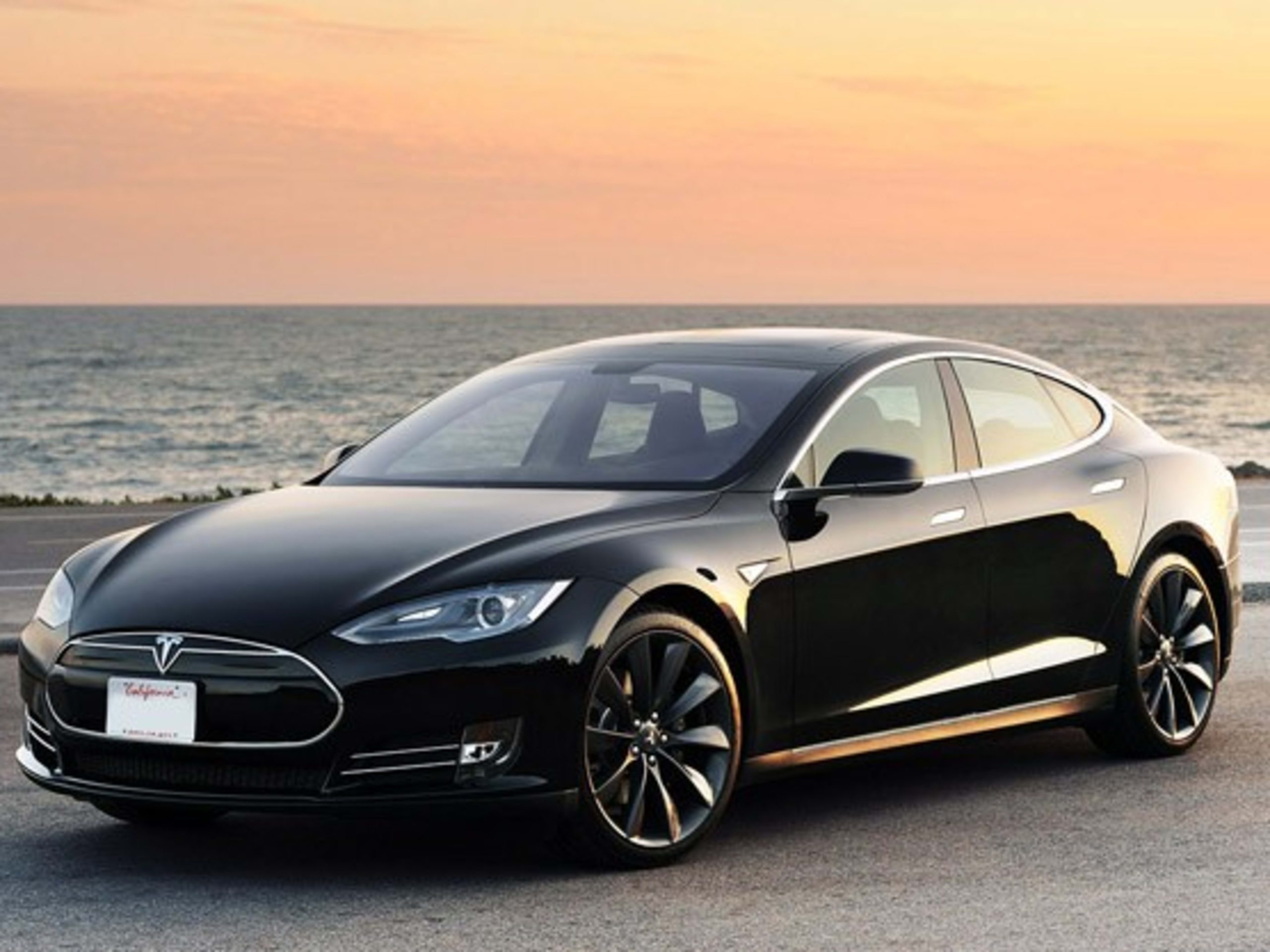
5. 2024 Tesla Model S
The 2024 Tesla Model S comes with two reported recalls, both fairly predictable given Tesla’s history. One involves an electrical malfunction that could leave the hood unlatched, while the other concerns a failure in the seat belt warning system.
While no official reliability rating has been issued yet, maintenance costs appear lower than in earlier models, averaging just $338 annually. At a current starting price of about $83,915, the Model S remains Tesla’s flagship sedan, continuing the legacy it began back in 2012.
Performance remains the crown jewel of the Model S lineup. The base model offers 670 horsepower from dual motors, while the Plaid trim pushes out a staggering 1,020 hp via a tri-motor setup. In Edmunds’ testing, the Plaid hit 60 mph in just 2.3 seconds and completed the quarter-mile in 9.4 seconds at 150 mph, numbers that rival hypercars.
This performance places it on par with competitors like the Lucid Air Sapphire and Porsche Taycan Turbo GT. For those opting into the Track package, carbon-ceramic brakes and performance tires deliver endurance and stopping power, making the Plaid as capable on the track as it is on the highway.
Despite its blistering speed, the Model S hasn’t sacrificed comfort. The adaptive air suspension smooths out road imperfections, and ride quality remains pleasant even with the larger 21-inch wheels. The cabin stays relatively quiet, with minimal wind and road noise thanks to the absence of a combustion engine.
Climate control is effective, and features like heated and ventilated seats make it a solid companion for long drives. That said, the seats themselves lack the lateral support expected in a performance car, and rear passengers may find the seating position awkward due to the high floor.
Inside, the Model S continues Tesla’s minimalist philosophy. A massive 17-inch touchscreen handles nearly all functions, eliminating traditional controls. While striking in design, this can make simple tasks like adjusting turn signals distracting.
Tesla has reintroduced a conventional steering wheel option, replacing the widely criticized yoke, improving day-to-day usability. Space is competitive for a midsize luxury sedan, offering more room than the Porsche Taycan but slightly less than the Lucid Air.
The glass roof creates an airy feel, though backseat leg positioning can be uncomfortable for taller passengers. Cargo space, thanks to the hatchback design and front trunk, is generous compared to rivals.
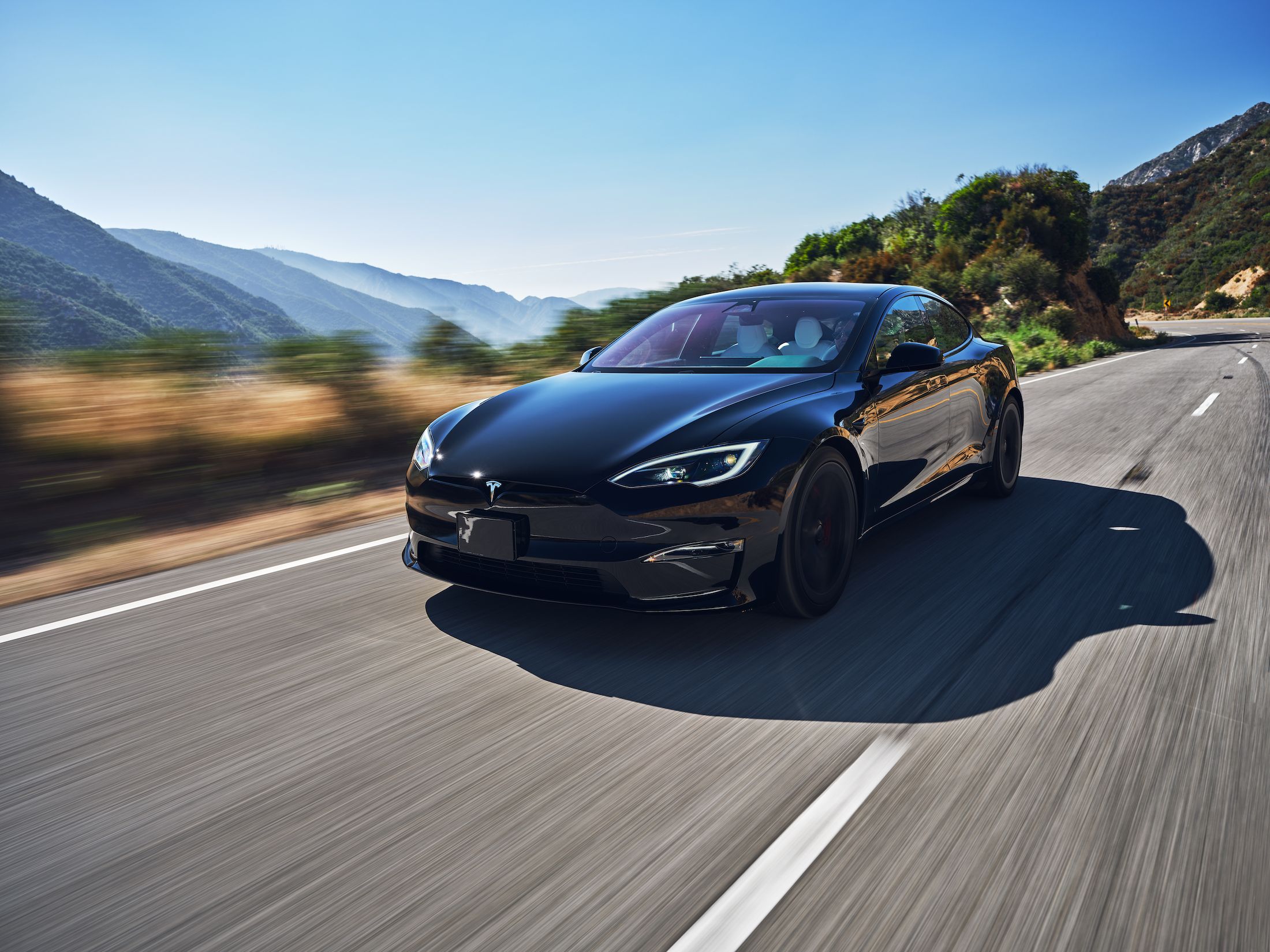
The 2024 Tesla Model S continues to represent the pinnacle of Tesla’s engineering, delivering jaw-dropping acceleration while remaining practical enough for daily driving.
While reliability ratings remain uncertain and some interior design choices hinder usability, its blend of performance, luxury, and long-range capability keeps it firmly in contention with the best EVs on the market.
Also Read: 5 Cars with Climate Control That Works vs 5 That’s Just for Show
5 Tesla Model S Years With Issues
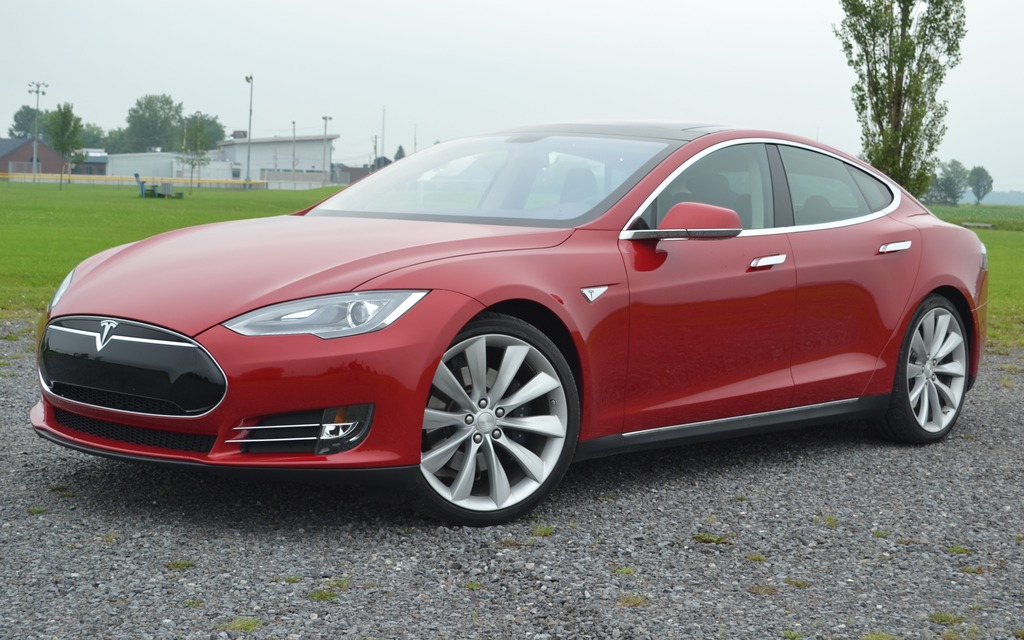
1. 2013 Tesla Model S: A Troubled Beginning
The 2013 Tesla Model S marked the brand’s first full production year and set high expectations for the electric car industry. However, it quickly developed a reputation for reliability concerns. Owners frequently reported malfunctioning door handles, which often failed due to motor issues and left them locked out of their own cars.
Suspension problems also surfaced early, with premature wear on control arms and bushings leading to expensive repairs averaging around $2,700. These issues were not just inconvenient but also highlighted flaws in Tesla’s early engineering and quality control.
Alongside mechanical concerns, drivers also experienced worrying battery coolant leaks and inconsistent range estimates that undermined confidence in Tesla’s electric powertrain. The heavy reliance on electronics further amplified frustrations, as many owners faced screen blackouts that rendered the touchscreen unusable.
Since nearly all vehicle controls depend on this central interface, such failures often leave the car inoperable. While Tesla promised cutting-edge innovation, the 2013 Model S highlighted the growing pains of an ambitious newcomer, leaving many early adopters struggling with high repair costs and unexpected downtime.
2. 2014 Tesla Model S: Small Improvements, Lingering Flaws
The 2014 Tesla Model S brought refinements over the previous year, but reliability still remained an issue for many owners. One of the most common complaints was drivetrain failure, where humming noises from the motor eventually led to full replacements.
While warranty coverage helped some buyers, the inconvenience and time-consuming nature of these repairs caused significant dissatisfaction. Build quality also came under scrutiny in 2014, as customers reported paint problems, panel misalignments, and defective seals.
These flaws often led to water leaks inside the cabin, undermining Tesla’s luxury positioning. Beyond aesthetics, these defects also affected long-term durability, with some owners needing early bodywork repairs.
Although Tesla marketed the Model S as a sleek and premium electric sedan, buyers expected better quality control at its price point.
The mix of drivetrain issues, cosmetic imperfections, and water leaks made the 2014 version a step forward from 2013, but still short of the reliability standards demanded in the luxury EV market. Despite its potential, this year highlighted Tesla’s struggle to balance innovation with consistent dependability.
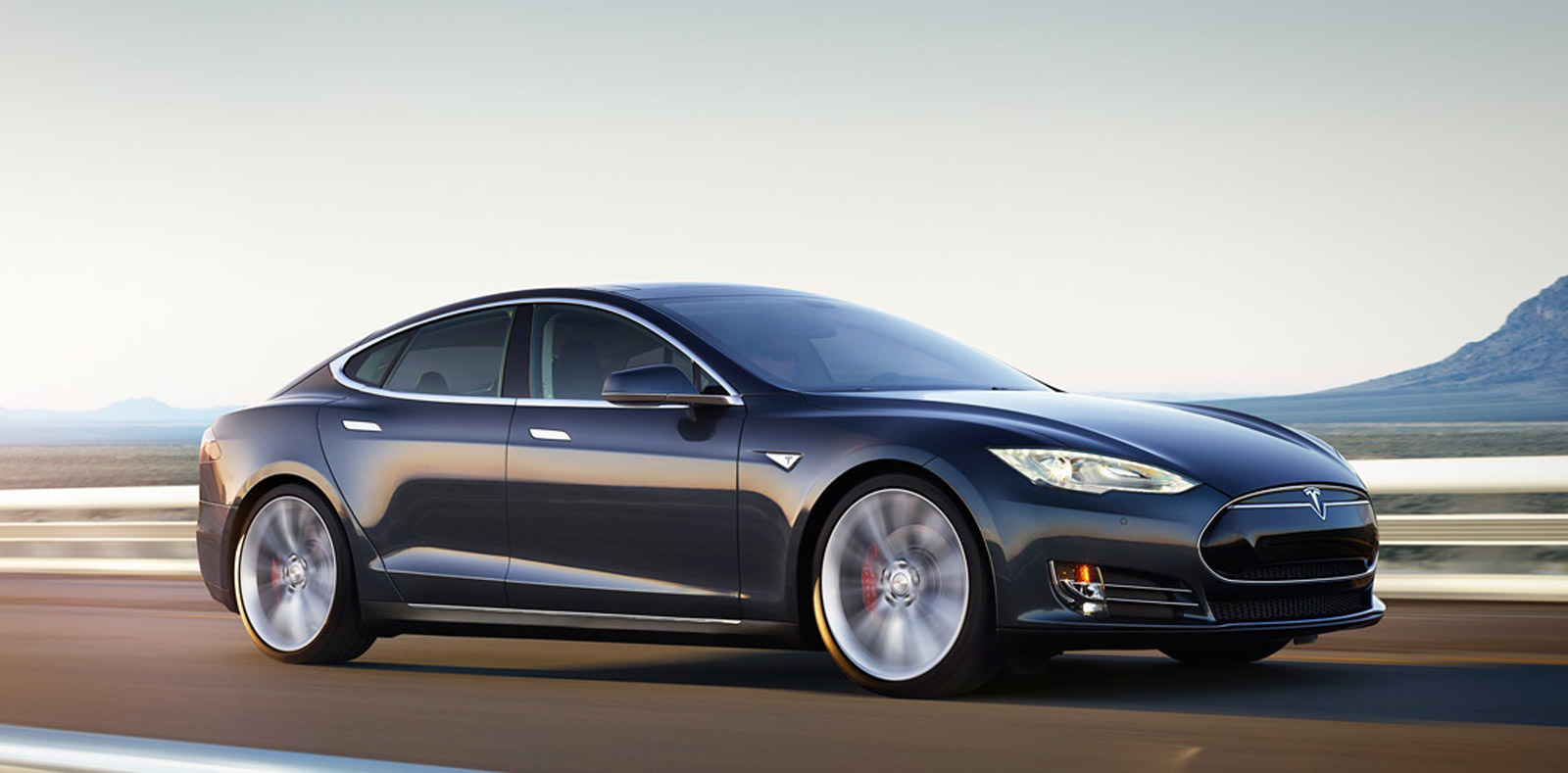
3. 2015 Tesla Model S: Technology Meets Frustration
By 2015, Tesla continued refining the Model S, but technical problems persisted. The infamous retractable door handles were still failing, frustrating owners despite minor design adjustments. A bigger issue was the Media Control Unit (MCU), which powered Tesla’s touchscreen interface.
Many owners reported sudden failures due to excessive memory wear, leaving critical functions such as navigation, climate control, and infotainment inoperable. Repairs or replacements were expensive, sometimes exceeding $2,000, and became one of the most common complaints.
Safety concerns also emerged as the National Highway Traffic Safety Administration flagged recurring suspension failures, raising alarms about long-term reliability. Software glitches were another sticking point, affecting autopilot, charging functions, and battery management.
These problems undermined Tesla’s reputation for advanced technology and highlighted the risks of pushing software-dependent systems without sufficient durability testing.
The 2015 Model S represented a turning point where excitement over Tesla’s innovation clashed with real-world frustrations. While Tesla gained attention for its cutting-edge features, owners often bore the cost of being early adopters, dealing with repairs that were both time-consuming and expensive.
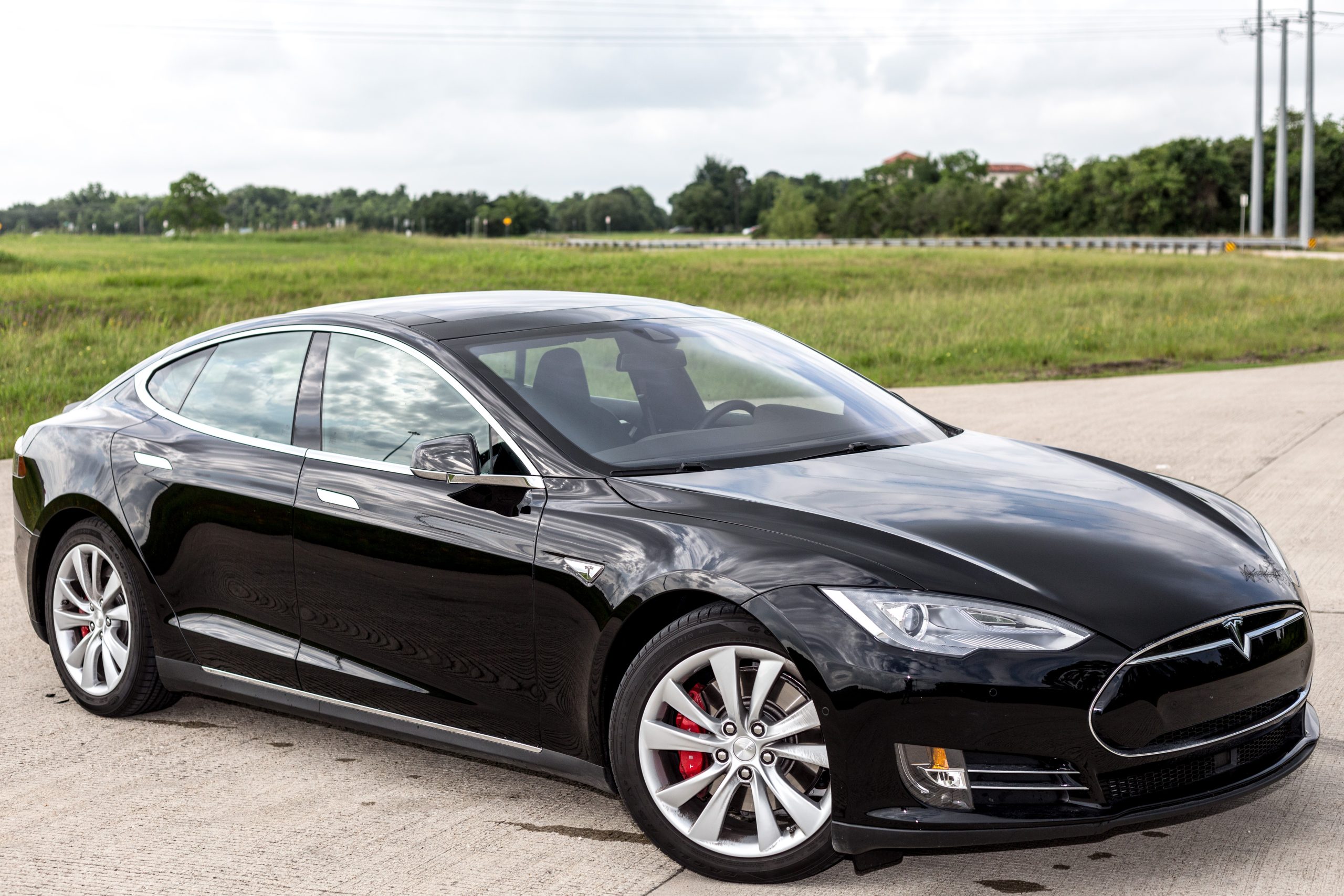
4. 2016 Tesla Model S: Autopilot Arrives, Problems Persist
The 2016 Tesla Model S introduced Autopilot hardware, a milestone in driver-assistance technology. However, this innovation came alongside recurring reliability issues. The MCU continued to fail due to worn-out memory chips, leaving essential vehicle systems unusable.
On average, these touchscreen repairs cost around $1,500 and often occur after only a few years of ownership. Door handle malfunctions remained a recurring complaint, showing Tesla had yet to resolve one of its longest-standing flaws. In addition, new issues arose with steering and alignment, sometimes appearing as early as 50,000 miles.
Owners raised concerns about long-term durability, questioning whether the Model S could live up to its premium price tag. Although Tesla’s warranty covered some repairs, the repeated nature of these problems left many dissatisfied.
While Autopilot demonstrated Tesla’s commitment to pushing boundaries, the reliability struggles cast a shadow over its success. For many, the 2016 Model S embodied Tesla’s dual identity: a pioneer in innovation, but one still plagued by basic quality control issues that undercut its luxury ambitions.
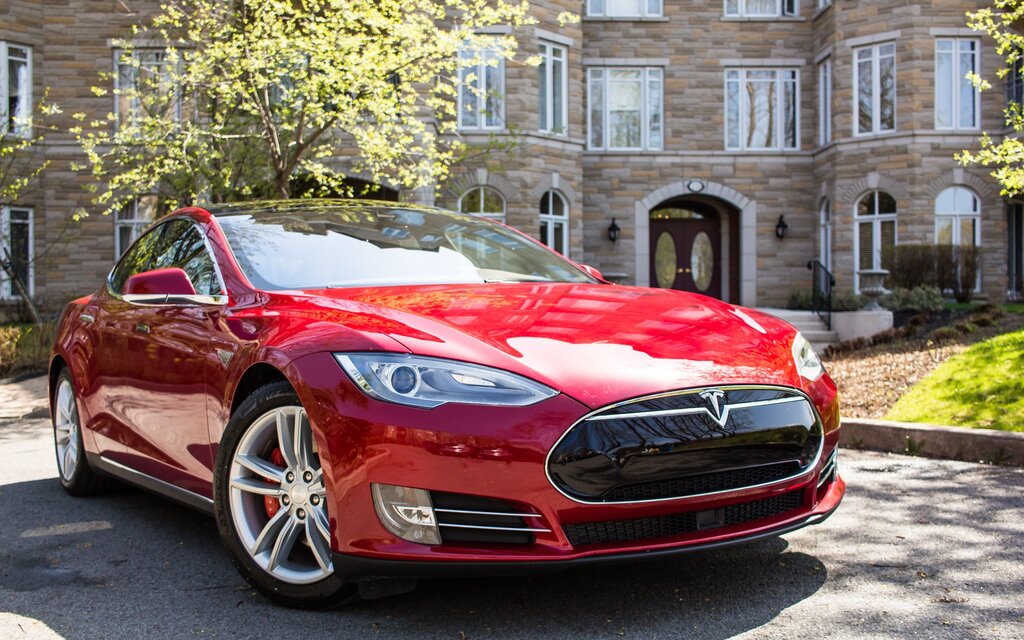
5. 2018 Tesla Model S: Refinement with Lingering Concerns
By 2018, Tesla had made significant progress in addressing earlier problems, and the Model S was more refined. However, quality concerns still persisted. Range inconsistencies became a major frustration, as the car’s displayed range often failed to match real-world performance.
This raised doubts about Tesla’s marketing claims of long-distance capability, especially for drivers relying on long commutes. Paint quality also drew criticism, with thin coatings prone to premature wear and chipping. Despite being a luxury vehicle, these cosmetic flaws left some owners disappointed in Tesla’s quality standards.
Software updates, a key part of Tesla’s strategy, sometimes created new glitches even as they added features. Autopilot responsiveness and touchscreen reliability were among the most common complaints tied to updates.
Compared to earlier years, the 2018 Model S was far more reliable, but these recurring problems reflected Tesla’s ongoing struggle with consistency.
While the car offered cutting-edge technology, strong performance, and luxury appeal, buyers still faced quality-control setbacks. For many, the 2018 Model S highlighted both Tesla’s progress and the challenges it continued to face in delivering long-term dependability.
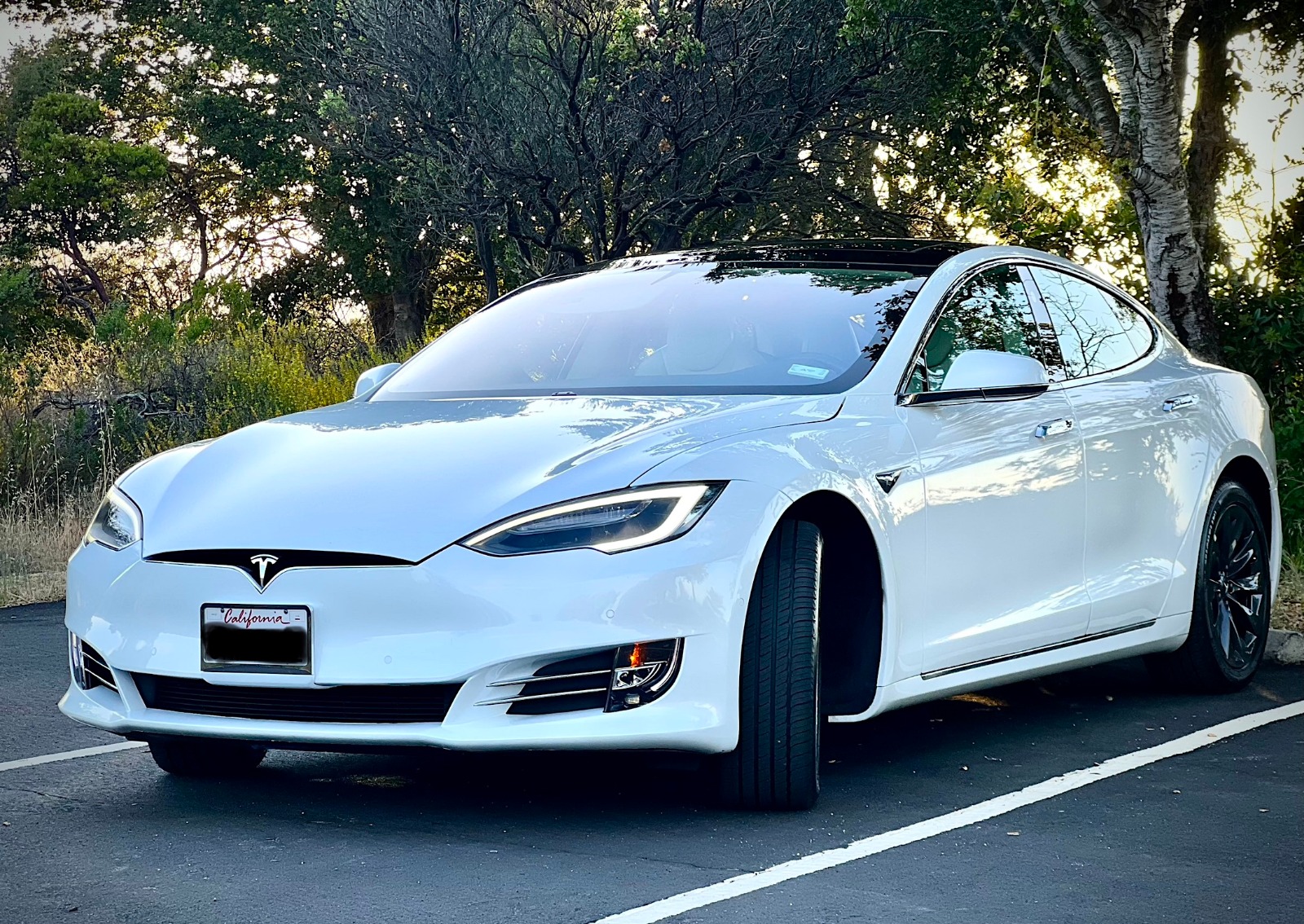
The Tesla Model S remains one of the most influential EVs on the market, setting the benchmark for range, acceleration, and forward-thinking technology. However, ownership experiences have not always been consistent, with some versions delivering impressive reliability while others struggled with recurring issues.
These differences highlight both the strengths of Tesla’s innovations and the growing pains that come with pioneering electric mobility. For prospective buyers, choosing carefully can make the difference between a rewarding, trouble-free experience and one filled with costly frustrations.
Whether you’re drawn to the Model S for its thrilling performance, cutting-edge features, or long-distance capability, understanding which versions have proven more dependable helps ensure you invest in a model that truly reflects Tesla’s vision of a luxury electric future..
Also Read: 10 Cars With Tricky Seatbelt Buckles for Elderly Passengers