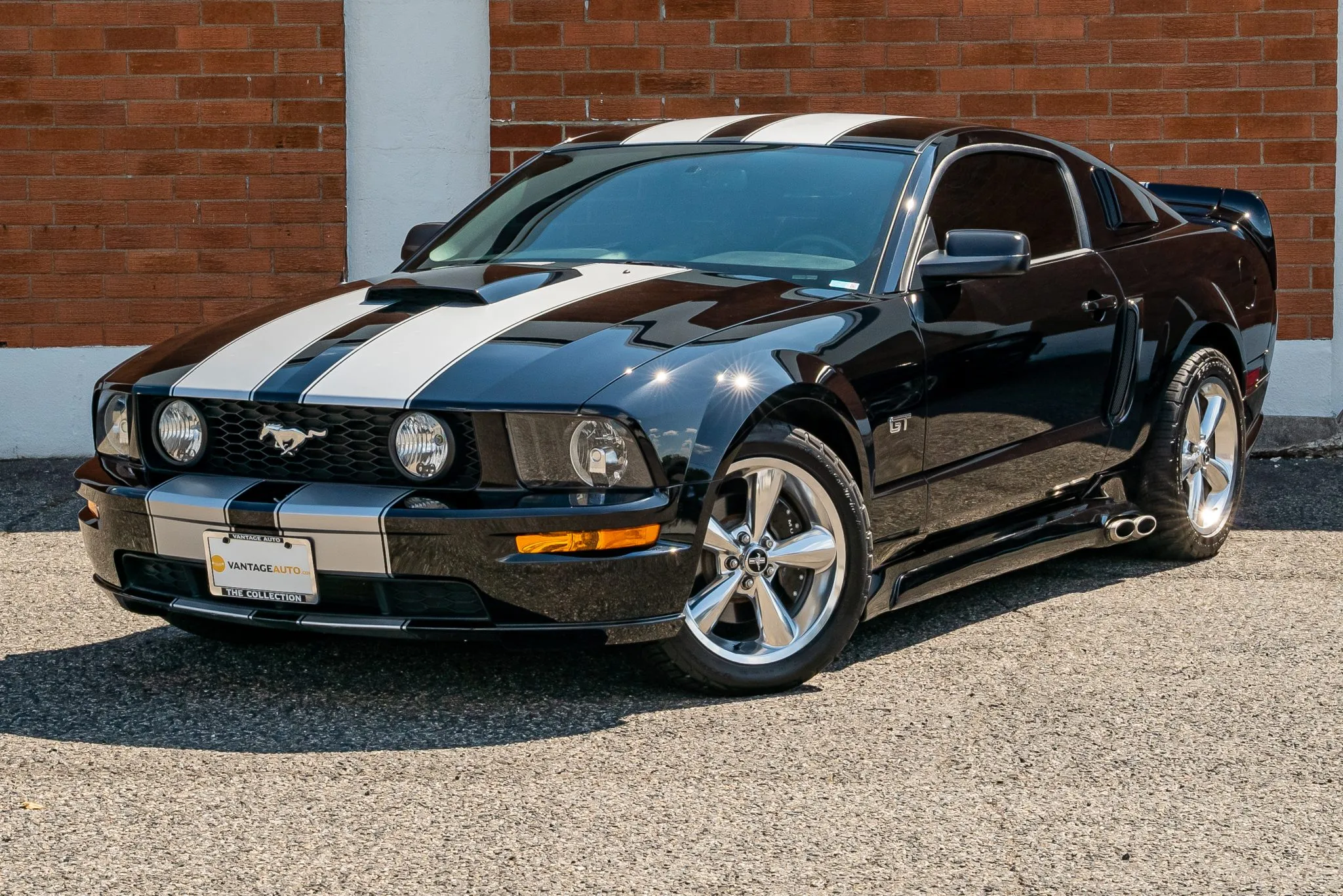
The Ford Mustang has been an icon of American muscle since its debut in 1964, combining bold styling, roaring engines, and everyday usability. Over the decades, however, not every model year has lived up to the hype.
Some generations redefined performance and rekindled Mustang’s legendary status, while others fell short with lackluster reliability, frustrating mechanical issues, or uninspired engineering.
For buyers and enthusiasts, knowing which years shine and which to avoid can make all the difference between a dream ride and a costly headache. In this guide, we’ll highlight five Ford Mustang years that stand out as worth owning, offering style, reliability, and thrilling performance.
At the same time, we’ll cover five years that disappointed owners, plagued by recalls, poor durability, and critical design flaws. Whether you’re shopping for a used Mustang or just exploring its history, this breakdown reveals the best and worst from Ford’s iconic pony car.
5 Ford Mustang Years Worth Owning
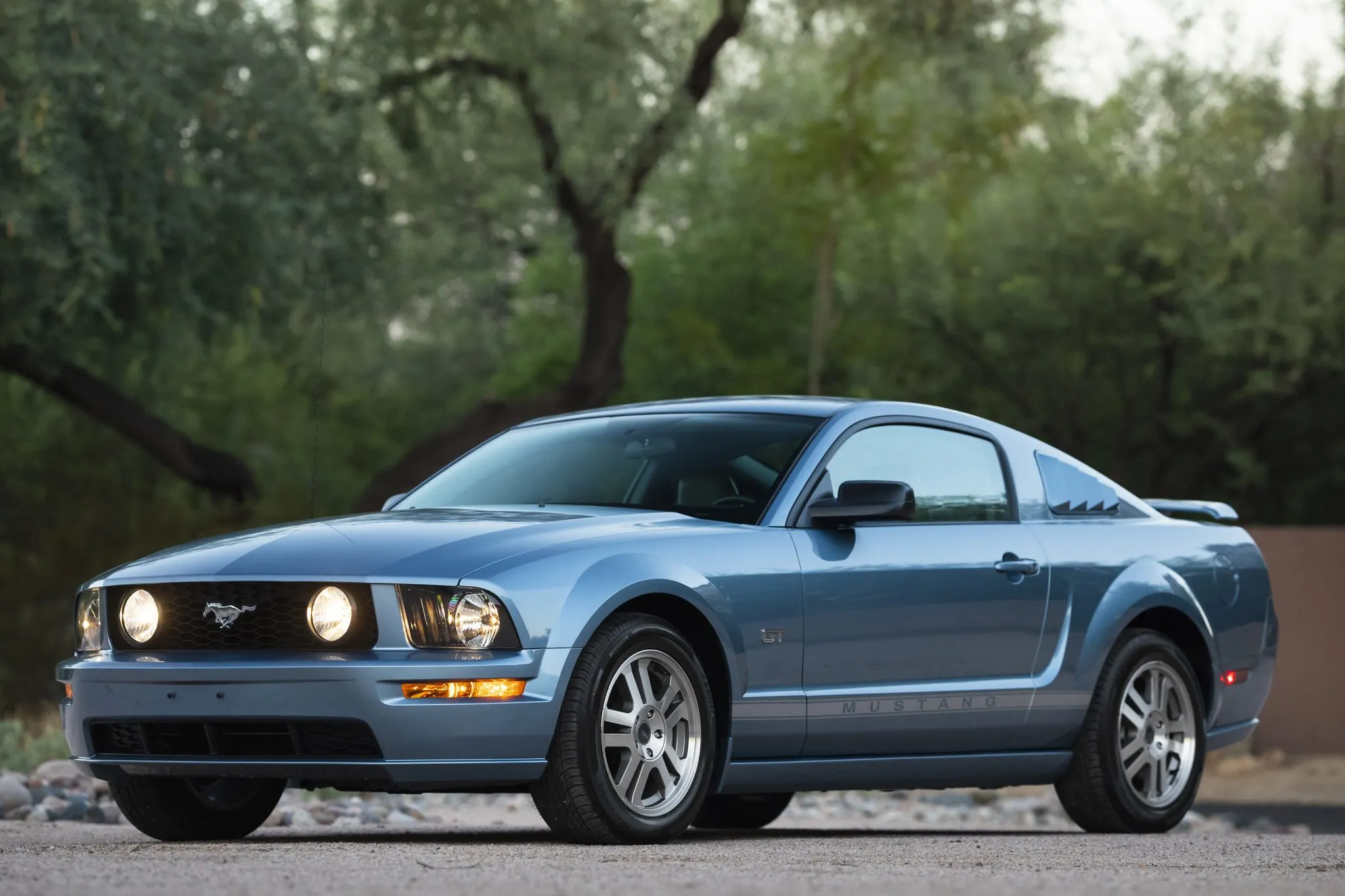
1. 2005 Ford Mustang
The 2005 Ford Mustang avoided the common pitfalls of first-year models but was not free from complaints. According to CarComplaints.com, it registered over 1,000 owner complaints and nine recalls. The most notable problem involved the transmission, which frequently failed around 60,000 miles, often after signs of gear slippage.
Another recurring issue was oxidation under the paint, particularly on the hood, leading to rust that affected the car’s appearance. While these problems hurt its reputation, many owners still consider the 2005 Mustang a solid choice, provided buyers stay cautious about its known weaknesses.
More than a simple facelift, the 2005 Mustang was a complete redesign that reconnected the car to its roots. Its styling drew inspiration from classic Mustangs of the late 1960s, with a fastback roofline, aggressive grille, and sculpted body panels.
Details like tribar taillights and Shelby-style triangular windows reinforced its retro character. The interior followed the same philosophy, featuring a dual-hooded dash, circular gauges, and customizable backlighting.
This blend of vintage cues and modern touches reignited enthusiasm for the Mustang nameplate and helped restore its status as an American icon.
Under the hood, the 2005 Mustang delivered performance that matched its bold looks. The base model carried a 4.0-liter V6 producing 210 horsepower, while the GT came equipped with a 4.6-liter V8 pushing out 300 horsepower and 320 lb-ft of torque. Both engines could be paired with a five-speed manual or automatic transmission.
Ford also upgraded the suspension with lighter components and improved control arms, while larger brakes enhanced stopping power. The result was sharper handling, a more compliant ride, and stronger performance, giving the Mustang an edge in the sports car segment.
In terms of safety, the 2005 Mustang offered mixed results. Standard equipment included four-wheel disc brakes, while ABS and traction control were optional for V6 trims and standard on the GT. Side airbags were available, though stability control and curtain airbags were absent.
On the road, the Mustang impressed with its eager turn-in, flat cornering, and strong braking performance. Despite retaining a solid rear axle, it handled bumps and corners with more composure than its predecessor.
Road and wind noise were kept to a minimum, giving the cabin a comfortable atmosphere for both daily driving and spirited runs.
Inside, the 2005 Mustang presented a significant upgrade in both quality and design. Ergonomics were vastly improved, with sturdy-feeling switches and higher-grade materials throughout.
The retro-styled dashboard, round gauges, and aluminum accents reinforced the car’s nostalgic theme, while optional features like color-change instrument lighting added a modern twist.
Buyers seeking more flair could opt for accent packages such as red leather seats with matching trim. Combined with supportive seating and a driver-focused layout, the cabin delivered both comfort and personality, making the 2005 Mustang as enjoyable to sit in as it was to drive.
2. 2014 Ford Mustang
The 2014 Ford Mustang is one of the most sought-after models, marking the final year of the S197 generation. It remains a standout sports car with powerful V6 and V8 options, an array of customization choices, and a strong reputation for reliability.
Consumer Reports gave the 2014 Mustang an excellent reliability rating of 5.0 out of 5.0, reinforcing its appeal. Although minor issues like bubbling paint have been noted, the Mustang’s strong dependability makes it an attractive option for enthusiasts and collectors alike.
Performance is one of the 2014 Mustang’s strongest suits. The base 3.7-liter V6 produces 305 horsepower and 280 lb-ft of torque, paired with either a six-speed manual or automatic transmission. For drivers seeking more excitement, the Mustang GT delivers 420 horsepower and 390 lb-ft of torque from its 5.0-liter V8.
Fuel economy is respectable for a muscle car: up to 31 mpg on the highway with the V6 automatic and 25 mpg with the GT automatic. In testing, the V6 sprinted from 0–60 mph in 5.7 seconds with the Performance package, while the V8 achieved an impressive 4.7-second run.
Safety equipment includes antilock disc brakes, stability and traction control, front-seat side airbags, and hill-start assist for manual models. A rearview camera is available with the rear spoiler option, while Ford’s MyKey system allows owners to set driving limits for younger drivers.
Government crash tests gave the Mustang a four-star rating, and the IIHS awarded it a top ‘Good’ score for frontal-offset protection. Optional summer tires improved braking performance significantly, with stopping distances around 112 feet from 60 mph, making it competitive in its class.
On the road, the Mustang delivers muscle-car thrills across all trims. The V6 offers ample power for everyday driving, while the V8 amplifies the fun with explosive acceleration and a rich exhaust note. The manual transmission is the enthusiast’s choice, but the automatic is still smooth and capable.
Handling is lively, with responsive steering and strong body control, especially with Performance or Track packages. Despite retaining a solid rear axle, the Mustang feels nimble and confident, giving it an advantage over rivals like the Dodge Challenger in tight curves.
Inside, the Mustang blends retro styling with modern conveniences. The dash layout and gauges pay tribute to the brand’s heritage, while Ford’s Sync voice-activation system simplifies control of audio, phone, and navigation features.
However, the cabin still relies heavily on hard plastics, and the lack of a telescoping steering wheel may bother some drivers. Both coupe and convertible models can seat four, though the rear seats are tight for adults. Cargo space is practical, with 12.3 cubic feet in the coupe and 9.7 cubic feet in the convertible, making it usable as a daily driver.
3. 2008 Ford Mustang
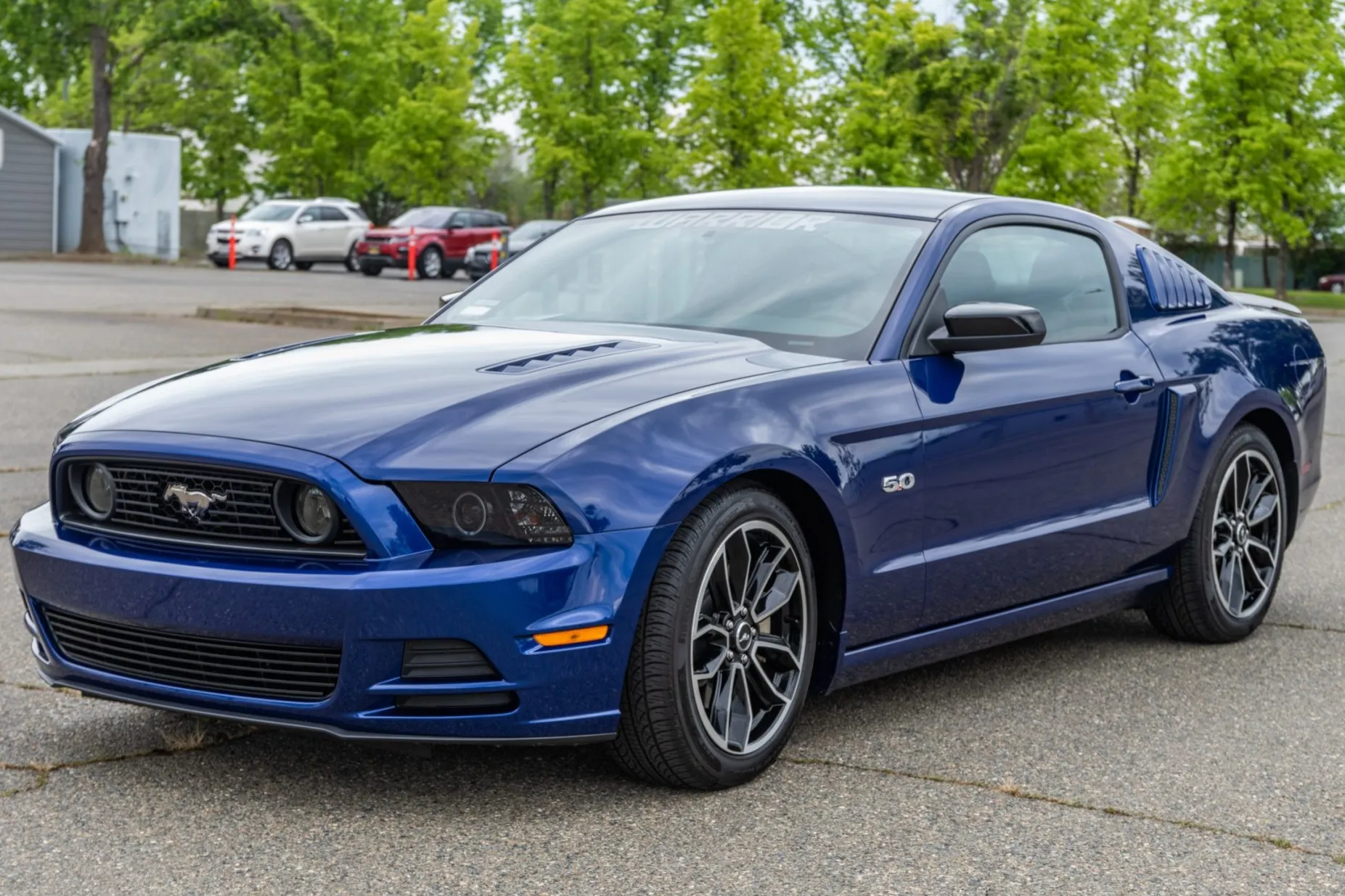
The 2008 Ford Mustang represents a well-rounded muscle car that has evolved from earlier models by ironing out issues and improving reliability. With the introduction of Shelby and Boss variants, Ford expanded the Mustang lineup to include more powerful and exciting options for enthusiasts.
Owner feedback suggests that the V8-powered models are the most rewarding, with many regretting not choosing them over the V6. The model also boasts a strong reliability score of 9.3 out of 10, giving buyers confidence in its long-term value.
Minor complaints include trim problems and a few recalls, but nothing significant enough to overshadow its strong performance and appeal.
From a styling perspective, the 2008 Mustang carried forward the retro-inspired design introduced in 2005, which drew heavily from the 1965–1969 classics. This design refresh reestablished the Mustang as the leader of the pony car market, making it stand out with its bold grille, round headlights, sculpted sides, and fastback profile.
Compared to rivals like the Nissan 350Z and Mazda RX-8, the Mustang lacked some refinement but compensated with a unique mix of affordability, muscle-car power, and timeless appeal.
Despite growing competition from Chevrolet and Dodge preparing to re-enter the market, the Mustang maintained its dominance as the best-selling rear-wheel-drive sport coupe and convertible.
Performance was another highlight of the 2008 Mustang. The V6 variant featured a 4.0-liter engine with 210 horsepower, while the GT packed a 4.6-liter V8 delivering 300 horsepower.
Paired with either a five-speed manual or automatic transmission, the GT sprinted to 60 mph in just 5.7 seconds and completed the quarter-mile in 14.3 seconds. Both trims provided the classic rear-wheel-drive muscle car experience, with the GT offering the full package of torque, power, and an aggressive exhaust note.
While the car’s solid rear axle may have been seen as outdated compared to independent rear suspensions in competitors, Ford tuned it well enough to balance handling precision and ride comfort.
Inside, the 2008 Mustang blended retro-inspired design cues with modern conveniences. The cabin featured a dual-hooded dash, three-spoke steering wheel, and simple-to-use controls, though hard plastics dominated the interior.
Options such as the Interior Upgrade Package improved the ambiance with aluminum trim and customizable instrument lighting. Both coupe and convertible models seated four passengers, with adequate room for average-sized adults in the back.
Safety was respectable for its class, with standard side airbags, strong crash test scores, and available features like ABS and traction control. The 2008 Ford Mustang combined heritage styling, strong reliability, and classic muscle car performance, making it a compelling choice for both enthusiasts and casual drivers.
4. 2019 Ford Mustang
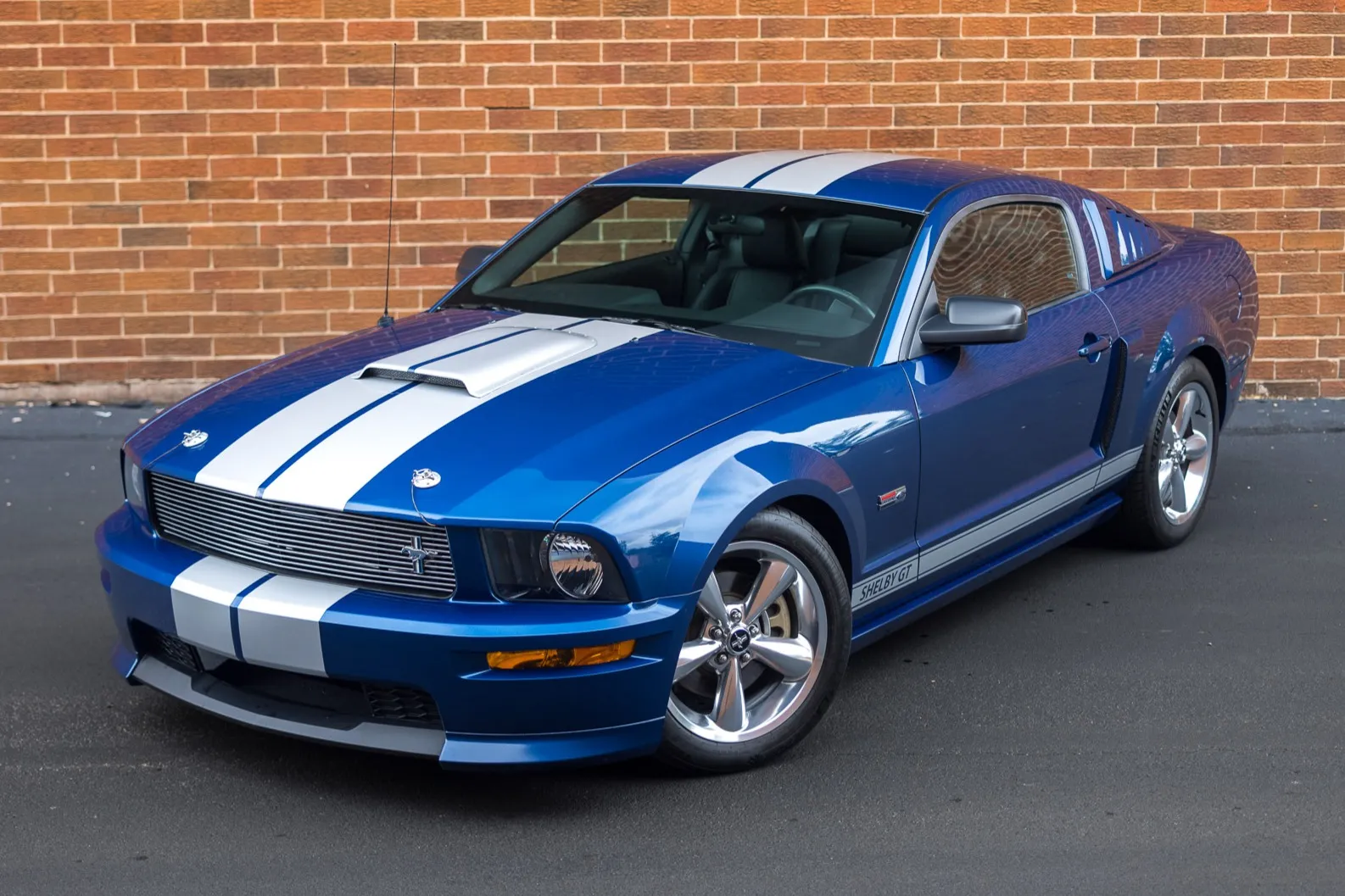
The 2019 Ford Mustang builds on the strong foundation set by the sixth generation, which introduced independent rear suspension in 2015, transforming the muscle car into a more refined and comfortable daily driver.
This year’s updates bring back the iconic Bullitt trim, introduce the California Special package on the GT Premium, and make performance-focused features more widely available.
Even the base EcoBoost model benefits from an optional active-valve exhaust system, which enhances sound quality, while GT models with manual transmissions gain a rev-matching feature that smooths downshifts.
Ford also stirred excitement by teasing the return of the GT500, rumored to exceed 700 horsepower, reminding enthusiasts of the Mustang’s deep performance roots.
On the road, the 2019 Mustang balances accessibility with excitement. The GT’s 5.0-liter V8 with 460 horsepower delivers impressive speed, reaching 60 mph in just 4.6 seconds when paired with the new 10-speed automatic transmission.
While the automatic shifts quickly in standard mode, manual paddle inputs feel slightly delayed. Braking distances are adequate at 118 feet from 60 mph, though performance tires would improve results.
Handling is another highlight, with precise steering, well-managed body roll, and predictable grip. The Mustang manages to feel engaging without overwhelming the driver, making it equally enjoyable for spirited driving and everyday use.
Comfort remains one of the Mustang’s surprises for a car in this category. The front seats strike a fine balance between support and long-distance comfort, while ride quality is smooth enough for daily use, absorbing potholes without losing its sporty edge.
The cabin is relatively quiet aside from some road noise, and the available active exhaust system makes the V8’s burble and roar a standout feature.
Rear seats, as expected, remain tight for adults but can accommodate small children, and the 13.5-cubic-foot trunk makes it more practical than rivals like the Camaro. Climate control is straightforward and effective, while available ventilated seats add a touch of luxury.
Inside, the 2019 Mustang blends retro styling with modern technology. The layout is clean, intuitive, and more user-friendly than its Chevrolet Camaro rival.
The optional digital instrument cluster adds both style and function, complementing features like Apple CarPlay, Android Auto, and a strong list of available driver-assist systems, including adaptive cruise control and blind-spot monitoring.
Though certain plastics seem out of place, the Mustang delivers solid quality and fitment. Storage is limited, but usability is respectable for a sporty coupe. For buyers, the Mustang offers one of the most versatile packages in the muscle car segment, ranging from fuel-efficient four-cylinder models to V8-powered performance trims.
With its mix of style, comfort, technology, and thrilling performance, the 2019 Ford Mustang stands out as one of the most well-rounded pony cars available.
5. 2021 Ford Mustang
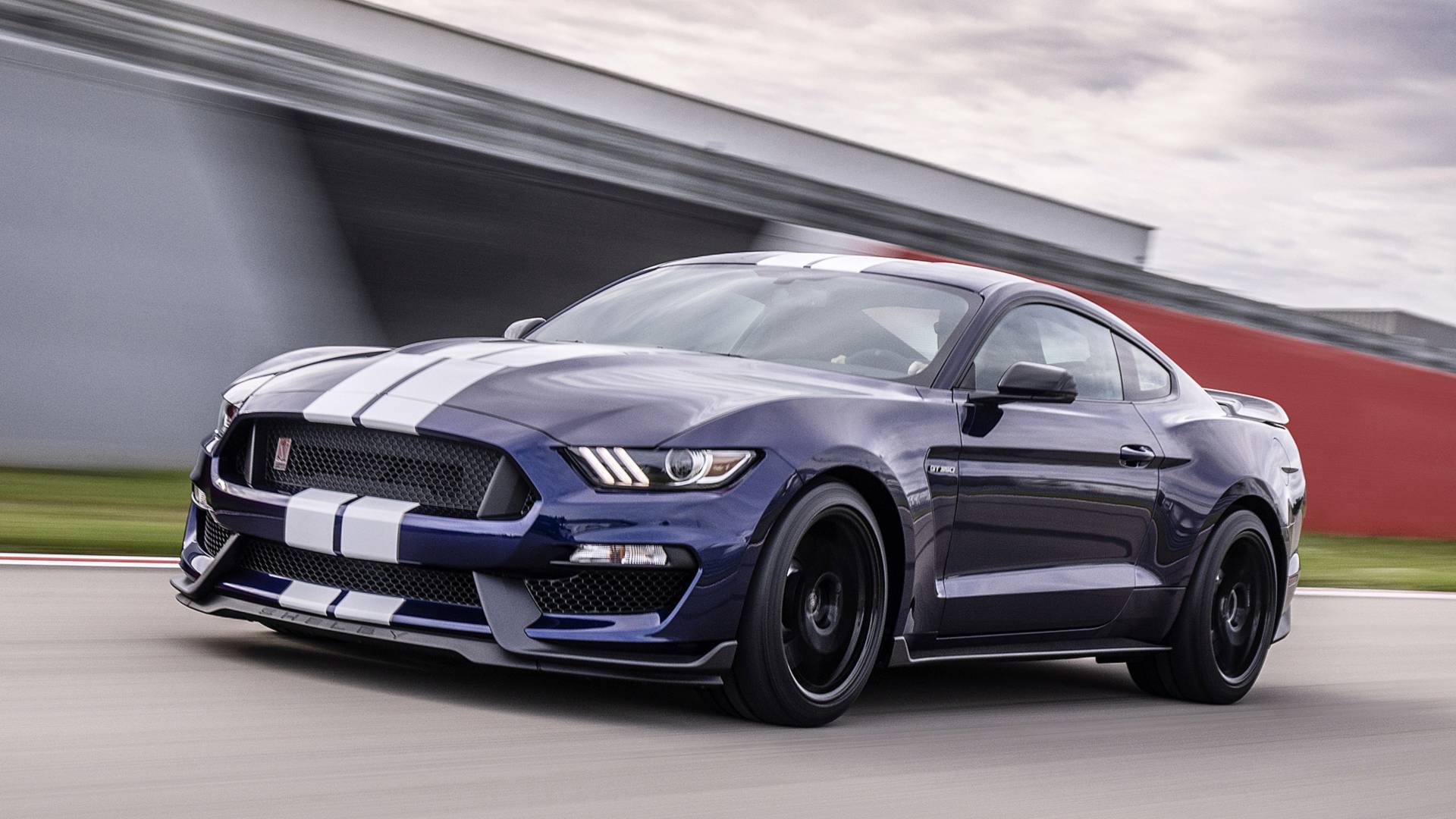
The 2021 Ford Mustang continues its legacy as America’s most iconic muscle car, combining aggressive styling with serious performance credentials. With sharp headlights, bold front splitters, and an assertive stance, it makes an immediate impression both on the road and the track.
Reliability has become one of its strongest traits, as shown by its standing as the highest-rated American car on Consumer Reports and overwhelmingly positive owner feedback 85% of Edmunds reviewers awarded it five stars.
Earlier concerns around dependability have largely faded, giving buyers confidence in both daily driving and long-term ownership.
One minor drawback noted by owners is the manual transmission, which some find less user-friendly compared to the automatic, but this doesn’t detract from the Mustang’s strong reputation for excitement and dependability.
Performance remains the star of the 2021 Mustang lineup, especially with the reintroduction of the Mach 1 trim. Positioned between the GT and the supercharged GT500, the Mach 1 features many high-performance components, including MagneRide adaptive shocks, improved cooling, and an available handling package.
Its 5.0-liter V8 produces 480 horsepower, 20 more than the GT, and pairs with either a six-speed manual from the GT350 or a quick-shifting 10-speed automatic. In testing, the Mustang GT sprinted from 0–60 mph in 4.6 seconds and stopped from 60 mph in 118 feet, demonstrating both speed and strong braking confidence.
Handling is well-balanced, with precise steering and impressive stability even without high-performance tires. These traits make the Mustang more versatile than rivals like the Camaro, offering both exhilarating cornering ability and everyday drivability.
Inside, the 2021 Mustang blends retro design with modern technology. The cabin is comfortable for front passengers, offering supportive seating, effective climate control, and even ventilated seat options for hot-weather comfort.
The ride quality is surprisingly refined for a performance-focused coupe, and while the V8 produces plenty of noise, it’s the kind of sound enthusiasts expect and enjoy. The layout of controls is straightforward, and Ford’s Sync infotainment system earns praise for its intuitive interface, responsive voice commands, and smartphone integration.
An optional digital instrument cluster elevates the driving experience with customizable displays. Safety technology is also well-implemented, with features like blind-spot monitoring, adaptive cruise control, and lane-keeping assist functioning smoothly without being intrusive.
Rear seat access and space remain tight, as expected, and storage for small items inside the cabin is modest, but the Mustang does offer a practical edge over rivals with its 13.5-cubic-foot trunk.
Fuel economy is about average for a V8 muscle car. During mixed driving, the Mustang returned 23.6 mpg when driven conservatively but dropped closer to 15 mpg under spirited use, highlighting the trade-off between performance and efficiency.
Value-wise, the Mustang holds its own against competitors in pricing, warranties, and ownership costs, though it lacks free scheduled maintenance. Still, with its balance of style, comfort, cutting-edge technology, and thrilling performance, the 2021 Mustang continues to outshine the Chevrolet Camaro and Dodge Challenger.
By refining its formula while honoring its heritage, it stands as the top choice in the muscle car segment, appealing to both driving enthusiasts and those seeking an everyday performance coupe with proven reliability.
Also Read: 5 Cars with Climate Control That Works vs 5 That’s Just for Show
5 Ford Mustang Years aren’t Worth Owning
1. 1974 Ford Mustang: A Muscle Car in Crisis
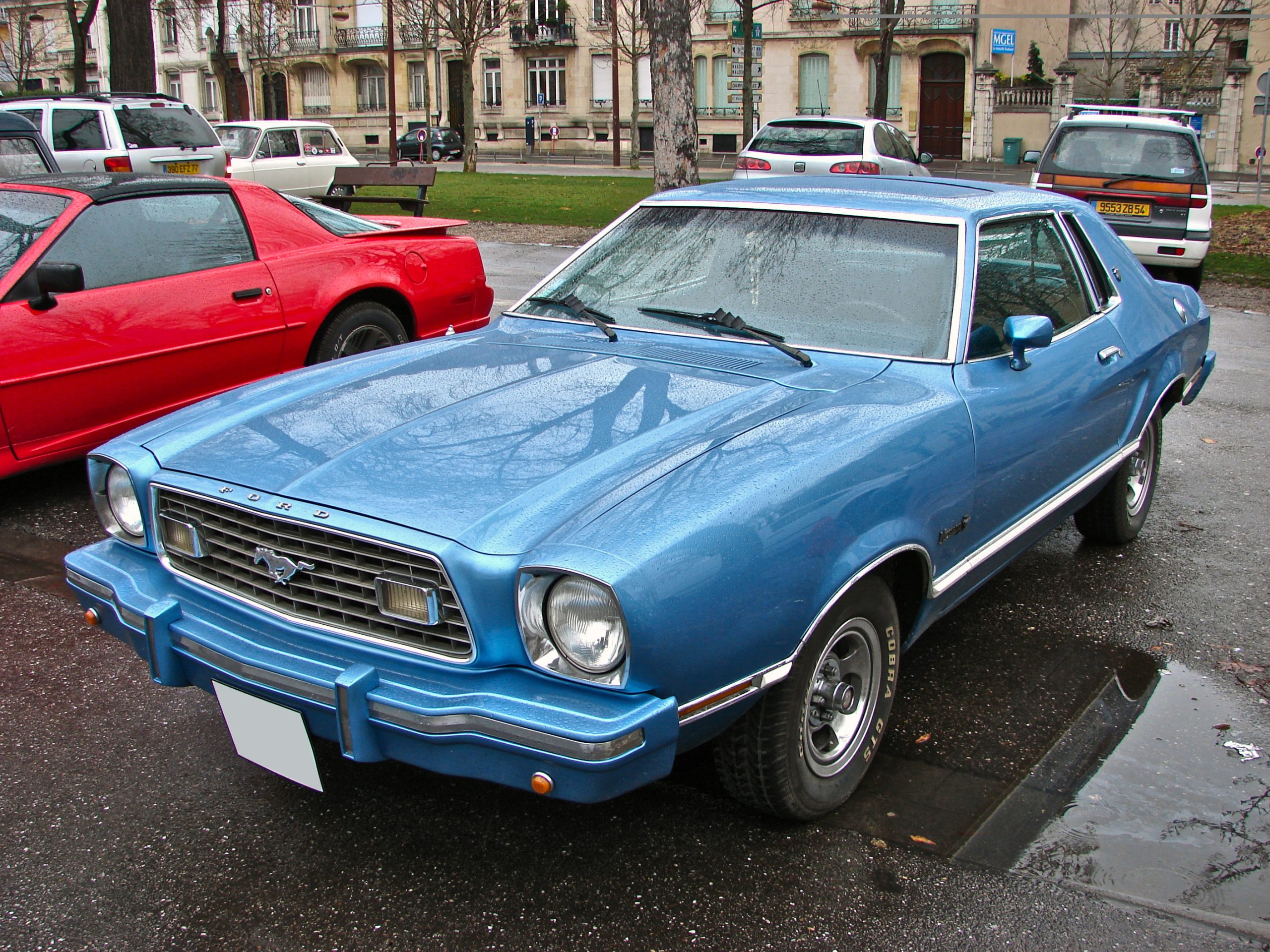
The 1974 Ford Mustang, known as the Mustang II, arrived at a difficult time for the American car industry. The oil crisis pushed consumers toward smaller, more fuel-efficient vehicles, with Japanese sports cars like the Datsun 240Z becoming more popular.
Unfortunately, the Mustang II failed to impress with its engine lineup, topping out with a weak 2.8-liter V6 that lacked the muscle expected from Ford’s iconic pony car. Owners have reported that this model requires constant maintenance, with one stating they had to replace “every moving part.”
These cars often sat neglected due to their poor reputation, making them unreliable even when restored. With miserable performance and high upkeep costs, the 1974 Mustang is remembered as one of the most disappointing iterations in the brand’s history. The highest recorded mileage stands at 139,000, but getting one to that point required perseverance and plenty of repairs.
2. 2000 Ford Mustang: Style Over Substance
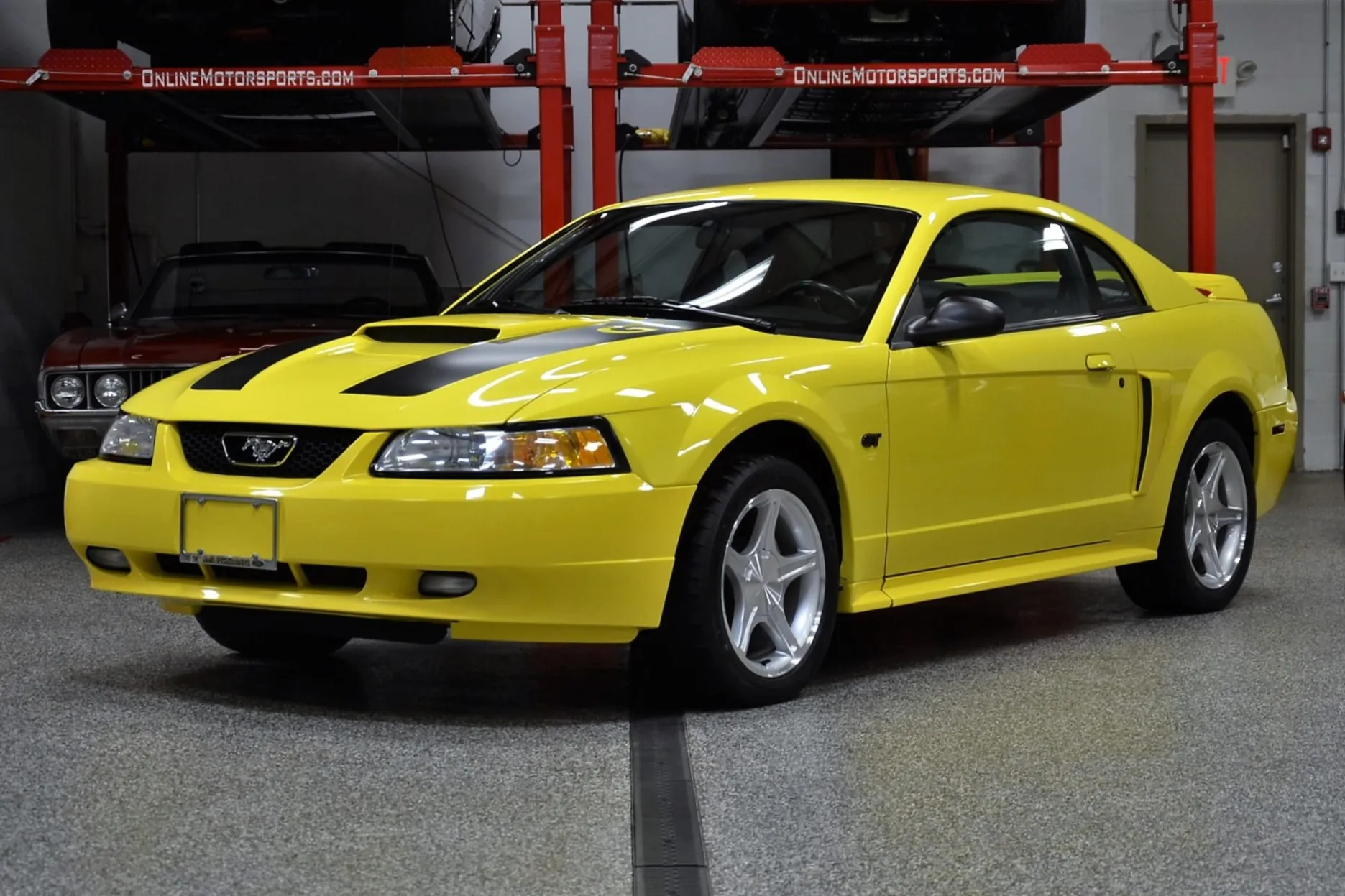
When the new millennium arrived, Ford refreshed the Mustang with updated styling and improvements to suspension and braking. However, the 2000 Mustang’s good looks did not mask its underlying flaws. Owners frequently reported mechanical and electrical issues, with some serious enough to trigger multiple recalls.
The NHTSA recorded numerous complaints, particularly fuel system problems that could lead to dangerous fires. About a third of owners admitted they would not purchase a Ford again because of the Mustang’s lack of reliability.
While it carried the Mustang’s sporty appeal, its inconsistent engineering undermined long-term ownership satisfaction. The highest documented mileage of 122,000 miles reflects its limited durability compared to stronger model years.
The 2000 Mustang stands out as a stylish yet problematic entry, remembered more for its recalls and headaches than for dependable performance.
3. 2006 Ford Mustang: Retro Design, Modern Problems
By 2006, Ford embraced retro-inspired styling with a Mustang design that echoed the classic 1960s models. With its bold grille and heritage touches, the car looked every bit the part of a modern muscle car icon.
Yet beneath the surface, problems persisted. Owners voiced frustration over broken trim, faulty electronics, and difficult-to-diagnose ride issues. More alarmingly, the 2006 Mustang racked up nearly 1,000 complaints, highlighting issues such as juddering steering, faulty airbags, and malfunctioning exterior lights.
While the Mustang offered appealing performance and head-turning looks, the ownership experience often turned sour due to repeated visits to the repair shop.
Many buyers expressed regret about their purchase, citing poor build quality and unreliable components. Despite achieving mileage as high as 149,000 in some cases, this model year demanded extensive repairs to stay roadworthy, making it a risky option for used car shoppers.
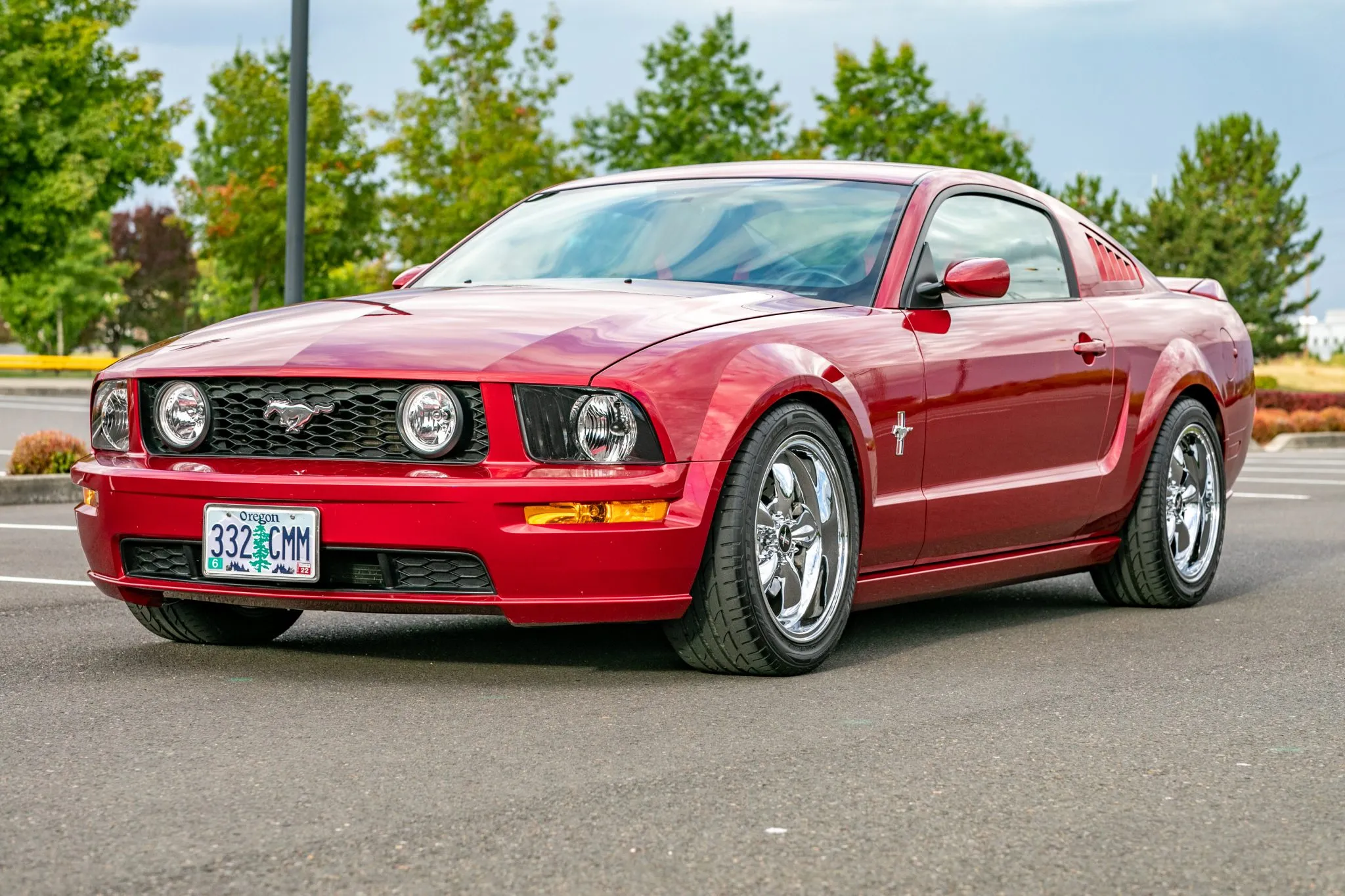
4. 2010 Ford Mustang: Improvements with Caveats
The 2010 Ford Mustang arrived with upgraded handling, refreshed interiors, and new driver assistance features. On the surface, it seemed like a solid leap forward for Ford’s muscle car. However, adding new technology also introduced new headaches.
Consumer Reports noted frequent issues with cheap interior trim that cracked, flaked, or fell apart prematurely. Owners also complained about suspension and brake problems that compromised ride quality.
Transmission issues and airbag recalls added to the frustration, damaging consumer confidence in what should have been a standout year. While the 2010 Mustang drove well and retained its performance charm, reliability concerns continued to hold it back.
Owners who pushed mileage beyond 138,000 miles often did so at the expense of costly repairs. Ultimately, the 2010 model represents a Mustang caught between progress and problems, stylish and enjoyable to drive, but plagued by reliability concerns that kept it from being truly great.
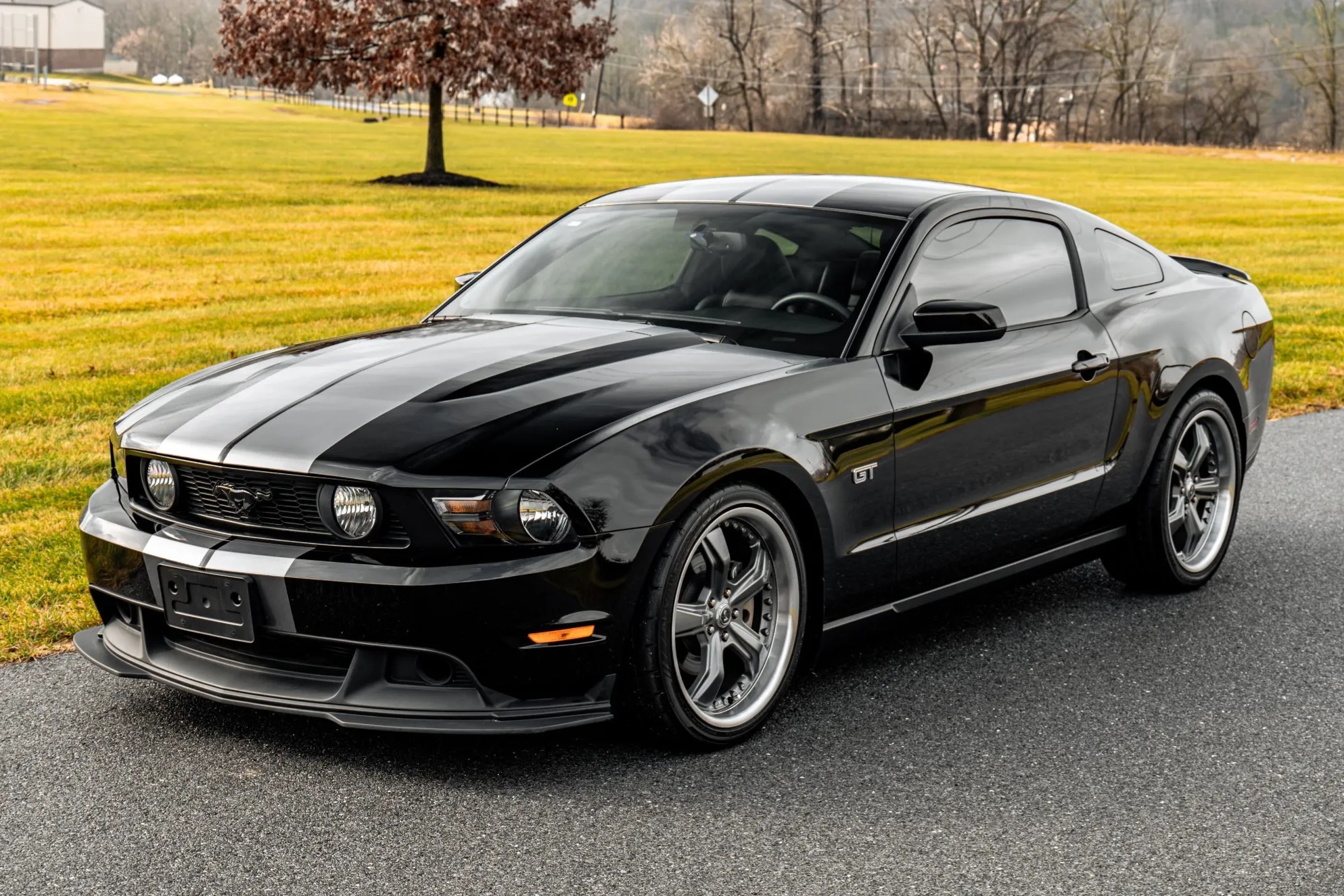
5. 2015 Ford Mustang: A Flawed Anniversary Edition
The 2015 Ford Mustang marked the car’s 50th anniversary and introduced a wide variety of engines, including the new EcoBoost 4-cylinder. While the idea of combining fuel efficiency with muscle car performance was promising, reality proved different.
Early EcoBoost models were plagued by overheating and oil leak issues, leading to expensive repairs. Ford issued nine recalls for the 2015 Mustang, covering not just engine flaws but also electrical and infotainment troubles.
Owners reported that the new technology, while exciting, often malfunctioned and became a source of frustration. With reliability scores dipping, many buyers were disappointed by what should have been a celebratory model year.
The highest recorded mileage is just 63,000, reflecting how quickly problems surfaced for many owners. While the 2015 Mustang delivered versatility and style, its reliability setbacks made it one of the most troublesome anniversaries in the Mustang’s storied history.
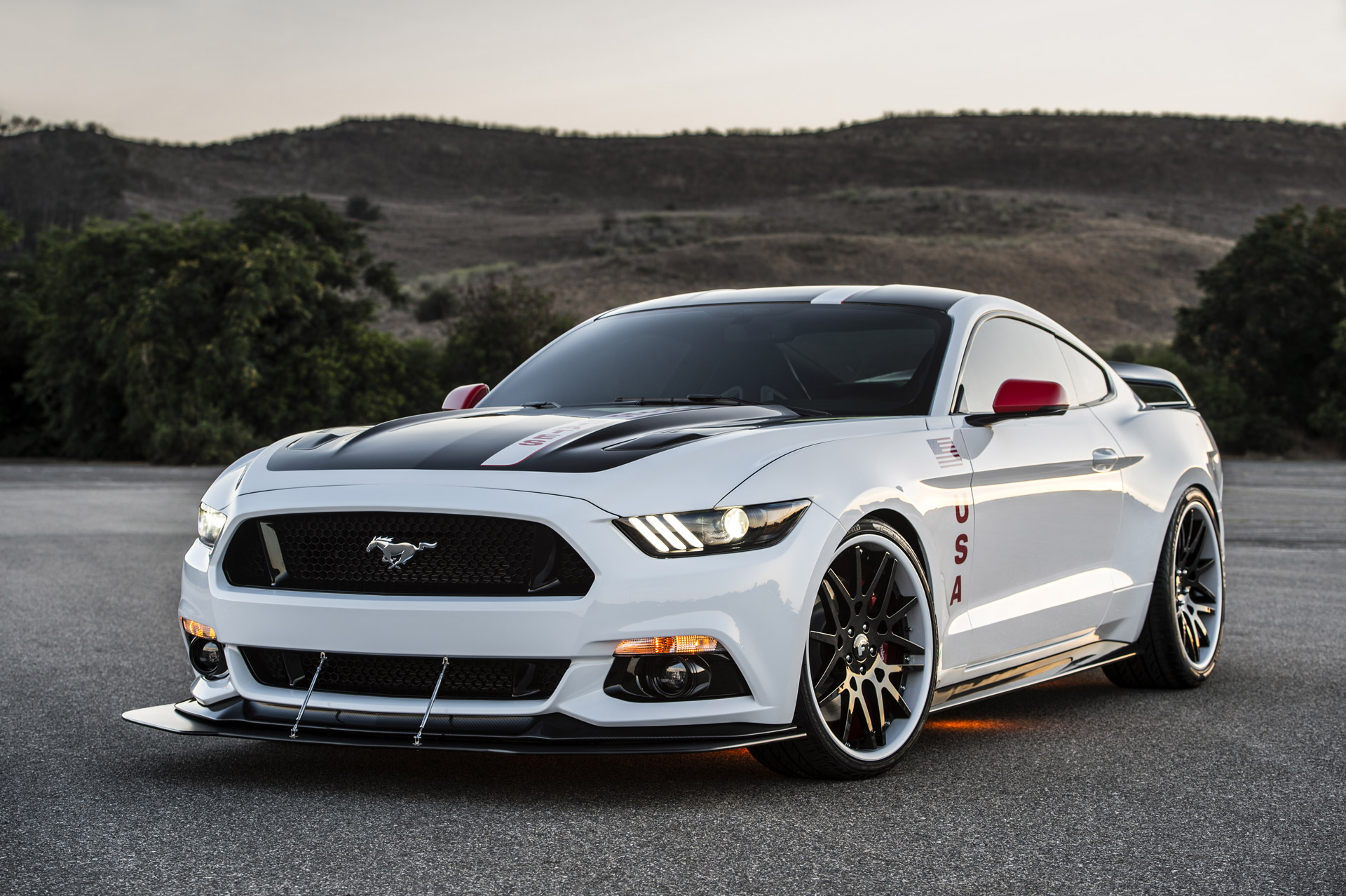
The Ford Mustang’s history is filled with highs and lows, reflecting not just the evolution of muscle cars but also the challenges of changing times. From retro-inspired designs that captured Mustang’s heritage to modern refinements that boosted reliability and technology, certain years stand out as true benchmarks of the brand.
At the same time, others became cautionary tales, with reliability struggles, frequent recalls, and expensive upkeep overshadowing their appeal. For buyers, understanding these contrasts is key to making a smart choice, whether the goal is a dependable daily driver, a weekend cruiser, or a collectible performance car.
The standout years like 2005, 2008, 2014, 2019, and 2021 prove why the Mustang remains beloved, while problematic models remind us that not every chapter in its story was a success. Ultimately, choosing the right Mustang year ensures you enjoy both the performance and heritage of one of America’s most enduring icons.
Also Read: 10 Cars With Tricky Seatbelt Buckles for Elderly Passengers