
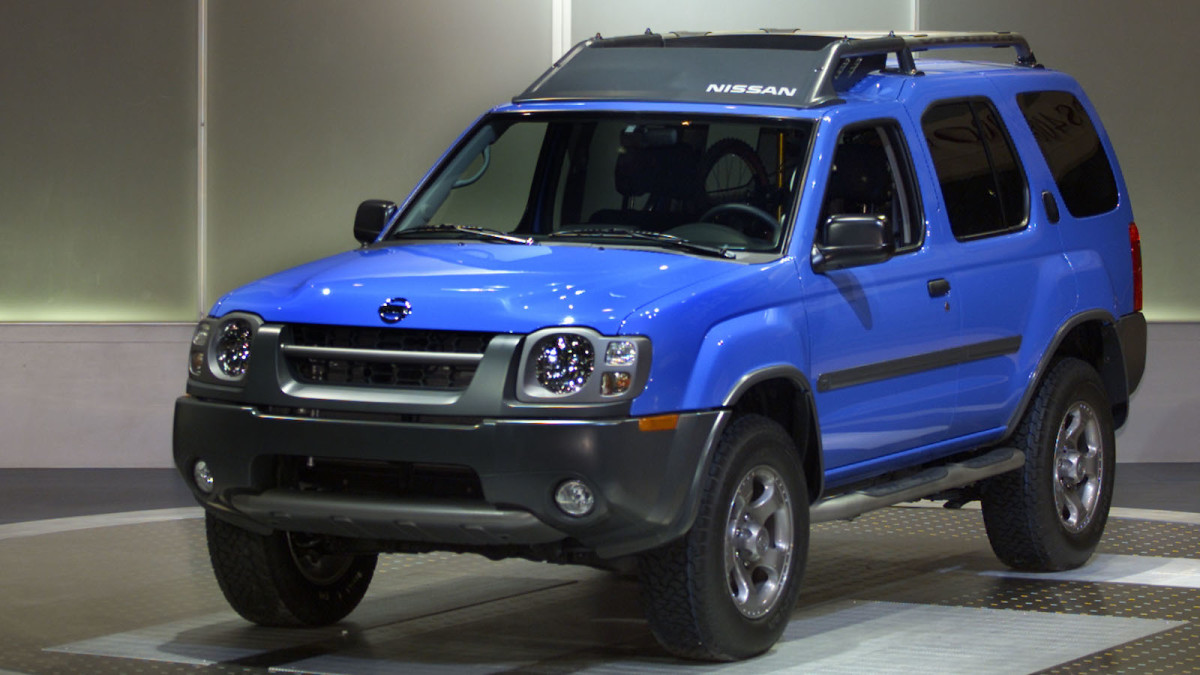
The Nissan Xterra has built a reputation as one of the most rugged and dependable midsize SUVs of its era. Known for its body-on-frame construction, solid V6 powertrains, and practical utility, the Xterra was designed with off-road enthusiasts in mind.
While Nissan discontinued the model after 2015, countless Xterras remain on the road today, driven loyally by owners who appreciate its toughness and simplicity.
For many, it is not just a vehicle but a long-term partner for outdoor adventures, camping trips, and daily commutes that demand reliability in diverse conditions.
However, a vehicle designed to take on trails, mud, snow, and rocky paths does not stay trail-ready forever without consistent care. The rigors of off-road use bring unique challenges that regular road-focused vehicles often avoid.
Owners who want to keep their Xterra reliable for decades must take a proactive approach to maintenance, ensuring that critical systems are inspected, protected, and enhanced.
This is not just about oil changes and tire rotations, but about long-term strategies that defend against rust, improve performance, and maximize durability where the Xterra is tested most: in tough outdoor environments.
From underbody protection to suspension upgrades, from rust-prevention to drivetrain maintenance, keeping a Nissan Xterra trail-ready requires both mechanical attention and thoughtful upgrades.
These vehicles are engineered to handle rough conditions, but with the right practices, they can continue to perform at their peak for decades.
The following strategies are designed to help Xterra owners keep their SUV running strong, whether it’s tackling steep trails, hauling gear, or just surviving years of rough daily driving.
Also Read: 10 Tricks That Extend a GMC Terrain’s Lifespan
1. Rust Prevention and Frame Care
One of the biggest threats to the long-term reliability of the Nissan Xterra is rust, especially around the frame and undercarriage. Since it is a body-on-frame SUV, corrosion on the frame itself can compromise strength and safety over time.
Owners who regularly drive their Xterra in regions with salted winter roads or near the ocean are at an even higher risk, as moisture combined with salt accelerates rust development.
The first step is consistent underbody cleaning. After driving through mud, snow, or sand, pressure wash the underside of the vehicle to remove debris that can trap moisture.
Focus on hidden pockets where dirt accumulates, such as above skid plates and near the rear suspension mounts. Once clean, applying a rust inhibitor or protective coating is critical. Products like fluid film, wax-based protectants, or rubberized undercoating form a protective barrier against moisture and salt.
For Xterra models already showing surface rust, owners should remove loose rust with a wire brush and use a rust-converting primer before applying protective coatings. Treating rust while it is still superficial can prevent costly structural problems later.
Regular inspections should also be part of routine care. Since the Xterra is often taken off-road, rocks and debris can chip protective coatings, leaving the frame exposed. Addressing those spots immediately avoids progression into structural damage.
Investing in rust prevention not only improves safety but also ensures that the Xterra continues to serve its purpose as a capable trail SUV, even decades after production ended.
2. Suspension Upgrades and Maintenance
A key factor in keeping the Nissan Xterra trail-ready is ensuring its suspension can handle off-road stress.
The Xterra’s factory suspension was designed for durability, but as vehicles age, shocks, struts, and bushings inevitably wear out. Worn suspension components not only cause poor ride quality but also reduce off-road capability.
Replacing aging shocks with heavy-duty aftermarket alternatives is one of the best upgrades any Xterra owner can make.
Options from brands like Bilstein or Old Man Emu are built to withstand harsh impacts and offer improved damping, making trail driving smoother and safer.
For those who frequently carry heavy loads or tow, upgraded rear leaf springs can reduce sagging and improve handling under stress.
Routine checks are equally important. Bushings around control arms, sway bars, and leaf springs deteriorate over time, leading to looseness and unwanted movement.

Replacing worn bushings with polyurethane versions provides added durability. Alignments should also not be ignored, especially after frequent off-road trips where impacts may have knocked components out of proper positioning.
Regular greasing of joints and inspection of shock mounts will prevent premature suspension failure. For owners wanting more clearance for larger tires, a small suspension lift can add capability without compromising handling when done correctly.
By combining preventive maintenance with smart upgrades, the suspension system will continue to support the Xterra’s ability to handle rocky paths, mud trails, and uneven terrain for decades to come.
3. Protecting the Drivetrain
The durability of the Xterra depends heavily on the condition of its drivetrain. With its capable four-wheel-drive system, a well-maintained drivetrain ensures smooth power delivery on rough terrain. However, without proper care, components like the transfer case, differentials, and driveshafts can degrade quickly.
Regular fluid service is the most important step. Differential fluid, transfer case fluid, and transmission fluid should be checked and replaced according to usage, not just mileage.
Off-road driving often puts more strain on these systems, which can cause fluid breakdown earlier than normal. Using high-quality synthetic gear oils helps reduce wear and improve efficiency under extreme loads.
Another overlooked practice is inspecting drivetrain seals. Leaks from differential covers or transfer cases can lead to low fluid levels, which in turn causes overheating and premature wear. Replacing old gaskets and keeping an eye out for drips under the vehicle ensures no component runs dry.
The driveshaft also demands care. U-joints should be greased periodically to prevent vibrations and failure. Overlooking this simple step can lead to costly breakdowns in the middle of the trail.
Owners who regularly push their Xterra over rocks or deep water crossings should also consider installing a breather extension kit for the differentials. This keeps water from entering when submerged, preventing contamination and long-term damage.
Caring for the drivetrain ensures the Xterra continues pushing through difficult terrain without losing reliability, keeping it trail-worthy for years.
4. Cooling System Reliability
Off-roading often means driving in hot weather, climbing steep grades, and running at low speeds with reduced airflow to the radiator.
For the Nissan Xterra, maintaining a healthy cooling system is essential to prevent overheating. Even minor issues in this system can lead to catastrophic engine damage if not addressed.
One of the most common concerns with older Xterras is the radiator’s tendency to fail internally, leading to coolant mixing with transmission fluid, known as the “strawberry milkshake” problem.
Replacing the radiator preemptively with an upgraded aftermarket unit is a wise move for long-term reliability. It prevents one of the most damaging failures that can affect the vehicle.
Routine maintenance should include flushing the coolant system every few years and replacing hoses that show signs of cracking or swelling.
Off-road driving often causes vibrations that accelerate hose wear, so early replacement is better than risking a breakdown in remote areas. Water pumps should also be inspected during timing belt or chain service, since a failed pump can quickly overheat the engine.
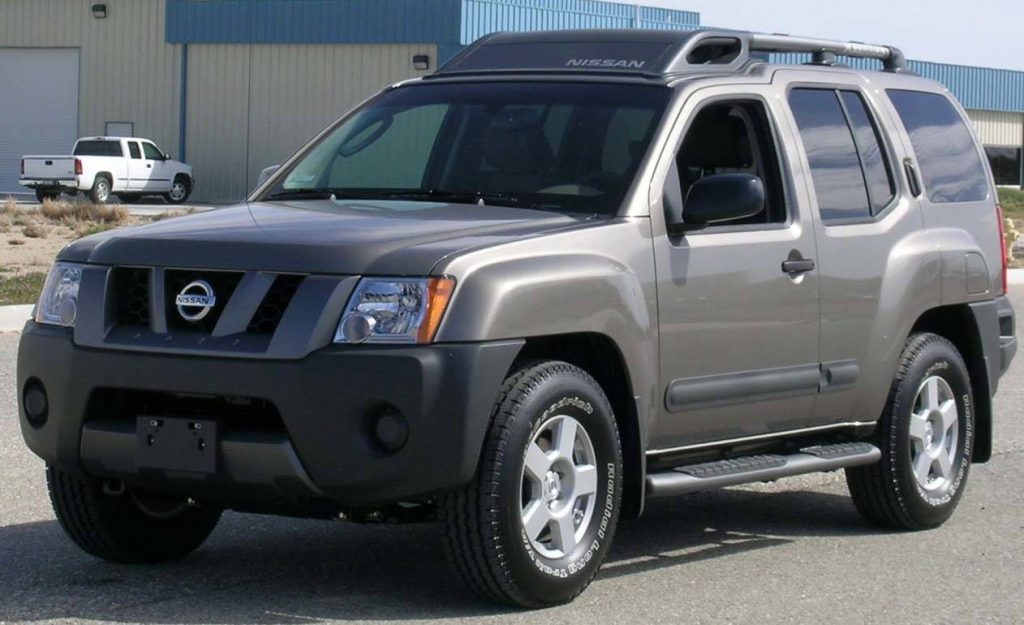
Installing a heavy-duty radiator cap and ensuring the fan clutch operates correctly adds more reliability. For owners tackling desert heat or towing, adding an auxiliary transmission cooler reduces the strain on the system.
Keeping the cooling system in top shape ensures the Xterra’s engine performs reliably on tough trails. A simple proactive approach can prevent major failures and keep the SUV dependable for decades to come.
5. Electrical System Fortification
The electrical system in the Xterra must endure harsh trail conditions, from water crossings to vibrations on rocky terrain.
While Nissan designed the vehicle with reasonable durability, age and harsh use can bring weaknesses to light. Strengthening and maintaining the electrical system is essential for long-term performance.
The first step is battery care. Off-road vehicles demand a strong, reliable power source for winches, auxiliary lighting, and aftermarket gear.
Replacing standard batteries with deep-cycle or AGM (absorbed glass mat) units provides more consistent power and durability against vibrations. Regularly cleaning terminals and ensuring solid connections reduces the risk of sudden failures.
Inspecting ground points and wiring harnesses is just as important. Moisture can creep into poorly sealed connectors, leading to corrosion and shorts. Applying dielectric grease to vulnerable connections is a simple way to prevent long-term damage.
Owners who frequently add accessories such as roof lights or air compressors should install a proper relay and fuse system. Overloading the factory electrical circuits can cause more harm than good. Using a well-organized auxiliary power distribution system keeps things safe and reliable.
Lastly, protecting sensitive electronics such as the alternator during water crossings can make a big difference. Temporary waterproofing with spray protectants, or simply avoiding unnecessarily deep water, keeps costly breakdowns away.
A resilient electrical system keeps critical components functioning reliably and supports aftermarket modifications, ensuring the Xterra continues to perform on long journeys without unexpected power-related setbacks.
6. Engine Performance and Care
The heart of the Nissan Xterra is its engine, and keeping it running smoothly for decades requires proactive maintenance.
For earlier models, a 3.3L V6 provided solid dependability, while later models used the stronger 4.0L V6. Both engines are capable of high mileage if properly cared for, but each has its unique considerations.
Oil changes should always be prioritized. Frequent off-road driving can cause dust and debris to stress the engine more than highway miles, so oil and filter intervals must be respected. Using high-quality synthetic oil improves protection under heavy loads and high operating temperatures.
Timing components require attention as well. On early 3.3L models with timing belts, scheduled replacement prevents major damage from belt failure. Later 4.0L engines used a timing chain, but they still require checks for tensioner wear. Ignoring this can lead to rattles and eventually costly repairs.
Owners should also monitor the intake system. Trail driving often involves dust exposure, which clogs air filters faster than city use. Upgrading to a reusable high-flow air filter not only improves airflow but also saves money long-term with proper cleaning.

For those seeking more power, mild engine tuning such as performance exhausts or upgraded intakes can be installed, but reliability should remain a priority. Keeping sensors like the oxygen sensor and mass airflow sensor in top condition ensures efficient combustion.
Consistent engine care guarantees the Xterra delivers strong power on trails for decades while avoiding preventable breakdowns.
7. Brake System Reinforcement
Reliability off-road is not just about power and traction; braking power is equally important. On rugged trails, the brake system endures mud, water, dust, and constant stress from steep descents. Keeping the Xterra’s brake system in peak condition prevents both safety risks and premature wear.
Routine inspections should begin with the brake pads and rotors. For trail driving, ceramic or heavy-duty pads offer better resistance to heat and wear compared to standard options. Slotted or drilled rotors may also improve braking performance for those frequently carrying heavy loads downhill.
Brake fluid is often neglected but plays a critical role. Moisture contamination reduces performance and can lead to brake fade when the system is pushed hard. Flushing the brake fluid every two years ensures maximum stopping power. Owners in especially humid environments should be even more diligent.
One upgrade many Xterra enthusiasts choose is stainless steel braided brake lines. Unlike rubber lines, which can expand under pressure, stainless upgrades provide a firmer pedal feel and more reliable braking under stress.
After off-road trips, checking for debris stuck around calipers and cleaning the system prevents future issues. Driving through mud or water can lead to grit collecting in the assembly, causing premature pad wear.
Strong brakes allow the Xterra to descend difficult trails safely, carry gear with confidence, and perform like new even as the years go by. Reinforcing this system ensures decades of safe, dependable off-road adventures.
8. Tire and Wheel Strategy
The tires are the only point of contact between the Xterra and the ground, which makes their selection and care critical. Choosing the right tires for off-road conditions is one of the strongest investments an owner can make for trail longevity.
All-terrain tires balance road comfort with trail grip, making them a great all-around choice. For dedicated off-road use, mud-terrain tires with aggressive tread patterns offer maximum traction but may wear faster on pavement.
The key is understanding personal use: drivers who commute and trail ride occasionally may prefer all-terrains, while hardcore adventurers may invest in multiple sets of wheels for different conditions.
Regular rotation and alignment keep wear even and extend lifespan. Off-road driving subjects tires to cuts and punctures, so frequent inspections for sidewall damage are vital. Carrying a reliable full-size spare is a must, as trails often leave vehicles stranded without proper backup.
Wheels also deserve attention. Damaged or bent wheels compromise safety, so inspecting them after hard trips prevents issues. For heavy-duty use, steel wheels are stronger and more affordable to replace, while alloys reduce weight for daily driving.
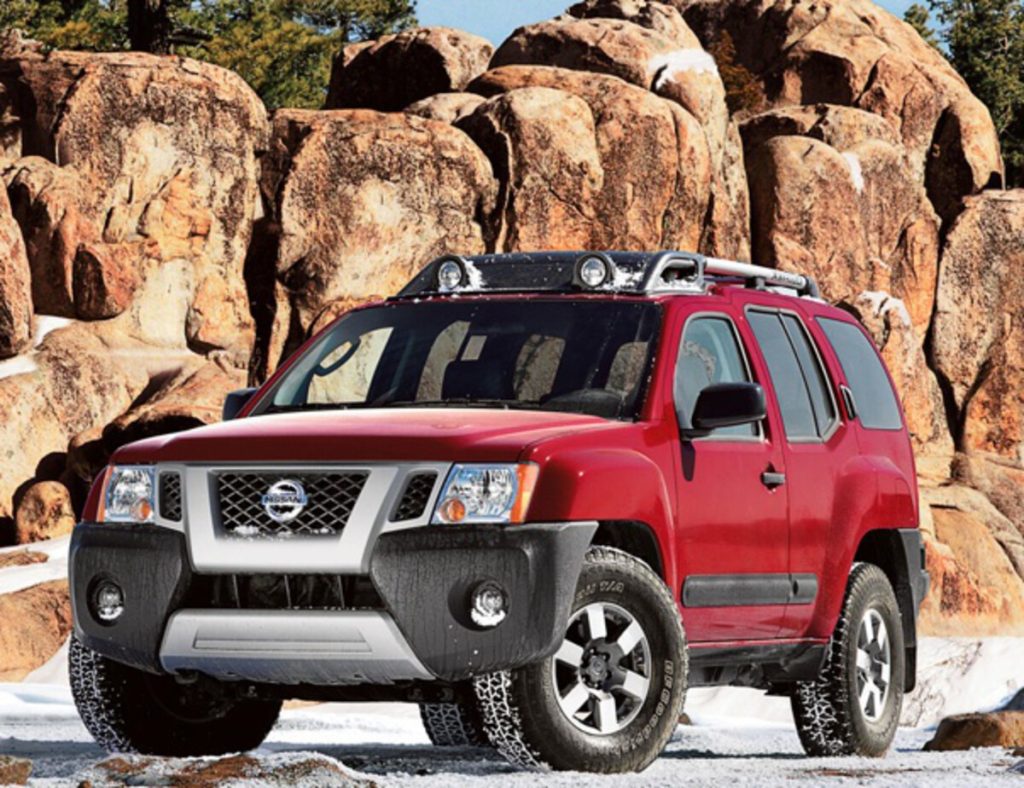
Proper tire pressure management maximizes trail performance. Airing down tires increases traction on sand and rocks but requires a quality portable compressor for reinflation afterward.
Owners committed to the Xterra’s trail readiness know that investing in quality tires and maintaining them properly guarantees years of dependability under extreme conditions.
9. Armor and Skid Plates
While the Xterra left the factory with some underbody protection, frequent off-road use exposes vulnerable components like the oil pan, transmission, and transfer case. Adding aftermarket skid plates and protective armor is one of the smartest ways to ensure longevity.
Rocky trails and uneven terrain can deliver impacts that dent or damage critical components. Upgraded armor, often made of heavy-gauge steel or aluminum, serves as a shield that takes the abuse instead of the vehicle’s drivetrain.
Skid plates for the engine, fuel tank, and transmission crossmember should be considered essentials for any serious off-road build.
Rock sliders are another highly beneficial addition. They protect the rocker panels along the sides of the Xterra, which are prone to dents and rust when scraping against rocks and obstacles. Sliders not only defend the body but can also double as a step for accessing roof racks or loading gear.
Periodic checks of protective armor ensure bolts remain tight and plates stay secure. Impacts can loosen fasteners, reducing effectiveness. Owners should also remove and clean skid plates occasionally, as mud and debris can collect above them, holding moisture against the frame.
By investing in armor, the Xterra’s underbody stays protected from trail punishment. This ensures expensive drivetrain components remain intact and functional for decades, preserving the vehicle’s trail-ready spirit.
10. Proper Storage and Seasonal Preparation
One often overlooked aspect of vehicle longevity is how the Xterra is stored and prepared for seasonal changes. Even the most rugged SUV wears out prematurely if exposed to constant environmental stress without protection.
Whenever possible, parking in a covered area helps reduce wear from sun exposure and moisture. UV rays can crack plastic trim, fade paint, and weaken rubber seals. Using a quality SUV cover when outdoor storage is the only option adds an extra layer of protection.
Before winter, additional care should be taken for vehicles in regions with salted roads. Applying a protective wax and undercoating before snow season prevents salt from clinging directly to metal components. Windshield wipers and washer fluid should also be winter-ready to handle ice and snow.
For those in hotter climates, ensuring proper cooling system protection and regularly conditioning interior materials with protectants helps combat high-heat degradation.
Owners who store their Xterra for long periods should disconnect or maintain the battery with a trickle charger. Tires should be inflated to proper levels to avoid flat spots during storage, and fuel stabilizer should be added to prevent issues with stale gasoline.
Proper preparation not only prevents damage but also ensures the Xterra is ready to start and perform reliably when the adventure begins again. Good storage habits keep the SUV preserved and trail-worthy, even after decades.
The Nissan Xterra is celebrated for its ruggedness, practicality, and off-road ability, making it a favorite among enthusiasts who value durability over luxury.
Even though Nissan discontinued the model in 2015, thousands remain on the road today, proving their reliability when properly maintained. For those who want their Xterra to remain trail-ready for decades, consistent care and smart upgrades are essential.
The first step is rust prevention. A clean, protected underbody ensures the frame stays strong for generations, especially in areas where salt and moisture cause corrosion.
Paired with this, a strong suspension system is crucial. Replacing worn parts, using upgraded shocks, and keeping joints greased allows the Xterra to absorb trail punishment without compromising ride quality.
The drivetrain requires equal attention. Fresh fluids, leak checks, greased U-joints, and breather extensions ensure differentials and transfer cases stay dependable even after heavy use or water crossings.
Alongside this, the cooling system must be maintained carefully. By replacing aging radiators, hoses, and using premium coolant, owners avoid the overheating issues that can ruin an engine.
Electrical reliability is another factor in long-term survival. Heavy-duty batteries, sealed connections, and proper accessory wiring protect against failures during demanding conditions.
The engine itself benefits from consistent oil changes, clean air filters, and monitoring of timing components, keeping the heartbeat of the vehicle strong.
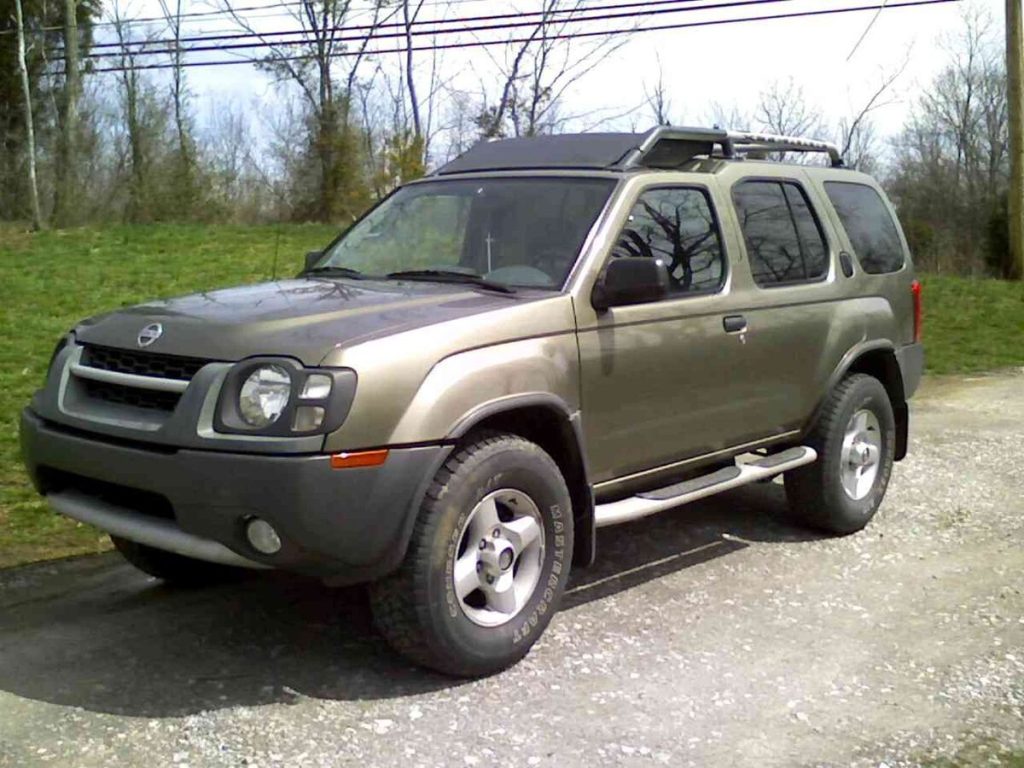
Reliable brakes are vital on steep trails. Heavy-duty pads, fluid flushes, and stainless steel lines improve performance and safety. Tires and wheels also play a decisive role.
The right tread for conditions, proper rotations, and pressure management keep the vehicle stable and traction-ready.
Armor further extends durability, with skid plates, rock sliders, and protective shields guarding expensive components from damages caused by rocks and debris.
Finally, good storage and seasonal preparation ensure the Xterra isn’t worn down prematurely by weather extremes. Covering the vehicle, treating vulnerable surfaces, and preparing for both winter and heat preserves its condition.
These ten strategies together form a comprehensive approach to caring for the Xterra. While routine maintenance is important, proactive protection and targeted upgrades make the difference between a vehicle that simply lasts and one that remains trail-ready for decades.
With thoughtful long-term care, the Nissan Xterra continues to live up to its reputation as one of the most dependable adventure vehicles ever built.
Also Read: 10 Smart Habits That Prevent Toyota Prius Battery Failure
