
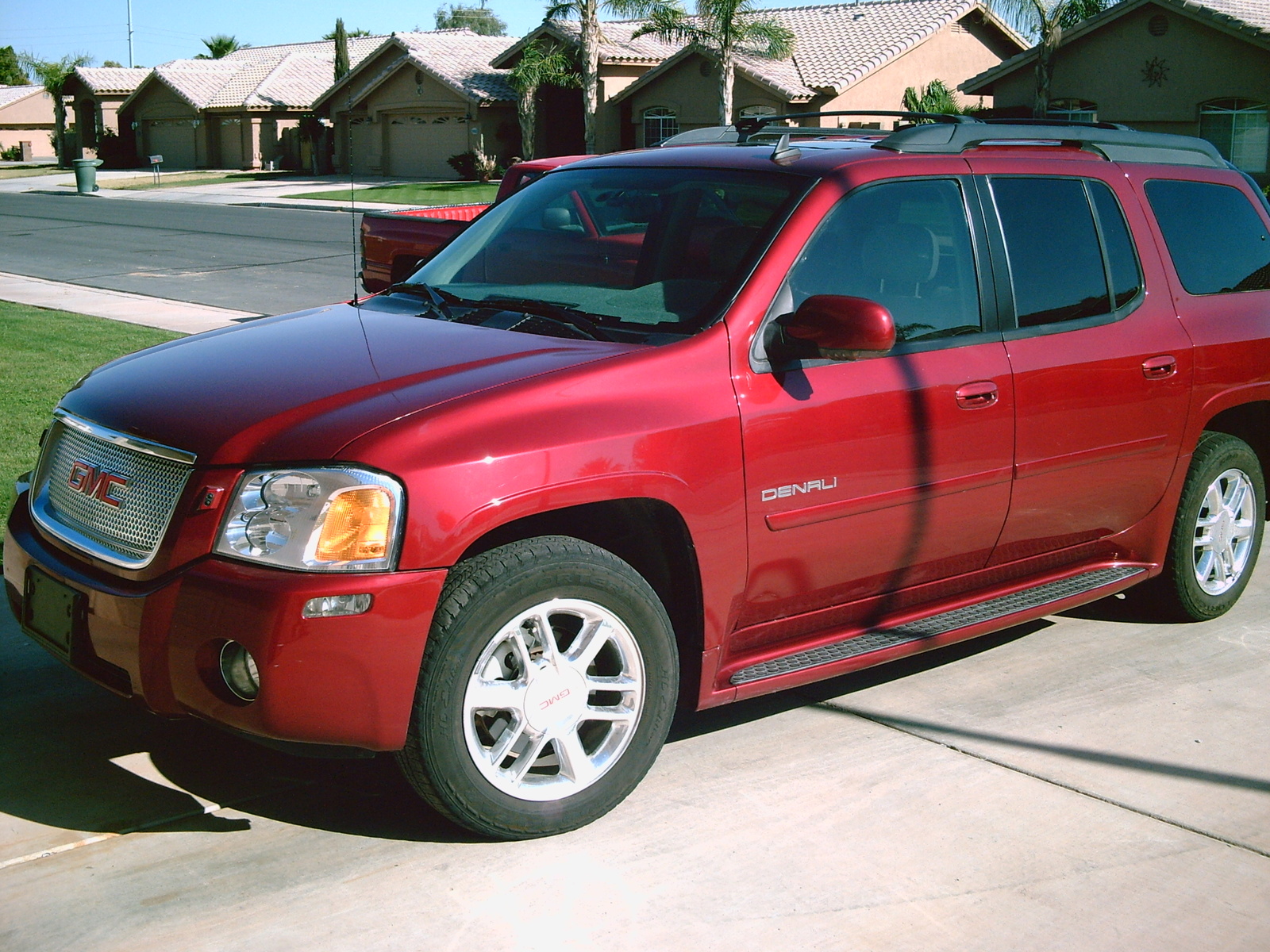
When it comes to choosing a family vehicle, safety is often the number one priority. Parents want to know that the vehicle they trust to carry their children and loved ones provides strong protection in multiple driving situations.
The GMC Envoy XL, produced in the early-to-mid 2000s, was one of the models that sought to balance family-sized comfort with the reassurance of robust safety features.
While larger SUVs naturally provide a stronger sense of security due to their size, size alone is not enough.
What truly matters is how well a vehicle integrates protective measures, driver assistance systems, and thoughtfully designed elements that minimize risk during both predictable and unexpected moments on the road.
The Envoy XL offered more than just room for seven passengers. It was designed during a time when automakers were beginning to add more advanced safety technology into vehicles that catered to families, moving beyond just seatbelts and basic airbags.
It carried a series of built-in safety enhancements that made it a reassuring choice for parents who placed reliability above everything else.
Beyond the mechanical structure, the SUV provided systems that enhanced handling, braking, and driver control, ensuring that risks could be reduced before accidents even happened.
For families who valued both size and peace of mind, the GMC Envoy XL became more than just a people hauler. It was a thoughtfully engineered vehicle that provided multiple lines of defense to protect passengers.
From airbags to structural strength, from traction control to braking technology, the safety equation of the Envoy XL was carefully balanced.
Below are ten aspects that highlight how it provided this protection in a consistent manner and why many families considered it a dependable vehicle for their daily routine as well as long journeys.
Also Read: 10 Easy Wins That Keep a Chevy Cruze From Losing MPG
1. Strong Structural Design
One of the most significant safety features of the GMC Envoy XL is its strong underlying structure. Families benefit from knowing that the body of the vehicle is designed to absorb and manage crash forces effectively.
The frame and body engineering provide essential support in both front-end and side collisions, reducing the impact force transferred to passengers inside.
This type of structural strength forms the base layer of security for any SUV, and in the case of the Envoy XL, it helped make the vehicle a trusted family carrier.
During design and manufacturing, engineers placed special emphasis on maintaining rigidity while still allowing defined crumple zones. Crumple zones are responsible for progressively absorbing collision energy rather than allowing that energy to travel directly into the cabin.
This means that even in a high-speed collision, the force is reduced before it reaches passengers. For parents who put safety above everything else, such engineering details provide lasting reassurance.
Additionally, the Envoy XL’s size and weight added to its overall stability on the road. Heavier vehicles naturally provide better shock absorption during certain types of accidents.
Though weight alone is not enough to ensure safety, when combined with smart structure design, it leads to greater passenger security.
Families could feel comfortable knowing the SUV was not just a large vehicle but also one that incorporated engineering meant to prioritize crash safety. This foundational strength laid the groundwork for all other safety systems within the Envoy XL.
2. Advanced Airbag Coverage
Airbags are one of the most familiar yet vital components in automobile protection, and the GMC Envoy XL was built to provide comprehensive coverage. The vehicle included frontal-impact airbags for the driver and front passenger, which were standard across the lineup.
These airbags were engineered to deploy only when needed, using sensors to calculate collision severity before releasing at the correct force. This avoided unnecessary deployment while ensuring maximum protection in a real crash scenario.
Beyond the front, families benefitted from the availability of side airbags and curtain airbags, which helped safeguard both front and rear passengers in the event of a side-impact collision or rollover.
These additional layers of cushioning prevented direct contact with glass or hard interior panels. For parents concerned about transporting multiple children and relatives, this wider spread of protection was invaluable.
The curtain airbags added confidence particularly in rollover situations, which are often far more dangerous in taller SUVs compared to sedans.
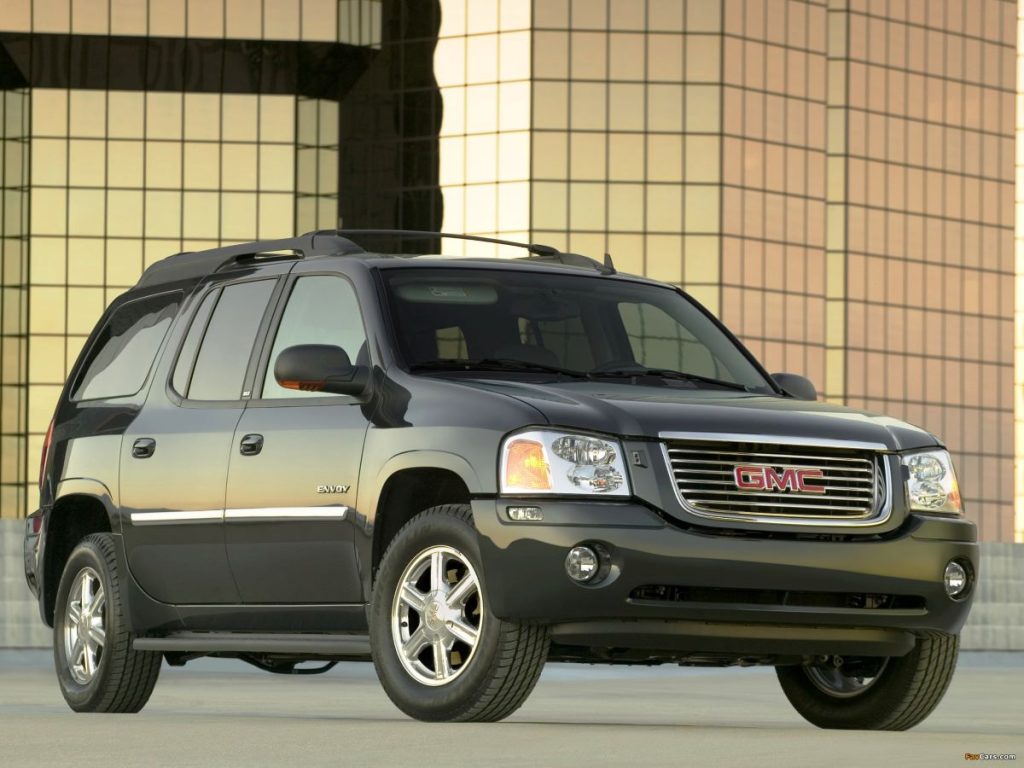
Here, the Envoy XL provided a clear advantage, as the curtain airbags were designed to cover passengers across different rows, reducing the chances of head injuries.
Furthermore, they deployed quickly and at the right angle to shield passengers regardless of their seating positions.
By integrating airbags that worked together in sequence with seatbelts and occupant sensors, the Envoy XL offered a reliable defense strategy.
For a family vehicle, this level of consideration helped establish a sense of security when traveling across both short urban trips and long highway journeys.
3. Stability Control Systems
Another critical factor in the Envoy XL’s family-oriented protection comes from its stability control technology. SUVs, due to their height and higher center of gravity, are more prone to rollover compared to sedans or hatchbacks.
To counteract these risks, General Motors equipped the Envoy XL with an electronic stability program that helps the driver maintain control in emergency maneuvers, slippery conditions, or sharp turns.
The stability system worked by continuously monitoring steering input, wheel speed, and the lateral movement of the vehicle.
If the system detected that the SUV was veering off its intended path, it could automatically adjust engine output and apply braking force to individual wheels.
By making these micro-corrections faster than a person could react, it helped the SUV stay grounded, reducing the odds of skidding or losing traction.
This feature was especially valuable for family usage, where unexpected obstacles or sudden swerves might occur, such as avoiding a reckless driver or an animal crossing a suburban street.
The confidence gained from this technology was not only for the driver but also for passengers who felt the steady control even in unpredictable conditions.
SUVs are often purchased specifically for their ability to handle multiple terrains, from rain-soaked city roads to snow-covered rural routes.
Stability control ensured that the Envoy XL could perform with consistency across these situations. It played a crucial role in reducing rollover odds, making it a safer family option compared to older SUVs lacking such technology.
4. Traction Control and Braking Support
Safety also depends on how well a vehicle can start, stop, and regain grip when conditions become challenging. Families who drove the GMC Envoy XL benefitted from its included traction control system paired with advanced braking support.
Traction control is critical during rain, snow, or icy patches where wheels may spin from lack of grip. The system automatically detected when a wheel was slipping and applied the right combination of brake pressure and torque adjustment so that power could be redistributed to wheels with better traction.
In practical terms, this meant enhanced driver confidence when pulling out of a wet driveway, climbing a slippery hill, or accelerating from a stop sign during winter months.
Beyond day-to-day improvements, it reduced the likelihood of dangerous skids. Parents value consistent performance like this, knowing it means fewer surprises when conditions are unpredictable.
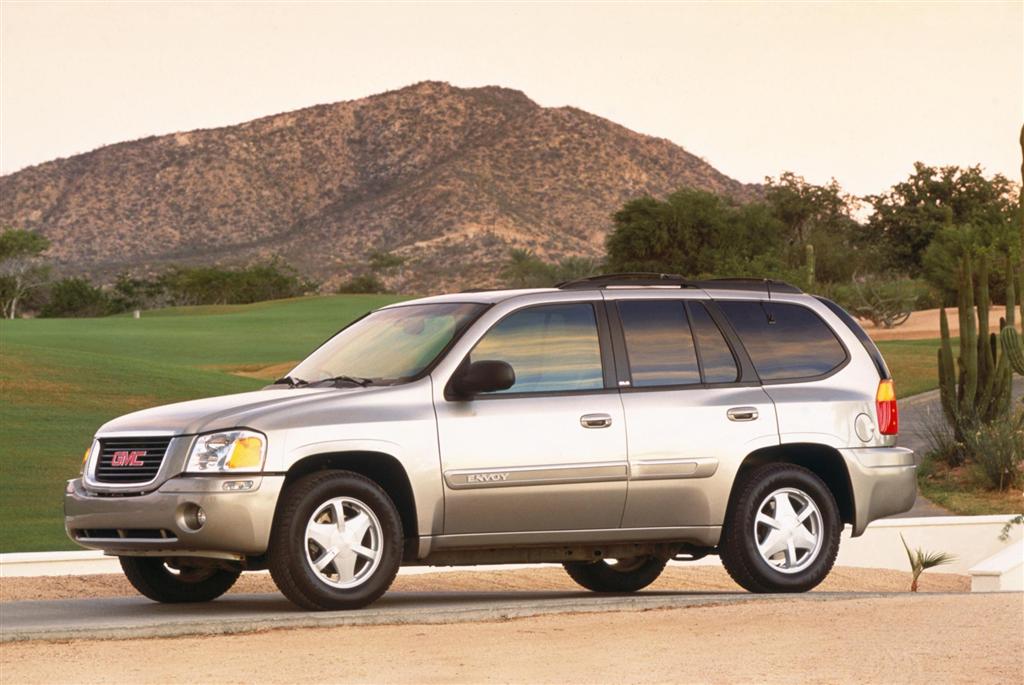
Working in sync with traction technology was the Envoy XL’s braking system. The model came with anti-lock brakes (ABS), which prevented the wheels from locking during panic stops.
ABS shortens stopping distance on certain surfaces and allows the driver to steer while applying full brakes, a situation where older systems might simply slide forward.
Together, traction control and ABS created a stronger layer of prevention rather than just relying on reaction.
These systems provided safer starts and safer stops, exactly the circumstances where families need assurance the most. Whether driving children to school or heading on a road trip, this dependable response mattered on every journey.
5. Rollover Protection Built for SUVs
Rollover risks are more prominent in SUVs than cars, largely due to taller ride height. GMC addressed this straightforward concern in the Envoy XL with measures specifically intended to protect families from rollover impacts.
First came preventative technology such as stability control and strong suspension geometry, which reduced the chance of a rollover even starting. But protection extended further to include structural reinforcements and safety restraint systems.
During testing and design, engineers took into account how the weight distribution of the SUV could affect cornering at higher speeds or abrupt maneuvers.
Special suspension tuning gave the Envoy XL more composure compared to some competitors, limiting excessive body lean. Reduced lean improves balance, which directly reduces rollover risk.
However, if the SUV did roll, families were safeguarded by its reinforced roof design and curtain airbags. The curtain airbags, when deployed, created a cushion barrier along the windows to minimize harmful contact.
The structural roof reinforcements provided better survivable space inside the cabin. Too often, roof crush becomes a severe issue in taller vehicles. By reinforcing weak points, GMC improved safety confidence for drivers carrying passengers in the third row.
Children, especially, benefit from such layered protections since they are more vulnerable to injury in these scenarios. The thoughtful balance between prevention and survival ensured that the SUV carried much stronger assurances than simple size alone.
For families concerned about real-world accident types, this level of rollover awareness stood out as a central reason to trust the Envoy XL.
6. Child Safety Anchors and Restraints
Families understandably place major emphasis on how child passengers are secured, and the GMC Envoy XL delivered well in this department.
The model included LATCH (Lower Anchors and Tethers for Children) system mounts, which gave an easier, standardized way to install child seats.
Instead of relying solely on seatbelt tightening, LATCH brackets allowed parents to attach car seats more firmly and consistently, reducing the chance of improper installation.
The LATCH system in the Envoy XL covered both second-row and select third-row seating positions. This meant that whether a family had infants in rear-facing seats or older toddlers in forward boosters, there were reliable anchor points integrated into the cabin.
Parents no longer had to stress about angled seatbelt pulls or seat movement during braking since the mounting anchors created a stable foundation.
Seatbelt pretensioners also came in as an added layer of protection. These automatically tightened upon airbag deployment or sudden deceleration, keeping both children and adults securely restrained against their seats.
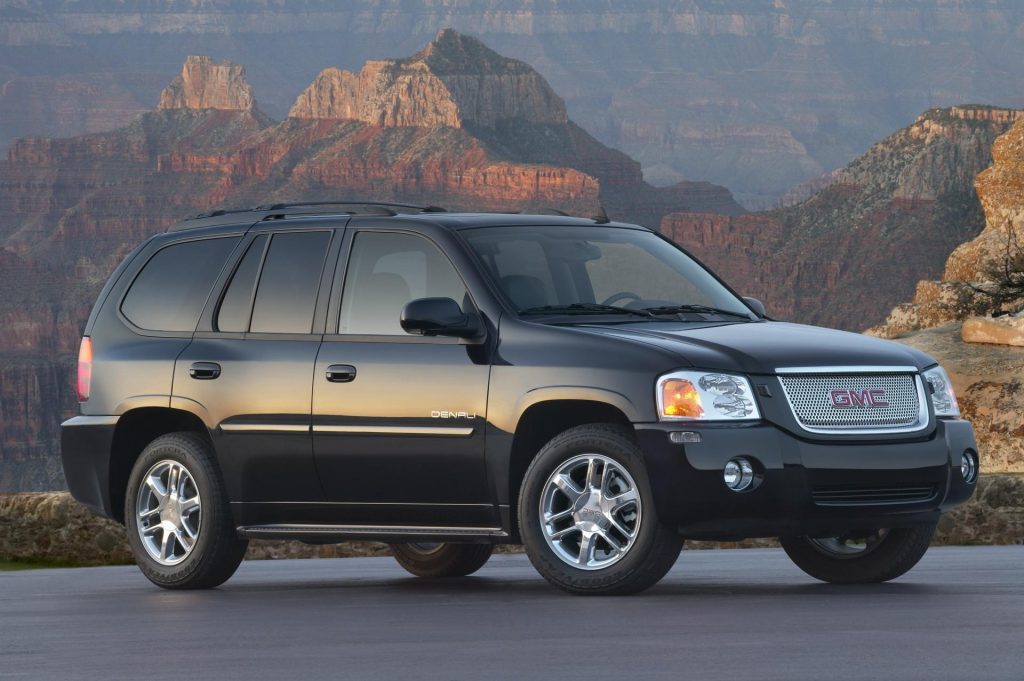
Combined with load limiters, which keep belts from exerting too much chest pressure, the result was better weight distribution across the torso during impact.
This thoughtful approach to restraints shows how even in older models like the Envoy XL, manufacturers understood the importance of properly securing the most vulnerable passengers.
With multiple car seat installation opportunities and features designed to ensure restraint systems worked at peak efficiency, the SUV reinforced its reputation as a family-first option.
7. Tire Pressure Monitoring System
Tires are the only part of a vehicle consistently touching the road, yet many accidents occur due to underinflated or poorly maintained tires. GMC addressed this risk with the inclusion of a tire pressure monitoring system (TPMS) in the Envoy XL.
This system kept an electronic eye on all four tires. If any of them fell below a safe threshold of air pressure, it would alert the driver through dashboard signals.
This precaution mattered because underinflated tires are prone to blowouts, poor braking performance, and much longer stopping distances.
With a fully loaded SUV carrying children, luggage, and possibly towing weight, healthy tires were an absolute requirement for safety. The TPMS feature reduced guesswork for drivers, ensuring they stayed aware of unseen risks.
In addition to warning about low pressure, this constant monitoring promoted better fuel efficiency.
Proper inflation reduces rolling resistance, making trips smoother and extending tire life. Families who logged thousands of miles every year benefited not only from increased performance but also from reduced maintenance surprises.
Safety always comes down to predictability, and the TPMS in the Envoy XL was a subtle yet powerful contributor. Unlike visible airbags or obvious steel structures, it worked quietly in the background, only speaking up when trouble was brewing.
This invisible layer of guardianship gave drivers the information necessary to act quickly. As a result, road outings became more secure for the entire family through something as simple, but crucial, as healthier tires.
8. Visibility and Lighting Enhancements
Driving at night or in adverse weather requires more than just driver attentiveness. Vehicles themselves play a large part in visibility, both in how far the driver can see and how well other motorists can notice the SUV.
The GMC Envoy XL offered families strong reassurance by providing clear, powerful headlamps and well-positioned fog lights that improved illumination during difficult conditions.
The brighter projection provided a wider light spread across highways and city streets. This allowed safer navigation during darkness while shortening reaction times for spotting obstacles or pedestrians.
In poor weather, such as heavy rain or fog, added fog lamps offered a low, broad beam that cut through mist without reflecting glare back to the driver.
Another aspect was the vehicle’s overall height advantage. Being slightly taller than a car, the Envoy XL naturally provided drivers with a broader view across traffic.
This commanding seating position improved awareness, reducing blind spots and giving parents a readiness advantage in crowded roads or lane changes.
Backup safety was boosted with a reflector design in the rear lamps as well. Brighter rear signal indicators helped other drivers stay more aware of sudden stops or turns.
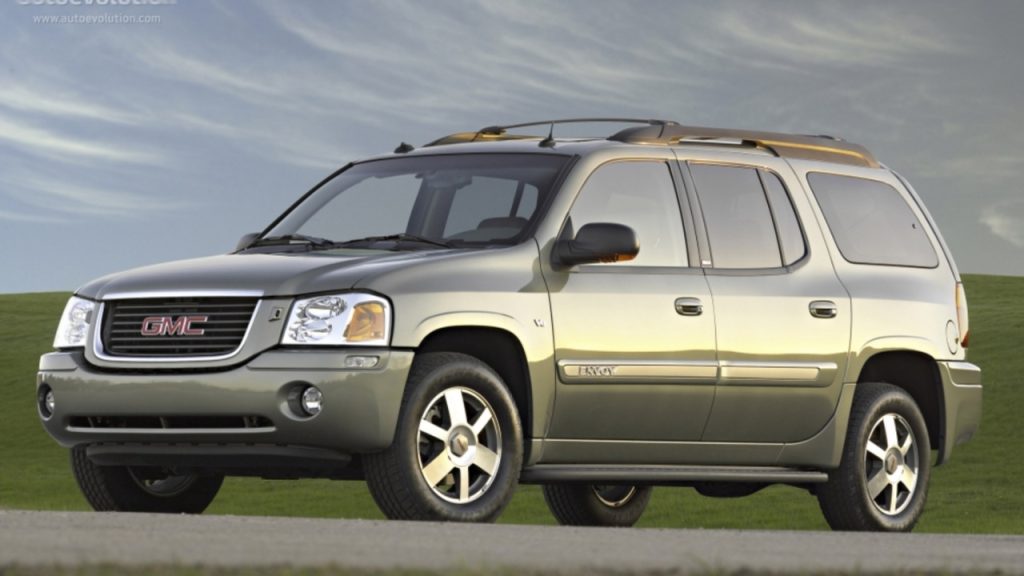
For a family moving around busy city streets or reversing in residential areas, the assurance of good visibility both ways counted heavily.
Combined together, these lighting and sightline advantages translated to fewer risks of missed hazards. Families could depend on always having a clearer view, whether during late-night trips home or while tackling stormy drives on open highways.
9. Dependable Suspension and Handling Confidence
A vehicle’s handling directly connects to its ability to prevent accidents. With the Envoy XL, GMC aimed for a suspension that balanced tough SUV load-carrying ability with stable handling characteristics. This balance mattered to families who prioritized smooth travel and steady responses.
The suspension setup included independent front suspension and a carefully tuned rear geometry, both designed to reduce unwanted body movement during turns.
Combined with wide track dimensions, the SUV resisted swaying too much and gave drivers more precise control. An SUV that wobbles excessively at higher speeds can cause inexperienced drivers to overcorrect, but the Envoy XL worked to reduce such risks.
The benefit stretched beyond highway curves. In city driving, where potholes, uneven pavement, and sudden stops occur regularly, the suspension soaked up disturbances without sacrificing too much steering accuracy.
Comfort was obviously a benefit, but more importantly it kept tires in consistent contact with the road. A tire that maintains grip maximizes braking force, meaning safety margins increase substantially.
For parents, confidence comes from predictability. A vehicle that behaves consistently lets them focus more on traffic conditions instead of correcting the SUV’s own shortcomings. The GMC Envoy XL structured itself with this practicality in mind.
It might not have been marketed as a sports SUV, but its combination of suspension durability, balanced weight distribution, and handling predictability reinforced its safety promises to families.
10. Trusted Crash Test Ratings and Reputation
Finally, no discussion of safety is complete without mentioning crash test scores and real-world reliability.
The GMC Envoy XL received competent ratings in government crash assessments during its production years, which assured buyers that its engineering decisions translated into measurable safety in controlled tests. While not the absolute leader in all segments, it consistently performed solidly for an SUV of its era.
In addition, the Envoy XL benefitted from GMC’s broader commitment to durability. Families appreciated that important systems like the brakes, structure, safety restraints, and airbags held up well even as the vehicle aged.
A family SUV is often kept longer than smaller cars, serving household needs for a decade or more. The Envoy XL’s sturdy build and consistent safety performance made it a trustworthy option in this long-term role.
Parental confidence also stemmed from the vehicle’s reputation among real drivers. The larger dimensions, safety packages, and well-tested systems were strengths highlighted by many owners.
Reliability and safety often overlap in importance because a dependable vehicle reduces the chances of accidents caused by breakdowns or malfunctions.
Ultimately, strong crash test performance, reinforced with years of steady reliability feedback, sealed the Envoy XL’s position as a safety-conscious choice.
Deciding on a family SUV requires faith in both designed safety features and their long-term dependability, and in this respect, the Envoy XL answered concerns effectively. Families could trust that safety claims were validated by testing and backed by years of user satisfaction with the SUV.
Safety is more than a single feature; it is a collection of thoughtful measures that together form a protective bubble around families. The GMC Envoy XL illustrated this approach with engineering that balanced prevention, survival, and comfort.
Every element served a specific purpose: the structural design absorbed crash impacts, airbags covered multiple seating positions, stability and traction technology kept accidents from escalating, rollover features protected taller dimensions, and special child-focused anchors secured the youngest passengers properly.
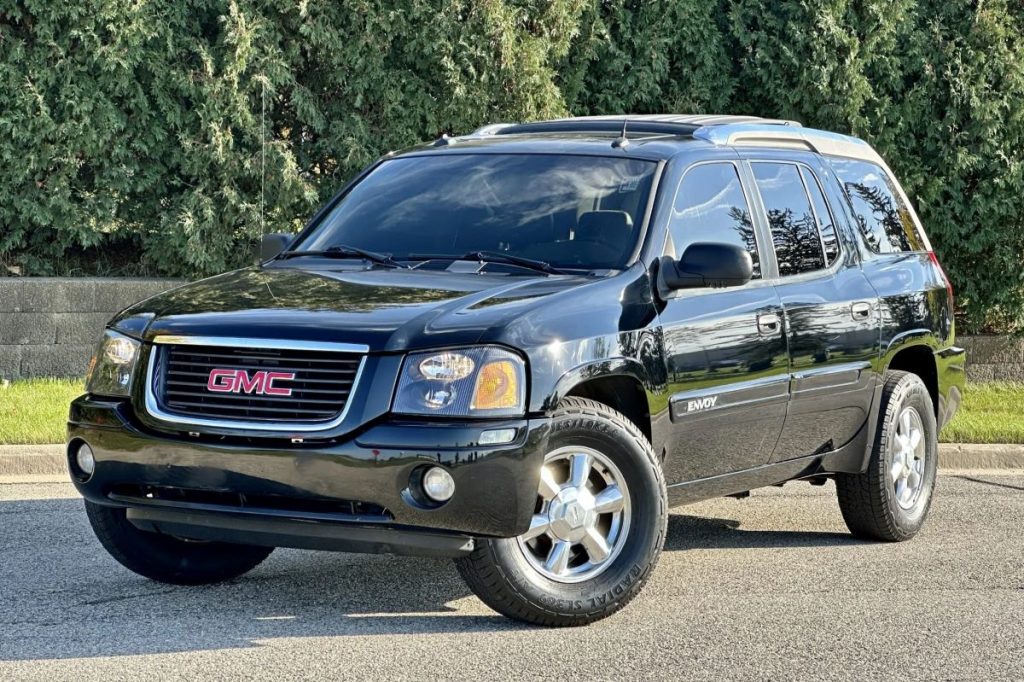
Even features that might feel small, like the tire pressure monitoring alert or a well-placed fog lamp, ultimately contributed to family security, since prevention is about removing as many risks as possible.
These measures, put together in a large SUV platform, gave parents assurance that the vehicle was designed with their responsibilities in mind.
The Envoy XL may no longer be a modern model rolling out of showrooms, yet its family-safety engineering makes it a remembered option for drivers who demanded confidence.
It demonstrated that automakers had already started combining size with smarter protective systems before many rivals embraced them as fully as they should.
Families often weigh comfort, cargo room, and efficiency, but in practice, safety is the foundation. Without this assurance, other conveniences lose importance.
Vehicles like the Envoy XL remind us that a properly designed SUV can deliver both comfort and strong protection, serving its role as a trusted family guardian on the road.
Also Read: 10 Things That Keep a GMC Yukon Safe Past 300,000 Miles
