
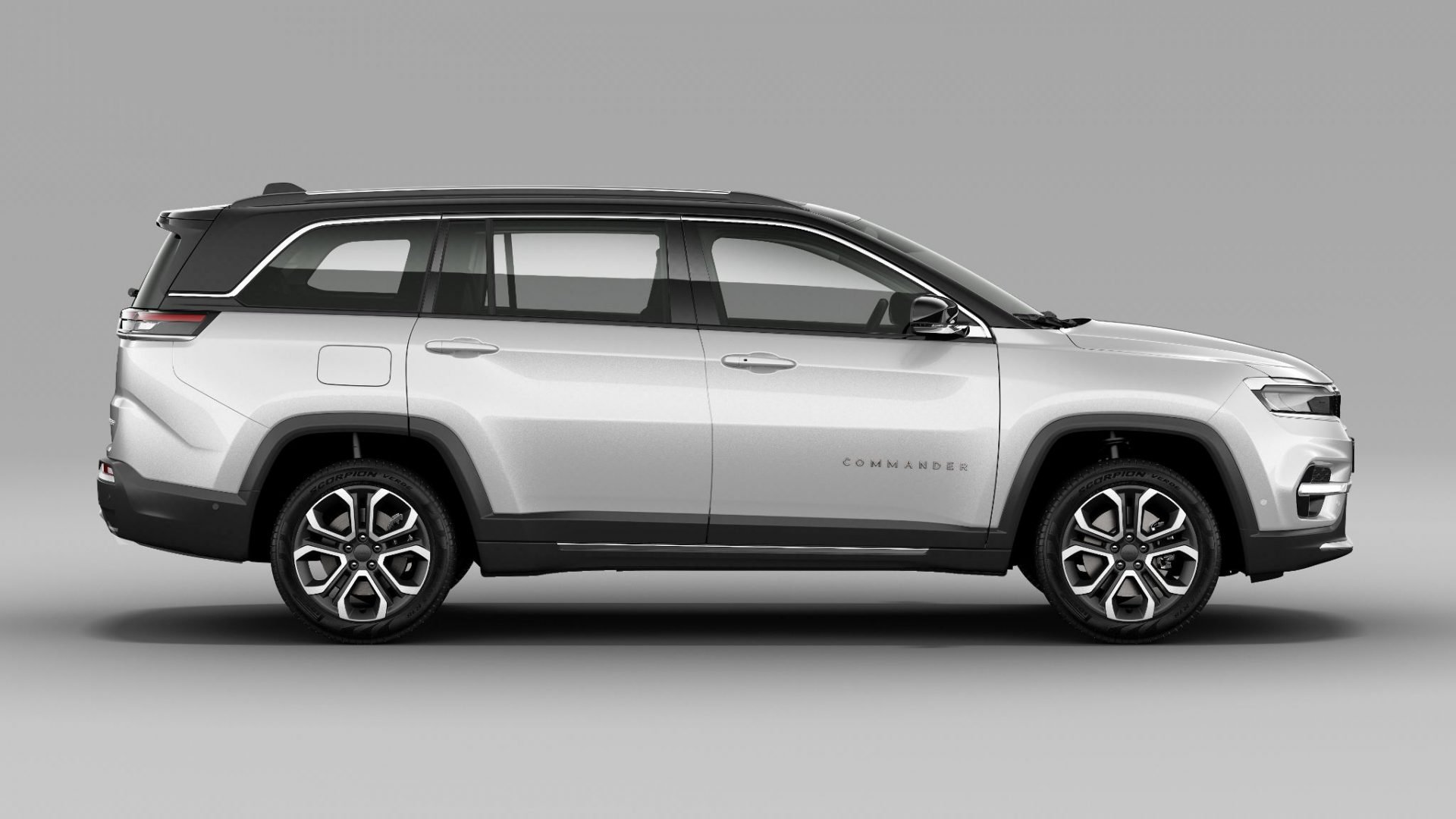
When it comes to owning a Jeep Commander, few things matter as much as how well it holds its value over time. Known for its rugged design, powerful presence, and practical features, the Commander has built a loyal following among SUV enthusiasts.
However, resale value is something that can fluctuate greatly depending on how the vehicle has been treated, maintained, and presented.
For many owners, resale is not just about getting rid of an old car; it is about maximising the investment they made in it. Unfortunately, certain mistakes can reduce its market worth, often more than people realize.
Many potential buyers place a high priority on condition, service history, and appearance before sealing a deal. Simple things, such as worn-out interiors, poorly maintained mechanical parts, or ignoring minor issues, can deter buyers who might otherwise pay a reasonable price.
Since resale largely depends on first impressions and trust, owners need to be aware of the factors that can diminish demand. It is often small oversights, such as neglecting regular maintenance or skipping cosmetic repairs, that cause the biggest reductions in price.
On the flip side, avoiding these mistakes can significantly protect the value of a Jeep Commander. With the right care and decisions, owners can command higher offers and shorten the time it takes to sell their SUV.
This guide highlights the most common errors that hurt resale value and provides insight into why they matter. If you are planning to sell your Jeep Commander, understanding these points can help you maximize its price and ensure buyers see the value in what you are offering.
Also Read: 5 Subaru BRZ Years Worth Buying vs 5 That Aren’t
Mistake 1: Ignoring Regular Maintenance
One of the fastest ways to harm resale value is neglecting routine vehicle maintenance. A Jeep Commander, like any SUV, requires consistent care to keep its engine, transmission, and suspension in top condition.
Skipping regular oil changes, fluid replacements, and scheduled inspections leads to bigger problems in the long run. Even if the vehicle continues running without major issues for a while, potential buyers will treat a spotty service record as a serious red flag.
Buyers want reassurance that the car they’re investing in has been cared for. A clean record with proof of maintenance builds trust. On the other hand, missing receipts or visible neglect such as worn-out brakes, uneven tire wear, or dirty fluids, suggest future repair costs.
Since used buyers typically consider both the current condition and what repairs may be needed soon, a poorly kept Commander can lose thousands in value.
It’s not just mechanical components that suffer. Regular maintenance also covers smaller details like tire rotations, filter changes, and brake pad replacements.
Each skipped step slowly erodes the car’s reliability. When the time comes to sell, a well-documented history of timely care goes a long way. Owners thinking of resale should prioritize scheduled servicing at trusted workshops and keep all records organized.
In the used vehicle market, confidence matters as much as performance, and a properly maintained Jeep speaks for itself.
Mistake 2: Overlooking Exterior Appearance
First impressions are powerful, and buyers often judge a vehicle based on its exterior condition before even starting the engine. A Jeep Commander that looks worn down, scratched, or faded can quickly lose buyer interest, even if its engine runs perfectly.
Many sellers underestimate just how important the “curb appeal” factor is when dealing with resale value.
Paint damage, rust spots, dented panels, or even cloudy headlights can make the vehicle appear older than it really is. Potential buyers see these cosmetic issues as signs of neglect, and they often assume there could be hidden mechanical problems as well.
Something as small as faded badges or cracked trim pieces can push a buyer toward another option that looks cleaner and better maintained. For SUVs like the Commander, where appearance contributes to its rugged identity, exterior presentation holds major weight.
Owners can preserve value by tackling cosmetic upkeep early. Simple steps like waxing, polishing, and prompt scratch repair keep the paintwork in good shape.
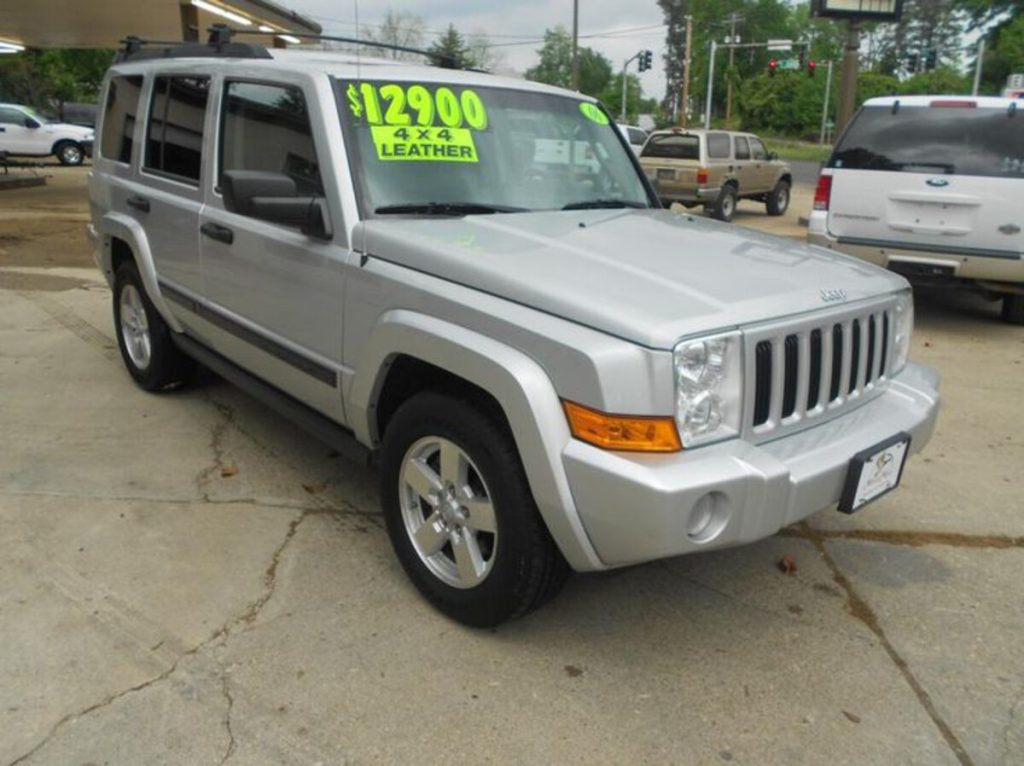
Addressing dents or rust before they spread also saves long-term repair costs. Even replacing wiper blades, keeping the glass spotless, and refreshing the wheels can leave a strong impression.
When it comes time to advertise, photographs showcasing a polished and damage-free SUV will attract more buyers and justify a better asking price.
Ultimately, buyers associate exterior condition with care and responsibility. If the Jeep looks like it’s been treated well on the outside, they’re far more likely to believe the rest of the vehicle has been looked after too.
Mistake 3: Ignoring Interior Wear and Tear
A vehicle’s interior is where buyers will spend most of their time, which makes condition inside the cabin just as important as performance under the hood.
A Jeep Commander with a heavily worn or dirty interior immediately loses appeal, regardless of how capable it is on the road. Stains on seats, worn-out upholstery, broken switches, or a lingering odor can cause prospective buyers to back out.
Many owners assume that interior wear is a given with age and overlook its effect on value. However, buyers don’t want to inherit a cabin that feels neglected. A clean, comfortable interior signals care, while a rough one communicates disregard.
Even elements like cracked dashboards, faded trim, or malfunctioning electronics (radio, climate controls, power windows) make the SUV feel dated and poorly preserved.
Addressing these issues doesn’t require luxury-level refurbishing. Investing in seat covers or reupholstery, deep cleaning carpets, conditioning leather, or fixing small electrical issues can transform how the Commander feels. Air freshening and detailing are inexpensive ways to eliminate odors that might otherwise ruin first impressions.
During resale, buyers will inspect the interior closely, often long after they’ve seen the exterior. If everything looks fresh and functional inside, they’re more likely to pay a premium. On the other hand, a shabby cabin forces sellers to accept low offers.
Since interior condition is something that buyers cannot ignore or hide from, it becomes a decisive factor in setting the resale price.
Mistake 4: Neglecting Documentation and Service Records
A Jeep Commander without a proper service history is a harder sell. Buyers want proof that major and minor maintenance tasks have been carried out consistently.
Missing receipts, incomplete logbooks, or excuses about lost paperwork make buyers nervous. They know that repairs could have been skipped, corners cut, or problems ignored. Without documented evidence, they assume the worst.
Service records act as a trust-building tool. A thick file of receipts showing oil changes, tire replacements, inspections, and major repair work shows the vehicle has been properly managed.
The more detailed the history, the easier it is to justify a higher asking price. Buyers are far more willing to pay extra for a car when they can clearly see the investment that’s gone into keeping it reliable.
Failure to maintain records often forces sellers into accepting lower offers. Even if genuine maintenance was performed, the lack of documentation reduces confidence, which in turn reduces value.
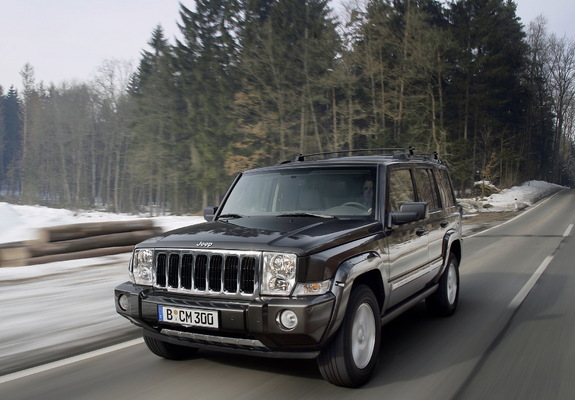
This mistake is common because owners rarely consider resale when they first buy the SUV. Yet, keeping a neat folder or digital record from day one pays off considerably when it comes time to sell.
For Jeep Commander owners, even storing invoices digitally or scanning receipts can help avoid missing paper slips over the years. Organized documentation tells buyers the vehicle has been responsibly owned and lowers the perceived risk of hidden issues.
In resale, trust directly influences value, and service history is one of the strongest tools for earning it.
Mistake 5: Excessive Modifications
While personalization is appealing to many owners, excessive modifications can drastically reduce resale value.
A Jeep Commander fitted with oversized rims, loud exhaust systems, lifted suspensions, or aftermarket lighting might suit the owner’s style, but it often narrows the buyer pool. Most buyers prefer vehicles as close to factory specification as possible because they view modifications as unnecessary risks.
Custom parts may change performance, push components under added stress, or even affect fuel efficiency. Buyers worry about long-term reliability when faced with altered vehicles.
Insurance can also become more complicated with modified SUVs, further reducing interest. Even cosmetic alterations like tinted headlights or heavy decals may make the vehicle harder to resell.
While some tasteful upgrades, like quality tires or improved infotainment systems, can enhance appeal, major alterations are often seen as liabilities.
This mistake is amplified when modifications are poorly executed or when the vehicle no longer complies with regulations. A buyer faced with the potential of having to reverse these changes will reduce their offer significantly.
Owners aiming to preserve value should think carefully about modifications. Simple and reversible upgrades are safer, whereas aggressive or permanent alterations should be avoided if resale is a goal.
For the Commander, where buyers are often looking for reliability and practicality, maintaining a mostly original condition is key. Keeping modifications to a minimum ensures wider appeal and a better price when the time comes to sell.
Mistake 6: Not Fixing Warning Signs Early
A check engine light, strange rattling sounds, or delayed gear shifts are warning signs that should never be ignored. Yet many Jeep Commander owners continue driving despite small symptoms, hoping they won’t lead to bigger repairs. Unfortunately, this not only worsens the problem but also drives down resale value significantly.
Experienced buyers can spot trouble quickly. If they see warning lights during a test drive or notice odd noises, they’ll either walk away or deeply lower their bids.
Even if owners promise the issue is minor, potential buyers won’t take chances. Resale pricing is already competitive, and visible mechanical concerns can cut thousands off the asking price.
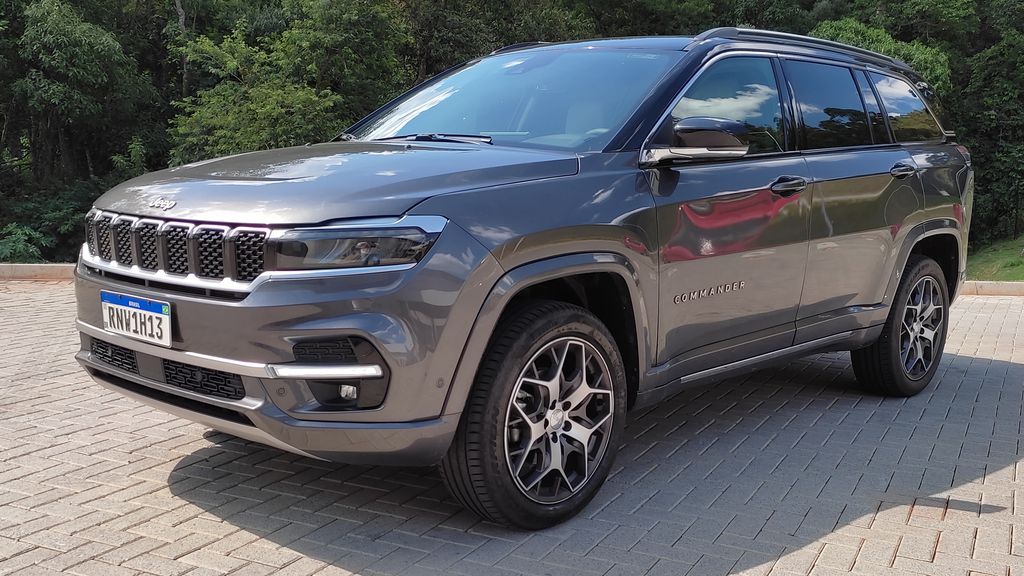
Minor issues like worn belts, small leaks, or weak battery performance are inexpensive to fix if handled early. Left untreated, they become major repair projects that turn into deal-breakers. Buyers also use visible issues as negotiation leverage, dropping offers by much more than the repair would have actually cost.
For owners looking to sell, having the Commander inspected and addressing faults ahead of time is essential. Presenting a mechanically sound SUV makes it easier to justify premium pricing and draws in confident buyers.
Even a small investment in fixing problems before listing the vehicle can yield far greater returns at resale. Ignoring red flags not only hurts reliability but also chips away at credibility, leaving sellers with far less bargaining power.
Mistake 7: High Mileage Without Condition Care
Mileage naturally affects resale value, and a Jeep Commander with higher mileage will generally command lower offers than a lightly used one. However, the key factor is not just the number on the odometer, but how well the SUV has been cared for throughout its life.
A high-mileage Commander that shows strong service records, smooth driving feel, and no major defects will still attract buyers. In contrast, an SUV with the same mileage but worn suspension, weak brakes, or poor alignment will be devalued heavily.
Buyers associate condition with the way the vehicle has been treated, and mileage simply highlights how much wear could have occurred.
The mistake many owners make is ignoring the small maintenance jobs once the vehicle crosses a high-mile threshold. They assume buyers won’t value it much anyway, so they stop investing in upkeep. This is a costly decision, because high-mileage vehicles in great condition often surprise buyers and sell for more than expected.
Maintaining tire tread, replacing worn bushings, and ensuring smooth steering and suspension feel all reduce the stigma of higher mileage. Detailed service records showing these efforts further reassure buyers.
Mileage will always play a role in resale, but condition can balance the equation. Owners who understand this are able to protect their Commander’s value much better than those who give up on upkeep once the odometer climbs.
Mistake 8: Poor Quality Repairs or Accident History
Another mistake that drains resale value is relying on cheap or unprofessional repair work. A Jeep Commander that has been involved in an accident or received noticeable body repairs will instantly trigger caution among buyers.
What makes it worse is when the repair work is visibly of poor quality. Uneven paint, misaligned panels, or low-cost replacement parts can create an impression that the vehicle has deeper underlying issues.
Even minor accidents, if not fixed professionally, reduce resale potential. Buyers often bring mechanics to inspect used cars, and flaws in repair work are usually spotted easily.
Once discovered, these details lead to either lower offers or buyers walking away entirely. In the used vehicle market, perception matters as much as reality, and visible evidence of poor repairs cuts into trust.
Owners should avoid cutting corners when repairs are necessary. Choosing certified mechanics, ensuring proper paint-matching, and using quality parts helps maintain long-term value. Attempting to save money in the short run with patchy work often backfires during resale.
Accident history itself can never be fully erased, but if the vehicle shows signs of careful repair and feels mechanically sound, it still stands a better chance.
Proper documentation of accident-related fixes reassures buyers about the level of care taken. Failing to address repair quality properly only makes the Jeep Commander far less appealing, regardless of its price tag.
Mistake 9: Lacking Proper Cleaning and Presentation Before Sale
Even after ensuring the Jeep Commander is mechanically healthy and cosmetically maintained, one final mistake many owners make is failing to prepare the SUV for presentation before listing it for sale.
Showing an unwashed, cluttered, or unorganized vehicle sends the wrong message instantly and significantly reduces buyer interest.
Cleanliness reflects care. A spotless vehicle suggests years of responsible ownership, while an untidy one sparks doubt. Dirty carpets, fingerprints on glass, food wrappers in storage spaces, or dust under seats all make buyers question how the SUV has been treated.
Even the smell inside the cabin influences decisions, with unpleasant odors leading potential buyers to think less of the vehicle.
Presentation extends beyond just cleaning. Well-lit photographs for online listings, a neatly arranged interior, and organized documentation influence buyer psychology.
When everything is presented neatly, buyers feel reassured and more willing to negotiate fairly. In contrast, a poorly presented Commander encourages bargain hunters who see an opportunity to lower the offer price sharply.
Investing a little time in professional detailing, vacuuming, polishing, and deodorizing makes a huge impact. For sellers looking to get the best price, presentation is the final step that often decides whether a deal succeeds or stalls.
Failing to prepare the vehicle for viewing is one of the simplest yet most damaging mistakes to avoid.
The resale value of a Jeep Commander depends on far more than its model year or mileage. Buyers evaluate vehicles based on condition, appearance, maintenance history, and presentation, which means small mistakes by owners can have a major impact on the final price. Protecting value requires consistent care, attention to detail, and sound decision-making.
One of the most damaging errors is neglecting routine maintenance. Skipping oil changes, delaying fluid replacements, or ignoring tire rotations makes the vehicle less reliable and reduces buyer confidence.
A documented service history reassures buyers that the SUV has been properly cared for, while missing records push them to lower their offers.
Exterior condition plays a huge role in first impressions. Dents, scratches, rust, or faded paint make the Commander look older and less desirable.
Buyers often assume that visible neglect on the outside means there could be hidden issues inside. Similarly, the interior must be inviting. Worn upholstery, unpleasant odors, or malfunctioning electronics all discourage buyers and reduce bidding flexibility.
Documentation is another key area. Without service records, buyers assume major tasks have been skipped. Even if owners truly maintained the SUV well, the lack of proof results in suspicion.
Excessive modifications are another drain on resale value. While a few tasteful upgrades may be acceptable, oversized or poorly executed customizations often shrink the potential buyer pool, since many people want factory-original condition.
Mechanical warning signs also damage value when ignored. A check engine light or unusual noises indicate risks, and buyers use these issues to negotiate sharply lower prices.
High mileage is naturally expected on older Commanders, but condition matters more. A high-mileage vehicle in excellent care will often sell better than a low-mileage one with neglect.
Accident history and poor-quality repairs are also large deterrents. Uneven paint, misaligned panels, or cheap parts instantly lower trust, even when the SUV drives well. Buyers want to see professional repair quality and reliable documentation.
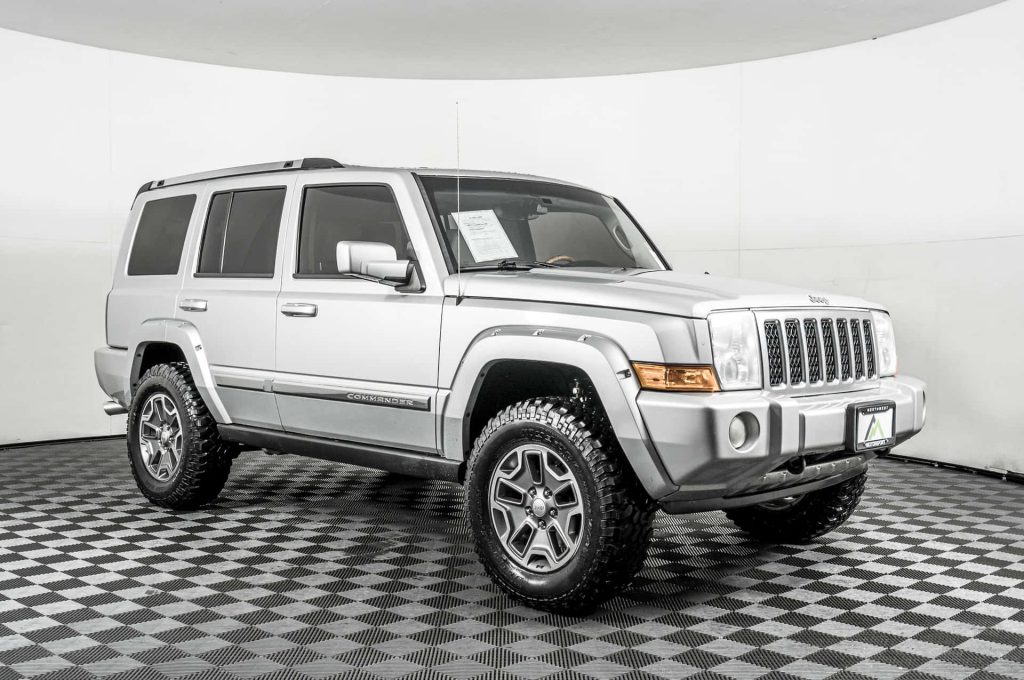
Finally, presentation before sale has a surprisingly strong effect. An unwashed or messy vehicle makes a negative impression, while a clean and well-detailed Commander signals care and responsibility.
These nine mistakes show that resale value is not fixed but shaped by how owners treat their SUV. Buyers are influenced by presentation, proof of reliability, and perceived care over the lifespan of the vehicle.
Avoiding neglect, keeping documentation intact, investing in proper repair work, and preparing the Commander for viewings can make thousands of dollars’ difference in the resale process.
Ultimately, resale depends on trust. Cars with solid records, strong condition, and professional presentation appear less risky and command stronger prices.
For Jeep Commander owners, avoiding these mistakes means their SUV remains desirable and competitive in the used market, ensuring they get the return they deserve from their investment.
Also Read: 10 Things That Keep a GMC Yukon Safe Past 300,000 Miles
